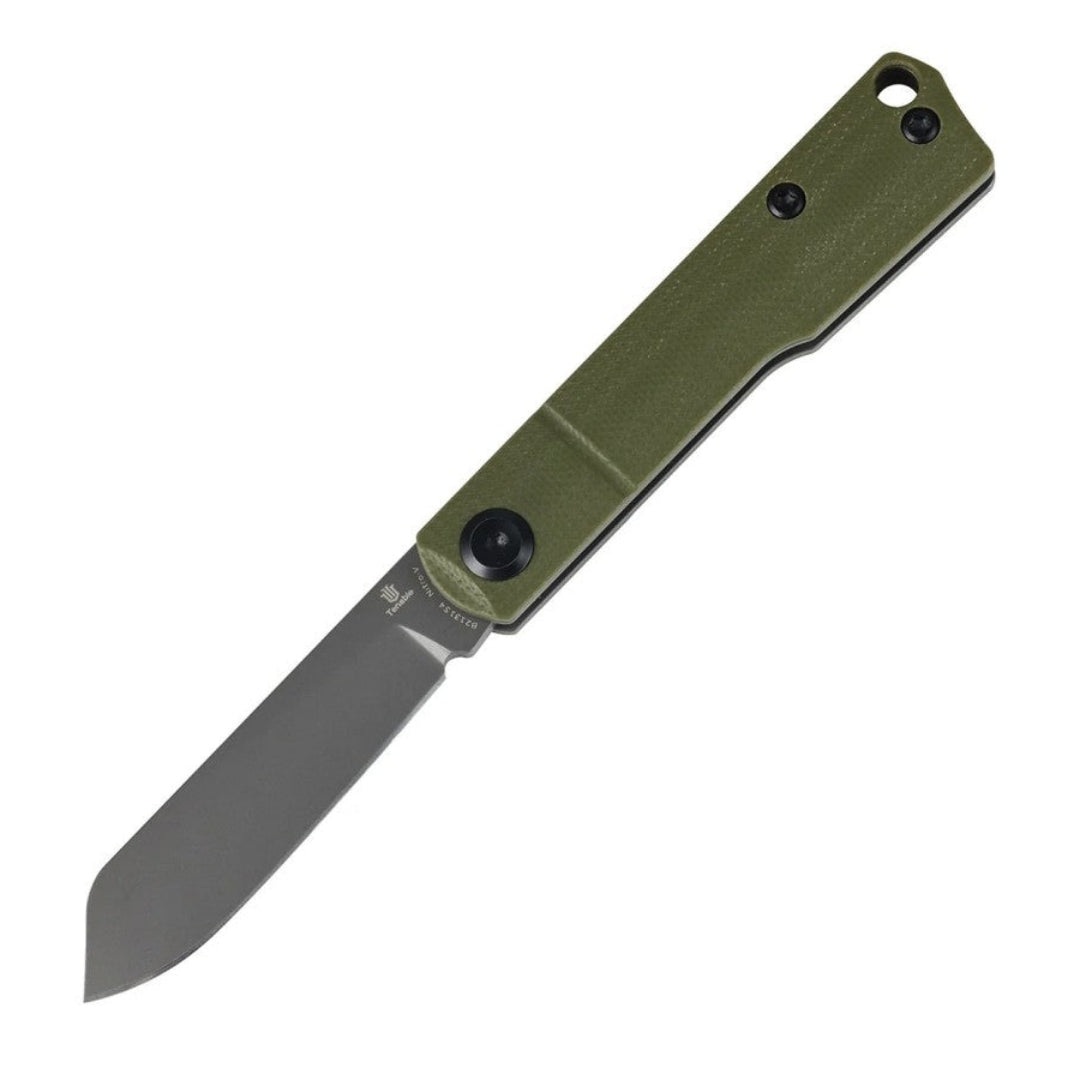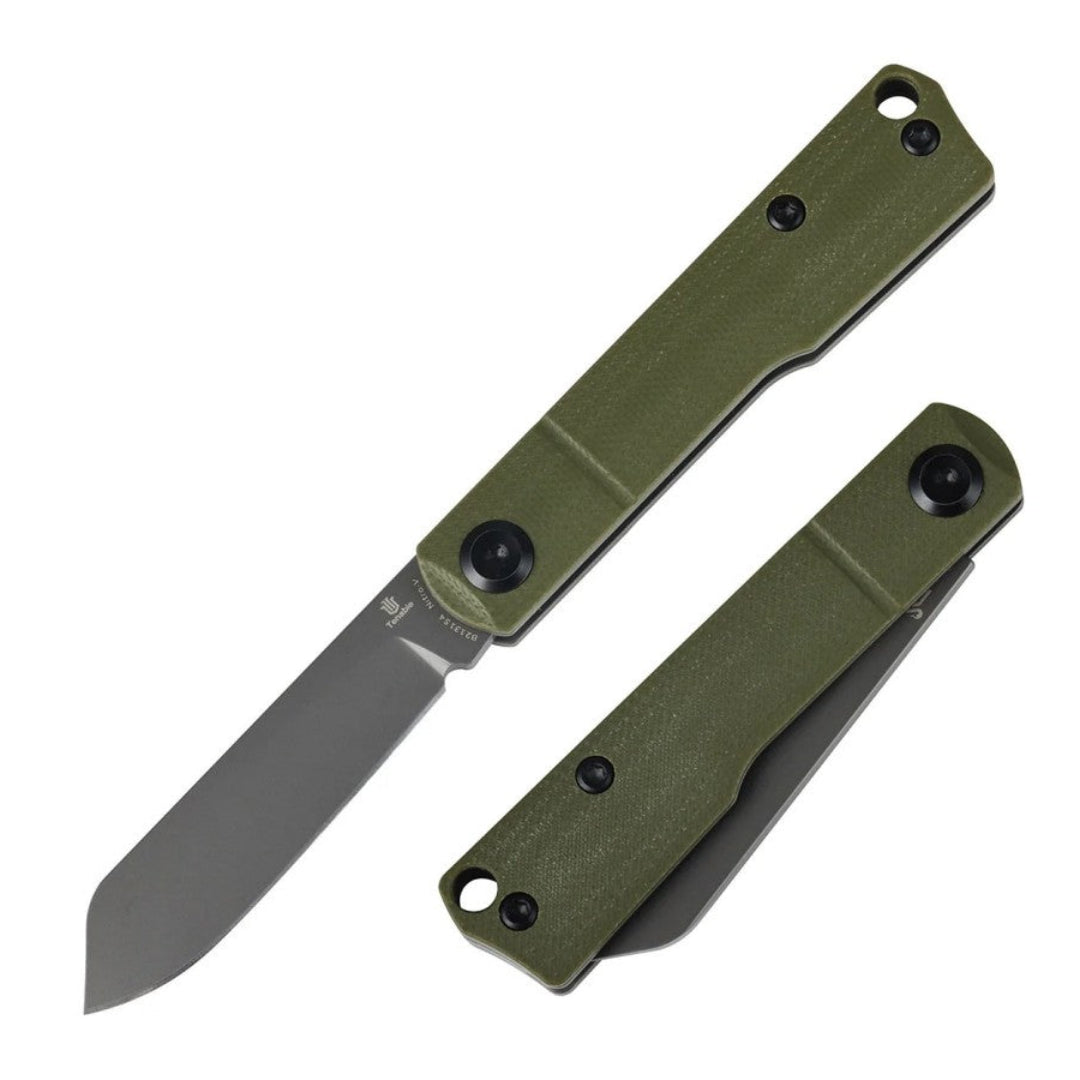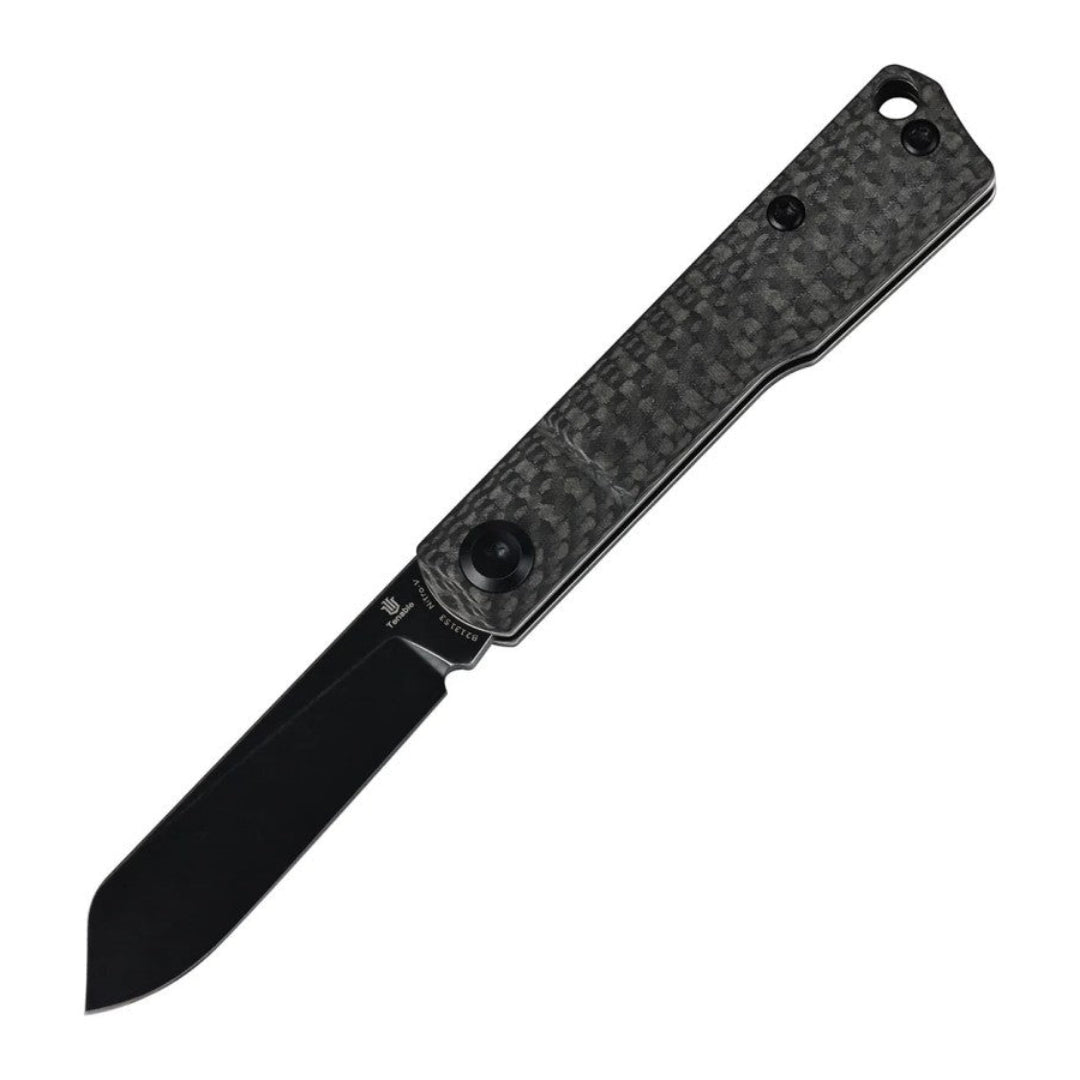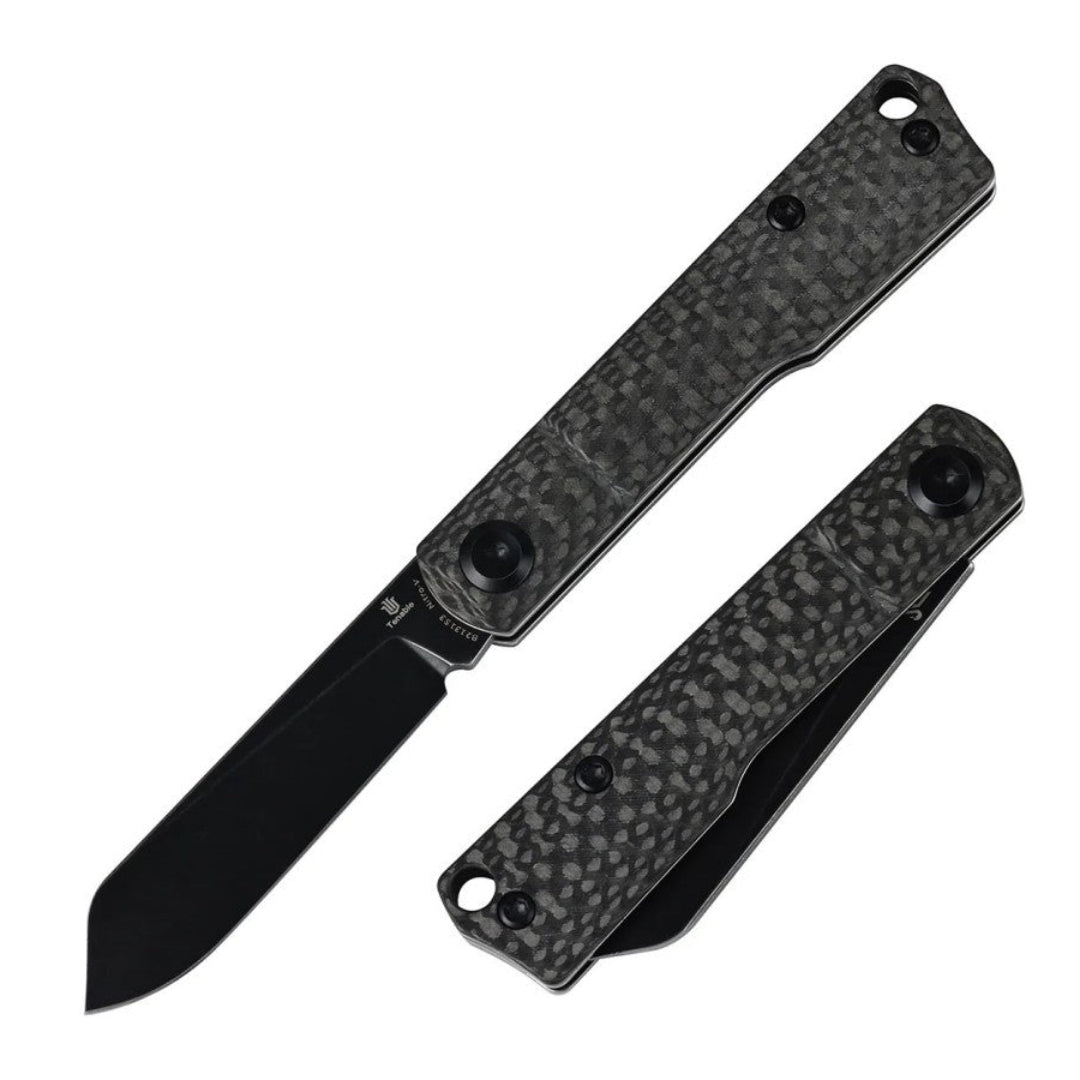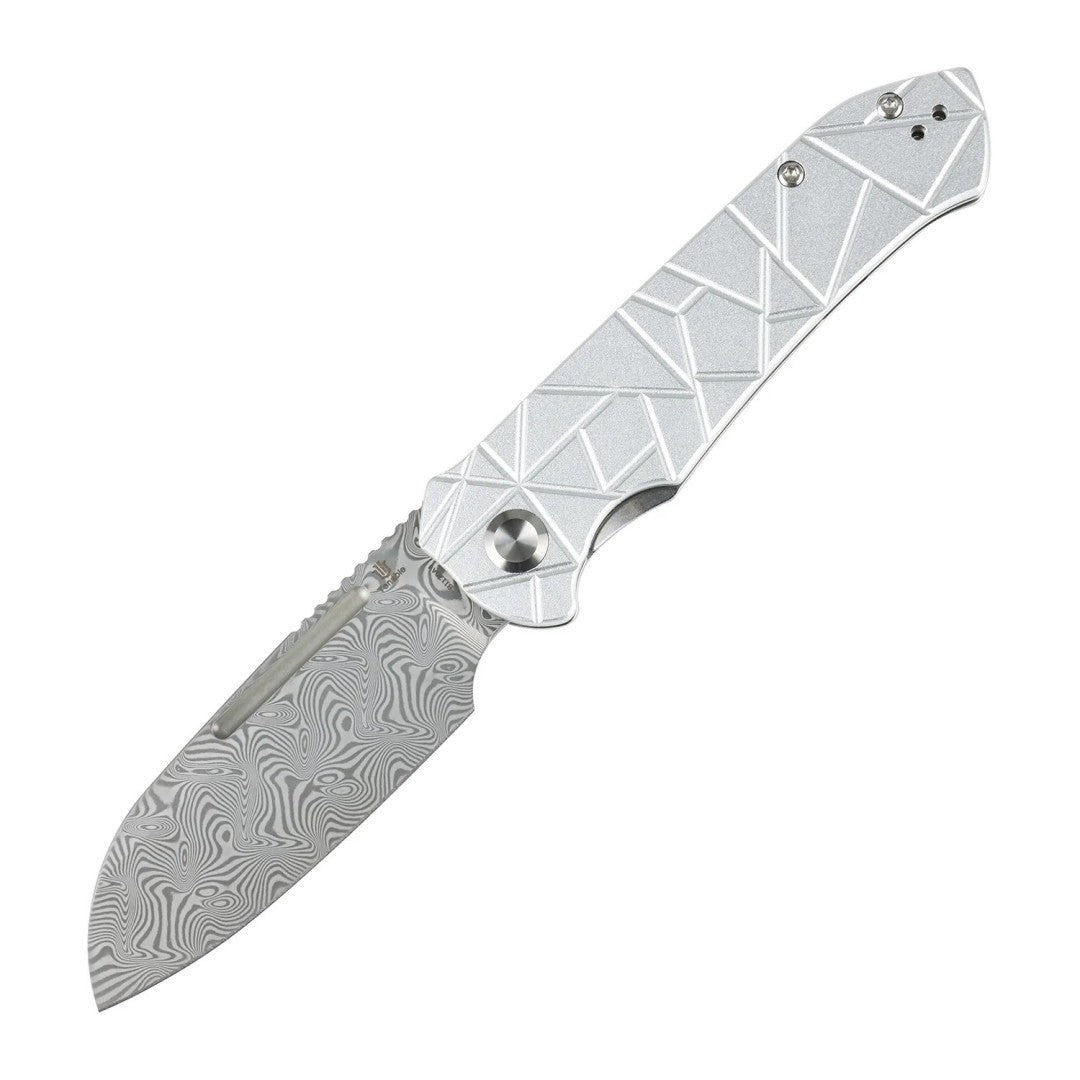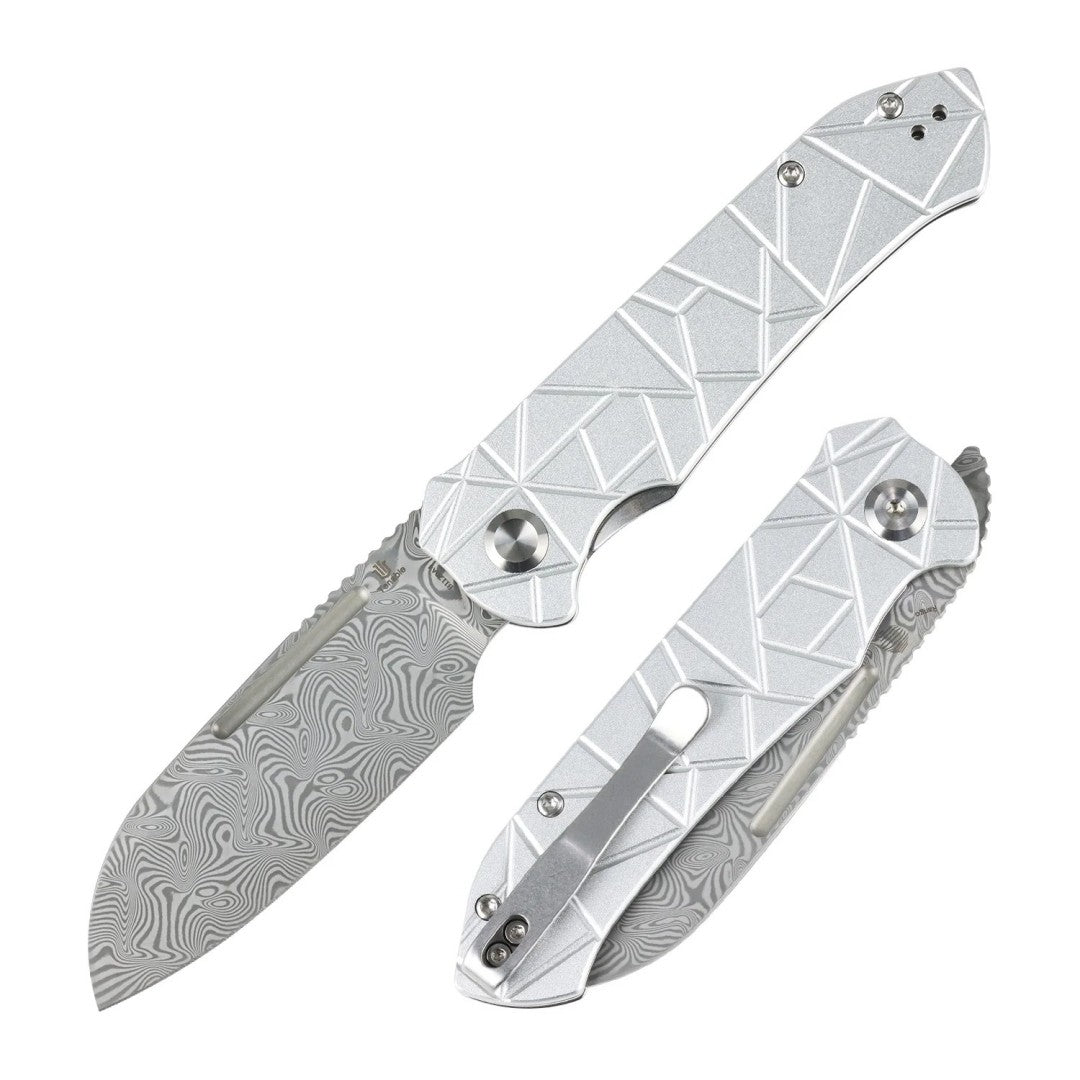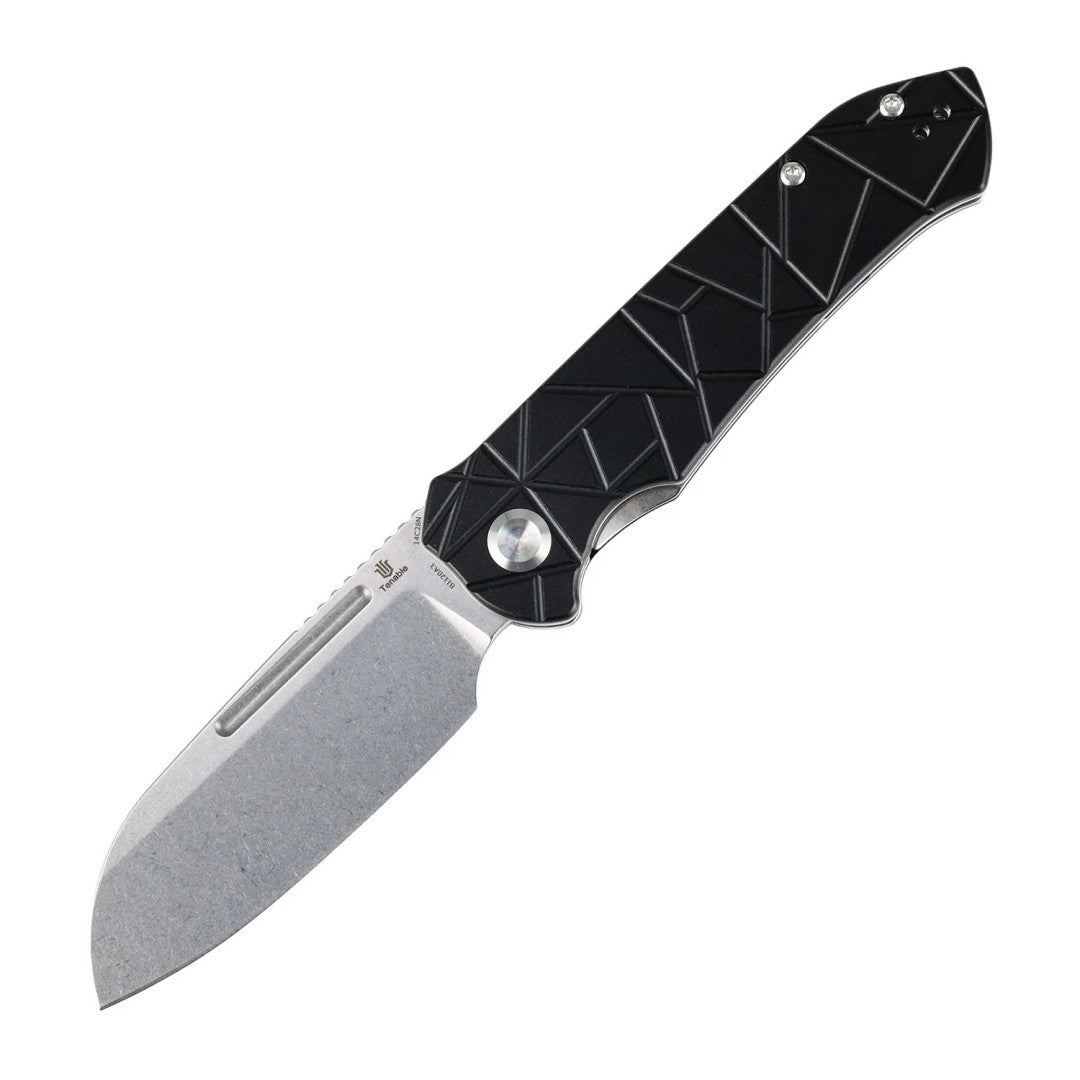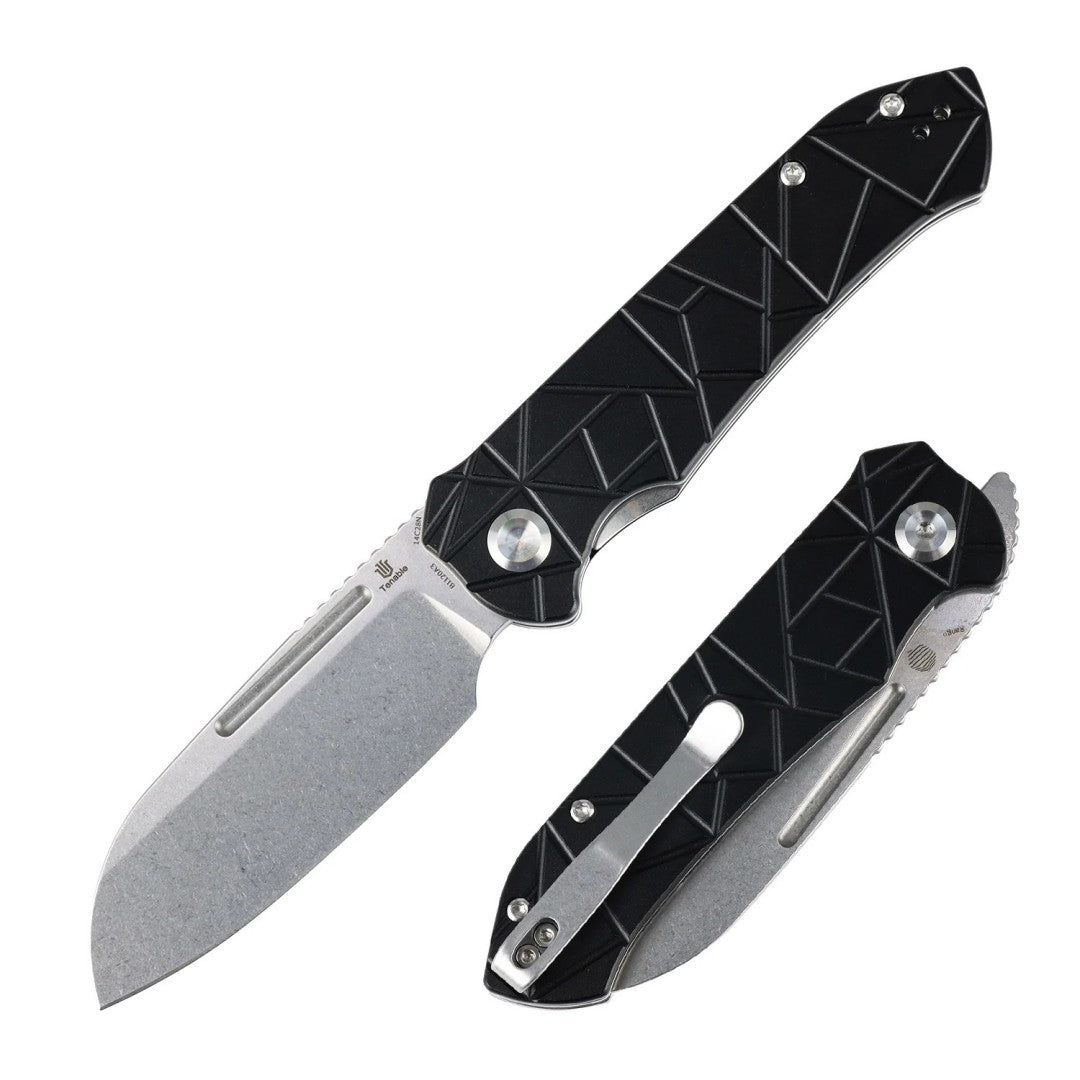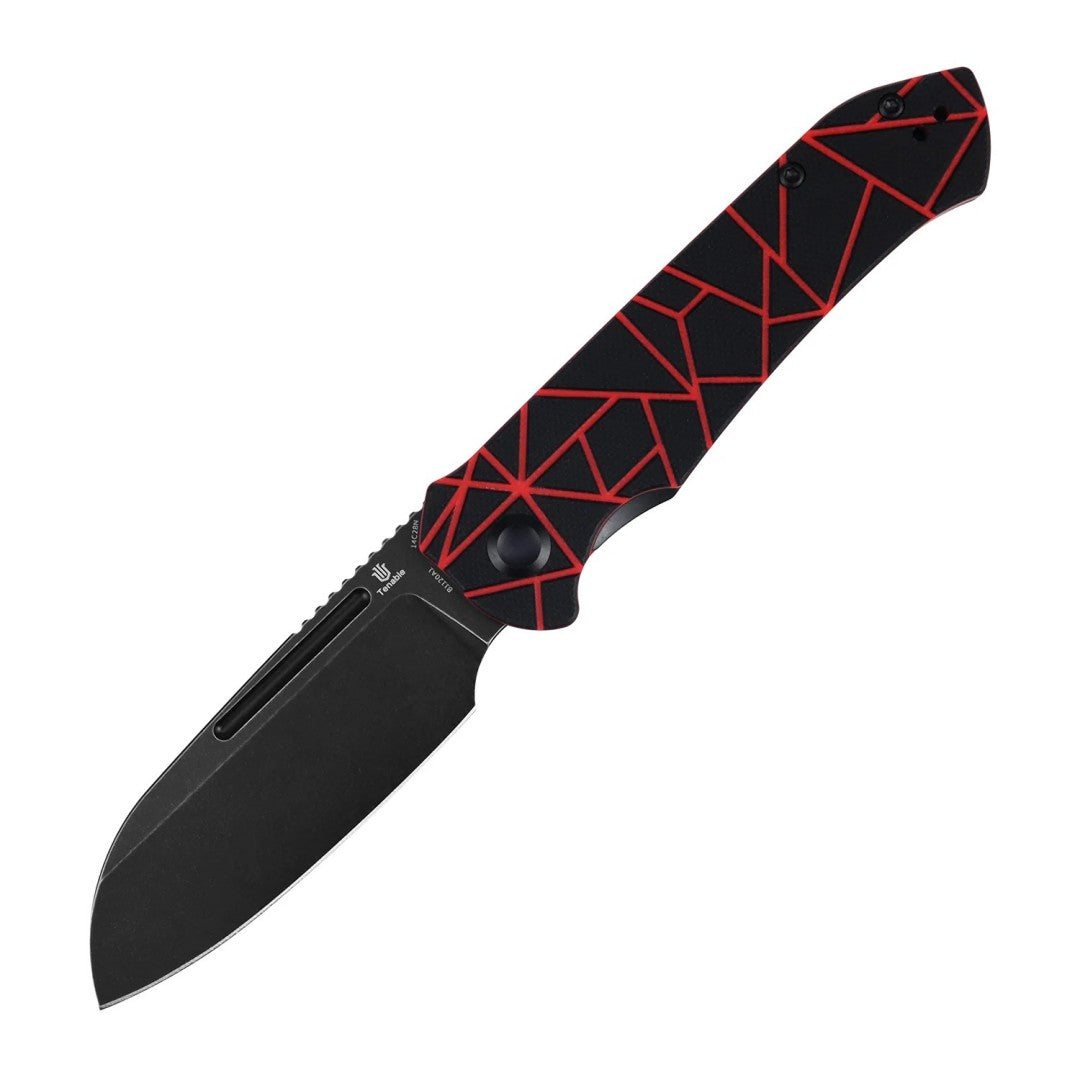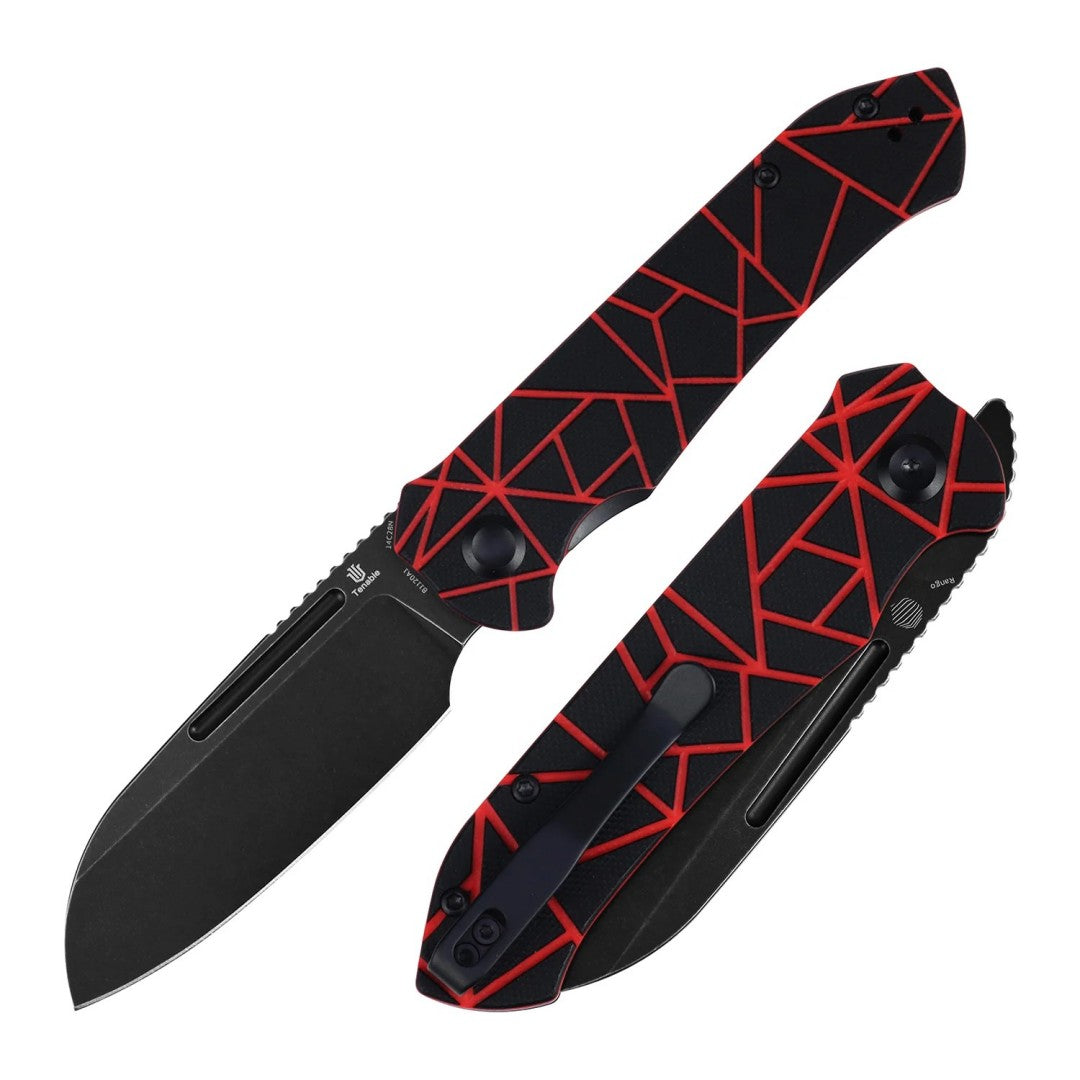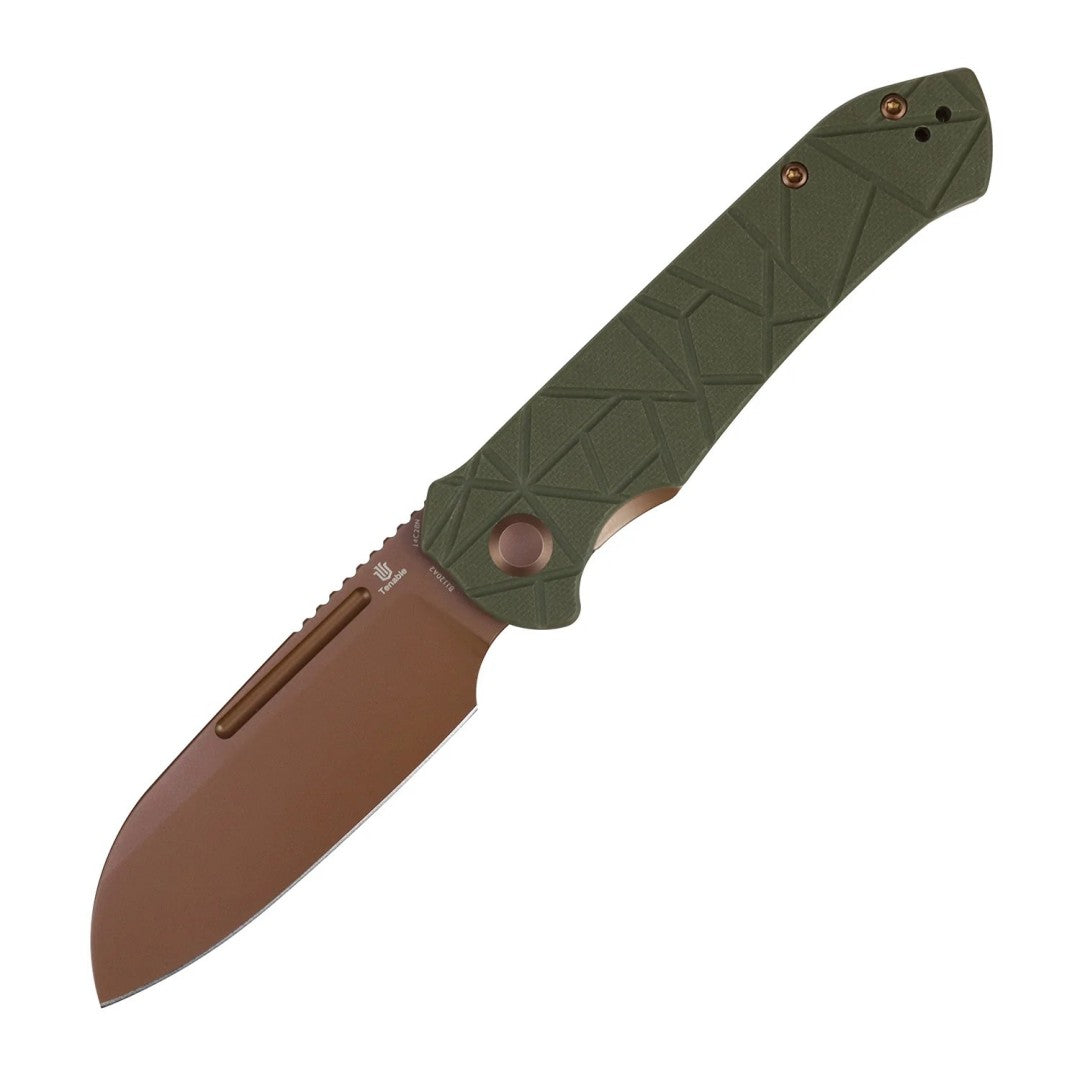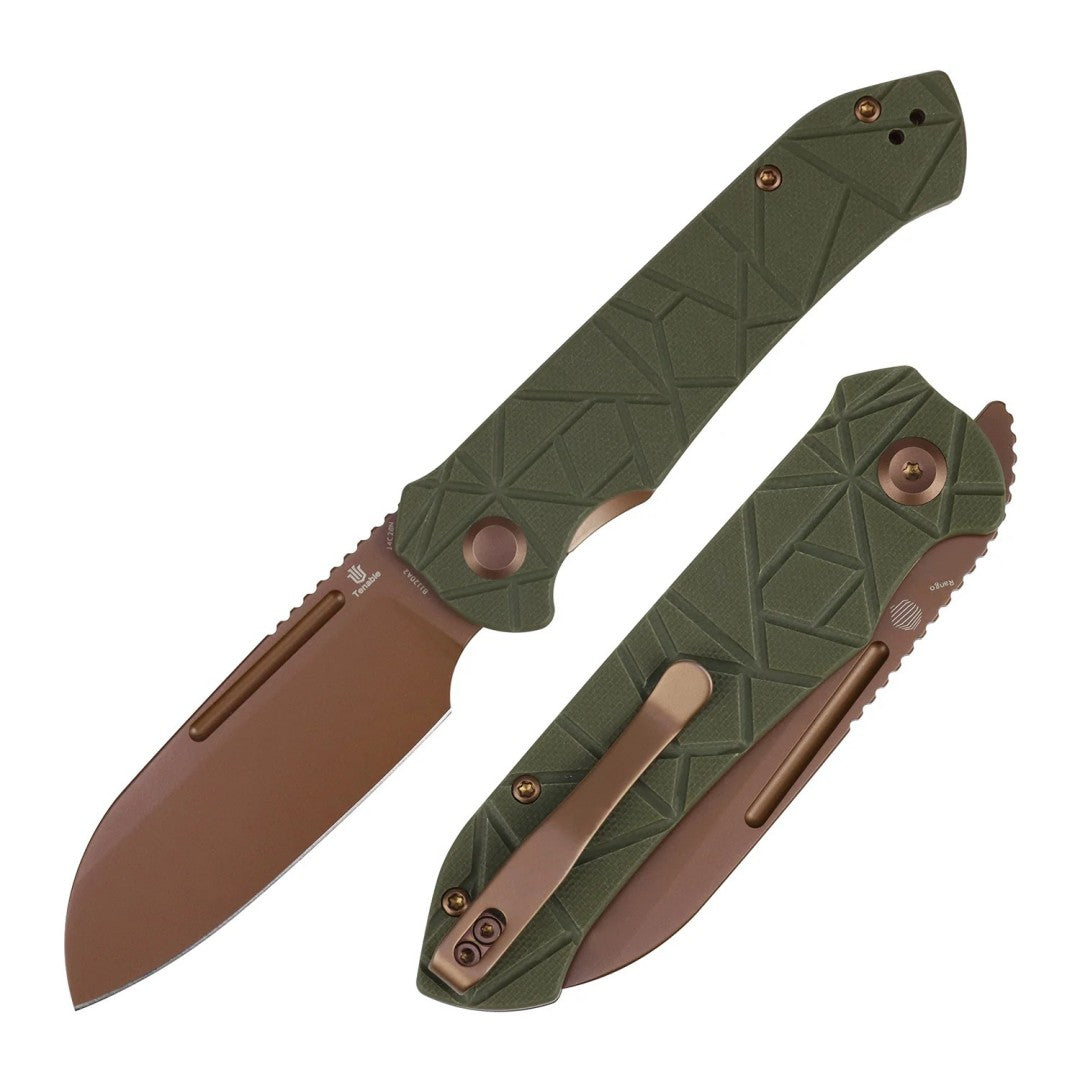
The performance of any everyday cutting tool ultimately rests on the chemical composition and thermal treatment of its blade steel. When examining the Bestech Nyrrdreki, its bold dragon-inspired silhouette immediately captures attention, but the true foundation of its cutting excellence lies beneath the surface. Built to handle demanding tasks in a modern EDC lifestyle, this compact cleaver relies on advanced powder-metallurgy engineering to deliver extraordinary edge retention, corrosion defense, and structural reliability.
 The Chemical Architecture of Third-Generation Powder Metallurgy
Austrian steel manufacturer Böhler developed Microclean M390 to meet the extreme demands of industrial tooling and high-wear processing equipment. Translating this technology into pocket cutlery provides cutting advantages that standard ingot-poured alloys cannot replicate. The alloy is produced via third-generation gas atomization, spraying molten steel into microscopic droplets that solidify instantly to prevent large, brittle carbide clusters from forming.
| Elemental Component | Composition Percentage | Functional Benefit to Blade Performance |
| Carbon (C) | ~1.90% | Forms high-density hard carbides for extreme abrasive wear resistance |
| Chromium (Cr) | ~20.00% | Provides superior corrosion resistance and stainless protection |
| Vanadium (V) | ~4.00% | Produces ultra-hard vanadium carbides that extend working edge life |
| Molybdenum (Mo) | ~1.00% | Increases hardenability and enhances structural tensile strength |
| Tungsten (W) | ~0.60% | Refines grain structure and boosts hot-hardness stability |
| Silicon & Manganese | Balanced | Deoxidizes the melt and improves overall alloy toughness |
The fine distribution of vanadium and chromium carbides creates a microscopic matrix that resists abrasive wear while maintaining apex stability, ensuring the blade resists premature dulling during prolonged cutting sessions.
Vacuum Heat Treatment and Cryogenic Optimization
Achieving the full theoretical potential of high-alloy powder steel requires strict thermal discipline. Under the design direction of Dutch artist Fabian Hobbelen, manufacturing partner Bestech applies a vacuum heat treatment protocol paired with a deep cryogenic soak.
Structural Hardness Target
The blade is brought to an optimal hardness window of 60–61 HRC. This target balances edge longevity with core toughness, allowing the steel to withstand continuous slicing without developing the micro-fractures or chipping that can occur when high-carbide steels are pushed to extreme hardness levels.
Microstructural Transformation
The sub-zero cryogenic soak converts retained austenite into tough martensite, evenly precipitating secondary carbides throughout the steel matrix. This process results in a dense, uniform grain structure that supports an acute, hair-shaving apex under real-world utility loads.
 Slicing Dynamics: Hollow Grind Synergy
Premium super steel cannot achieve maximum efficiency if excessive blade thickness creates friction during deep cuts. On a compact folding knife built with a robust 0.16-inch (4.0 mm) blade stock, edge geometry plays a decisive role in cutting performance.
| Performance Characteristic | Engineering Implementation | Practical User Advantage |
| Primary Bevel Style | Deep Radius Hollow Grind | Drastically thins the cross-section behind the apex bevel |
| Apex Edge Angle | 18–20 Degrees Per Side (DPS) | Balances acute push-cutting keenness with structural edge support |
| Blade Profile | Modified Cleaver / Sheepsfoot | Delivers flat-surface utility draw cuts and continuous belly slicing |
| Spine Architecture | Crowned & Chamfered | Provides comfort when placing thumb pressure along the spine |
The steep hollow grind removes excess material behind the cutting bevel, preventing the blade from wedging or binding when slicing through thick cardboard, heavy plastics, fibrous rope, or dense packaging.
Steel Alloy Comparison Matrix
Comparing M390 against other widely used cutlery steels highlights why this composition remains a preferred choice for premium daily carry tools:
| Alloy Type | Production Method | Wear Resistance | Corrosion Defense | Toughness Profile | Ease of Field Maintenance |
| Böhler M390 | Powder Metallurgy | Exceptional | Superior | High | Moderate |
| CPM S35VN | Powder Metallurgy | High | High | Very High | Moderate |
| Nitro-V | Conventional Ingot | Moderate | High | Superior | Very Easy |
| D2 Tool Steel | Semi-Stainless Ingot | Moderate-High | Moderate | Moderate | Moderate-Difficult |
| 14C28N | Conventional Ingot | Moderate | High | Superior | Very Easy |
 Field Durability and Long-Term Maintenance
In everyday carry environments, the combination of M390 metallurgy and refined grind geometry delivers dependable cutting across diverse media:
-
Abrasive Breakdown: The hard vanadium carbides embedded across the cutting edge provide continuous micro-traction when breaking down corrugated boxes, dense packaging straps, and heavy leather.
-
Corrosion Immunity: The twenty percent chromium content forms a continuous passivation barrier, protecting the steel from humidity, acidic food acids, and pocket moisture.
-
Edge Realignment: Regular maintenance on a leather strop charged with 1.0-micron or 0.5-micron diamond paste easily realigns the microscopic apex, preserving factory-level sharpness without unnecessary steel removal.
-
Reprofiling and Honing: When full sharpening is eventually required, diamond or silicon carbide abrasives cleanly cut the vanadium carbides, restoring an acute edge with minimal burr formation.