

Overview & First Impressions
Falconry is a discipline built on leather, cord and patience. A falconer's day involves fitting jesses, splicing leash, repairing a hood, preparing quarry and maintaining the anklets that keep a bird safe on the fist. All of that calls for a small, very sharp knife used with precision near a nervous animal, which is a very different brief from the average working folder.
Materials & Construction
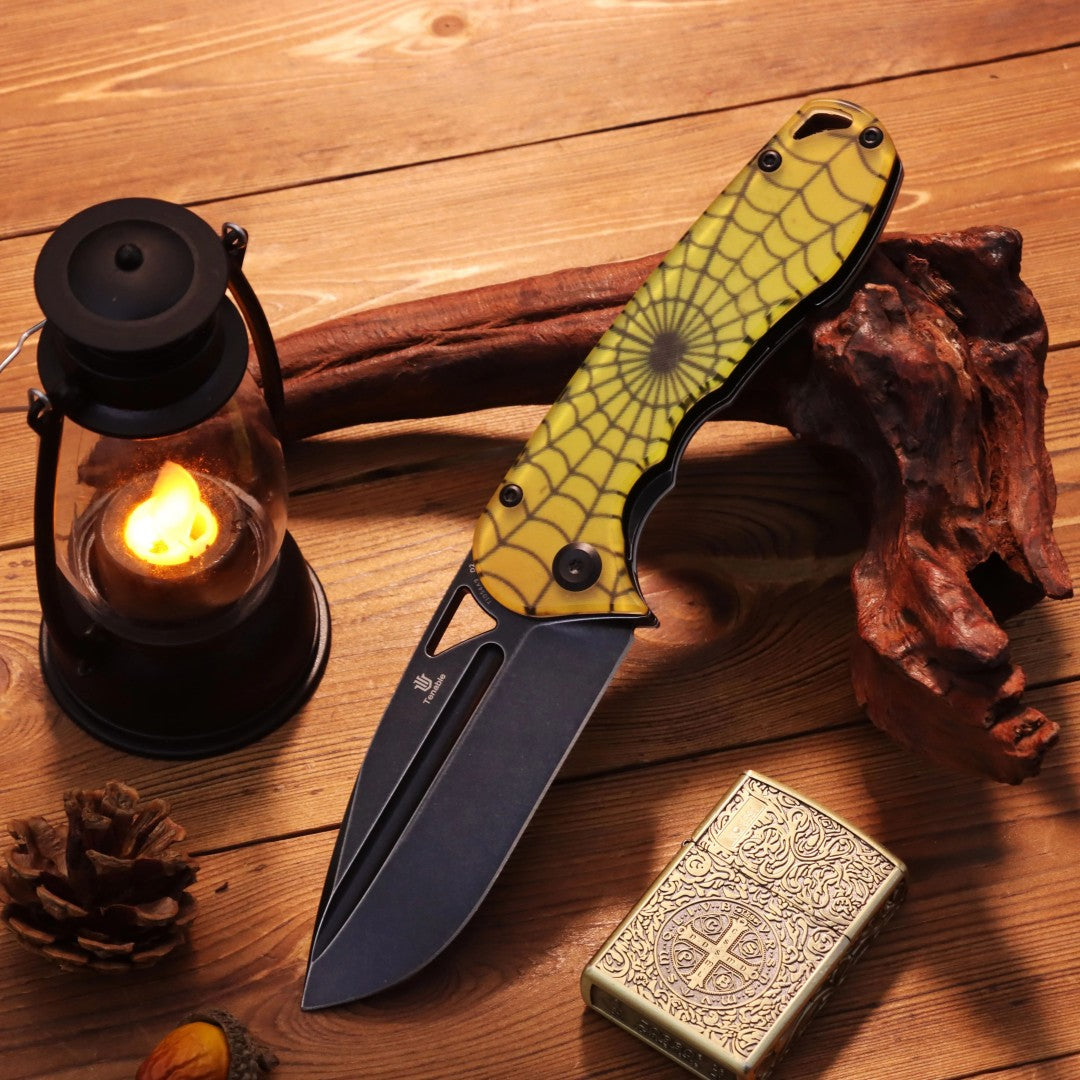
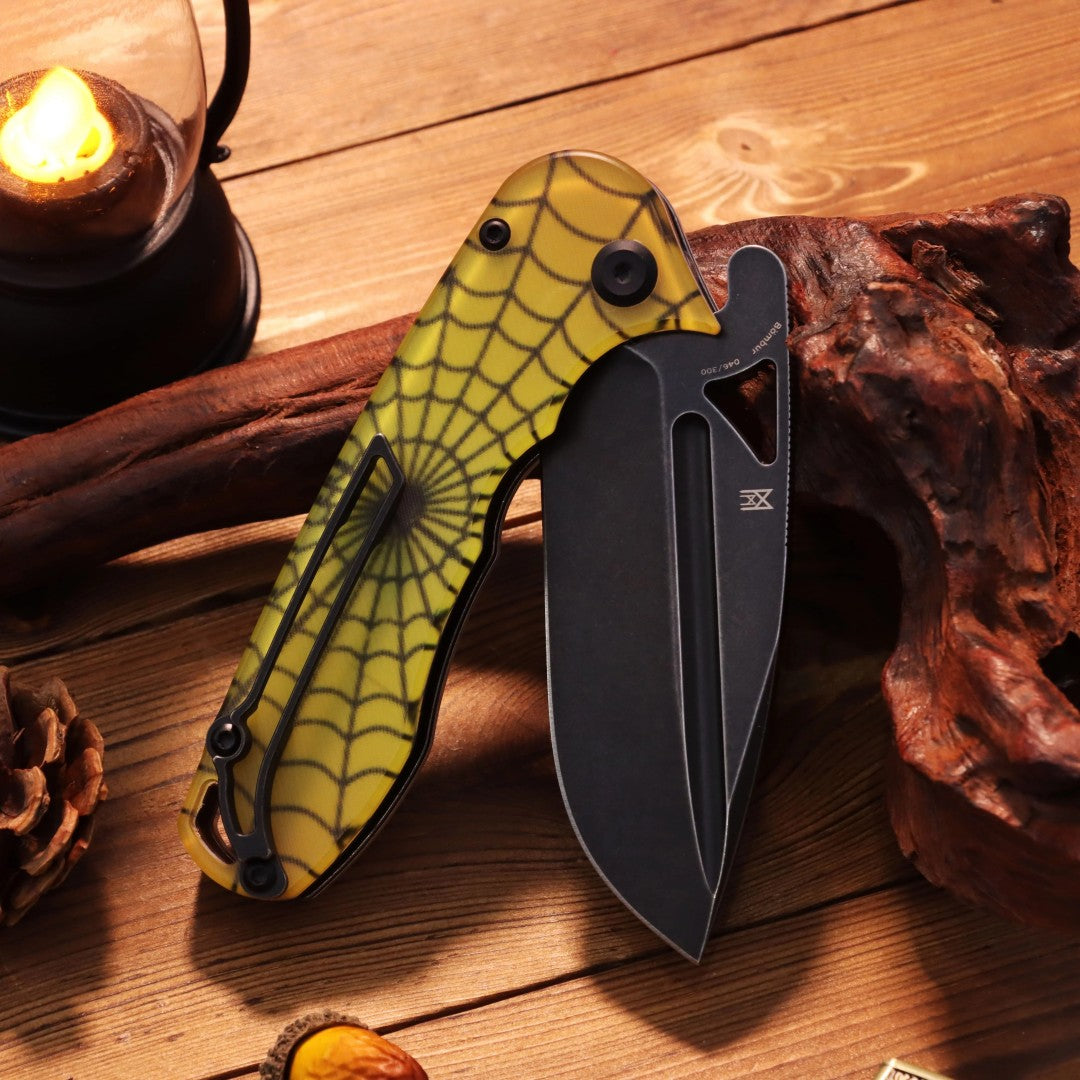
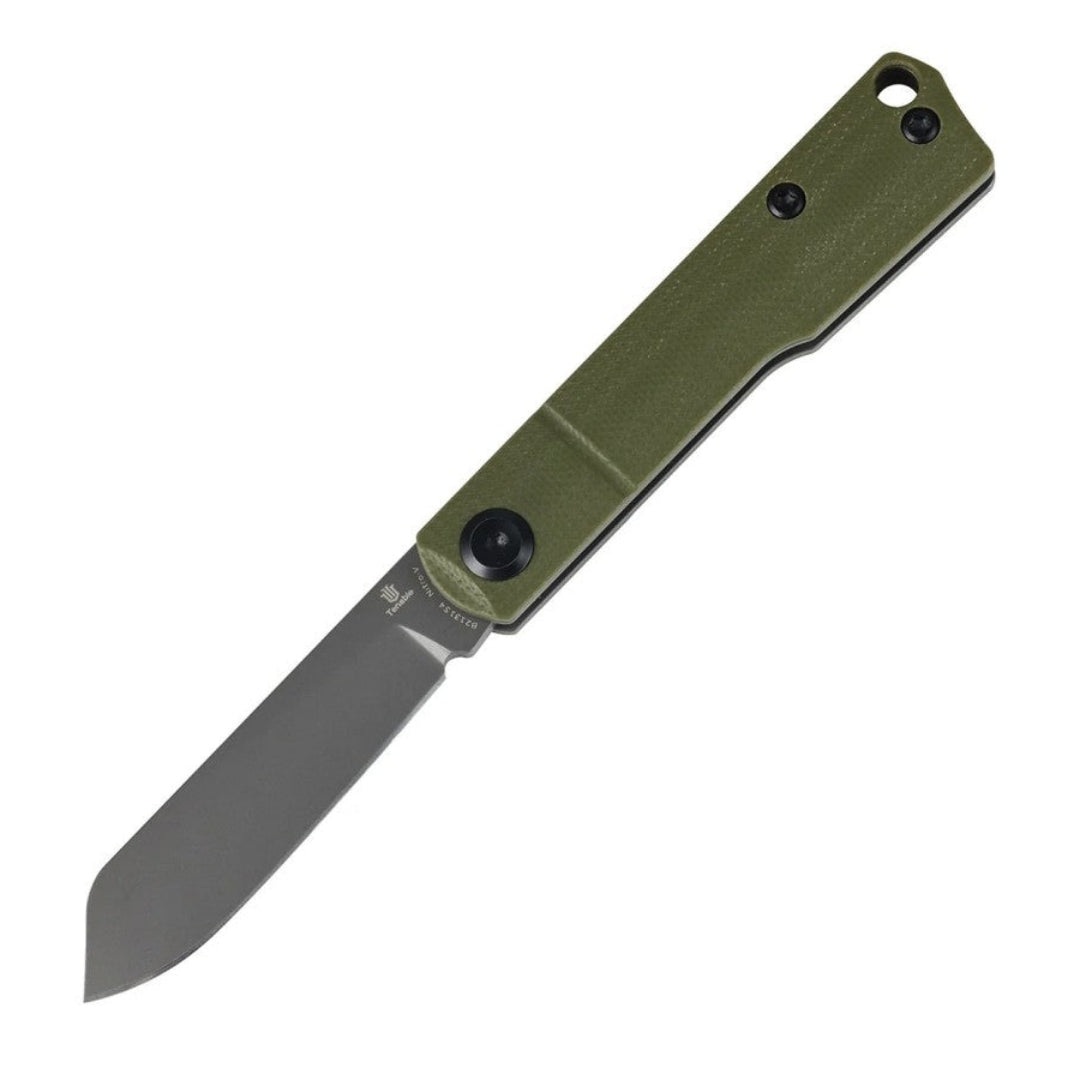
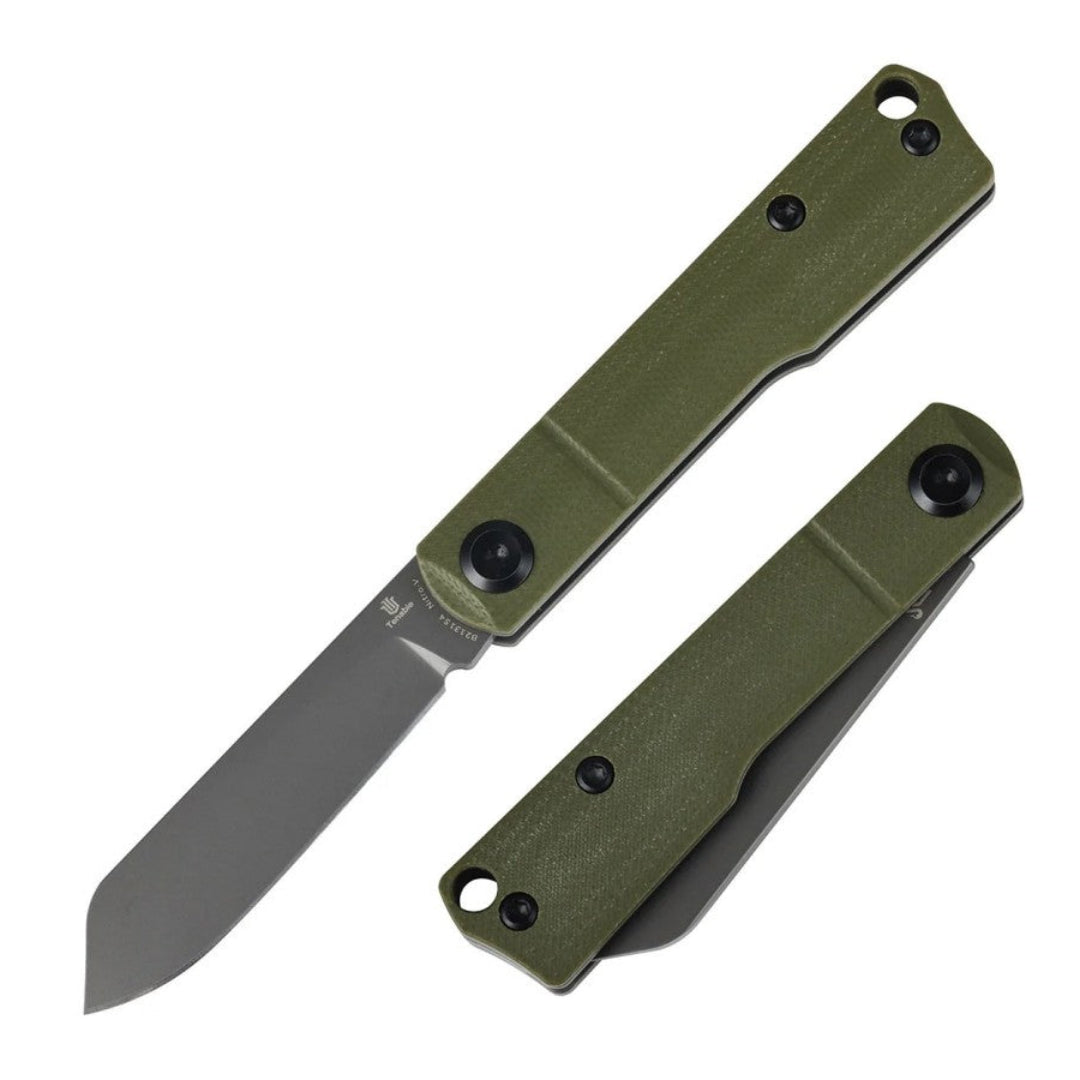
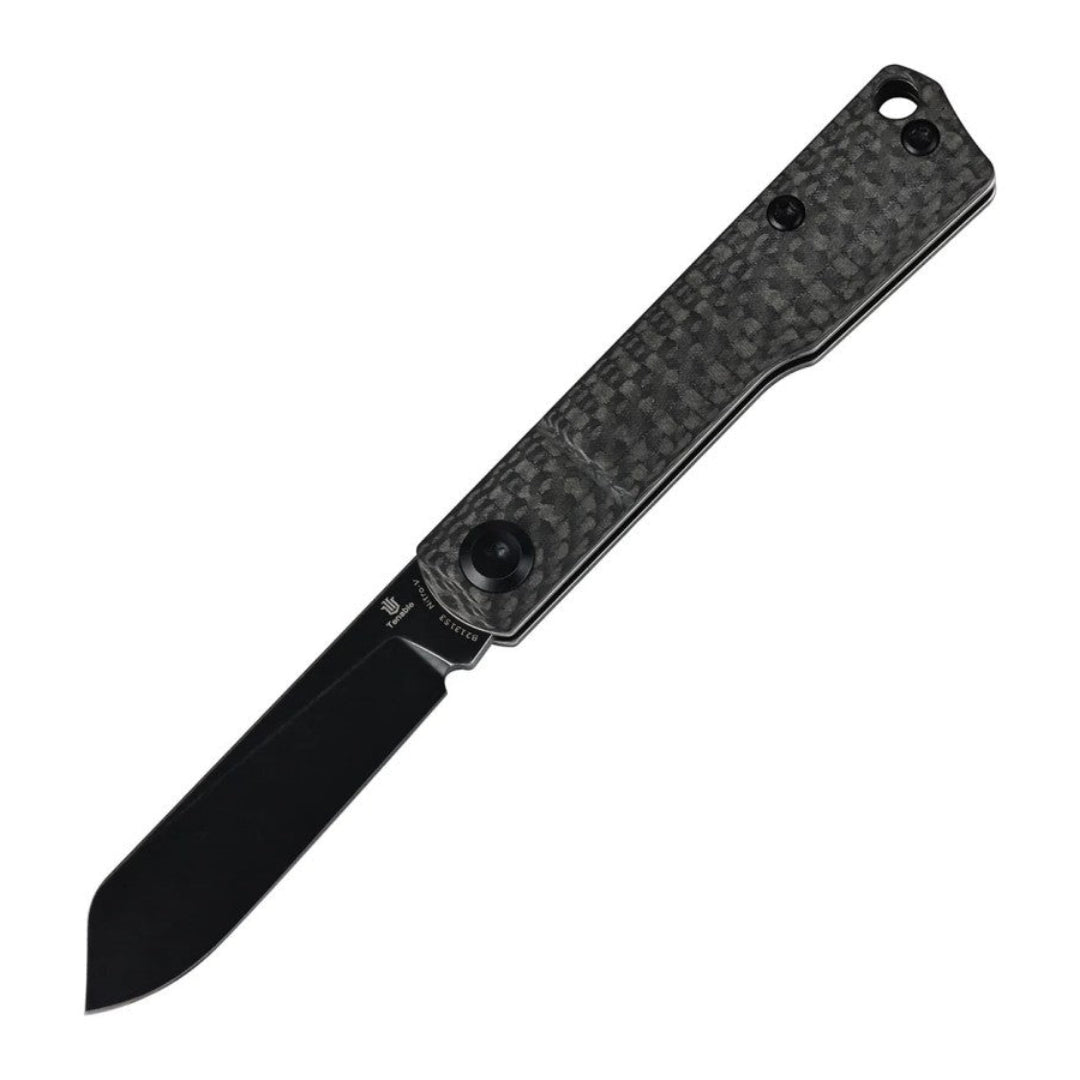
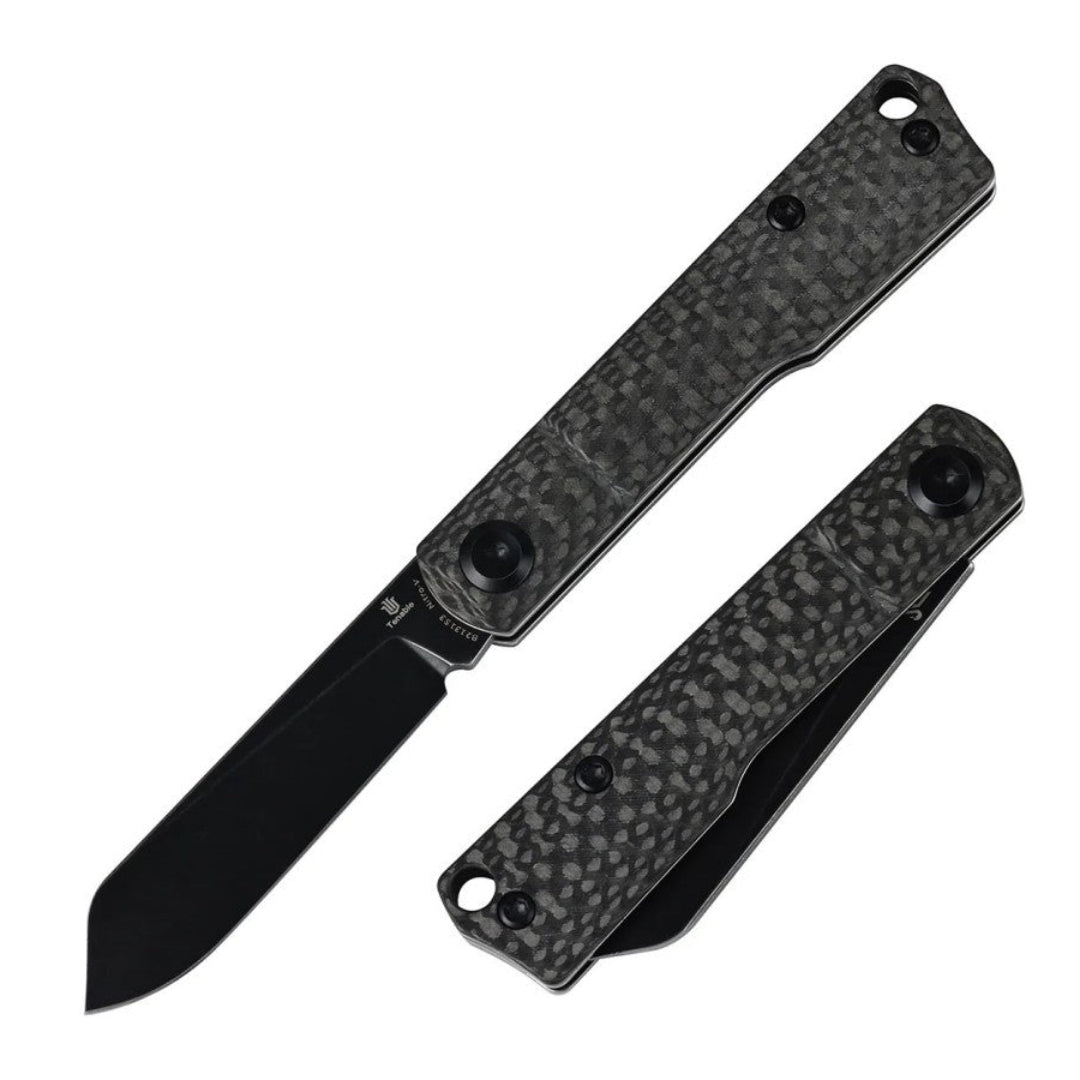
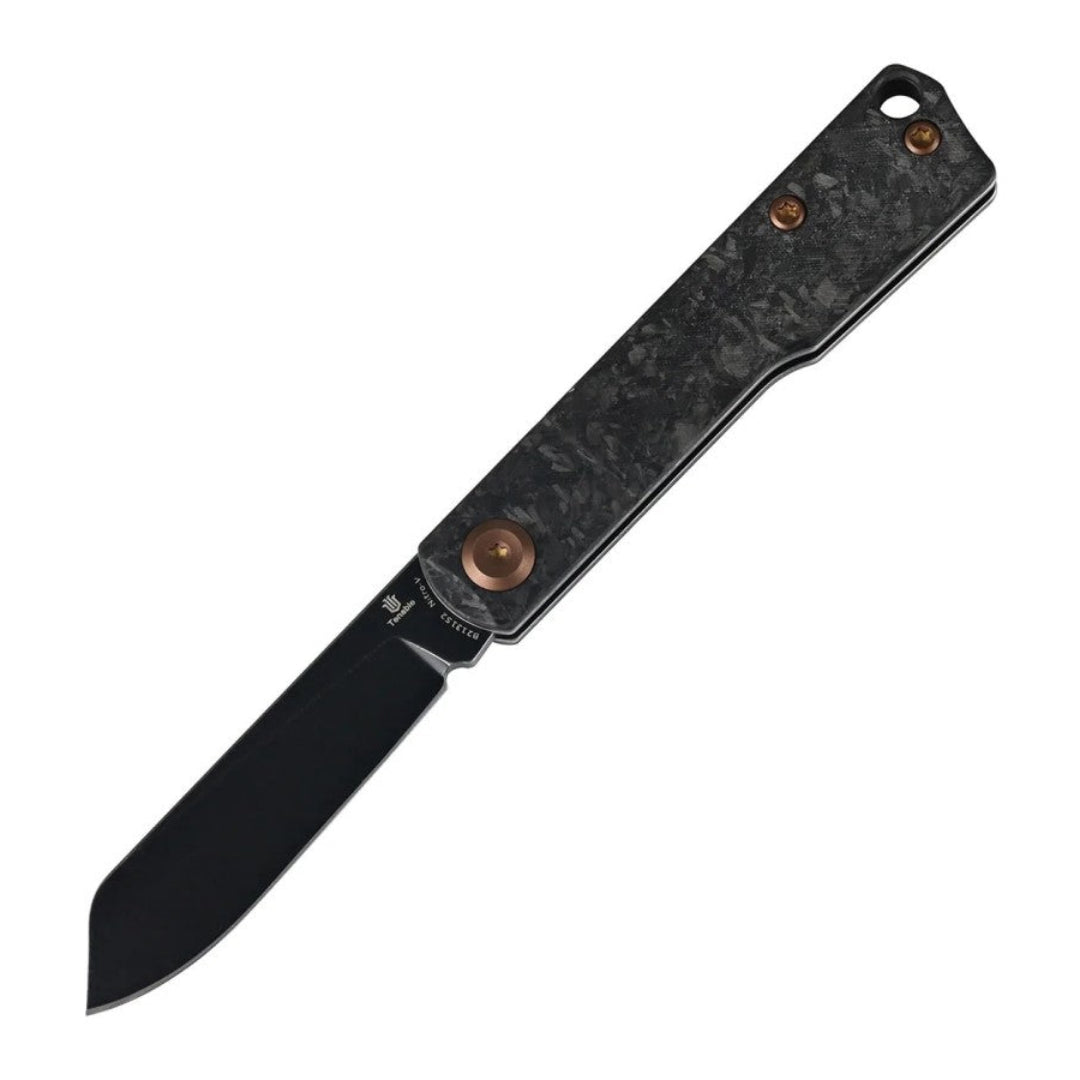
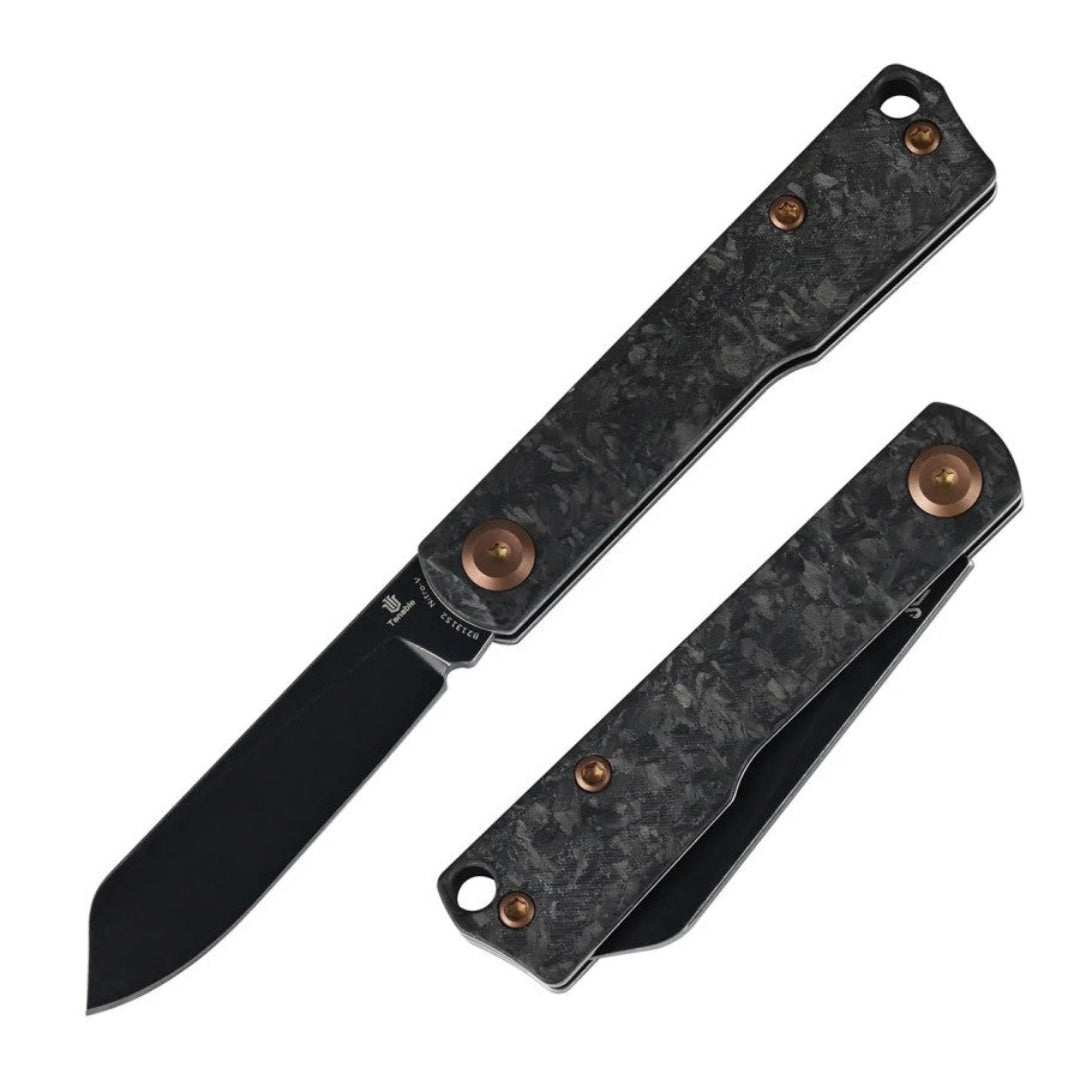
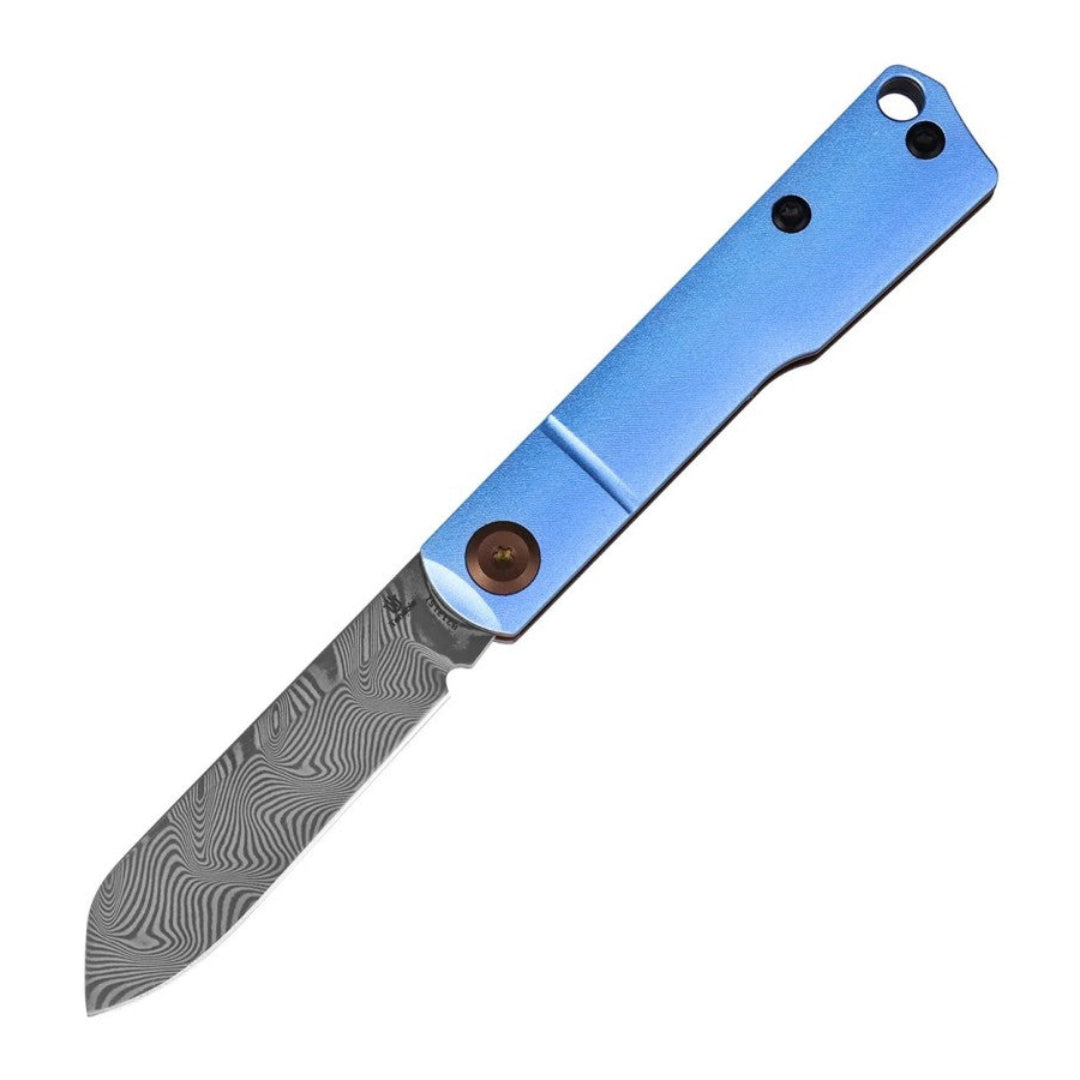
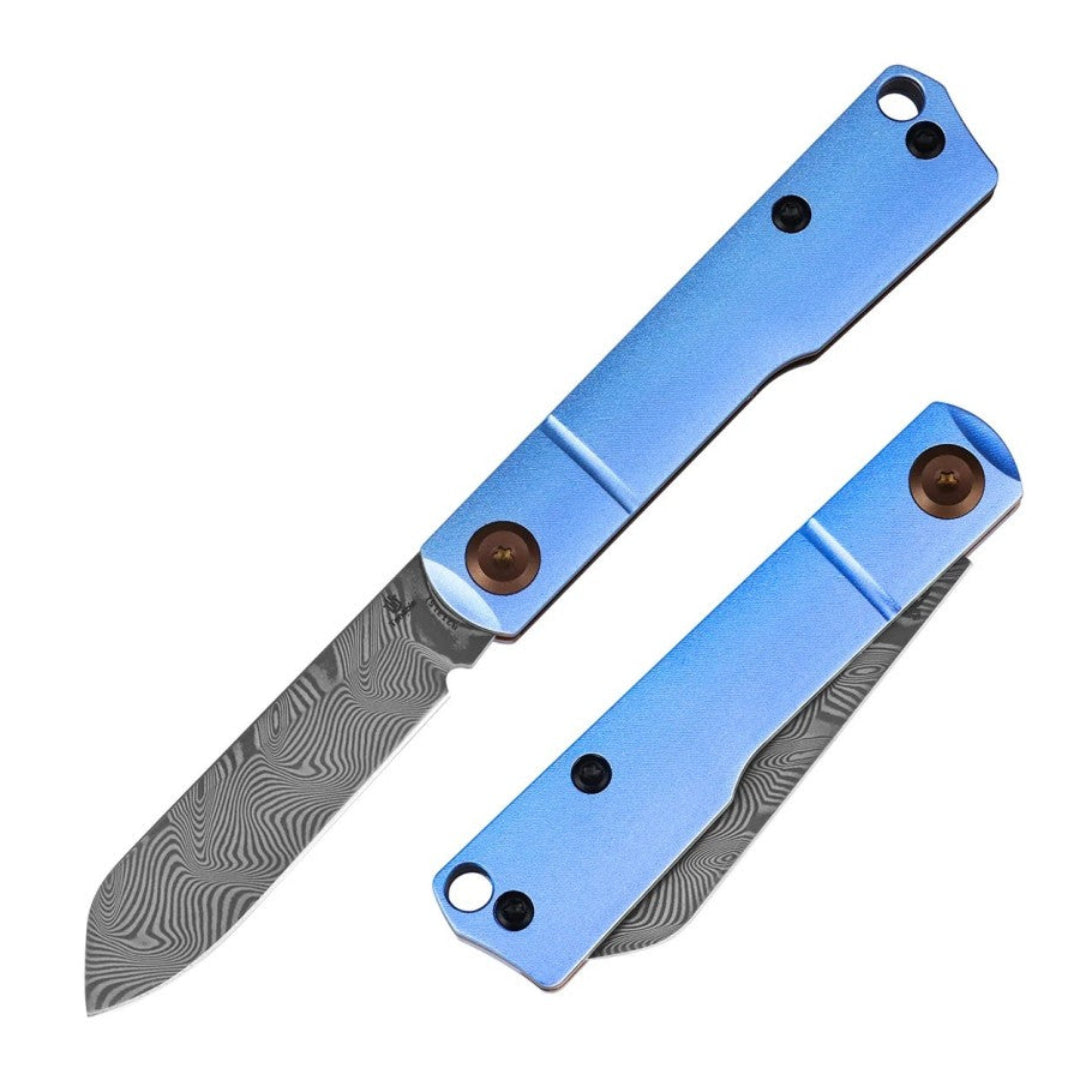
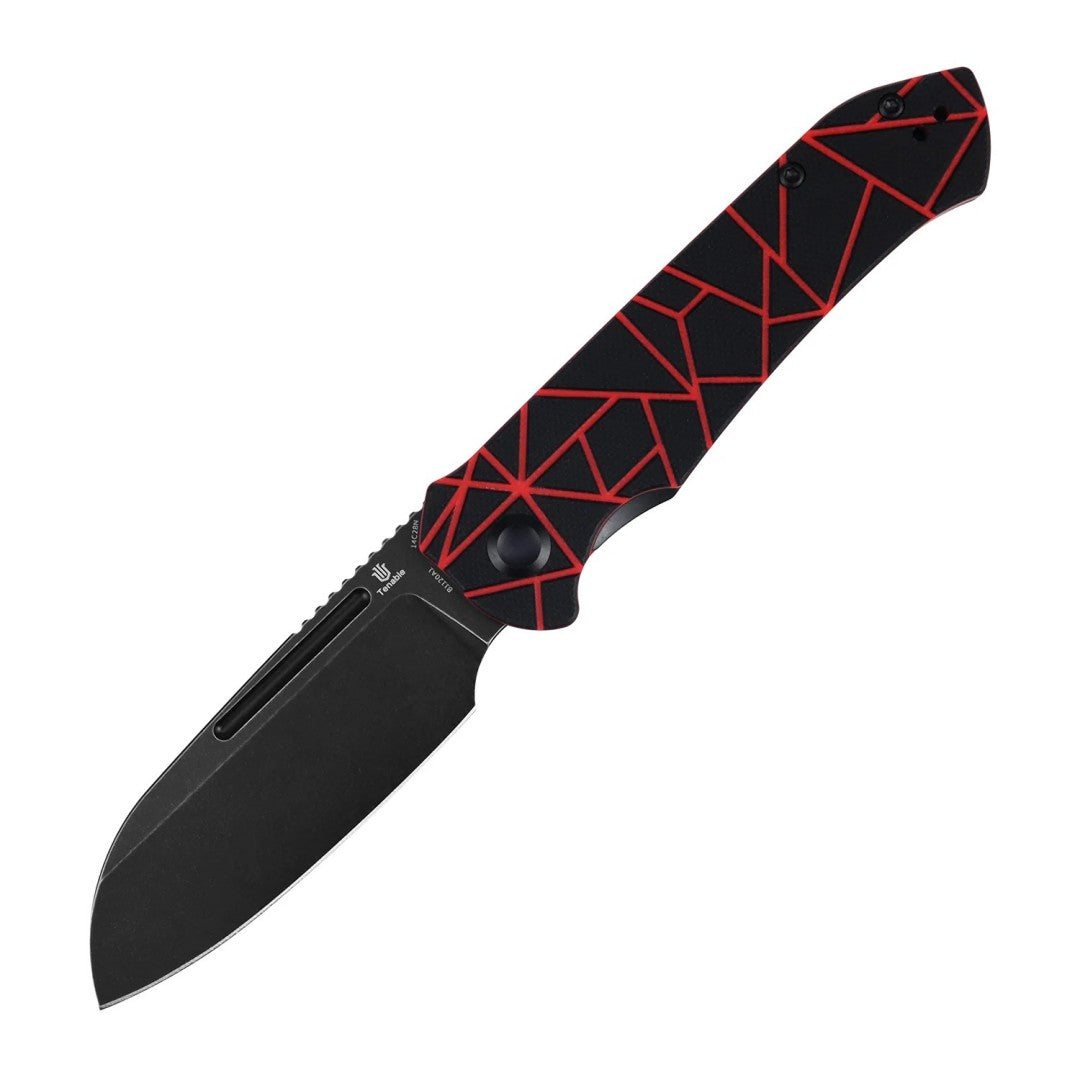
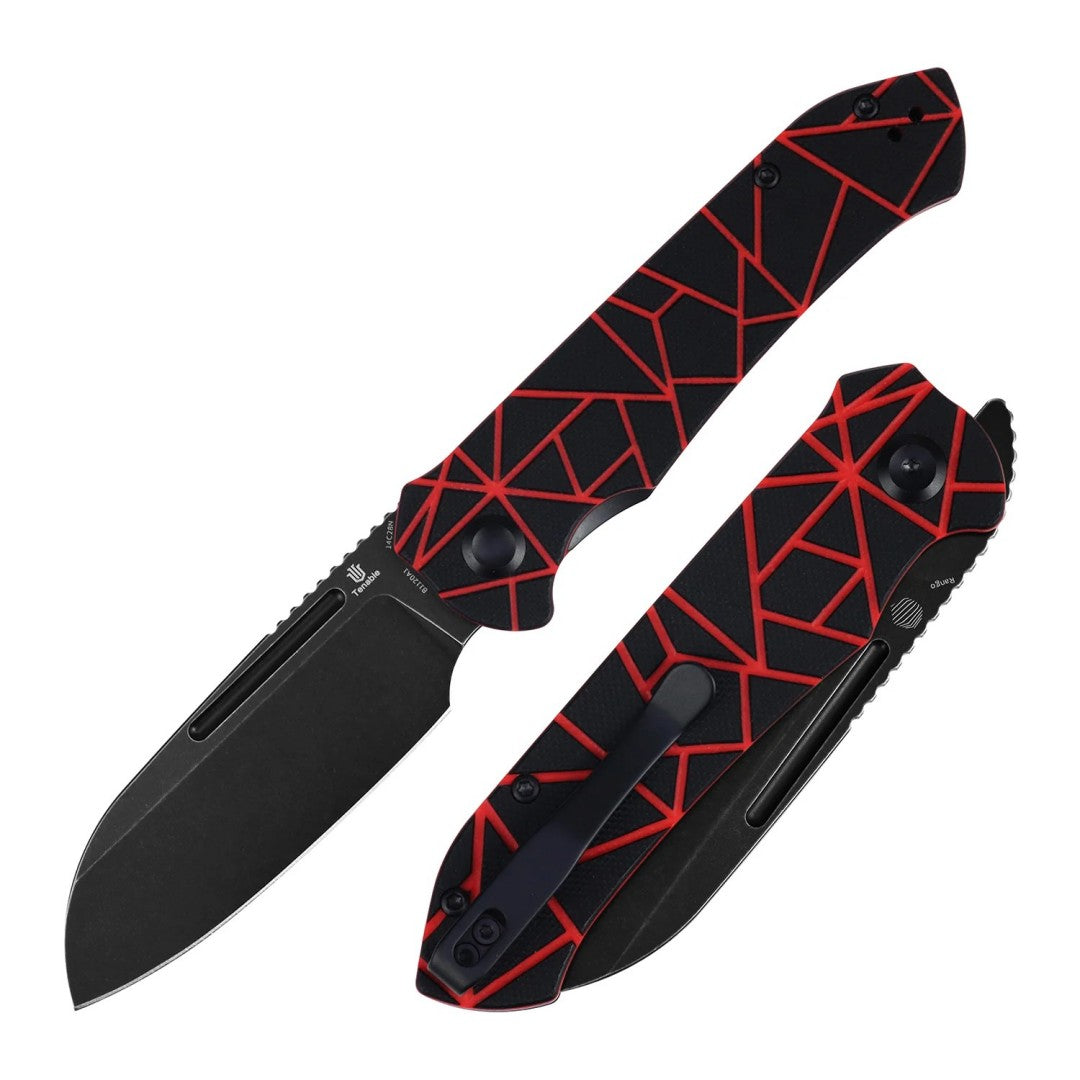
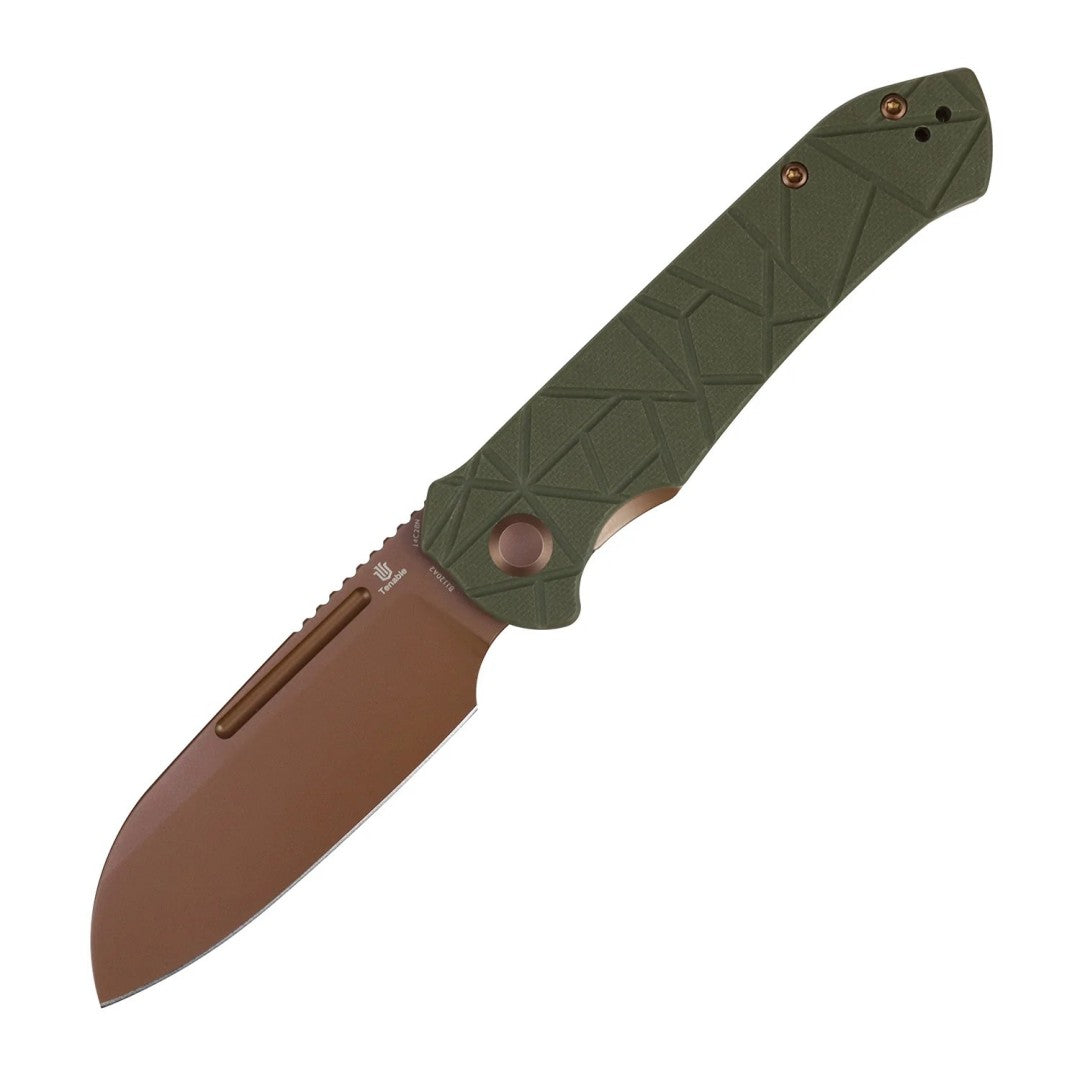
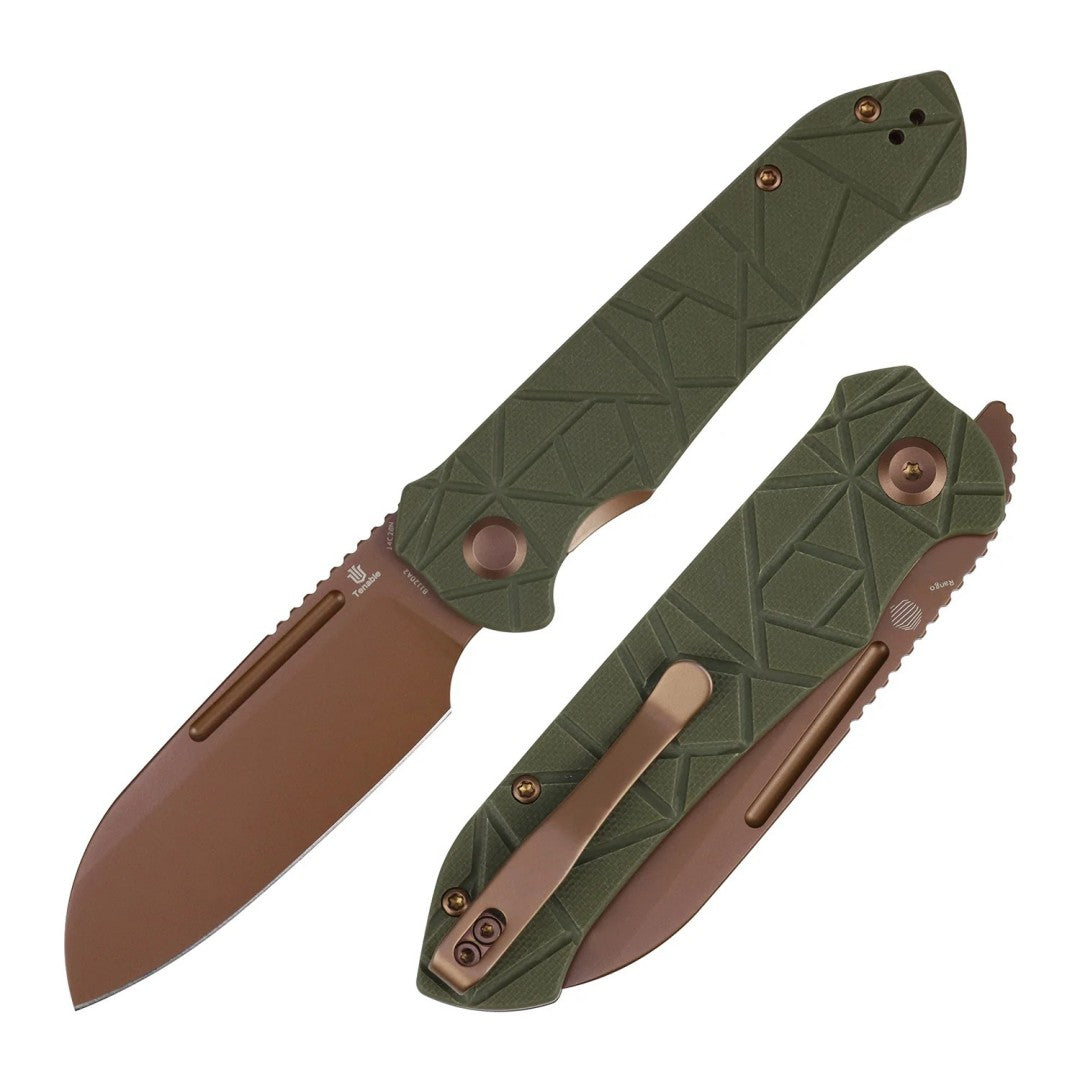
154CM is a classic choice here. It is an American stainless with a long history in cutlery, offering good edge retention, easy sharpening and corrosion resistance that copes with damp leather and outdoor conditions. It does not have the extreme wear resistance of modern powder steels, and that is an advantage: it takes a very fine, controllable edge, which is what you want when trimming a strip of kangaroo leather to a millimetre. The Kansept Lucero T2156A3 runs a 154CM reverse tanto blade in an orange G-mascus handle at just 2.25 ounces.

Design & Details
A small liner lock folder is close to ideal for this work. The mechanism is simple, the knife is light enough to hold in the palm while the other hand steadies a bird or a strap, and the compact size keeps the blade under control in tight quarters. Kansept knives built around compact, purpose-driven patterns have exactly the proportions falconers tend to prefer, and the two-and-a-half-inch class blade is enough for every leather task in a kit.
Real-World Use
Typical use includes cutting jesses and anklets to length, skiving leather so it folds without bulk, trimming the leather on a hood, cutting bait or quarry into manageable pieces and slicing cord for a creance. Because the work happens close to a bird's legs and eyes, a short blade with a fine tip is safer than a long one, and a handle that does not slip when your hands are cold is essential.

Ownership Notes
Leather work dulls an edge gradually rather than dramatically, so strop the blade before every session instead of waiting until it will no longer cut cleanly. Wipe leather dust and tallow off the blade afterwards, oil the pivot monthly and keep the knife out of the mews where humidity and ammonia will attack steel. Never use the blade to cut wire or to pry a staple, both of which will chip a fine apex instantly. Falconers put enormous value on small tools because the work is so precise, and most keep a dedicated kit that never leaves the mews. EDC knives in that kit get used for leather more than anything else, and folding knives with a fine, easily stropped edge are better suited to strap work than heavier blades with an aggressive profile. Keep the leather knife and the quarry knife separate.
Who Is This For?
This is written for falconers, raptor rehabilitation volunteers, wildlife rehabilitators, bird-of-prey keepers and leatherworkers who do fine strap work. It is not a general-purpose camp knife, and anyone looking for a heavy outdoor folder should choose something else.
Final Verdict
For falconry the right knife is small, razor sharp and easy to control. 154CM in a light liner lock folder with a fine tip and a secure grip covers jesses, hoods and quarry prep, and a regular stropping habit keeps it that way.