
Overview & First Impressions
Pockets have a limit, and most people reach it long before they have finished assembling a daily kit. A phone, a wallet, keys and a light already fill both front pockets, which is why bags came back into fashion. The modern options split into three shapes: the fanny pack worn at the waist or slung across the chest, the crossbody bag that sits on the hip, and the chest rig designed for quick access while moving. Each solves a slightly different problem, and the right answer depends on whether you are commuting or working outdoors.
Materials & Construction
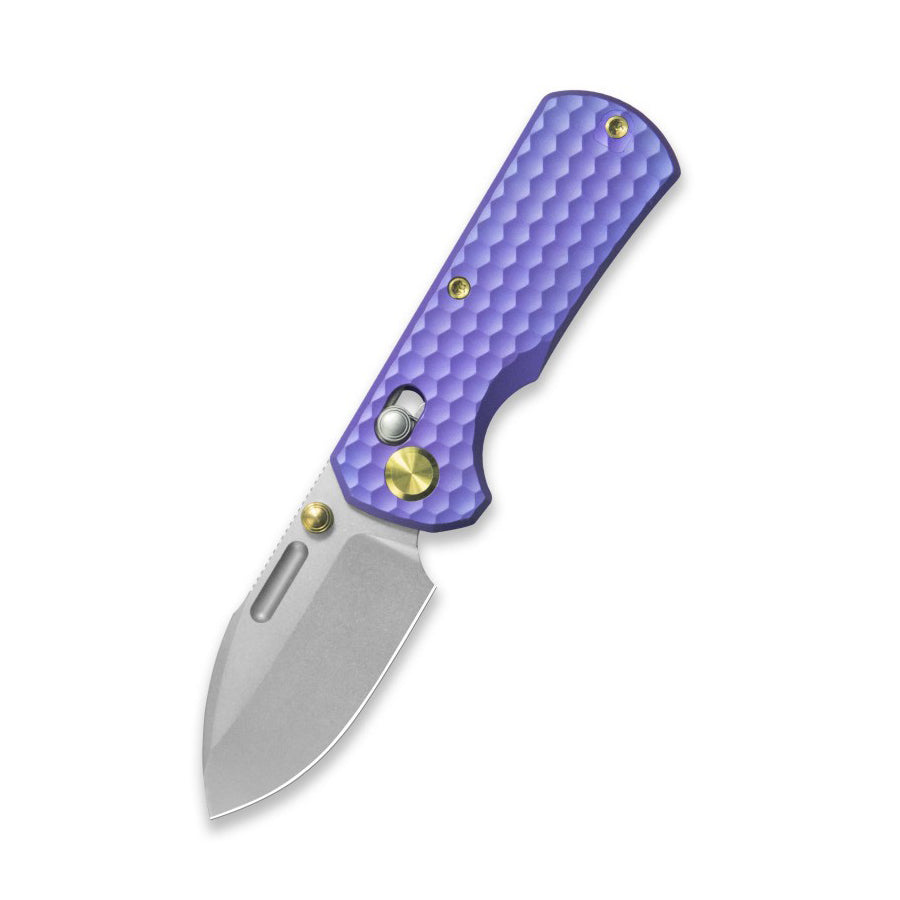
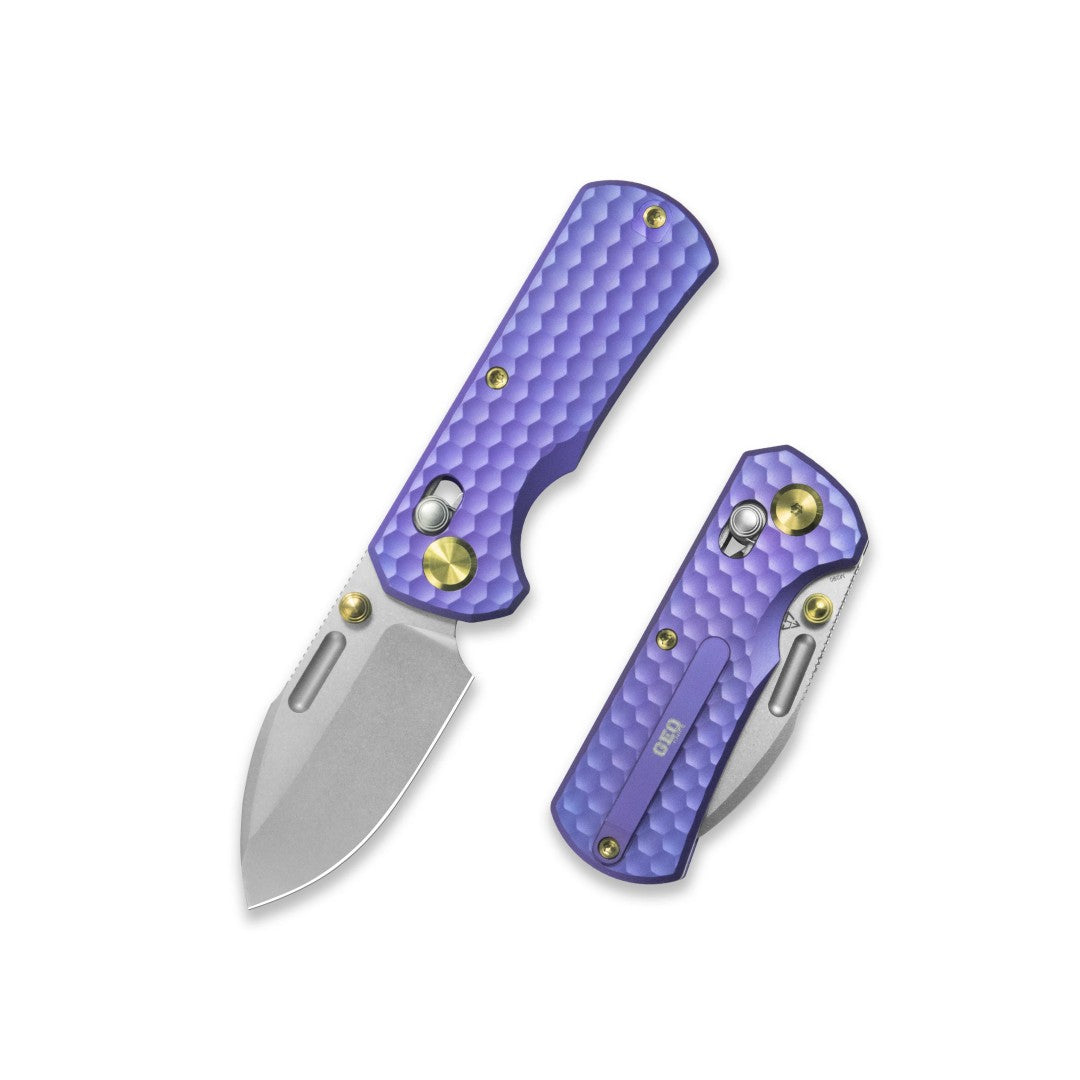
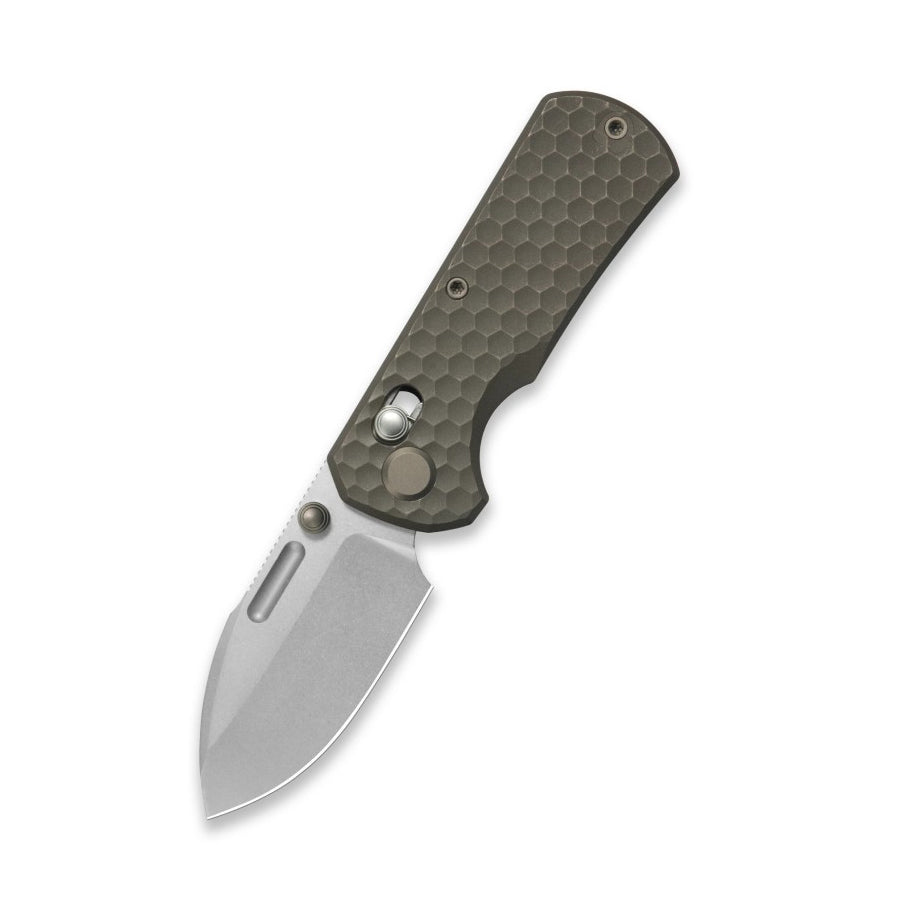
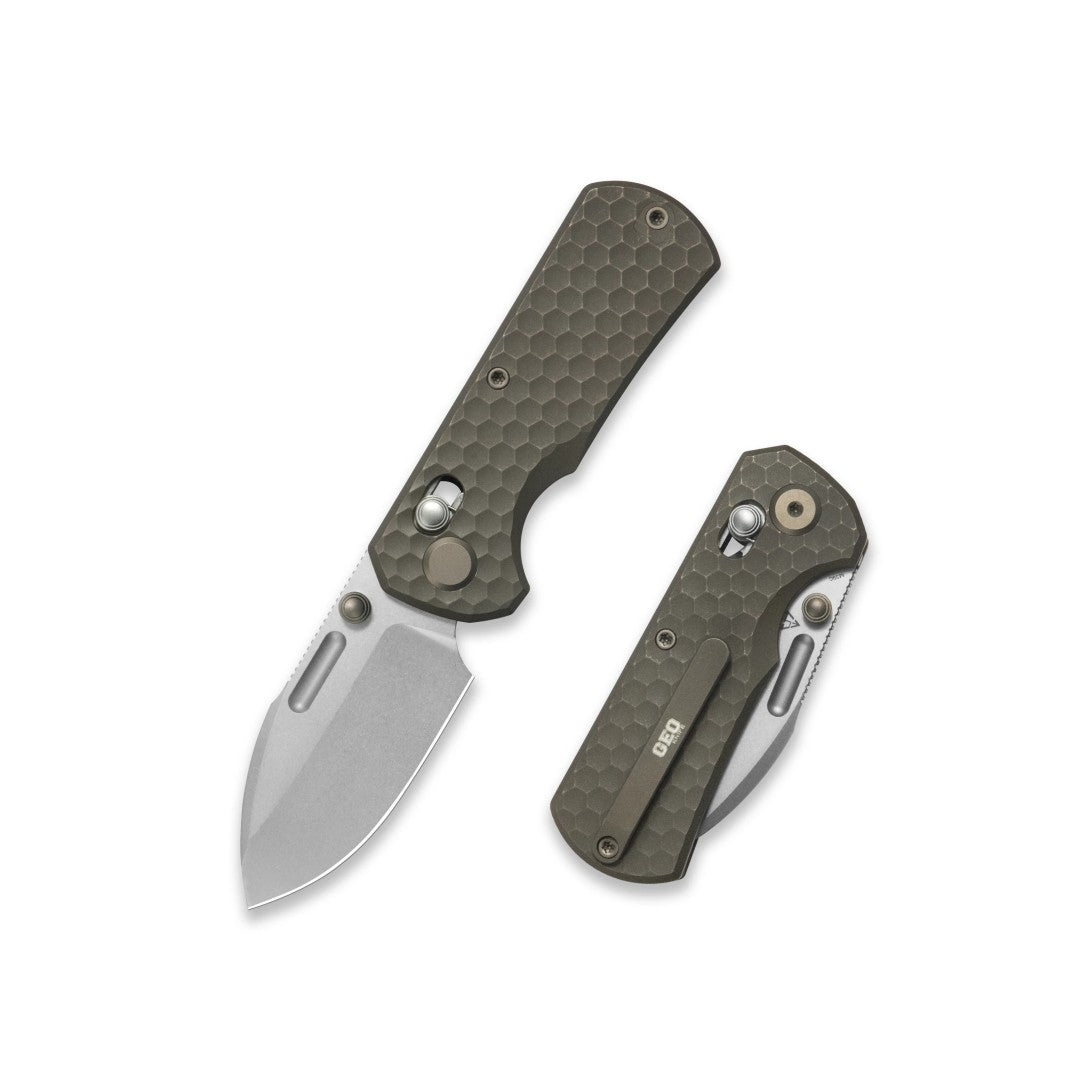
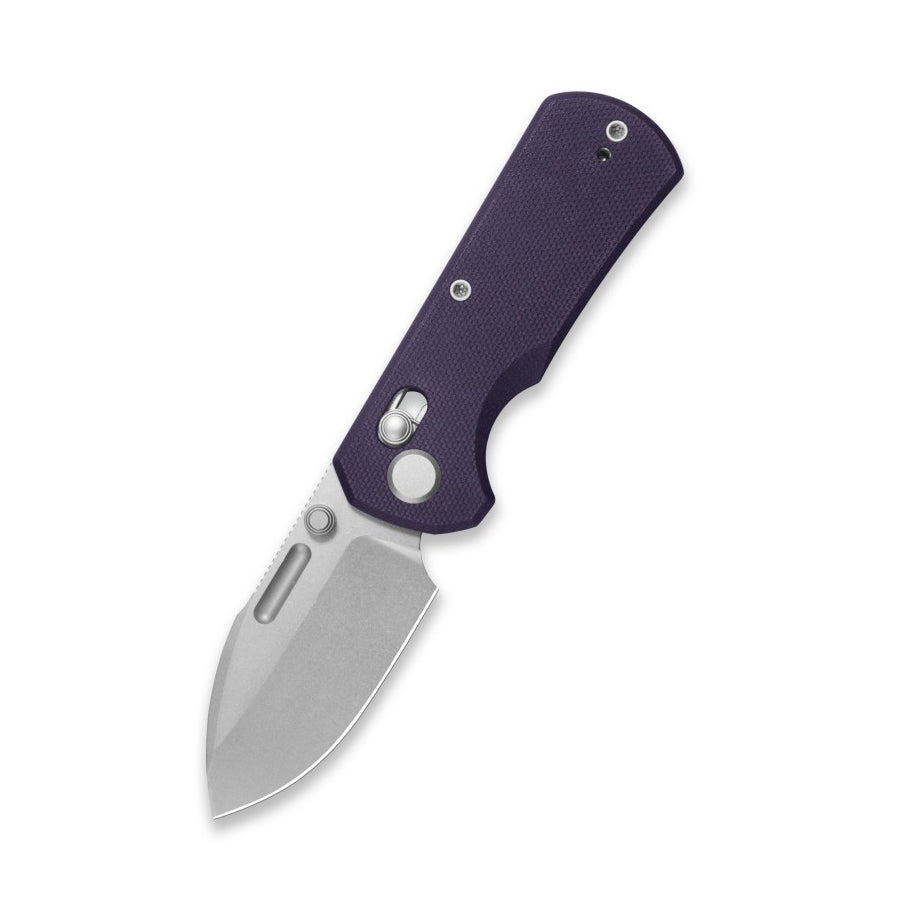
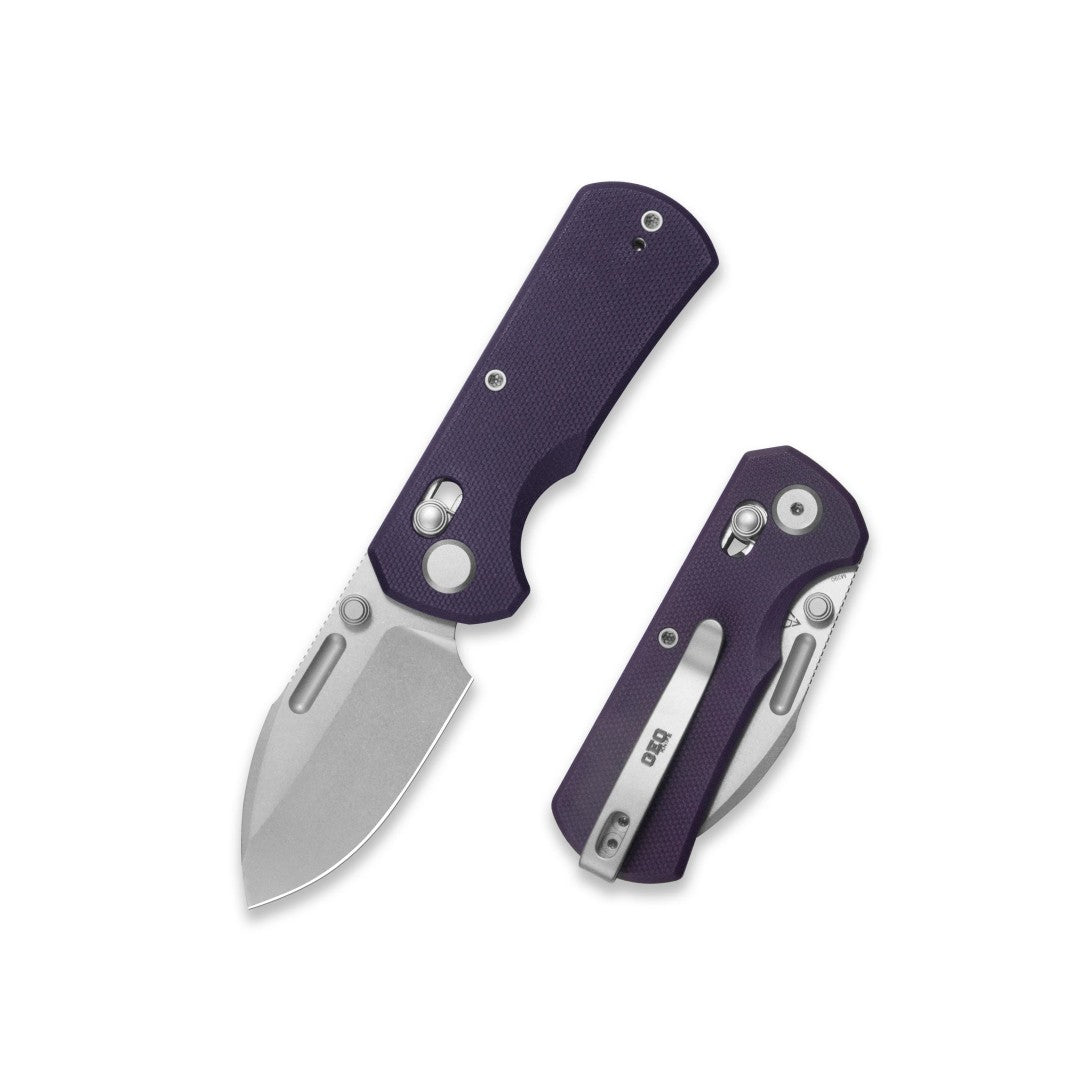
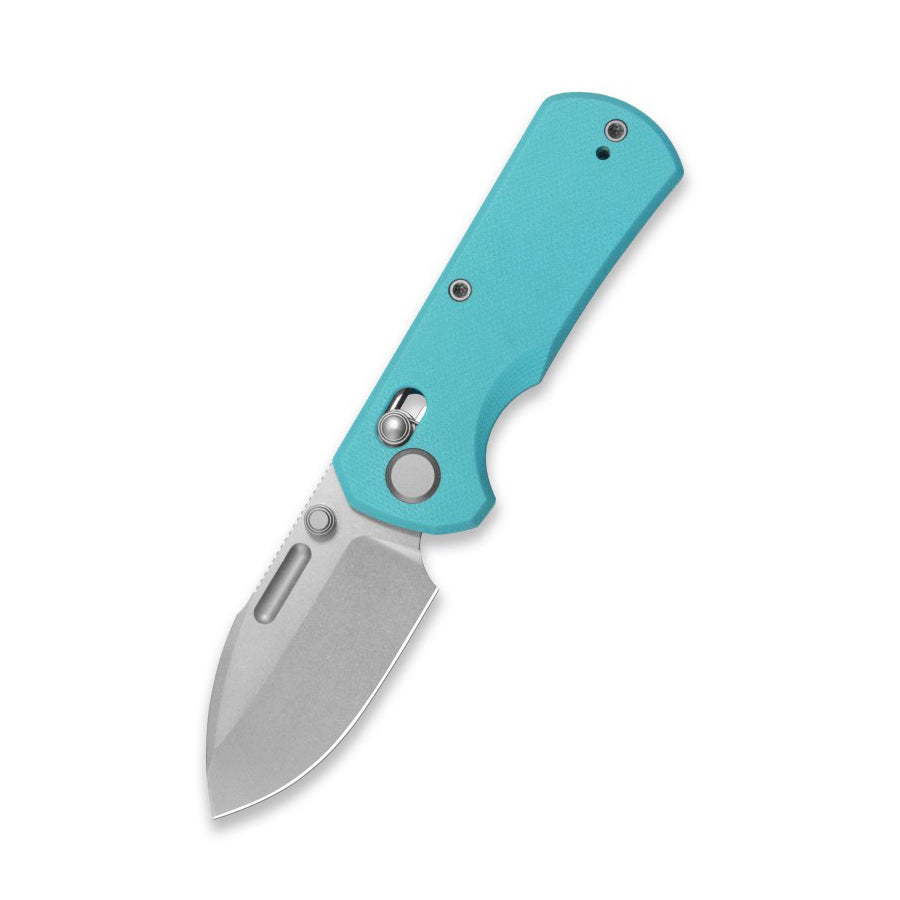
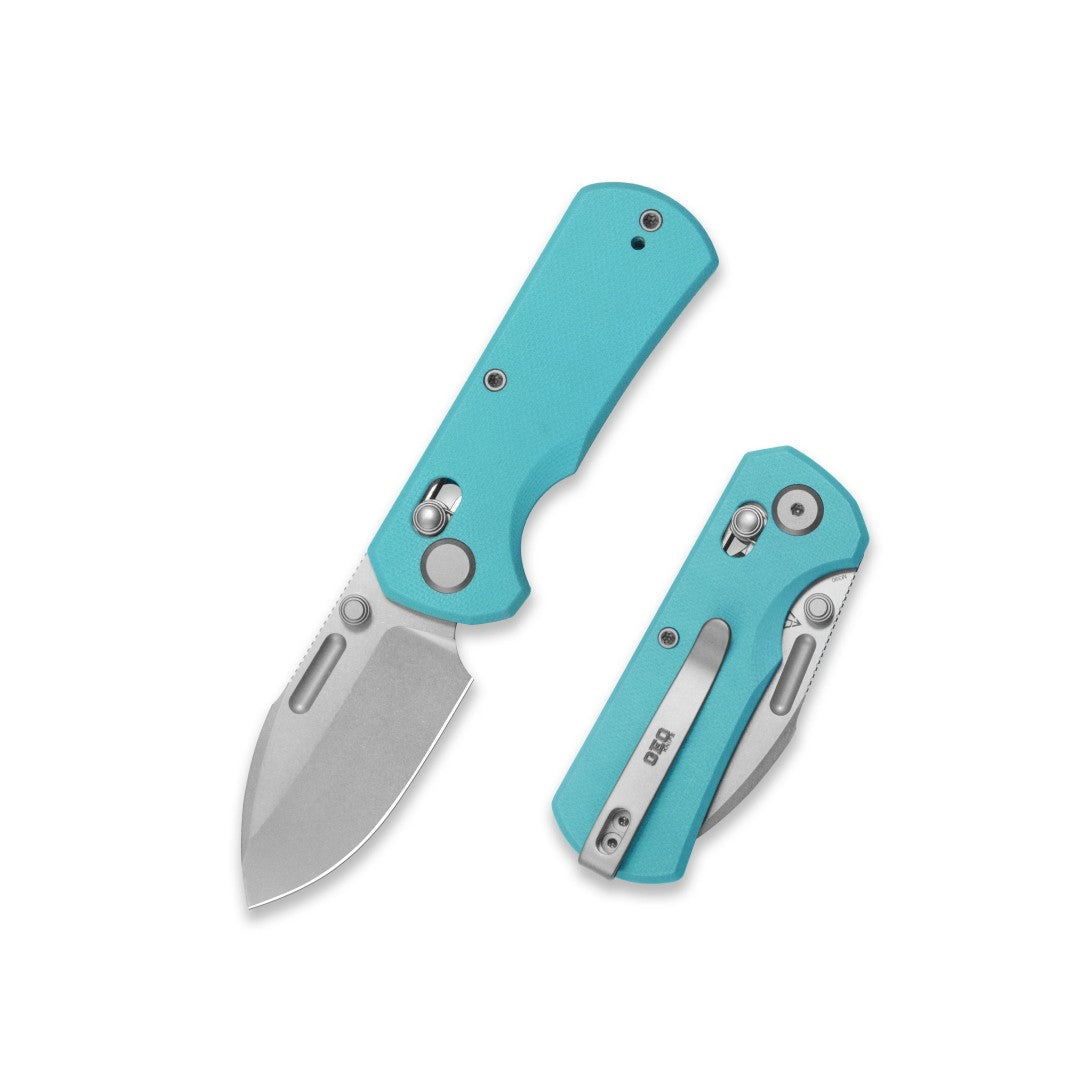
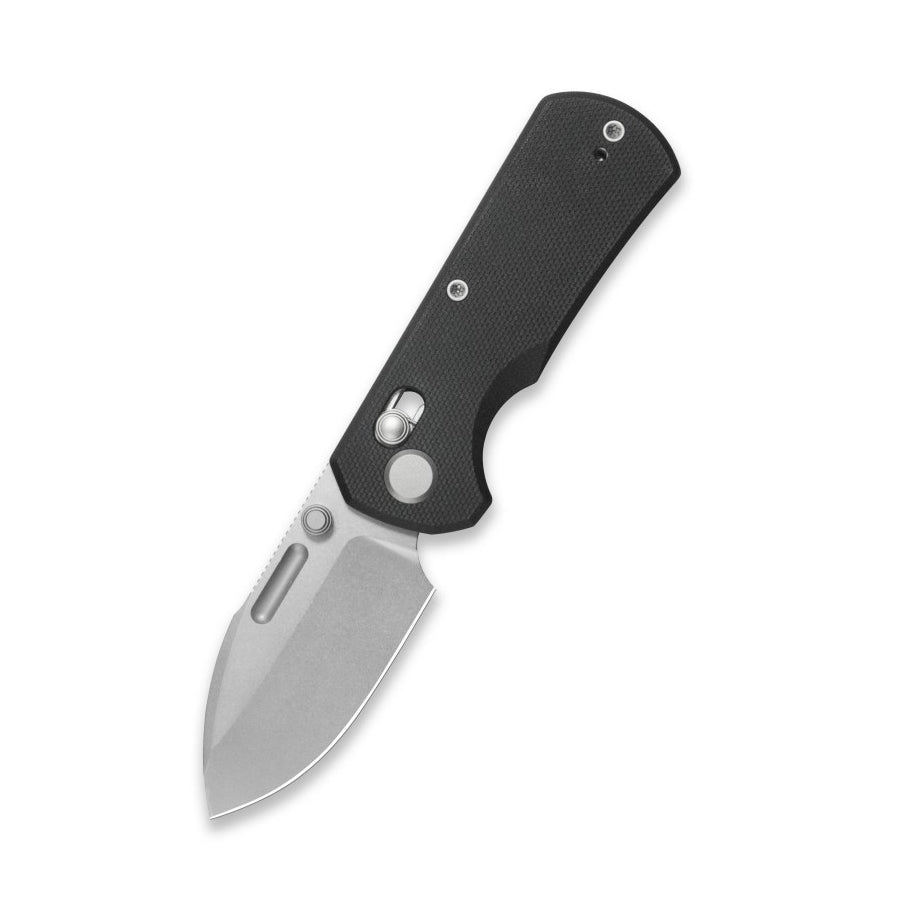
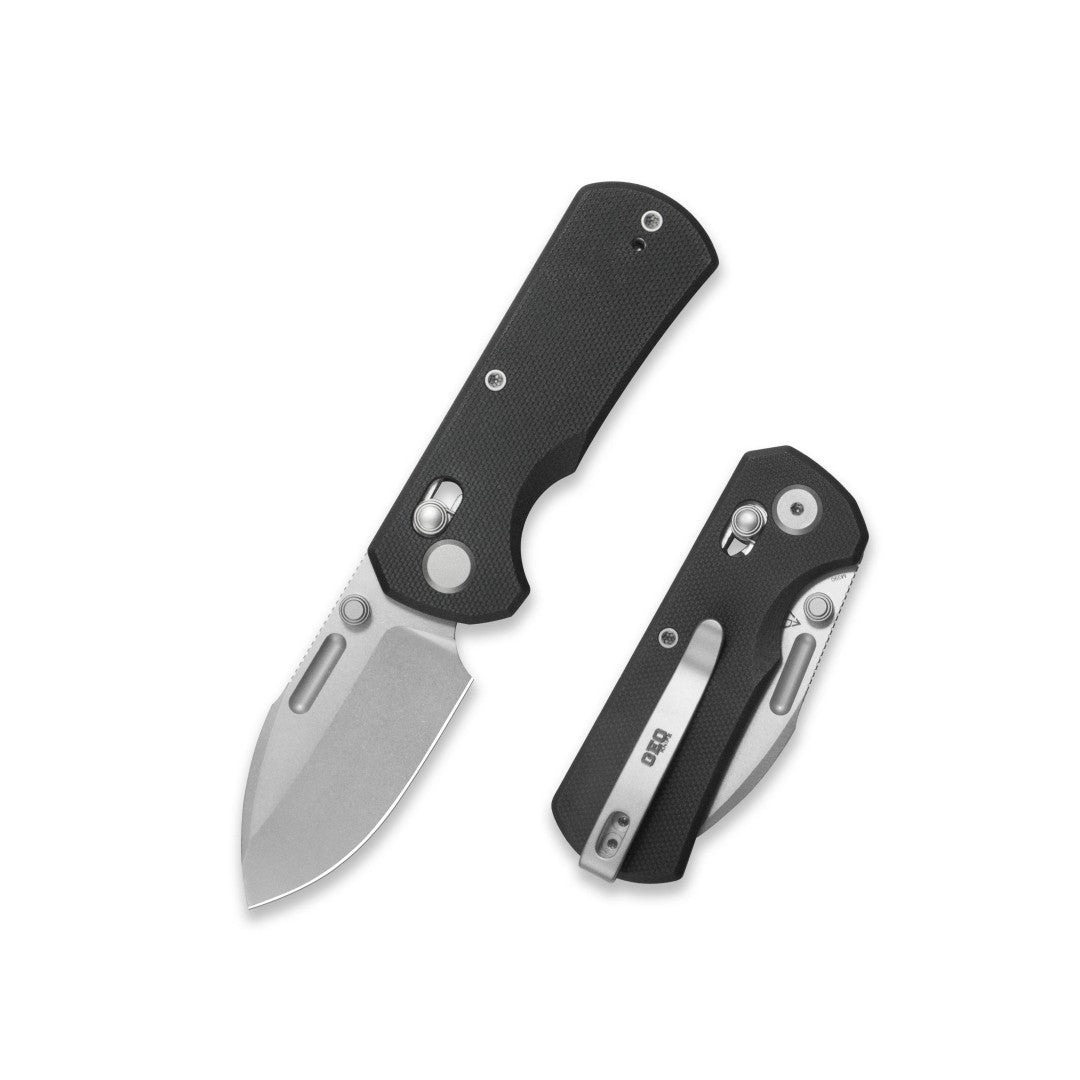
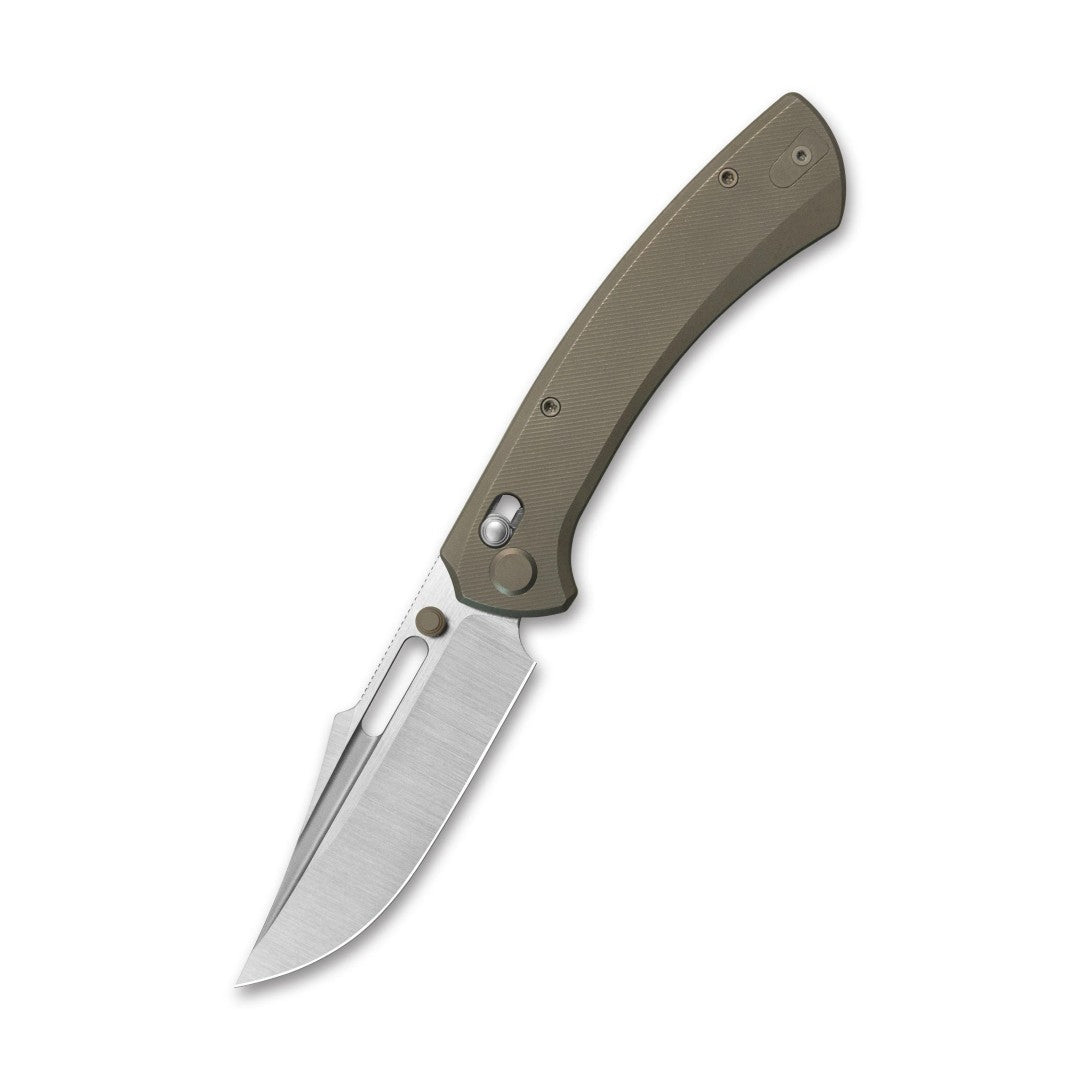
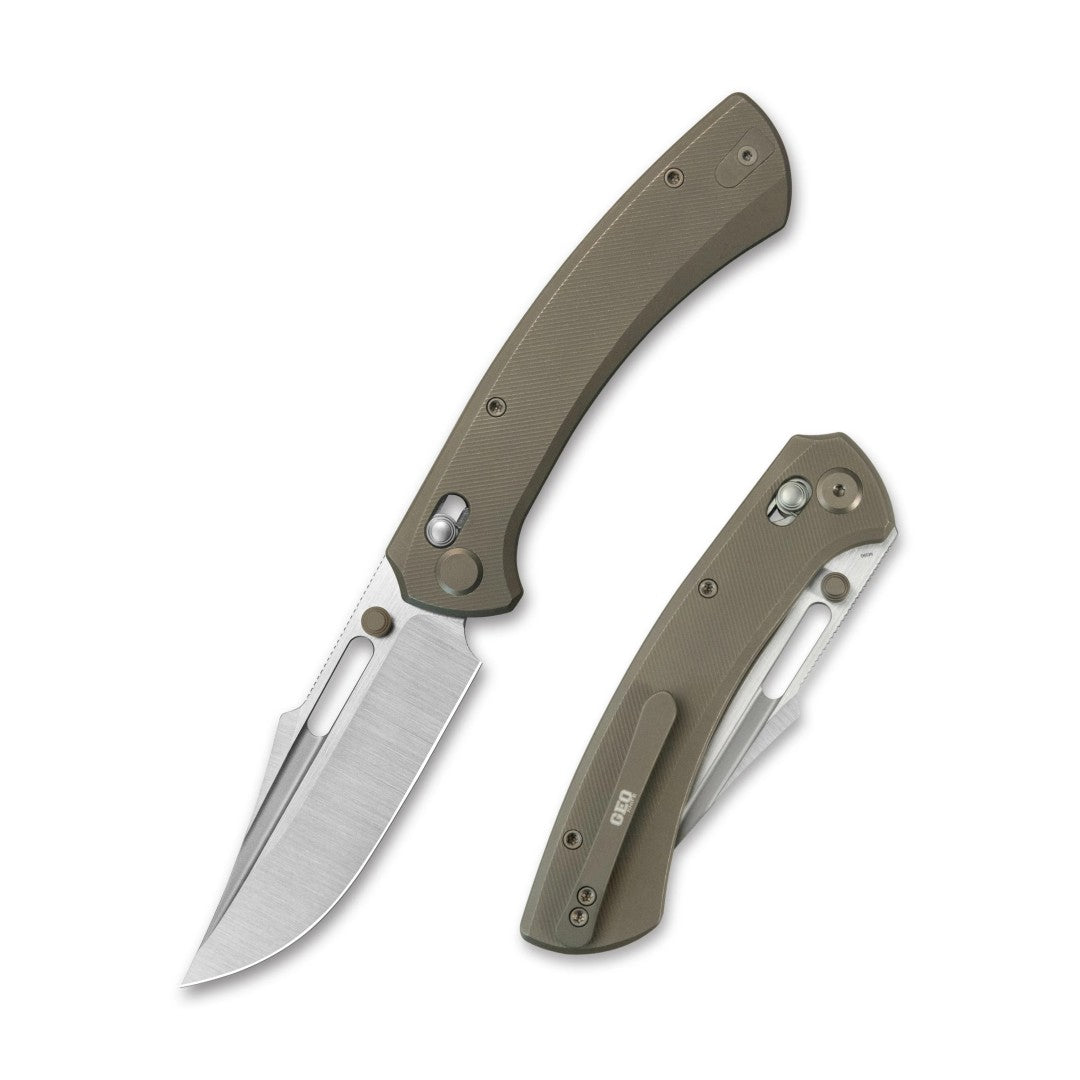
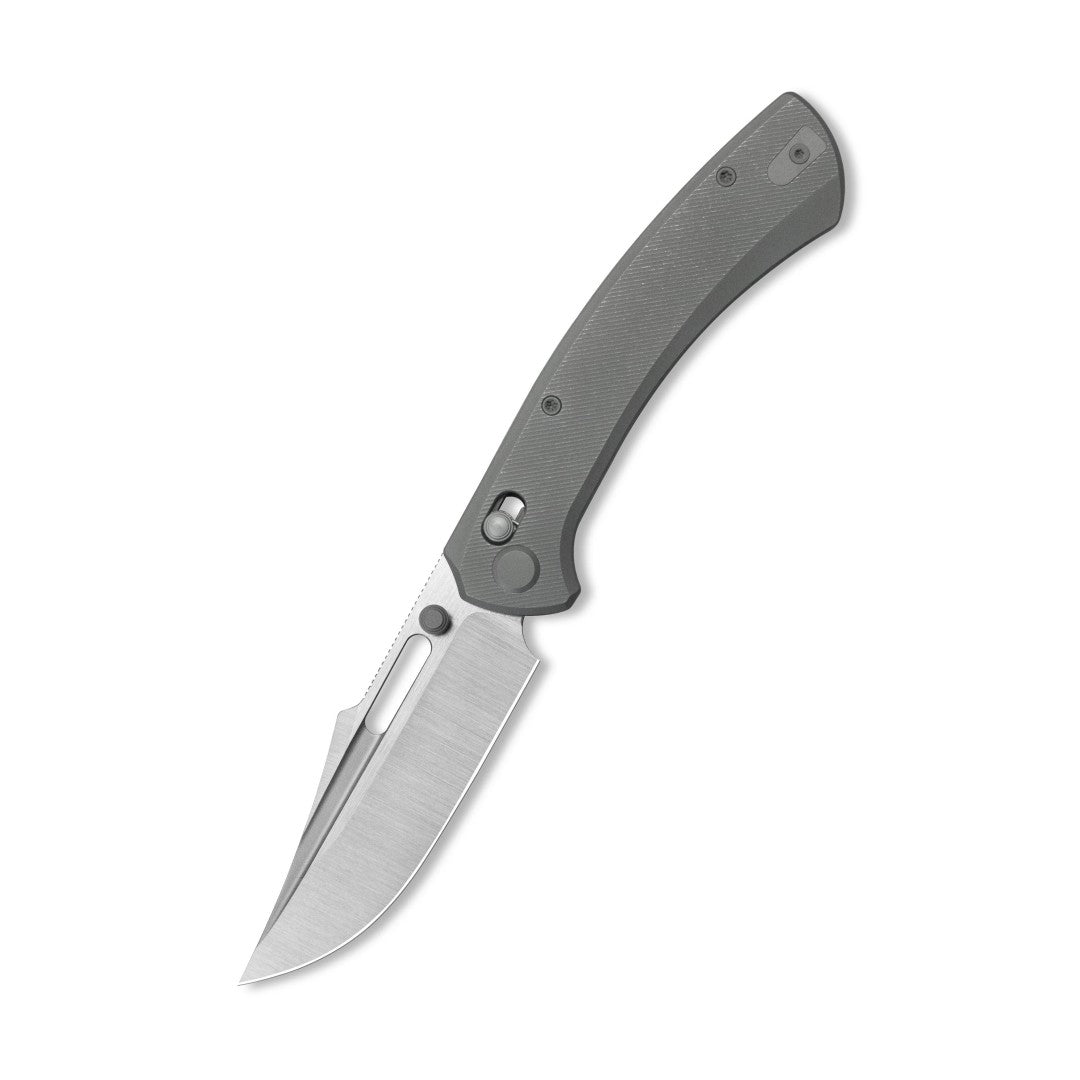
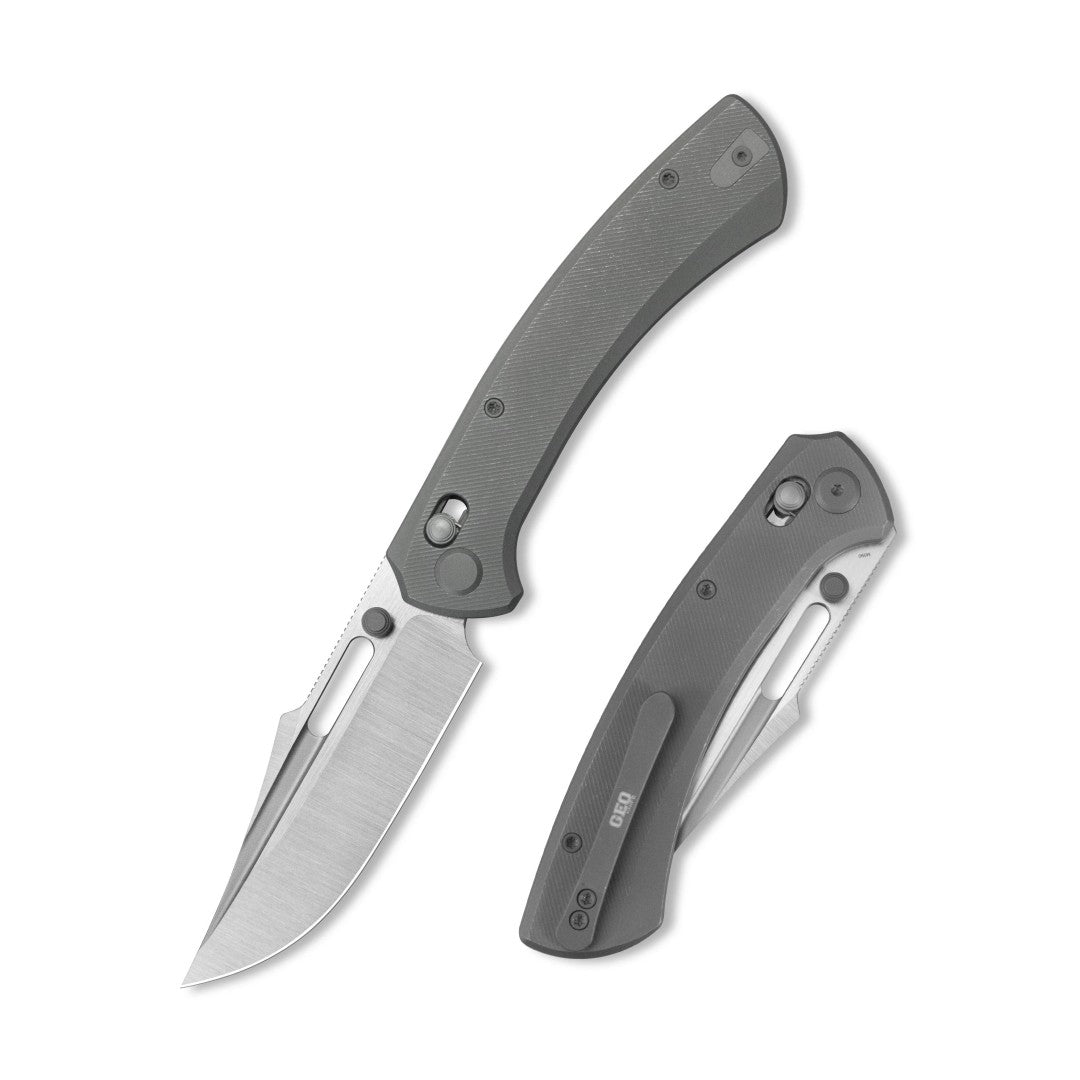
Bag construction matters more than most buyers expect. Look for a face fabric that resists abrasion, a lining that will not snag on textured gear, and hardware that is metal rather than moulded plastic at the points that carry load. A waterproof zip is worth paying for if the bag will see rain. Inside, flat internal sleeves keep a slim folding knives body from sliding around, and a small elastic loop holds an EDC flashlight upright so it does not end up sideways under everything else.

Design & Details
A waist pack worn at the front is the fastest option for seated work, because the main pocket opens towards your hands. Slung across the chest it becomes a small chest rig and gives the best compromise between access and stability while walking. A crossbody bag carries more but swings, so it suits commuting rather than activity. Whichever shape you choose, keep the heavy items closest to your body and the items you reach for most in the pocket that opens without moving the bag.
Real-World Use
The discipline that makes a bag work is restraint. A bag that carries everything becomes a portable drawer, and a portable drawer is slow. Limit the kit to the items you genuinely touch daily: a light, a blade, a pen, a small tool and something for cables. Klarus flashlights such as the palm sized X2 are ideal here because the flat profile disappears into a sleeve and the output is still usable. Once the contents are stable, the bag stops being a burden and starts being an advantage.

Ownership Notes
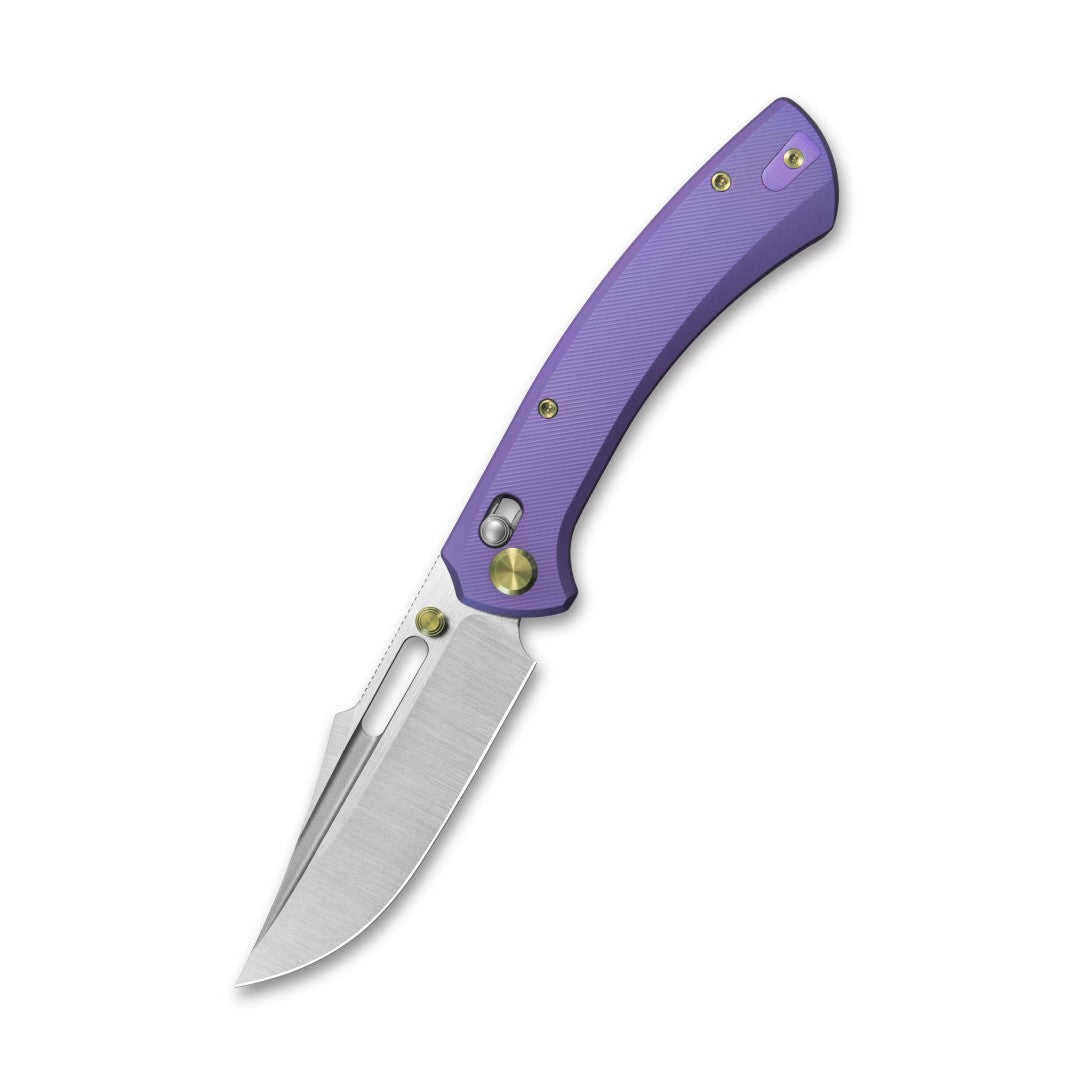
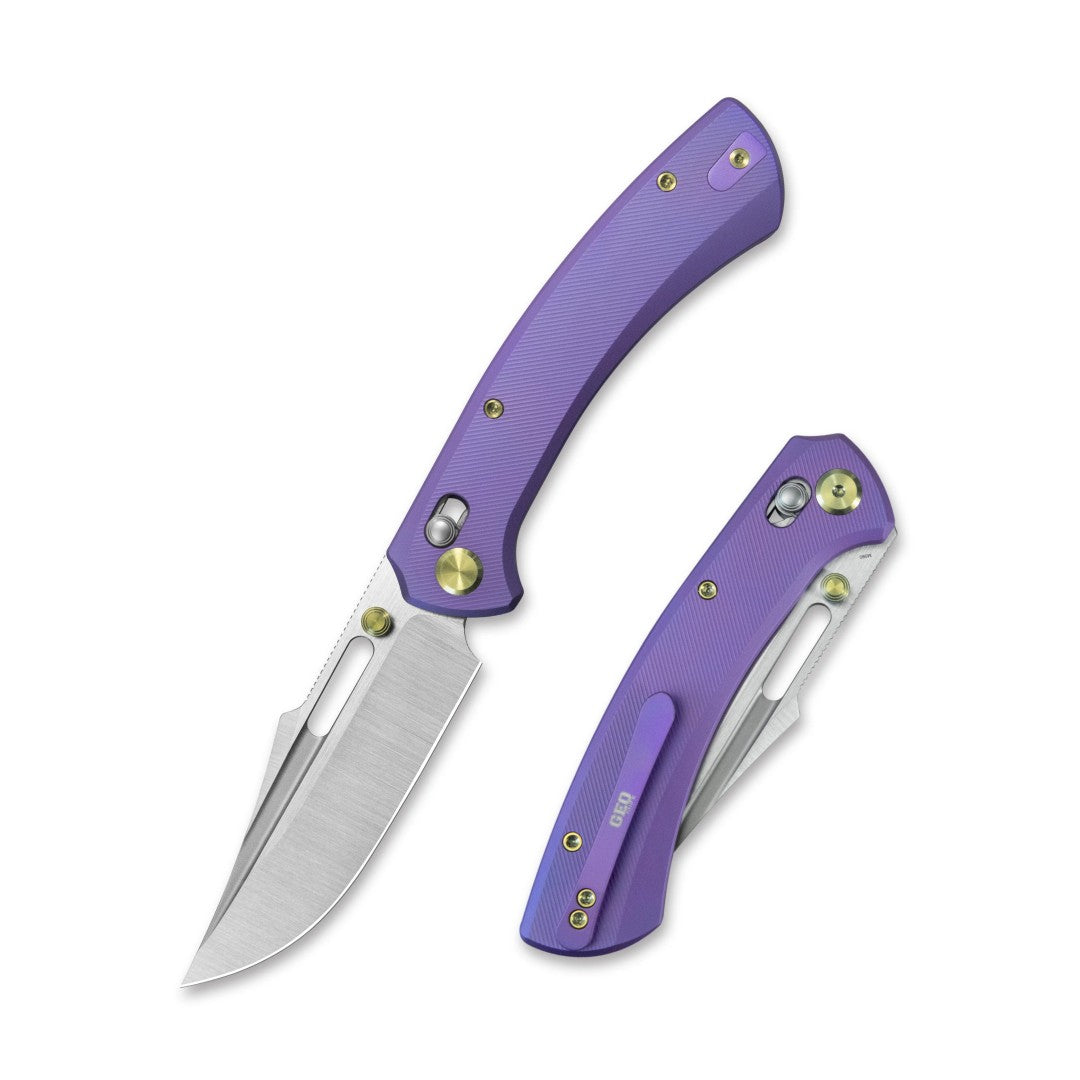
Maintenance is minimal but worth doing. Empty the bag once a month, shake out grit that has worked into seams, and check that nothing heavy has migrated into a pocket that was designed for something light. Rotate the contents with the season, swapping a large light for a compact one in summer. If you carry EDC knives in the same bag, give them their own sleeve so the edge never contacts a zip pull or a metal fastener, because that is how a good edge gets rolled and how fabric gets sliced.
Who Is This For?
Waist and chest carry suits commuters, dog walkers, photographers, tradespeople and anyone who has to sit behind a wheel. A crossbody bag is the better pick if you need a laptop sleeve or documents. Collectors who have spent years perfecting a pocket rotation often find that relocating half of it into a single small bag actually simplifies the day, and it makes the morning decision about what to carry far quicker.
Final Verdict
Pick the shape first, then the bag. Chest and waist carry win on access, crossbody wins on capacity, and no bag fixes a kit that is too large. Assemble a small, honest set of tools, give the light a proper sleeve, and the bag will quietly disappear into your routine. New to this? Start with a compact EdcMall loadout and add capacity only when you have outgrown it.