
Overview & First Impressions
Fiber splicing happens in a van, a manhole, a hand hole or the back of a cabinet, and almost never in good light. A fusion splicer needs a clean tray, a buffer tube needs stripping, and a connector ferrule needs inspecting for dust before it is closed. There is a reason splicing pouches pair EDC knives with Nitecore flashlights: the blade trims strength members and the light makes an invisible end face visible.
Materials & Construction
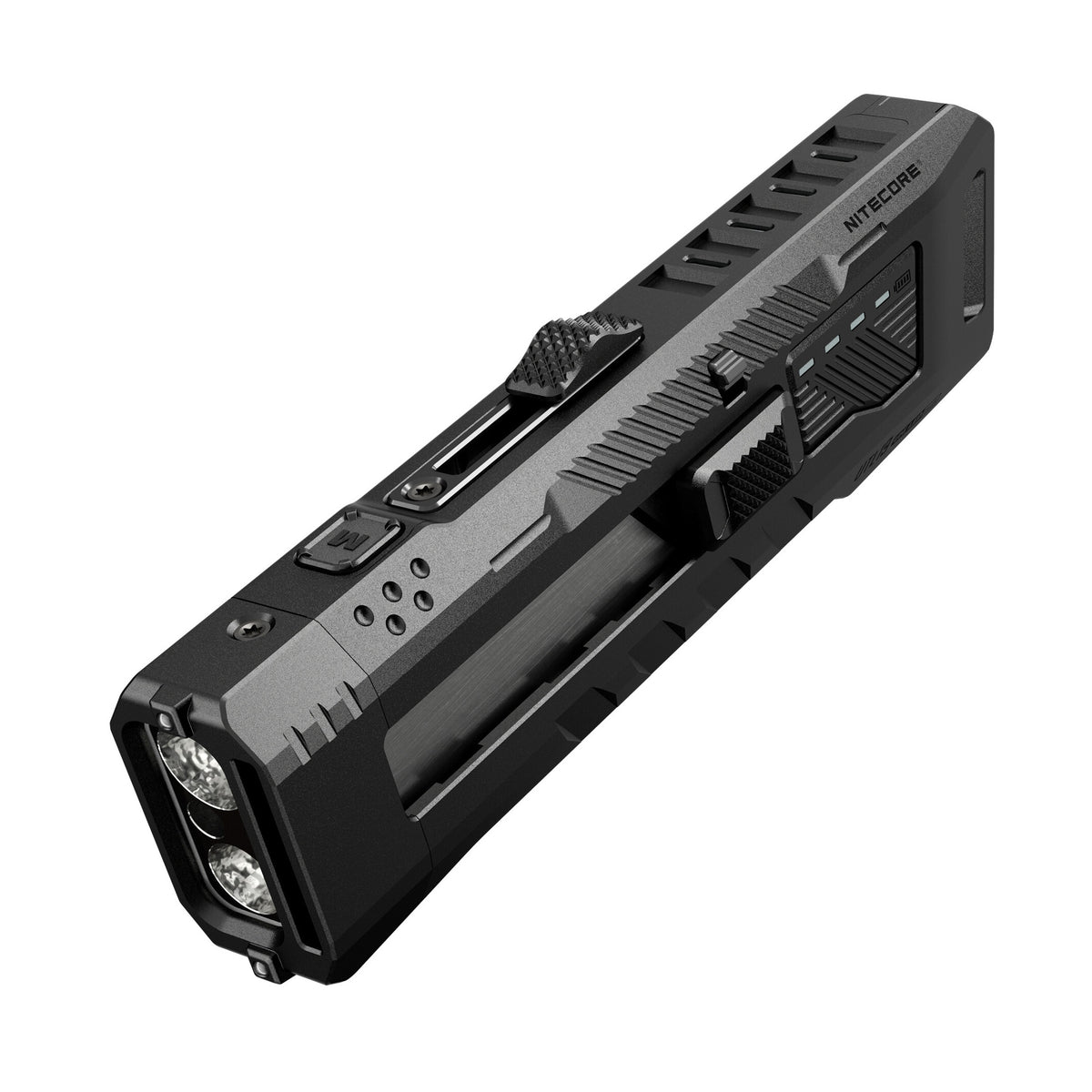
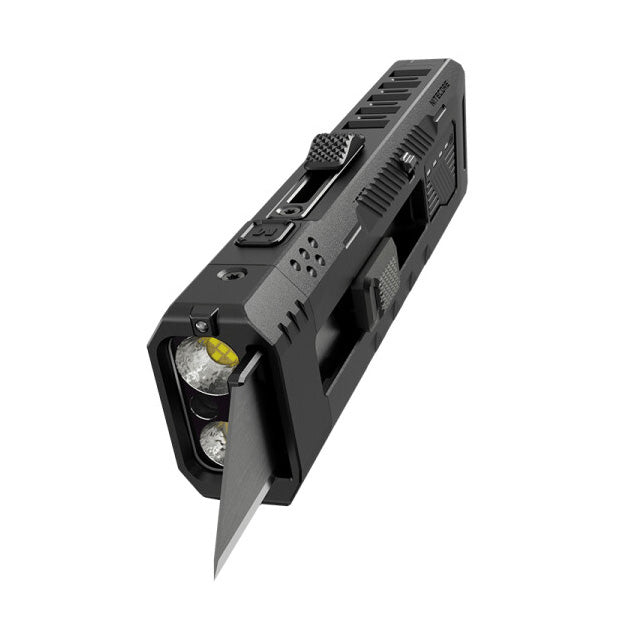
The Nitecore EDC15 is a flat, pocket-shaped rechargeable light rated at 1200 lumens with a secondary UV emitter. The flat body sits against a leg instead of bulging in a pocket, and the aluminium housing takes the knocks that a bucket and a ladder hand out. Nitecore flashlights of this shape are built for exactly this trade: thin, bright out of a small lens, and rechargeable over USB-C so no loose cells float around a van.

Design & Details
A splice tray is a small, fiddly workspace. The UV mode reveals residue and fingerprint oil on a ferrule that white light hides, while the low white mode lights a tray without washing out the blue splice protectors. A two-stage side switch prevents accidental full-power bursts, and a pocket clip keeps the light inside a coverall when the ladder has to be climbed with both hands.
Real-World Use
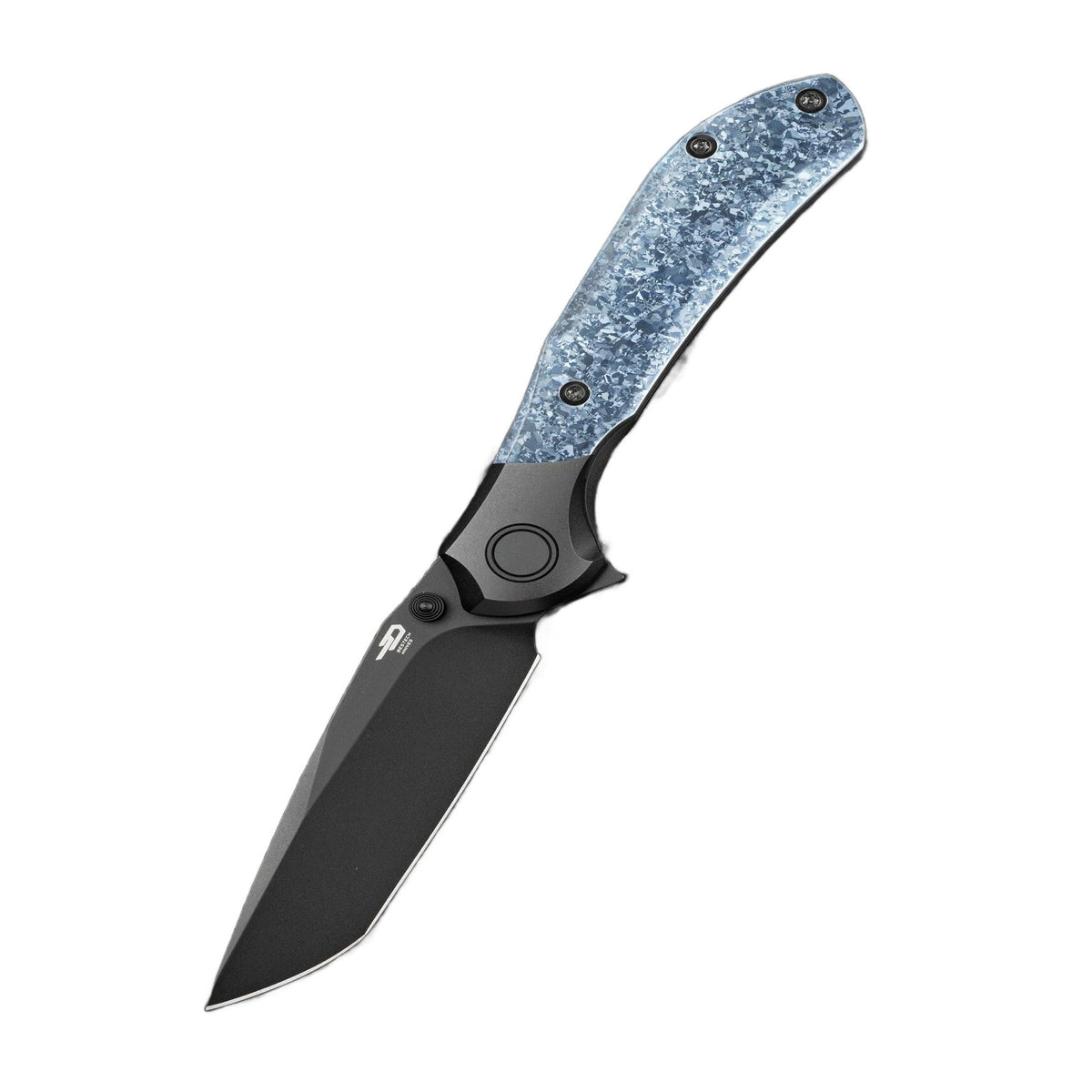
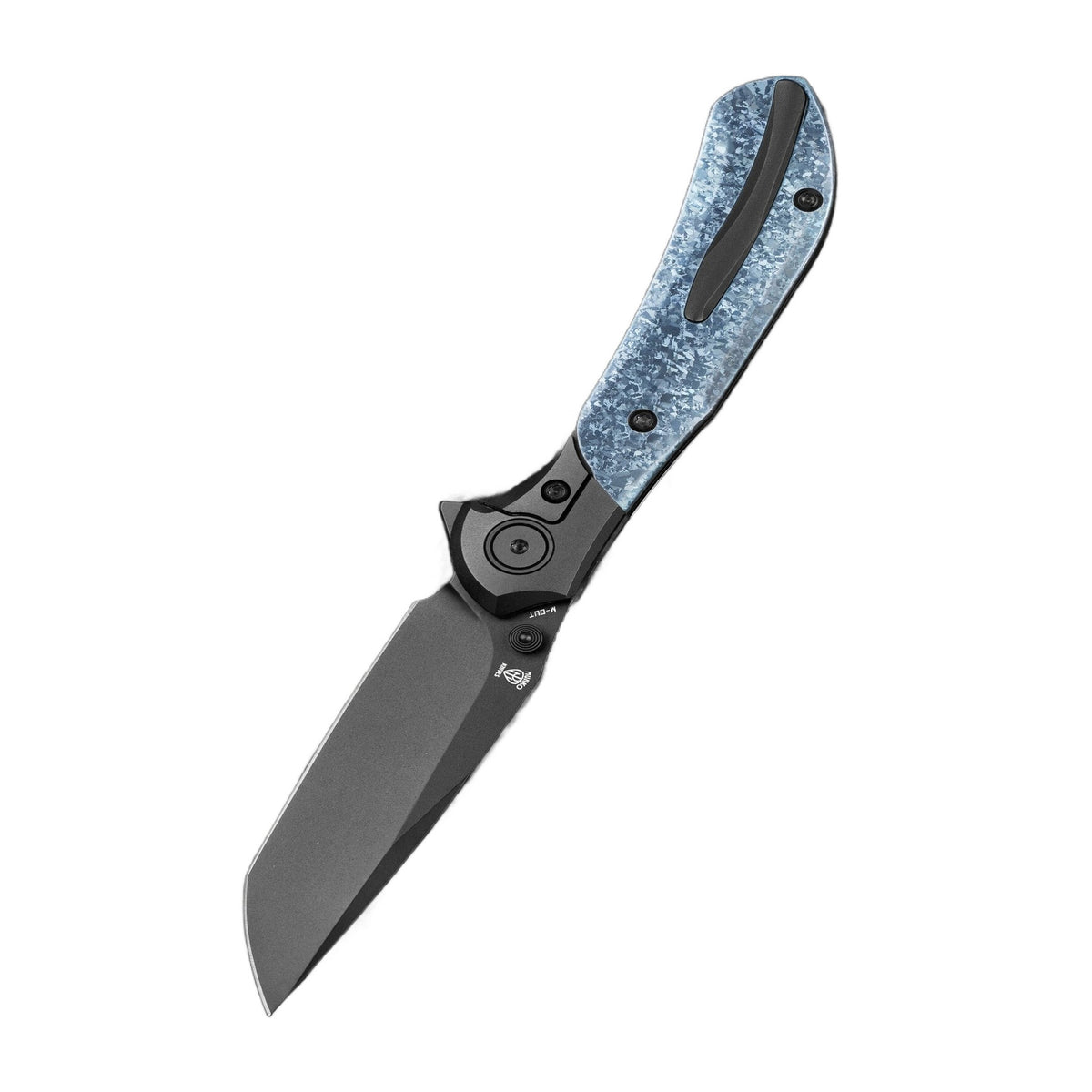
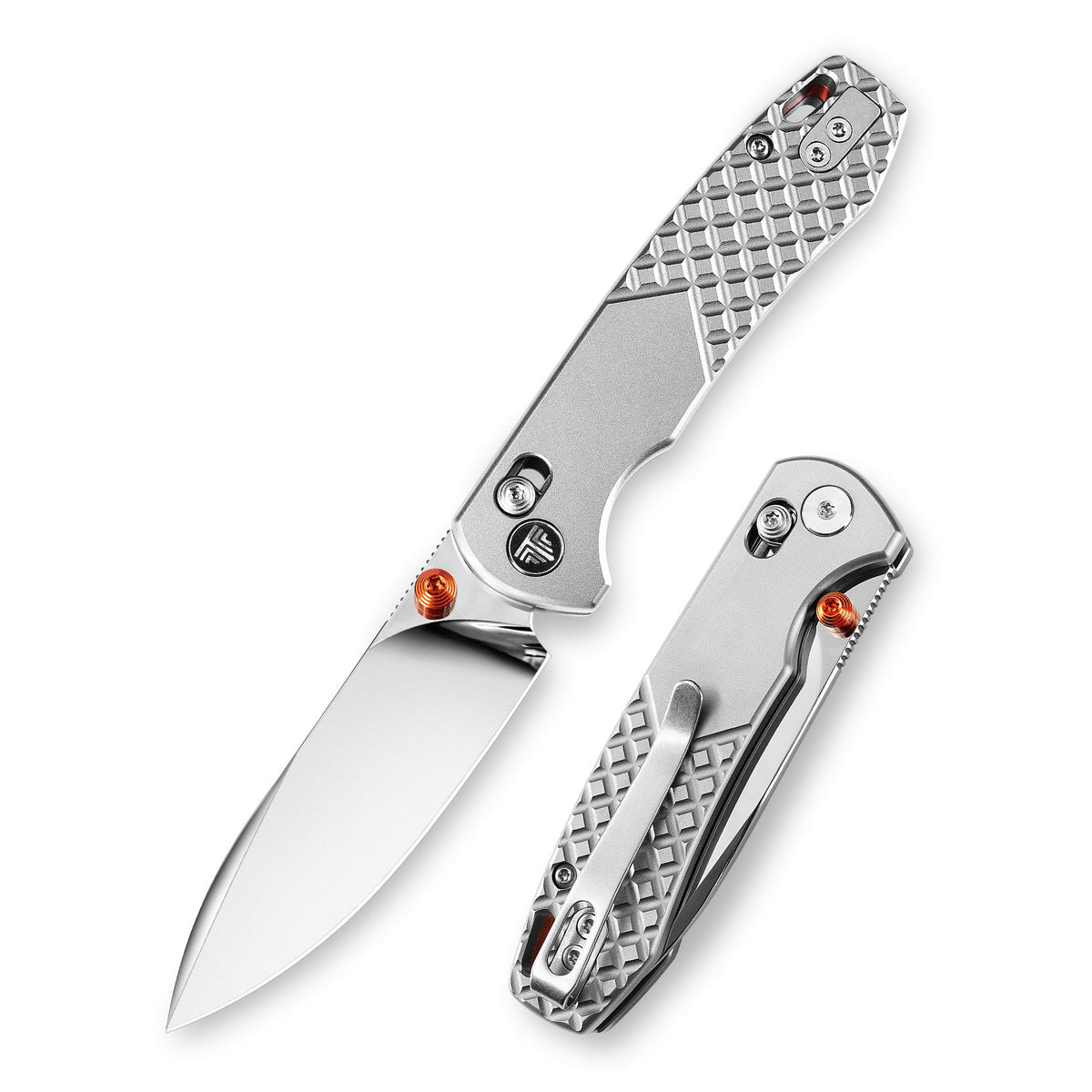
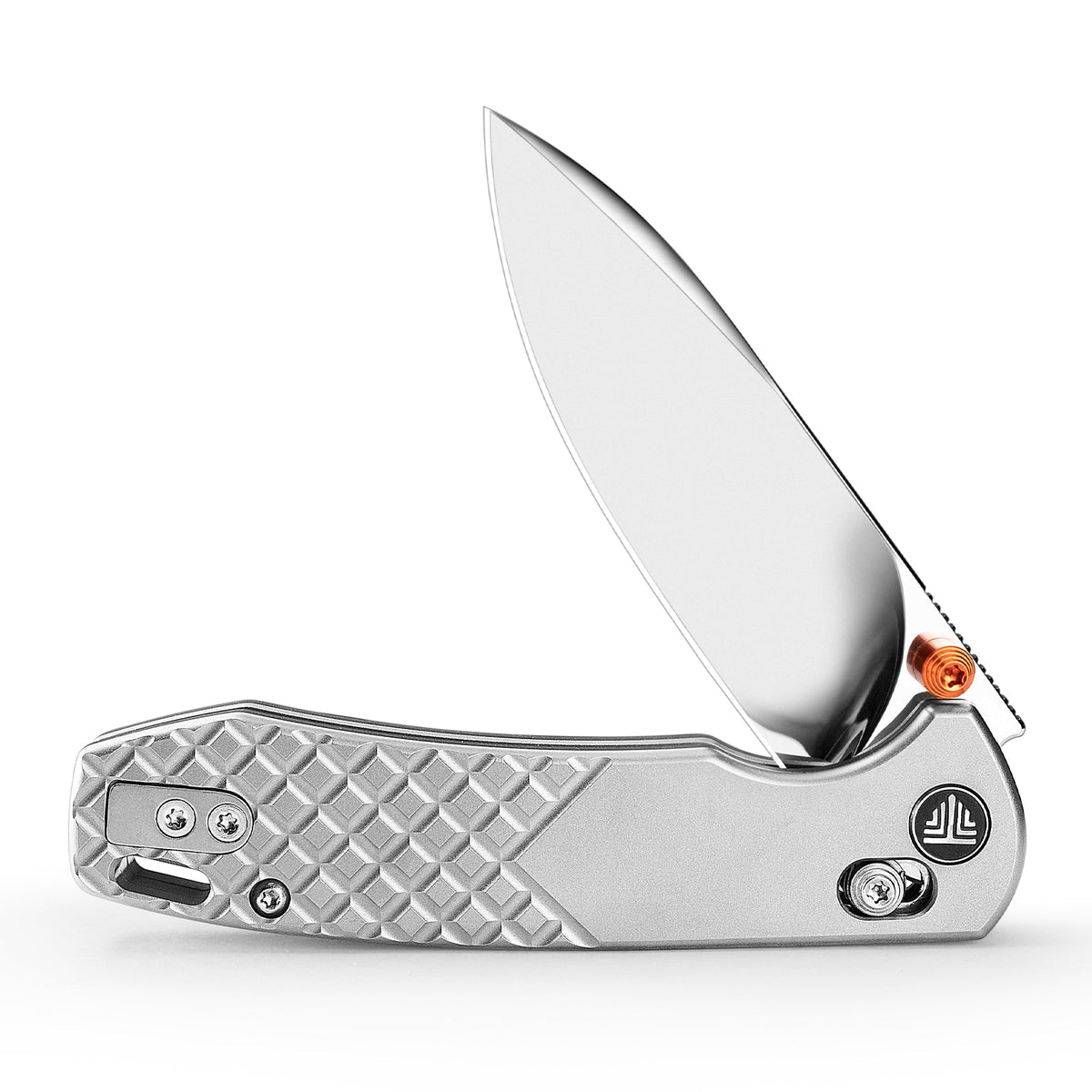
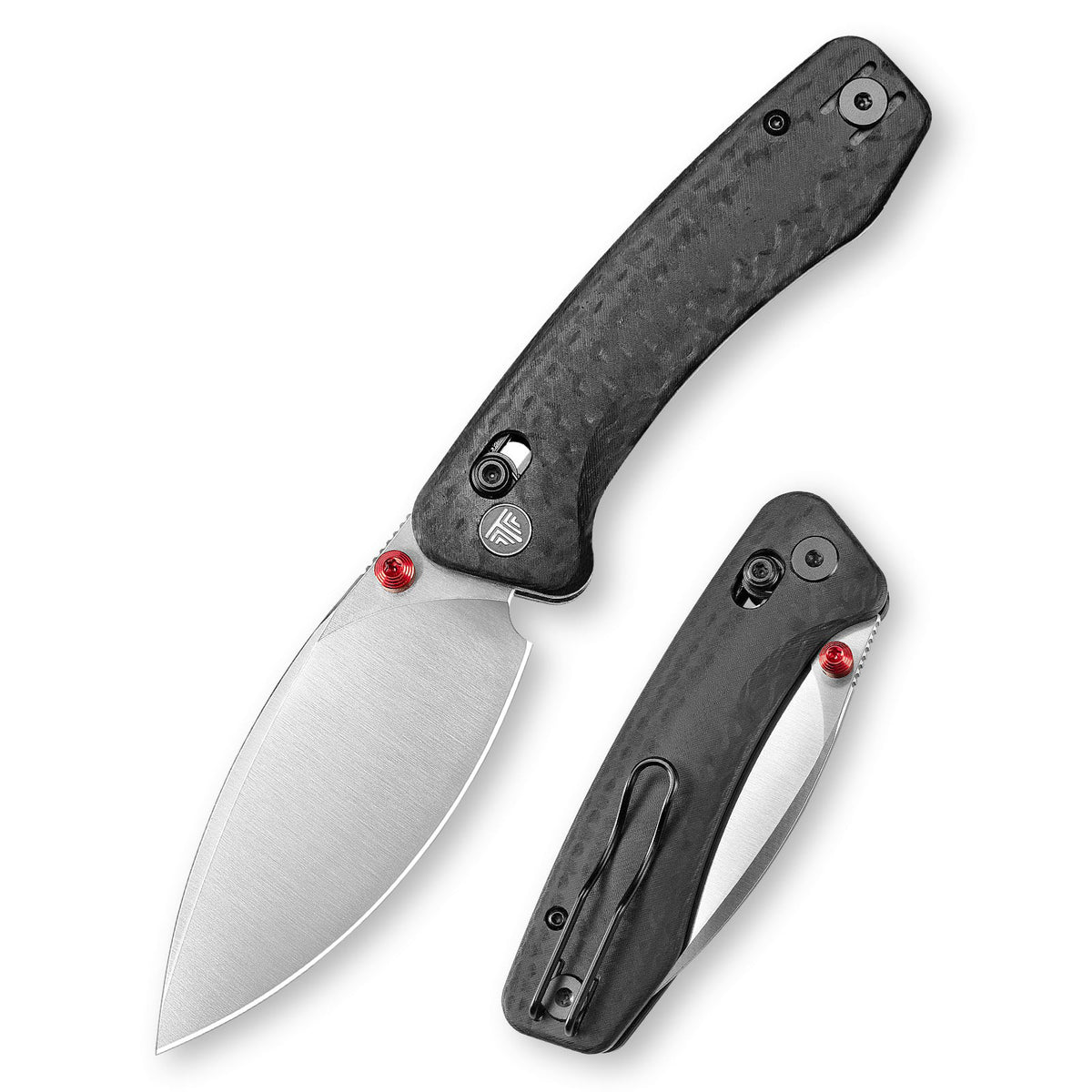
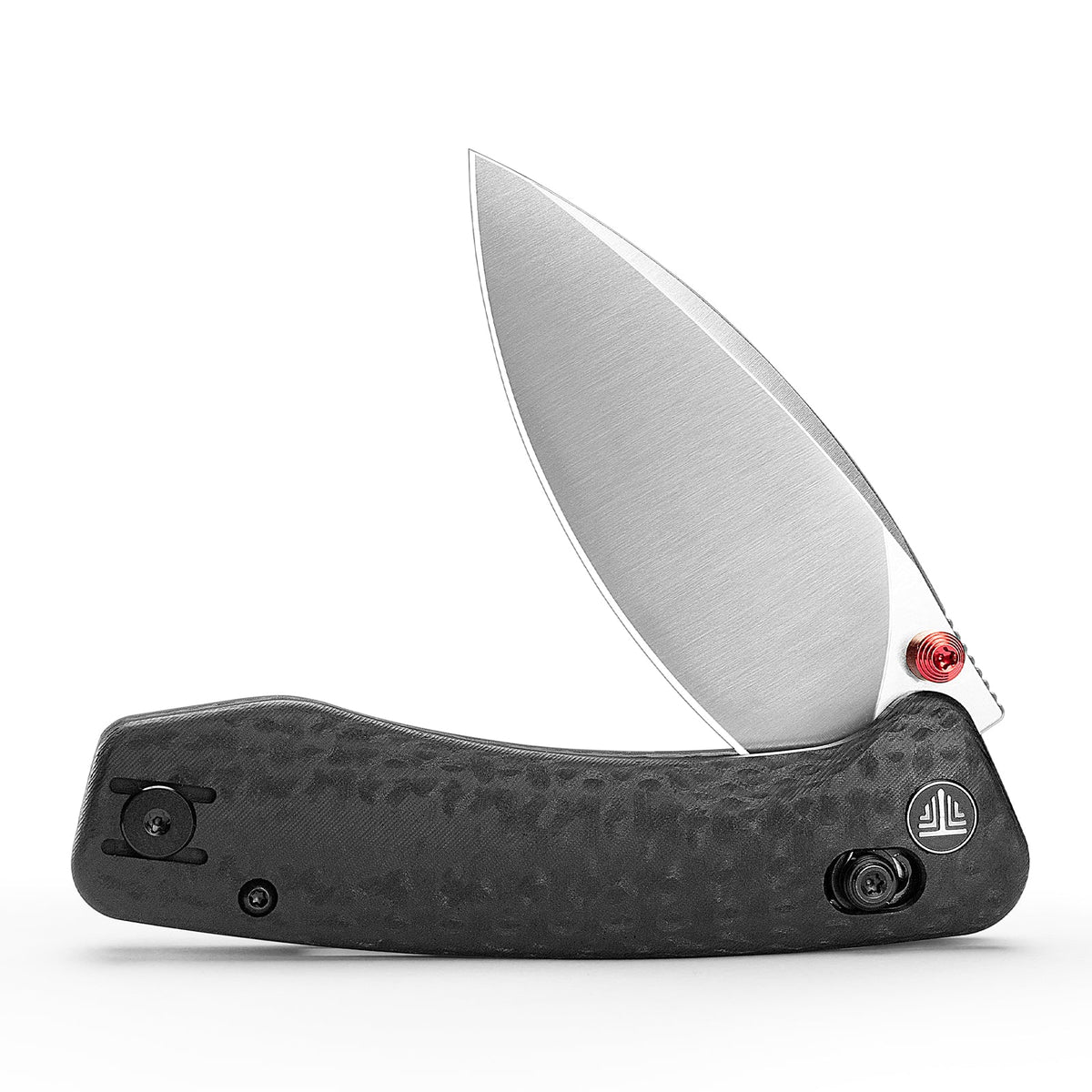
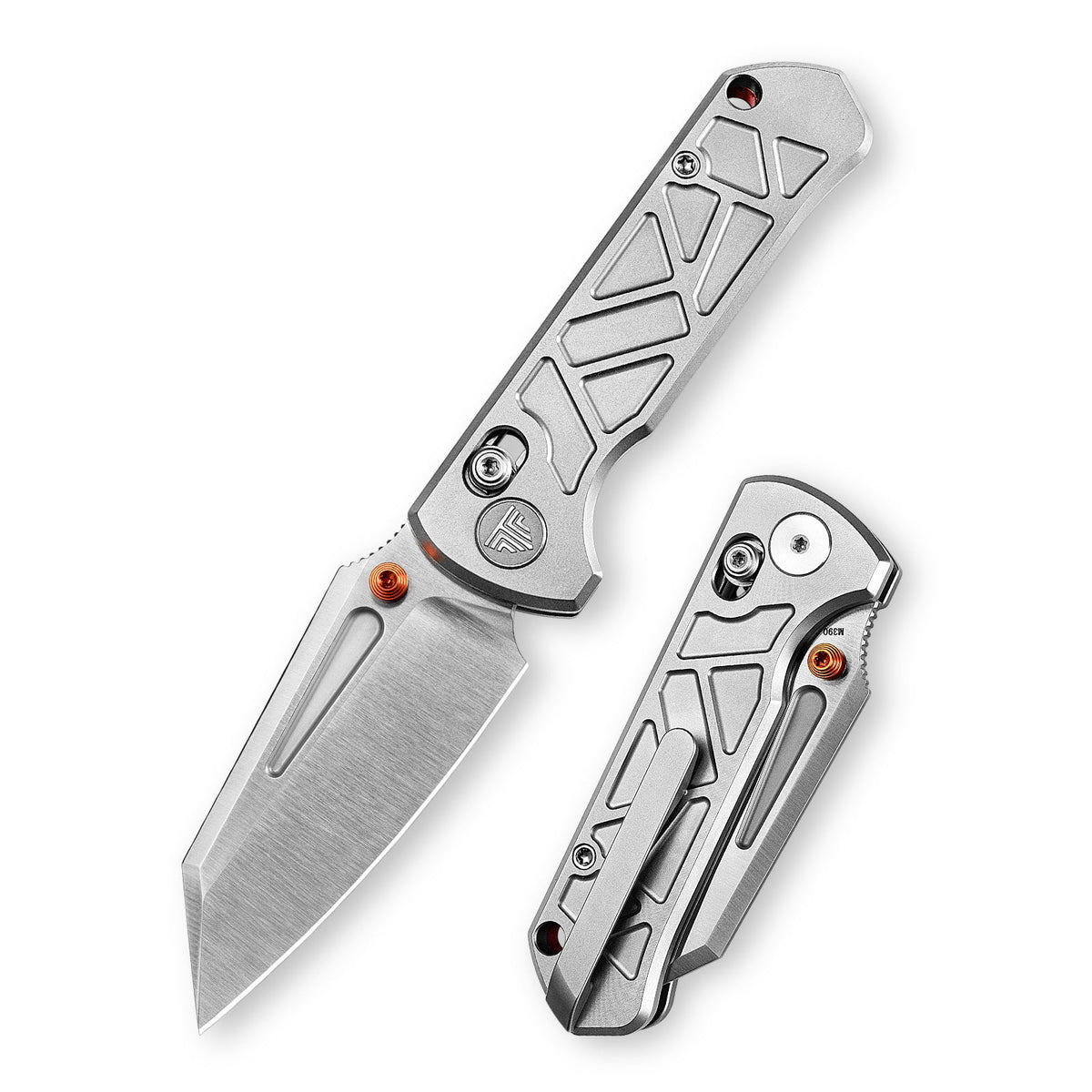
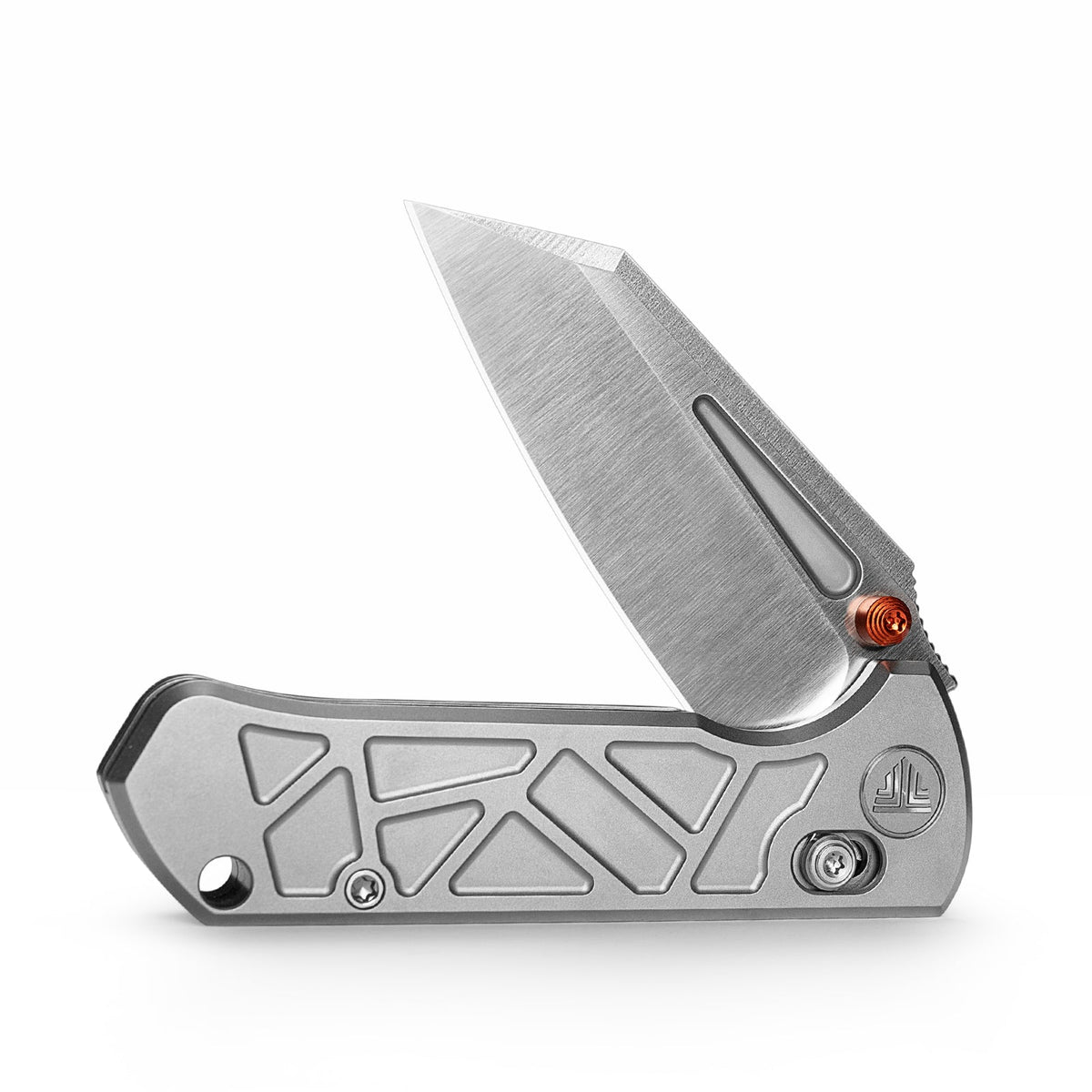
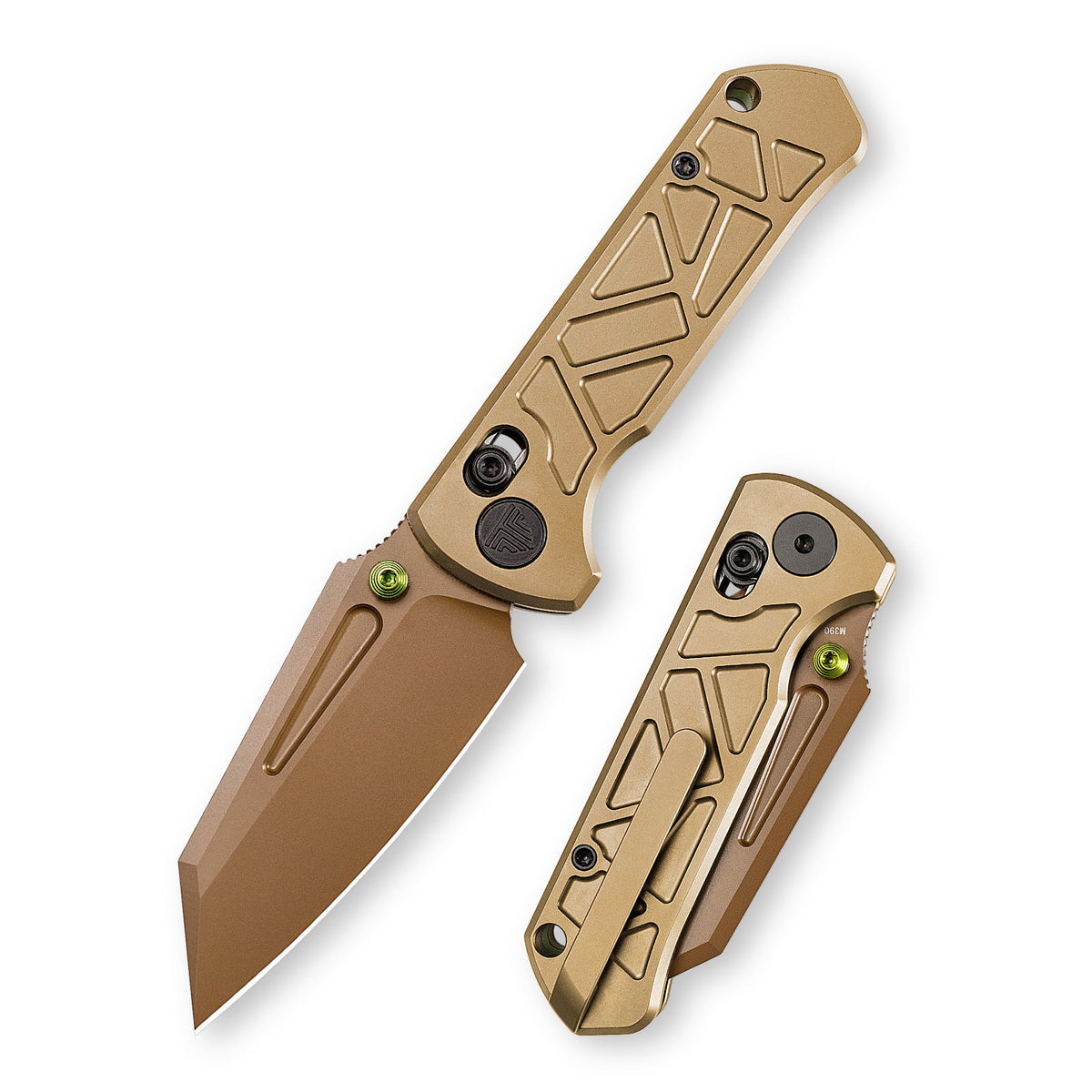
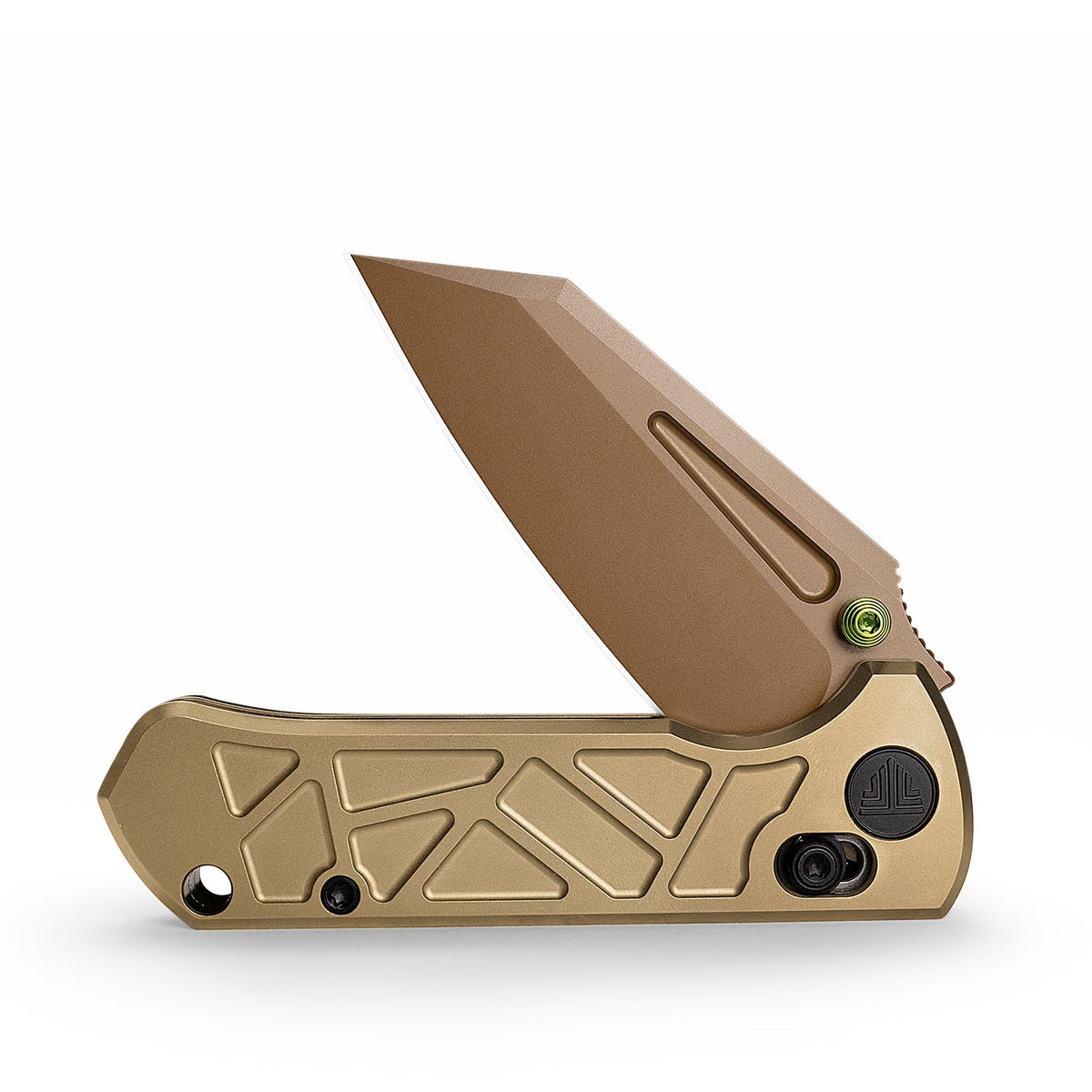
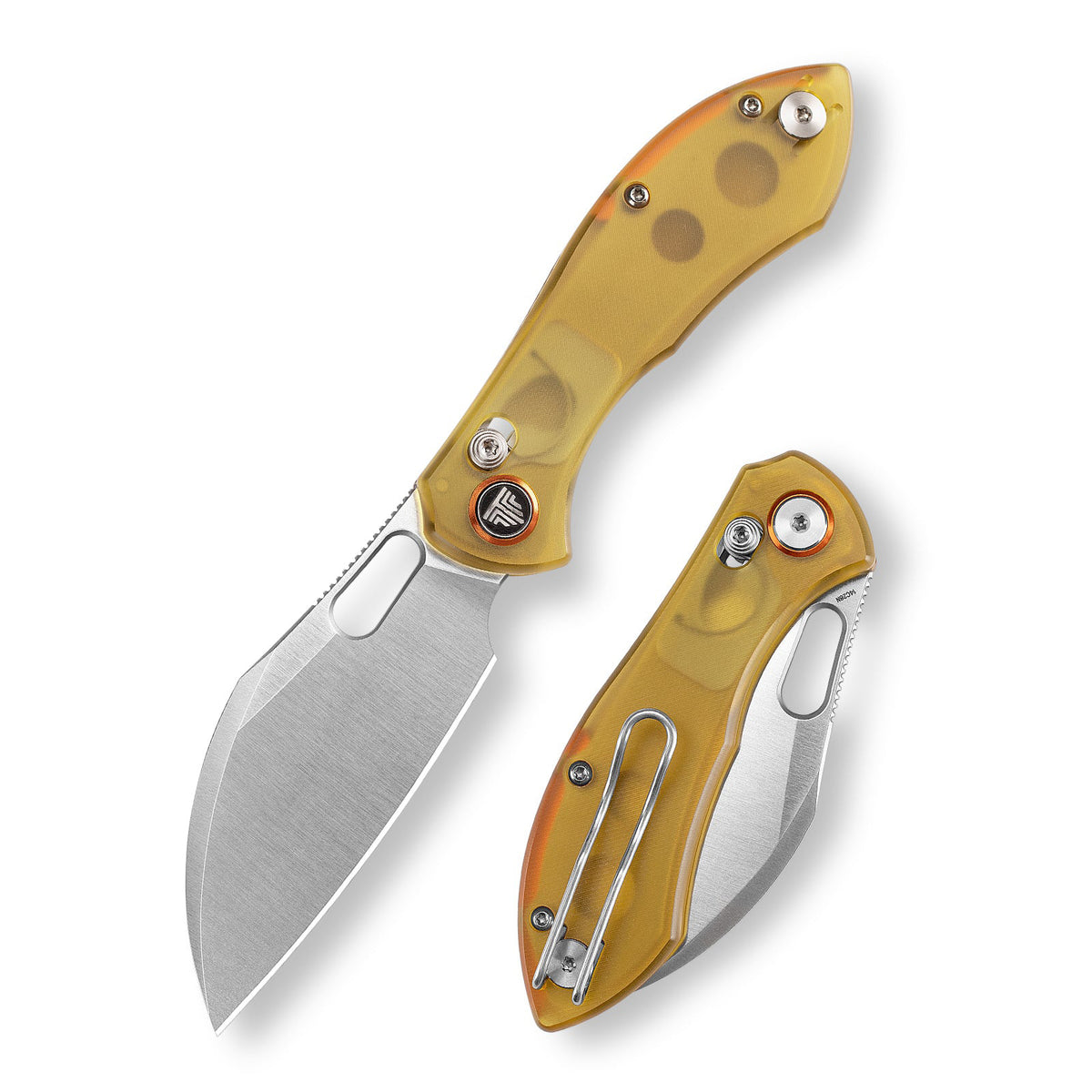
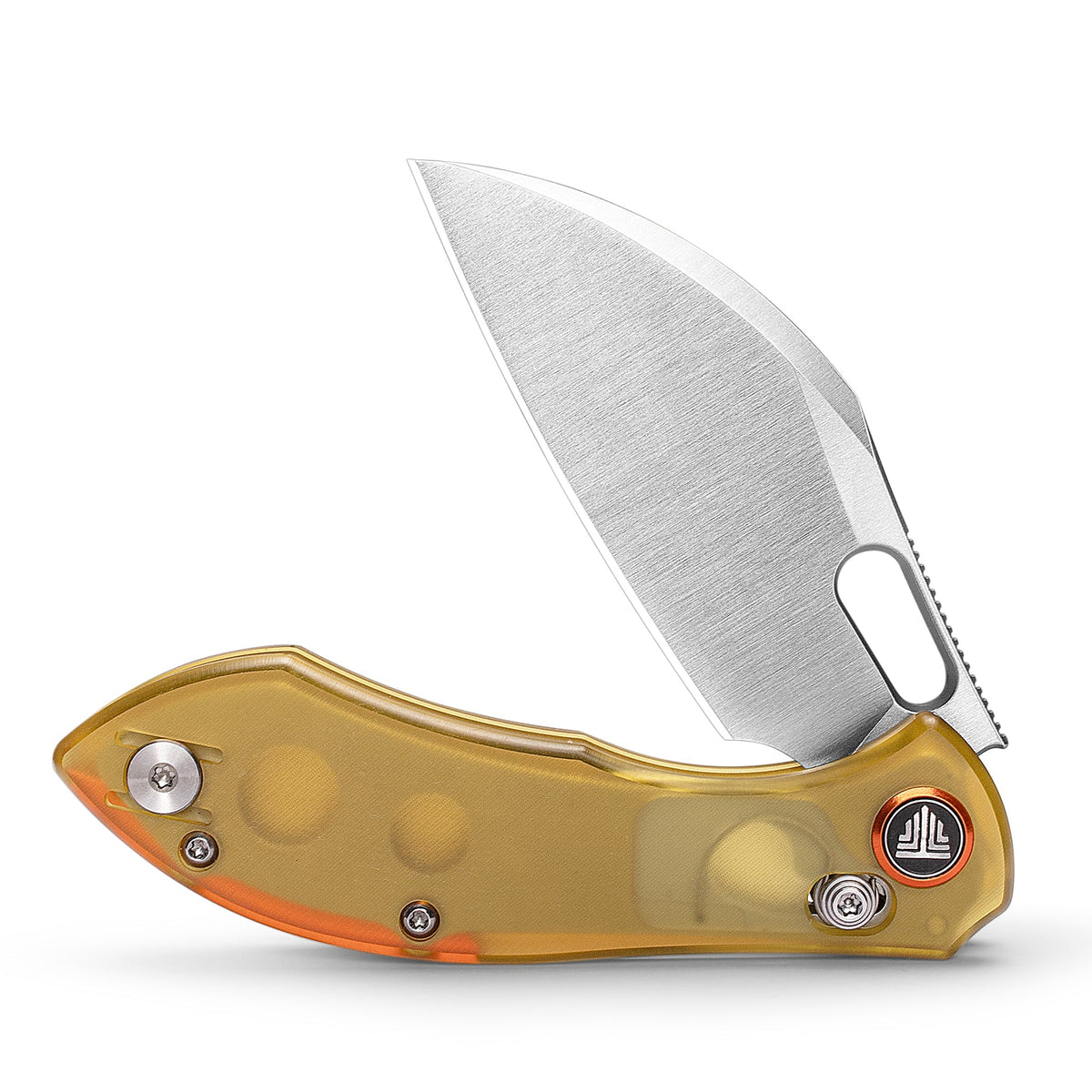
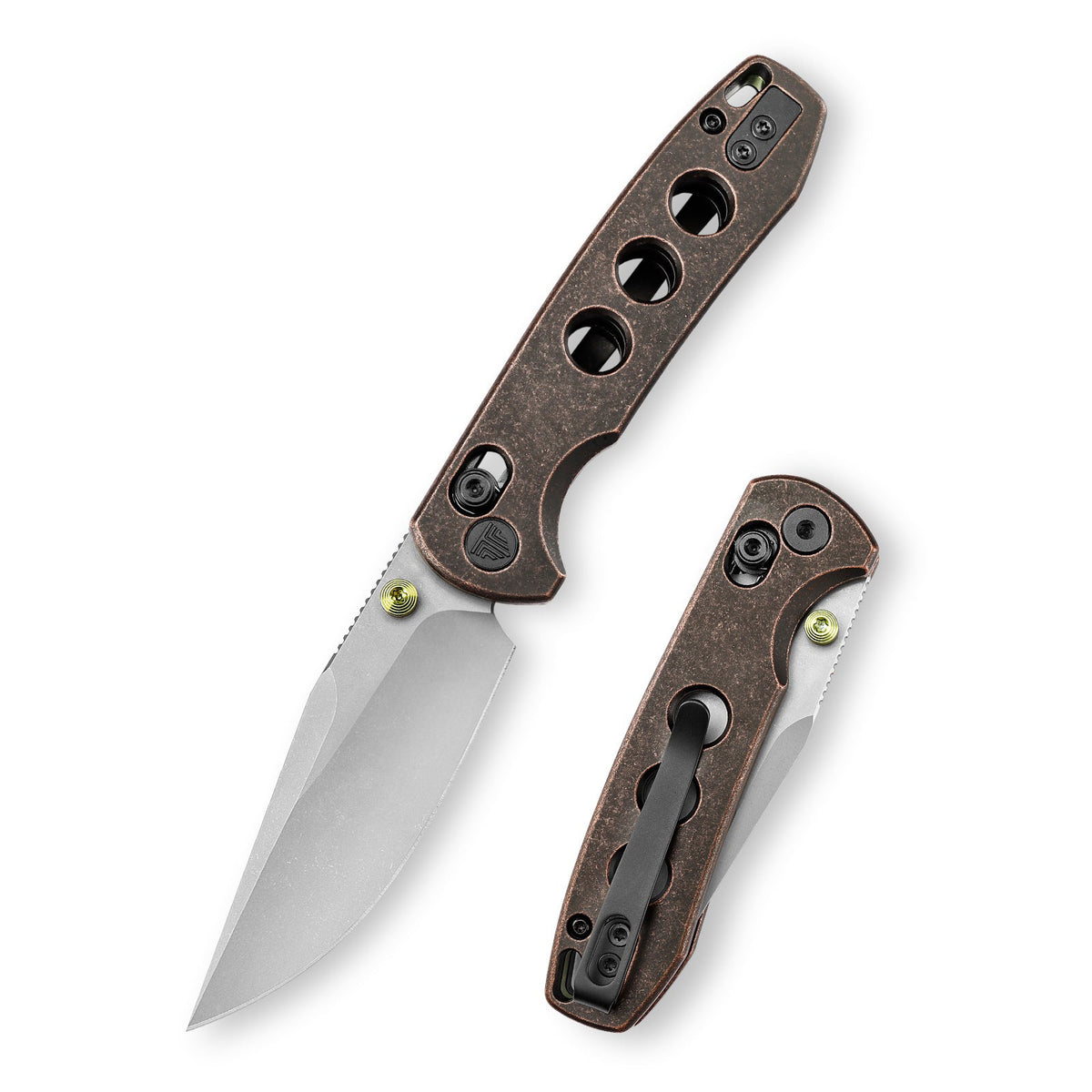
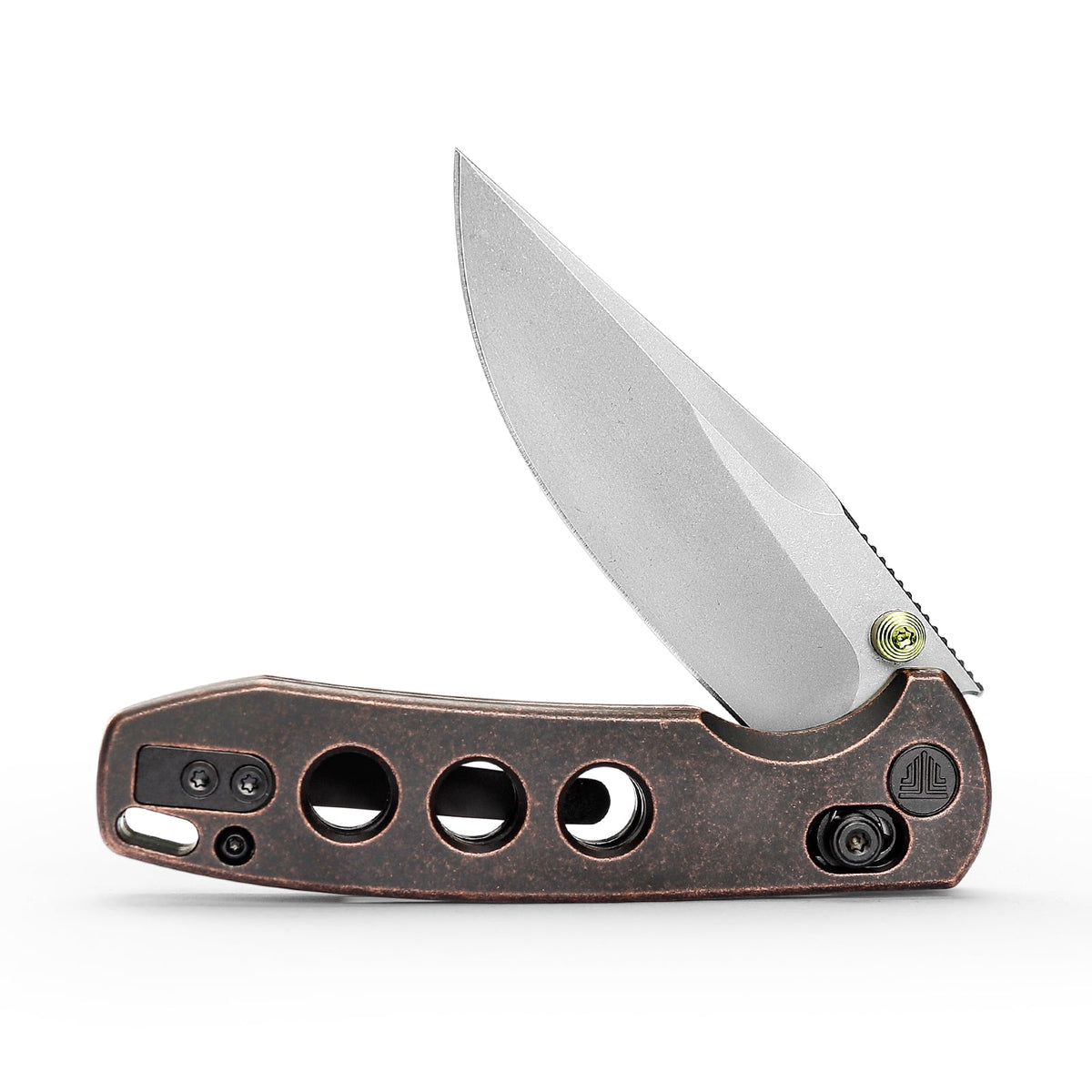
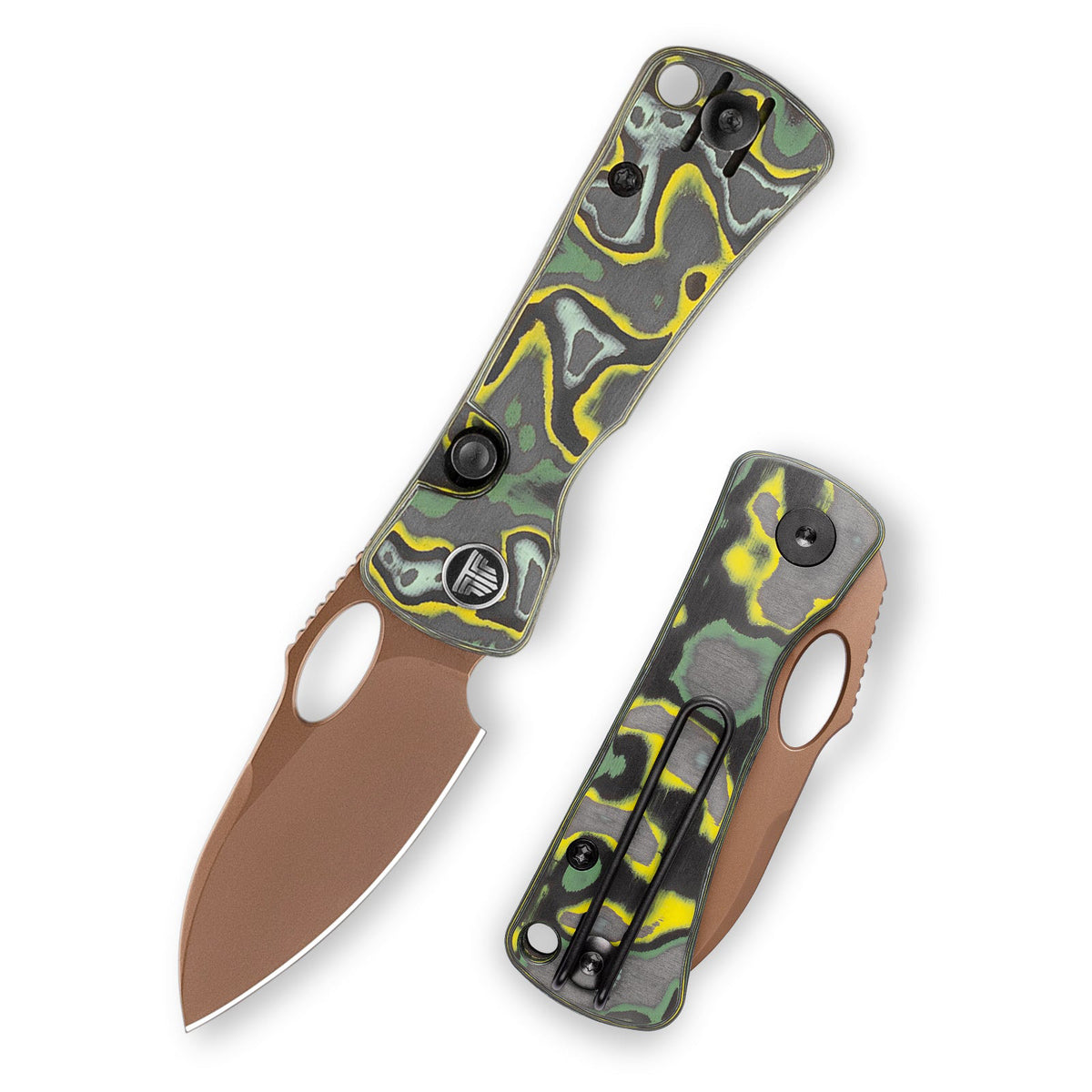
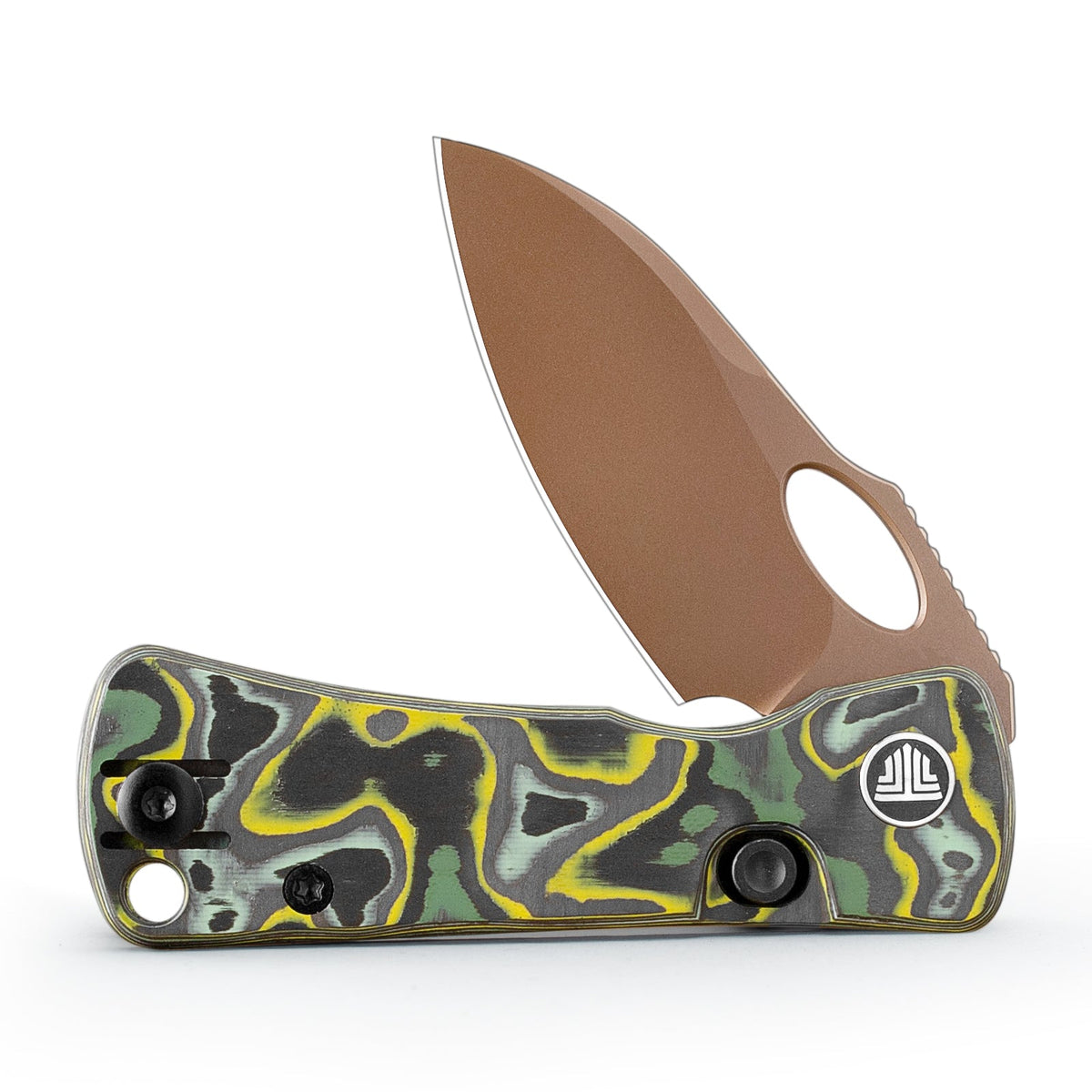
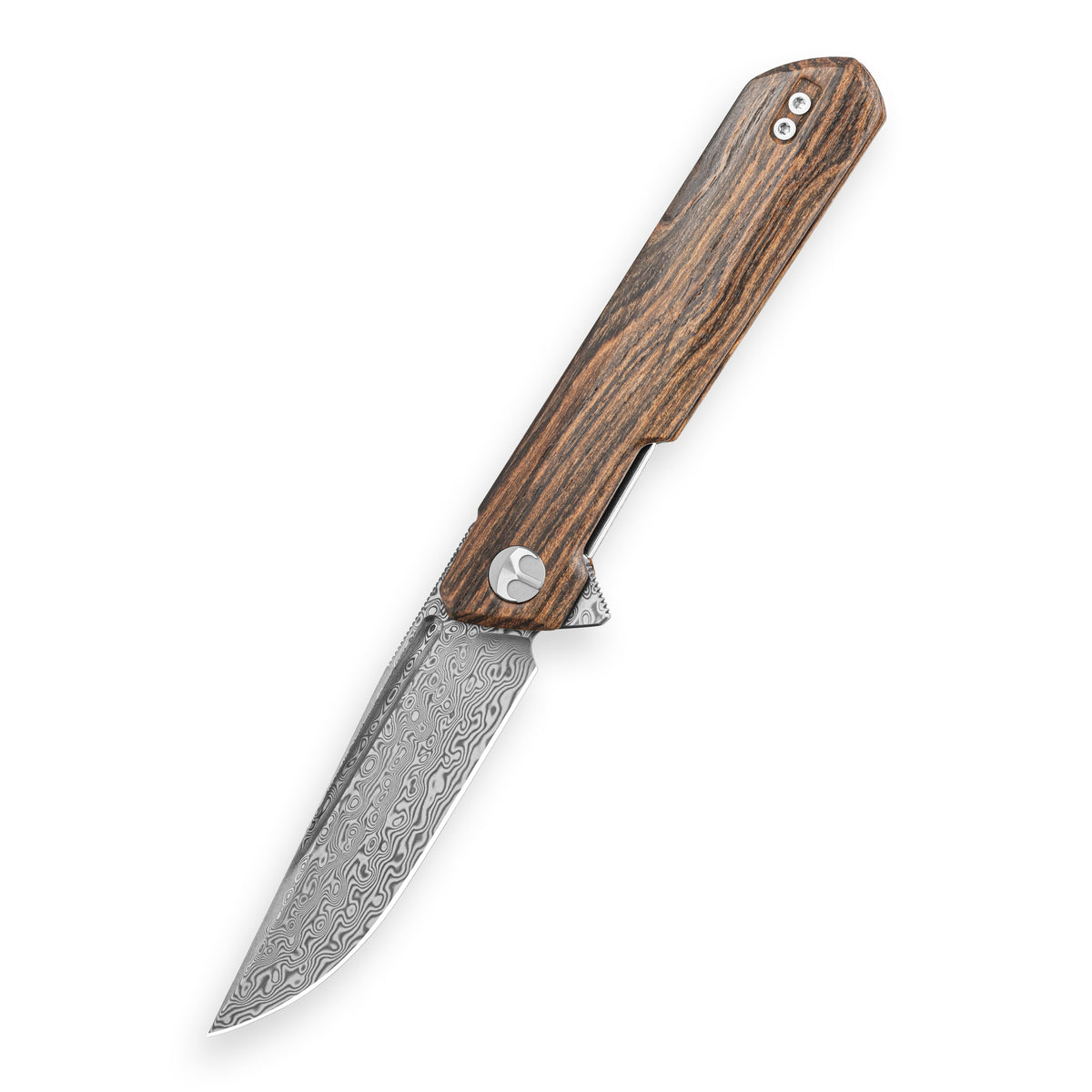
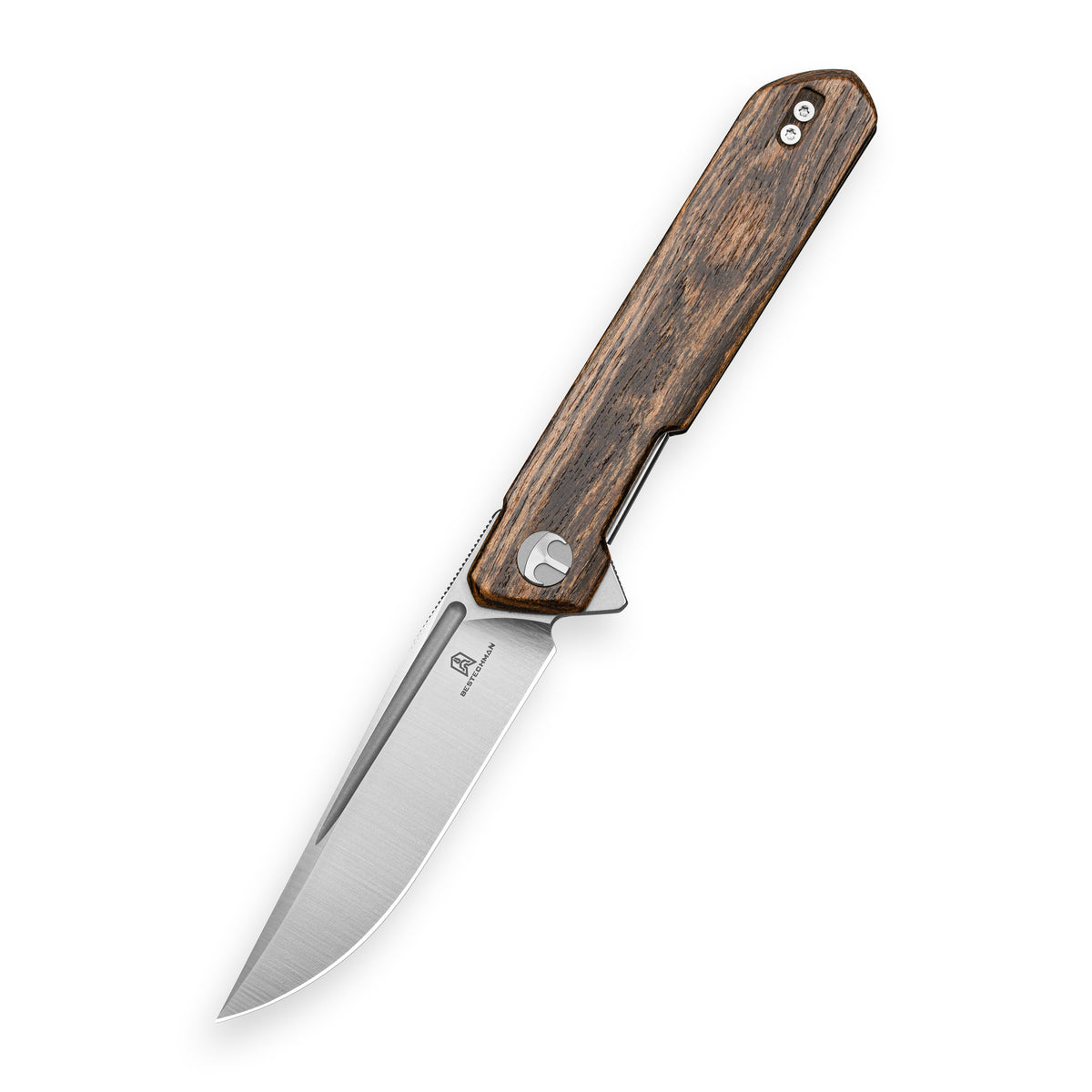
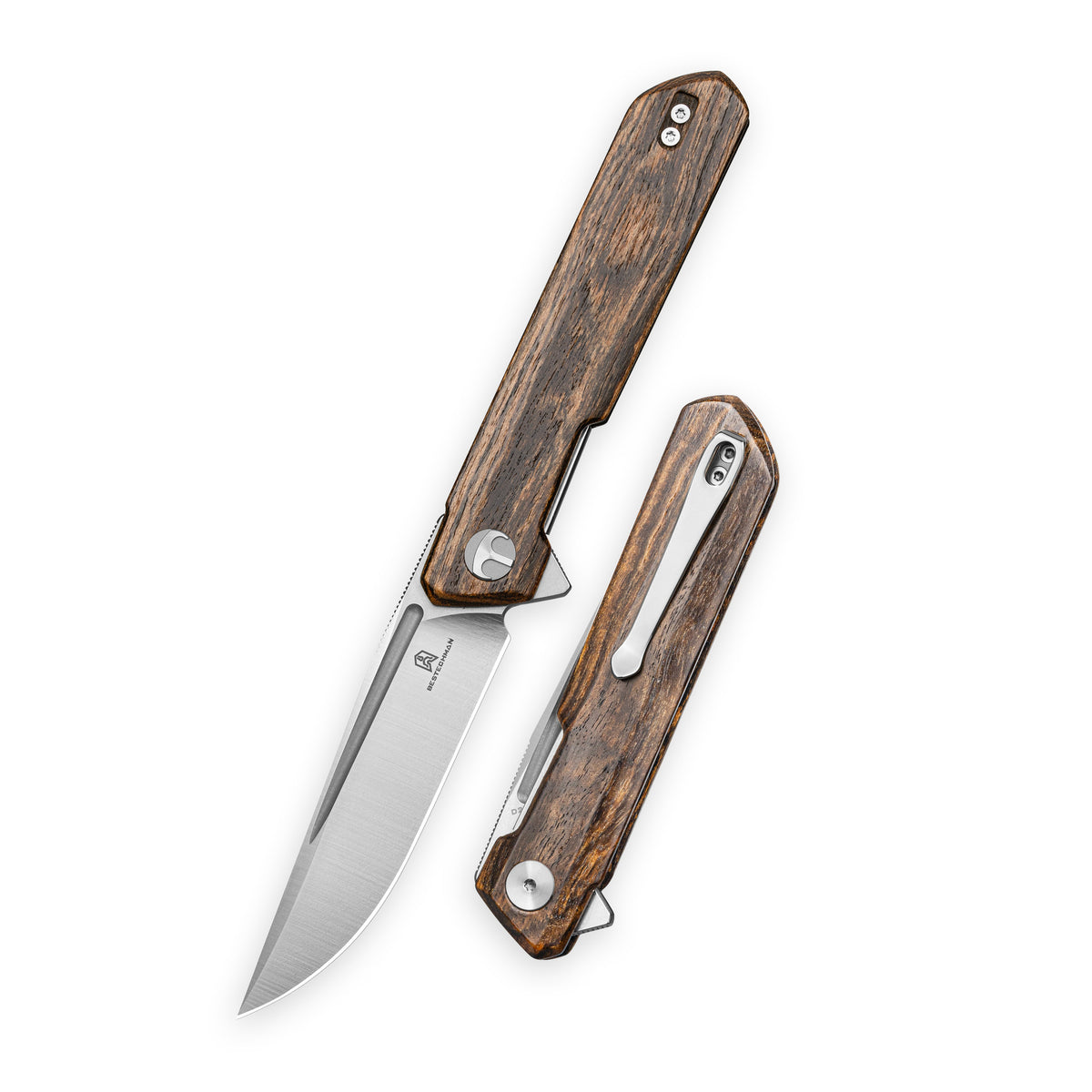
On a typical day the UV mode fails a contaminated connector that white light would have passed, the white mode lights a tray while sleeves are positioned, and the high mode floods a hand hole for a mid-span repair. Meanwhile the blade in your pocket strips outer jacket, cuts aramid yarn and trims a length of heat-shrink. A folding knives option with a short blade is easier in a bucket.

Ownership Notes
Fiber work punishes dirt. Wipe the lens and the UV window with a lint-free swab, keep the charging flap closed in a manhole, and never let aramid dust build up inside a folder pivot. Clean the pivot with compressed air, add one drop of oil and work the action. EdcMall carries the compact lights, chargers and blades that suit a splicing van. Many splicers treat the van as a second office and keep the same EDC flashlight in a pouch beside the cleaver, the alcohol wipes and a spare splice tray, so the tool is never missing when a closure has to be re-entered at 22:00 on an emergency call-out.
Who Is This For?
This is for splicers, network techs, structured-cabling crews and field engineers who work in dark closures every day. A hobbyist terminating a couple of patch leads in a well-lit room can skip the UV. If you close connectors for a living, buy a flat light with a real UV emitter and keep it in the same pouch as your cleaver.
Final Verdict
Splicing lights are judged by how quickly they expose a contaminated end face, and UV does that in seconds. The Nitecore EDC15 combines a 1200 lumen white beam with a UV mode in a body thin enough to forget, and it earns its place next to whatever folding knives you carry.