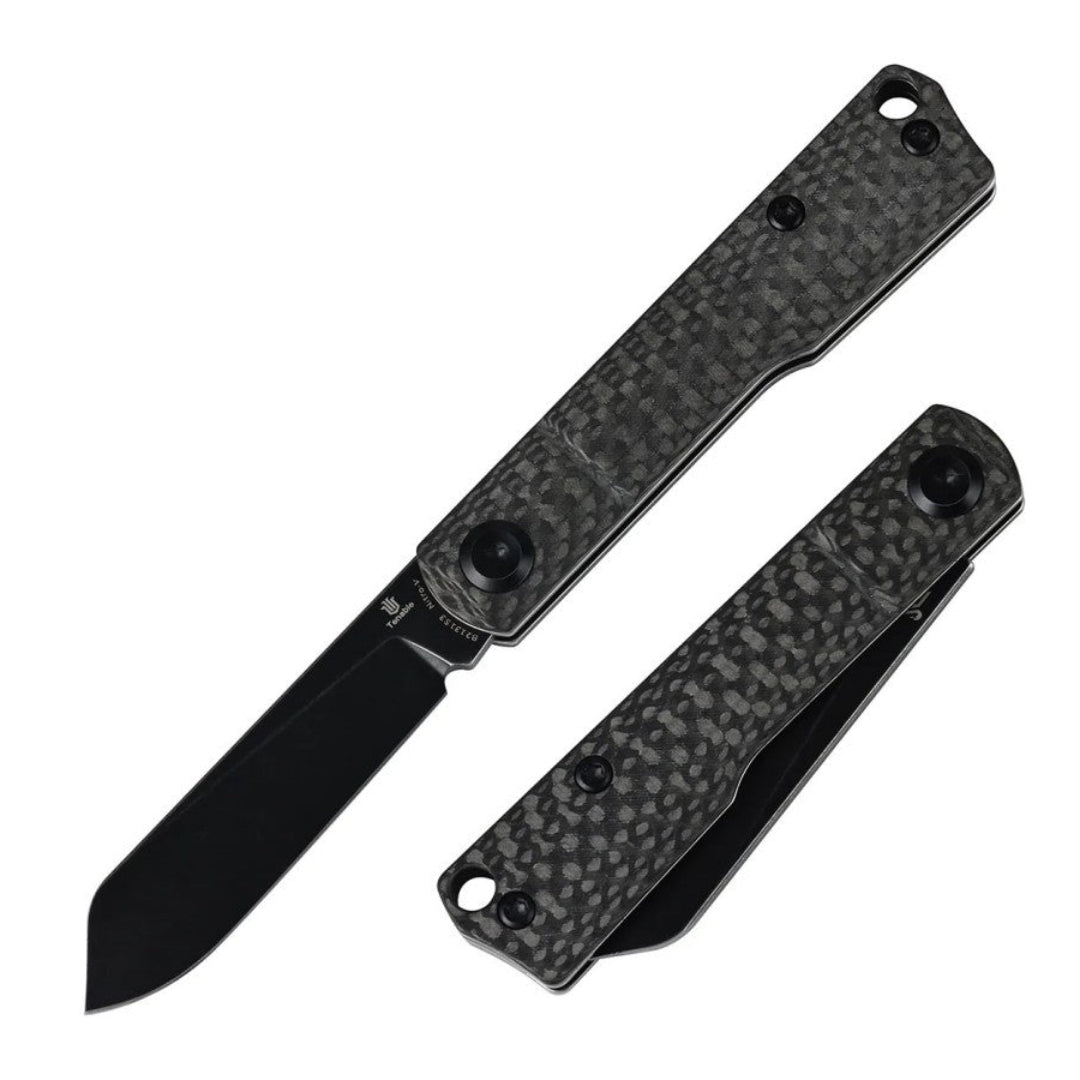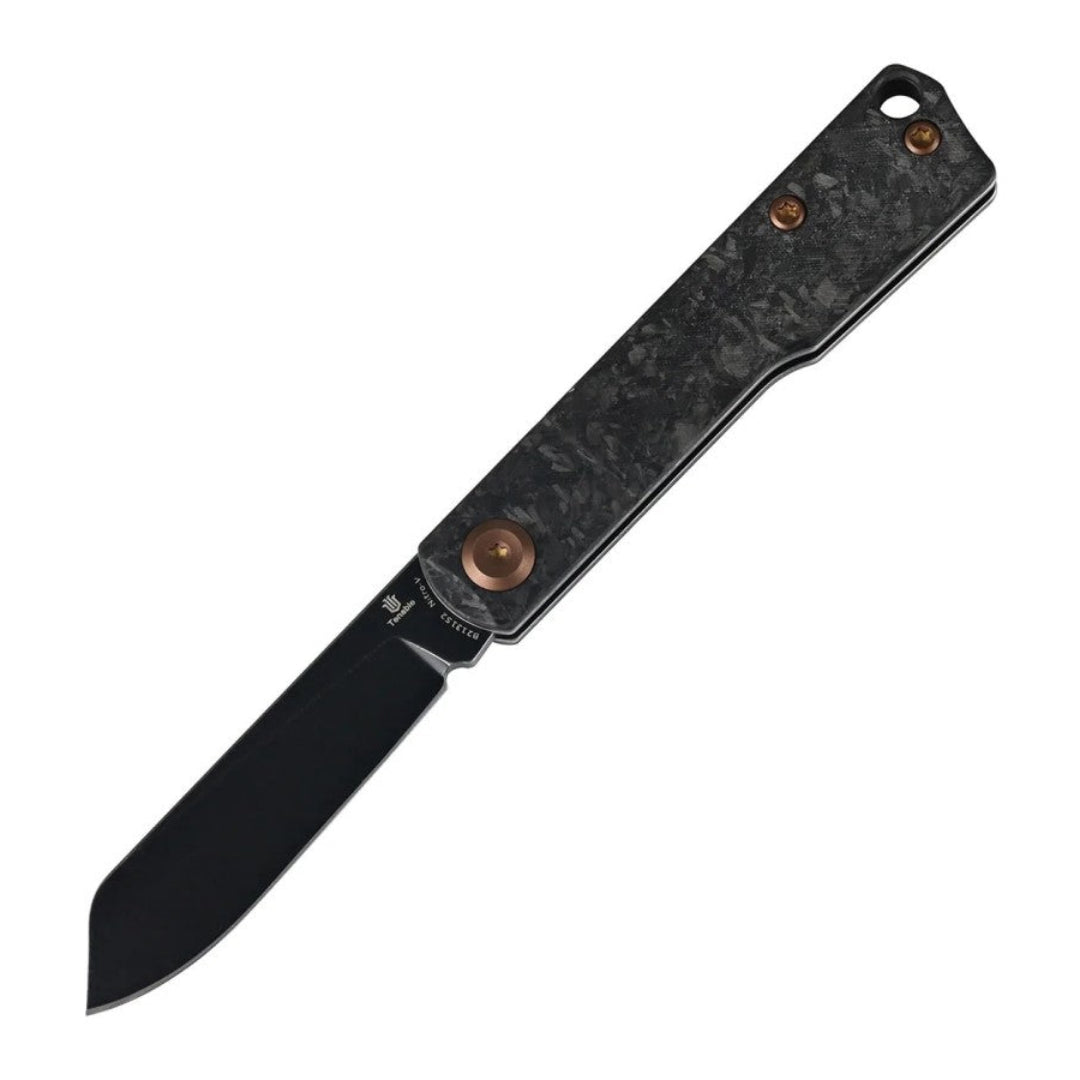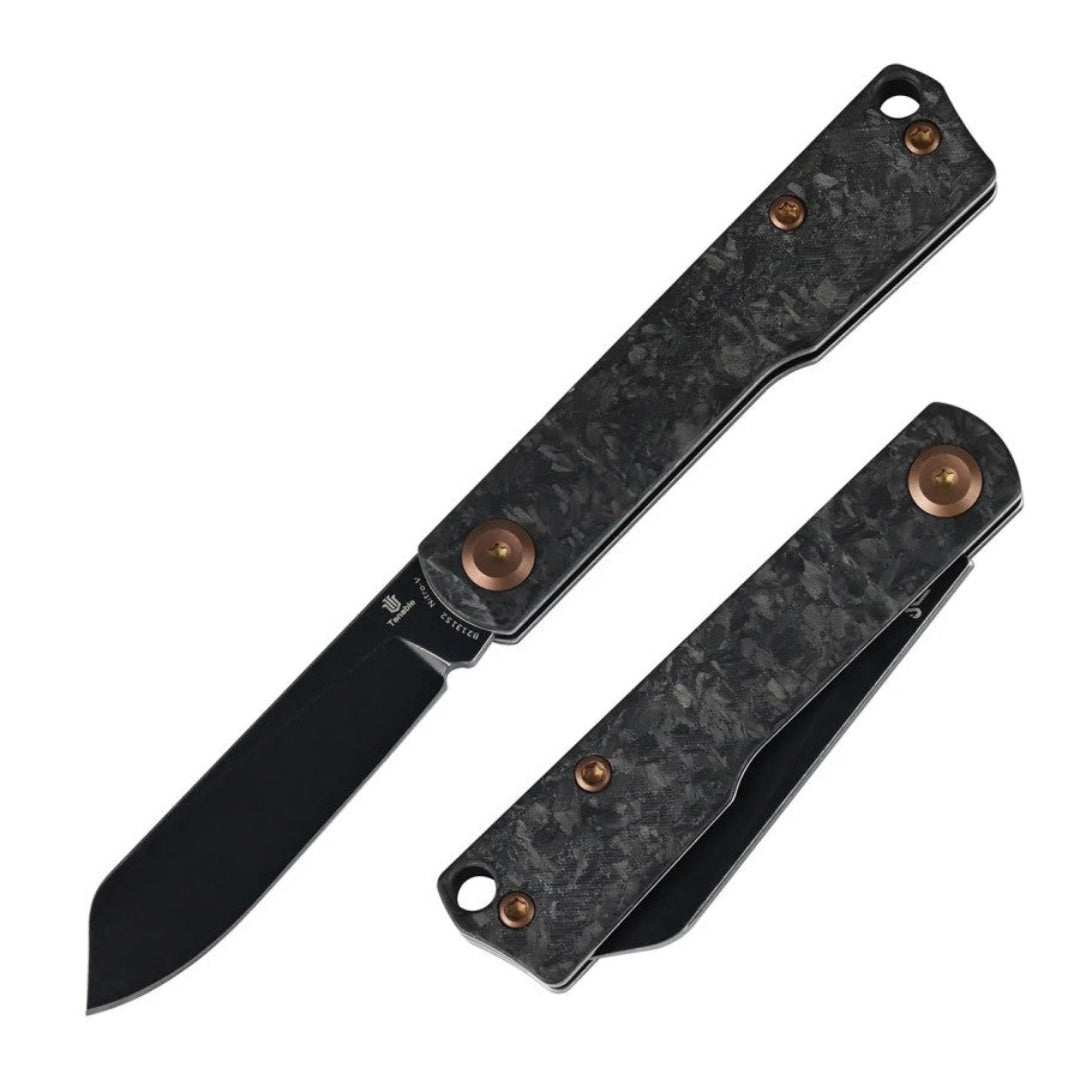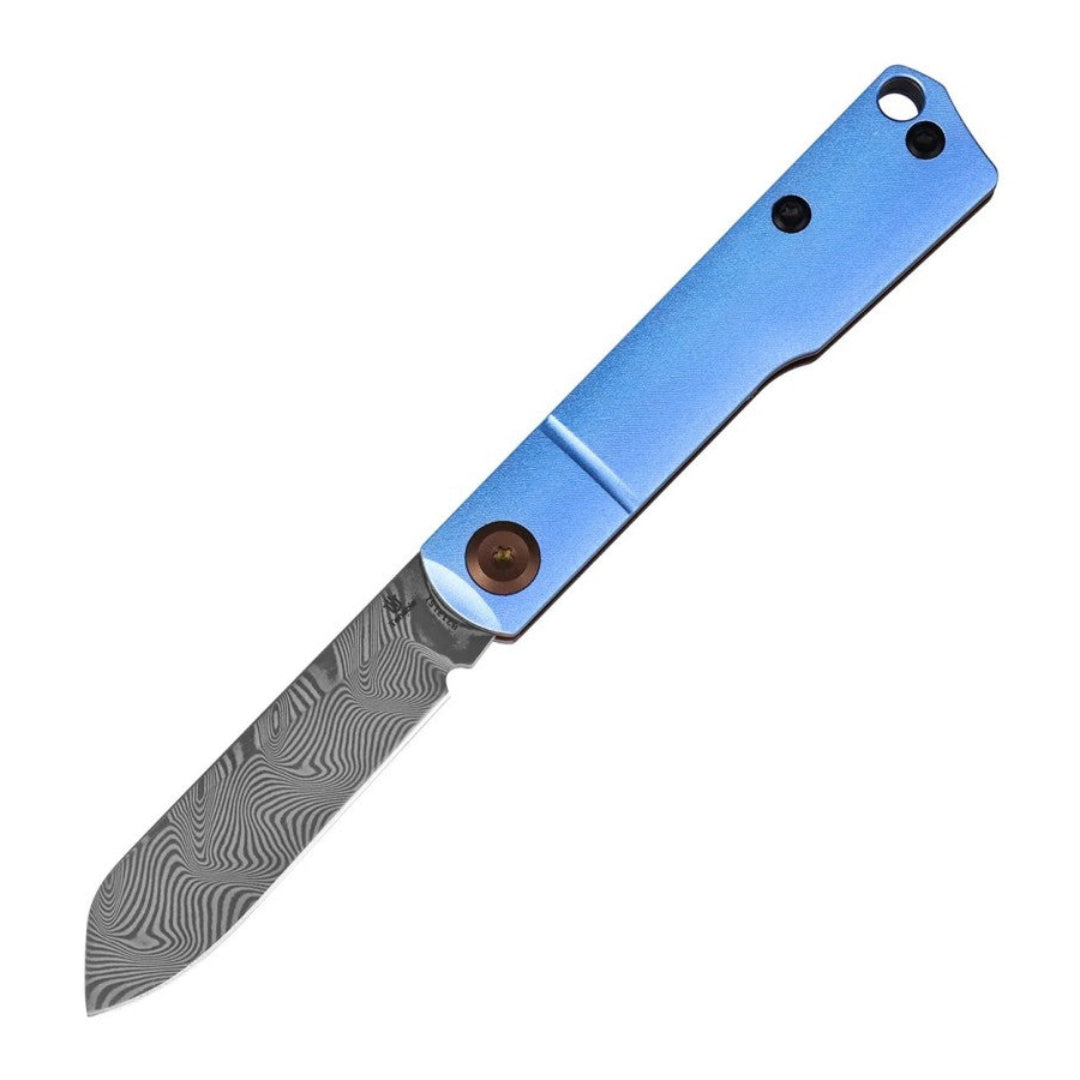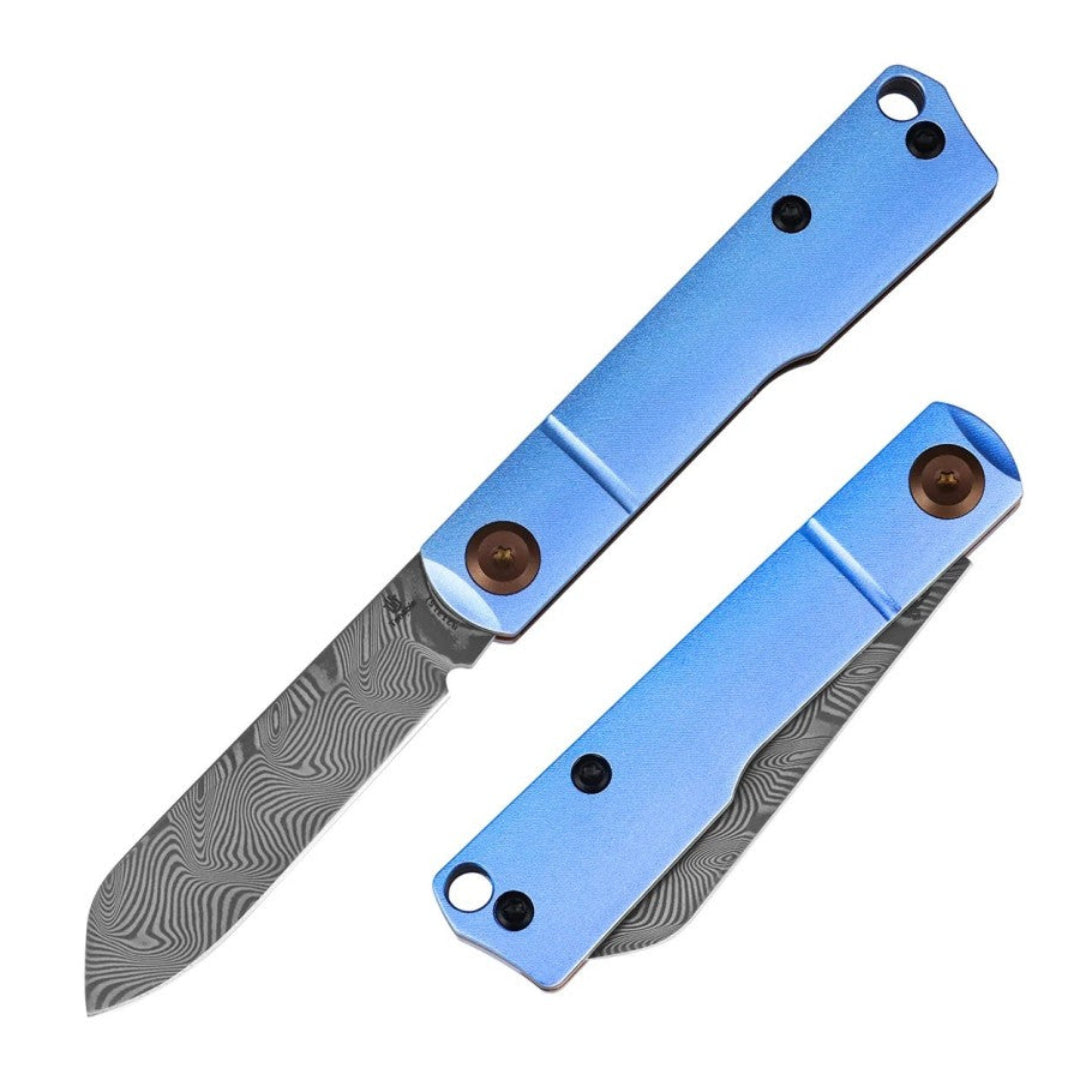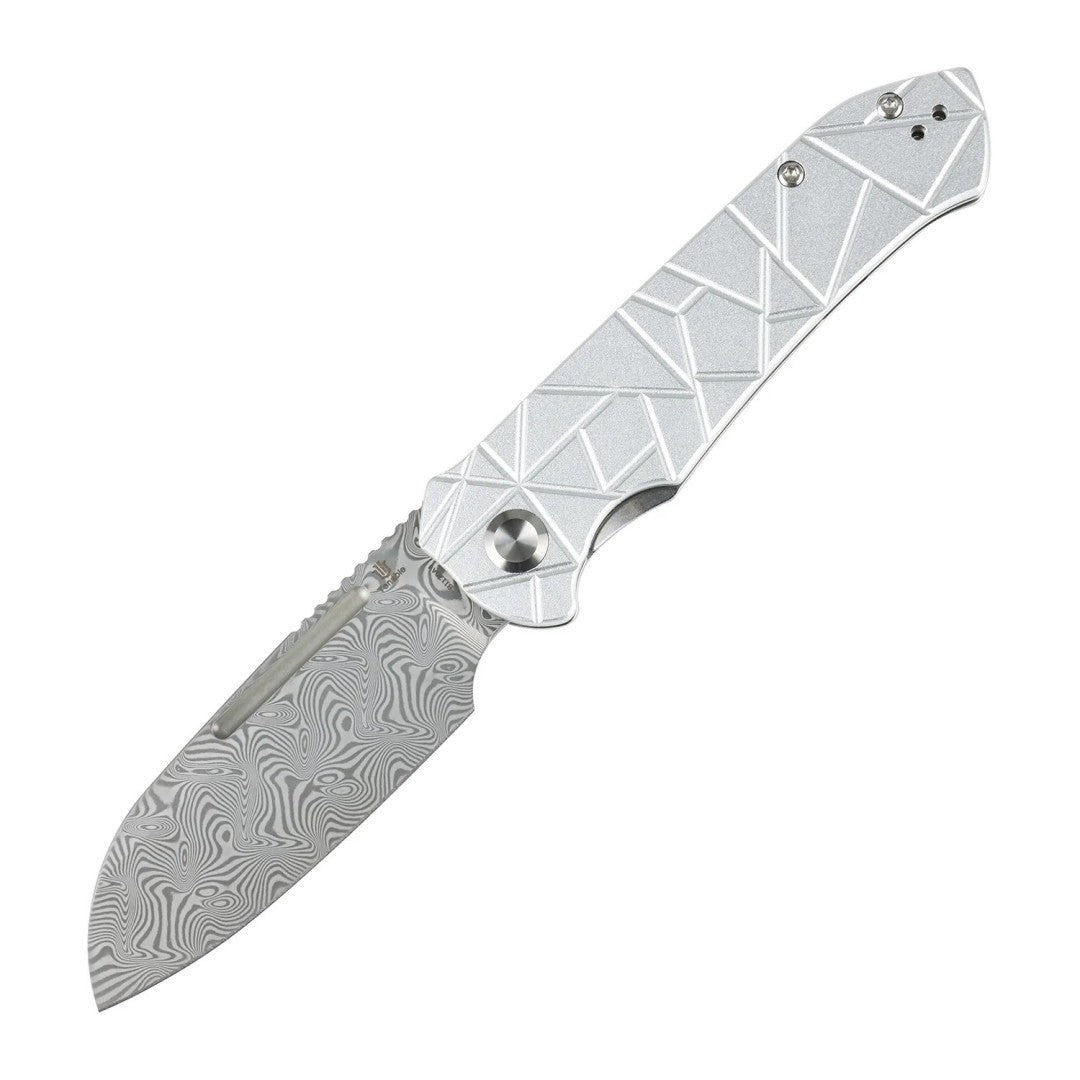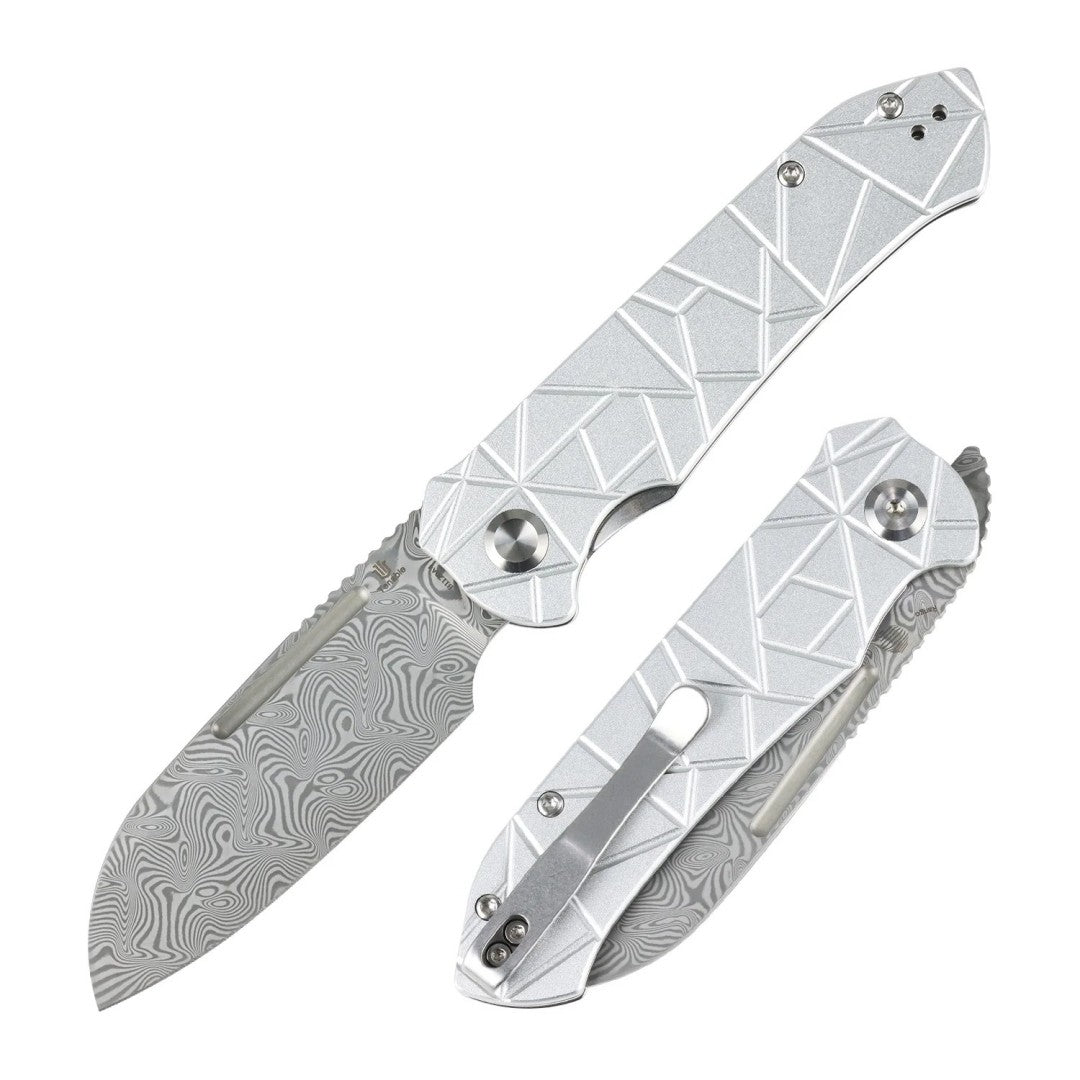


Overview & First Impressions
A fish hatchery is a wet workplace with a strict schedule. Staff feed fry, clean raceways, sort brood stock, count eggs and move fish between tanks, and much of that work happens with hands that never quite dry. The knife in a hatchery apron opens feed bags, cuts aeration tubing and trims a net repair, and it has to survive being soaked and put away wet. The EDC knives that last in a hatchery are the ones built for exactly that.
Materials & Construction
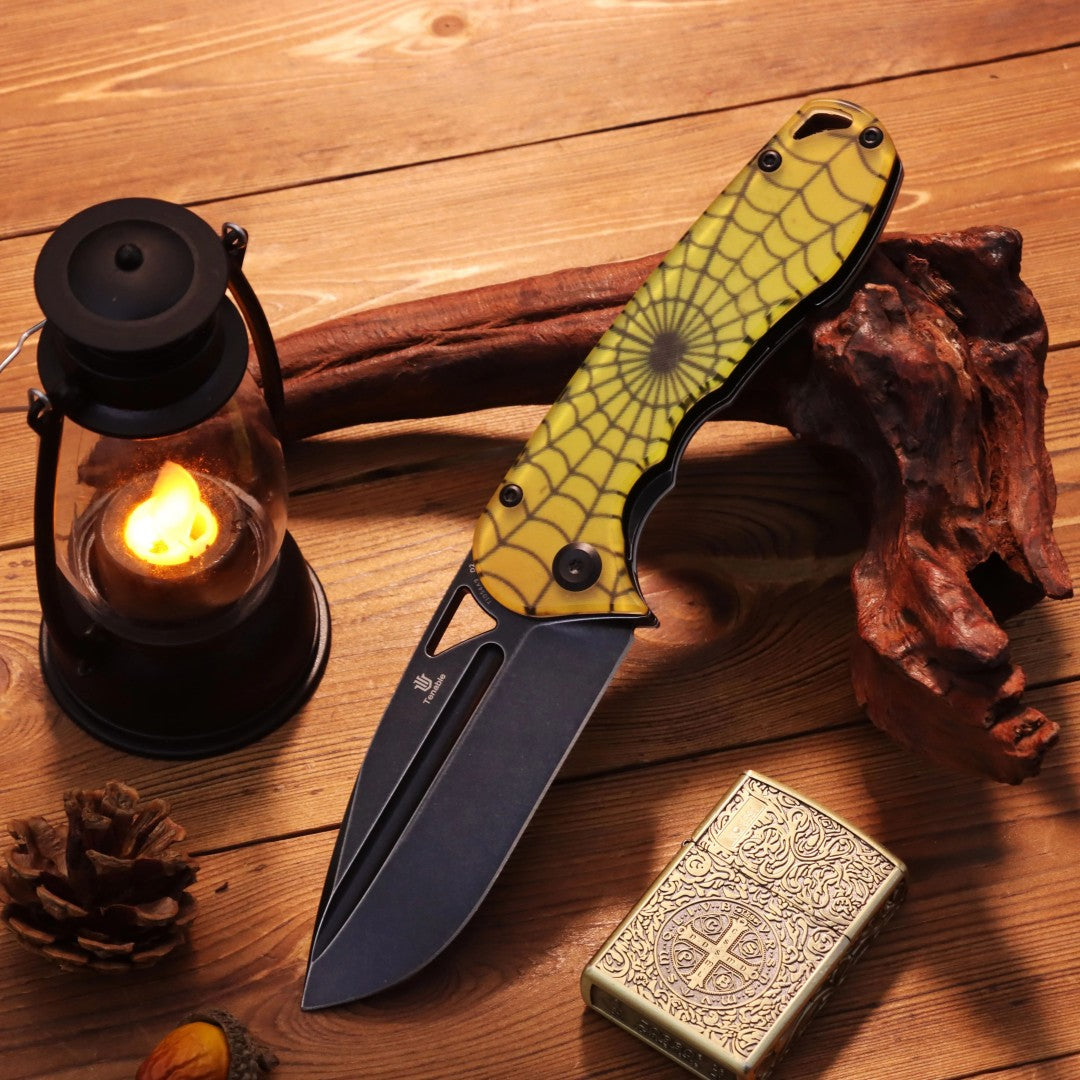
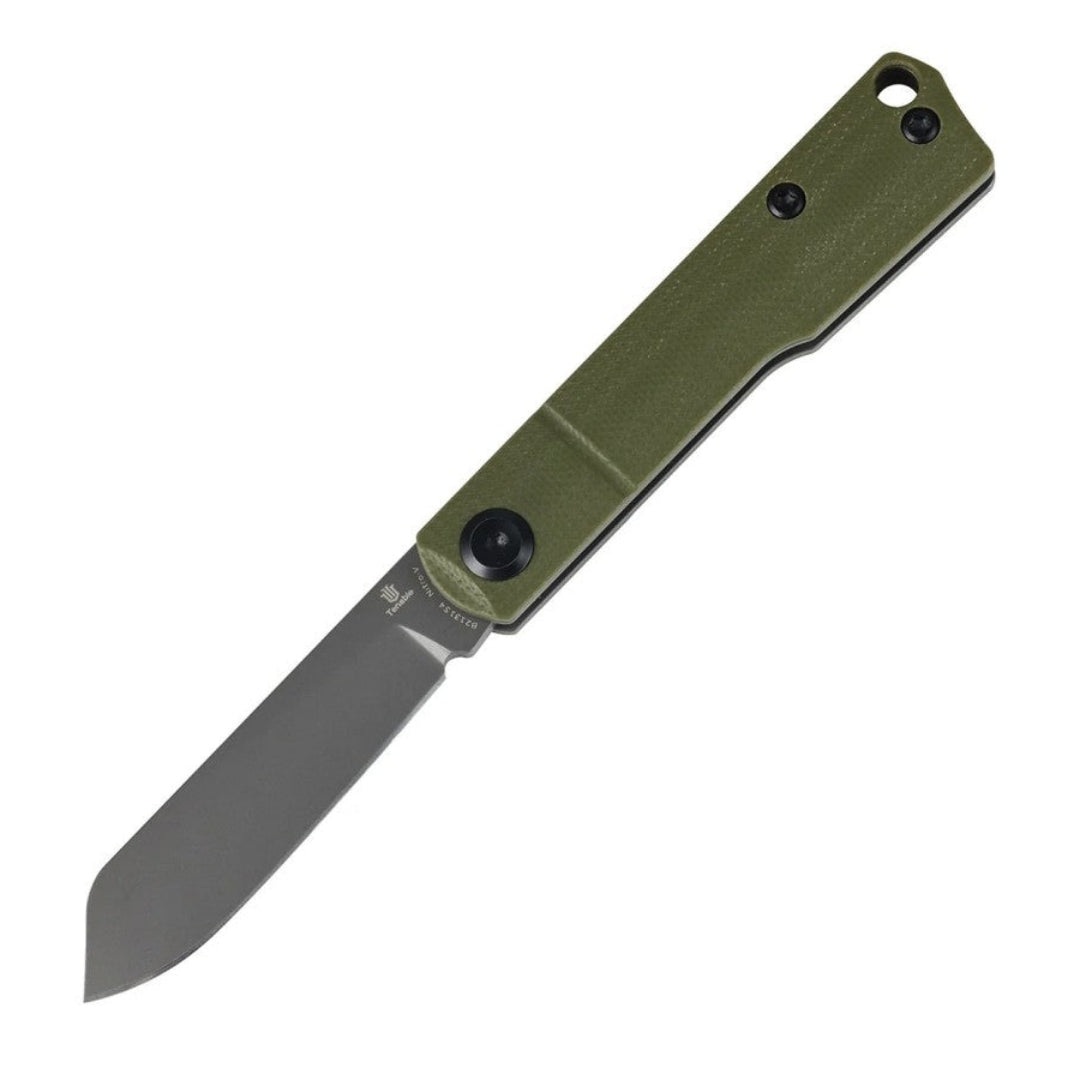
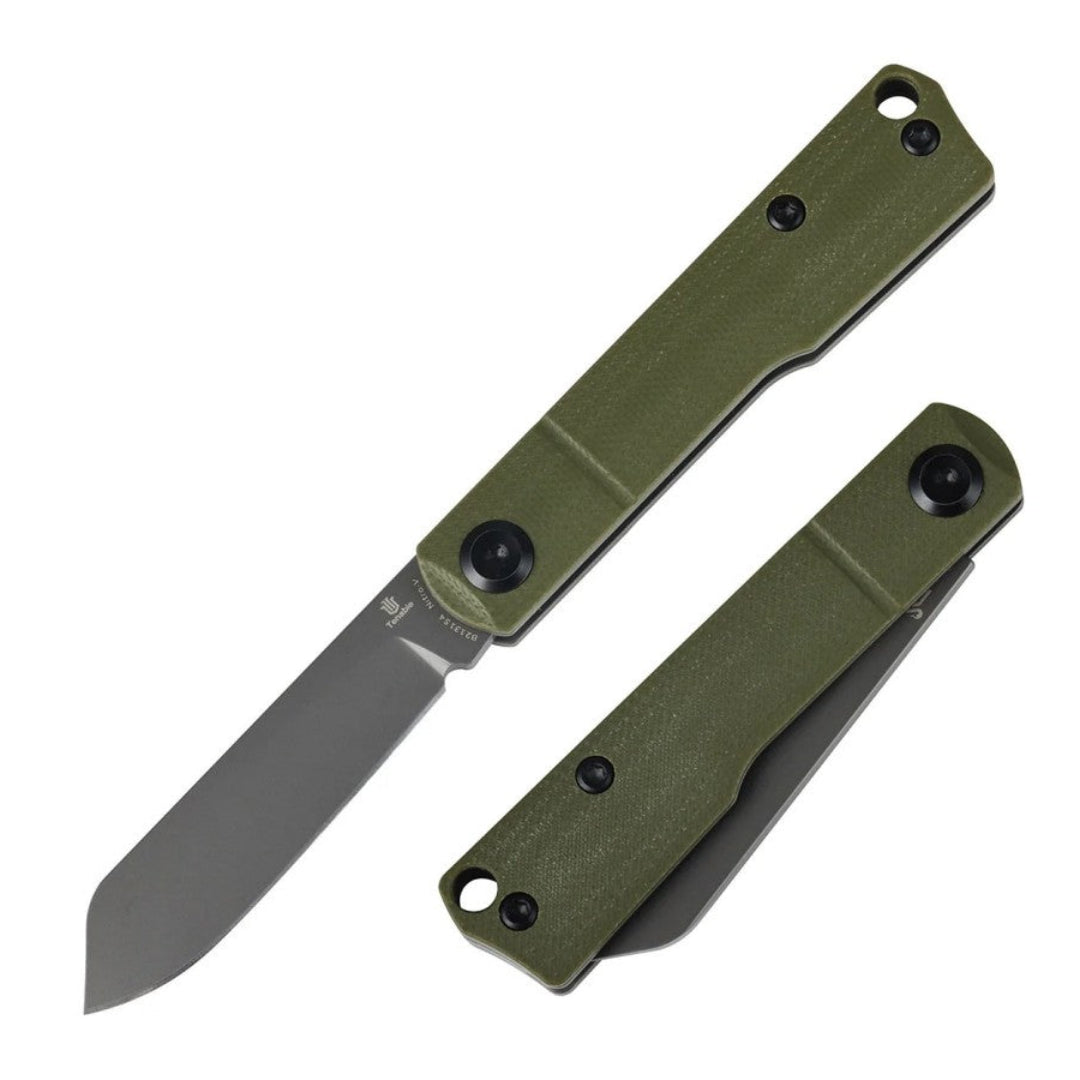
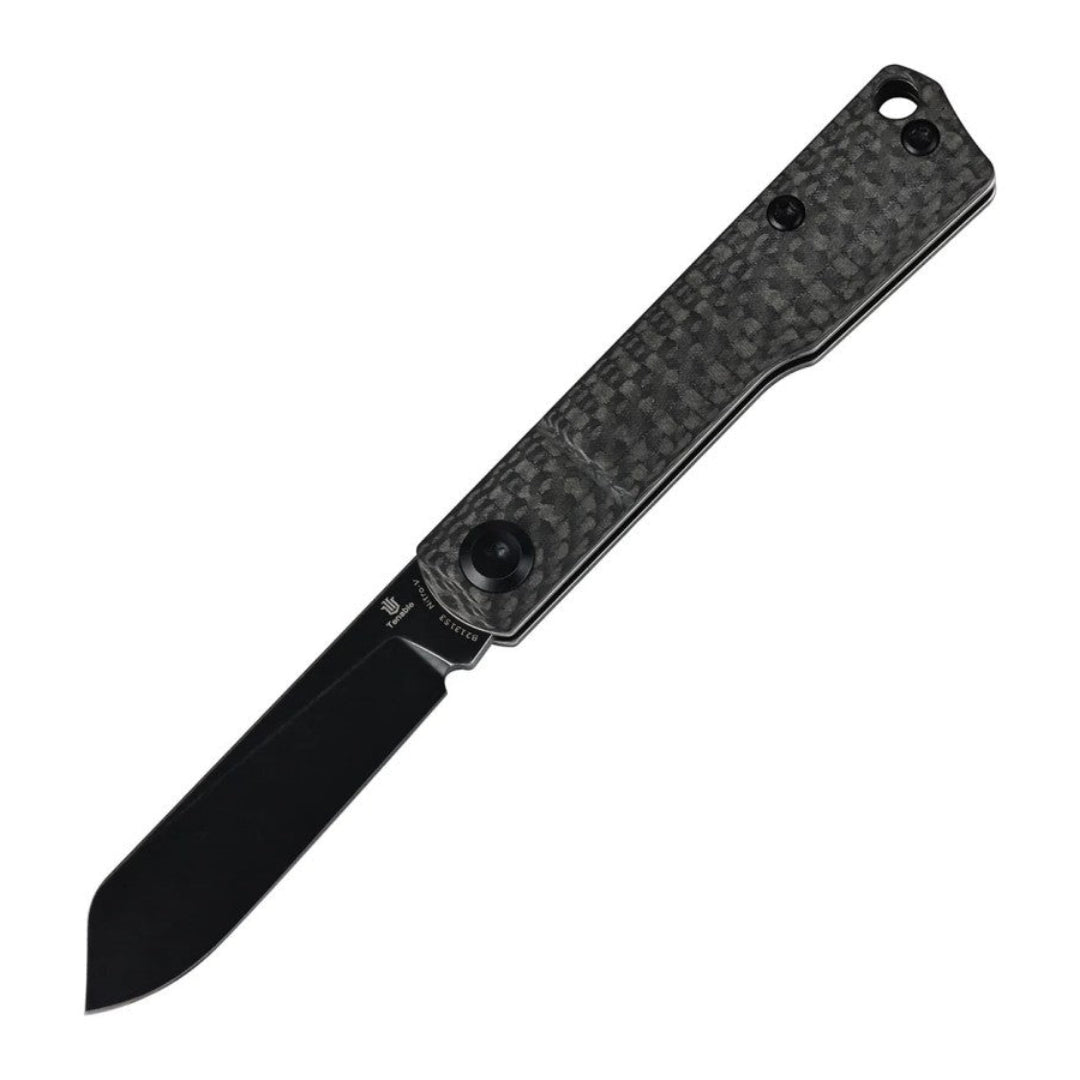
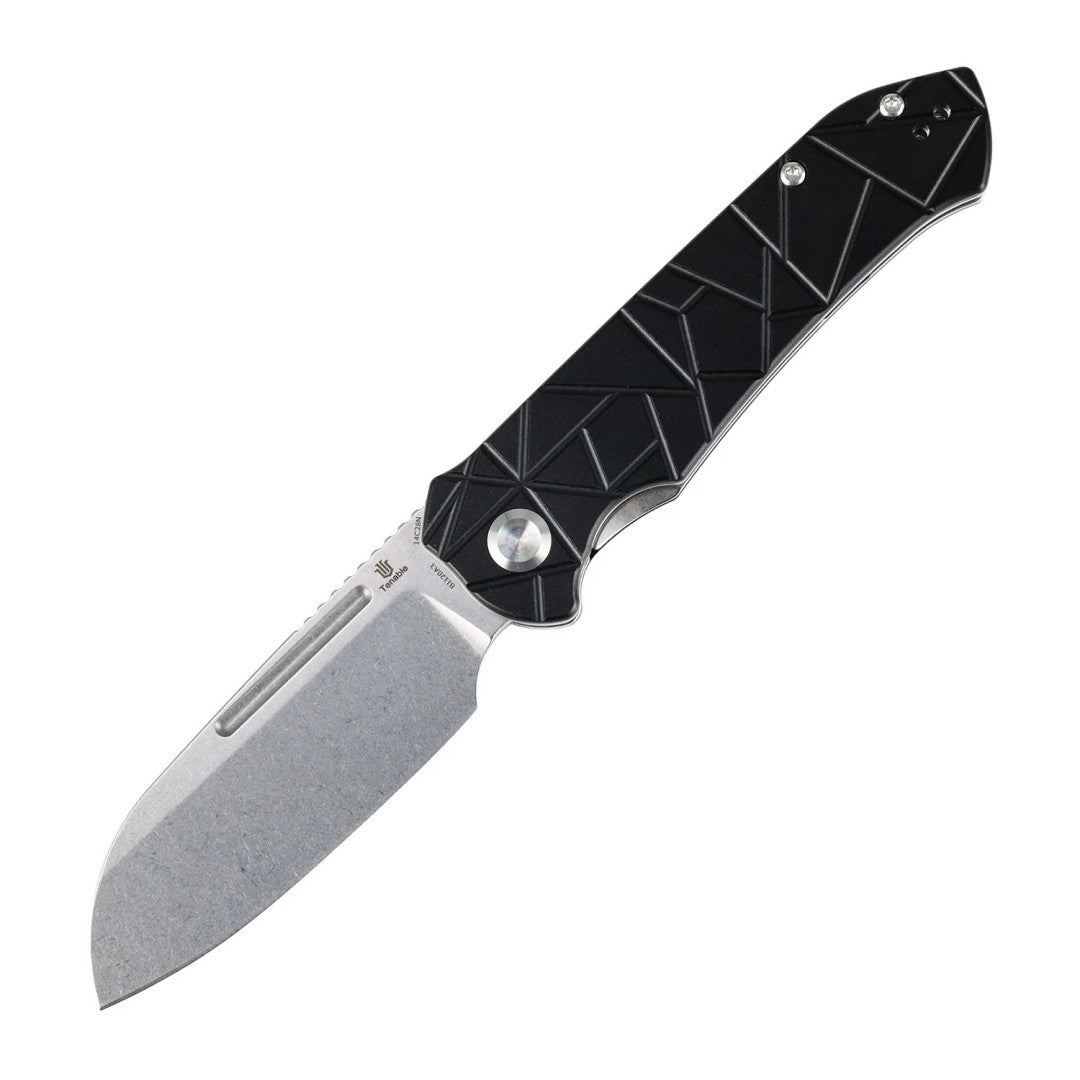
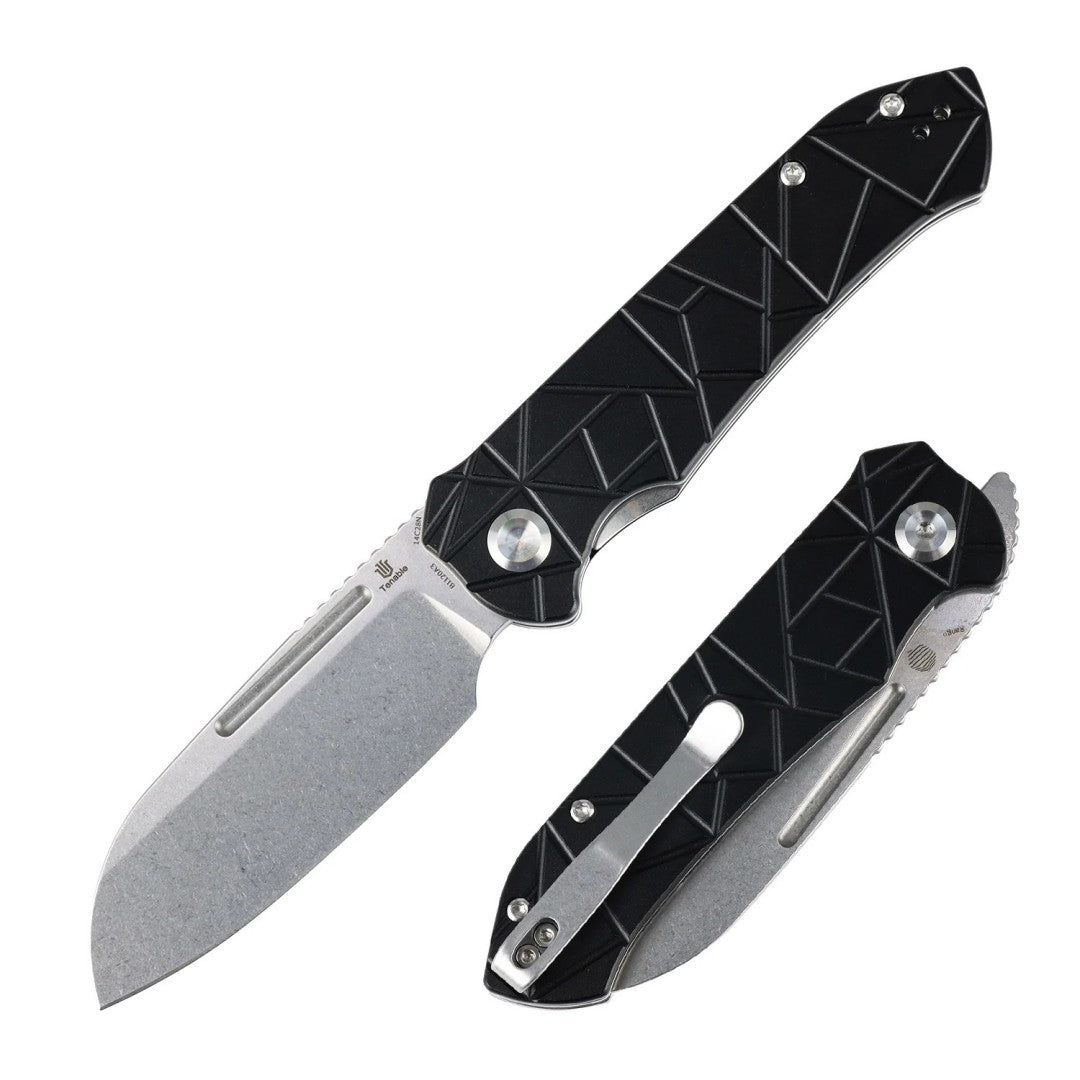
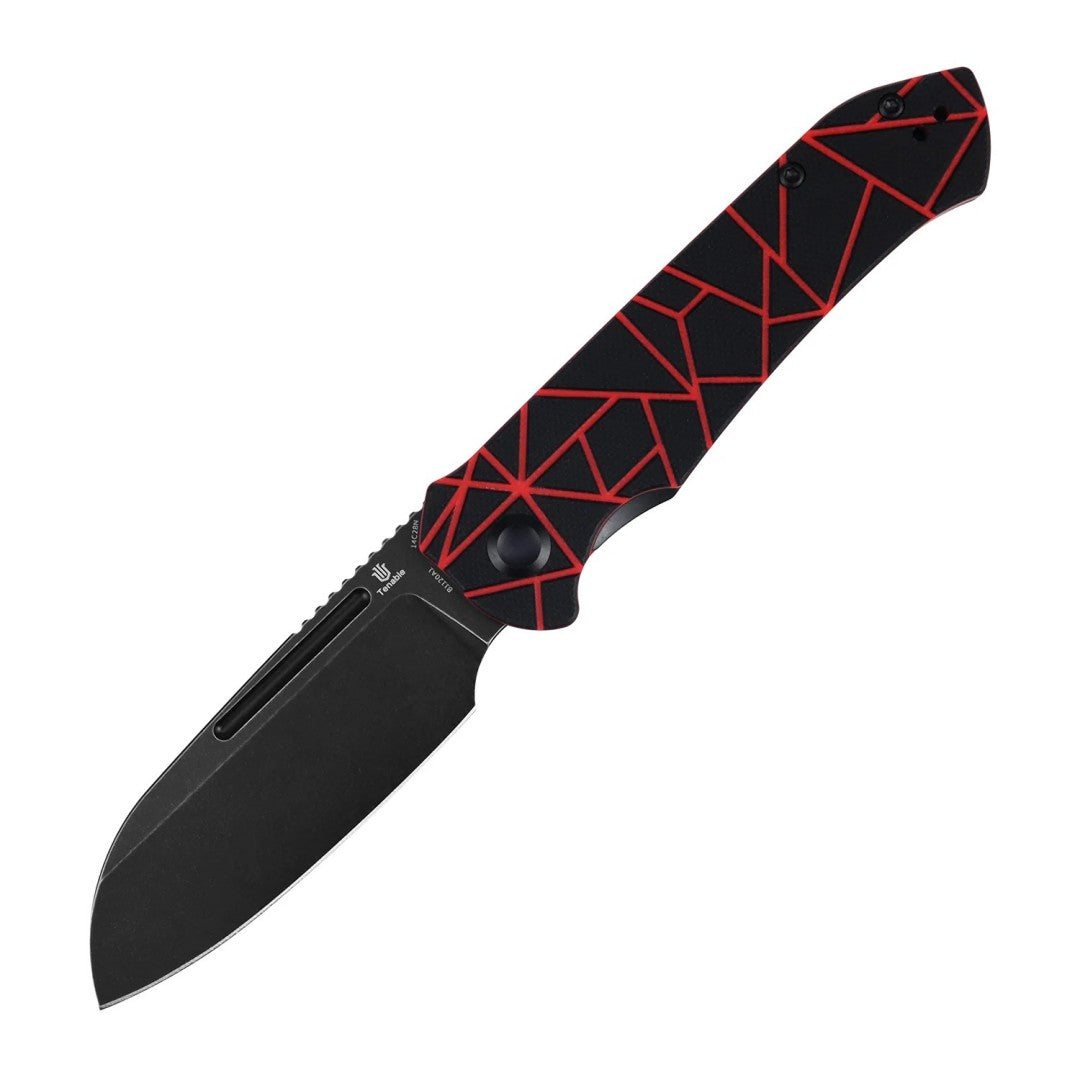
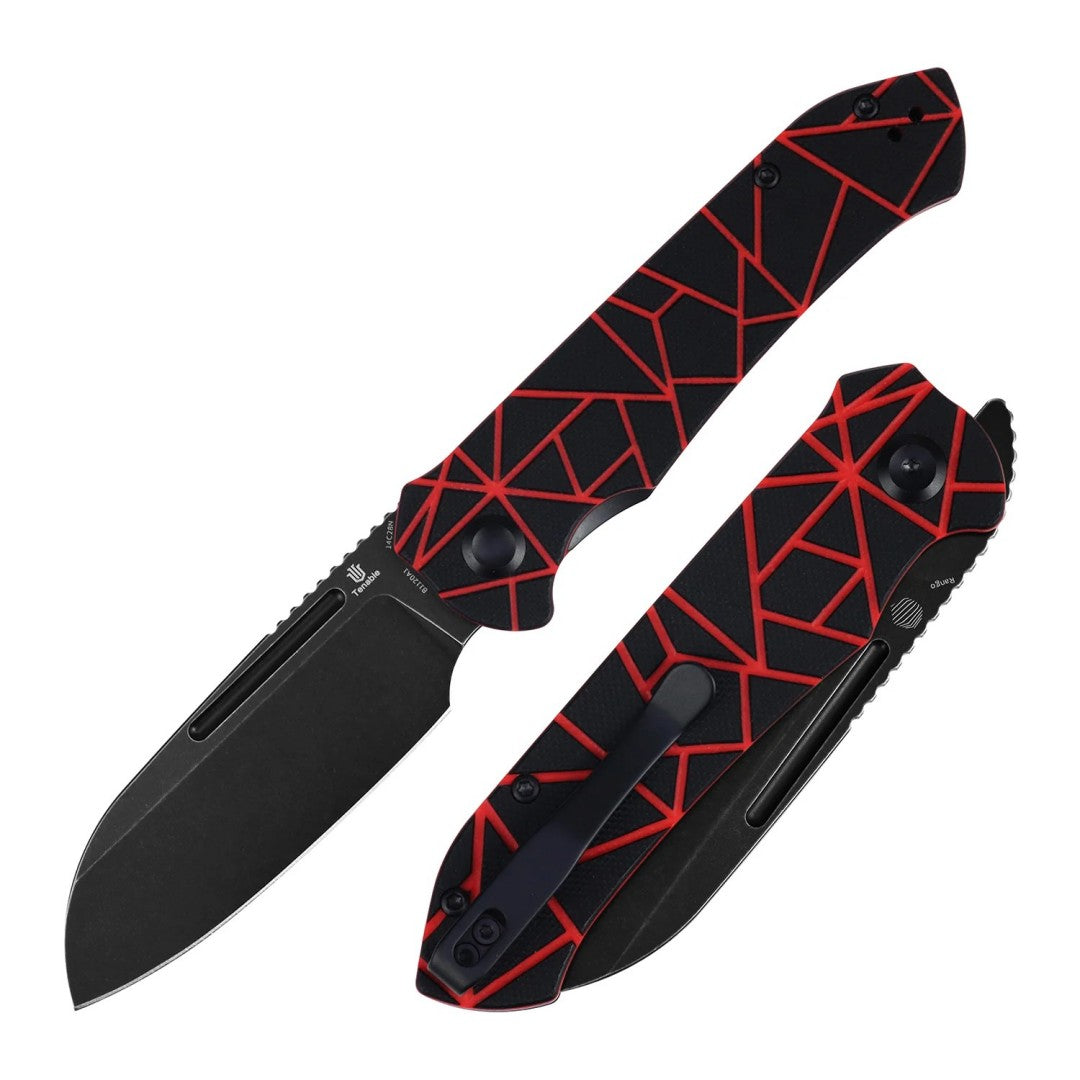
Nitro-V is a nitrogen-enhanced stainless that was designed to resist corrosion while keeping a useful edge, which is the whole problem in a building where everything is wet. The Tenable Riflestock B2131S4 uses that steel with an olive green G10 handle, and the lock back action closes positively even with a slick grip. Tenable knives build this pattern light enough to clip inside a wader pocket.

Design & Details
Hatchery knives want a simple open construction, because water and grit collect in every gap and a design that can be rinsed and air-dried lasts longer than one that traps moisture. A blade around three inches handles tubing, netting and feed sacks, and a bright handle is easier to spot if it drops into a raceway. A lanyard hole lets the knife ride on a wrist loop during a tank cleaning.
Real-World Use
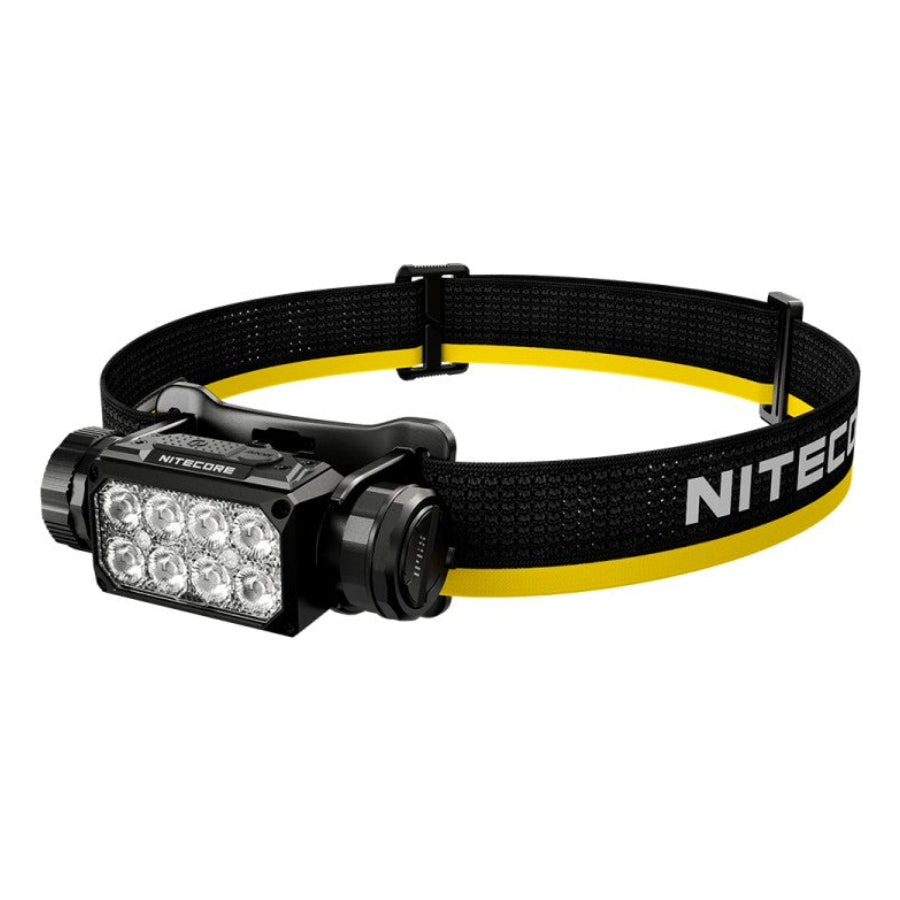
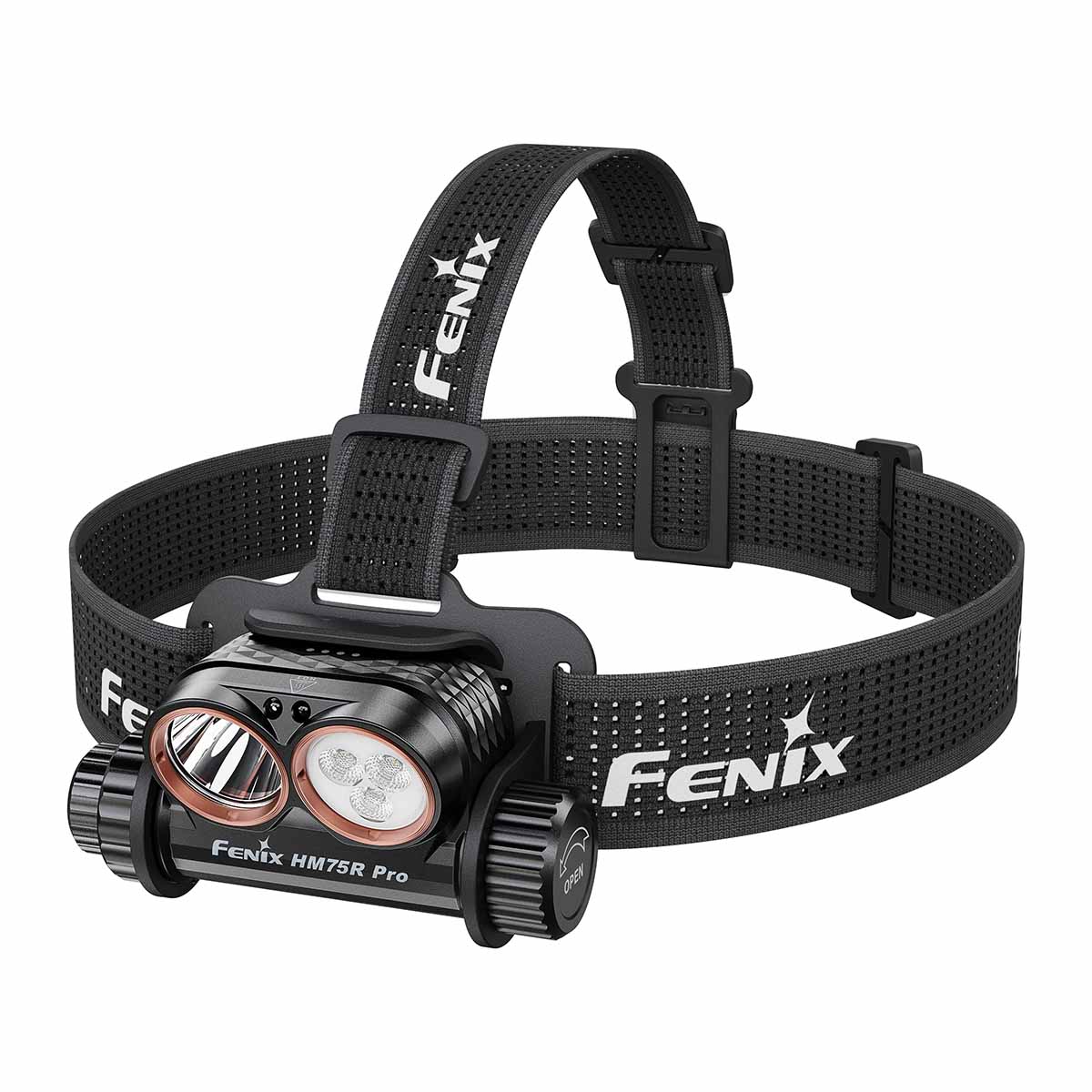
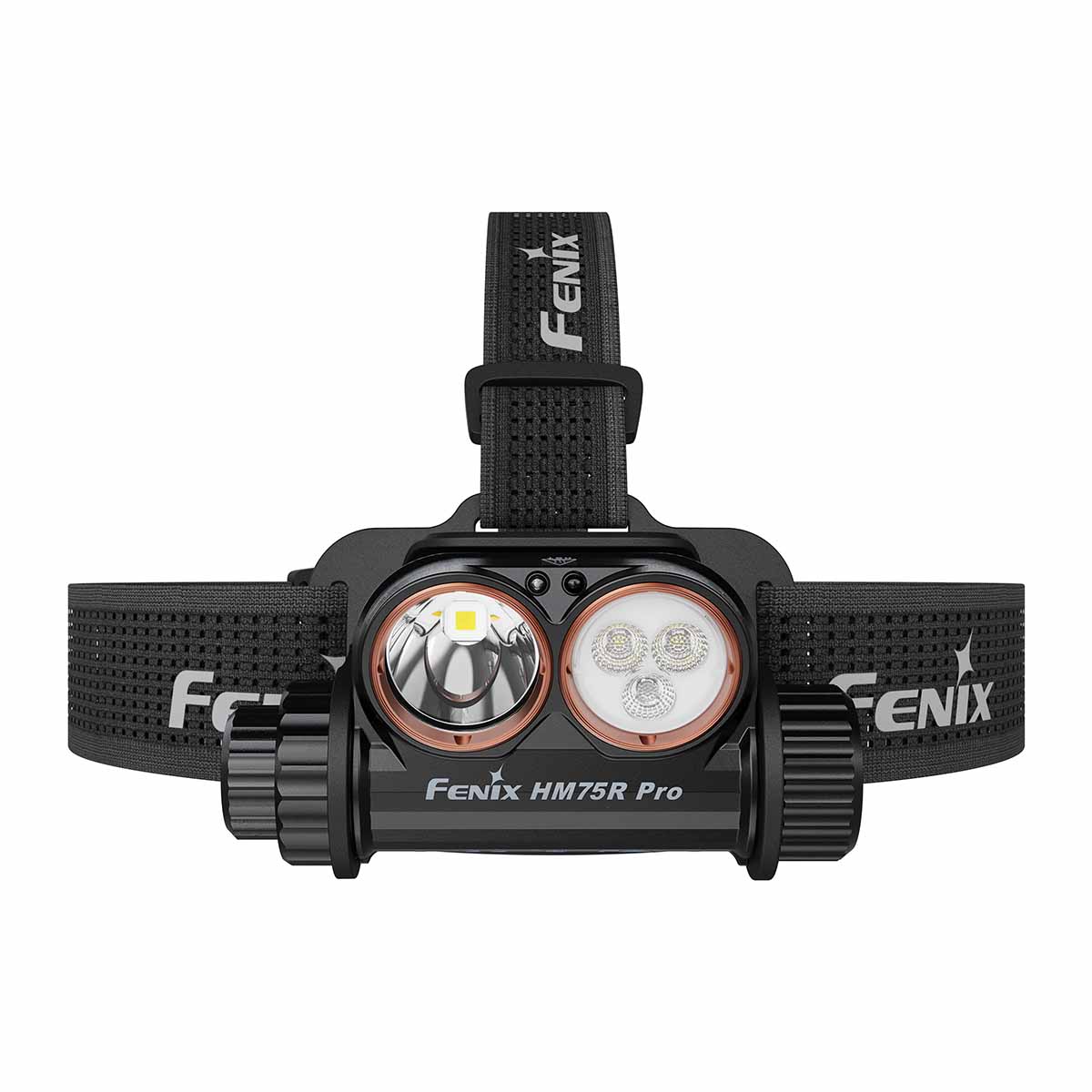
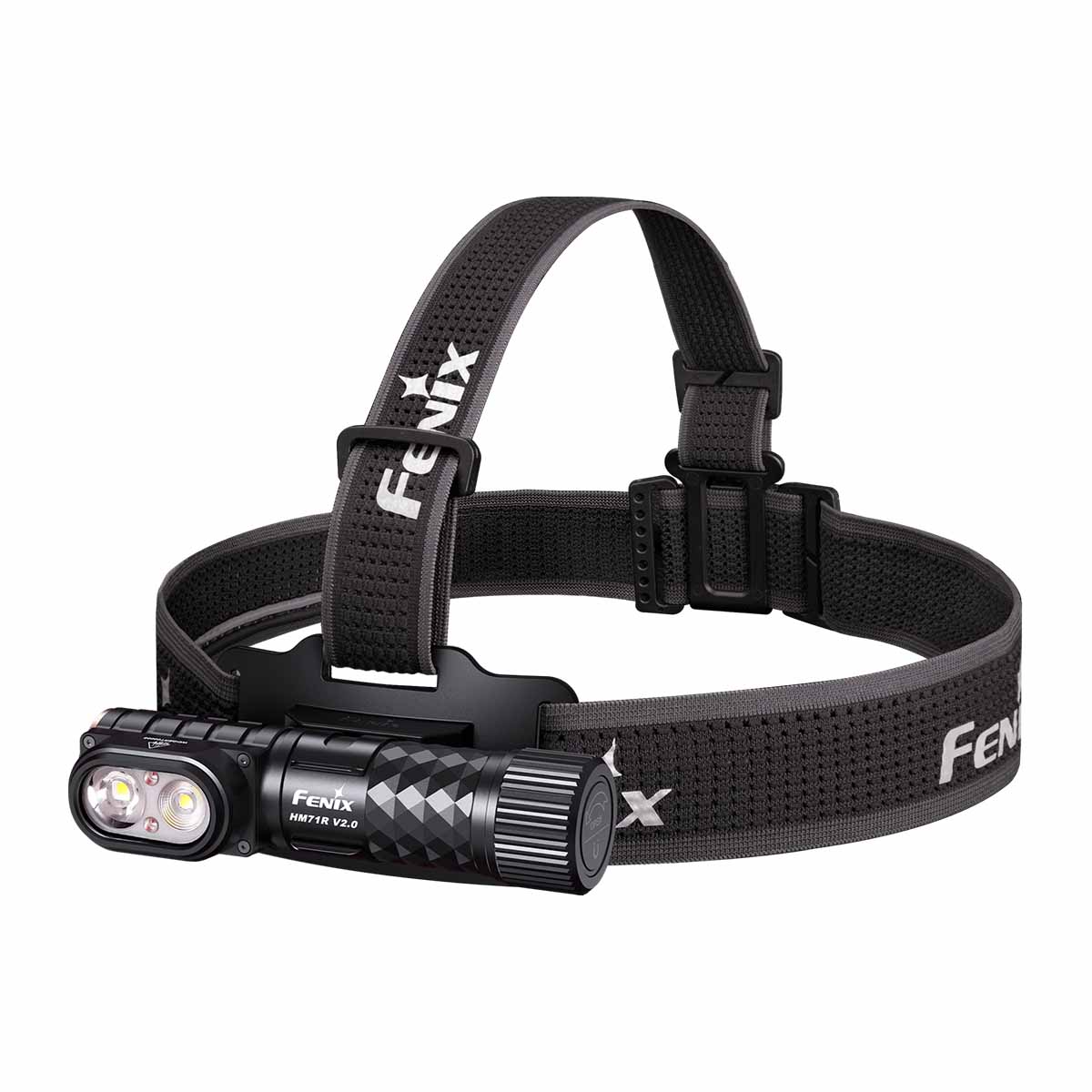
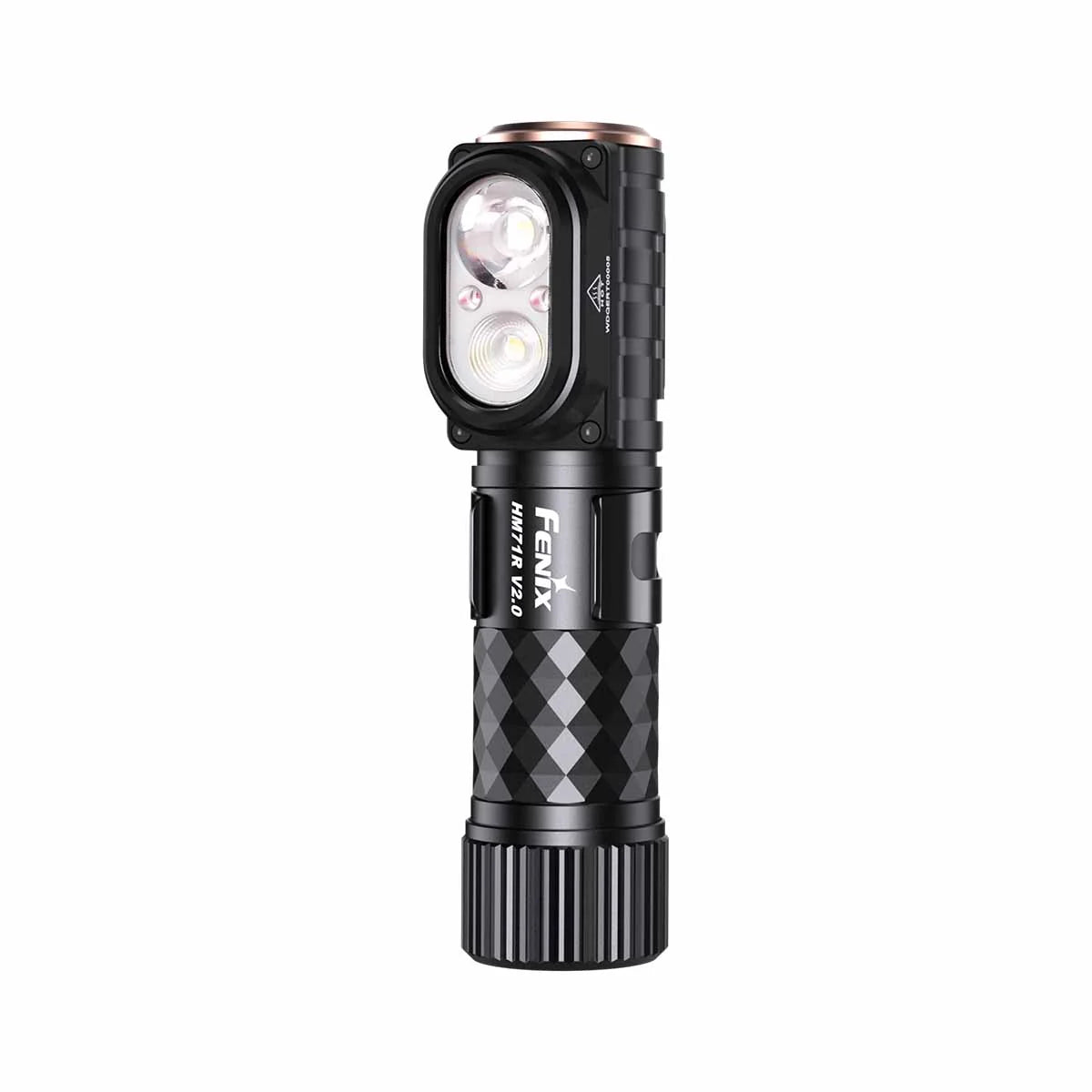
On the round the knife cuts aeration line to length, trims a hole in a net repair, opens a bag of feed, slices the tape on a delivery box and cuts the tie holding a tank cover. A compact headlamp is used for early morning checks, night spawning shifts and looking into a tank where the surface glare hides everything below.

Ownership Notes
Wet work demands a drying routine. Rinse the knife in fresh water, blow out the pivot, leave it open overnight and lubricate it weekly with something that will not contaminate a tank. Keep two knives so that one dries while the other works, and store them off the floor. EdcMall carries the corrosion-resistant folders and lights that suit a hatchery. Records matter as much as tools in a hatchery. Note the tank, the feed rate, the water temperature and any mortality event so the next shift starts with context, and keep the knife and the light in the same apron so a routine round never stops for a search. Replace a blade before it tears netting, and log every repair while the details are still fresh in mind.
Who Is This For?
This is aimed at hatchery technicians, fish culture staff, aquaculture students and the crews who run spawning and rearing programs. A home aquarium owner does not need it. If your knife is wet every single day, buy the stainless that was designed for it.
Final Verdict
In a hatchery, corrosion is the only specification that really matters. A nitrogen stainless blade, an open frame that dries quickly, a firm lock and a light for tank checks will keep working long after cheaper tools have rusted shut.