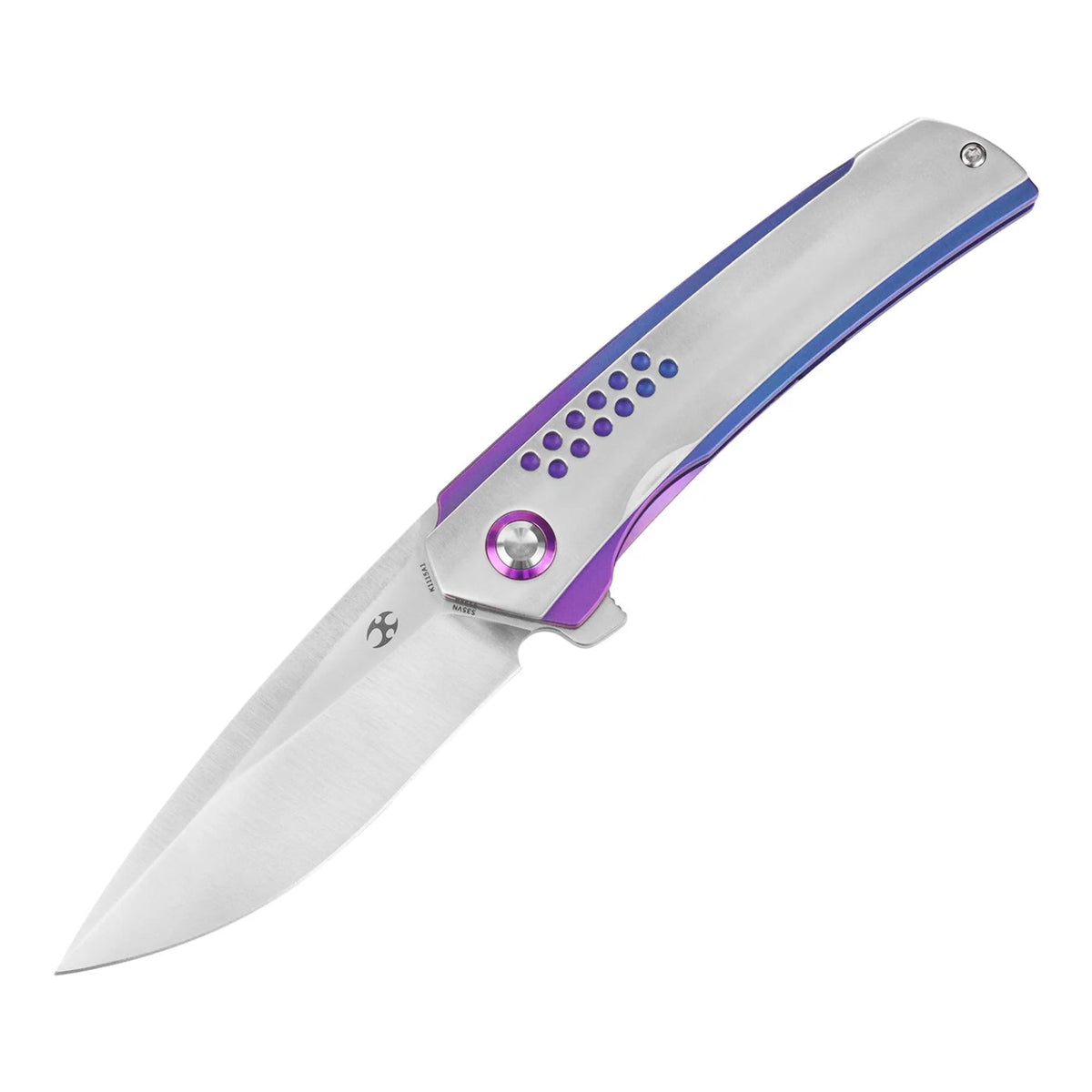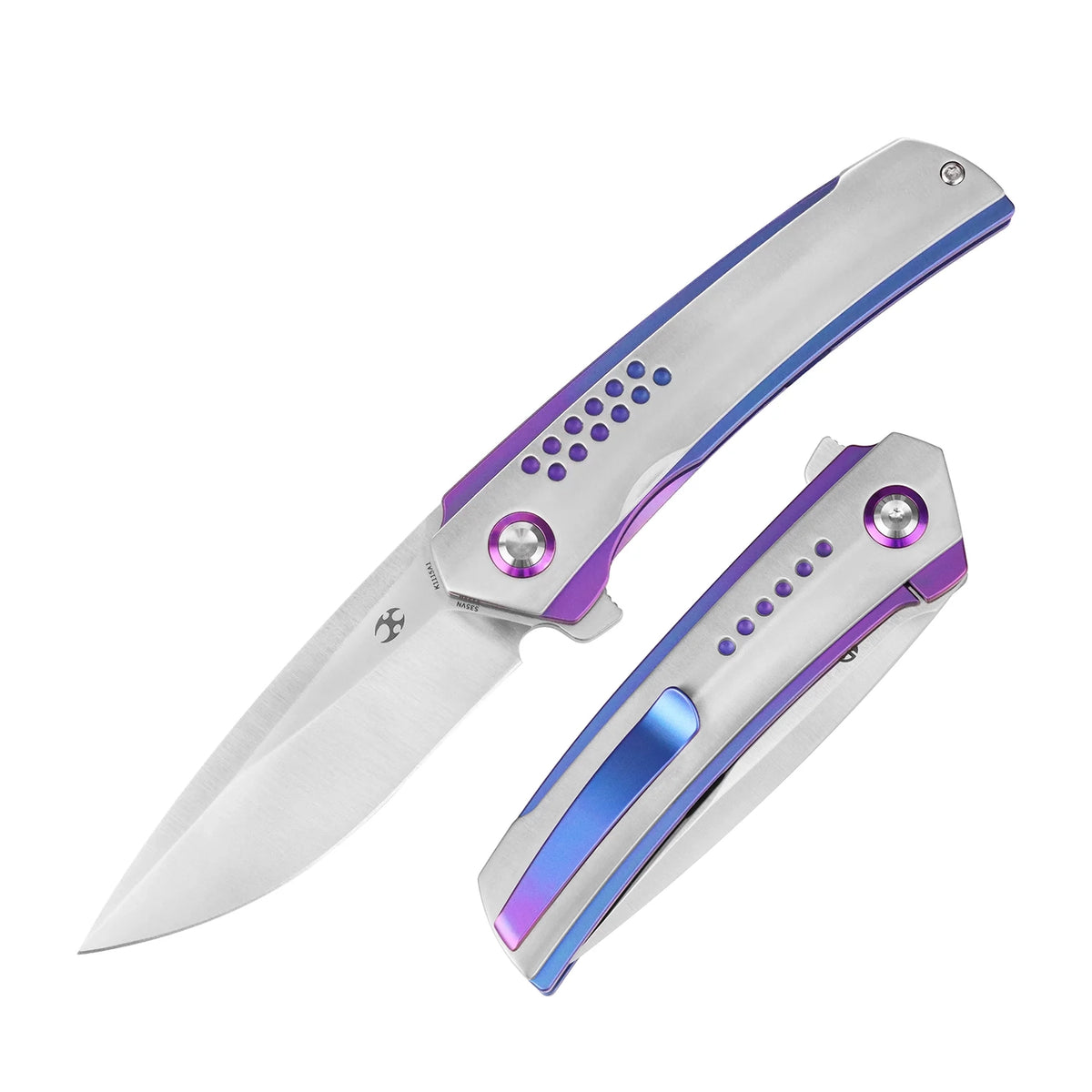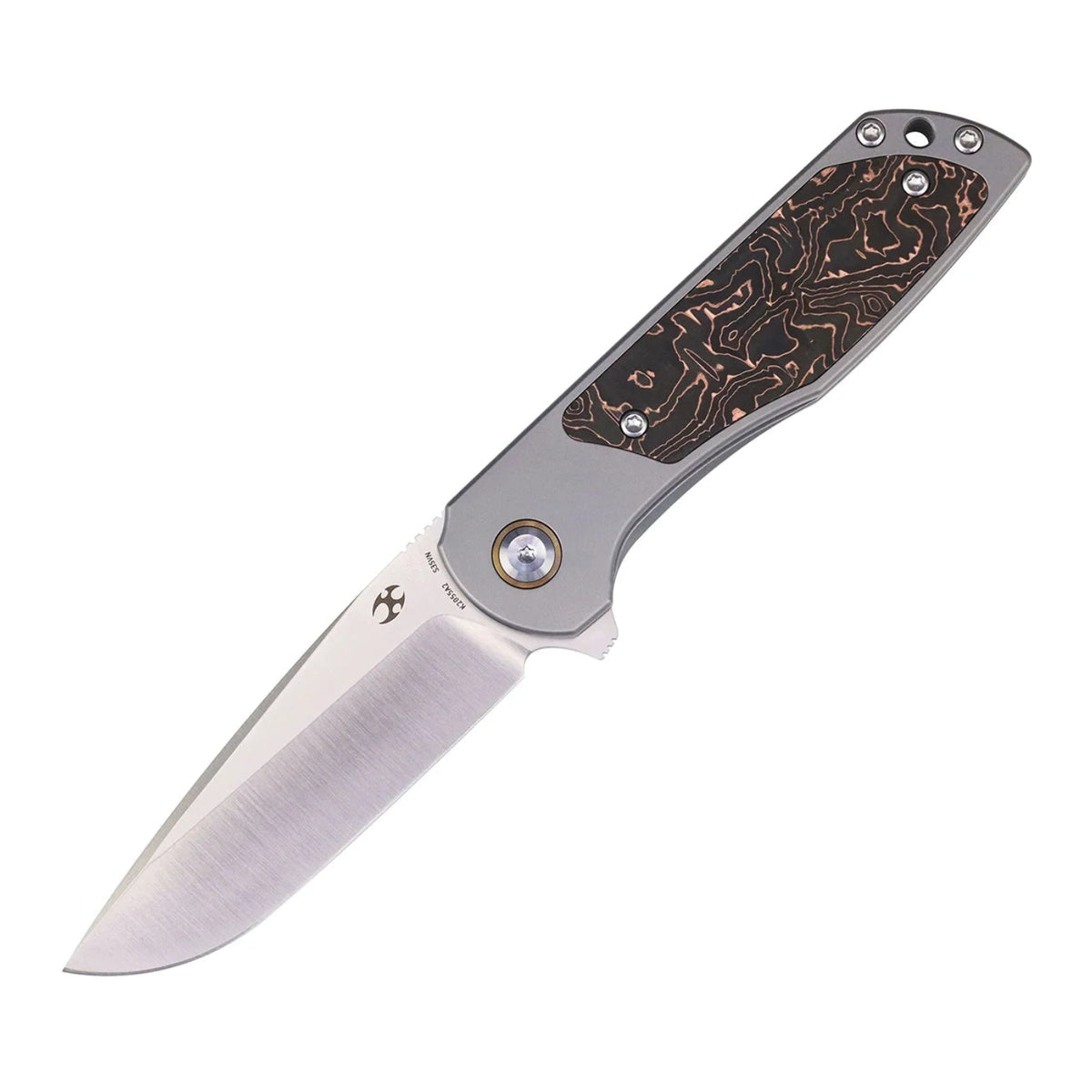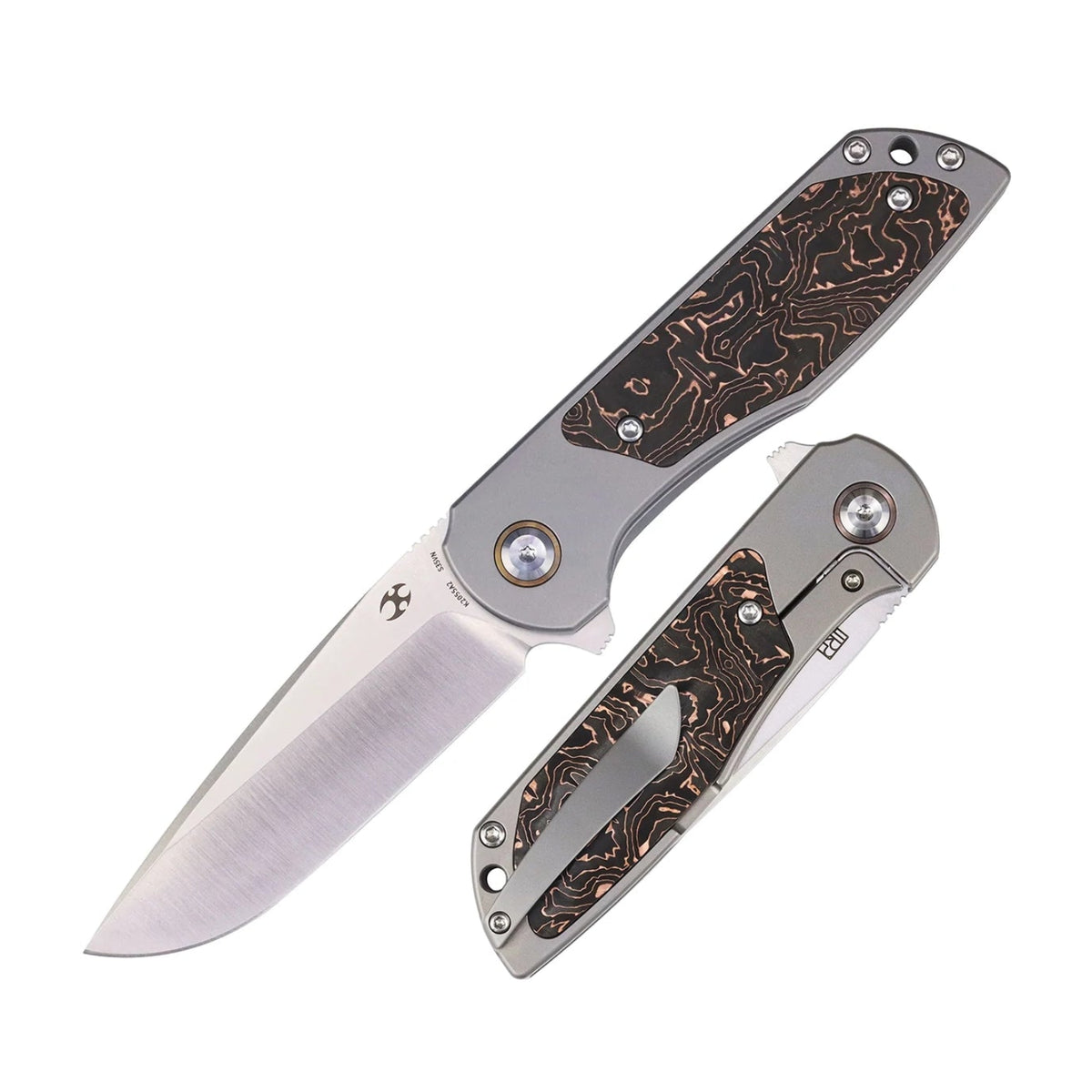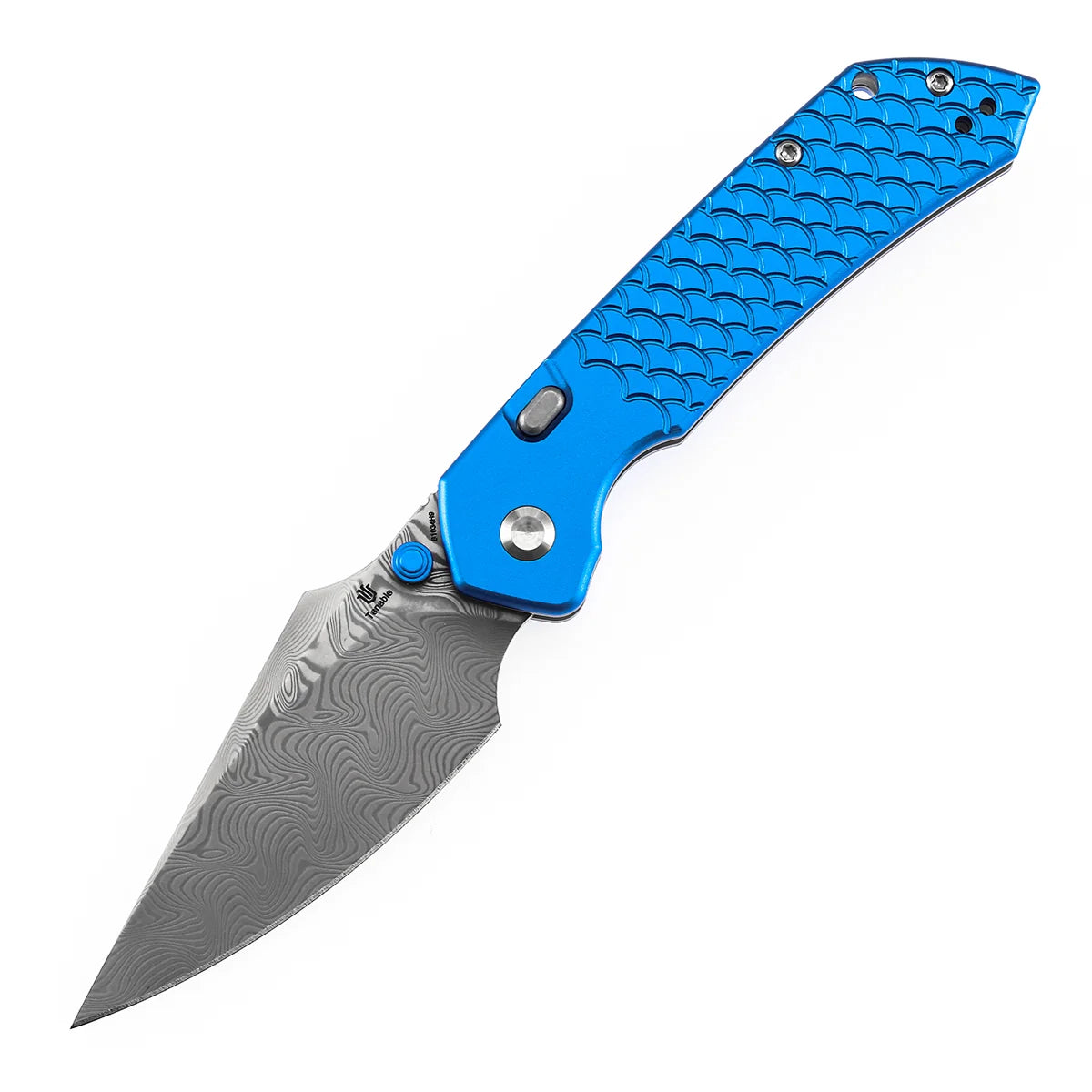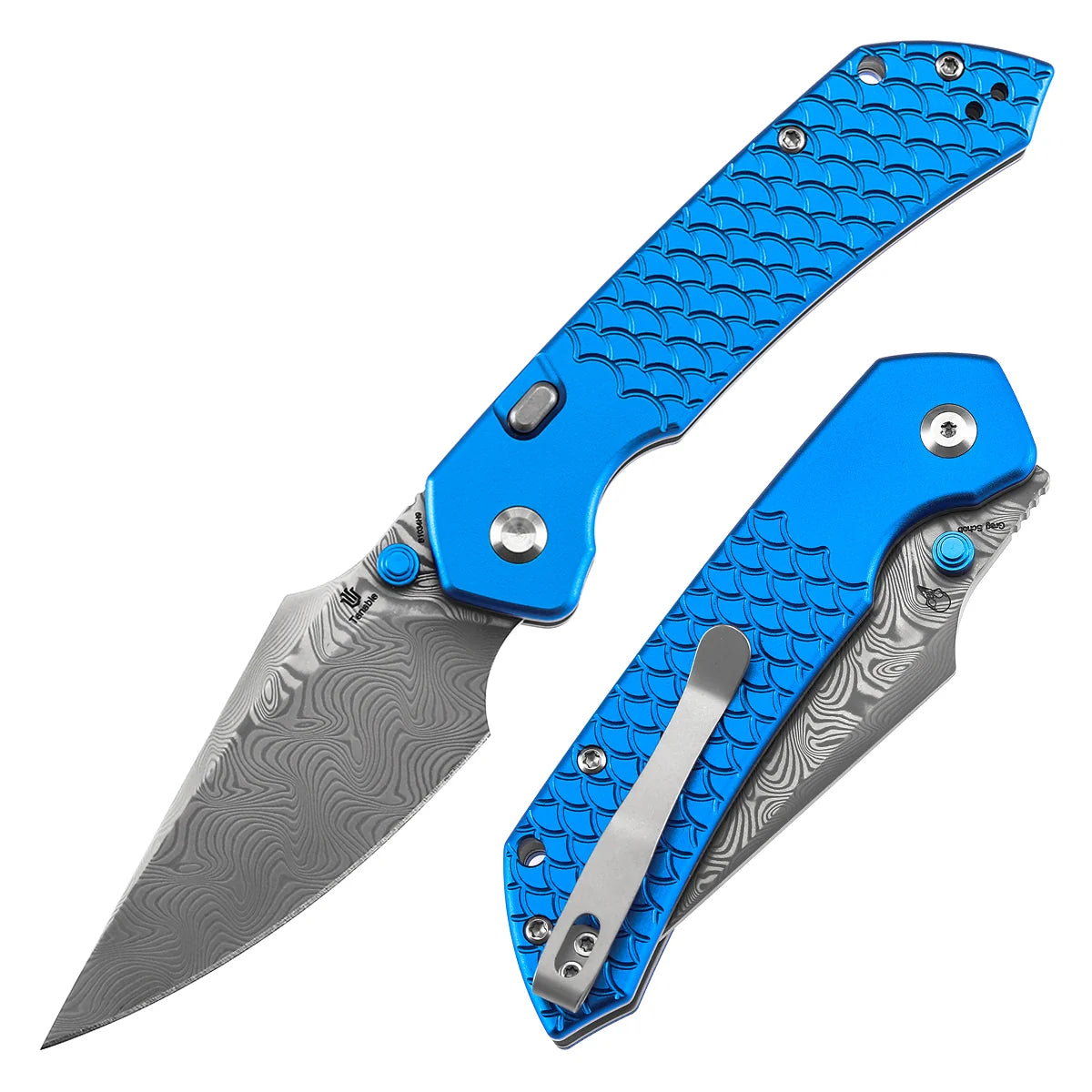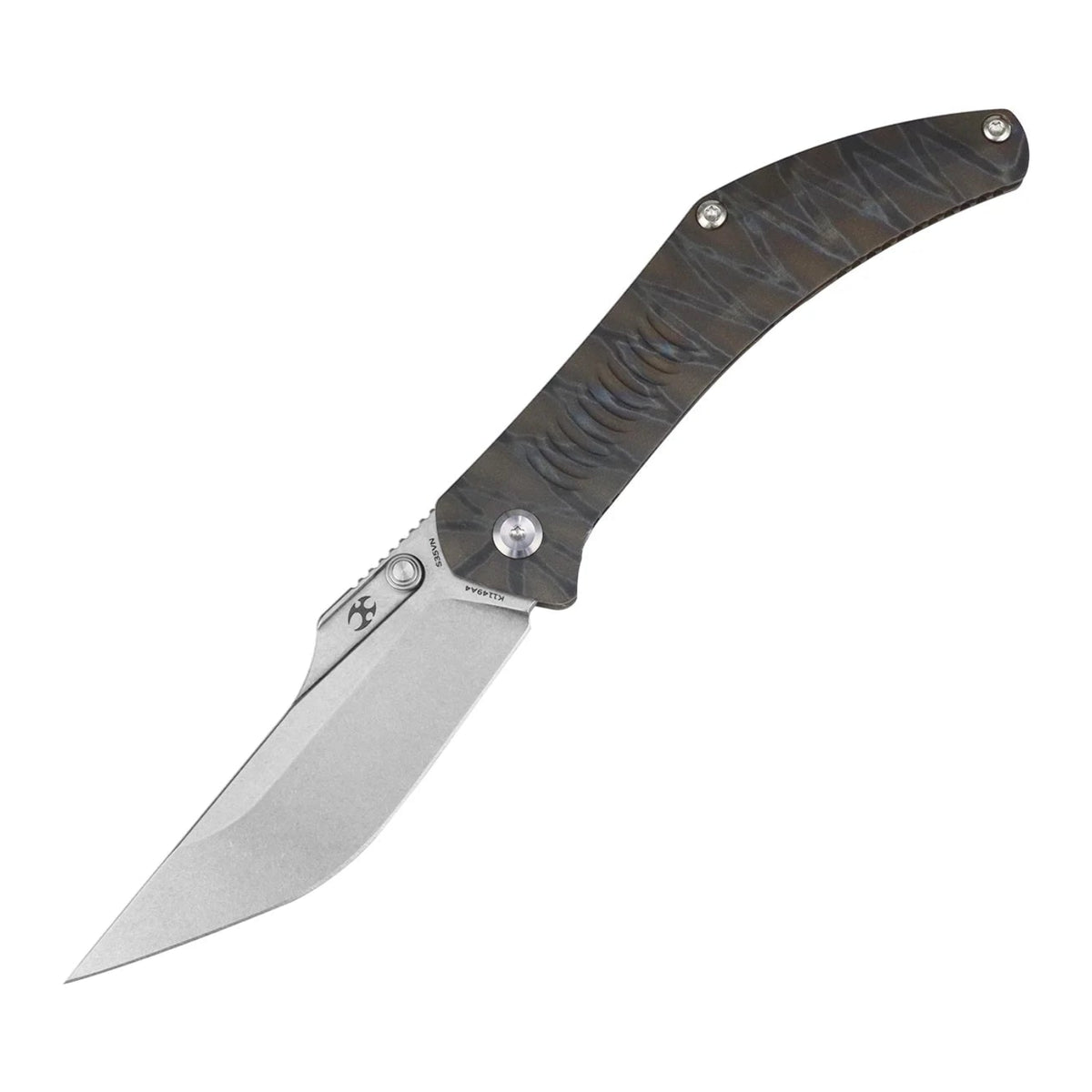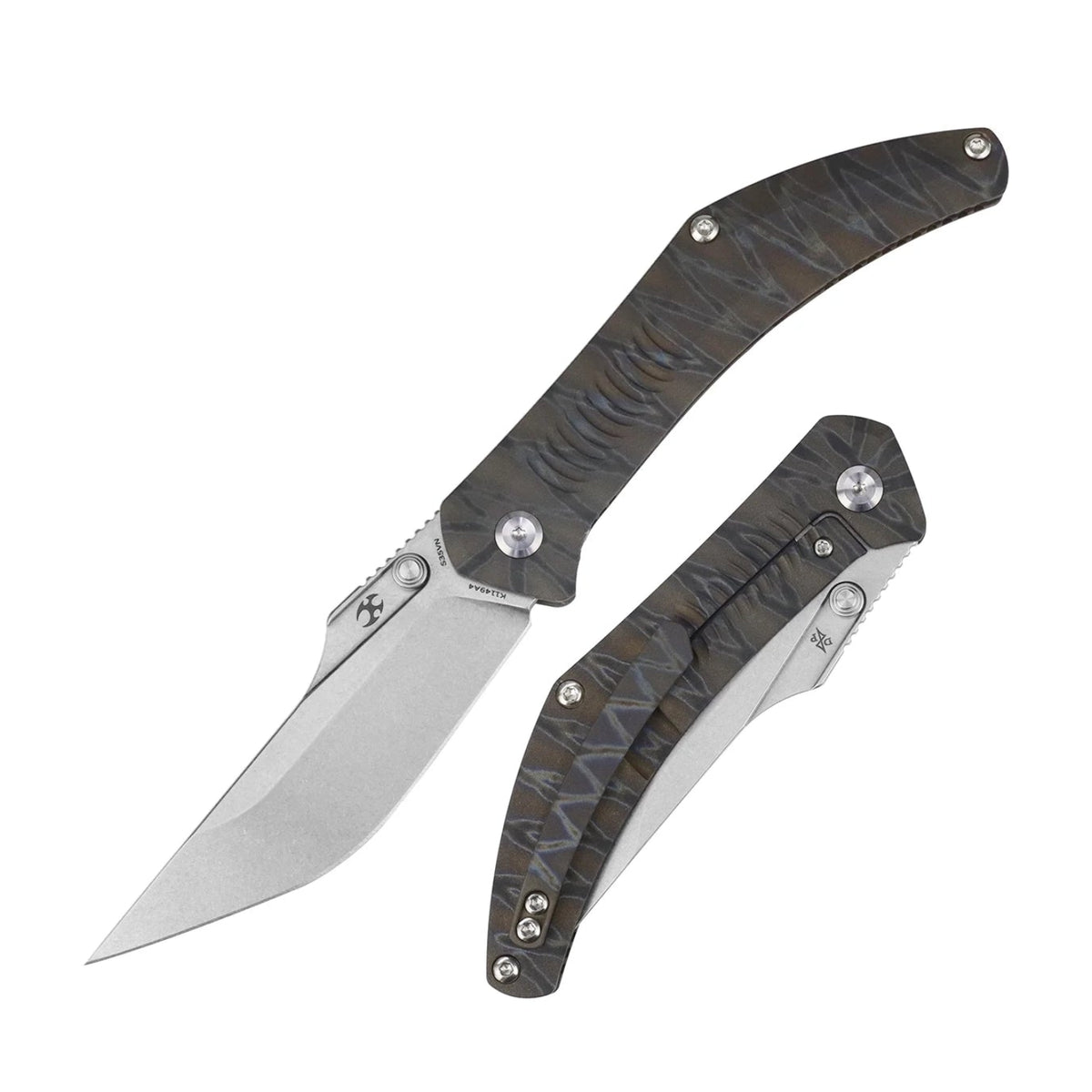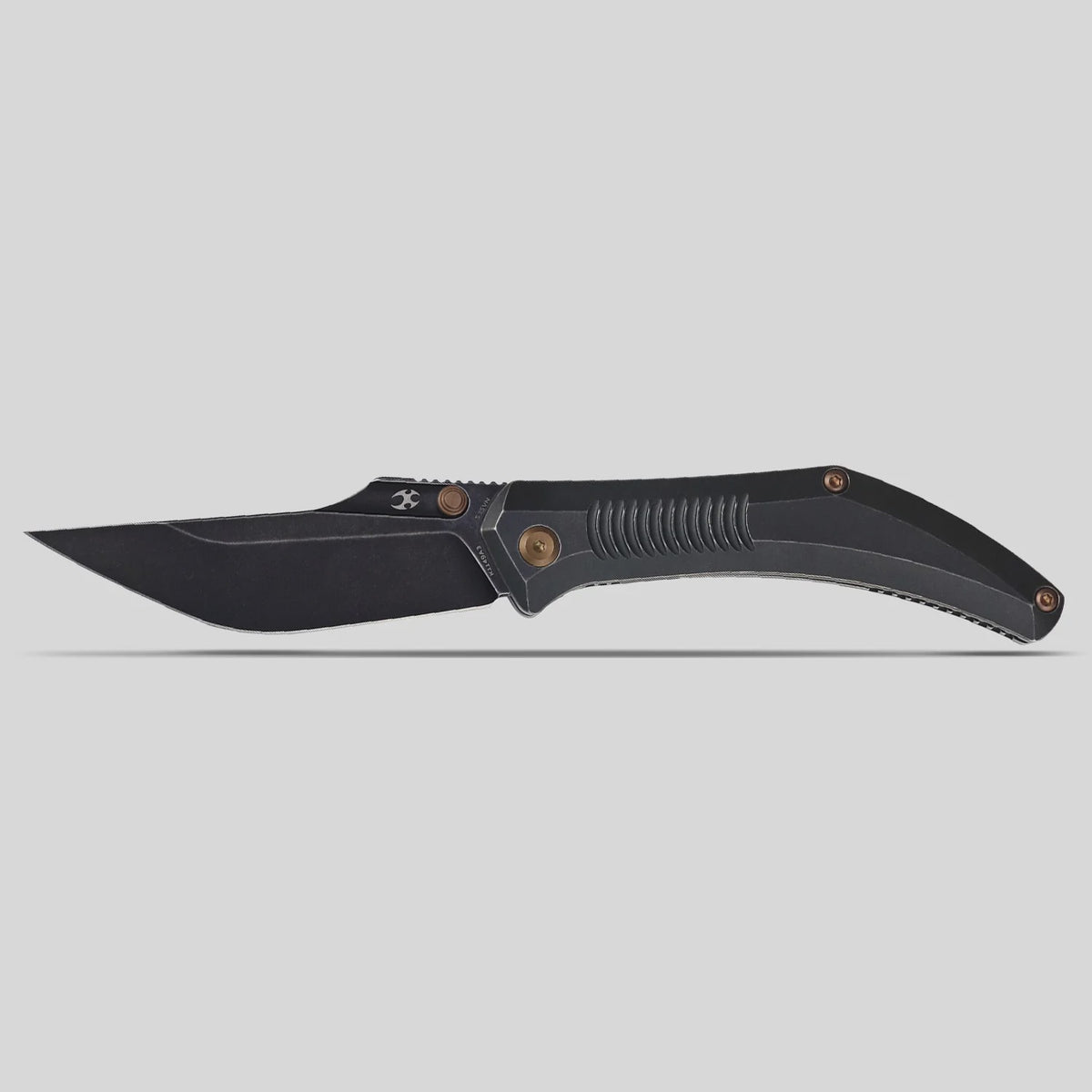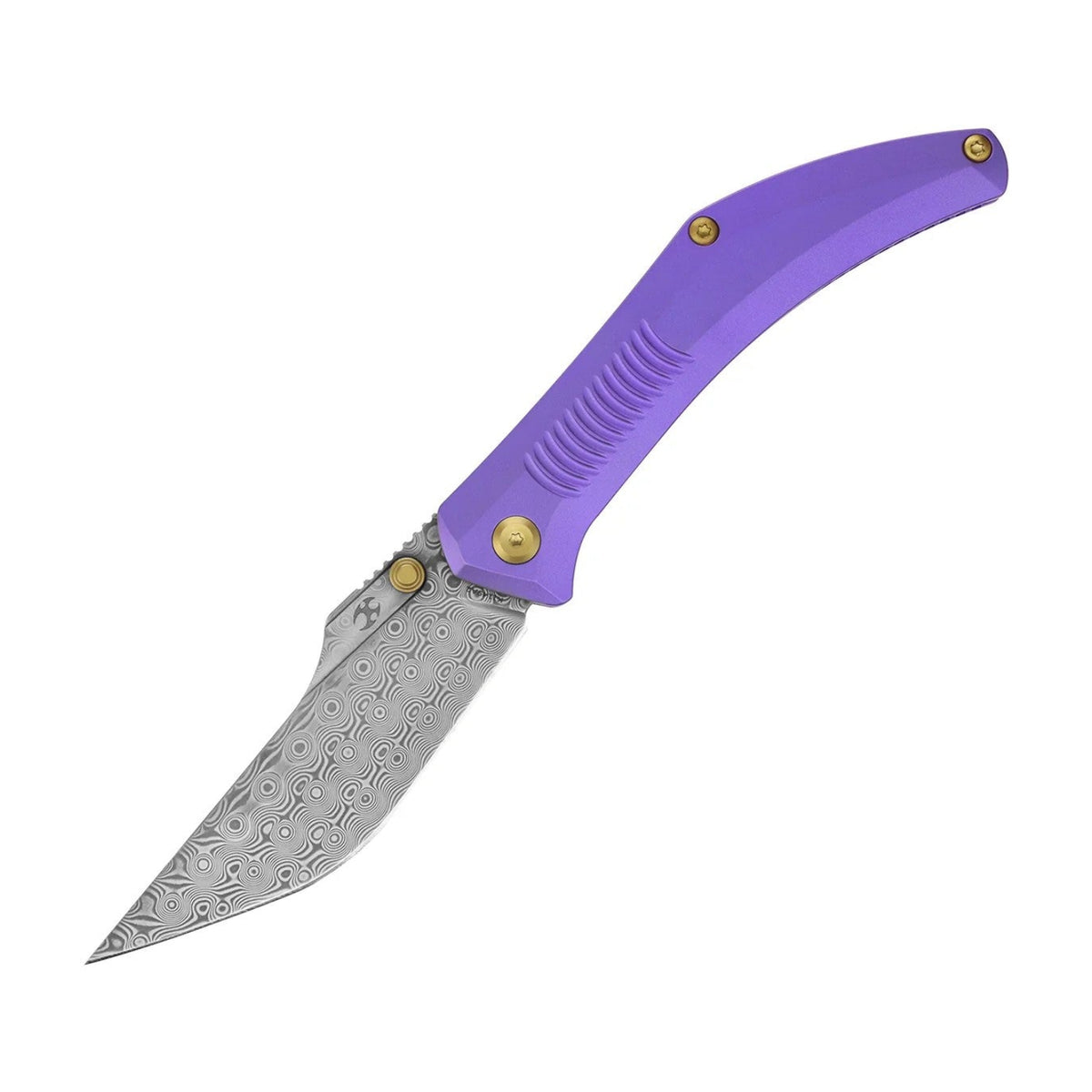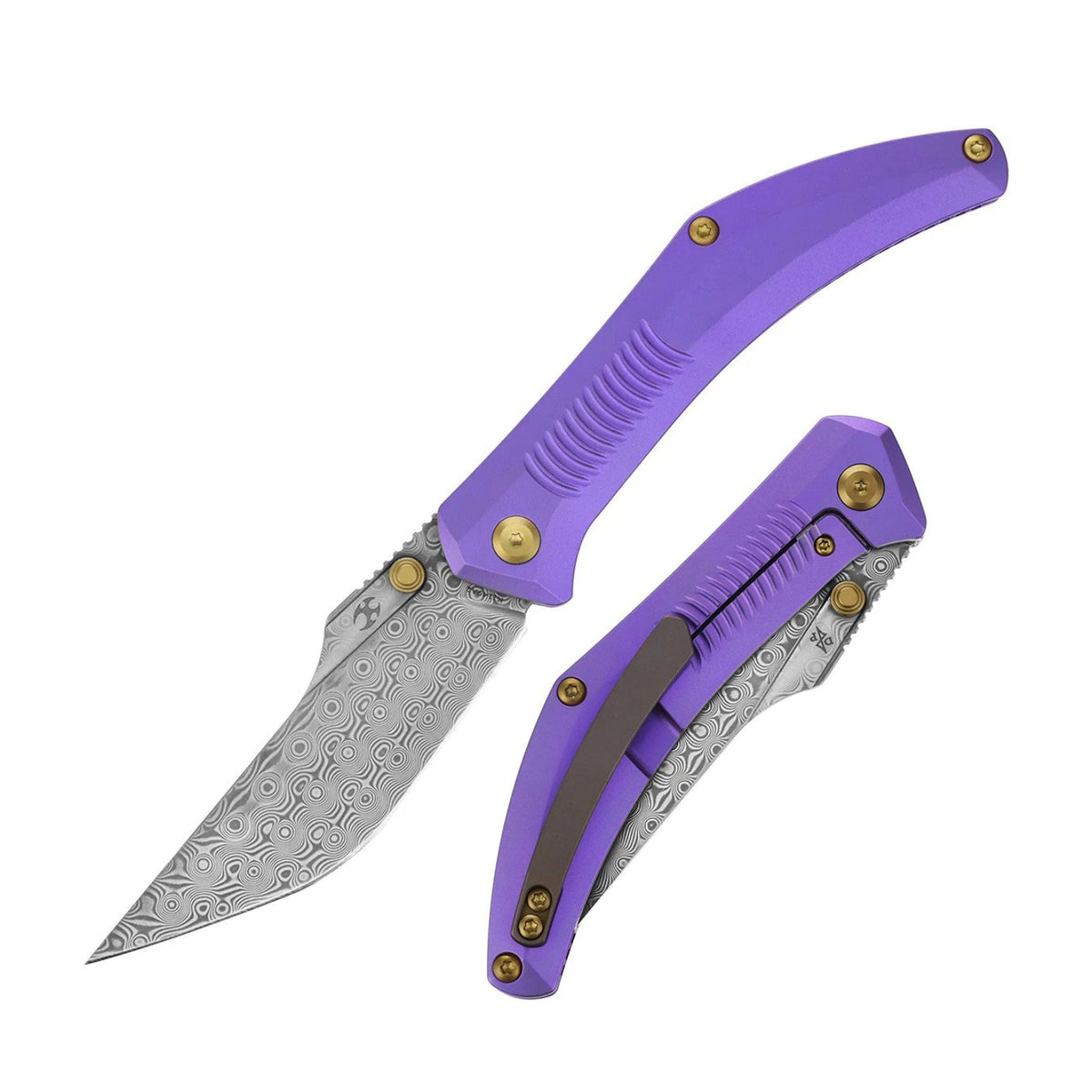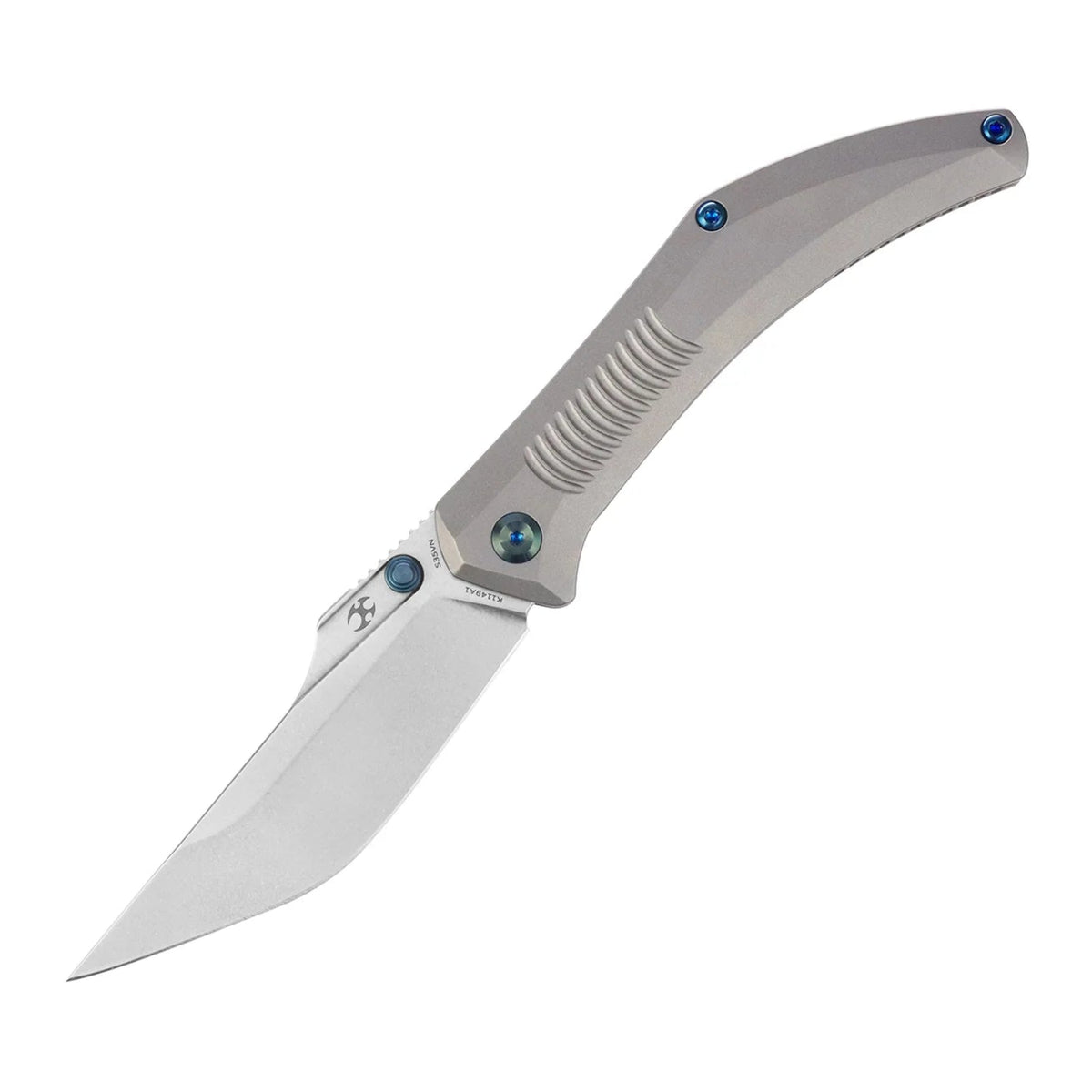

Overview & First Impressions
Knapping is controlled breaking, and the tool kit is mostly stone, antler and copper. But almost every modern knapper carries a knife, because the preparation around the flaking is a cutting job: trimming a leather pad, notching a billet, shaping a copper bopper cap, and separating a good spall from the debitage. The blade doing those jobs has to be sharp, stable and thin enough to work close to a fragile edge.
Materials & Construction
Knapping abrasive is not wood, it is silica dust, and that dust finds every pivot and every bevel. A stainless blade with high wear resistance is the practical answer, and CPM-20CV is about as wear resistant as a working knife gets without becoming brittle. Sao knives run it at high hardness with a thin grind, so the edge survives contact with a leather pad backed by grit and still slices cleanly when the job is delicate.

Design & Details
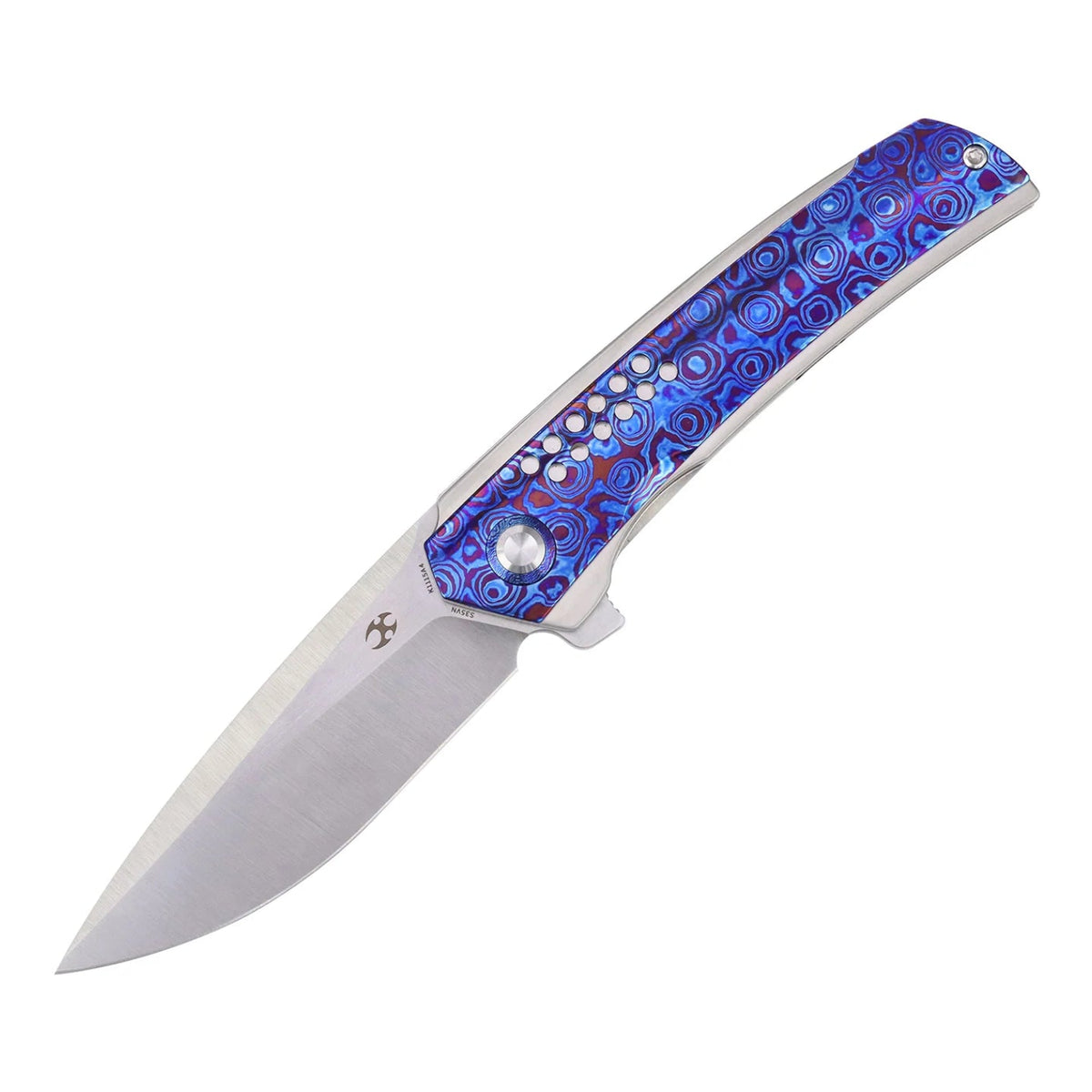
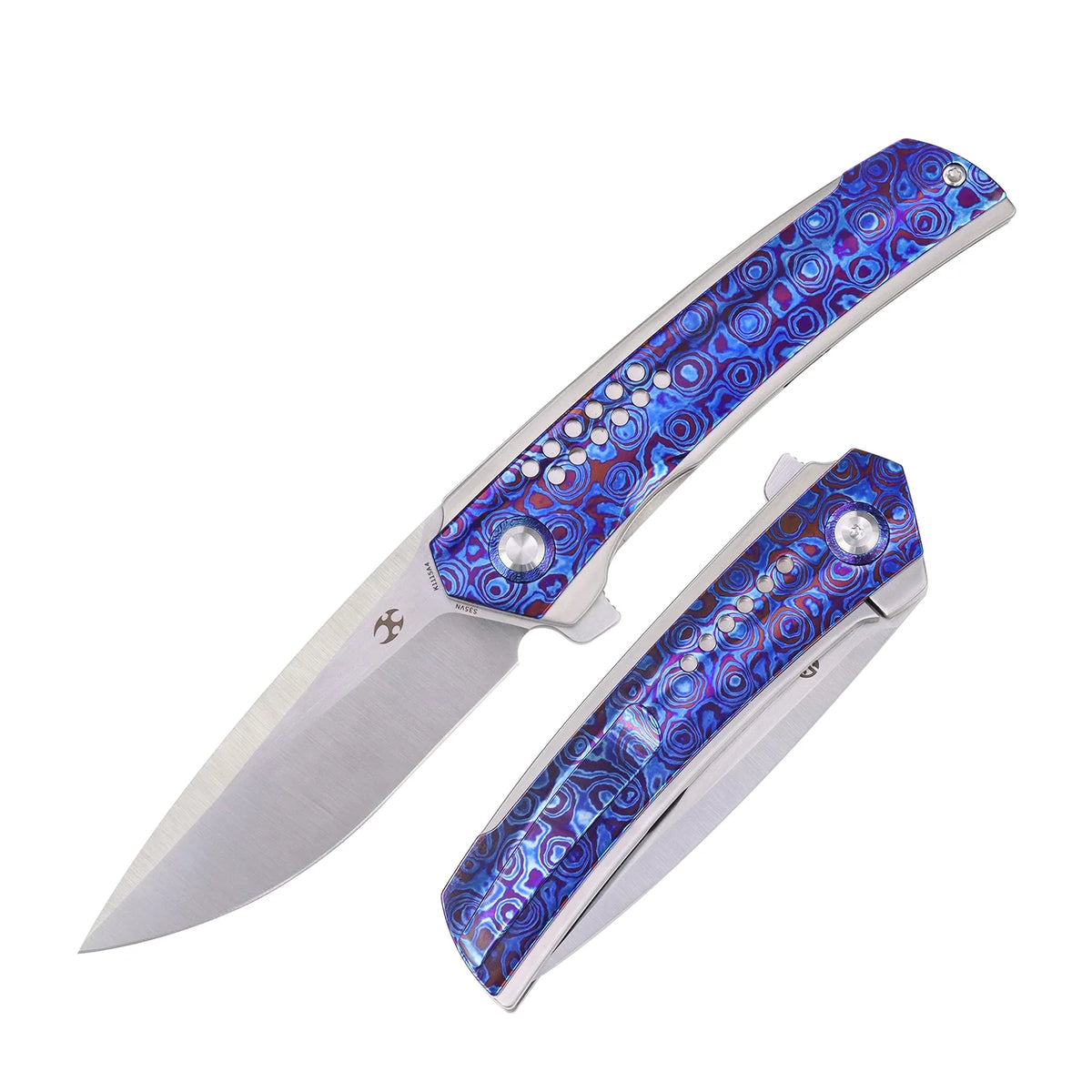
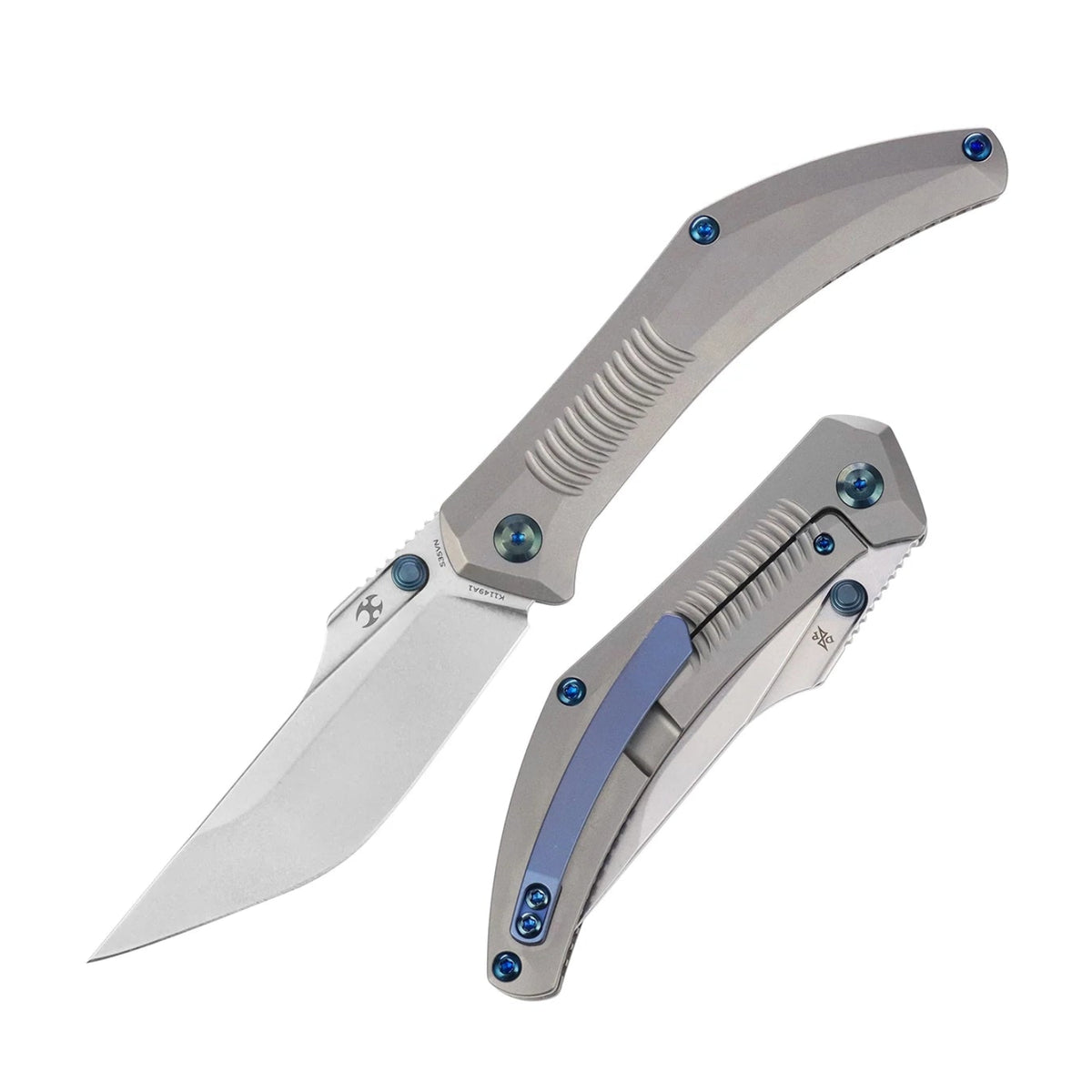
The Elephant is a slip joint pocket knife with an antler handle, and the traditional pattern suits this work better than a modern tactical folder. There is no lock to collect dust, the spring gives a firm half-stop, and the blade is thin, straight and easy to control with the knife held like a pencil. Antler also gives grip when hands are dry with chalky dust, which is most of the time in a knapping session.
Real-World Use
Four jobs repeat. Cutting leather for a hand pad and skiving the edge so it wraps a flake. Trimming the end of a billet so the strike lands square. Opening a notch in an antler tine used for pressure flaking. And cutting cord or sinew for hafting. None of these need a heavy blade; all of them need a genuinely sharp edge and a handle that does not rotate in a dusty hand.

Ownership Notes
Primitive technology is often taught outdoors, which is where a pocket knife beats a fixed blade: it disappears into a pocket, needs no sheath, and travels easily. Folding knives with a natural handle material also tend to sit quieter in the hand when the work is precise. EdcMall carries the Sao range and rotating traditional patterns, so finding a slip joint that suits a knapping kit is not difficult. Knappers who teach tend to carry folding knives rather than fixed blades, and the EDC knives that survive a dusty workshop are the ones with a natural handle and no lock to clog.
Who Is This For?
Buy it if you knap, teach primitive skills or want a traditional pocket knife for bench work. It suits flint knappers, bushcraft instructors and collectors of slip joints. Skip it if you need a hard-use camping knife; a thin-bladed slip joint is a precision tool with no lock, and batoning or prying with it is both unsafe and unfair to the design.
Final Verdict
The Elephant is the right pattern for knapping support work: thin, straight, controlled and free of a pivot that collects grit. CPM-20CV holds up against silica dust and leather backed with abrasive, and the antler handle keeps grip in a dry workshop. If your kit is stone and antler, this is a fitting steel addition.