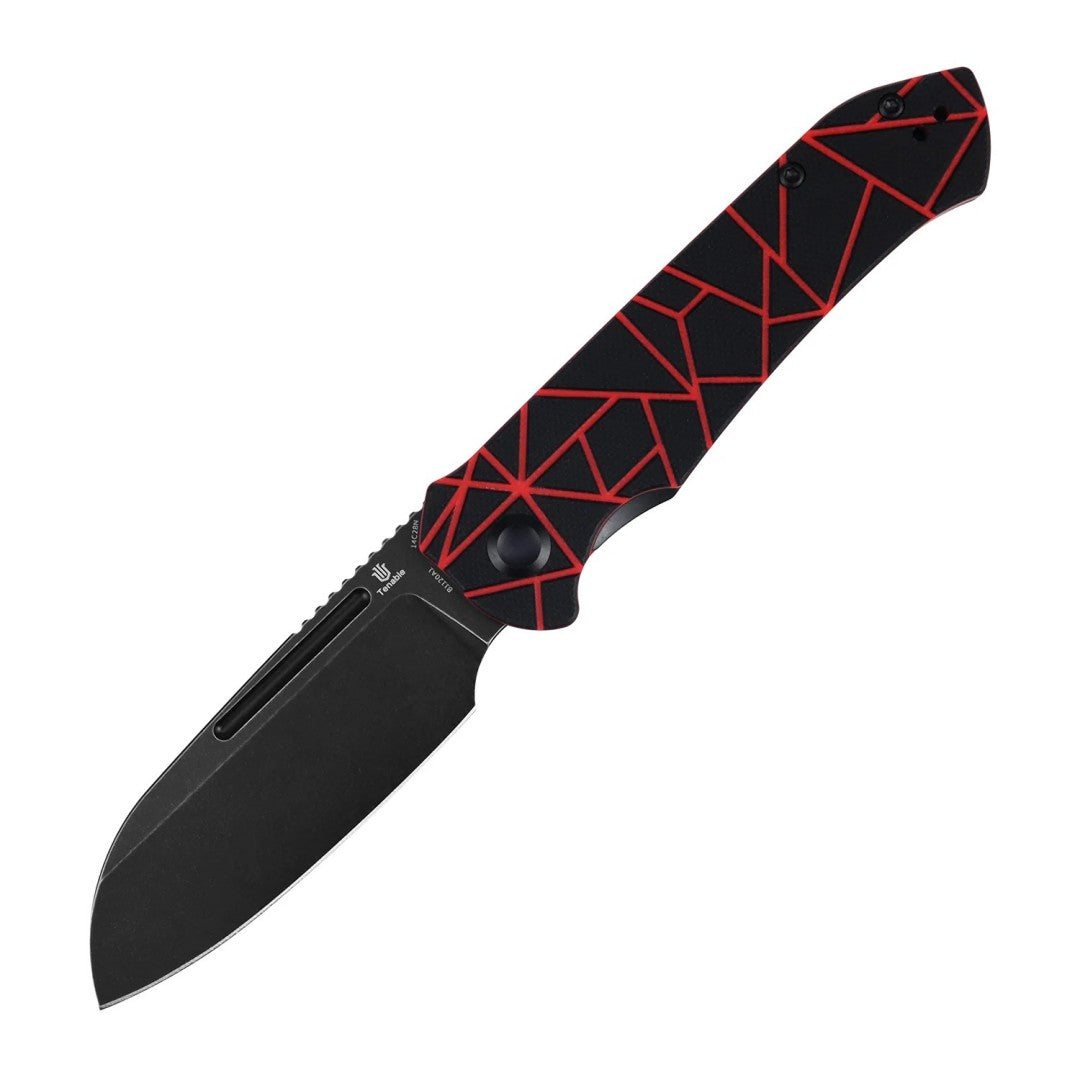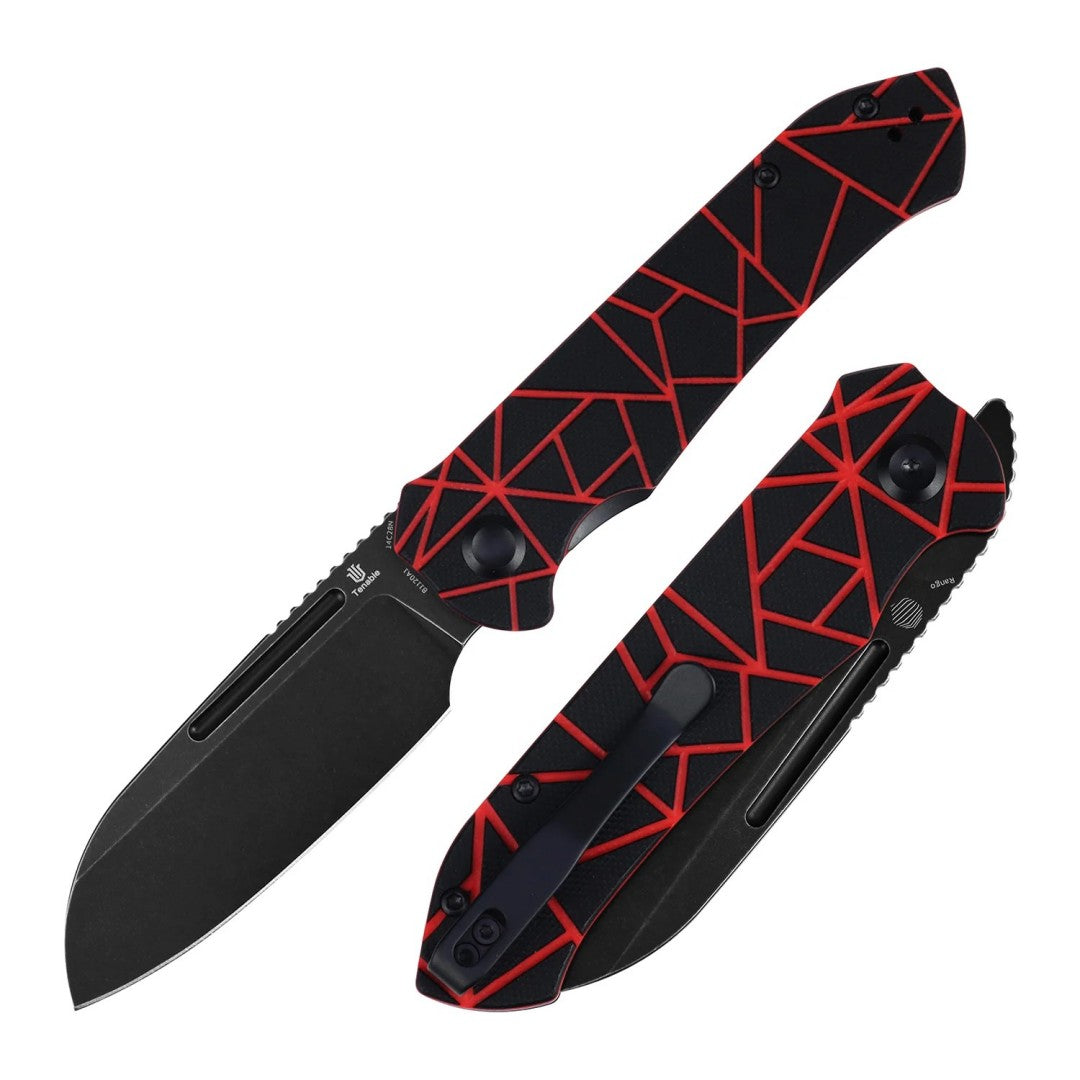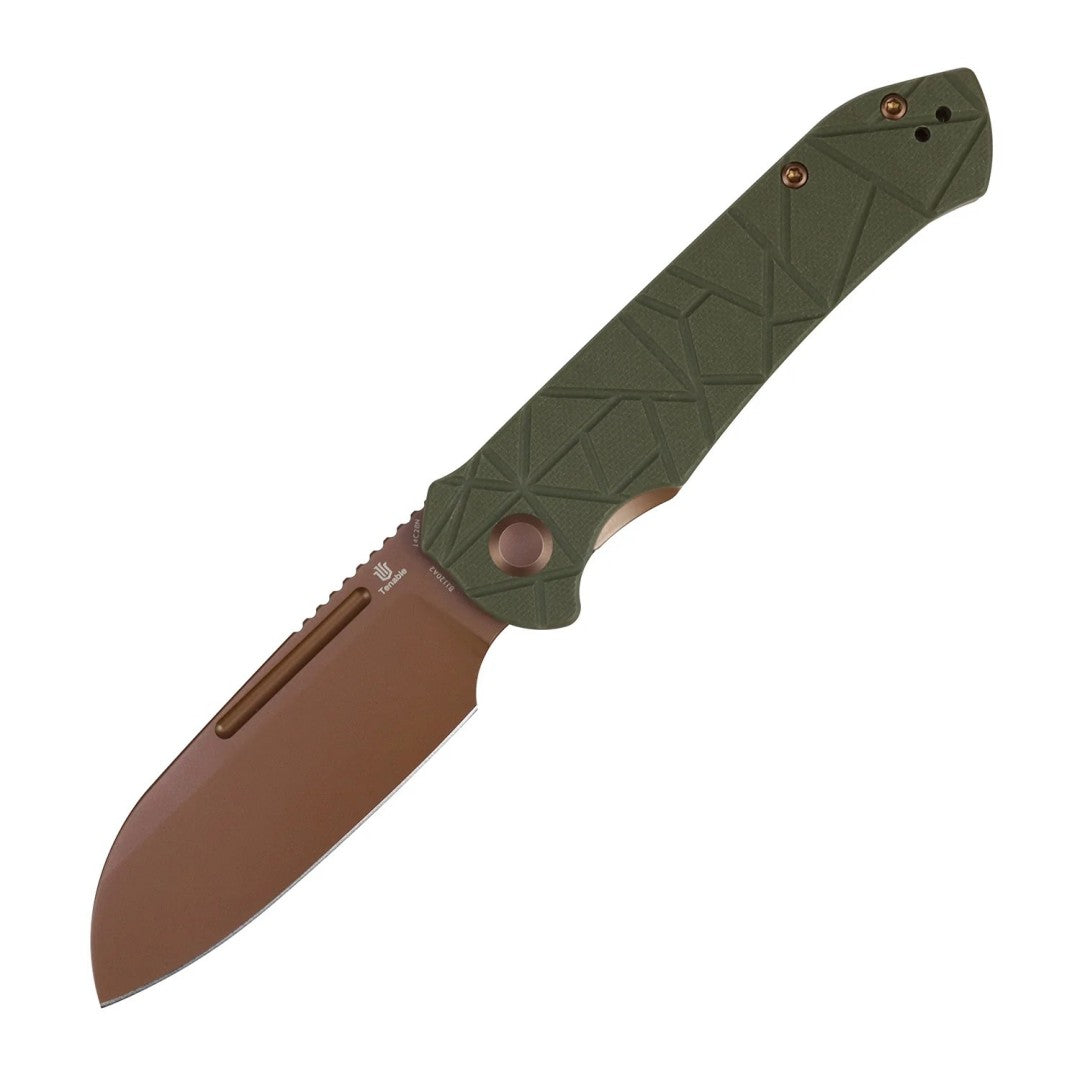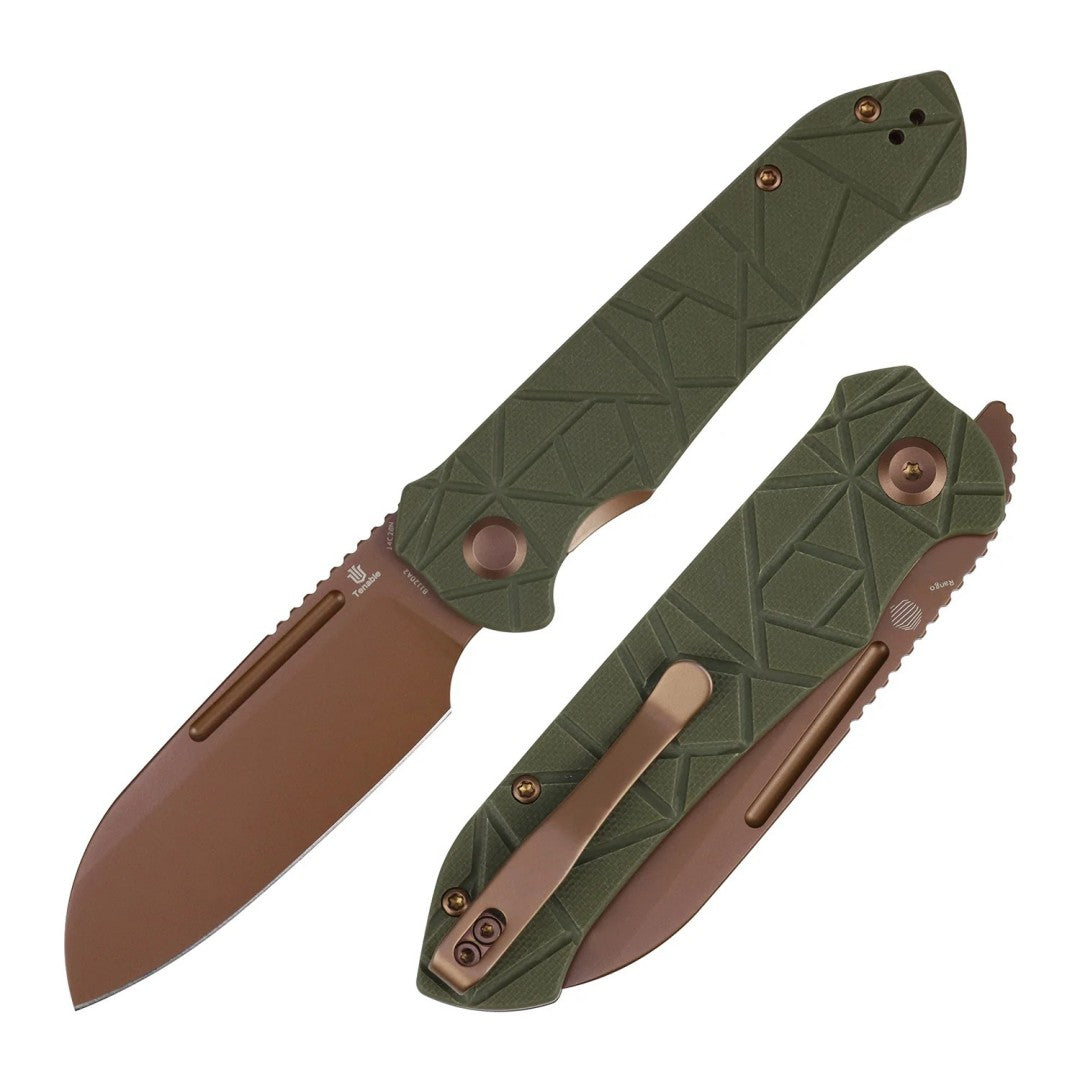

Overview & First Impressions
GEO Knife launched two closely related titanium folders in the same week, and buyers have been asking the same question ever since. The Strix GEO2510A and the Aska GEO2511A share an M390 blade, a titanium handle and a crossbar lock, so the differences live in blade shape and handle ergonomics rather than materials. That makes this a comparison worth doing properly, because the wrong choice will not announce itself for a few weeks of daily carry.
Materials & Construction
Both knives run identical M390 blade stock, so steel is not part of the decision. This powder metallurgy stainless is loaded with vanadium, giving it excellent edge retention and strong corrosion resistance, which means long intervals between sharpenings and no special anxiety about moisture. Both run titanium frames and both use the same caged bearing pivot. GEO Knife did not differentiate the trims by specification, which is a refreshingly honest way to build a line.

Design & Details
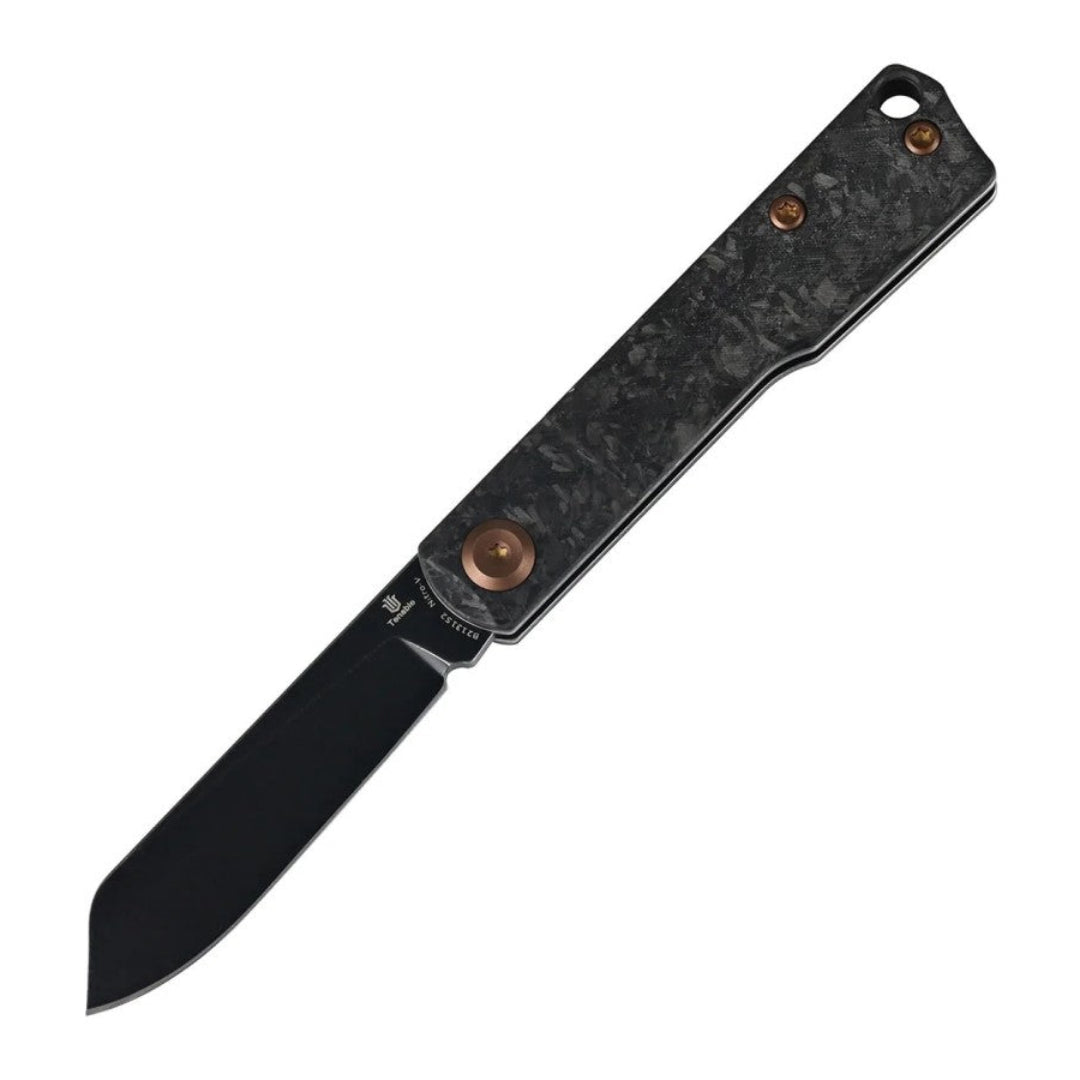
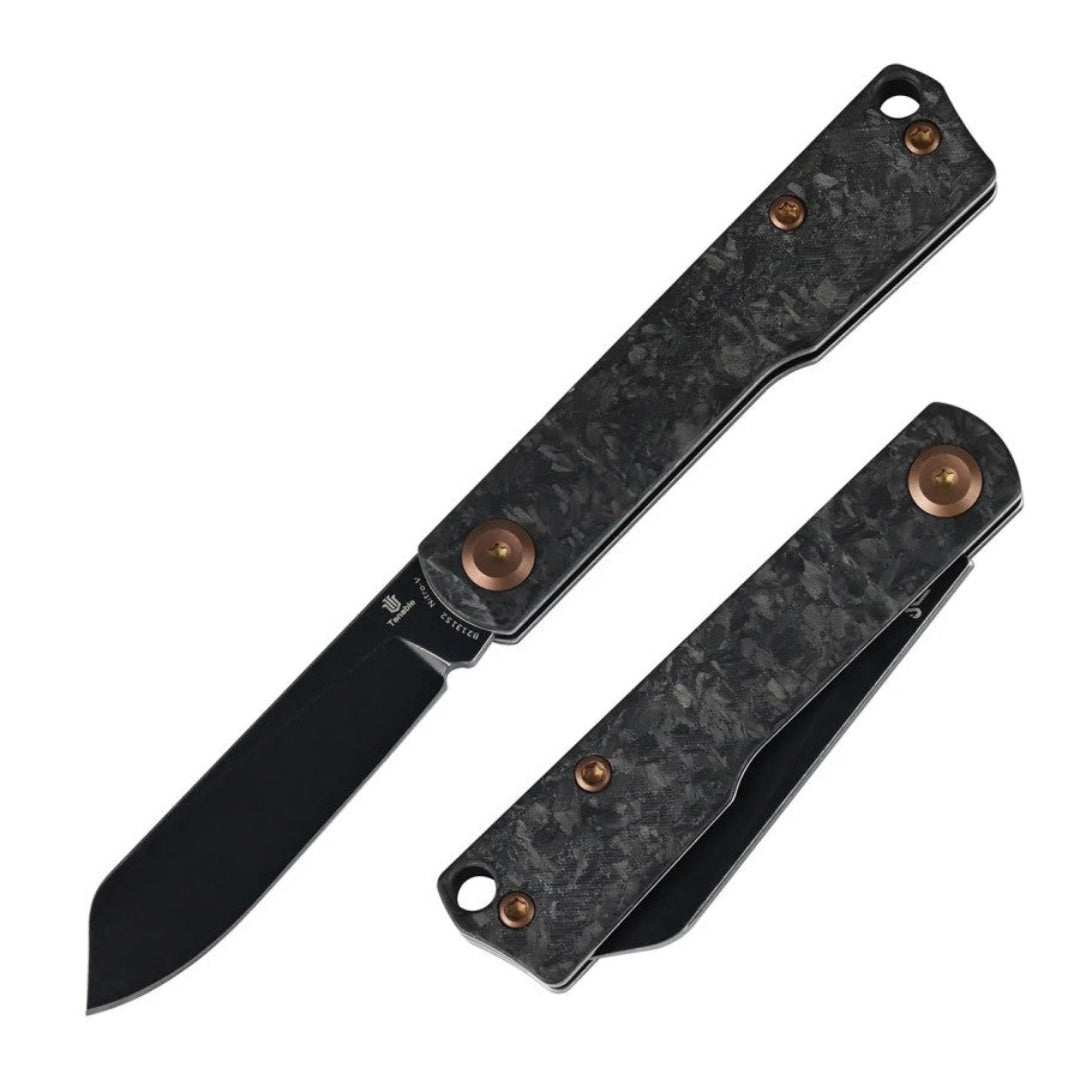
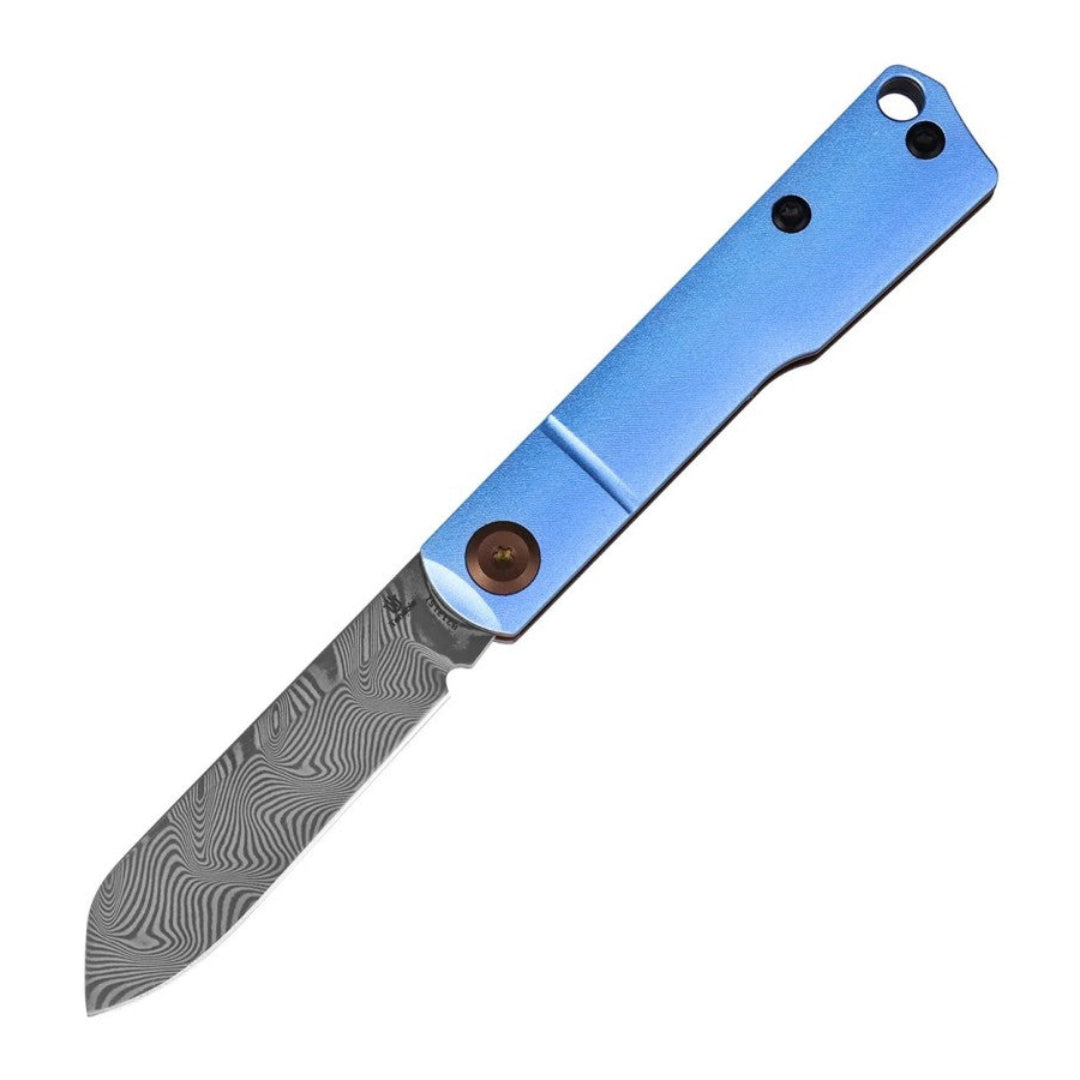
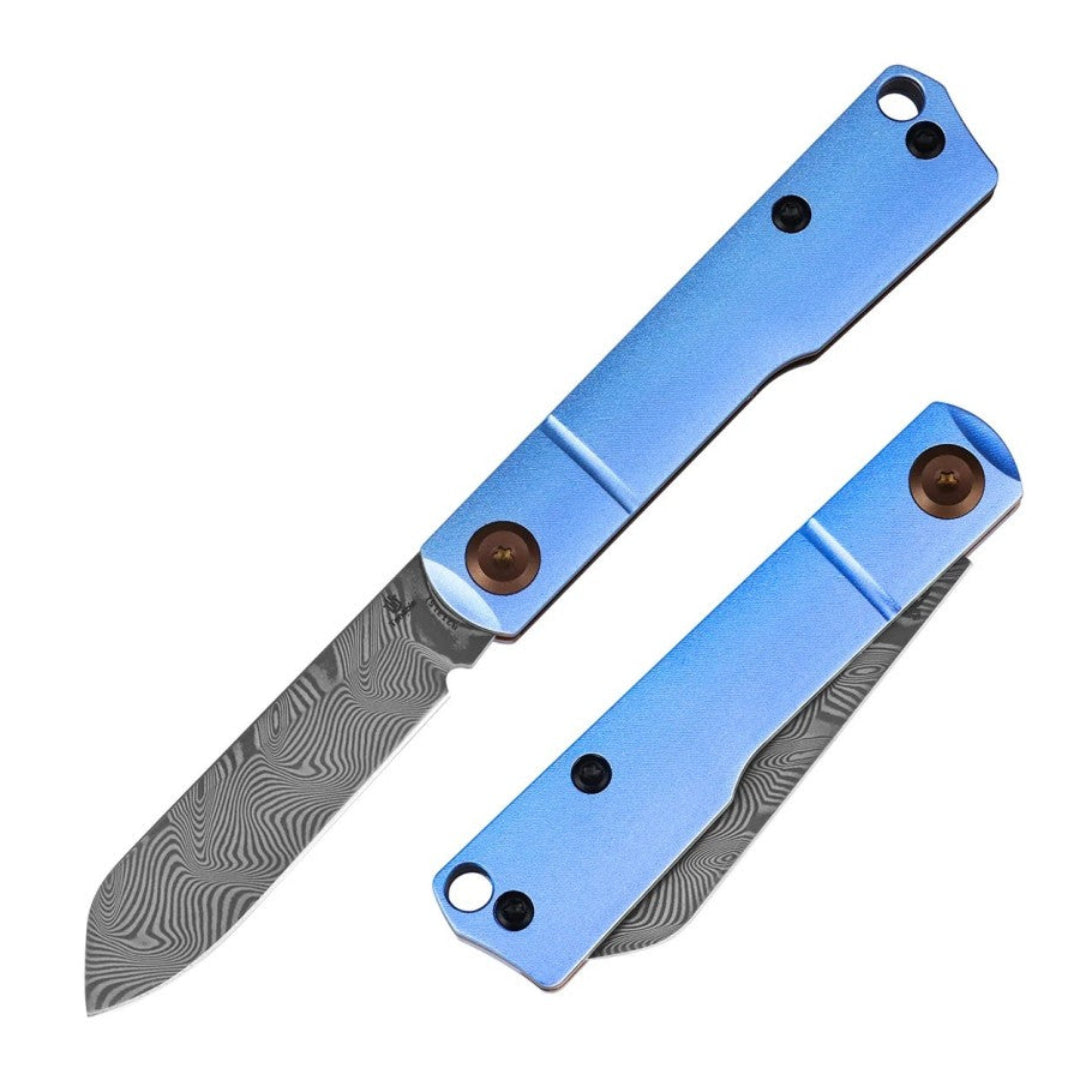
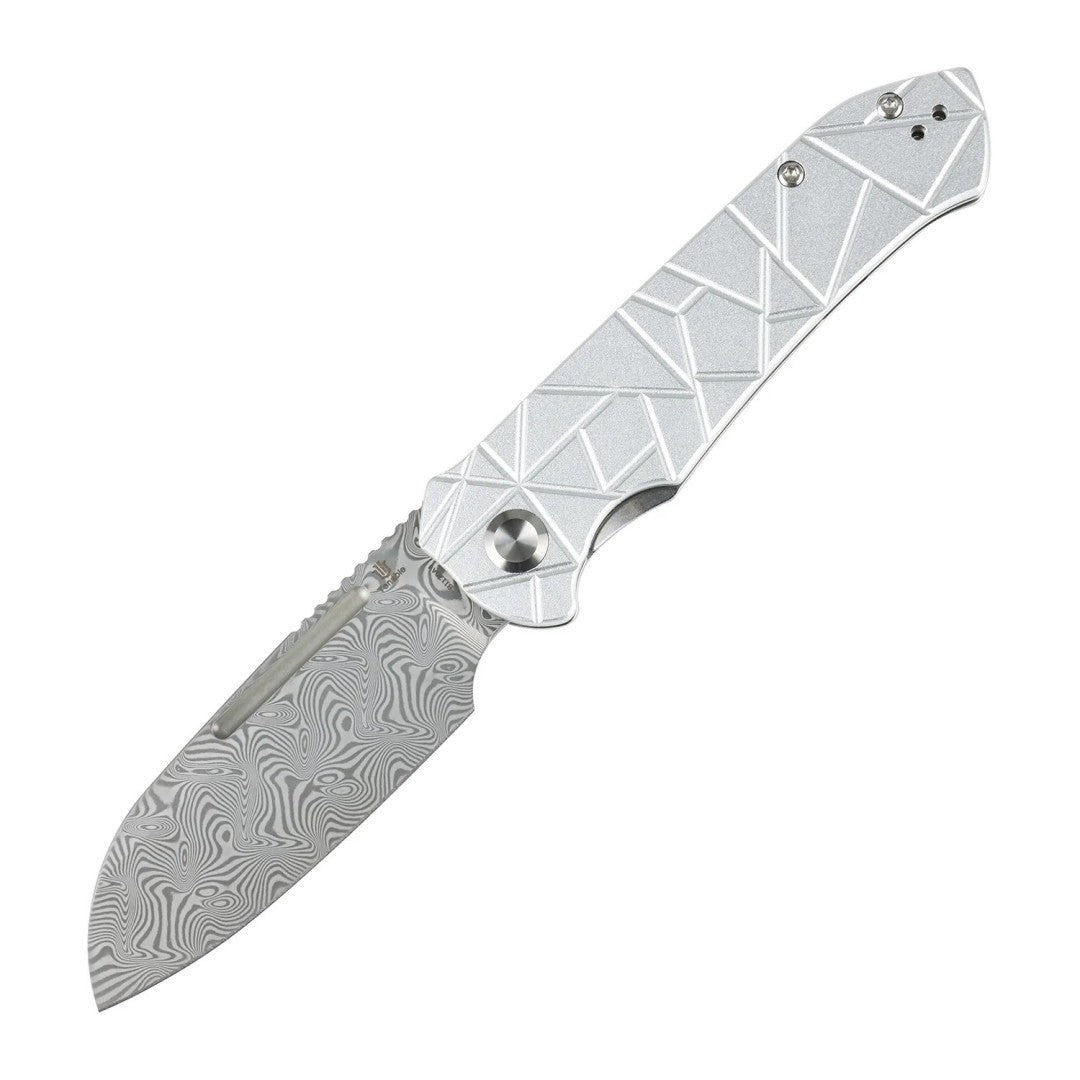
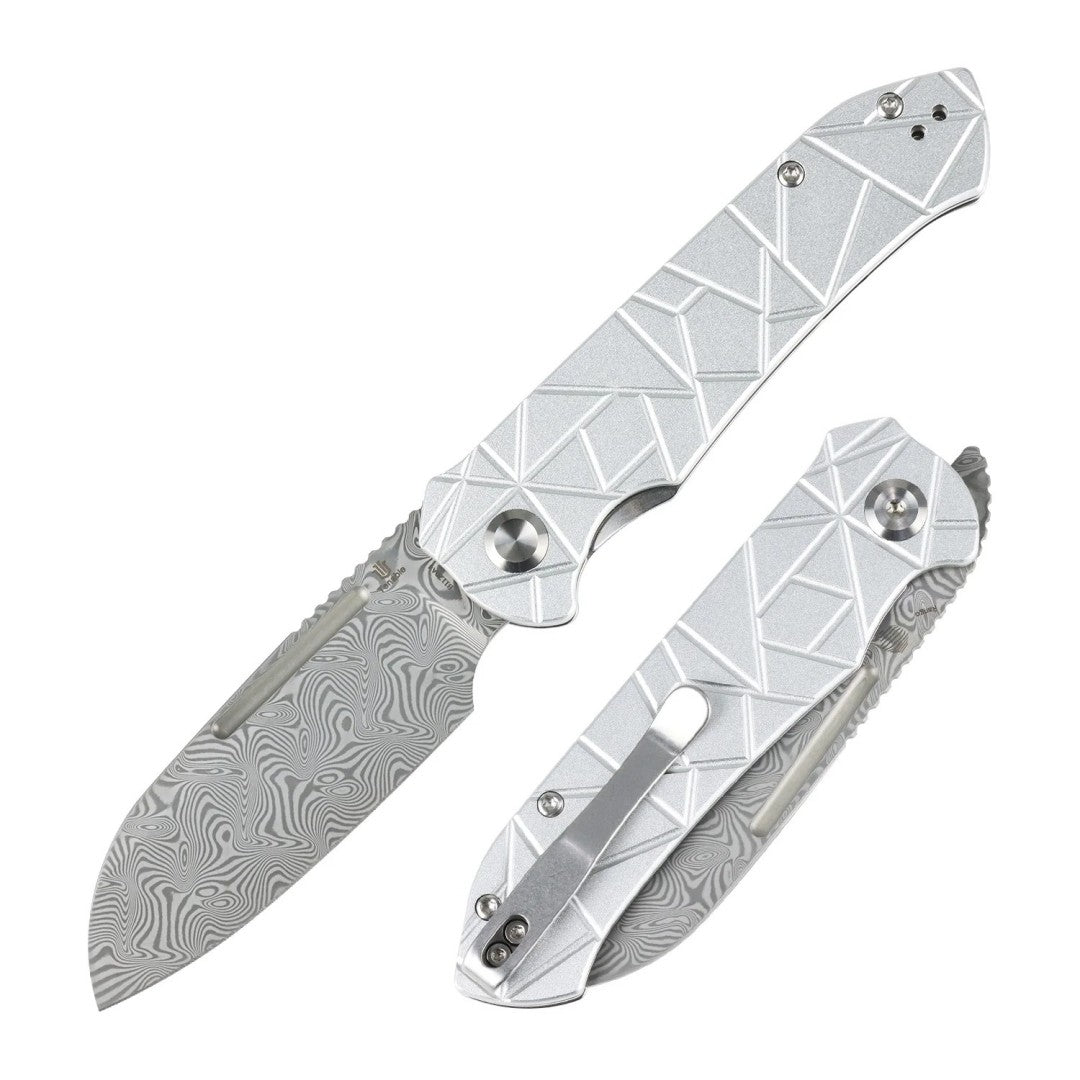
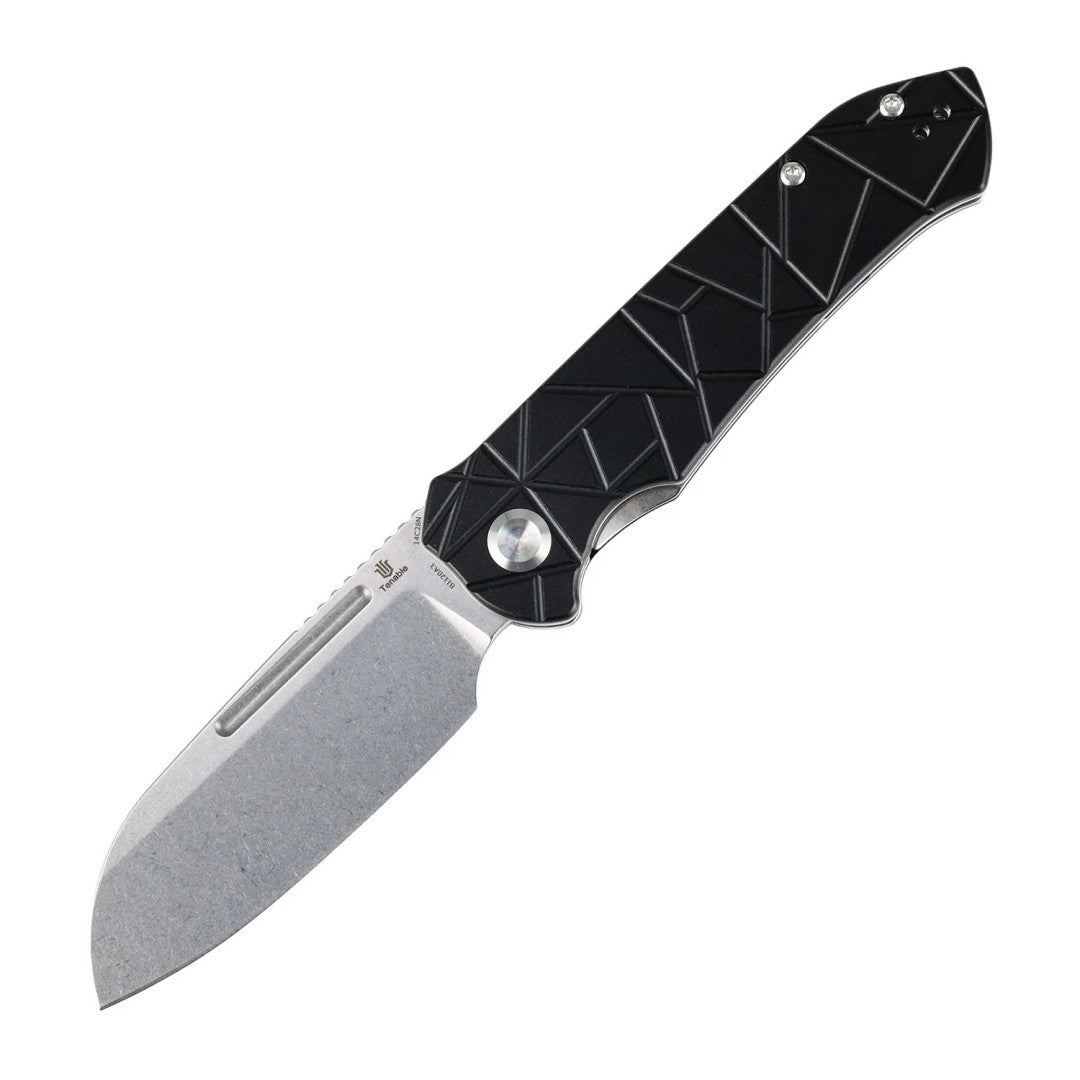
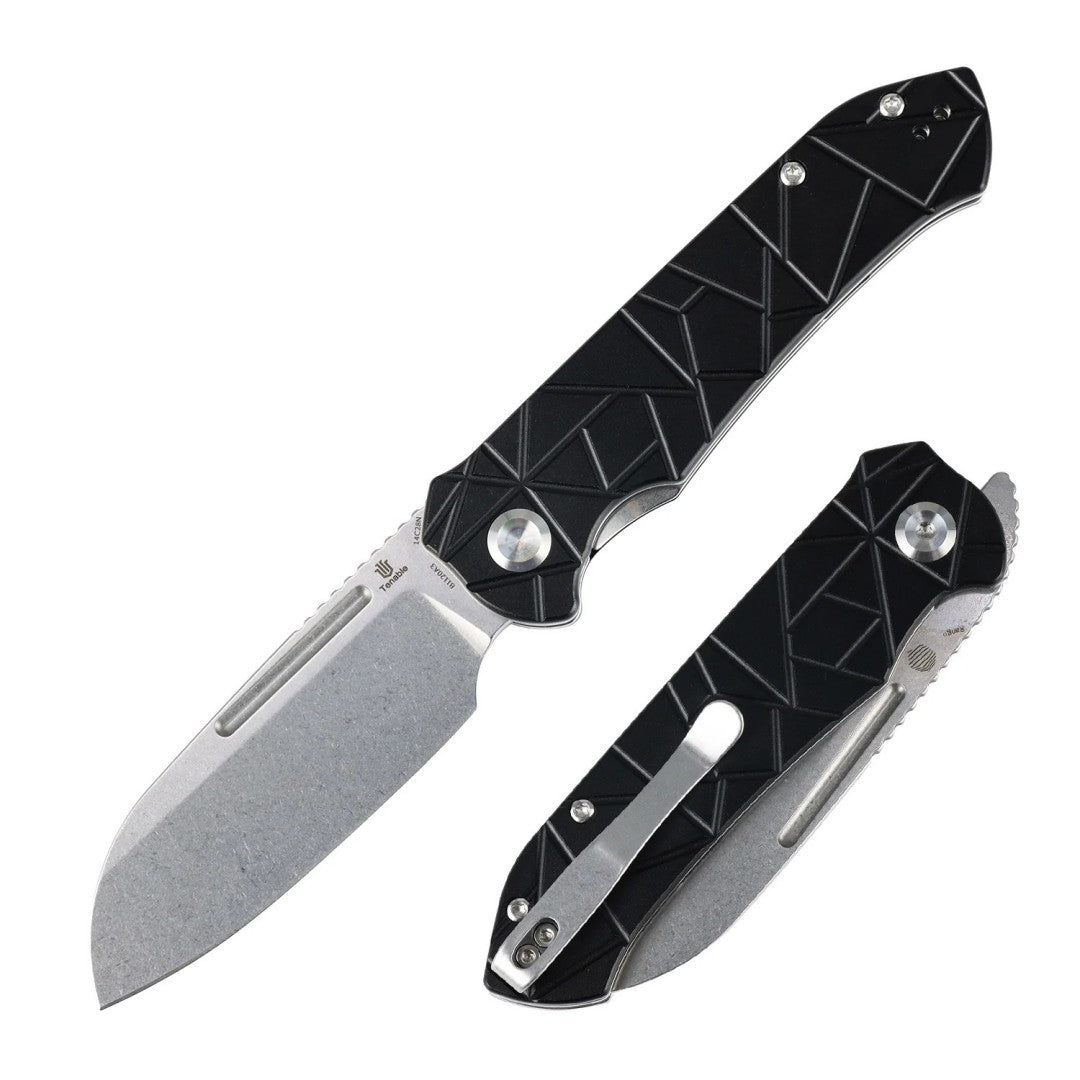
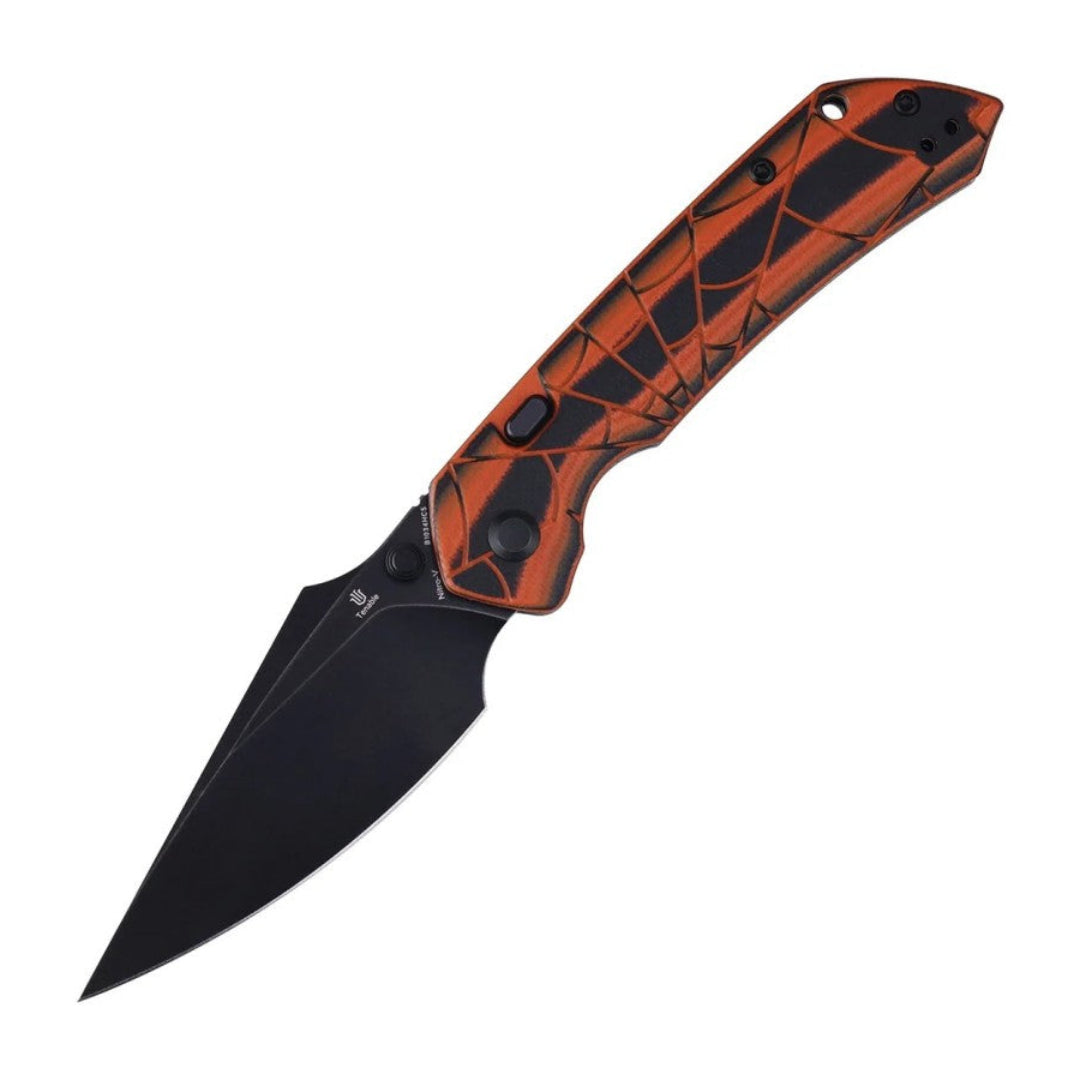
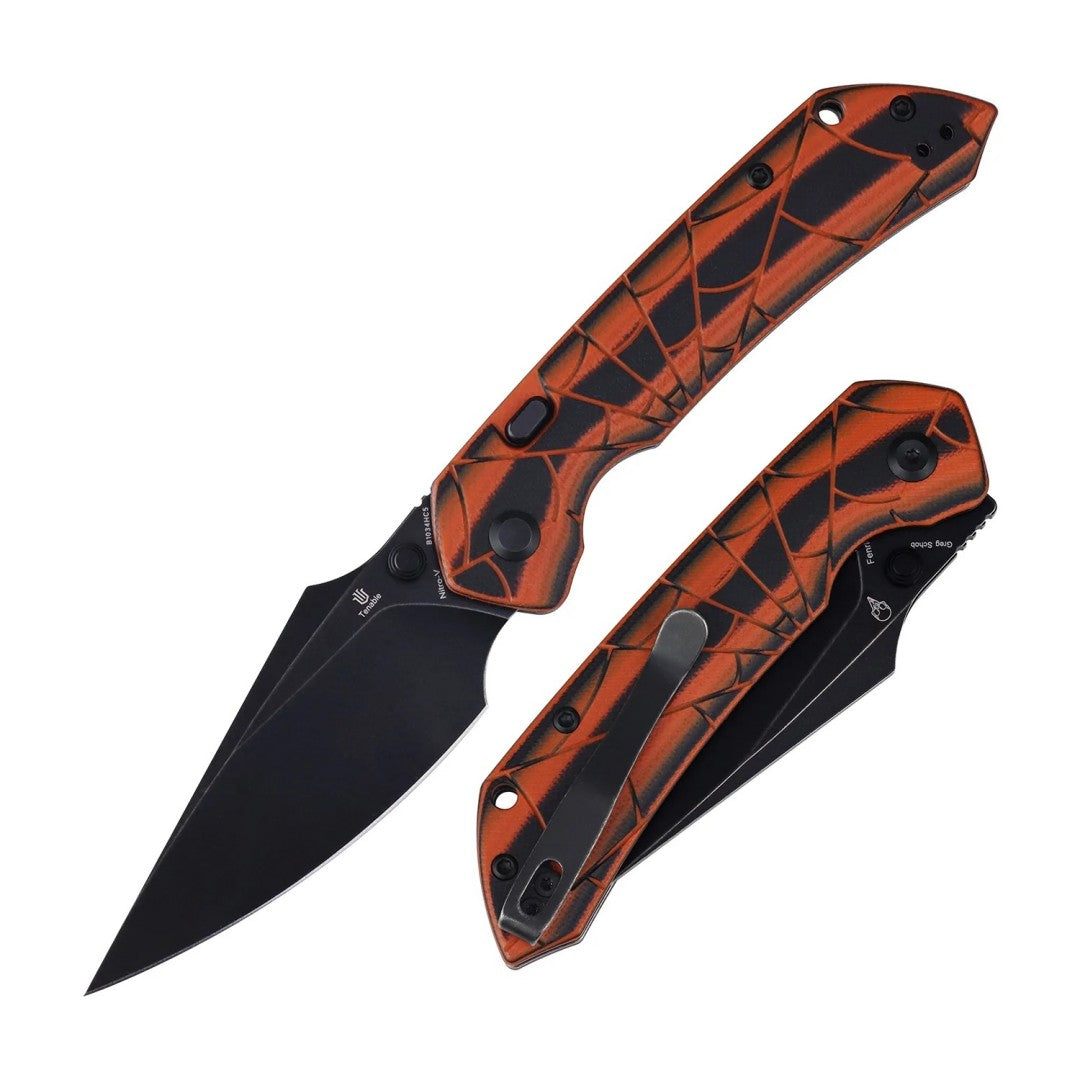
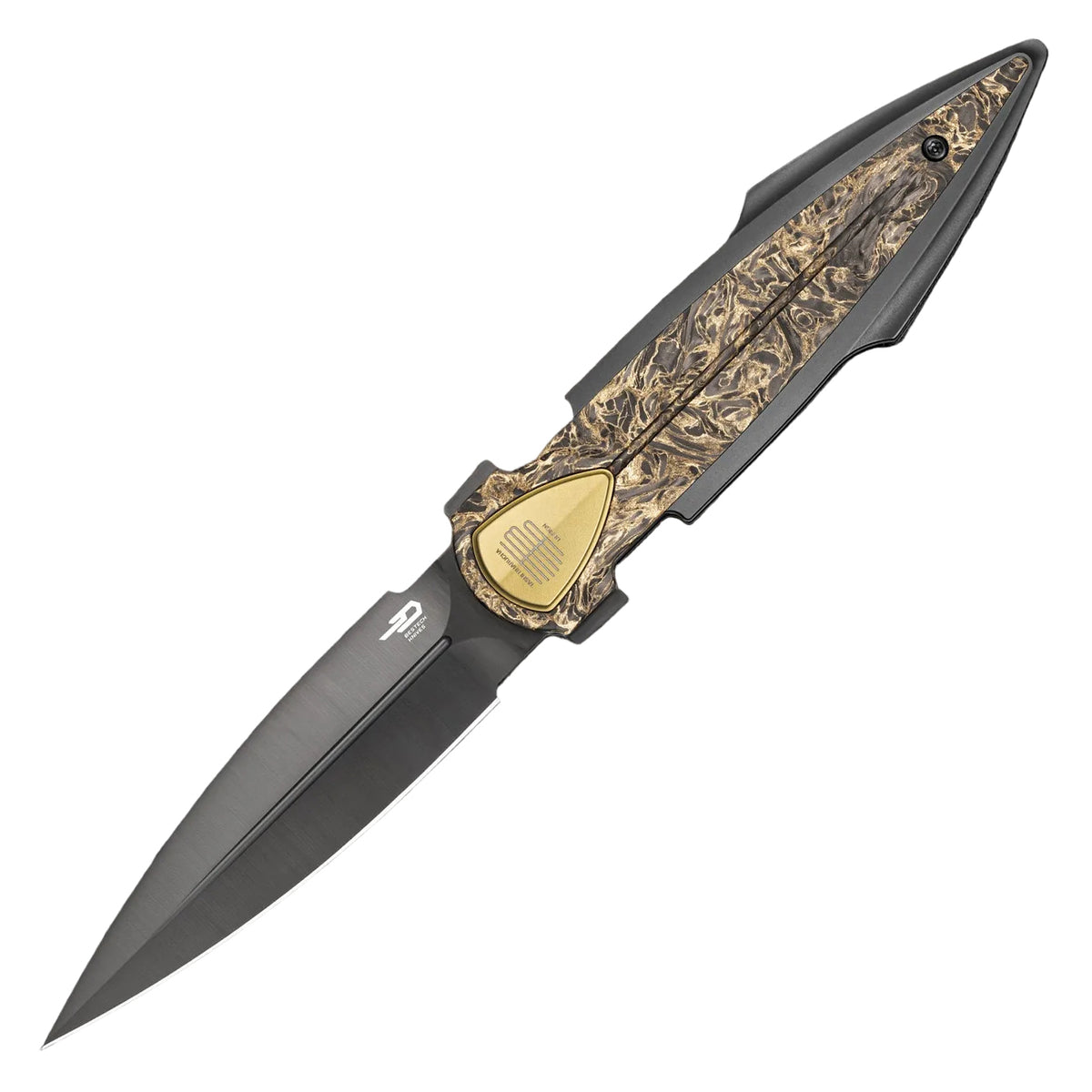
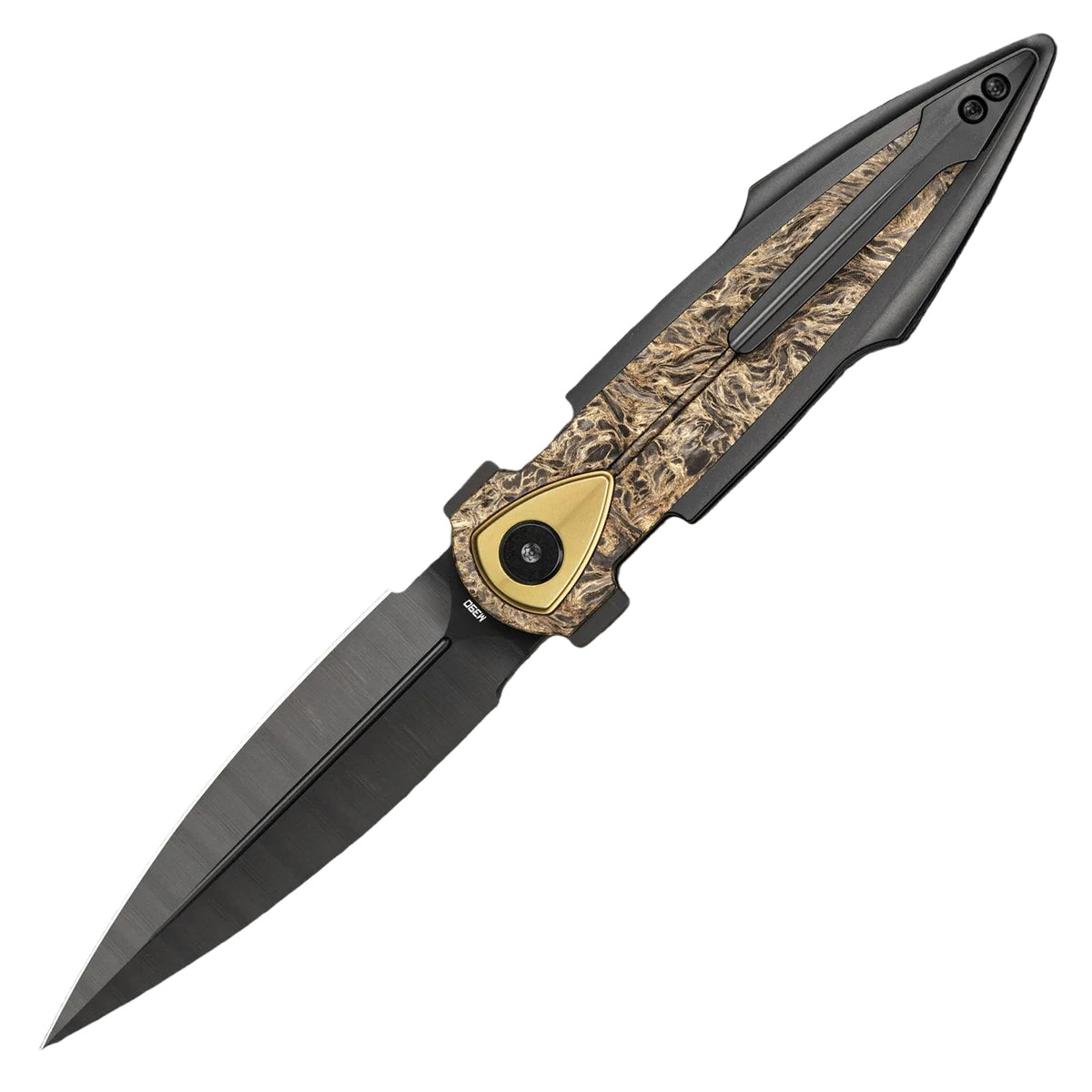
Blade profile is the first difference. The Strix uses a broader, more leaf-like blade with a pronounced belly, which suits slicing and long draw cuts. The Aska is slimmer with a more acute tip, favouring penetration and detail work. Handle shape follows the same logic: the Strix has a fuller palm swell while the Aska's scales are narrower through the middle. Both use the same crossbar lock and both finish their titanium with a fine machined grip texture.
Real-World Use
In hand the two knives reveal their intentions quickly. The Strix feels planted during cutting and is the better choice for breaking down boxes, prepping food and any task where you want the blade to follow through. The Aska feels nimbler and is easier to control at the tip for opening packages, cutting tape and trimming in tight spaces. Among titanium EDC knives at this price, both are unusually light, and neither will drag on a pocket over a long day.

Ownership Notes
Maintenance is the same for both. Keep the crossbar channel free of lint, oil the pivot sparingly and use a diamond plate when the M390 edge finally needs rebuilding. Titanium will show faint marks from keys and coins, which polishes out with a little effort if it bothers you. Neither knife needs disassembly under normal use, and both benefit from having the pivot tension checked once after the first month of carry. Among titanium folding knives at this price, both are light enough to forget in a pocket and neither behaves like a heavy knife when you actually cut with it.
Who Is This For?
Choose the Strix if you cut a lot of material and want a blade that tracks straight through it, or if you simply prefer a fuller handle in the palm. Choose the Aska if you value a precise tip, do a lot of detail work or have smaller hands. Collectors who follow GEO Knife will find the two trims complementary rather than redundant, and anyone buying a first titanium folder should decide based on the shape they prefer rather than the specs.
Final Verdict
Neither knife is better than the other; they are simply shaped for different jobs. The Strix is the slicer and the Aska is the detail knife, and both deliver premium M390 steel, a genuinely ambidextrous lock and a titanium frame at a price that still looks like a mistake. Buy the one whose blade shape matches the way you actually cut, and you will not think about the other again.