

Glyde Lock vs. Liner Lock: What's the Difference?
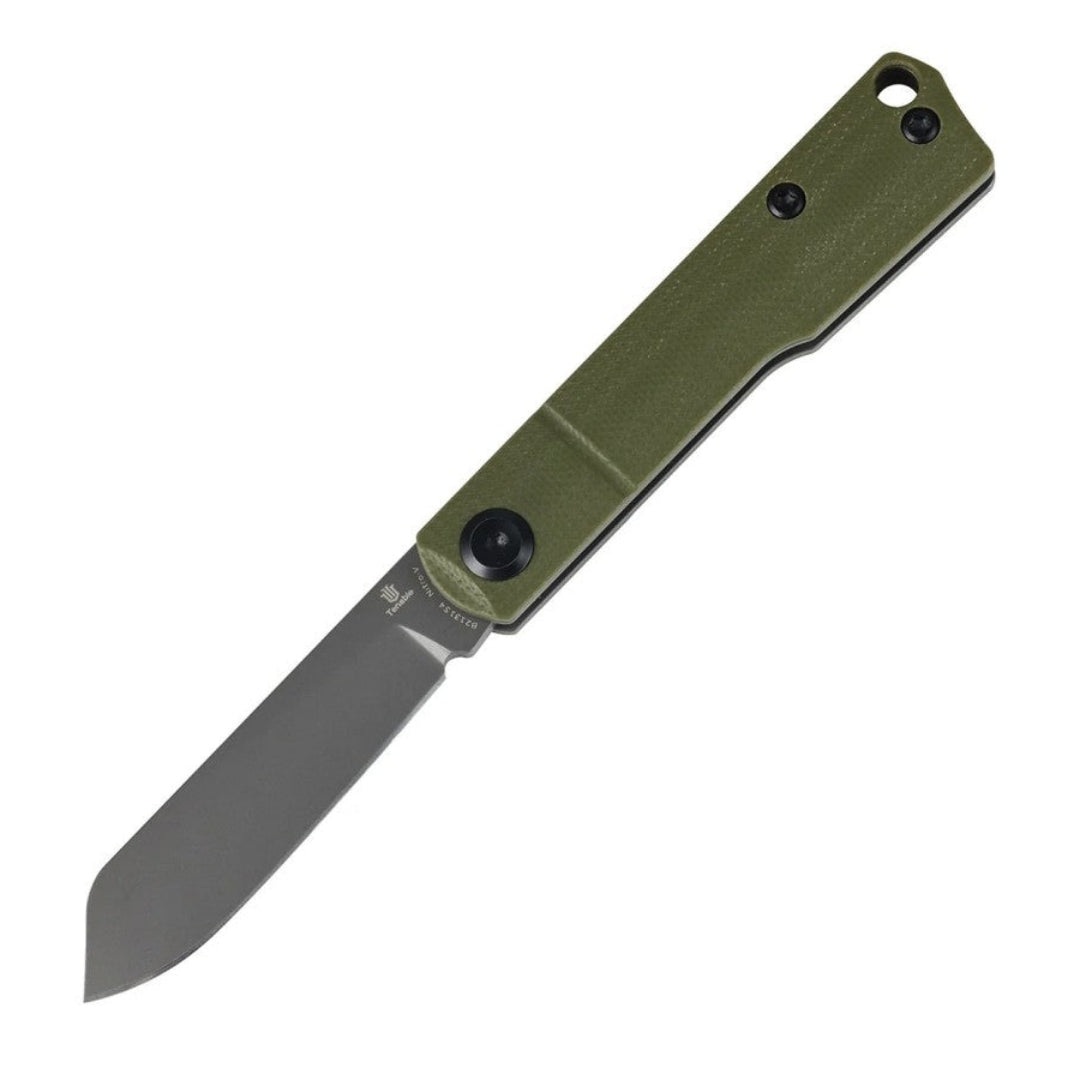
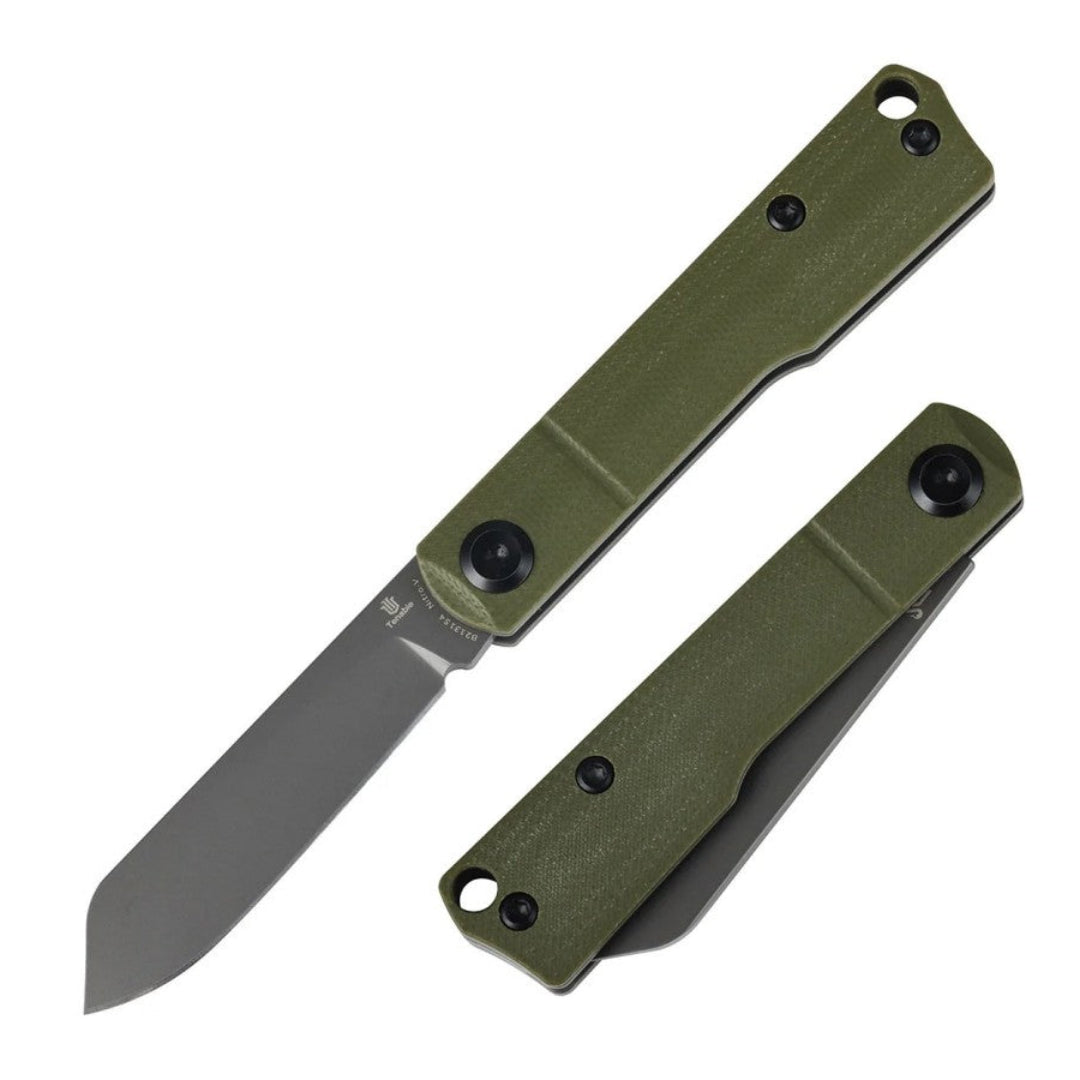
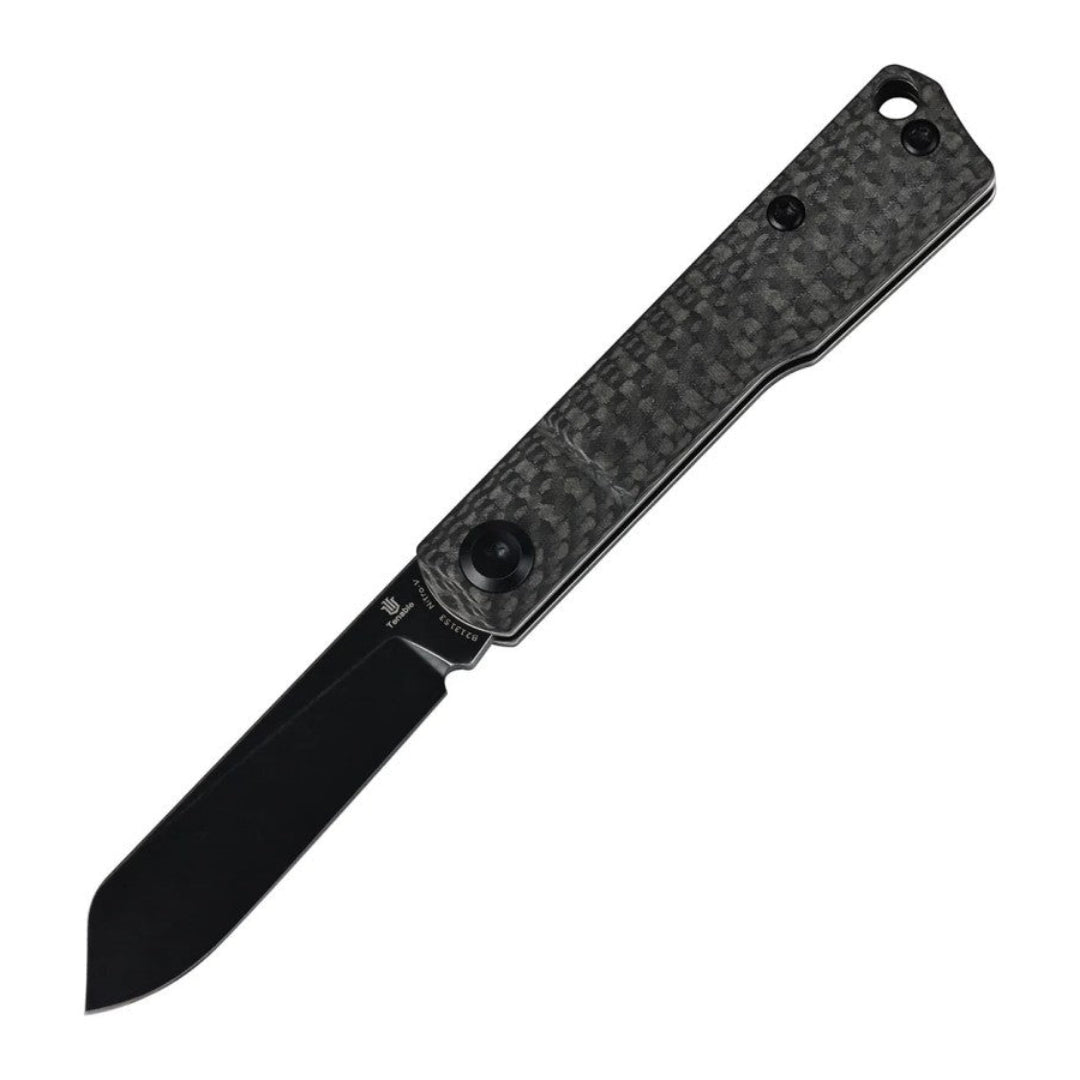
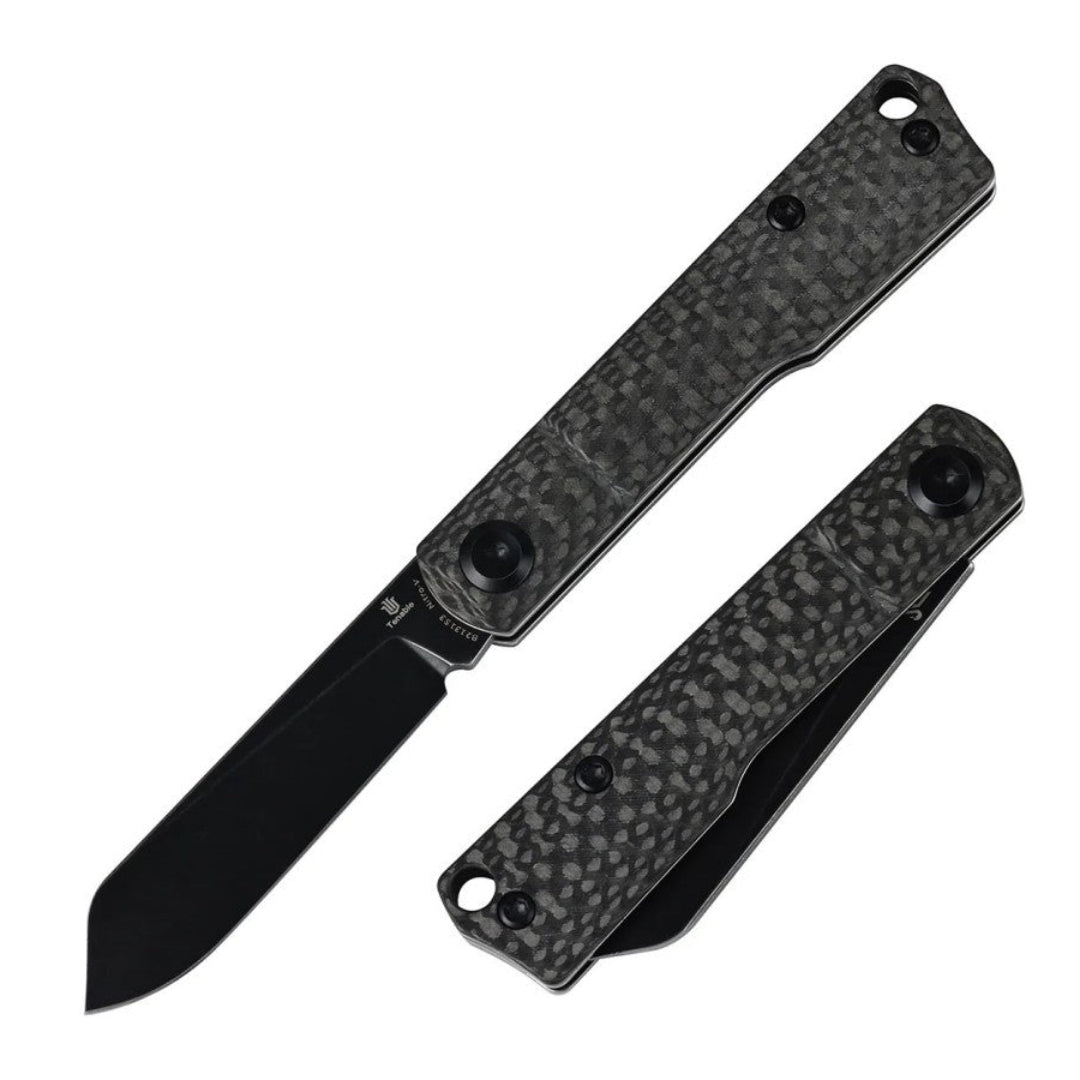
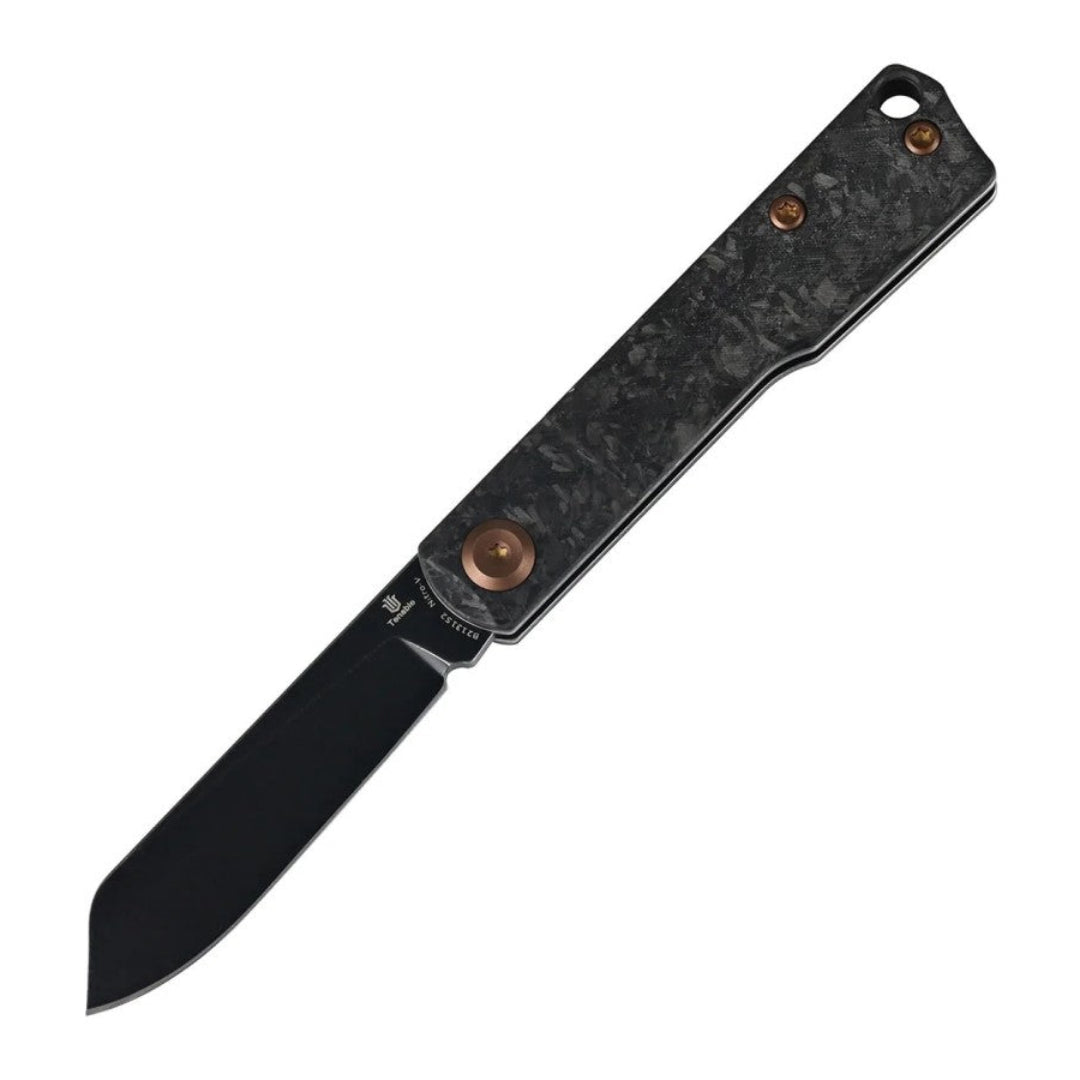
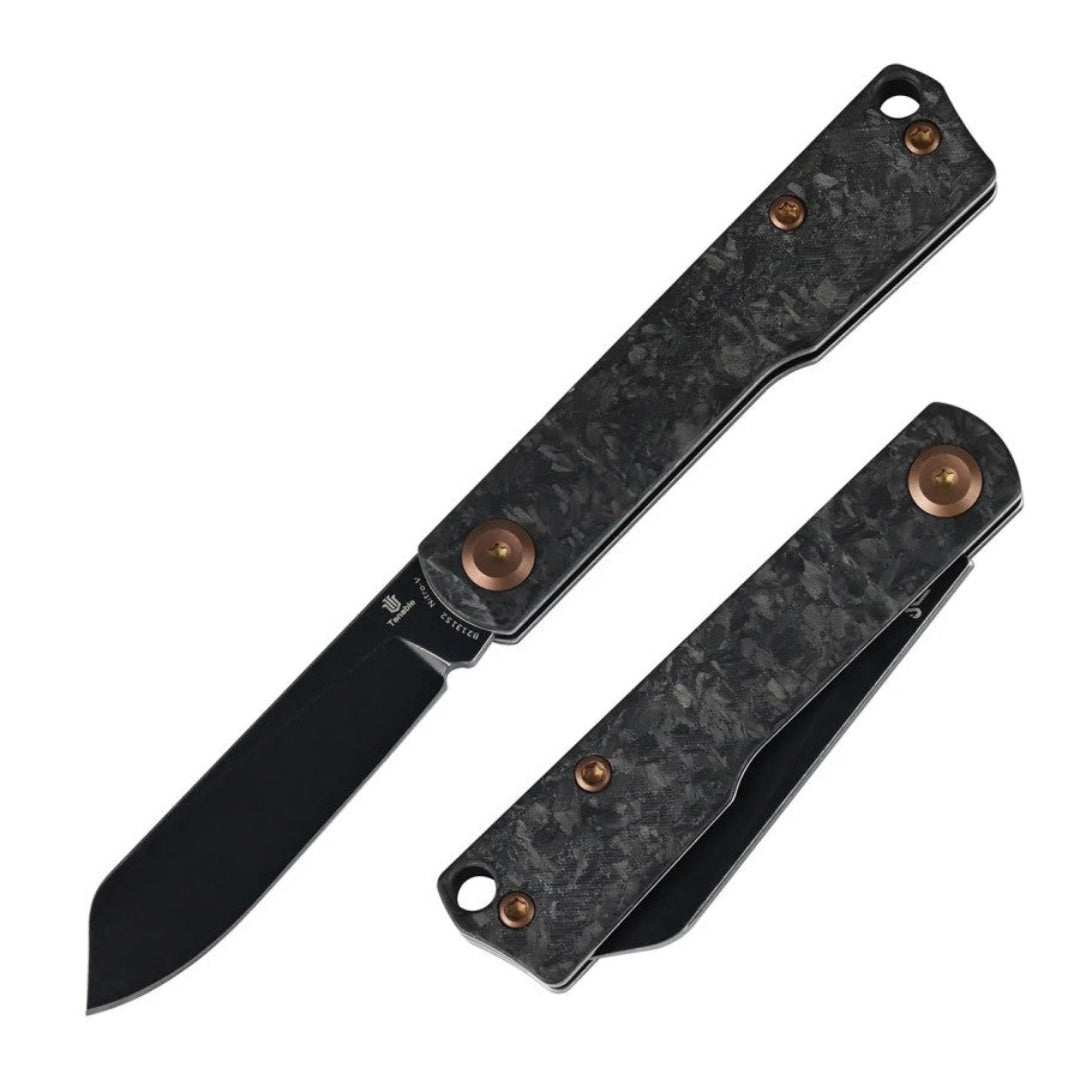
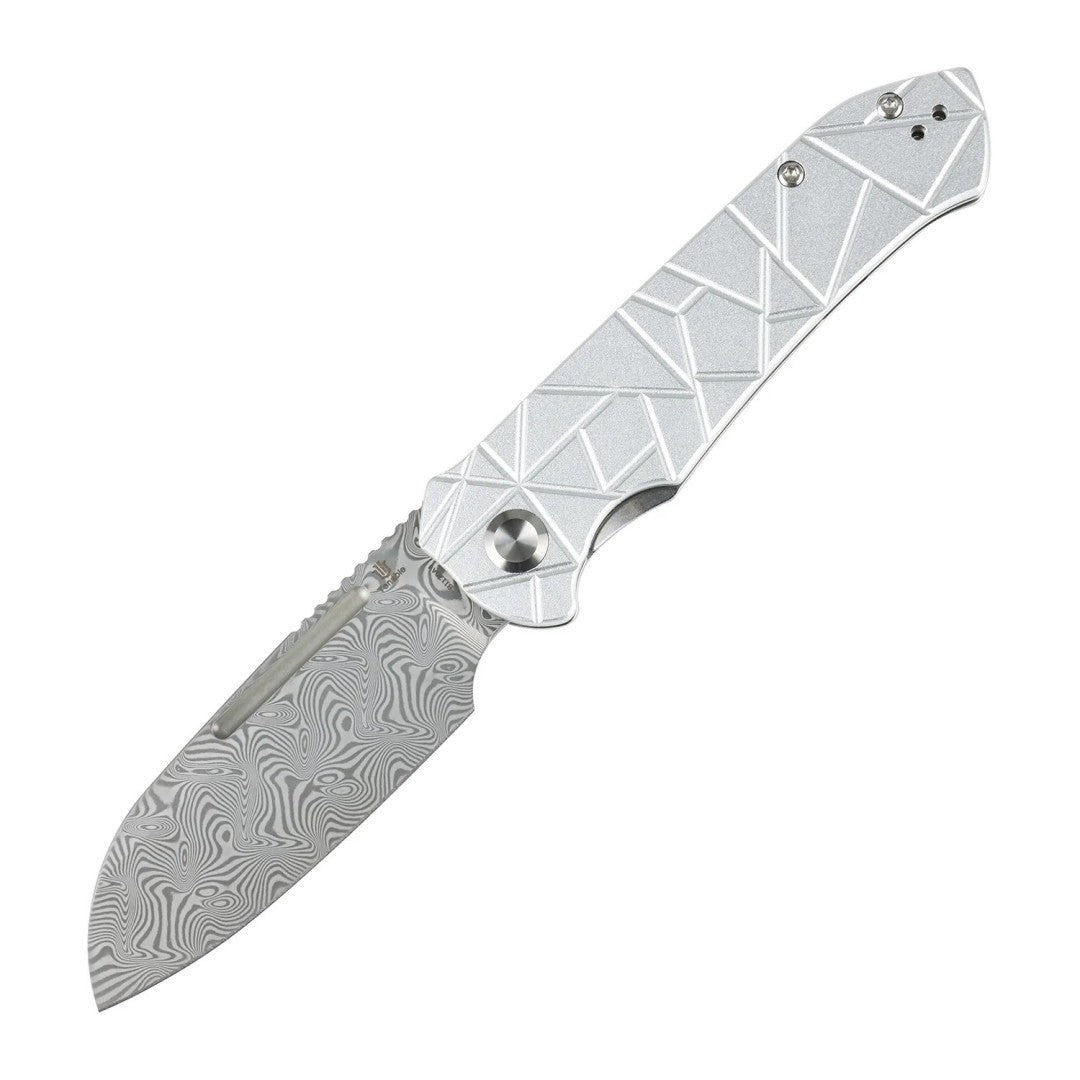
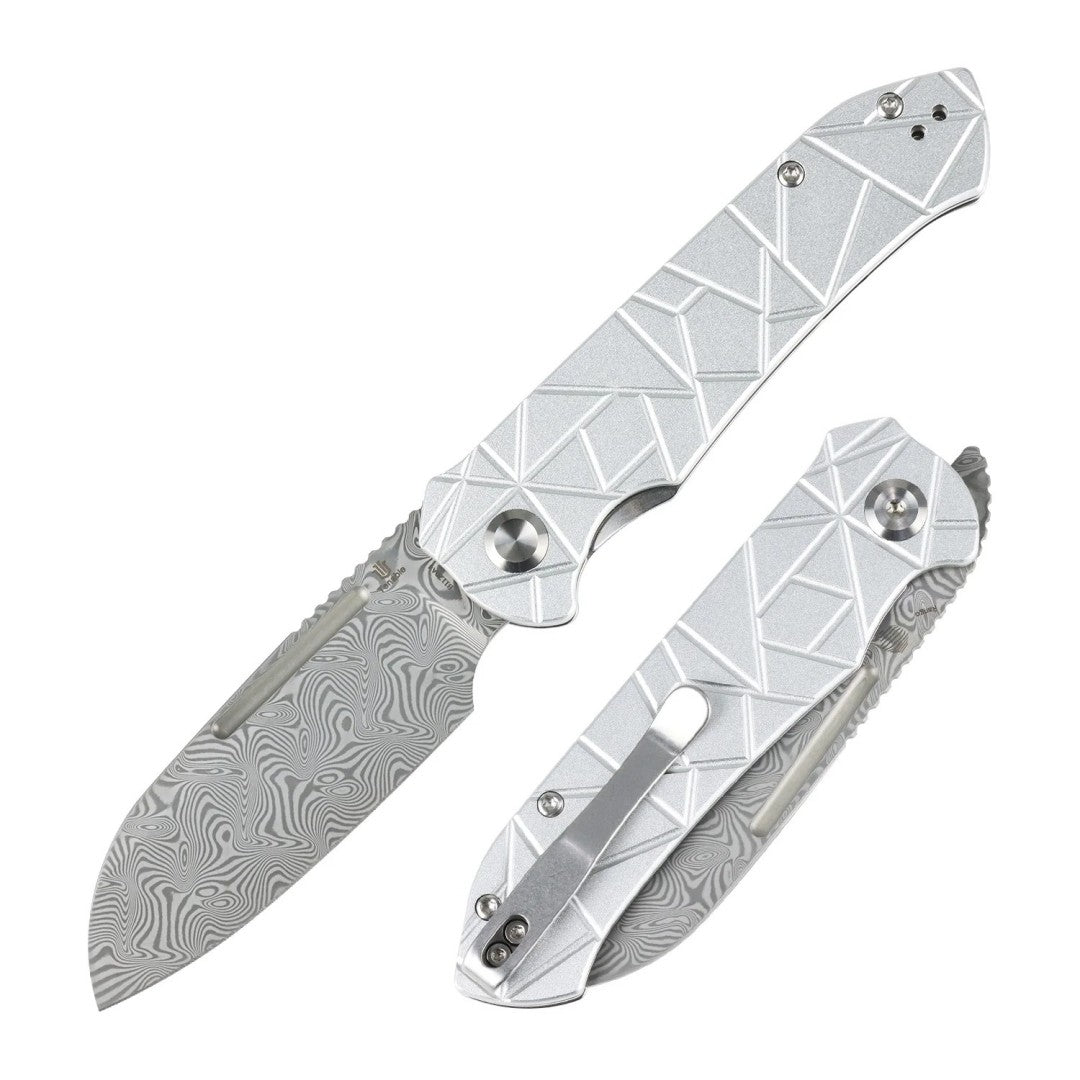
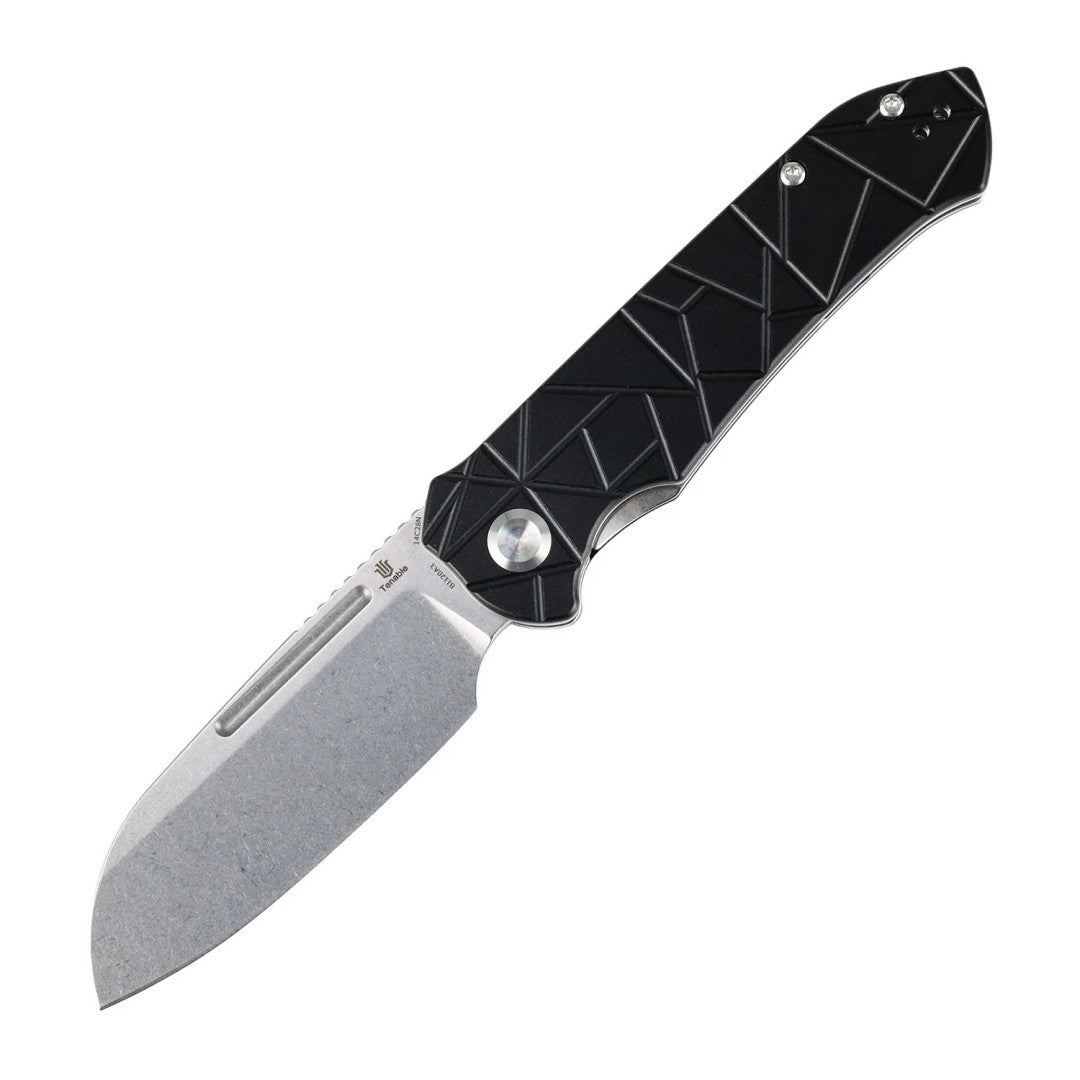
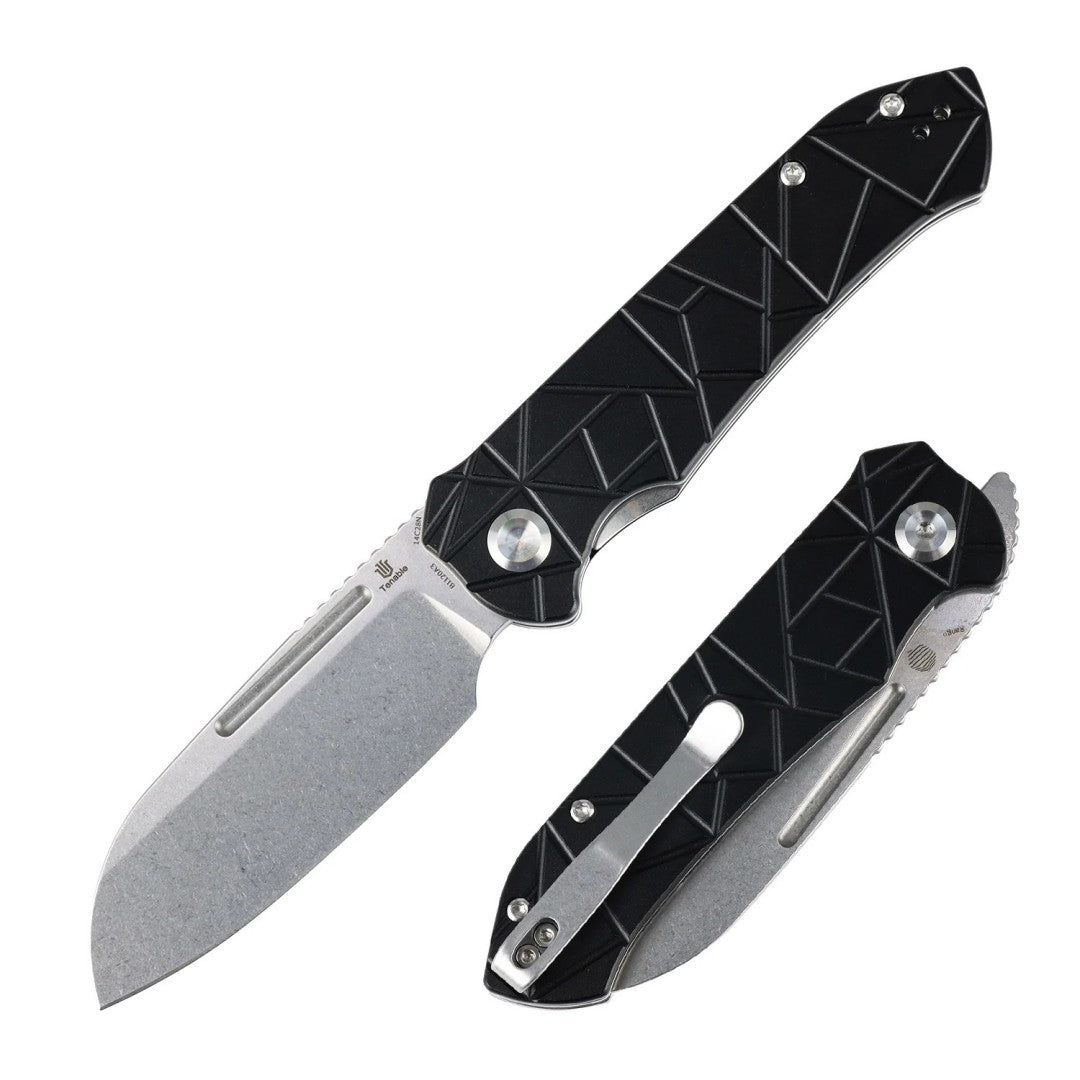
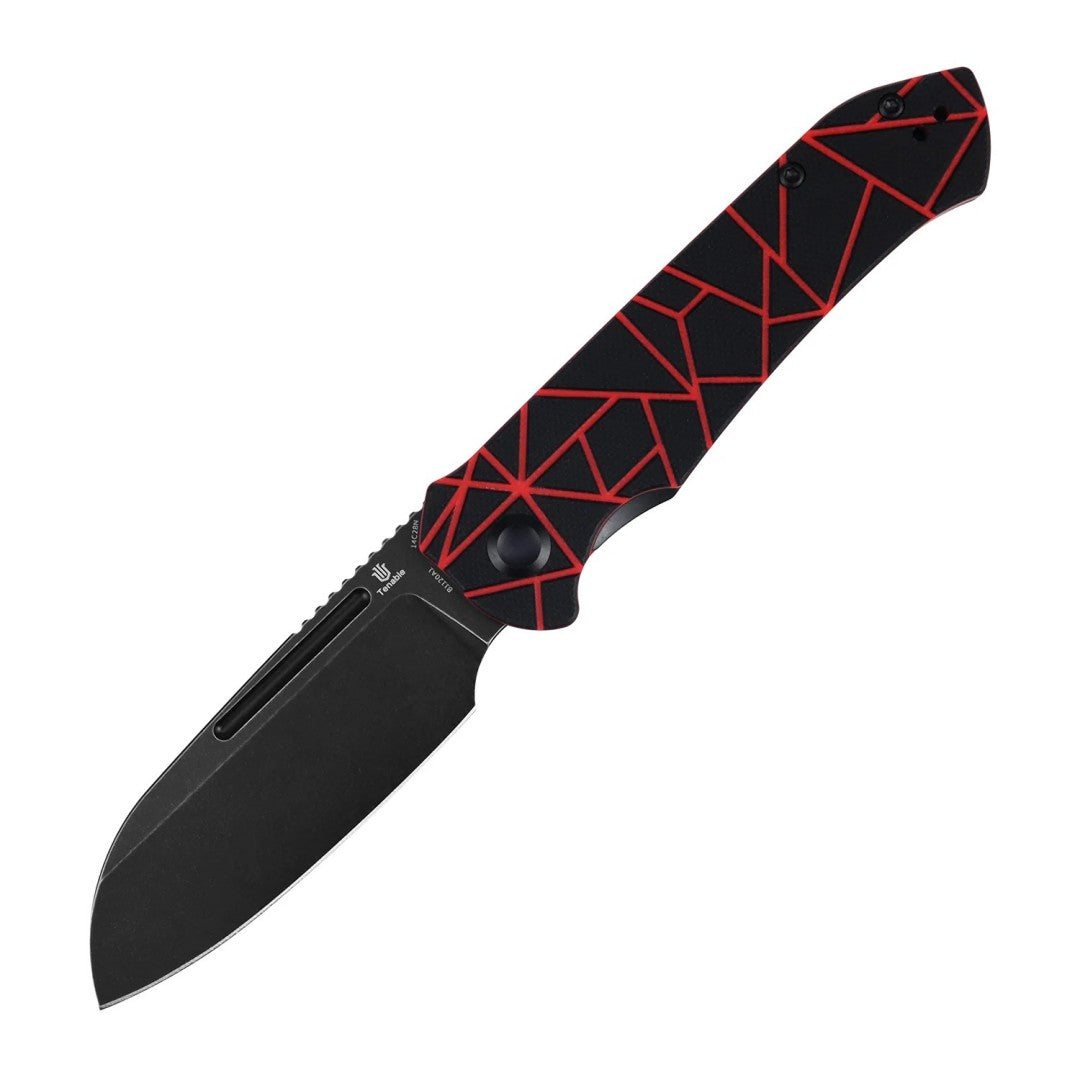
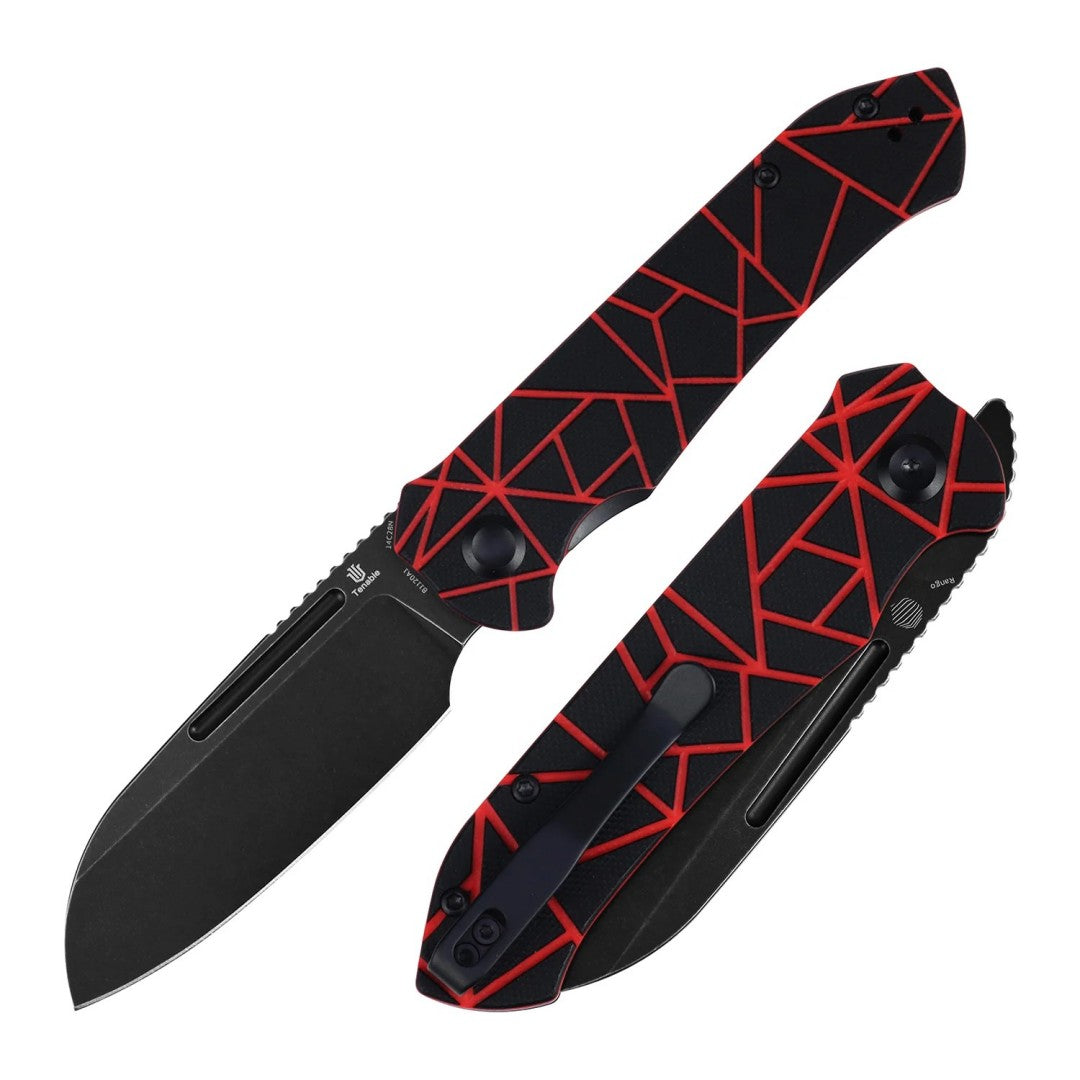
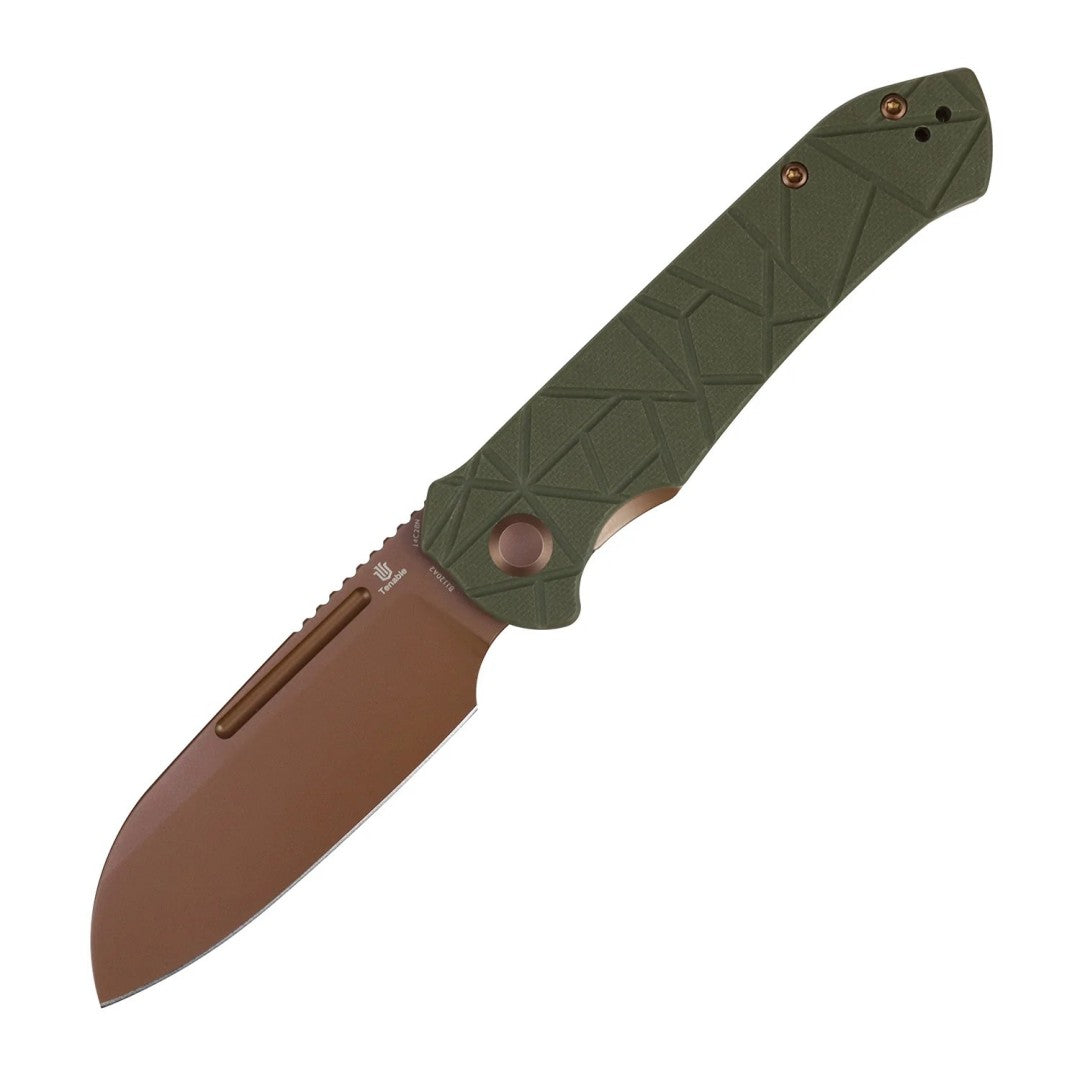
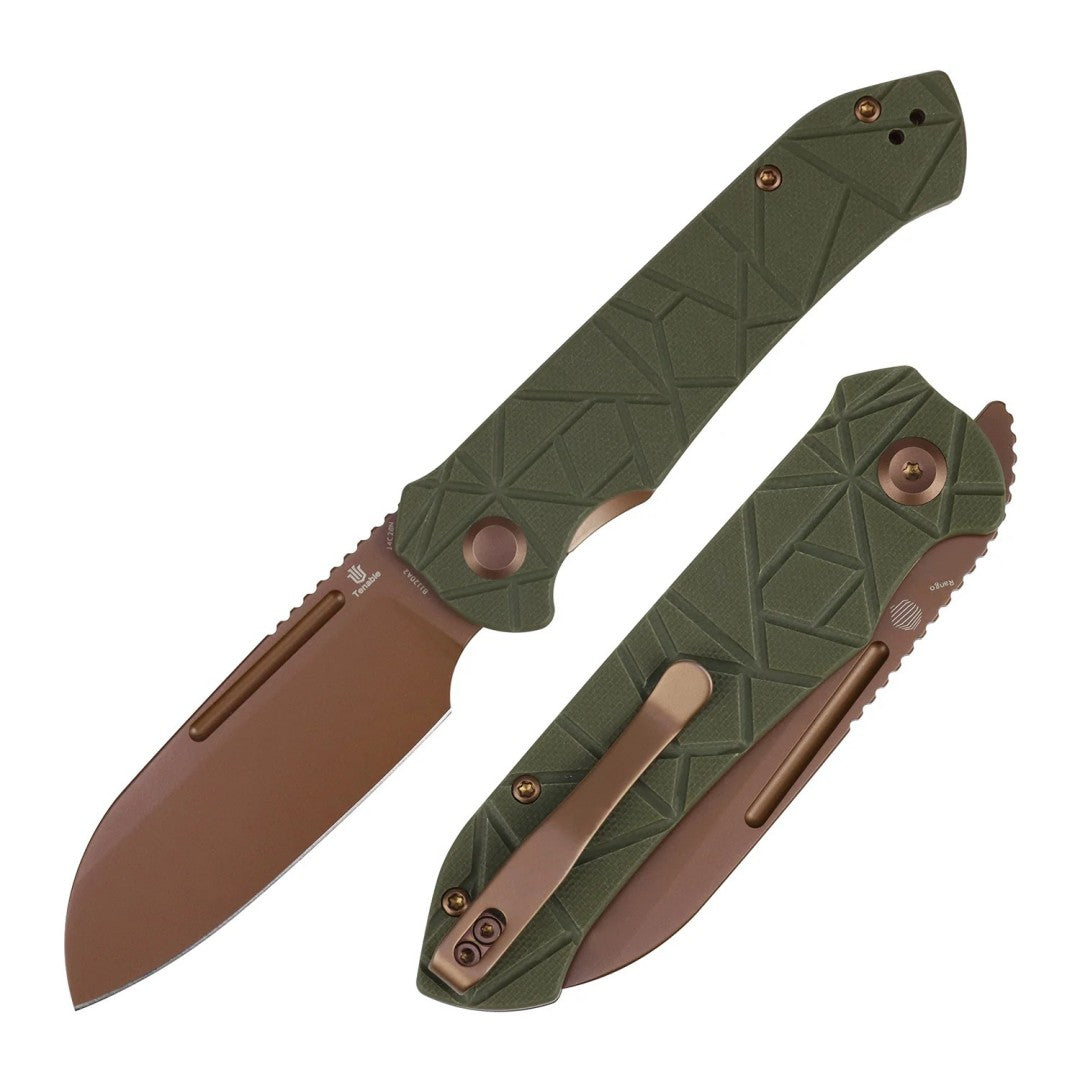
The glyde lock is one of the newest lock mechanisms to appear on the modern folding knife market, and the QSP Emu QS164-A1 from QSP Knife is a great example of how it works. This comparison breaks down how a glyde lock differs from a traditional liner lock, and helps you decide which mechanism fits your carry style.
How a Liner Lock Works
A traditional liner lock uses a spring-loaded piece of metal inside the handle that moves sideways to wedge against the blade tang. To close, you push that liner back out of the way and swing the blade shut. The system is simple, well understood, and has been the most popular lock on production knives for decades.
How a Glyde Lock Works
The glyde lock uses a similar principle but with one key refinement: the locking liner is positioned for smoother, lower-friction operation. Instead of pressing the liner inward, you simply push it back to release, and the geometry of the spring keeps the action lighter than a typical liner lock. This makes the QSP Emu QS164-A1 feel polished and modern in the hand, even after thousands of open-and-close cycles.
Feel in the Hand
A traditional liner lock can feel stiff out of the box, and it takes a breaking-in period for the action to loosen up. The QSP Emu QS164-A1's glyde lock arrives smoother and stays that way, with a release that requires less pressure. For users with smaller hands or weaker grips, this can be a meaningful improvement in daily comfort.
Strength and Reliability
Both systems provide dependable lockup for everyday tasks. A well-engineered glyde lock on the QSP Emu QS164-A1 engages firmly against the blade tang, just as a quality liner lock would. The locking surfaces are sized to deliver the same bank-vault solidity that has made liner locks the workhorse of the industry. The difference is in the feel, not the strength.
Weight and Design Implications
Because a glyde lock uses a similar internal mechanism to a liner lock, the overall weight and dimensions of the QSP Emu QS164-A1 are comparable to a traditional folder with the same 14C28N blade and black micarta handle. There is no real penalty in carry, and the smooth action often feels like an upgrade rather than a tradeoff.
Price and Availability
Glyde lock folders like the QSP Emu QS164-A1 are still relatively rare compared to the universe of liner-lock designs, which means buyers get to try something genuinely new. Pricing is competitive with mid-range folders, and the innovation feels like a real value add rather than a gimmick. As more brands adopt the mechanism, expect prices to settle into the mainstream.
Which Should You Choose?
Choose a glyde lock like the one on the QSP Emu QS164-A1 if you want a smoother release and a more modern feel without sacrificing the proven strength of a liner-style mechanism. Stick with a traditional liner lock if you want maximum parts compatibility and a familiar feel. Either way, both mechanisms have proven themselves across years of real-world use, so you cannot really go wrong. The QSP Emu QS164-A1 shows that a modern knife can deliver excellent performance with either system.
Final Verdict
The QSP Emu QS164-A1 proves that small refinements can produce real improvements. With a 14C28N blade, black micarta handle, and a smooth glyde lock, it offers a more polished alternative to the traditional liner-lock folder without compromising on strength or reliability.
Shop the QSP Emu QS164-A1