
Overview & First Impressions
Most knife owners reach the point where a pull-through sharpener stops being enough. The blade is no longer convex, the factory bevel has grown uneven and the edge that once shaved arm hair now crushes paper. That is the moment a guided system starts to make sense, because a guide removes the single hardest part of sharpening from the equation: holding a consistent angle across the full length of the blade. The question is which kind of guide to buy, because rods, clamps and bench stones each solve a different problem.
Materials & Construction
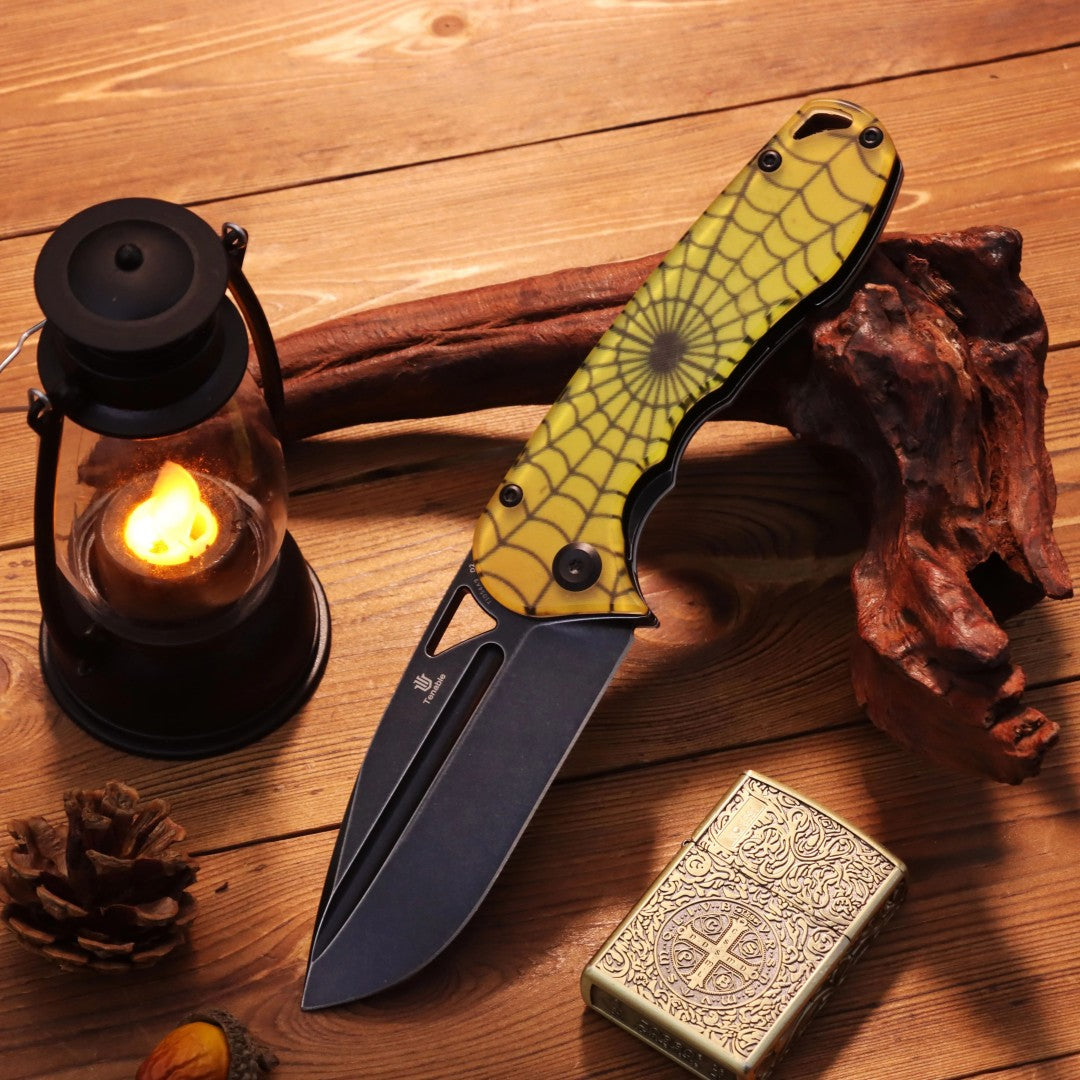
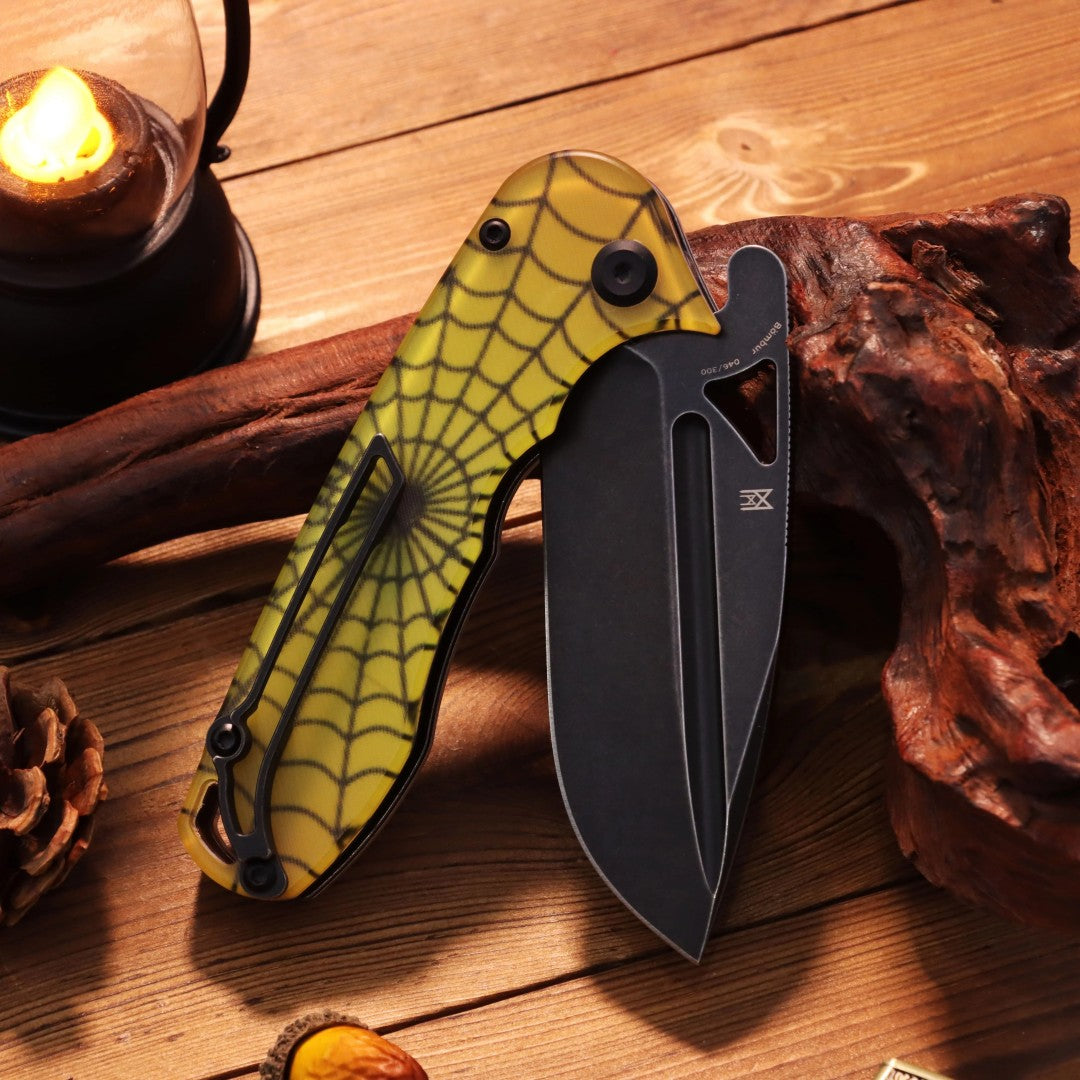
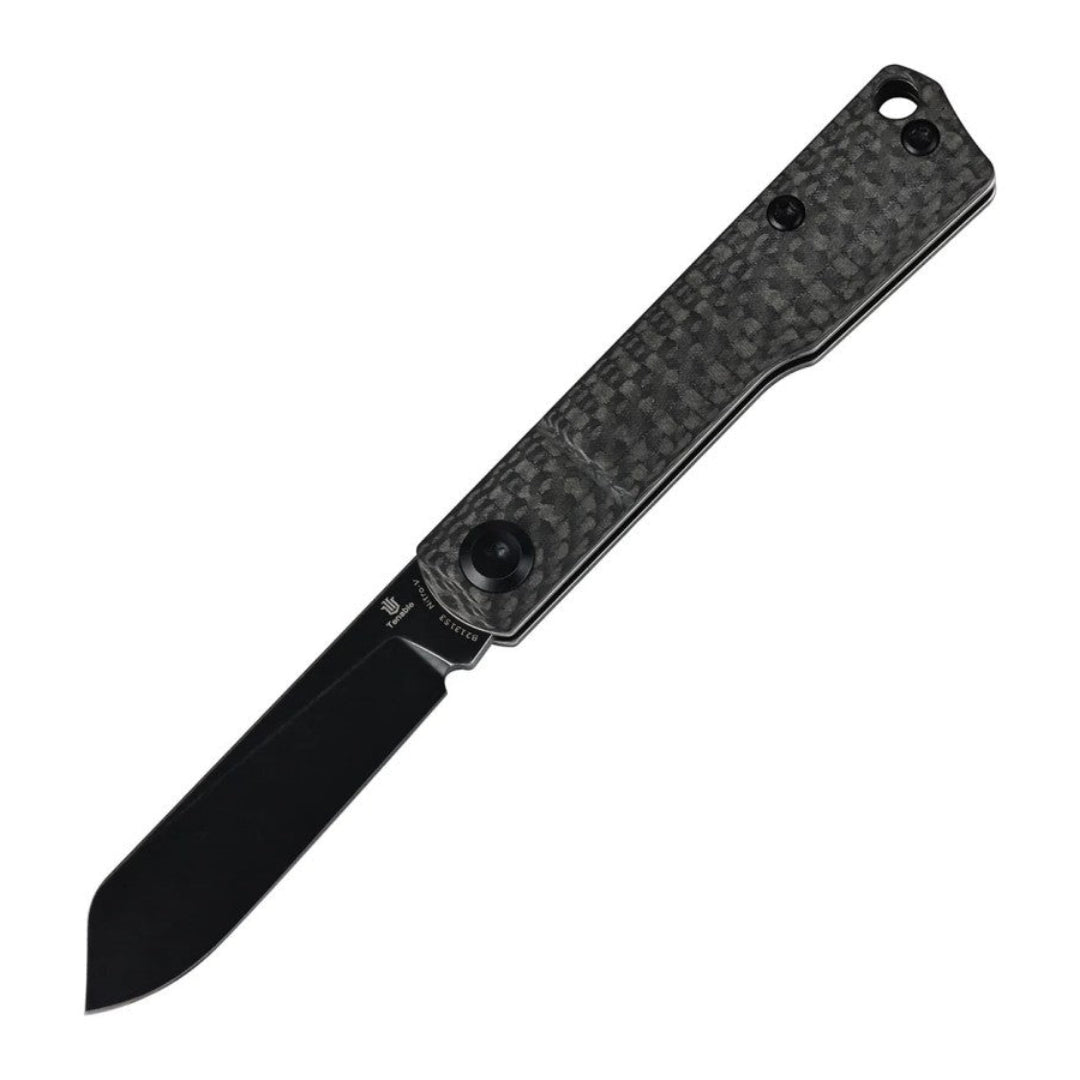
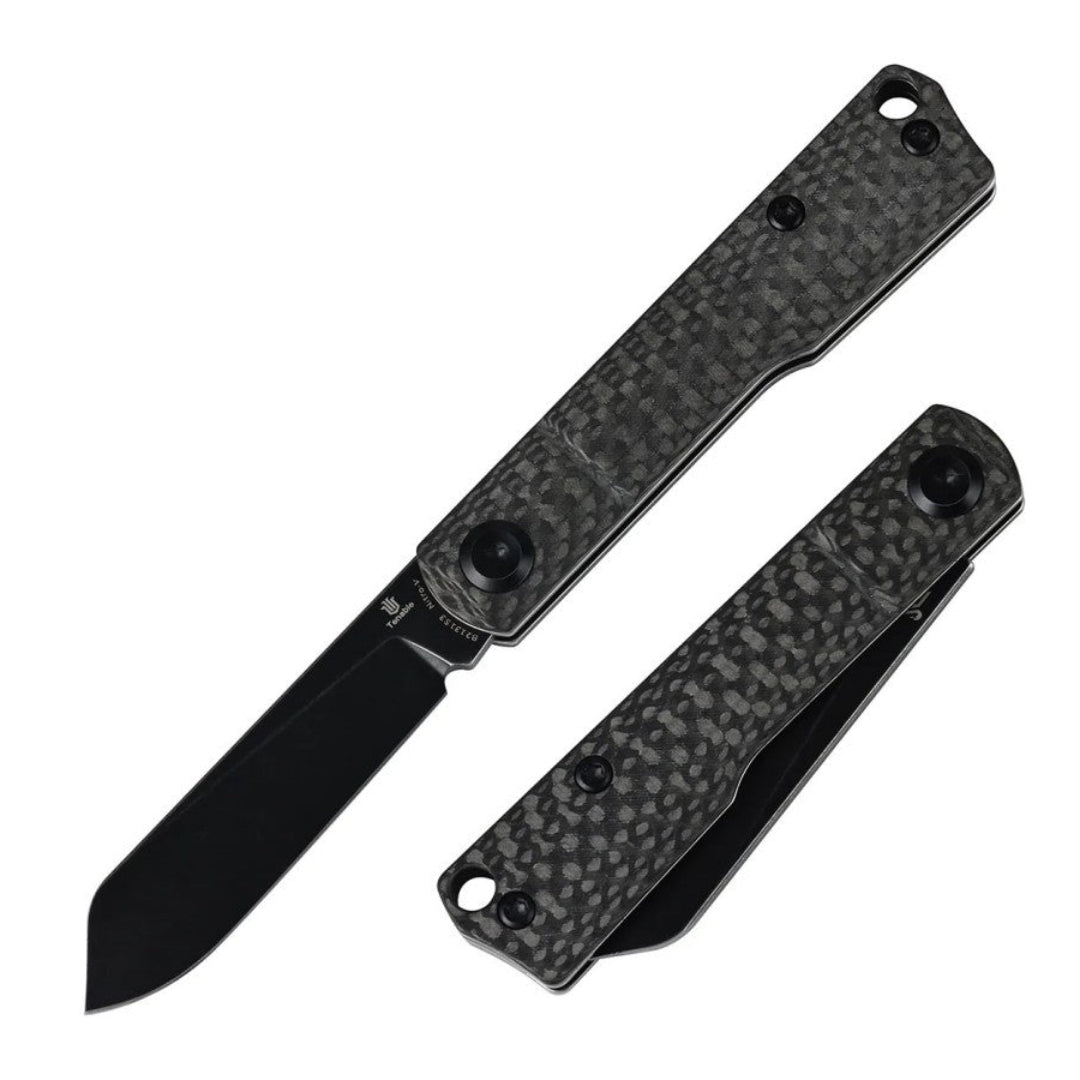
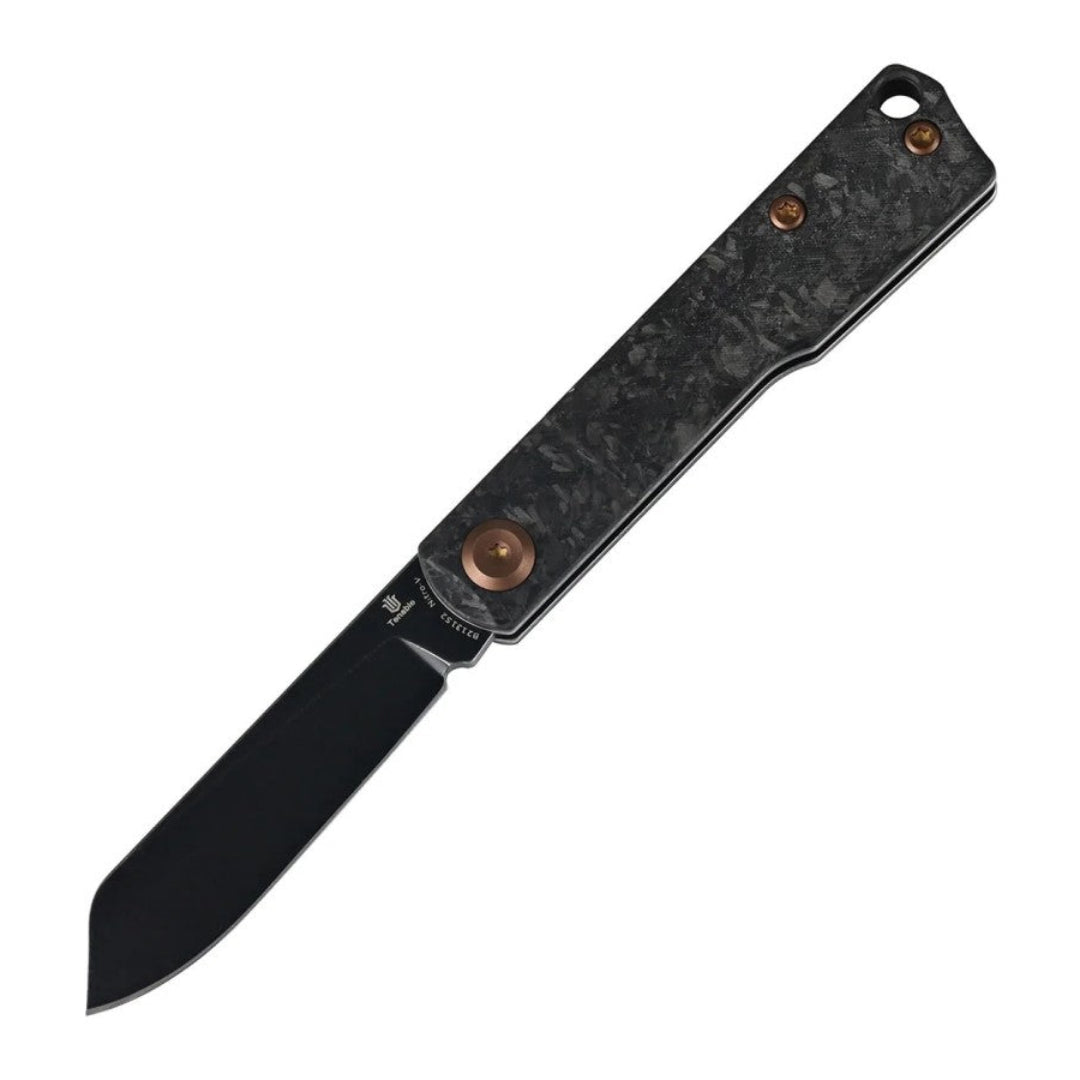
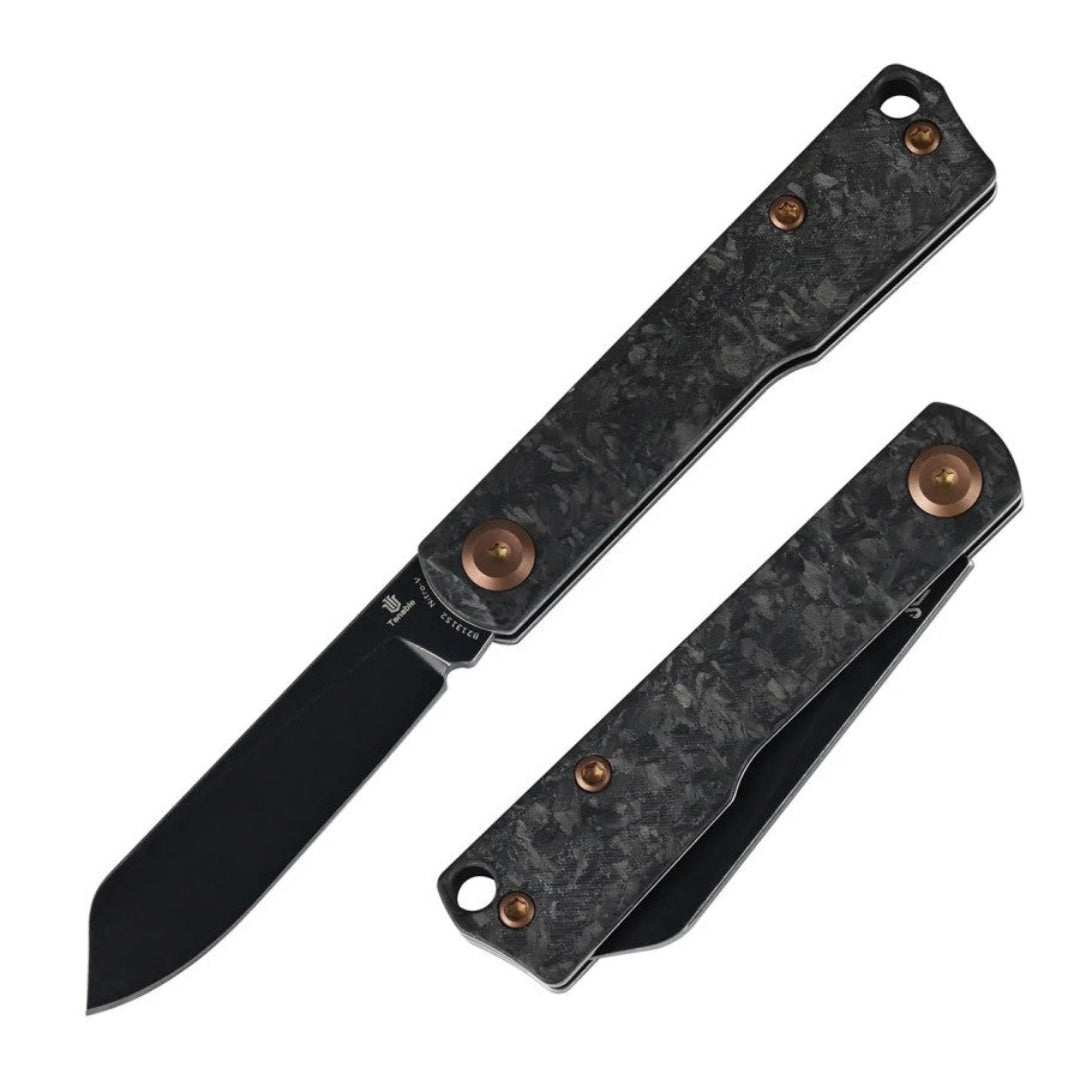
Sharpeners fall into three families. Rod systems hold a pair of crossed ceramic or diamond rods at a fixed angle, and you draw the blade down through them; they are fast, cheap and excellent for touch-ups but they cannot reprofile a damaged edge. Clamp systems lock the blade in a vice and use guided stones on a rod; they can set a precise bevel and repair significant damage, at the cost of setup time. Bench stones give the most control and the best edge, but demand freehand skill. A well-made knife such as the Bestech Nyrrdreki BT2607A, with its M390 blade and button frame lock, deserves the clamp or stone approach rather than a rod pull-through, because hard particle steel resists the abrasion that rod systems rely on.

Design & Details
Choosing between the three comes down to what you actually own. If your collection is mostly soft stainless kitchen knives, a rod system keeps them usable in seconds. If you own premium folders with high-vanadium steels, a clamp system is the only way to reliably reach a thirty-degree inclusive bevel without hours of work. If you own a handful of high-end blades and enjoy the process, a pair of bench stones plus a strop covers everything. Buying ability should match how much work you are willing to do.
Real-World Use
In practice the three tools work as a sequence rather than a choice. A rod system keeps a work knife going between proper sharpenings. A clamp system is pulled out every few months to reset the bevel and repair a rolled edge. Bench stones are used on the best knives where a polished, even edge matters, and a strop is used afterwards to remove the burr. EdcMall carries the folding knives worth sharpening properly, plus the compact lights that make it possible to see whether a burr has actually been removed.

Ownership Notes
A few rules improve any sharpening system. Mark the bevel with a permanent pen so you can see exactly where the abrasive is contacting the edge. Use light pressure and more passes rather than heavy pressure and fewer, because pressure bends the edge and produces a burr that is hard to remove. Finish with a strop and check the edge under a bright light. EdcMall carries the knives and lights that make a sharpening routine worth doing. Whichever system you choose, a few knives deserve better than a rod pull-through. A button lock is also the easiest of all mechanisms to service, because the spring and bar lift out as one unit and go back the same way. The Bestech Nyrrdreki BT2607A is a good example of EDC knives that reward proper care, since its M390 blade responds well to a clamp system. Bestech knives in this pattern are also easy to clamp squarely because their spines are flat, which is a real advantage when you are setting a bevel for the first time. Treat your best folders as tools worth sharpening correctly and the rest of the collection follows.
Who Is This For?
This is for knife owners who have moved past convenience sharpeners, collectors with high-vanadium blades, cooks maintaining a working set and anyone who has ruined an edge on a belt sander. A person who owns one cheap folder and sharpens it twice a year does not need a clamp system.
Final Verdict
Buy the smallest system that solves your actual problem. Rods for maintenance, a clamp if you own hard steels and want repeatable bevels, stones if you want the best possible edge and enjoy the work. Match the tool to the collection.