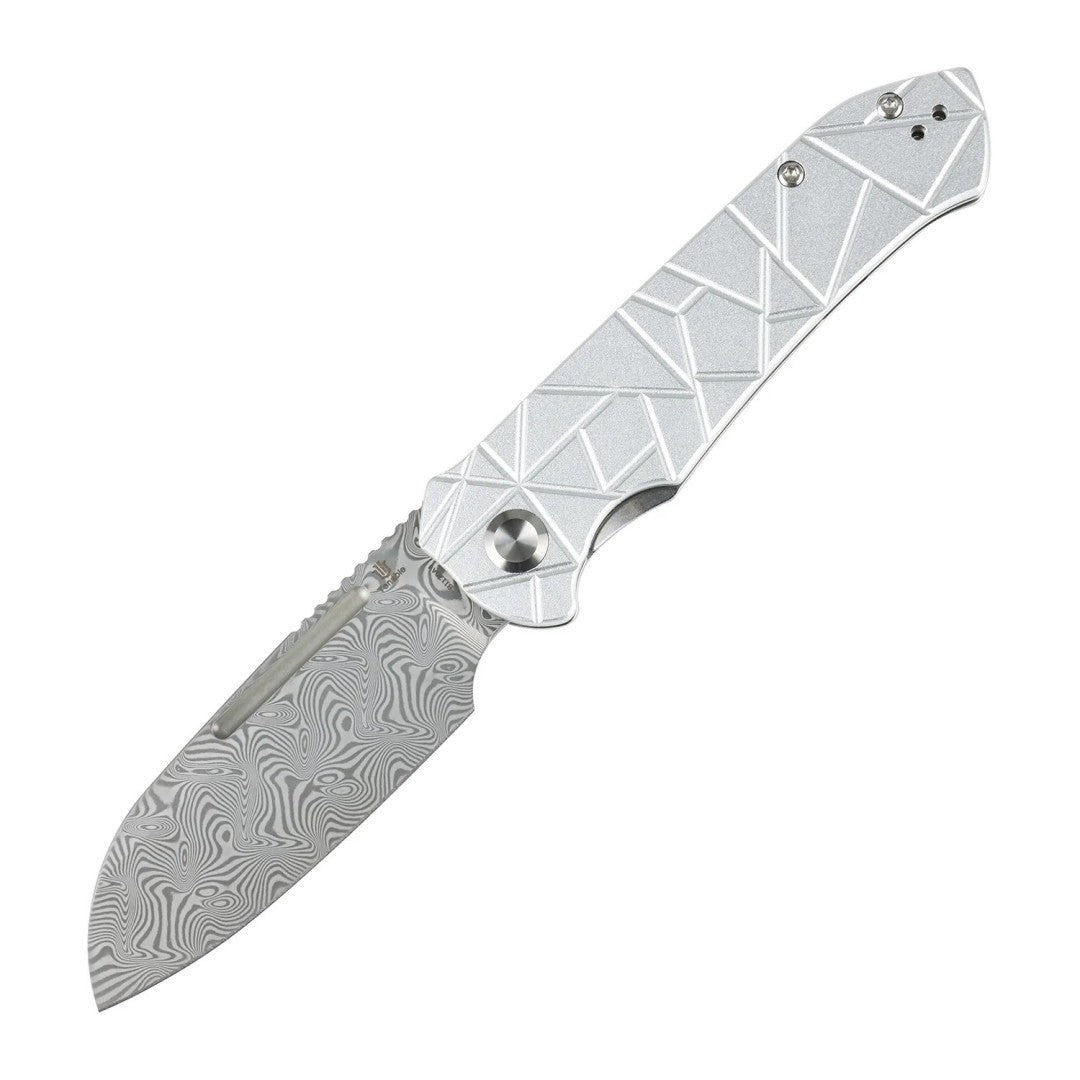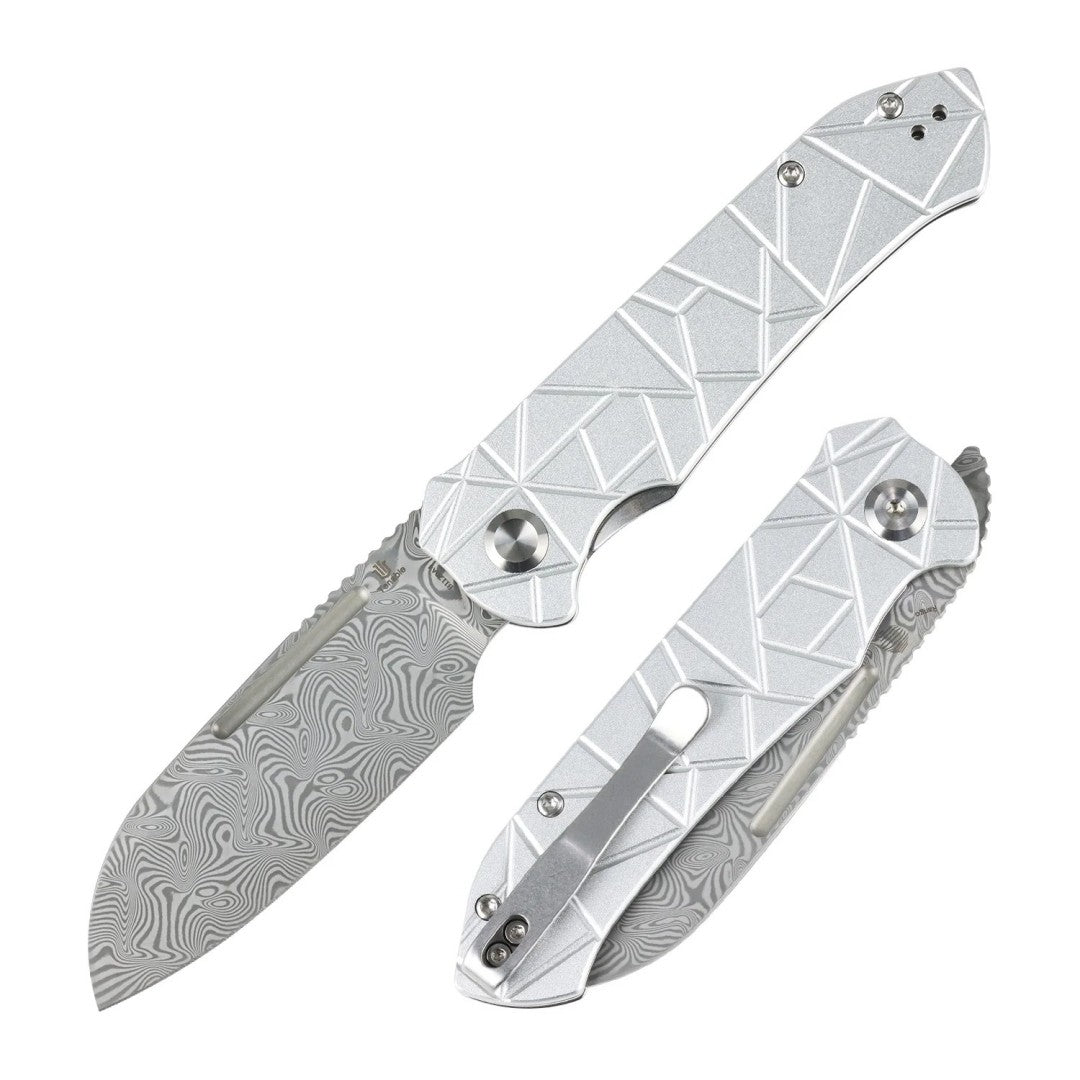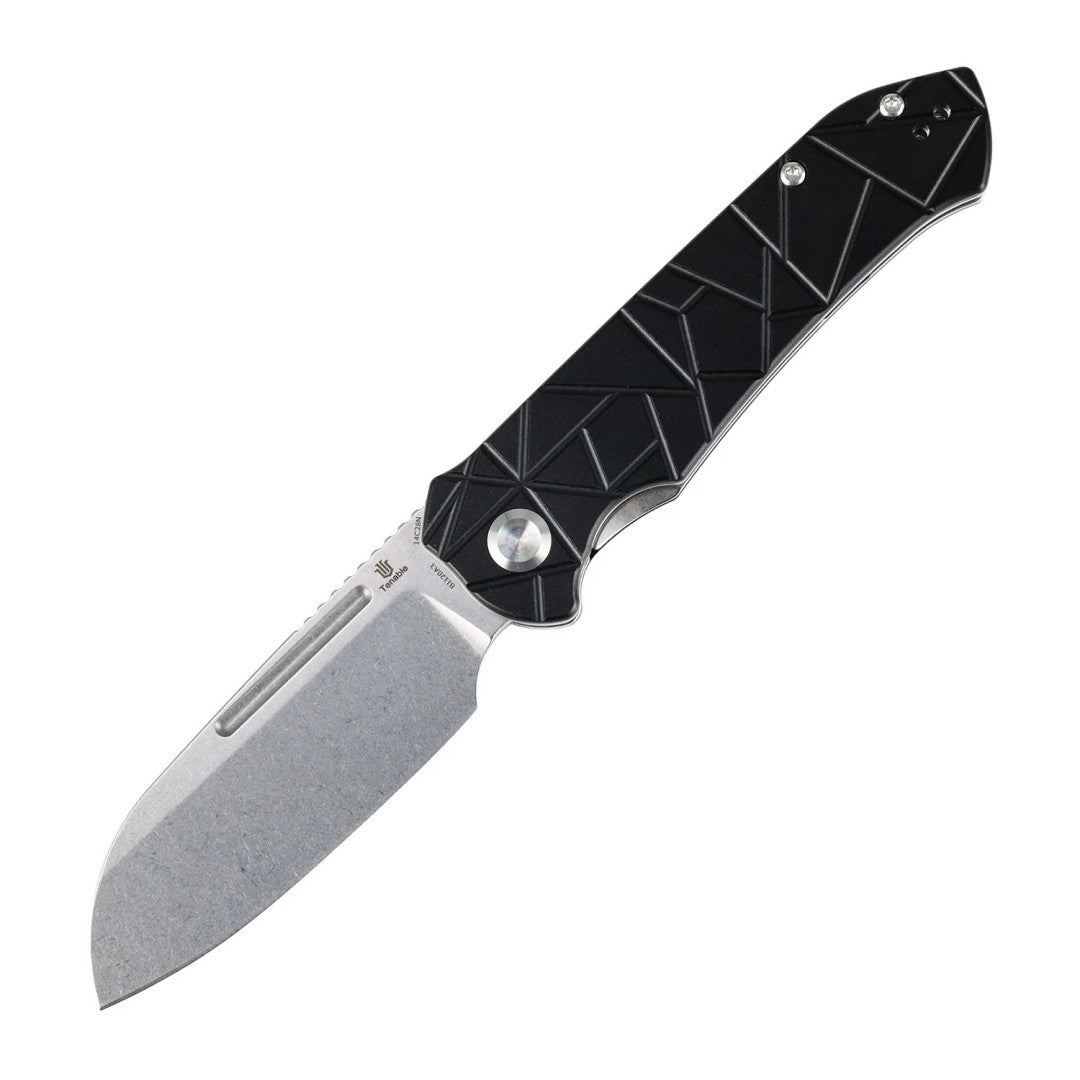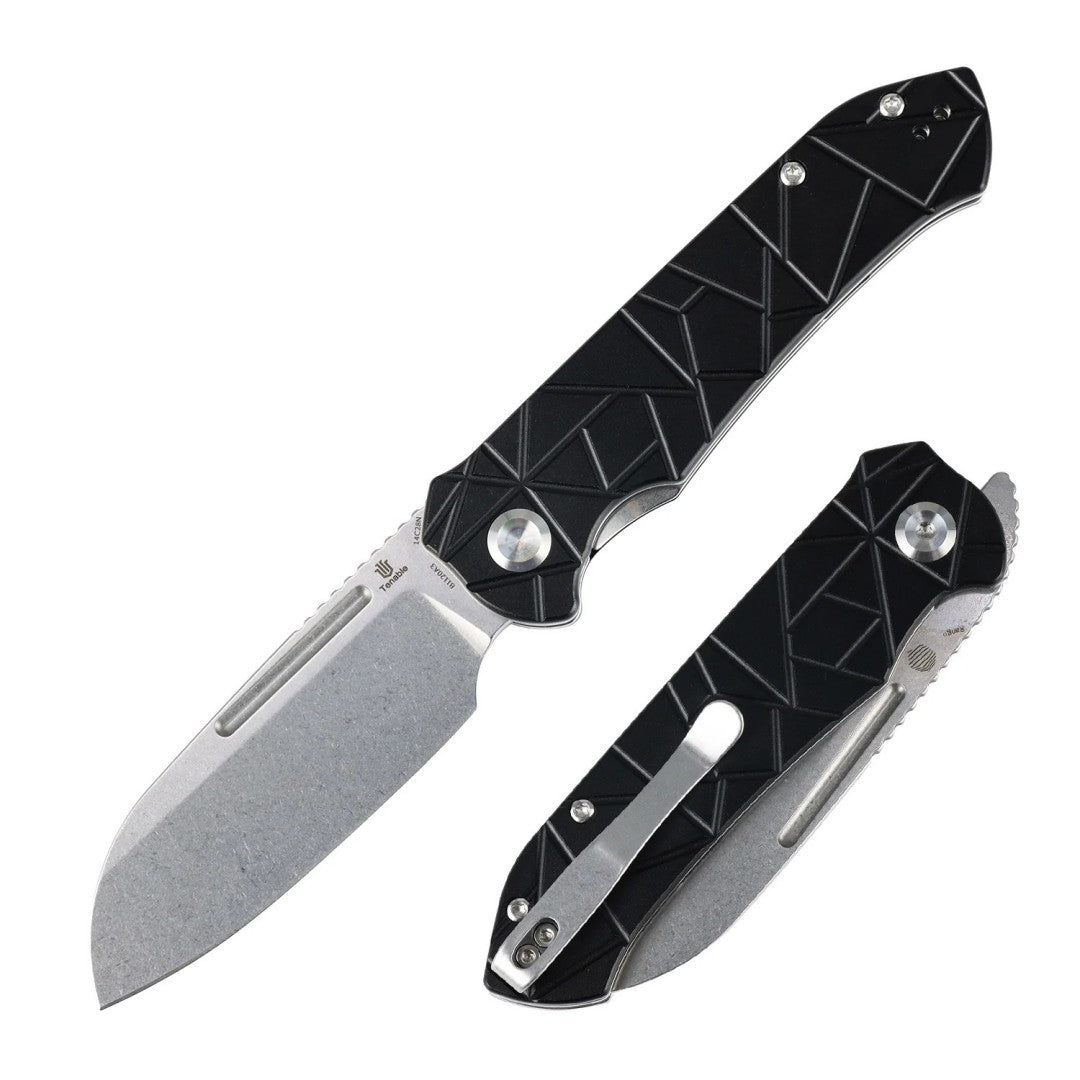
When it comes to premium pocket knives, the market is filled with high-end production models that boast titanium scales, ceramic bearings, and modern powder steels. However, above the standard premium tier lies a realm of ultra-high-end cutlery where knives are treated less like mass-produced tools and more like functional art. Standing at the absolute pinnacle of this category is Rockstead, a boutique manufacturer operating out of Sakai, Japan—a city with an uninterrupted 600-year history of blacksmithing and sword-making.
In this honest review, we dive deep into the Rockstead RIN ZDP-189, examining how traditional Japanese craftsmanship intersects with modern mechanical engineering. If you are a discerning collector or an everyday carry (EDC) enthusiast wondering whether this Japanese masterpiece justifies its legendary reputation and premium price tag, this comprehensive breakdown is for you.

The Philosophy of Rockstead: Modern Samurai Heritage
To understand the Rockstead RIN, one must first understand the brand's philosophy. Rockstead does not manufacture knives in massive batches. Instead, their small team of master craftsmen combines advanced CNC machining with painstaking, hours-long hand-finishing techniques.
The design language of the RIN is directly inspired by the Katana (the traditional Japanese samurai sword). From the blade geometry to the handle textures, every millimeter of this folding knife is engineered to maximize cutting efficiency while paying homage to ancient blade-smithing traditions. It is this unwavering commitment to heritage and perfection that sets the RIN apart from western custom and production knives.
Blade Metallurgy: The Extreme Hardness of ZDP-189
At the core of the Rockstead RIN’s cutting performance is its blade steel. Rockstead utilizes ZDP-189, an ultra-high-carbon powder metallurgy super-steel manufactured by Hitachi Metals.
The Clad Construction
ZDP-189 is notorious in the knife industry for its extreme composition, boasting roughly 3% Carbon and 20% Chromium. Rockstead heat-treats this steel to an astonishing HRc 67. At this level of hardness, standard steel would be incredibly brittle and prone to chipping. To solve this, Rockstead utilizes a traditional Japanese clad (san-mai) construction:
-
Core: Ultra-hard ZDP-189 for a long-lasting cutting edge.
-
Outer Layers: Highly resilient VG10 stainless steel laminated on both sides to provide flexibility and structural support.
Real-World Edge Retention
What does an HRc 67 clad blade mean for the user? It means unparalleled, almost supernatural edge retention. In standardized cutting tests, Rockstead blades routinely slice through hundreds of meters of thick hemp rope and heavy cardboard without losing their shaving-sharp edge. For everyday carry, the RIN can go months or even years of standard cutting tasks before showing any signs of degradation.
Blade Geometry: The Legendary HONZUKURI Convex Grind
While the steel composition is impressive, the true magic of the Rockstead RIN lies in its blade geometry, known as HONZUKURI.
Unlike standard pocket knives that feature a flat or hollow grind leading to a distinct secondary cutting bevel, the HONZUKURI is a continuous, smoothly curved convex grind. The blade surface curves gently from the spine all the way down to the microscopic apex of the edge.
This convex geometry mimics the cross-section of a classical Japanese sword. When slicing through material, the smoothly curved cheeks of the blade push the material outward and away from the edge. This drastically reduces surface friction and cutting resistance, allowing the RIN to glide through dense materials with effortless precision.

The Mirror-Polished Finish: More Than Aesthetics
The first thing anyone notices about a Rockstead RIN is its flawless, mirror-polished finish. Every single blade undergoes an intensive, manual polishing process by a master artisan, transitioning through progressively finer grits of abrasive compounds until the surface acts as a perfect mirror.
While this finish is undeniably breathtaking, it serves two vital functional purposes:
-
Friction Reduction: A microscopic look at a standard satin-finished blade reveals thousands of tiny grooves that catch on materials during a cut. The RIN’s mirror polish removes all surface imperfections, ensuring a completely seamless slice.
-
Corrosion Resistance: ZDP-189 has high chromium content but can still stain due to its immense carbon levels. By polishing the steel to a mirror shine, the surface area is microscopically sealed, preventing moisture and acids from trapping in the steel pores and drastically enhancing rust resistance.
Handle Craftsmanship: Titanium and Naguri-Textured Ebonite
The handle of the Rockstead RIN is an exquisite blend of aerospace durability and organic tactility. The primary chassis is constructed from high-grade titanium, which is treated with a rich, dark Diamond-Like Carbon (DLC) coating. This DLC treatment provides an incredibly hard exterior layer that protects the titanium from pocket wear, keys, and accidental drops.
Embedded within the titanium frame are premium inserts made from Ebonite. Ebonite is a hard, vulcanized rubber material historically reserved for luxury fountain pens and high-end musical instruments. It is highly valued for its unique warmth—unlike cold titanium or synthetic G10, Ebonite warms up naturally to the temperature of your hand.
To enhance grip, the Ebonite inserts are machined with a traditional Japanese Naguri pattern. Naguri is an ancient woodworking technique traditionally used on the pillars and gates of Japanese tea houses, featuring a distinct chiseled, undulating texture. On the RIN, this pattern provides an organic, secure grip that locks into the hand beautifully without causing hot spots during extended use.
Mechanical Precision and Deployment
Mechanically, the Rockstead RIN operates with the precision of a luxury Swiss watch. The deployment is governed by meticulously tuned washers, yielding an action that is incredibly hydraulically smooth.
The RIN features a robust button lock mechanism. The lockup is completely solid, with zero vertical or horizontal blade play. Engaging and disengaging the lock is smooth and highly tactile, providing a crisp, mechanical click that reassures the user of its strength.
Additionally, the RIN features Rockstead’s patented movable pocket clip. Many premium knives suffer from "clip hot spots" where the pocket clip digs into the palm during heavy cutting. The RIN's innovative clip shifts slightly and contours with the hand when gripped tightly, ensuring maximum ergonomic comfort while retaining deep, secure carry when placed back into the pocket.

The Verdict: Is the Rockstead RIN Worth It?
There is no avoiding the fact that the Rockstead RIN is a major financial investment. Retailing in the premium tier, it is a knife designed for the connoisseur who appreciates the absolute limits of manufacturing capability.
If you are looking for a beat-around tool to open paint cans or throw onto concrete, this is not the knife for you. However, if you want to experience the absolute peak of modern Japanese craftsmanship, unparalleled edge retention, and engineering that honors centuries of blade-making history, the Rockstead RIN stands alone. It is not merely an everyday carry folder; it is a functional heirloom designed to be passed down through generations.