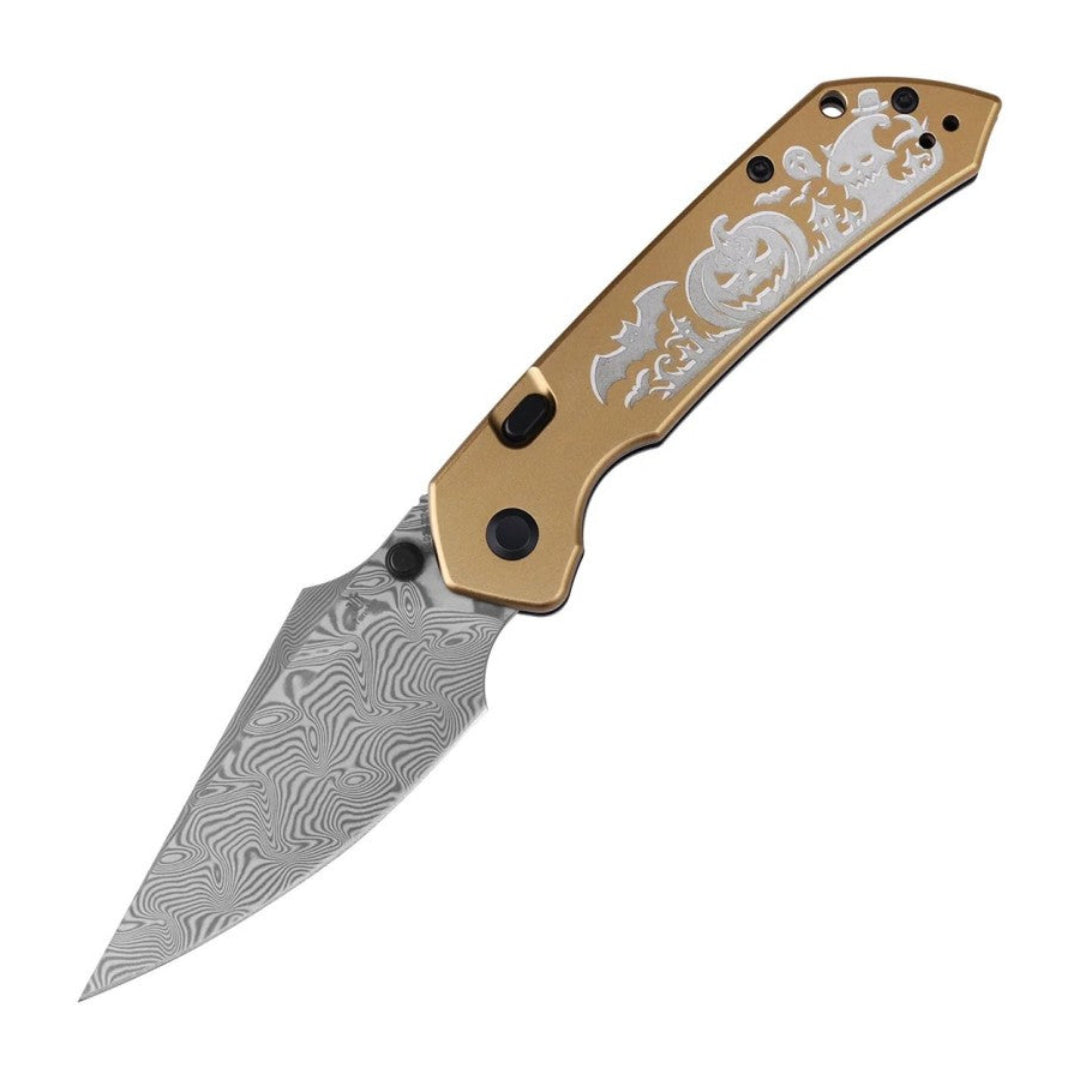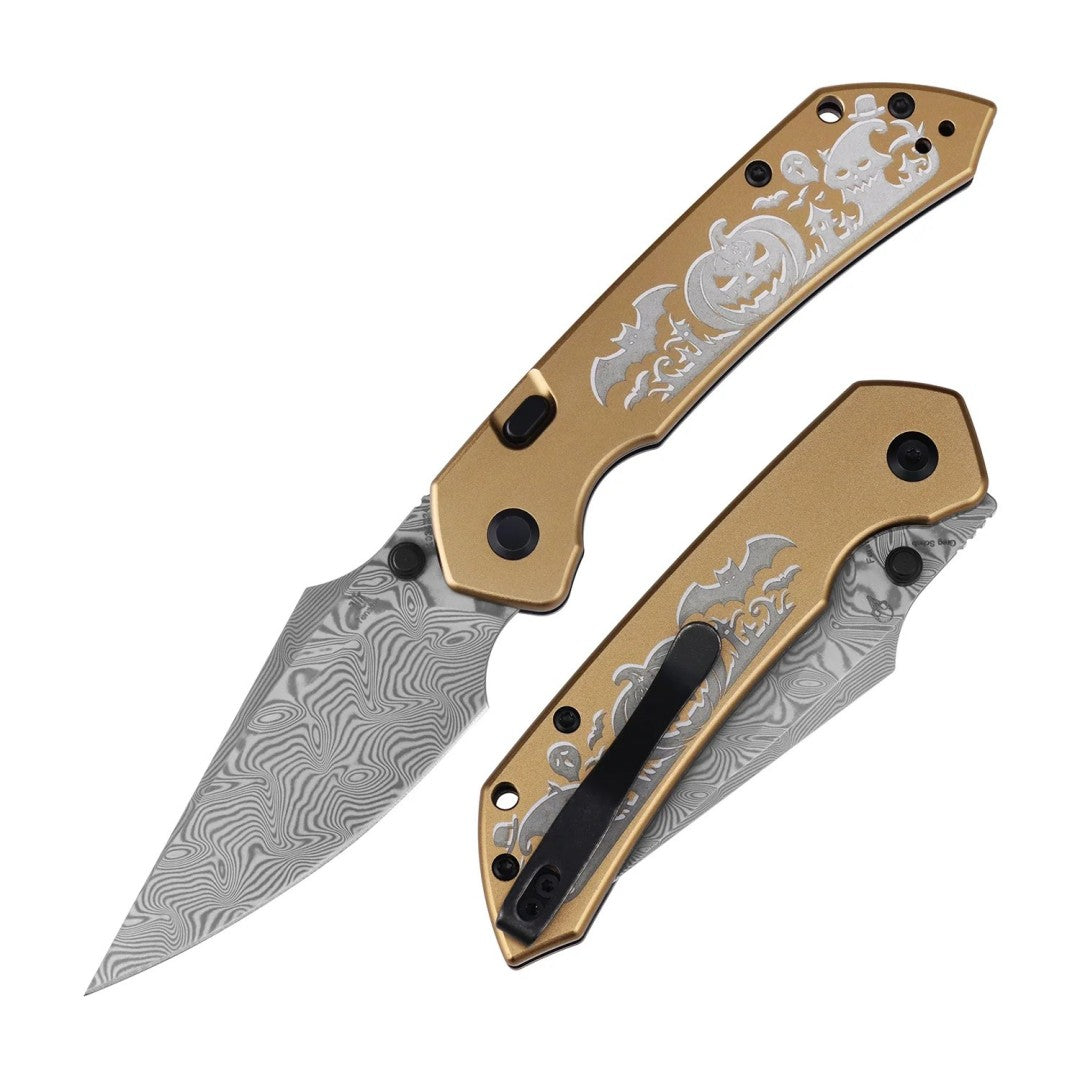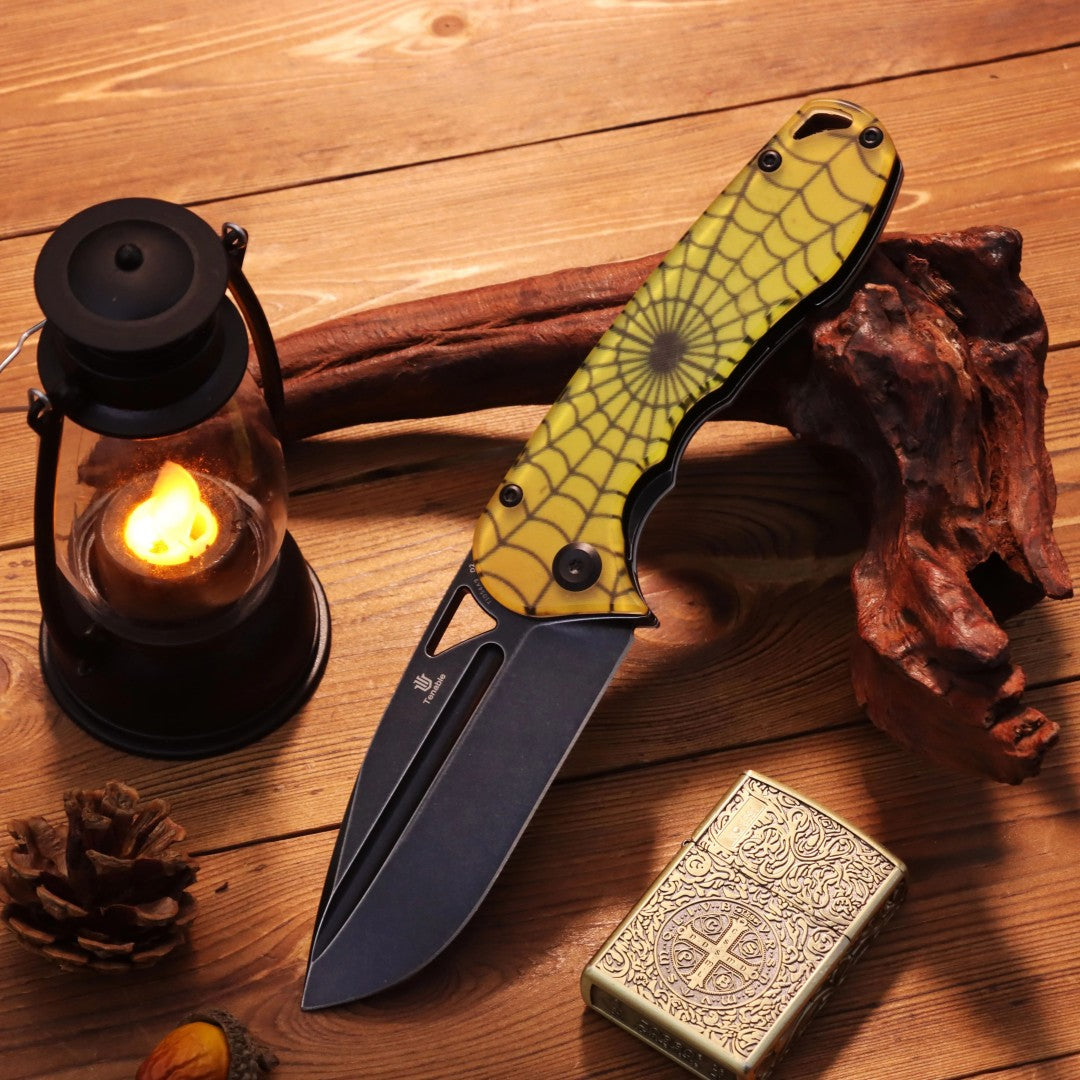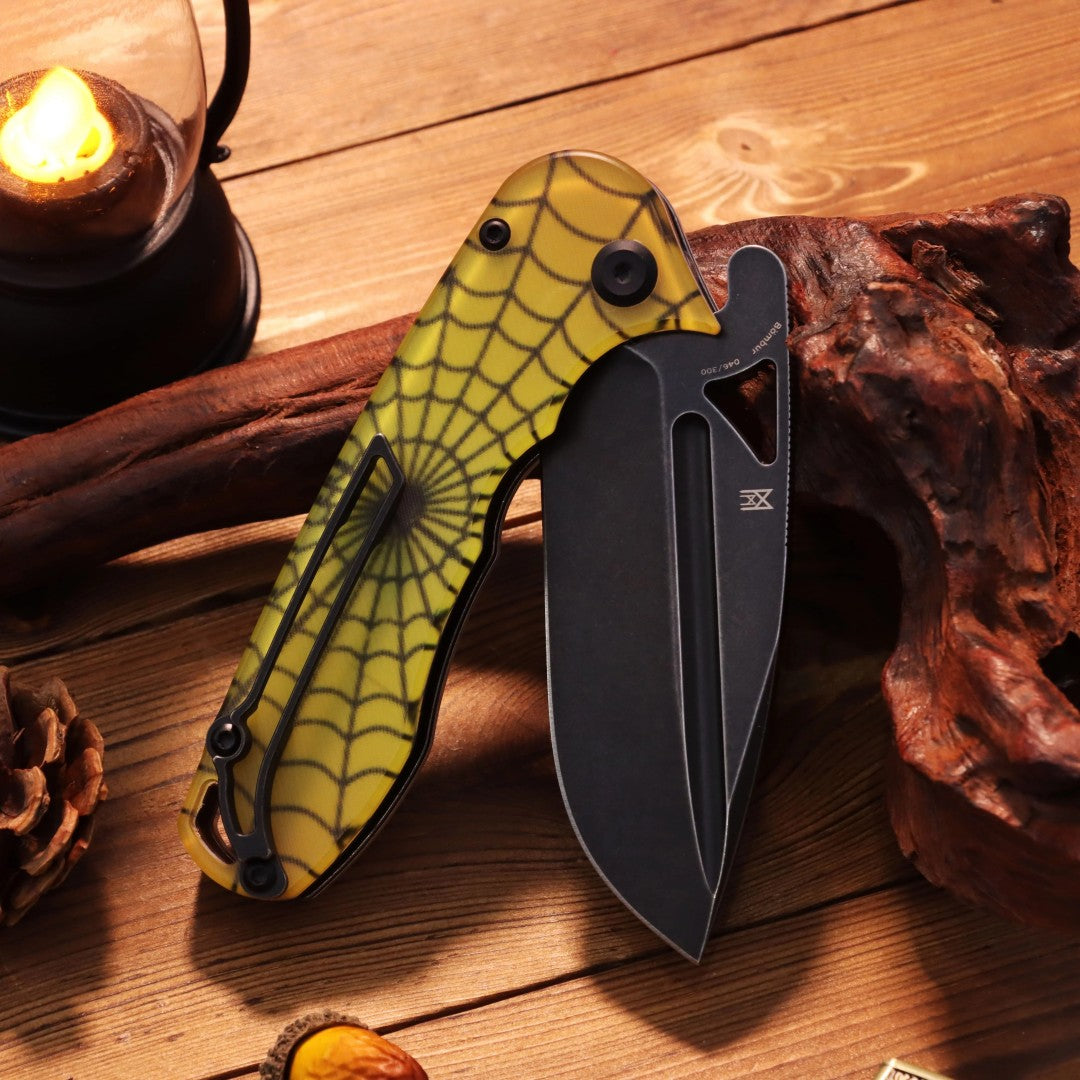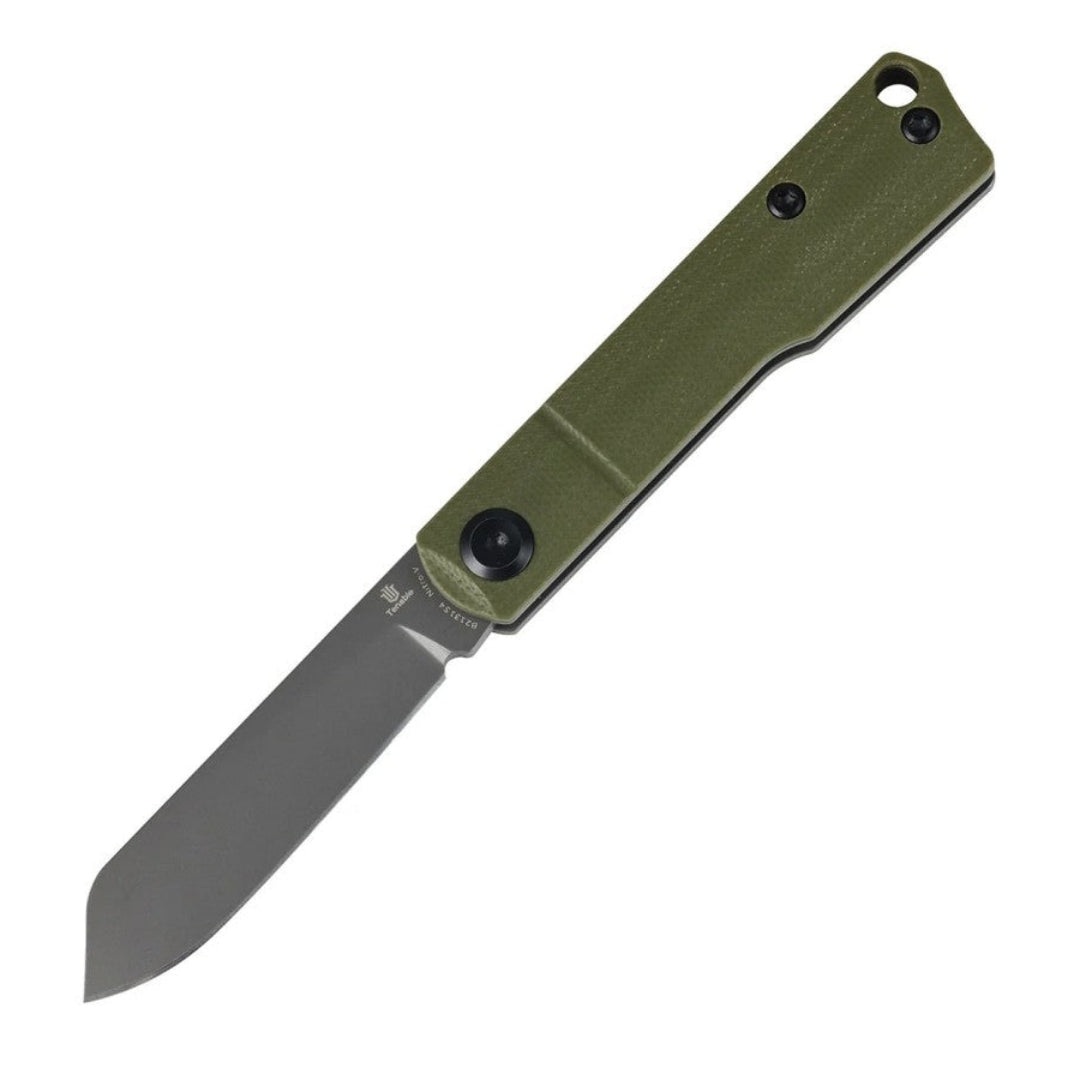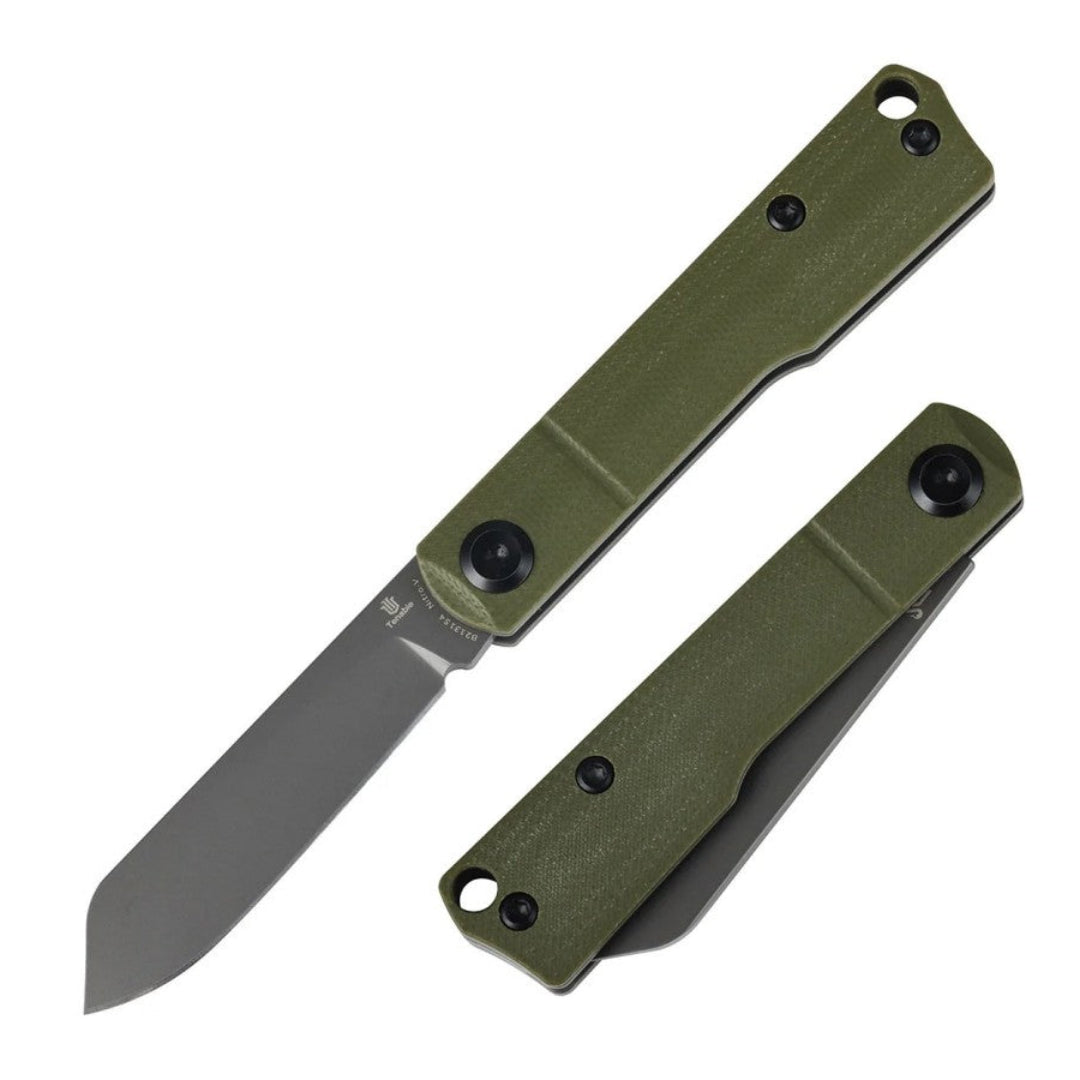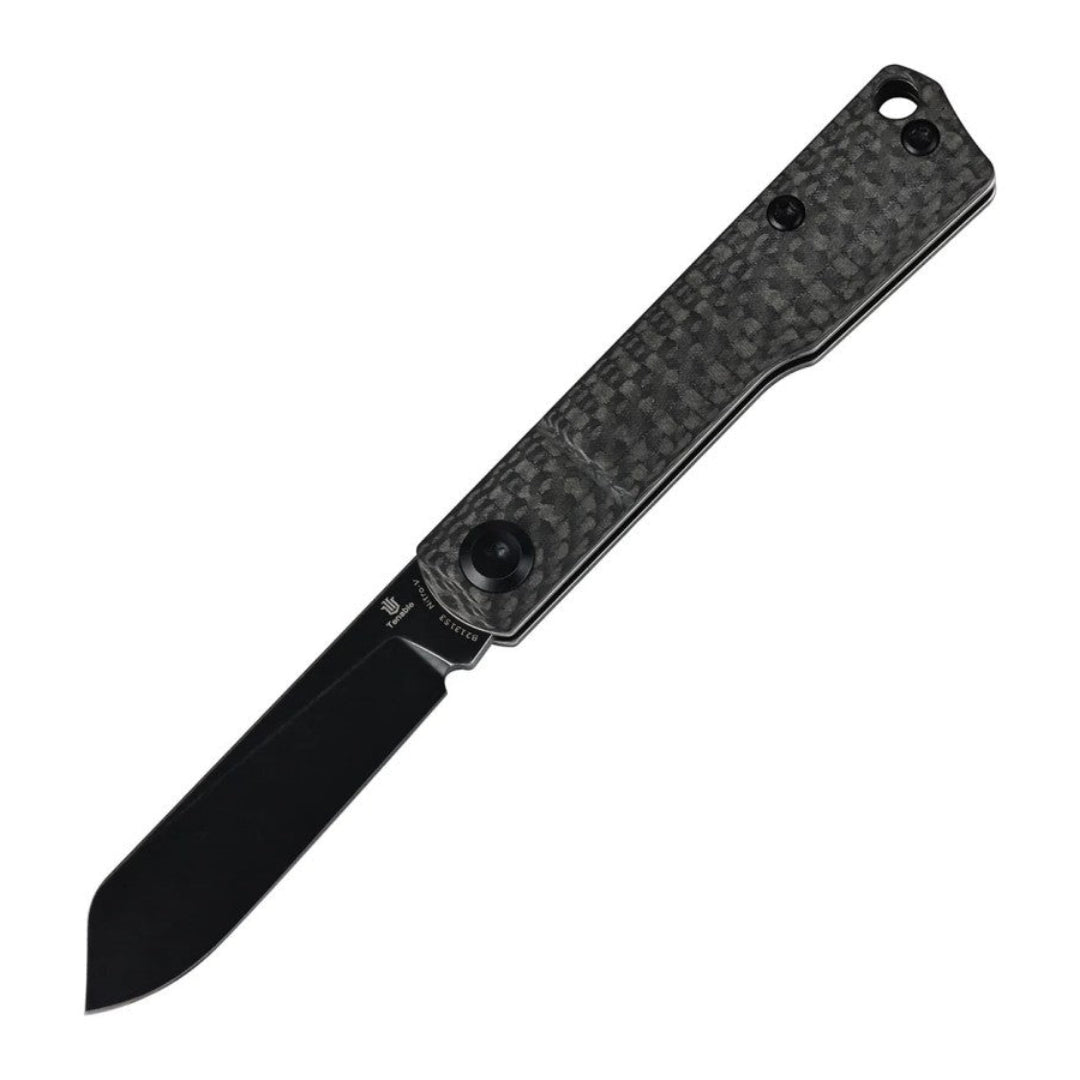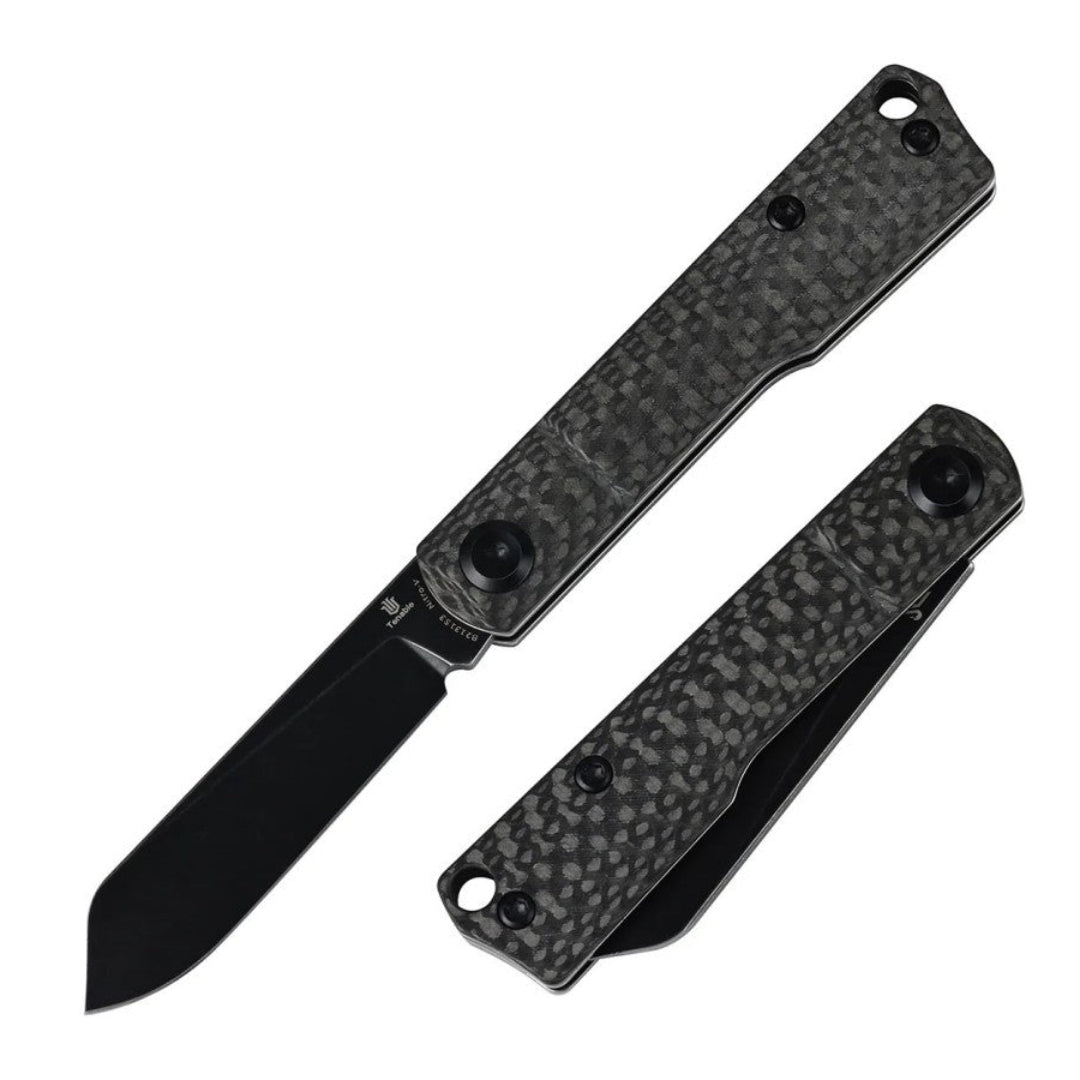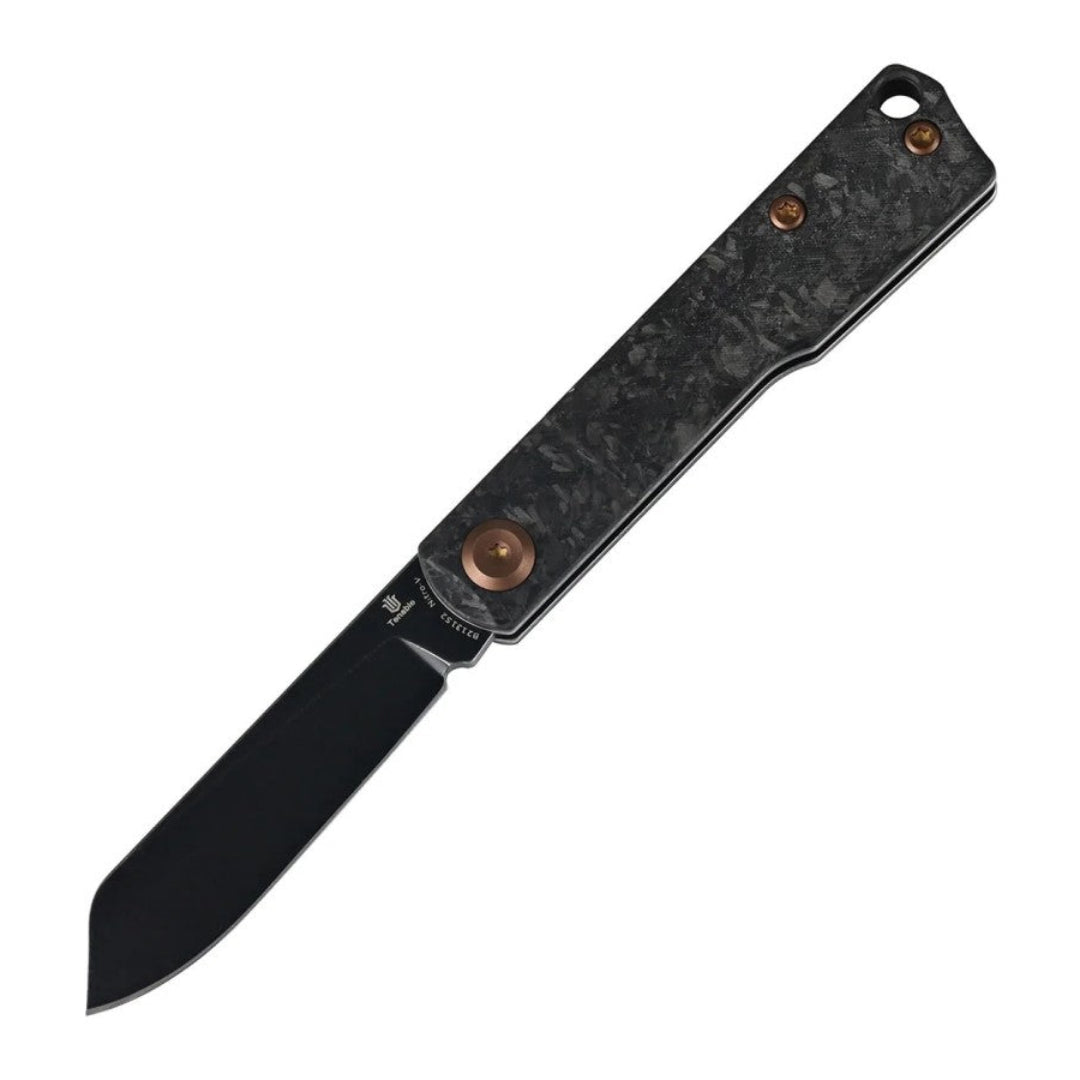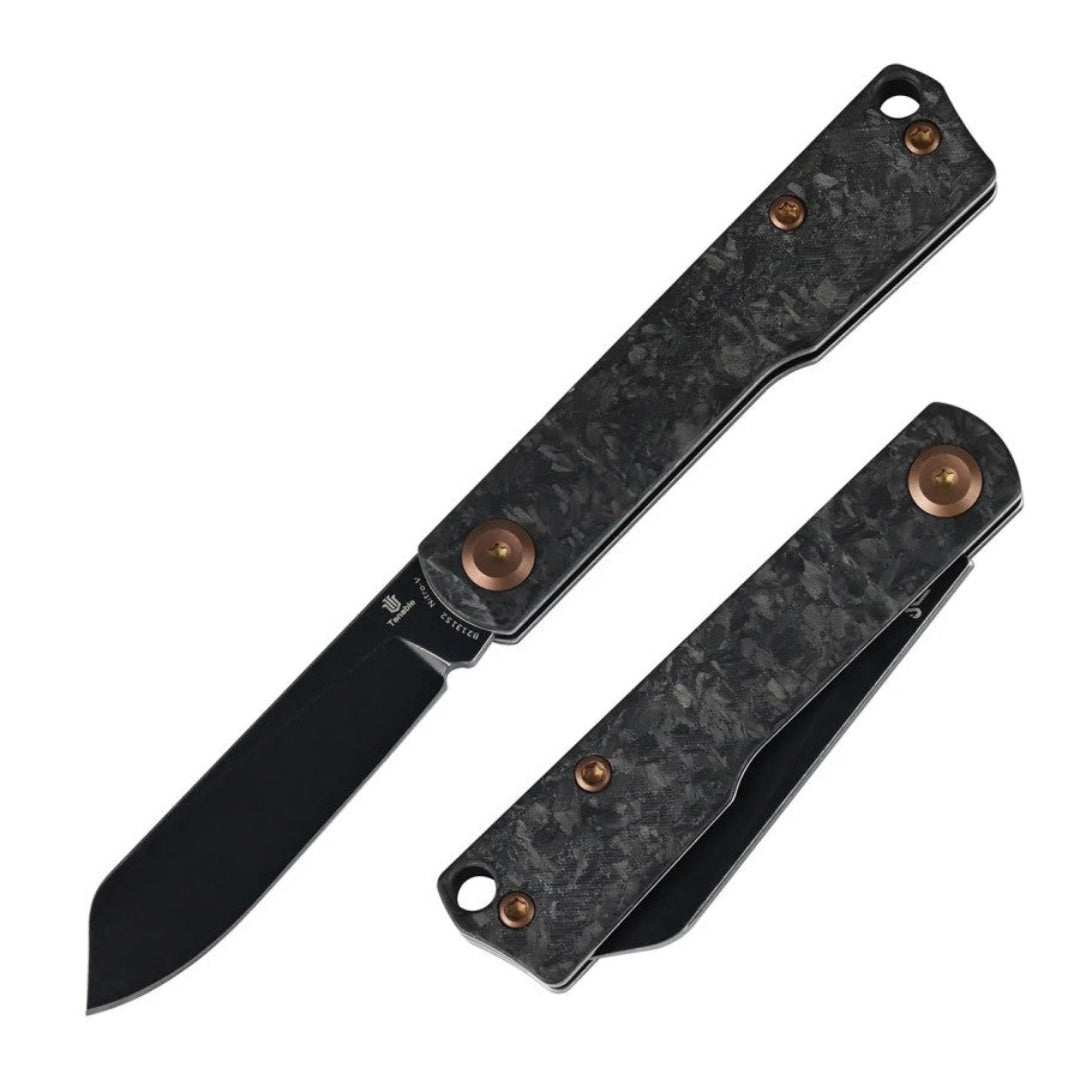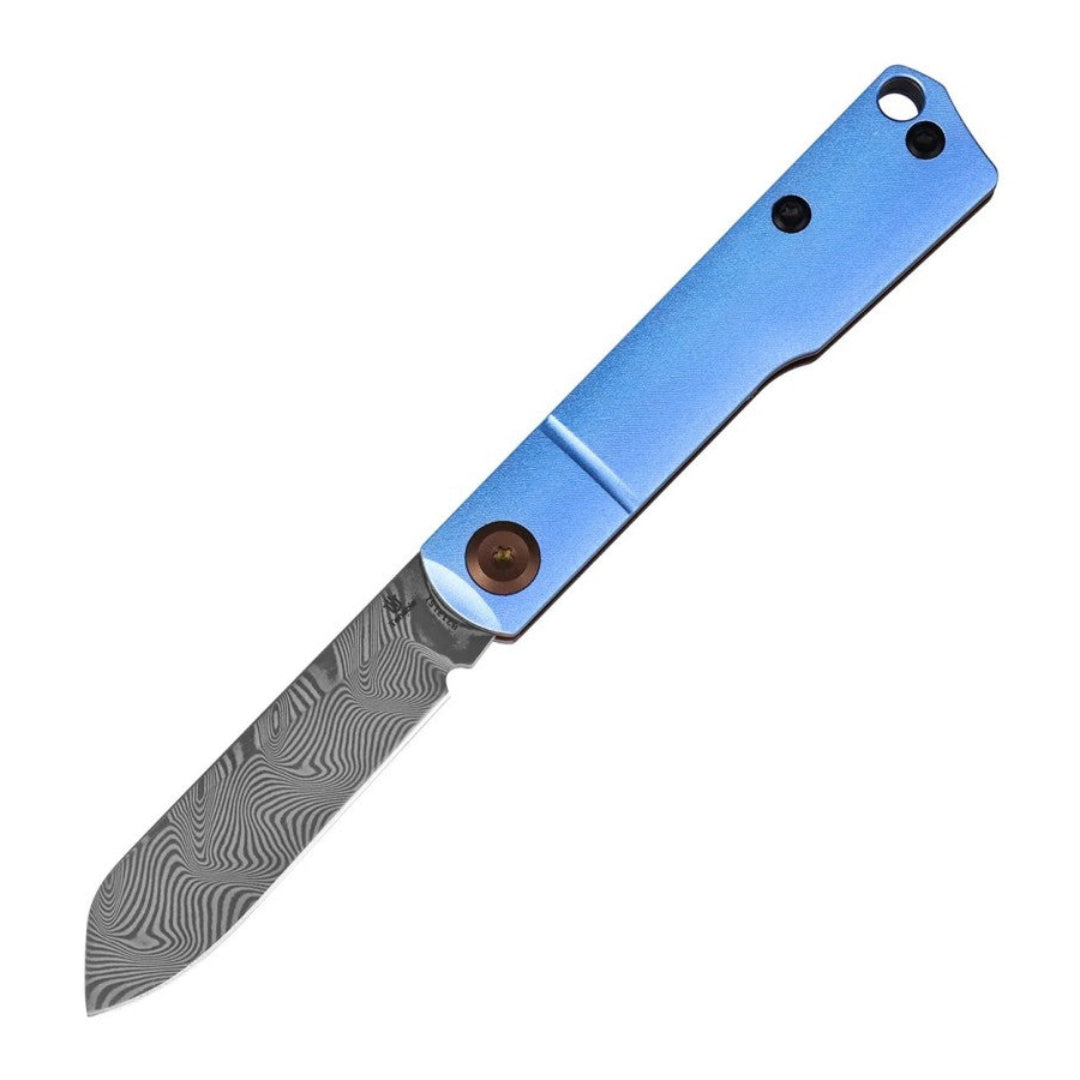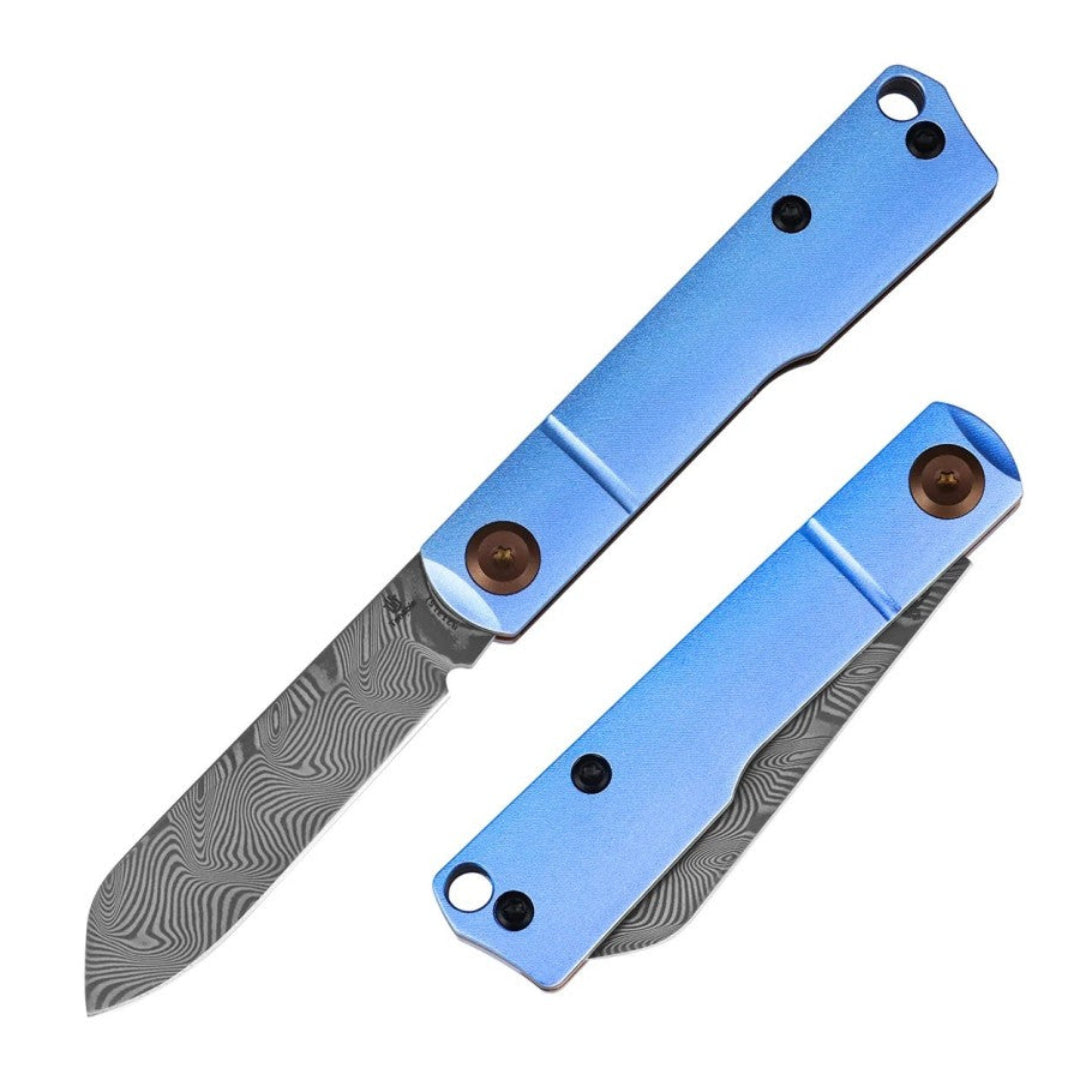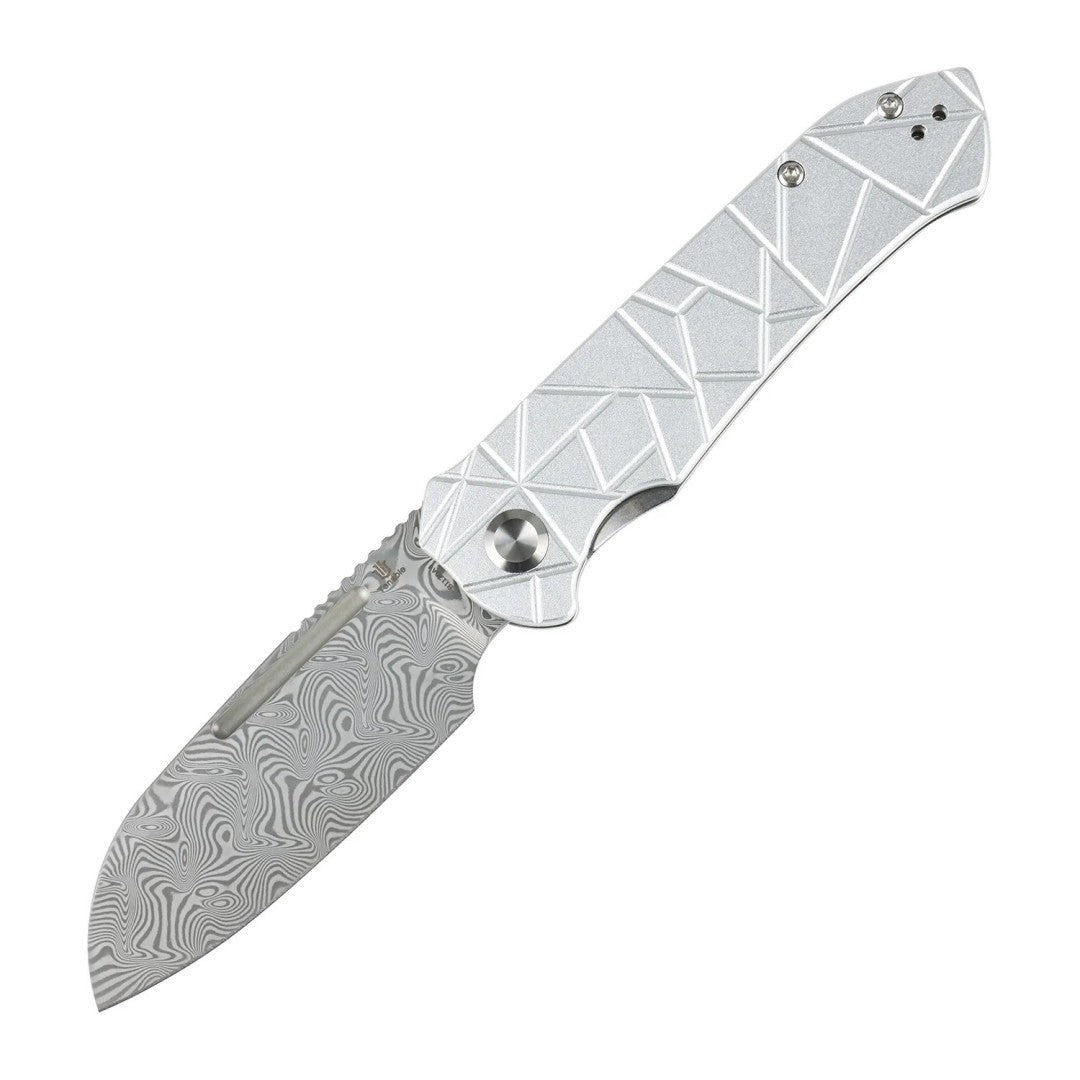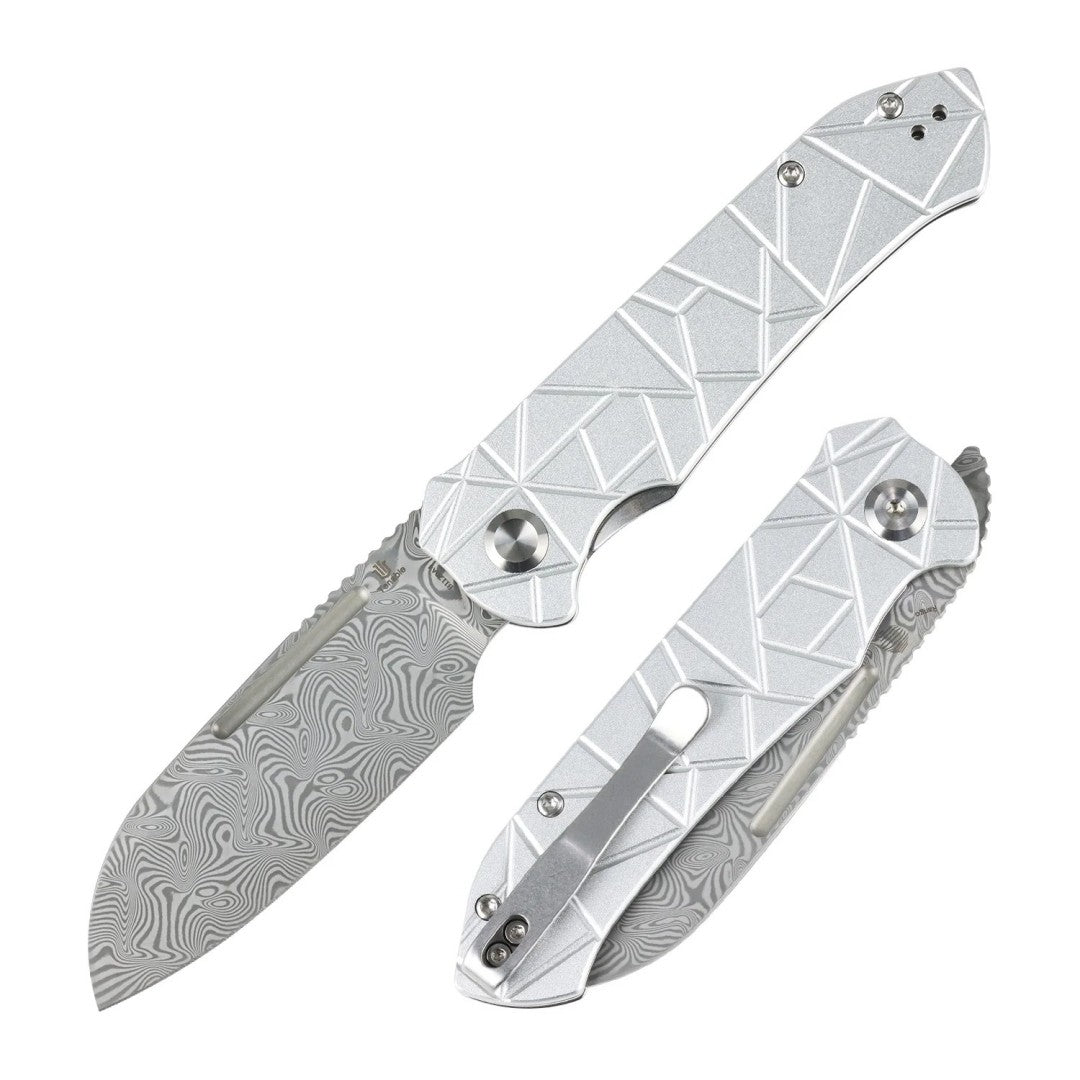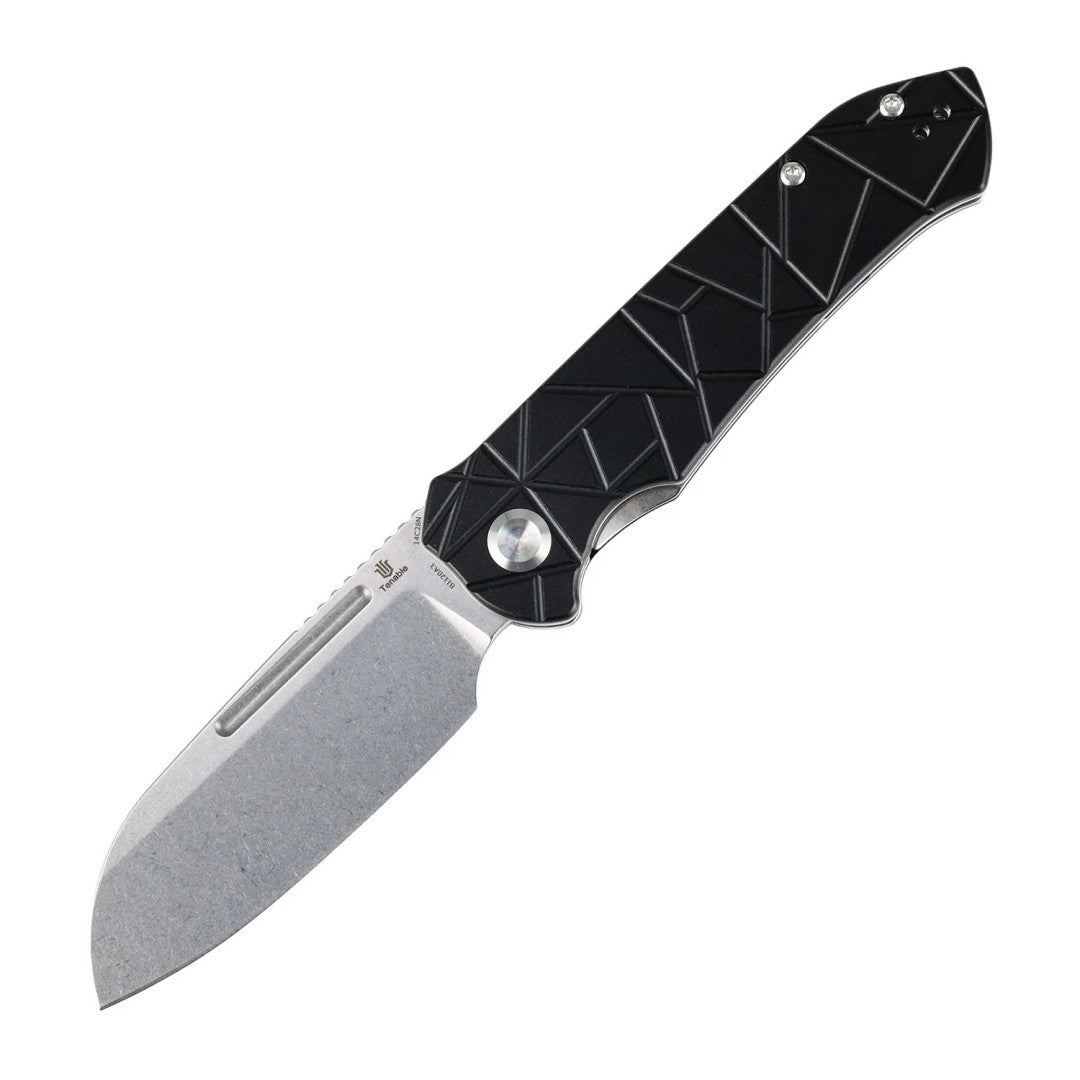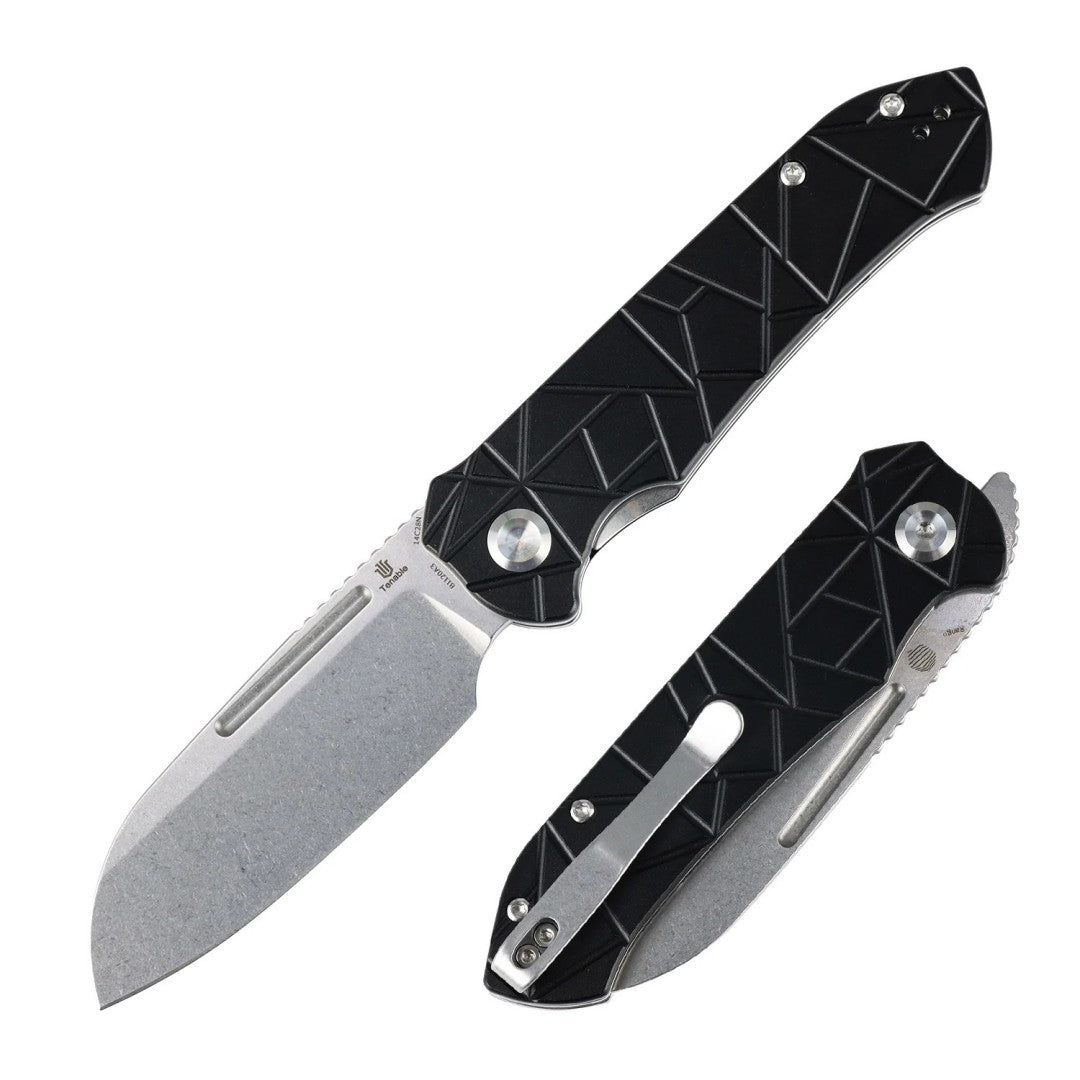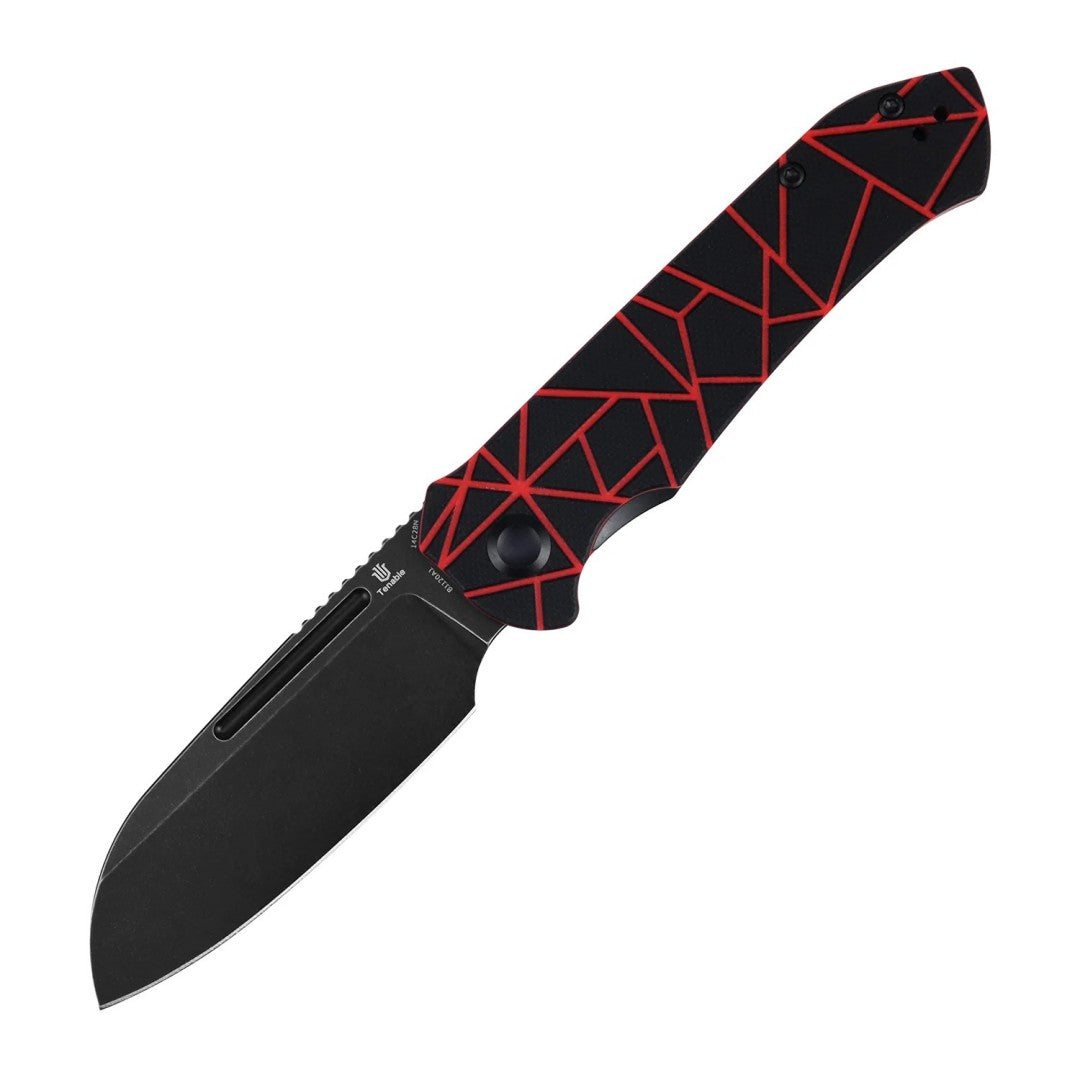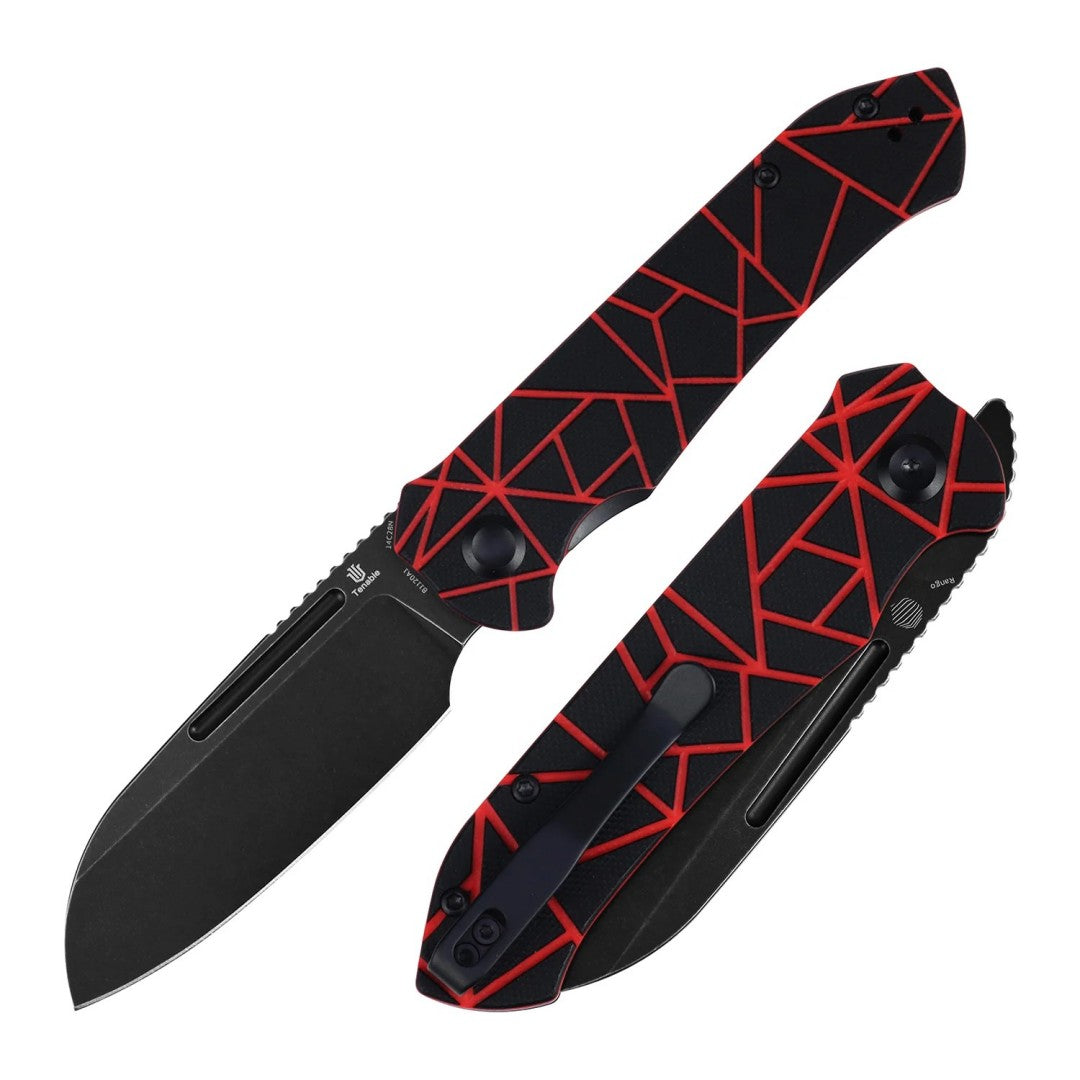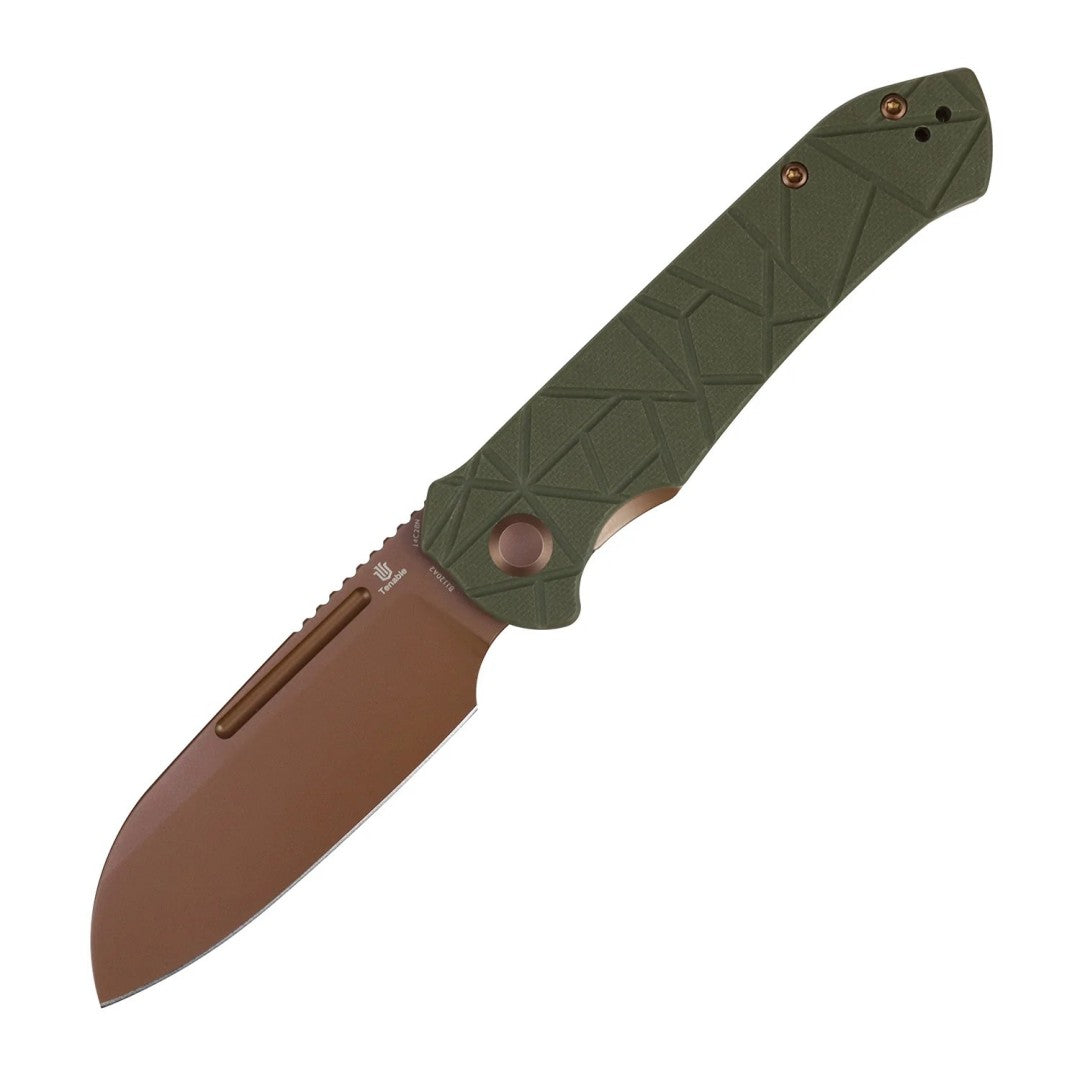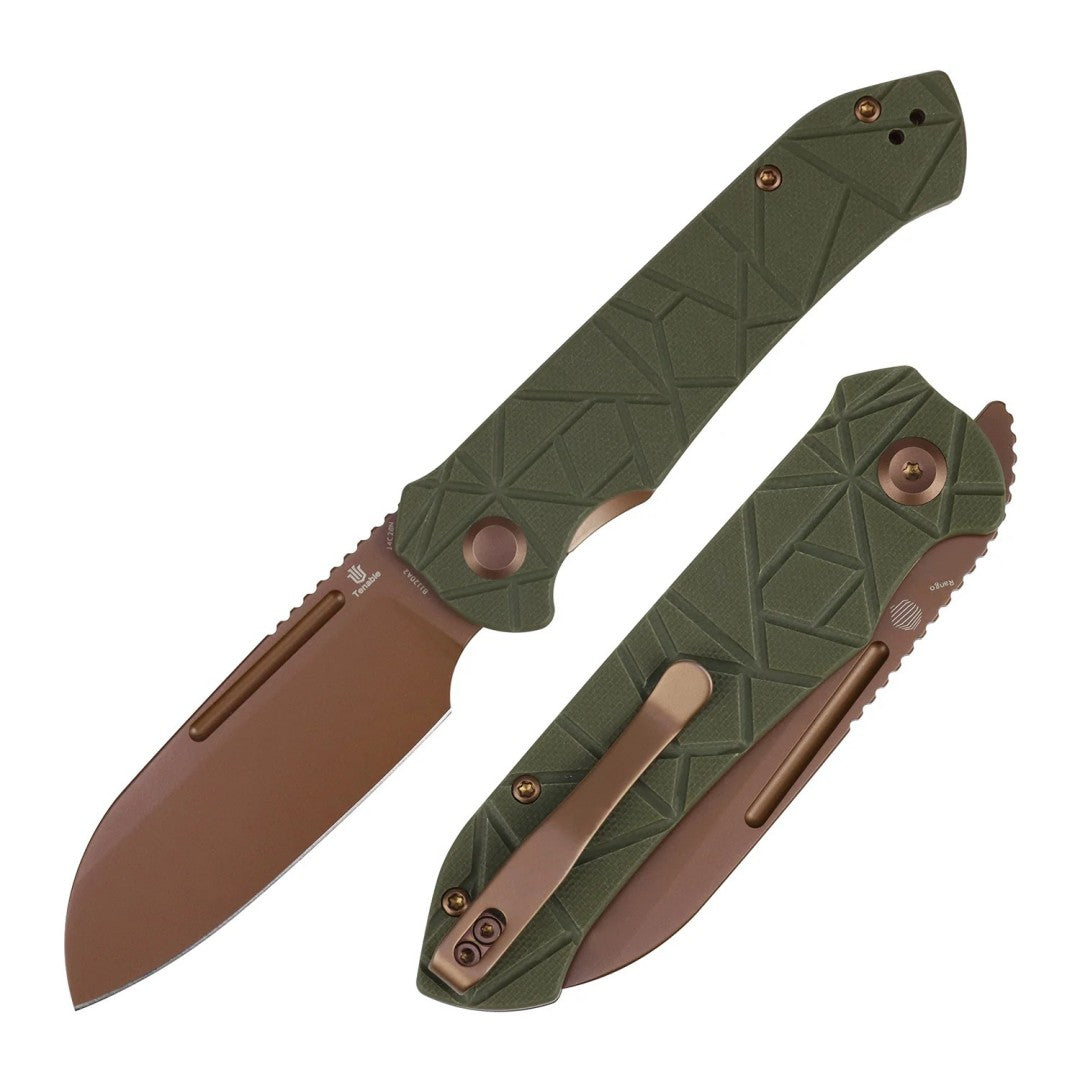
When evaluating the real-world performance of a folding pocket knife, the choice of blade steel is the single most critical factor dictating cutting endurance, structural toughness, and daily maintenance needs. A well-designed handle and an intuitive locking system create the platform, but the blade alloy determines how efficiently force transfers into the material being cut. The Kansept Deadite represents a masterclass in purposeful knife design, born from the creative vision of custom artisan Geoff Blauvelt of Tuffknives and brought to fruition through the precision manufacturing of Kansept. Occupying a prominent place among modern Folding Knives, the Deadite utilizes a carefully heat-treated 154CM stainless steel blade engineered to deliver sustained cutting power across versatile EDC applications.

The Science of Cutting Power and Blade Metallurgy
Cutting power is not merely a question of how sharp an edge feels fresh out of the box; it is determined by how well the steel’s microscopic carbide structure preserves apex geometry under continuous abrasion and lateral stress. Knife steels must navigate a classic metallurgical triad: wear resistance (edge retention), impact toughness (resistance to chipping and catastrophic fracture), and corrosion resistance.
The selection of 154CM stainless steel for the Deadite strikes an intentional balance across these three pillars. With approximately 1.05% carbon and 14.00% chromium, enriched by a significant 4.00% molybdenum addition, 154CM forms hard molybdenum and chromium carbides within a uniform martensitic matrix. When heat-treated to an optimal 59 to 61 HRC hardness bracket, the blade delivers outstanding resistance against micro-abrasive blunting while retaining sufficient elasticity to withstand unexpected lateral torque during heavy utility cuts.
Why 154CM Was Chosen Over Alternative Alloy Families
Understanding the advantages of 154CM requires examining how it compares to both entry-level budget steels and ultra-hard powdered metallurgy supersteels.
Budget Alloy Limitations vs. Premium Ingot Steels
Entry-level steels like 8Cr13MoV or standard 420HC are simple to sharpen, but their low carbide density causes the edge apex to roll rapidly when slicing dense cardboard, plastic strapping, or fibrous rope. Conversely, semi-stainless tool steels like D2 offer comparable wear resistance but remain prone to surface pitting and rust in humid pocket environments. The 154CM alloy avoids both compromises, providing true stainless protection alongside far superior edge stability compared to budget alternatives.
High-Vanadium Supersteels vs. Practical Field Usability
On the opposite end of the spectrum, high-vanadium powder metallurgy steels like CPM-S90V or CPM-10V provide extreme edge longevity, but they carry distinct real-world trade-offs. Their high carbide hardness can make them vulnerable to micro-chipping during rough work, and restoring their edge in the field often requires specialized diamond abrasives and substantial bench time. The 154CM blade on the Deadite provides abundant working edge life while remaining exceptionally easy to field-sharpen using standard ceramic or water stones.

Comprehensive Steel Spectrum Comparison
| Blade Steel Grade | Composition Classification | Edge Retention | Impact Toughness | Corrosion Resistance | Field Sharpening Ease |
| 154CM (Kansept Deadite) | High-Carbon Molybdenum Stainless | High | High | High | High / Moderate |
| D2 Tool Steel | Semi-Stainless High-Carbon Tool Steel | High | Moderate | Low / Fair | Moderate |
| Sandvik 14C28N | Nitrogen-Enriched Stainless Steel | Moderate | Very High | Very High | Very Easy |
| VG-10 | Cobalt-Enhanced Stainless Steel | Moderate / High | Moderate | High | Easy |
| CPM-S35VN | Niobium Powder Metallurgy Stainless | Very High | High | Very High | Moderate |
| 8Cr13MoV | Budget High-Chromium Stainless | Low | Moderate | Moderate | Very Easy |
Real-World Cutting Dynamics: Geometry Meets Alloy
A premium blade alloy achieves its maximum potential only when paired with intentional grind geometry. The Deadite features an aggressive modified Clip Point profile executed with a tall flat grind from a 0.118-inch (3.0 mm) spine.
Slicing Efficiency and Wedge Reduction
The tall flat grind tapers cleanly down to a thin, consistent secondary cutting bevel. By minimizing blade thickness behind the sharpened edge, the knife dramatically reduces wedging friction when making deep, continuous passes through thick double-wall cardboard or dense foam packaging. The generous lower belly provides extended linear edge contact during draw-cuts, spreading material wear evenly across the blade.
Piercing Precision and Tip Reinforcement
The swedged spine creates a distal taper toward an acute, reinforced tip. This architecture allows the Deadite to pierce cleanly through heavy plastic sheeting, blister packs, and multi-layer fabric without dragging, while retaining adequate spine thickness near the point to resist bending under sudden lateral forces.
Structural Support: Lockup Stability and Daily Reliability
Sustained cutting power requires complete mechanical trust in the folder’s locking mechanism. The Deadite incorporates an ambidextrous Crossbar Lock mechanism that engages a hardened steel bar directly across the rear tang of the blade.
Under constant dual omega spring tension, the crossbar creates a solid bidirectional lockup that eliminates vertical blade play and absorbs heavy downward cutting force. Operating smoothly on caged ceramic ball bearings, the knife deploys rapidly via dual thumb studs or the integrated flipper tab. The rock-textured aluminum handle chassis provides tactile mechanical traction, ensuring the tool remains securely locked in the palm during high-torque cutting tasks.
 Practical Everyday Performance
By pairing 154CM stainless steel with high flat grind geometry, robust lockup, and custom ergonomic sculpting, the Kansept Deadite offers a dependable balance of edge longevity, tough resilience, and effortless maintenance. It provides serious operators and daily knife enthusiasts with dependable, long-lasting cutting power tailored for demanding utility tasks.