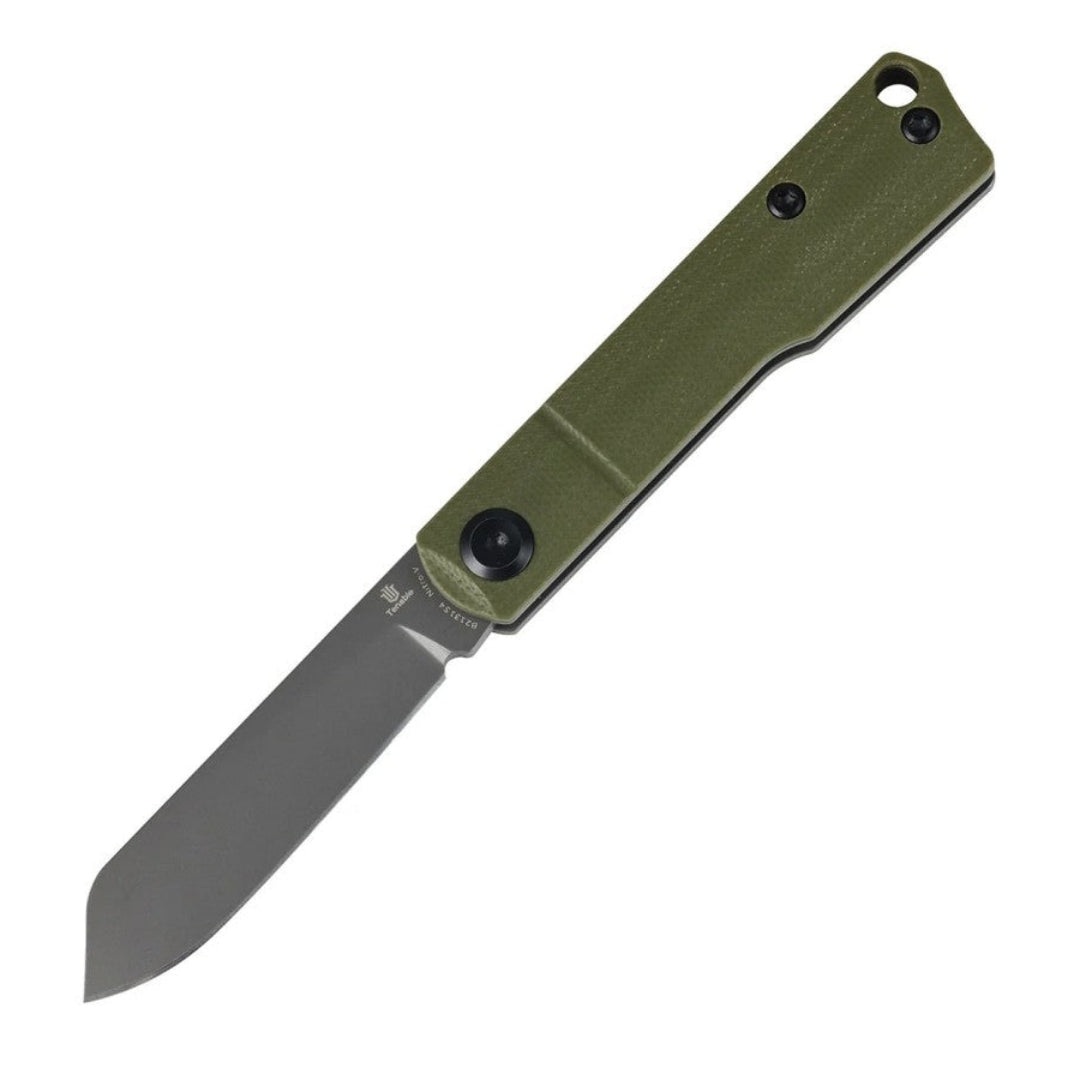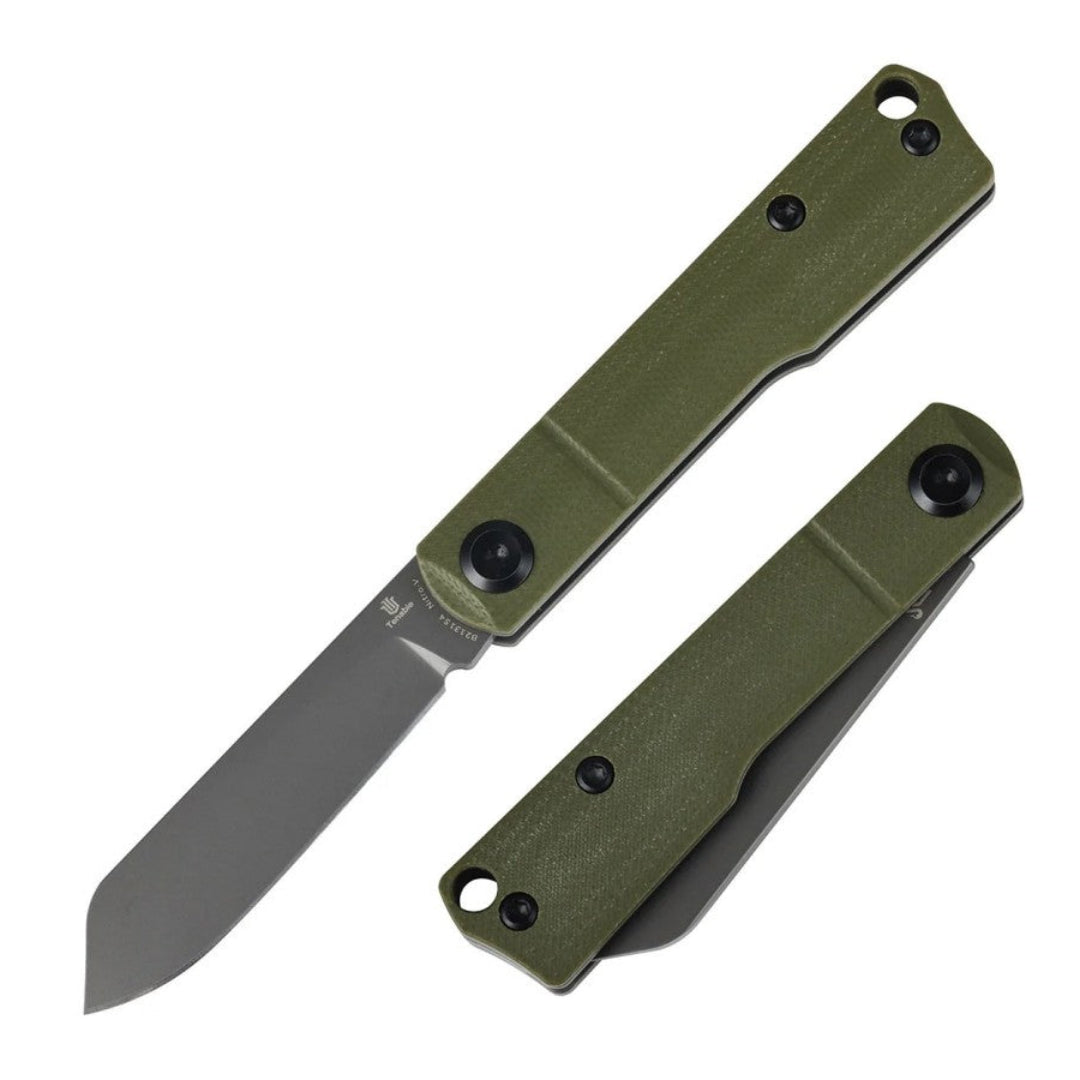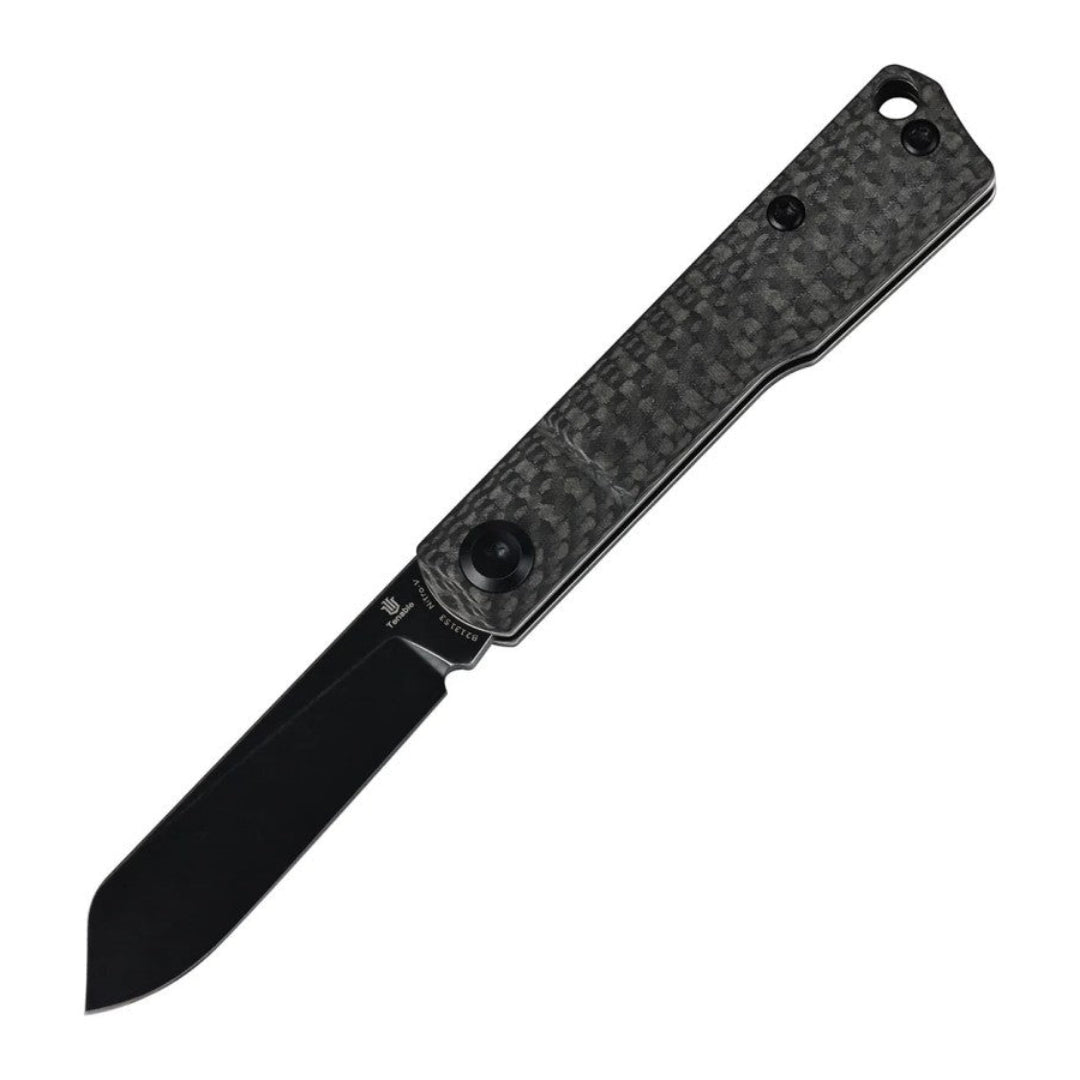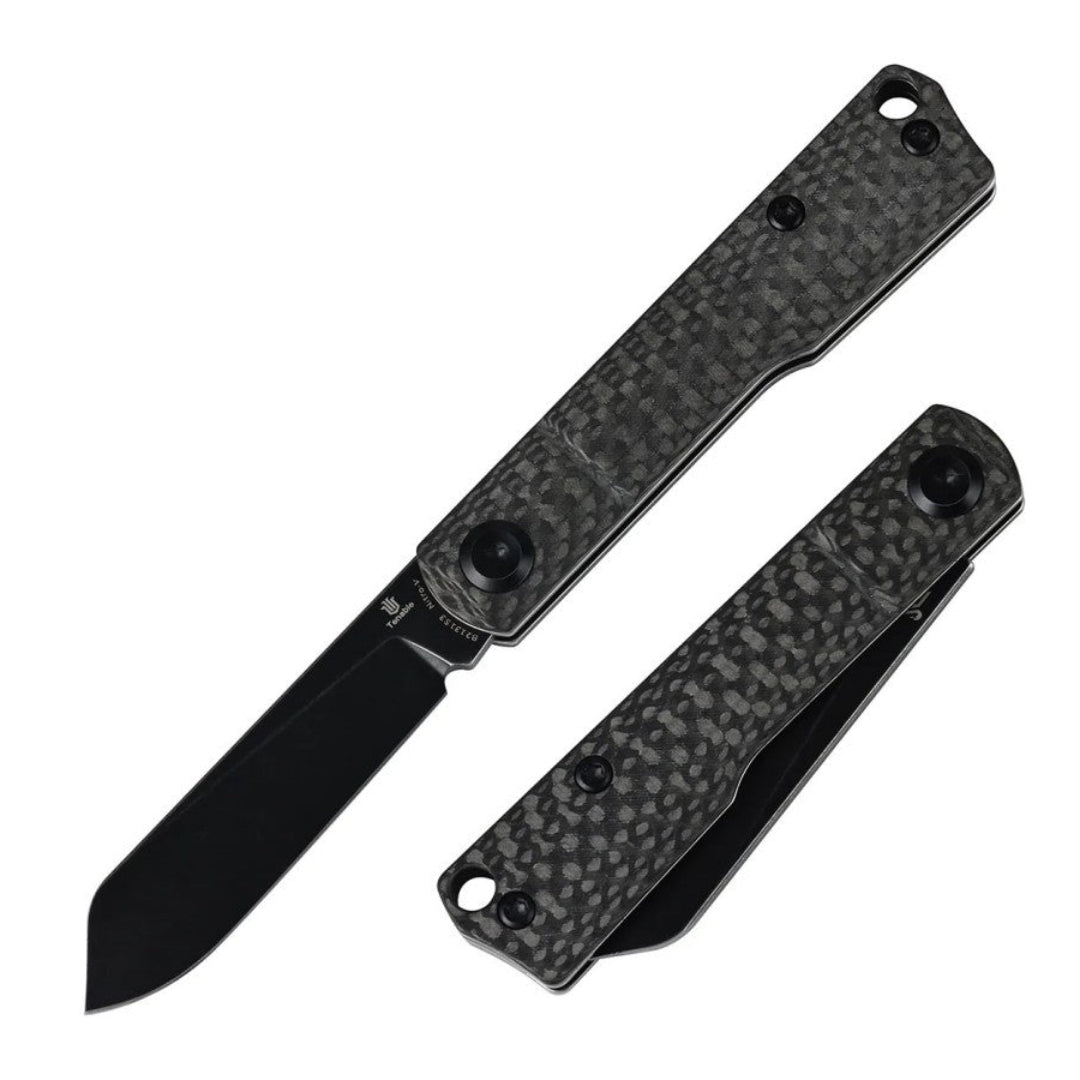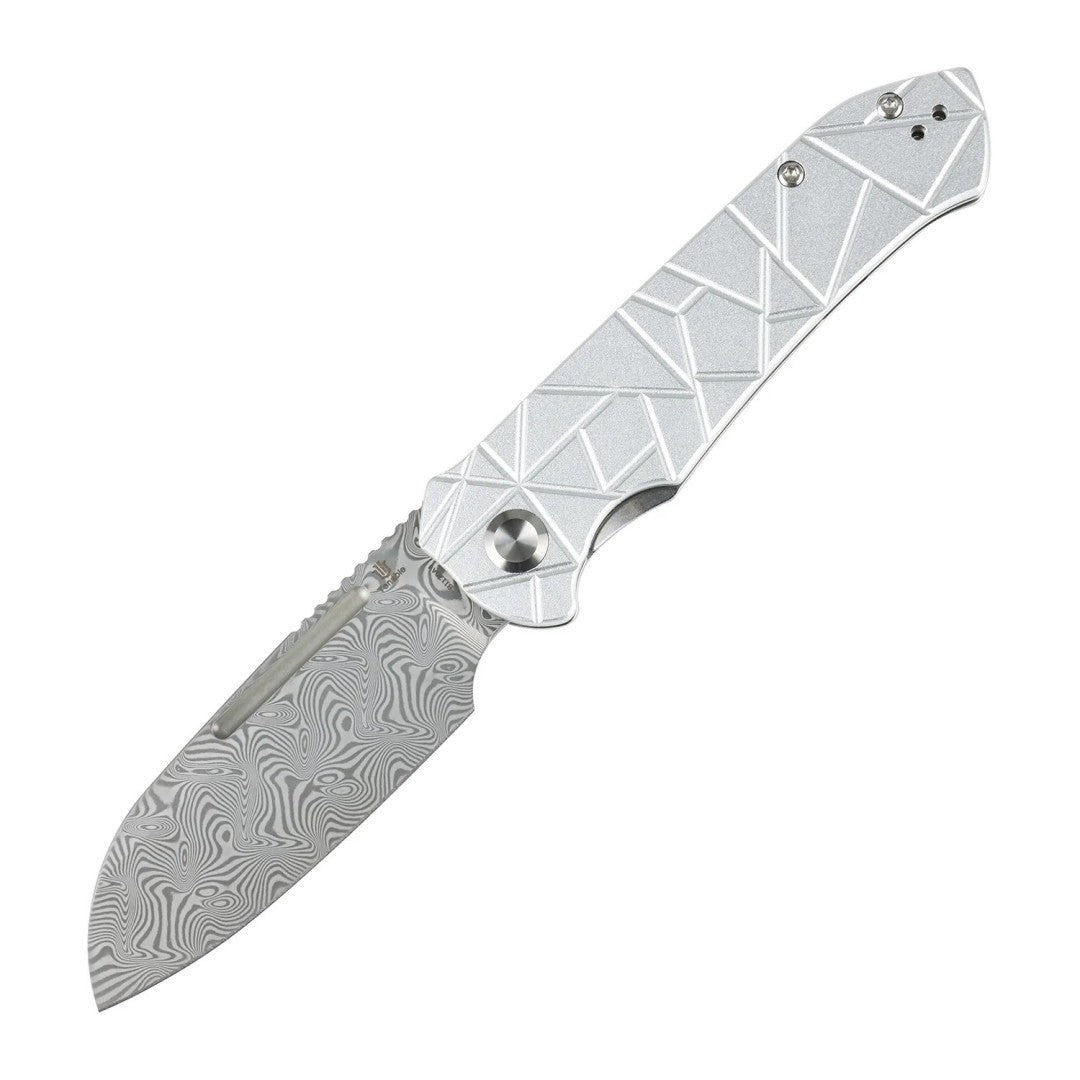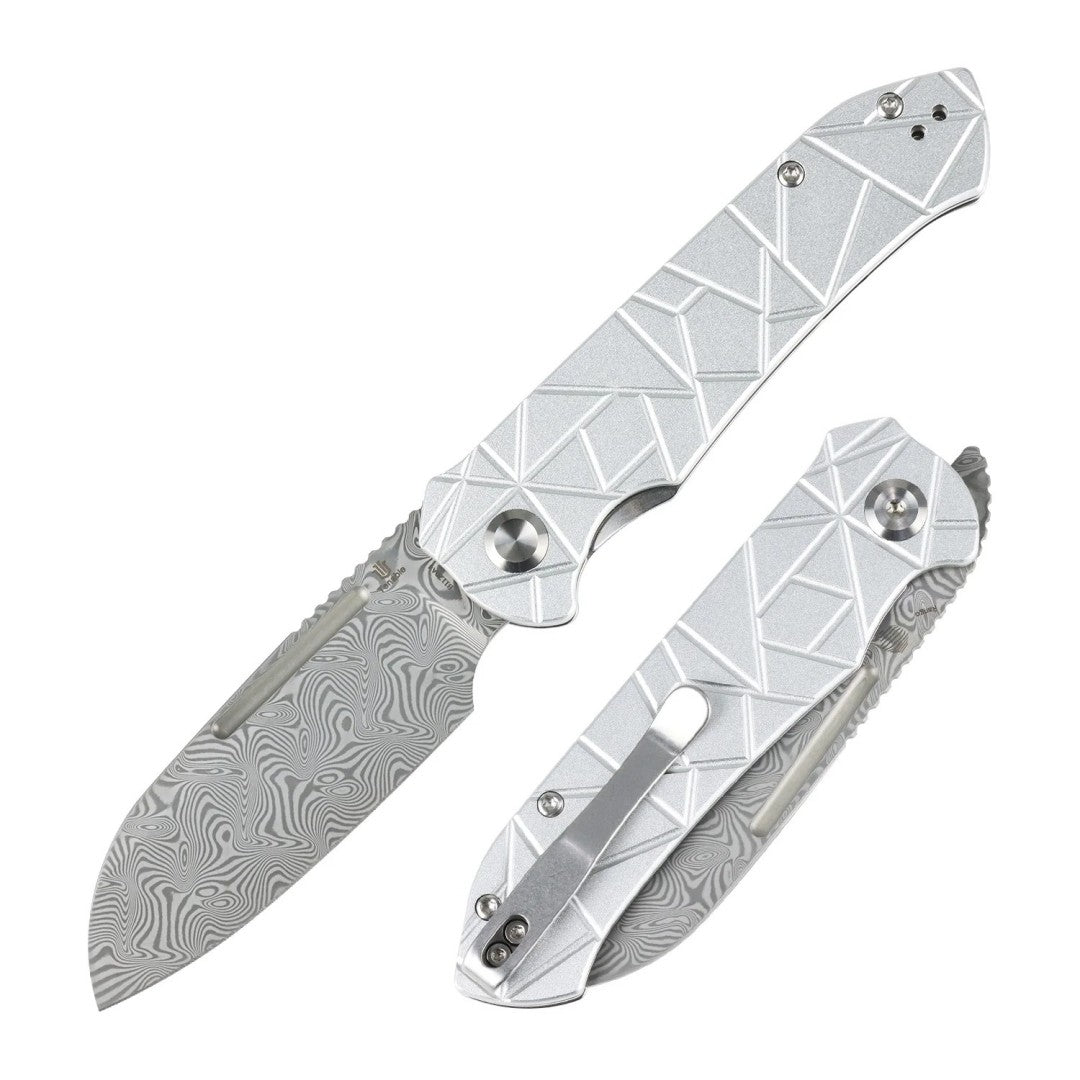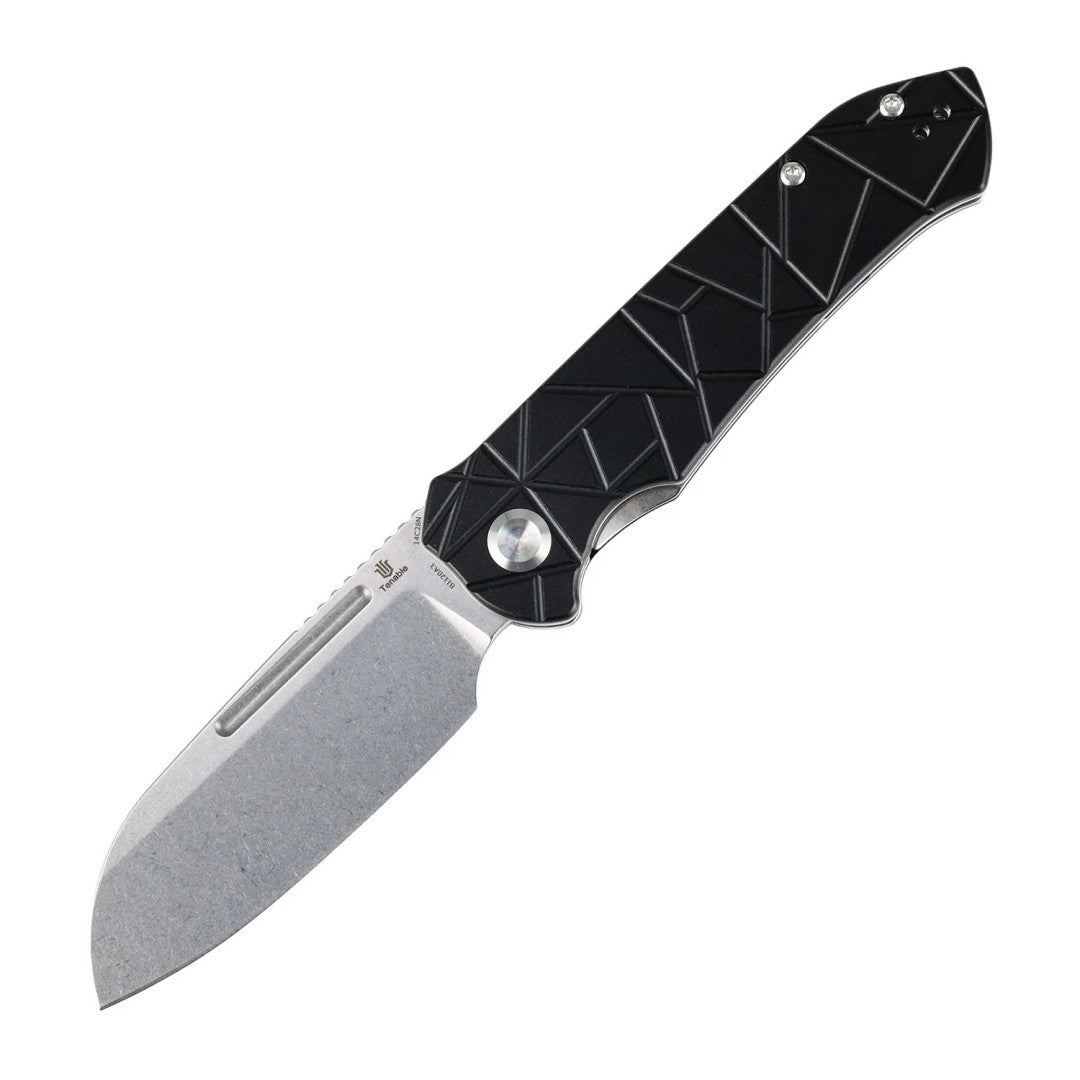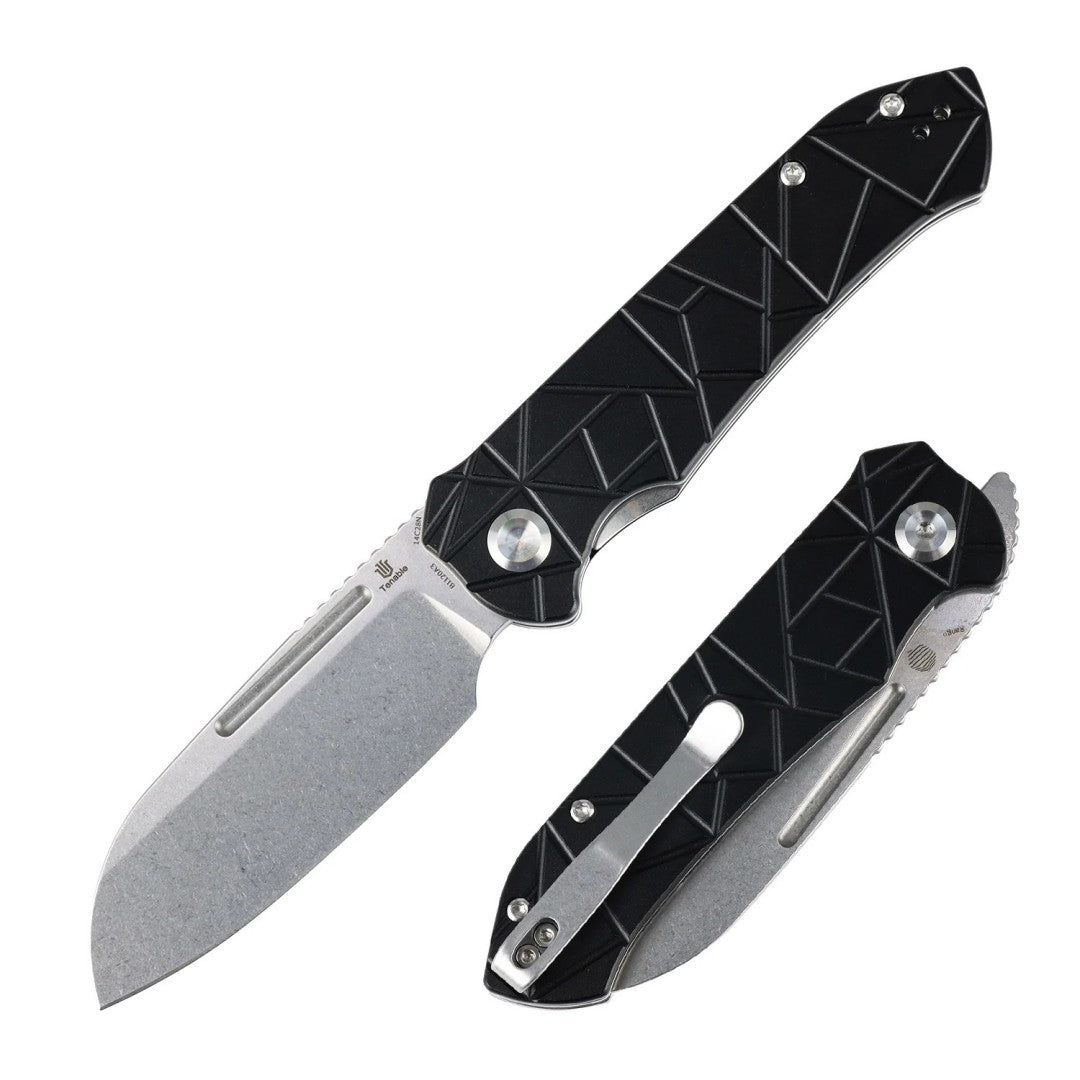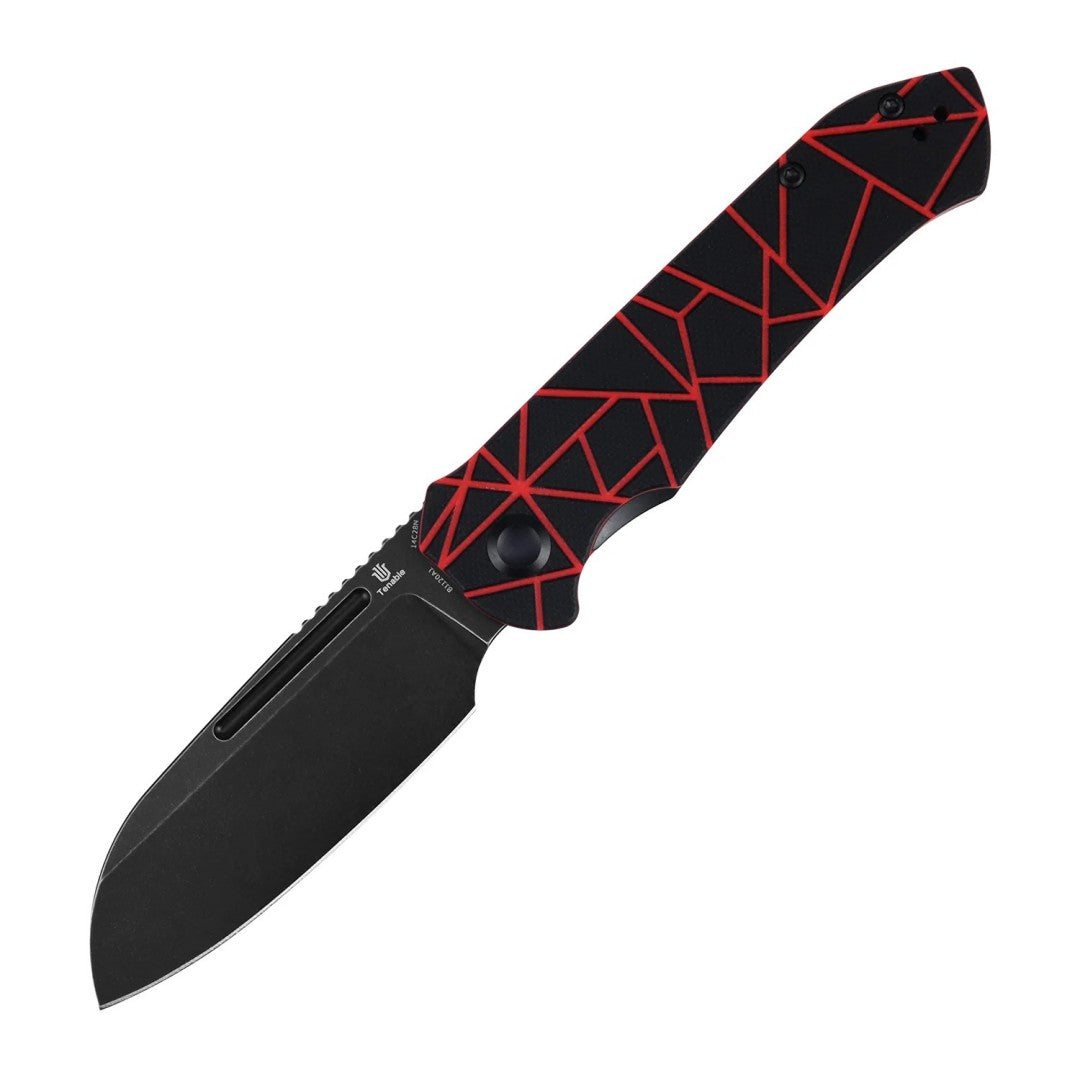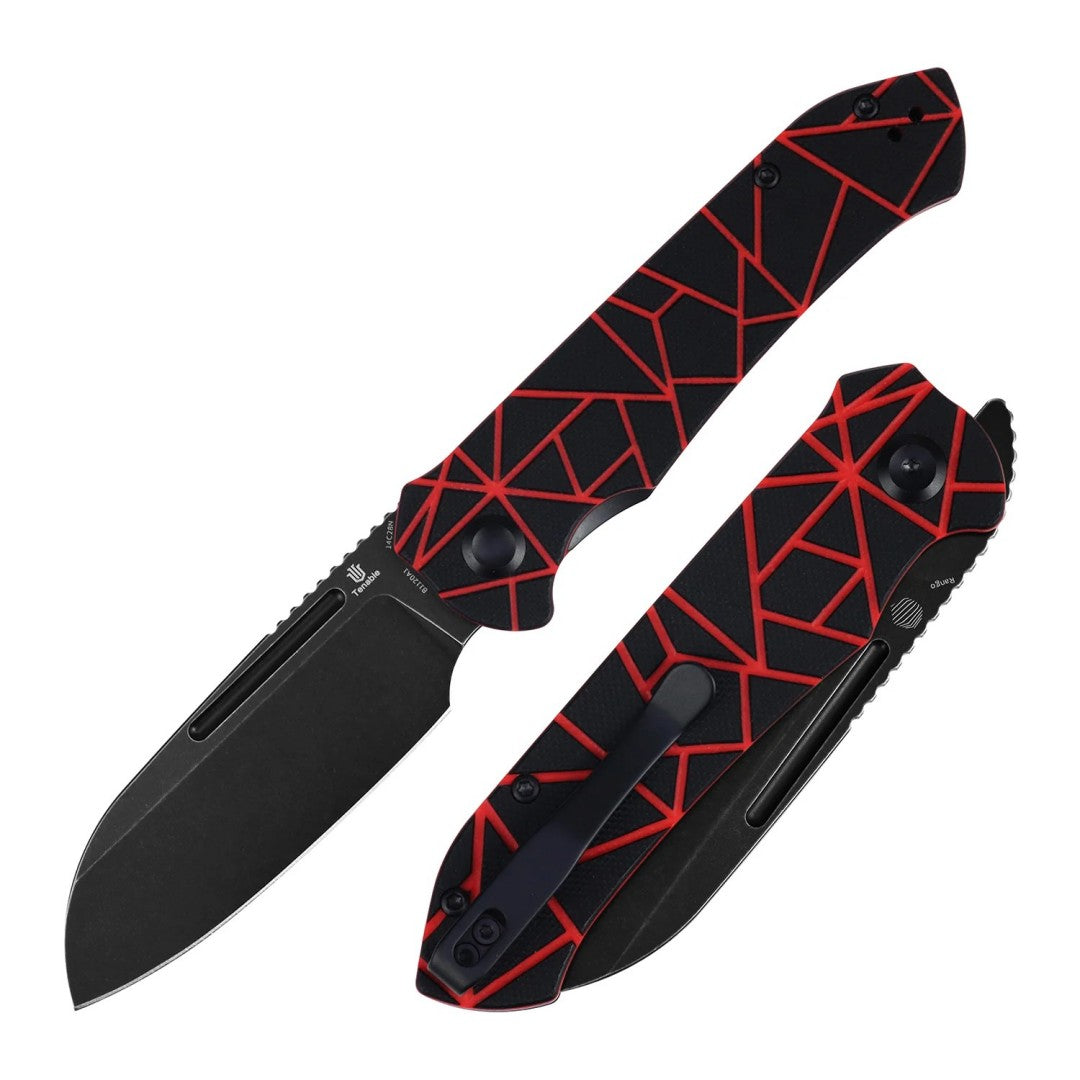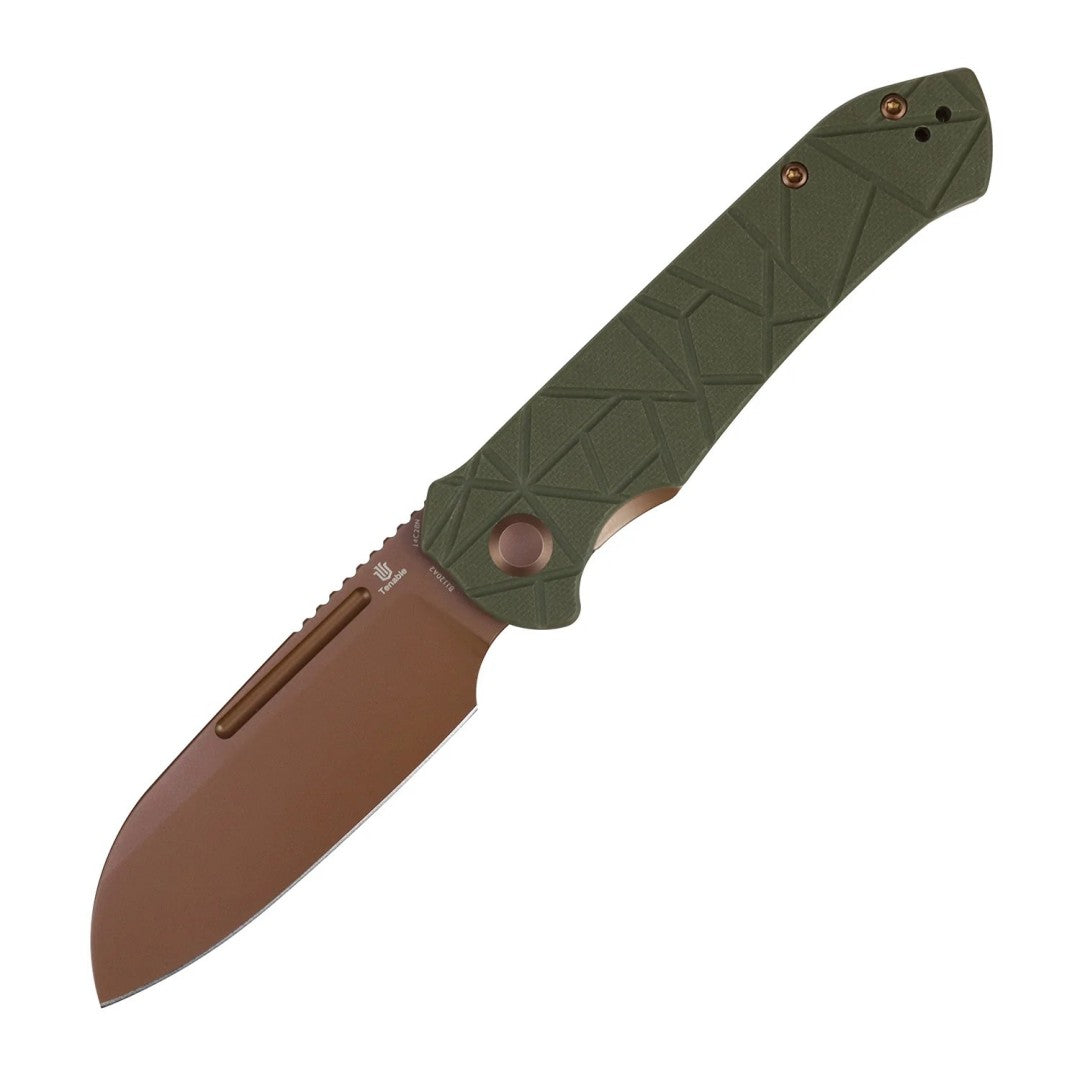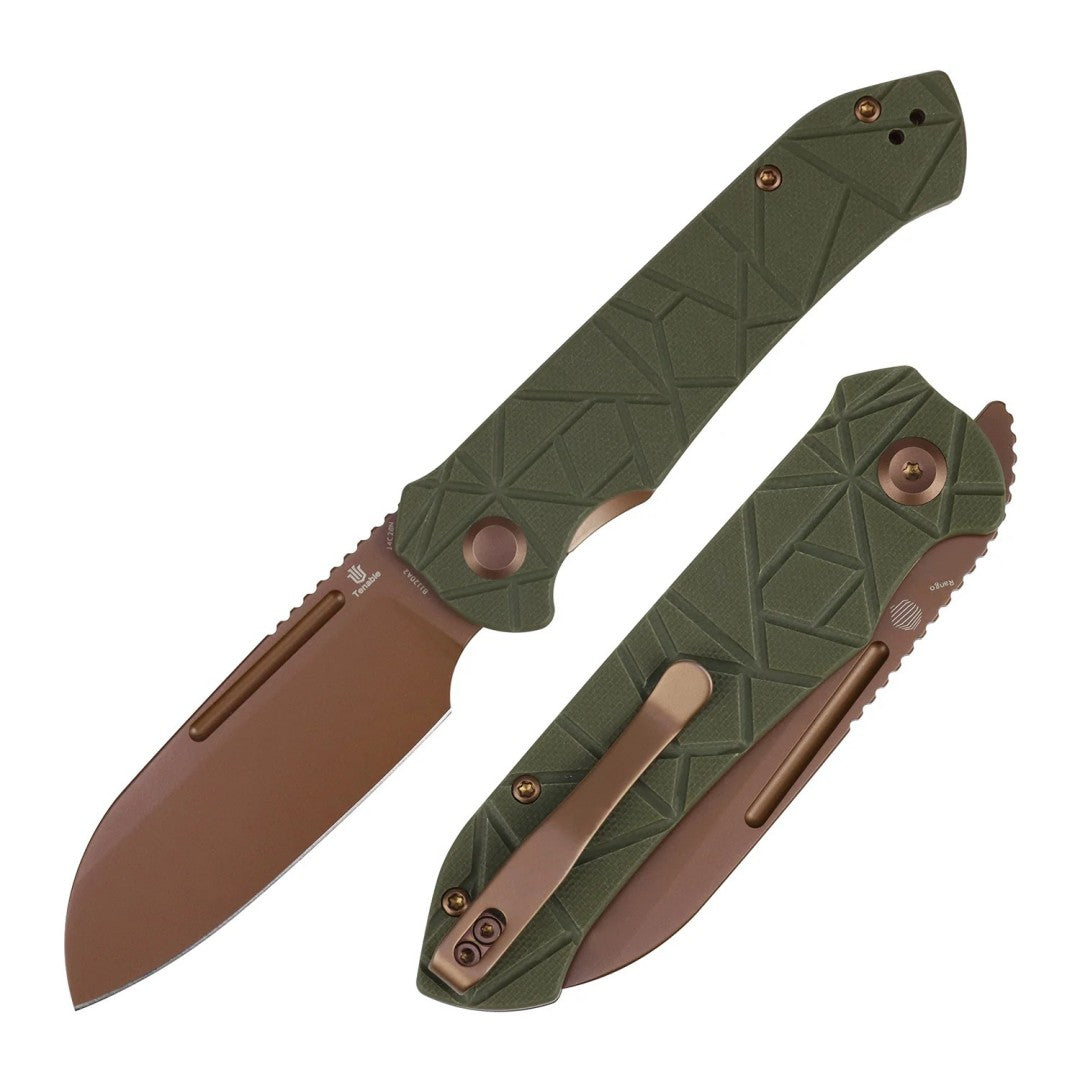
Breaking down dense, double-wall corrugated cardboard is universally recognized among knife enthusiasts as one of the most punishing tests for a pocket blade. Modern shipping packaging is far from soft paper; it is embedded with abrasive silicates, recycled fibers, dense glues, and microscopic grit that act like sandpaper against a sharpened apex. Many popular pocket knives with thick blade stock or coarse, brittle carbides suffer rapid edge micro-chipping and severe friction drag when forced through heavy box walls. The Bestechman Smuga approaches this daily chore with specialized cutting geometry and refined metallurgy. Developed by Bestechman in collaboration with custom designer Grzegorz Grabarski (Kombou), this purpose-built folding knife delivers an exceptional balance of acute slicing geometry, impact toughness, and mechanical stability for heavy cardboard breakdown in any daily EDC routine.
 The Physics of Cardboard Cutting: Abrasives and Wedging Resistance
To understand why so many pocket knives struggle with cardboard recycling, one must examine the physical forces involved in separating dense corrugated material:
-
Silicate Abrasion: Cardboard contains microscopic minerals and recycled wood particulates that abrade the sharpened apex with every linear inch of cutting.
-
Side-Wall Friction and Wedging: Thick, tactical blade profiles force the cardboard flaps outward as they penetrate, creating intense lateral clamping pressure that binds the blade and fatigues the user's hand.
-
Impact Shock at Flute Junctions: Moving rapidly across alternating ridges and hollow flutes subjects the cutting edge to continuous micro-impacts, which can cause brittle steels to fracture.
The Smuga overcomes these challenges through deliberate engineering choices, pairing a low-drag blade profile with a specialized stainless alloy built to resist impact stress.
Fine Carbide Microstructure: Why AEB-L Prevents Micro-Chipping
The cutting endurance of the Smuga is driven by its specialized AEB-L blade, cryogenically heat-treated to an optimal working hardness of 61–62 HRC.
Originally formulated for surgical scalpels and razor blades, AEB-L possesses an ultra-fine, uniform carbide structure. When coarse-carbide tool steels (such as traditional D2) encounter abrasive silicate inclusions in heavy cardboard, large carbide boulders can rip out of the surrounding iron matrix, leaving jagged micro-chips that tear rather than slice. Because AEB-L features sub-micron carbides distributed evenly throughout a tough martensitic lattice, the apex absorbs micro-impacts with remarkable resilience. Instead of chipping, the edge wears smoothly and uniformly, maintaining an effective slicing apex through dozens of linear feet of tough cardboard.
 Low-Drag Geometry: Full Flat Grind Efficiency
Metallurgical toughness must be paired with low-friction geometry to slice through cardboard efficiently. The Smuga features a 3.55-inch drop-point blade ground into a continuous, thin full flat profile from its 0.13-inch (3.2 mm) spine down to the cutting bevel.
This gradual taper drastically reduces the surface area contacting the cardboard walls during deep push-cuts and long draw-cuts. Because the blade does not wedge or bind, users require significantly less downward force to part heavy dual-wall boxes. The continuous sweeping belly provides extended edge contact, allowing long, fluid drawing strokes that distribute abrasive wear across the entire length of the sharpened edge.
Cardboard Breakdown Performance Matrix
| Evaluation Parameter | Standard Thick Tactical Folder | Budget 8Cr/D2 Utility Knife | Bestechman Smuga (AEB-L) |
| Grind Profile | Thick Saber / Hollow Grind | Medium Flat Grind | Full Flat Grind (Thin Apex) |
| Material Resistance | High wedging & binding drag | Moderate friction | Low drag; glides smoothly |
| Edge Failure Mode | Blunts quickly from wedging | Micro-chipping along carbide lines | Smooth, gradual apex wear |
| Hand Fatigue Level | High (Requires heavy force) | Moderate | Minimal (Efficient geometry) |
| Post-Cardboard Edge | Crushed or jagged edge | Ragged, tears copy paper | Clean working edge; slices paper |
| Restoration Effort | Lengthy bench sharpening | Moderate stone work | Quick leather strop recovery |
Ergonomic Leverage and Lockup Stability Under Heavy Downward Force
Breaking down large volumes of cardboard places substantial mechanical strain on both the handle scales and the pivot mechanism. If a knife exhibits lateral play or uncomfortable handle edges, the user quickly develops blisters and loses cutting leverage.
The Smuga solves this with 3D-chamfered G10 handle scales that fit securely into a full four-finger grip. The subtle forward index choil allows the user to choke up close to the blade ricasso, shortening the lever arm and directing downward pressure directly through the center of the cut. Beneath the scales, skeletonized stainless steel liners ensure structural rigidity while maintaining a total carry weight of just 2.75 oz (78 grams). The blade is anchored by a sturdy internal Liner Lock that seats firmly against the blade tang, eliminating vertical deflection or lock slippage during forceful push-cuts.
Effortless Strop Maintenance After High-Volume Slicing
One of the most practical benefits of using AEB-L steel for cardboard processing is the speed with which it returns to peak sharpness. When high-vanadium supersteels finally dull after heavy cardboard recycling, repairing the edge often requires specialized diamond plates and extensive sharpening time.
Because AEB-L relies on fine chromium and iron carbides rather than ultra-hard vanadium agglomerates, routine edge recovery takes minimal effort. After a rigorous session of breaking down shipping cartons, a quick series of 10 to 15 passes on a leather strop charged with fine compound realigns the microscopic apex, restoring a hair-shaving edge in less than two minutes.
 The Ultimate Cardboard Utility Companion
The Bestechman Smuga demonstrates that high-volume cardboard cutting is conquered through fine-grained toughness and low-drag geometry rather than brute thickness. By pairing surgical-grade AEB-L steel with a high-efficiency full flat grind, secure liner lockup, and comfortable ergonomics, the Smuga delivers clean, effortless slicing performance that makes short work of the toughest packaging tasks.