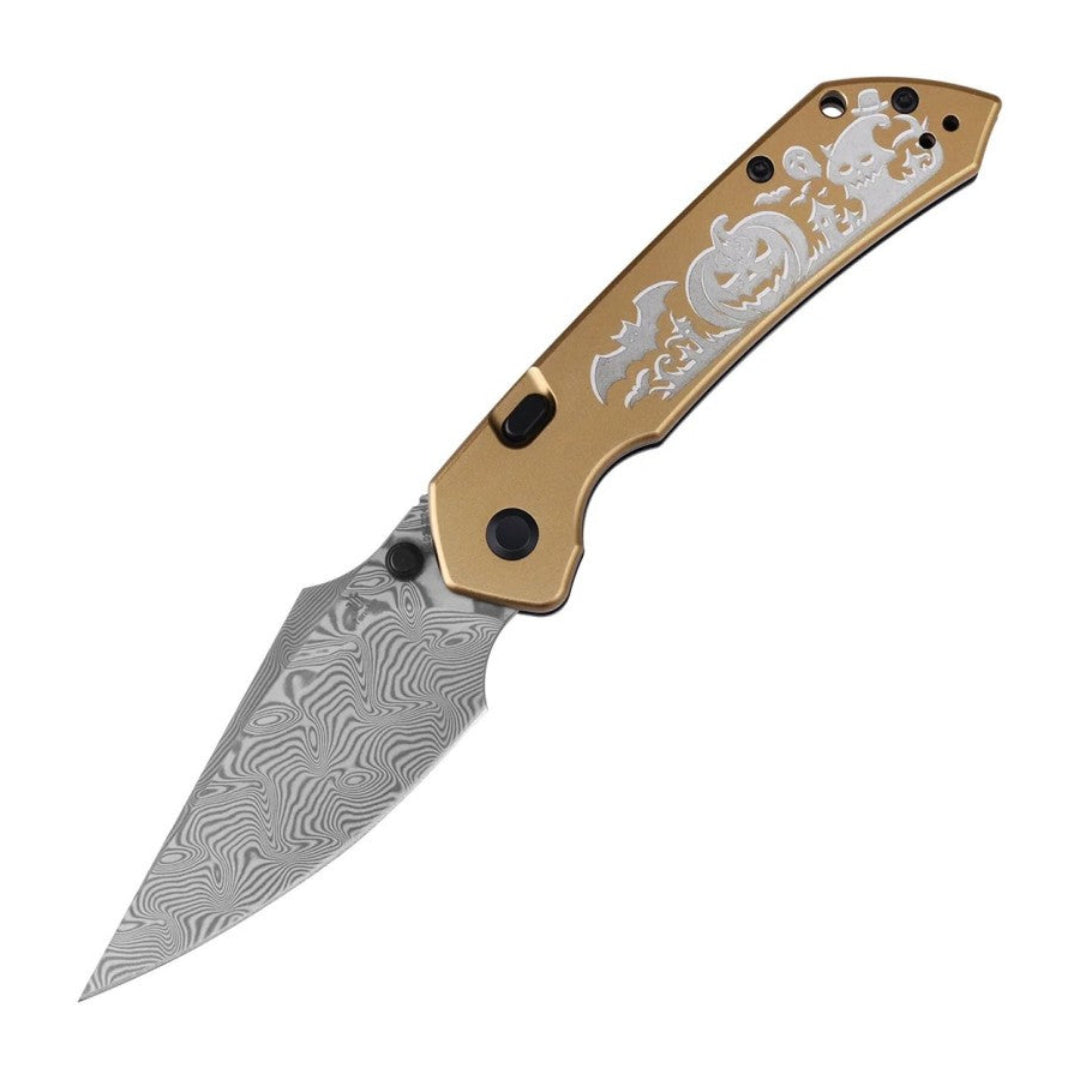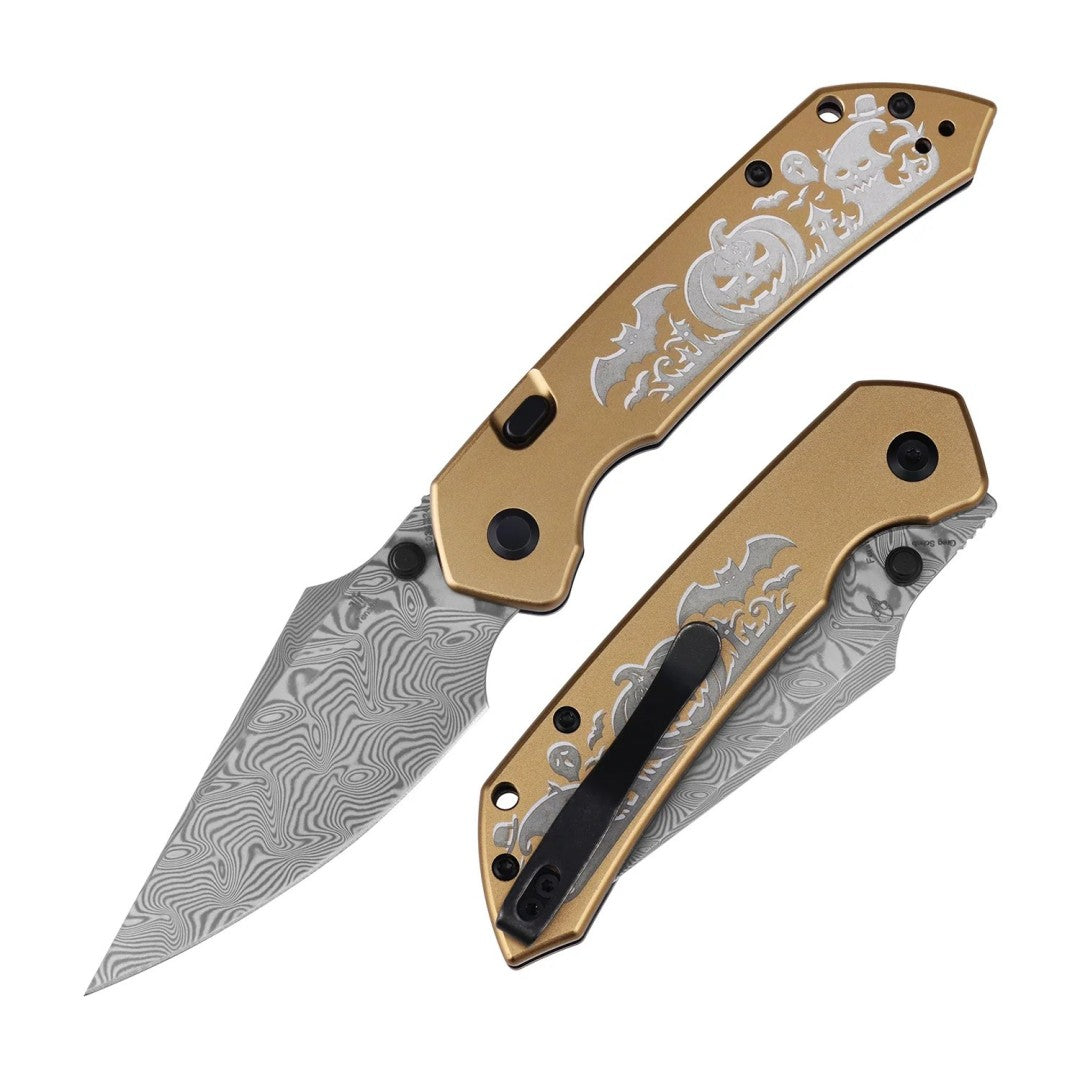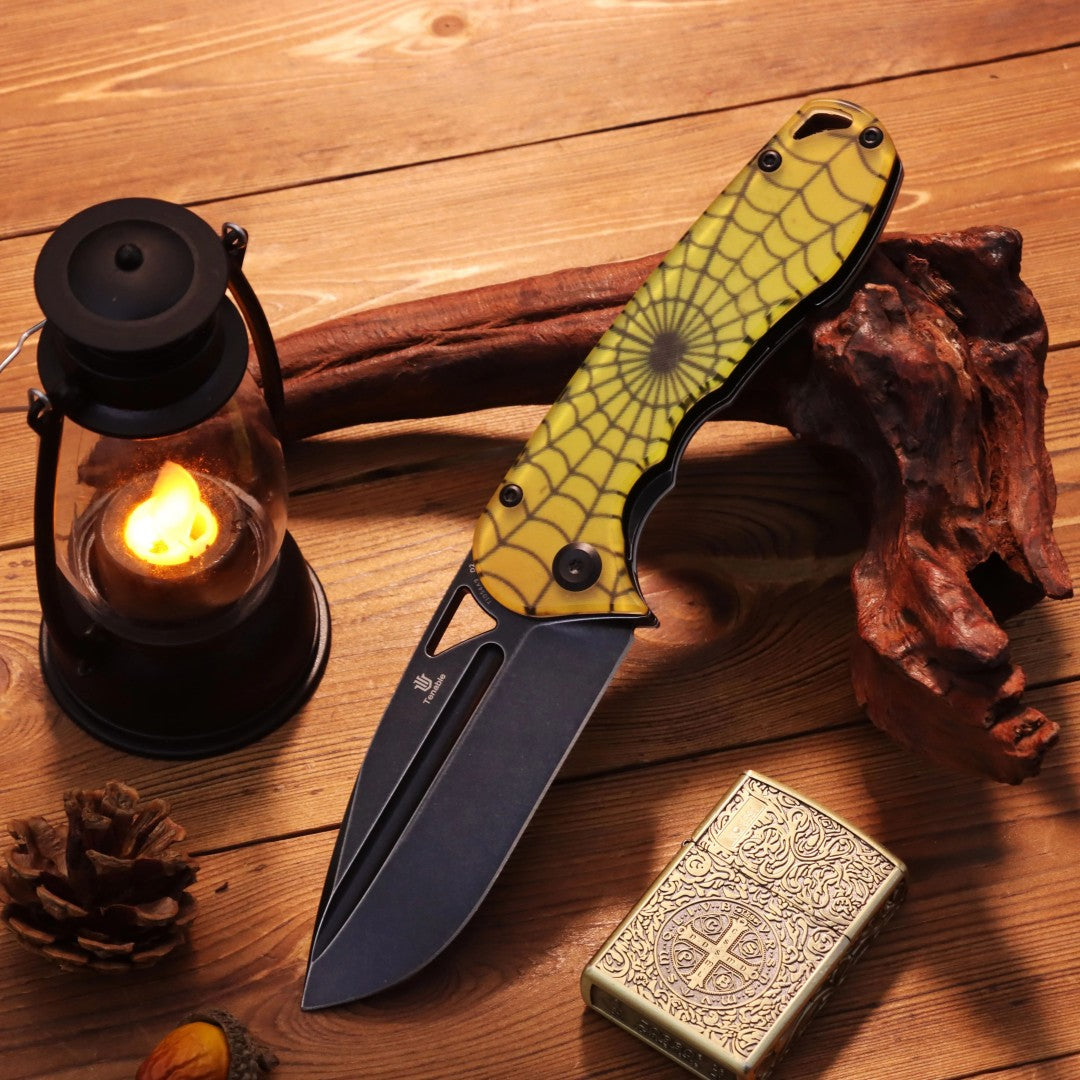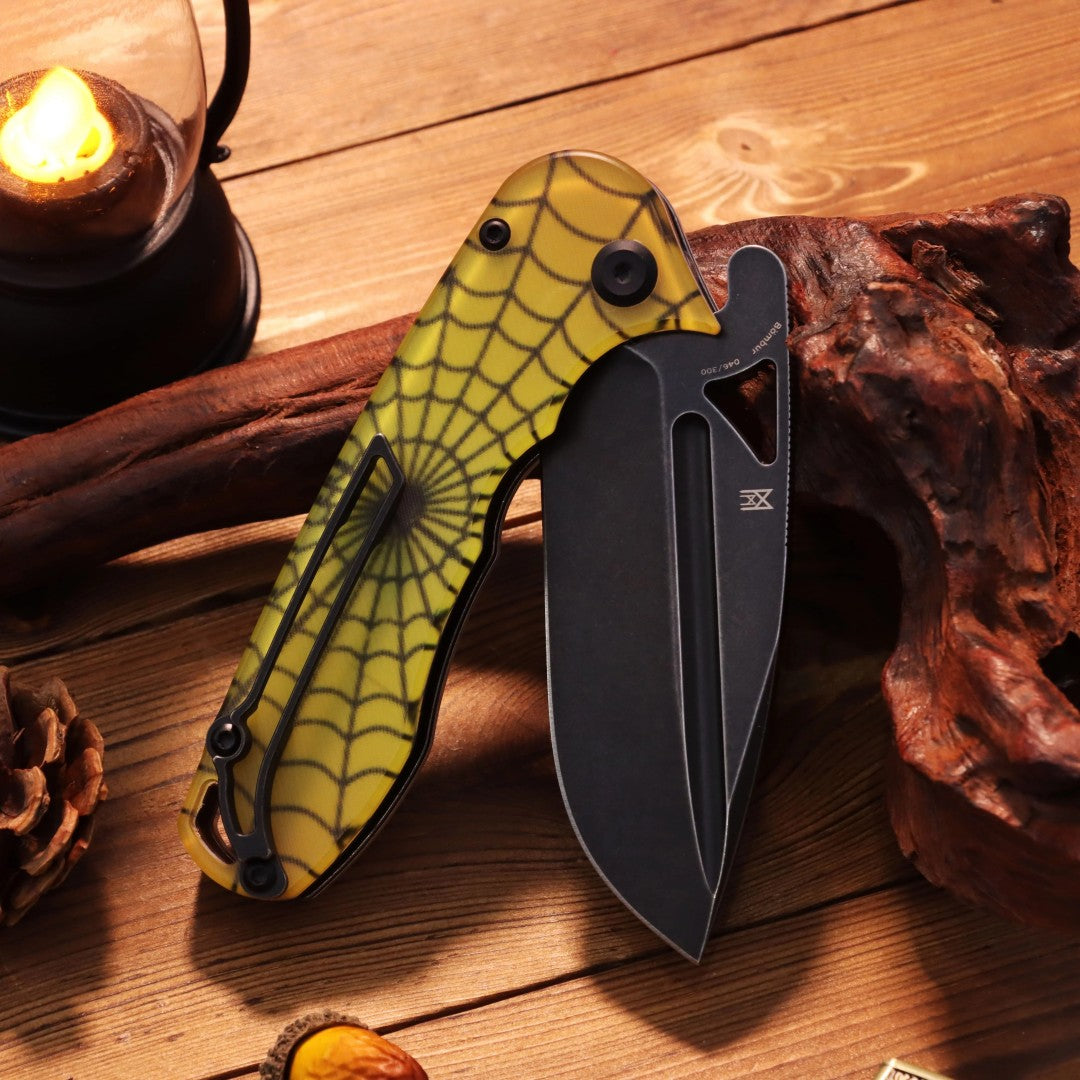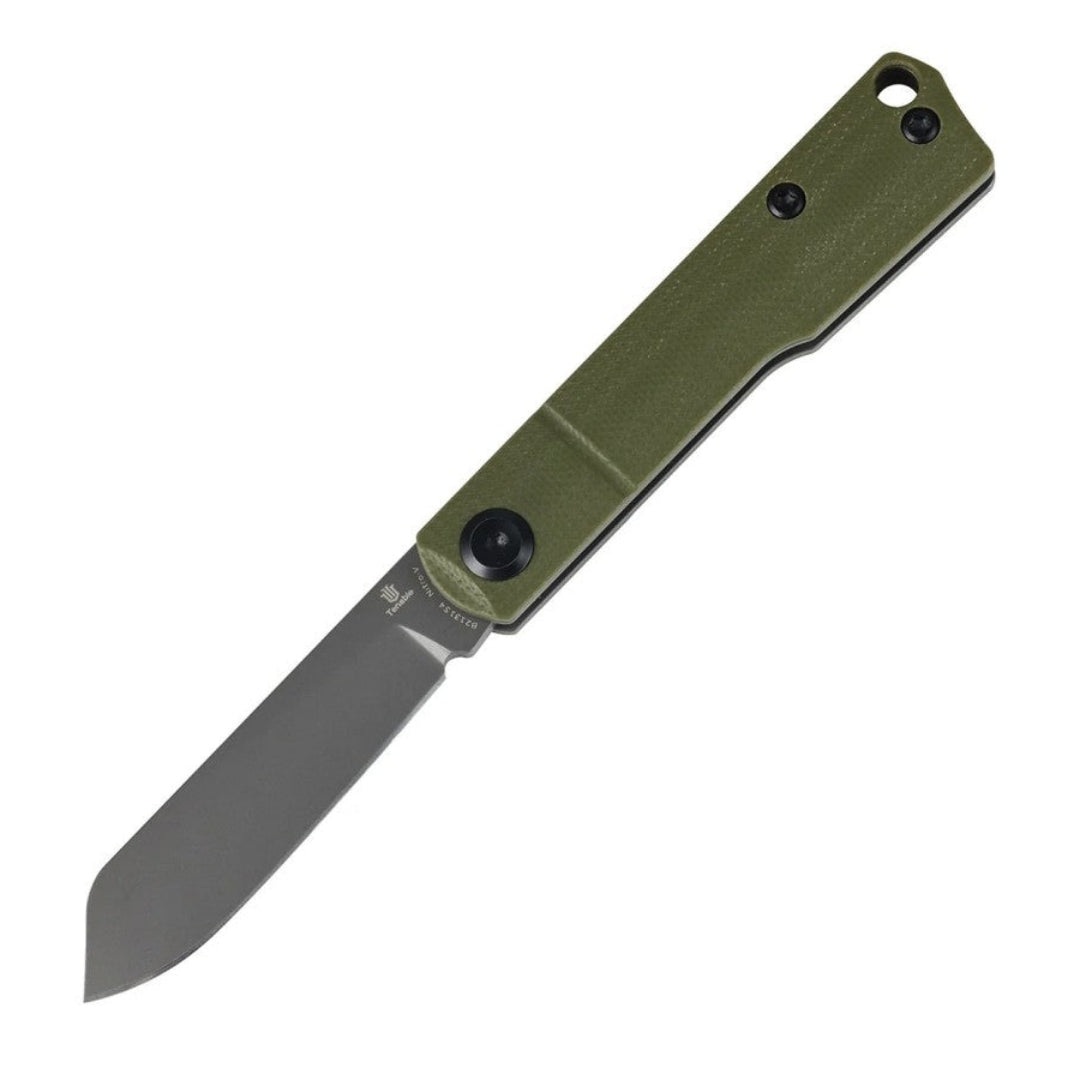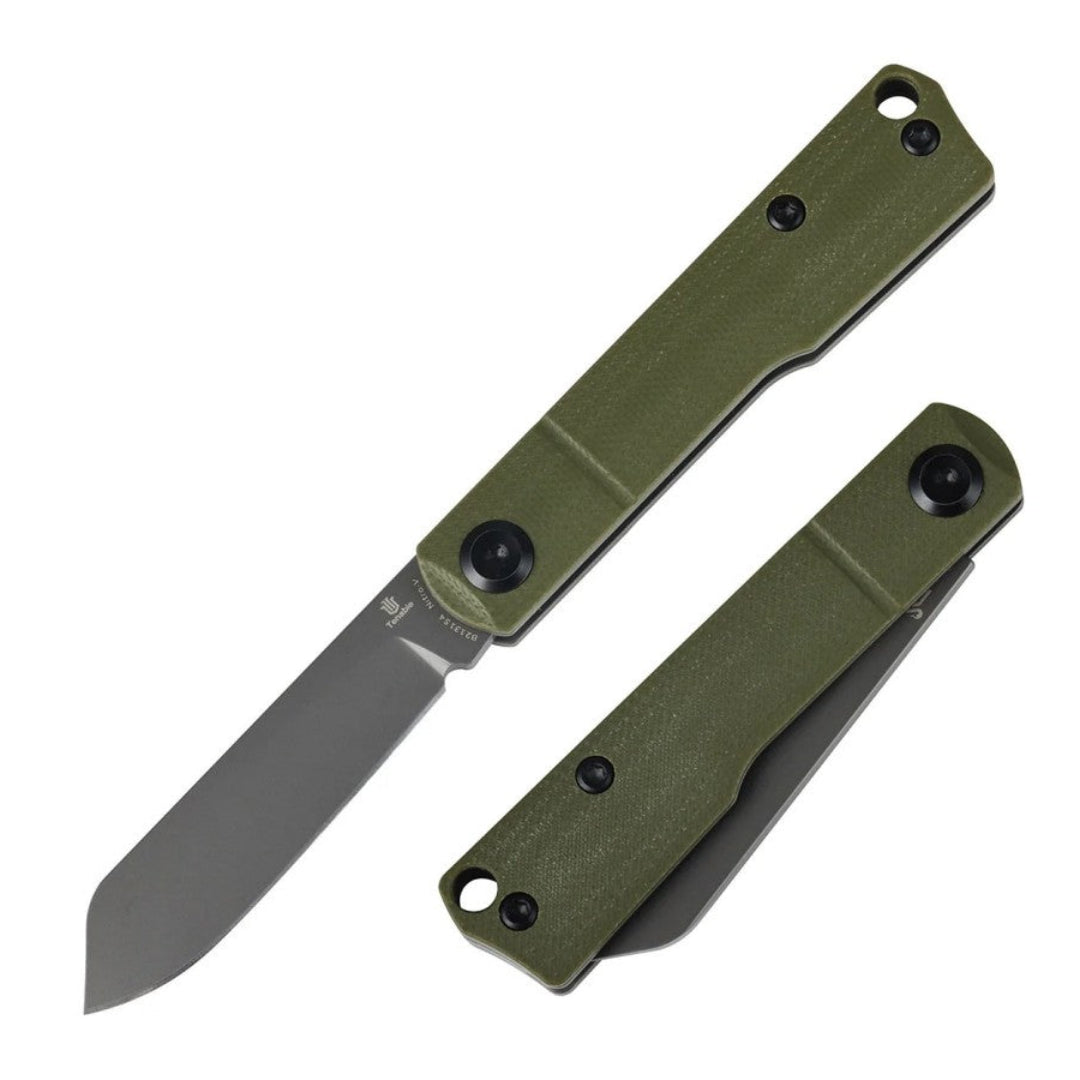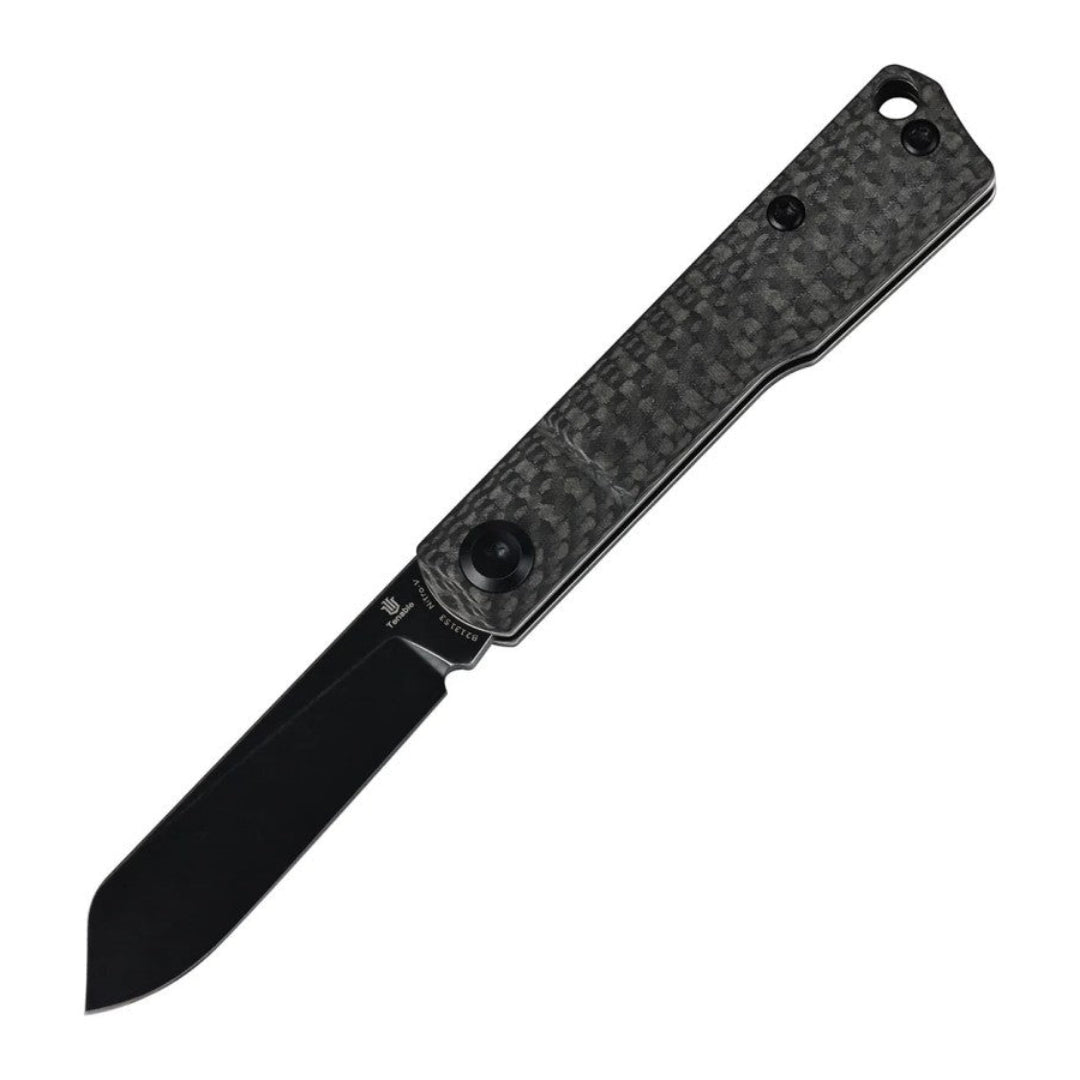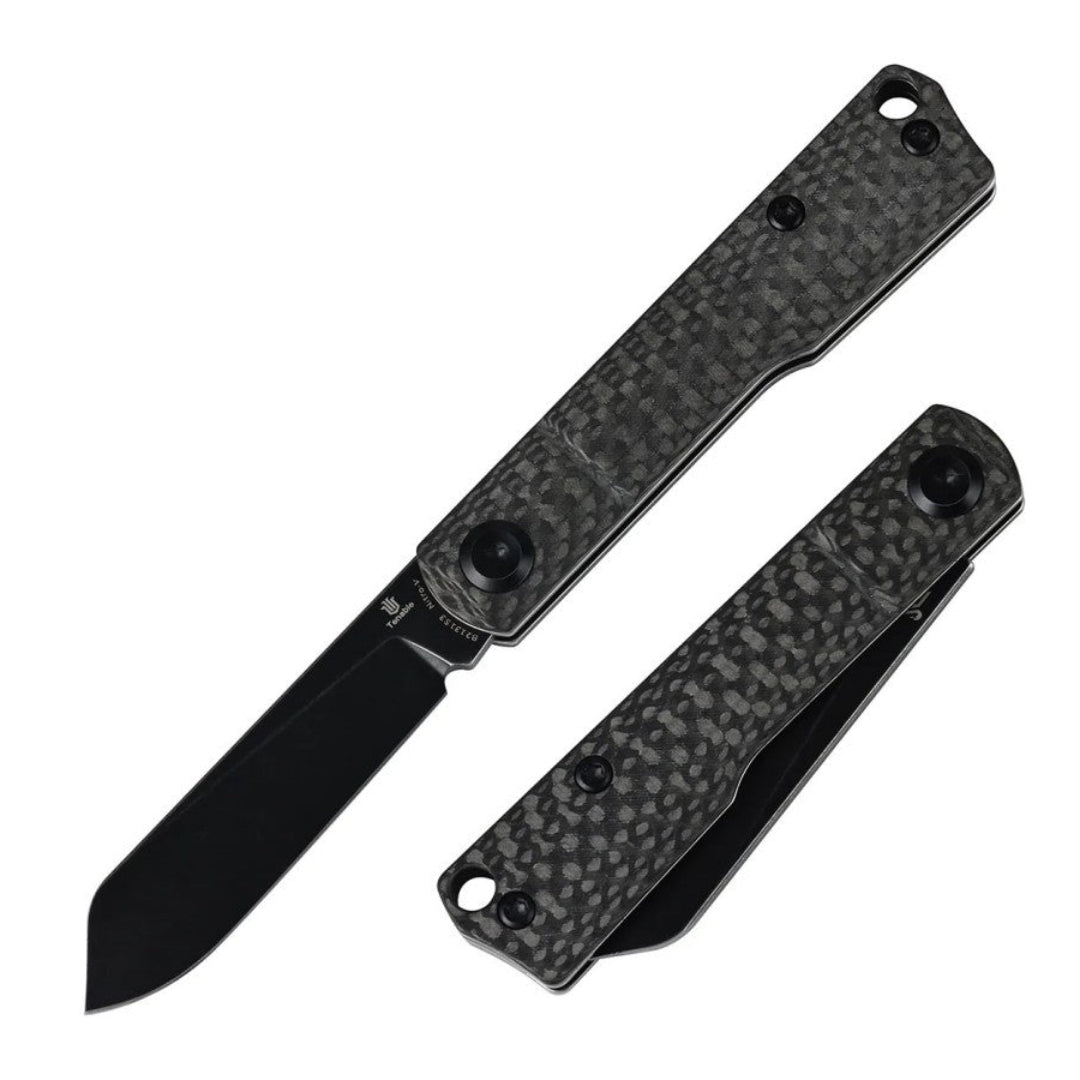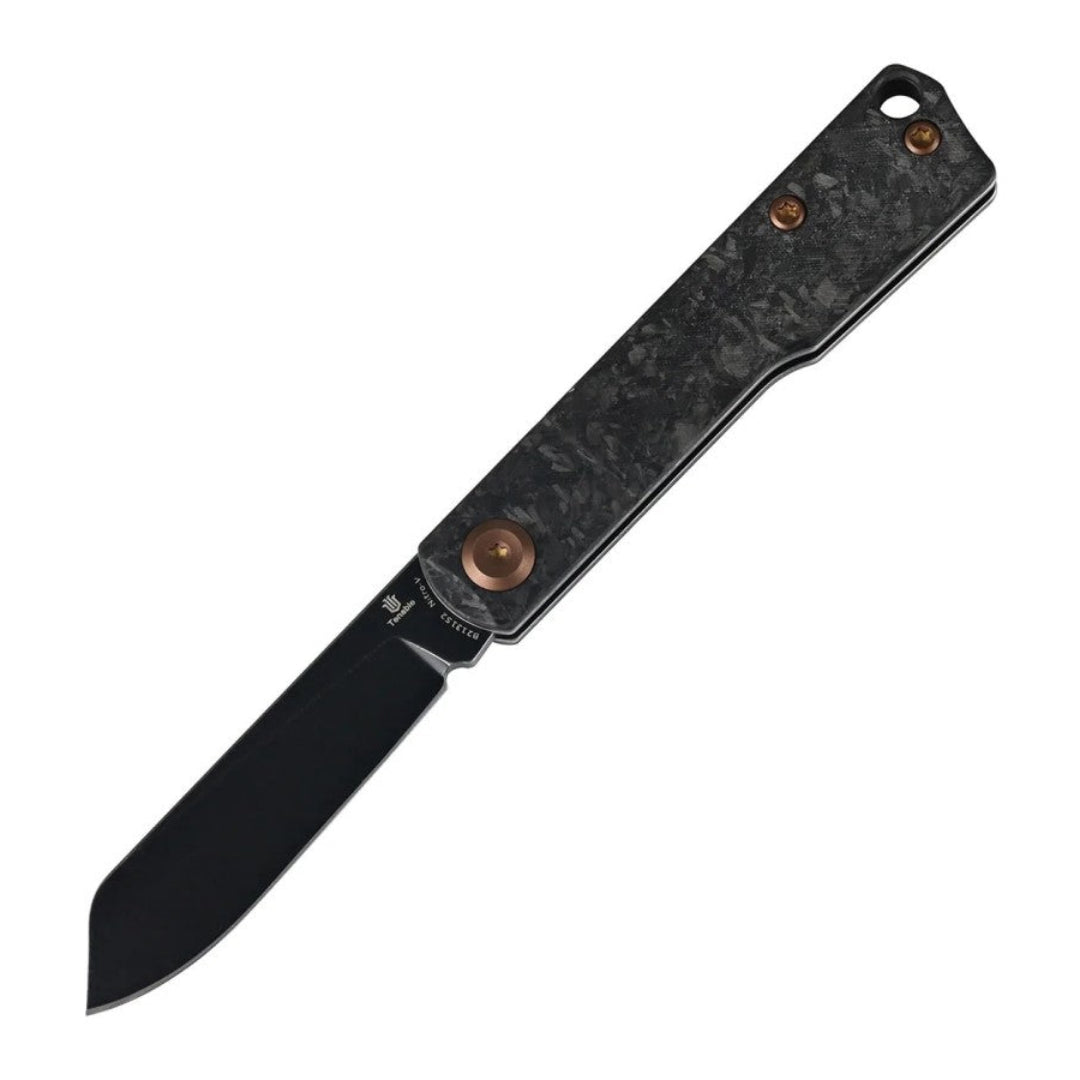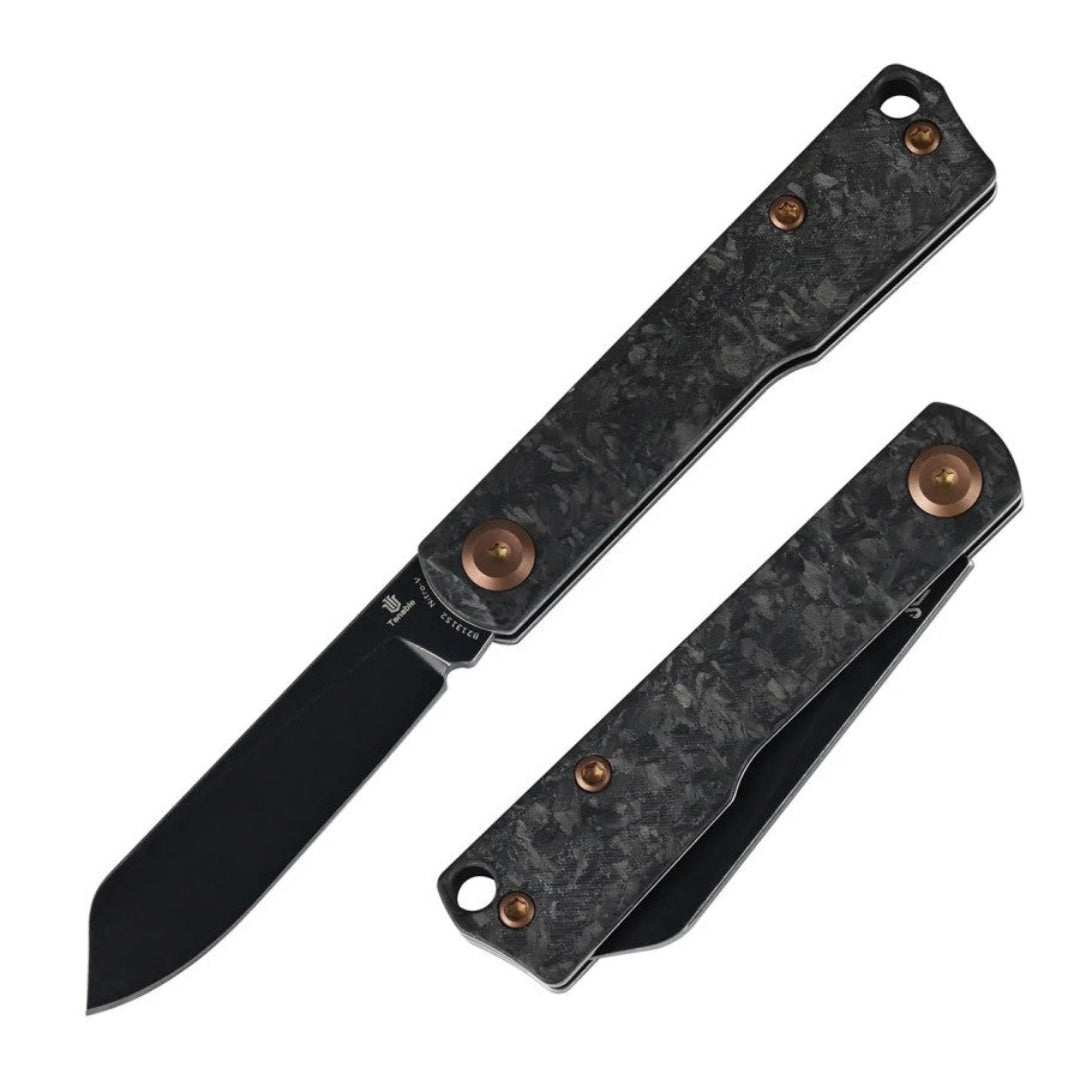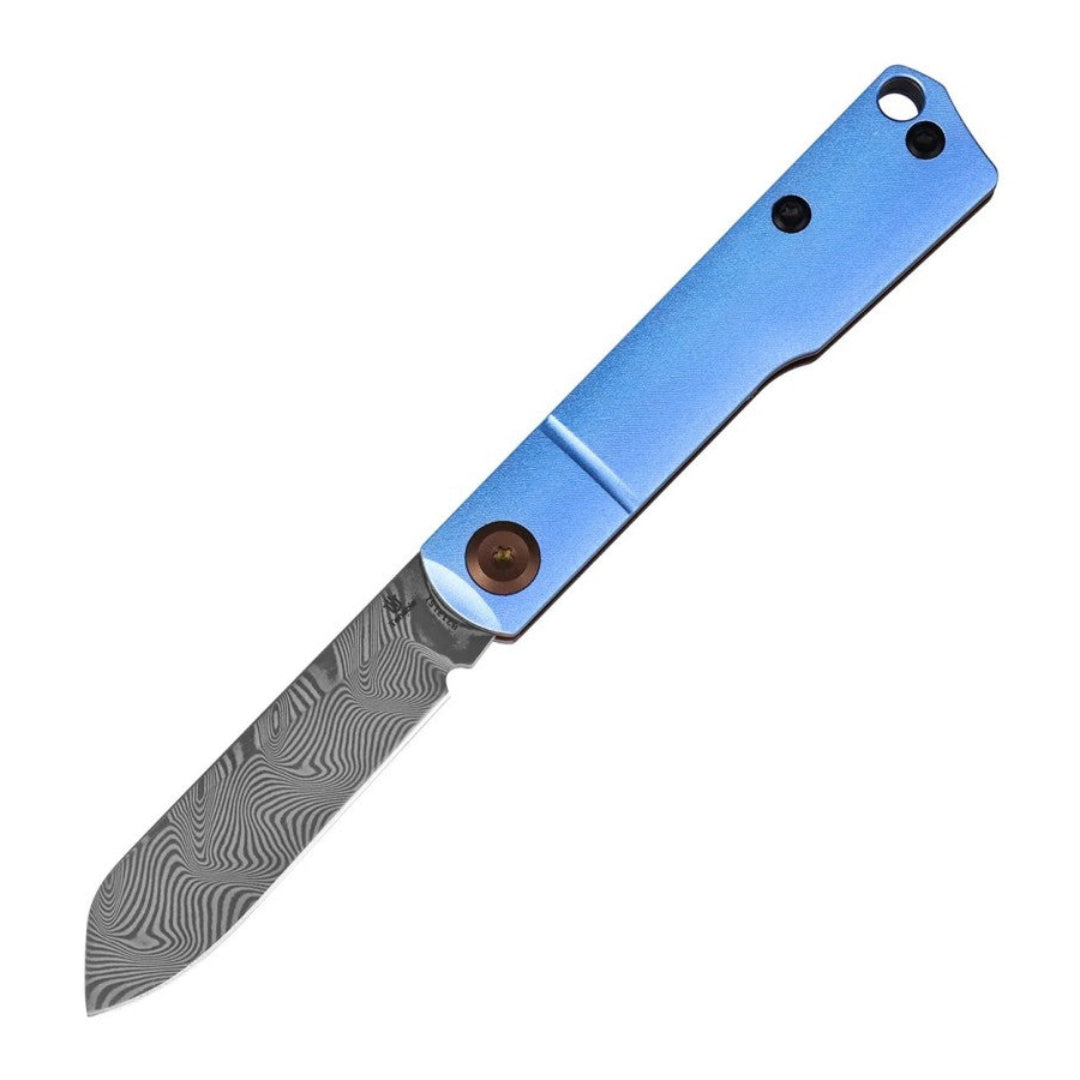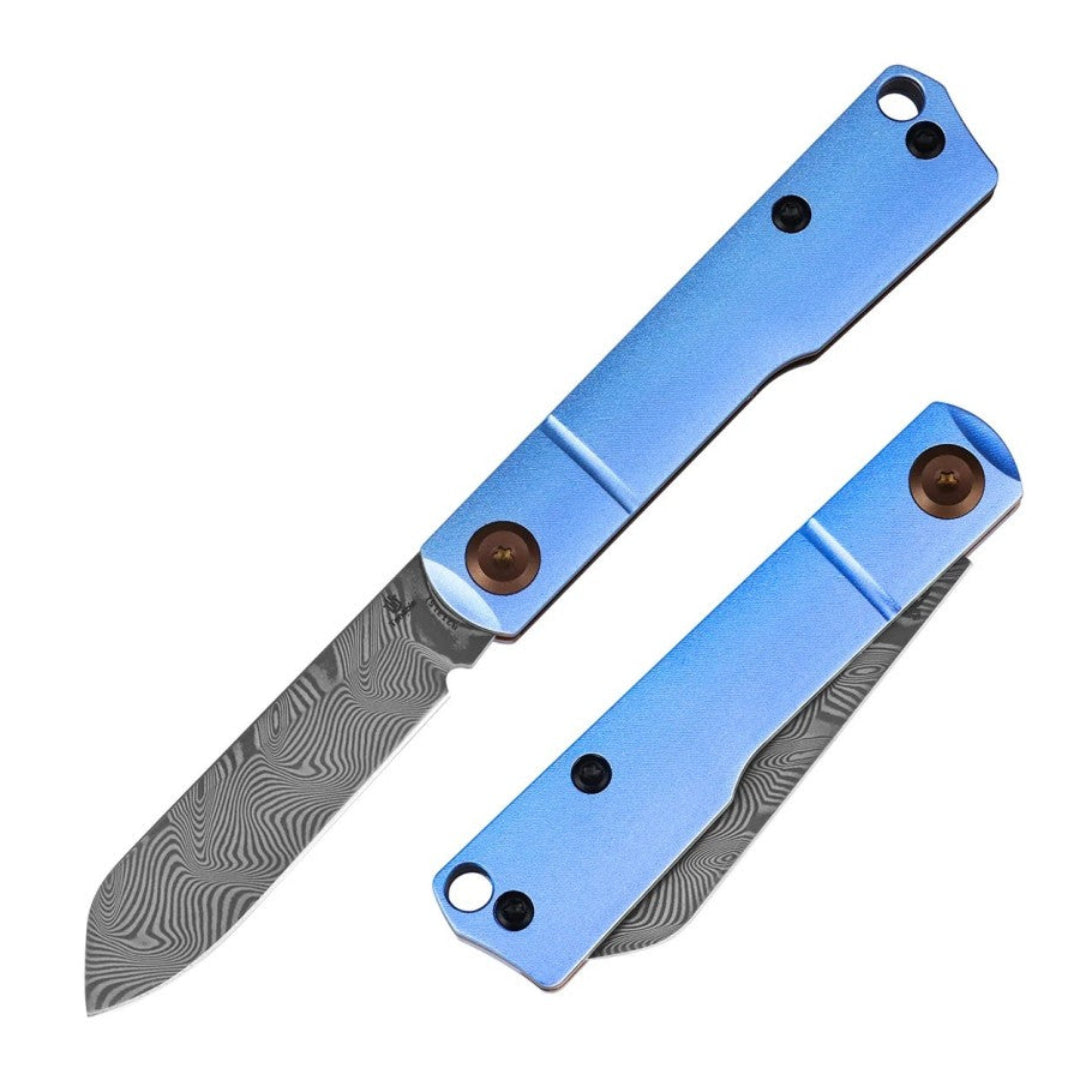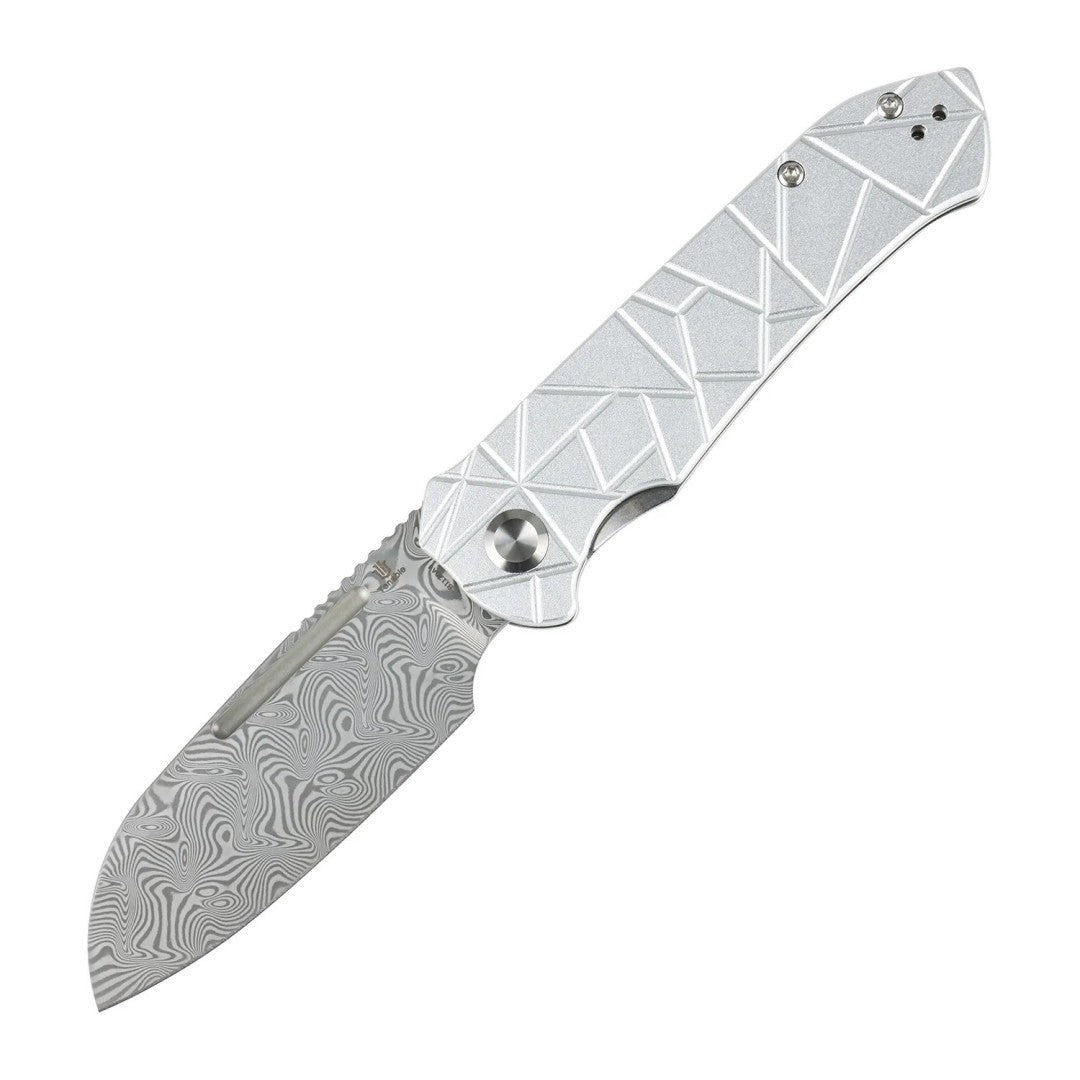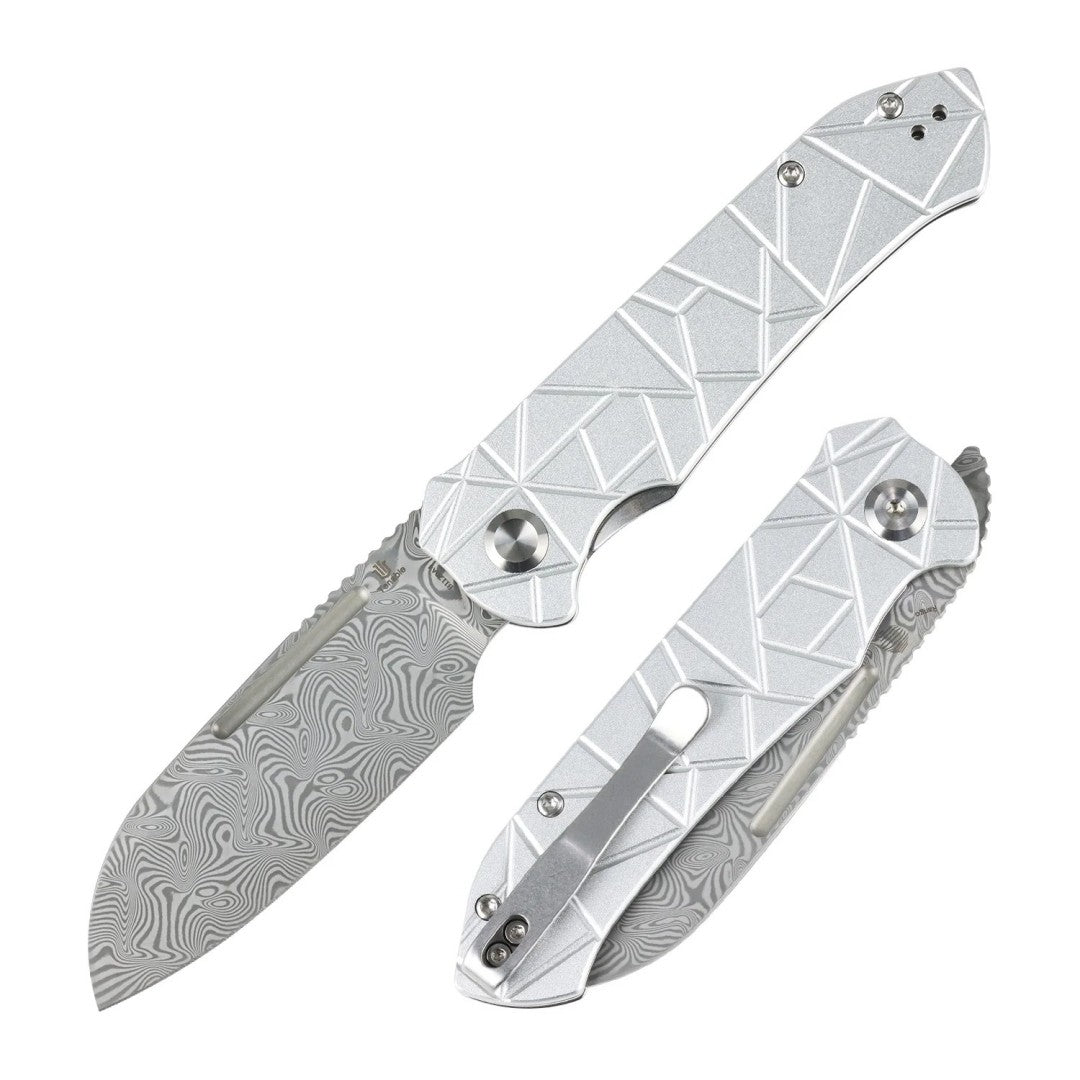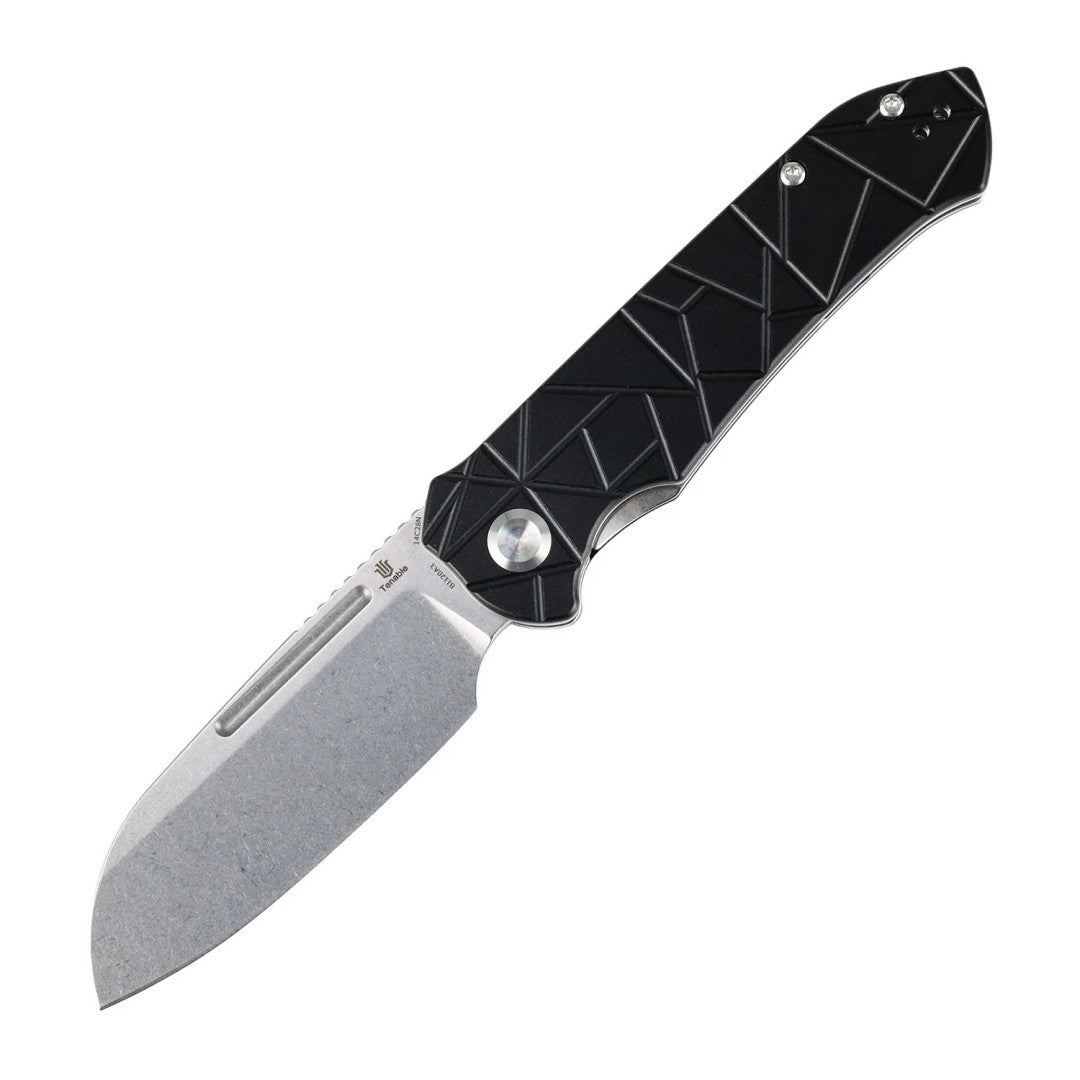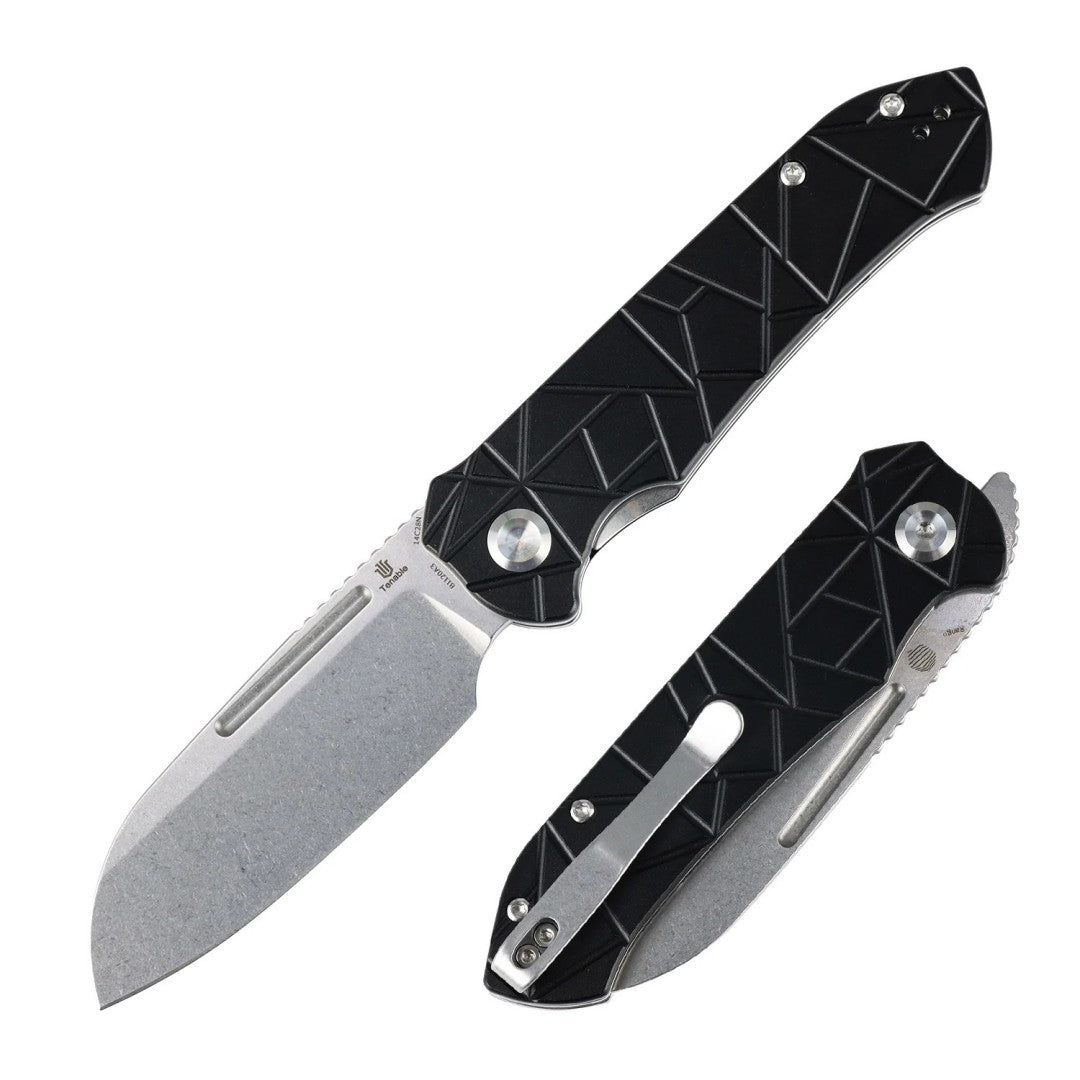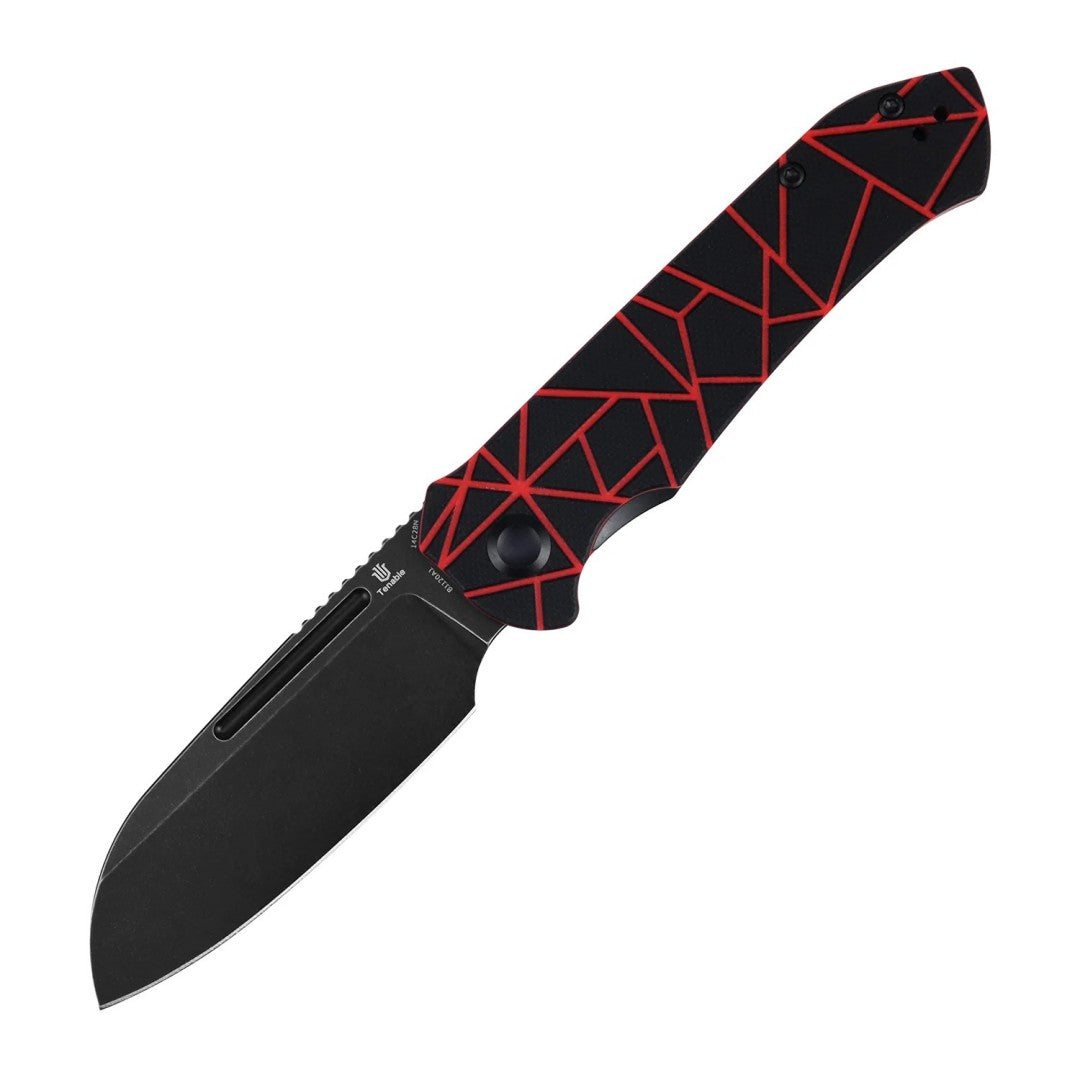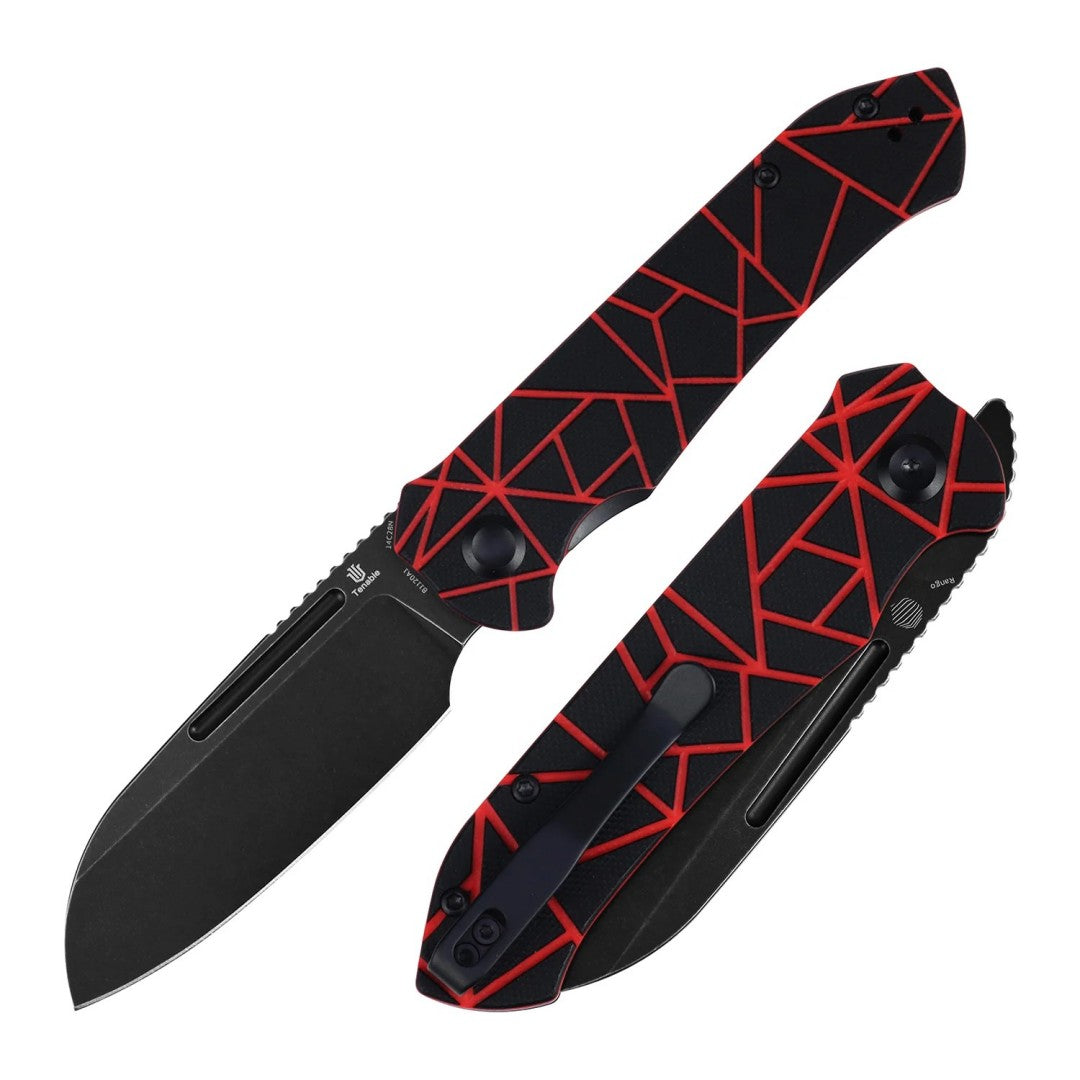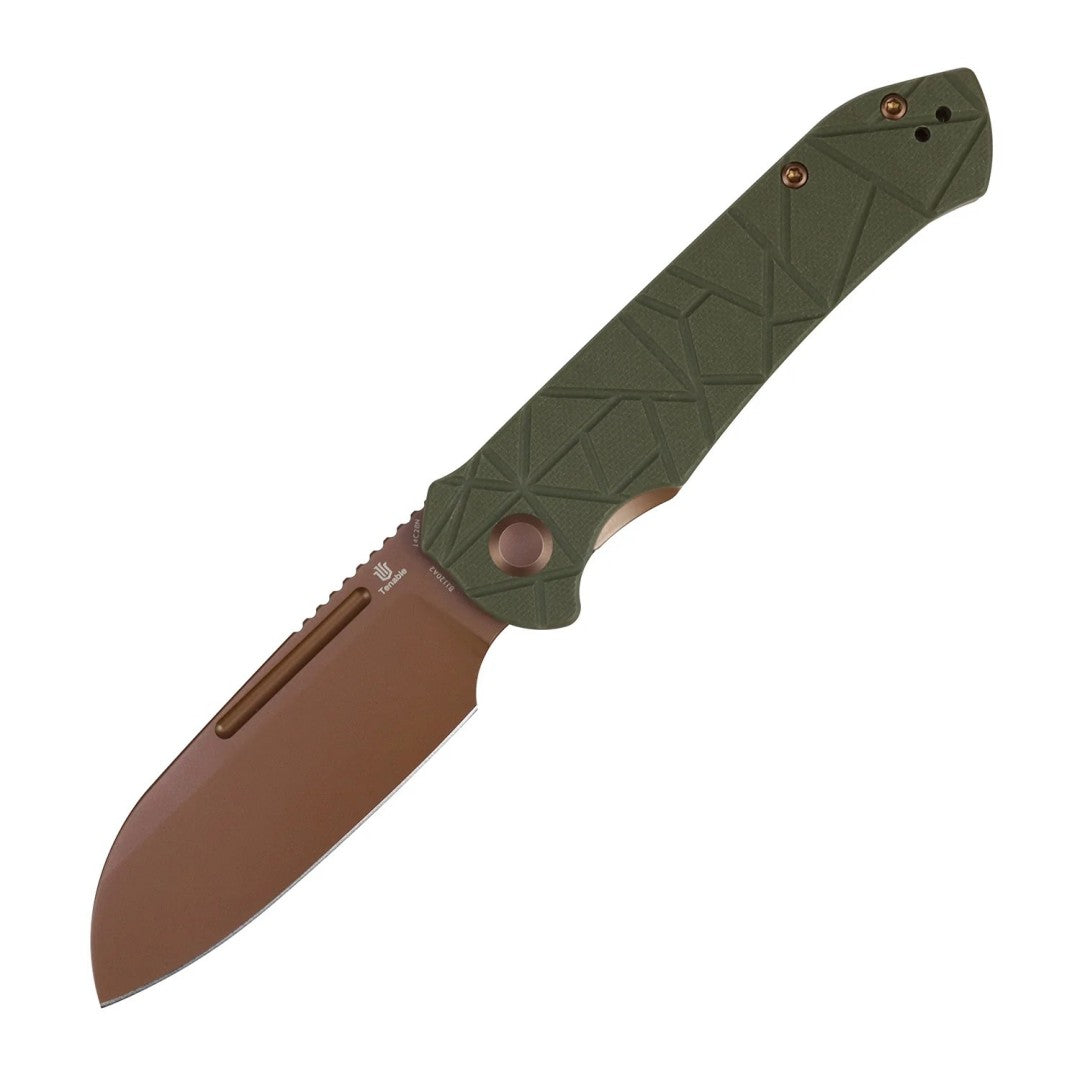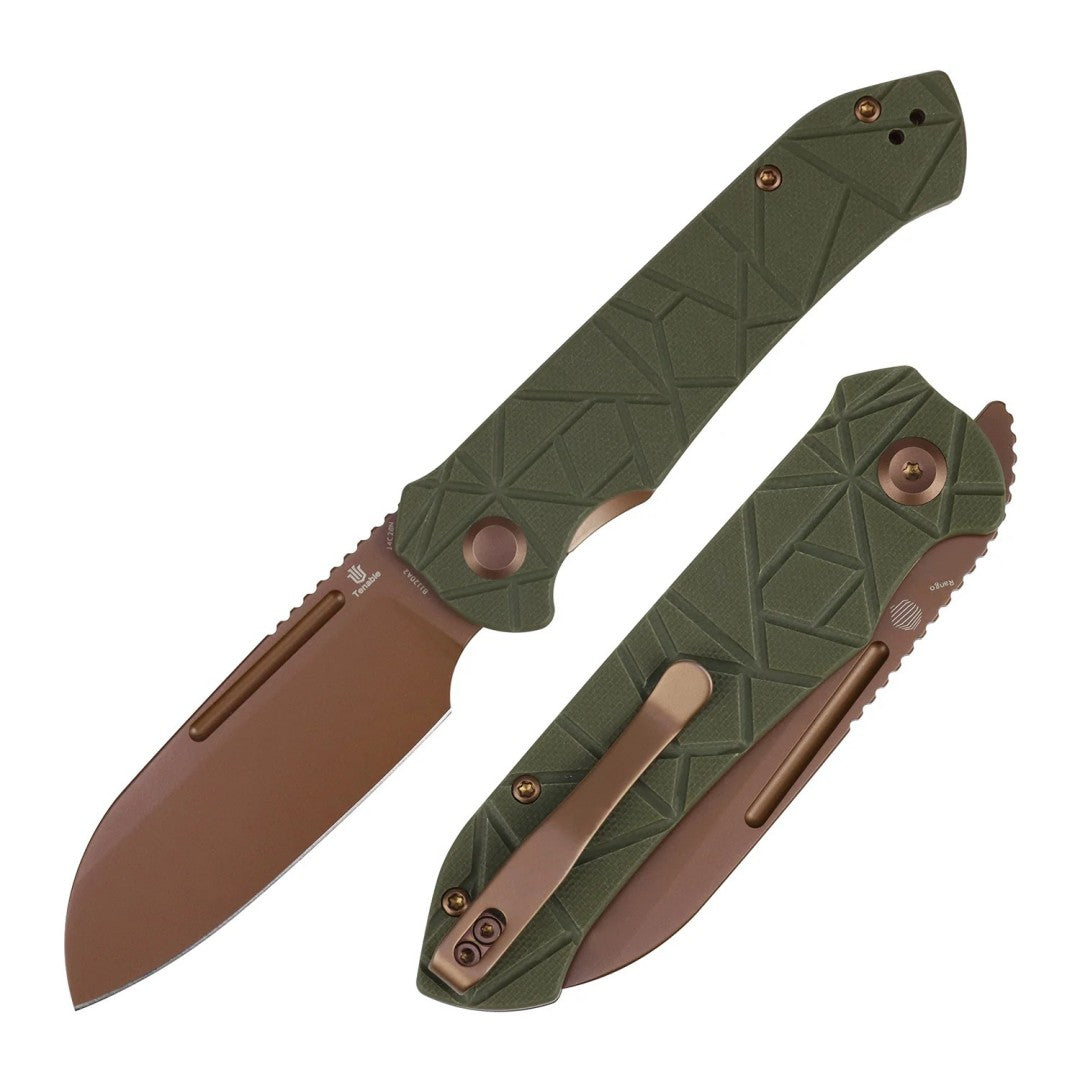

Safety during everyday carry involves both secure lock engagement when open and comfortable, snag-free carry when closed inside a pocket. When evaluating modern folding knives, the locking mechanism plays a central role in how the tool handles in the hand and sits alongside other pocket gear. The Kansept Mini Lanza utilizes an internal nested liner lock architecture that addresses key safety concerns common to traditional frame lock and exposed liner lock designs.
Conceived by custom knife maker Brandon Corbin and manufactured by Kansept, this folder pairs a 3.19-inch drop point blade with 3D-milled grade 6Al4V titanium handle scales. Analyzing how this internal locking structure functions highlights its safety benefits during active cutting and daily carry.
Structural Safety and Architectural Comparison
| Safety & Structural Metric | Internal Nested Liner Lock | Traditional Frame Lock | Exposed Liner Lock |
| Exterior Lock Exposure | Fully Shielded Inside Scale Channels | Exposed Lockbar Cutout on Outer Scale | Exposed Relief Slot on Outer Edge |
| Grip Pressure Effect | No Lock Binding Under Heavy Squeeze | Tight Palm Squeeze Binds Lockbar | Variable Depending on Liner Thickness |
| Snag Point Profile | Smooth, Flush Handle Flanks | Outer Cutout Edges Can Catch Gear | Outer Scale Gaps Can Trap Fabric |
| Structural Protection | Titanium Outer Wall Shields Lock Leaf | Lockbar Exposed to Direct Side Impacts | Exposed to Lateral Bending Force |
 Preventing Palm-Induced Lock Binding
A primary safety advantage of the nested lock system is how it isolates hand pressure from the locking leaf during heavy use. With a conventional frame lock, squeezing the handle tightly forces the user's palm directly against the exposed lockbar relief cutout.
By housing the stainless steel locking leaf entirely within CNC-milled channels inside the solid titanium handle wall, external palm pressure cannot press against the lock spring during heavy push cuts.
This internal isolation delivers two functional safety outcomes:
-
Eliminates Lock Jamming: Tight grips during heavy cardboard breakdown or wood shaving will not wedge the lock interface tighter against the blade tang, ensuring smooth, predictable lock disengagement when work is done.
-
Prevents Accidental Lock Movement: External forces or unexpected hand shifts across the handle scales cannot dislodge or twist the lockbar sideways while the blade is deployed under load.
Eliminating Pocket Snag Points and Fabric Wear
Carrying a folder safely in a pocket alongside keys, wallets, or phone screens requires a streamlined handle geometry. Traditional frame locks feature deep relief notches cut through the exterior scale face, creating sharp inner corners that can snag clothing or scratch neighboring objects.
The nested design maintains unbroken exterior titanium handle walls. Coupled with smooth 3D perimeter chamfering and a sculpted titanium pocket clip, the handle profile slides in and out of denim or slacks smoothly. Eliminating exterior lock cutouts prevents pocket lining from catching on the lock leaf when withdrawing the knife.
 Reliable Blade Retention and Smooth Deployment
Safety also extends to secure blade retention when the folder is closed inside a pocket. The nested locking spring houses a detent ball that seats into a detent hole on the blade tang, keeping the blade closed until intent is applied via the dual thumb studs. Riding on a tuned ceramic ball-bearing pivot, the blade deploys with control without requiring a protruding flipper tab that could catch on pocket edges.
When paired with high-wear blade steels like CPM-20CV or pattern-welded Damascus, the nested lock mechanism ensures that structural safety and sleek design work together for a refined daily carry experience.