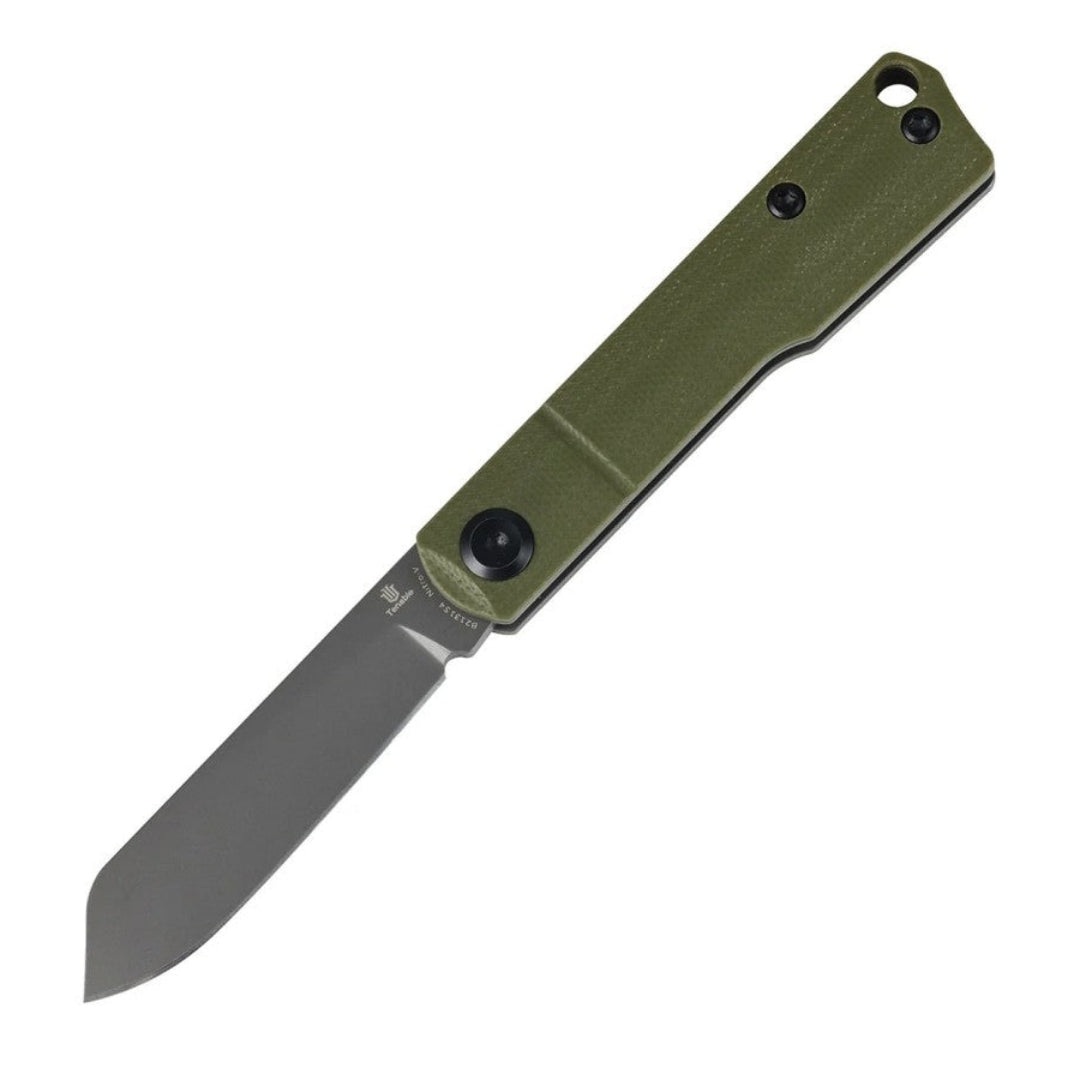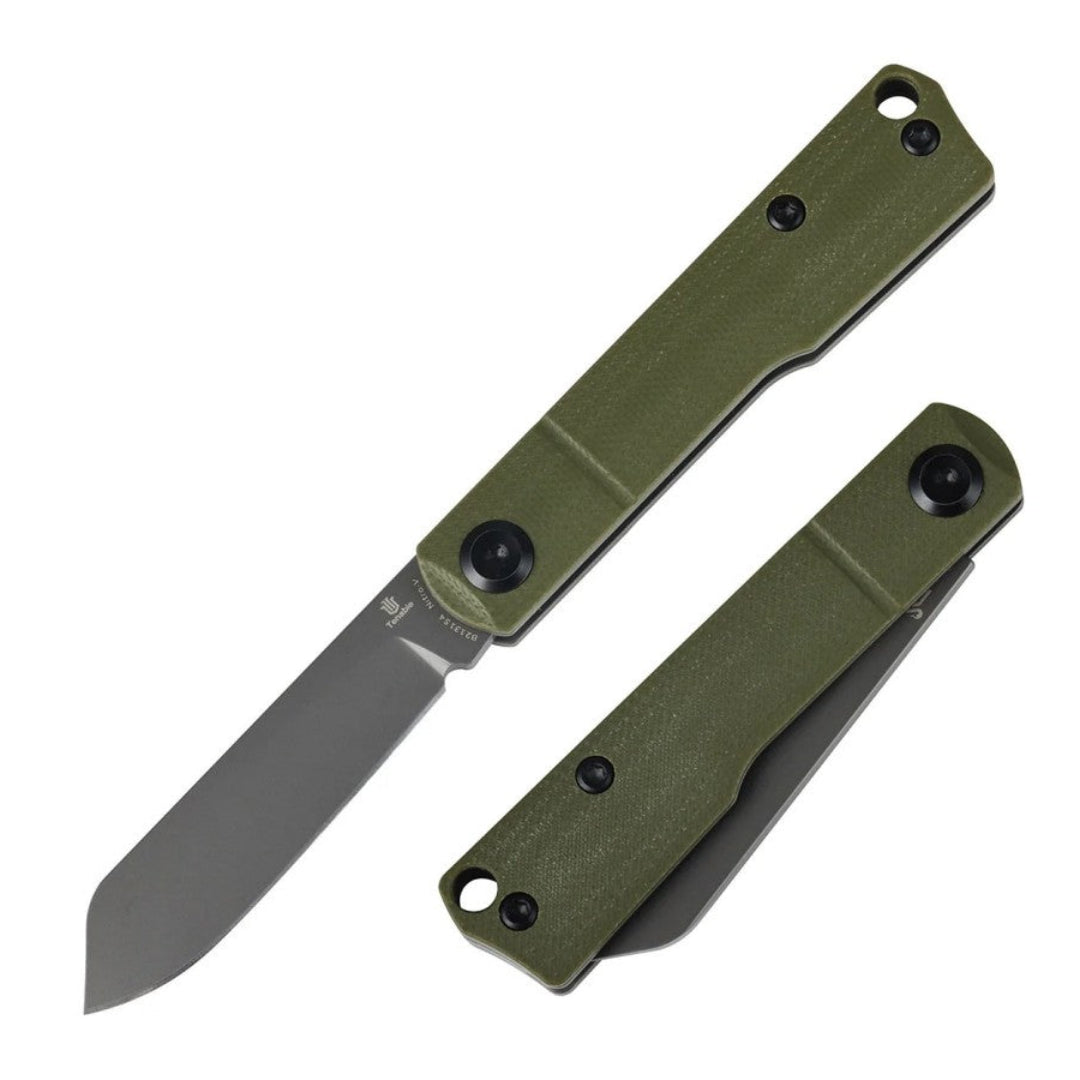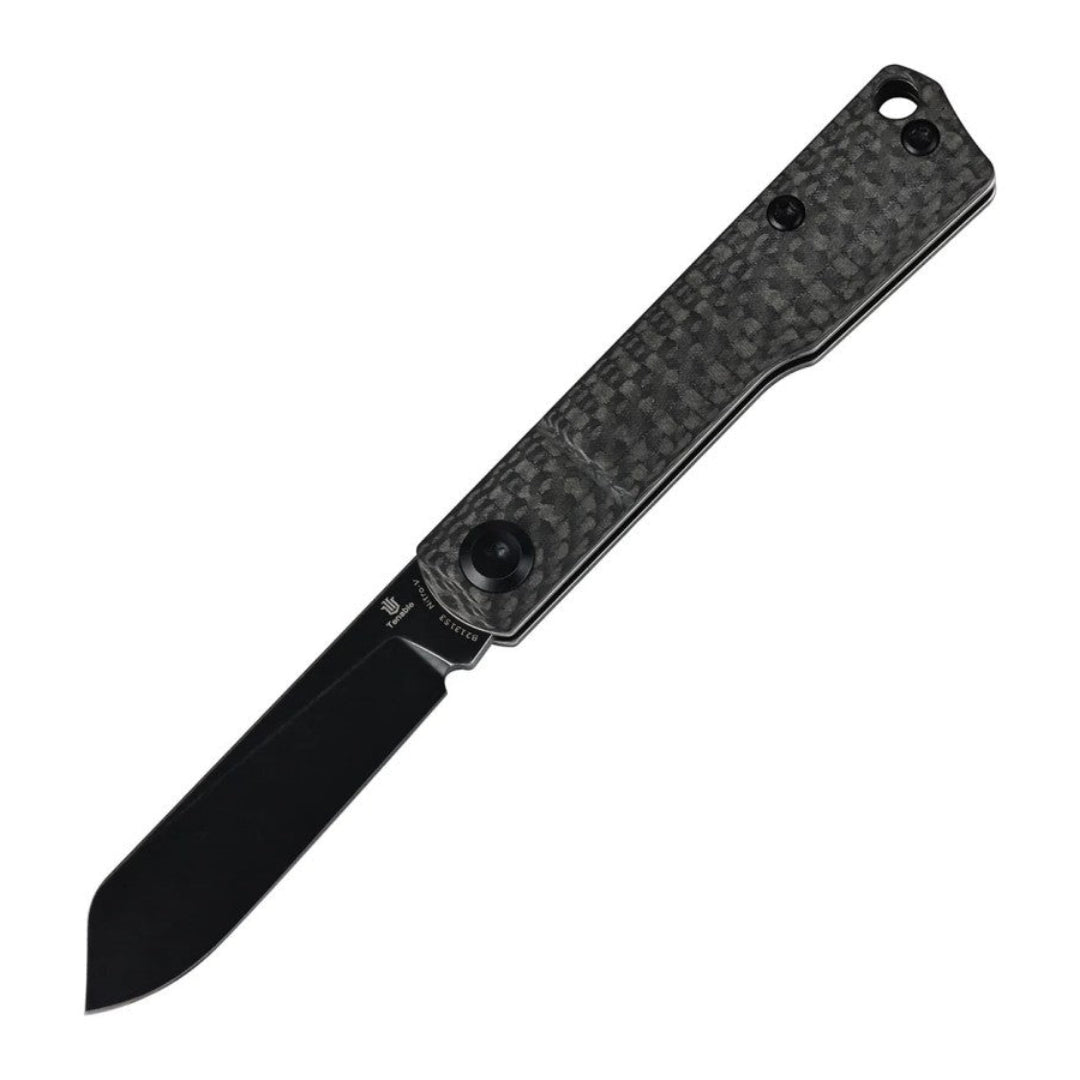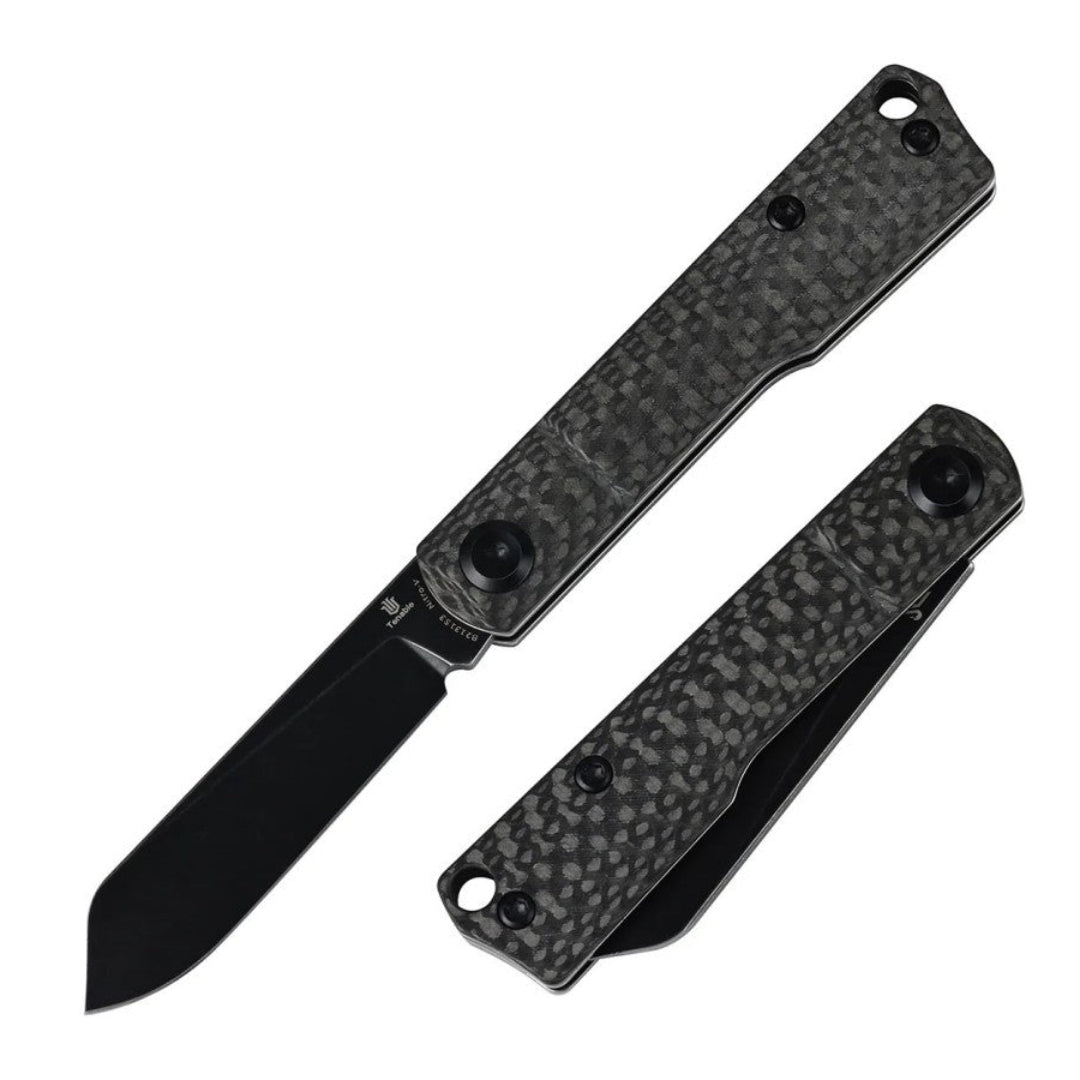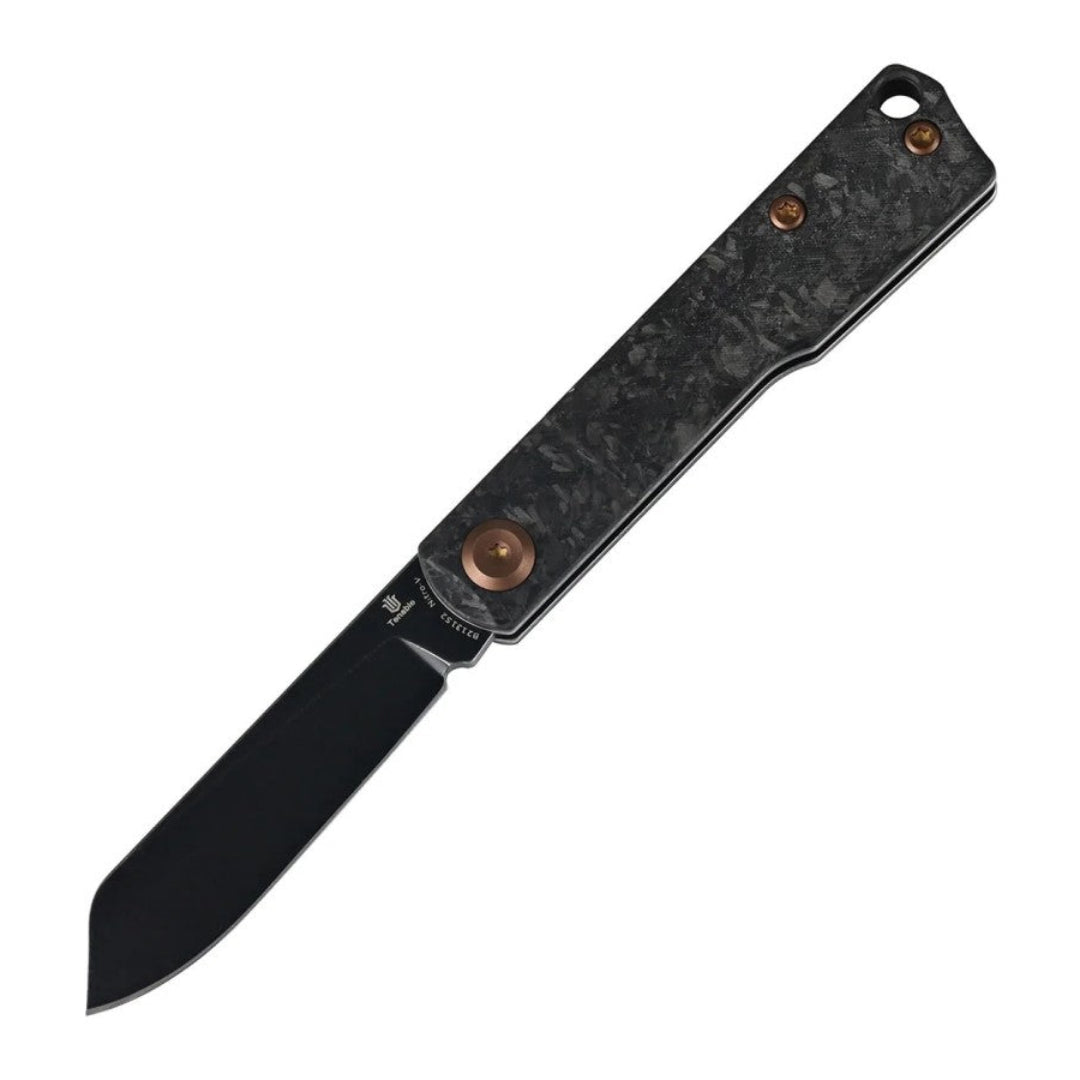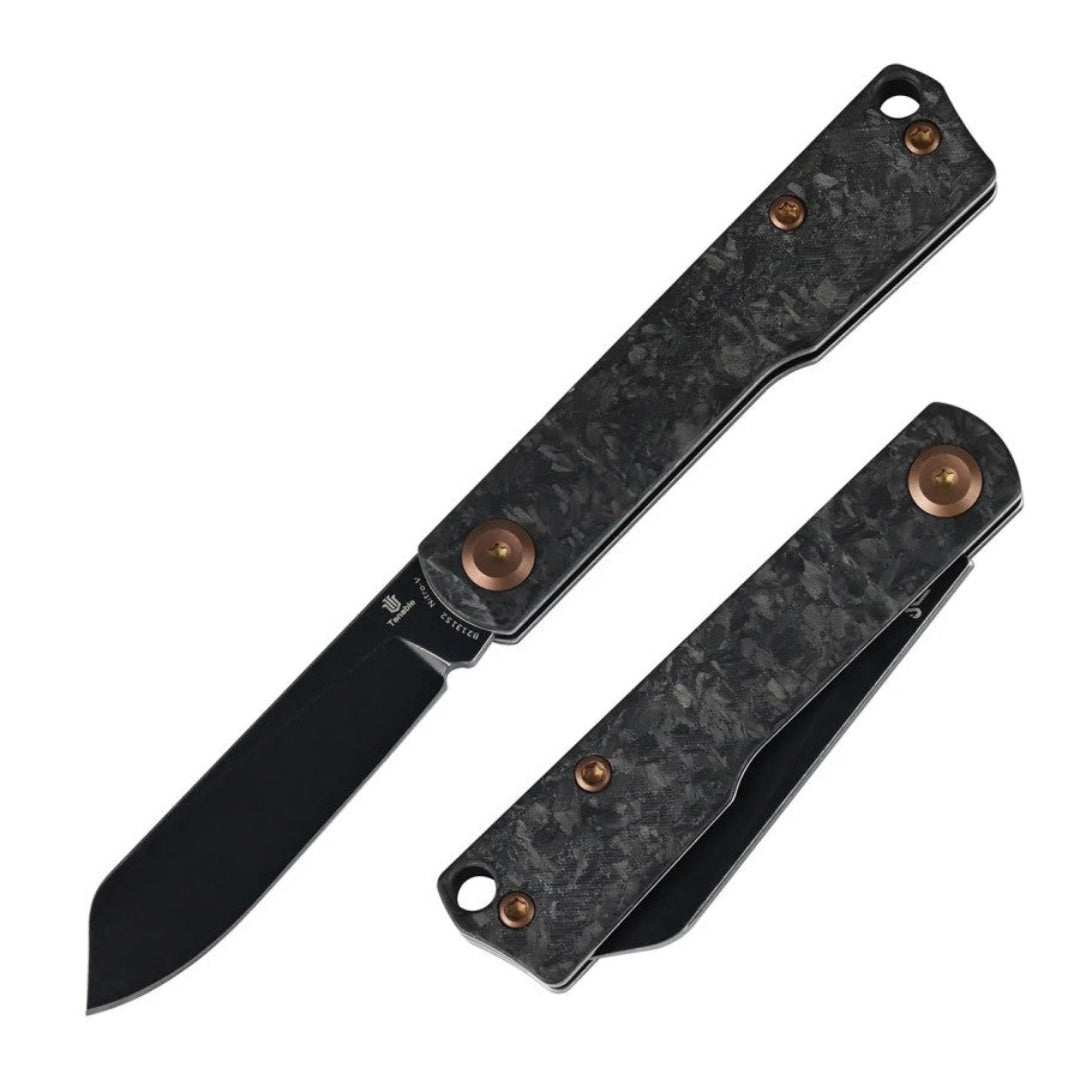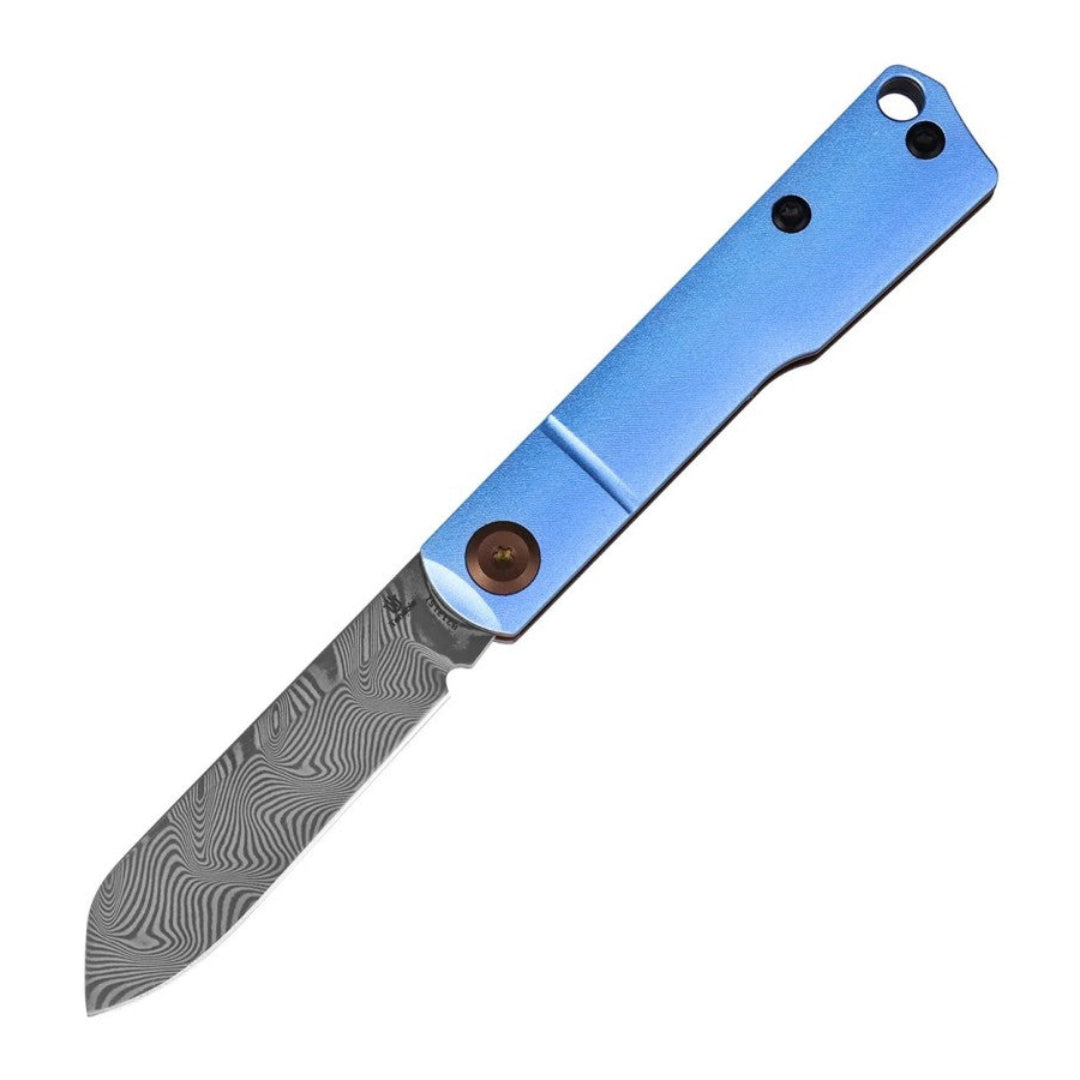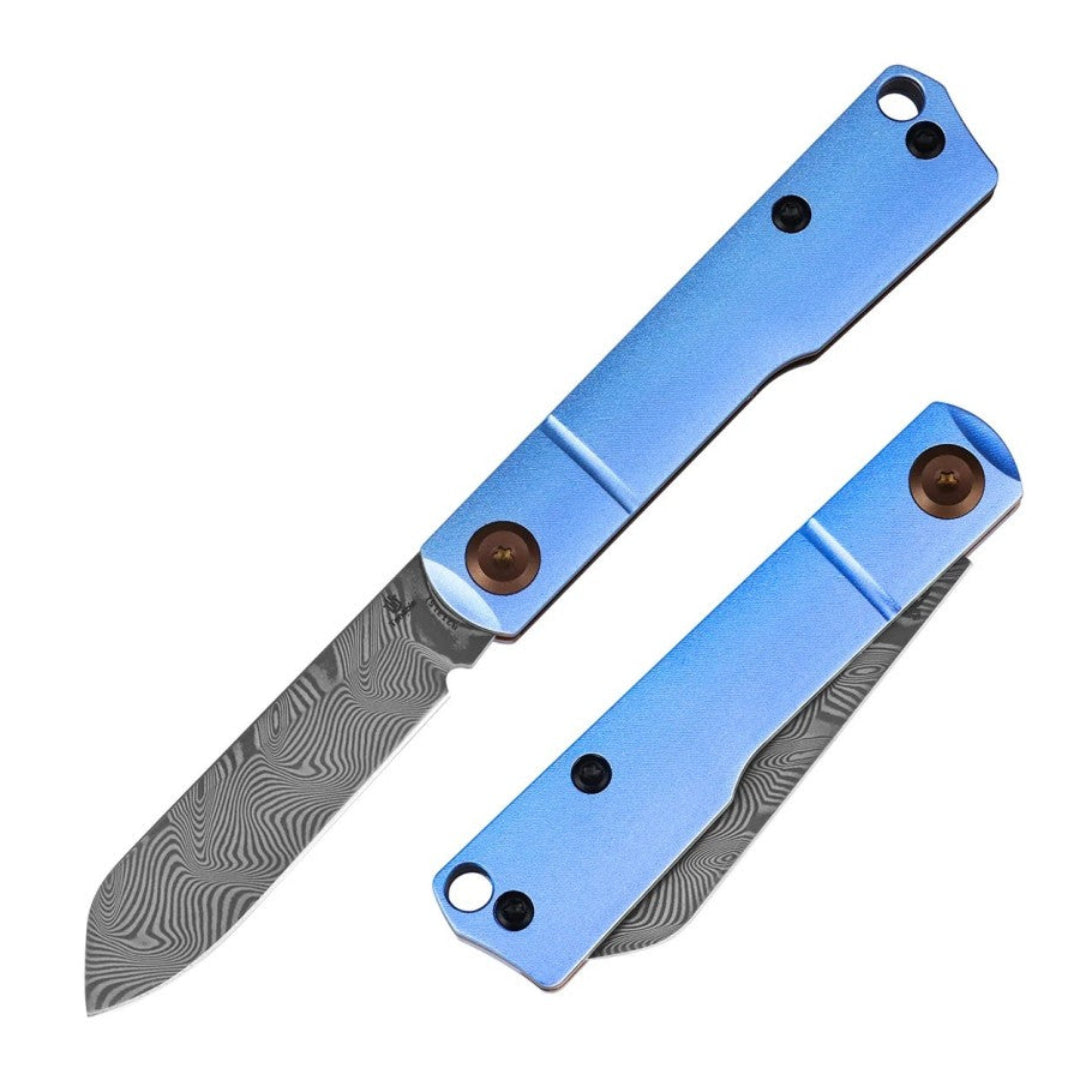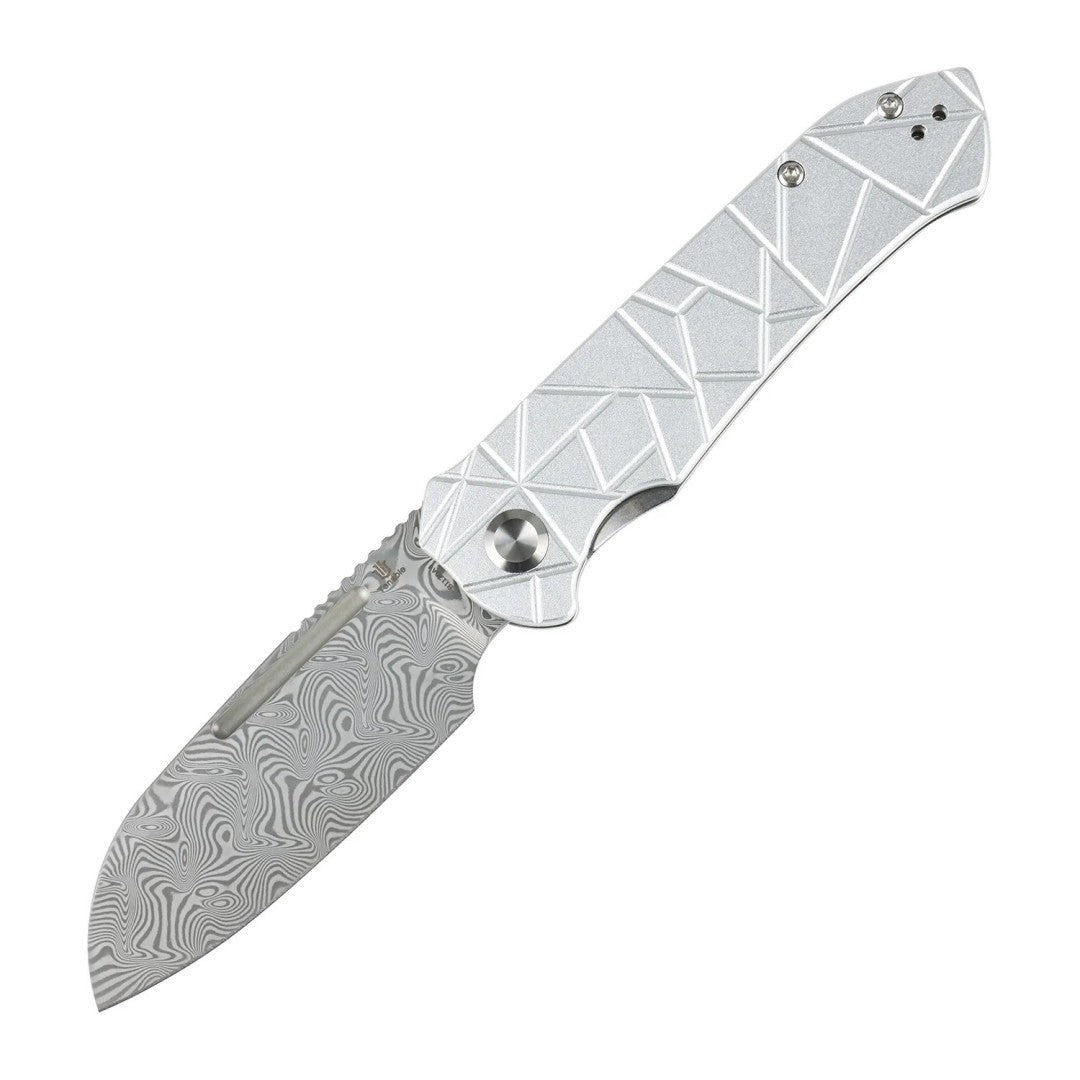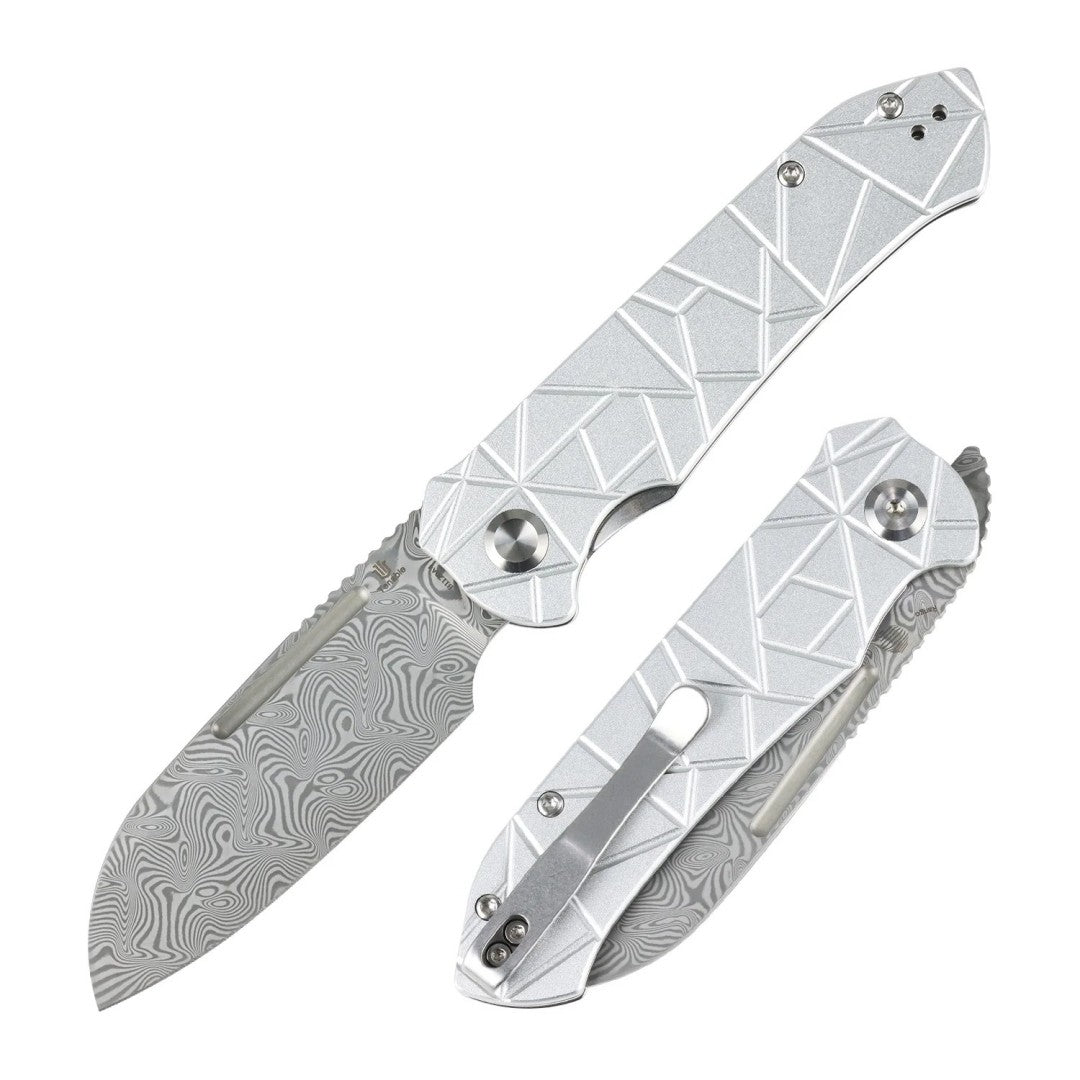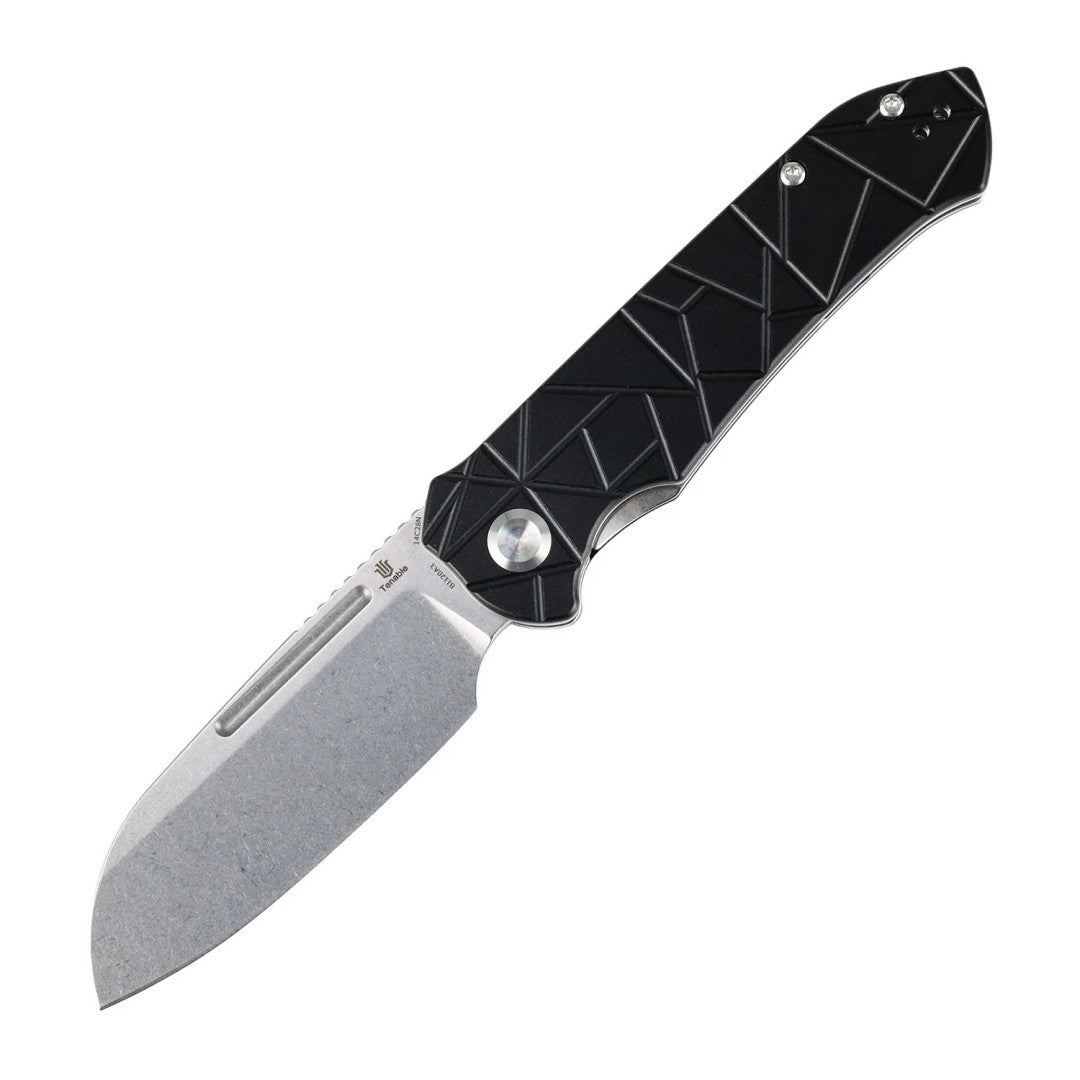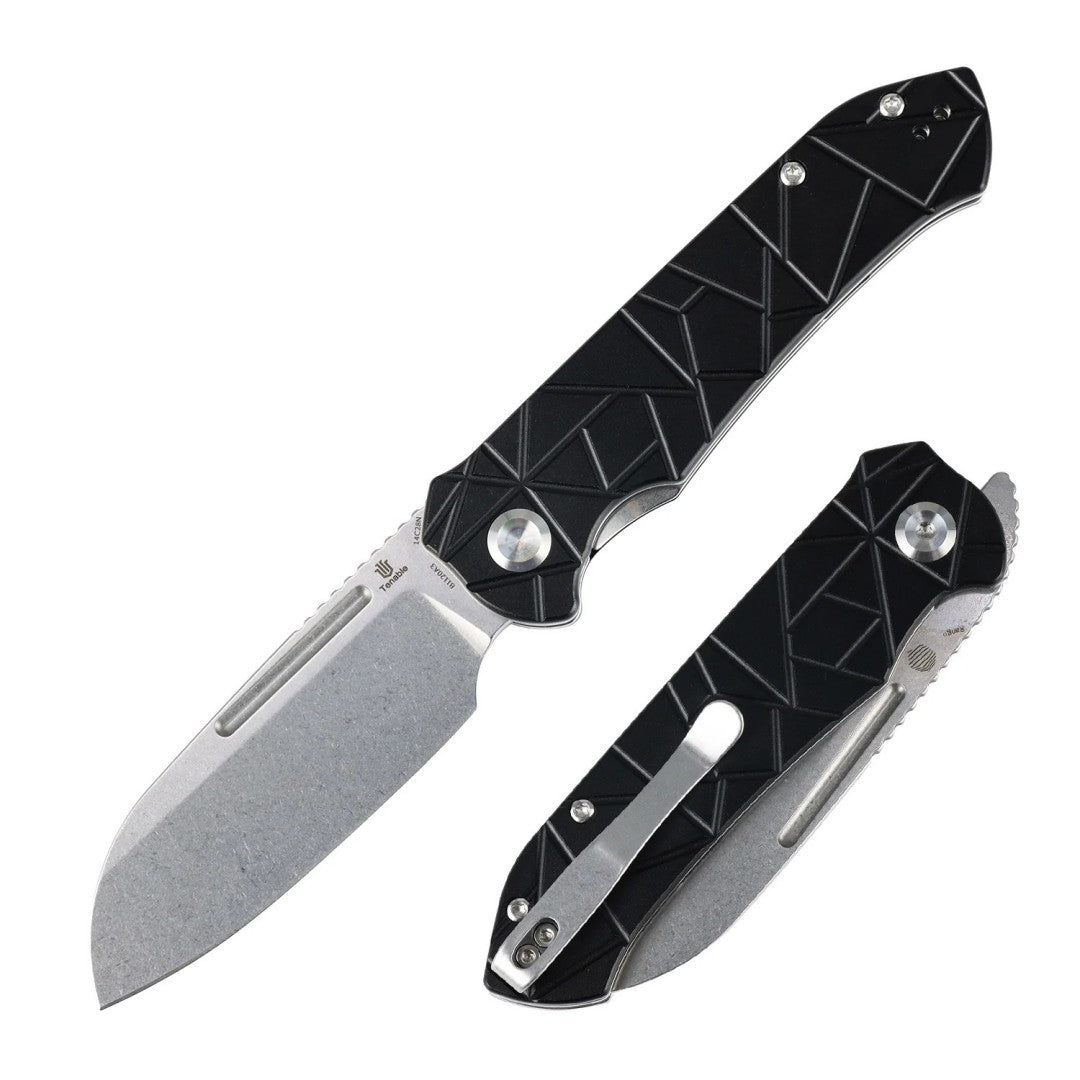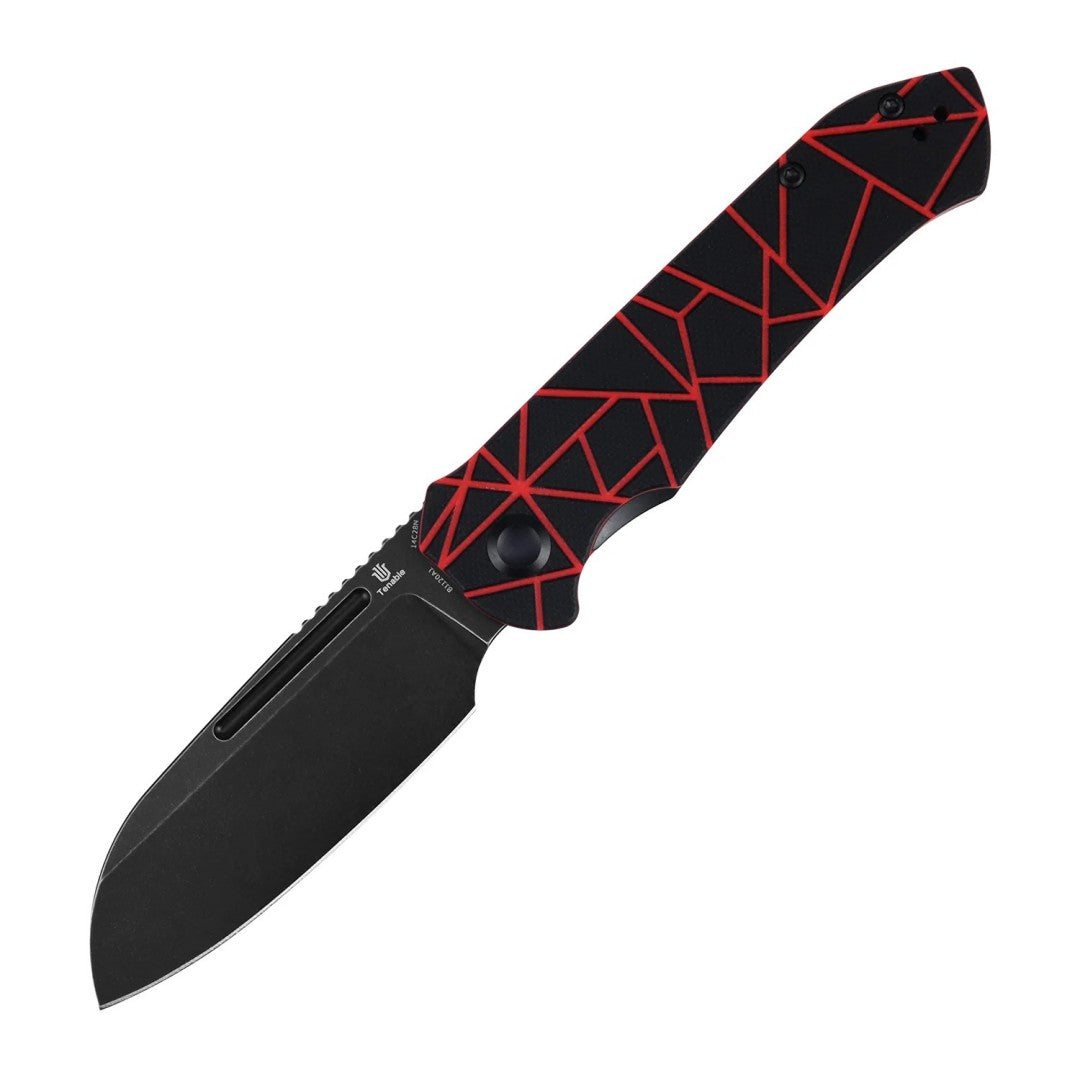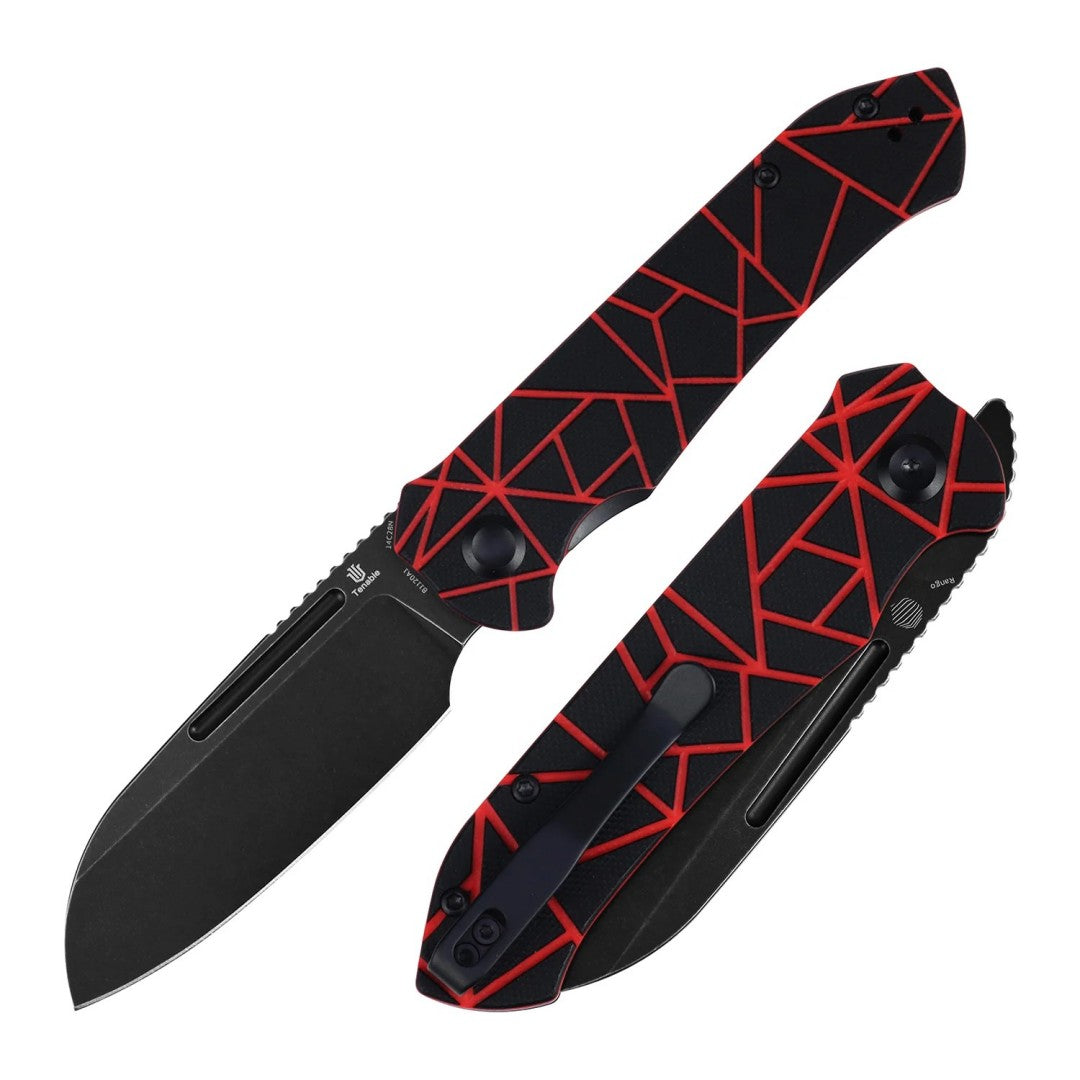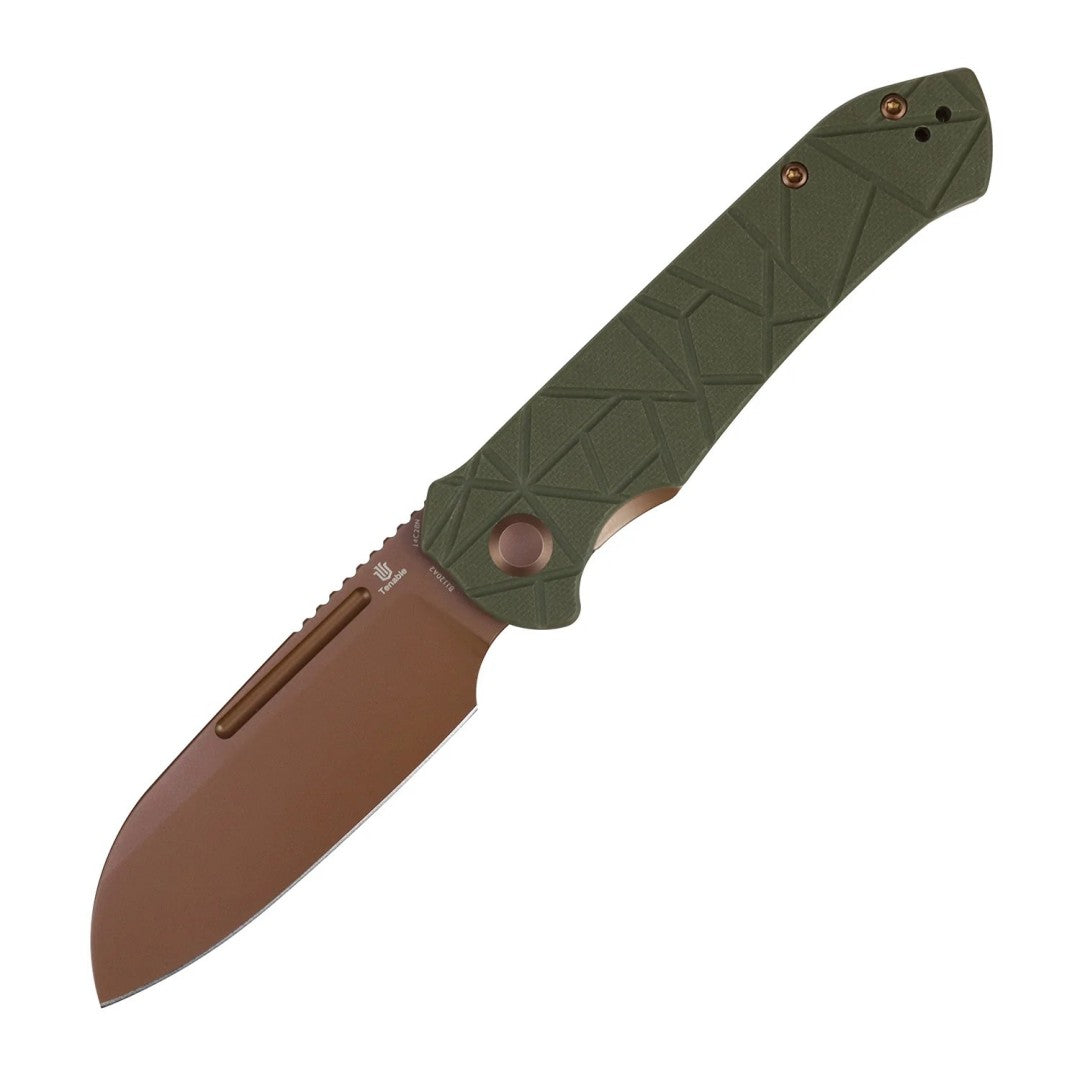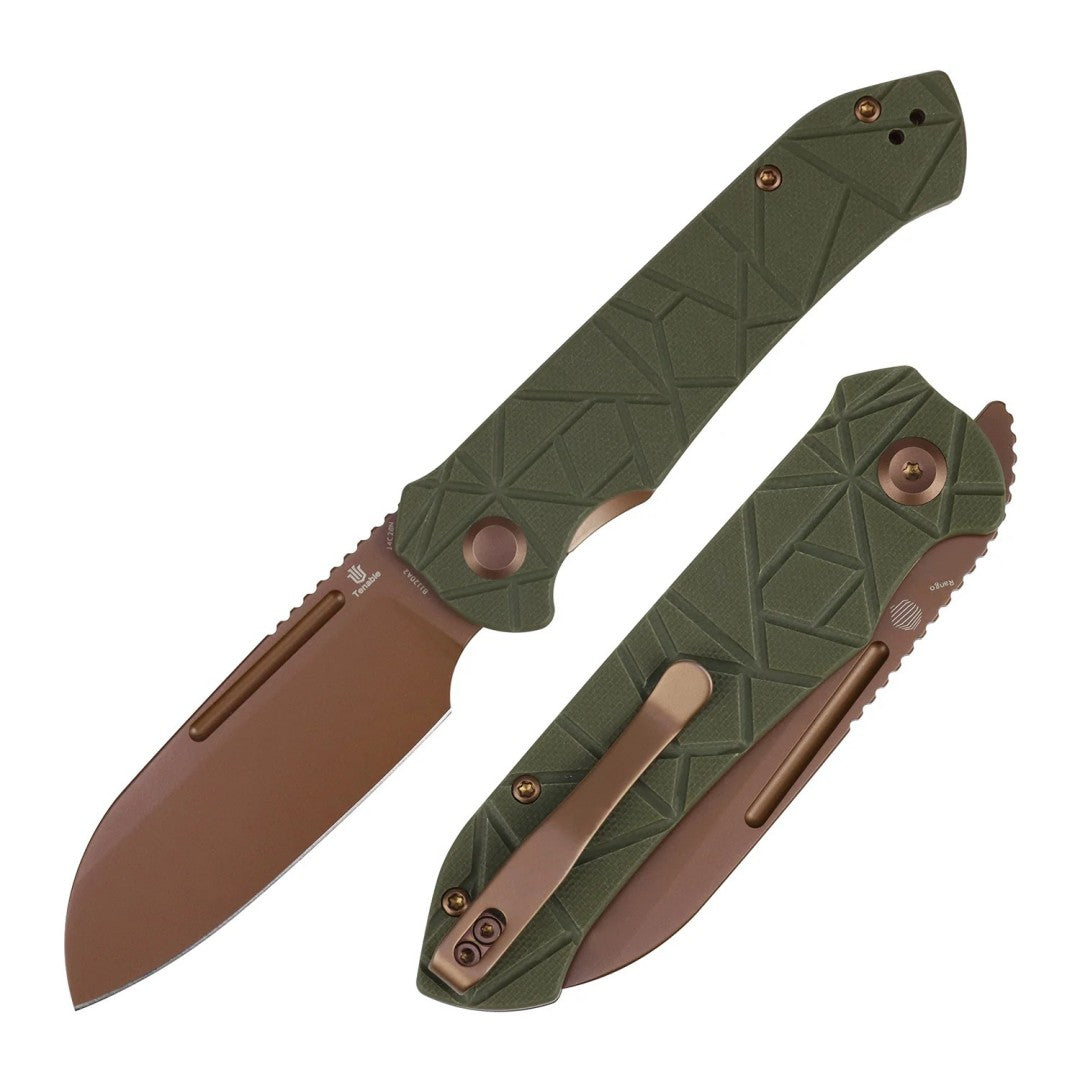

When evaluating a folding pocket tool for daily carry, user safety hinges on the mechanical integrity of its locking mechanism. A knife can boast surgical sharpness and premium handle materials, but if the lock exhibits blade play, slips under load, or suffers from lock stick, it compromises both cutting efficiency and hand safety. The Bestechman Smuga addresses this fundamental concern through precision manufacturing and tight tolerance matching. Engineered by Bestechman in collaboration with Polish custom knifemaker Grzegorz Grabarski (Kombou), this versatile folding knife utilizes a refined stainless steel Liner Lock mechanism to deliver positive, unwavering blade security for demanding EDC tasks.
 Mechanical Geometry of Tang Interface and Lockup Engagement
The structural foundation of a safe liner lock begins at the microscopic contact point between the lock bar face and the ramped blade tang. In poorly tuned knives, mismatched angles can cause the lock to slip off the tang under downward pressure or travel too far across the ramp, leading to dangerous lock failure or severe lock stick.
On the Smuga, the ramped tang of the AEB-L blade is ground at an optimal angle that mates flush with the hardened stainless steel lock leaf. Upon deployment, the lock bar snaps securely into place with an initial lockup coverage of roughly 25% to 35% across the tang face. This early-to-middle engagement provides a rigid mechanical barrier against accidental closure while leaving ample room for natural wear over thousands of open-and-close cycles.
Nested Liner Architecture and Chassis Rigidity
Lock stability depends heavily on the structural rigidity of the surrounding handle chassis. If a knife frame flexes under heavy torque, the lock bar can shift out of alignment with the blade tang, increasing the risk of mechanical disengagement during hard cuts.
To prevent frame deflection, the Smuga incorporates robust stainless steel liners nested within internal pockets machined into the G10 scales. This nested architecture achieves two critical safety objectives:
-
Lateral Frame Reinforcement: The liners anchor the pivot assembly and stop pin securely, preventing side-to-side blade play and eliminating torsional twist during heavy slicing.
-
Weight-Relieved Strength: Precision skeletonizing along the interior walls sheds unnecessary mass—keeping the total carry weight at just 2.75 oz (78 grams)—without sacrificing the frame stiffness required for rock-solid lockup.
 Detent Precision and Fluid Single-Handed Disengagement
A safe locking mechanism must also ensure smooth, predictable operation during deployment and closure. The Smuga features a hardened ceramic detent ball pressed into the lock bar leaf, tuned for optimal resistance:
Secure Closed-Blade Retention
The ceramic detent ball seats firmly into a matching detent hole on the blade ricasso, ensuring the knife stays closed in your pocket and cannot accidentally open when jostled against keys or gear.
Ergonomic Release Cutout
When closing the knife, an access cutout on the show-side G10 scale provides direct, comfortable thumb access to the lock bar. The lock face disengages smoothly without sticky friction, allowing the user to fold the blade closed using one hand without placing their fingers in the direct path of the sharpened edge.
Lock Mechanism Safety and Performance Matrix
| Evaluation Parameter | Generic Budget Liner Lock | Standard Frame Lock | Bestechman Smuga Nested Liner Lock |
| Initial Lock Engagement | Inconsistent (10% or >70%) | 40% – 50% | Optimized 25% – 35% Coverage |
| Lock Stick Tendency | High (Galling on steel ramp) | Moderate (Titanium on steel) | Near Zero (Precision Ground Mating Surfaces) |
| Frame Torsional Flex | Moderate to High (Thin liners) | Low (Thick metal slab) | Minimal (Nested Skeletonized Steel Liners) |
| Detent Material | Stamped steel ball | Ceramic or steel ball | Caged Ceramic Detent Ball |
| Accidental Over-Travel | Prone to plastic deformation | Requires lock bar stabilizer | Restricted by G10 Scale Clearance |
| One-Handed Disengagement | Difficult (Sharp liner edges) | Variable (Tight lock bar tension) | Effortless (Chamfered Thumb Access Relief) |
Operational Security Under Demanding Cutting Loads
Real-world utility tasks subject a knife to complex multi-directional stresses. Whether push-cutting through thick zip-ties, carving dense wood, or breaking down heavy multi-wall shipping boxes, cutting forces push the blade upward against the hardened steel stop pin while the liner lock prevents any downward rotation.
Because the Smuga's stop pin is precision-pressed between the skeletonized liners and backed by hardened hardware, the blade remains locked with zero vertical play or horizontal wobble. Even when applying maximum downward leverage, the lock bar remains seated against the tang ramp, ensuring that heavy cutting force translates directly into cutting efficiency rather than mechanical stress.
 Enduring Lock Longevity and Chassis Maintenance
Every liner lock mechanism naturally wears over years of regular use. The Smuga’s engineering accounts for this long-term lifecycle through durable materials and an open-backed chassis construction.
The stainless steel lock bar maintains its spring tension over tens of thousands of cycles without losing elasticity or fatiguing. Meanwhile, the open-pillar standoff design makes maintaining the lock interface remarkably simple. Pocket lint, dust, or abrasive debris that could obstruct the lock ramp can be cleared in seconds using compressed air or a quick water rinse. A single drop of synthetic lubricant on the detent ball path preserves the knife's crisp acoustic lockup and silky smooth deployment for a lifetime of dependable daily service.