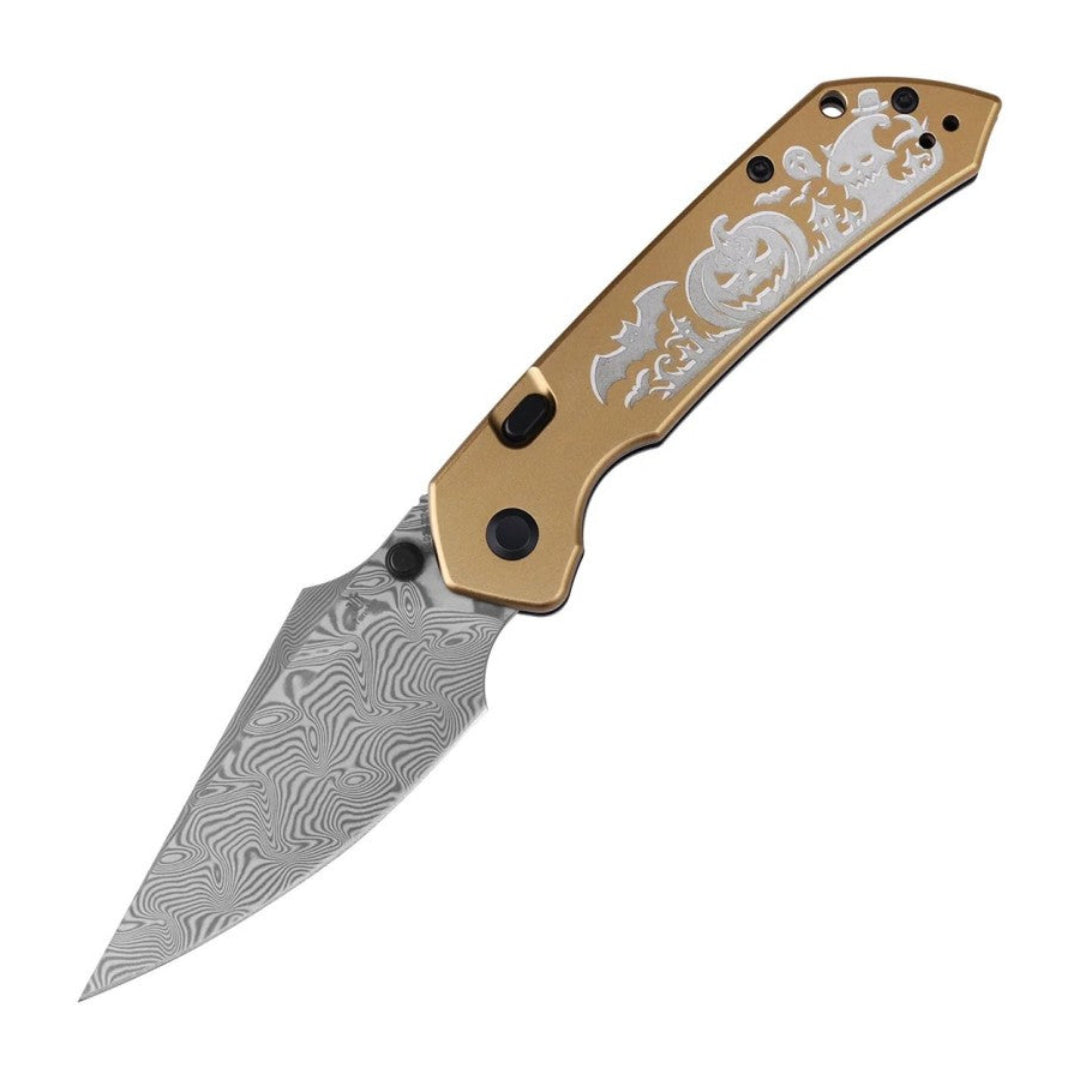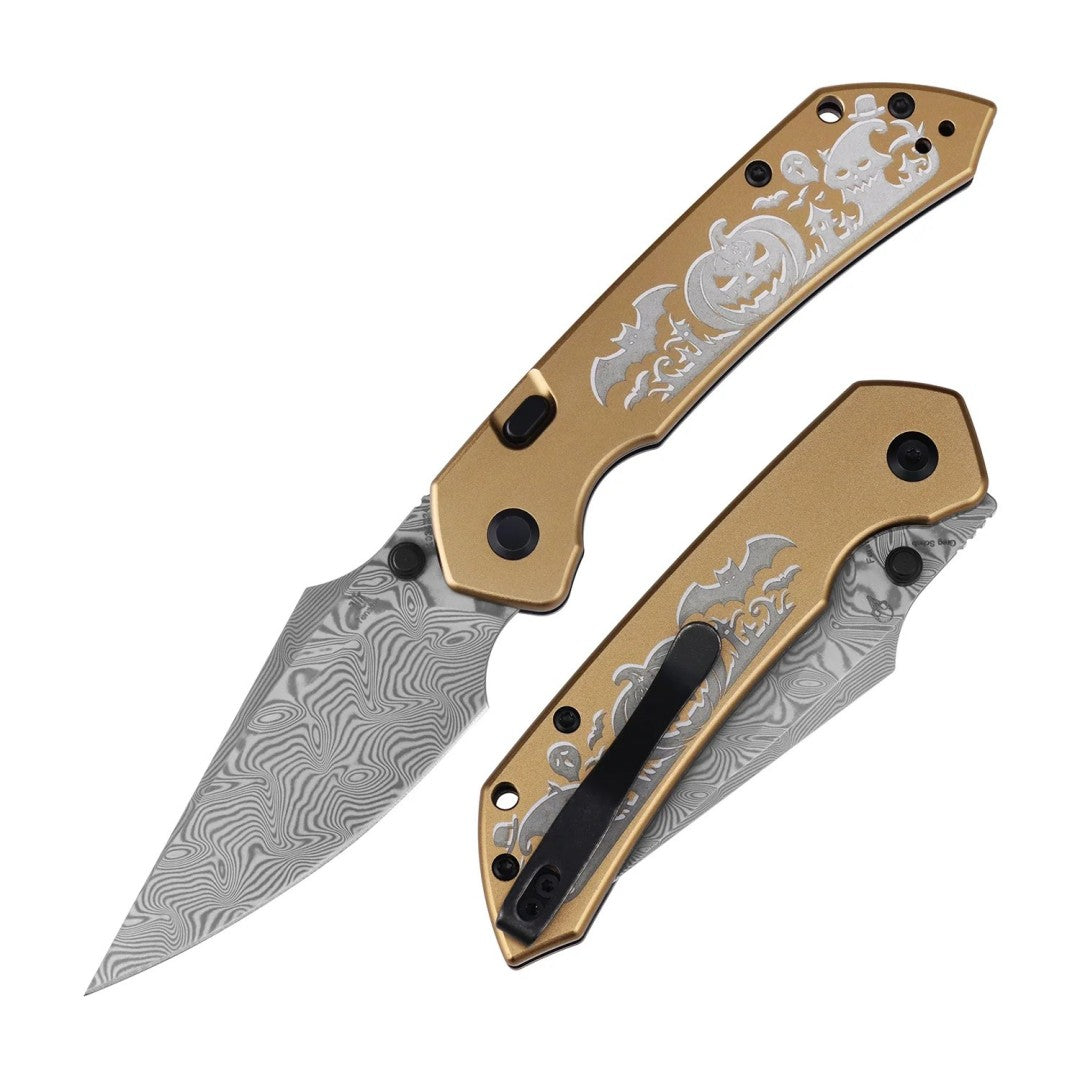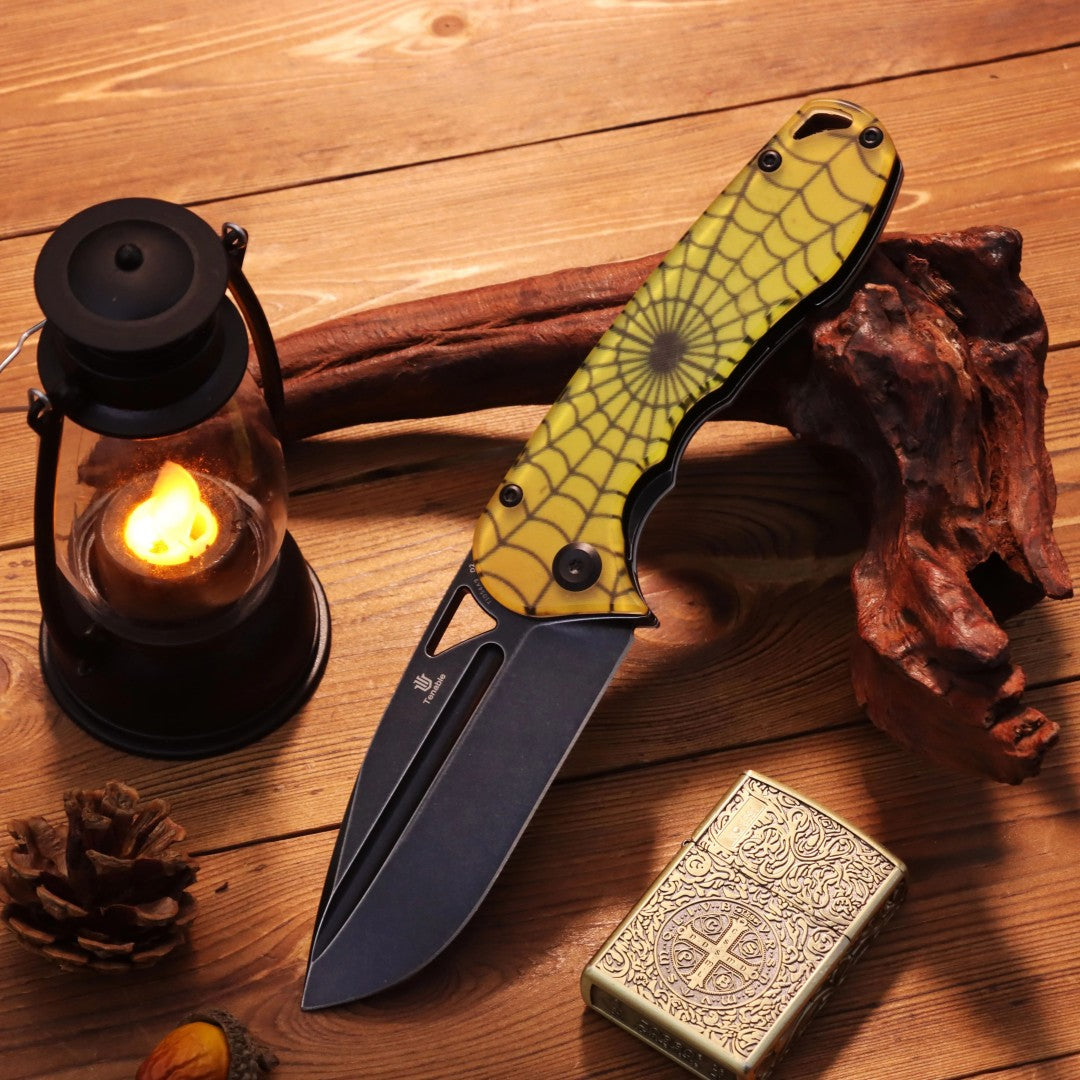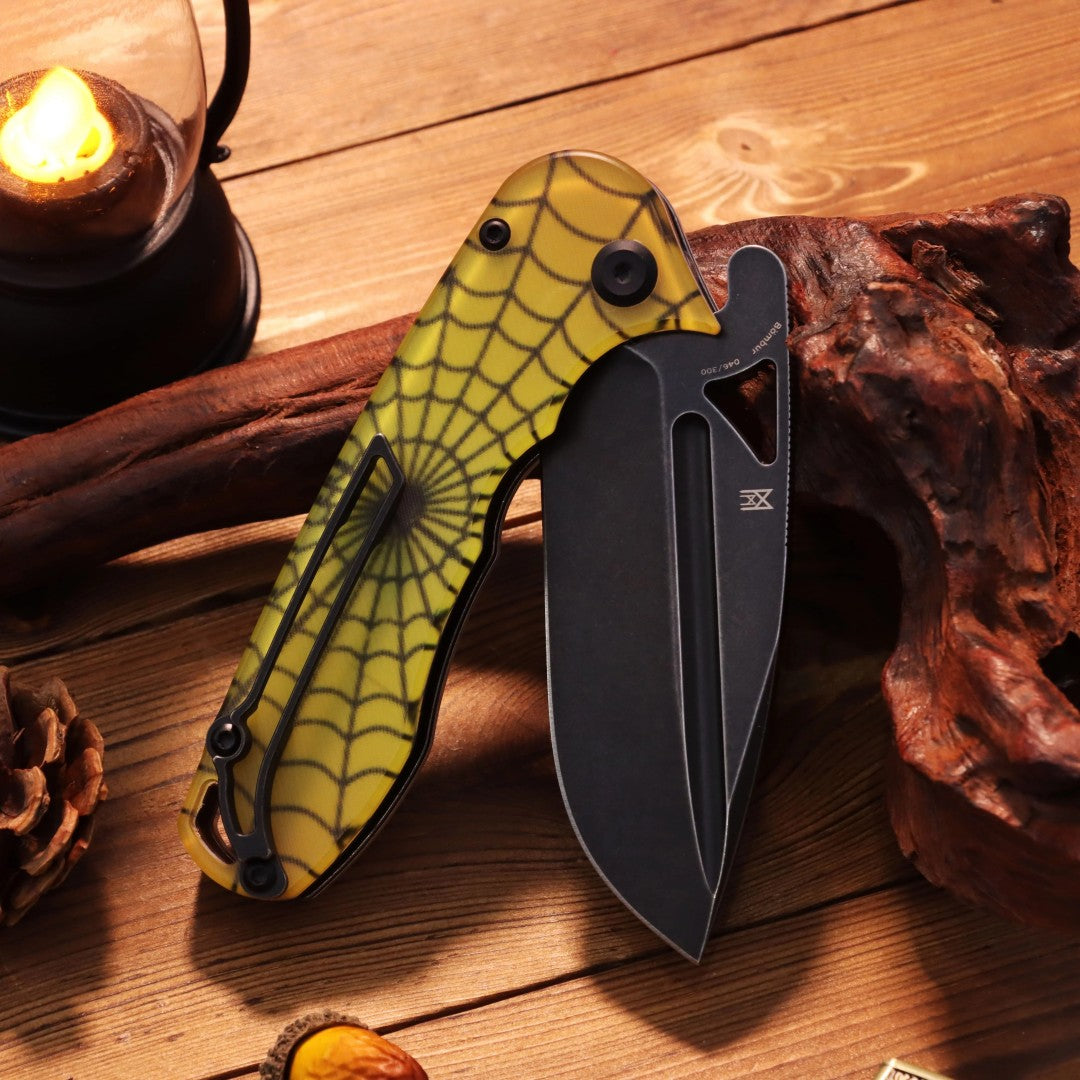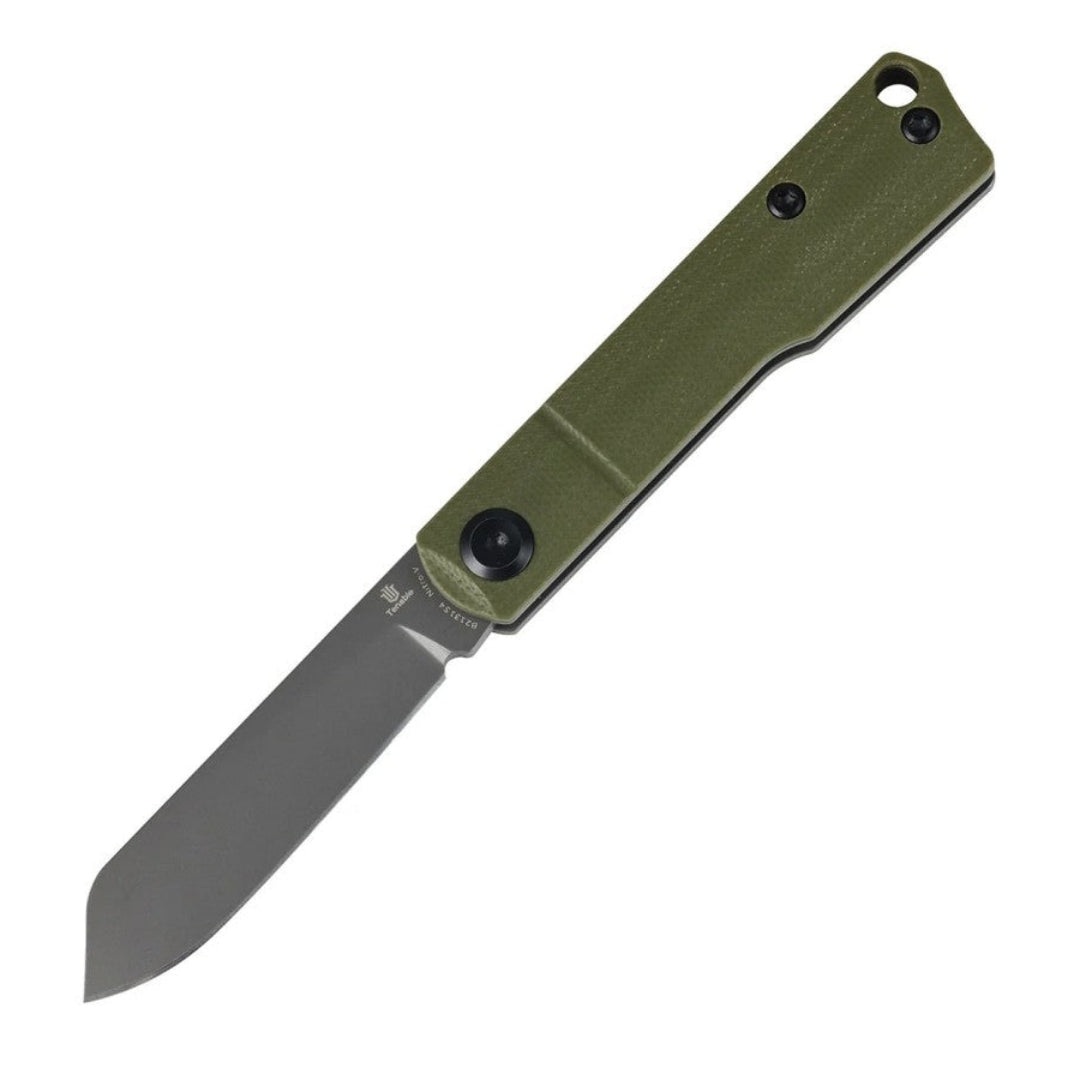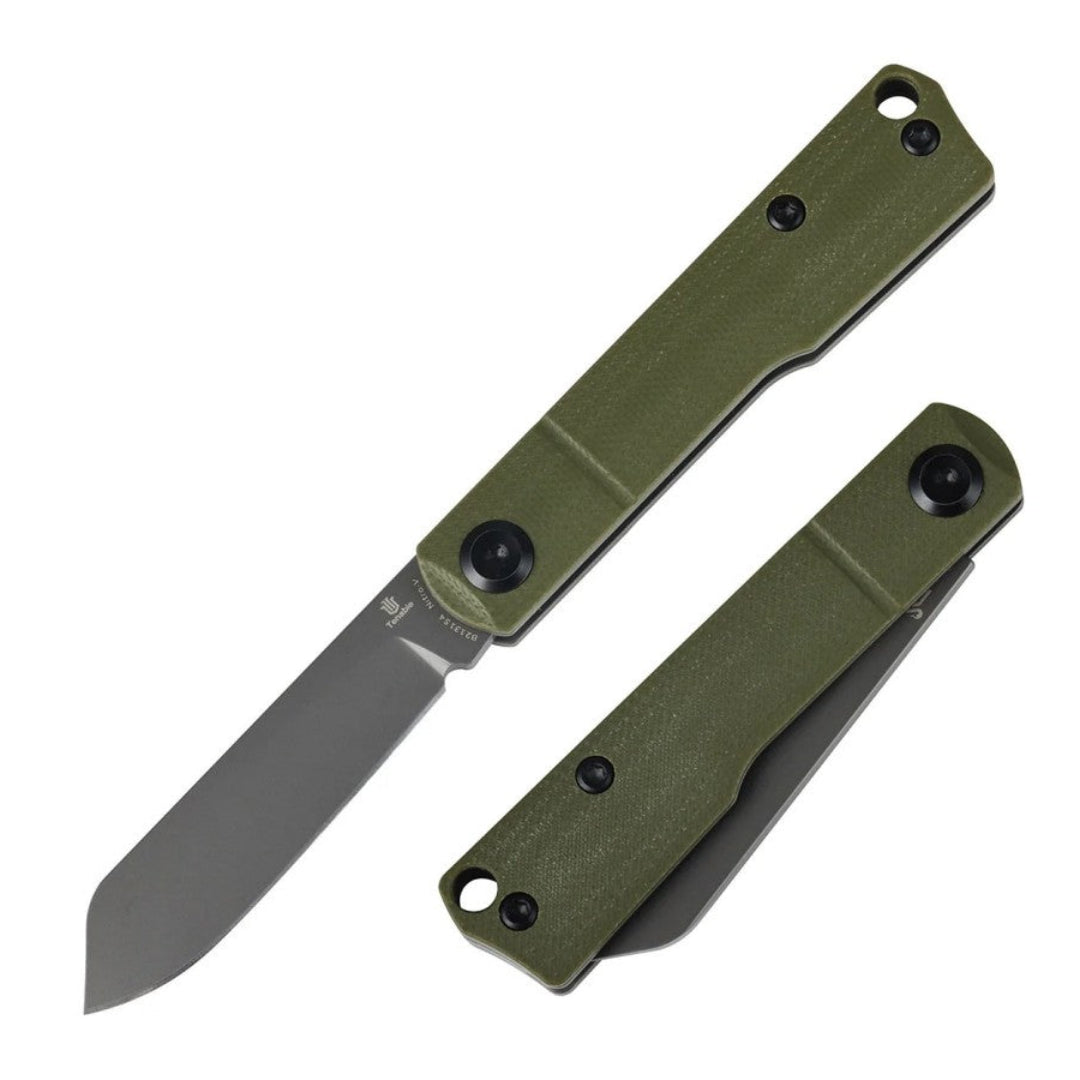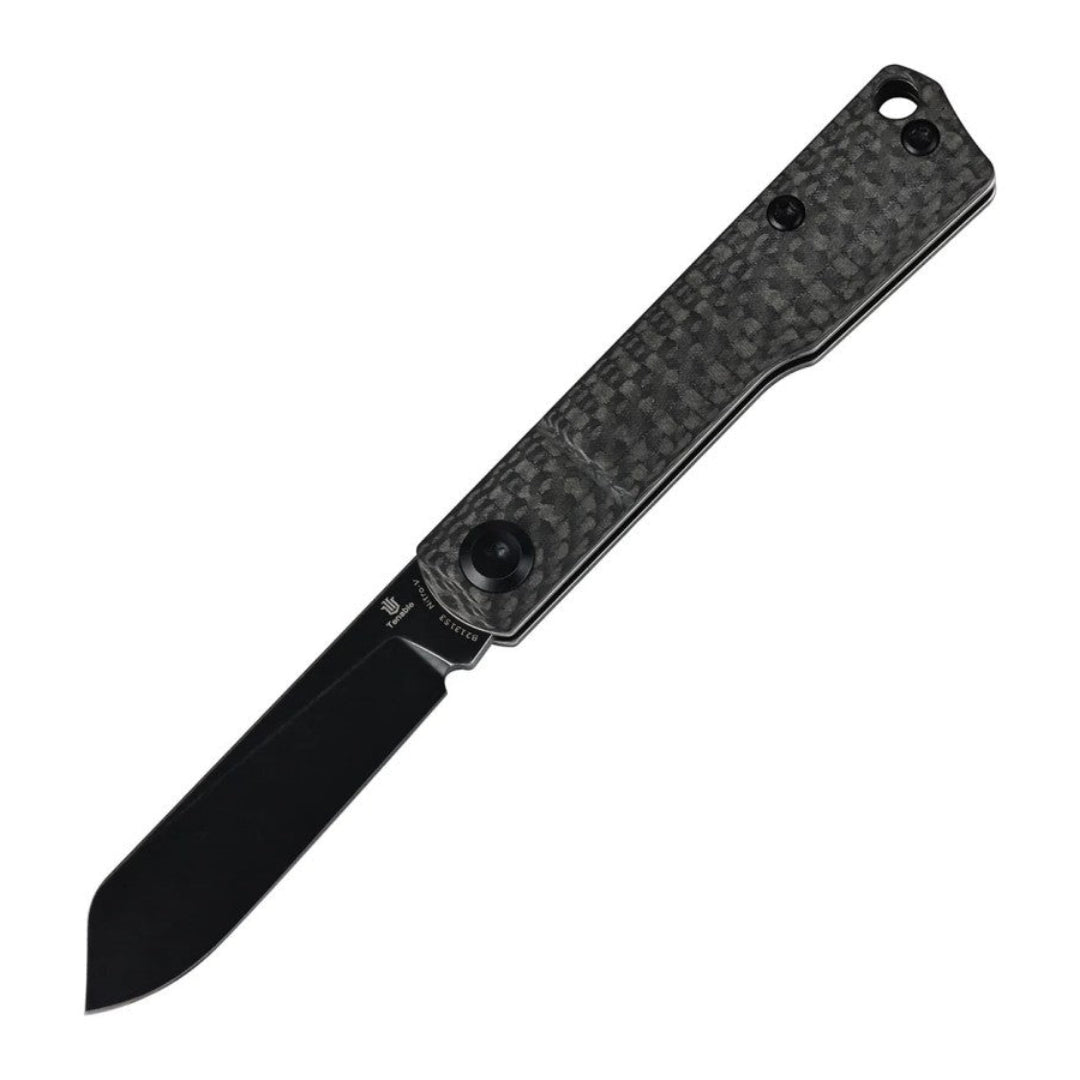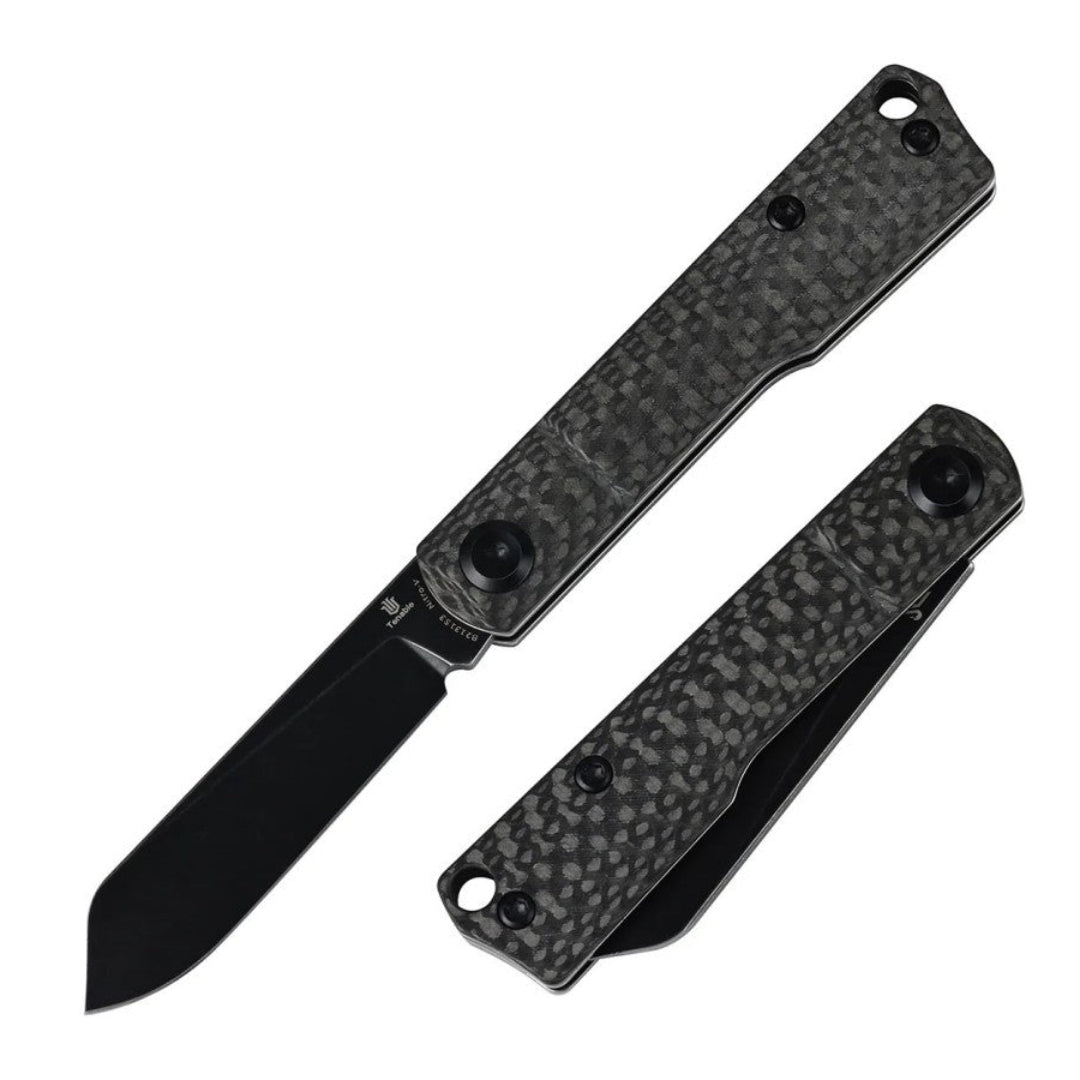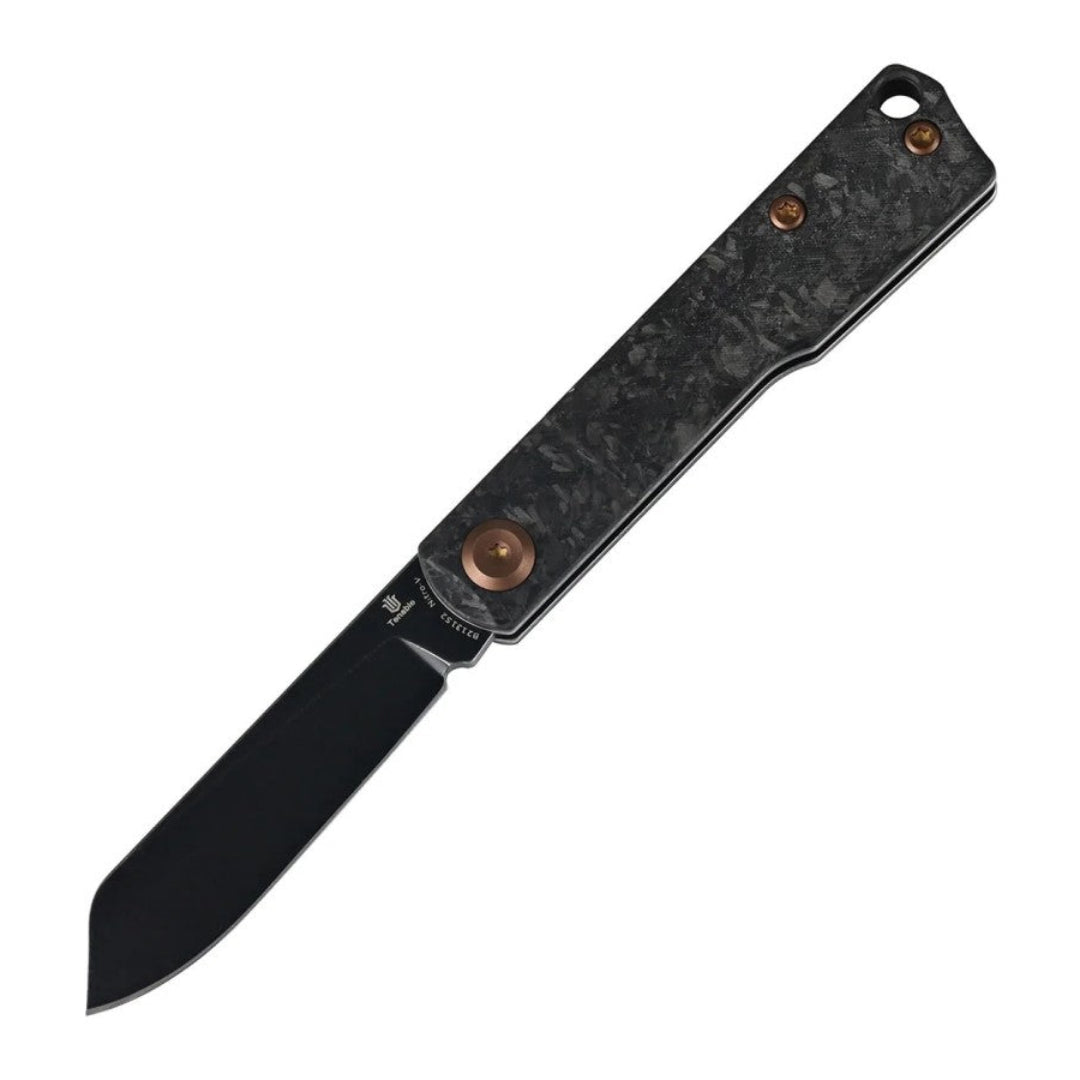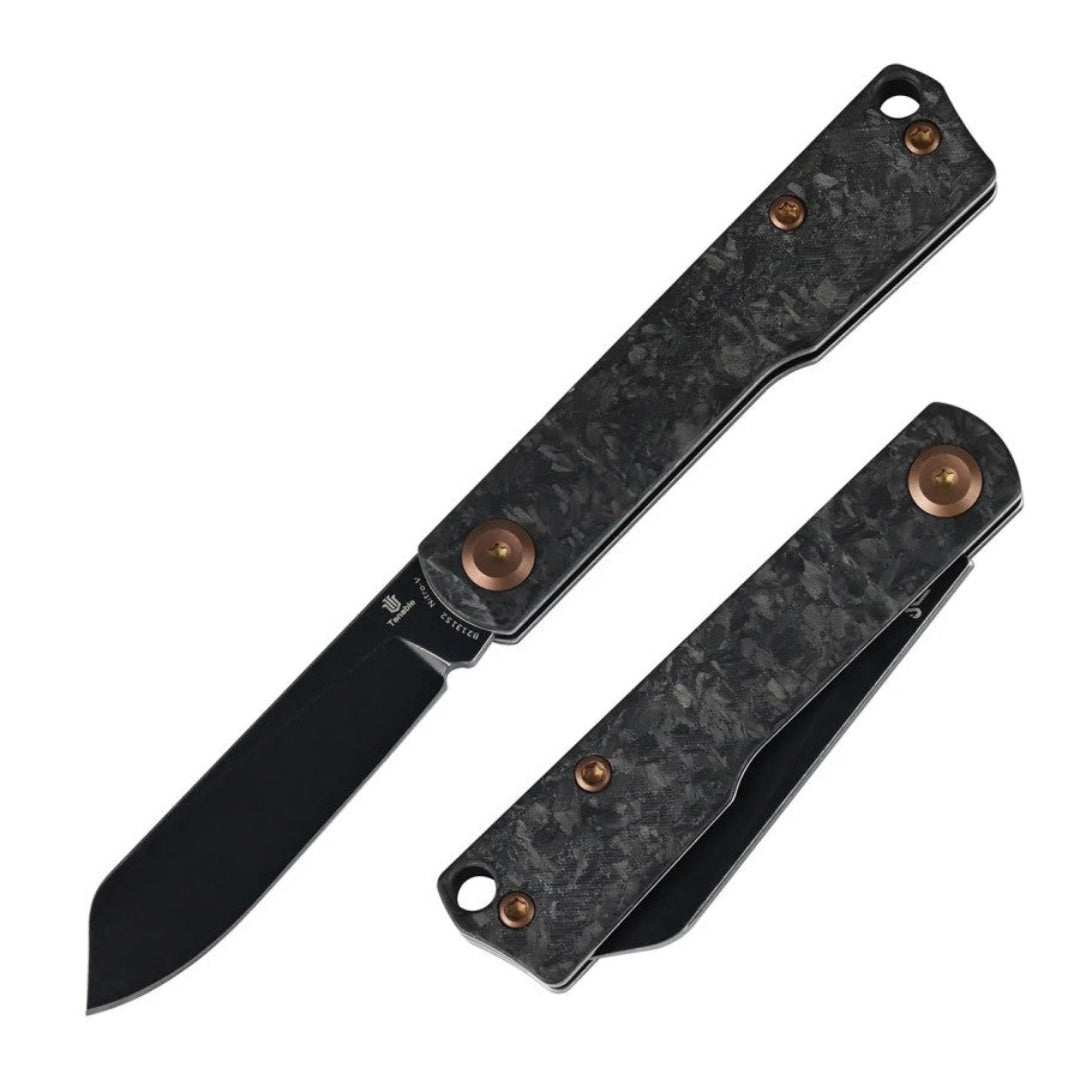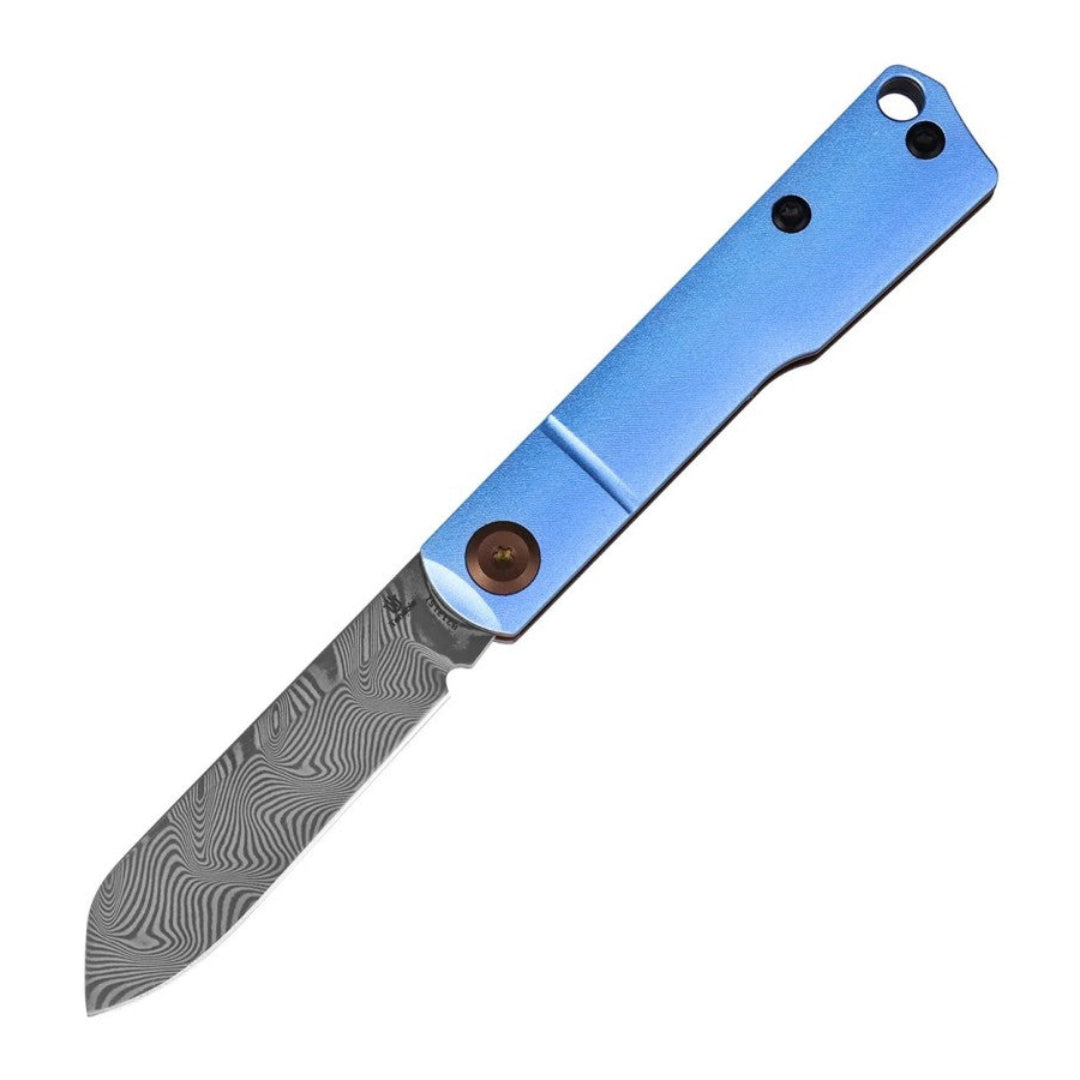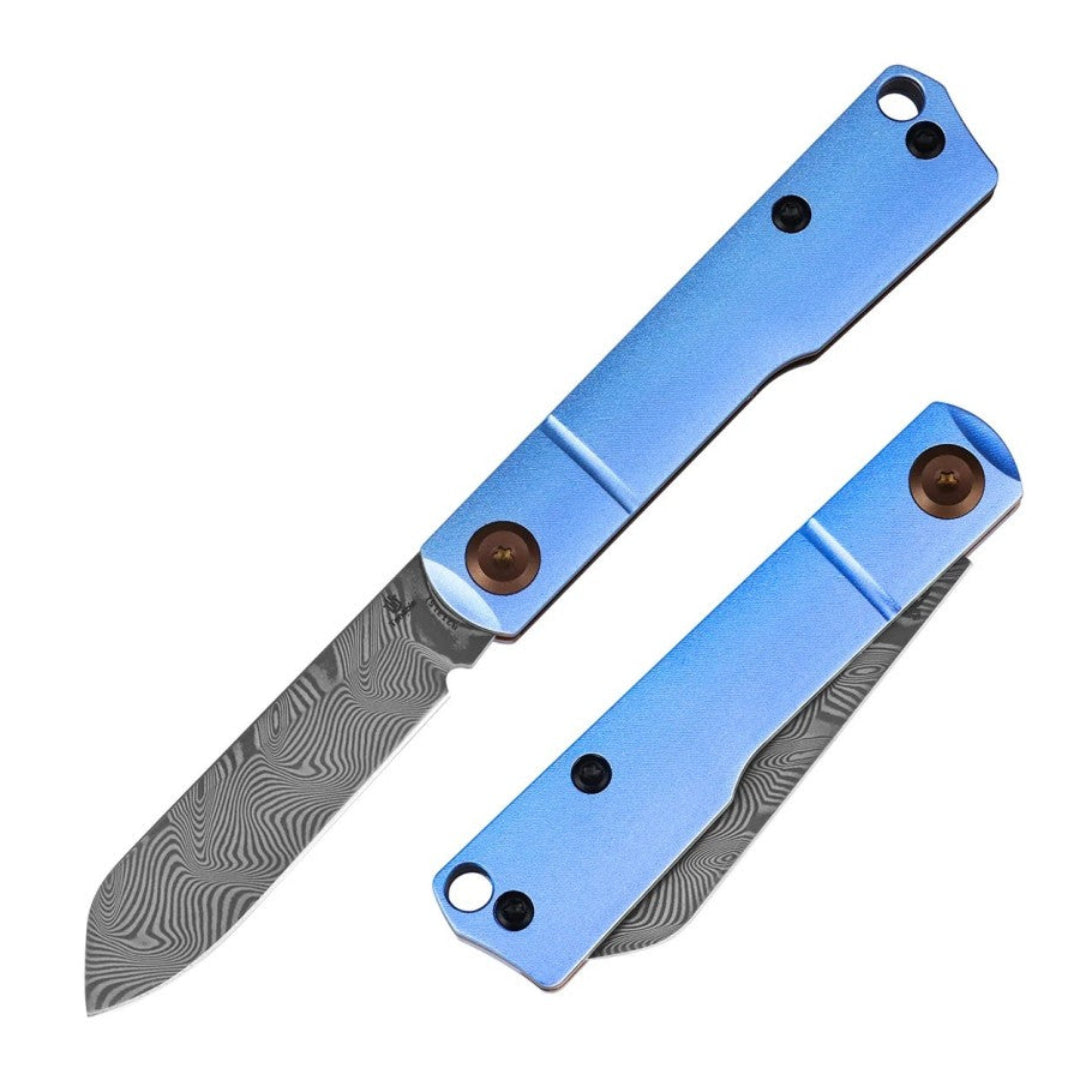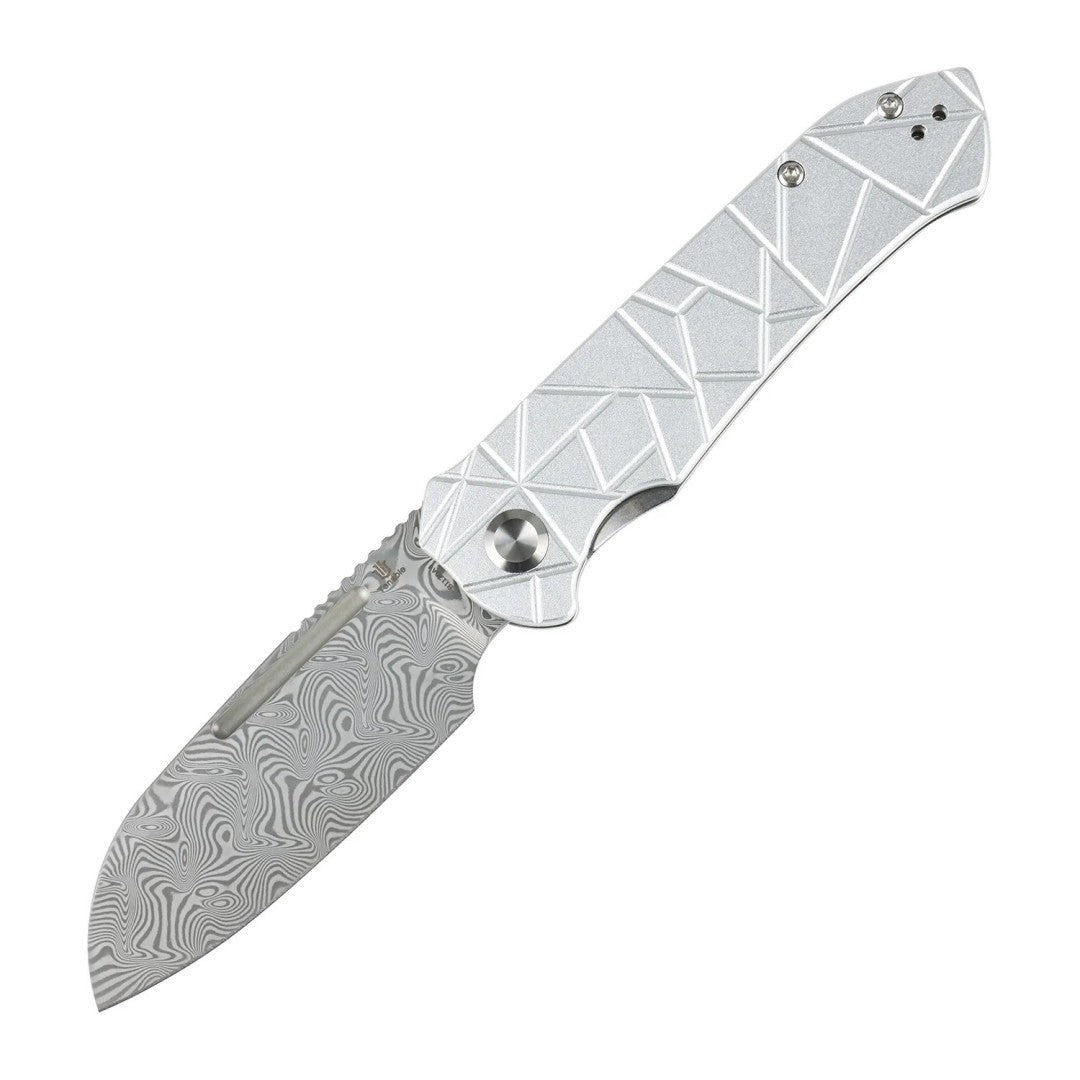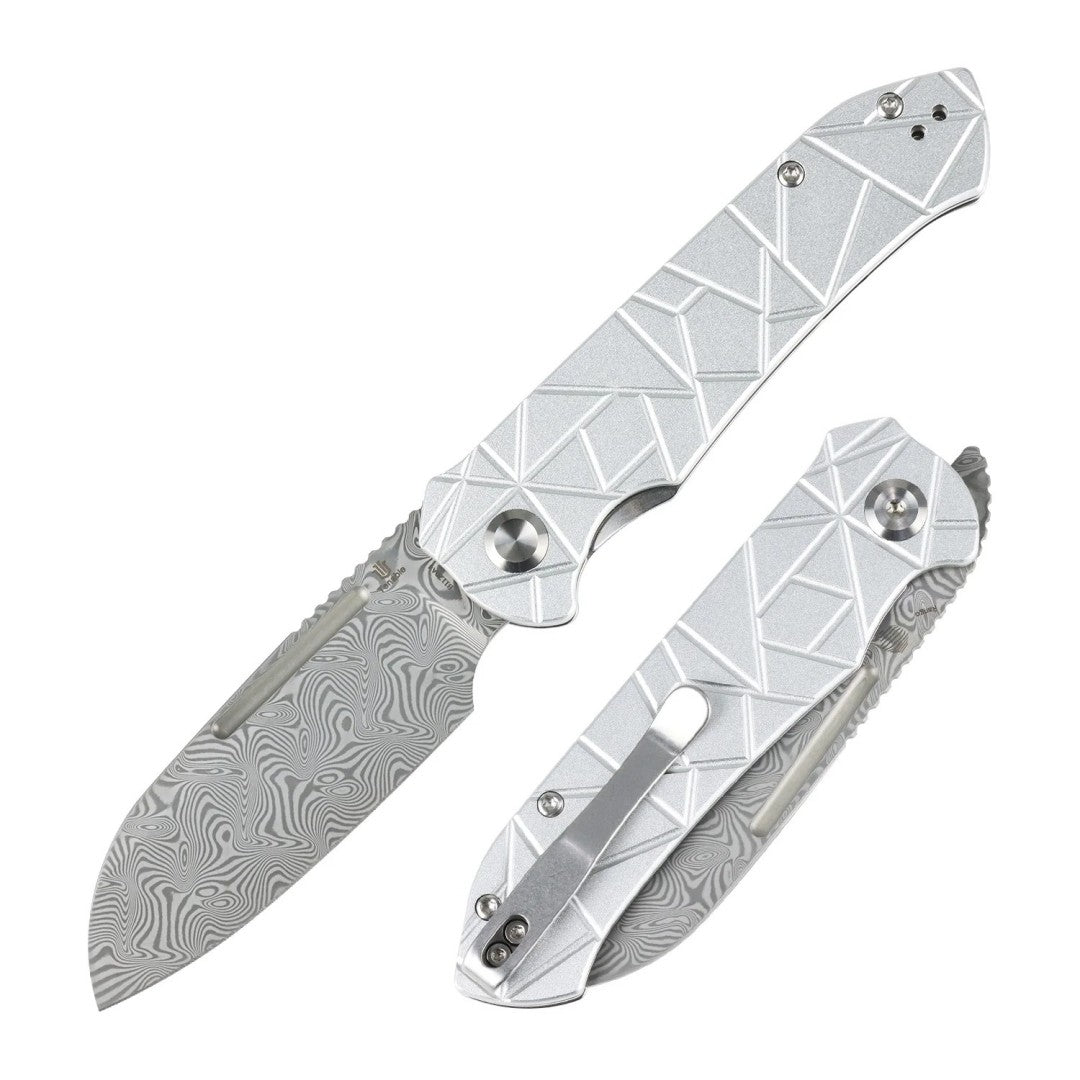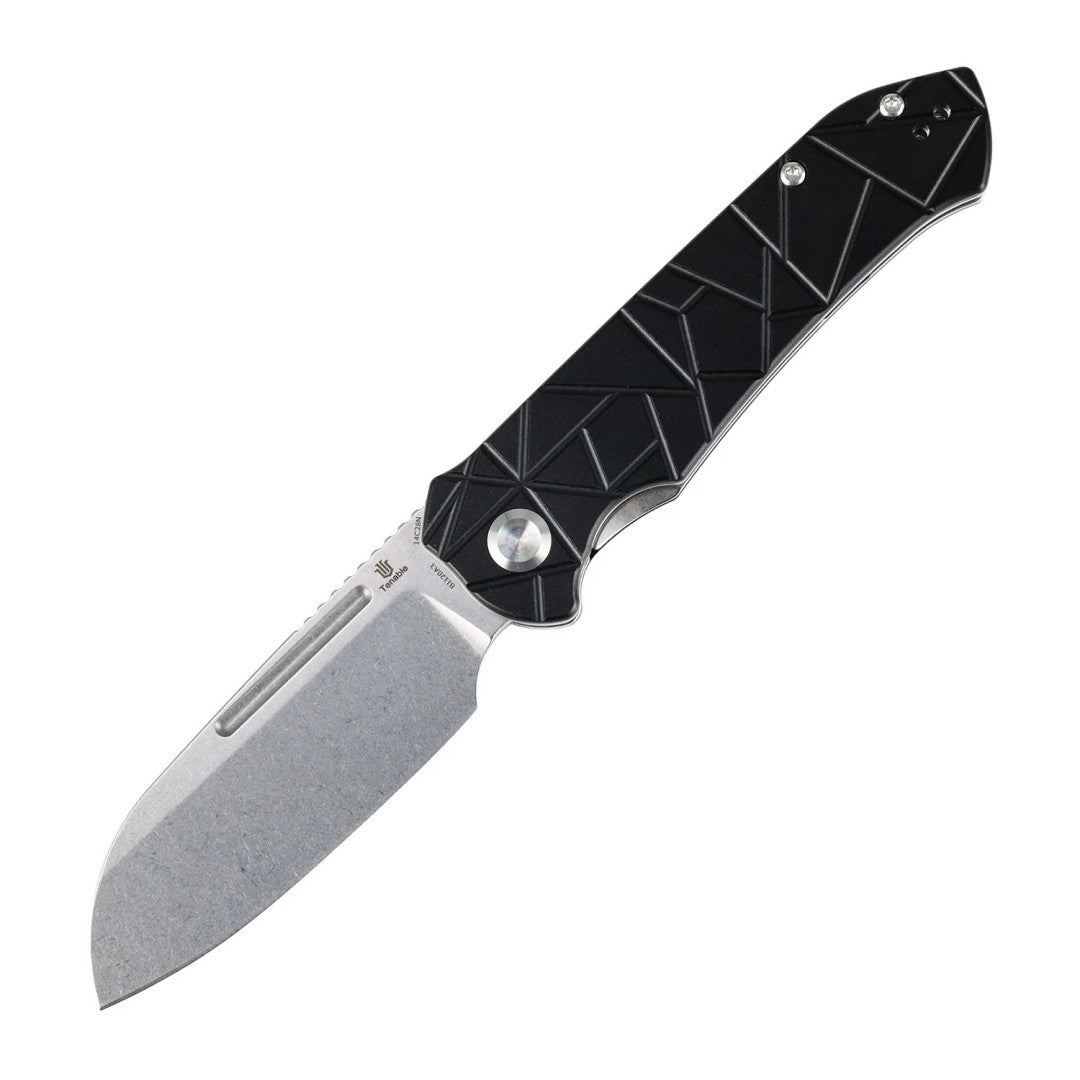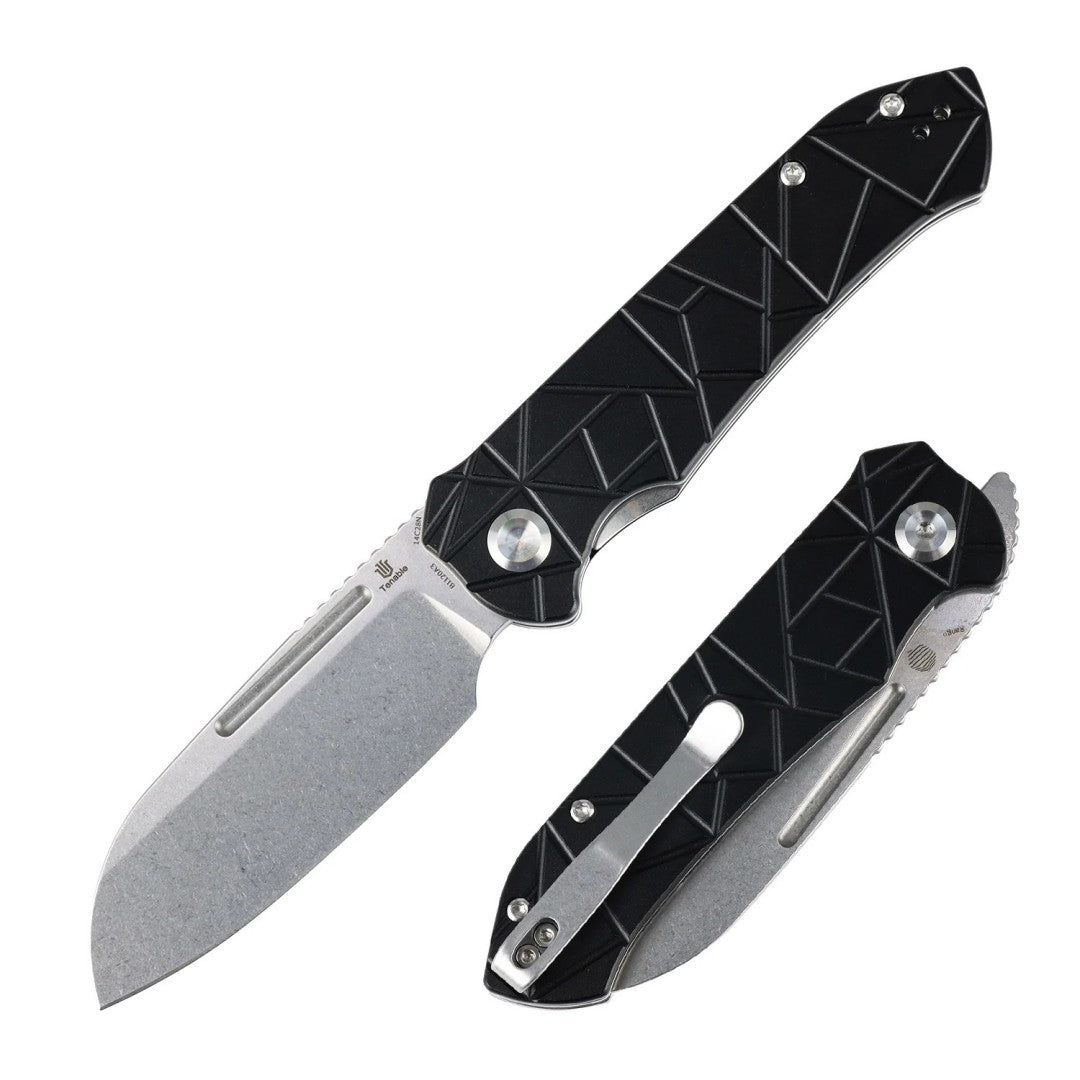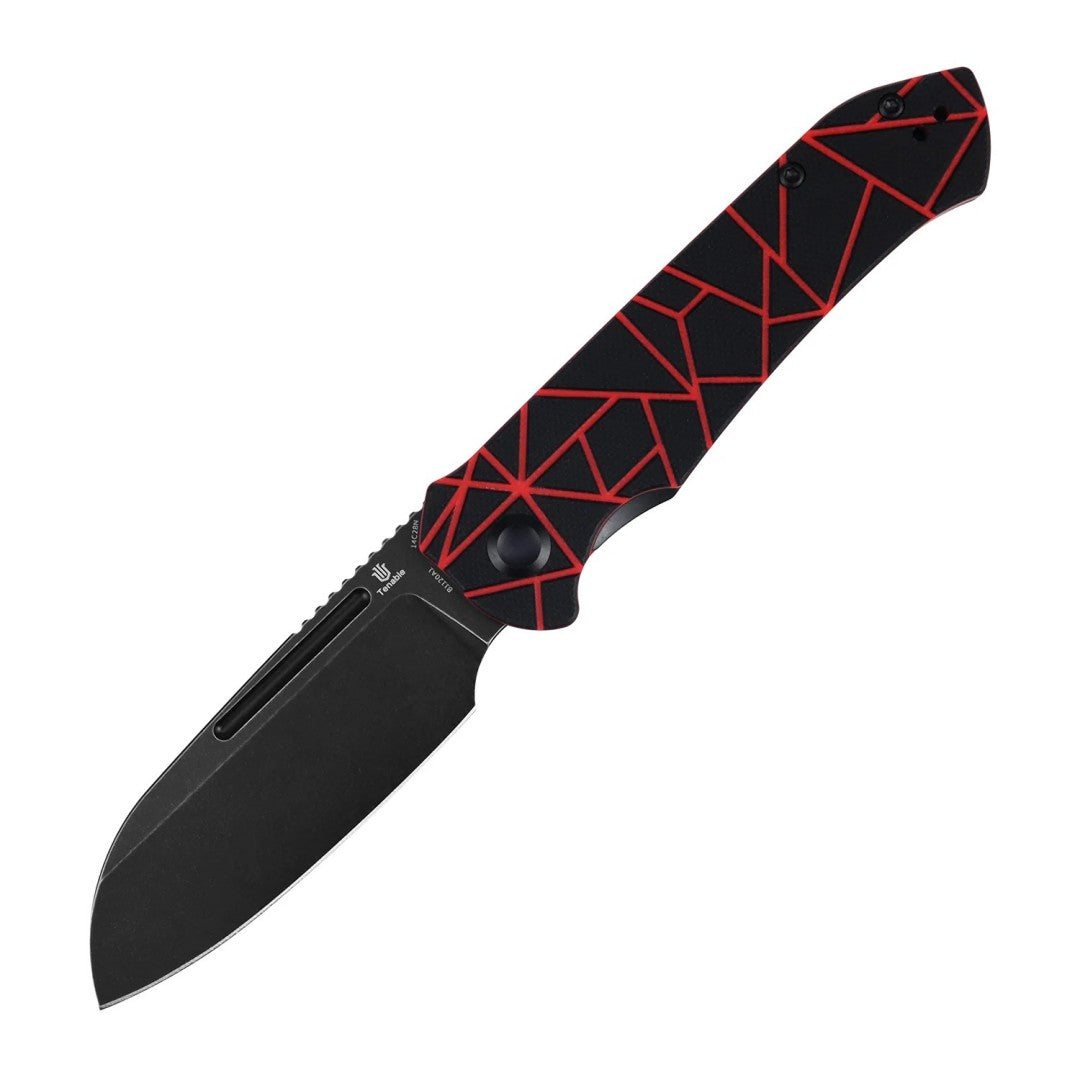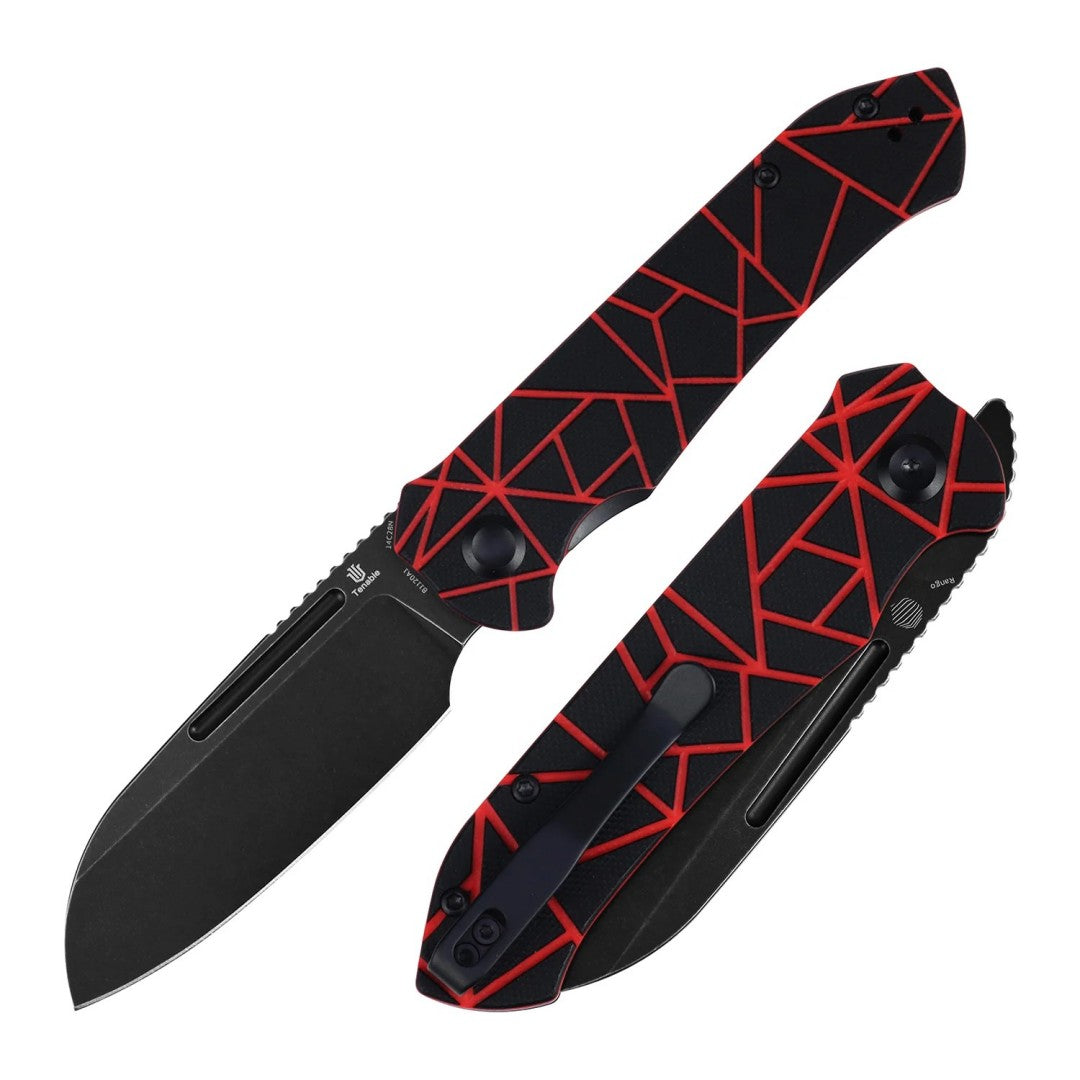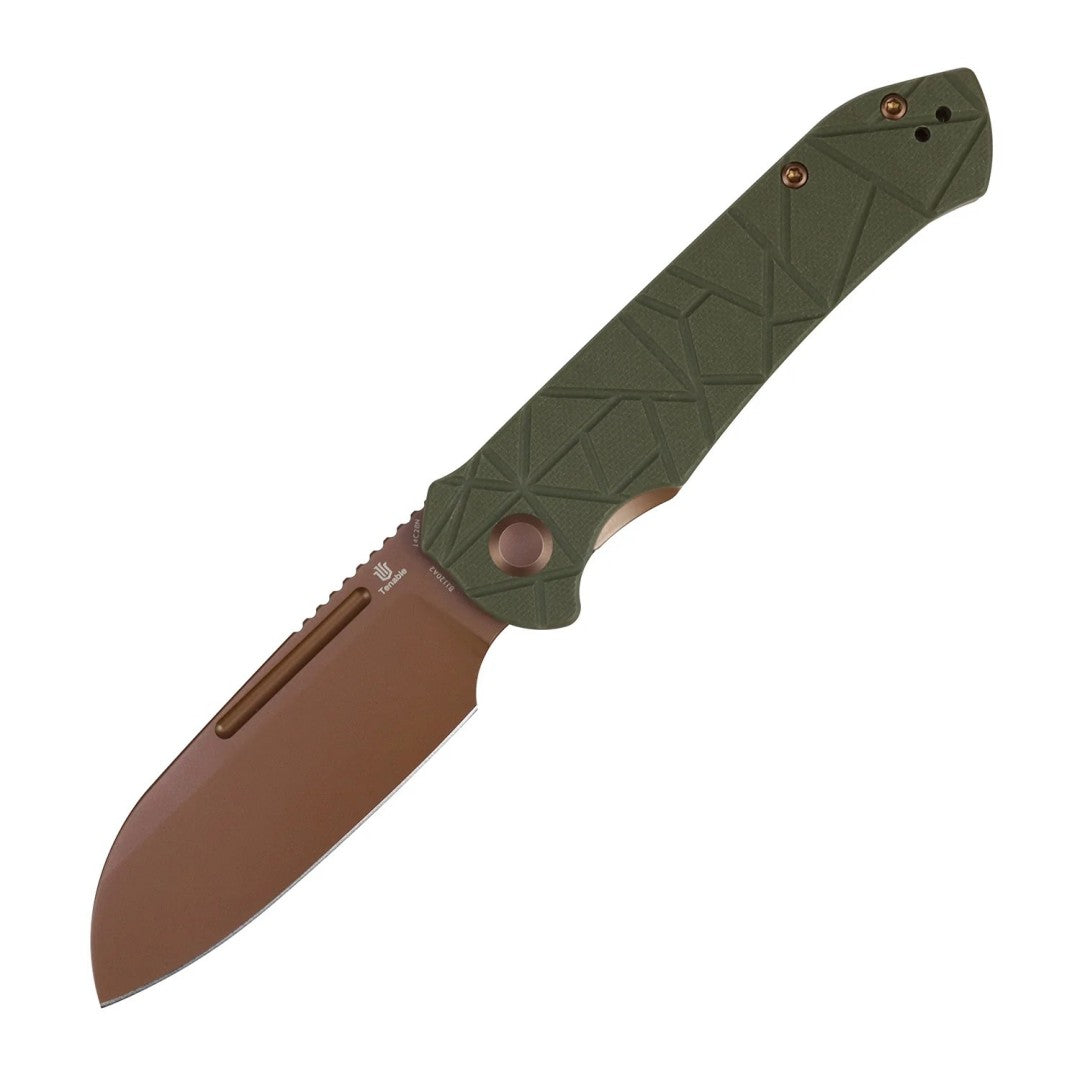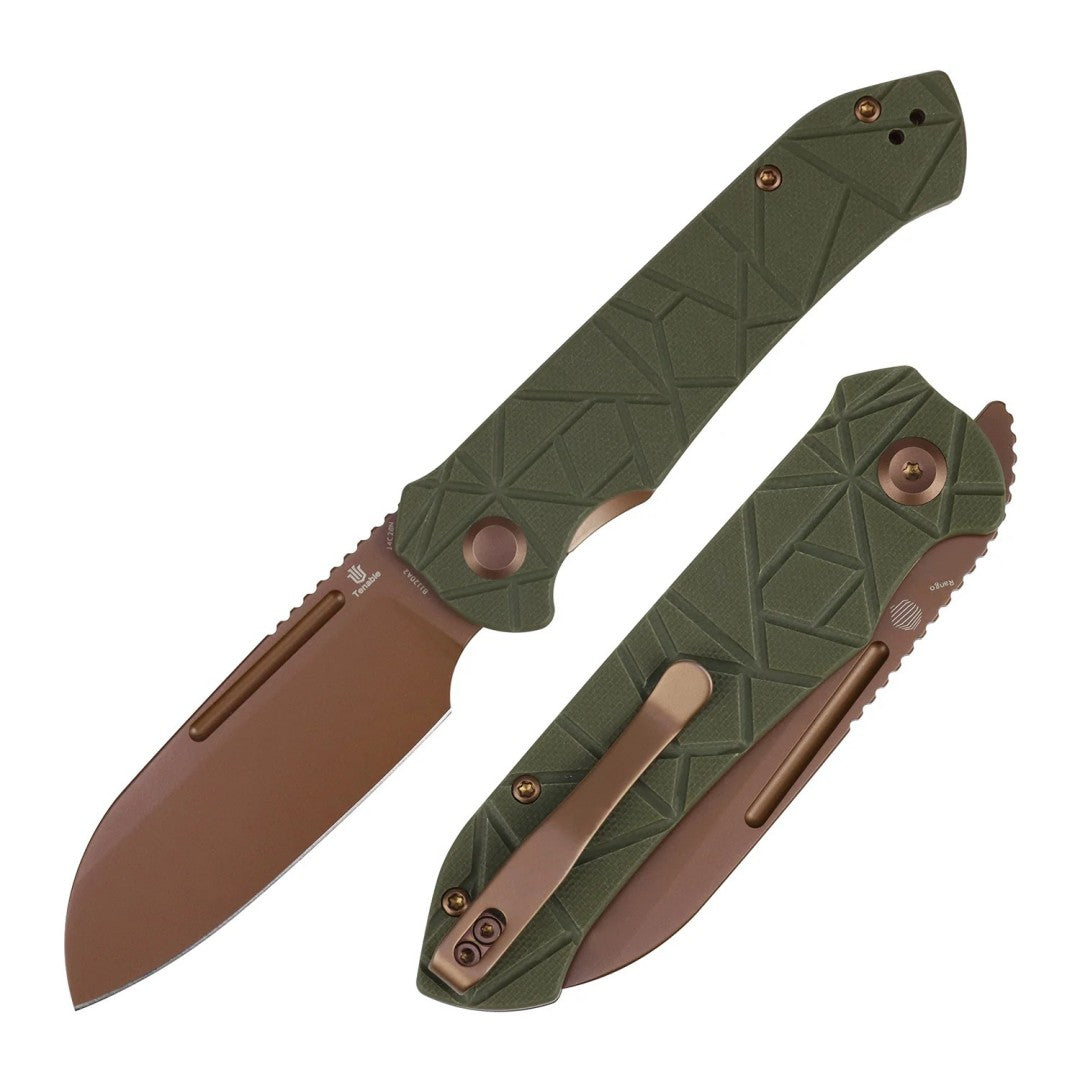
The mechanical integrity of an ultra-compact pocket folder depends on how securely the locking mechanism arrests blade movement without making operation cumbersome. On micro-cleavers where handle length is condensed, traditional locking assemblies can suffer from structural flex or awkward thumb clearance during disengagement. On the Kansept Mini Korvid, engineered in collaboration with custom outfit Koch Tools, a nested locking architecture solves these ergonomic and mechanical challenges. By recessing skeletonized steel plates directly into the interior cavities of the handle scales, this micro-cleaver delivers rock-solid blade retention and fluid, unhindered lock access for demanding EDC utility.
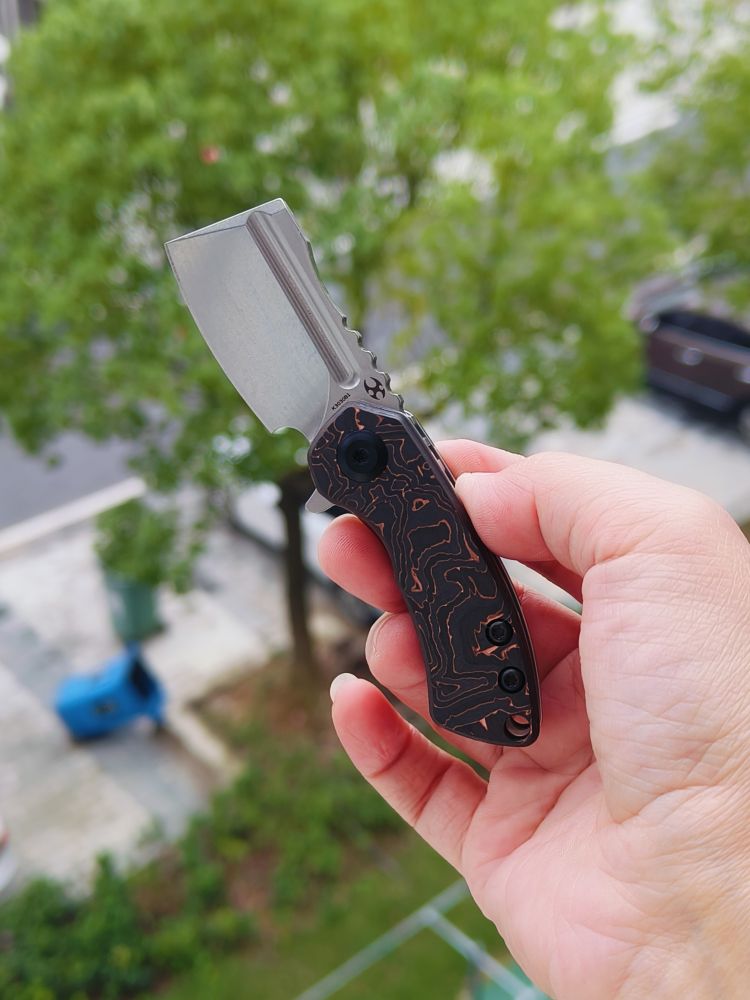
Internal Architecture: The Mechanics of Nested Construction
A standard liner lock places full-sized steel liners between the outer scales, adding noticeable thickness and exposed metallic edges to the perimeter. Nested construction re-engineers this layout from the inside out.
Kansept utilizes multi-axis CNC milling to machine precise interior pockets directly into the handle scales. The skeletonized stainless steel liners are pressed and secured flush within these milled recesses. This integration creates several structural advantages:
-
Elimination of Lateral Frame Shift: Because the perimeter of each steel liner is surrounded by the rigid boundary of the scale material, the liner cannot shift or twist laterally when high torsional forces are applied during heavy cutting.
-
Minimized Handle Thickness: Recessing the steel framework into the scales reduces total handle width, yielding a sleek, low-profile tool that slides flat into pockets.
-
Weight Optimization: Skeletonized cutouts along the non-locking liner eliminate excess mass while maintaining structural rigidity across the entire chassis.
Architectural Comparison: Nested Liners vs. Alternative Lock Formats
Evaluating the mechanical attributes of nested liners against traditional folding lock structures illustrates how this layout balances strength, size, and user interaction.
| Structural Attribute | Nested Stainless Steel Liners | Traditional Full-Plate Liners | Integral Titanium Frame Lock |
| Chassis Profile | Ultra-slim recessed layout | Thicker sandwich construction | Slim monolithic alloy frame |
| Lateral Flex Resistance | High (Braced by outer scale walls) | Moderate (Relies on standoff screws) | Maximum (Solid metal slab) |
| Handle Surface Symmetry | Identical scales on both sides | Identical scales on both sides | Asymmetric (Metal lock side / scale show side) |
| Thumb Disengagement Clearance | CNC-milled scalloped relief | Standard scale cutout | Open frame lock relief cut |
| Pocket Mass Impact | Featherlight (~1.20–1.35 oz total) | Heavier mass profile | Moderate-to-light (~1.40 oz) |
Security Under Load: Tang Interface and Spring Tension
The safety of any folding knife during heavy push cuts comes down to the interface between the locking leaf and the blade tang.
Precise Tang Mating Geometry
The locking leaf of the stainless steel Liner Lock engages the blade tang at a micro-ground angular bevel. When the blade swings fully open, spring tension snaps the leaf across the lower face of the tang, seating across 35% to 45% of the contact area. Downward cutting pressure pushes the blade tang upward into the hardened stop pin, transferring mechanical energy through the pivot rather than dislodging the locking leaf.
Dynamic Detent Retention
When folded, a hardened steel detent ball embedded in the locking bar nests firmly inside a matching detent hole on the blade tang. This detent bias holds the blade securely inside the handle channel, preventing accidental openings while rolling in a pocket, bag, or organizer pouch.
Ergonomic Disengagement: The Milled Thumb Relief
A common flaw in compact liner lock folders is an inaccessible lock bar that forces the user to dig their thumbnail into tight crevices.
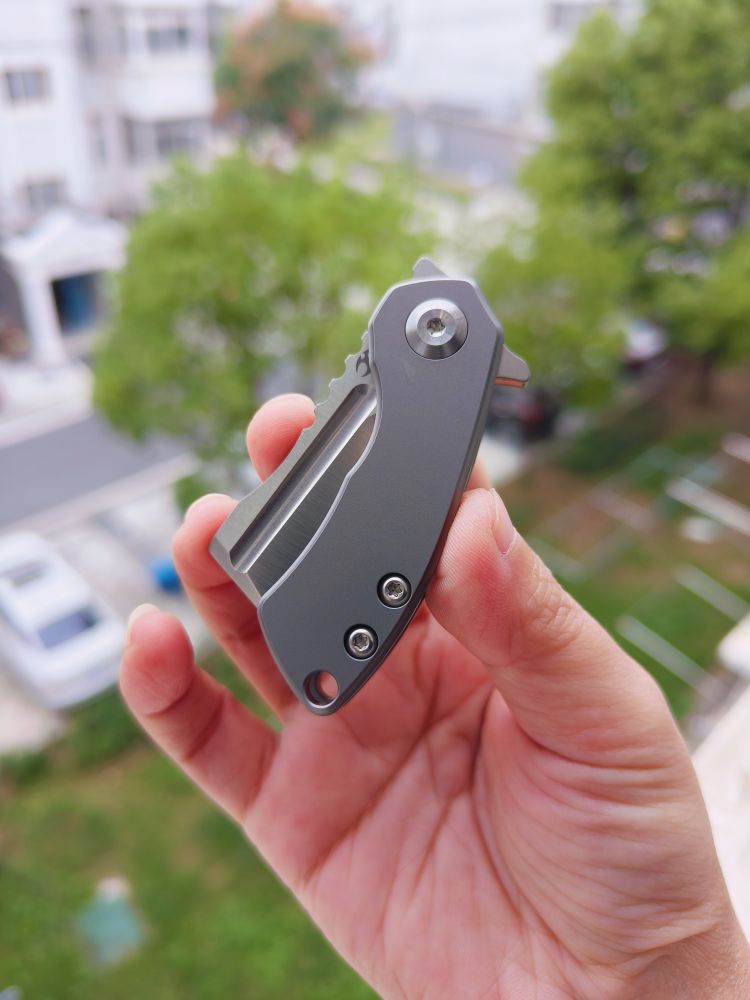
The Mini Korvid addresses this through a dedicated thumb relief cutout on the presentation scale. The scale edge is CNC-chamfered to expose the textured, jimped edge of the lock leaf. This allows the user's thumb pad to find immediate purchase and push the spring bar sideways smoothly. Once disengaged, the blade swings freely past the lock ramp on caged ceramic ball bearings, allowing fluid, single-handed closure without pinching the fingers or dragging against scale edges.
While all-metal variants in the broader lineup feature an integral Frame Lock where grip pressure reinforces lockup directly, the nested liner configuration maintains identical grip texture, material warmth, and visual symmetry across both sides of the handle.
Manufacturing Tolerances and Metallurgy Harmonization
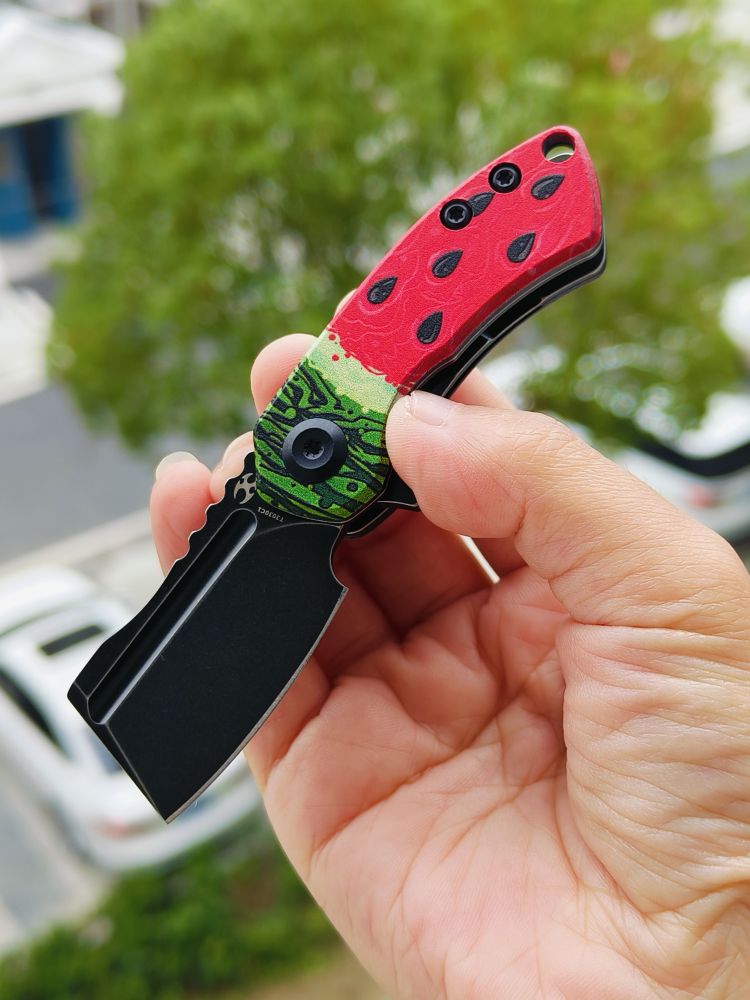
Manufactured under the high-precision quality control of Kansept, every nested liner channel is machined to precise tolerances to eliminate vertical or horizontal blade wobble. Across the wider Kansept Korvid collection, nested liner assemblies are paired with proven blade steels:
-
Everyday Production Performance: The 154CM Blade offers balanced edge retention, exceptional toughness, and rapid field resharpening on standard pocket stones.
-
Particle Metallurgy Stamina: High-tier editions feature CPM-S35VN powder steel, providing outstanding vanadium-niobium wear resistance during continuous cardboard breakdown.
-
Artisanal Collector Contrast: Distinctive runs showcase pattern-welded Damascus steel, pairing traditional forge-folded steel patterns with modern nested locking mechanics.
The nested liner lock on the Kansept Mini Korvid demonstrates how thoughtful internal architecture can maximize safety on an ultra-compact platform. By embedding rigid stainless steel liners within contoured exterior scales, the design achieves dependable lockup strength, a streamlined pocket profile, and effortless single-handed access that excels in everyday utility.