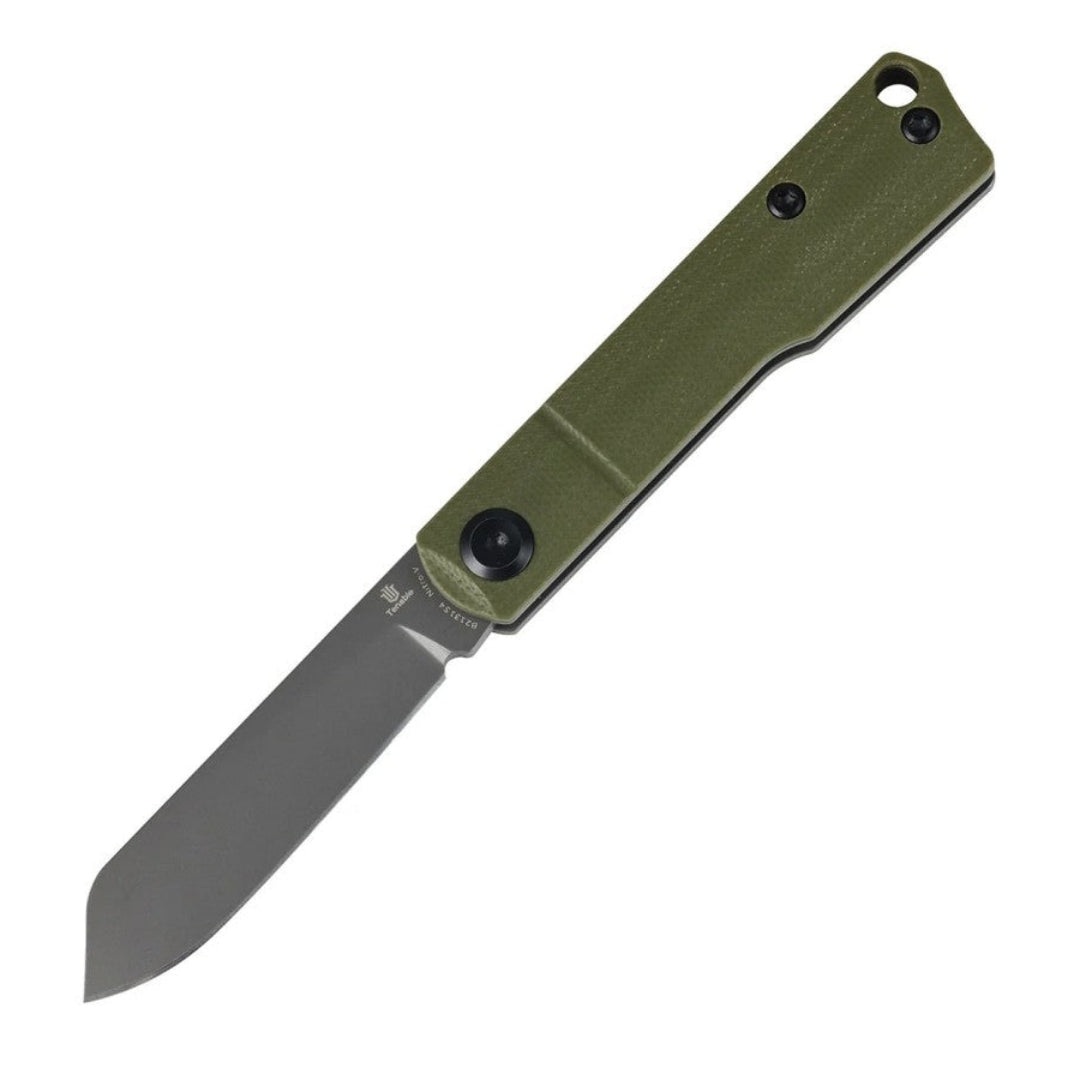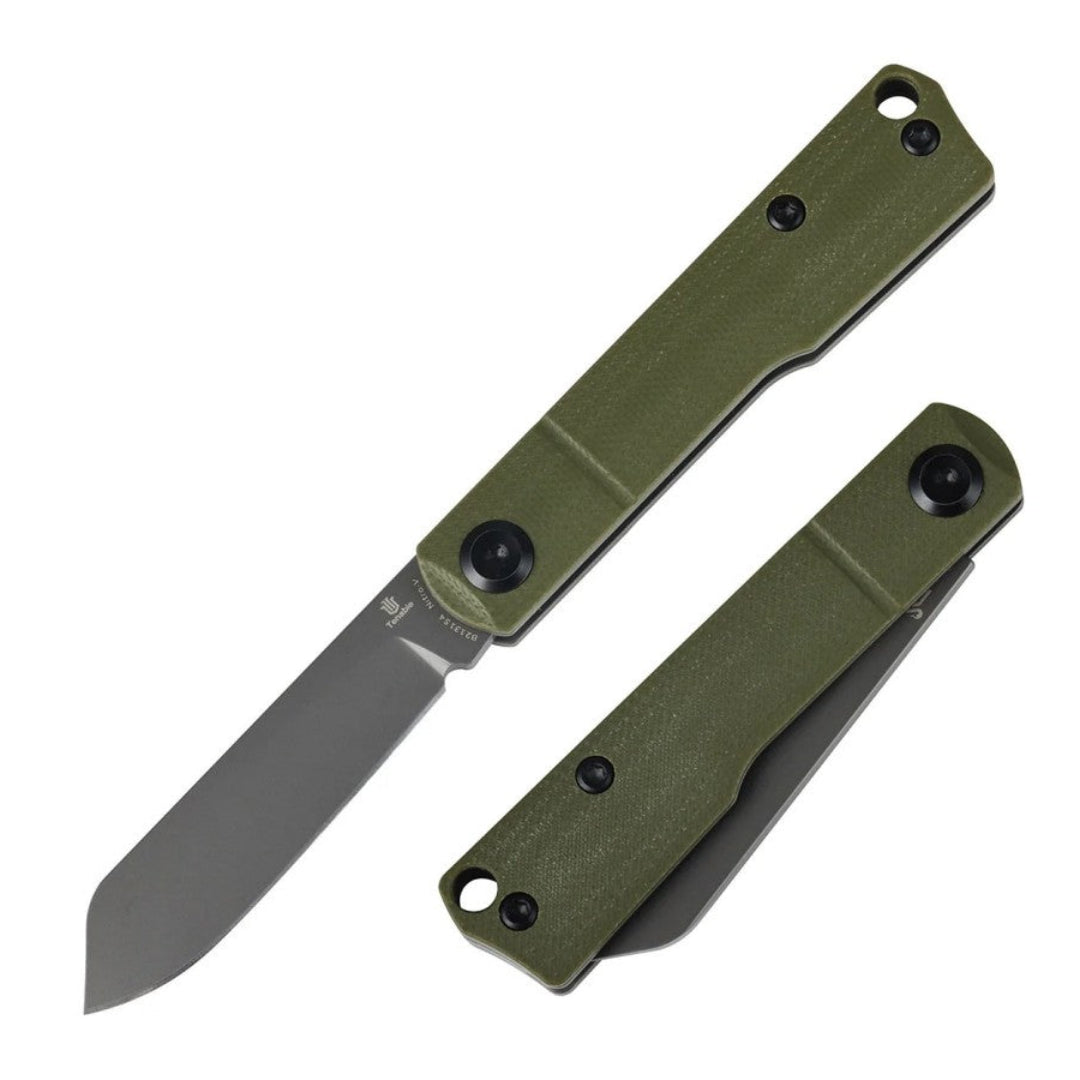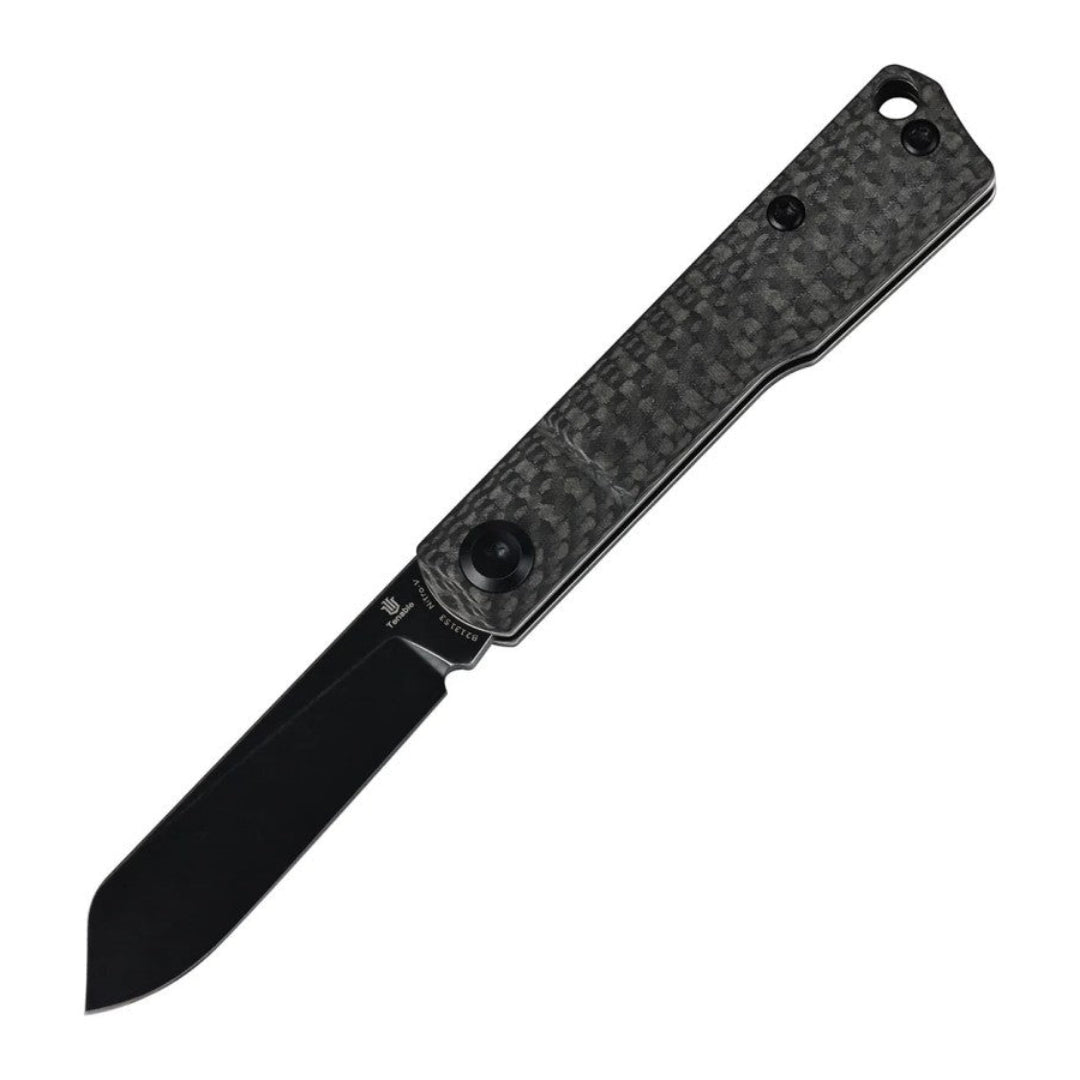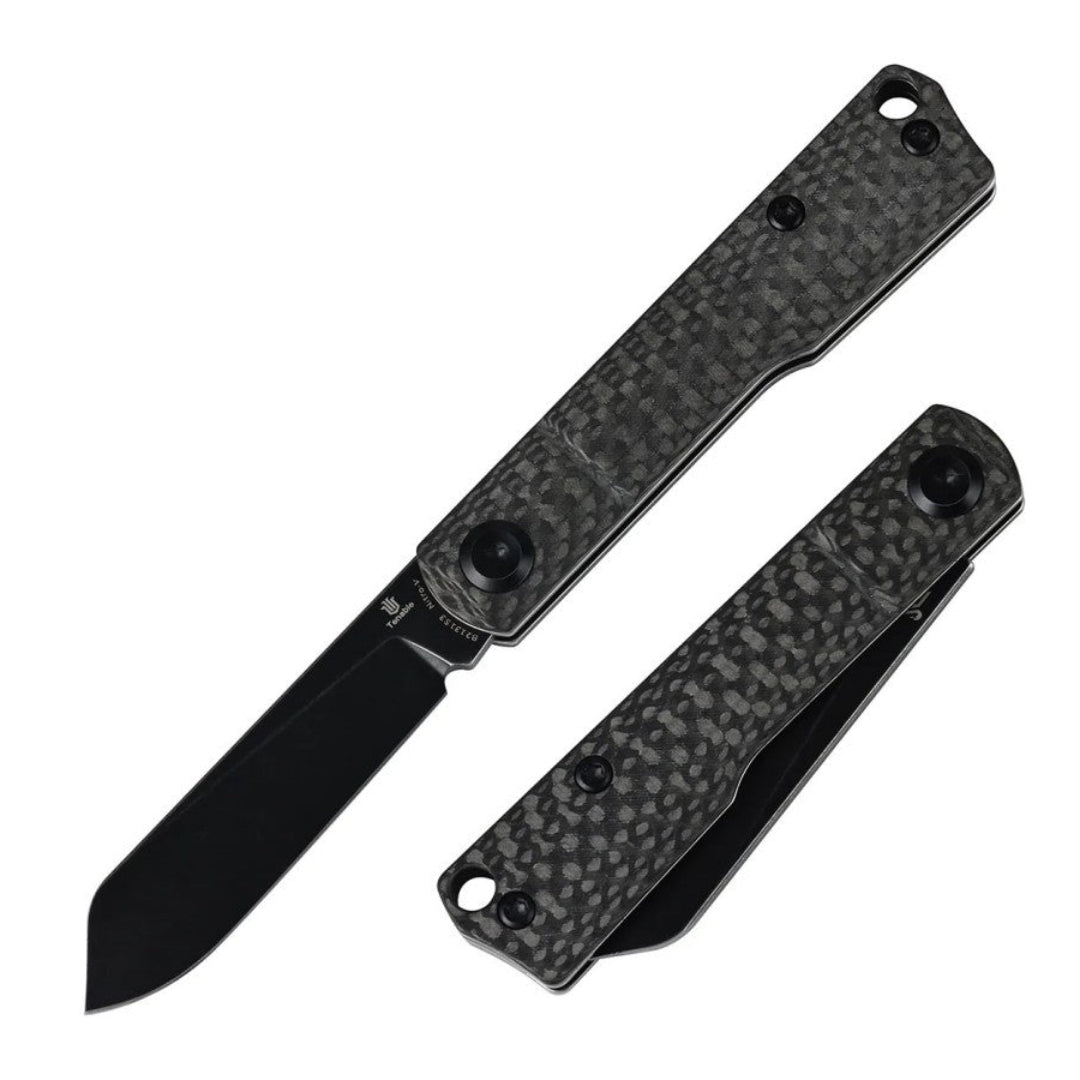

When evaluating everyday carry (EDC) folding knives, performance, aesthetics, and material quality are often the primary topics of discussion. However, veteran knife enthusiasts understand that the most crucial mechanical feature of any folding pocket knife is the lock system. A lock failure during a heavy-duty cutting chore can lead to severe structural collapsing, resulting in serious hand injuries.
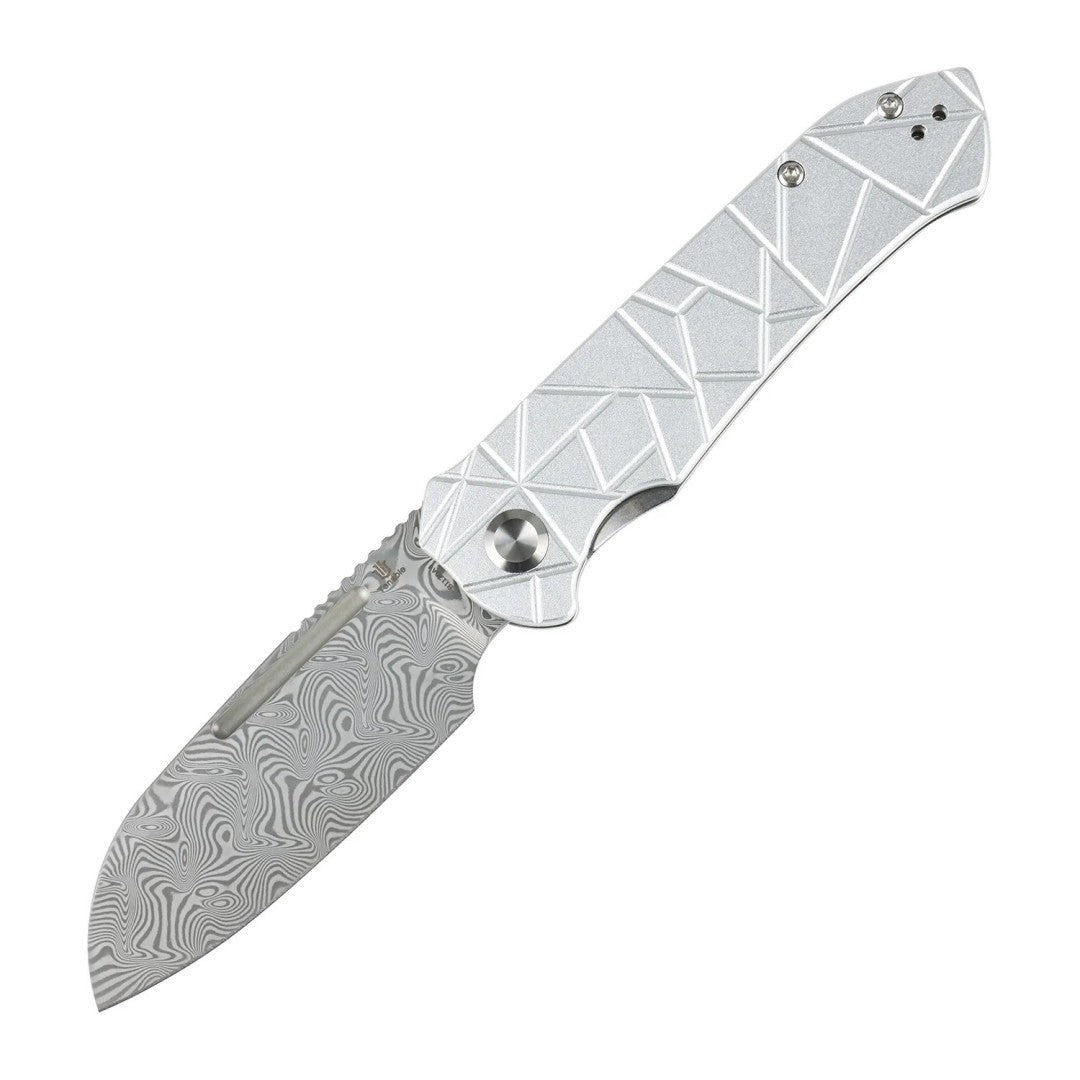
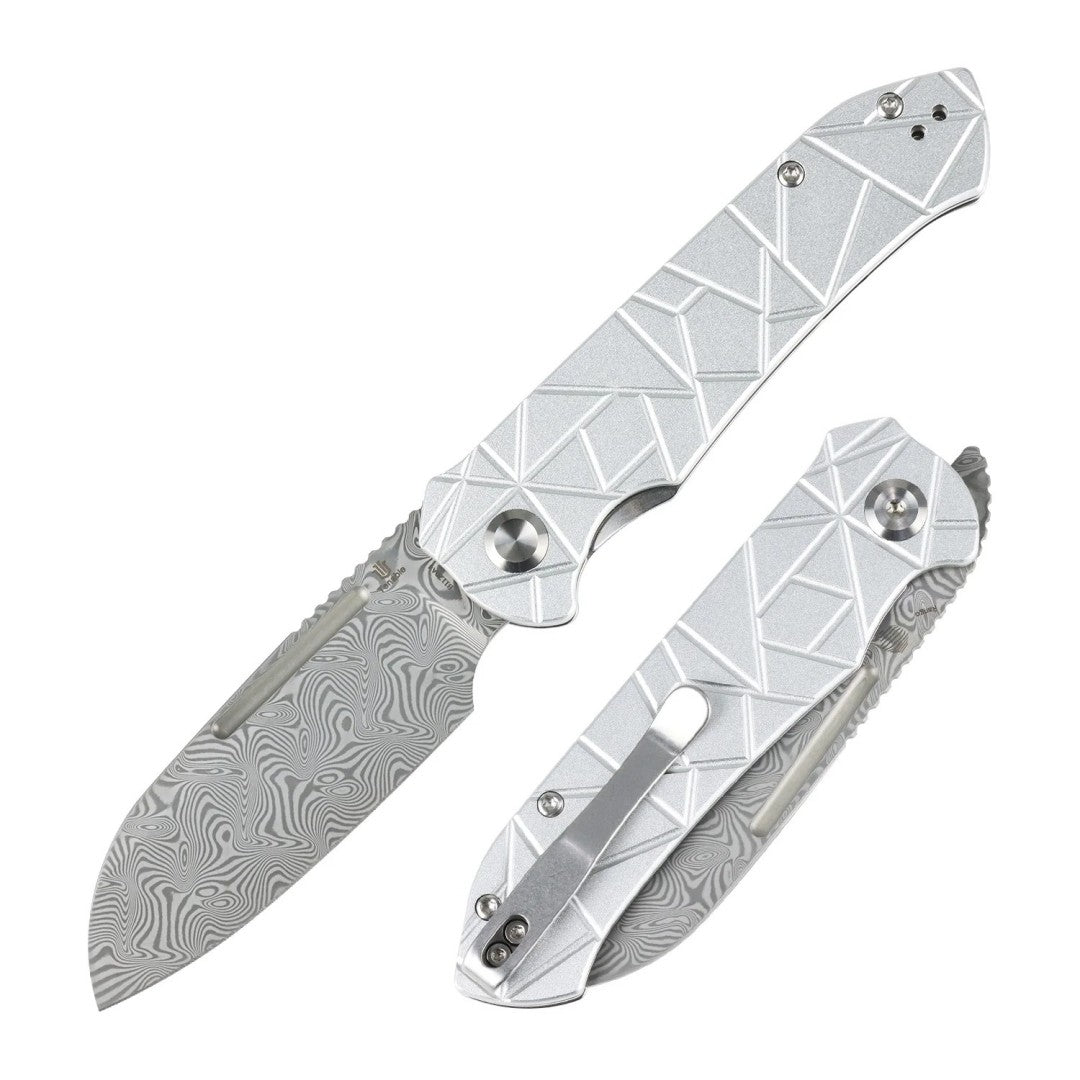
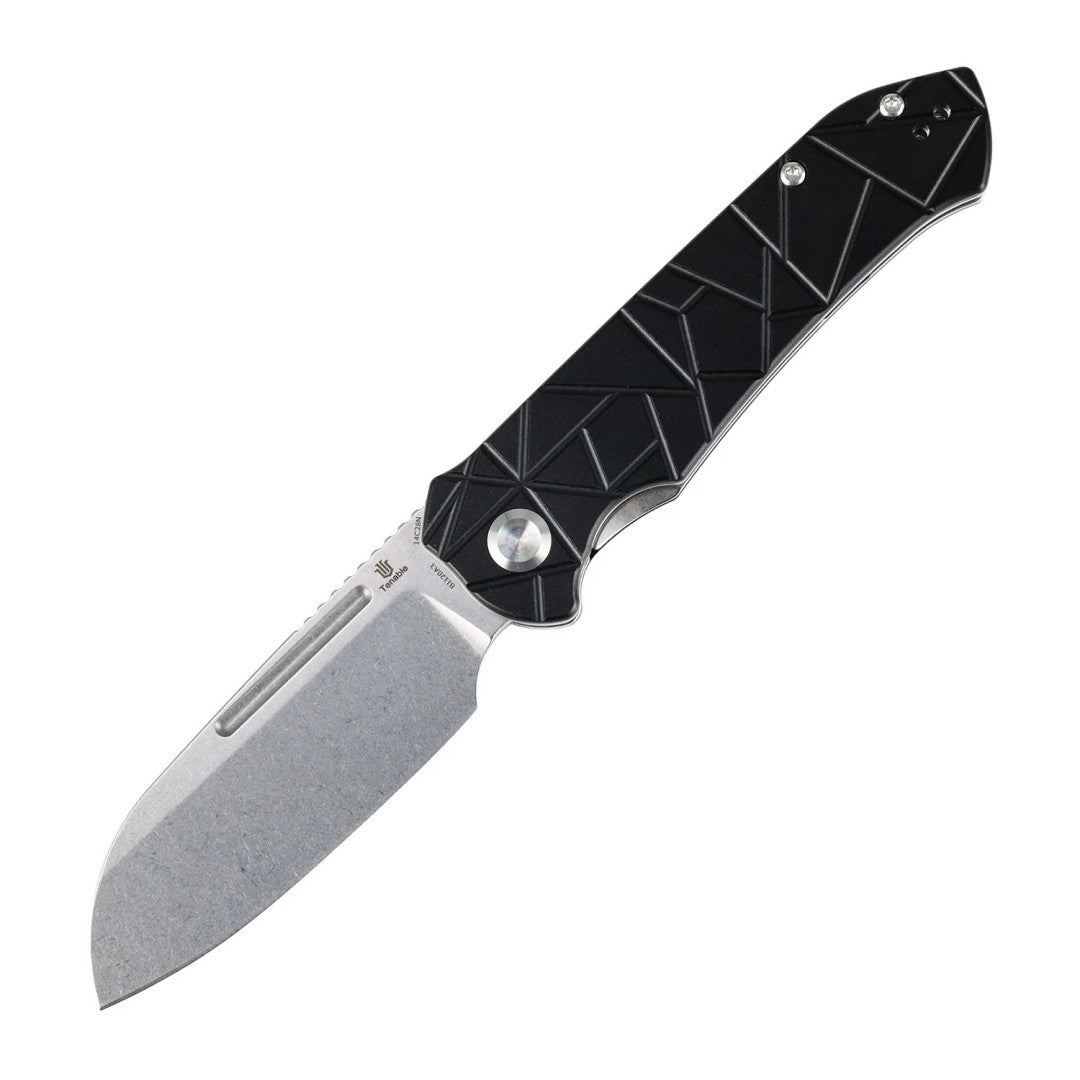
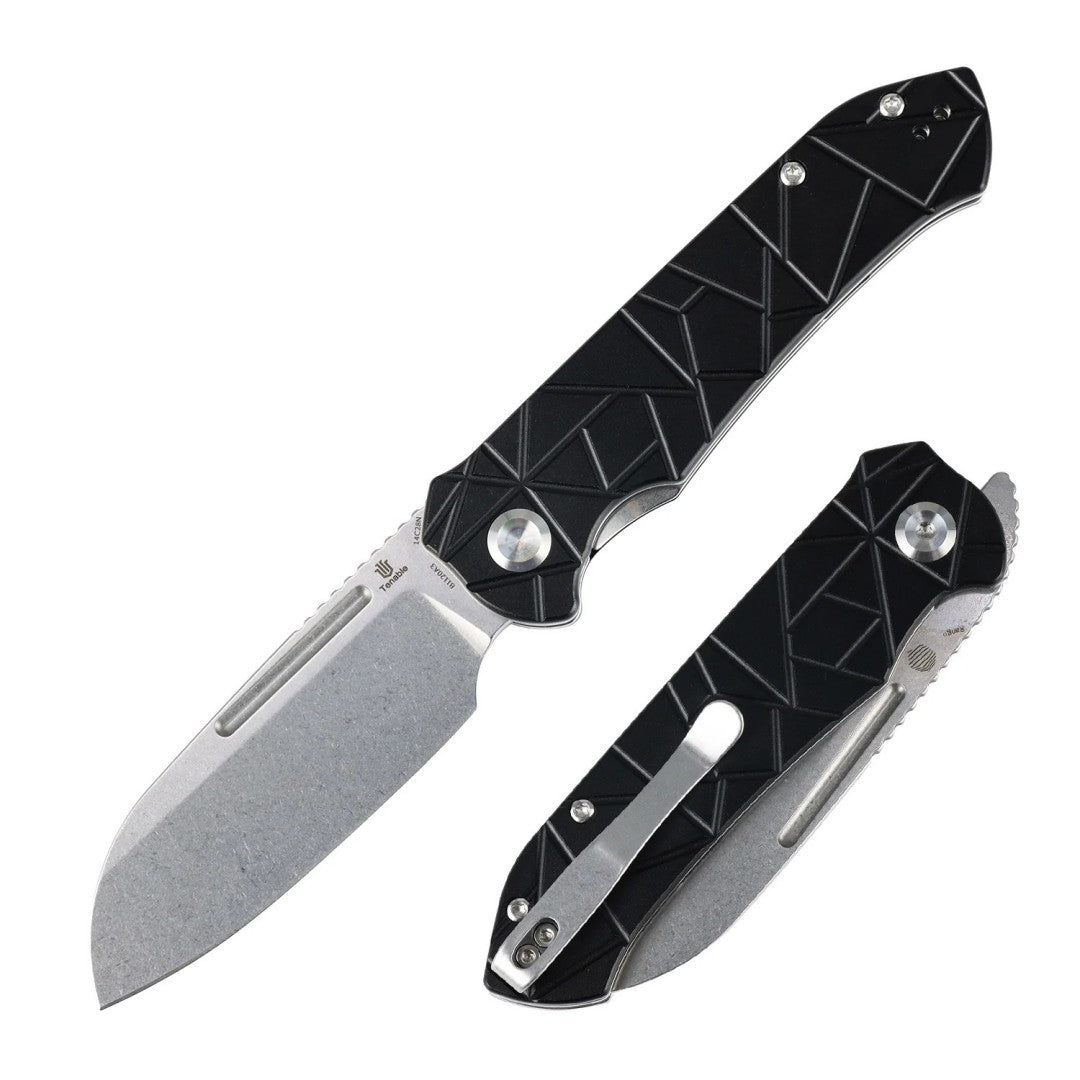
The introduction of the QSP Vault, configured by custom artisan Jacob Lundquist, has taken the pocket gear landscape by storm. While it boasts a phenomenal 3.25-inch Swedish steel blade and a clean heritage style with anodized aluminum bolsters, its primary achievement is mechanical security. By introducing QSP’s proprietary Glyde Lock, this folder sets a new benchmark for everyday carry pocket safety. Let's look deep into the physics, mechanics, and design philosophies that demonstrate how the Glyde Lock is shifting expectations for folding knife protection.

1. Zero-Contact Operation: Keeping Fingers Out of Harm's Way
The most revolutionary safety benefit of the Glyde Lock framework is how it radically alters human interaction with the closing blade.
The Flaw of Traditional Locks
In traditional folder frameworks like liner locks or frame locks, closing the tool requires a dangerous physical sacrifice. The user must intentionally place their thumb or fingers inside the open travel channel of the handle scales to push the flexible lock bar aside. Only then can the blade swing closed. If the pivot moves too quickly, or if your hand slips, the razor-sharp cutting edge drops directly onto your fingers.
The Glyde Lock Solution
The Glyde Lock utilizes a completely ambidextrous crossbar configuration that operates on dual internal omega-style springs. To collapse the knife, you simply pinch the external grooved buttons on either side of the bolster and pull backward. This mechanical action retracts the solid locking bar from the blade tang completely outside the frame line.
Your fingers remain safely resting on the exterior surfaces of the handle scales throughout the entire process. The cutting edge drops safely into the handle cavity without ever threatening to cross paths with your skin.
2. Dynamic Structural Wedging: The Strength of the Crossbar
Beyond operational safety, a locking mechanism must remain unyielding when subjected to hard structural loads, severe vibrations, or heavy spine-whacking pressures.
| Attribute | Glyde Lock Engineering | Safety Impact |
| Interface Style | Solid steel axis bar passing through frame | Eradicates standard horizontal lock shifting |
| Self-Adjusting Geometry | Bar naturally wedges deeper into the blade tang | Compensates for structural wear over years of heavy use |
| Structural Integrity | Dual-liner anchoring across aluminum bolsters | Distributes downward pressure evenly down the chassis |
When the QSP Vault blade snaps open, the spring-loaded Glyde Lock bar automatically overrides the rear radius of the blade tang. This creates a solid, multi-point structural wedge. Unlike liner locks that can slip out of alignment under intense torque or twisting pressure, the solid crossbar physically blocks the blade from rotating back into the handle. Under extreme stress, the lock bar transfers incoming forces evenly through the thick steel inner liners, providing a level of structural rigidity that feels nearly as solid as a fixed-blade hunting tool.

3. High-Tension Retention: Eliminating Accidental Pocket Deployment
Pocket knife safety isn't only about preventing the blade from closing when you want it open; it is equally about ensuring the blade remains closed when tucked safely away inside your clothing.
A significant complaint with early crossbar locks in the knife industry was a soft, weak detent path. If an EDC enthusiast jumped down from a truck or brushed against a wall, the blade could shake loose, creating an exposed, razor-sharp hazard inside the pocket.
QSP specifically targeted this flaw by increasing the tension and calibration of the internal springs on the Glyde Lock. When folded, the vault blade is held inside the frame by a strong, highly deliberate closed bias. You can aggressively shake the handle frame, but the blade stays securely housed between the Micarta scales. It requires an intentional, calculated press of the dual thumb studs to break past this detent path, completely eliminating the danger of unexpected deployments during vigorous daily movement.
4. Perfect Ambidextrous Symmetry for Left-Handed Safety
Traditional folding knives are predominantly built for right-handed users. For left-handed individuals, operating a standard right-handed frame or liner lock means manipulating the release mechanism blindly or shifting their hand into awkward, unstable positions that increase the risk of accidental drops.
The QSP Vault Glyde Lock is engineered with perfect ambidextrous symmetry. The slider tabs emerge from both the left and right sides of the anodized aluminum bolsters. When combined with the dual thumb studs on the 14C28N steel blade and a fully reversible deep-carry pocket clip, the knife offers an identical operational flow and safety layout for both left- and right-handed operators. Lefties no longer have to compromise their hand stability or safety posture just to close their tool.
Conclusion: A True Evolution in EDC Security
The QSP Vault demonstrates that premium pocket safety doesn't have to carry an elite, inaccessible price tag. By implementing the robust, spring-driven Glyde Lock, Jacob Lundquist and QSP have delivered a tool that addresses every primary failure point of traditional folding pocket folders. From zero-contact finger safety and absolute structural lock stability to robust closed retention and true ambidextrous equity, the Glyde Lock proves itself as a massive step forward in everyday tool engineering.
Frequently Asked Questions (FAQ)
What makes the Glyde Lock safer than a standard liner lock?
The Glyde Lock allows you to fully open and close the blade without ever placing your fingers inside the path of the sharp cutting edge, whereas a liner lock forces your thumb directly into the blade's closing path.
Can lint or dust jam the Glyde Lock mechanism?
While heavy pocket debris can accumulate in any crossbar track, the Glyde Lock is built with spacious internal channels. Pocket lint can be easily cleared away using a brief blast of compressed air or by running the frame under warm water.
Do the springs inside the Glyde Lock wear out over time?
No. QSP utilizes high-grade, resilient internal omega-style steel alloy springs that are specifically tempered to survive hundreds of thousands of deployment cycles without losing structural elasticity or strength.
To see how smoothly this innovative closing mechanism operates in real life, a deep look at its physical handling properties is highly beneficial. For an excellent overview of the knife's design execution and a visual look at the lock mechanics, check out the QSP Vault 5-Minute Review. This video showcases how effortlessly the lock enables safe, one-handed operation.