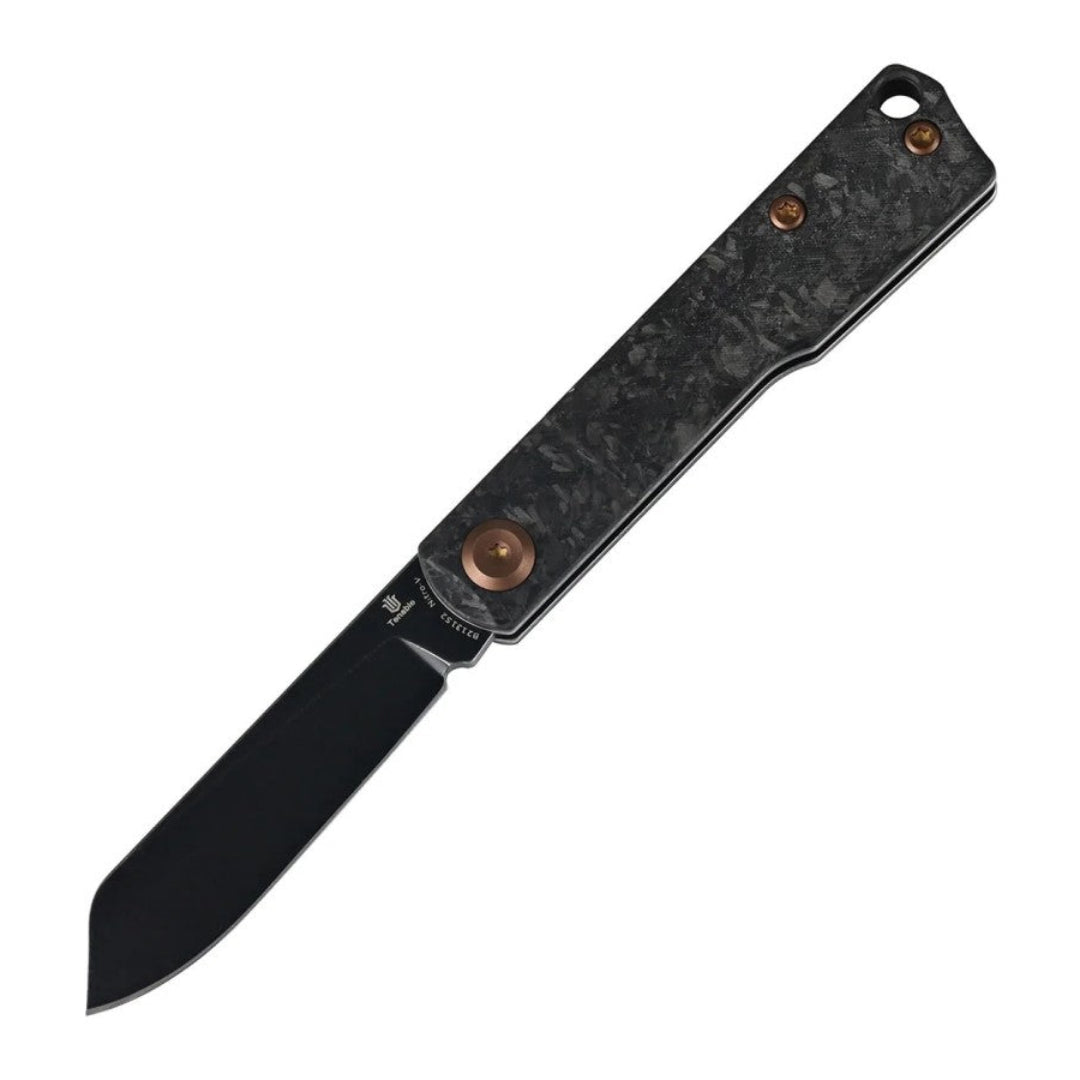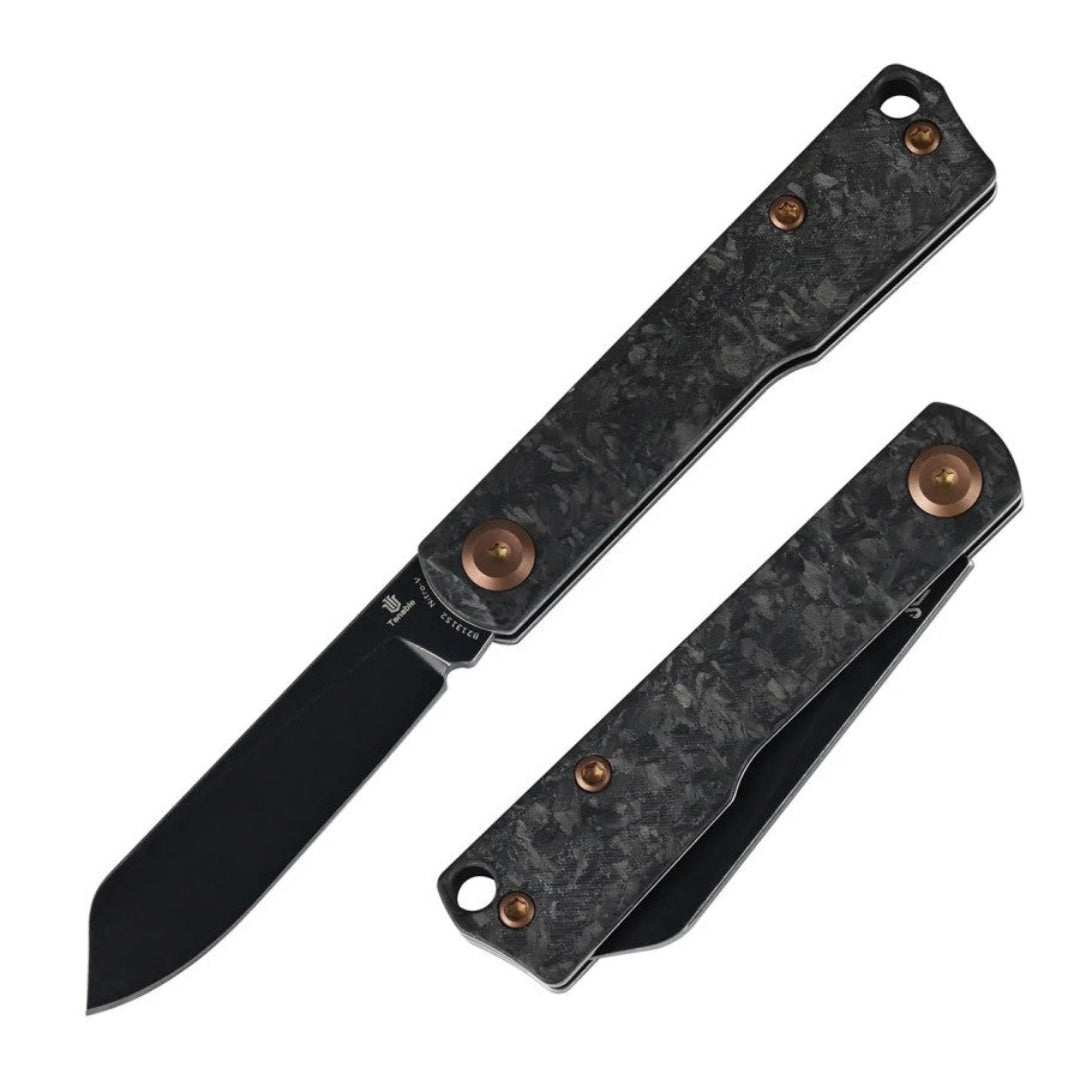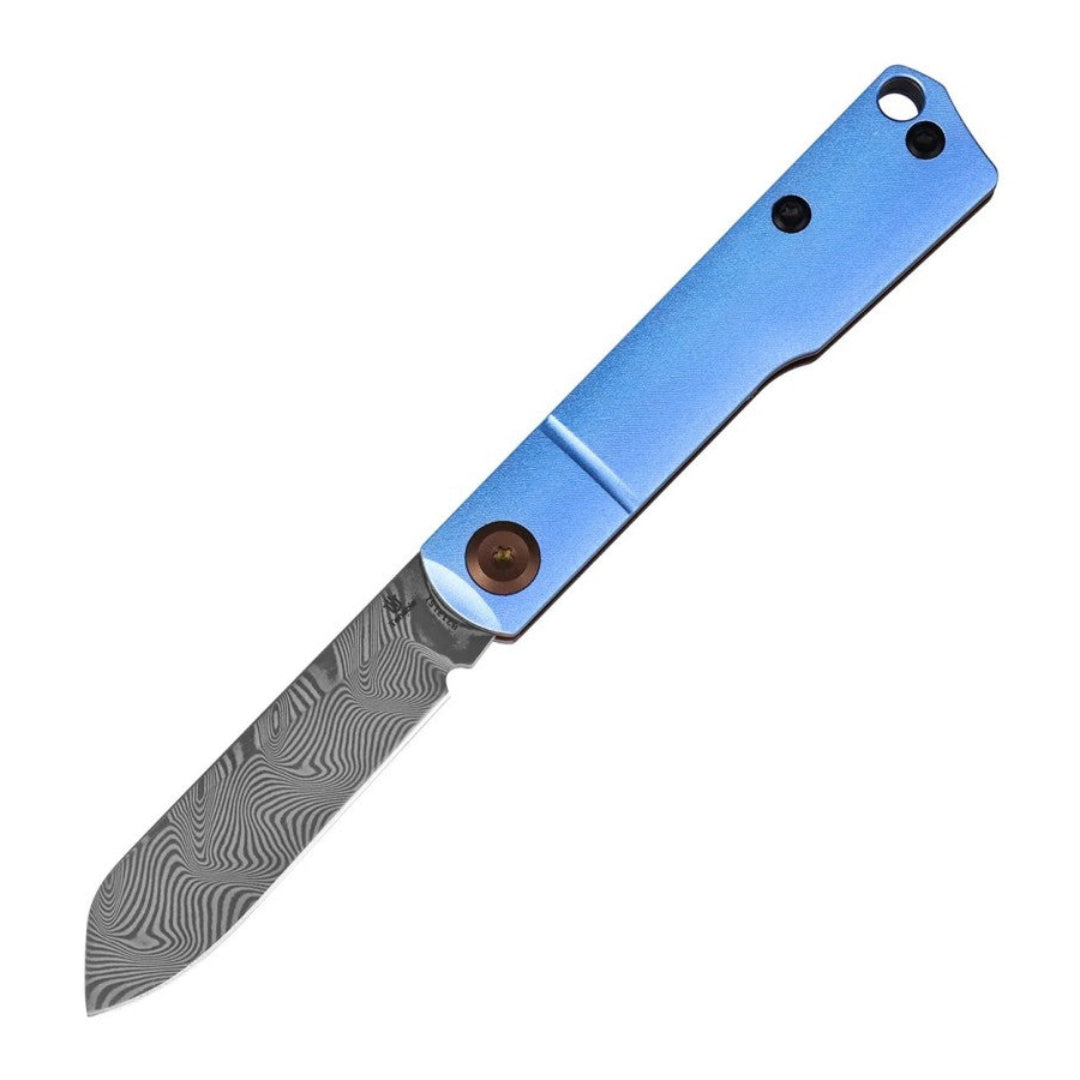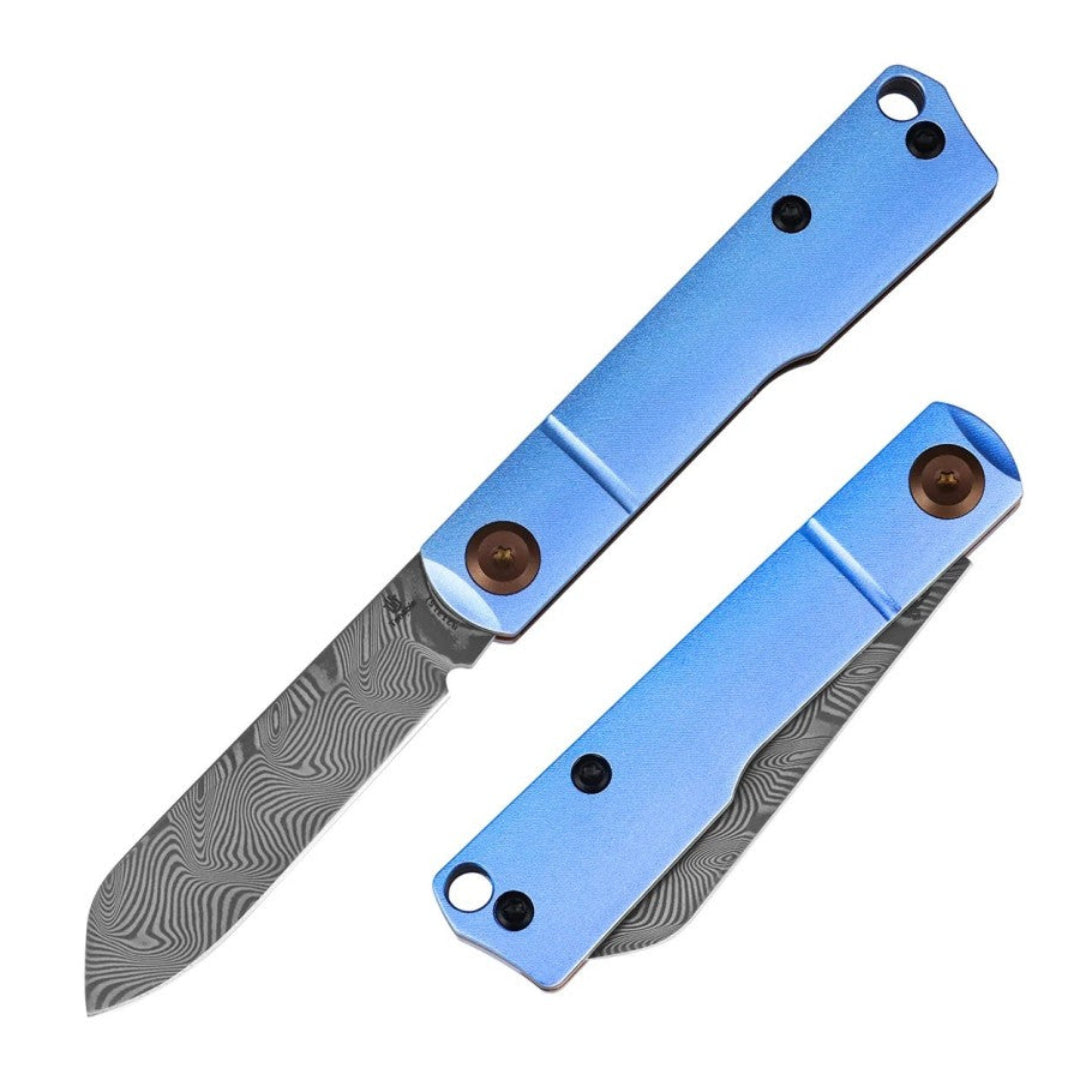

The everyday carry (EDC) knife market has witnessed an incredible evolution over the past few decades, driven heavily by innovations in locking mechanisms. For nearly twenty years, Benchmade held a tight grip on the premium folder market with its patented Axis Lock—a revolutionary design celebrated for its strength, safety, and immense fidget factor.
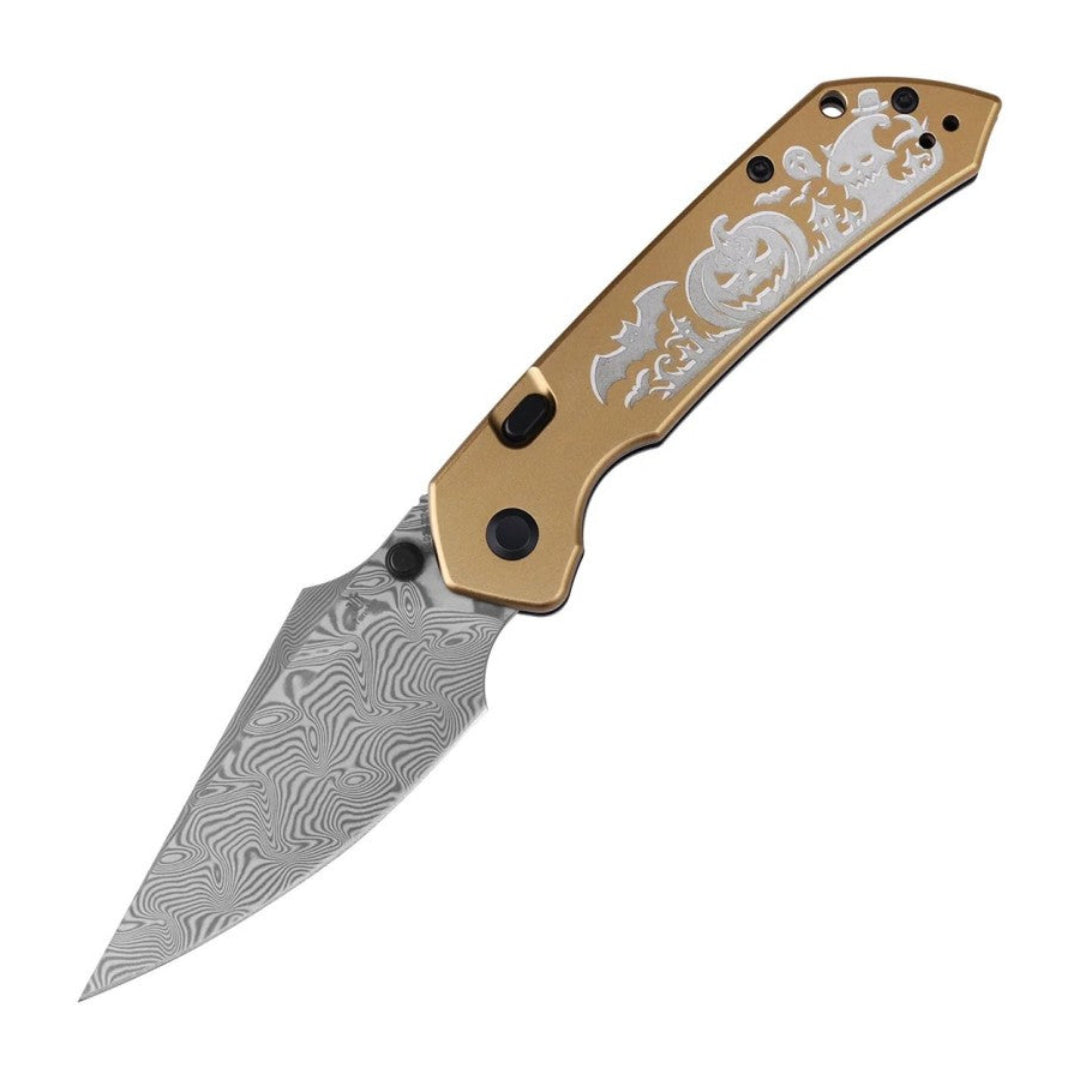
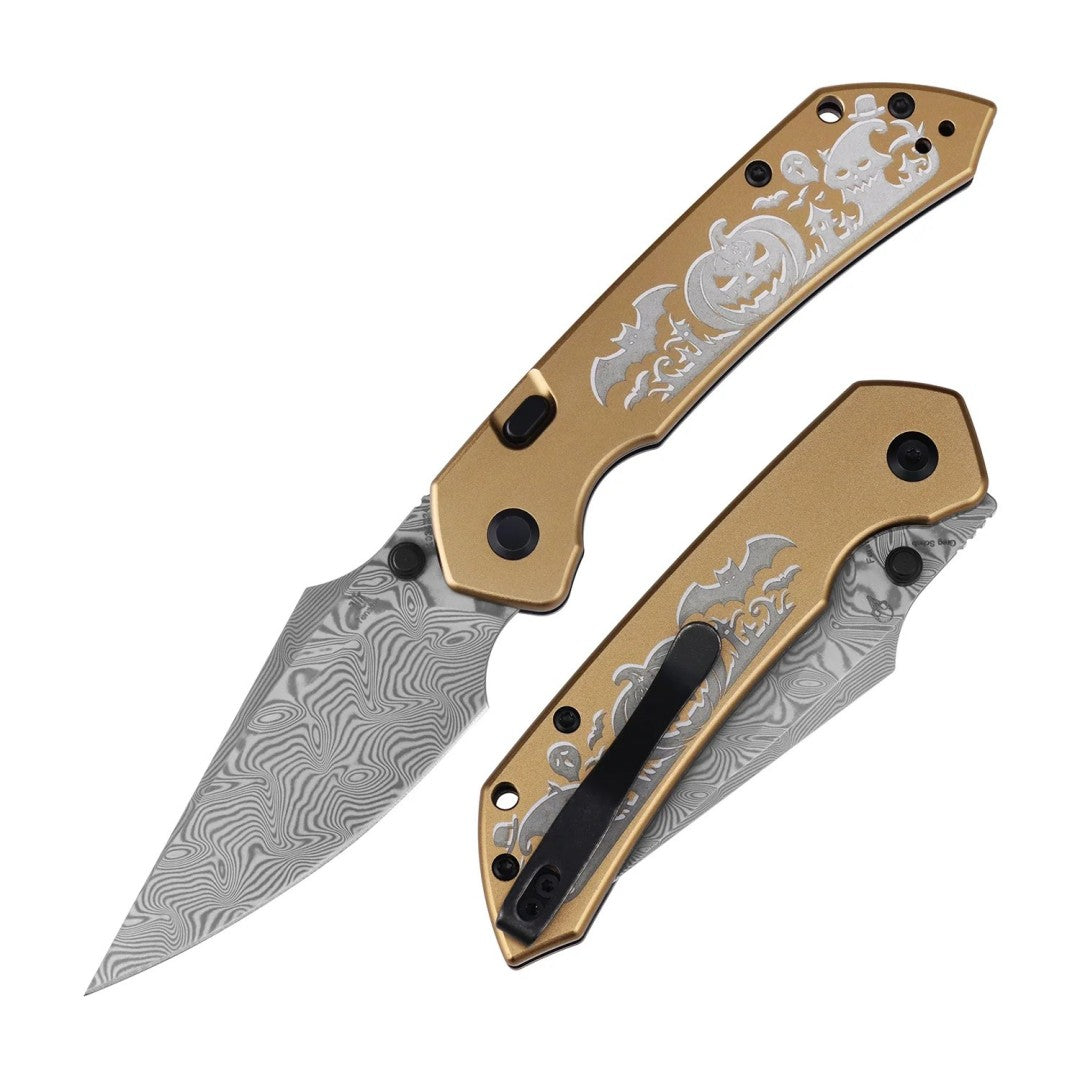
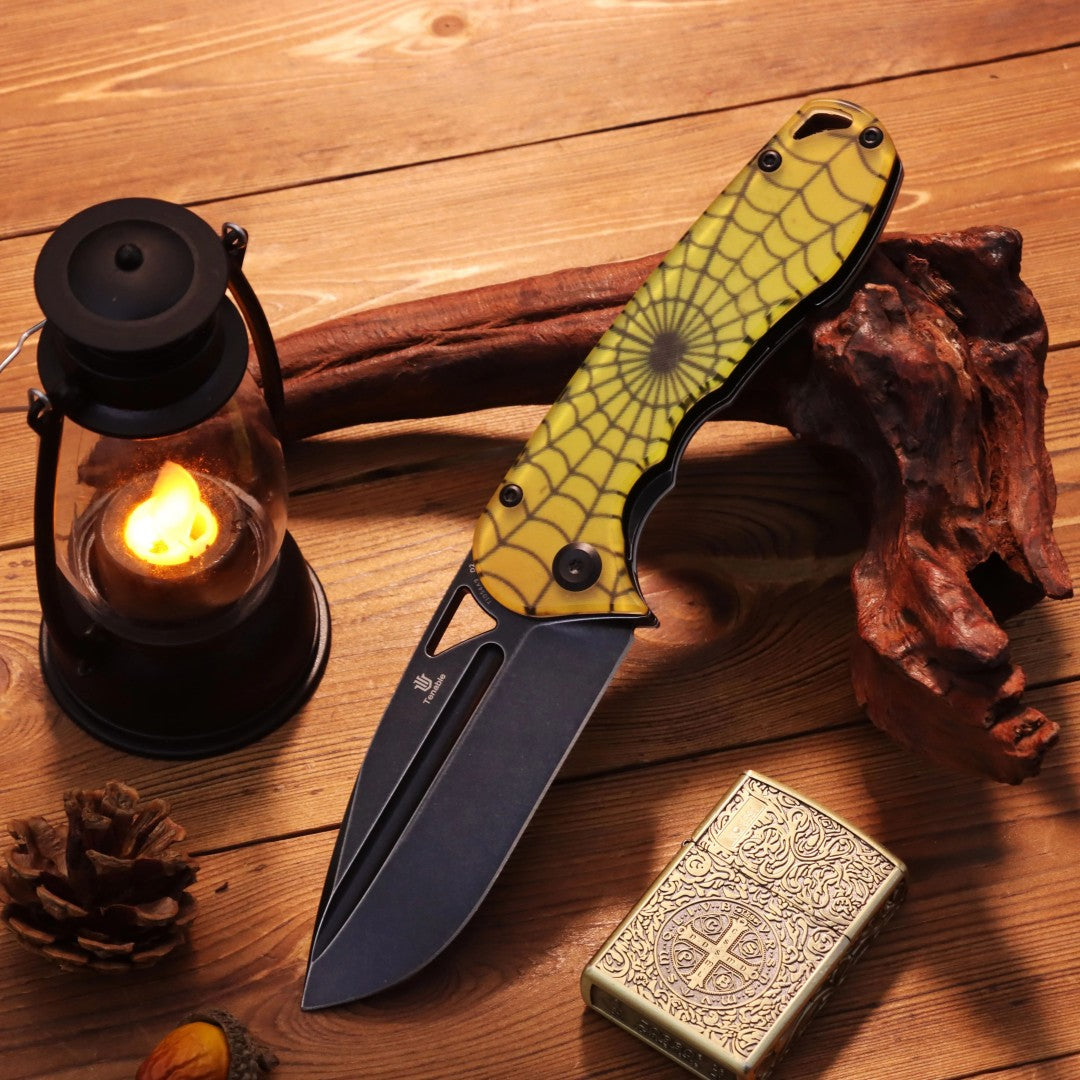
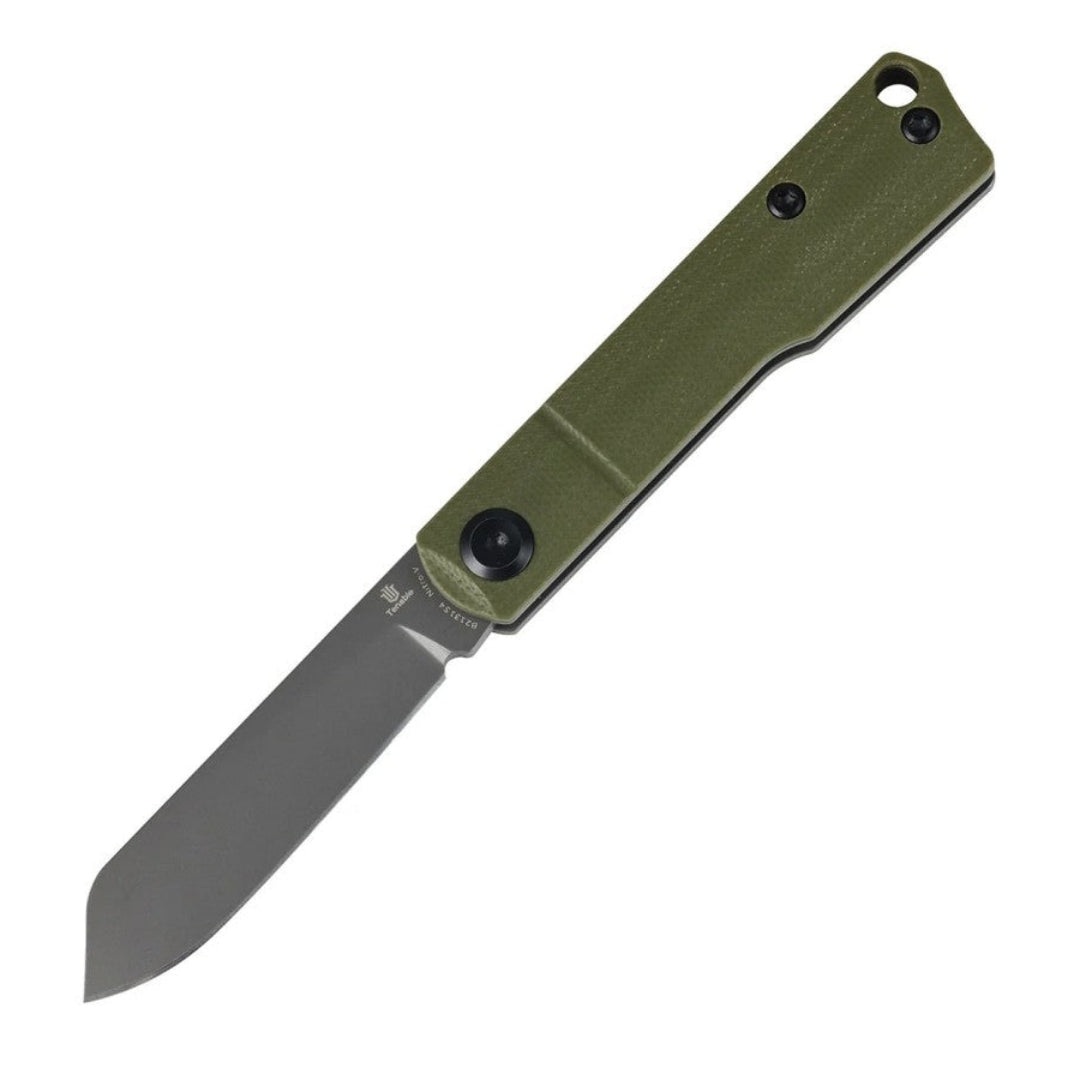
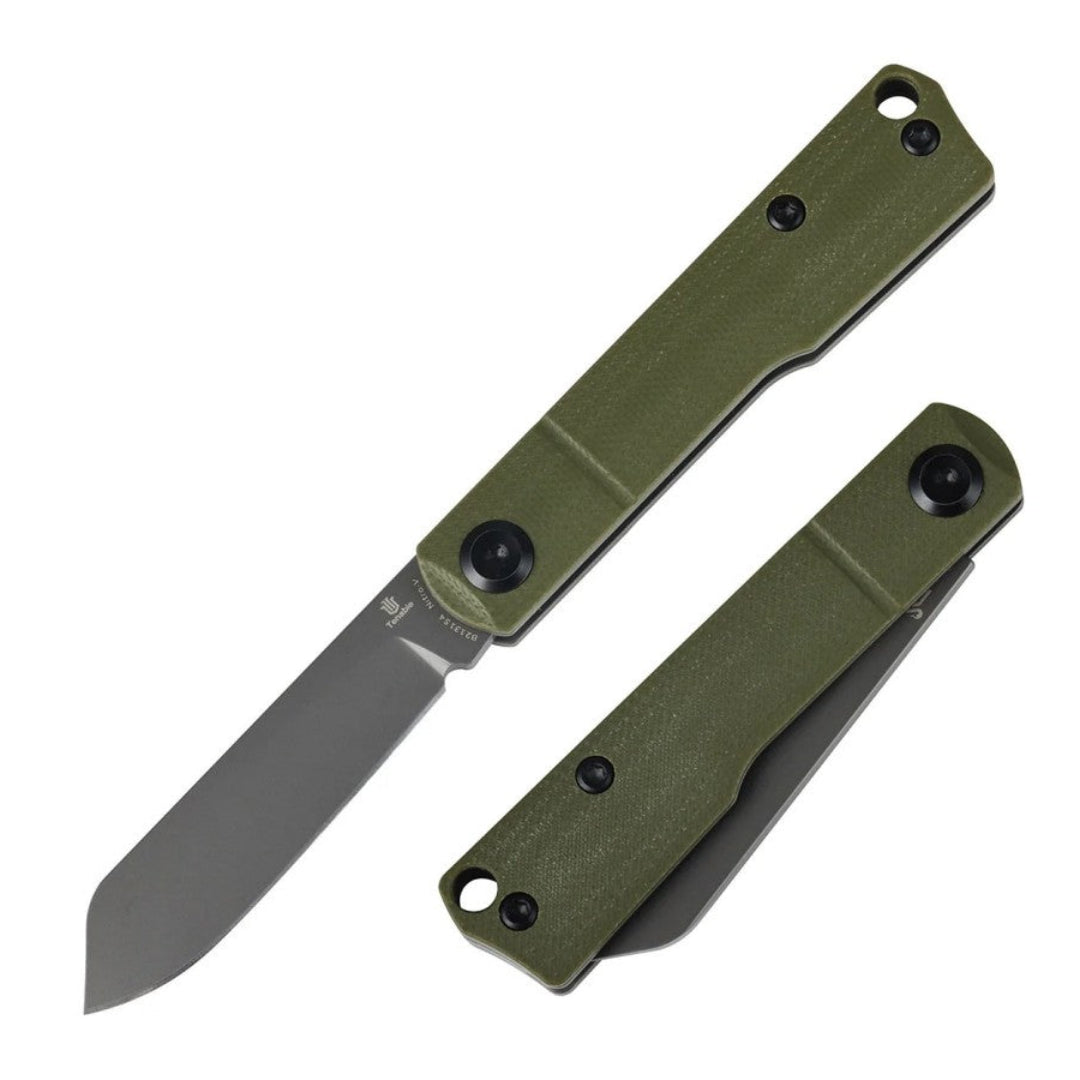
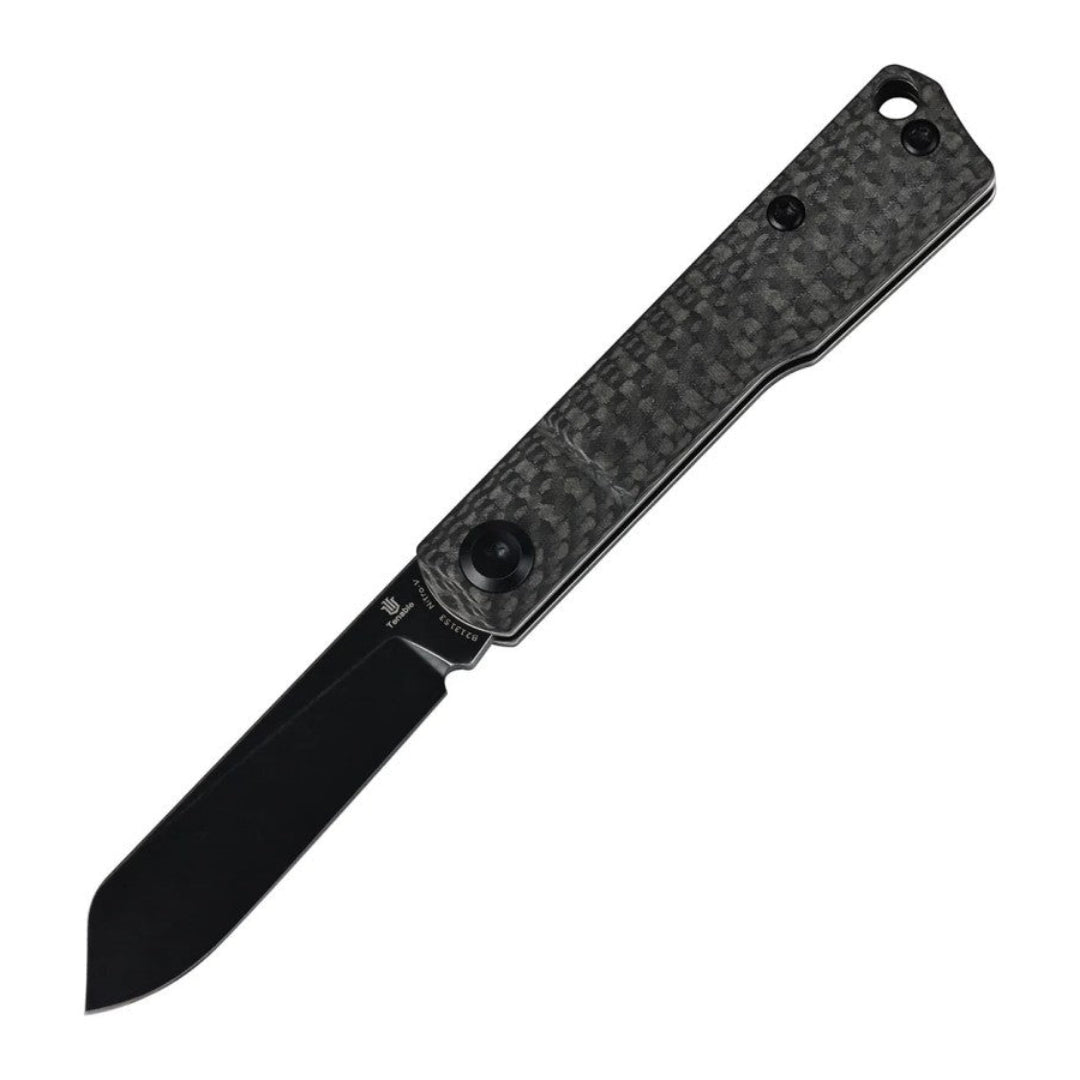
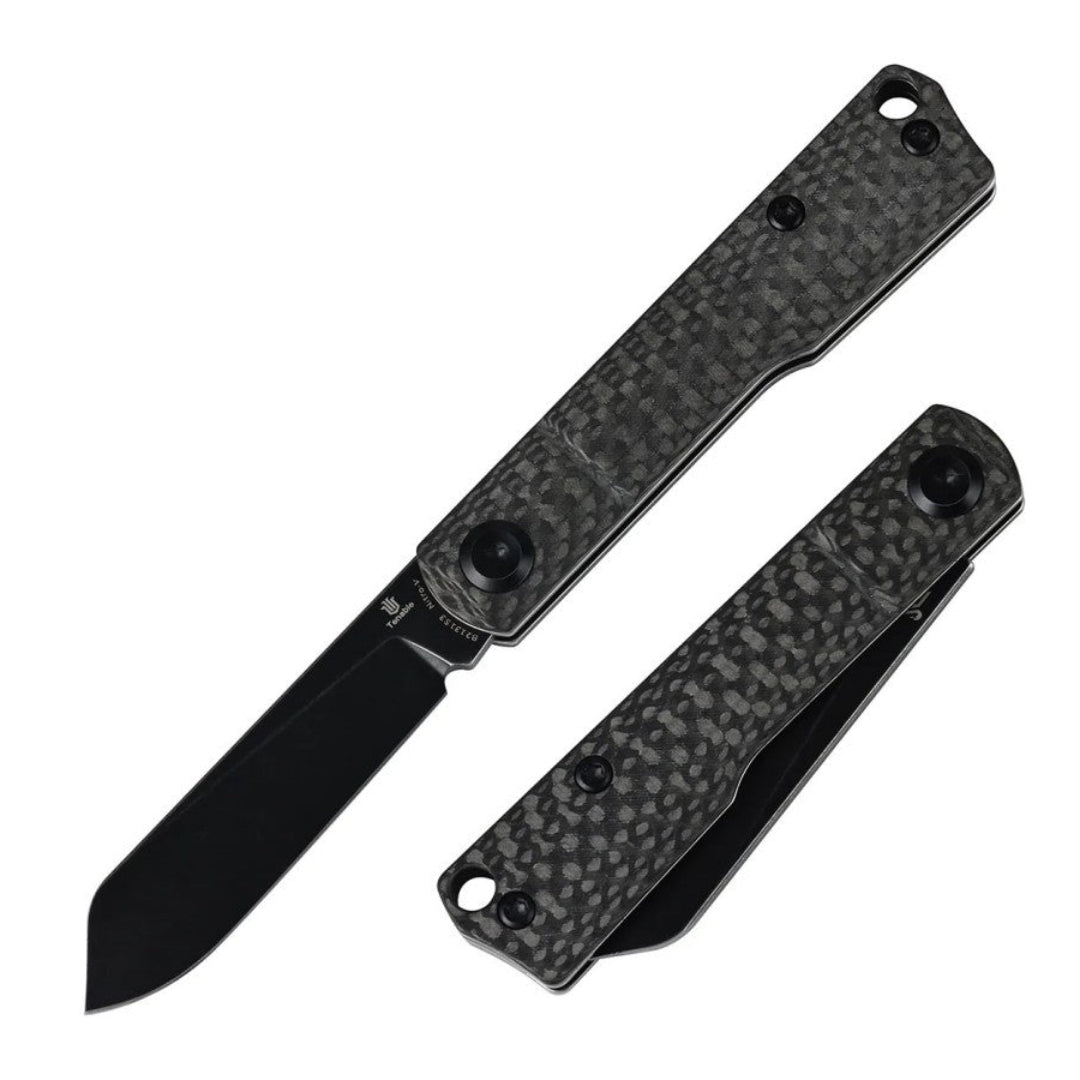
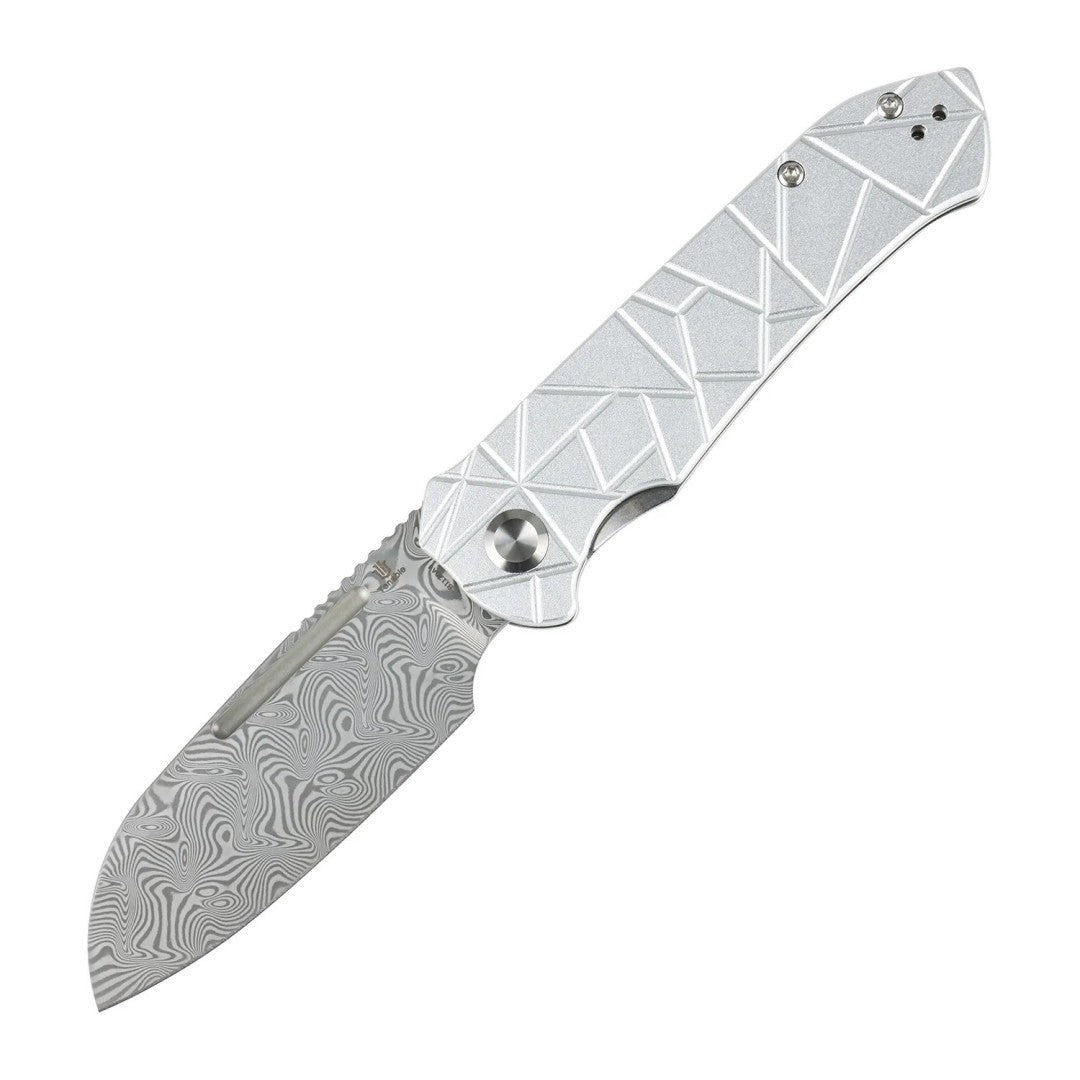
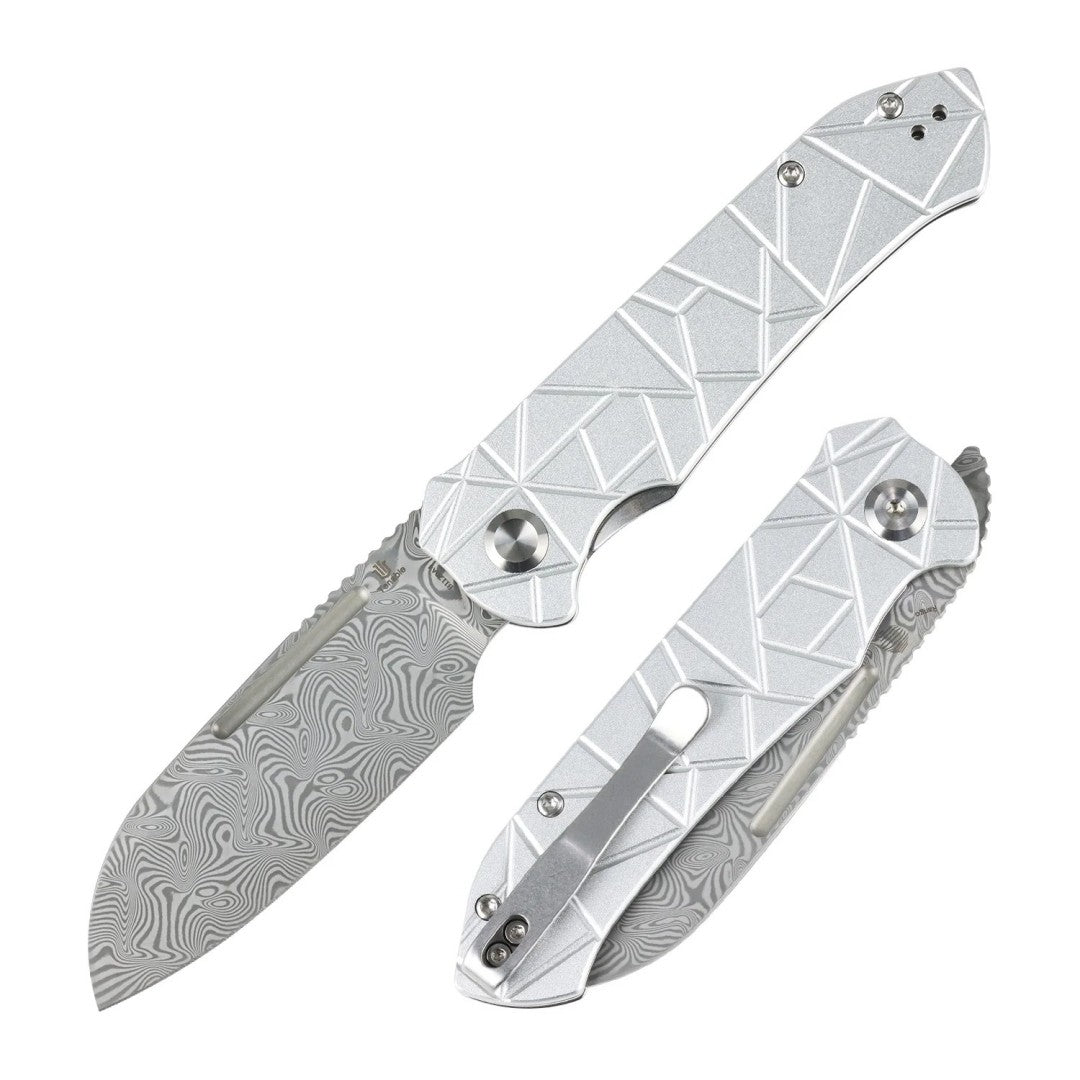
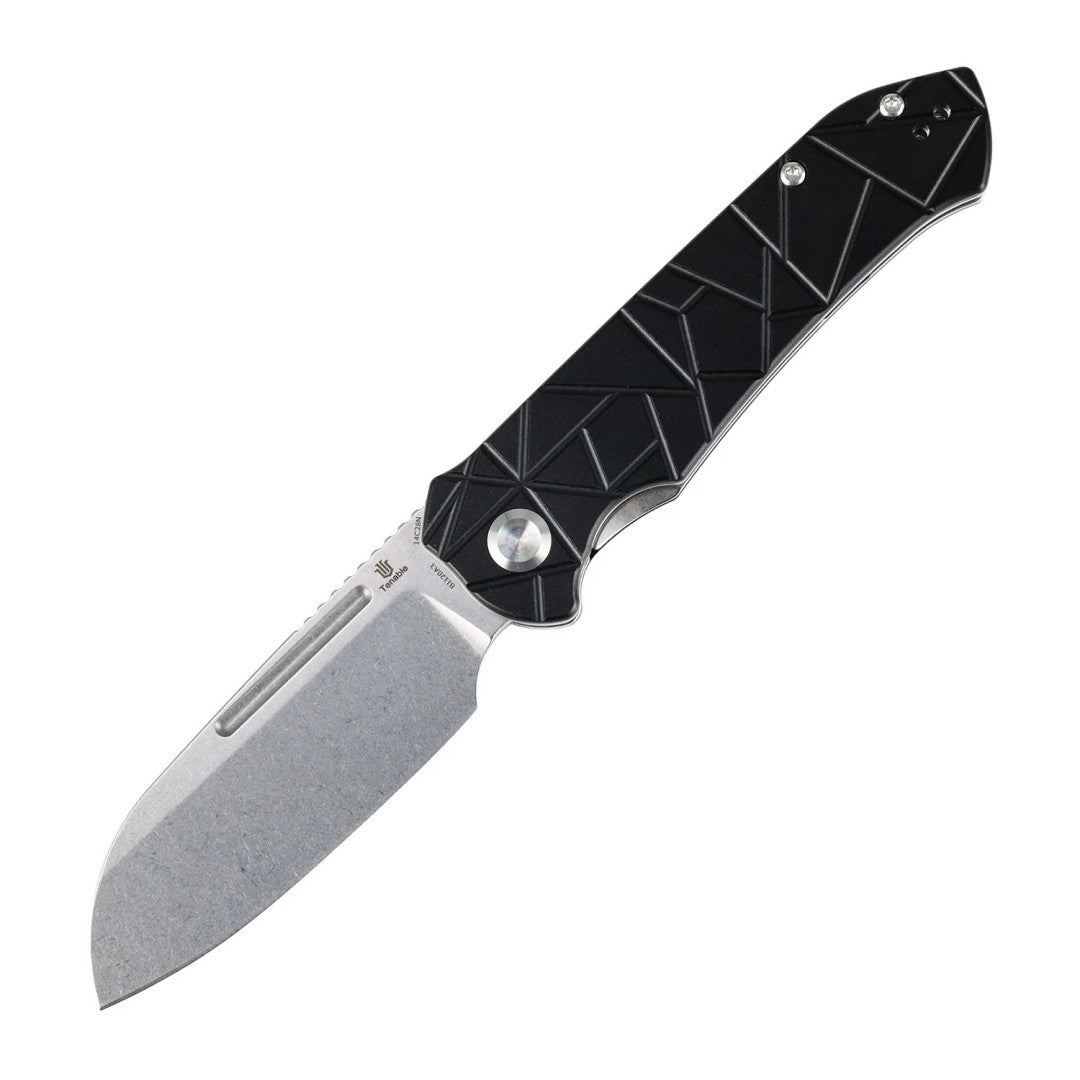
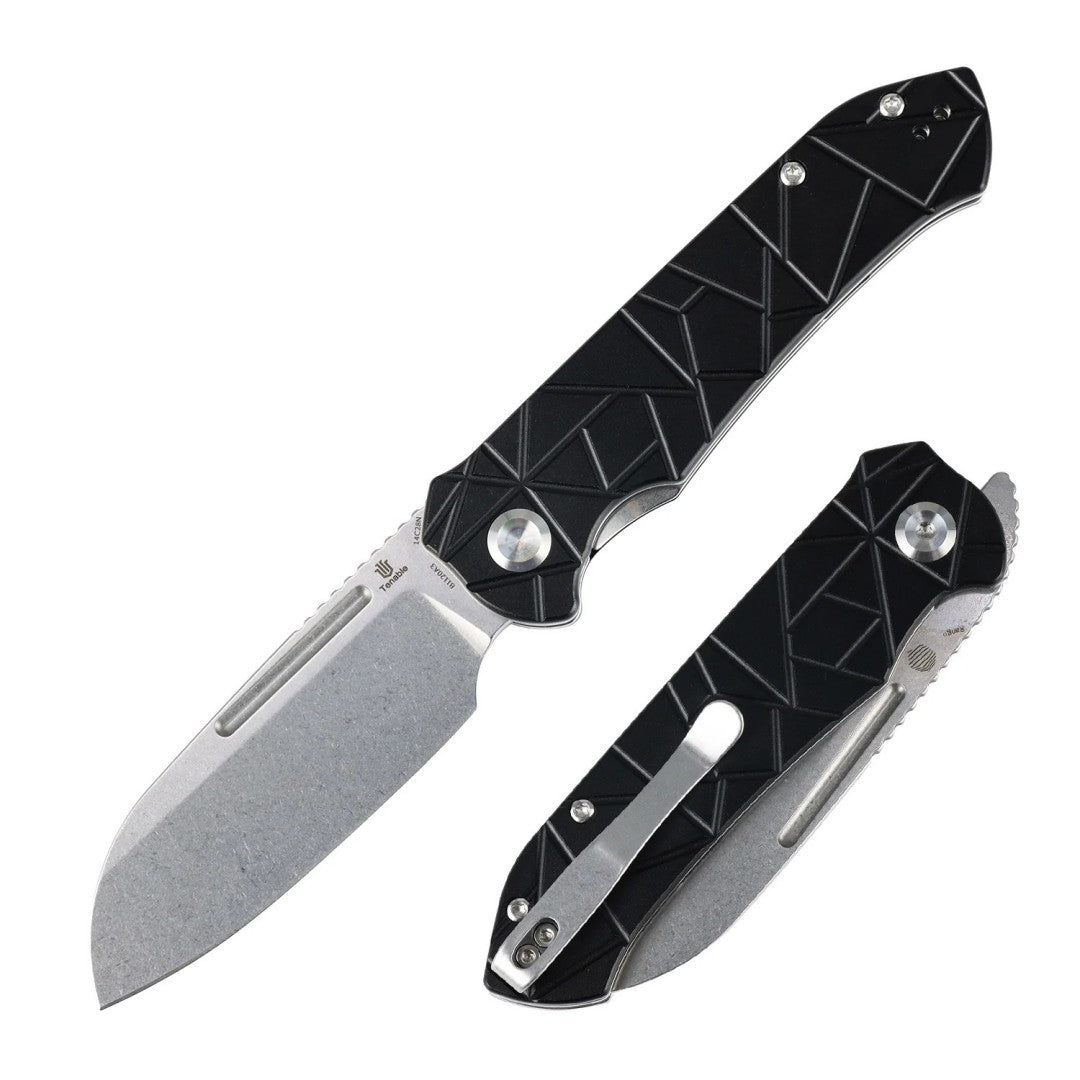
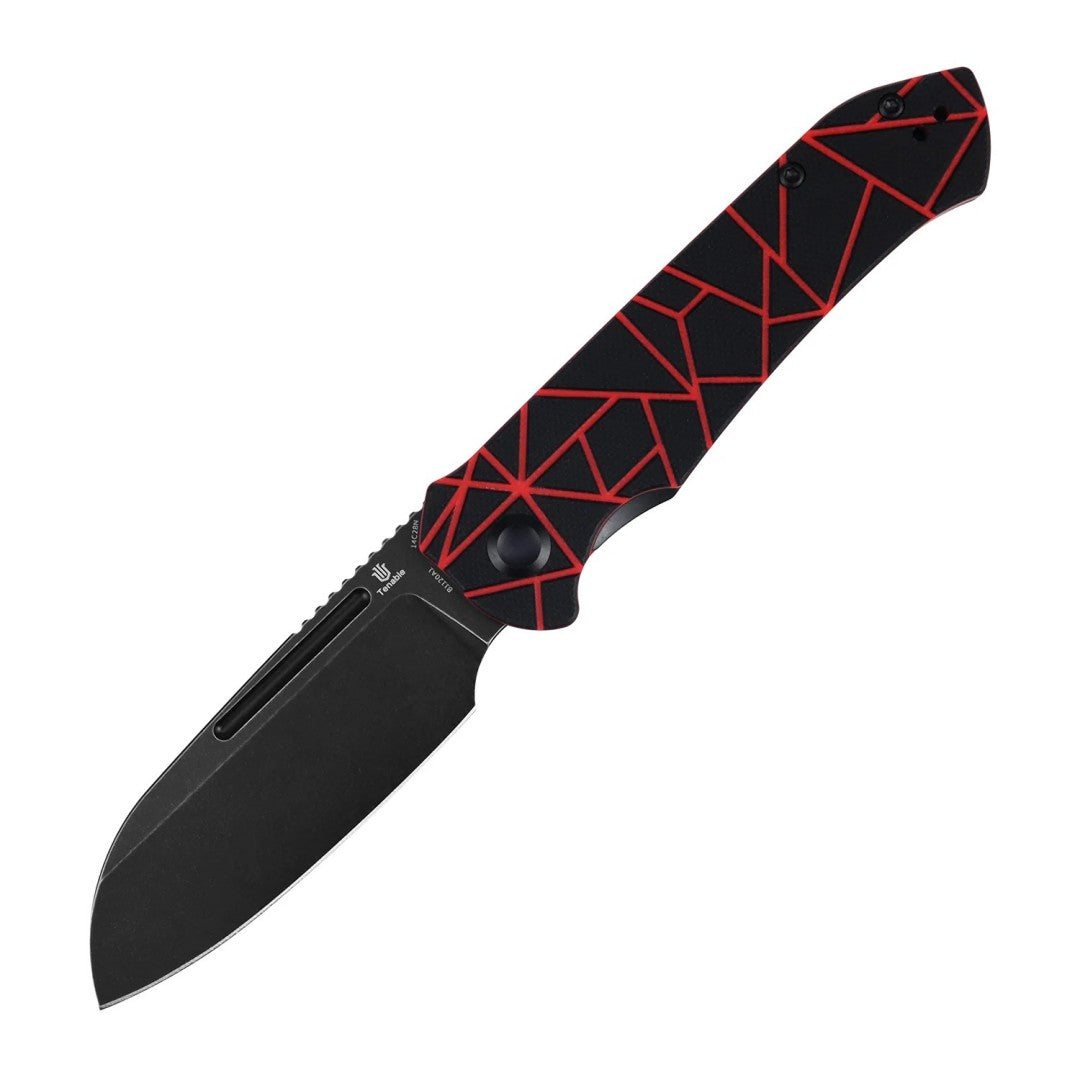
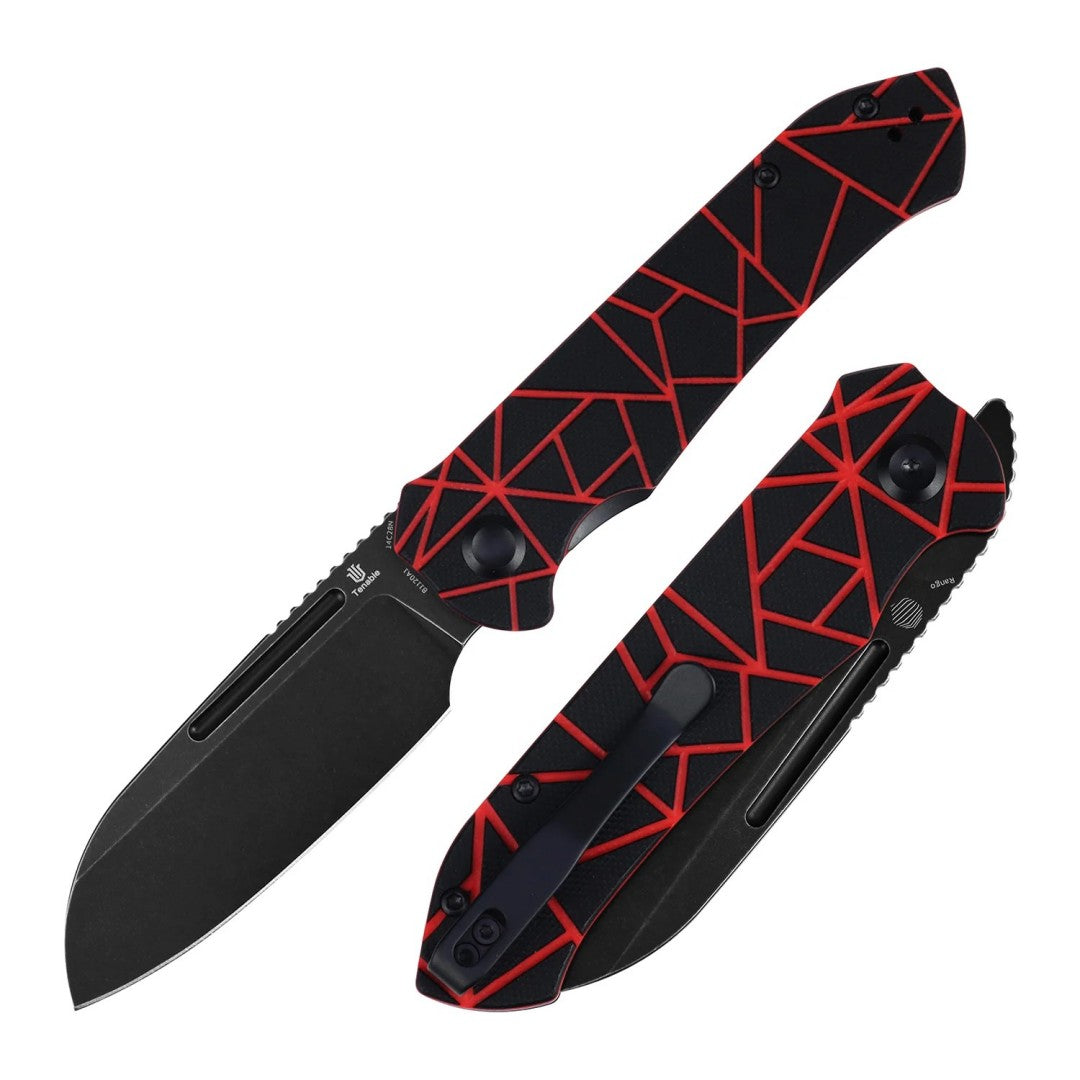
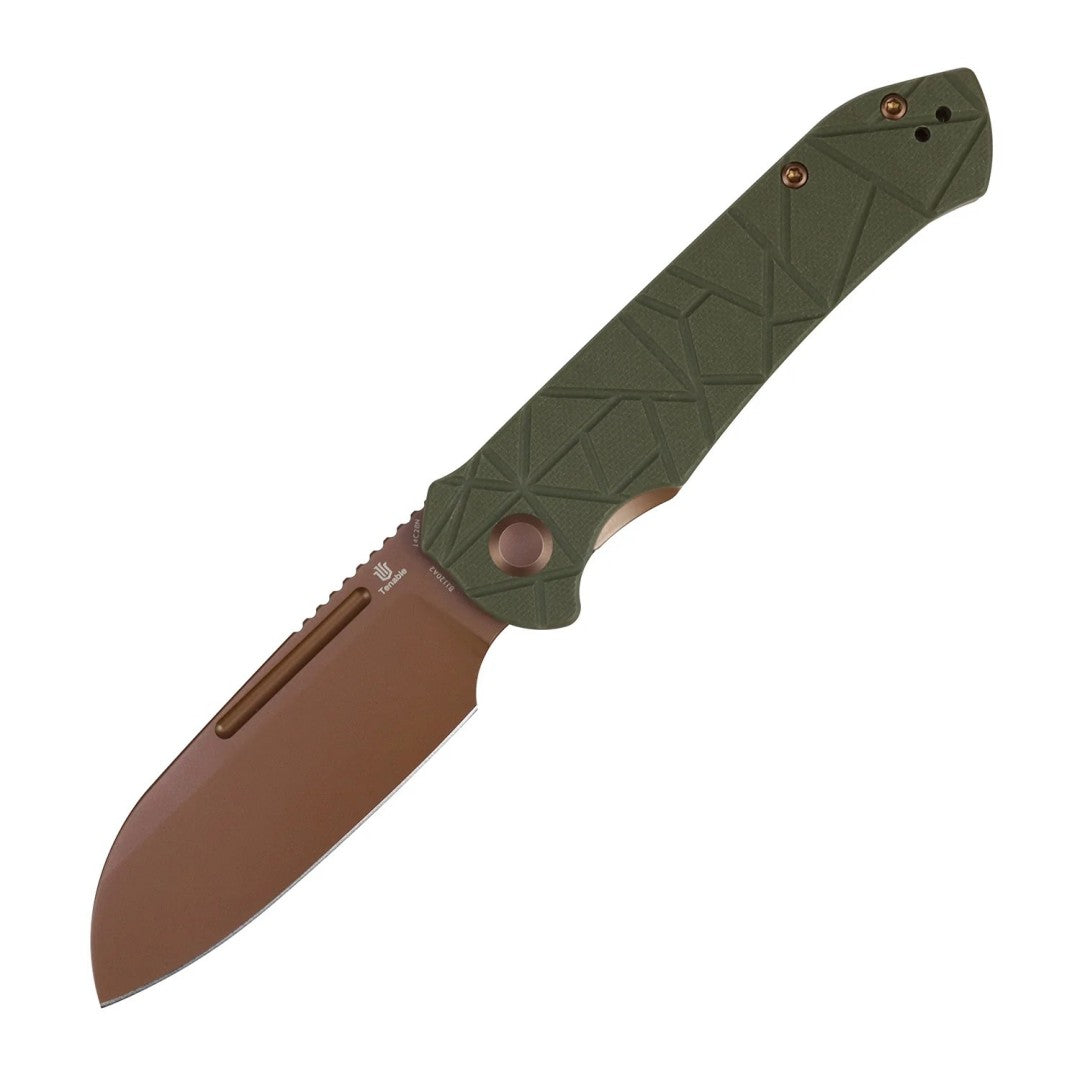
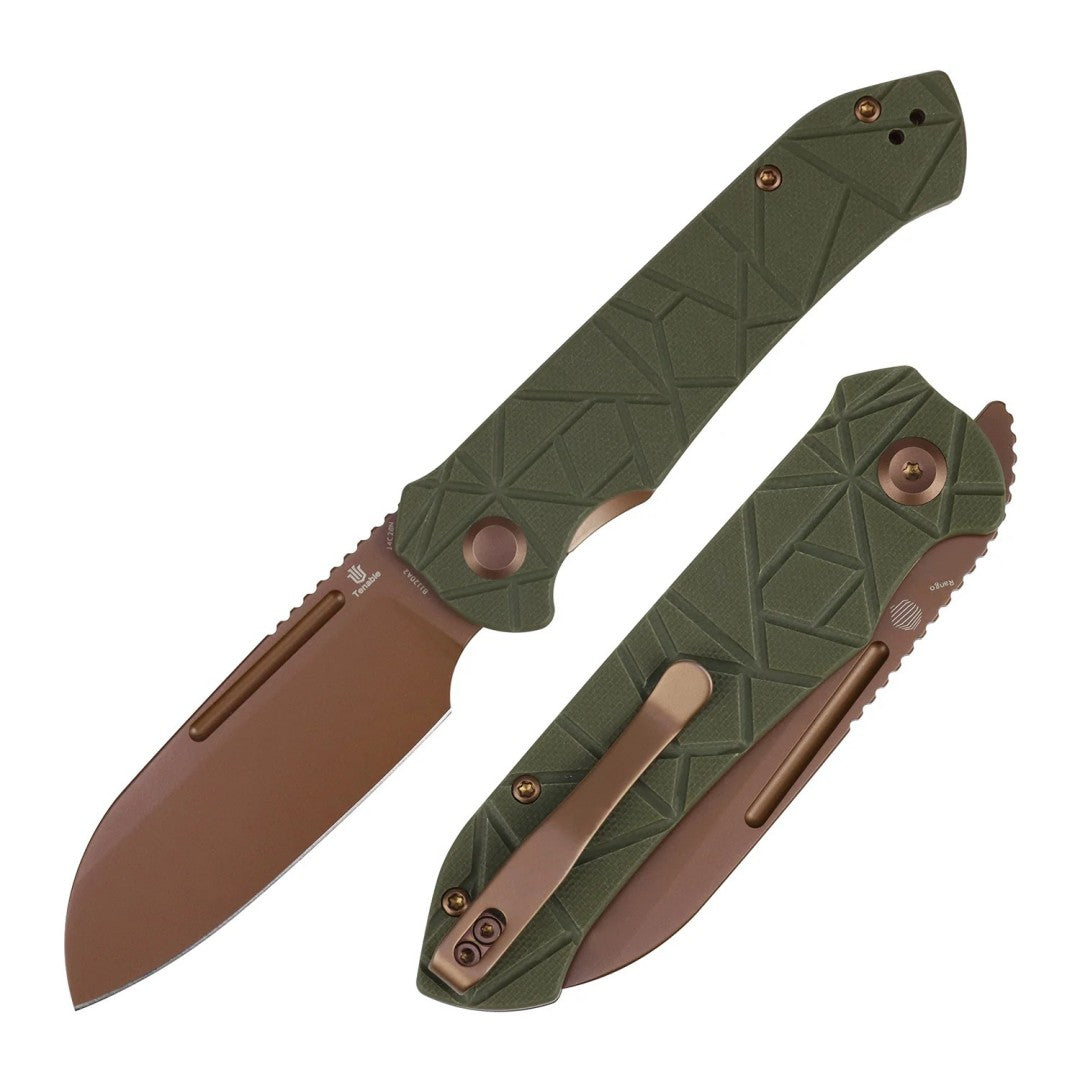
However, since that patent expired, custom designers and production brands have introduced their own iterations of the mechanism, collectively referred to as the crossbar lock. One of the most exciting recent entries into this space is the Tenable Deadite, a sleek, geometric folder designed by Geoff Blauvelt of TuffKnives.

If you are a knife enthusiast choosing your next daily carry, you might wonder: How does the Tenable Deadite's crossbar lock stack up against the industry standard Benchmade Axis Lock? In this breakdown, we compare their structural engineering, deployment action, real-world ergonomics, and maintenance requirements.
The Core Mechanics: Identical DNA, Different Execution
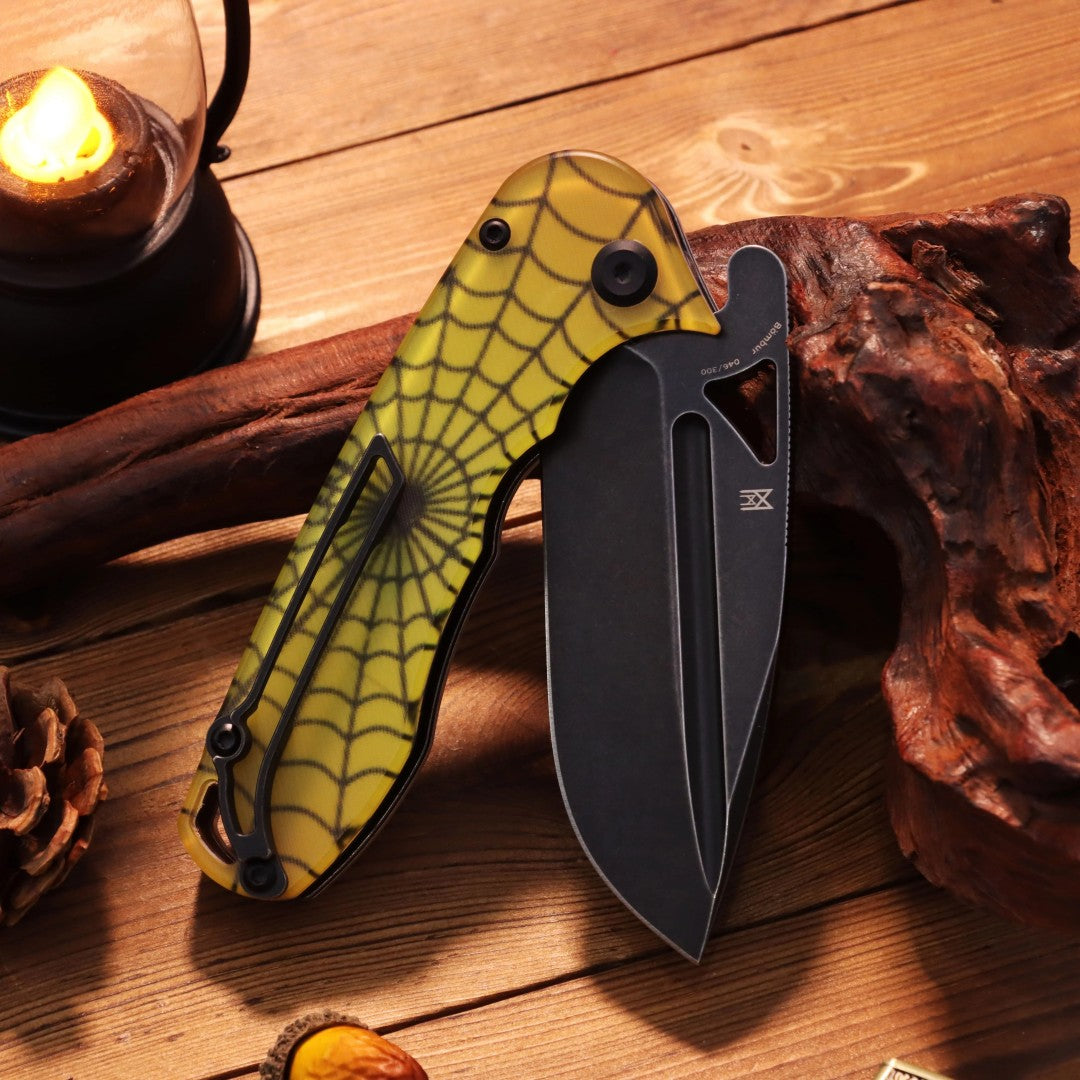
At a fundamental mechanical level, the Tenable Deadite Crossbar Lock and the Benchmade Axis Lock share identical functional DNA. Both systems utilize a solid steel locking bar that passes completely through the handle scales and the skeletonized internal liners of the knife.
How They Function
When the knife is closed, the bar rests against the flat tang of the blade. As you swing or deploy the blade open using the thumb studs, two internal, omega-shaped springs pull the steel bar forward into a milled notch on the top of the blade tang. This creates a wedging effect that makes the lock incredibly strong—the harder you press down on the spine of the blade, the tighter the lock bar is forced into the notch.
To close either knife, you simply pull back on the exposed external studs of the lock bar from the sides of the handle, allowing the blade to swing freely and drop shut.
Action and Deployment: Fidget Factor Face-Off
While the blueprints are structurally similar, the actual feeling of operating the lock can vary wildly between brands due to manufacturing tolerances and component choices.
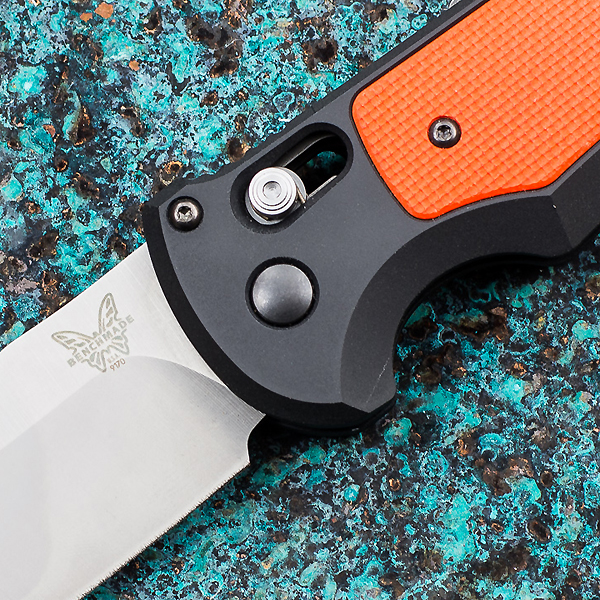
Benchmade Axis Lock
Benchmade’s Axis Lock is legendary for its broken-in, hydraulic smoothness. It typically rides on phosphor bronze washers, which provide a very predictable, smooth pivot resistance that gets slicker over time. The tension on Benchmade’s omega springs is tuned perfectly to balance ease of closing with crisp detent snap.
Tenable Deadite Crossbar Lock
The Tenable Deadite brings a distinctly modern execution to the table. Designed by TuffKnives, the Deadite is built to be an incredibly snappy flipper. The crossbar lock track is machined with high precision, offering a smooth drag-free slide. Out of the box, the omega springs on the Deadite feel slightly stiffer and more responsive than standard Benchmade springs, resulting in a remarkably secure lockup and an authoritative clack when the blade locks into place.

Ergonomics, Geometry, and Everyday Use
A lock mechanism cannot be judged in a vacuum; it must be evaluated alongside the ergonomics of the handle it lives in. This is where Geoff Blauvelt's custom design lineage truly shines on the Tenable Deadite.
-
Accessing the Lock Bar: On many Benchmade models, the Axis Lock studs are relatively low-profile, which can occasionally make them tricky to grip with heavy gloves or wet hands. The Tenable Deadite features pronounced, heavily textured lock studs that extend just far enough from the handle flats to provide instant tactile index points without snagging in your pocket.
-
Handle Structural Rigidity: Benchmade has occasionally faced criticism for using flexible, lightweight materials (like Grivory on the Bugout) that can allow the scales to flex slightly under extreme pressure, impacting the lock alignment. The Tenable Deadite prevents this by pairing its crossbar lock with incredibly rigid handle options, including CNC-machined anodized aluminum (V1/V2), dense black canvas Micarta (V3), and high-strength engineering thermoplastic Amber PEI/Ultem (V4). This ensures the lock bar track remains perfectly parallel under heavy workloads.
Durability and Maintenance: Overcoming the "Omega Spring" Critique
The single most common complaint aimed at the Benchmade Axis Lock over the last two decades has been the potential failure of its internal omega springs. Because they are thin pieces of bent wire constantly undergoing tension cycles, they can occasionally snap after a few years of heavy use, rendering the lock temporarily inoperable.
Tenable addresses this traditional crossbar vulnerability in two key ways on the Deadite:
1. Heavy-Duty Metallurgy
The Deadite incorporates updated, heavy-gauge spring wire that is heavily coated to resist moisture, sweat, and pocket humidity. This severely reduces the risk of micro-fractures and rust, which are the leading causes of spring failure.
2. Open-Back Body Construction
Benchmade folders often utilize a closed-back spacer or semi-enclosed design that traps pocket lint, dirt, and grit right inside the locking track. The Tenable Deadite features a highly open-back construction. If you drop the Deadite in the mud or collect pocket debris, it can be easily blown out with compressed air or rinsed under running water without requiring total disassembly.
The Verdict: Evolution vs. Heritage
The Benchmade Axis Lock will always hold a legendary place in knife history as the innovator of the ambidextrous, drop-shut pocket knife. It remains a fantastic choice for those who love a classic, smooth, time-tested tool.
However, the Tenable Deadite Crossbar Lock represents a highly successful evolution of the design. By housing the mechanism inside TuffKnives' rigid, ultra-ergonomic handle chassis, adding highly accessible lock studs, and engineering heavy-duty internal springs, Tenable has created a modern crossbar folder that matches the safety and speed of the original while offering vastly superior structural rigidity and custom-tier aesthetics.
Frequently Asked Questions (FAQ)
Can I operate the Tenable Deadite lock if one omega spring breaks?
Yes. The crossbar lock on the Tenable Deadite utilizes two independent omega springs (one on each side of the handle). If one happens to break, the remaining spring provides enough tension to keep the lock fully functional until you can replace the broken wire.
Are Benchmade clips and parts interchangeable with the Tenable Deadite?
No. While the mechanical concept is identical, the Tenable Deadite utilizes its own proprietary, custom-machined Torx hardware, pocket clip dimensions, and internal spring shapes tailored to TuffKnives' geometric handle profile.
Does the Tenable Deadite lock bar experience "lock stick"?
No. Lock stick typically occurs on liner or frame locks when titanium jams against steel. Because the Deadite uses a hardened steel crossbar sliding smoothly against a hardened steel blade tang notch, the lock releases effortlessly without catching or binding.