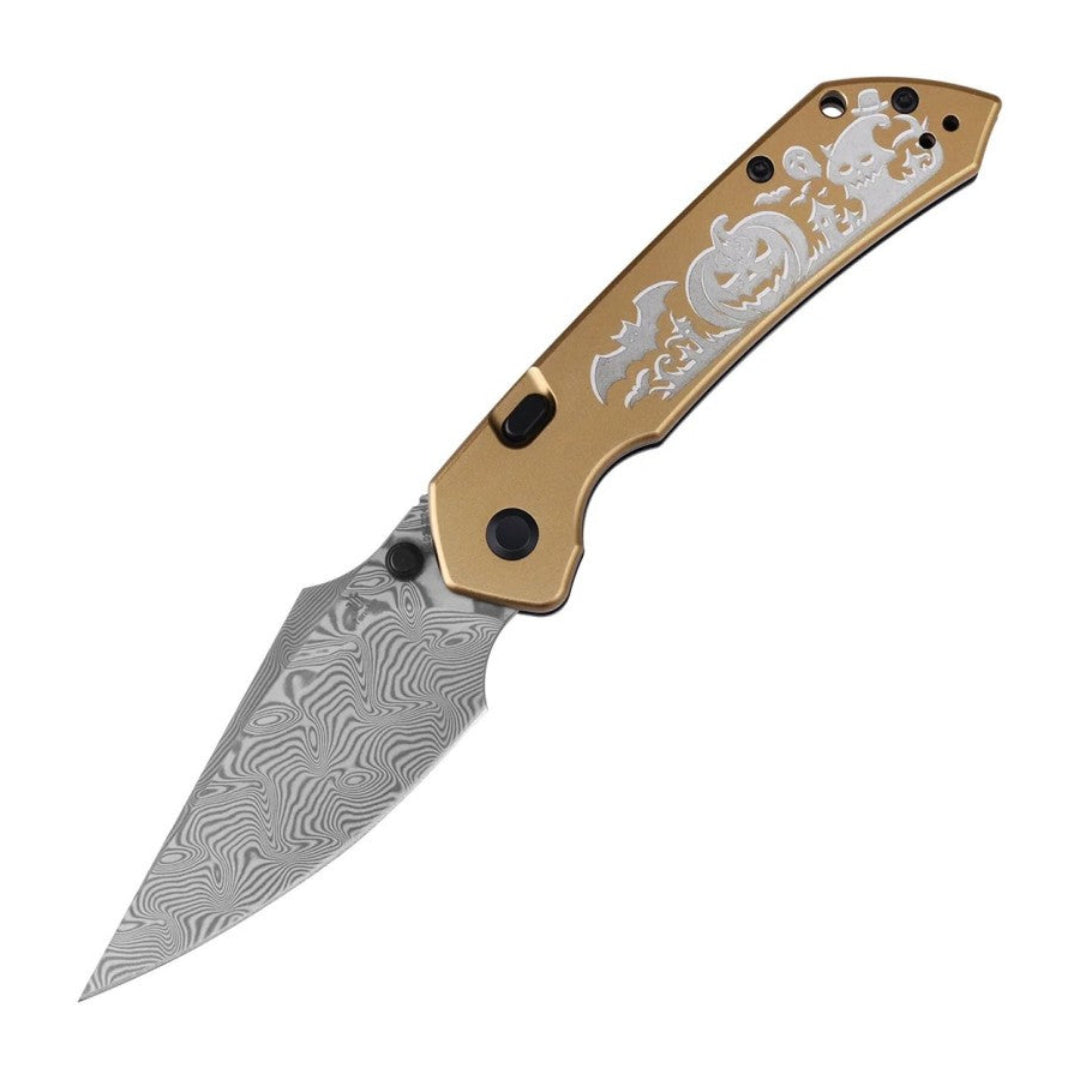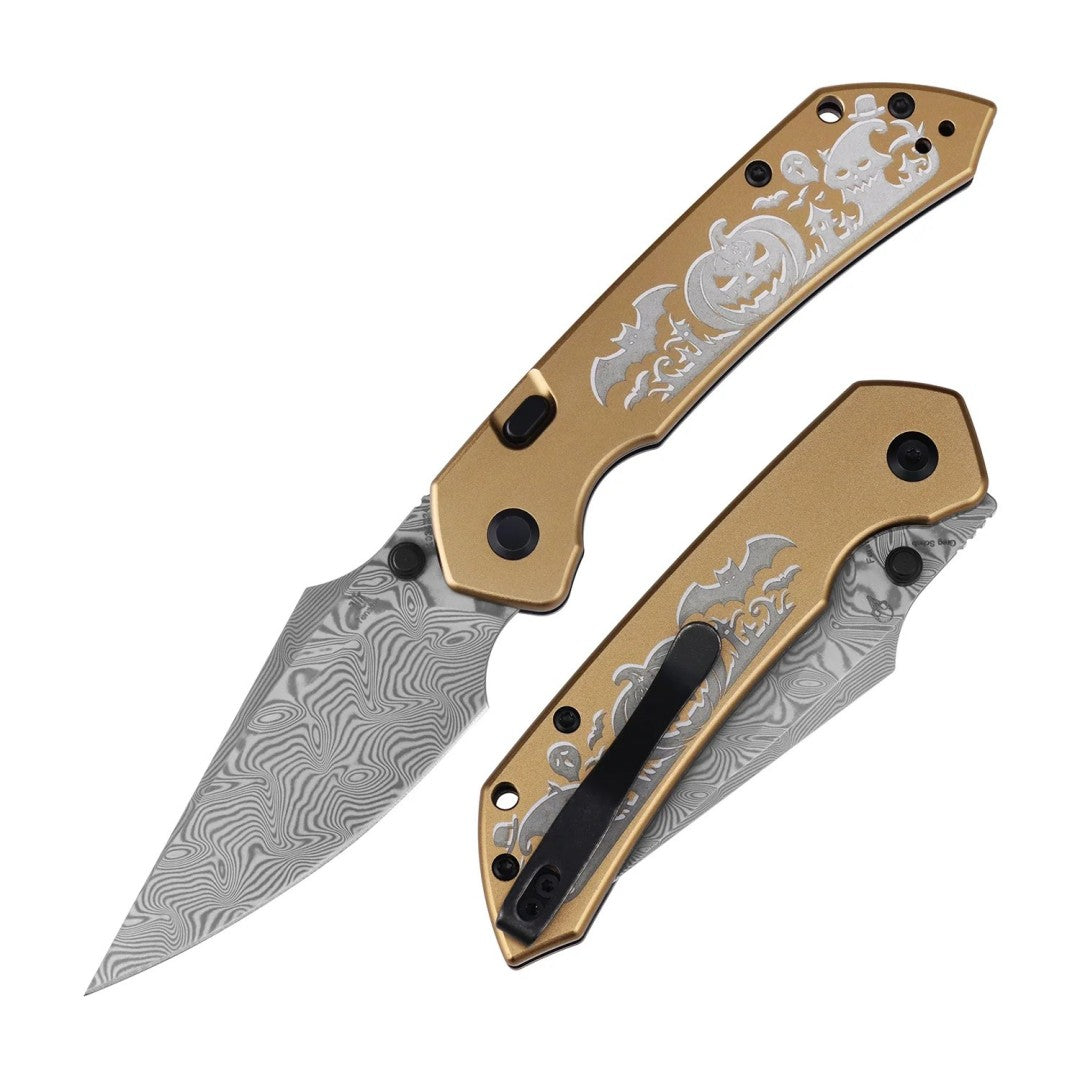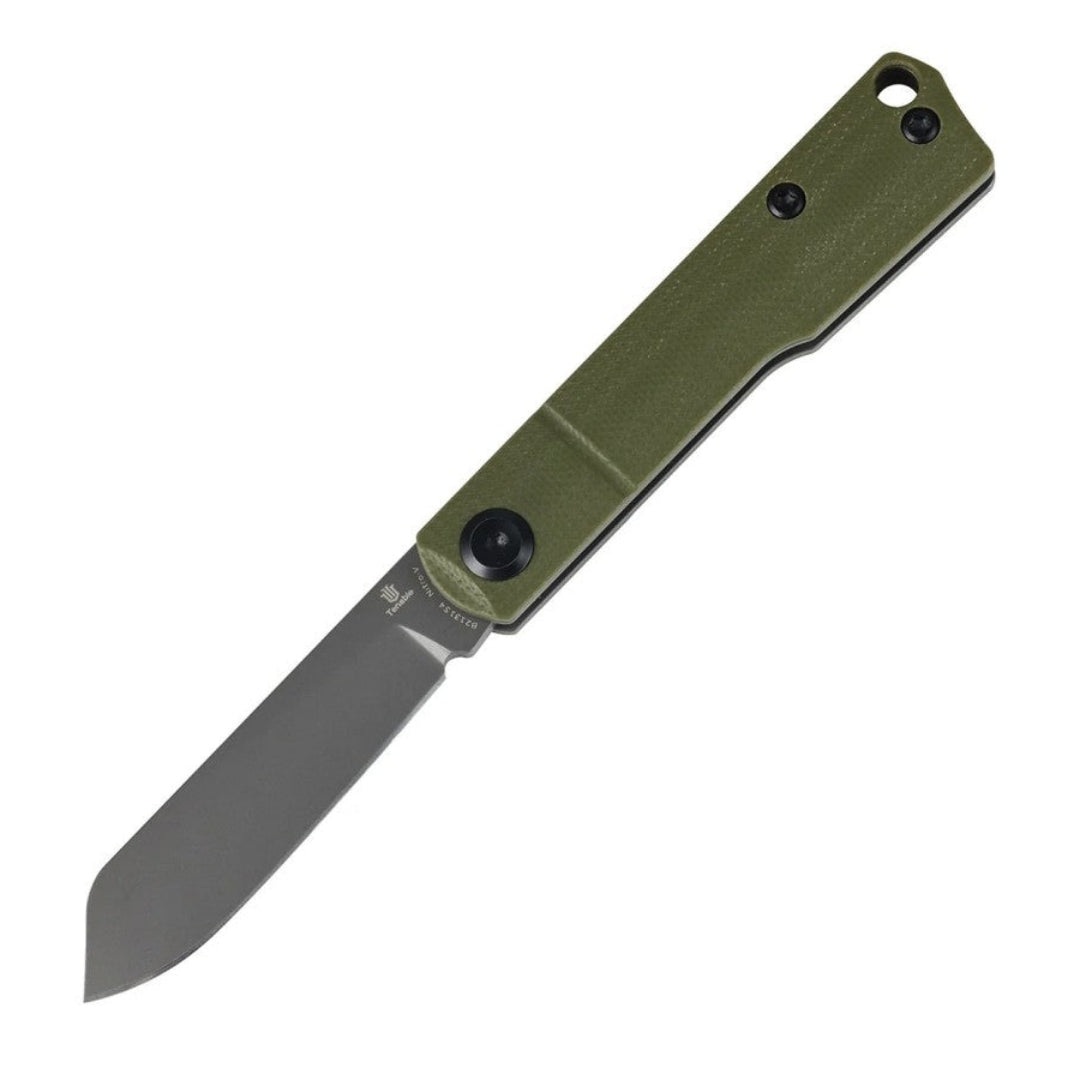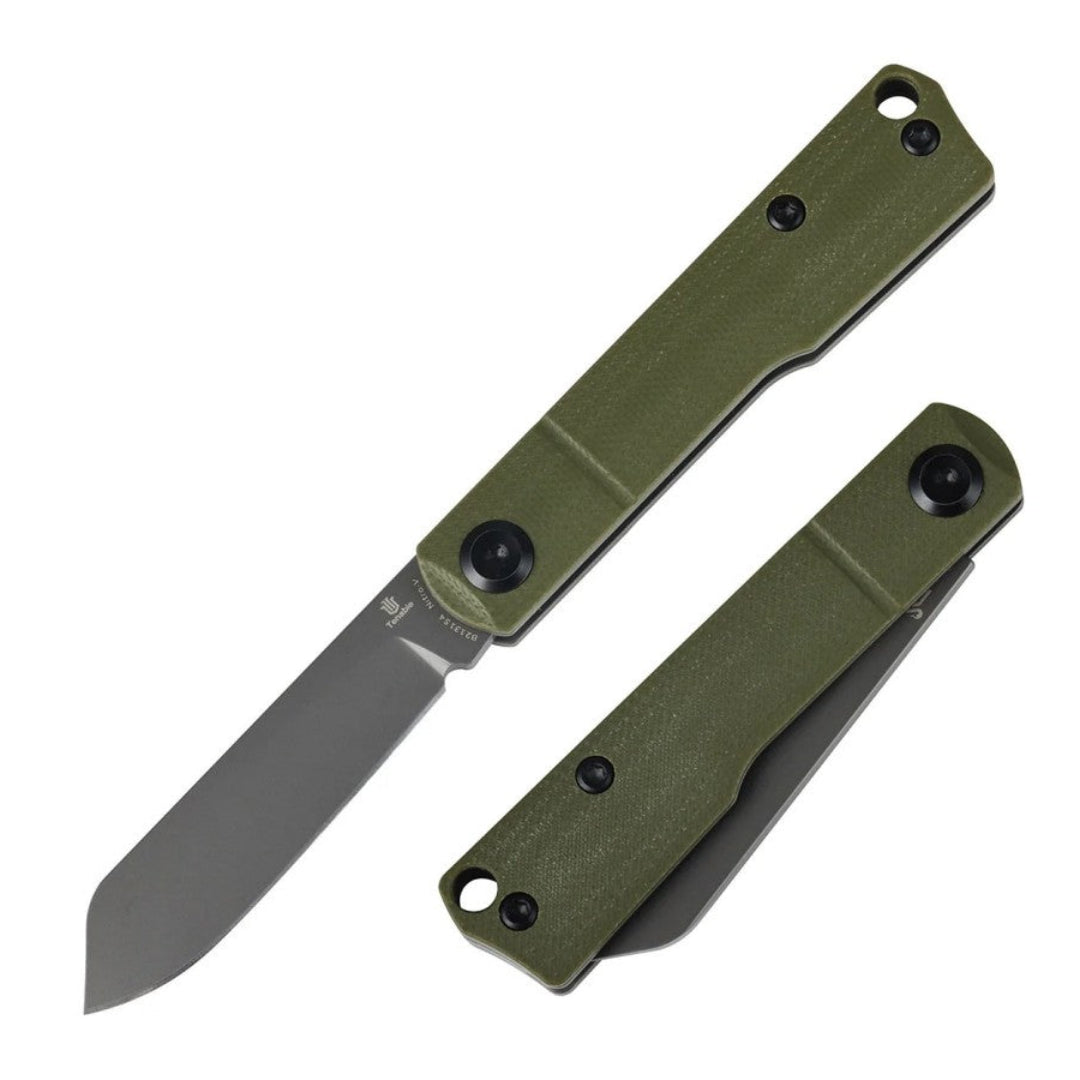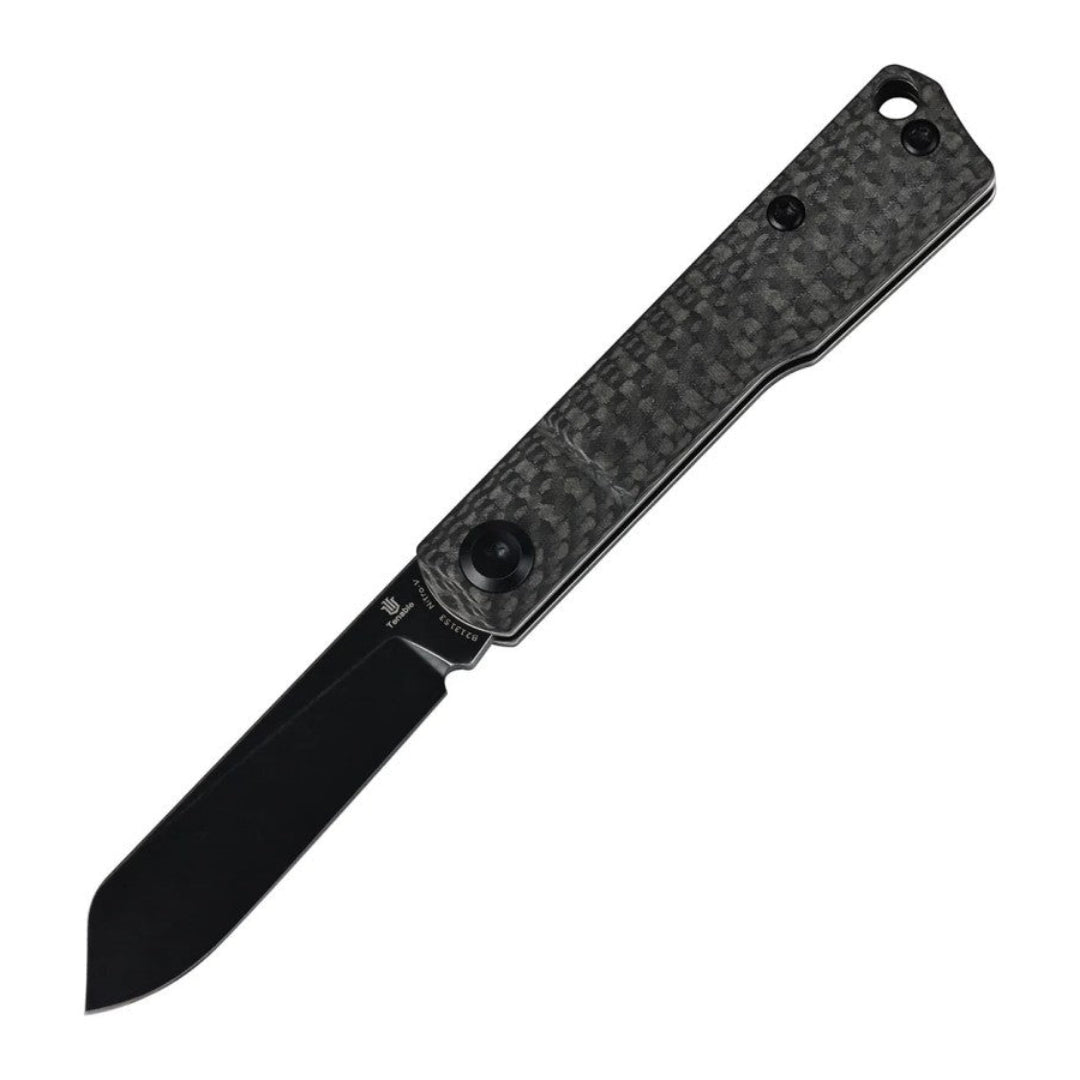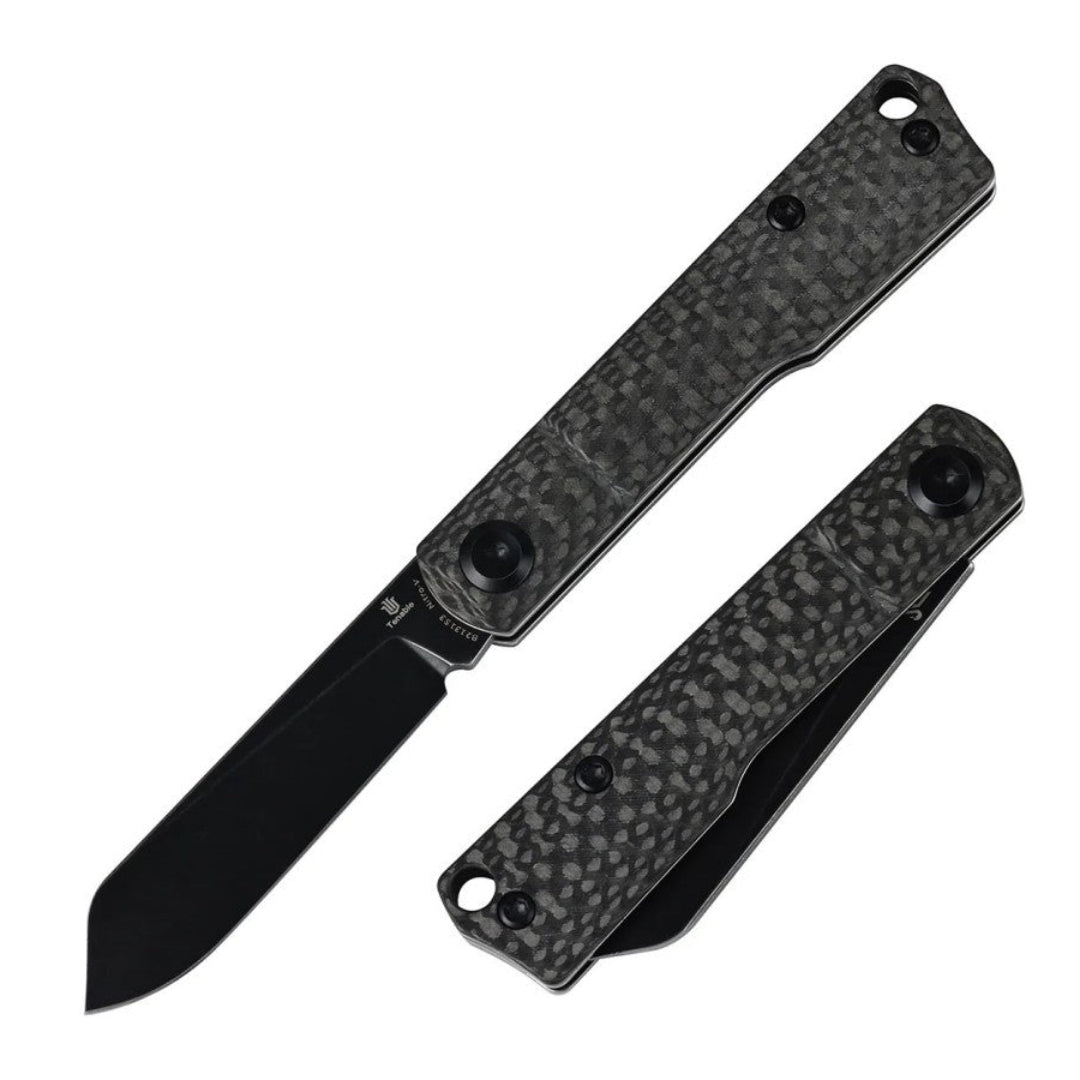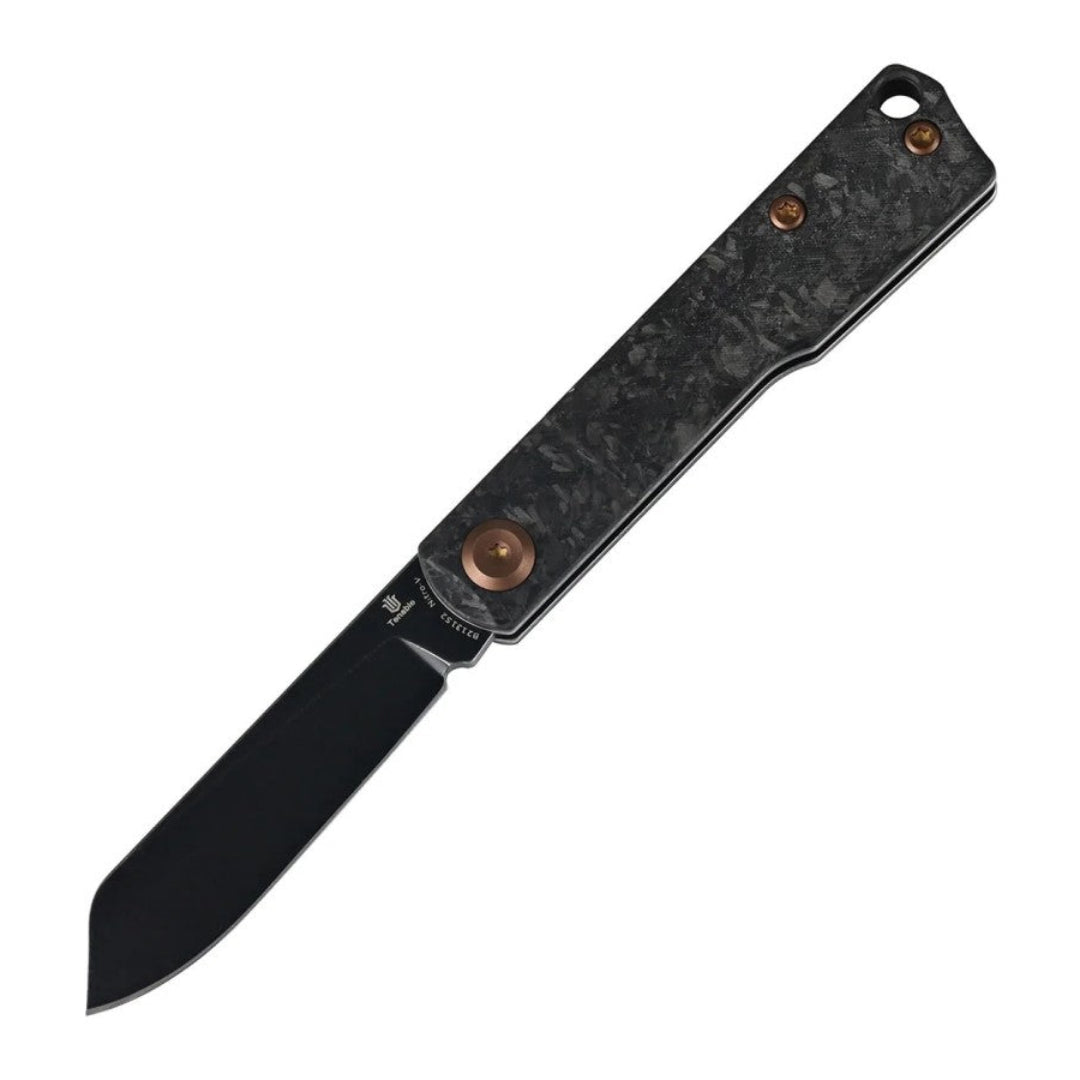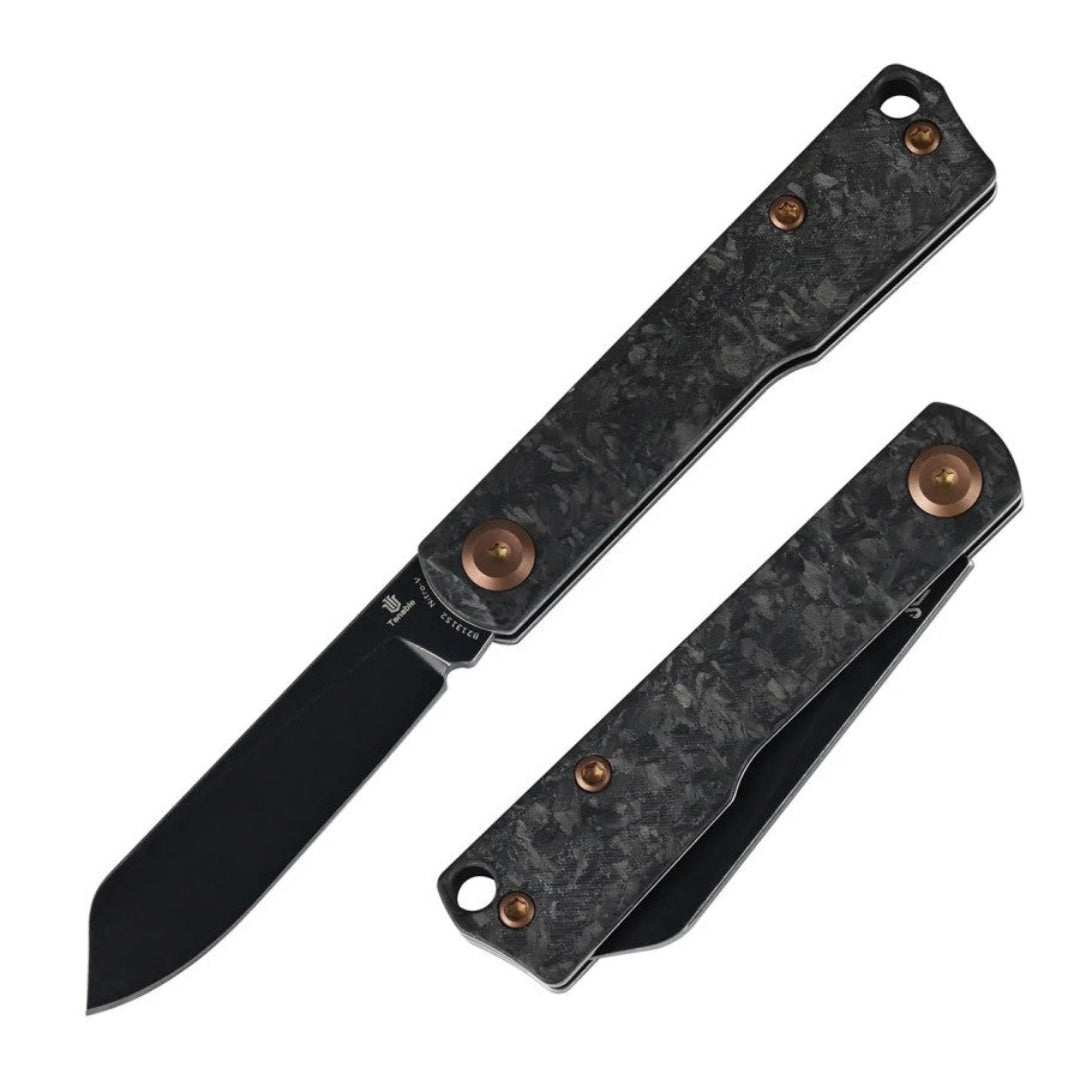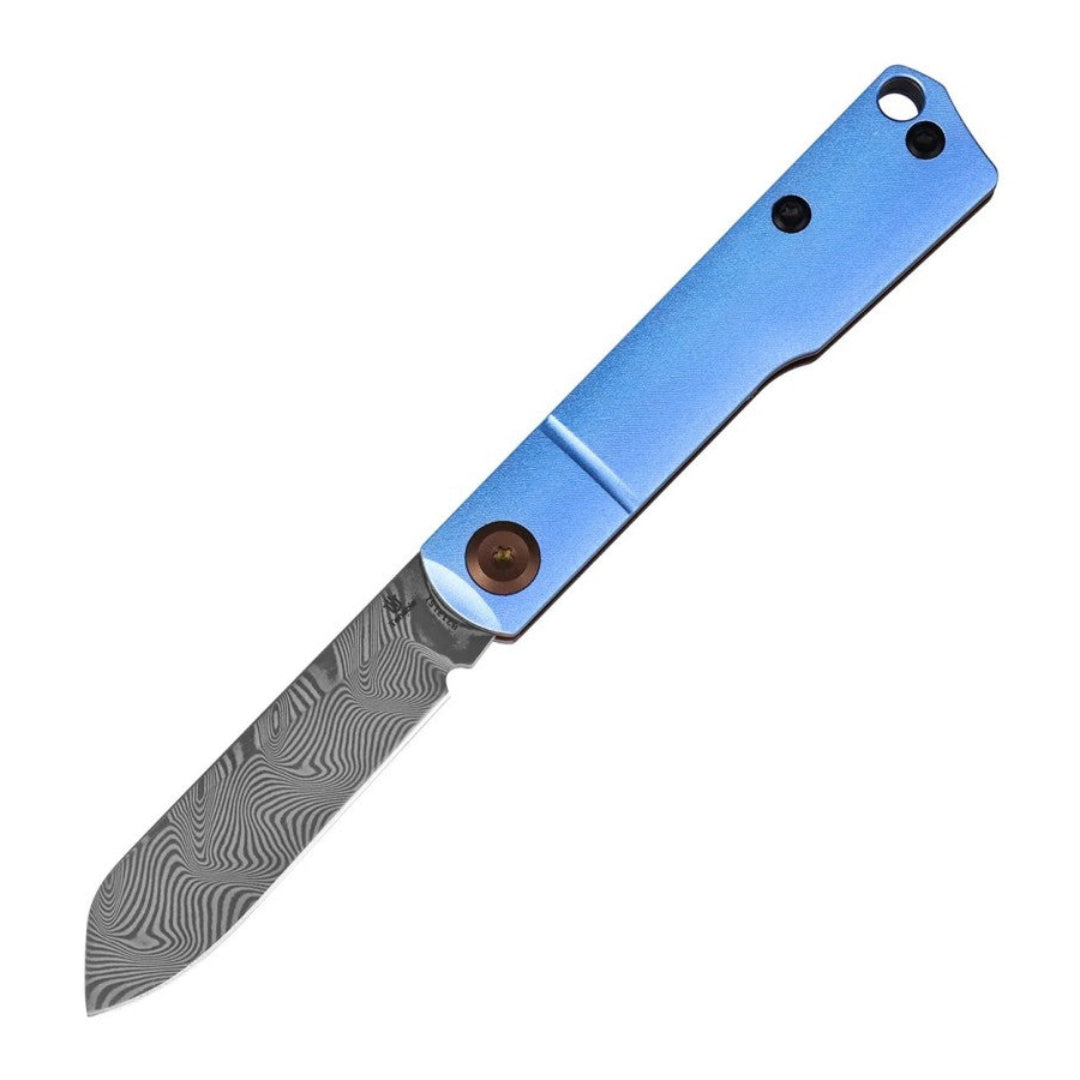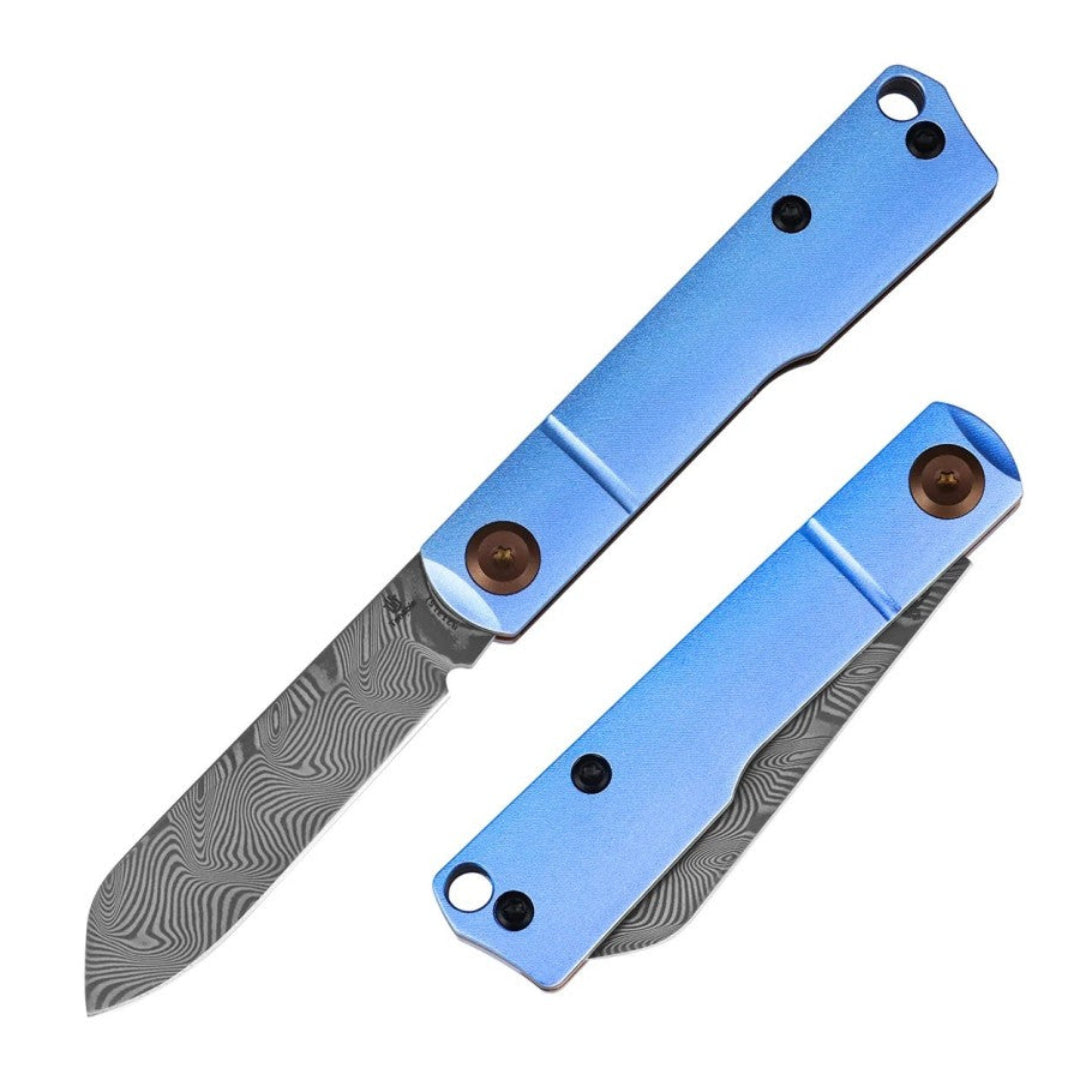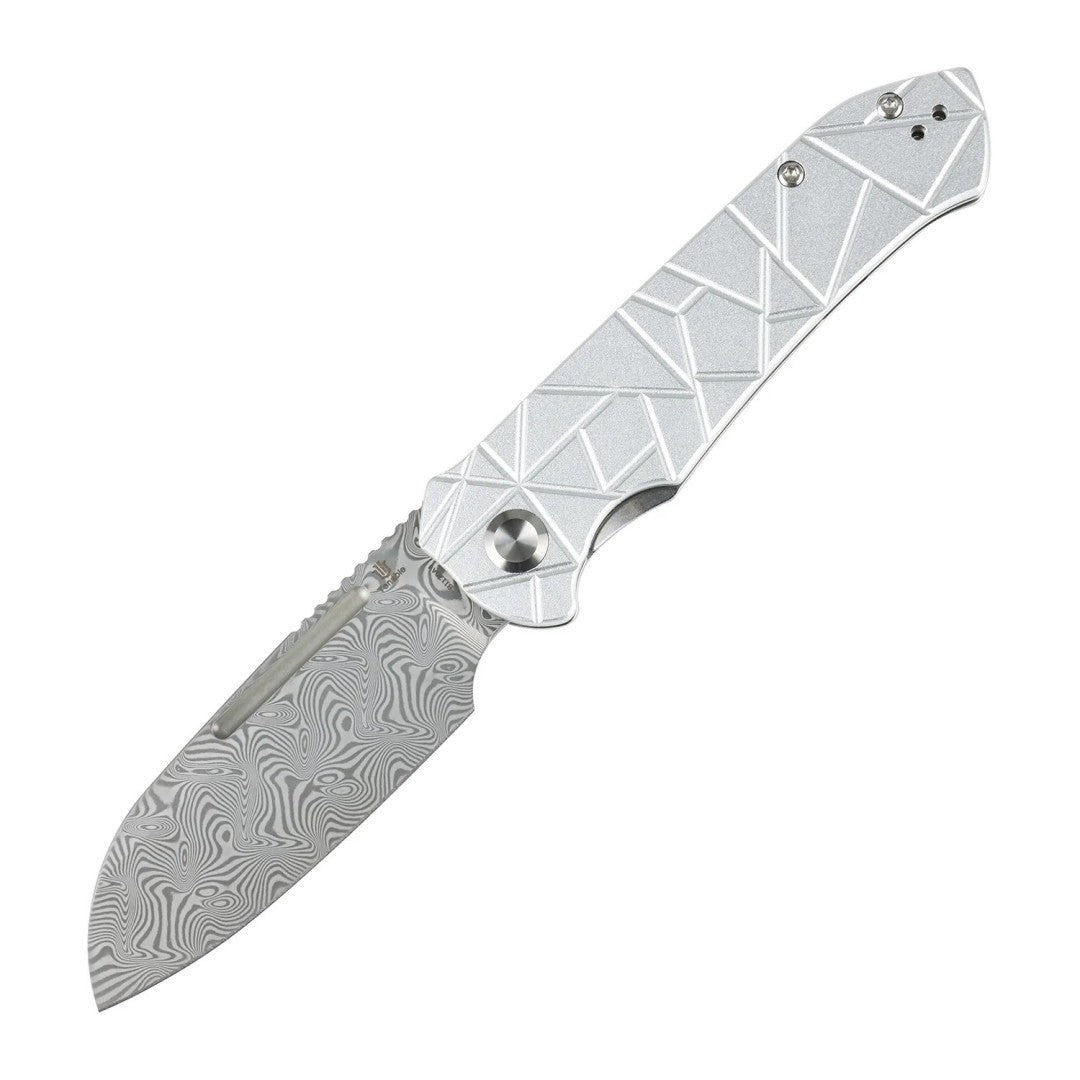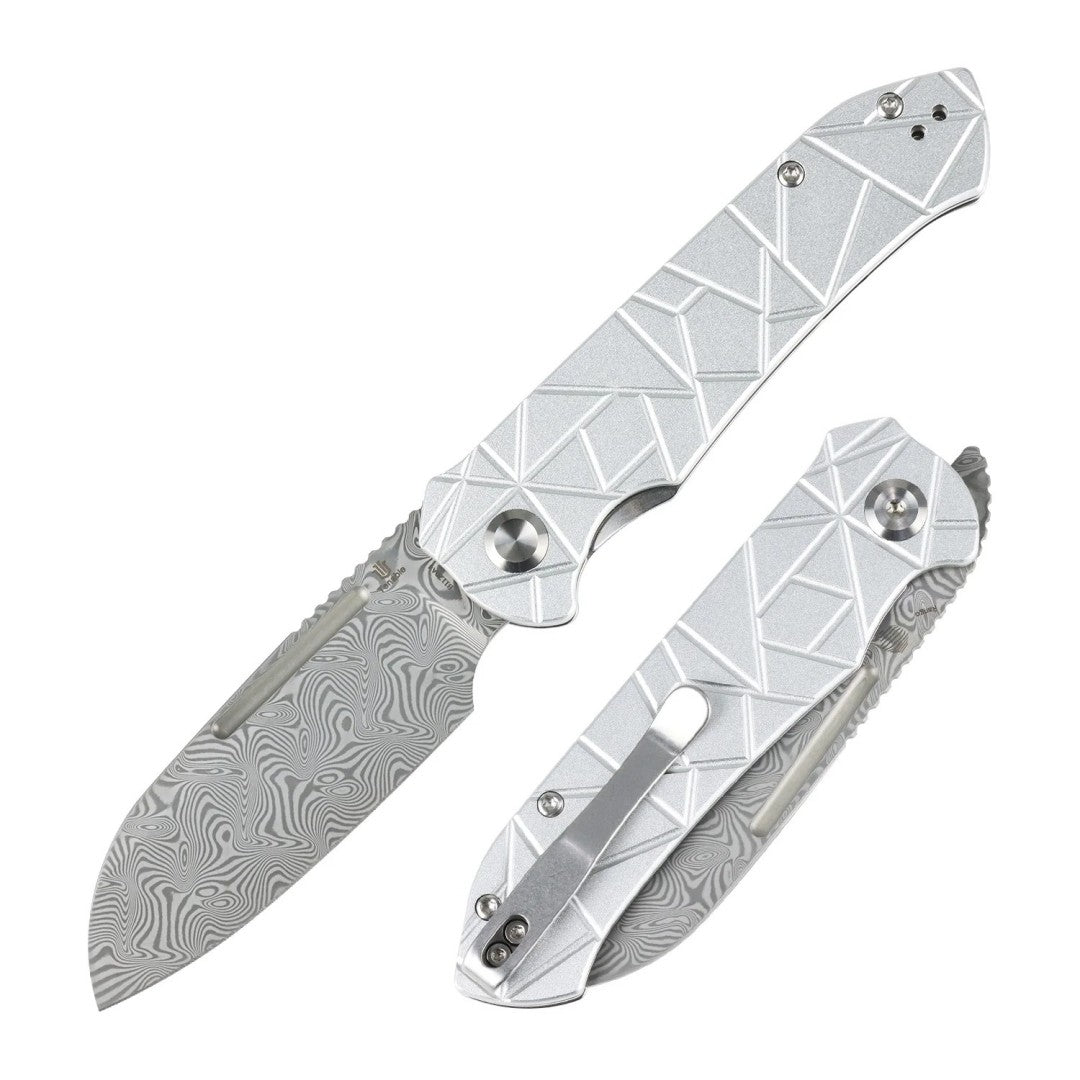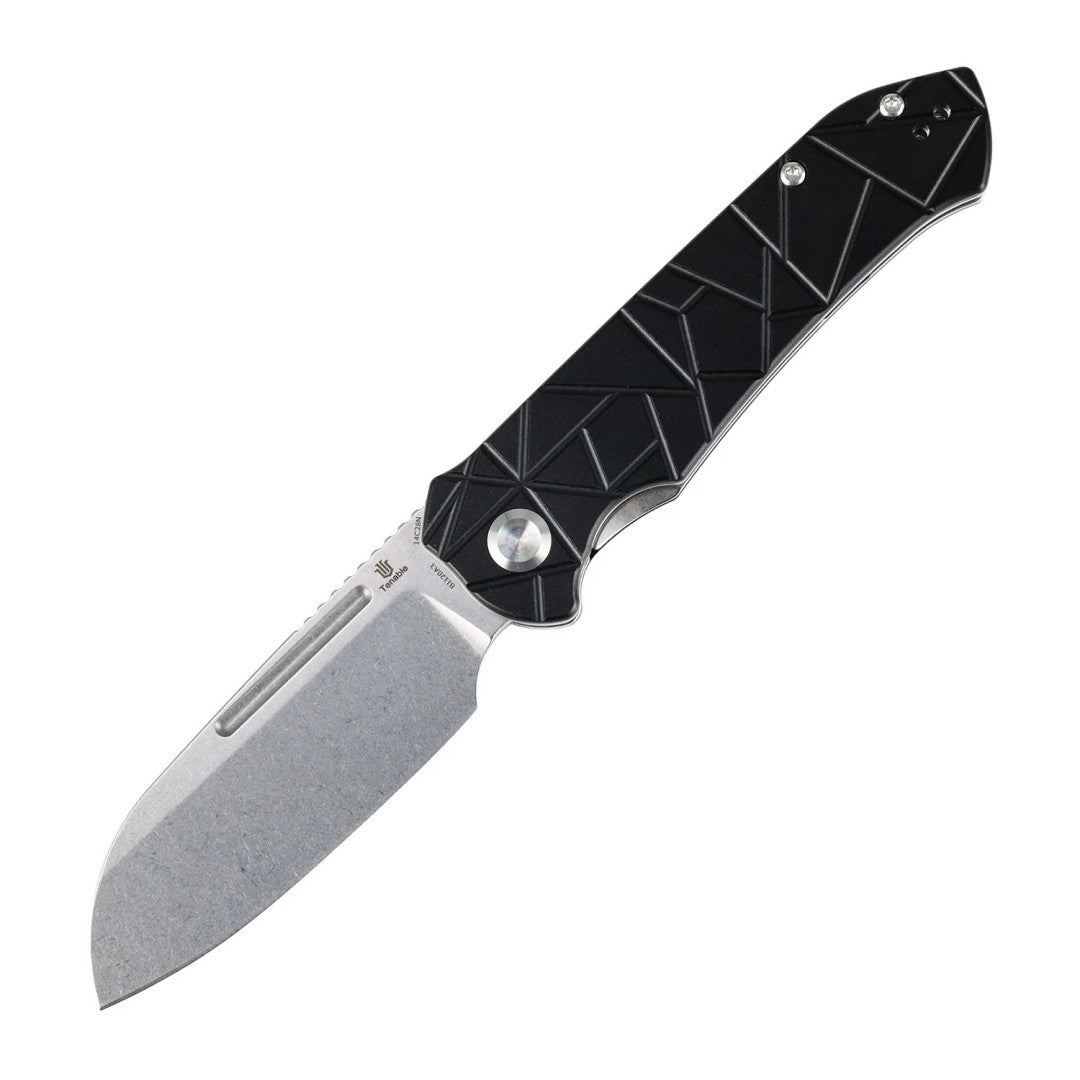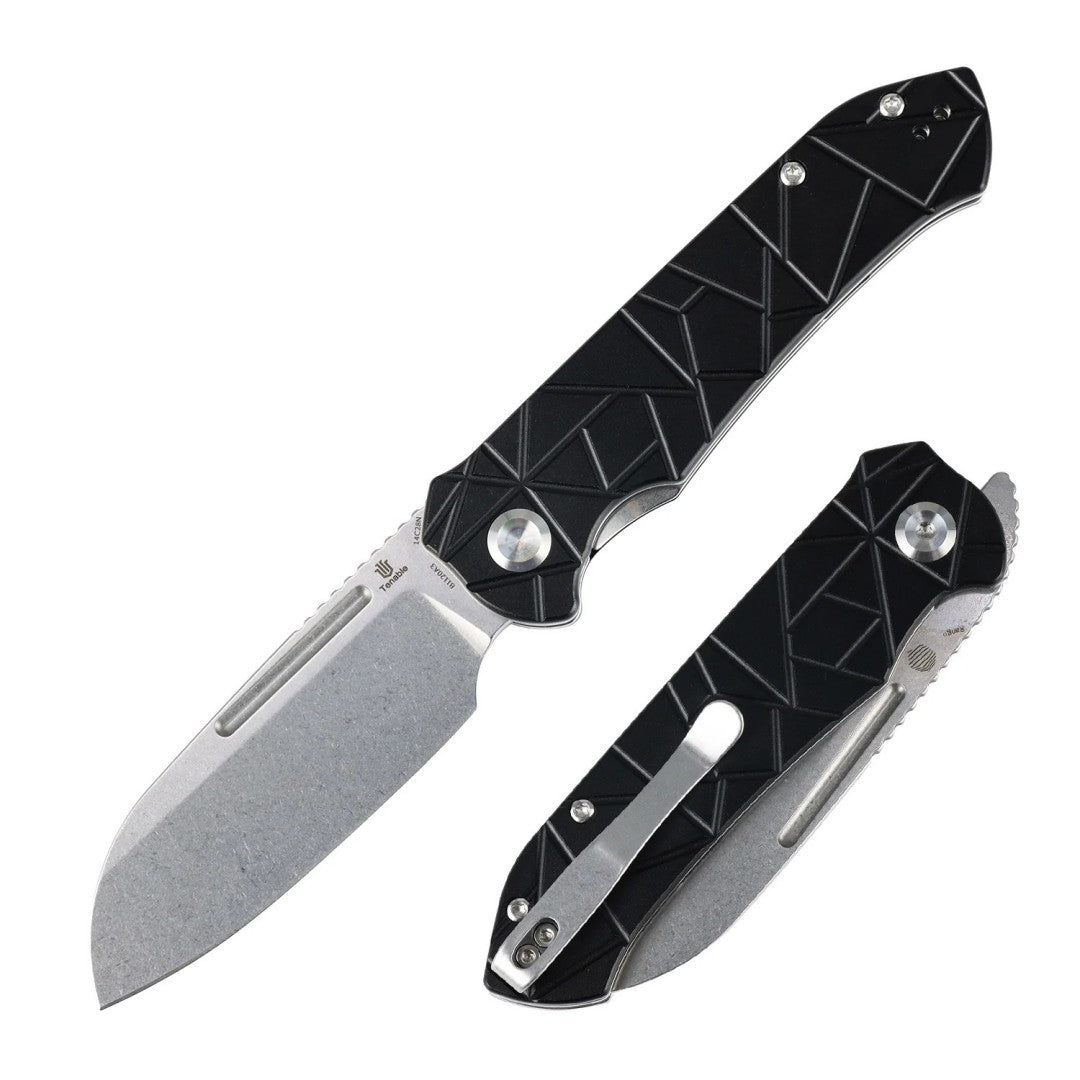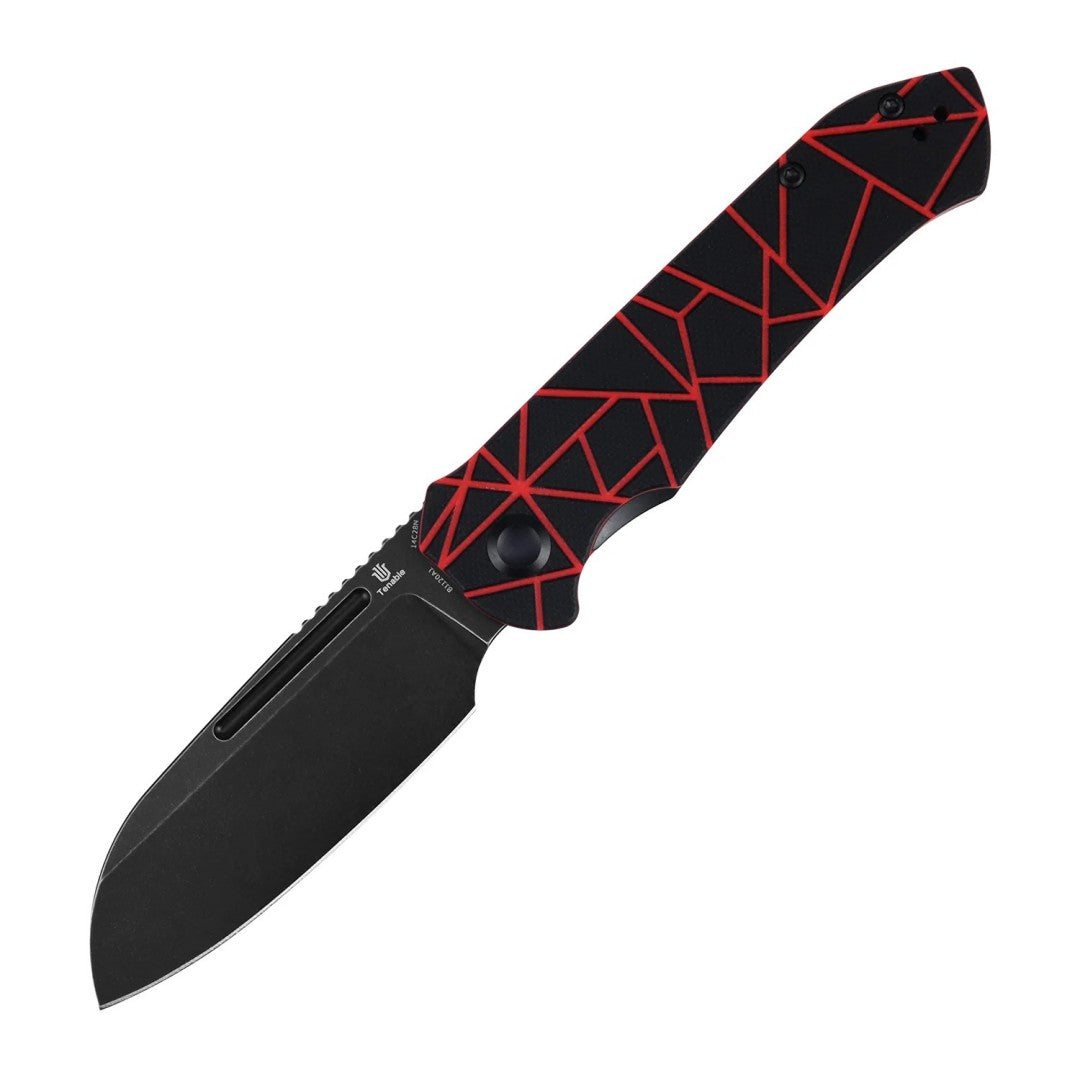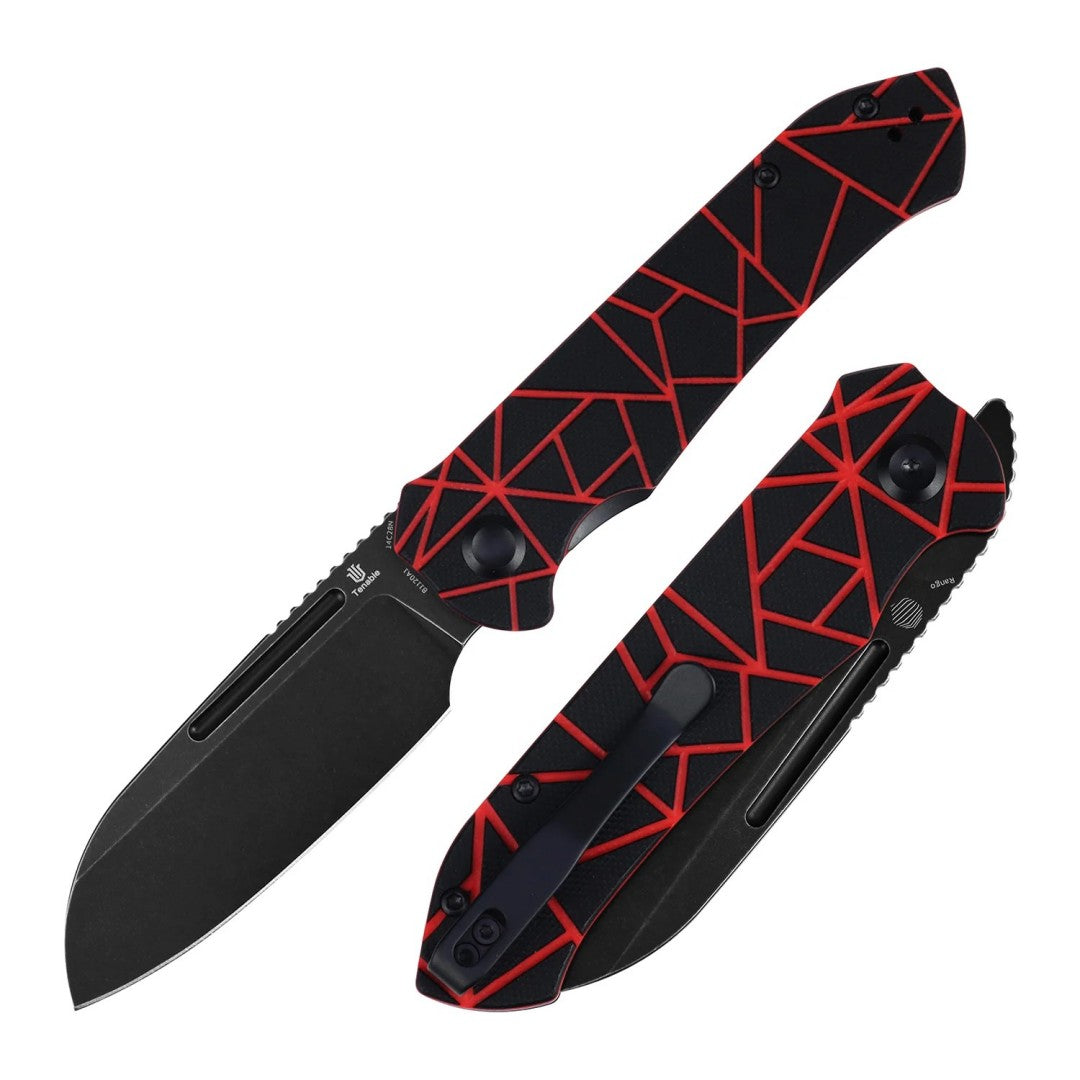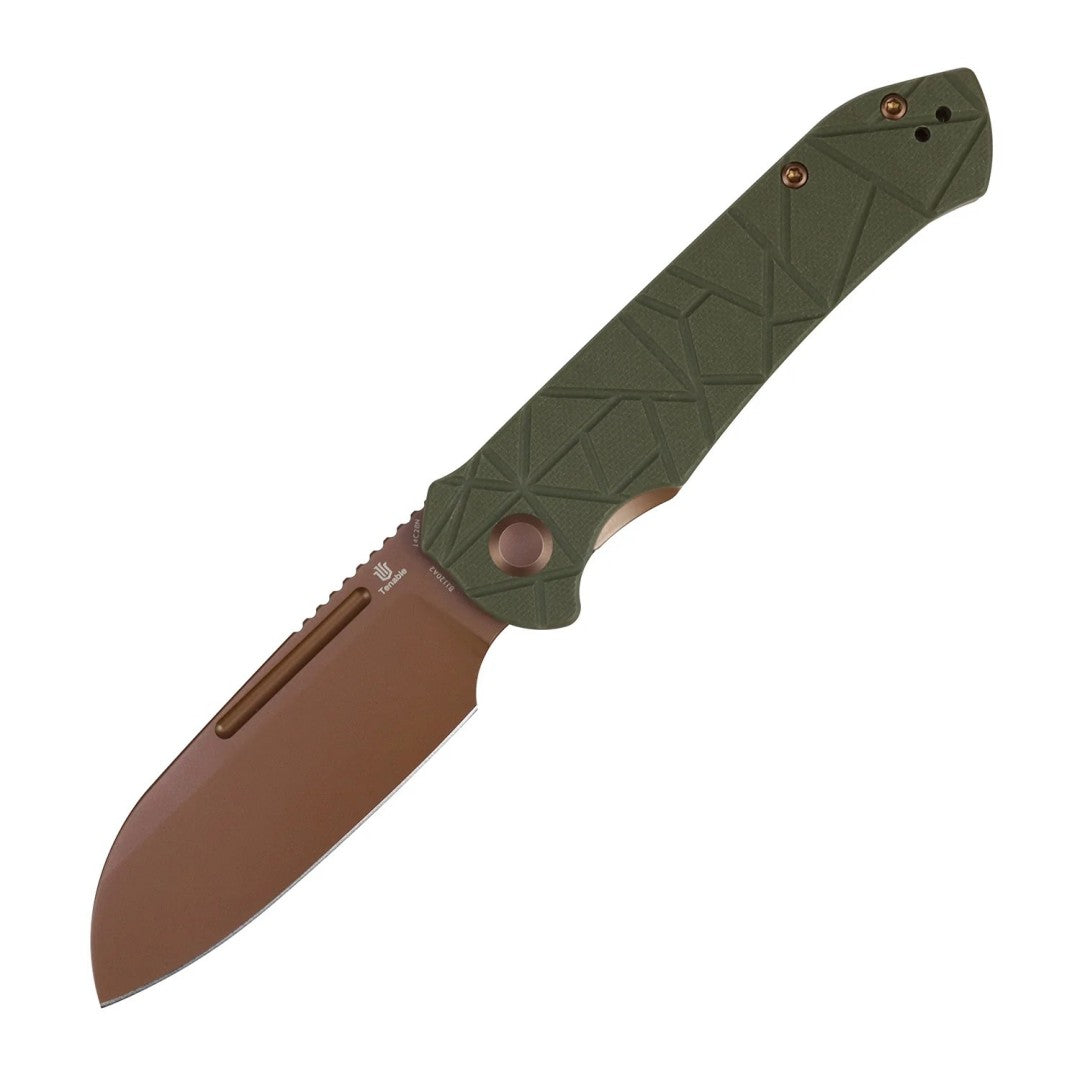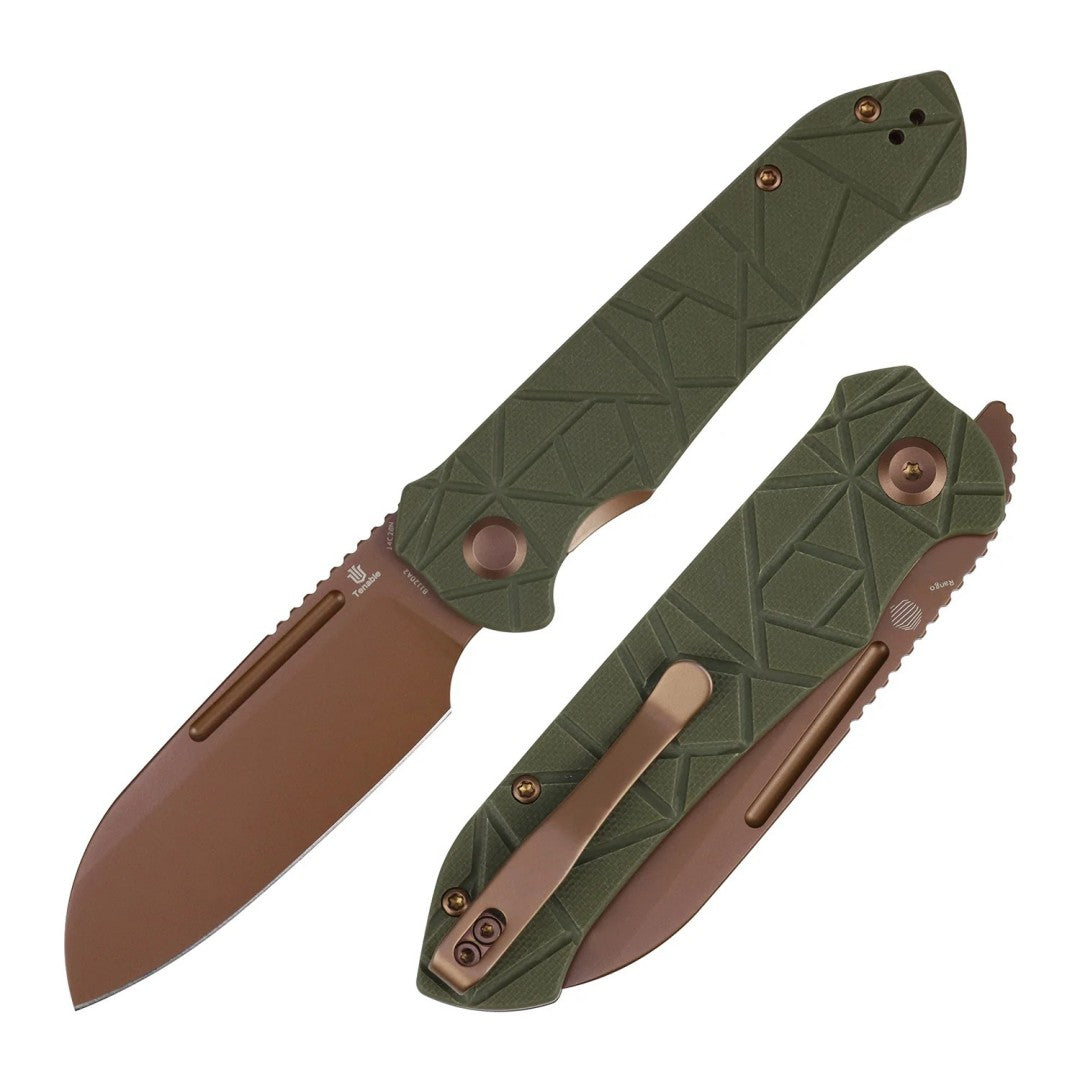

The QSP Ferret has rapidly become a fan-favorite for everyday carry (EDC) enthusiasts. Balancing a compact 3-inch drop point blade with hard-working Nitro-V stainless steel and smooth ceramic ball bearings, this pocket knife punches well above its weight class.

However, even the toughest Nitro-V steel and most textured G10 or Micarta handles will degrade without routine maintenance. Sap, pocket lint, and moisture can slow down your flipper action, while micro-chipping can turn a razor-sharp edge into a dull butter knife.
To ensure your tool remains reliable for a lifetime, we have put together the ultimate guide on how to clean, lubricate, and sharpen your QSP Ferret for maximum longevity.
Why the QSP Ferret Demands Specific Care
Before diving into the maintenance steps, it helps to understand what makes your Ferret tick. This knowledge prevents common cleanup mistakes that could inadvertently void your lifetime warranty or damage the internal mechanics.
-
Nitro-V Steel Chemistry: Nitro-V is an advanced nitrogen-enriched stainless steel hardened to 59–61 HRC. The inclusion of nitrogen and vanadium gives it outstanding corrosion resistance and exceptional toughness. However, because it is highly wear-resistant, letting the blade become completely blunt means you will spend twice as much time on the stones restoring it.
-
Ceramic Ball Bearing Pivot: The ultra-smooth deployment of the Ferret relies on internal ceramic ball bearings. Unlike heavy-duty washers, bearings have tight tolerances. If pocket lint, dirt, or gritty dust gets trapped inside the pivot, it acts like sandpaper, scratching the races and ruining that snappy action.

Step-by-Step Cleaning and Lubrication
For general weekly upkeep, you do not need to take your knife completely apart. A thorough topical clean will usually suffice. If your action feels gritty, proceed with caution using a high-quality Torx driver (usually T6 and T8) to disassemble the liners.
1. The Breakdown & Grime Removal
Start by clearing away loose debris. Use a dry, soft-bristled toothbrush to sweep out the inside of the handle scales, paying close attention to the liner lock mechanism and the stop pin area.
Next, prepare a mild bath using warm water and a few drops of standard dish soap. Avoid harsh chemical degreasers or bleach, as these can strip finishes and discolor Micarta or dyed G10 scales. Dip your toothbrush into the soapy water and gently scrub the Nitro-V blade to remove sticky tape residue, dirt, and organic juices.
2. Deep-Drying the Internals
Moisture is the ultimate enemy of any folding mechanism. Once the grit is gone, rinse the knife under clean water and dry it immediately using a lint-free microfiber cloth. To ensure no water remains trapped inside the bearing pockets or around the liner lock, use a can of compressed air to blow out the pivot area completely.
3. Precision Lubrication
Never use heavy household oils like WD-40 or vegetable oils on an EDC knife; they gum up quickly and attract pocket lint like a magnet. Instead, apply a dedicated, low-viscosity knife pivot lubricant.
Place just one single drop of oil on each side of the blade pivot where the bearings sit. Open and close the knife 10 to 15 times to distribute the oil evenly across the ceramic track. Wipe away any excess oil that bleeds onto the blade or scales using your microfiber cloth.
Sharpening the Nitro-V Drop Point Blade
Because QSP utilizes a standard flat grind with a secondary V-edge on the Ferret, it is incredibly straightforward to sharpen. Your target sharpening angle for this model is 18 to 20 degrees per side. This angle offers the perfect sweet spot between hair-shaving sharpness and edge durability for everyday cutting tasks.
| Stone Stage | Grit Range | Purpose for Nitro-V Steel |
| Coarse | 400 – 800 Grit | Repairing micro-chips or re-profiling a severely blunted edge. |
| Medium | 1000 – 2000 Grit | General routine sharpening; brings back the working bite. |
| Fine / Ultra-Fine | 4000+ Grit or Ceramic | Polishing the bevel and refining the cutting edge. |
The Whetstone Technique
If you are using a traditional whetstone, ensure your stone is prepped correctly (soaked if using a water stone, or lightly coated with honing oil if using an oil stone).
-
Establish the Angle: Rest the blade flat on the stone, then lift the spine until you hit that 18–20 degree sweet spot. A quick trick is to picture half of a 45-degree angle.
-
Execute Smooth, Leading Strokes: Move the blade across the stone from heel to tip in a sweeping motion, acting as if you are trying to slice a microscopic layer off the top of the stone. Maintain light, consistent pressure.
-
Form and Flip the Burr: Continue stroking one side until you can feel a continuous "burr" (a tiny ridge of rolled metal) forming along the entire opposite side of the edge. Once the burr is established, flip the knife over and repeat the exact same number of strokes on the other side.
-
Strop to Perfection: Finish the process by pulling the blade backward (spine-leading strokes) across a leather strop loaded with a fine diamond compound. This removes the micro-burr and leaves you with an incredibly clean, terrifyingly sharp edge.
Pro-Tips for Maximizing Longevity
-
Strop Early and Often: Do not wait until your Ferret is completely dull to maintain it. Spending 60 seconds stropping your blade after a heavy day of cutting cardboard will realign the microscopic apex, preventing you from needing to use a coarse sharpening stone for months.
-
Keep Tape Gunk Away: Whenever you cut packaging tape, wipe the blade down immediately. Sticky adhesive residue drags through your cuts, forcing you to use more muscle pressure, which accelerates edge degradation and increases the risk of slipping.
-
Store It Dry: If you won't be carrying your Ferret for a few weeks, apply a micro-layer of rust prevention oil or mineral oil over the entire surface of the Nitro-V blade before storing it in a dry environment.
Frequently Asked Questions
Q1: Is Nitro-V steel completely rust-proof?
No, Nitro-V is highly corrosion-resistant due to its chromium and nitrogen content, but it is not 100% rust-proof. Exposure to saltwater, acid, or prolonged moisture can still cause spotting if the blade is left dirty or wet.
Q2: Can I use a pull-through sharpener on my QSP Ferret?
We highly advise against it. Pull-through carbide sharpeners shave metal off unevenly, strip away valuable blade life, and can ruin the precise 18-20 degree factory bevel of your drop point blade.
Q3: How often should I lubricate the ceramic ball bearings?
Under normal EDC use, applying a single drop of specialized knife oil every 3 to 4 weeks is plenty. If your knife gets submerged in water or exposed to heavy dust, clean it out and re-lubricate immediately.