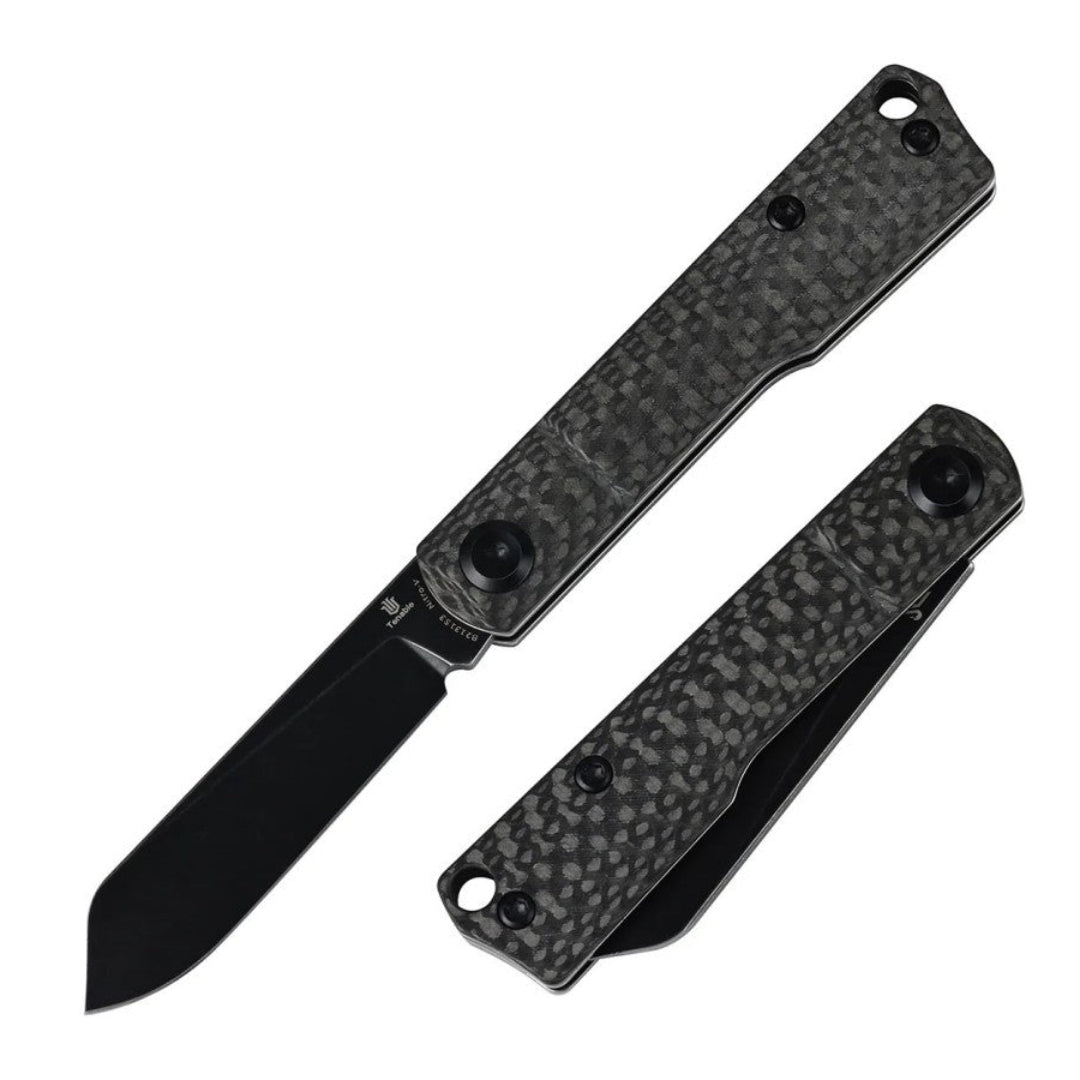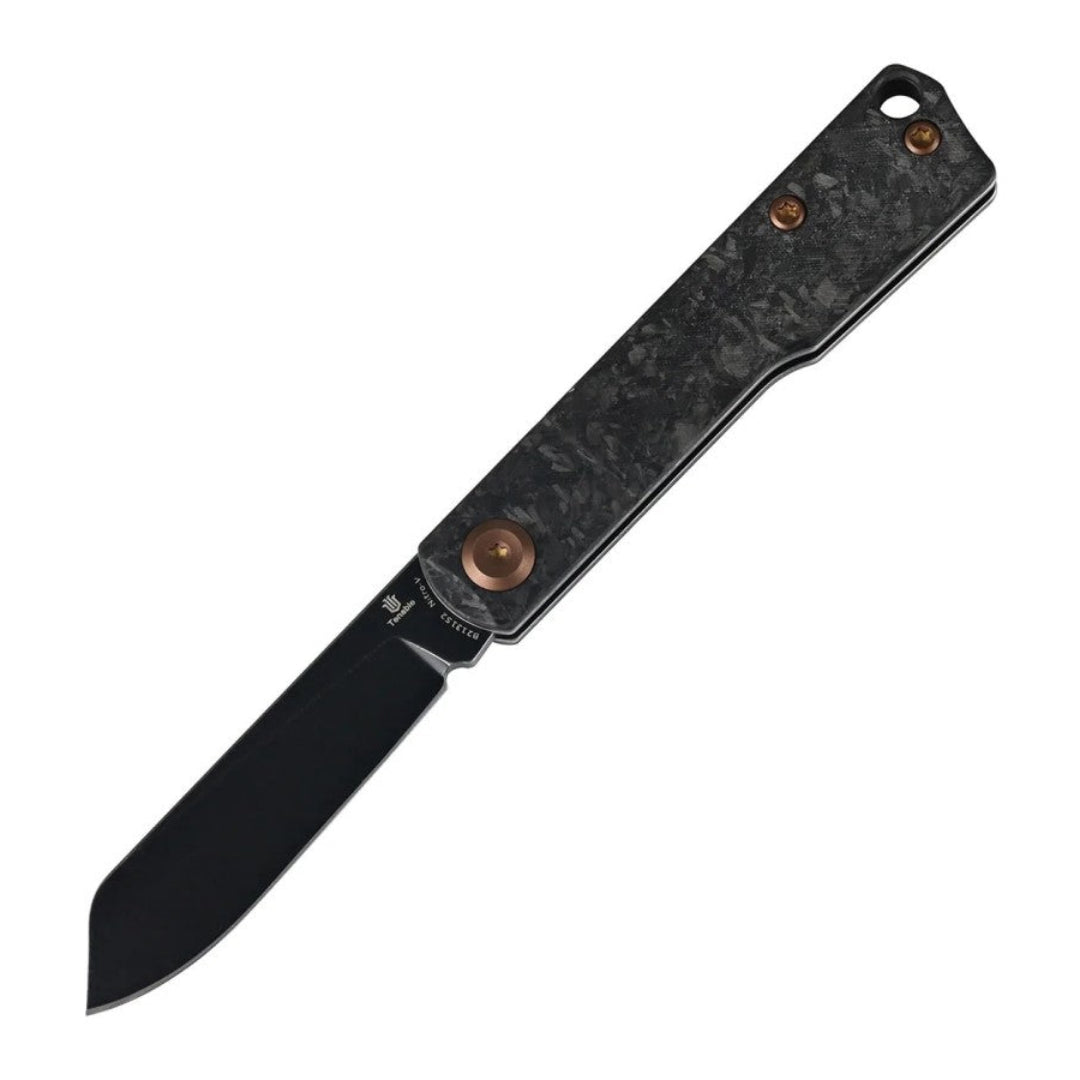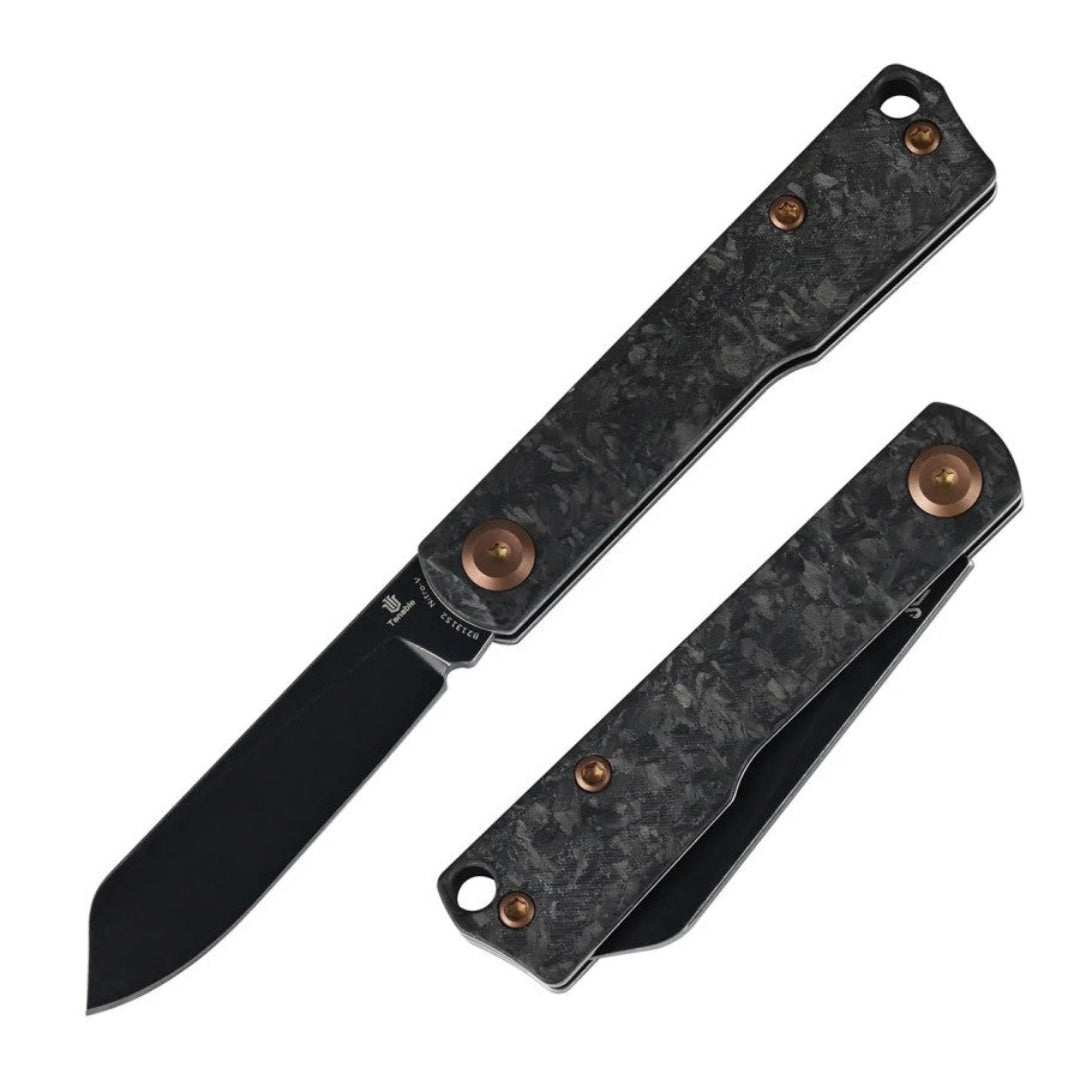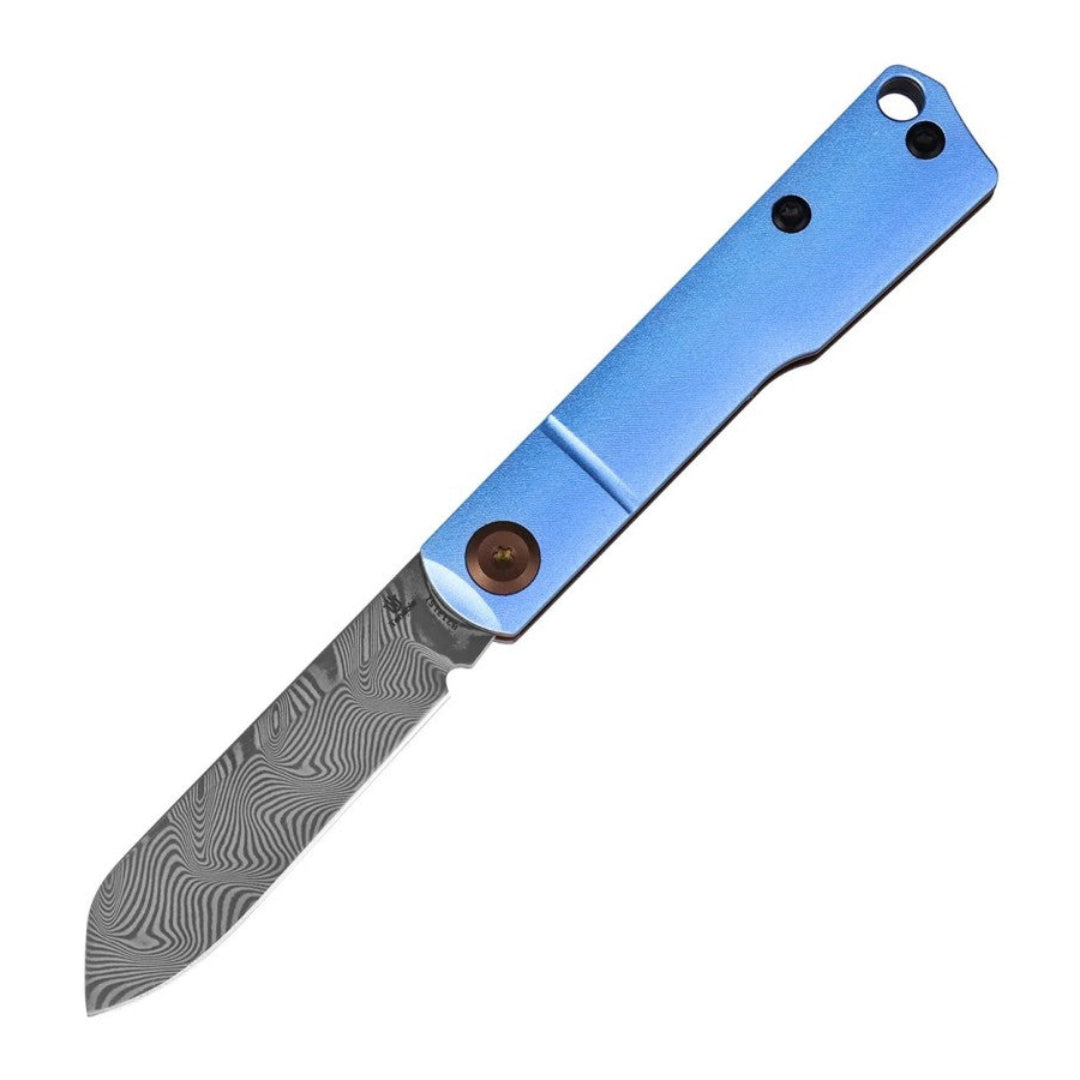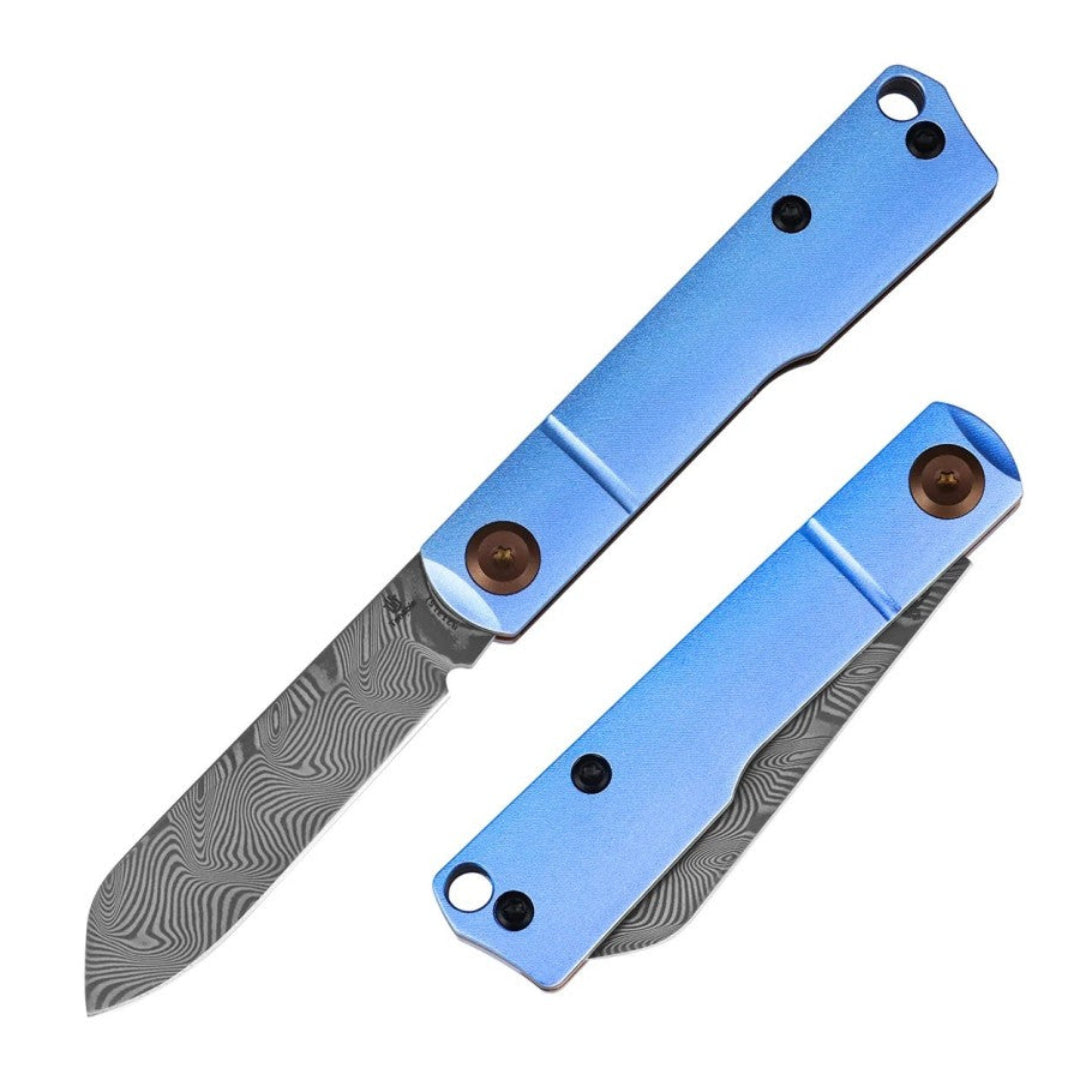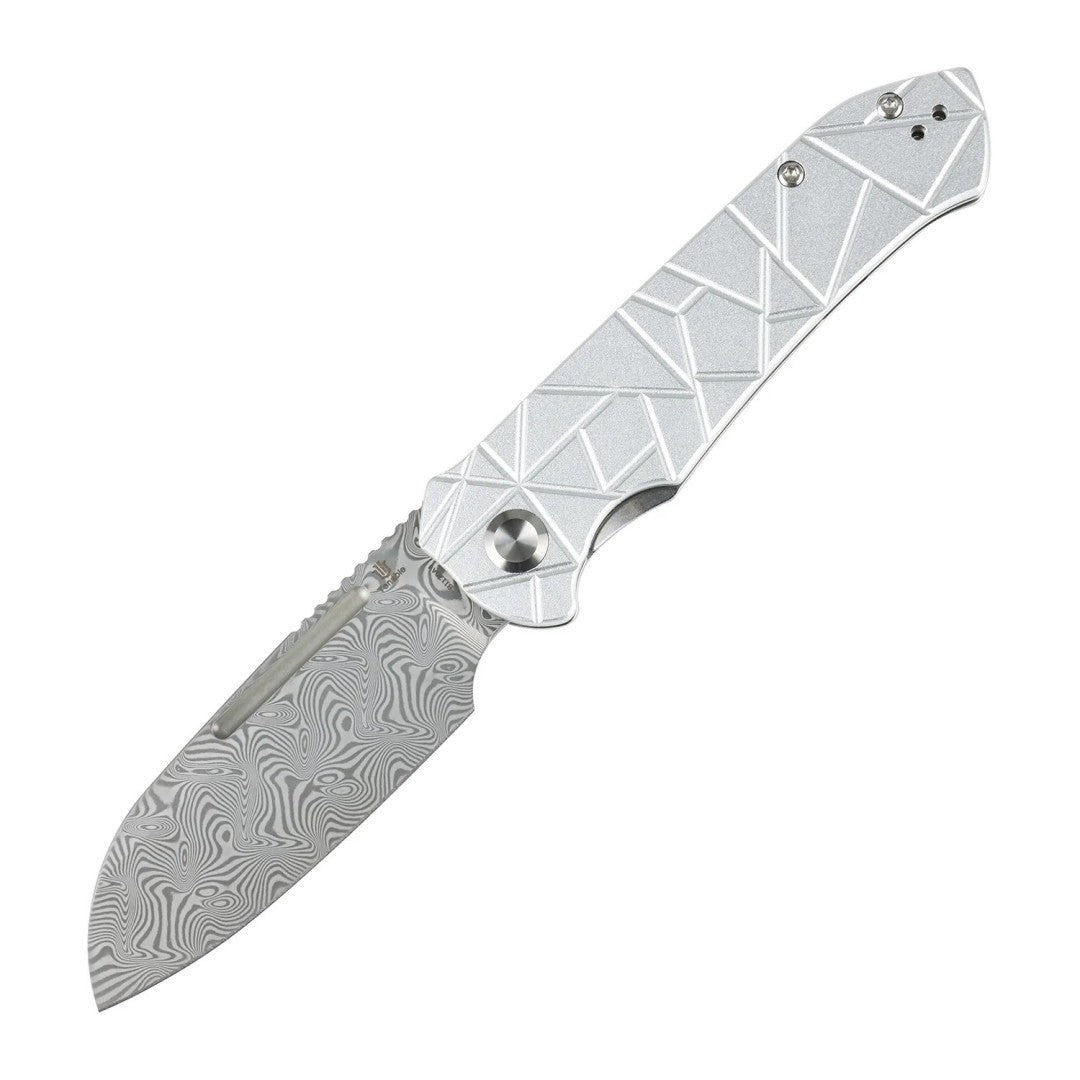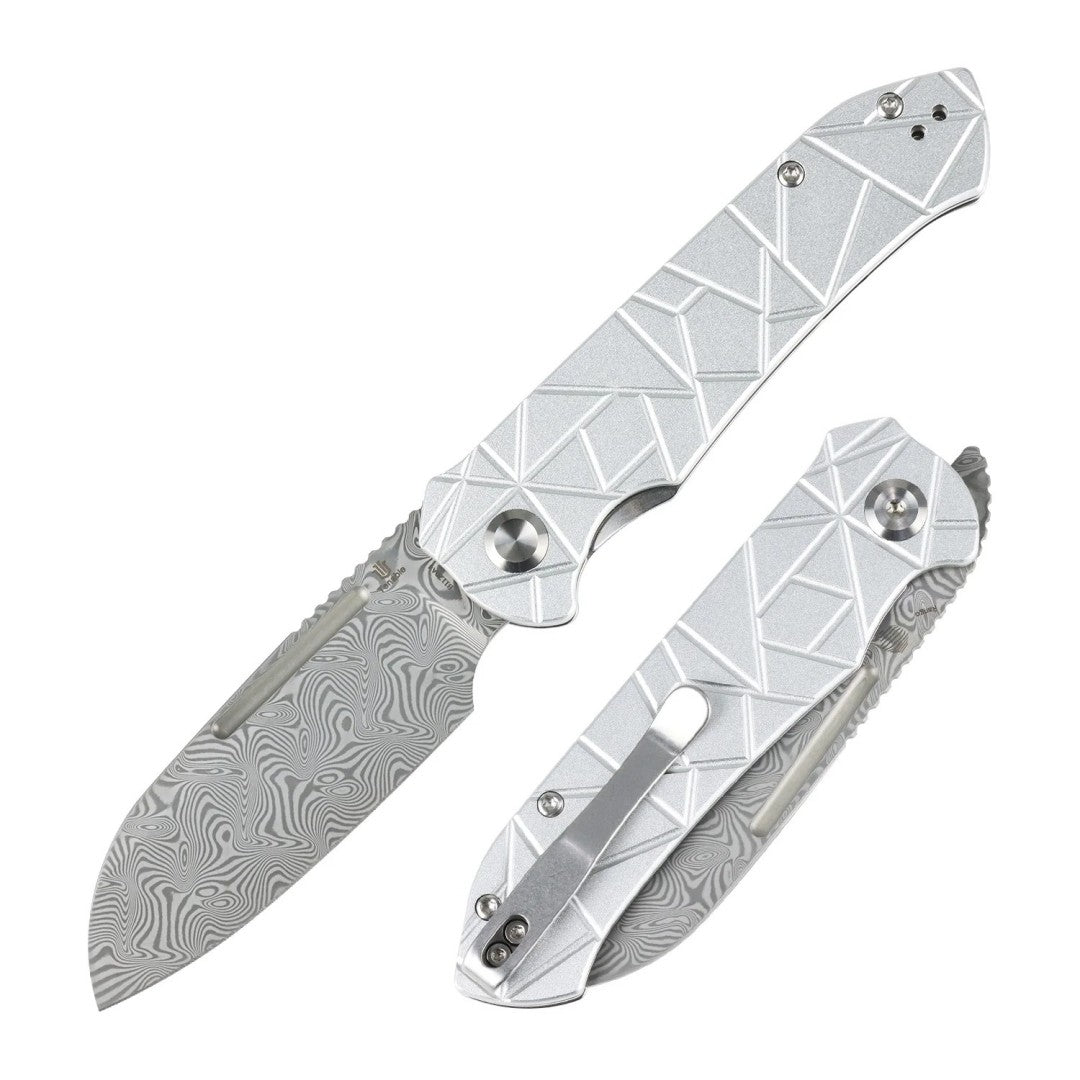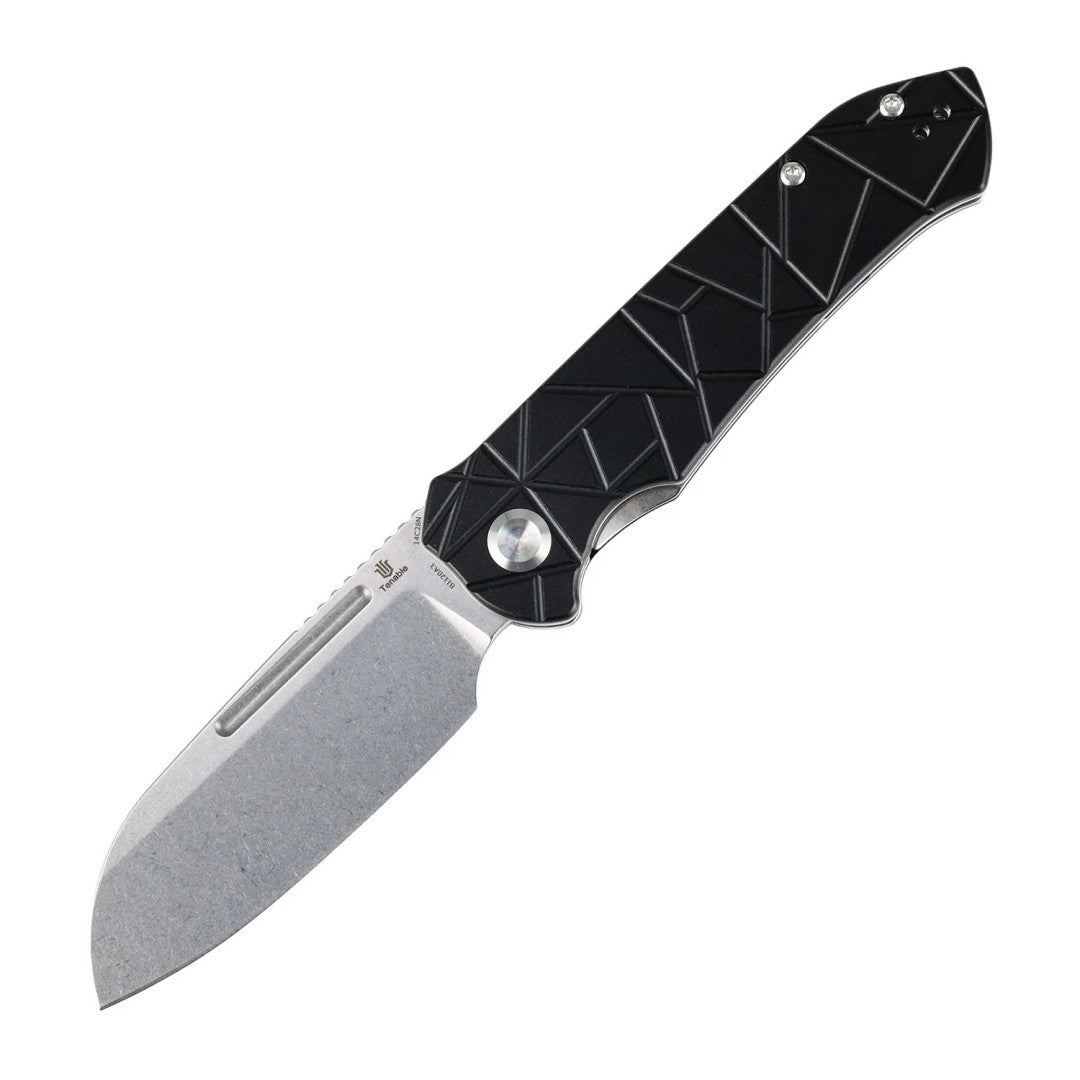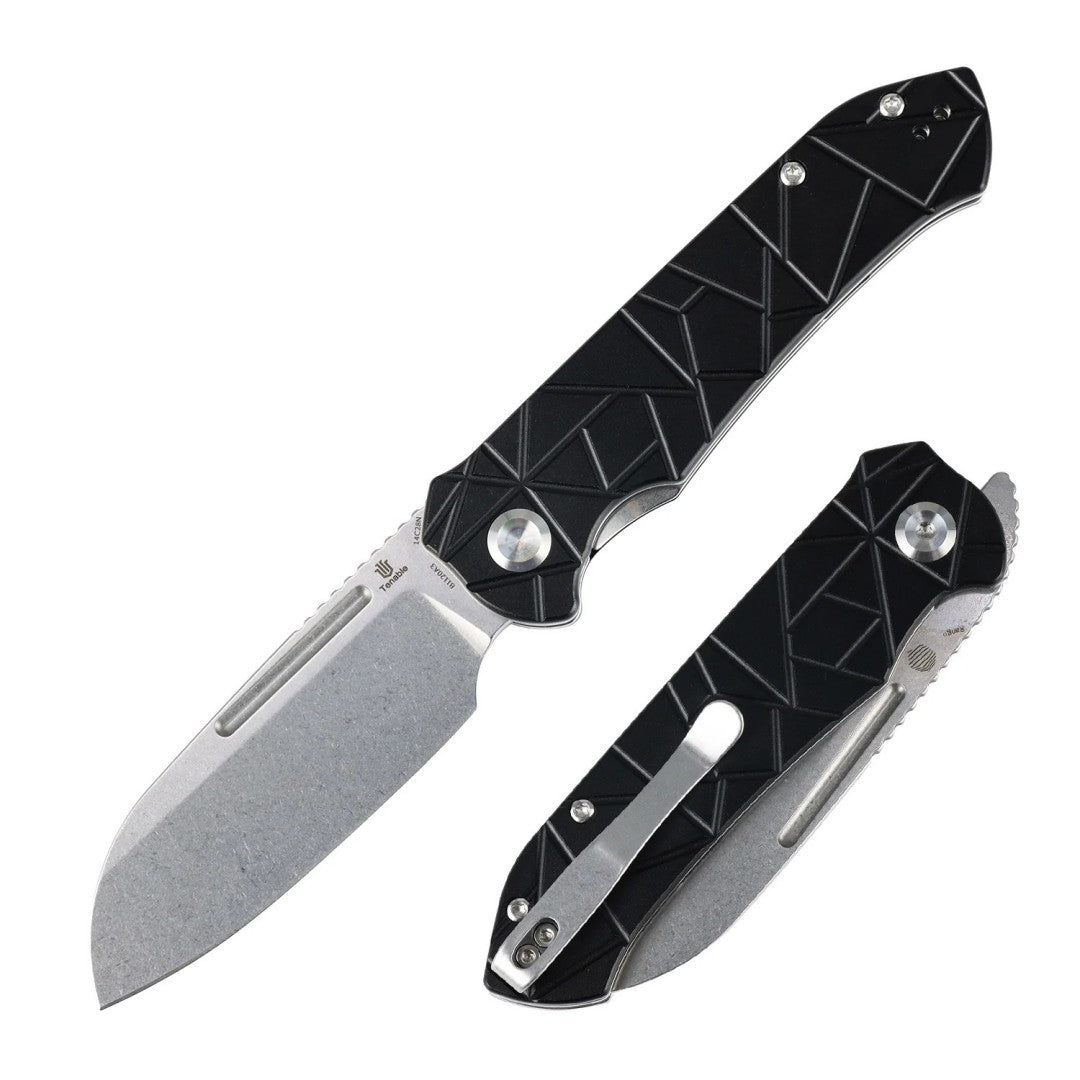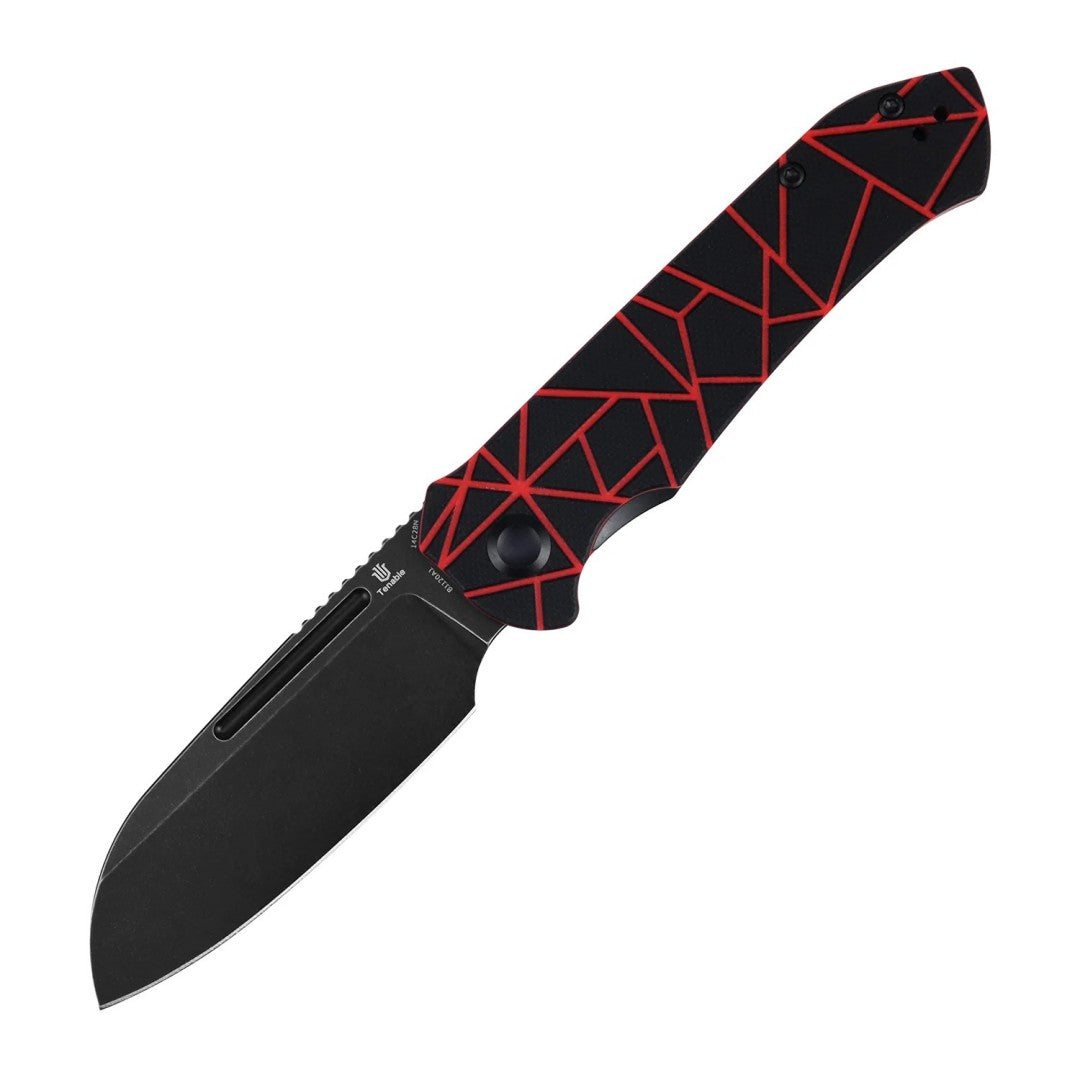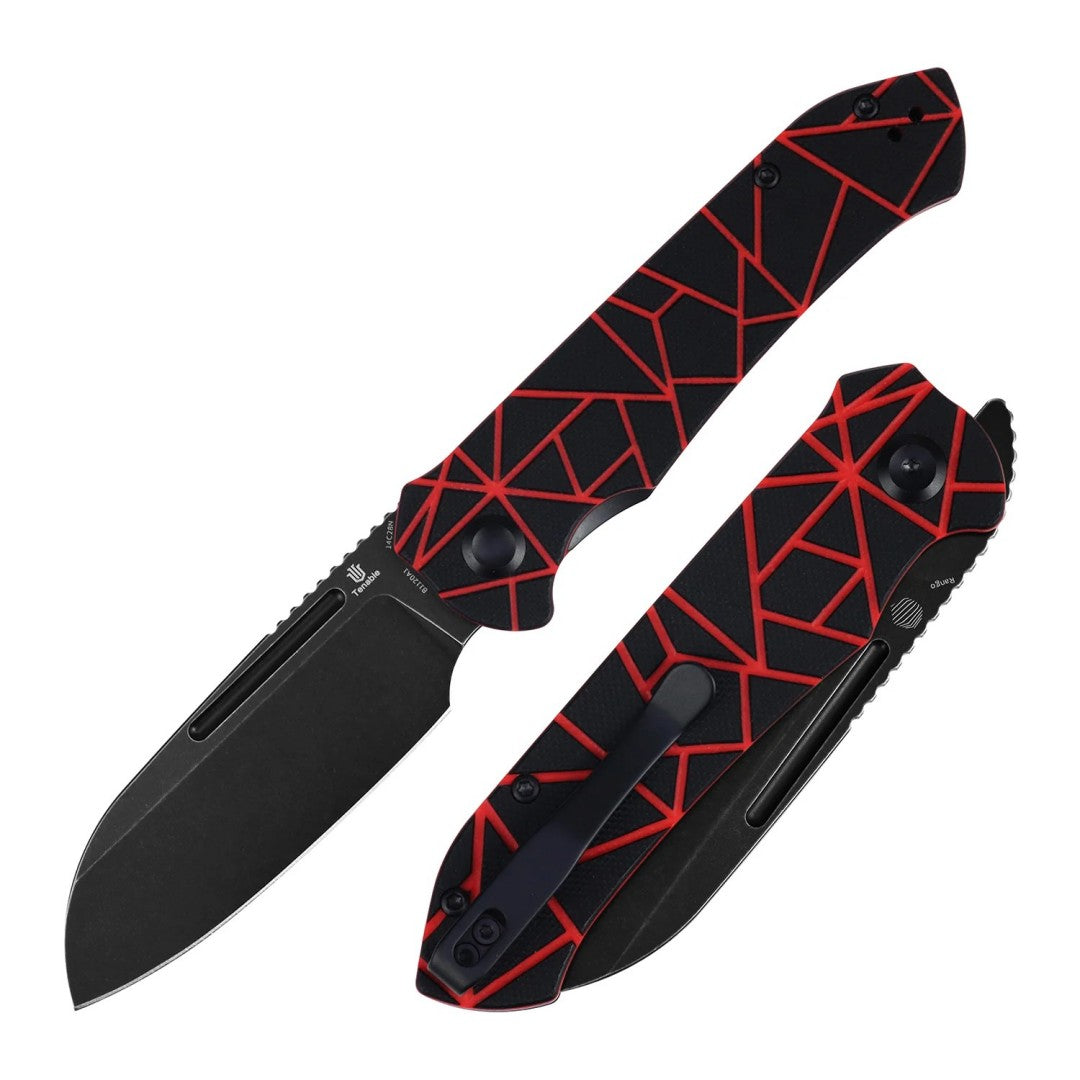
For anyone carrying a pocket knife for everyday tasks, edge retention is one of the most critical factors determining long-term satisfaction. No one wants a tool that dulls after opening just a few cardboard boxes. When evaluating the QSP Dolphin, prospective owners frequently ask how well its blade maintains a working edge under real-world cutting conditions.
Produced by QSP—a brand widely respected for precision machining and exceptional heat treatment standards—this model relies on a proven Swedish steel alloy. Here is an in-depth analysis of the edge-holding capabilities, wear resistance, and sharpening dynamics of this popular folder.
Key Performance & Metallurgy Specifications
To understand how long an edge lasts, it helps to examine the steel chemistry, hardness, and blade geometry that dictate performance under load.
| Component / Property | Technical Specification |
| Blade Steel | Sandvik 14C28N Stainless Steel |
| Target Hardness | 59–61 HRC (Vacuum Heat Treated) |
| Chemical Composition | 0.62% Carbon, 14.0% Chromium, 0.11% Nitrogen |
| Blade Finish | High-Luster Mirror Polish |
| Locking Mechanism | Stainless Steel Liner Lock |
| Primary Grind | Full Flat Grind with Drop Point Geometry |
The Metallurgical Foundation of Sandvik 14C28N
Edge retention depends heavily on the alloy composition and heat treatment process. Sandvik 14C28N is a stainless steel originally developed specifically for high-performance cutting tools. Unlike basic budget stainless steels that rely solely on carbon for hardness, 14C28N incorporates a precise dose of nitrogen into its chemical structure:
Fine-Grained Carbide Distribution
The addition of nitrogen prevents the formation of large, brittle chromium carbides. Instead, it creates a uniform, fine-grained carbide matrix that resists micro-chipping along the apex of the blade edge when slicing tough materials.
Optimized Hardness Balancing
Running at 59–61 HRC, the blade strikes an ideal balance. It is hard enough to resist rolling or deformation under pressure, yet tough enough to absorb minor impacts without chipping.
 Edge Holding in Real-World Scenarios
In daily EDC use, knives encounter a wide variety of materials, ranging from abrasive cardboard and plastic strapping to thick fibrous rope and wood.
-
Cardboard Processing: Cardboard contains abrasive silicates that rapidly dull inferior steels. The fine edge on this knife slices through dozens of shipping boxes before showing any noticeable loss in razor sharpness.
-
Cordage & Webbing: Slicing through nylon straps and heavy rope requires a crisp edge apex. Thanks to the smooth mirror-polished blade flats and thin edge geometry, the knife glides through fibrous media with minimal friction and zero snagging.
-
Precision Trimming: Even after an afternoon of general utility cutting, the blade retains a clean "working edge"—meaning it continues to slice paper and shave wood curls effortlessly without binding.
Friction Reduction and Wear Resistance
Another factor contributing to effective edge life is the mirror-polished surface finish. Standard satin-finished blades feature microscopic grind lines that create friction against target materials.
By buffing the primary bevels to a reflective mirror finish, material glides across the steel with reduced resistance. Less drag means less lateral stress applied to the delicate edge apex during deep cuts, effectively extending the functional lifespan of the sharp edge between maintenance sessions.
Sharpening and Stropping Dynamics
Eventually, every cutting tool requires touch-up maintenance. One of the greatest advantages of 14C28N steel over super-steels (like CPM-20CV or M390) is how easily it responds to basic sharpening tools:
-
Stropping Maintenance: You rarely need to take this blade to sharpening stones after moderate use. A quick two-minute session on a leather strop loaded with diamond compound quickly restores a hair-popping edge.
-
Stone Sharpening: When a full resharpening is necessary, standard aluminum oxide or ceramic sharpening stones bite into the steel easily, forming a clean, burr-free edge without tedious grinding.
 Final Assessment on Edge Life
The edge retention on this folder performs well above expectations for its price category. By combining nitrogen-enhanced Sandvik steel, expert heat treatment, and low-friction mirror polishing, it delivers a sharp edge that resists abrasive wear throughout demanding daily tasks. For anyone needing a dependable, low-maintenance daily carry tool, this folder offers performance you can rely on day after day.