Overview & First Impressions
Polar field science runs on logistics, and logistics run on gear that does not fail at minus thirty. An ice core camp is a small town behind a snow wall: drills, winches, generators, core boxes, and people working in layers of insulation with gloves that make fine motor control a memory. Cold rewrites every rule, including the ones governing the EDC knives a team carries.
Materials & Construction
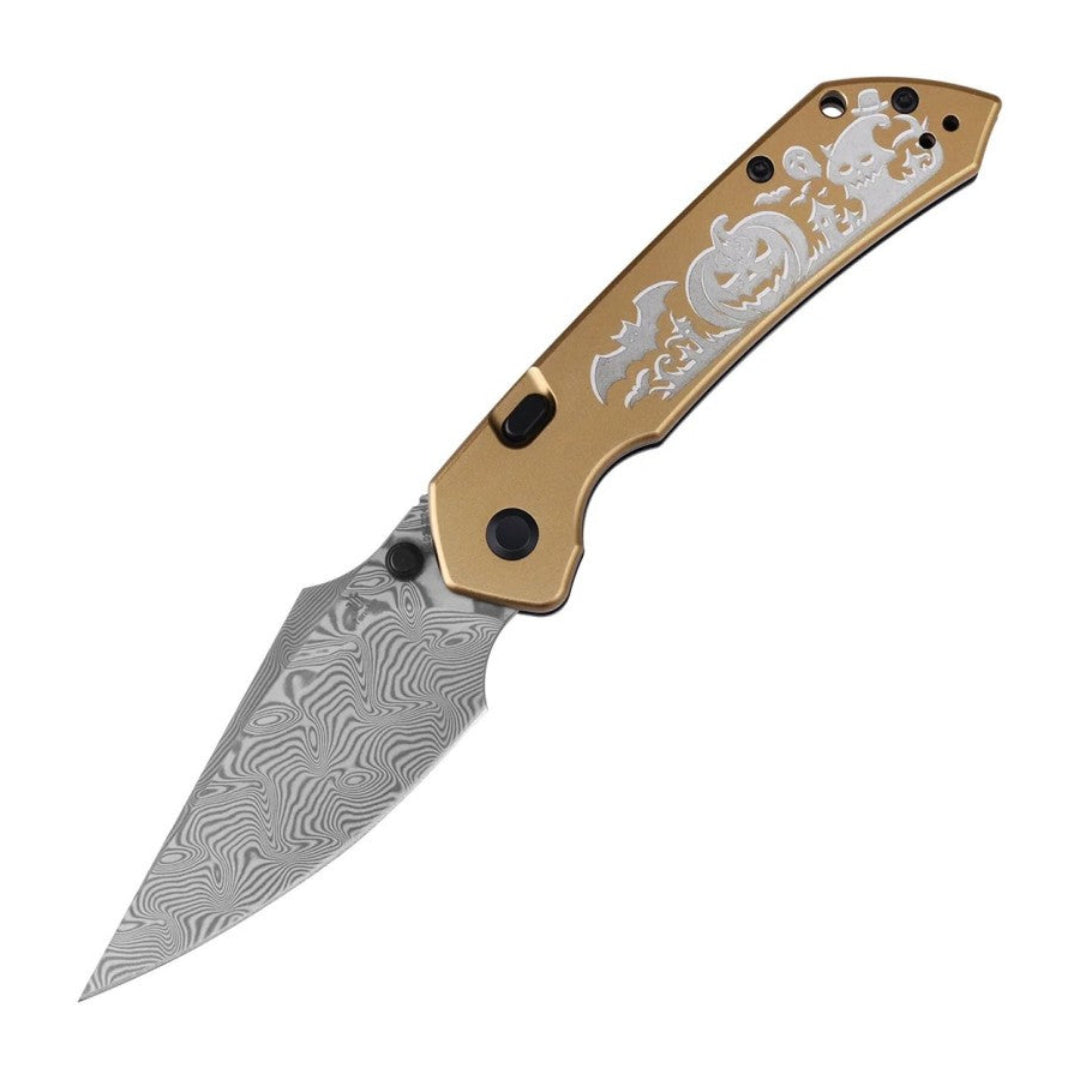
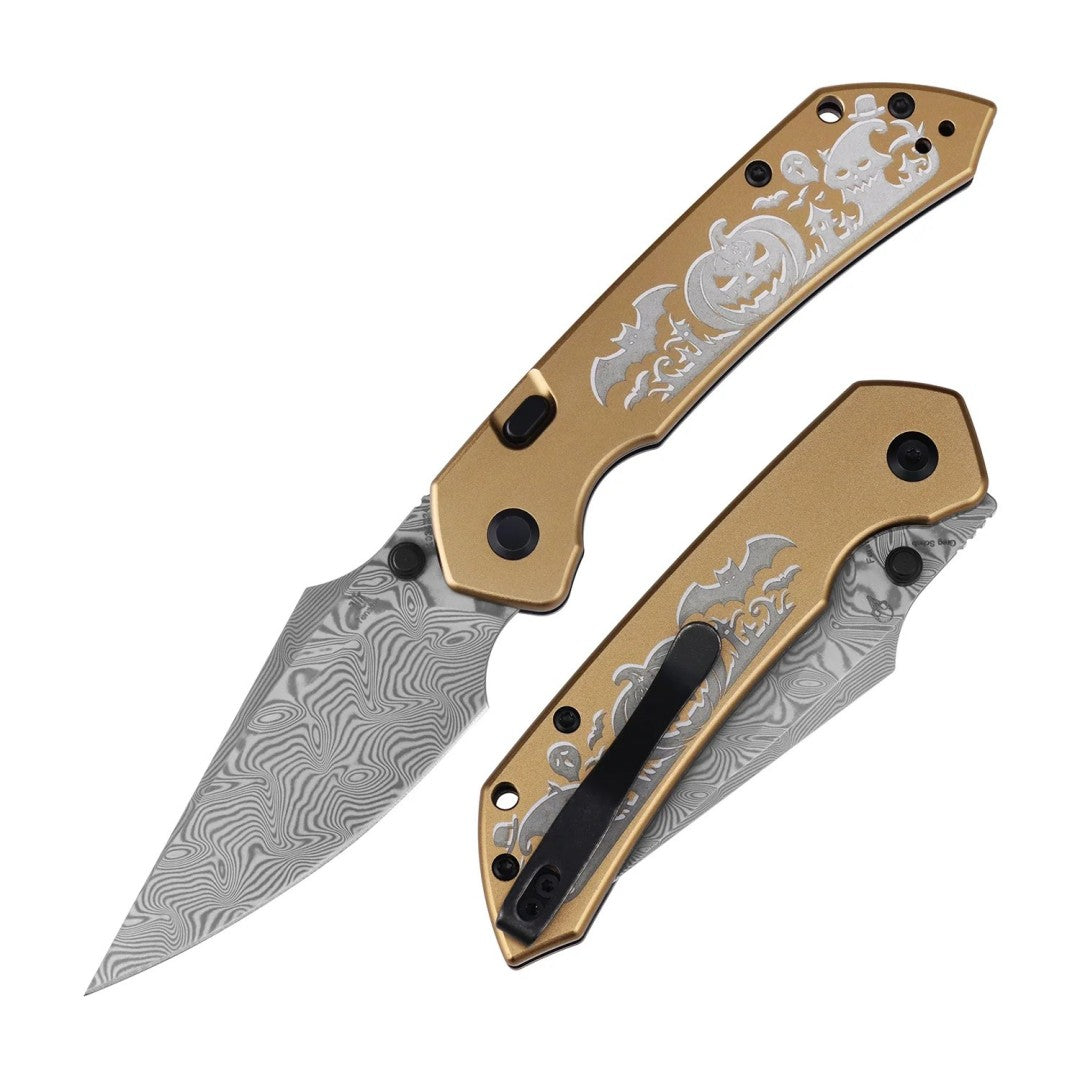
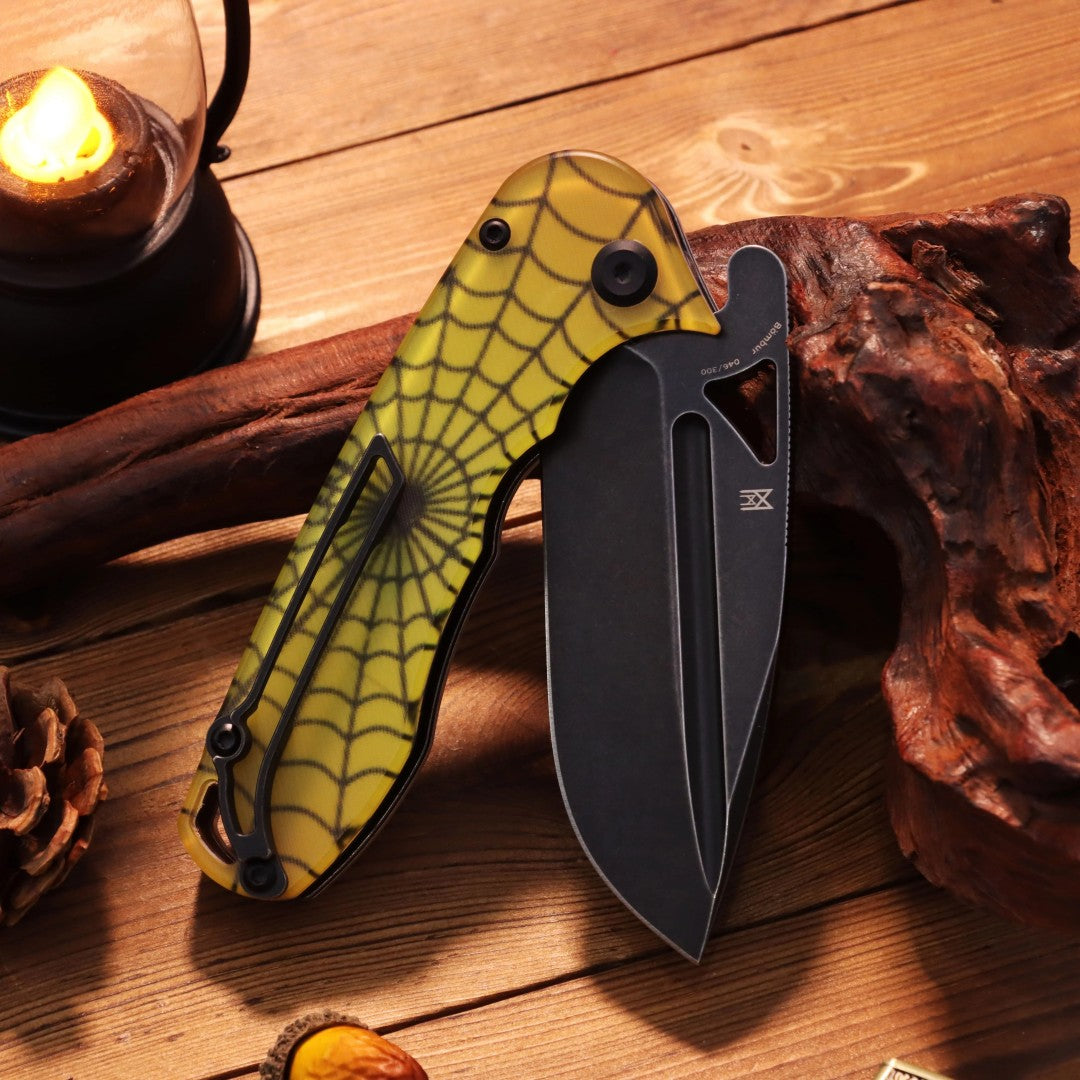
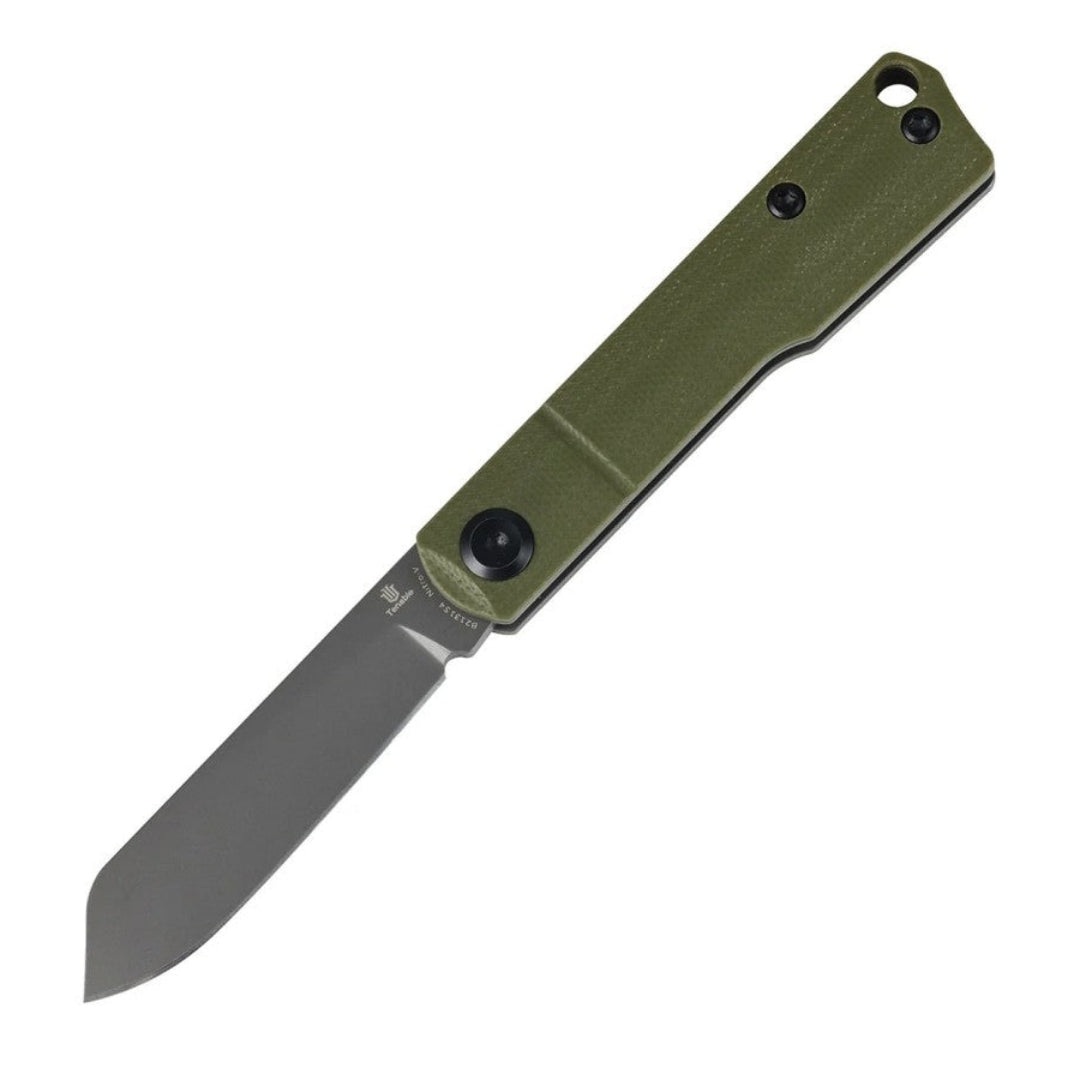
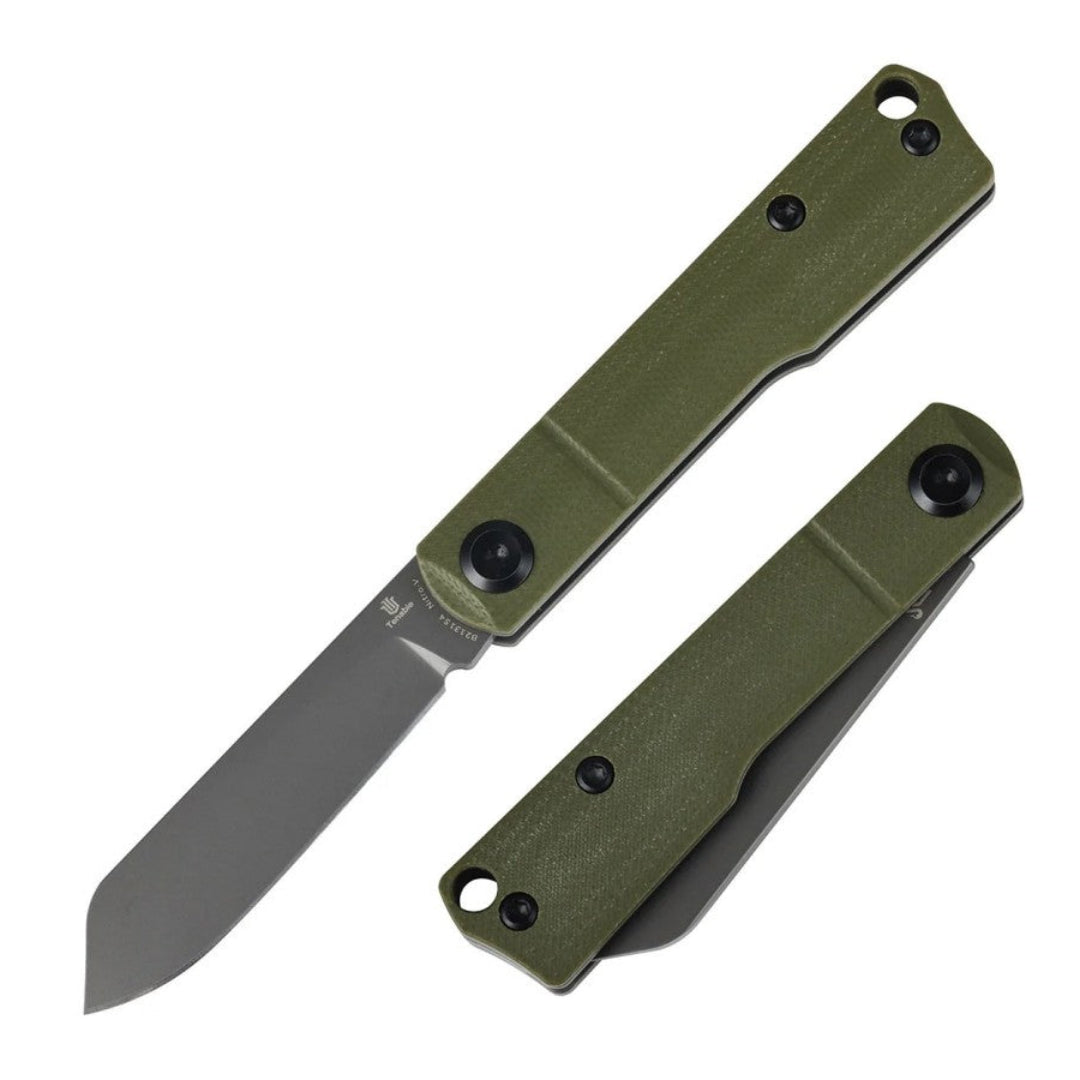
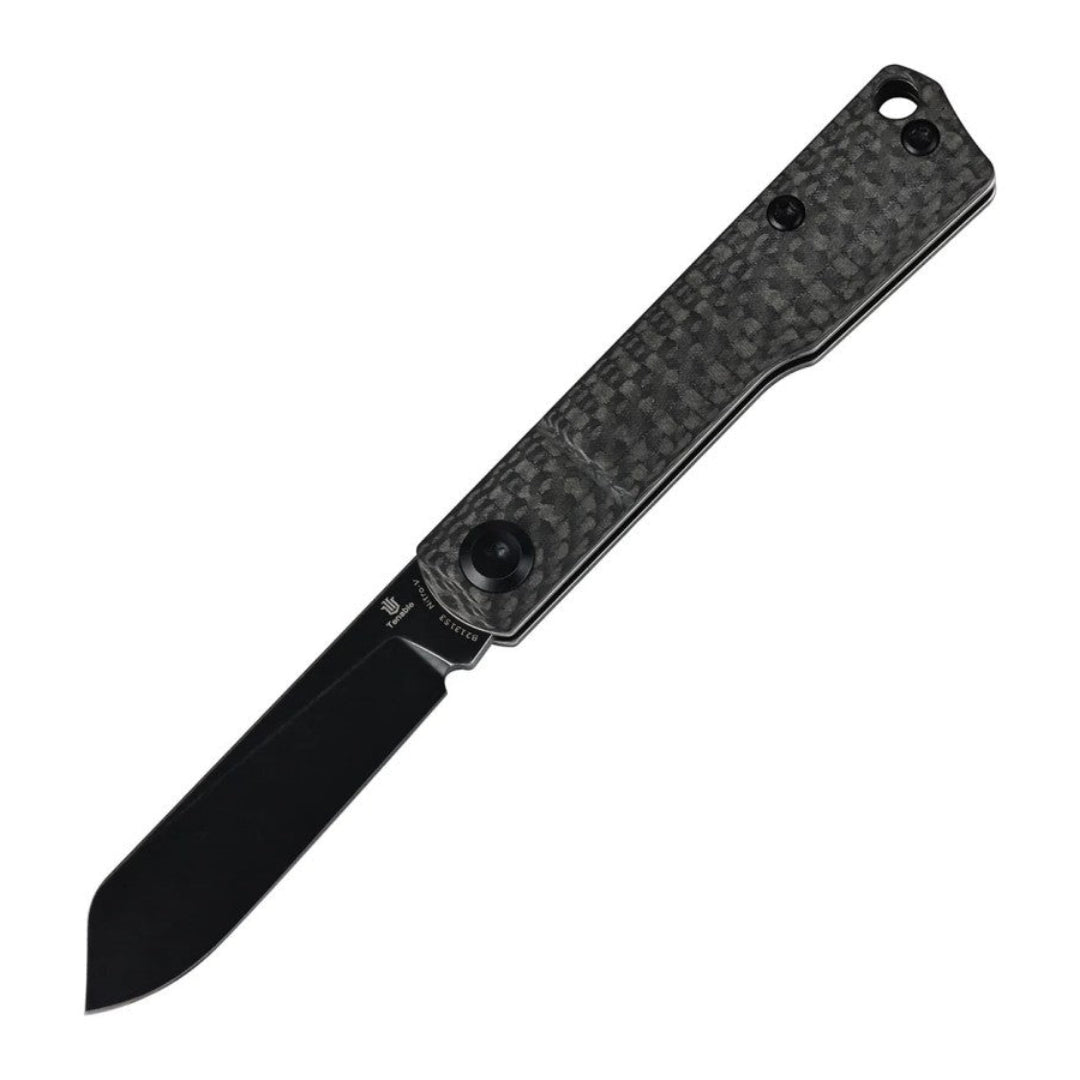
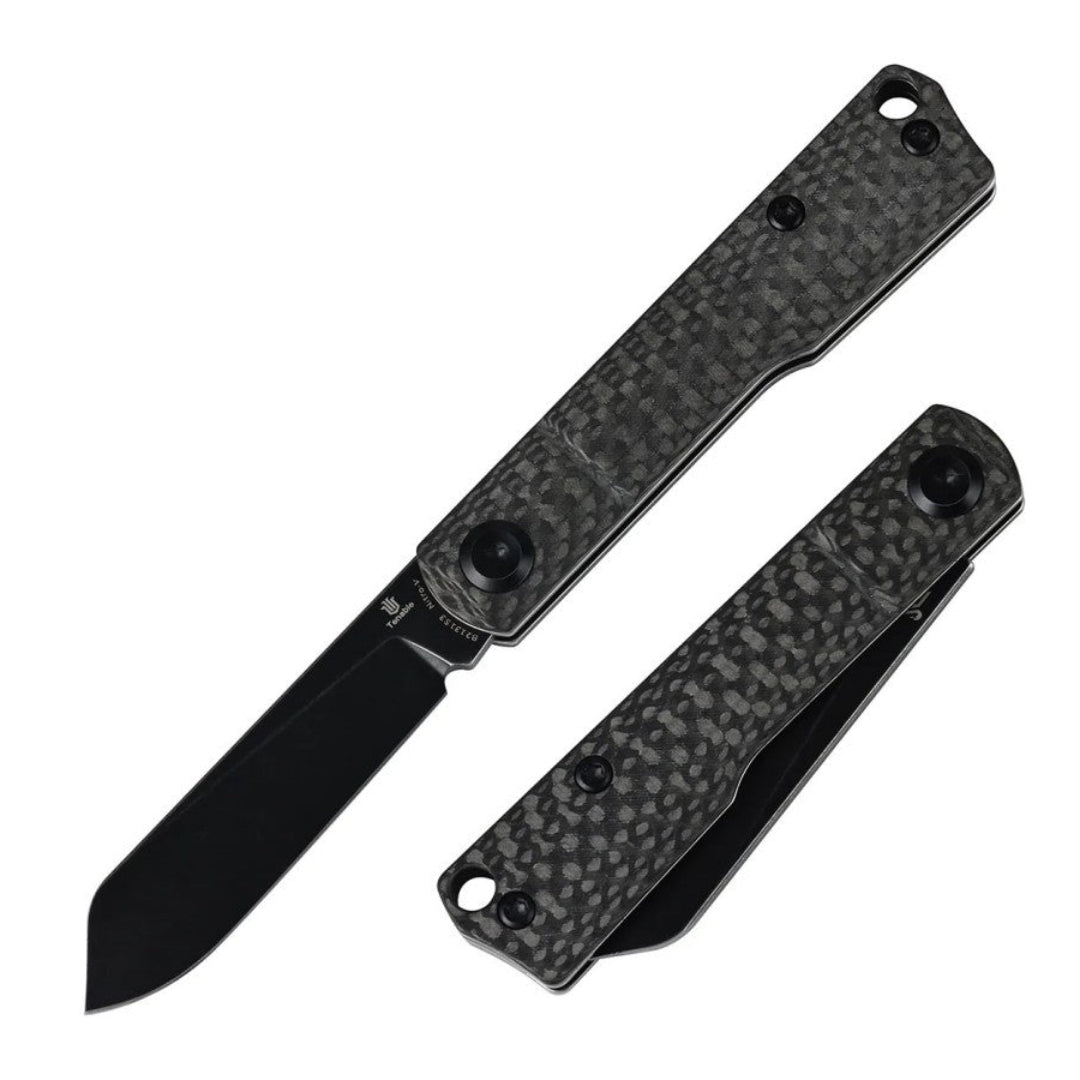
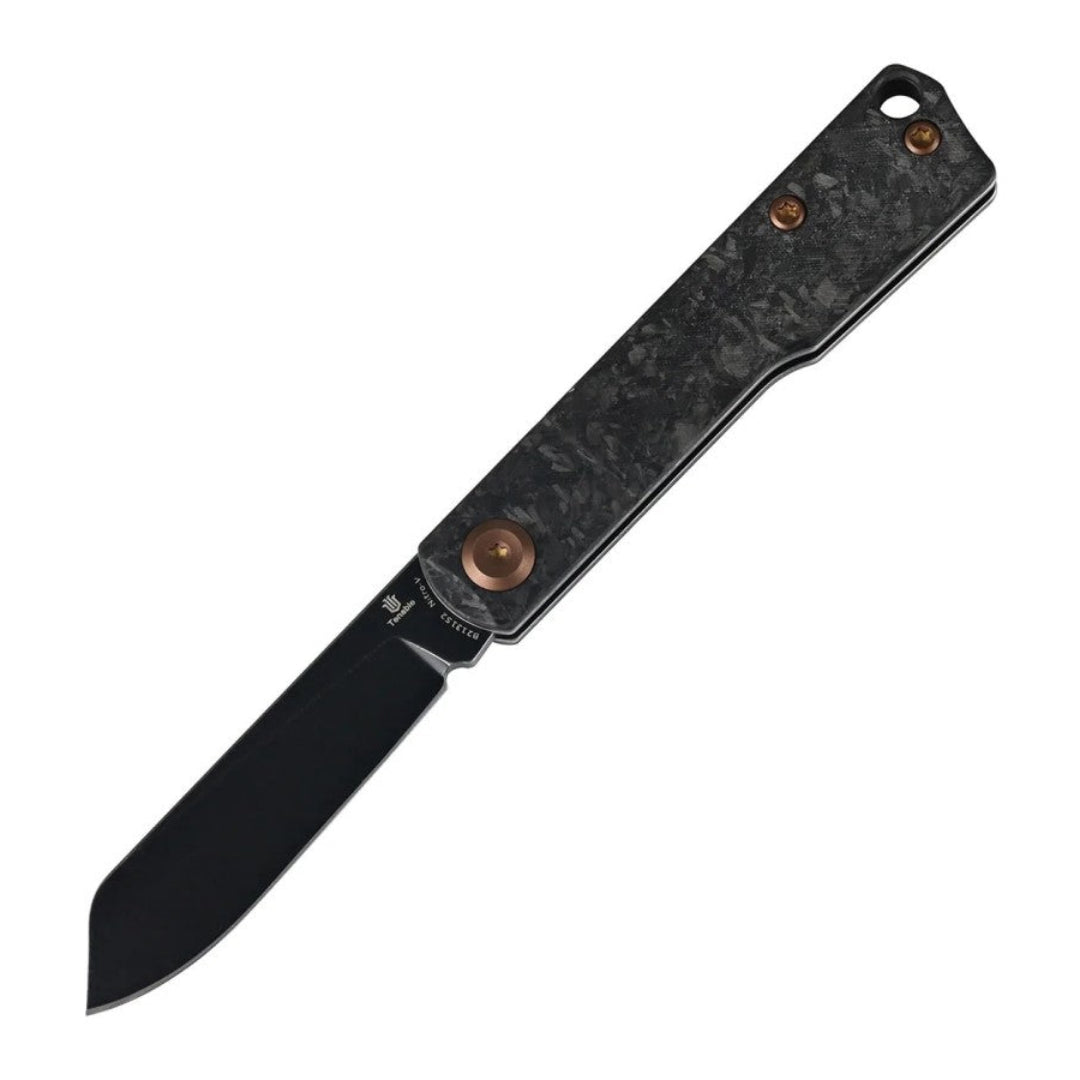
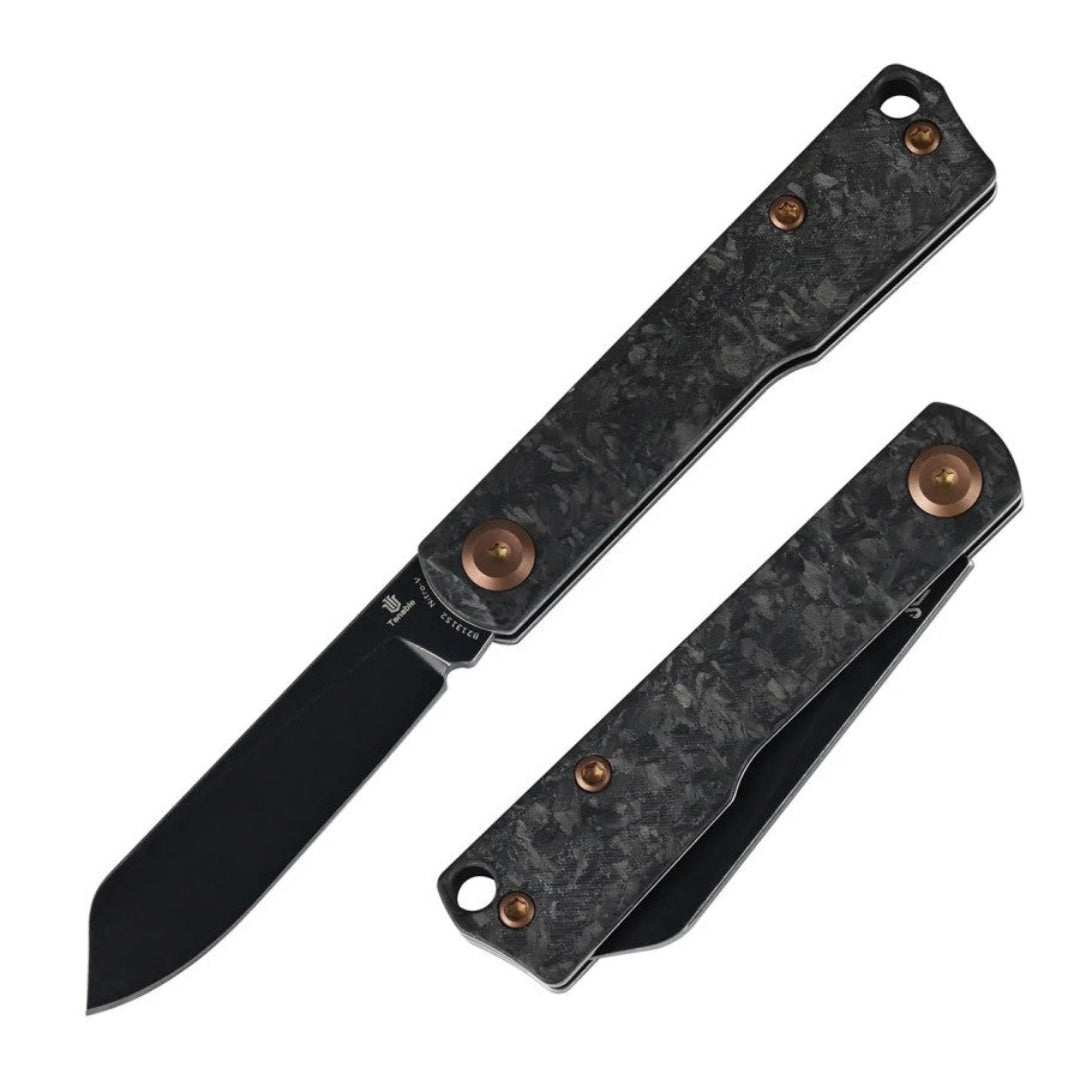
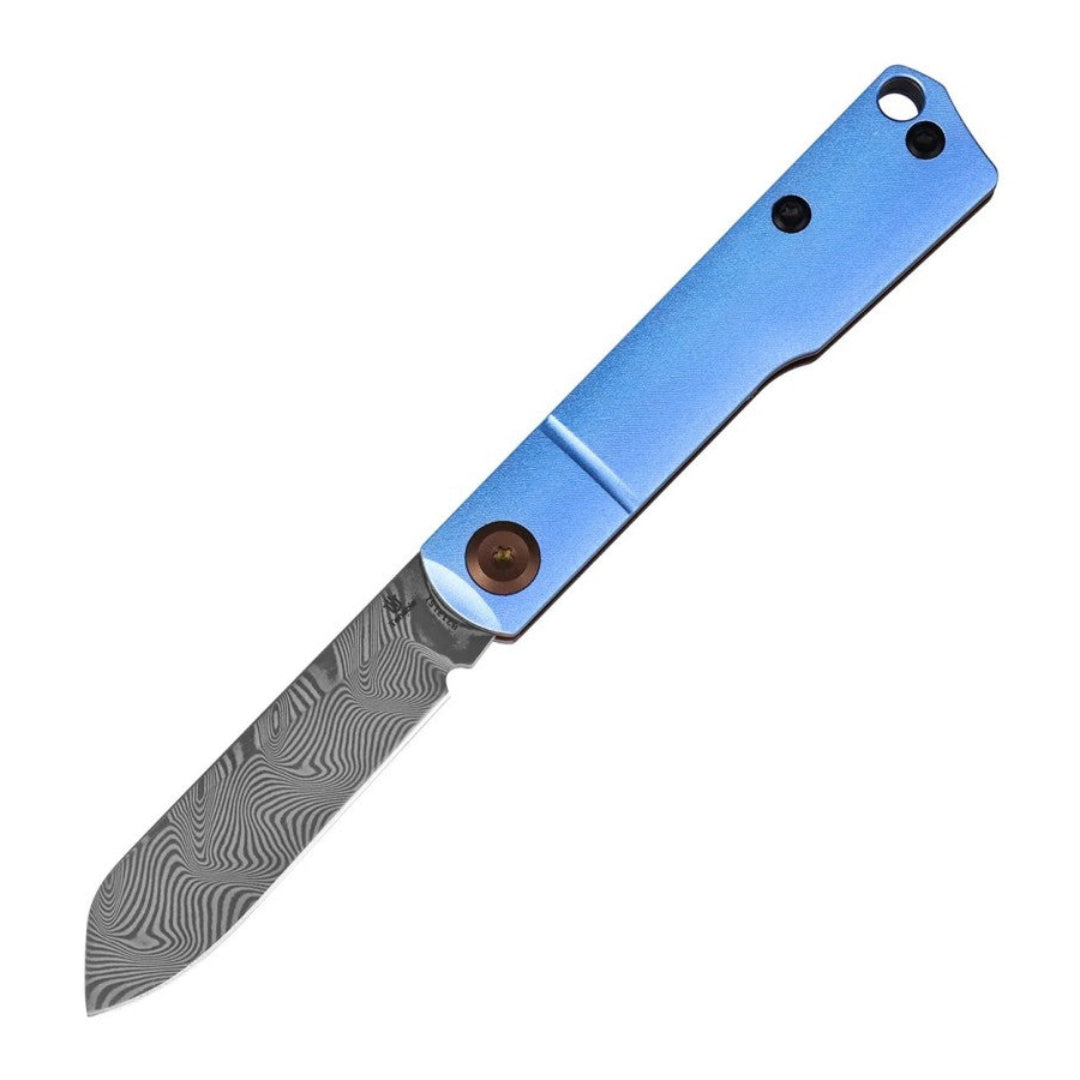
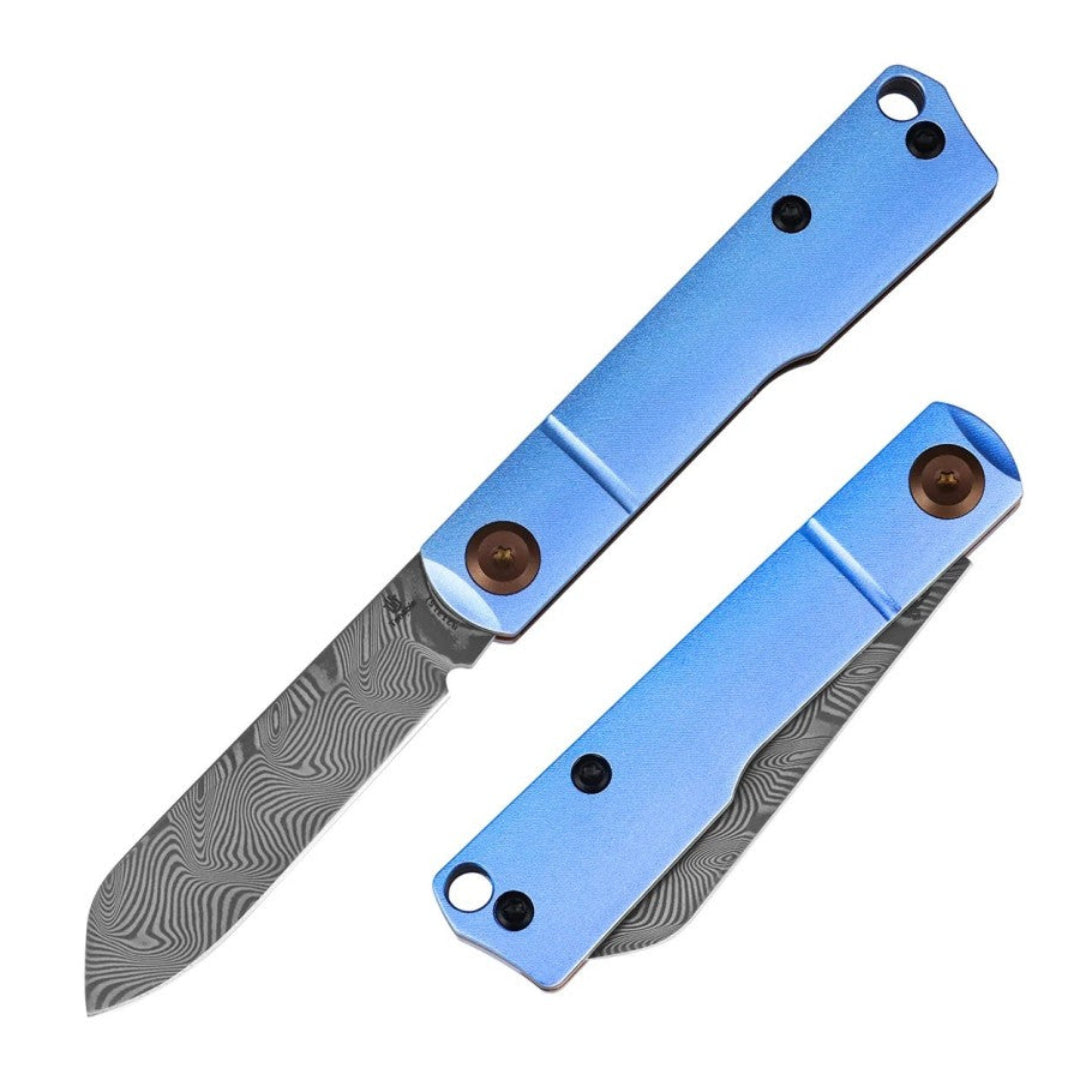
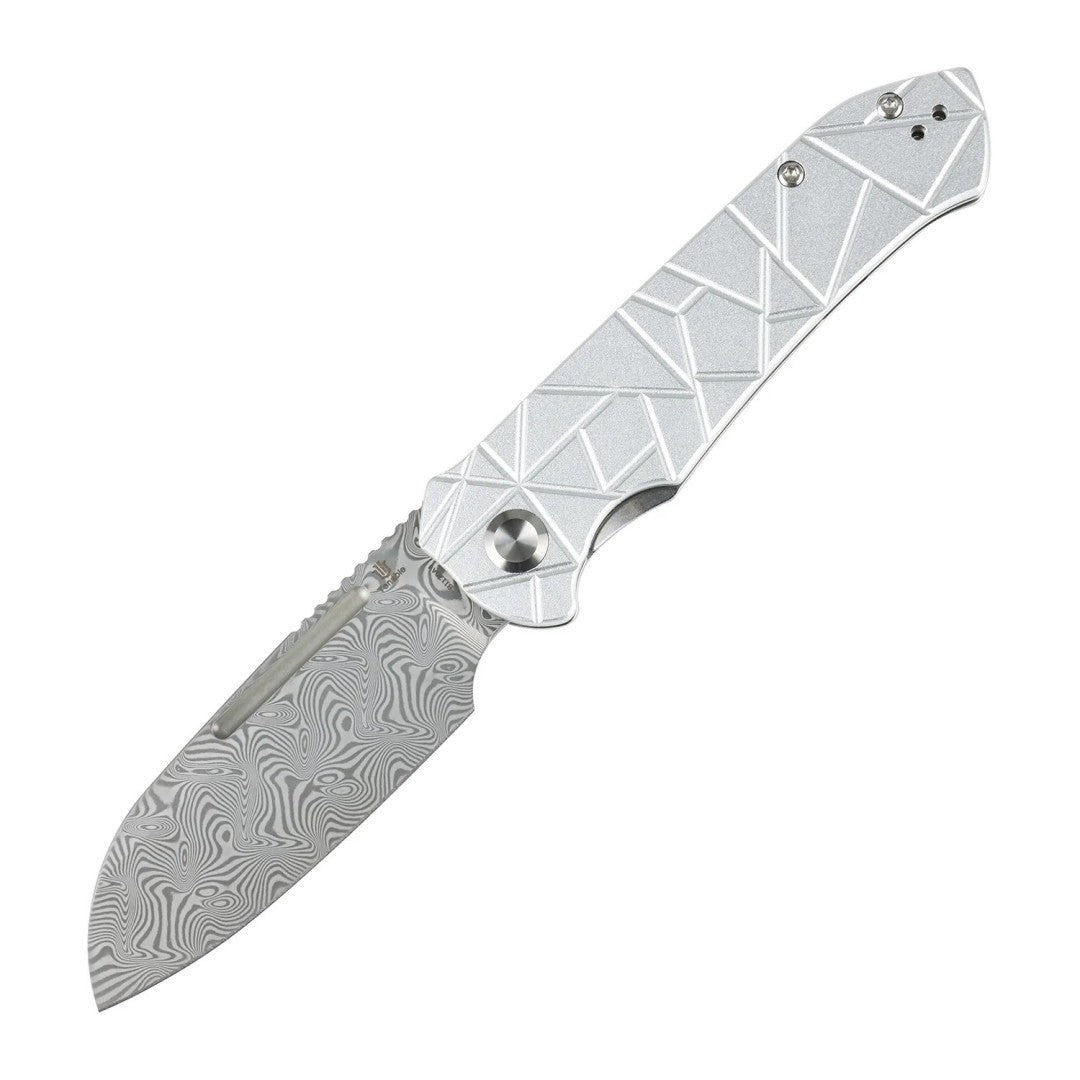
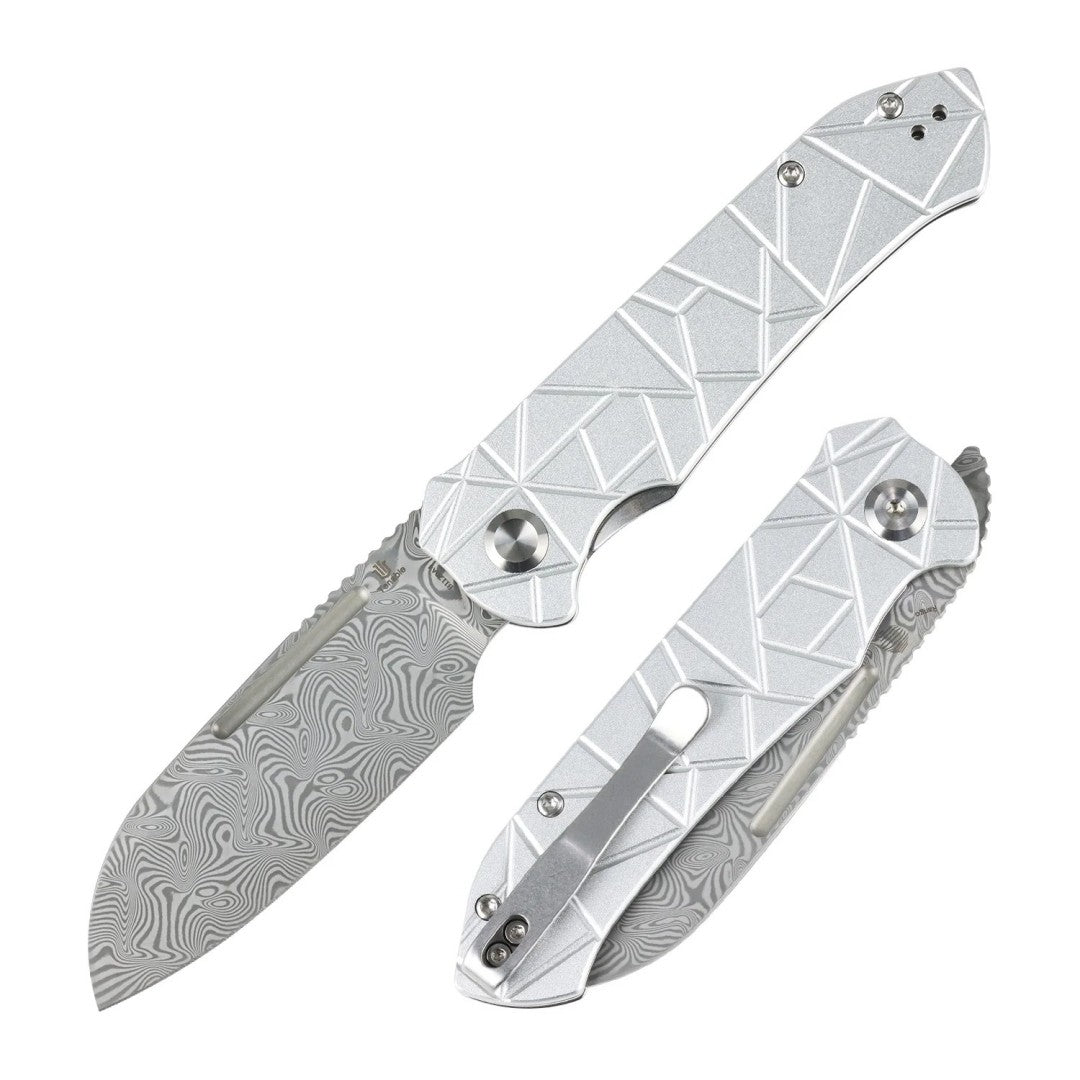
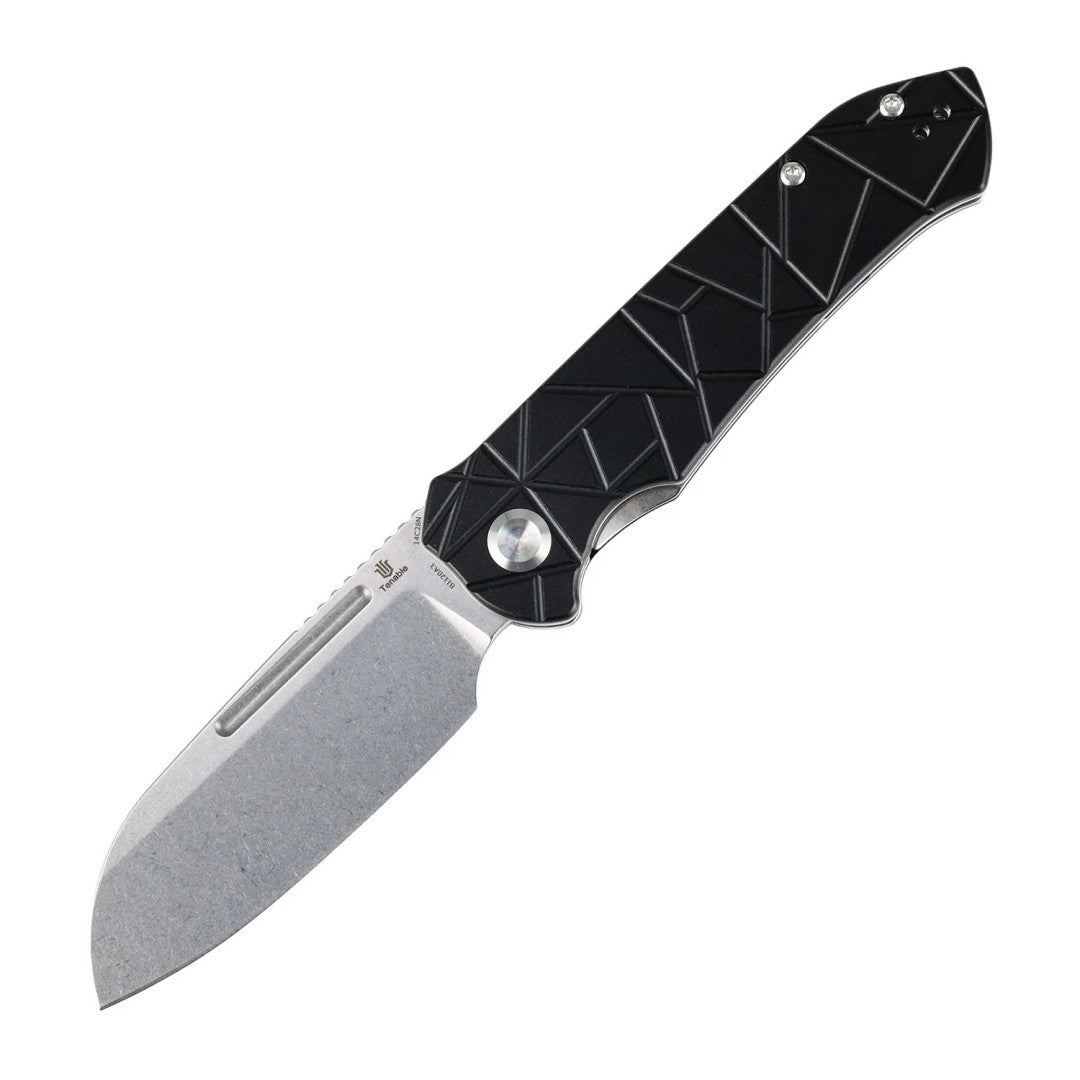
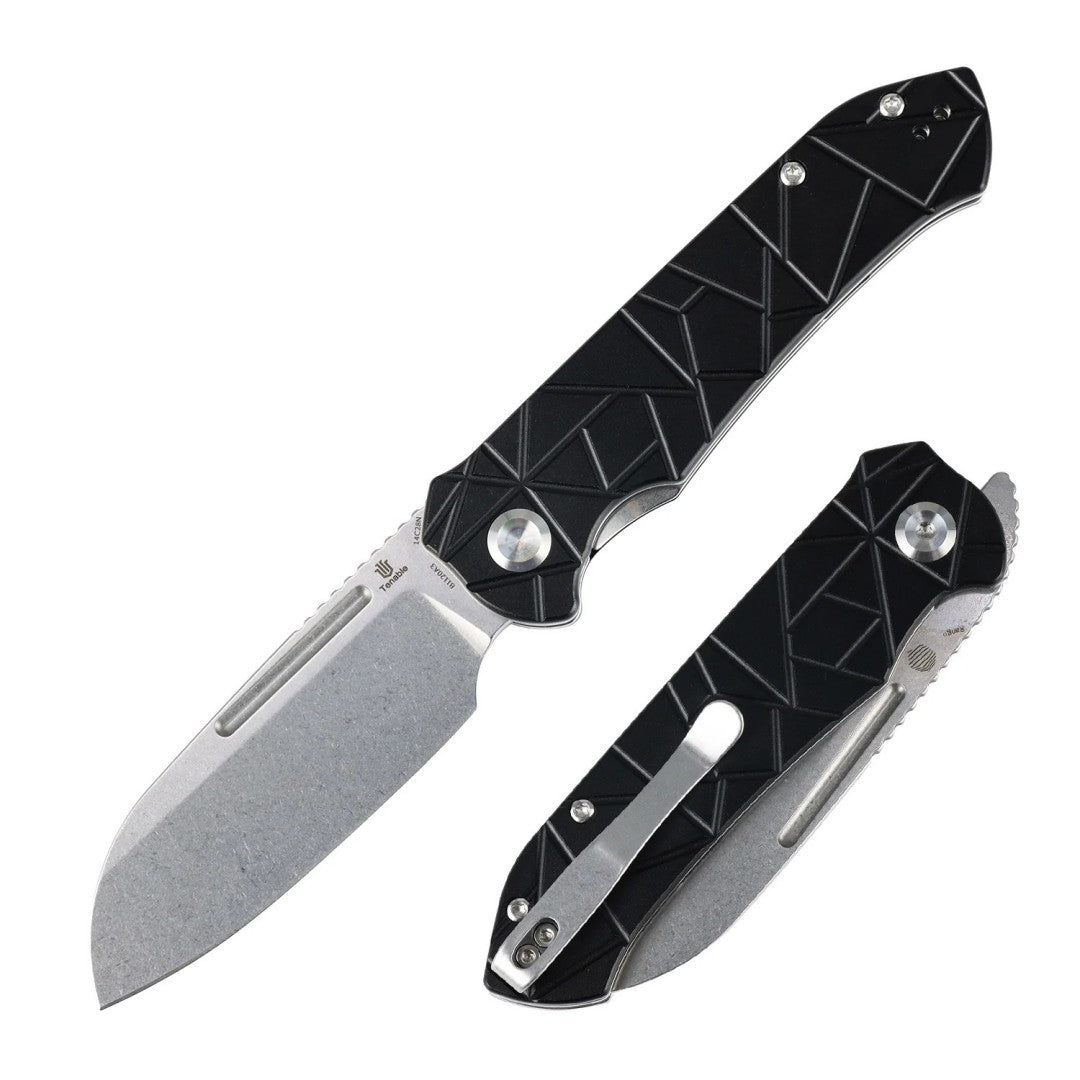
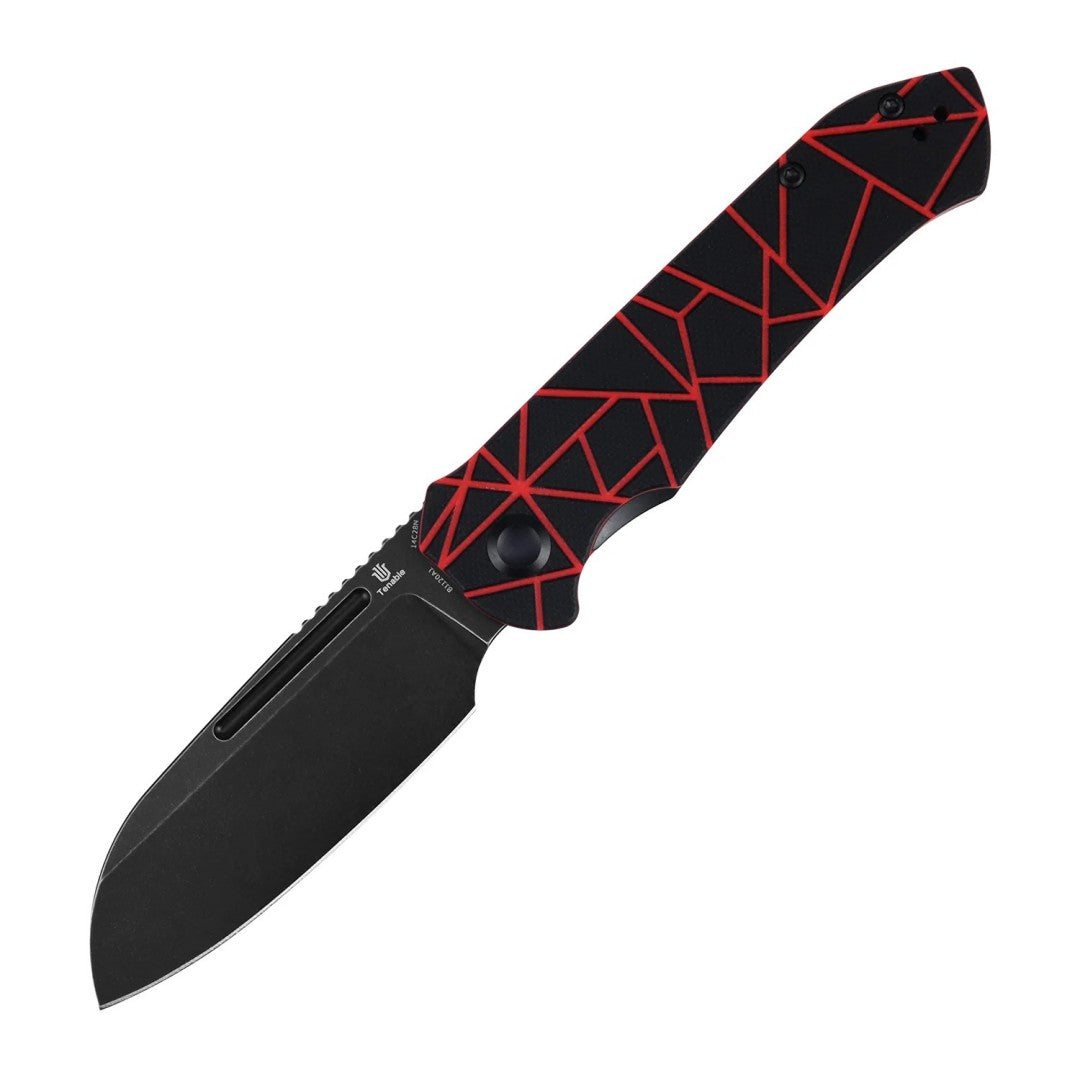
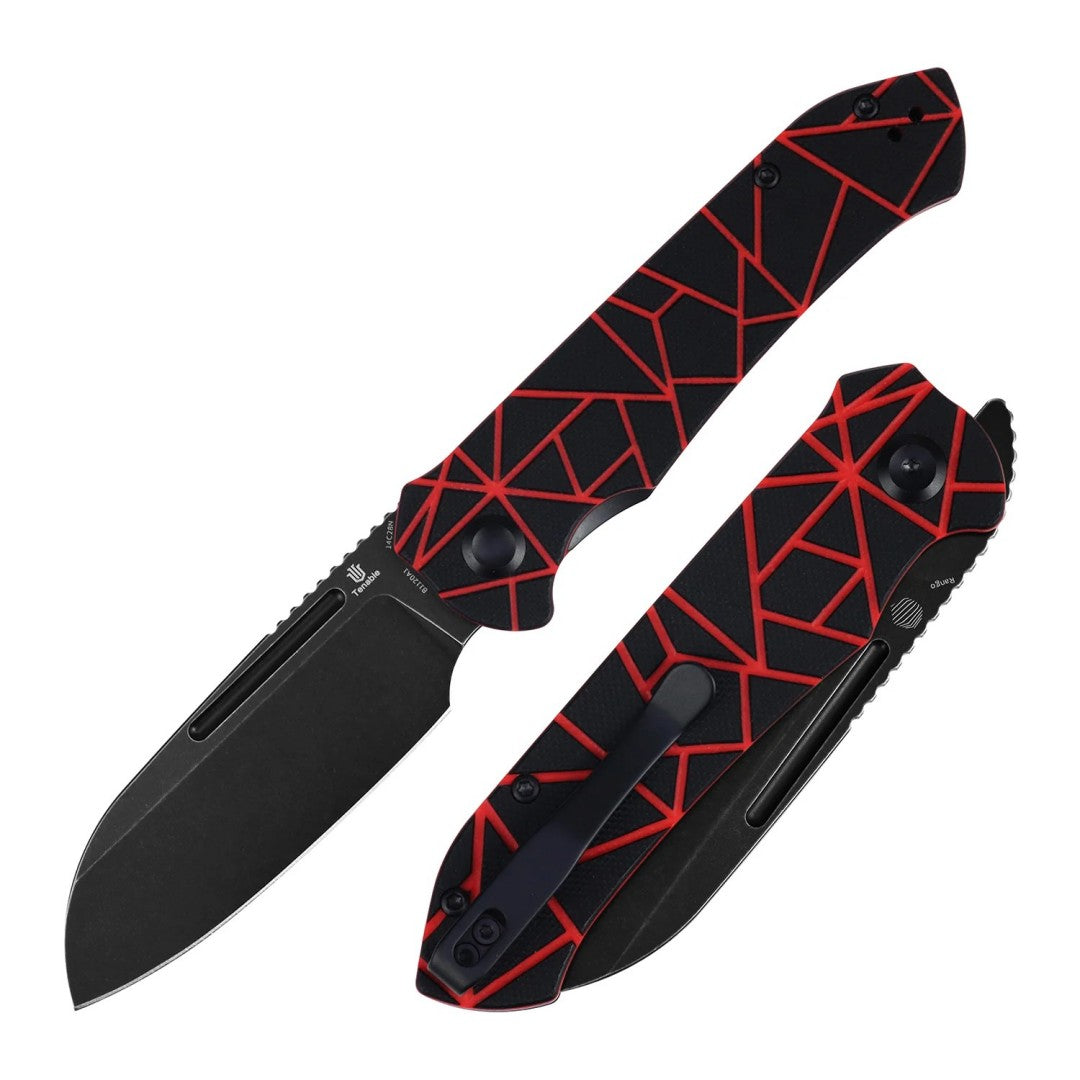
When temperatures drop, ordinary lubricants thicken and ordinary steel becomes brittle at the edge. CPM-S35VN is a powder-metallurgy stainless that holds an excellent balance of toughness and edge retention, which means it resists chipping when a blade is used hard in the cold. Kansept knives build the Ptarmigan K2055A3 around that steel in a titanium frame lock, giving a thin, strong tool that shrugs off both moisture and temperature swings.

Design & Details
A frame lock is the right choice for a cold-weather folder because it uses the handle itself as the locking member, which means fewer springs to stiffen and fewer small parts to lose in snow. Machined titanium does not gall easily and does not rust when it is brought back into a warm tent wet. A generous thumb opening and a lanyard hole are more valuable here than a fast flipper, because gloves change how a knife must be opened.
Real-World Use
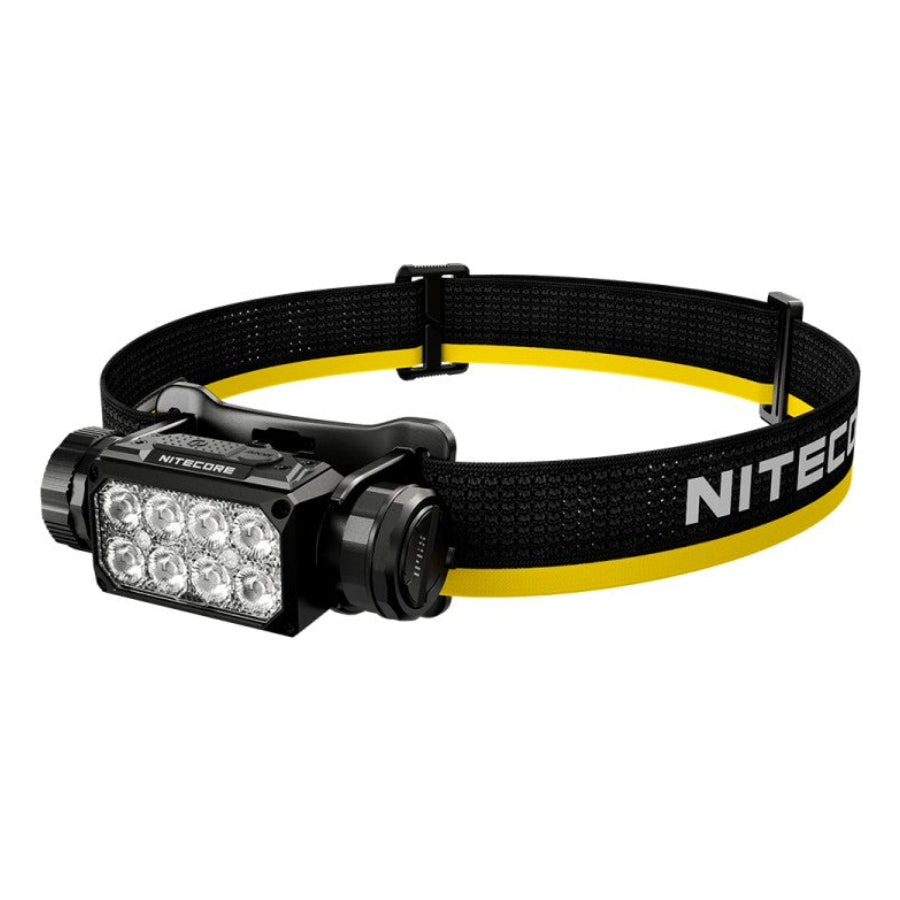
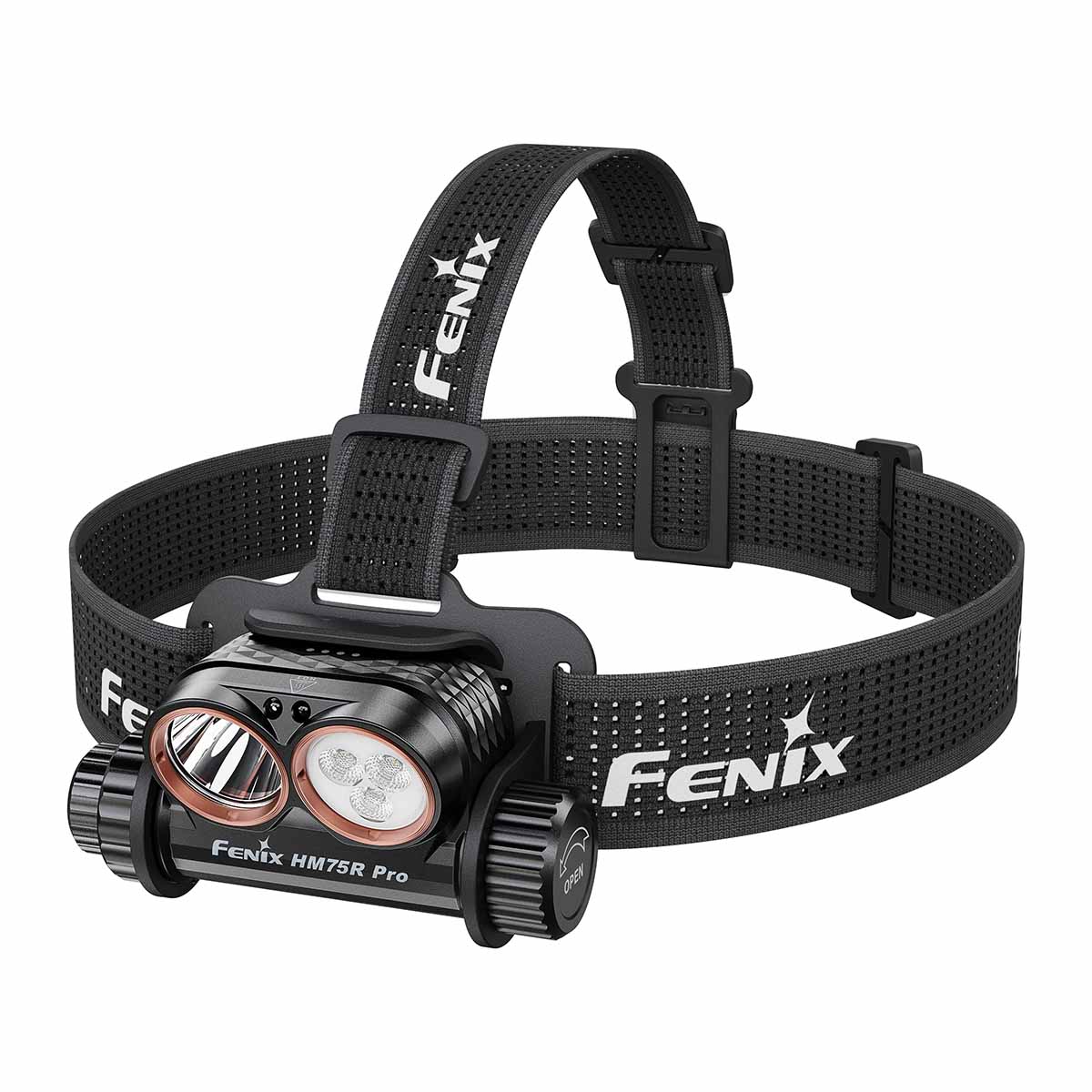
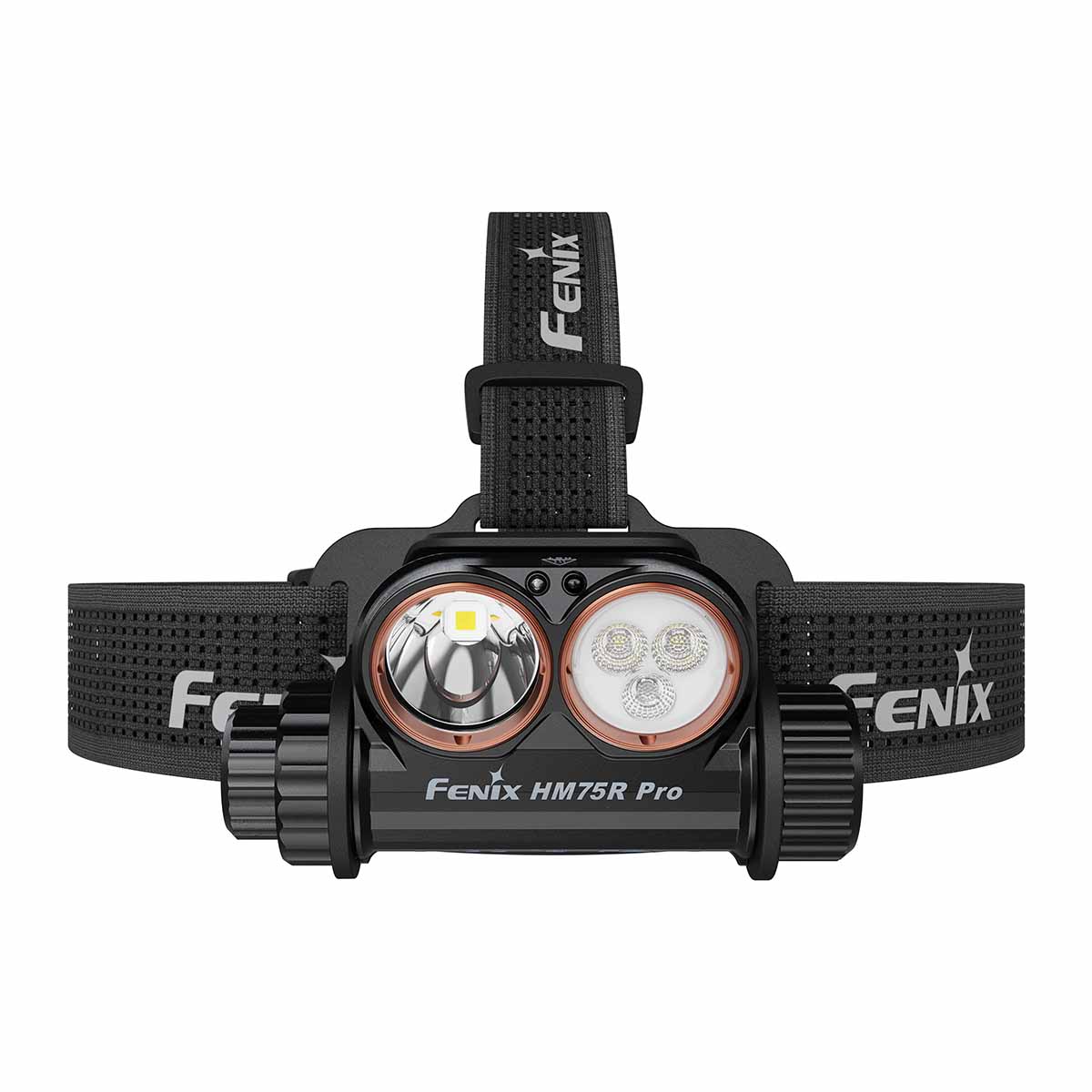
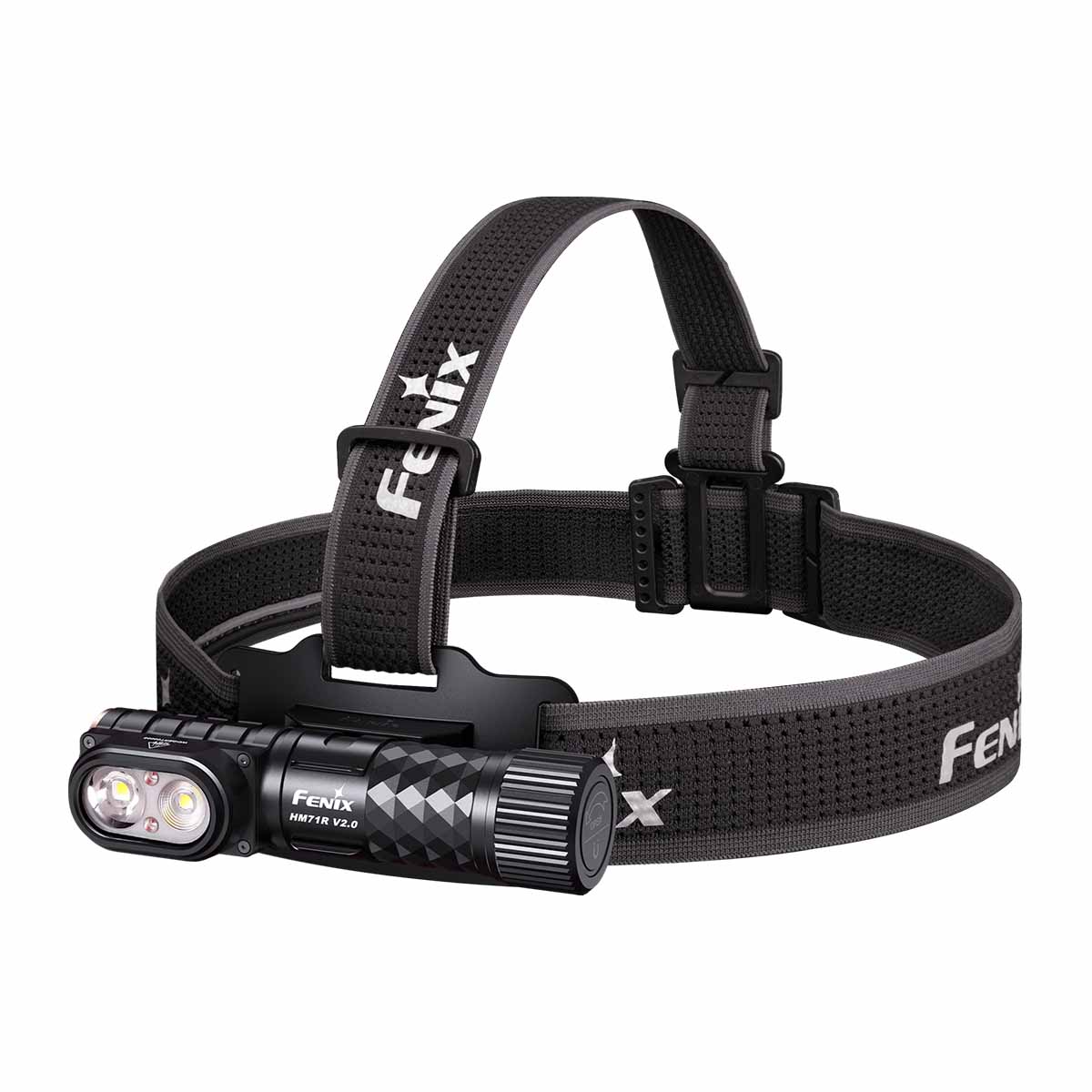
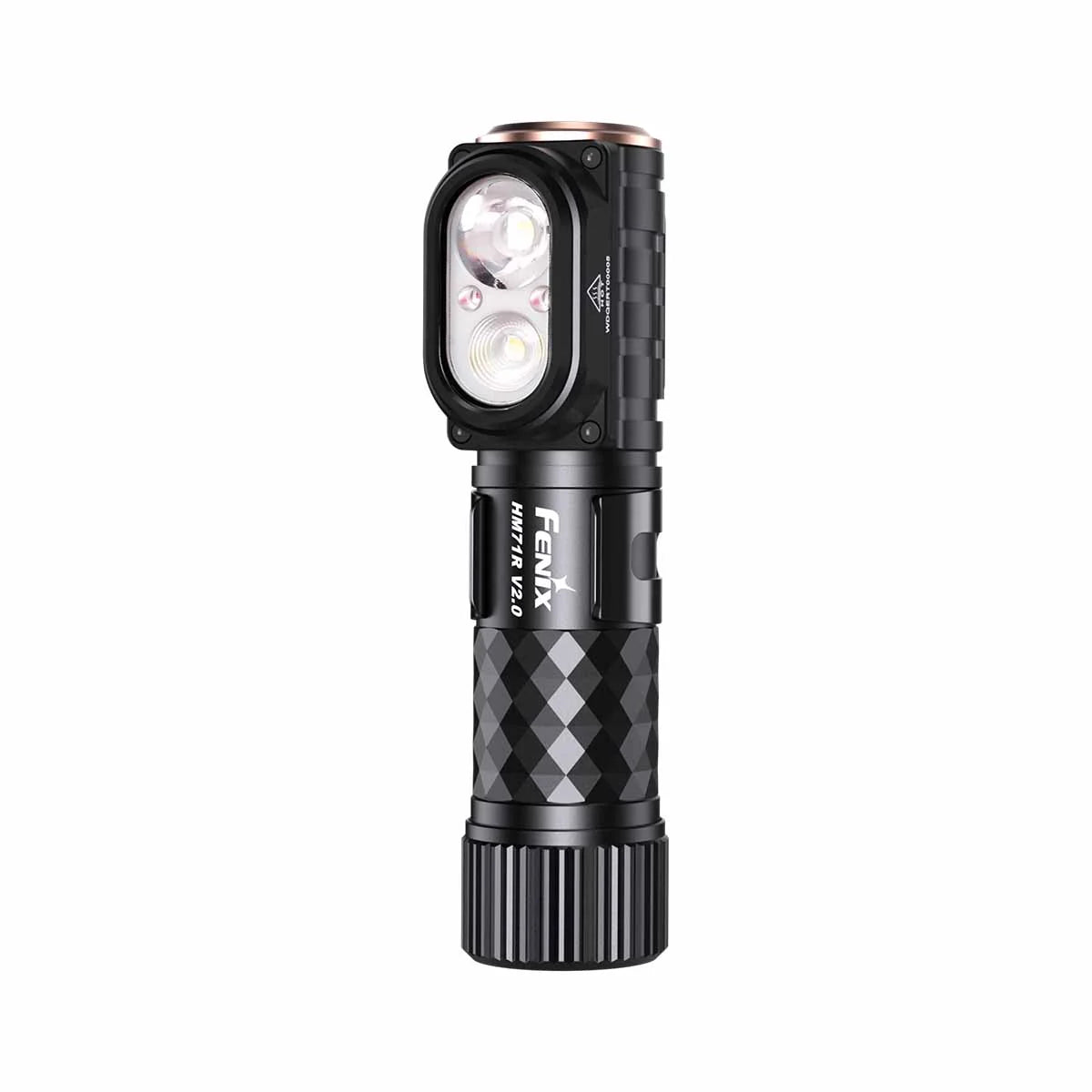
On station the knife trims core bags, cuts insulation and foam, opens supply crates, prepares sampling packaging and repairs webbing on sledges. Everything has to be done with gloves on, which rules out anything with tight tolerances or tiny hardware. Backup light matters as much as the knife, because polar winter is dark and a headlamp that runs on cold-tolerant cells is a survival item rather than a convenience.

Ownership Notes
Cold-weather maintenance means warming the tool slowly before opening it, since forcing a frozen pivot damages the mechanism. A drop of low-temperature lubricant, applied sparingly, keeps a folder running through a season. EdcMall carries the folders and lights that suit this kind of expedition-grade, packaged-and-packed existence, where every gram was flown in. Expedition logistics also favour a written kit list. Everything that goes south is weighed, logged and accounted for, so a knife, a sharpener, a light and a spare cell should appear on that list alongside the science hardware. Check the list before the plane leaves, restock at the station, and record anything that failed so the next season does not repeat the mistake. In polar work a missing consumable is a much bigger problem than a dull edge.
Who Is This For?
This suits field scientists, drill crews, station support staff and mountaineering expedition teams working in sustained cold. A weekend snow camp does not need this level of preparation. If your gear spends weeks below freezing, buy toughness over a mirror polish and treat lubricant choice as part of the design.
Final Verdict
In sustained cold, reliability is the only feature that matters. A tough powder-metallurgy blade in a frame lock, a mechanism you can run with gloves on and a light that survives a cold cell all beat any clever detail. Prepare for the temperature first and everything else follows.