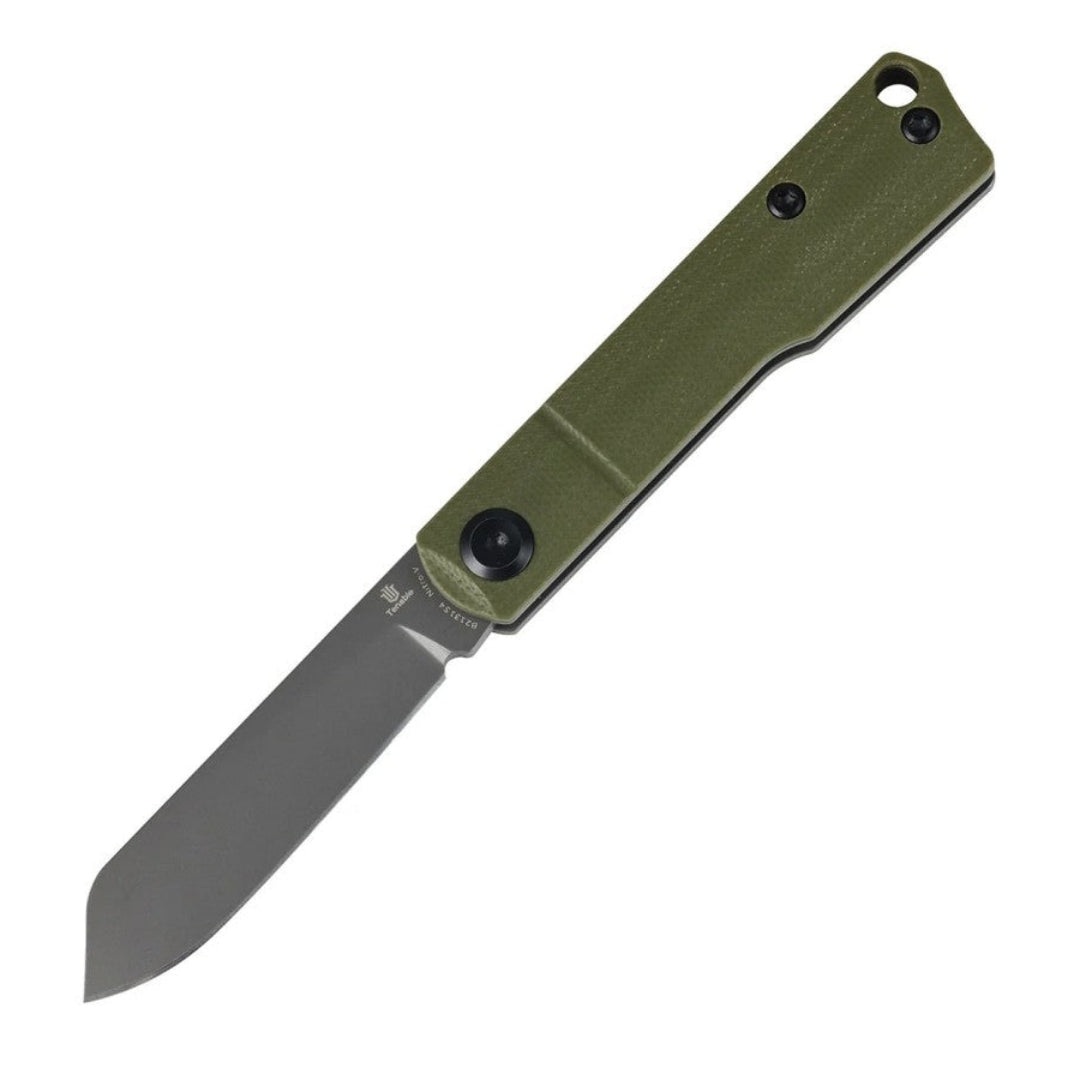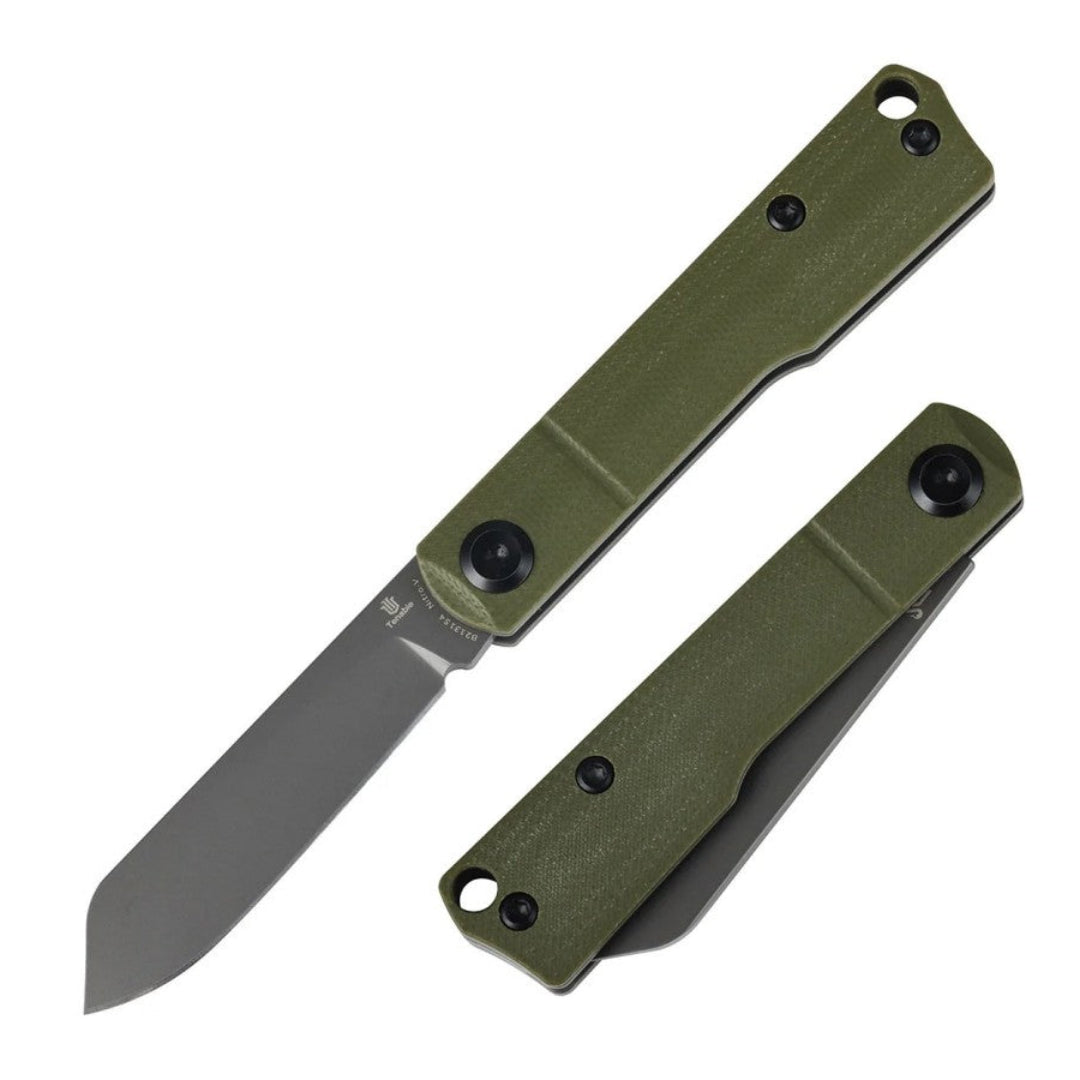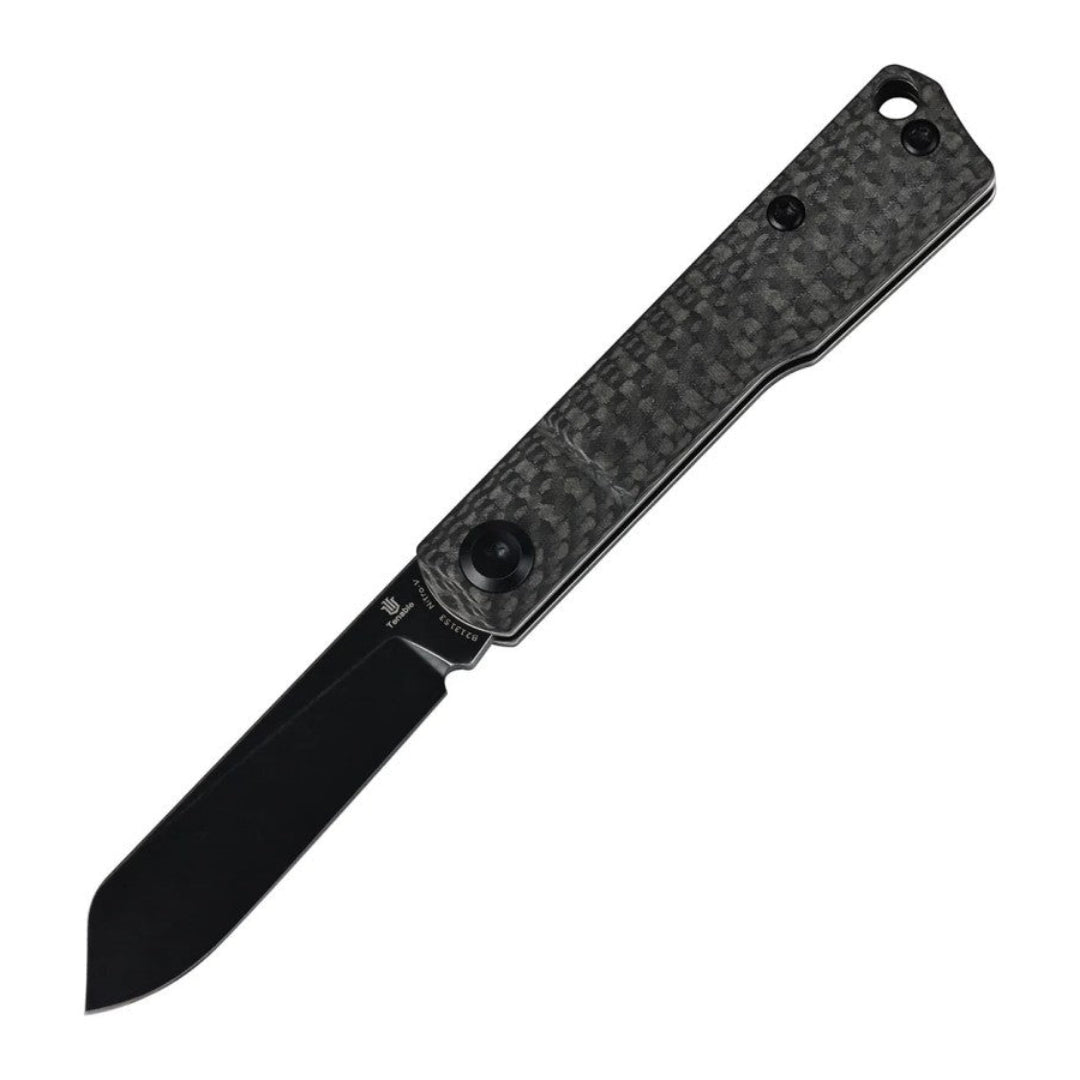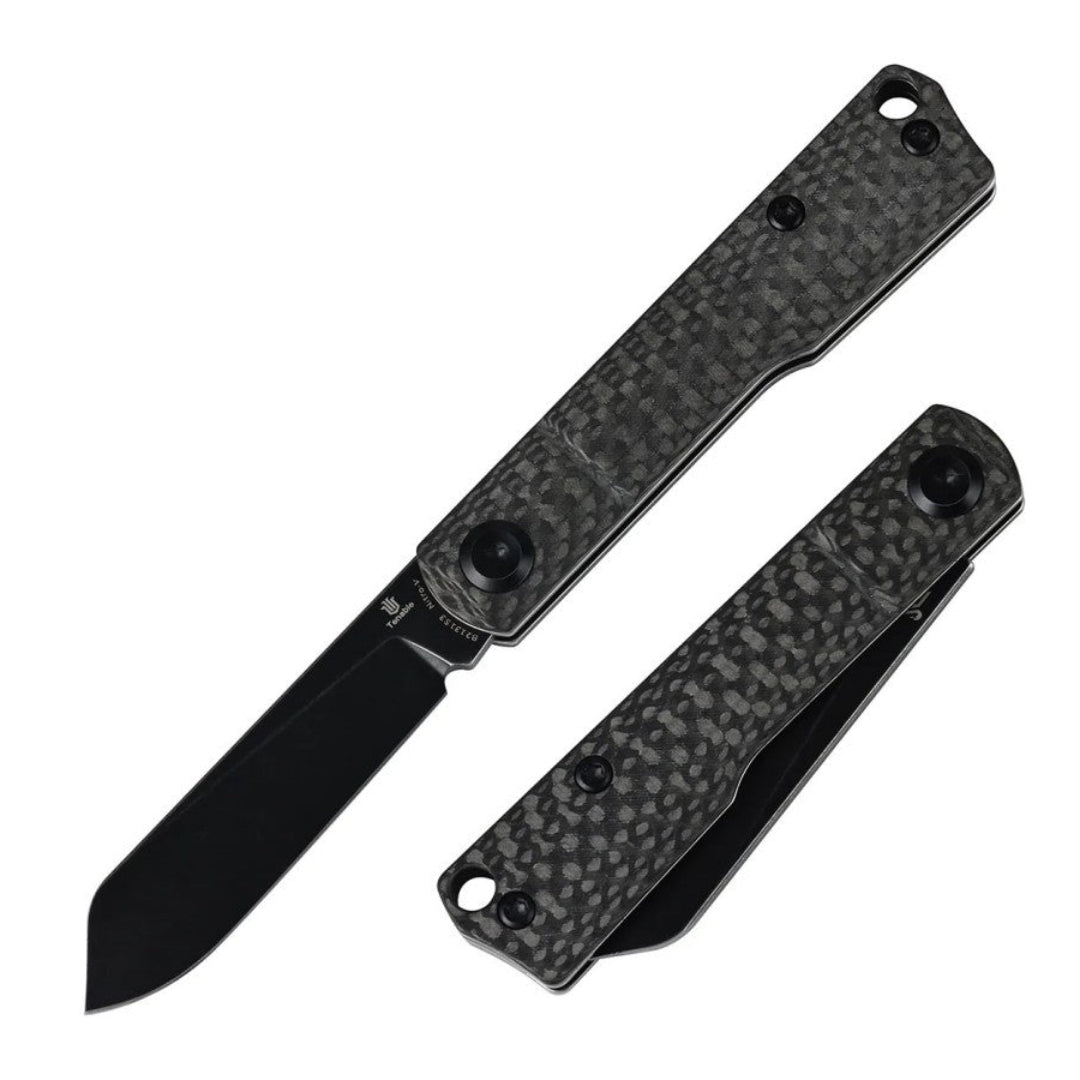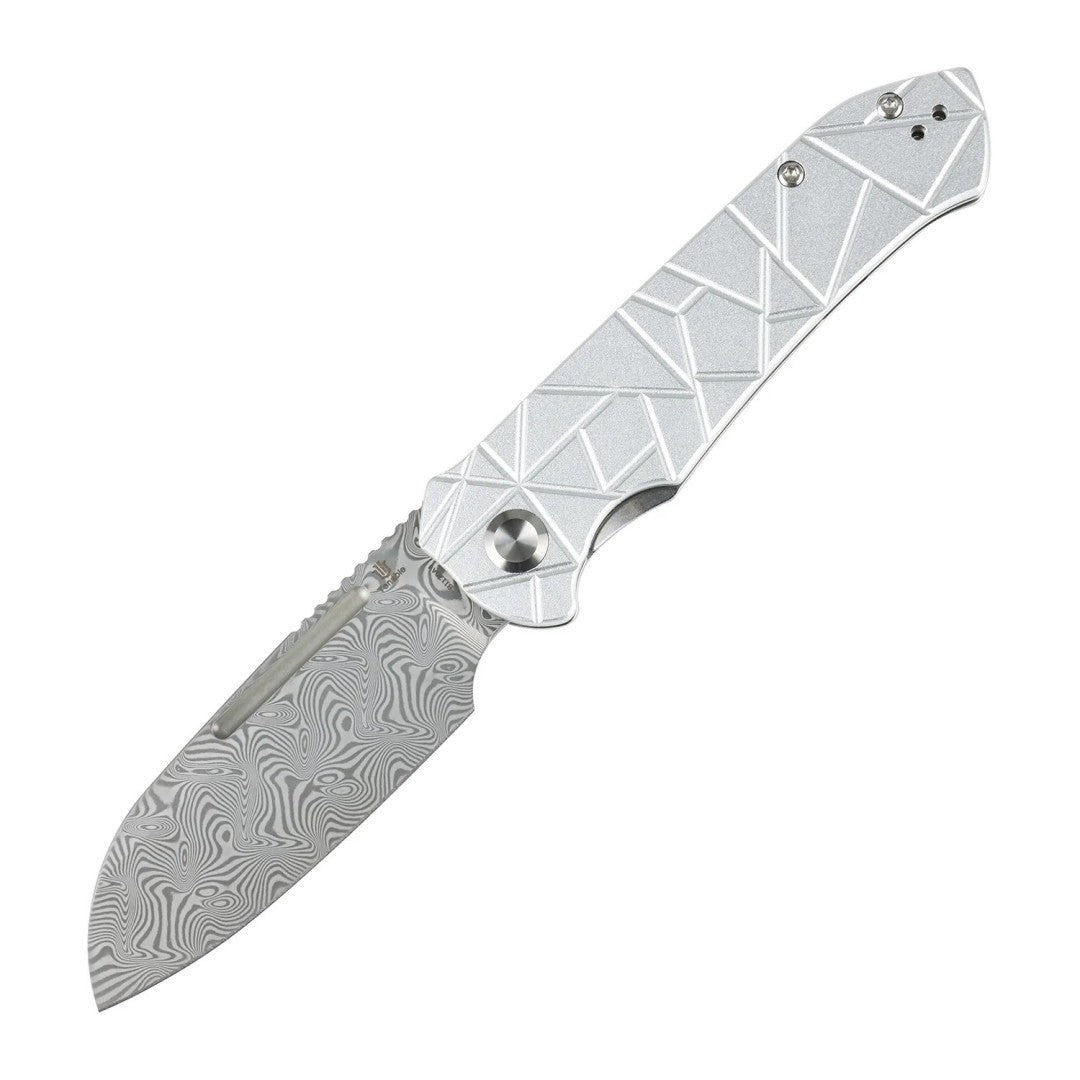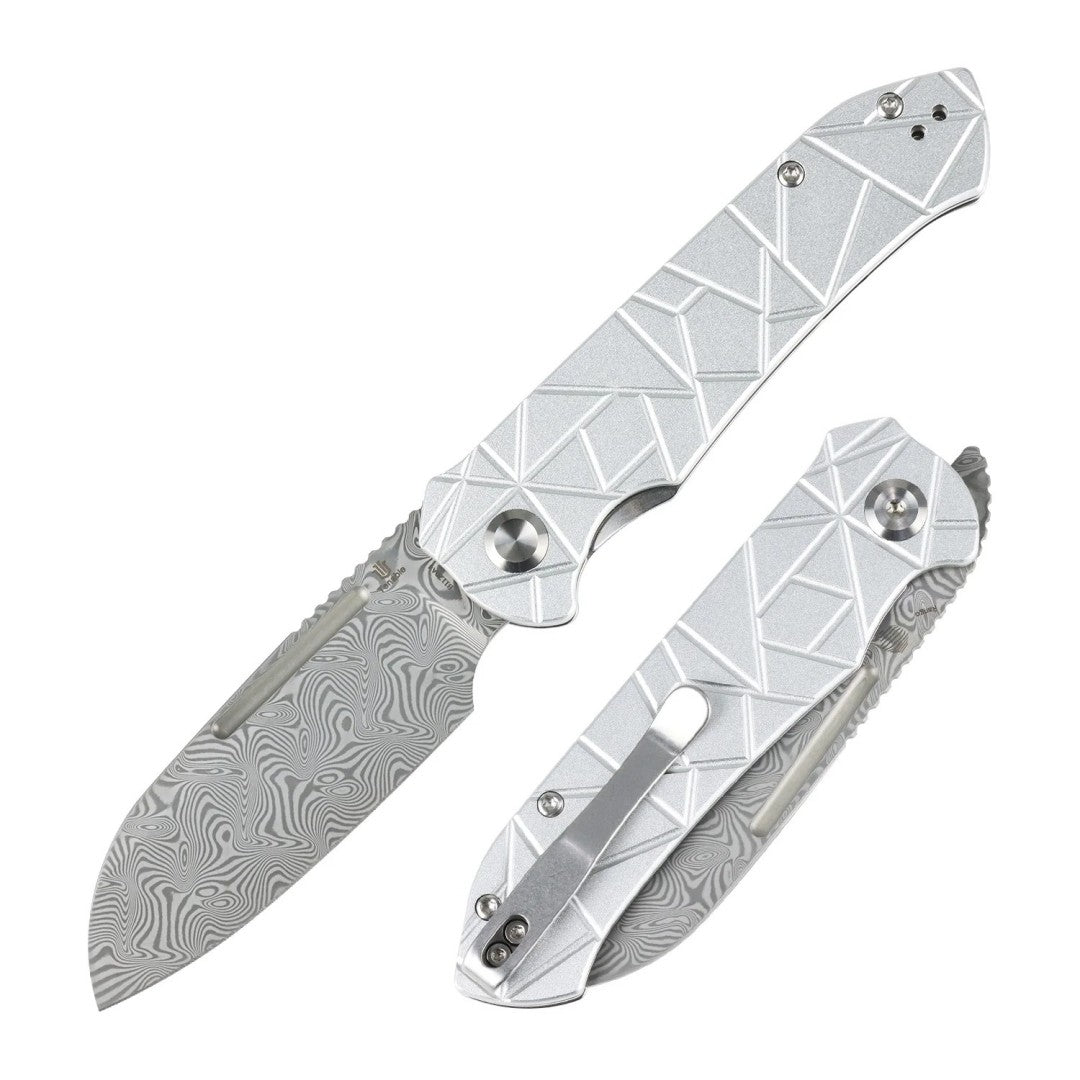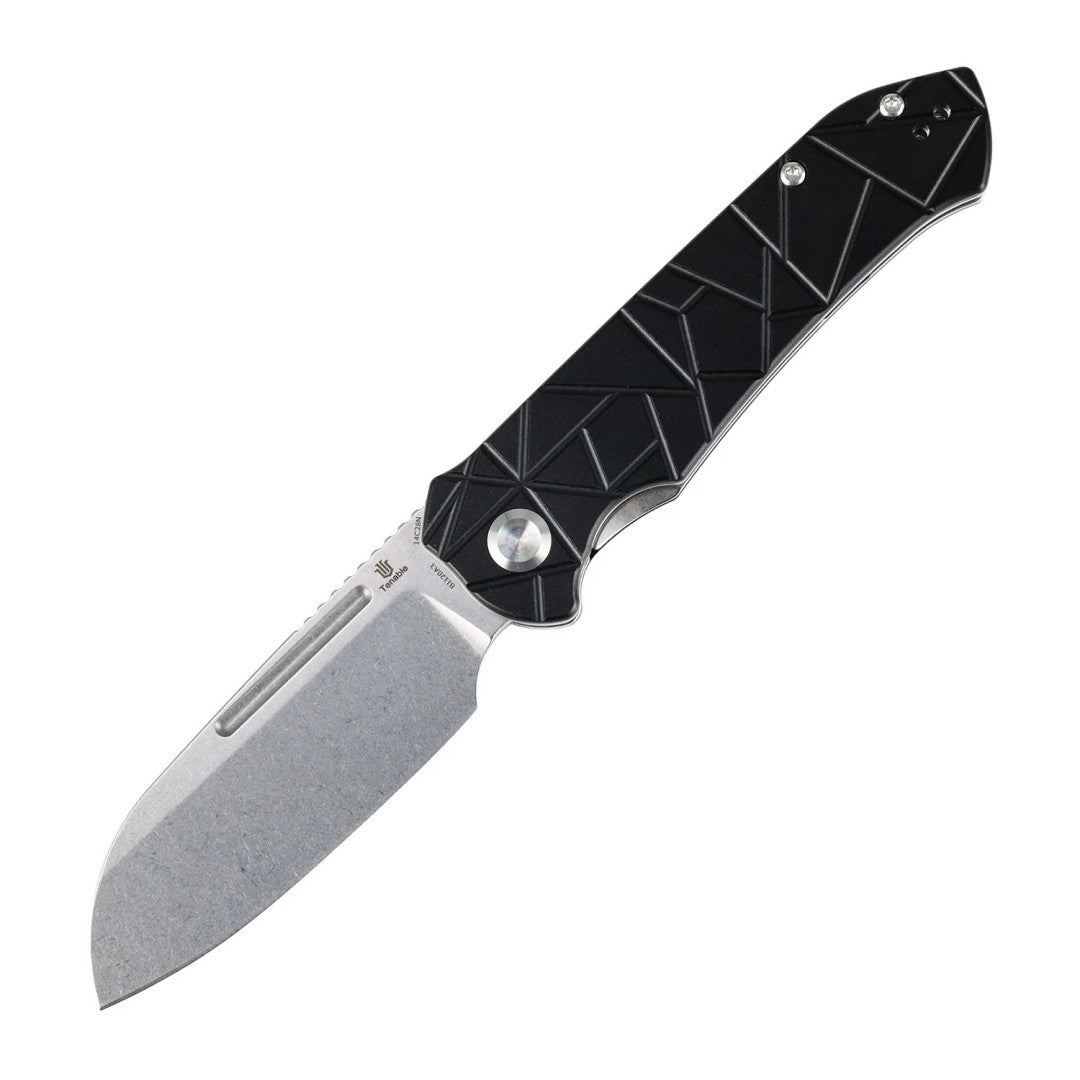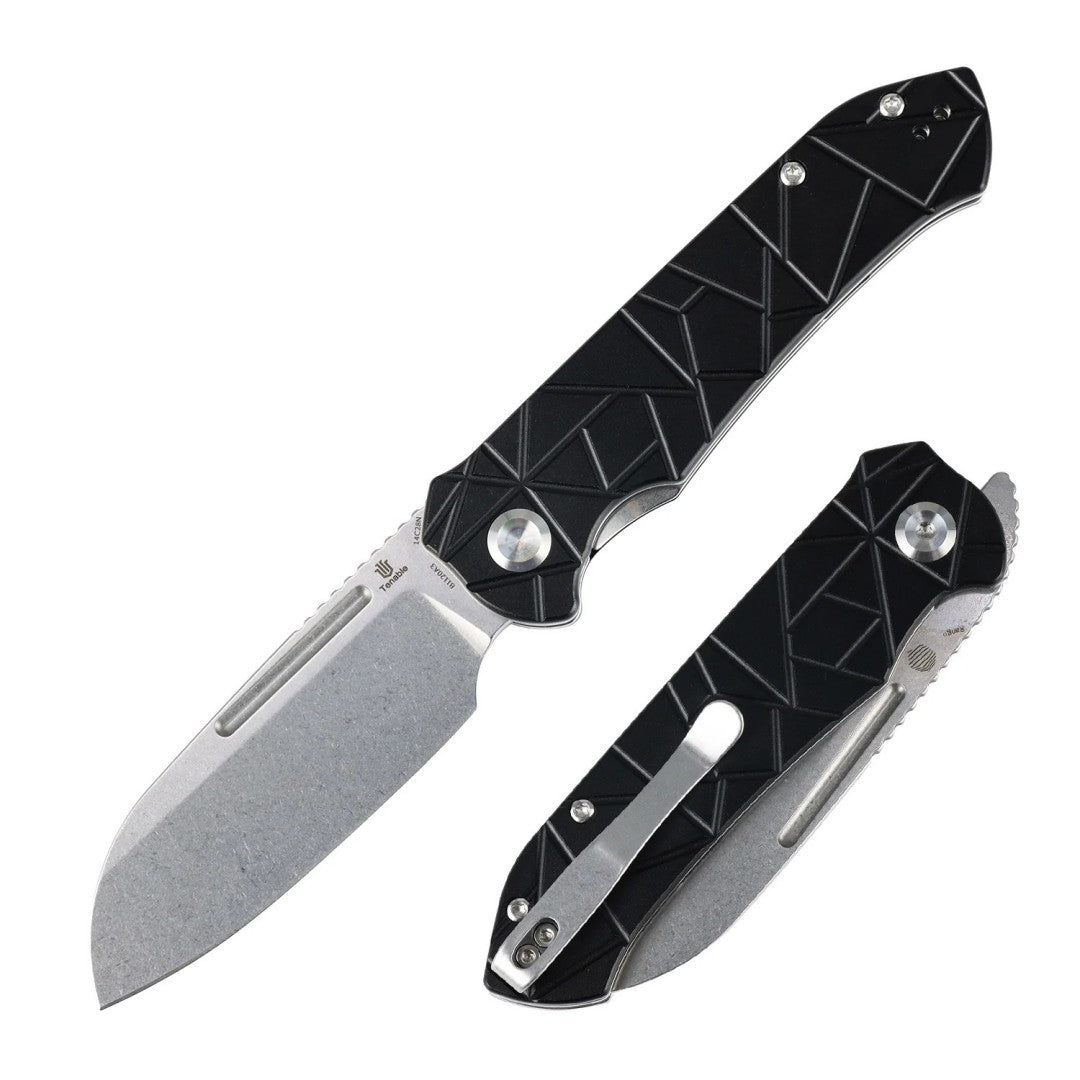
When diving deep into the high-end pocket knife market, you quickly reach a point where utility shifts into luxury. For the dedicated EDC enthusiast, a pocket tool is no longer just about cutting open cardboard boxes; it is an expression of precision engineering, rare metallurgy, and personal style. This elite intersection of hard-use capability and gallery-level artistry is where Bestech commands serious attention. Their highly acclaimed collaboration with custom designer Tashi Bharucha, the Bestech IKA DAGGER, has taken the community by storm. While the standard carbon fiber variants offer exceptional value, the flagship edition features premium, exotic Timascus handle scales. Standing at a much higher investment tier, potential buyers are left with an essential question: Is the Timascus handle variation genuinely worth the premium price tag, or are you simply paying for cosmetic flair?
The Timascus Tier vs. Standard Inlays
To evaluate if this investment makes sense for your collection, we must first break down how the premium variant sets itself apart from its high-performance siblings in the lineup.
Breaking Down the Material Costs
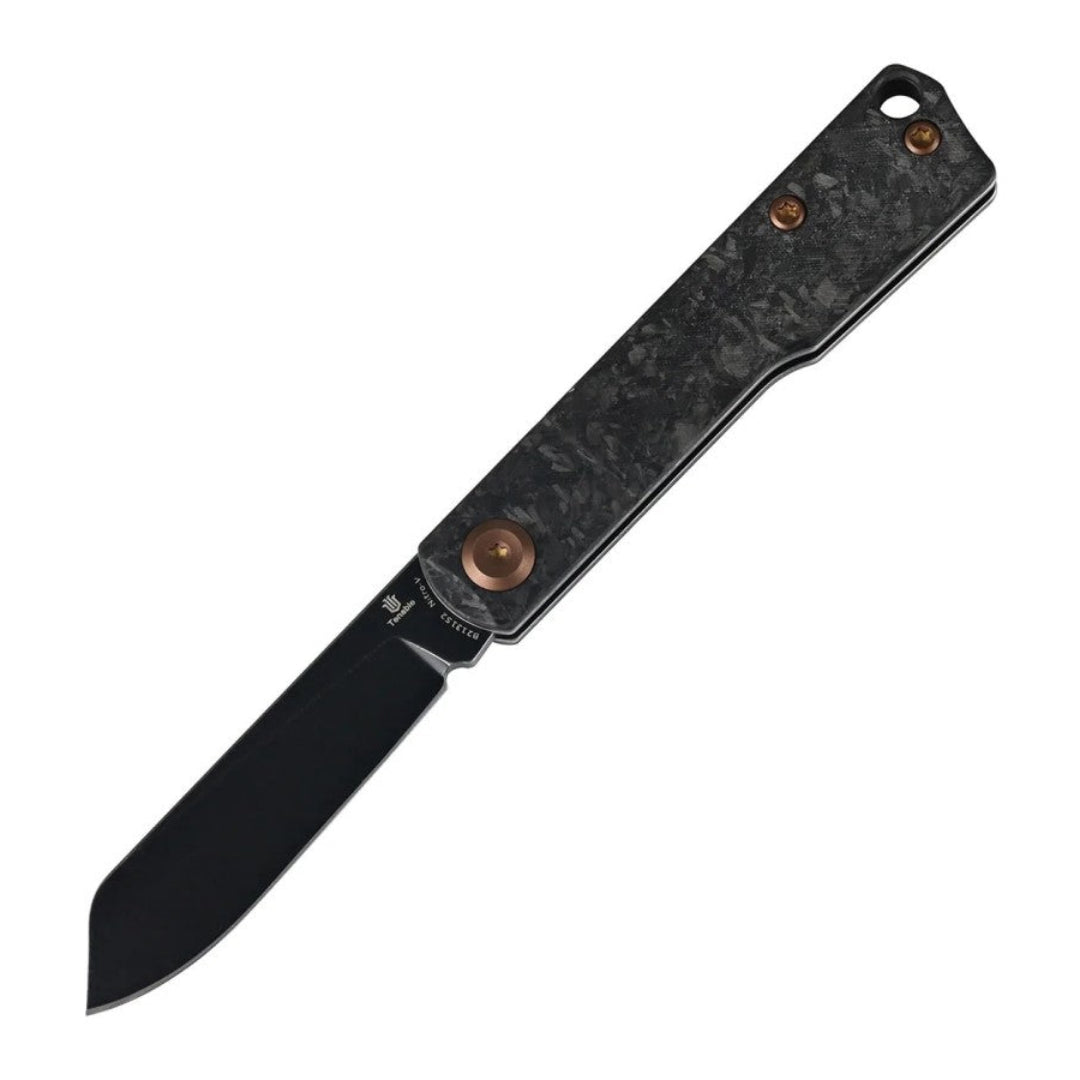
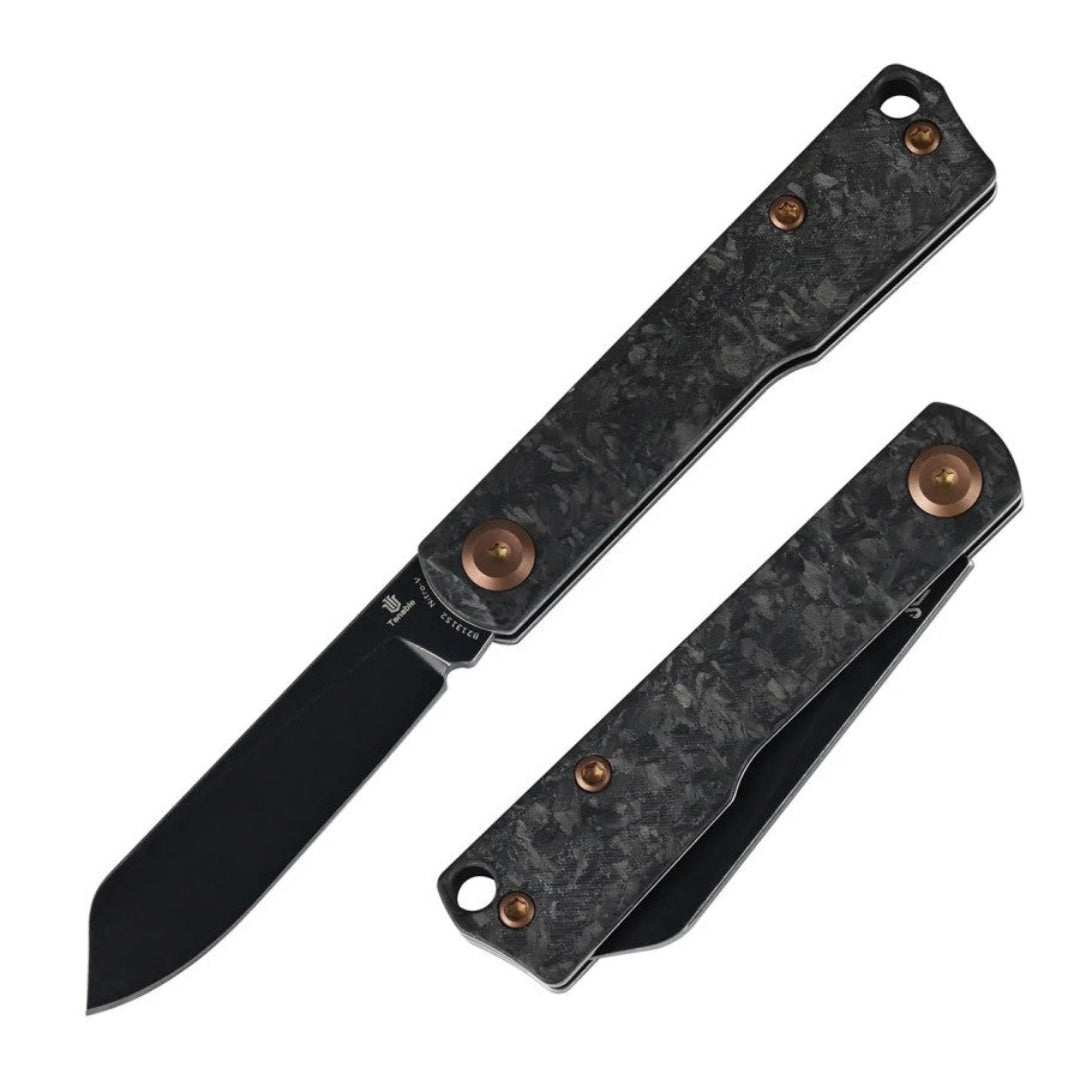
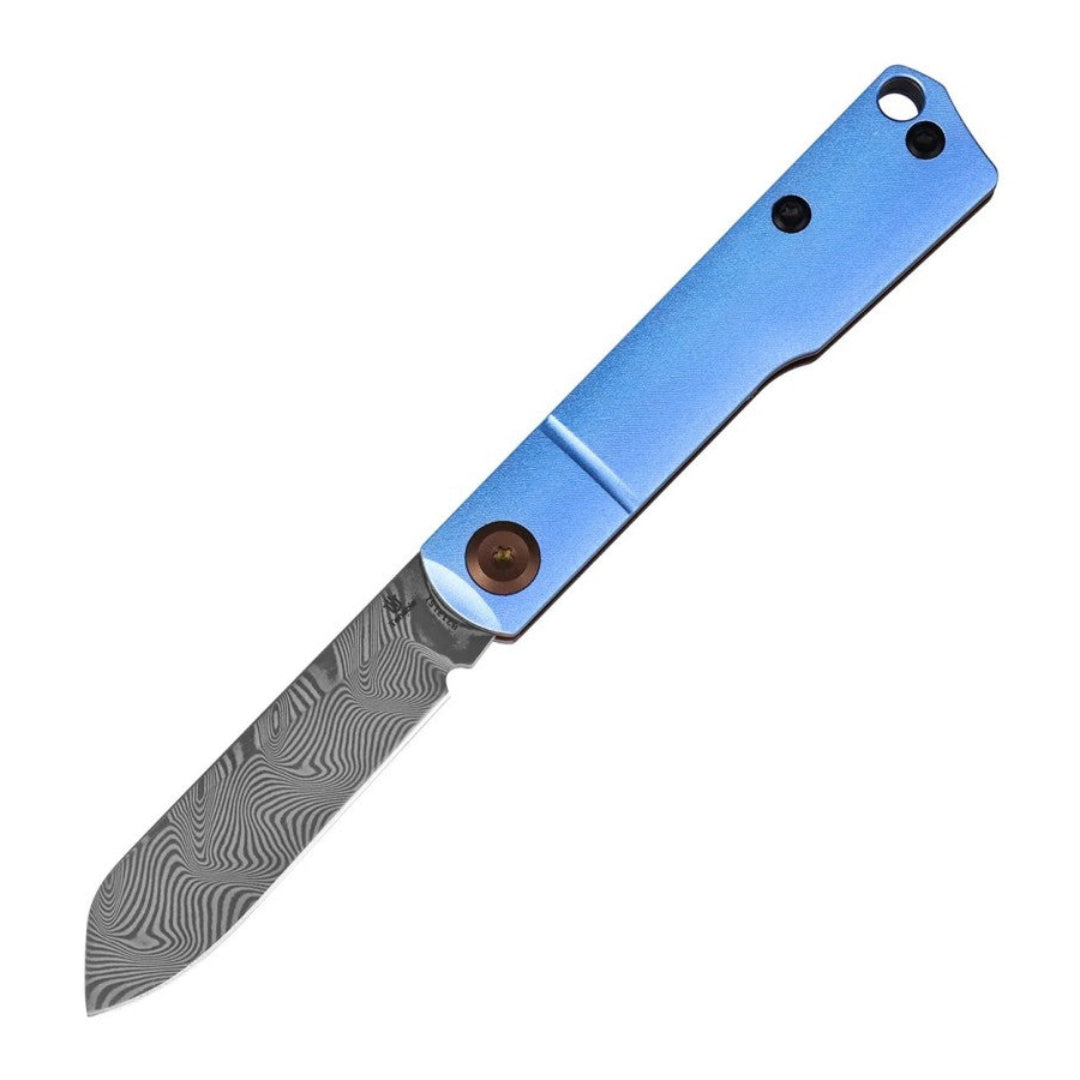
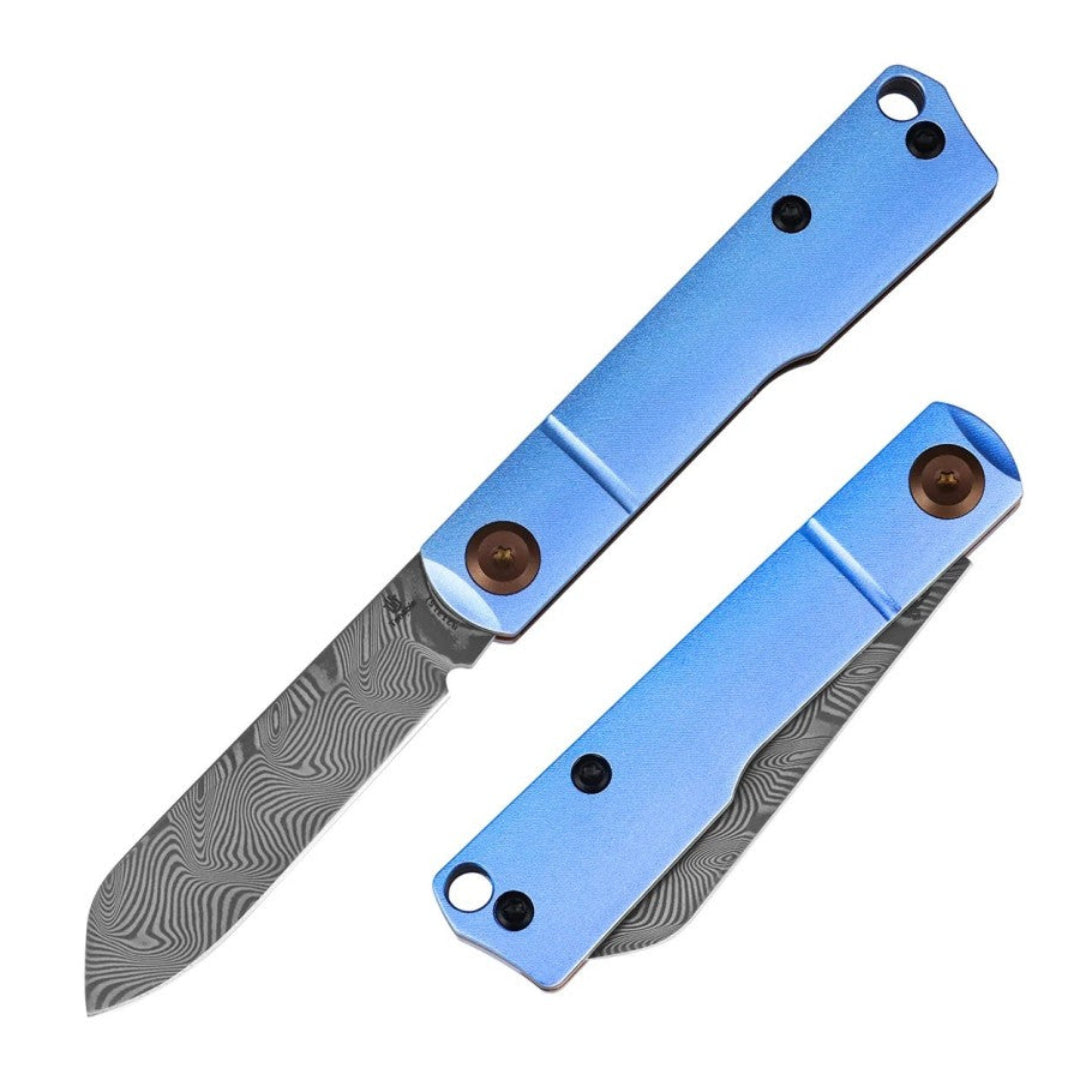
The entry-level variations of this series utilize premium overlays like Fatcarbon or marble carbon fiber resting on a 6Al4V titanium frame. These are incredible materials that offer great durability and texture. However, Timascus—often called titanium damascus—is an entirely different class of material. It is created by fusing multiple distinct grades of titanium alloys together under extreme heat and pressure, then carving and heat-treating the metal to draw out vibrant, swirling lines of blue, purple, magenta, and gold. The raw material cost alone is multiple times higher than aerospace carbon fiber, and machining it requires specialized diamond-coated tooling and immense technical patience.
Hand-Refined Blade Execution
The premium cost doesn't just go into the handle. Bestech steps up the blade finish to match the exotic handles. While standard versions feature a machine satin or stonewashed look, the Timascus edition boasts a striking, hand-refined mirror-polished finish on its M390 steel blade. This combination transforms the tactical stiletto outline into a gorgeous centerpiece of functional art.
Value Proposition Breakdown
The data matrix below evaluates the exact architectural upgrades you receive when stepping up to the flagship Timascus edition.
| Performance & Collectibility Factors | Standard Composite Editions | Flagship Timascus Edition |
| Blade Steel Material | Bohler M390 Powder Steel | Bohler M390 Powder Steel |
| Blade Surface Finish | Machine Satin / PVD Coating | Elite Hand-Polished Mirror |
| Inlay Material Composition | High-Density Carbon Fiber | Multi-Alloy Titanium Damascus |
| Visual Uniqueness Rating | Batch Uniform Patterns | 100% Unique Fingerprint Per Knife |
| Locking Mechanism Type | Titanium liner lock | Titanium Liner Lock |
| Secondary Market Value Retention | Moderate to High | Exceptional Collector Demand |
 Quantifying the Value: Why the Premium Price Makes Sense
1. Absolute Visual Rarity
Because the internal metal layers of titanium damascus shift randomly during the initial forging process, no two handle scales will ever look identical. When you invest in this premium version, you are purchasing a completely unique pocket knife. The way the anodized blues and purples shift in the light ensures your tool stands out in any collection.
2. Flawless Mechanical Tolerances
Bestech reserves its finest quality control and internal tuning for its flagship releases. The deployment action on this edition feels incredibly smooth. The blade glides on a low-friction, multi-race caged ceramic ball bearing system. The detent is tuned perfectly, firing the 3.90-inch blade open with an authoritative mechanical snap and locking into place with zero vertical rock or horizontal play.
3. Long-Term Investment Potential
In the luxury knife market, exotic materials hold their secondary market value far better than standard production pieces. Collectors actively hunt for well-executed Timascus collaborations, meaning this model is much more likely to retain or increase its value over time compared to entry-level variants.
Are There Any Operational Disadvantages?
While the Timascus model is an absolute masterpiece, an honest buyer should consider a few practical trade-offs:
-
Traction and Texture: Polished titanium damascus is glass-smooth. While it feels incredibly luxurious in the hand, it does not offer the rough, high-friction texture found on texturized Fatcarbon handles.
-
The "Too Nice to Use" Dilemma: Because the mirror blade and colorful handles are so pristine, some users may hesitate to subject the knife to rugged field tasks like cutting abrasive ropes or scoring dirty plastic drums, even though the underlying M390 steel is fully capable of handling hard work.
 The Ultimate Buying Verdict
Is the Timascus handle worth the extra cost? The answer depends entirely on your goals as a buyer. If you are simply looking for a rugged, dependable utility knife to throw into a toolbox or use for aggressive daily chores, the carbon fiber versions offer identical cutting performance for less money.
However, if you are a passionate collector who appreciates high-end craftsmanship, exotic materials, and custom design language, the Timascus edition is absolutely worth the investment. It successfully bridges the gap between a tough, tactical tool and a gorgeous work of art, delivering a level of luxury and pride of ownership that standard materials simply cannot match.