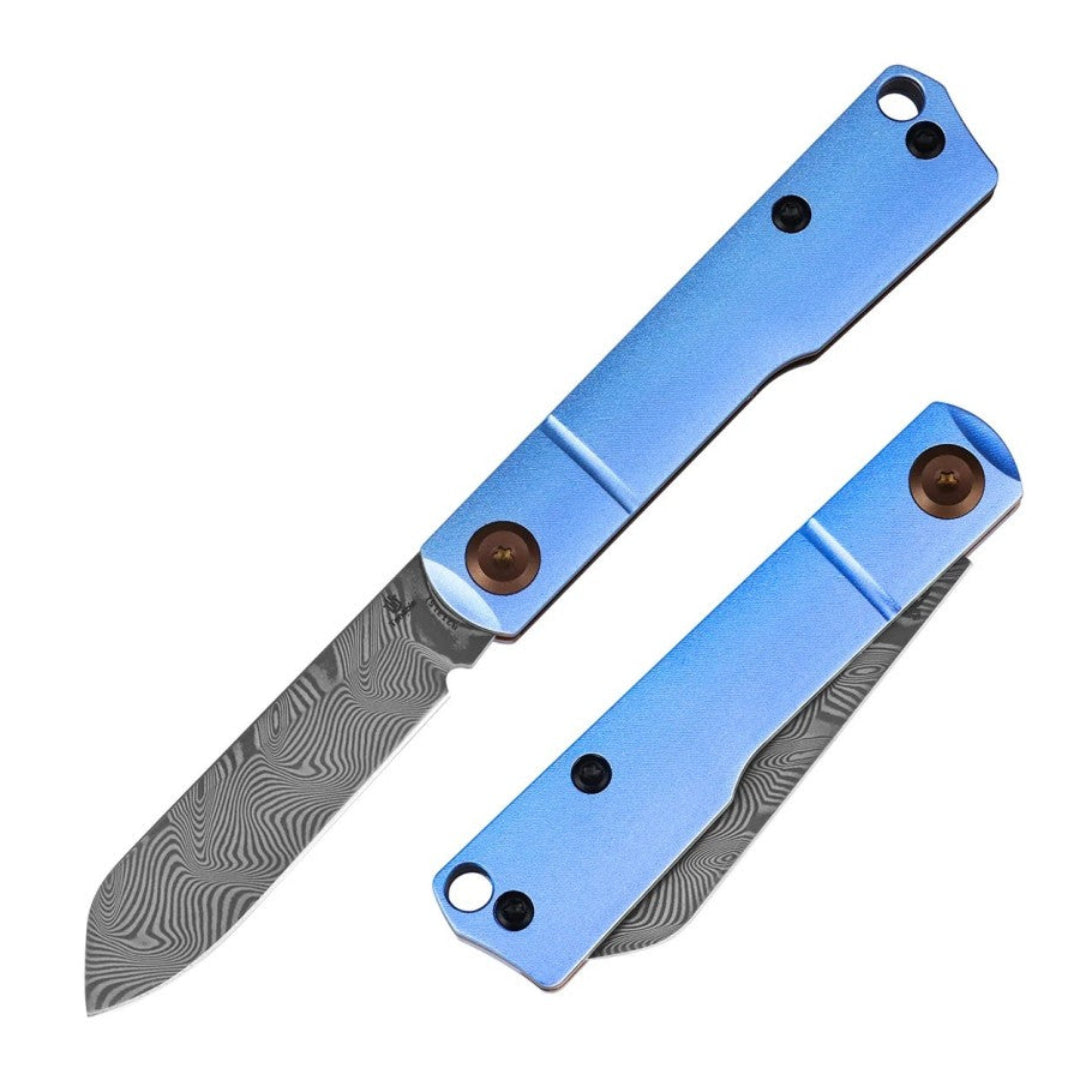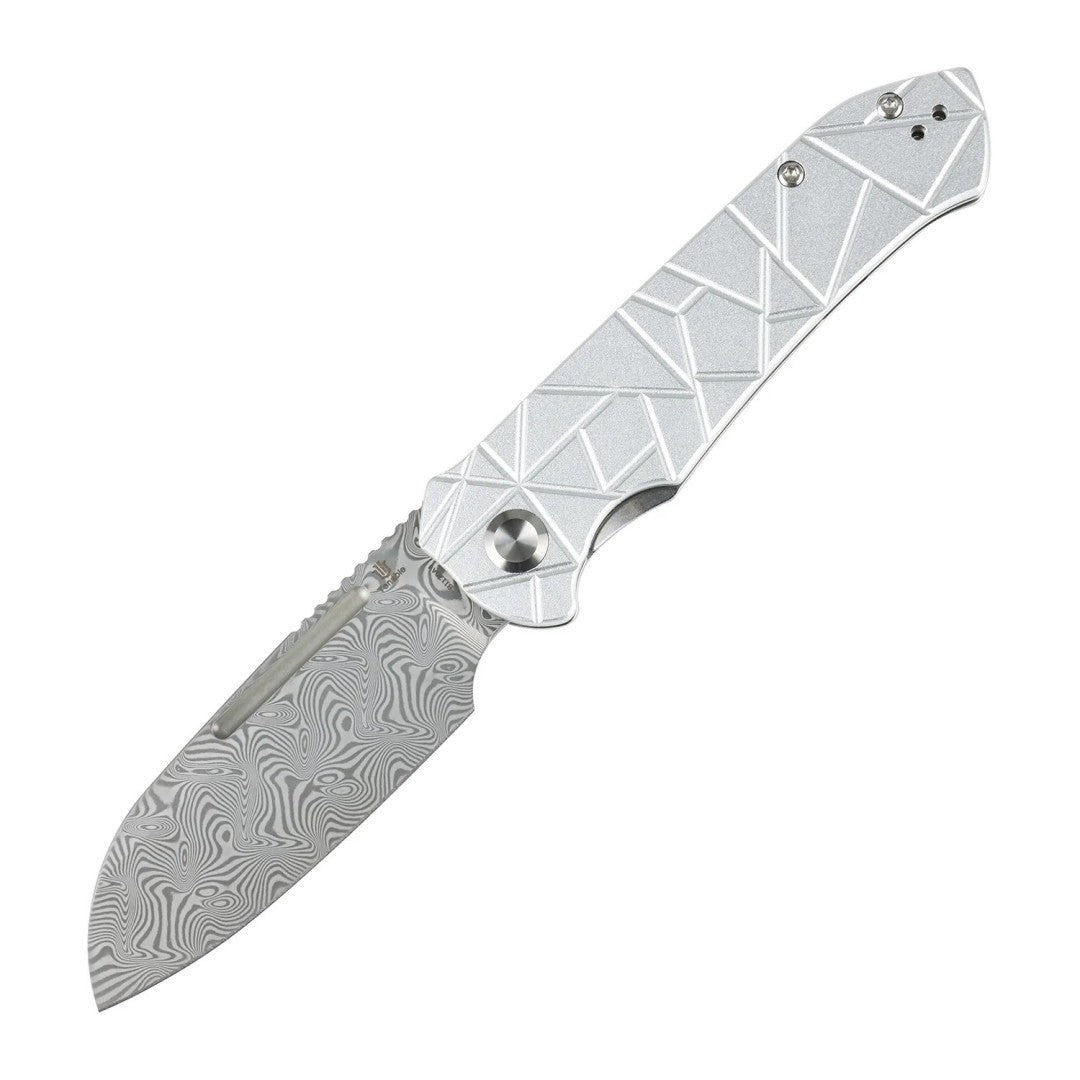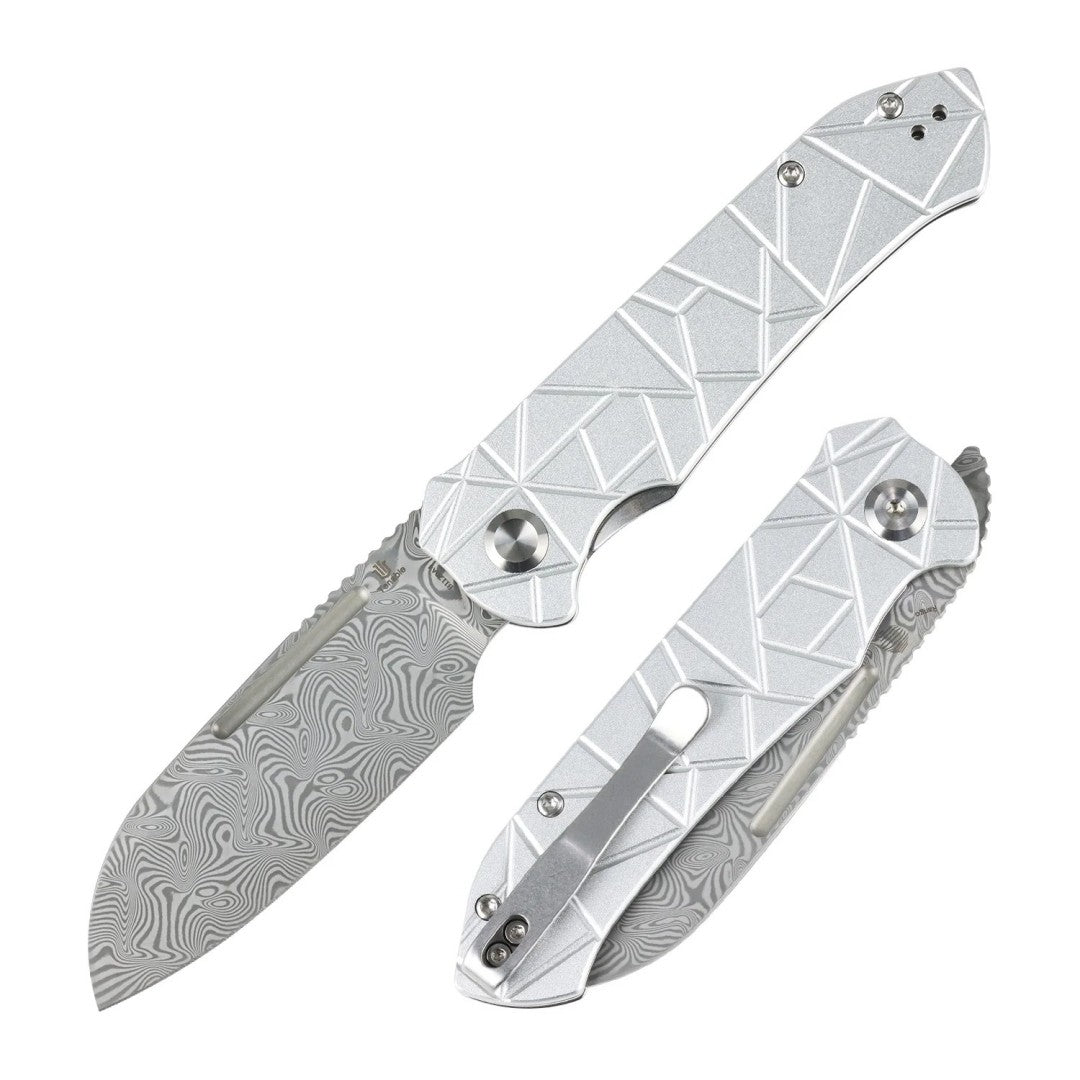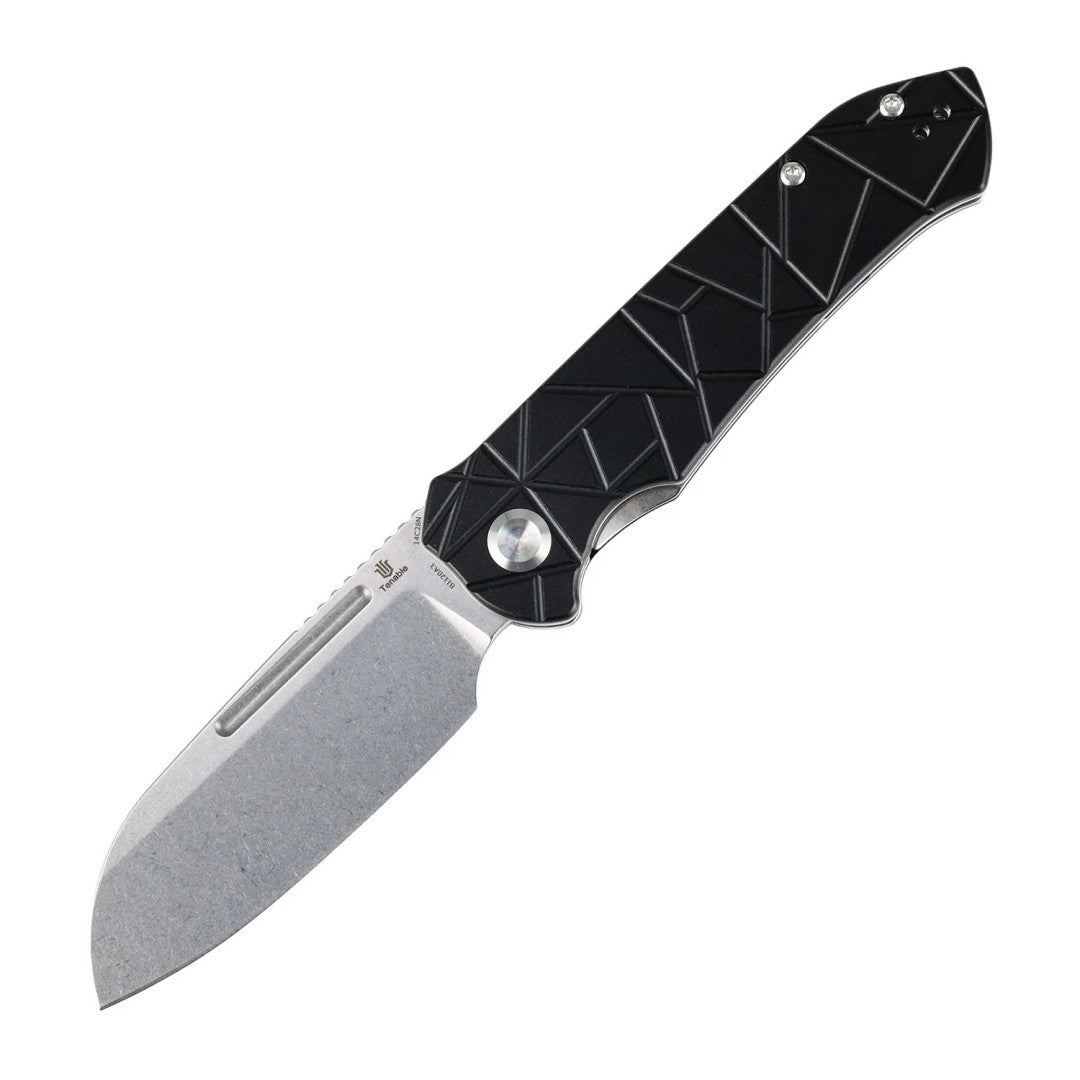
The world of EDC (everyday carry) is a demanding and highly scrutinized arena. Enthusiasts, outdoor professionals, and tactical operators alike require tools that not only perform flawlessly under pressure but also carry a distinct, functional aesthetic. Within this competitive landscape, the Kansept brand has consistently distinguished itself by partnering with elite custom makers to bring visionary, small-batch designs to the global production market without sacrificing quality. One of the most compelling narratives in their recent catalog is the rapid evolution of the Fenrir series.
Originally capturing the attention of the knife community as an intricately machined folding pocket knife, the Fenrir has recently undergone a dramatic and purposeful transformation. Its evolution into a dedicated, hard-use fixed blade represents more than just a change in format; it is a clear testament to the manufacturer's ability to listen to user demands and execute structural perfection. In this comprehensive breakdown, we explore the journey of the Fenrir series and how it highlights industry-leading manufacturing prowess.

The Origin: Sparrow Knife’s Vision
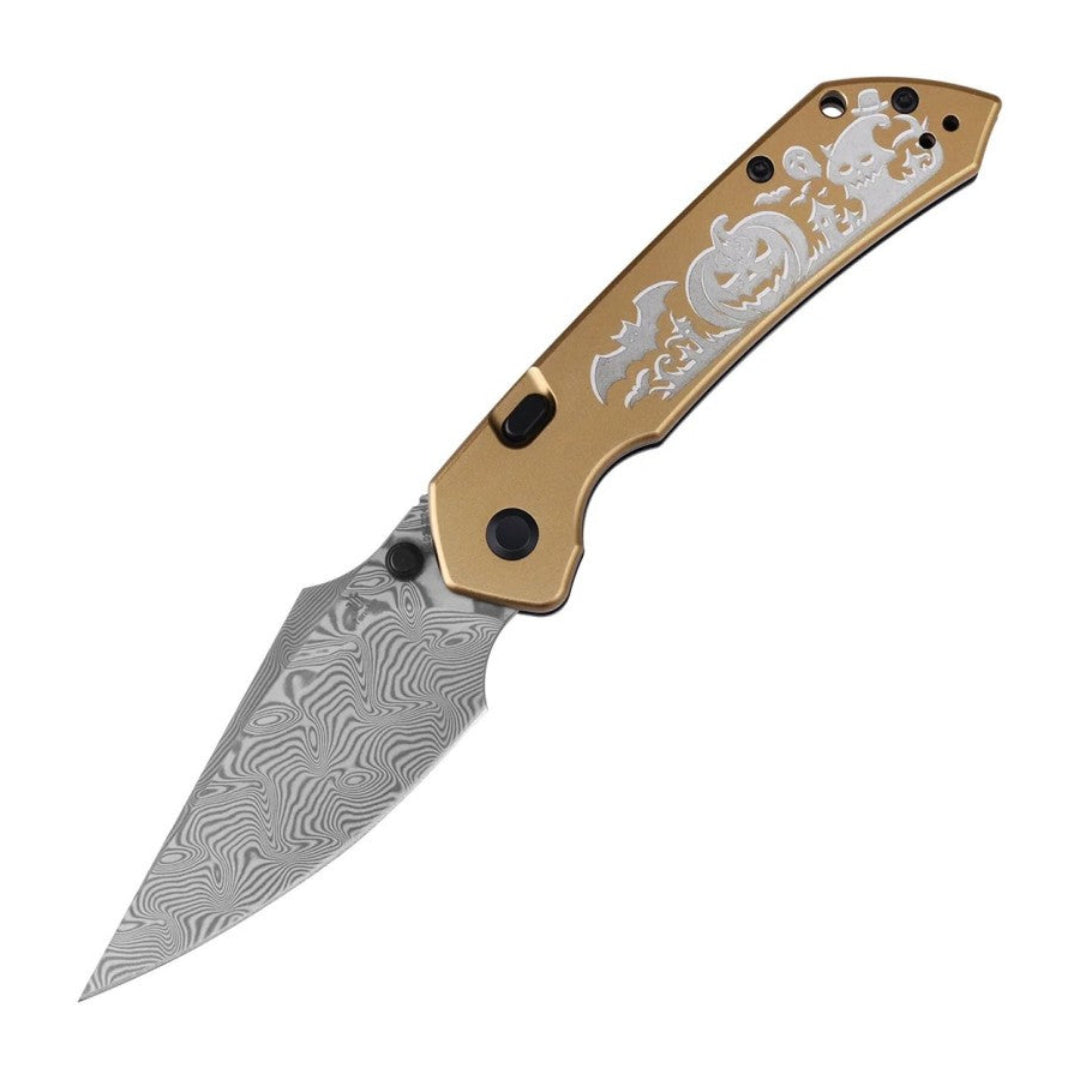
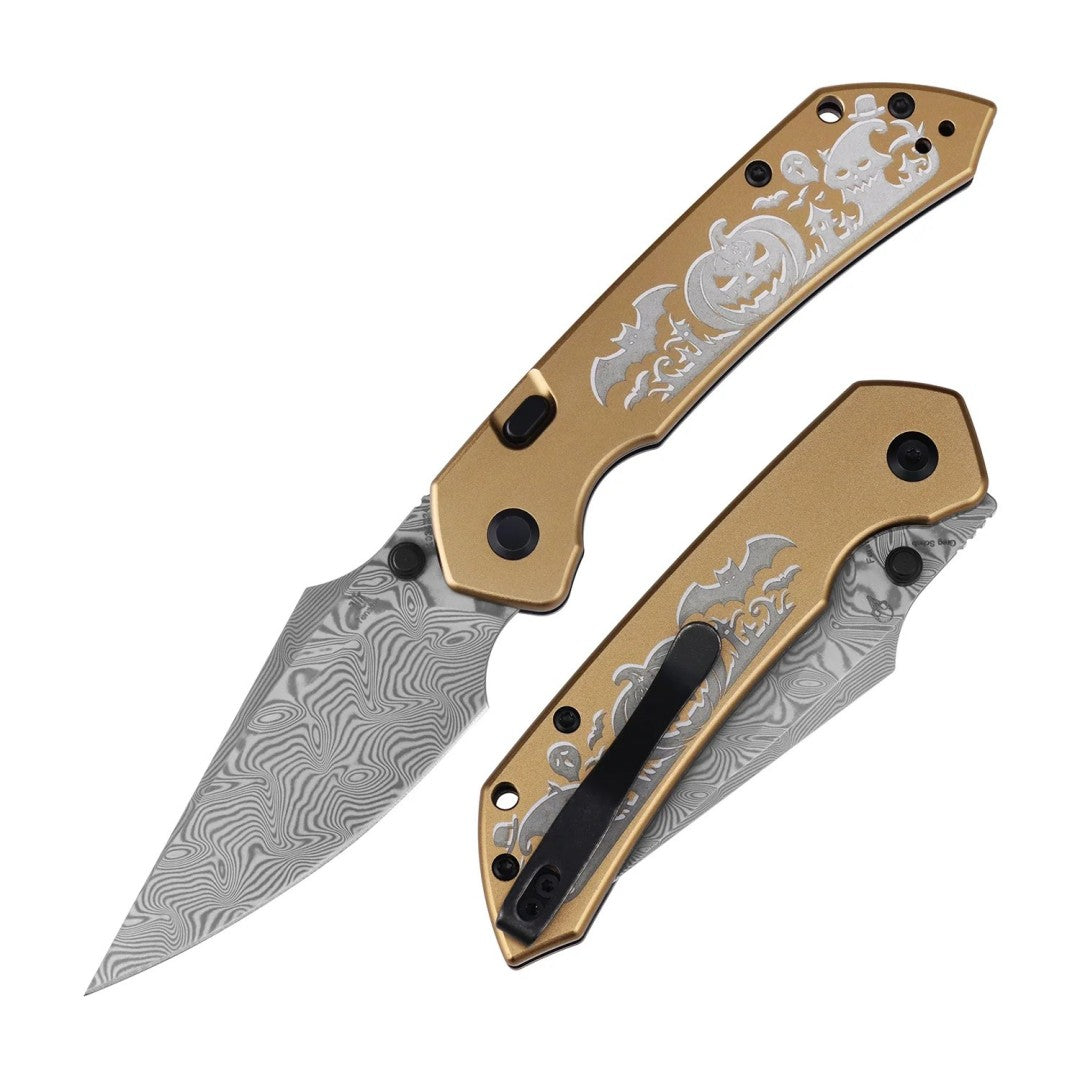
To truly understand the rugged nature of the fixed blade, one must first look at the inception of the folder. The Fenrir was conceived by Greg Schob, the veteran craftsman and creative force behind Sparrow Knife Co. Schob’s specific design philosophy, often summarized by the term "Functional Aggression," is heavily influenced by his background in professional metal fabrication and his extensive service in the military.
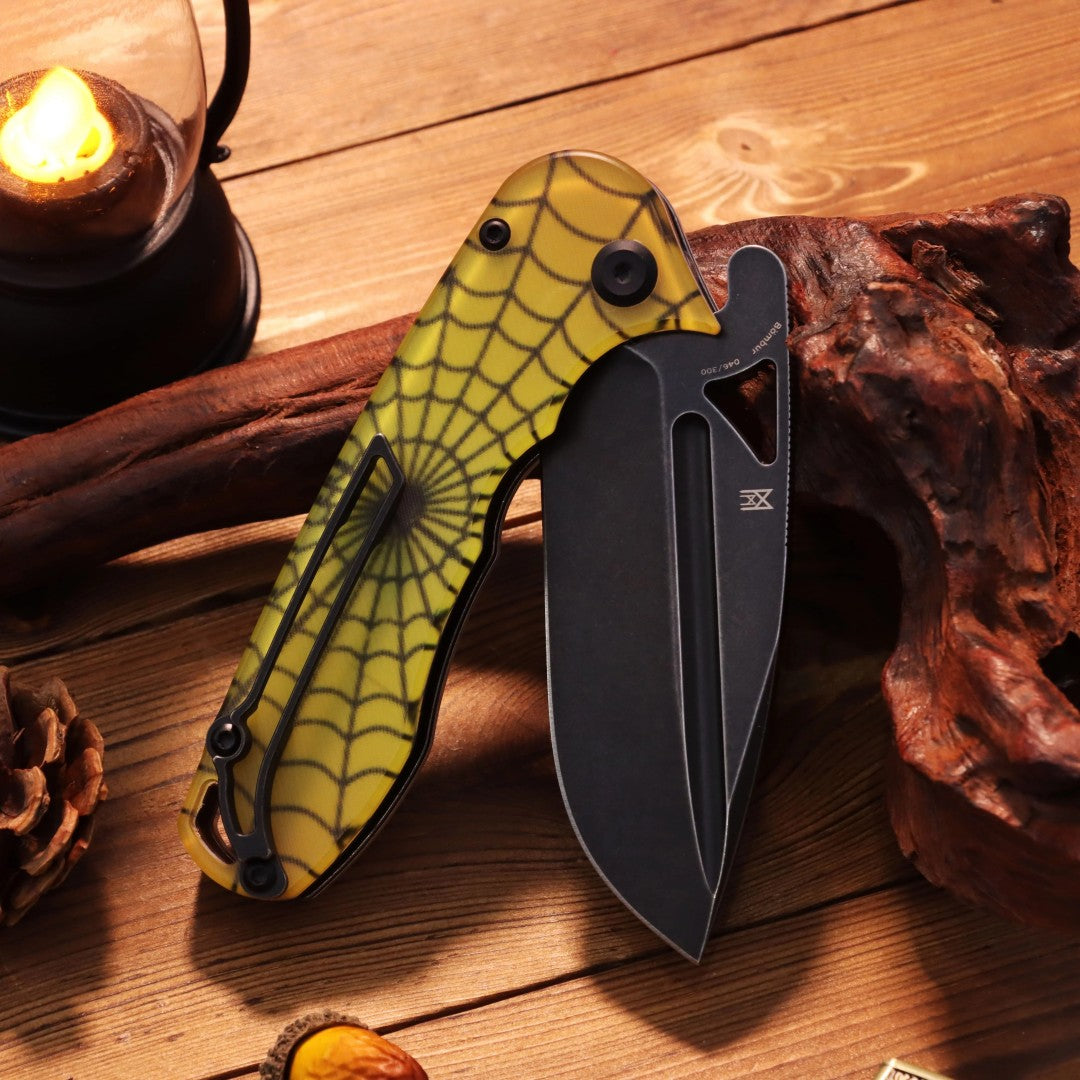
The original folding Fenrir was universally praised for its bold, sweeping harpoon blade profile and its complex bolster-lock mechanism. It offered custom-level ergonomics and striking visual geometry. However, a folding knife, by its very nature and regardless of its build quality, relies on moving parts and pivot systems. While the bolster-lock provided exceptional security for an urban pocket knife, certain outdoor professionals, tactical users, and wilderness survivalists demanded a version that stripped away the mechanical components in favor of pure, unyielding structural integrity.
The Evolution: From Folder to Fixed Blade
The strategic decision to evolve the Fenrir into a fixed blade format was driven by the desire to maximize its hard-use potential in extreme environments. By transitioning the design to a solid, single-piece tang configuration, the knife gained the critical ability to handle severe lateral stress, heavy prying, and high-impact baton tasks that would inevitably compromise even the strongest folding mechanisms.
Despite this major shift in structural format, the fixed blade flawlessly retains the soul of Schob's original custom design. The signature harpoon swedge remains fully intact, providing a natural, highly secure thumb ramp that allows the operator to apply precise downward pressure over the cutting edge. The sweeping belly is also preserved, offering devastating slicing capabilities for processing materials. What has fundamentally changed is the absolute confidence the user feels when putting the tool through grueling, high-impact chores. It is a seamless, highly successful translation of custom artistry into an indestructible field tool.
The Kansept Manufacturing Advantage
Executing a transition from a complex folder to a high-performance fixed blade requires far more than simply stamping steel. It requires exceptional quality control, an area where the manufacturer truly excels.
1. Precision Tolerances and Handle Contouring: Whether milling the titanium scales of a high-end folder or contouring the robust handle materials of a fixed blade, custom-level tolerances are maintained. On the Fenrir fixed blade, the transition between the steel tang and the handle scales is entirely seamless. This meticulous fit and finish prevent hot spots and ensure a comfortable, secure grip during extended, fatiguing use.
2. Metallurgical Consistency and Edge Geometry: A fixed blade built for heavy work requires optimal heat treatment. Utilizing state-of-the-art facilities to heat-treat their D2 tool steel ensures that every Fenrir blade achieves the perfect balance between edge retention and structural toughness. Furthermore, factory edges are meticulously ground to ensure a symmetric bevel, delivering out-of-the-box sharpness that rivals professional custom sharpeners.
3. Advanced Kydex Engineering: A field knife is only as practical as the sheath that carries it. An investment in precision thermo-molding means the Fenrir arrives with a custom Kydex sheath that offers positive acoustic retention (the satisfying, secure "click") without scratching the blade's finish. It is this holistic approach to the entire carry system that elevates the product above standard production offerings.
Expanding Your Collection: 3 Must-Have Folders
While the Fenrir fixed blade is a marvel of static strength, the mastery of modern folding mechanisms within the brand's lineup is equally impressive. If you are looking to diversify your collection with technically precise, reliable folders, here are three highly recommended, distinctly different models:
1. Kansept Foosa (Folding Knife)

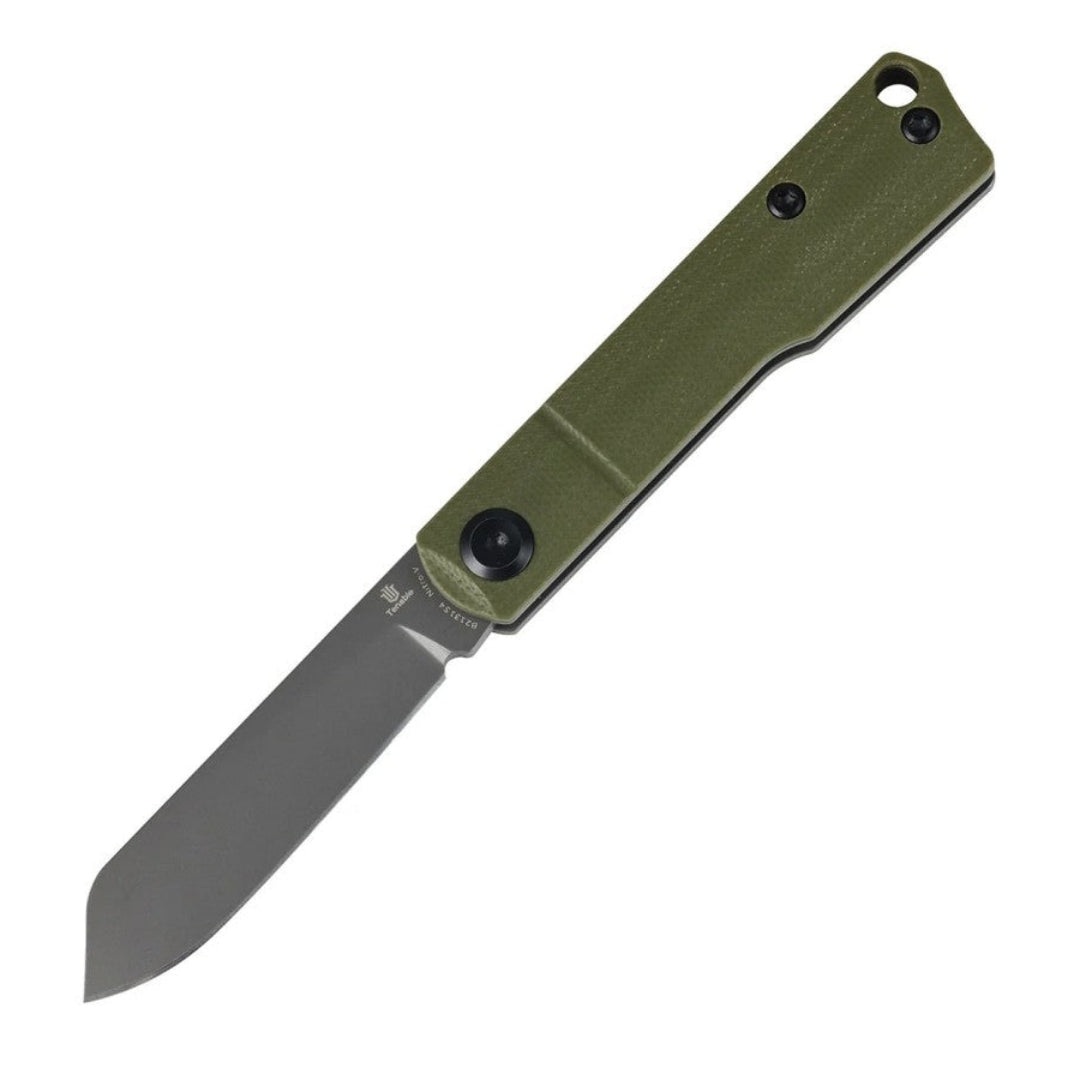
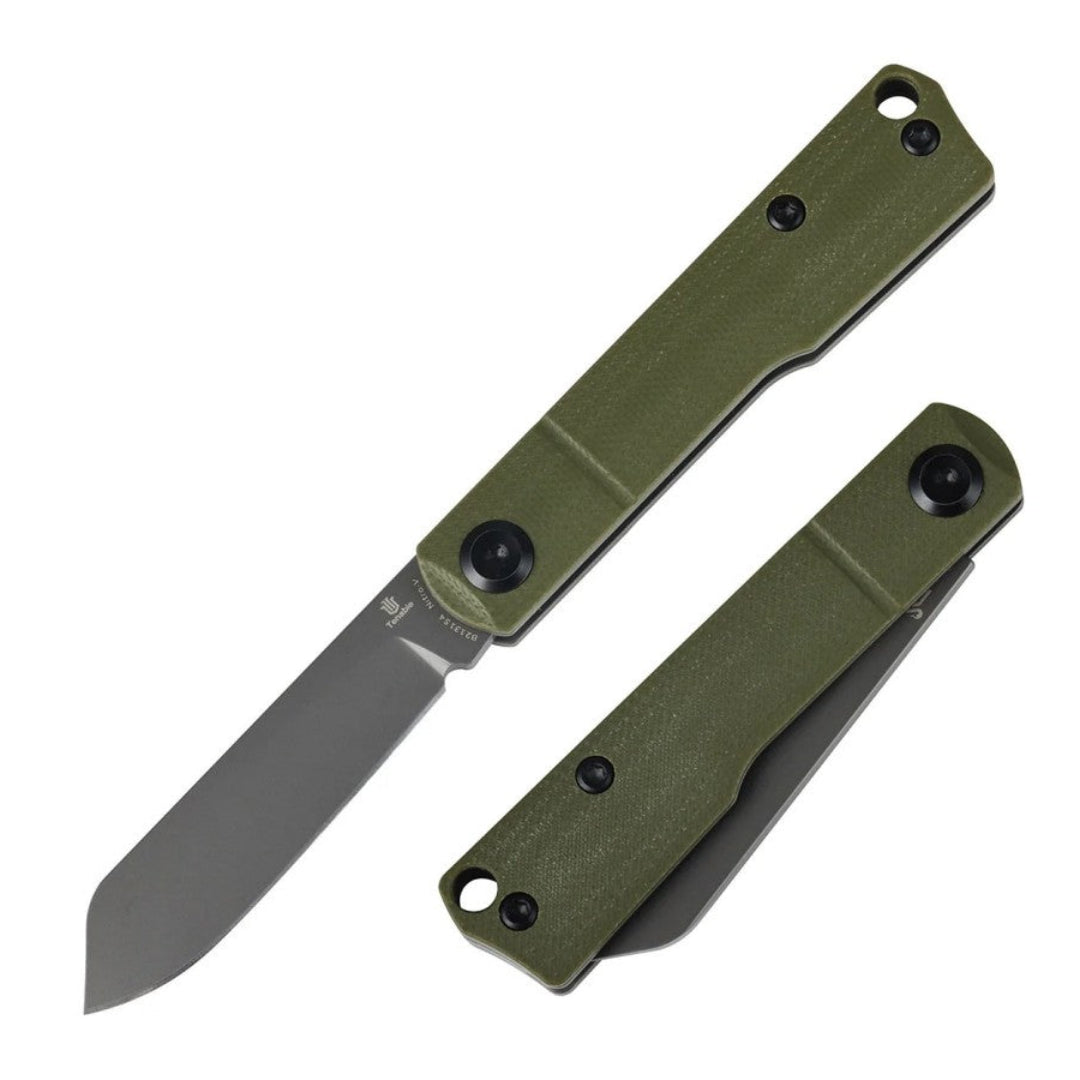
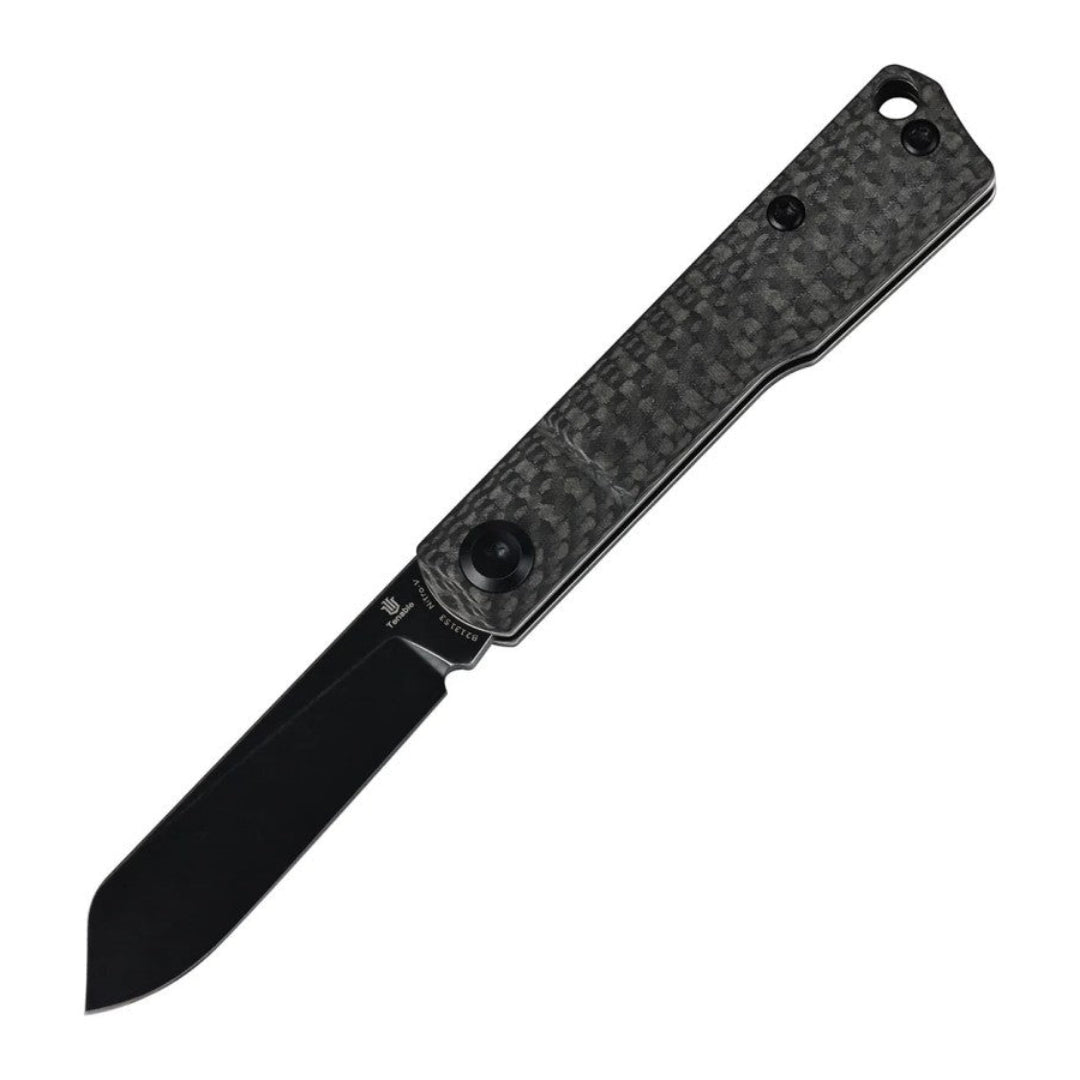
Designed by Rolf Helbig, the Foosa is a masterclass in minimalist design and legal-friendly urban carry. It operates as a non-locking, double-detent slipjoint folder. Utilizing a smooth flipper deployment mechanism, the blade snaps open effortlessly but relies on precise spring tension rather than a mechanical lock to stay open. Available in handle materials ranging from grippy G10 to premium carbon fiber, and paired with a precision-ground Tanto blade, it is the perfect daily companion for jurisdictions with strict locking knife regulations.
2. Kansept Kryo (Folding Knife)

For users who demand robust locking strength and premium metallurgical materials, the Kryo, designed by Kim Ning, is an exceptional choice. This heavy-duty frame lock folder utilizes thick titanium handle scales to secure the blade lockup. The drop-point blade deploys with lightning speed via a flipper tab, riding cleanly on a captive ceramic ball bearing pivot system. Utilizing premium CPM-S35VN steel for phenomenal edge retention, it represents the pinnacle of modern machining capabilities, offering a silky-smooth action and rock-solid reliability.
3. Kansept Main Street (Folding Knife)
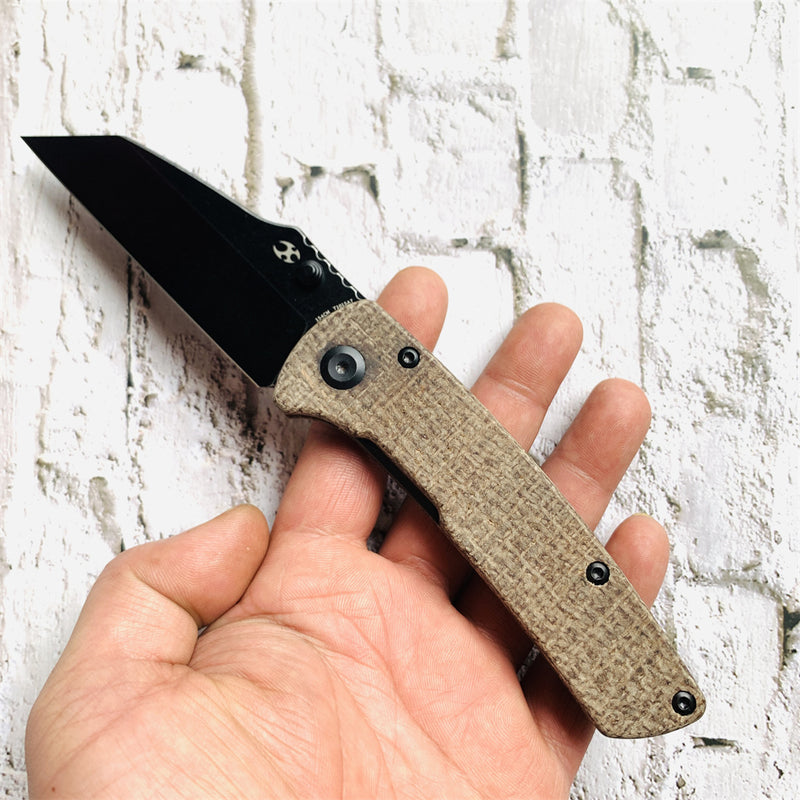
Designed by Dirk Pinkerton, the standard Main Street is a full-sized, uncompromising workhorse. Distinct from its smaller sibling, this folder features a substantial, straight-edged Wharncliffe blade that excels at deep utility cuts and precise drawing tasks. Typically utilizing a sturdy liner lock and deployed via highly accessible dual thumb studs, the Main Street offers a utilitarian blade shape that maximizes cutting pressure directly at the tip. The handle is clad in durable G10 or high-traction Micarta, ensuring a secure grip even when wearing thick work gloves, making it a definitive favorite among tradespeople.
Conclusion
The Kansept Fenrir Fixed Blade is significantly more than just a newly released knife; it is the culmination of a brilliant design’s natural evolution. It takes the visionary, aggressive styling of Greg Schob’s Sparrow Knife Co. and fortifies it with world-class manufacturing, incredibly tight dimensional tolerances, and rugged premium materials.
If you appreciate a design that honors custom tactical styling while continually pushing the boundaries of production quality, the Fenrir series commands your attention. It stands as a prime example of how functional art can be successfully transformed into an indispensable, unyielding companion.
Experience the evolution of tactical utility. Explore the complete Kansept Fenrir Fixed Blade Collection and discover a new standard in operational reliability.