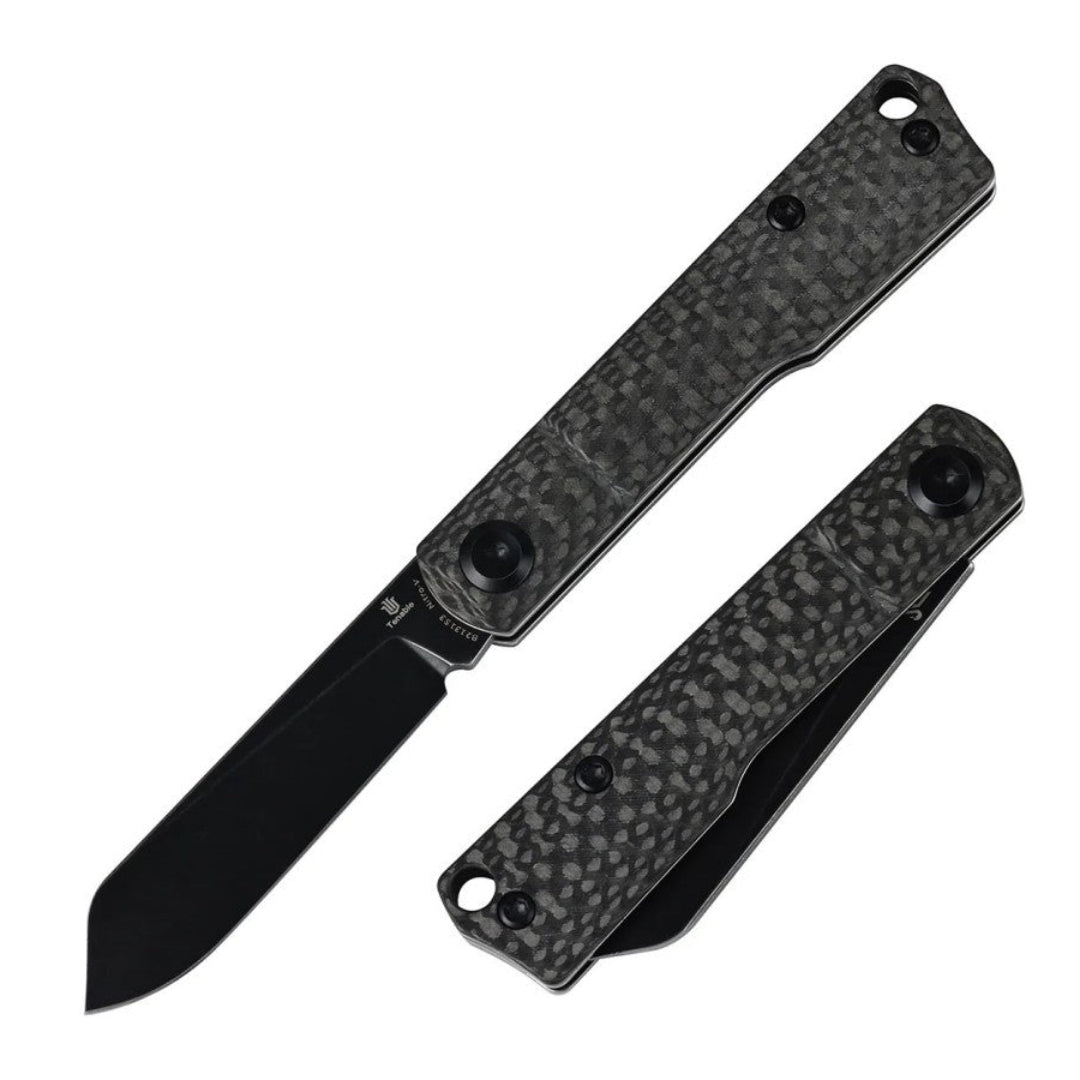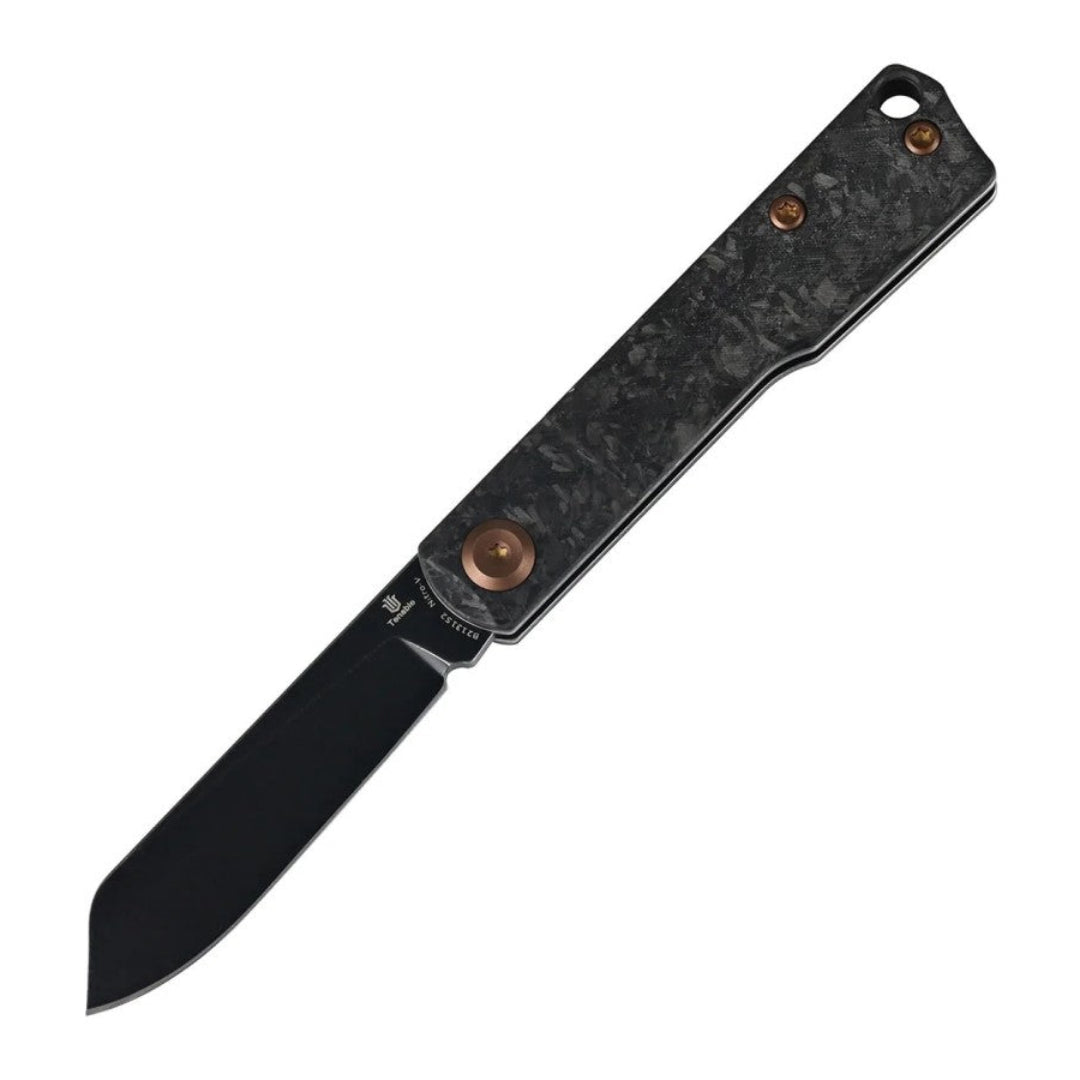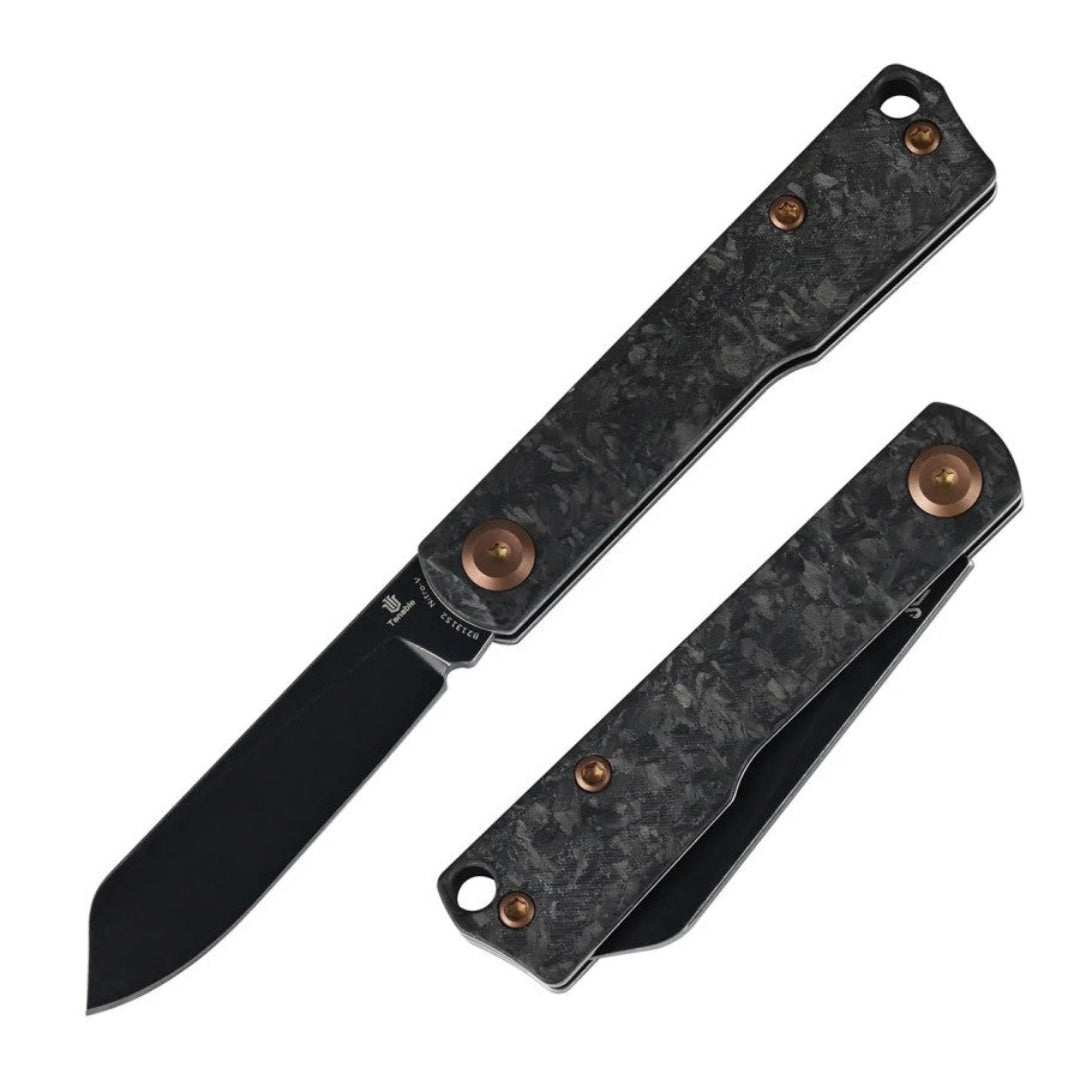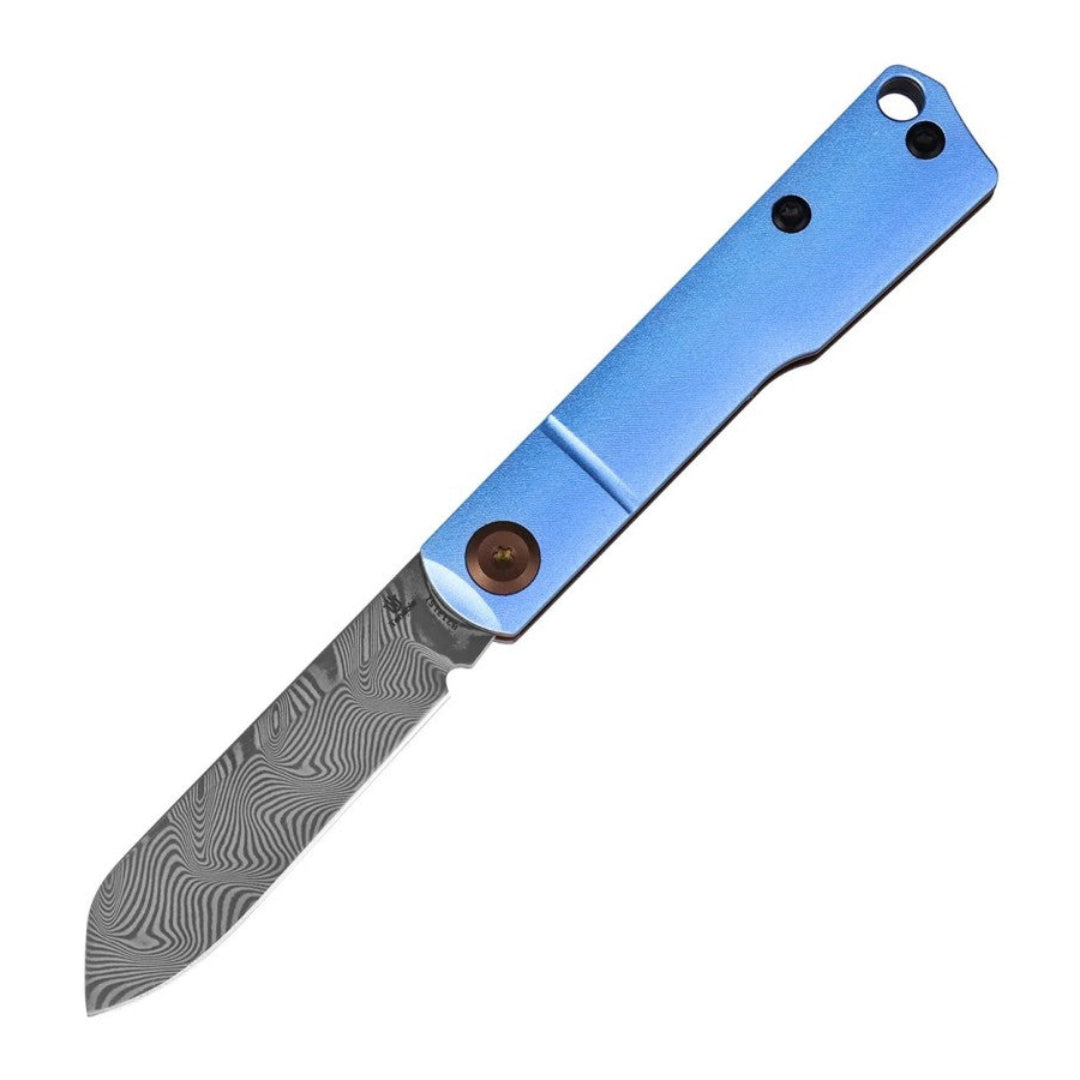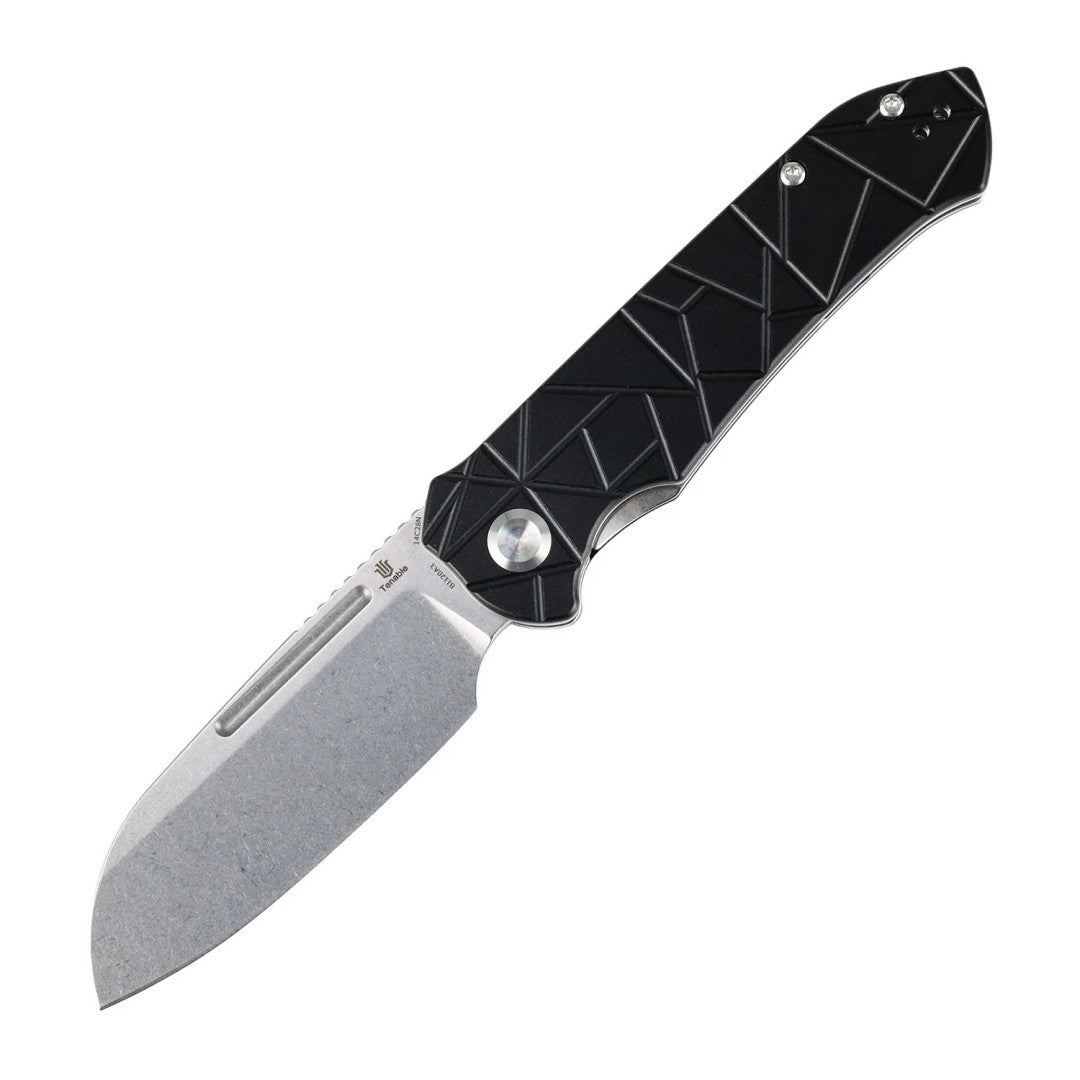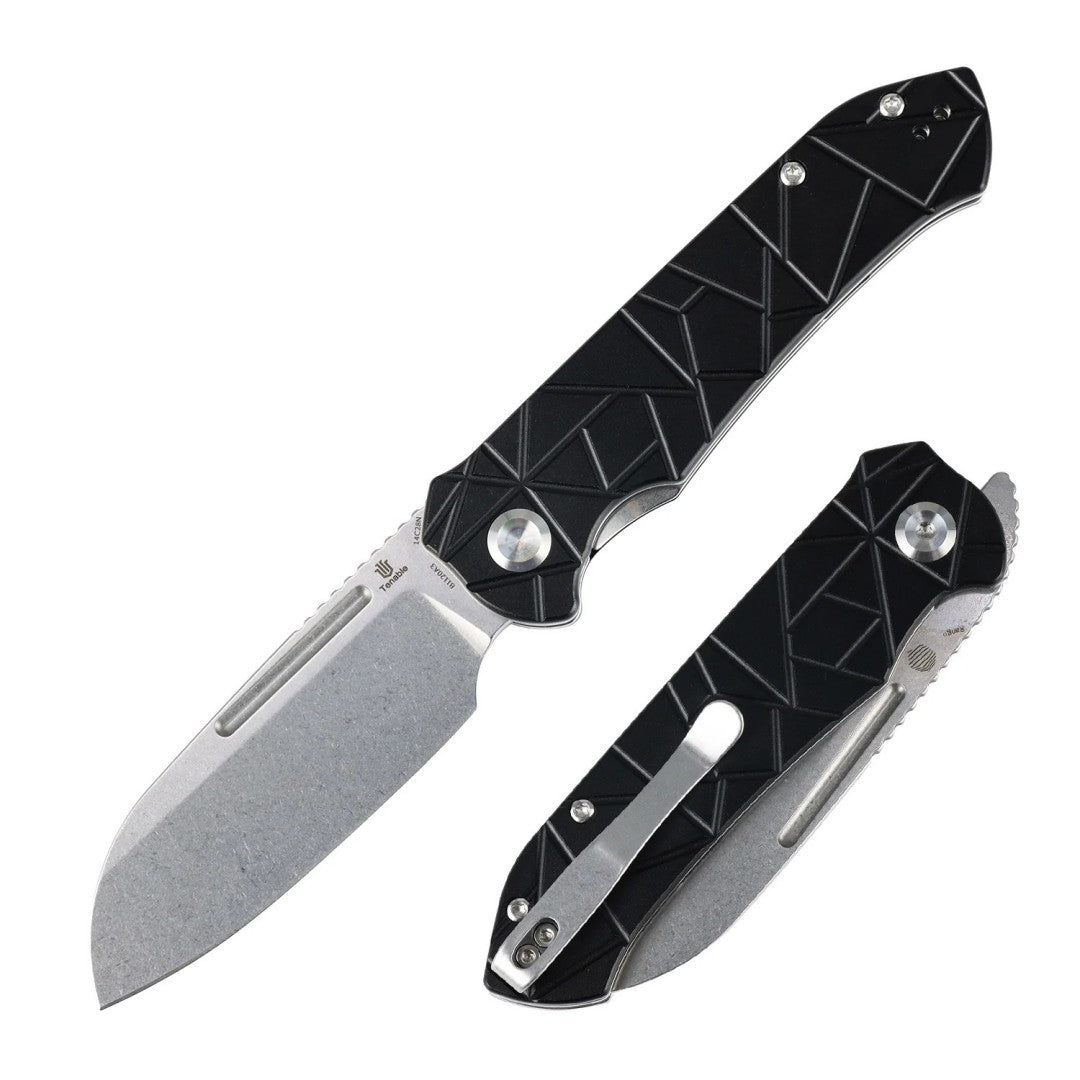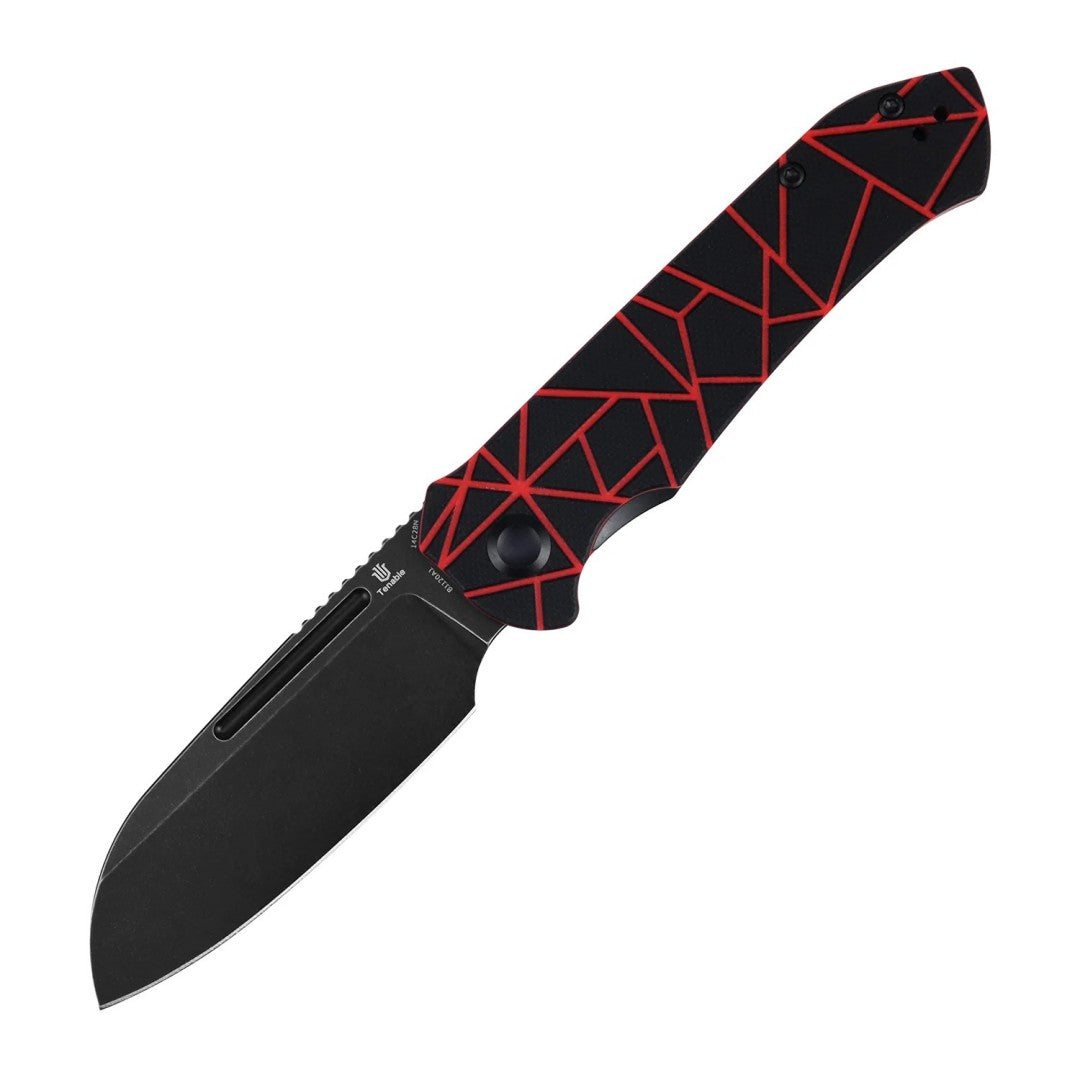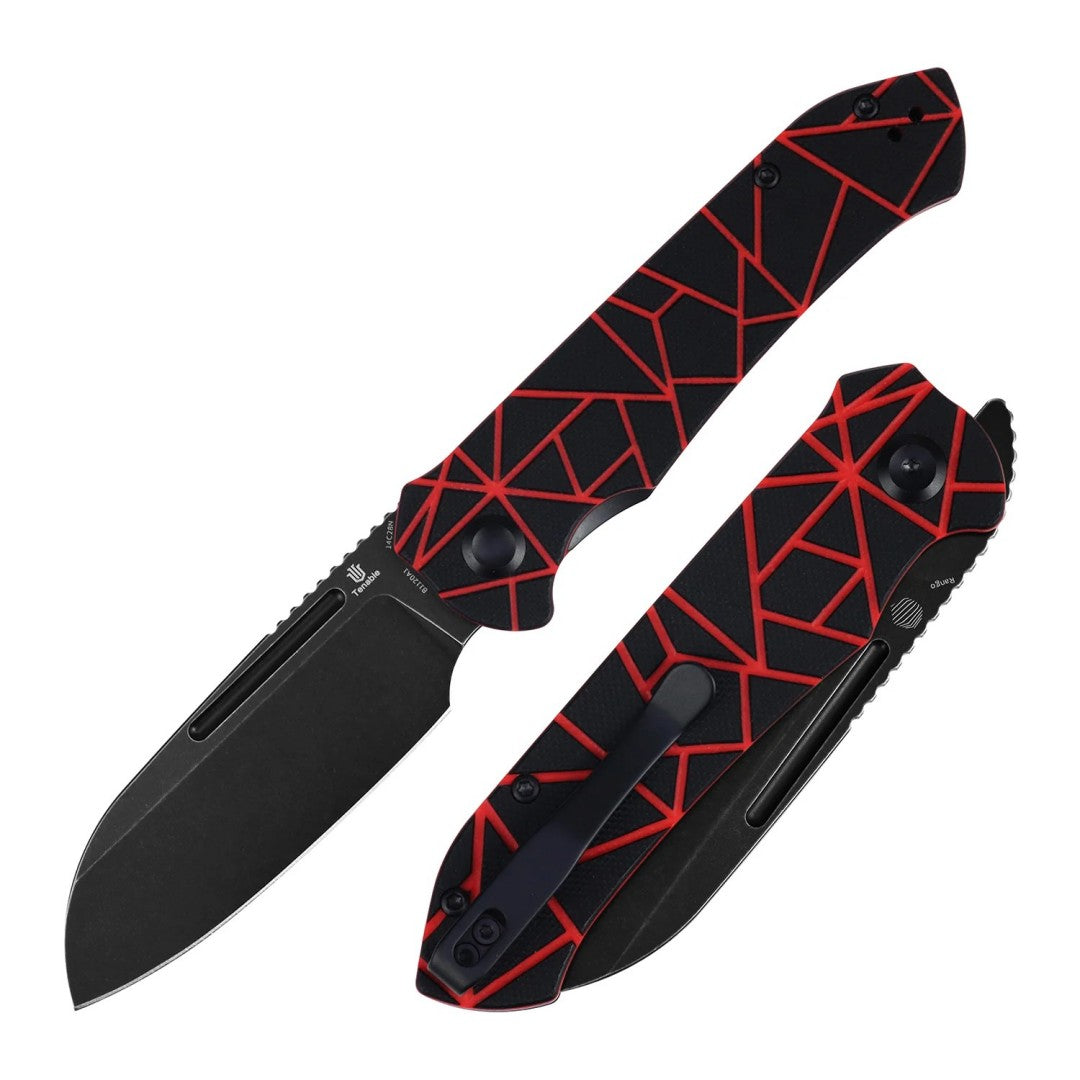
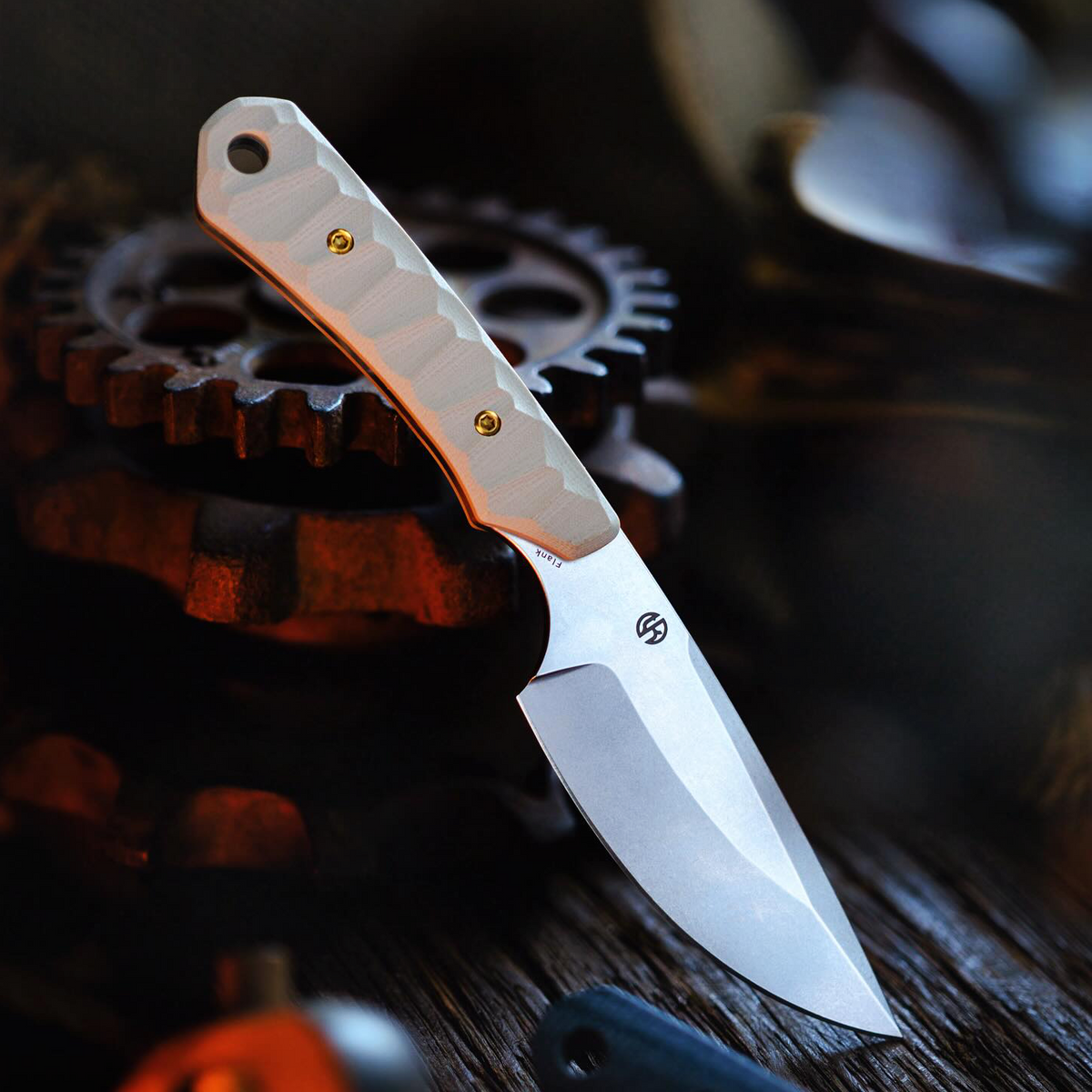
When evaluating a compact tactical fixed blade for everyday carry (EDC), the conversation inevitably turns to steel performance. A brilliant knife design is only as good as the steel it is forged from. The Kansept Flank, a highly popular compact fixed blade designed in collaboration with Geoff Blauvelt of Tuffknives, pairs premium custom ergonomics with a rugged full-tang D2 tool steel blade.
But how does Kansept’s heat treatment of D2 steel stack up when pushed to its limits? In this deep-dive performance review, we look beyond the aesthetics and analyze the edge retention, toughness, and real-world durability of the Kansept Flank's D2 steel to see if it truly delivers under pressure.

Understanding D2 Steel: The Hard-Use Workhorse
Before diving into the testing data, it is helpful to understand what D2 steel brings to the table. D2 is a high-carbon, high-chromium air-hardened tool steel that has been a staple of the hard-use knife industry for decades.
Kansept heat-treats the Flank's D2 steel to a target hardness of 58-60 HRC (Rockwell Hardness Scale). This hardness range is widely considered the sweet spot for D2. It optimizes the balance between wear resistance (keeping a sharp edge) and impact resistance (preventing the edge from chipping under heavy pressure).
Technical Specifications Overview
To understand the cutting geometry behind the steel performance, let's look at the Flank's blade dimensions:
-
Blade Length: 3.69 inches (93.8 mm)
-
Blade Thickness: 0.118 inches (3.0 mm)
-
Blade Steel: D2 Tool Steel (58-60 HRC)
-
Blade Profile: Drop Point with a Flat Grind
-
Blade Finish: Non-Reflective Black Stonewash
-
Weight: 1.79 ounces (50.7 g) (Knife only)
Edge Retention Performance: Real-World Cutting Trials
Edge retention refers to a steel's ability to resist abrasive wear during repetitive slicing tasks. To evaluate the Flank, we subjected its factory edge to a battery of common EDC and industrial materials.
1. The Abrasive Cardboard Test
Cardboard is notorious among knife enthusiasts for dulling edges quickly due to the silicates and recycled debris embedded in the paper fibers. The Kansept Flank features a flat grind that tapers down to a razor-sharp factory edge, allowing the 0.118-inch thick spine to slice cleanly without wedging.
In our slicing trials, the Flank processed over 60 linear feet of heavy-duty corrugated cardboard. Thanks to the high volume of chromium-rich carbides in the D2 matrix, the blade maintained a clean, slicing edge throughout the test. After completing the cardboard gauntlet, the blade was still sharp enough to cleanly slice through unsupported phone book paper without snagging.
2. Fibrous Materials and Heavy Rope
Next, we tested the edge retention against thick, fibrous nylon climbing rope and heavy jute twine. These materials require a mix of push-cuts and draw-cuts. The Flank's drop-point belly provided excellent mechanical leverage. The D2 steel bit into the fibrous nylon effortlessly, performing 40 clean downward cuts without showing any signs of micro-rolling along the apex of the edge.
Toughness and Impact Resistance
Toughness is a steel's ability to resist chipping, cracking, or breaking when subjected to sudden impacts, twisting forces, or hard materials. Because tactical fixed blades are often called upon to perform emergency tasks, toughness is a critical safety metric.
1. Hardwood Carving and Notching
To test the toughness of Kansept's heat treatment, we used the Flank to carve, notch, and whittle seasoned oak and dense pine knots. This places lateral stress on the thin cutting edge.
The Flank's full-tang construction and structural integrity shone brightly here. Under heavy downward thumb pressure—aided by the deep, secure spine jimping—the edge carved clean curls of hardwood. Upon close inspection under magnification, the cutting apex showed zero micro-chipping, zero edge deformation, and zero flat spots.
2. Piercing and Light Prying
The drop-point profile inherently leaves a robust amount of steel near the tip of the blade. We tested the tip toughness by driving the Flank into dense wooden pallets and applying moderate lateral prying pressure. Kansept's D2 held up perfectly. The tip did not snap or bend, proving that the 58-60 HRC heat treatment leaves enough elasticity in the steel to handle sudden torsional stress.
Corrosion Resistance and the Black Stonewash Shield
D2 steel contains roughly 12% chromium. Because true stainless steel requires a minimum of 13% chromium, D2 is technically classified as a "semi-stainless" tool steel. This means it is significantly more stain-resistant than pure carbon steels (like 1095), but it can still develop surface rust if exposed to moisture, salt, or acidic compounds for extended periods.
To counter this vulnerability, Kansept has equipped the Flank with a uniform black stonewashed finish. This finish acts as a highly effective barrier against the environment. The micro-textured, darkened surface provides an extra layer of defense against moisture and pocket sweat. Furthermore, from an aesthetic standpoint, the stonewash finish does a masterclass job of hiding the minor scratches and scuffs that inevitably occur during hard utility work.
Pros and Cons of Kansept Flank's D2 Steel
The Pros:
-
Exceptional Wear Resistance: Holds a sharp working edge through extensive cutting tasks far longer than budget stainless steels.
-
Optimized Heat Treat: Kansept’s 58-60 HRC execution delivers a great balance of edge retention and impact toughness.
-
Robust Geometry: The combination of a 0.118-inch spine and flat grind ensures smooth slicing without compromising strength.
-
Rugged Stonewash Finish: Provides enhanced corrosion resistance and masks signs of cosmetic wear.
The Cons:
-
Basic Maintenance Required: As a semi-stainless steel, it requires occasional cleaning and a light coat of oil to prevent spot rusting in highly humid climates.
-
Sharpening Curve: Because D2 is highly wear-resistant, it takes a bit more time and patience to re-sharpen compared to softer budget steels. Diamond or ceramic sharpeners are highly recommended.

Final Verdict: Does the Flank's D2 Steel Deliver?
If you are looking for a completely rust-proof dive knife that requires zero upkeep, D2 steel is not the right choice for your environment.
However, if your goal is to find a hard-working tactical EDC fixed blade that offers incredible edge retention, reliable impact toughness, and true structural strength at an accessible price point, the Kansept Flank is an absolute winner.
By combining Geoff Blauvelt’s brilliant custom ergonomics with a masterfully heat-treated piece of D2 tool steel, Kansept has delivered a compact workhorse that easily punches above its weight class. It is a dependable, razor-sharp tool built to endure the rigors of daily use and tactical emergencies alike.