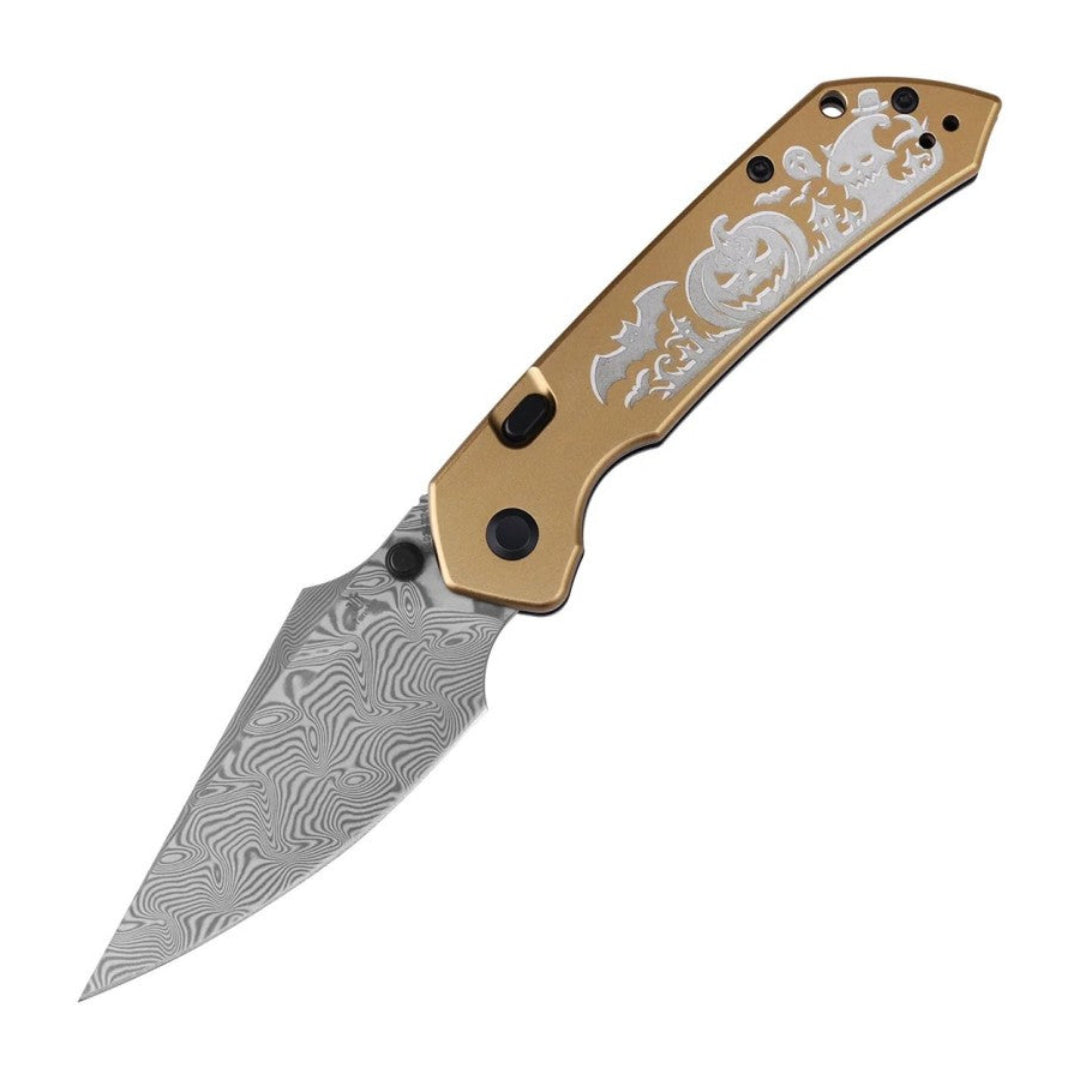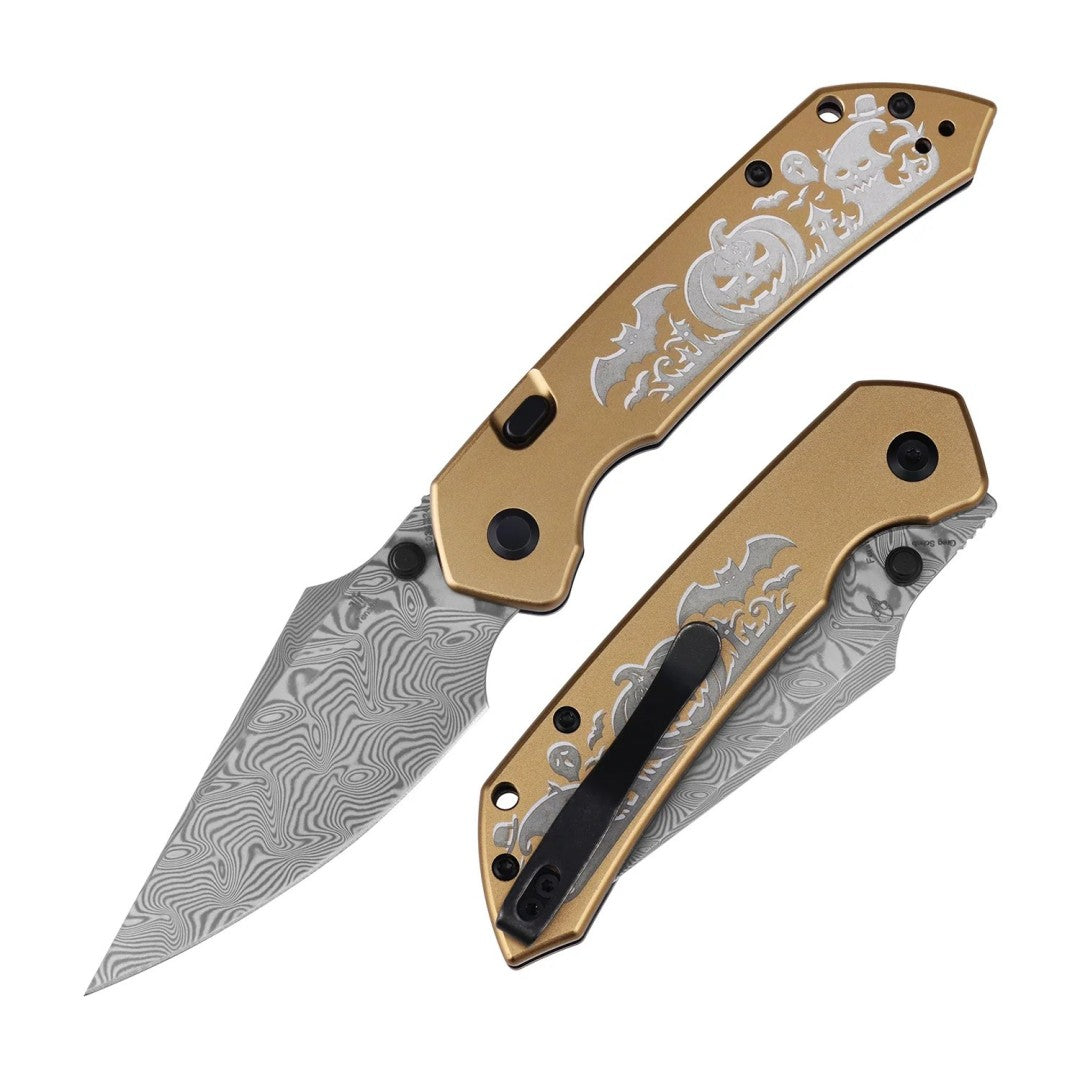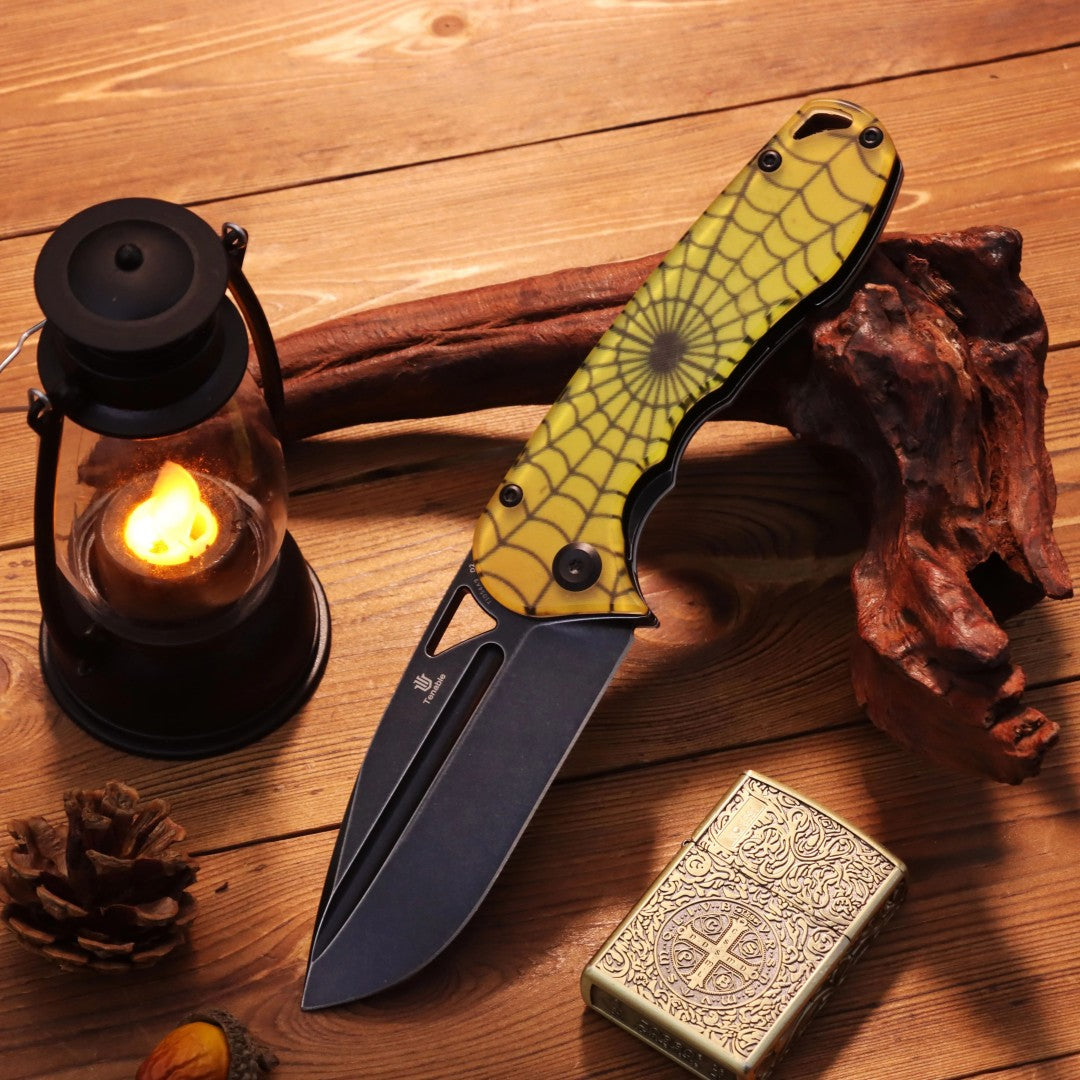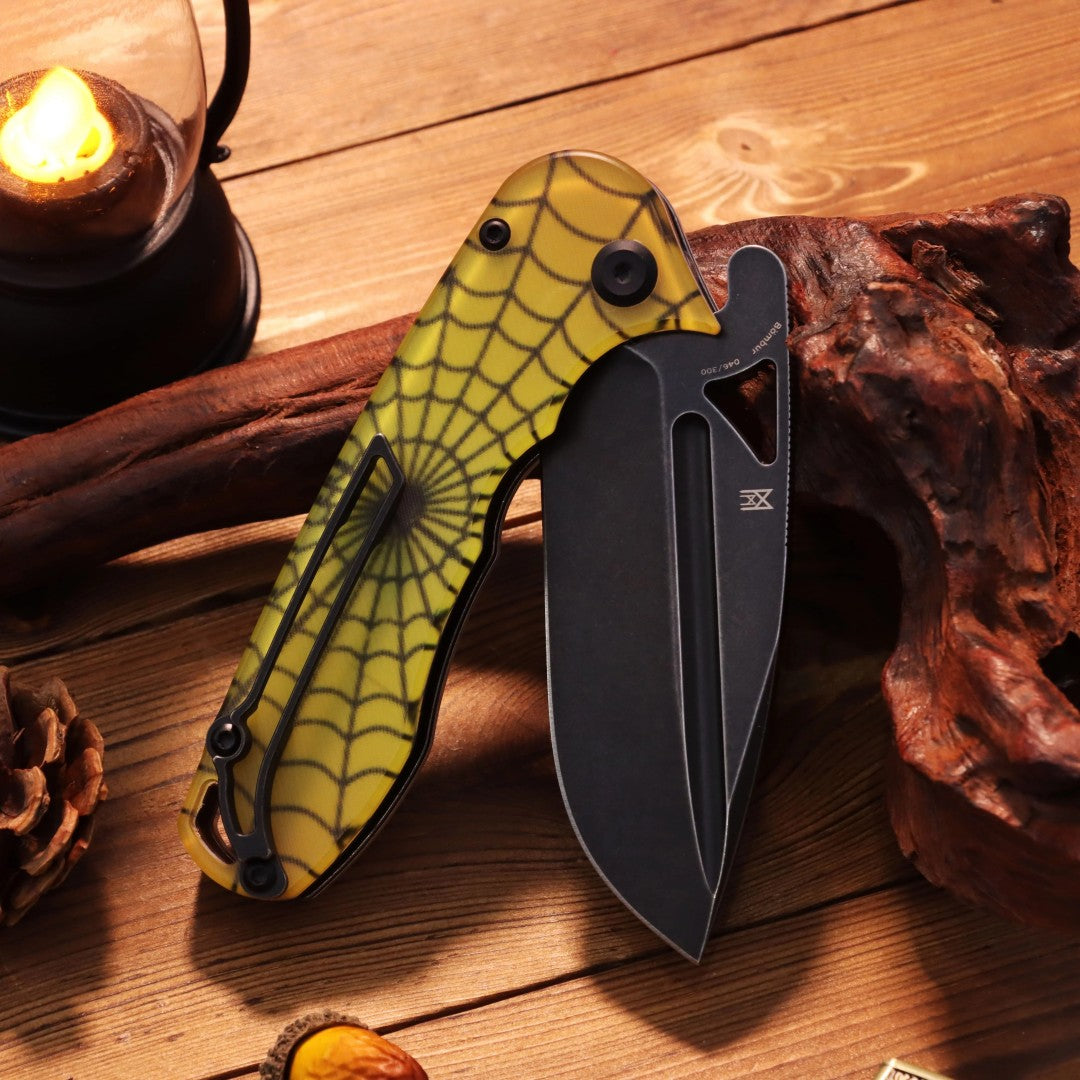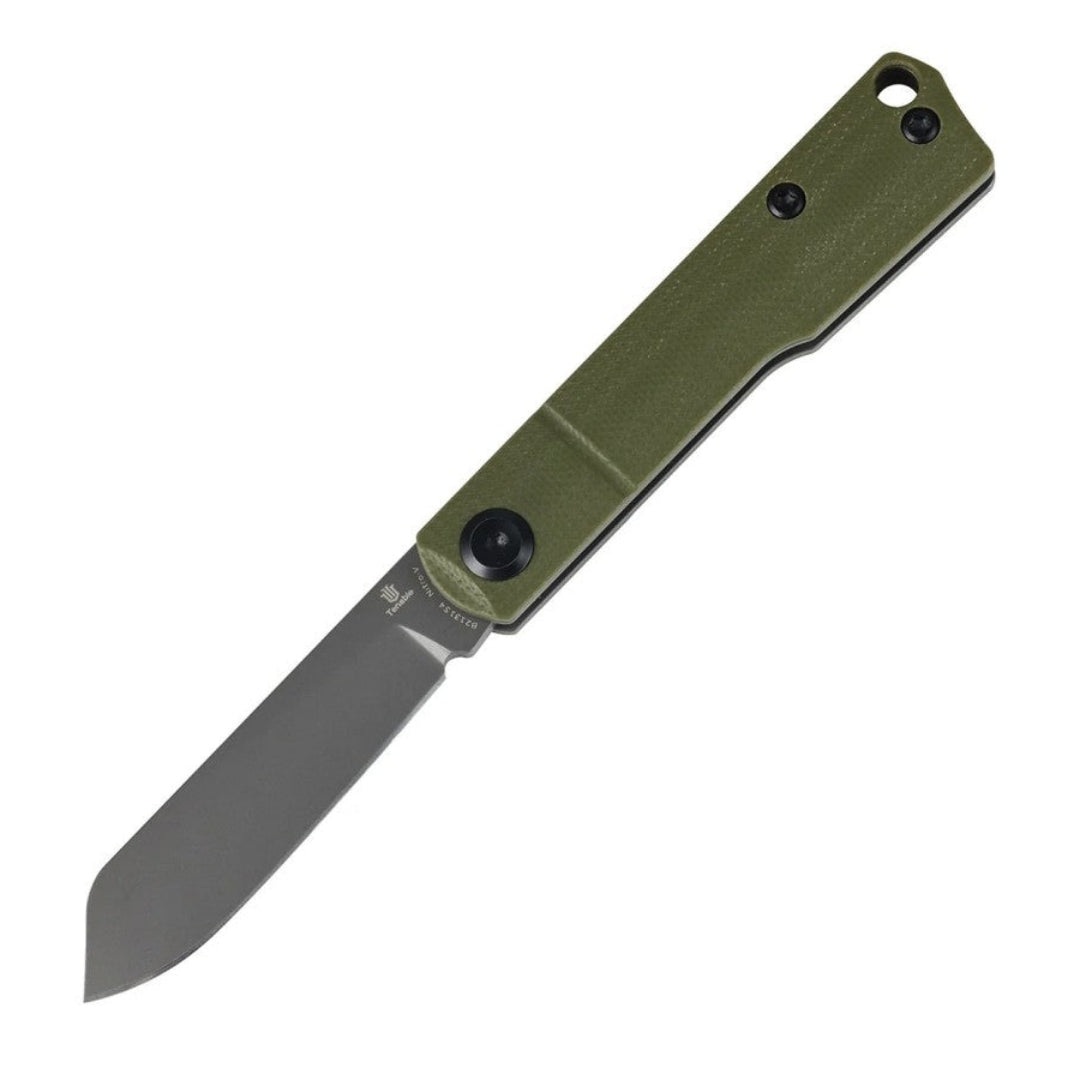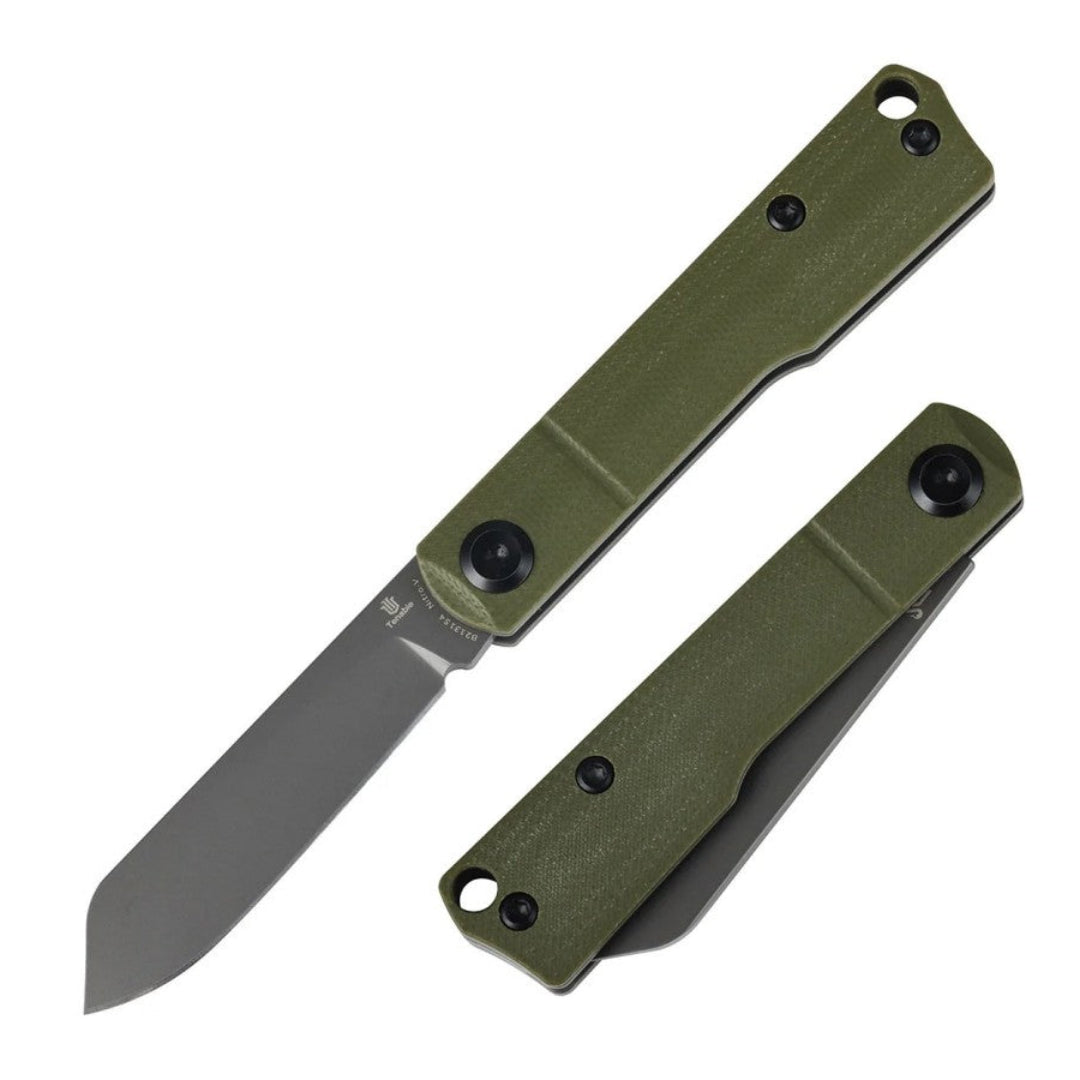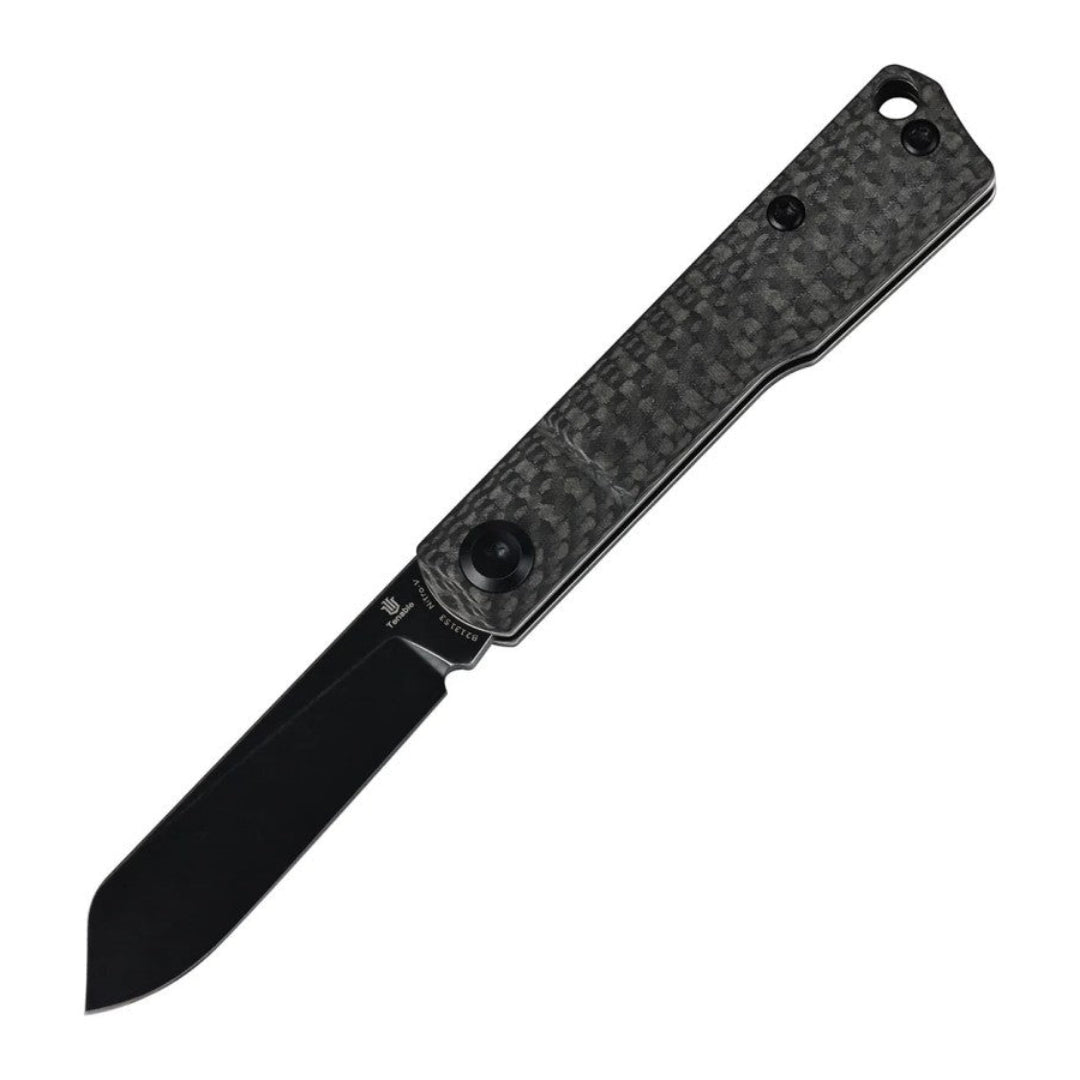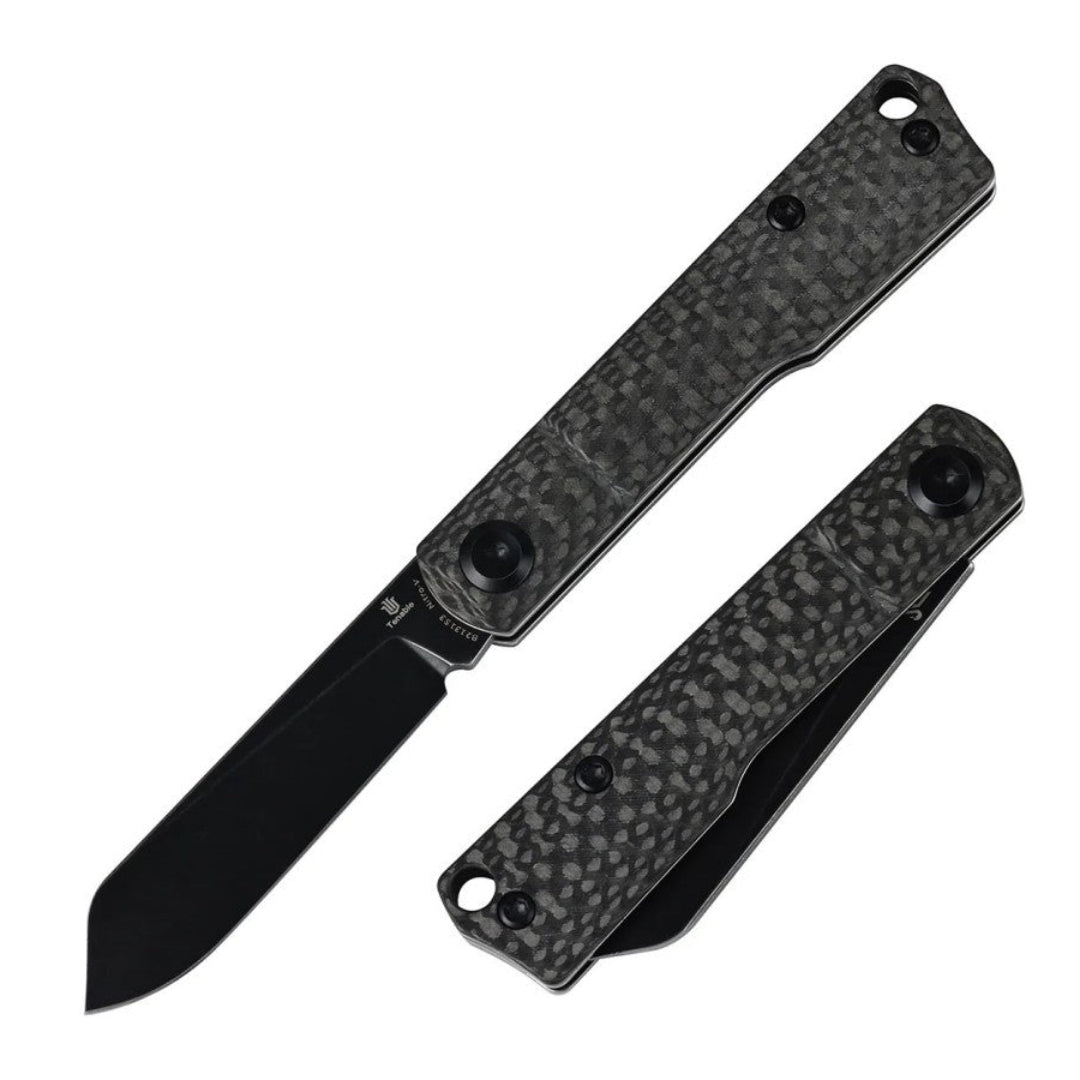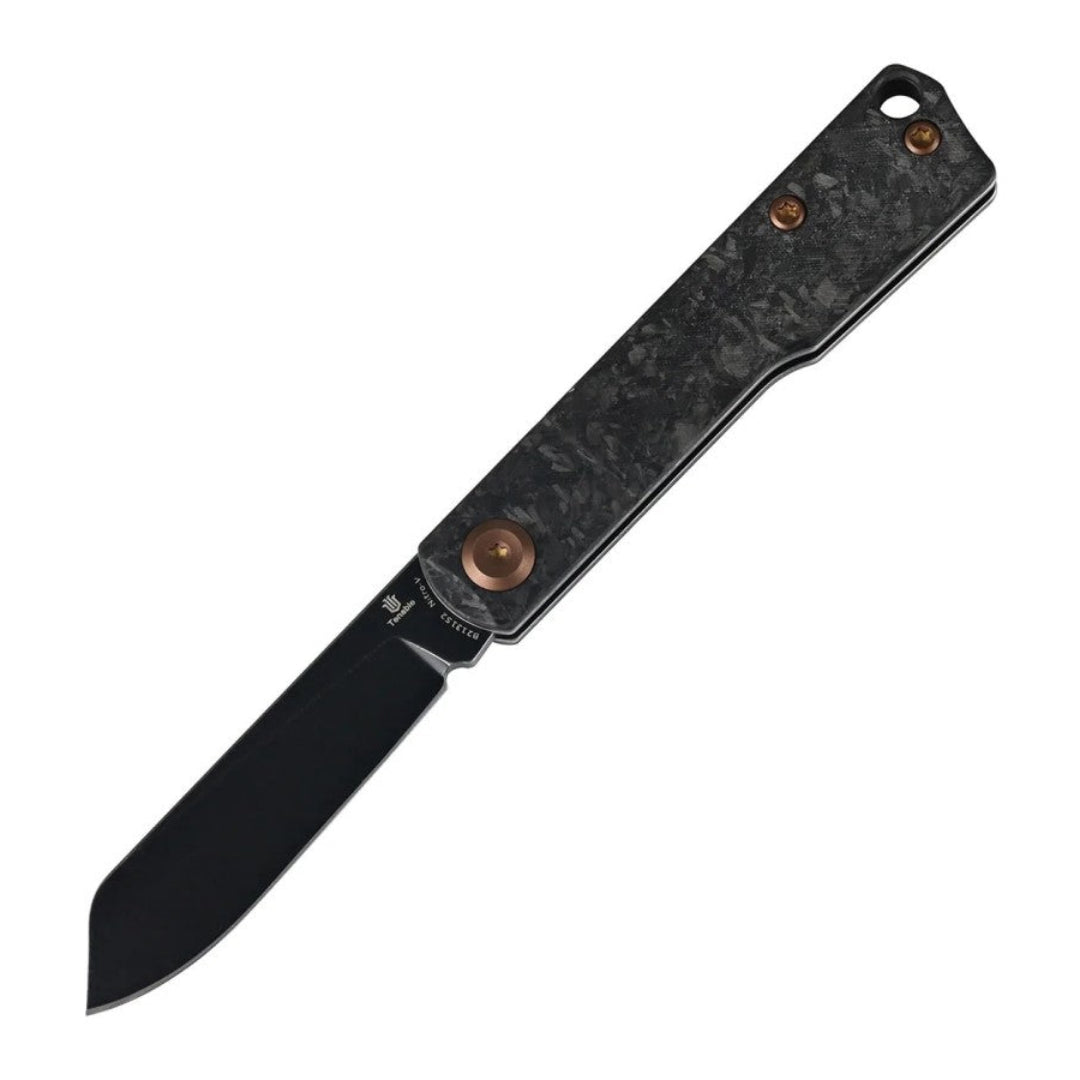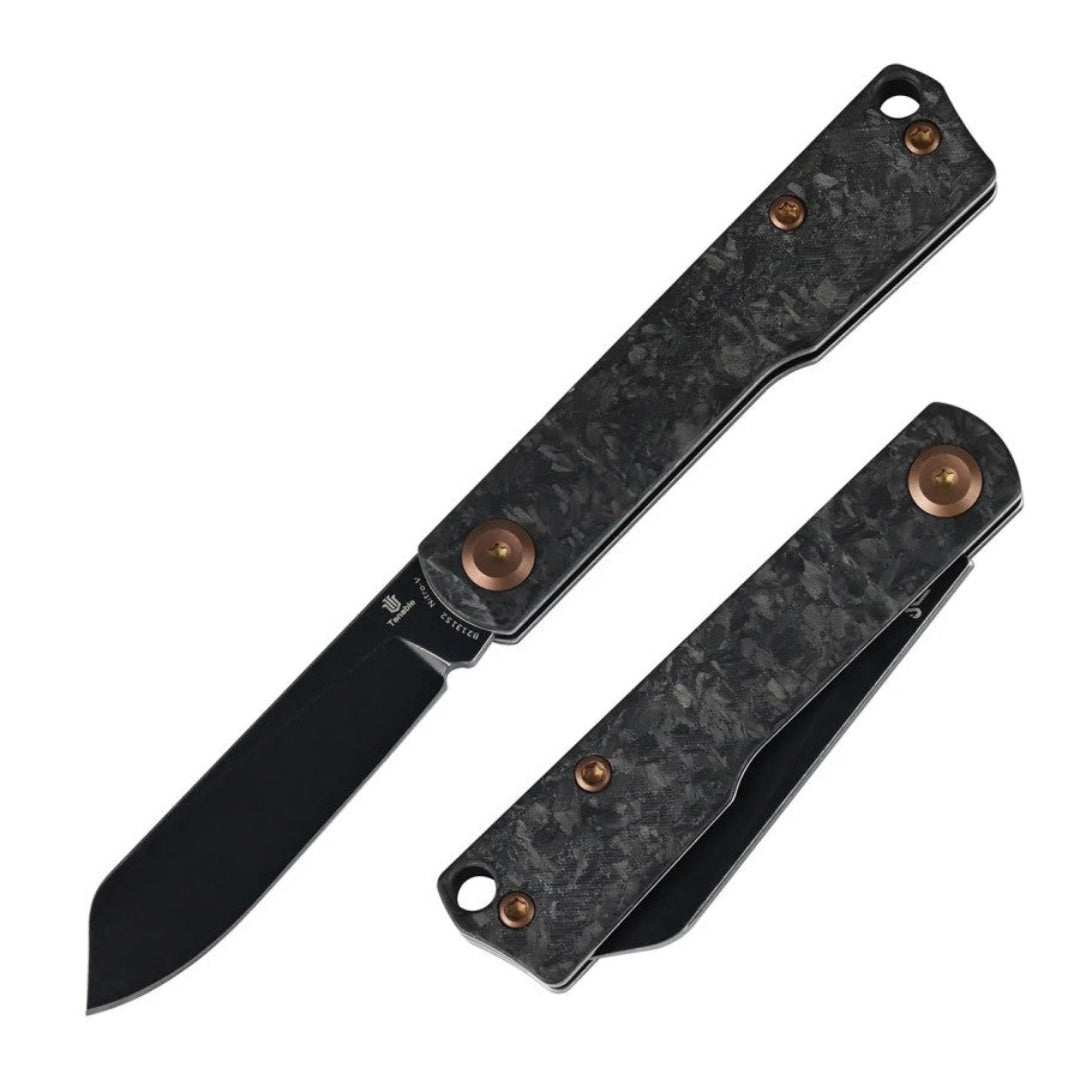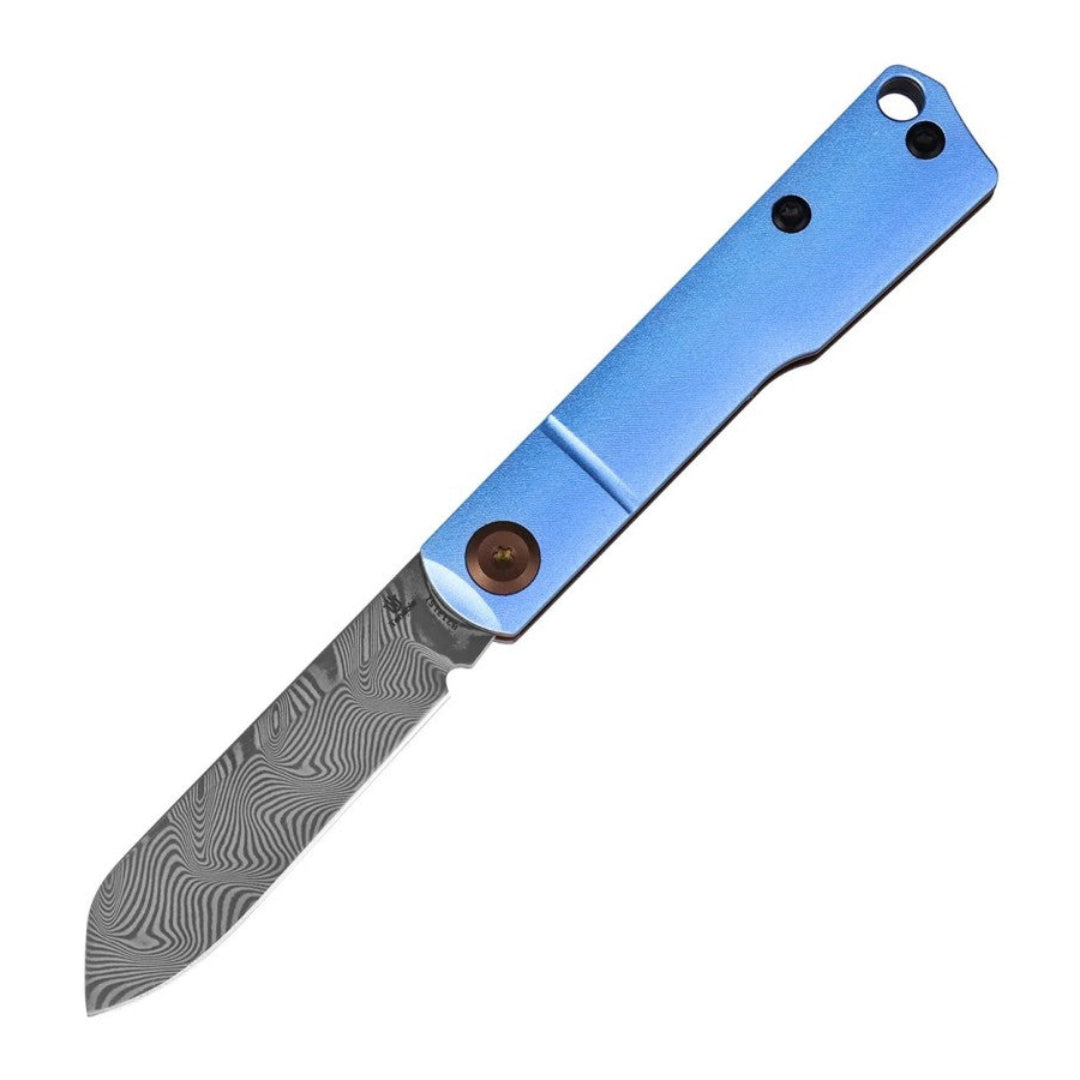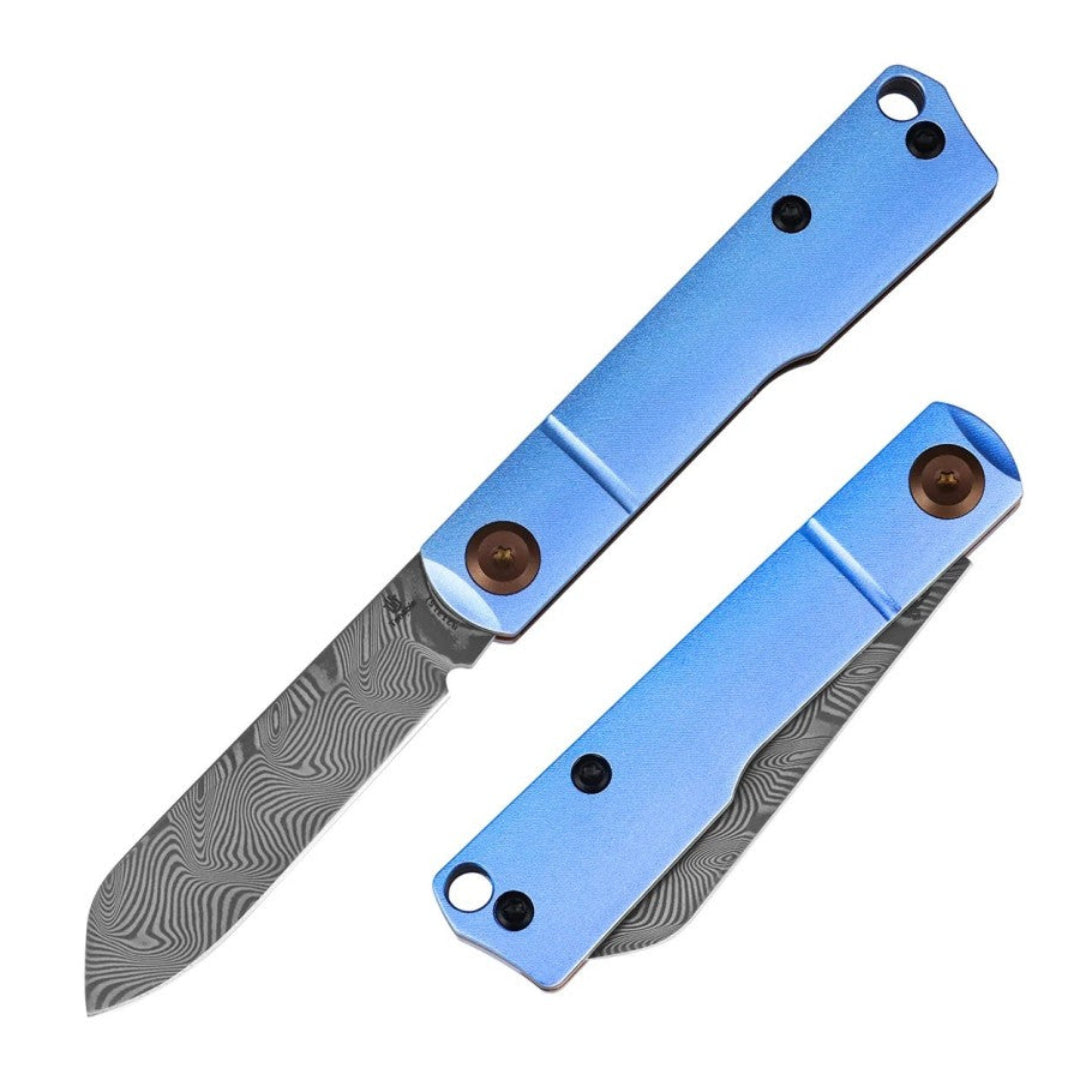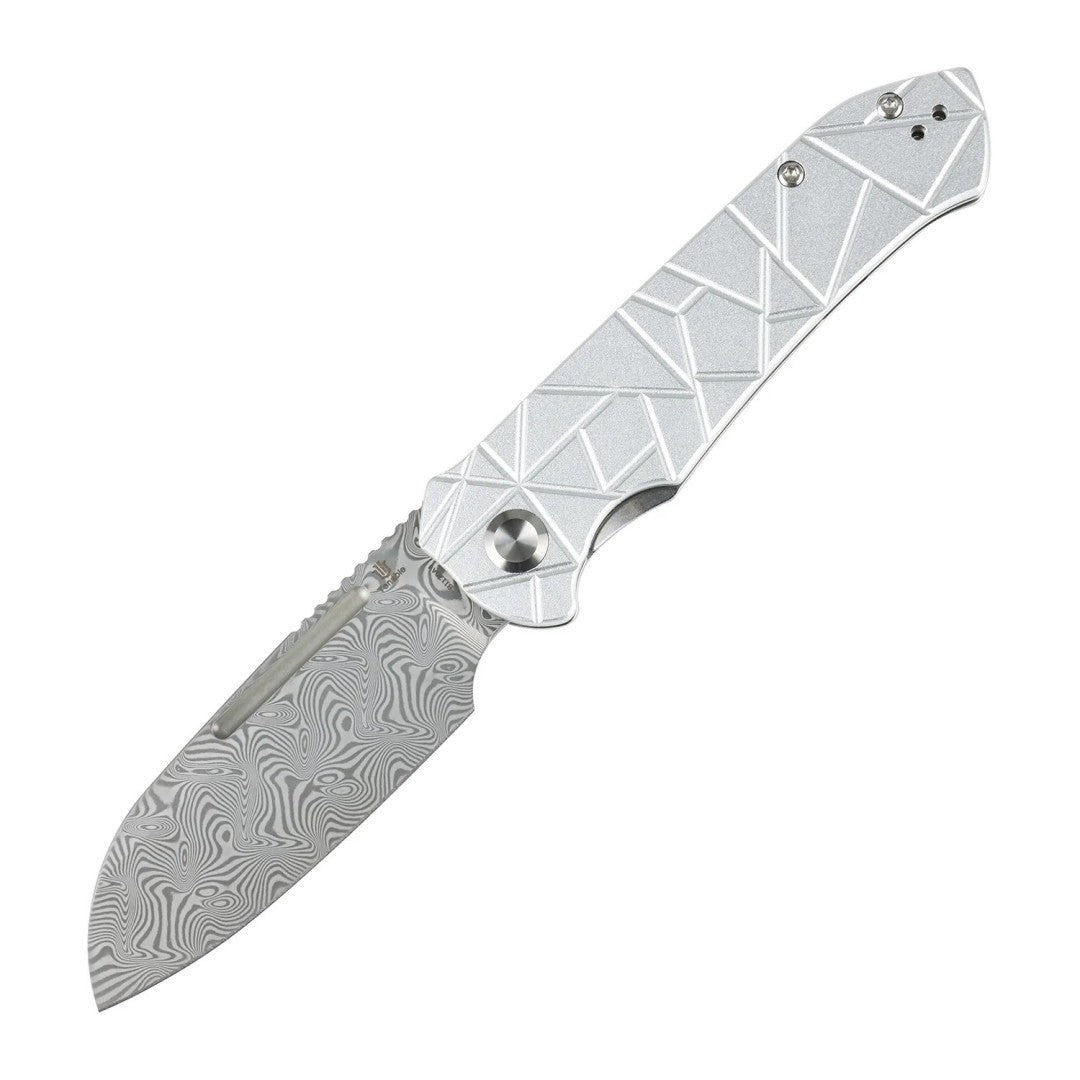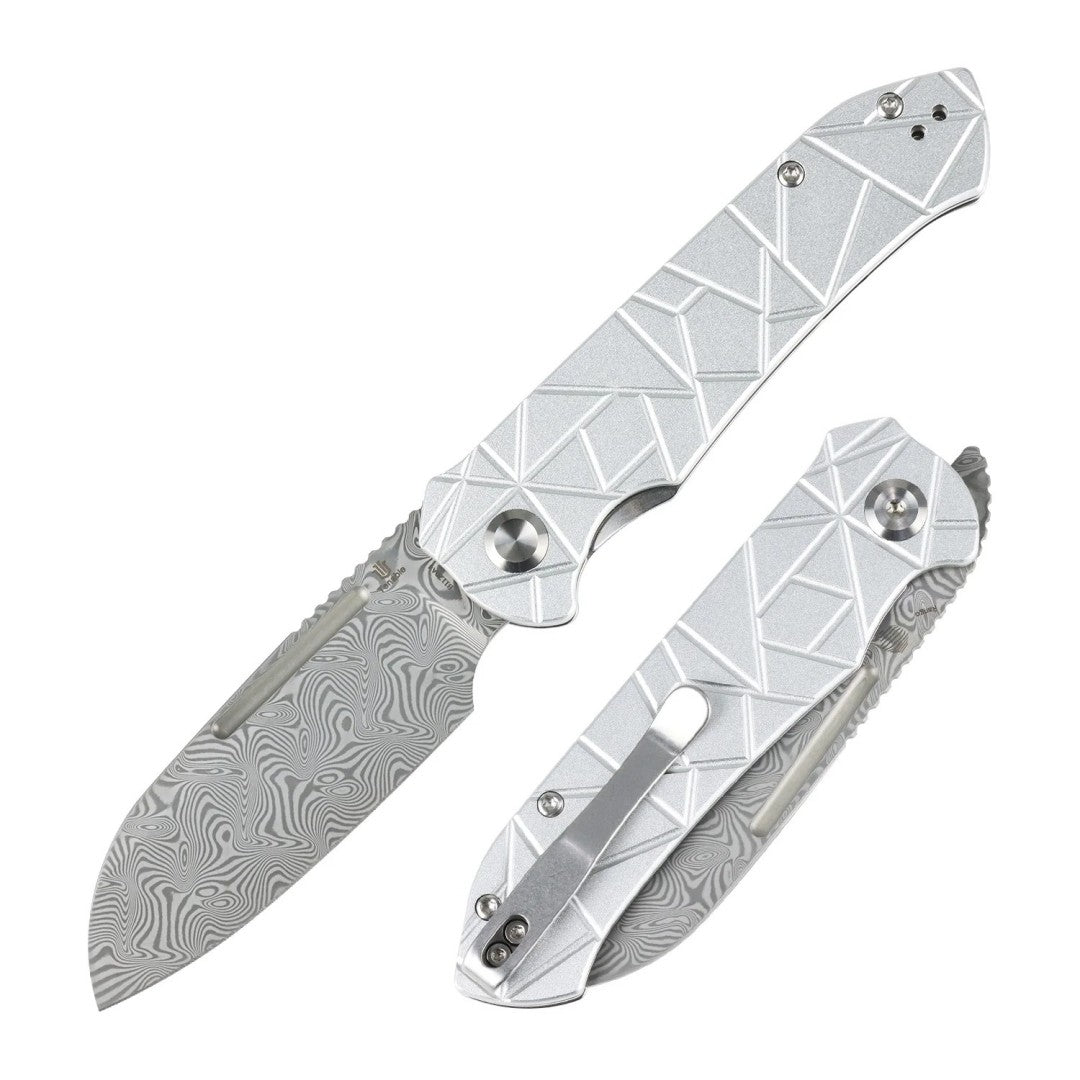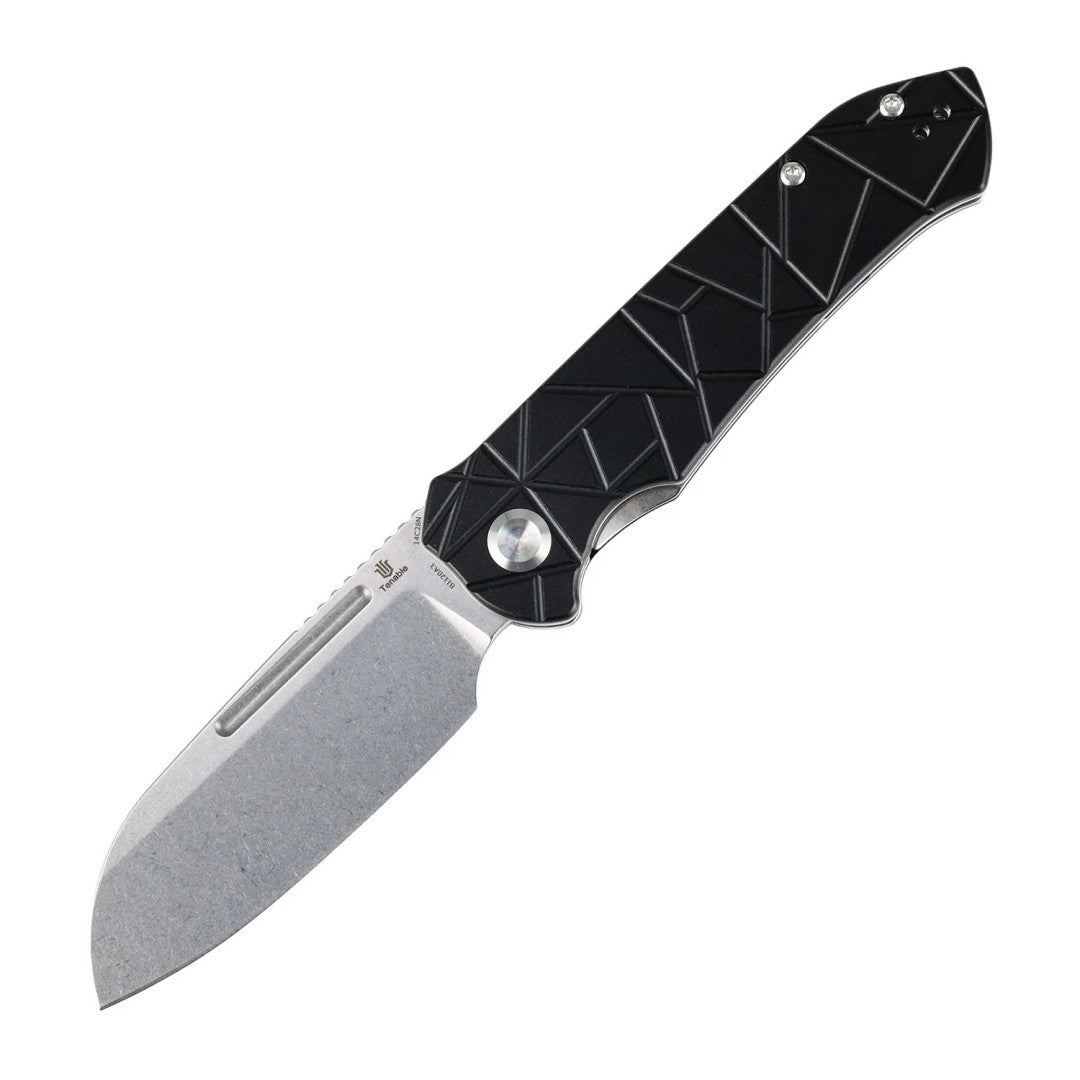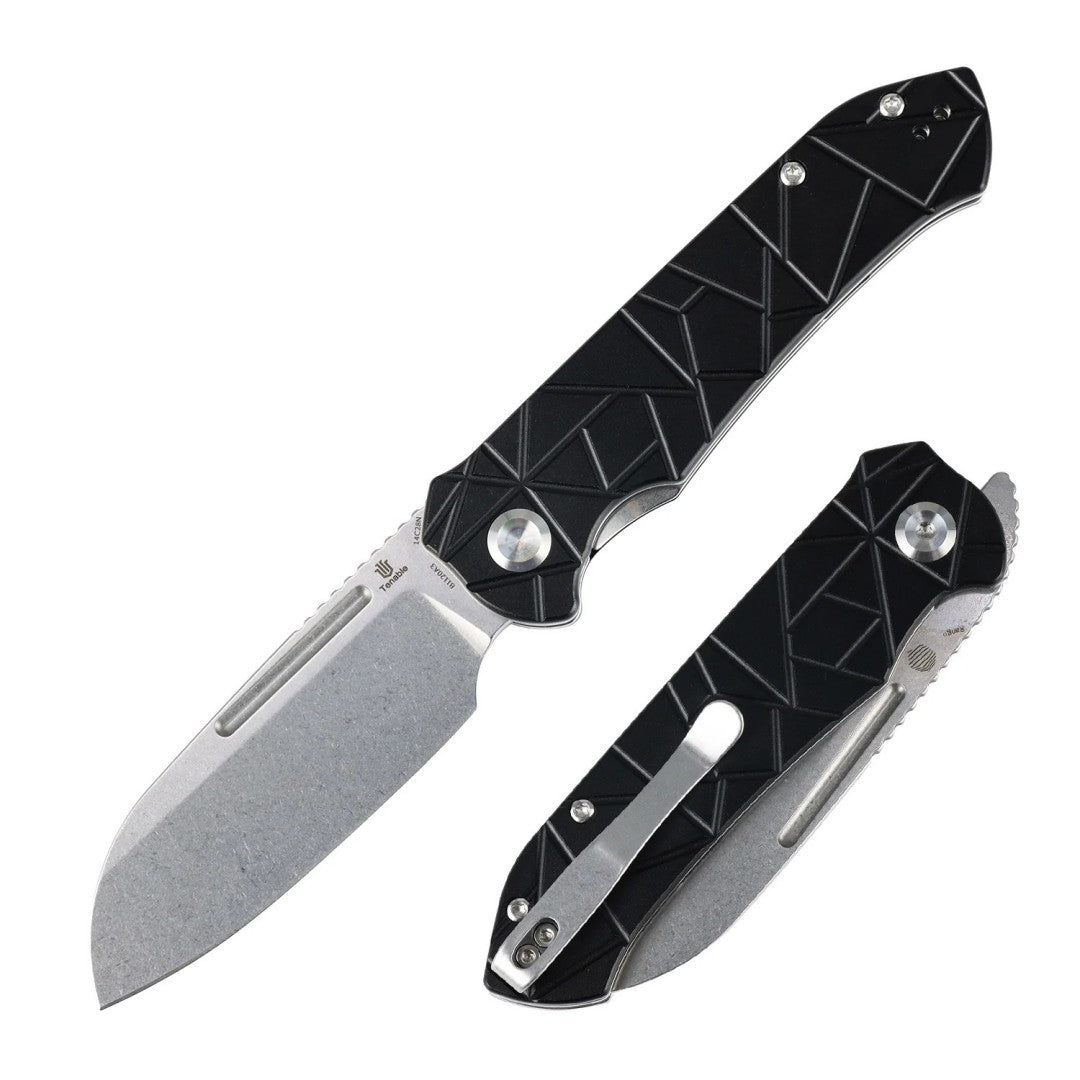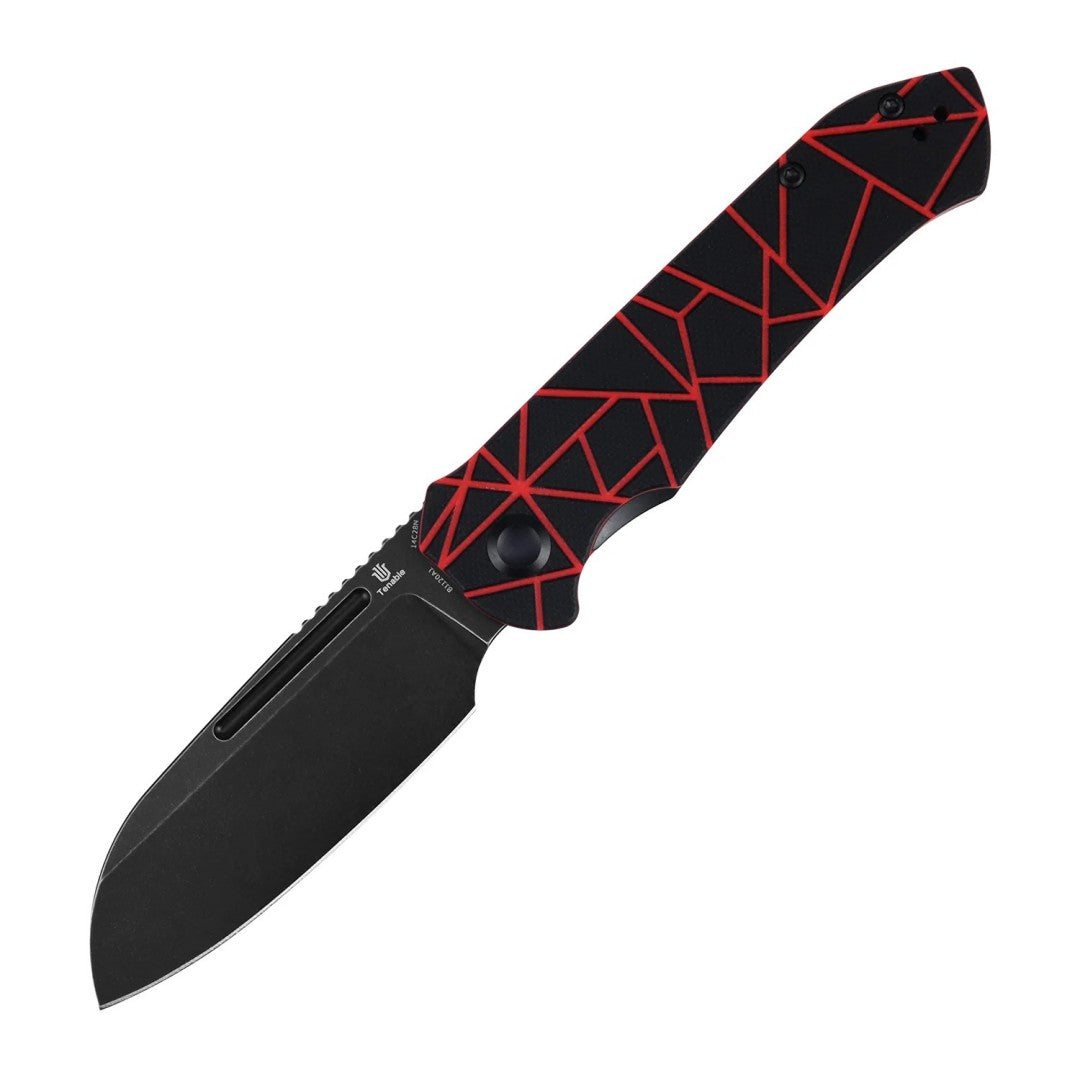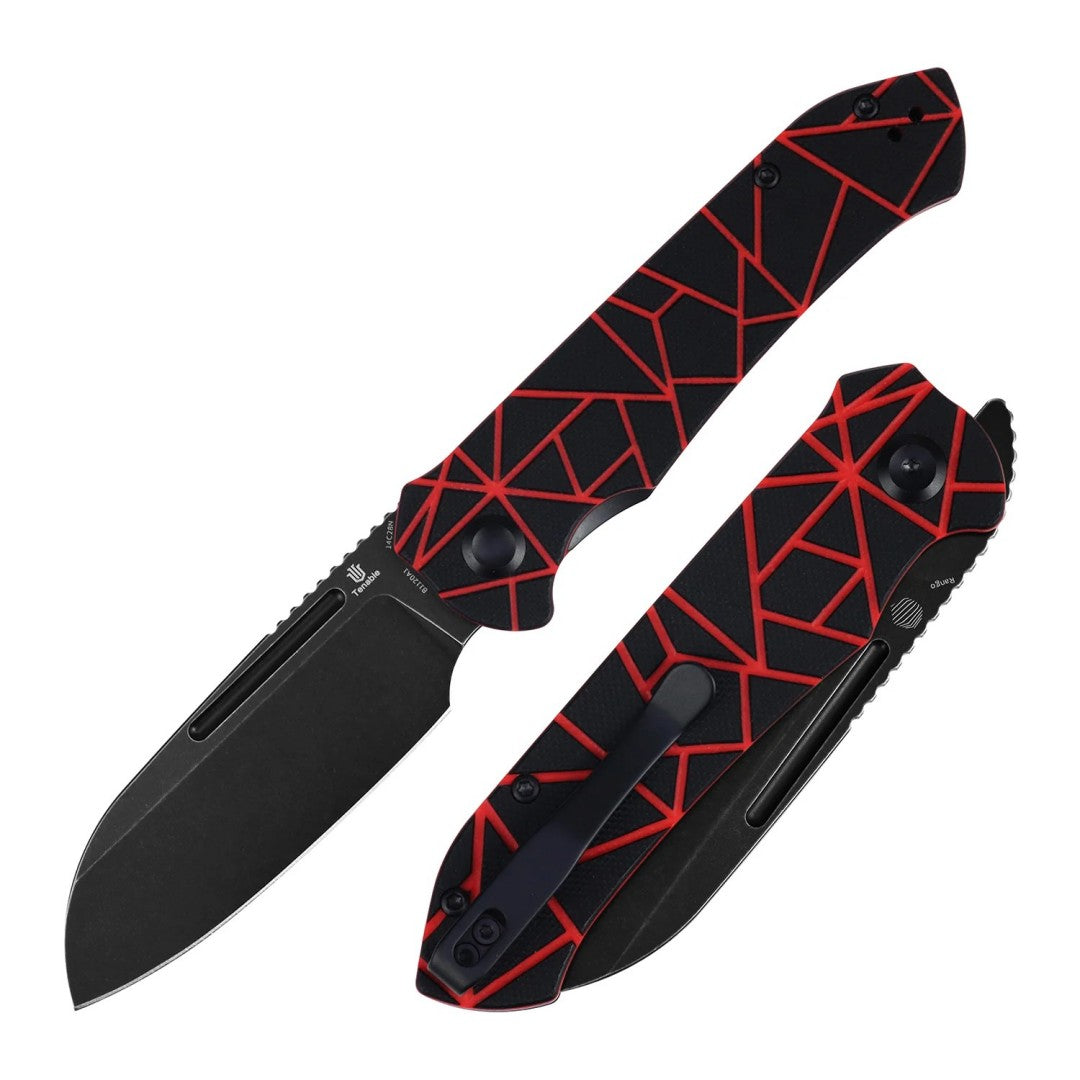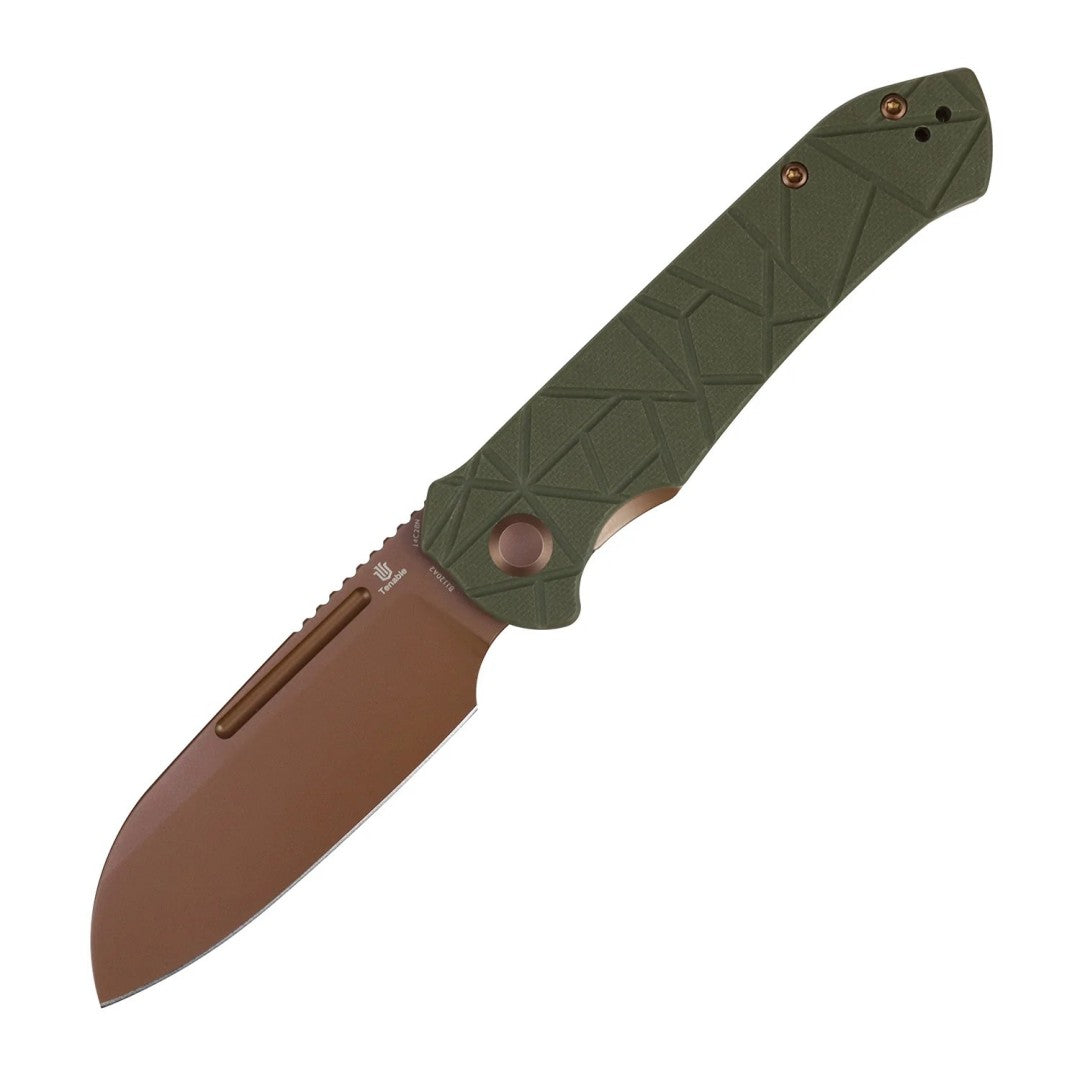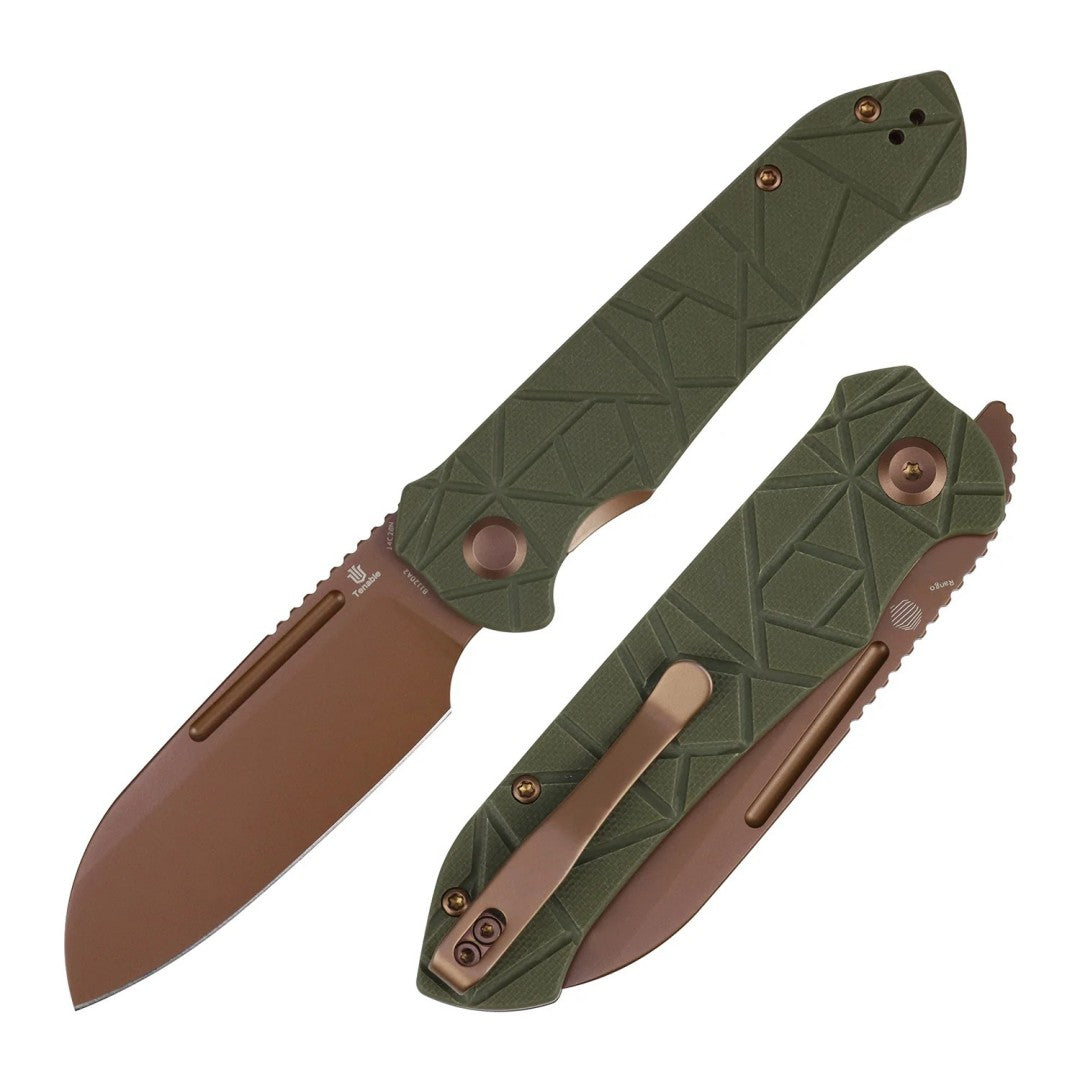
Selecting between high-performance mono-steels and pattern-welded Damascus often presents a fundamental choice between raw cutting efficiency and visual artistry. Designed by custom knifemaker Dirk Pinkerton, the practical modified Wharncliffe profile from Kansept serves as a versatile chassis for both metallurgical philosophies. While base models built with budget alloys like 154CM excel as everyday workhorses, comparing Uddeholm Elmax super steel against decorative Damascus on the Kansept Main Street platform highlights distinct functional trade-offs for enthusiasts and collectors alike.
Metallurgical Composition and Manufacturing Processes
Understanding how these two blade options are produced reveals why they behave differently during daily utility tasks and long-term ownership.
Uddeholm Elmax Powder Metallurgy
Swedish Elmax is a third-generation powder metallurgy stainless steel engineered specifically for maximum wear resistance, high compressive strength, and exceptional corrosion immunity. The powder atomization process prevents carbide segregation, creating a microscopic structure packed with hard vanadium and chromium carbides. This microscopic uniformity eliminates structural weak points, providing a homogenous matrix that supports razor-sharp bevels under heavy cutting stress.
Pattern-Welded Damascus Artistry
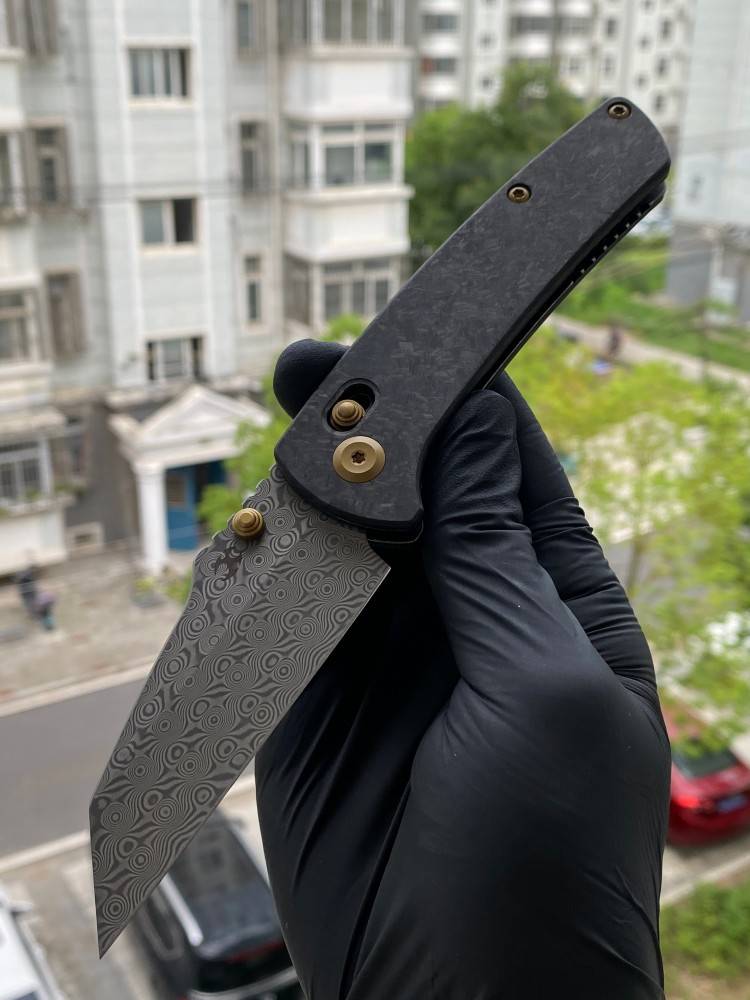
Damascus steel is created by forge-welding alternating layers of two or more distinct steel alloys—often high-contrast stainless steels like 9Cr18MoV and 10Cr15CoMoV. After repeated folding, forging, and acid etching, the different nickel and carbon contents react to reveal striking organic wave or ladder patterns. While modern stainless Damascus provides solid utility, its primary focus remains aesthetic beauty and handcrafted visual appeal rather than ultimate cutting longevity.
Technical Specifications and Hardware Architecture
Examining the core hardware attributes and performance ratings demonstrates how these two flagship variants are tailored for different user profiles.
| Specification / Attribute | Uddeholm Elmax Flagship Edition | Pattern-Welded Damascus Edition |
| Metallurgy Category | 3rd-Gen Powder Stainless Super Steel | Layered Pattern-Welded Stainless Steel |
| Primary Performance Focus | Extreme Edge Longevity & Abrasive Wear | Visual Artistry & Collector Appeal |
| Hardness Rating | 60–62 HRC | 58–60 HRC |
| Relative Edge Retention | Industry-Leading / High Abrasive Life | Moderate / Dependable Utility Life |
| Chipping & Impact Resistance | Exceptional Compression Strength | Moderate / Flex-Oriented Toughness |
| Locking Mechanism | Safety-Oriented Top Liner Lock | Safety-Oriented Top Liner Lock / Liner Lock |
| Standard Handle Materials | Precision CNC Anodized Aluminum / Micarta | Fine Timascus / Raffir / Premium Micarta |
| Target User Profile | Hard-Working EDC & Performance Enthusiast | Knife Collector & Showcase Carry |
 Real-World Cutting Dynamics: High-Performance Slicing vs. Pattern Aesthetics
Deploying both blade variants across daily cutting chores highlights the practical trade-offs between pure performance and visual elegance.
Edge Retention and Abrasive Resistance
When breaking down heavy corrugated cardboard boxes, cutting fibrous rope, or trimming dense plastics, Elmax holds a dramatic advantage in edge retention. Its high concentration of vanadium carbides allows the fine cutting apex to resist abrasive dulling up to three times longer than layered stainless alloys. Damascus performs admirably for routine tasks like opening mail or light packaging, but its cutting edge requires more frequent stropping or sharpening to maintain a shaving-sharp apex.
Maintenance and Corrosion Behavior
Both options utilize stainless chemistries that resist rust in everyday environments. However, maintaining the blade finish requires different care. Elmax features a durable satin or stonewashed surface that hides scuffs and scratches from heavy use. Damascus relies on its etched surface contrast; over years of heavy abrasive slicing or contact with acidic materials, the etched contrast can gradually wear down, requiring specialized repolishing or re-etching to restore its original visual pop.
Mechanical Safety and Handle Integration
To match these premium blade offerings, the Kansept Main Street platform incorporates refined mechanical architecture that enhances user safety and deployment smoothless.
Instead of traditional side mechanisms like a titanium Frame Lock or standard liner spring, high-end variants utilize an innovative Top Liner Lock. Located along the spine of the handle scale, the release tab allows users to unlock and swing the folder closed without ever placing fingers in the blade path.
Pairing this mechanism with caged ceramic ball bearings and dual thumb studs delivers snappy, fluid deployment. Handle scales on the Elmax model showcase rigid CNC-machined aluminum with functional texture grooves, whereas Damascus variants often feature exotic handle overlays like colorful Micarta, carbon fiber, or titanium accents that highlight the knife's custom-inspired lineage.
 Final Recommendation: Performance Steel or Collector Pattern?
Choosing between these two exceptional iterations of Dirk Pinkerton's Wharncliffe design comes down to how you plan to carry and use your folder:
-
Select the Damascus Model if: You want a visually captivating, conversation-starting pocket knife that combines traditional artistic craftsmanship with reliable daily utility for lighter tasks.
-
Select the Elmax Model if: You demand uncompromised cutting performance, maximum edge retention during heavy abrasive slicing, and a hard-use super steel built for rigorous daily work.
Both options celebrate functional design and modern manufacturing, ensuring your knife remains a proud, highly capable addition to any pocket carry collection.