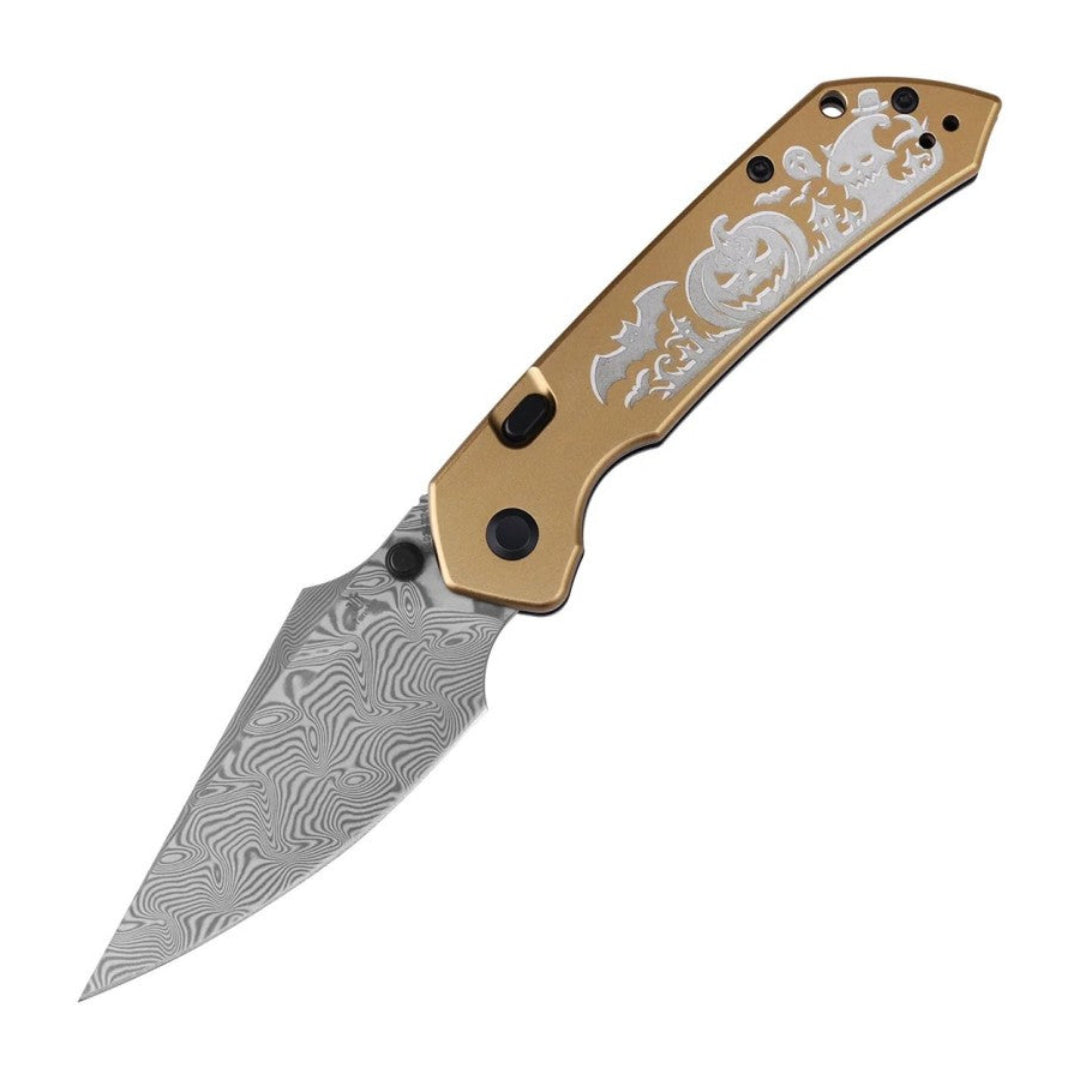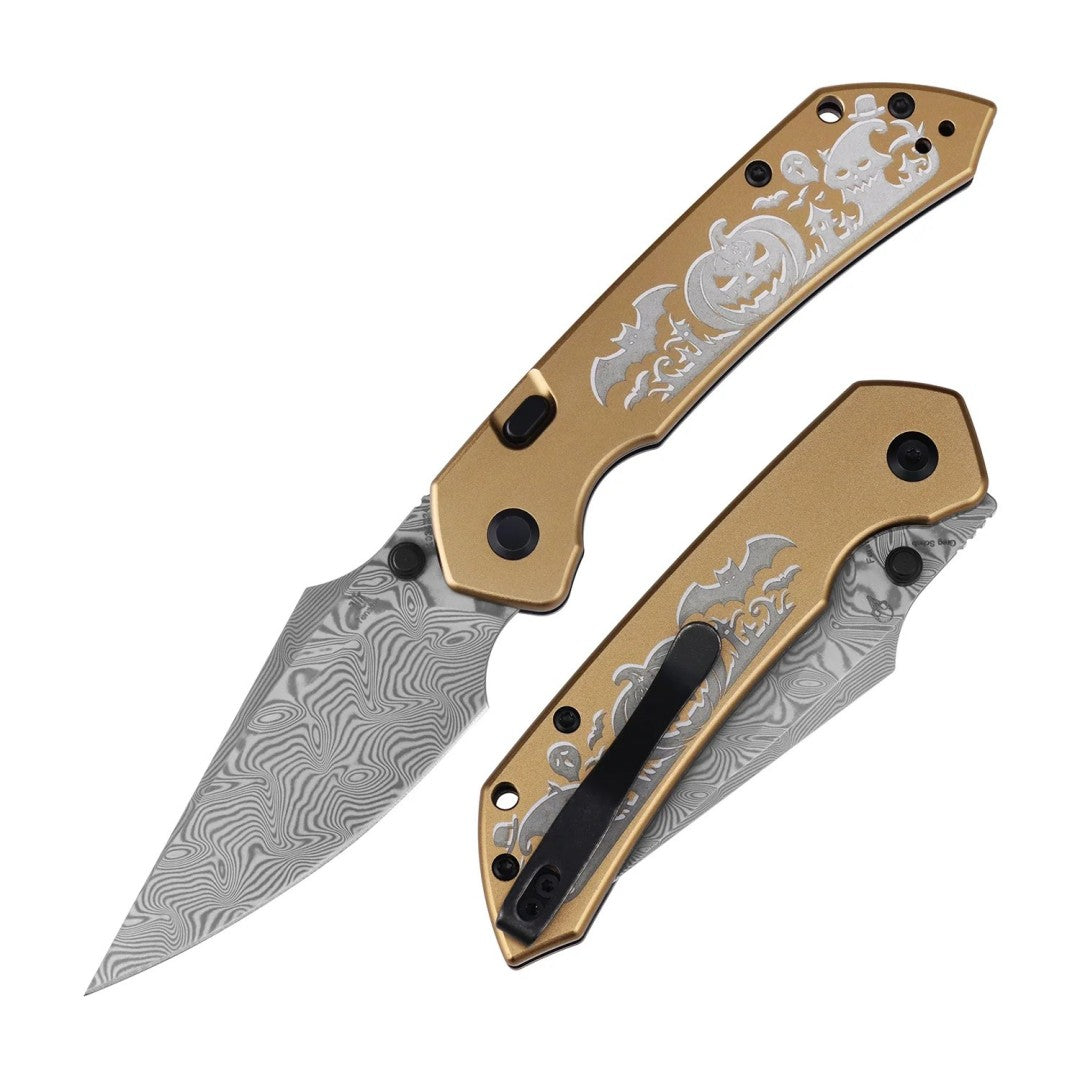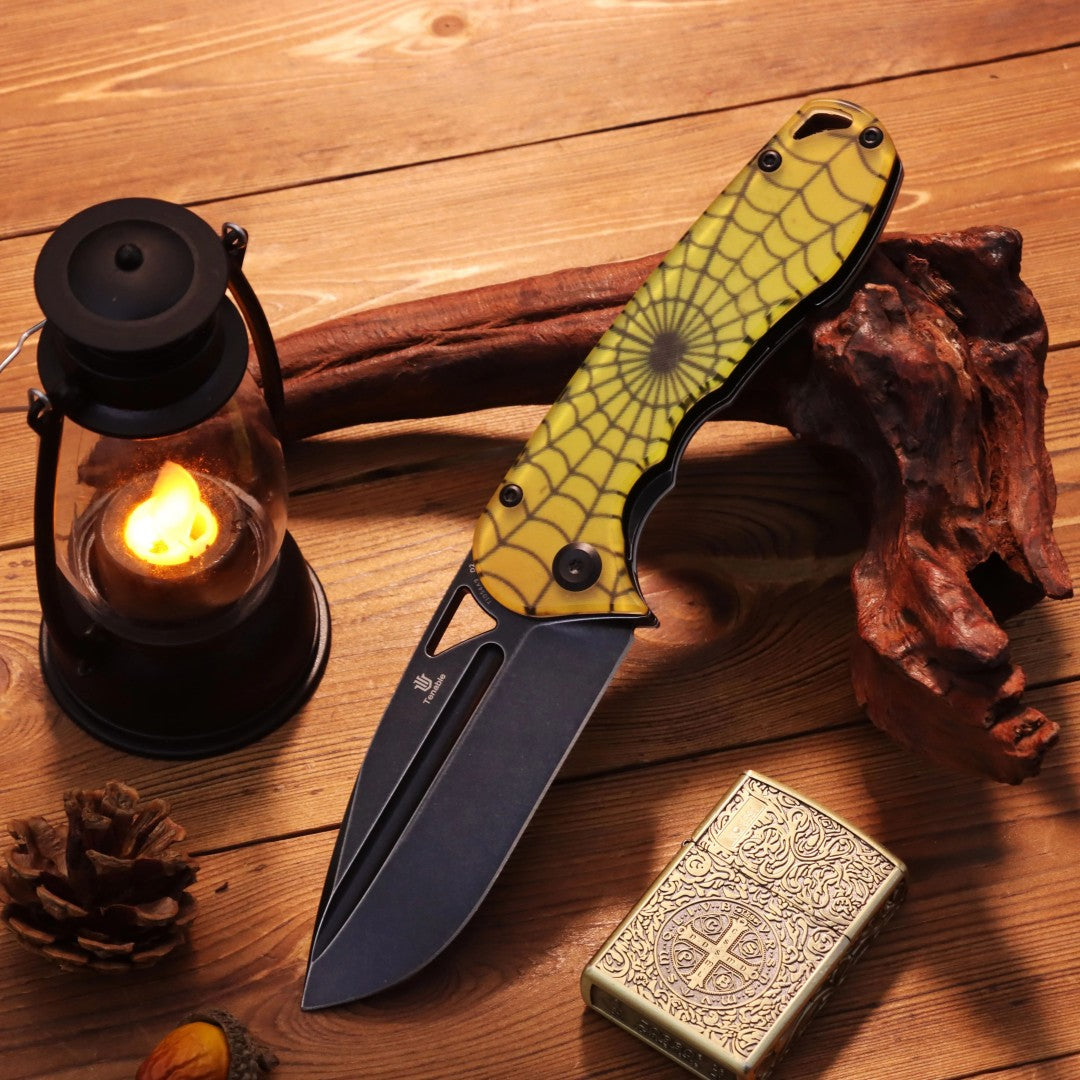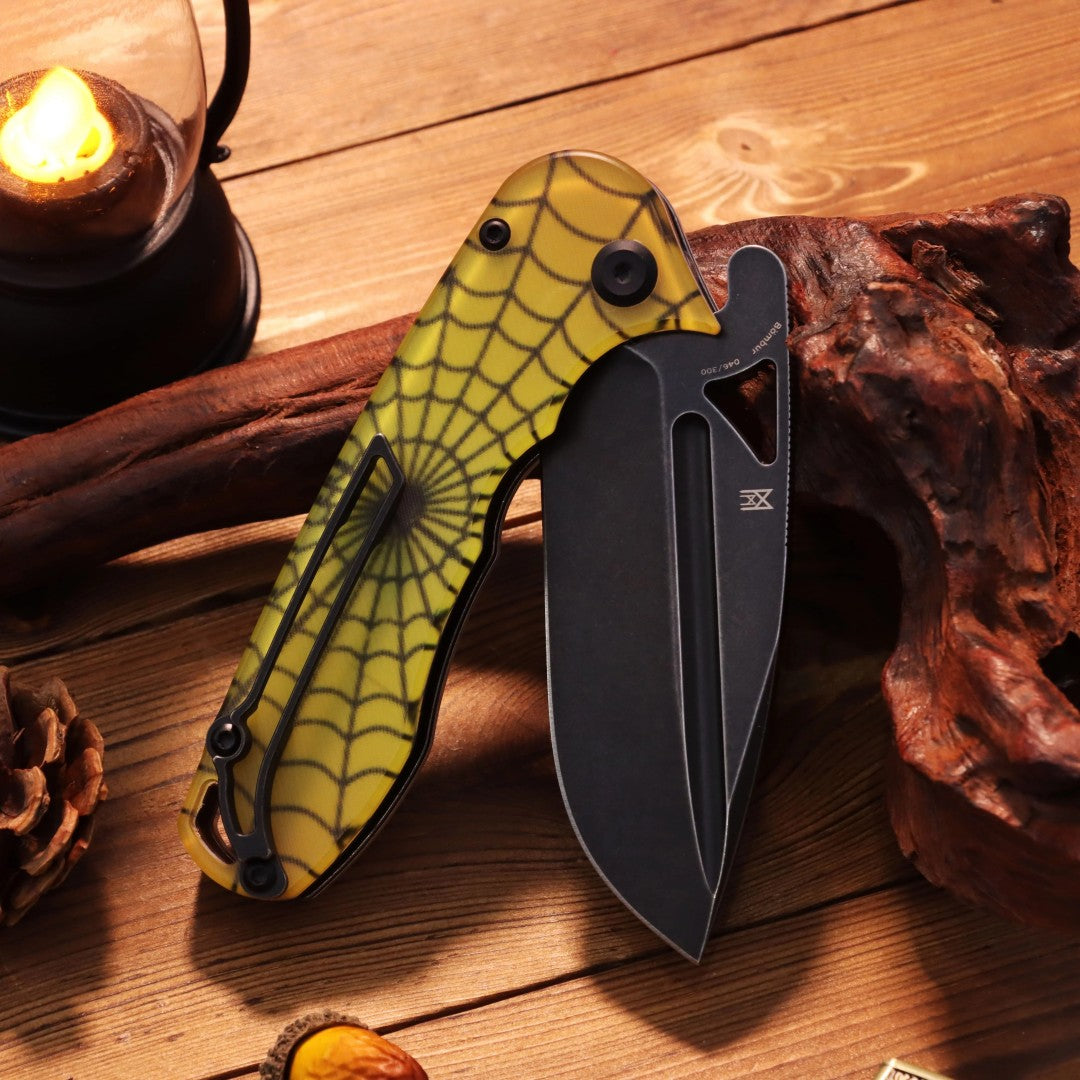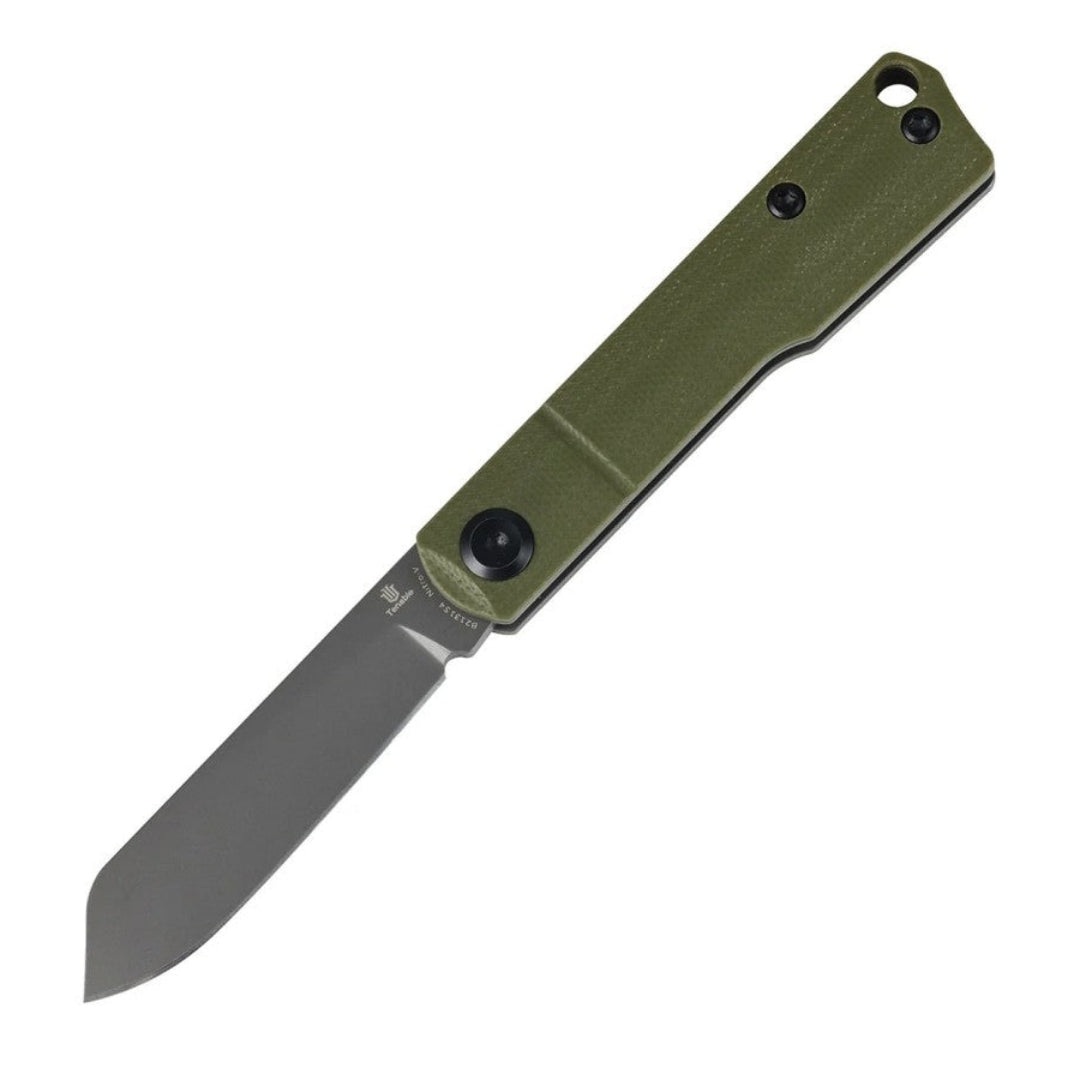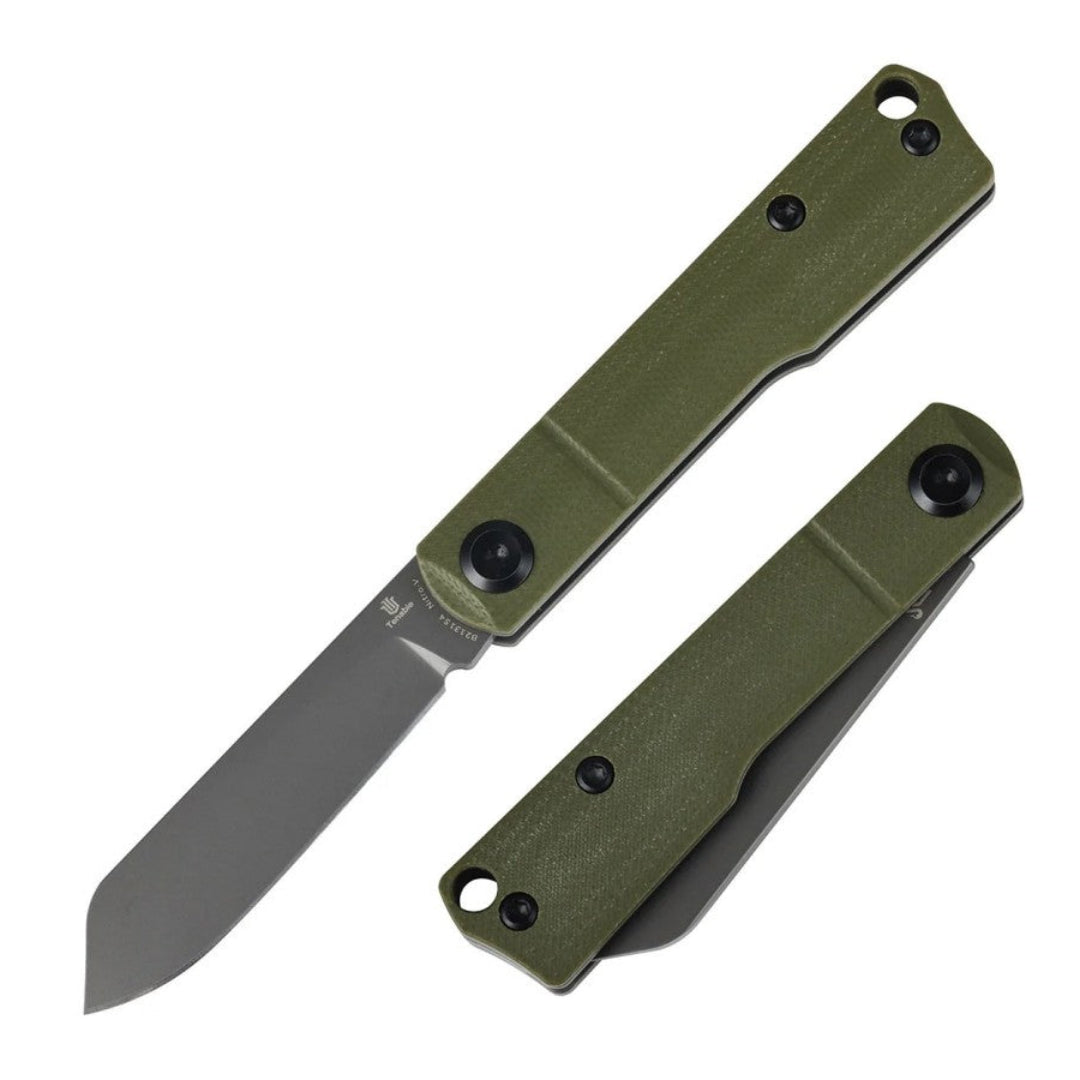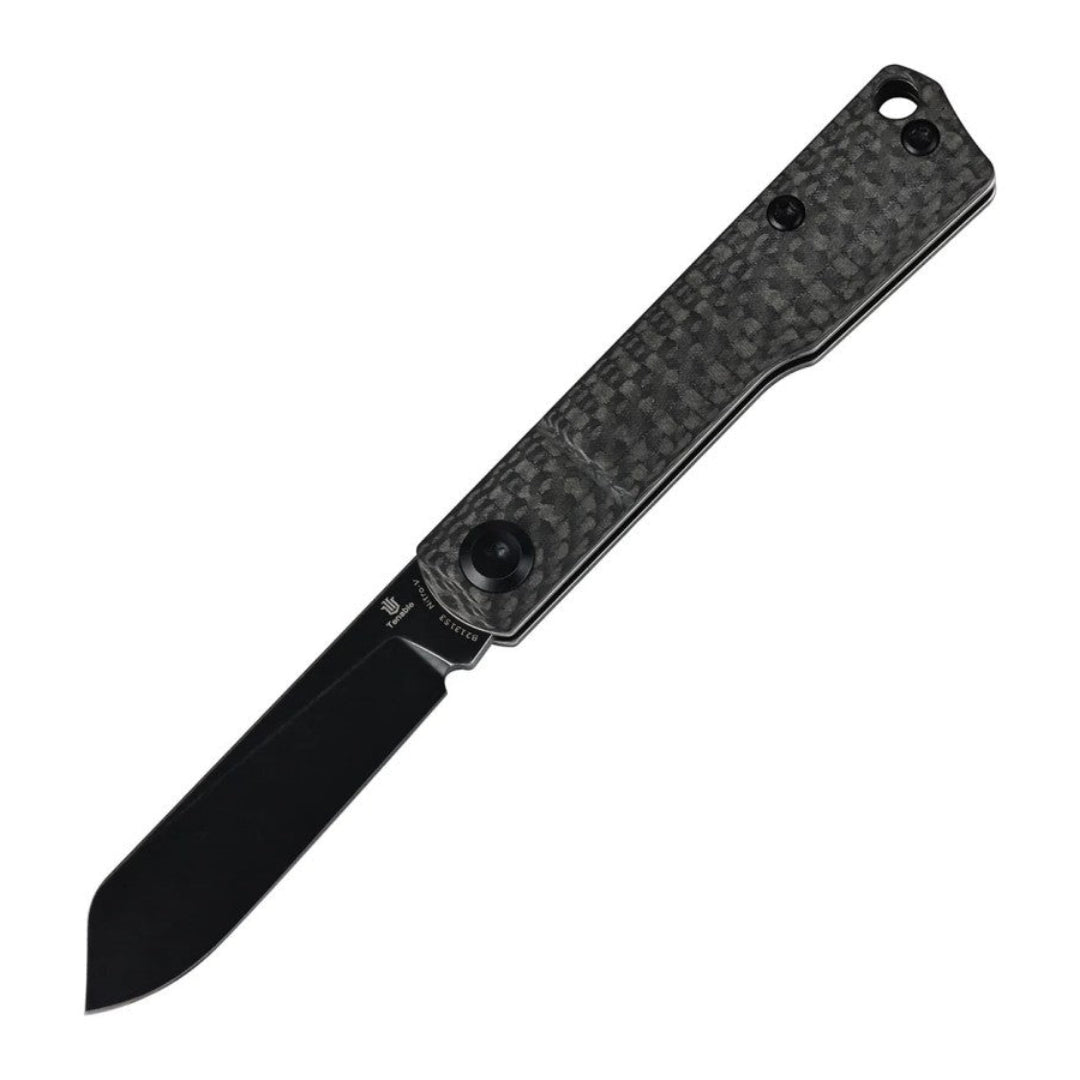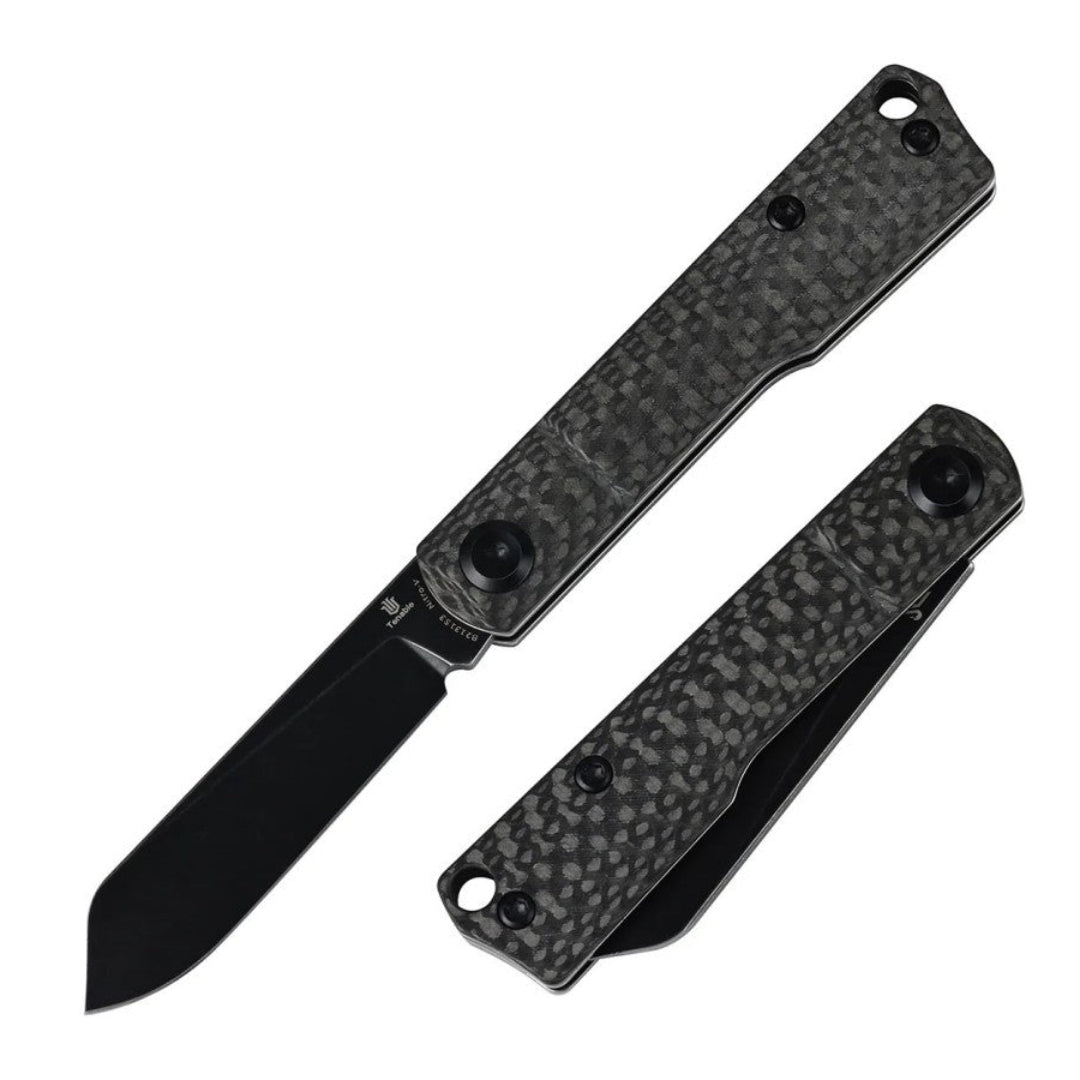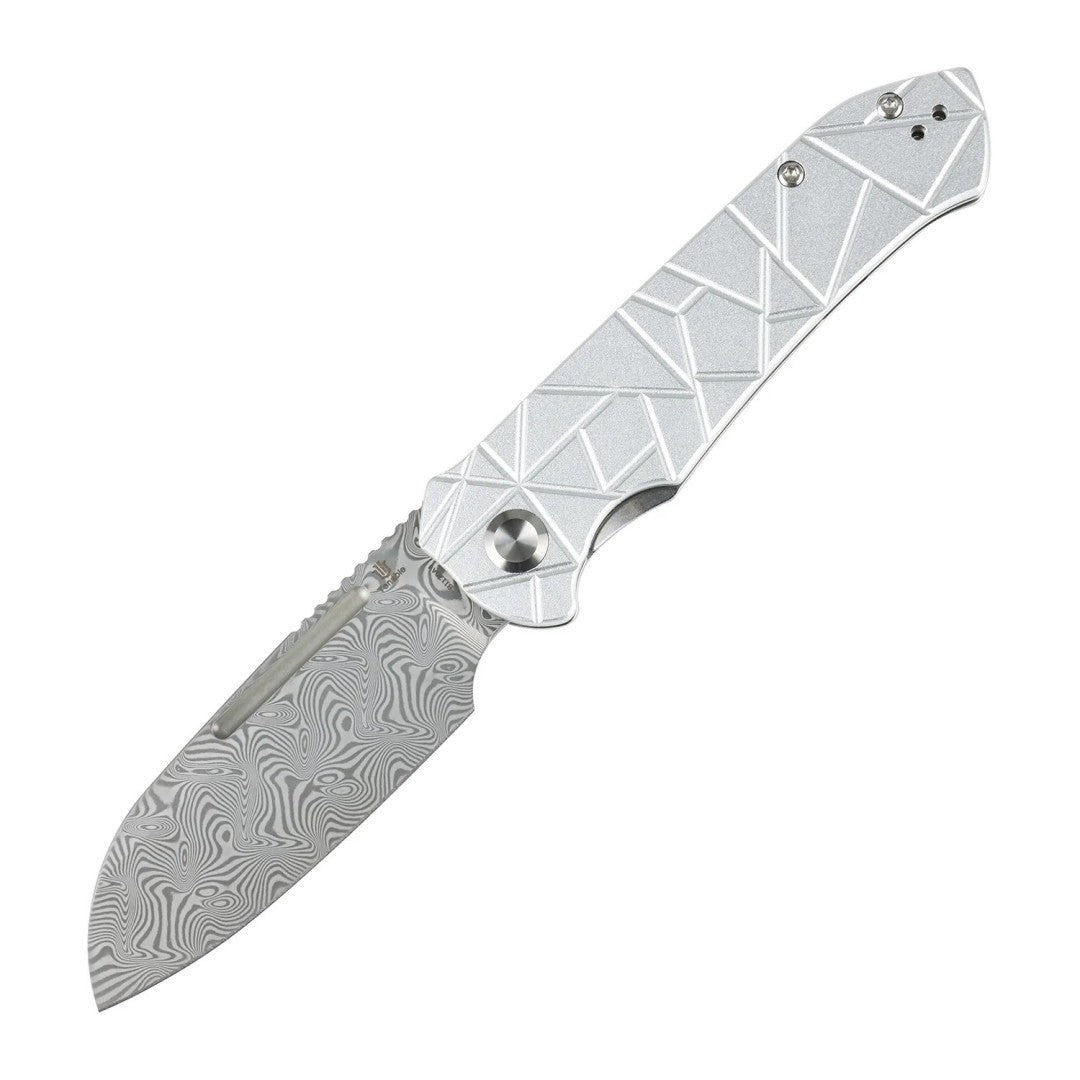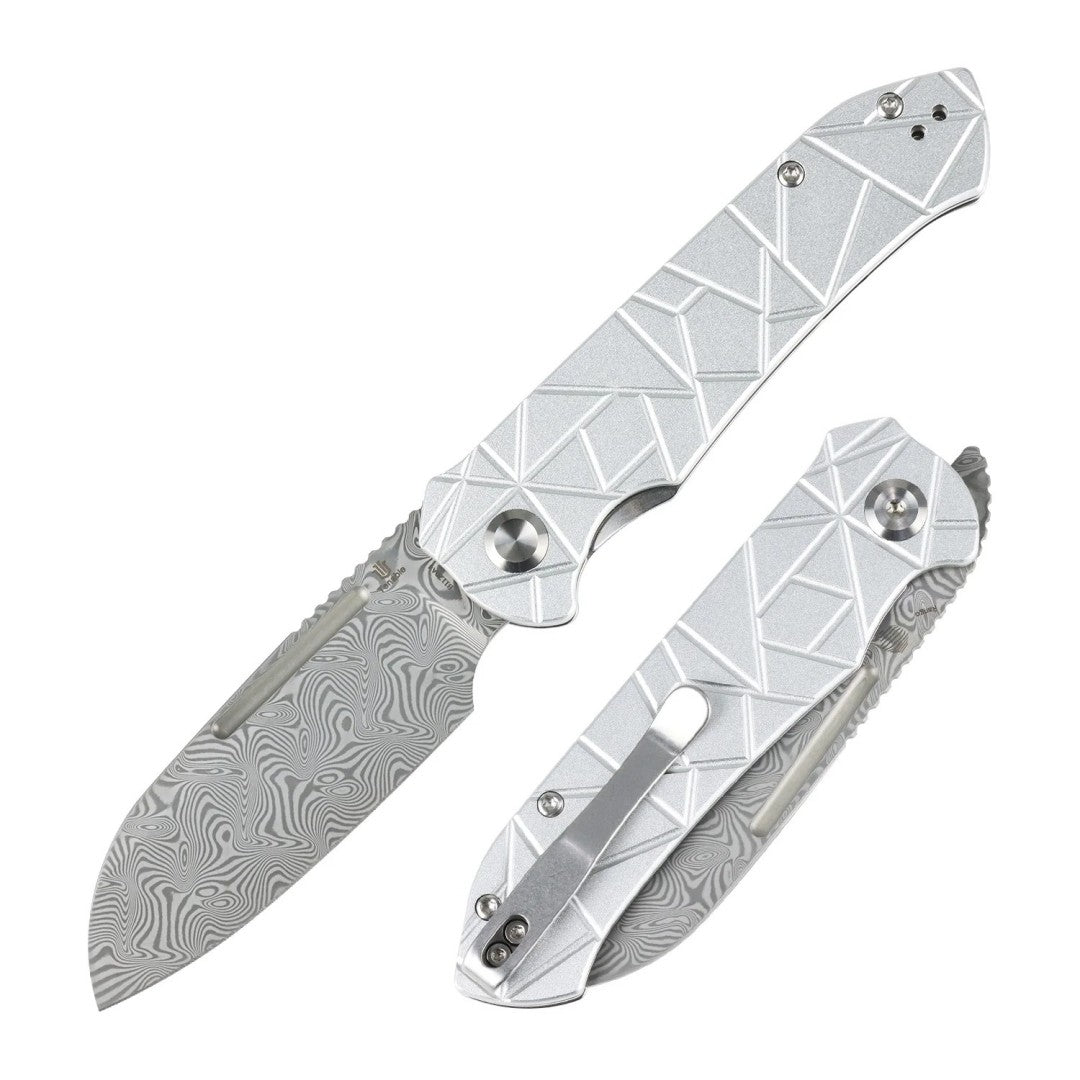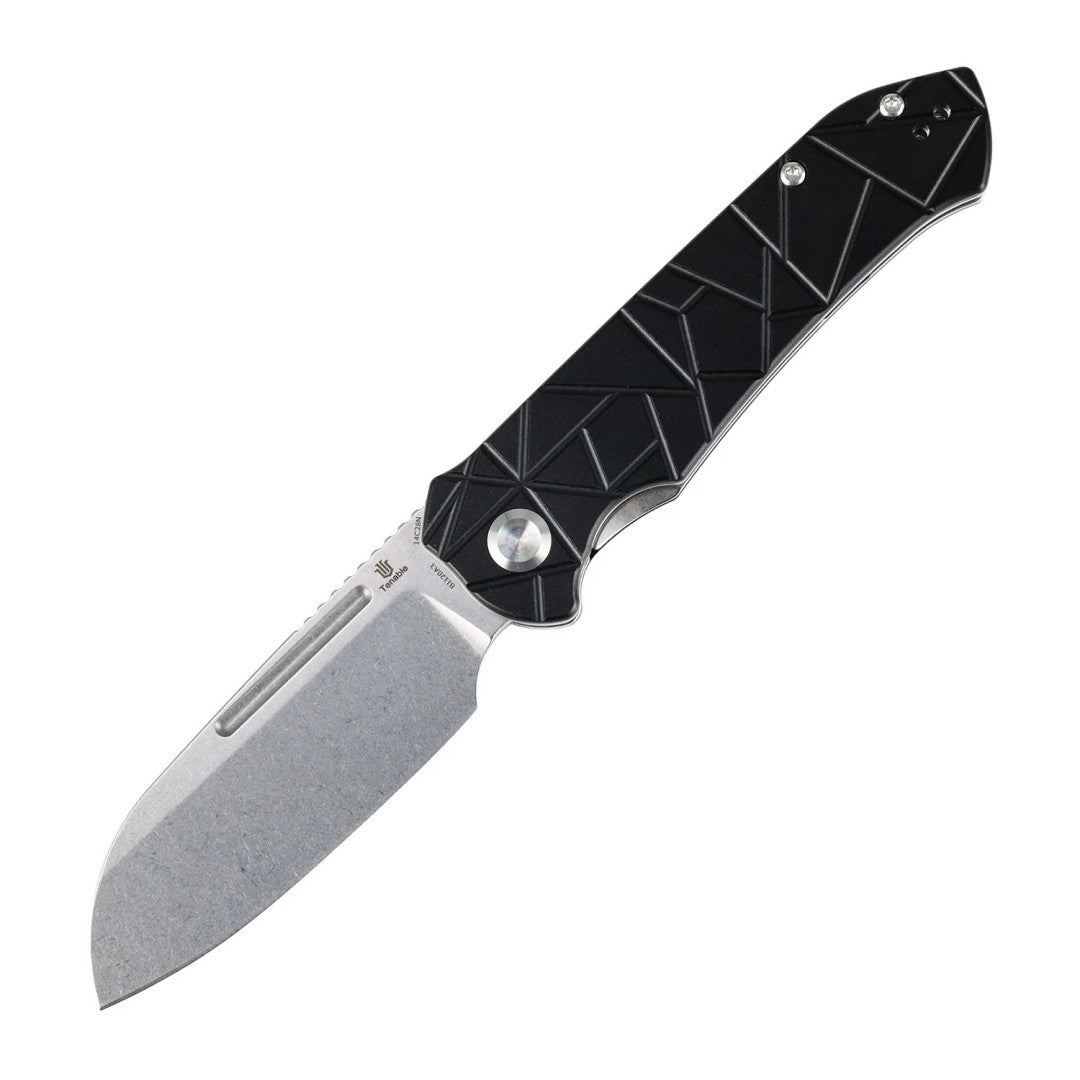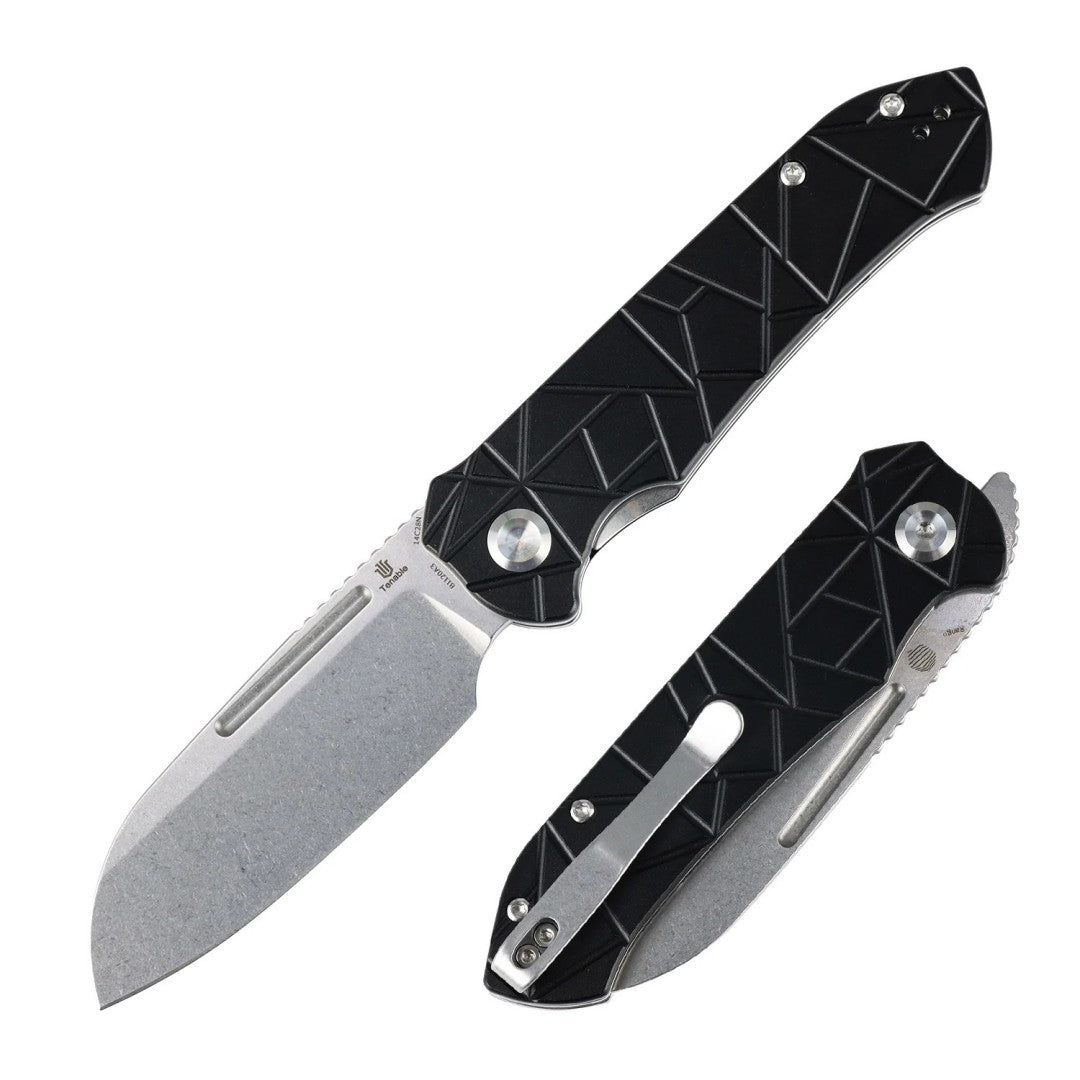

For knife collectors and functional gear enthusiasts, selecting a blade steel often comes down to choosing between raw modern utility and classic visual artistry. However, high-end forge-welded steel bridges this gap remarkably well. The Kansept Mini Lanza edition crafted in pattern-welded Damascus proves that a visually stunning folder can also serve as an exceptionally capable cutting tool.
Designed by custom knife maker Brandon Corbin, this folding knife pairs an artistic blade with a refined Nested Liner Lock mechanism and premium titanium handles. Below is a comprehensive guide examining the real-world performance, unique aesthetics, and care requirements for this standout addition to your daily EDC lineup from Kansept.
 Performance and Visual Feature Summary
| Feature Category | Technical Execution | Performance & Visual Benefit |
| Blade Geometry | 3.19" Drop Point with Flat Grind | Optimal slicing efficiency and acute tip control |
| Surface Finish | Acid-Etched Contrast Layers | Unique organic swirling patterns on every blade |
| Cutting Action | Layer-Boundary Micro-Serrations | Aggressive biting cut on fibrous ropes and cardboard |
| Handle Pairing | Tiger Strip Anodized Titanium | Complements dark etched steel lines with warm hues |
| Pivot Mechanics | Ceramic Ball-Bearing System | Silky smooth thumb-stud deployment |
The Aesthetics: Unique Artistry in Every Blade
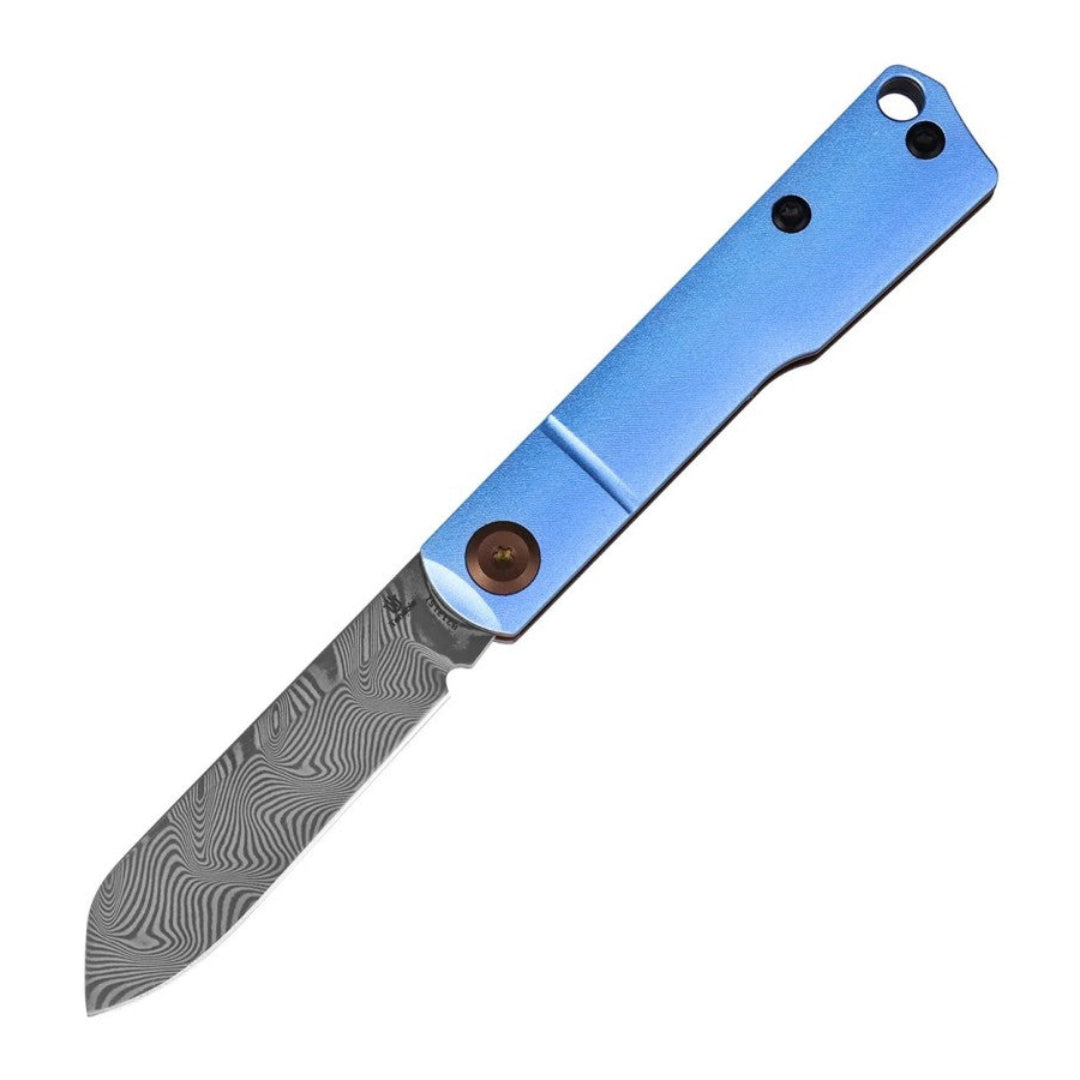
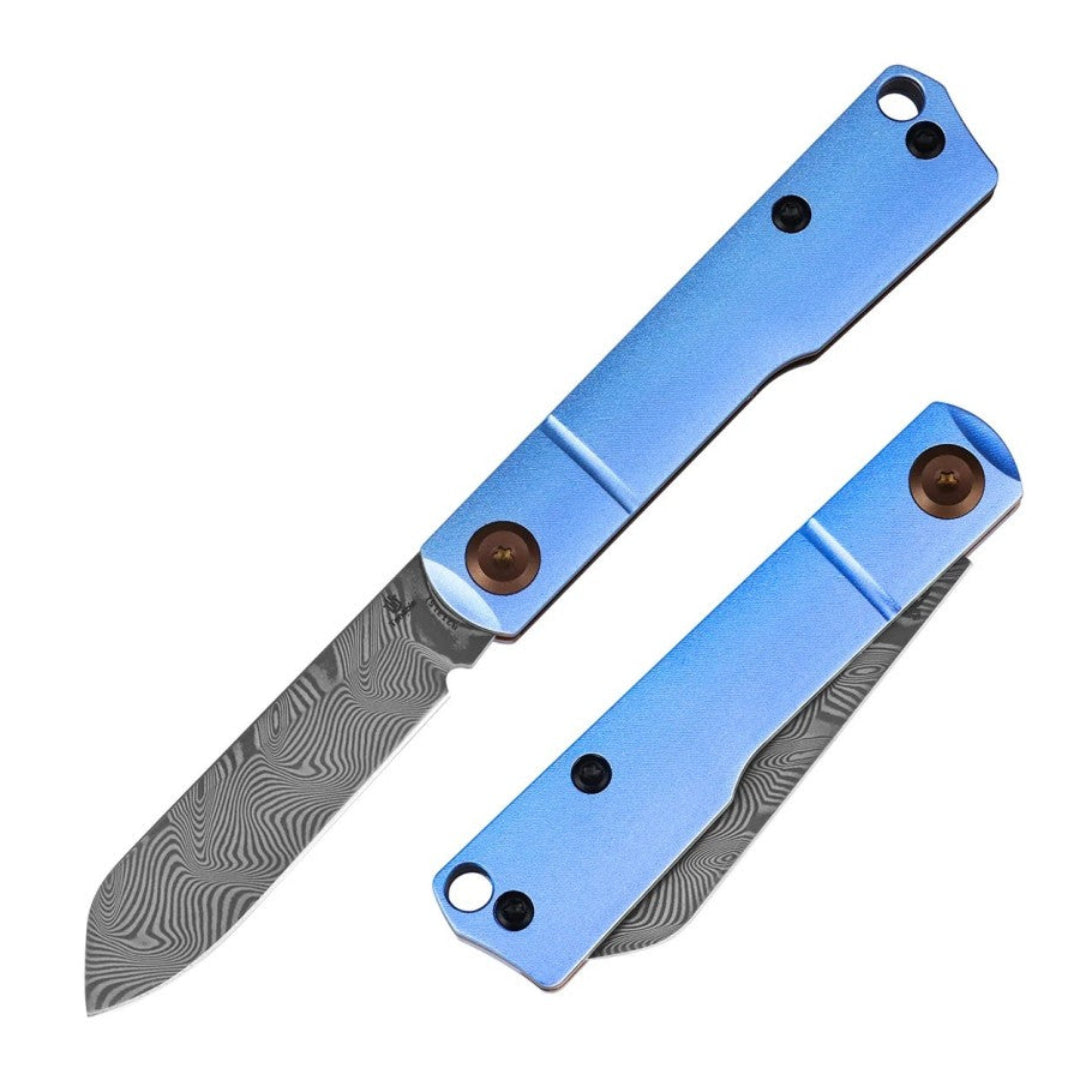
Unlike uniform powder metallurgy alloys like CPM-20CV, Damascus steel is produced by folding and forge-welding alternating layers of high-carbon steel alloys together. After precision grinding, the blade undergoes a specialized acid-etching bath.
Because different steel alloys react differently to the acid bath, one alloy darkens while the other remains bright nickel-silver. This process reveals intricate, organic swirls across the flat-ground drop point profile. Because no two billets fold in the exact same pattern, every single knife carries its own unique visual signature.
 Real-World Cutting Performance
Beyond its striking looks, Damascus steel delivers impressive cutting dynamics for daily tasks.
-
Micro-Slicing Bite: The etched layer boundaries create microscopic serrations along the refined cutting edge. This microscopic teeth structure allows the blade to bite eagerly into tough, slippery, or fibrous materials like nylon webbing and thick cardboard.
-
Balanced Toughness: The layered composition provides a natural mechanical flexibility that absorbs shock during heavy push cuts, preventing brittle chipping along the spine.
-
Versatile Drop Point Profile: The 3.19-inch blade length and flat grind geometry ensure clean pass-through cuts without wedging or dragging.
Visual Balance:
Pairing a dark, acid-etched Damascus blade with tiger-strip anodized titanium scales creates a cohesive, heirloom-quality look that transforms a practical tool into an impressive pocket centerpiece.
Preserving and Maintaining Damascus Steel
Because high-contrast Damascus contains carbon steel layers that lack the high chromium content of purely stainless alloys, proper care is essential to keep the blade looking pristine.
-
Keep it Dry: Always wipe moisture, fruit juices, or tape residue off the blade before folding it back into the handle.
-
Apply Protective Oil: Periodically wipe down the blade with a thin film of mineral oil or knife protectant to guard against atmospheric humidity and finger oils.
-
Avoid Harsh Abrasives: When cleaning or polishing, use soft microfiber cloths rather than metal polishes, which can scrub away the dark etched contrast over time.
 An Ideal Balance of Heritage and Modern Utility
The Damascus edition of this folding knife proves that pocket gear can be both a high-performing everyday carry tool and a piece of functional art. Combining custom designer ergonomics, smooth ceramic bearing action, and hand-forged visual character, it stands as a captivating choice for collectors and discerning knife users alike.