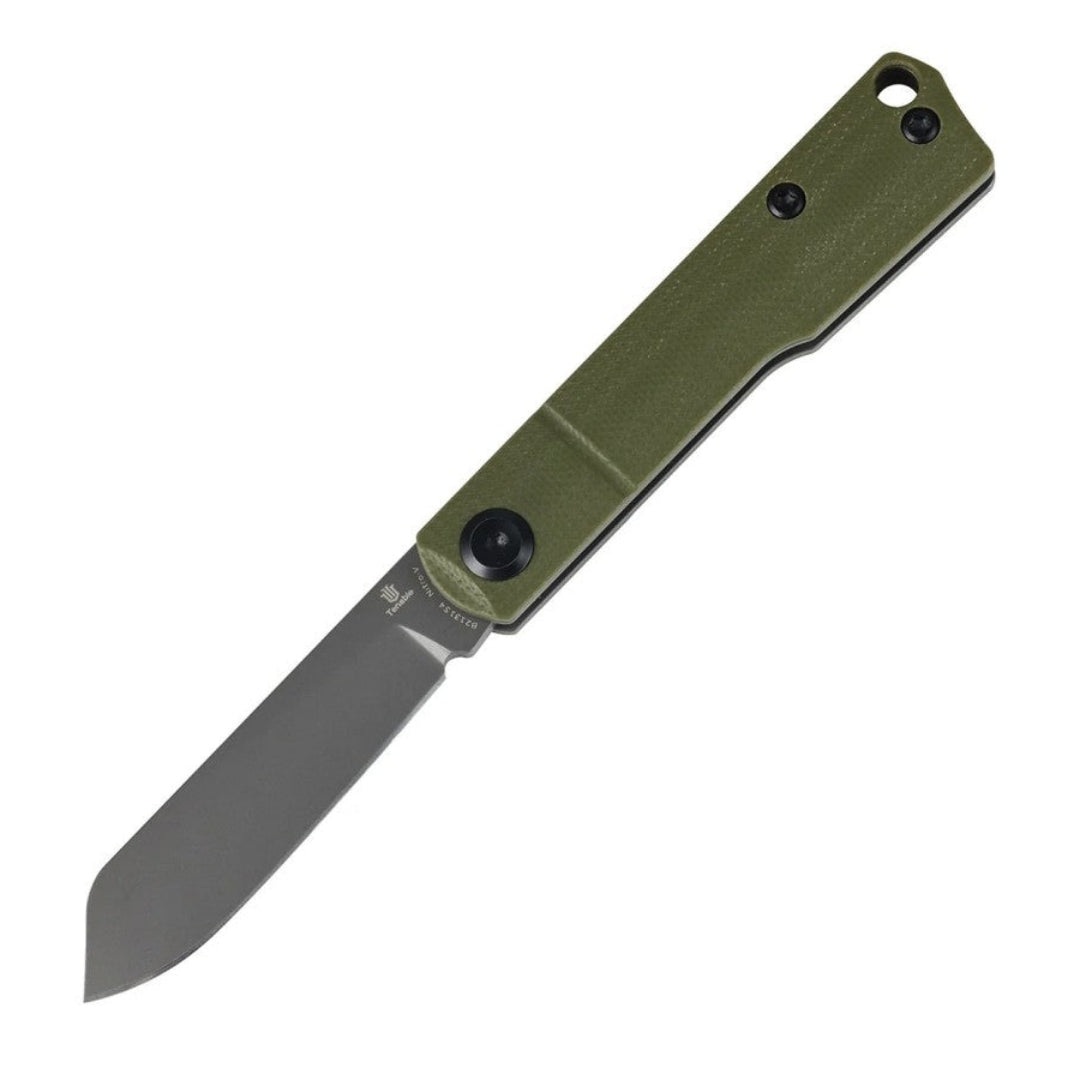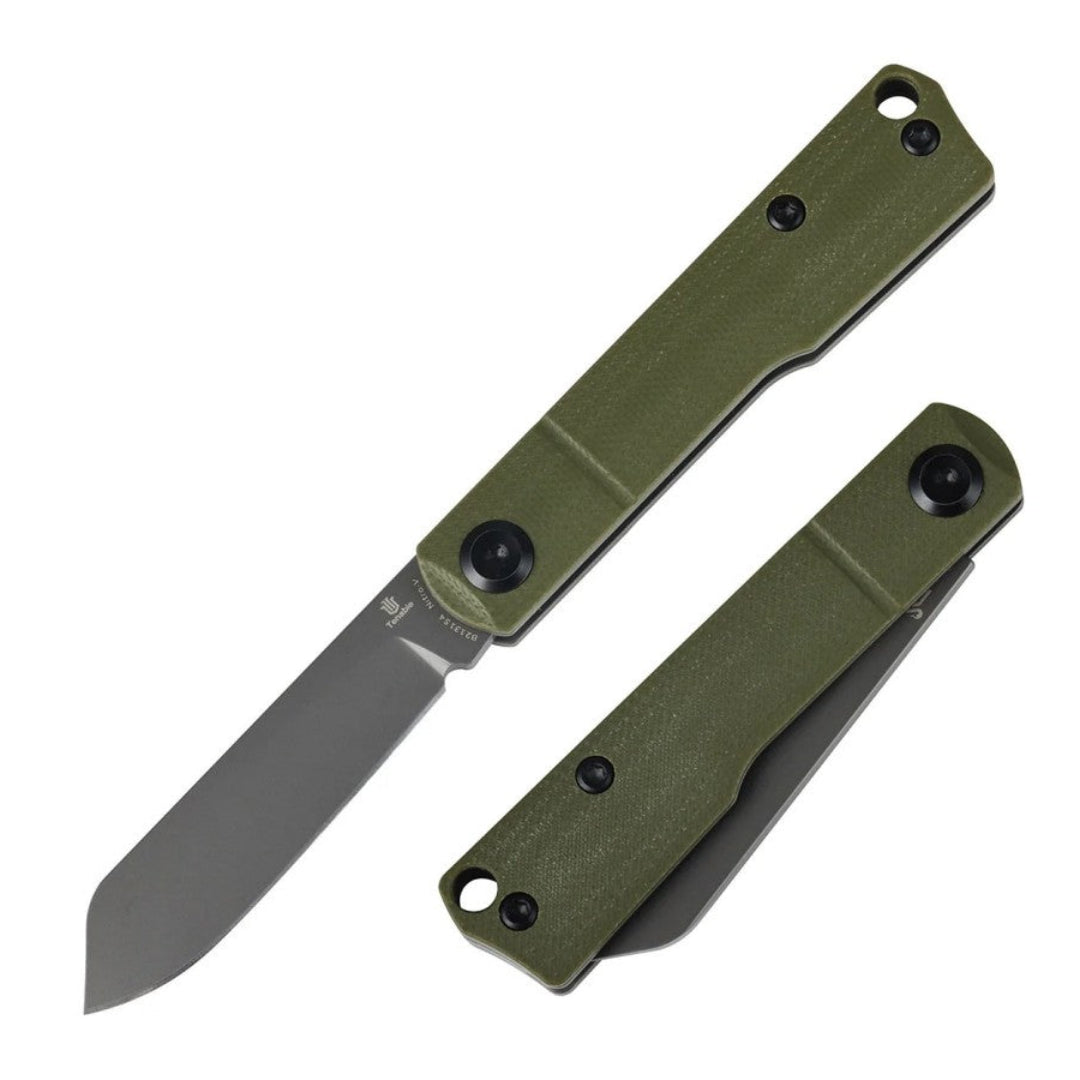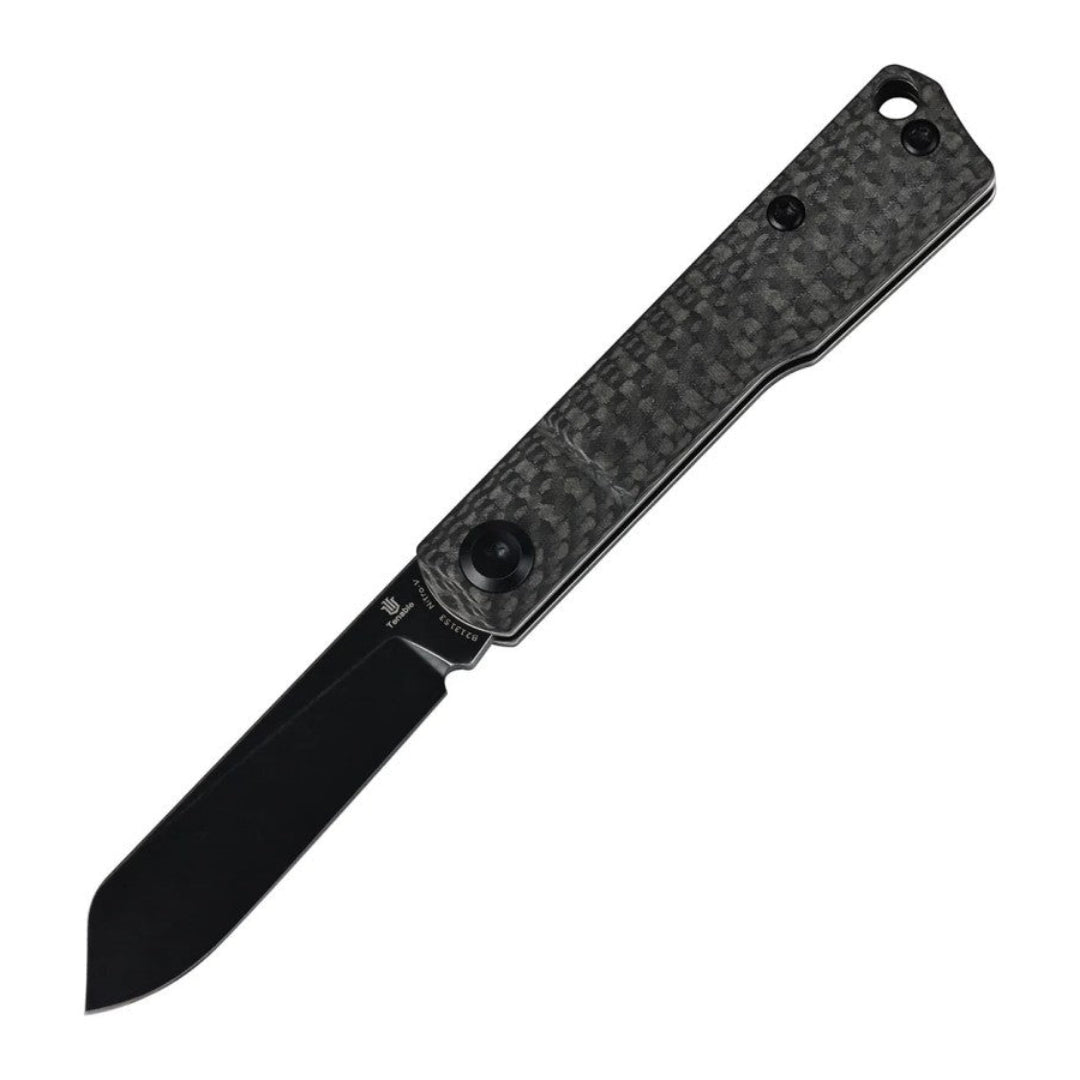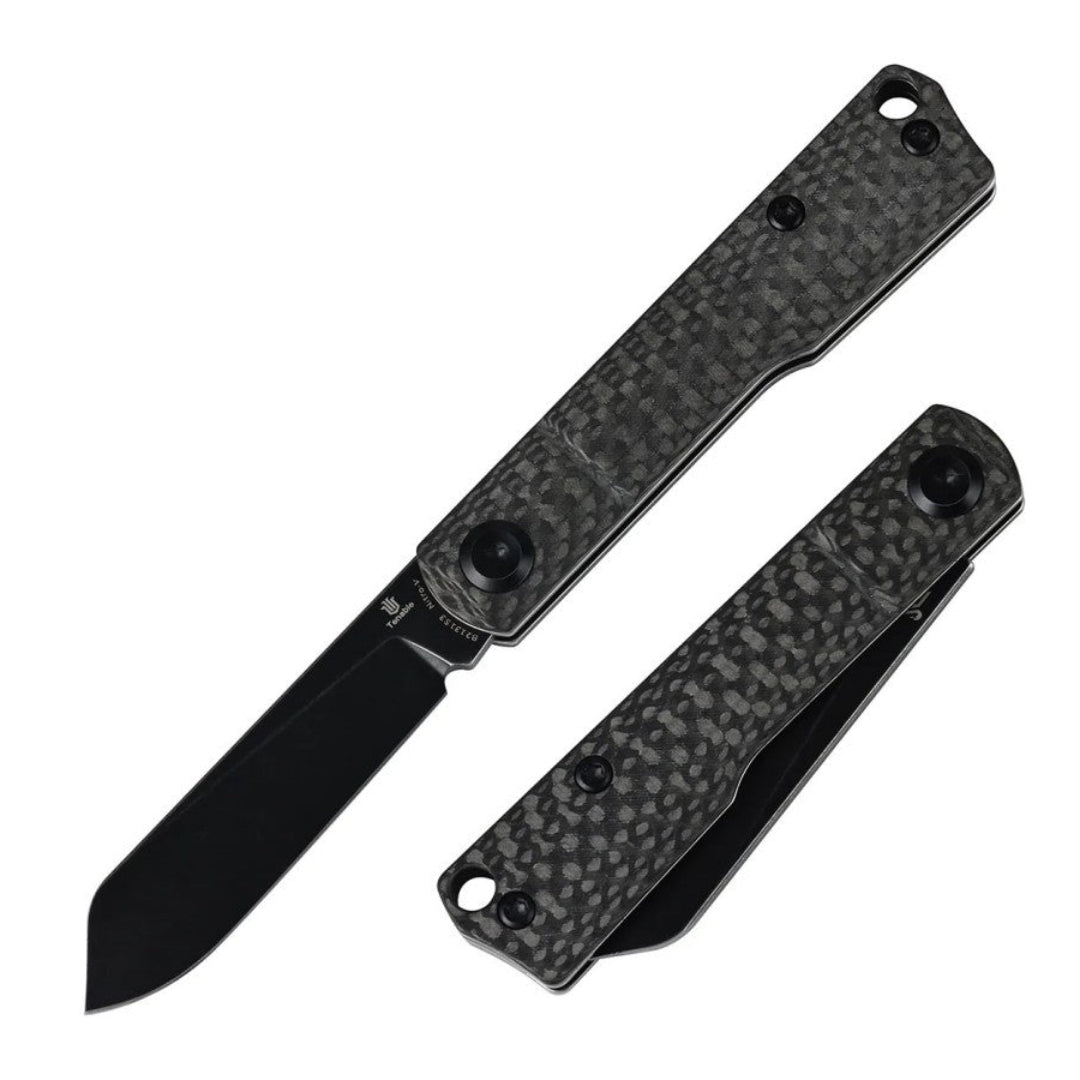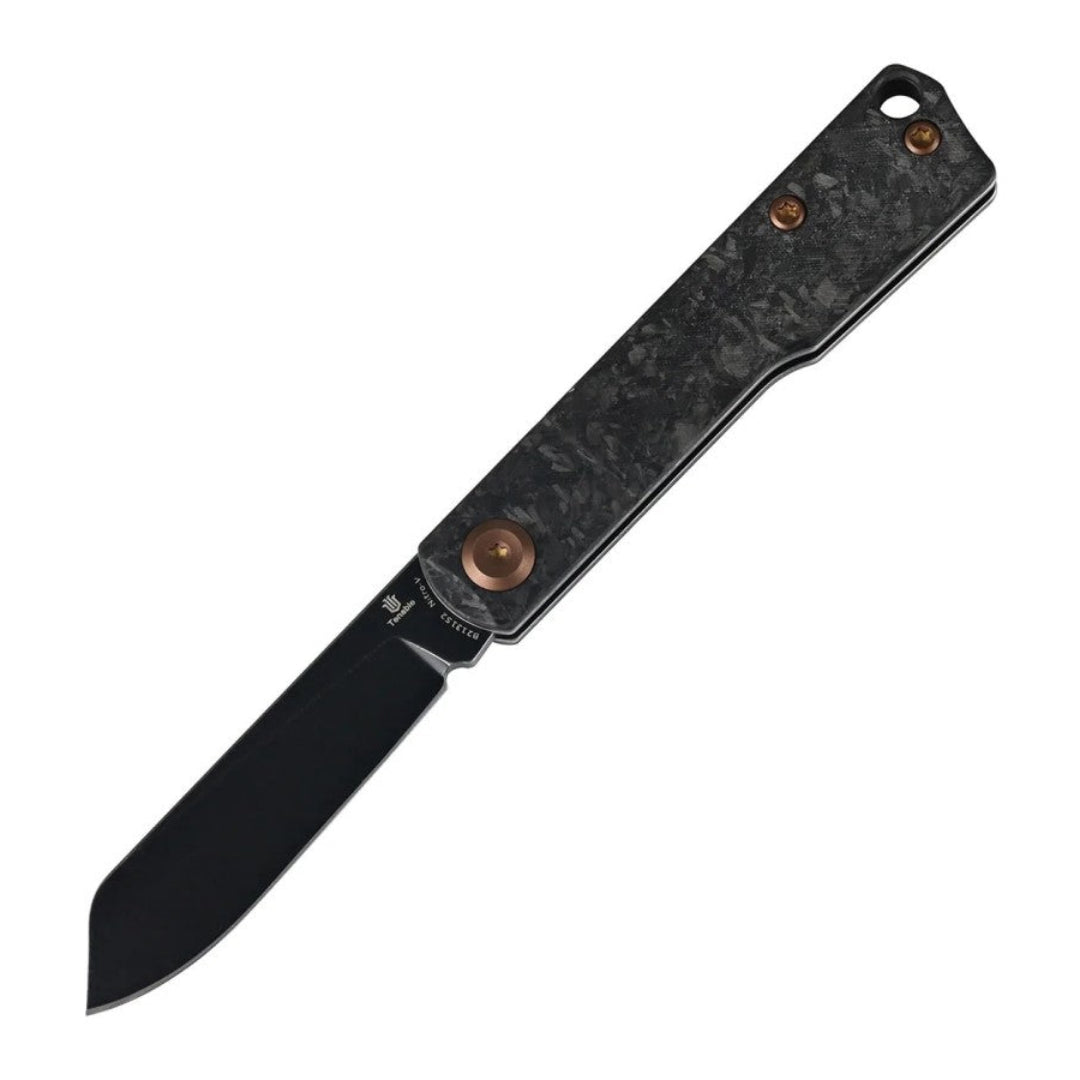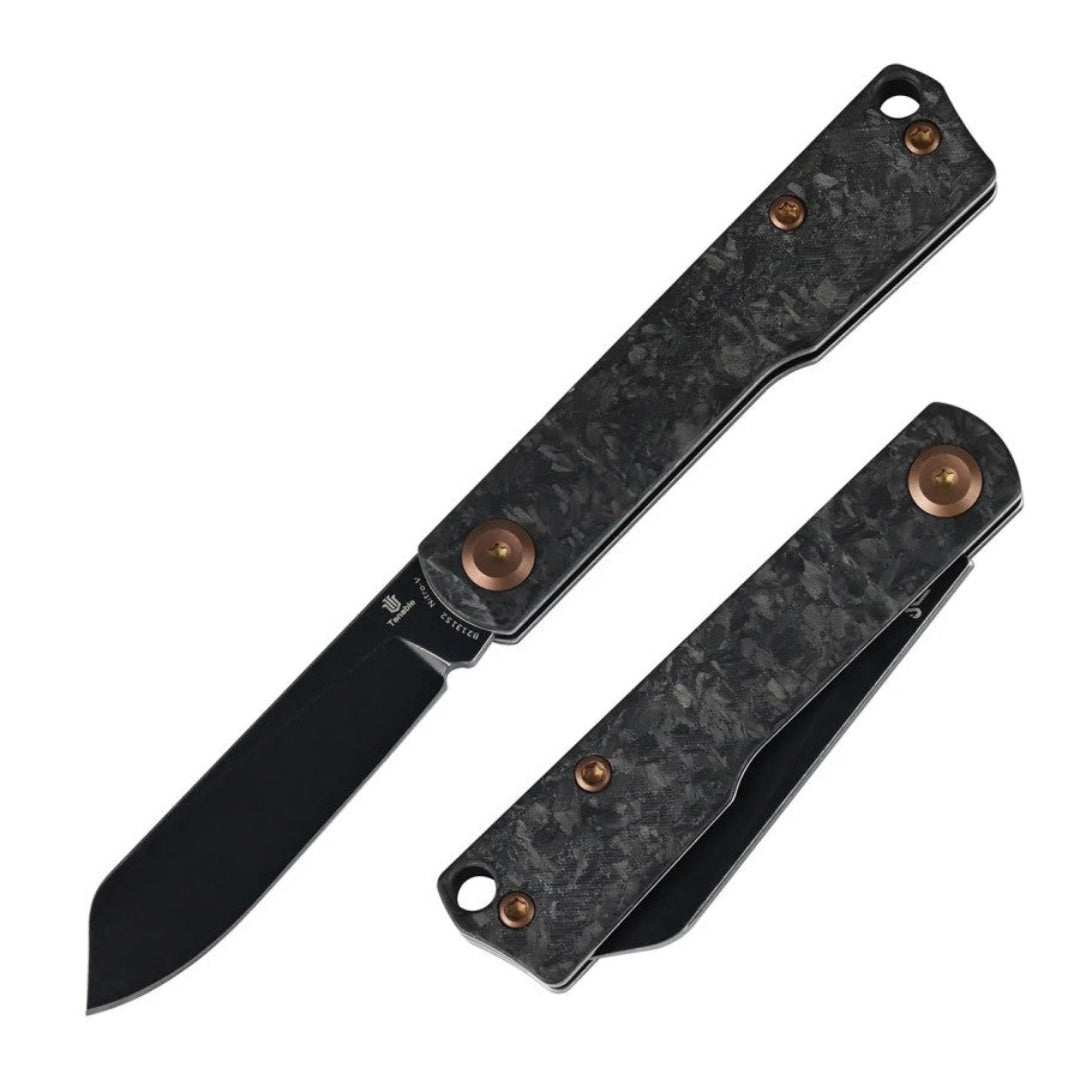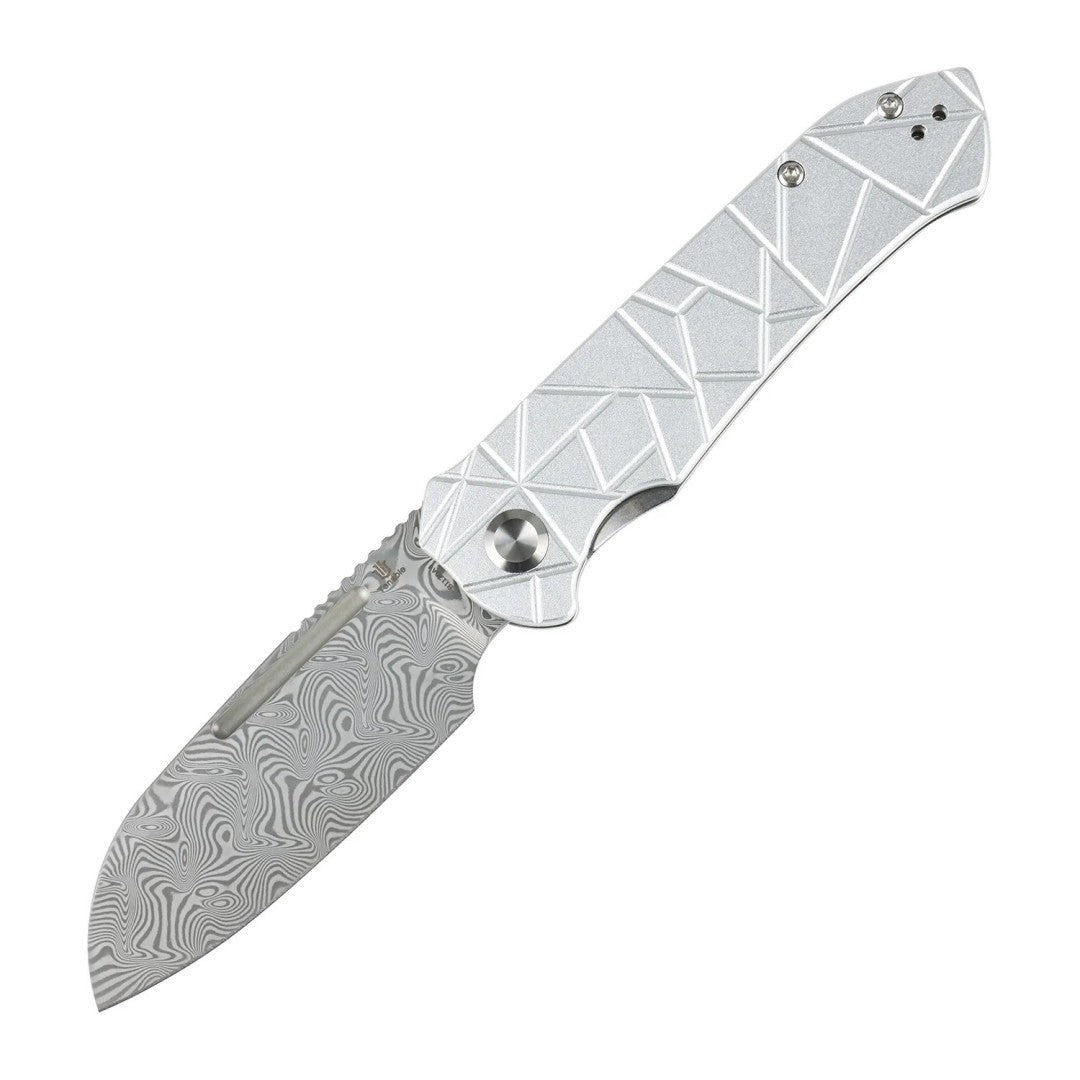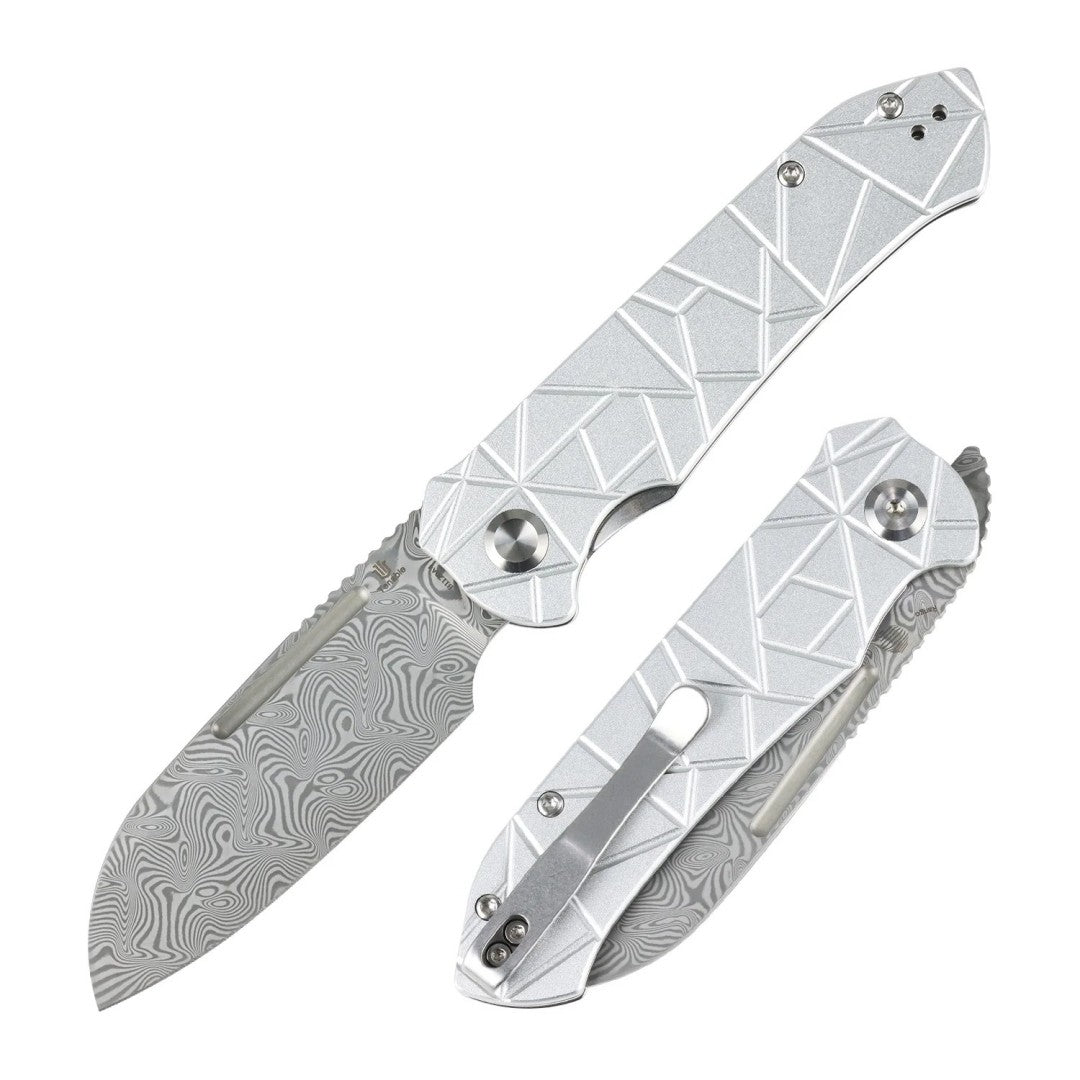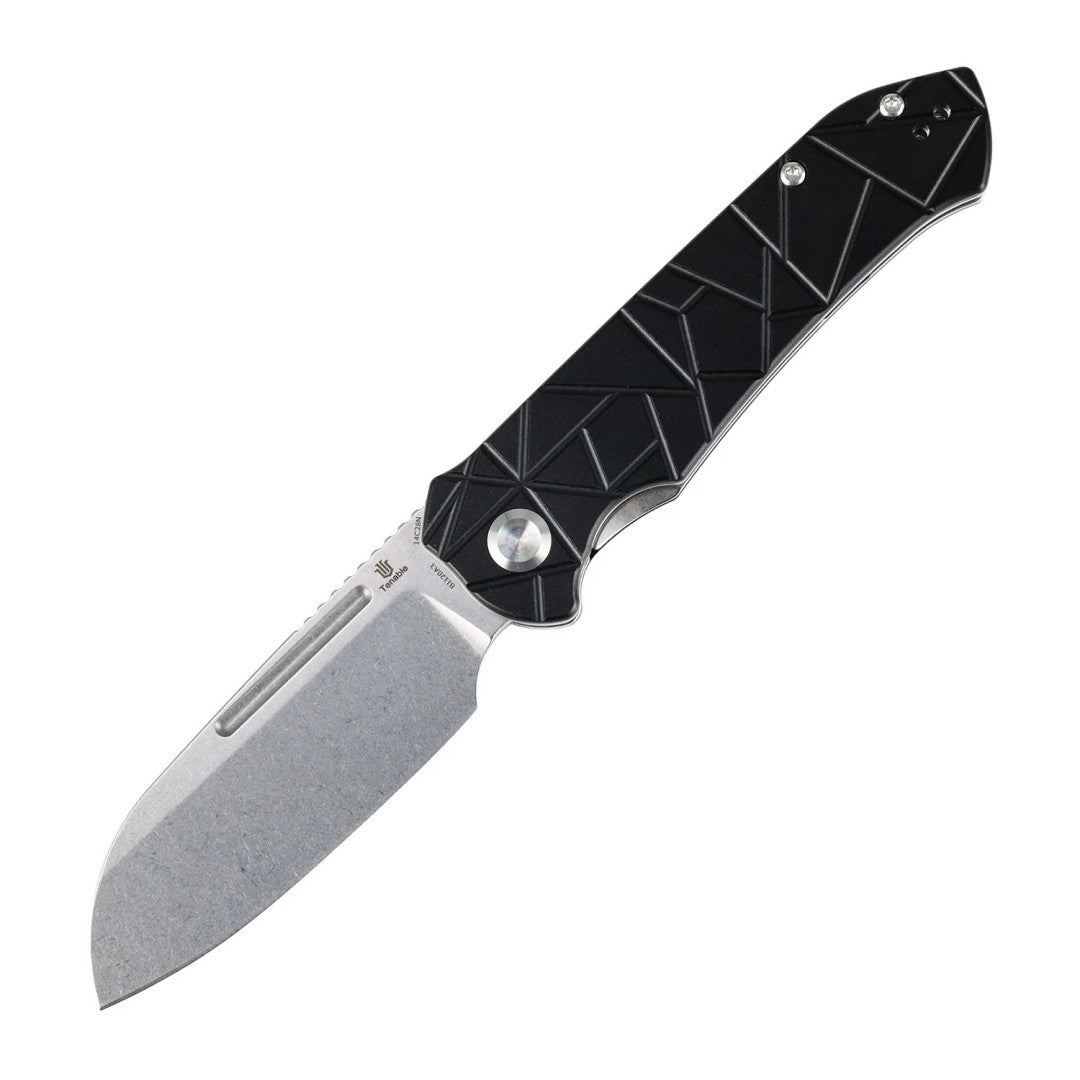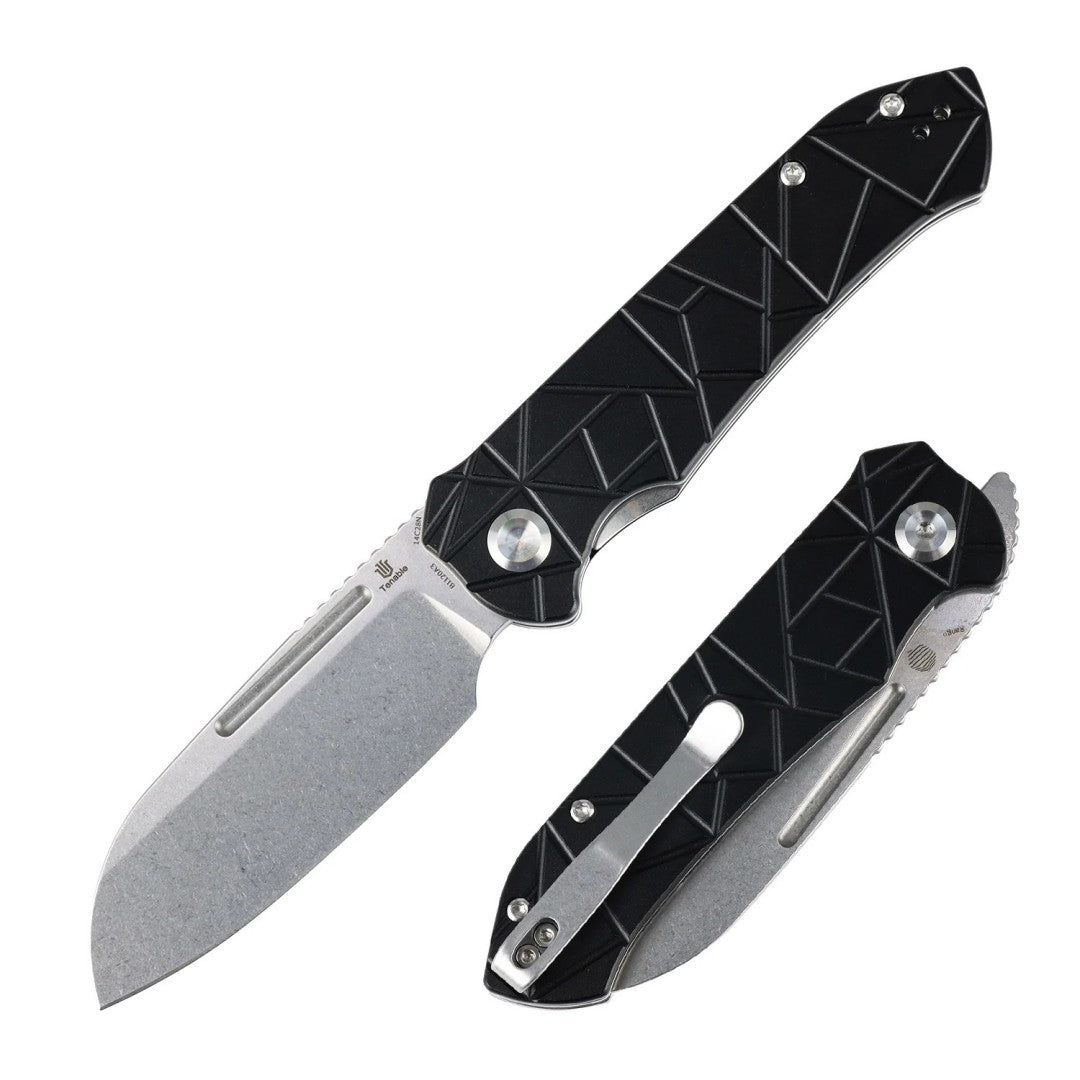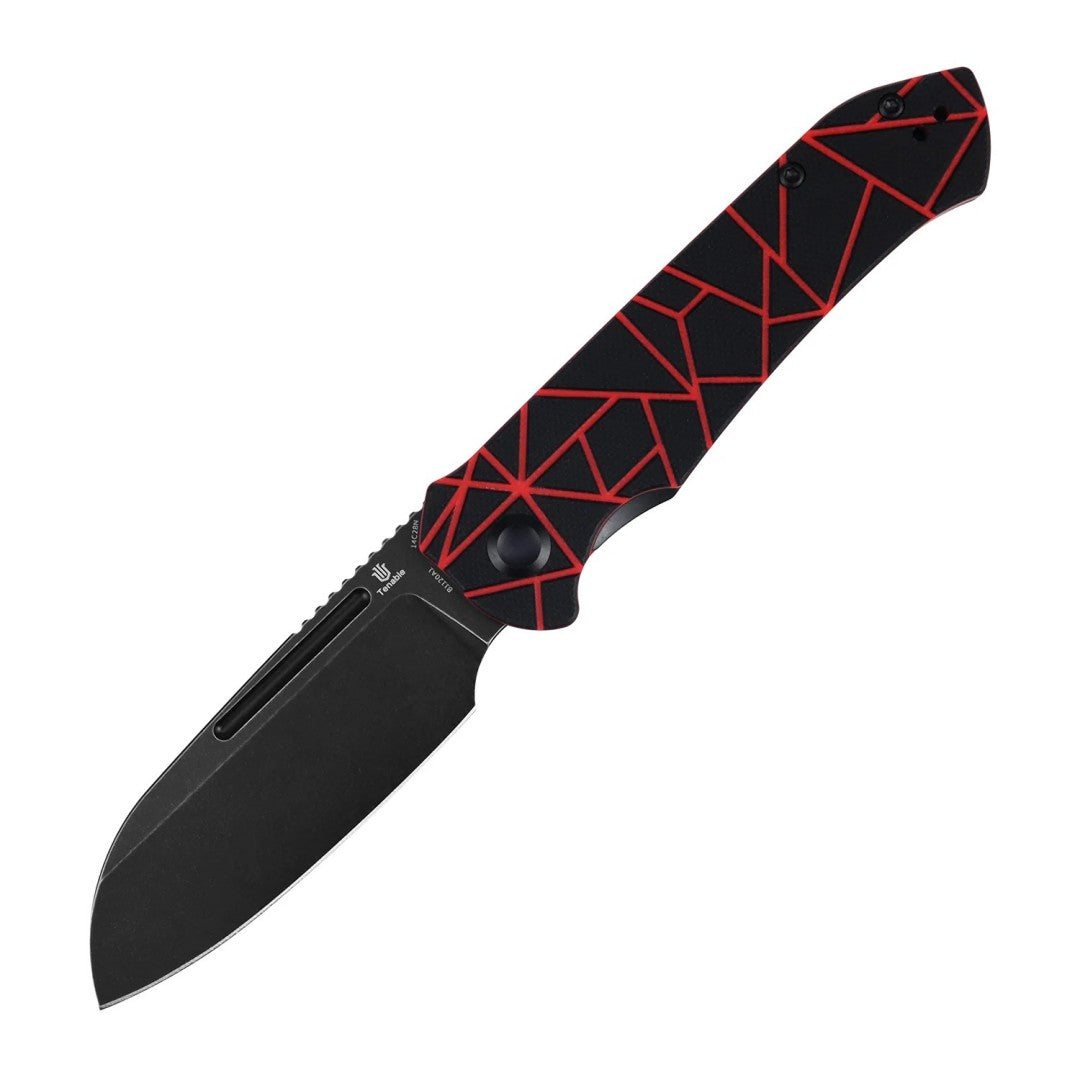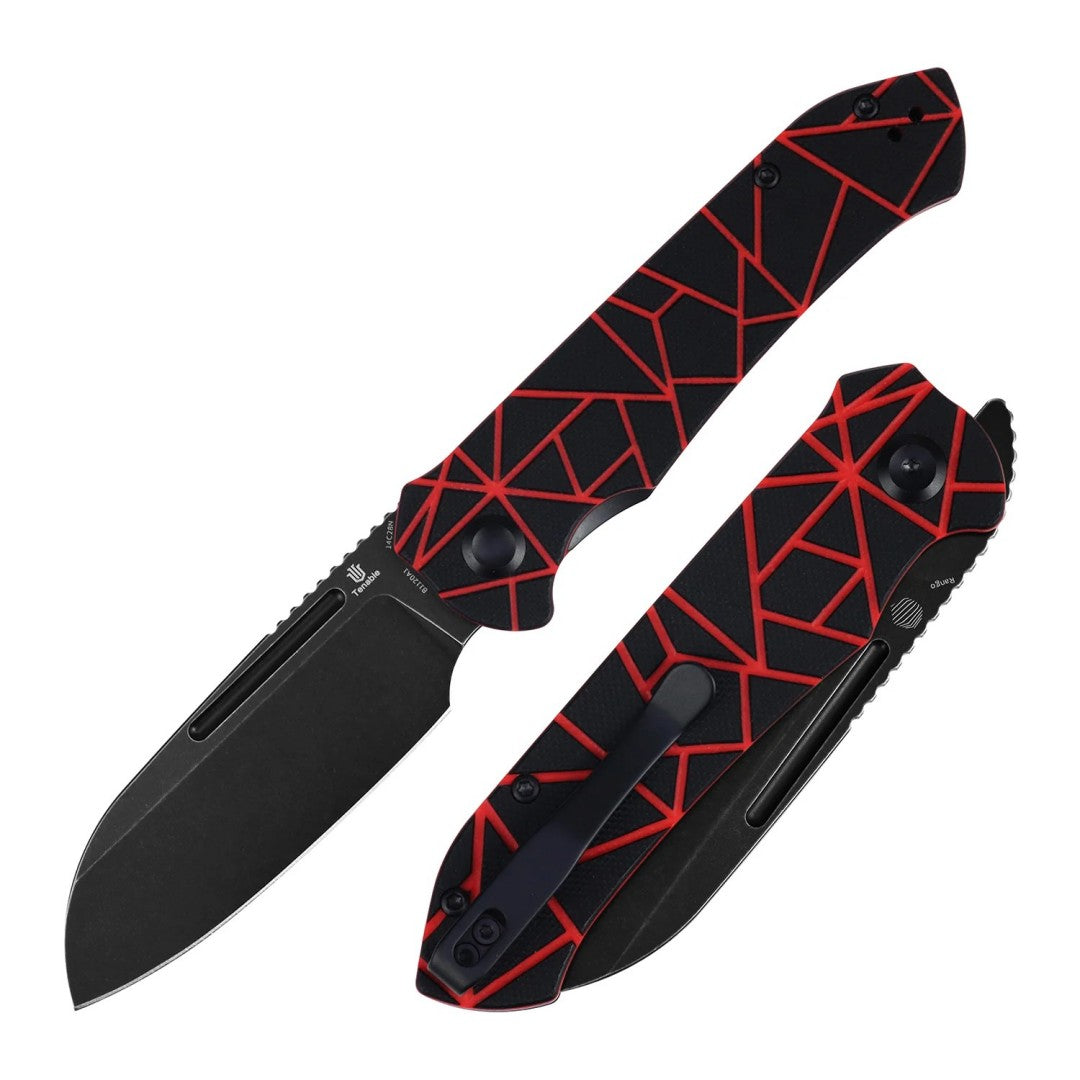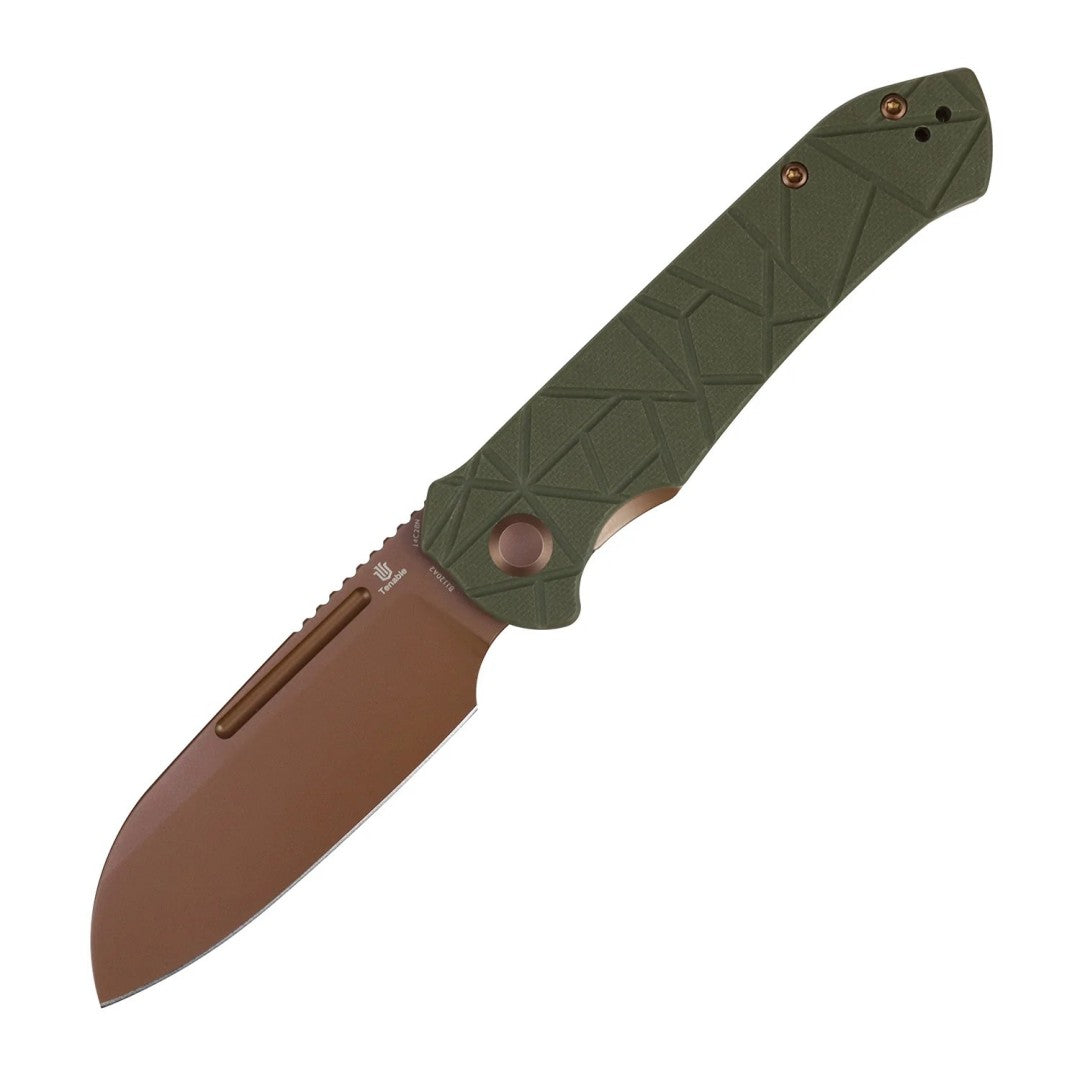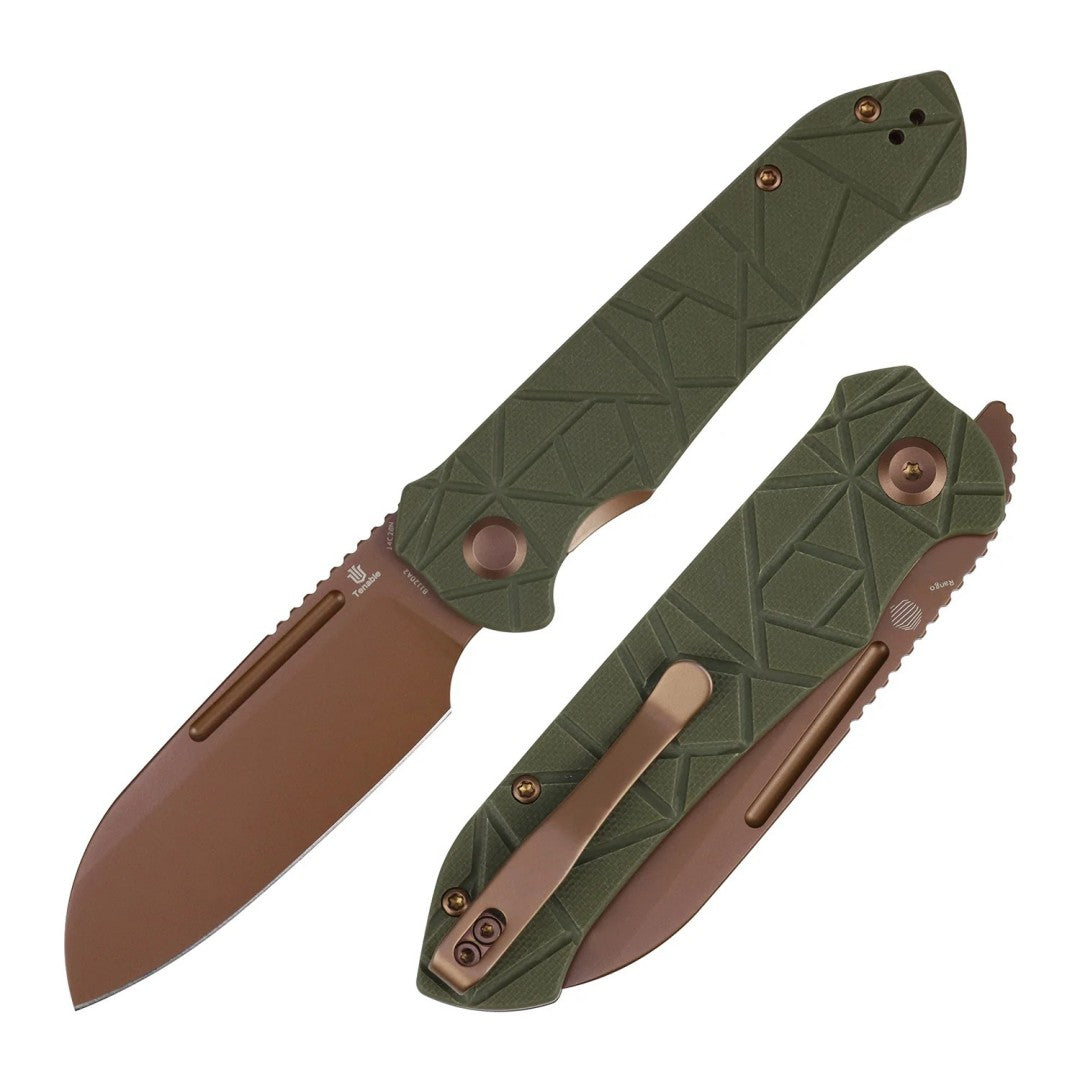

The intersection of custom design philosophy and precision production engineering defines the modern gentleman’s knife category. While many factory folders rely on utilitarian, heavy-handed styling, true gentleman tools demand visual restraint, ergonomic continuity, and high-performance materials.
Designed in collaboration with custom knife maker Brandon Corbin and manufactured by Kansept, the Kansept Mini Lanza embodies a clear set of architectural principles. By analyzing its sweeping contours, concealed locking structure, high-end metallurgy, and spatial efficiency, we can isolate the core design tenets that define this outstanding EDC folder.
The Spear Motif: Visual Fluidity and Arc Geometry
The foundational principle of Brandon Corbin's design language on this series is continuous arc geometry. Taking inspiration from the traditional spear (or "Lanza"), the silhouette avoids harsh angles, aggressive thumb ramps, and bulky flipper tabs that interrupt the flow of the knife.
-
Unbroken Perimeter Lines: The spine of the blade transitions smoothly into the arc of the handle, creating a sleek, unified silhouette from blade tip to handle butt.
-
Open Ergonomic Layout: Instead of rigid finger grooves that force the hand into a single position, the gently curved titanium handle allows comfortable grip variations, including saber, pinch, and reverse holds.
-
Non-Tactical Elegance: The smooth, spear-inspired profile gives the knife a refined presence that fits comfortably in executive boardrooms, suit pockets, or formal events without appearing overly tactical.
 Architectural Isolation: The Concealed Internal Lock
A primary aesthetic challenge when building a gentleman’s knife is maintaining scale continuity. Standard frame locks or exposed liner locks require thumb access cutouts along the outer handle scales. These relief cuts break the handle's visual lines and introduce sharp metal edges that press into the palm during heavy cutting.
To preserve an unbroken outer canvas, the design incorporates an internal Nested Liner Lock mechanism.
| Structural Element | Traditional Exposed Locking Systems | Concealed Internal Nested System |
| Lock Bar Location | Outer scale cutout or full-length liners | Recessed inside CNC-milled internal pockets |
| Exterior Scale Surface | Interrupted by relief cuts & gaps | Smooth, continuous titanium scale contours |
| Palm Pressure Impact | Squeezing grip can cause palm binding | Outer scale shields lock leaf from external hand pressure |
| Pocket Performance | Exposed gaps can snag fabric & collect lint | Smooth contours slide in and out of pockets friction-free |
By recessing the hardened steel locking leaf inside internal pockets milled into the inner face of the Grade 5 titanium scales, the exterior handle remains completely smooth. Squeezing the handle during a heavy slice applies zero pressure to the lock bar, eliminating palm binding and maintaining a smooth lock disengagement every time.
Premium Metallurgy and Performance Options
A refined aesthetic must be backed by uncompromising cutting power. The series pairs custom-level geometry with top-tier blade materials to suit both daily utility users and fine gear collectors.
| Configuration Tier | Primary Blade Material | Metallurgical Profile & Core Performance |
| Flagship Production | CPM-20CV Super Steel | Powder steel with 20% Chromium & 4% Vanadium for top-tier edge life & total rust immunity |
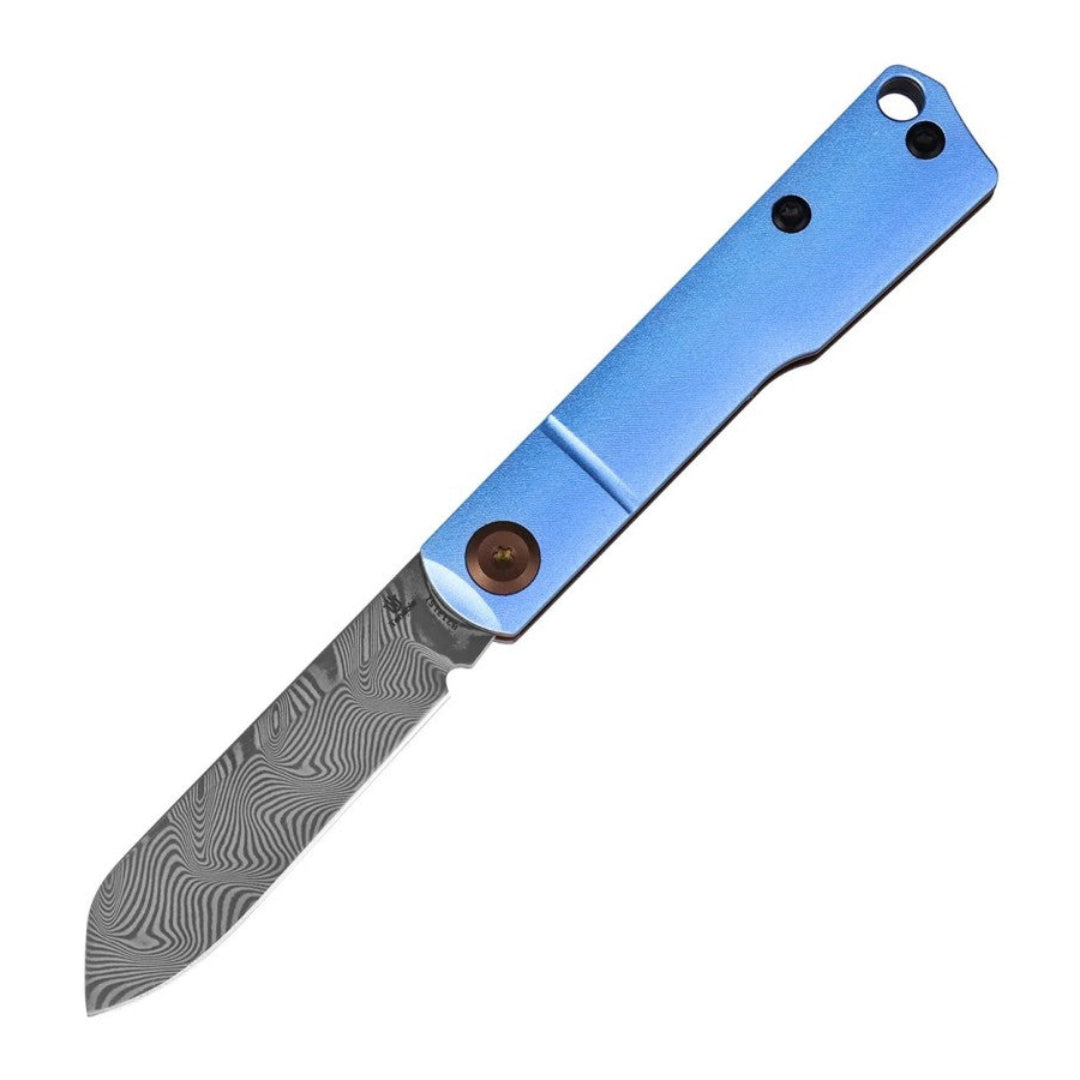
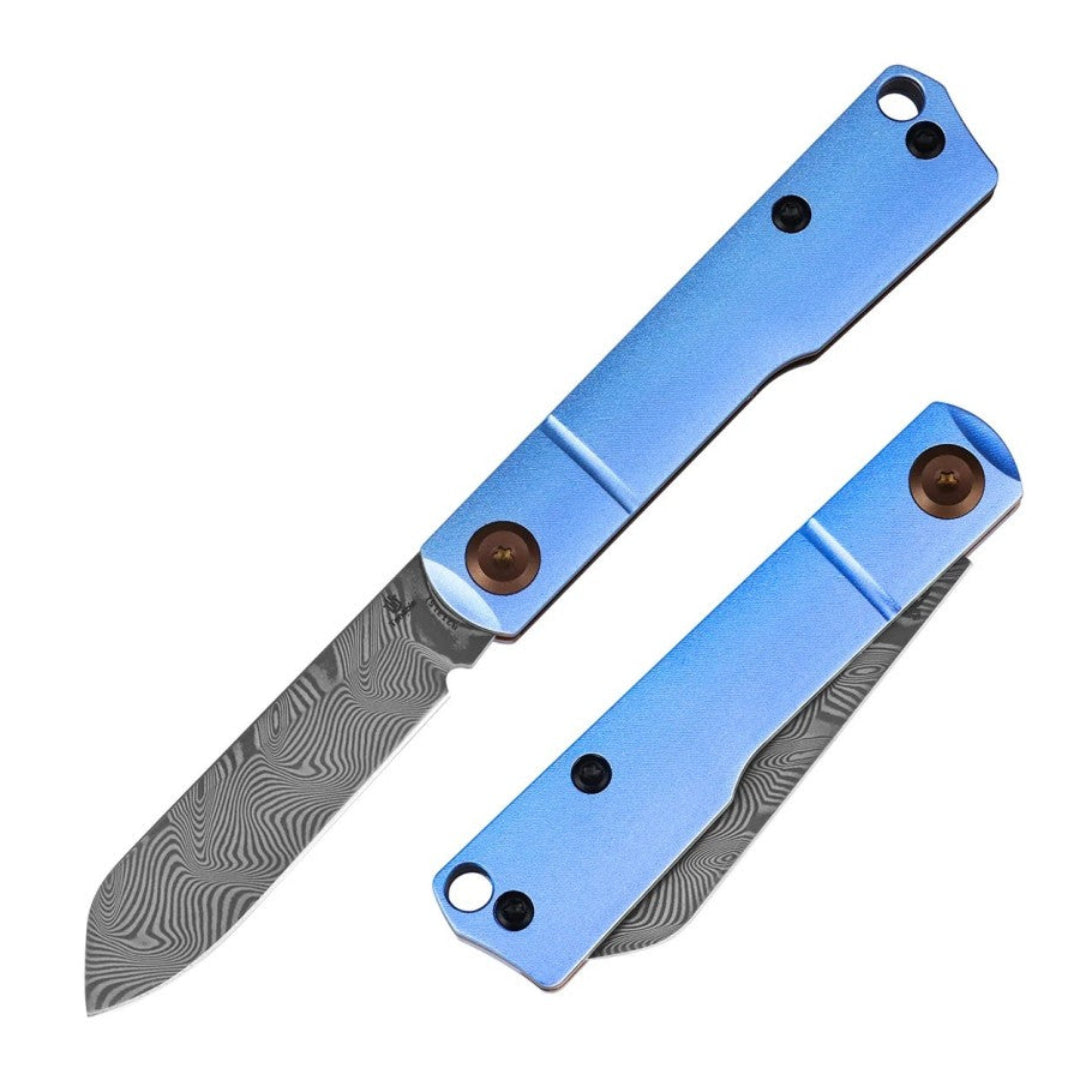
| Collector Edition | Pattern-Welded Damascus Steel | Forged multi-layer alloy offering high visual contrast & aggressive micro-serrated slicing bite |
Hardened to 59-61 HRC, the primary CPM-20CV models feature high volumes of vanadium carbides within a powder metallurgy matrix. This enables the edge to retain its shaving-sharp utility through extensive box breaking and cord cutting, while its high chromium content guarantees complete immunity to oxidation caused by humidity, sweat, or food acids.
Spatial Efficiency and Technical Specifications
Maximizing the blade-to-handle ratio is a critical design goal for compact everyday carry tools. By packing a generous 3.19-inch blade into a 4.31-inch handle, the blade occupies over 74% of the total closed handle length, leaving virtually no interior space wasted.
| Specification Parameter | Measurement (Metric / Imperial) | Practical Performance Advantage |
| Overall Length | 190.5 mm / 7.50 in | Proportioned for full four-finger grip control |
| Blade Length | 81.1 mm / 3.19 in | Generous contact area for long draw cuts |
| Blade Thickness | 3.0 mm / 0.118 in | Slim full flat grind minimizes slicing drag |
| Closed Length | 109.4 mm / 4.31 in | Compact footprint that sits deep and discrete in pocket |
| Overall Weight | 127.3 g / 4.49 oz | Balanced center of gravity near the pivot assembly |
| Pivot Mechanism | Caged Ceramic Ball Bearings | Delivers an ultra-smooth, low-friction opening glide |
The drop-point blade features a lean full flat grind that tapers from the 3.0 mm spine down to a sharp apex. Paired with low-profile dual thumb studs and a caged ceramic ball-bearing pivot, the blade deploys with a fast, fluid snap.
 Tactical Restraint with High-End Finishing
The final design principle defining this folder is material harmony. Grade 5 Titanium serves as the strong, lightweight frame, providing non-magnetic stability while acting as a versatile canvas for custom surface treatments.
Whether finished in stonewashed grey, electrical tiger-stripe anodization, or paired with multi-color Timascus inlays, every variant includes a matching 3D-machined titanium pocket clip. Configured for tip-up, right-hand carry, the clip holds the folder securely against the pocket seam, ensuring it carries discreetly in slacks, jeans, or suit trousers.
By uniting Brandon Corbin’s spear-inspired profile, high-vanadium CPM-20CV steel, lightweight titanium construction, and an innovative hidden locking system, this folder sets a benchmark for modern gentleman's pocket tools.