

Overview & First Impressions
Every knife steel is iron with a small number of added elements, and almost every property you care about comes from those additions. Chromium makes steel stainless. Carbon makes it hardenable. Vanadium forms hard carbides that resist wear. Once you can read an alloy chart in terms of what each element is doing, the confusing names stop mattering, and you can predict how a steel will sharpen, how it will stain and how long it will hold an edge before you buy it.
Materials & Construction
Chromium is the most consequential. At around thirteen percent and above, a steel resists staining and is described as stainless; below that it will patina and eventually rust. The classic mid range stainless 154CM sits comfortably in the stainless range with enough carbon to harden into the high fifties, which is why it remains a sensible general purpose choice decades after it was introduced. Add vanadium and the carbides get harder and more wear resistant, which is the basis of most modern premium alloys.

Design & Details
Carbide volume is the hidden variable. A steel with many large carbides holds an edge for a long time and resists abrasion, but the matrix around those carbides is weaker, so the edge can chip if it is thin or if it meets something hard. A steel with few, fine carbides takes a keener edge and sharpens more easily, but wears faster. This is why a stout crossbar lock working knife with a moderately alloyed blade is often a better daily companion than an extreme steel in a fragile geometry.
Real-World Use
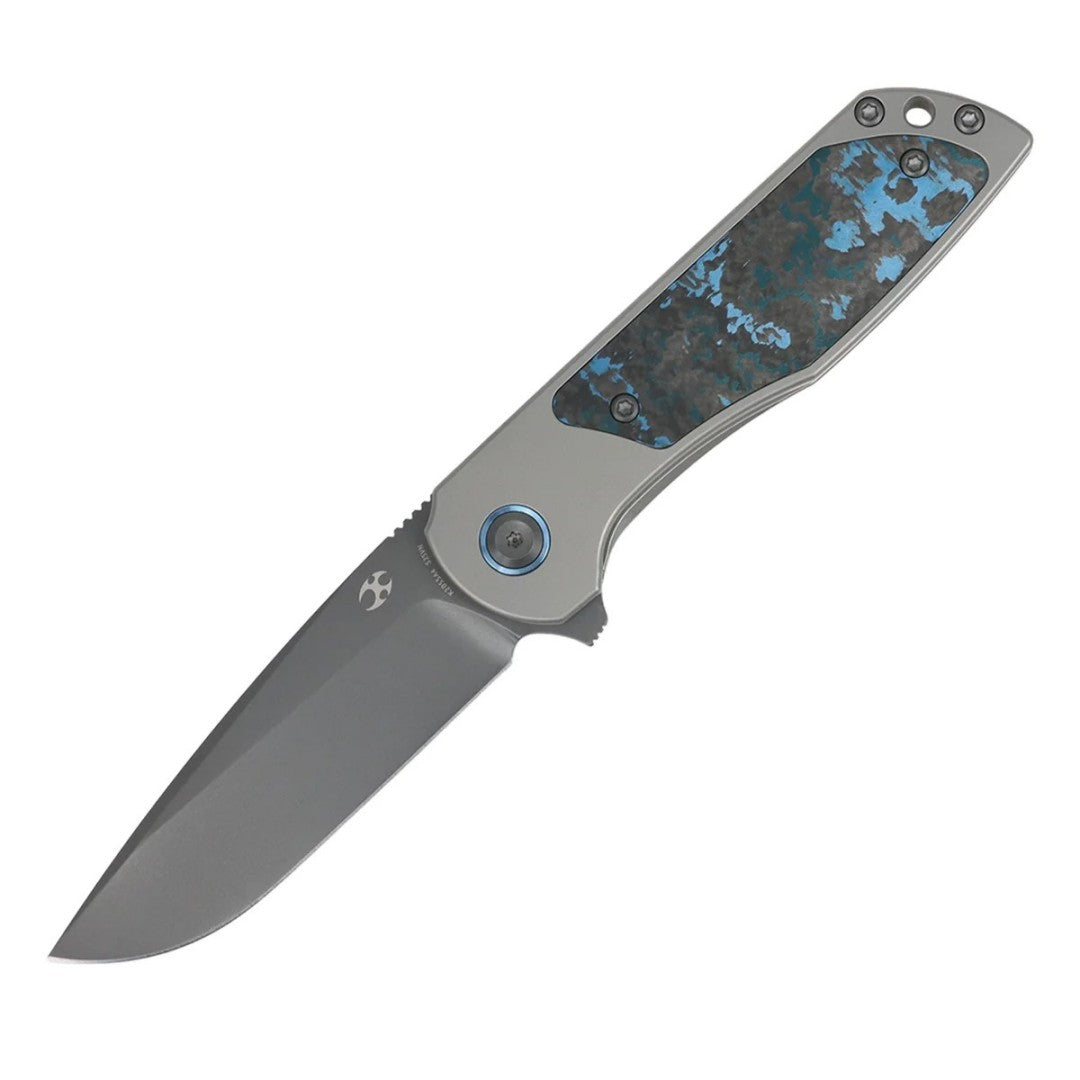
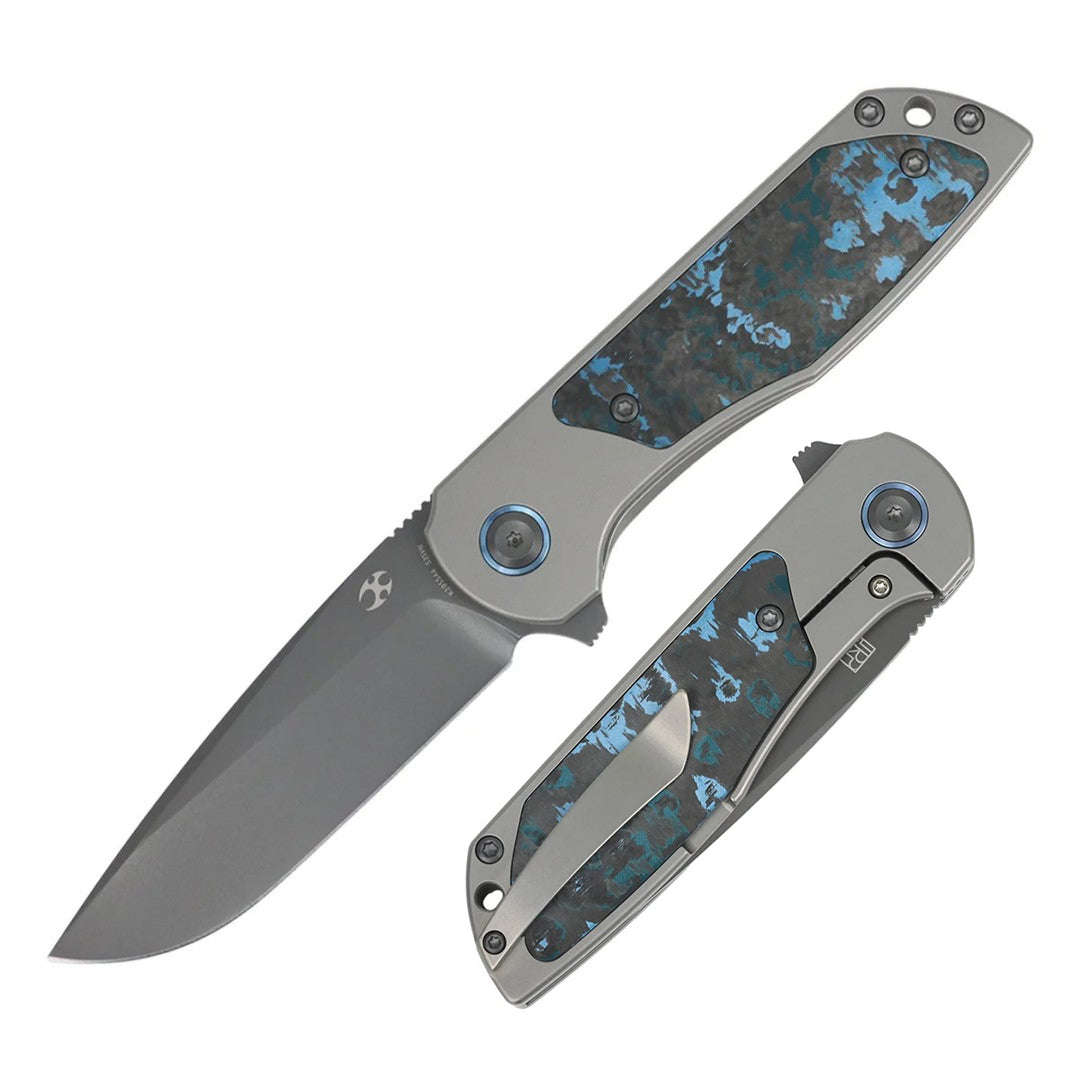
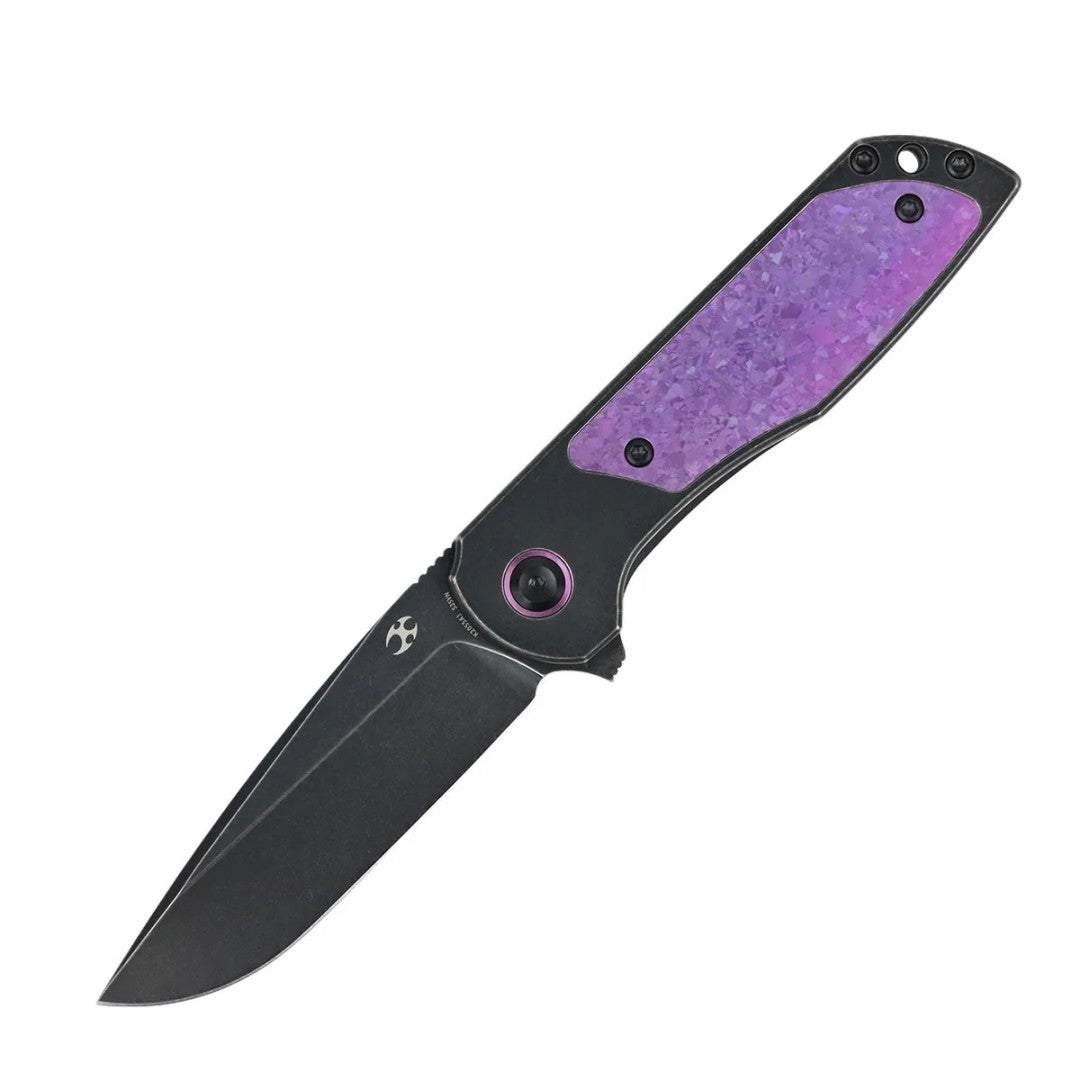
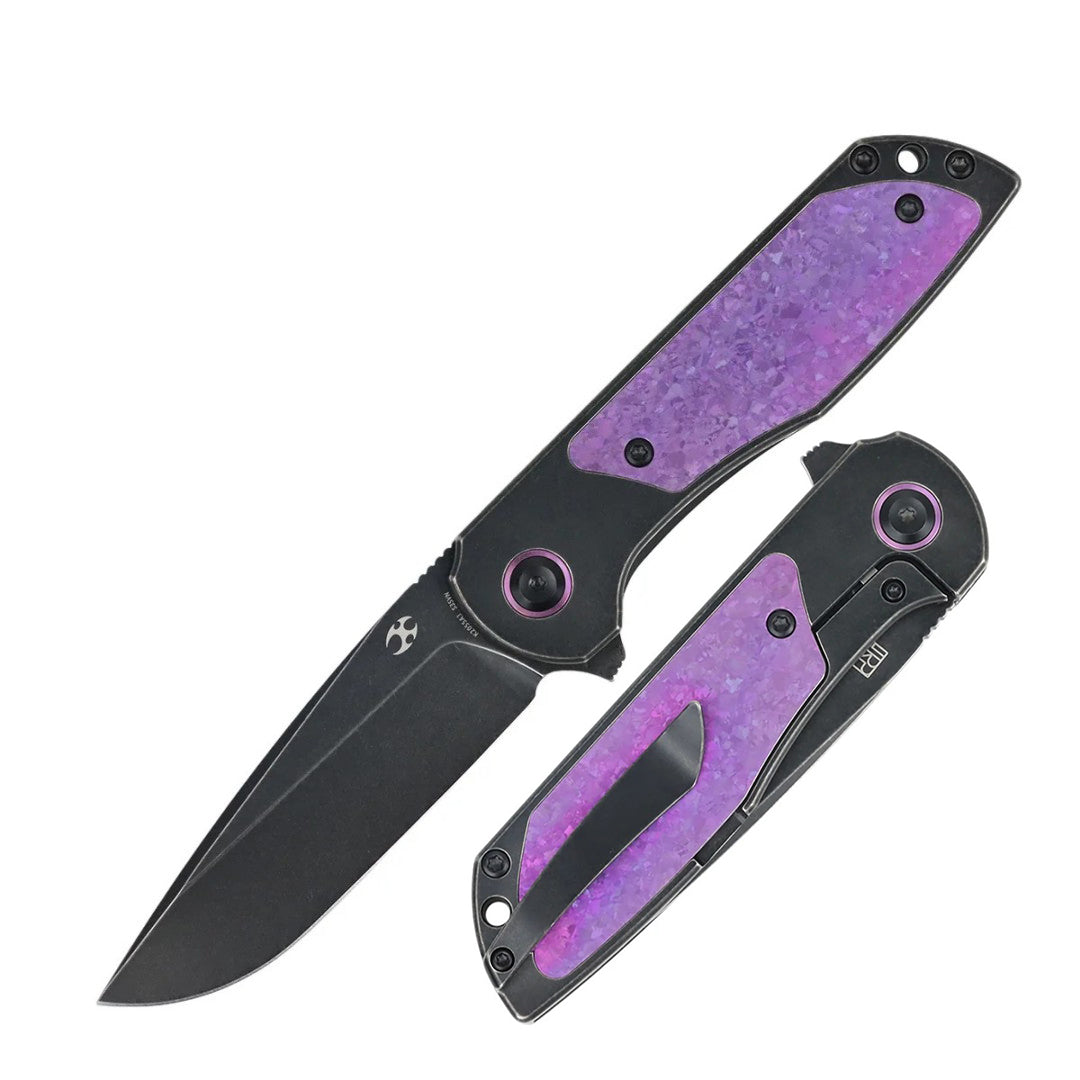
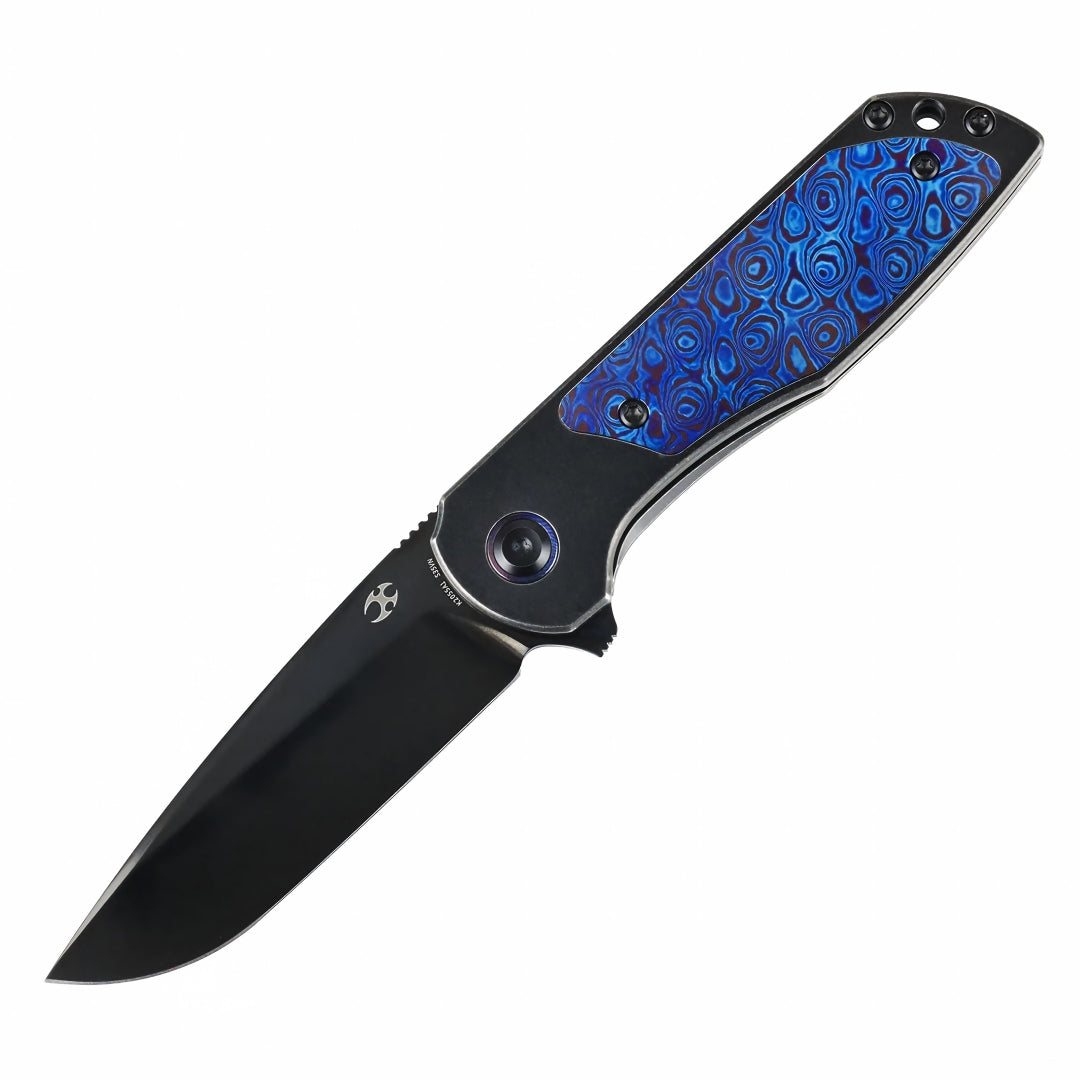
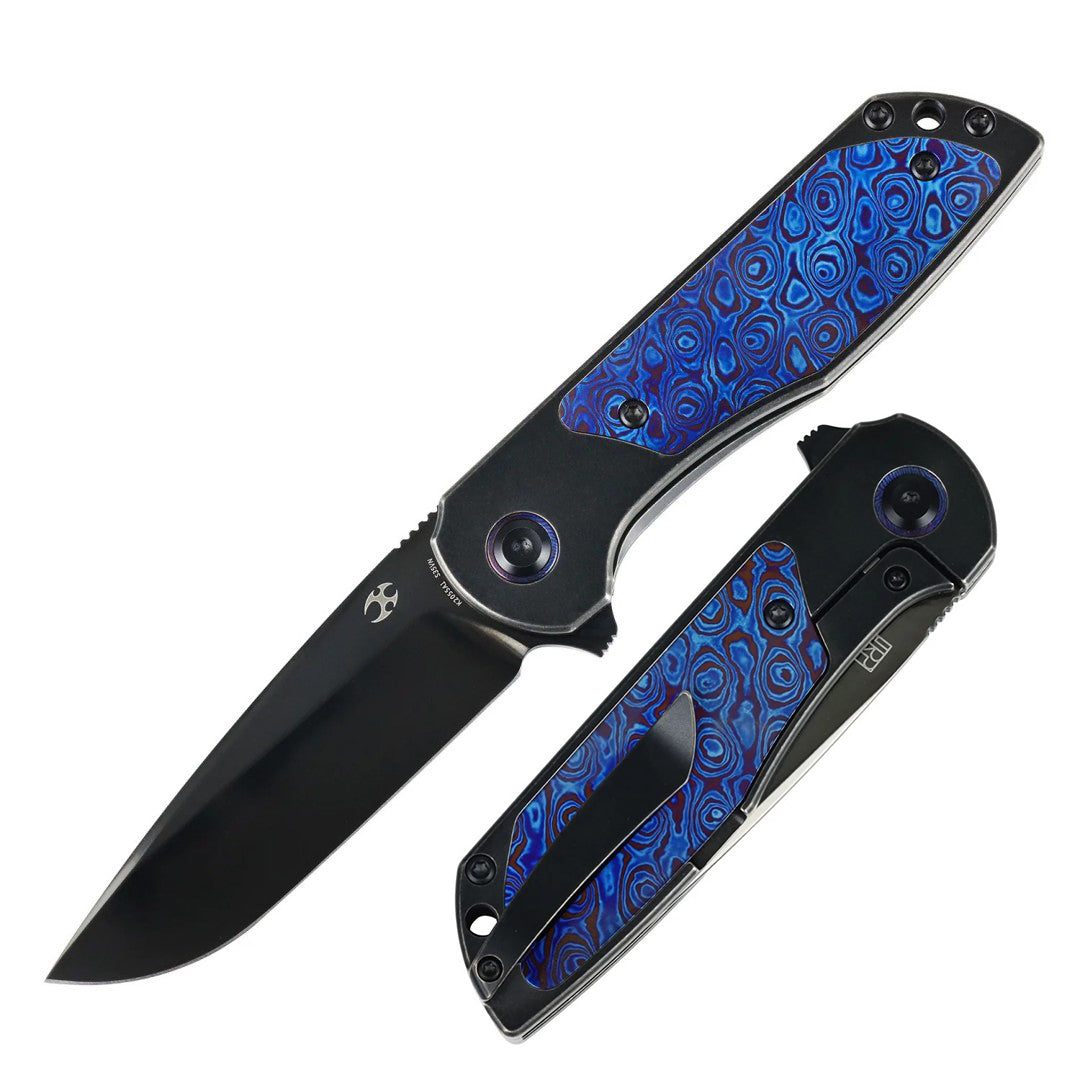
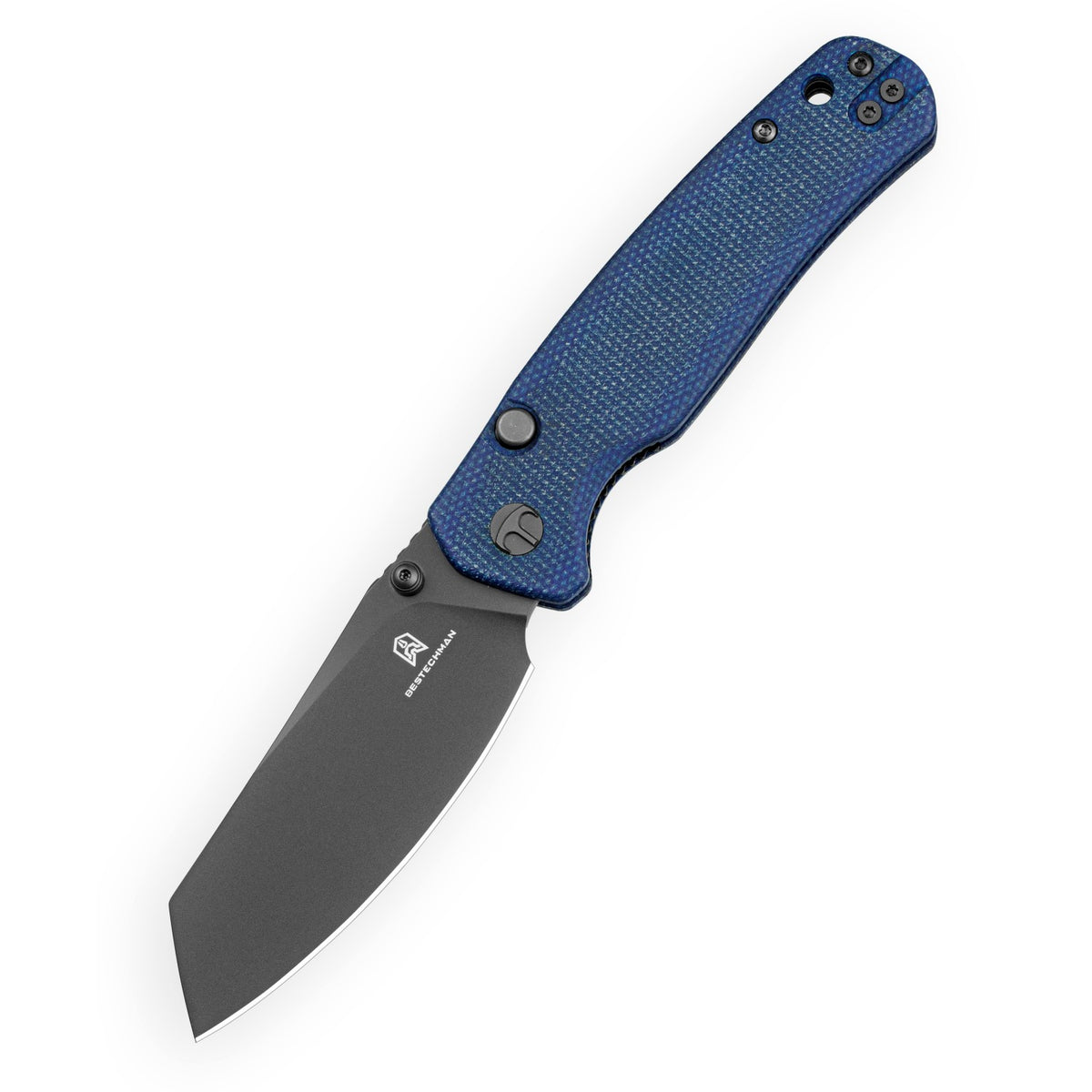
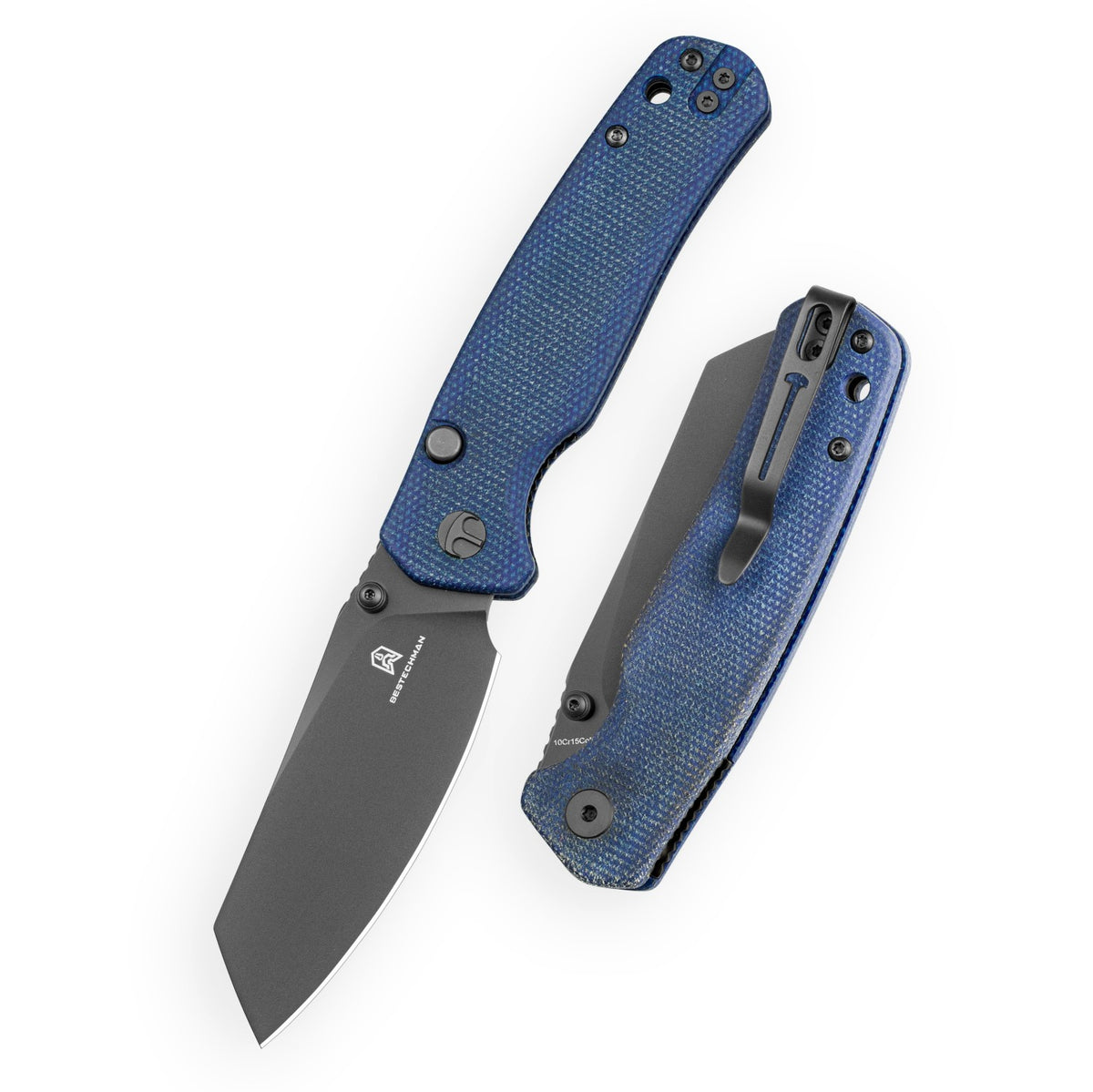
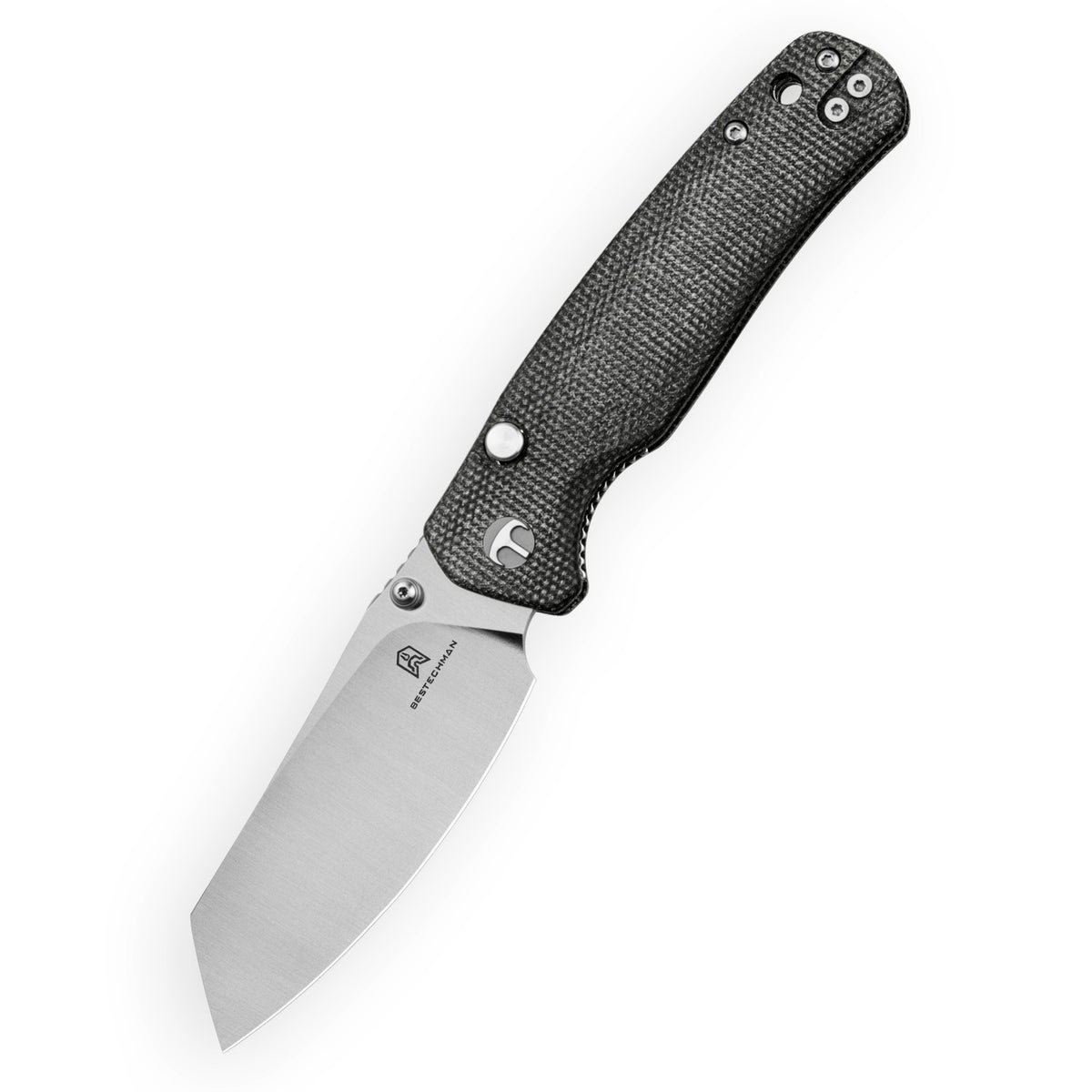
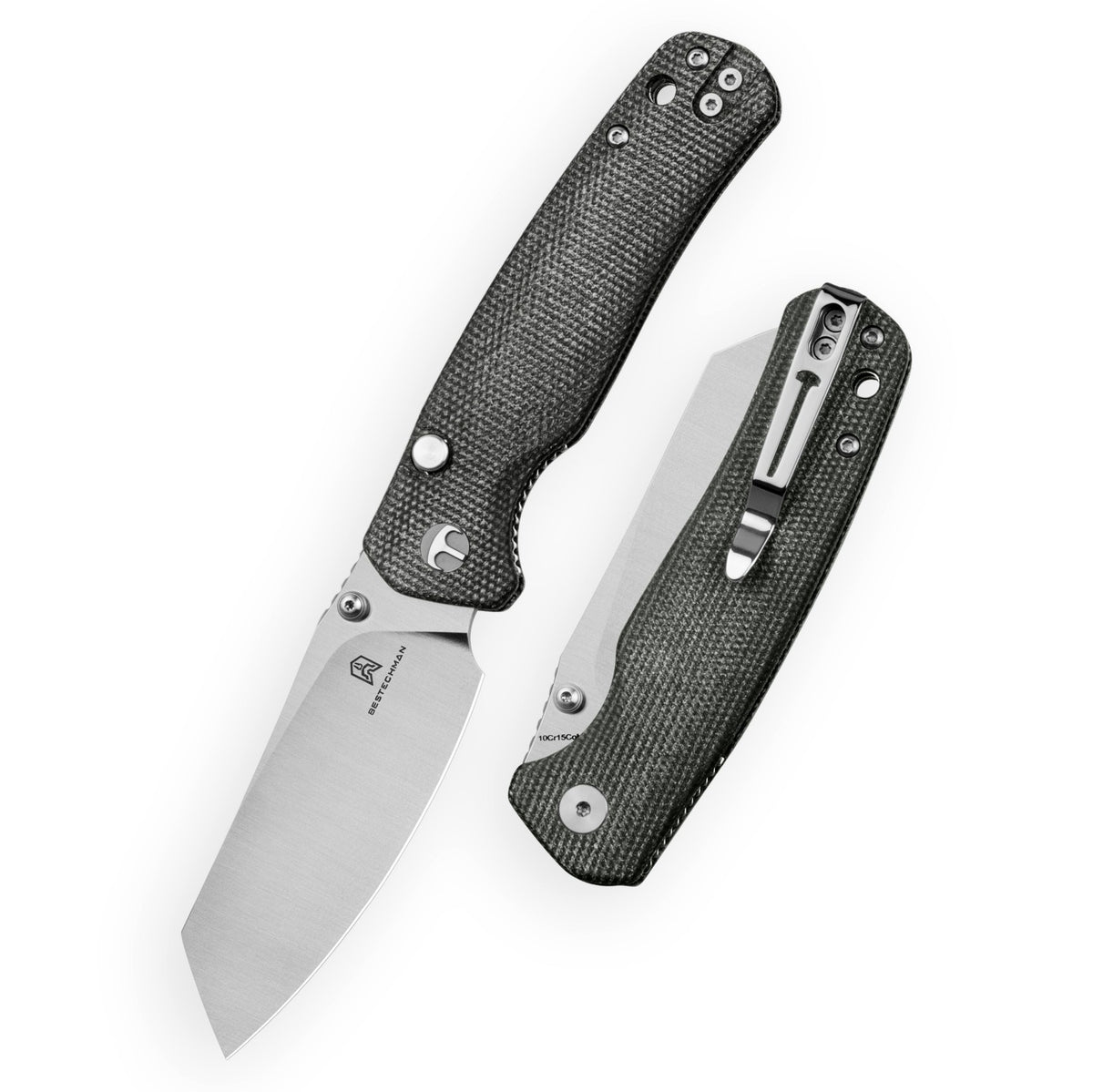
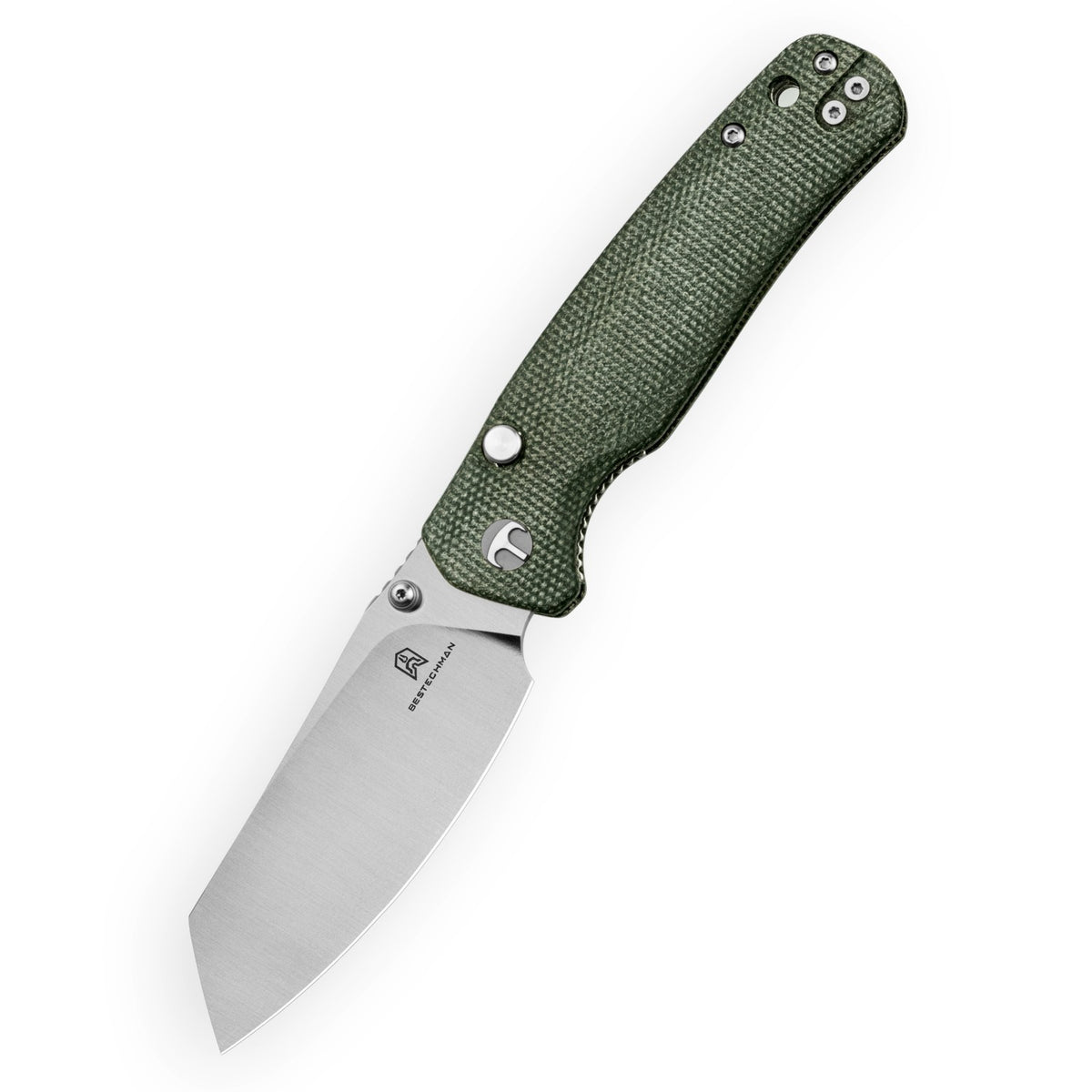
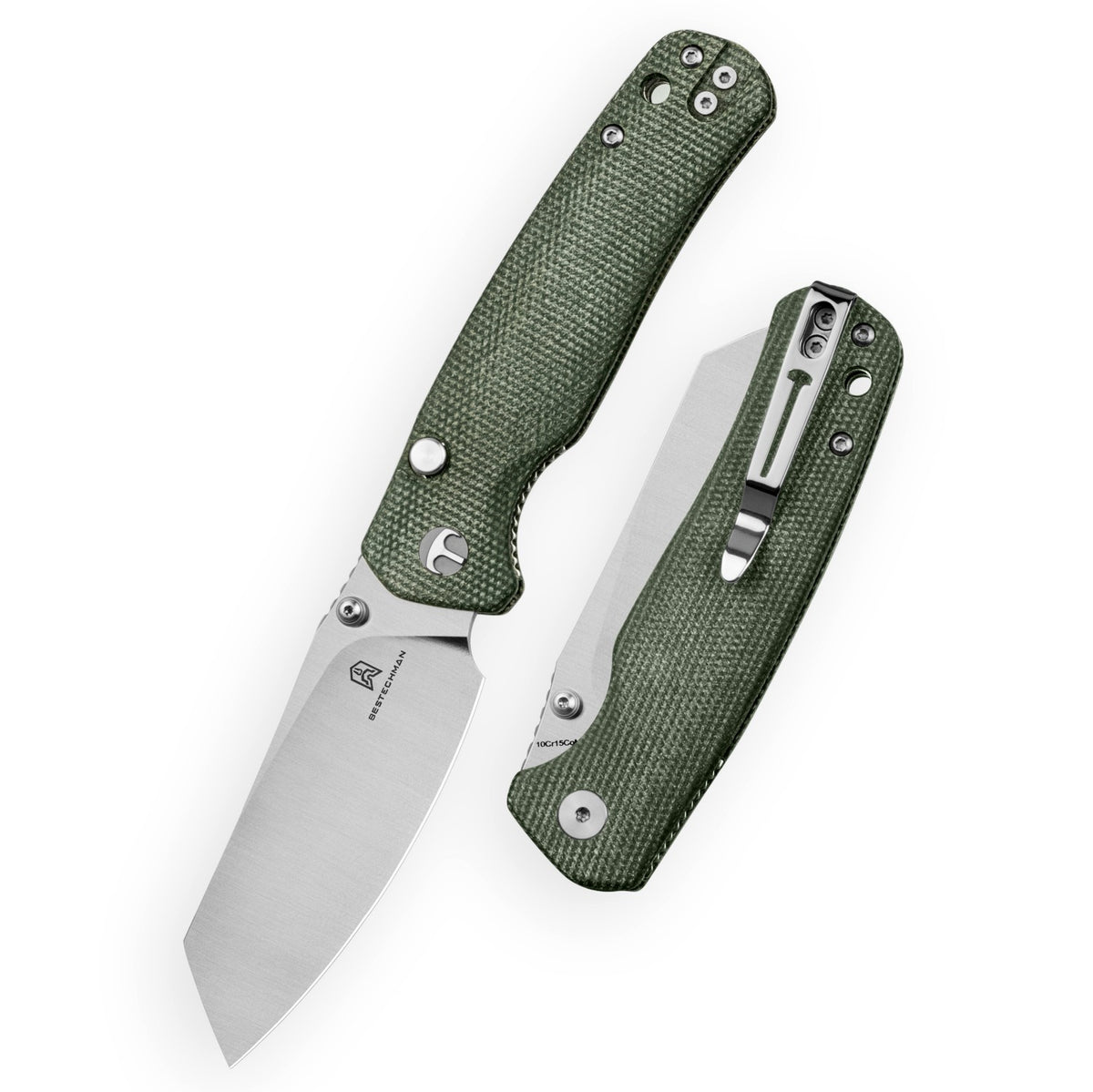
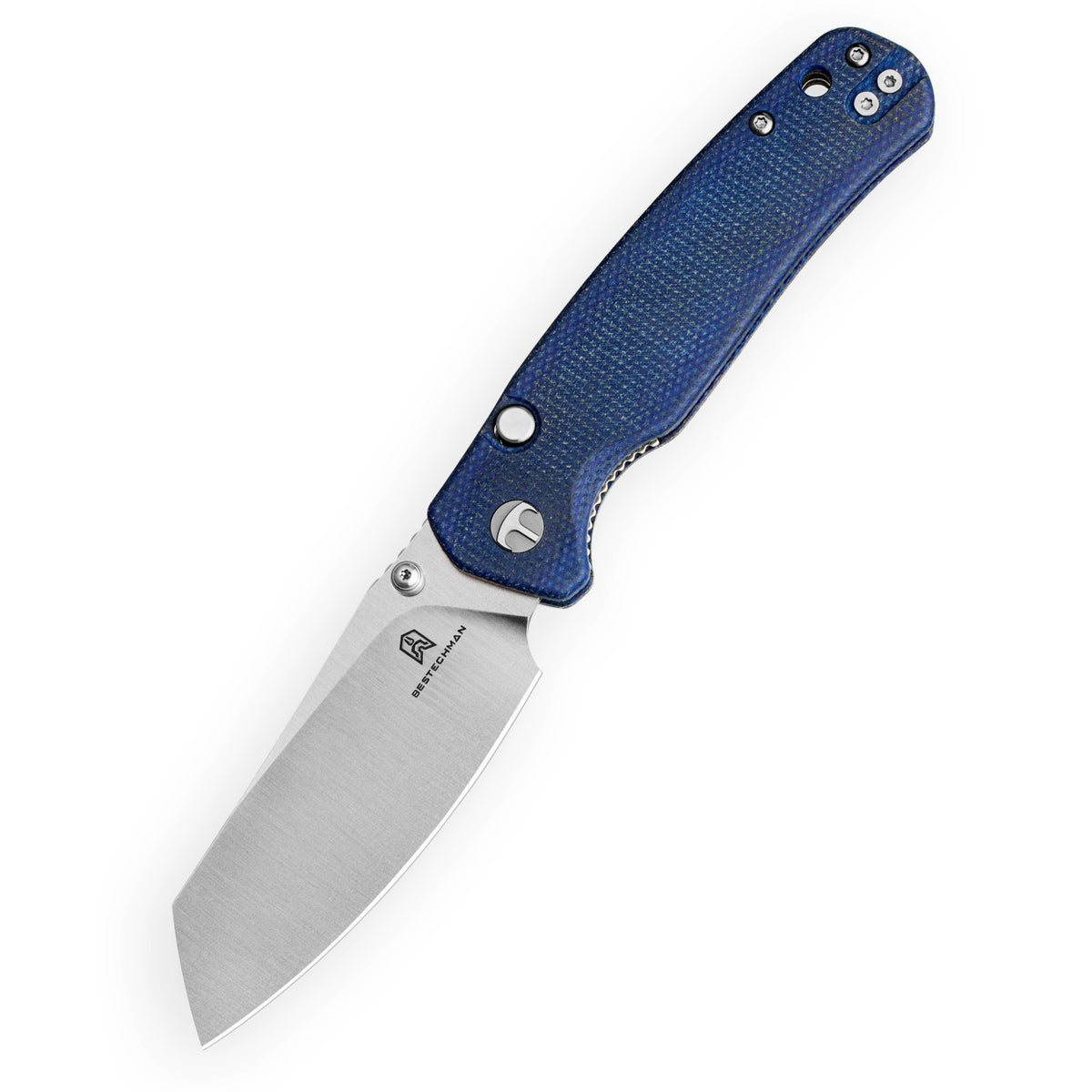
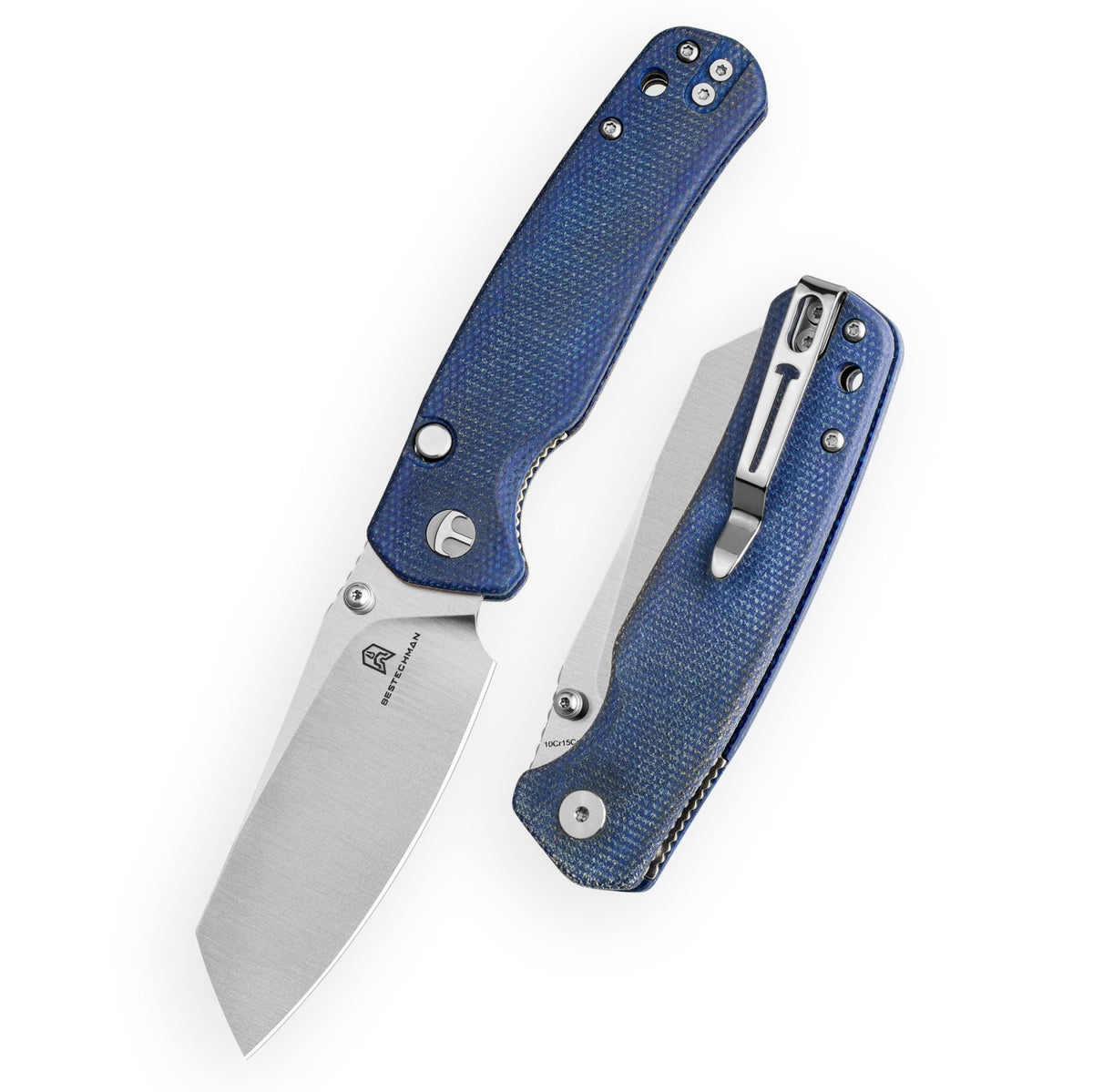
Read your cutting tasks and choose accordingly. Cardboard, rope and abrasive materials reward wear resistance. Food, fish and wet work reward corrosion resistance. Chopping and hard impacts reward toughness, which usually means less carbon and less hardness. The Kansept Deadite in 154CM sits in the middle of all three, which makes it an excellent reference point: if you find it dulls too quickly, look for more vanadium, and if it stains in your use, look for more chromium.

Ownership Notes
Chemistry also dictates maintenance. High chromium steels tolerate a missed wipe down; low chromium steels will not. Highly alloyed steels sharpen better on diamond than on natural stones, while simple steels respond beautifully to a fine water stone. Anyone who owns a mixed collection of EDC knives eventually learns to keep two sharpening setups for exactly this reason, and to reach for the diamond plate whenever the steel is described with the word vanadium. Reading an alloy chart this way turns every purchase into a deliberate choice, and Kansept knives publish their steel specifications precisely so that buyers can make that comparison. Learn three elements and you can ignore most of the marketing.
Who Is This For?
This is written for buyers choosing between similar looking knives and for owners who want to know why one blade behaves differently from another. It is not necessary reading if you simply want a knife that works and you are happy to maintain it. It becomes very useful once you own more than three or four blades, when the differences in behaviour start to matter more than the specifications on paper.
Final Verdict
Read the chart and the knife becomes predictable. Chromium for stainless behaviour, carbon for hardness, vanadium for wear resistance, and each purchase becomes a deliberate trade rather than a guess. Start with a well balanced alloy, learn how it behaves in your own hands, and let that guide the next purchase. Explore the Kansept Deadite range at EdcMall to compare 154CM against other everyday alloys.
Shop the Kansept Deadite T1081V2 154CM Crossbar Lock at EdcMall