
Overview & First Impressions
Kumihimo is a Japanese braiding tradition built on a simple idea: move a weighted spool across a stand, over and under, in a fixed sequence, and a round cord appears. The craft is easy to learn and hard to master, because tension is invisible until the braid is finished and one side is visibly looser than the other. Modern EDC makers have adopted it for lanyards, and the finish is usually a lanyard bead that anchors the cord and hides the join.
Materials & Construction
Cord choice decides everything. Silk gives a dense, glossy braid that holds shape; nylon paracord gives bulk, abrasion resistance and a working load rating. The weight matters too, because a kumihimo braid is formed under tension and a light weight produces a loose, soft cord. Apeshkov Beads works in brass, copper and silver, and the mass of a metal lanyard bead is often used as the counterweight on short braids.

Design & Details
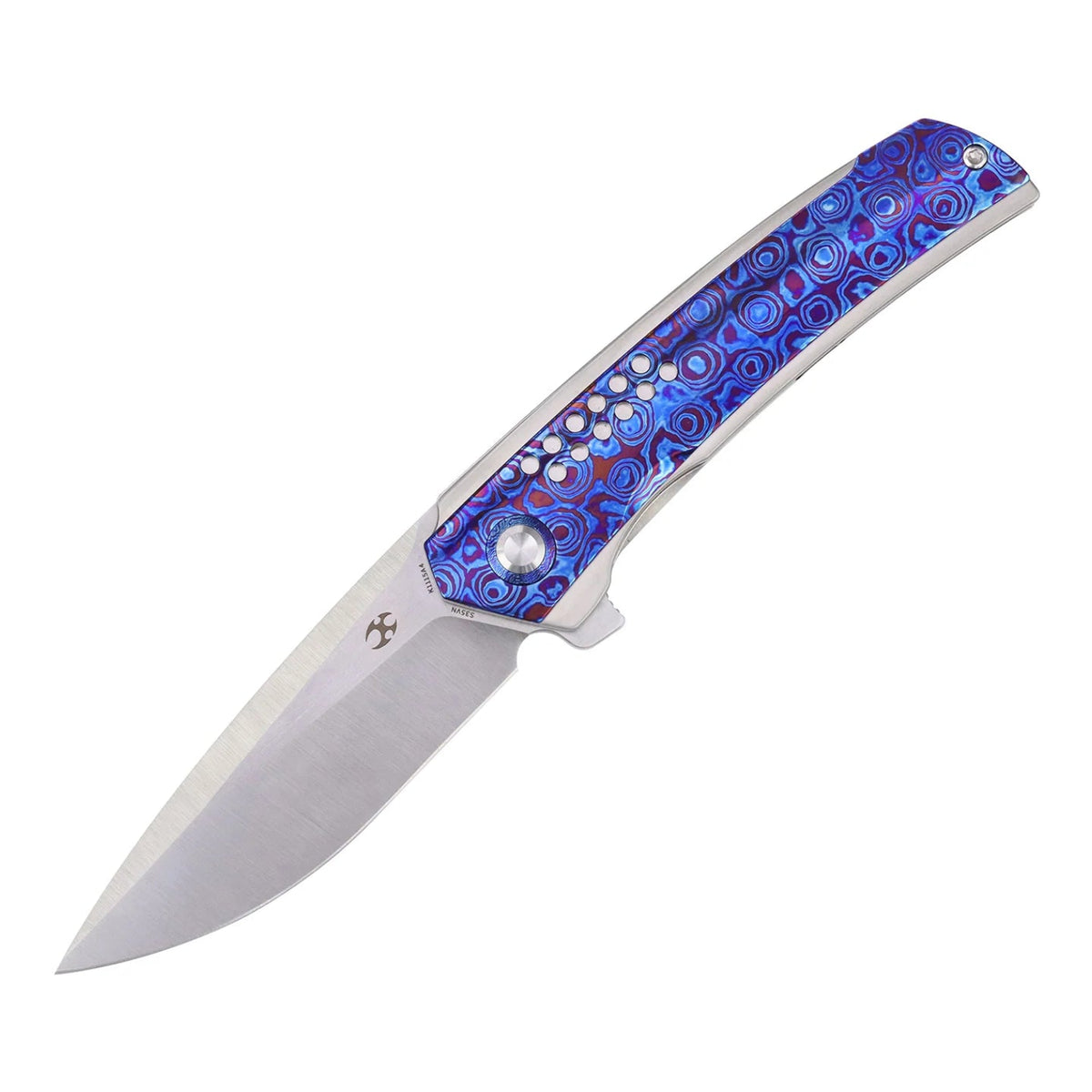
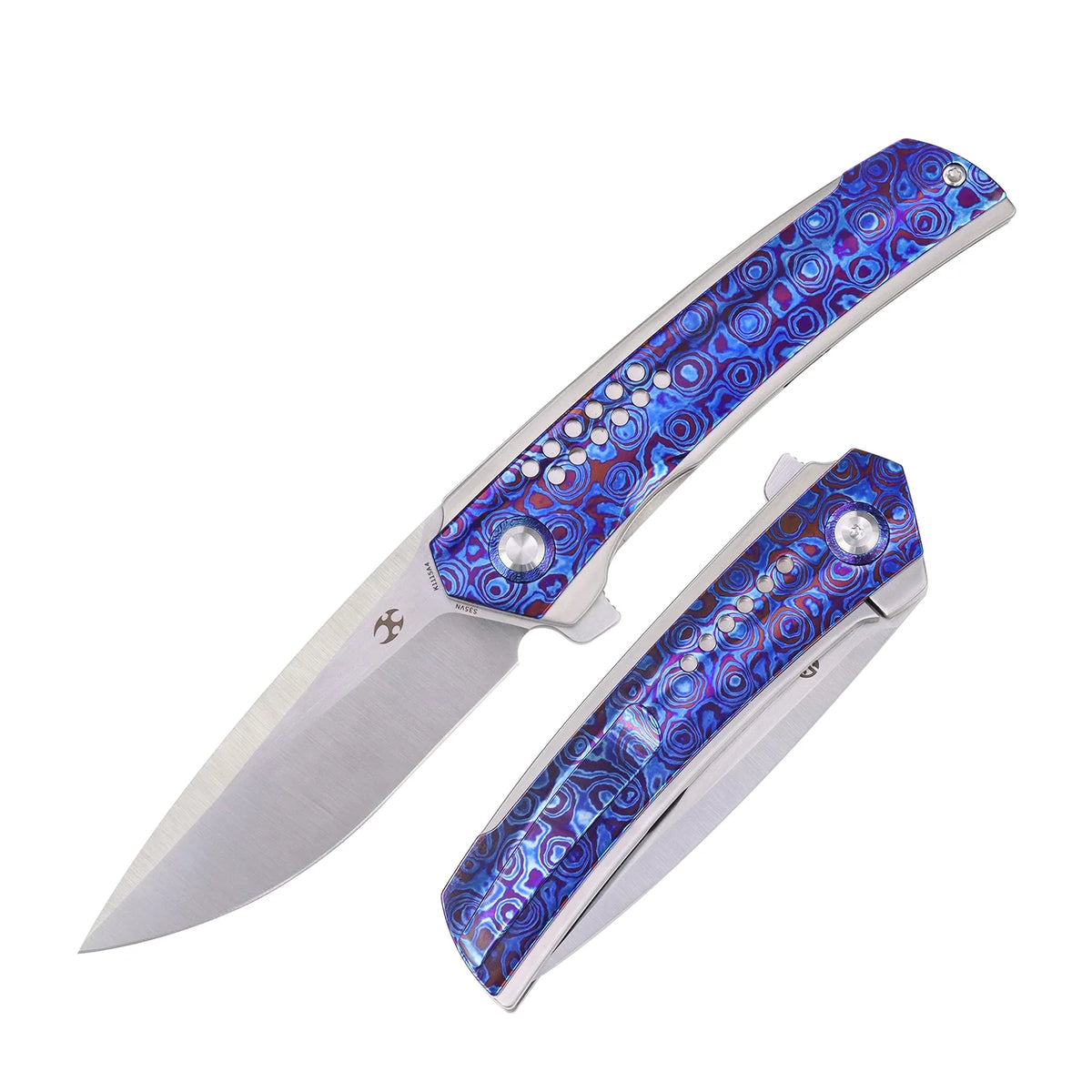
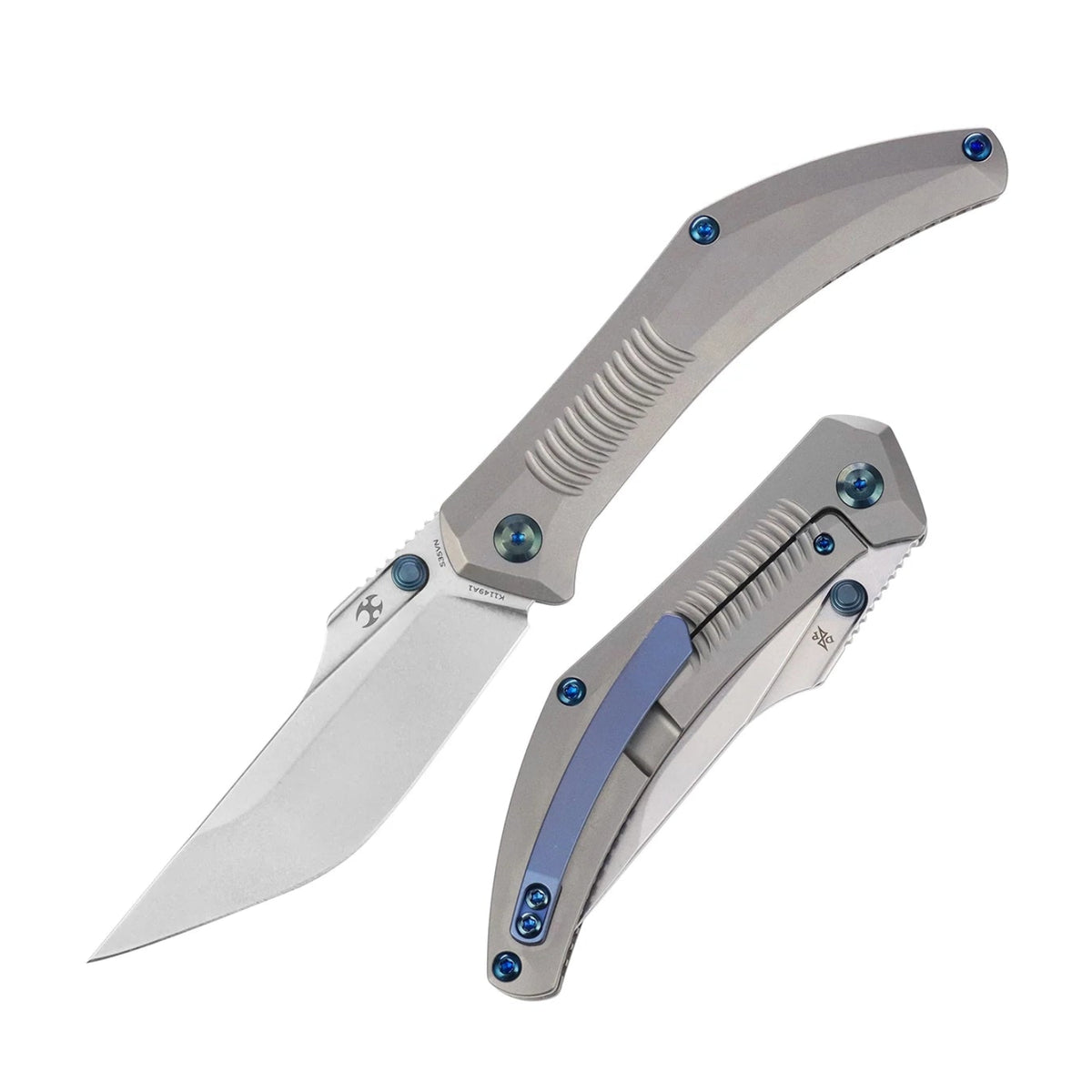
Braiding itself needs no blade, but finishing does. Cord is cut long, melted or whipped at the ends, and threaded through a lanyard bead that has to sit square to the braid. A knife with a fine tip opens a tightened braid so a bead can be seated without unravelling the last six moves. For EDC use, the bead is also the wear point: it takes the abrasion that would otherwise fray the cord.
Real-World Use
A working kumihimo setup lives on a foam disc or a wooden stand, with the braid weighted and the sequence followed by count. The finishing sequence is where knives come in: trim the braid square, melt the nylon ends if the cord allows, open a path through the terminal knot, seat the bead, and cut the tail at an angle so it feeds through a knife's lanyard hole without fraying.

Ownership Notes
The pairing of braided cord and a lanyard bead is one of the oldest tricks in gear carry, and it is still the best way to keep a small knife retrievable in a pocket. Handmade lanyard beads are collectible in their own right, and limited runs sell out fast. EdcMall carries Apeshkov Beads and a rotating selection of handmade pieces, so checking stock before a build is worth the two minutes. Braiders tend to carry EDC knives for the finishing step alone, because a clean cut on cord is the difference between a fob that lasts and one that unravels.
Who Is This For?
Buy it if you braid cord, tie fobs or want a lanyard bead that will outlast the cord it sits on. It suits kumihimo braiders, paracord crafters and anyone carrying a small fixed blade. Skip it if you want a functional weight with no craft value; a plastic cord lock does the same job for almost nothing, and a handmade bead is a choice about how the gear feels rather than how it measures.
Final Verdict
Kumihimo and a handmade bead are a natural pair: the braid provides the tension and the bead provides the finish and the wear surface. Apeshkov's cast pieces are heavy enough to act as counterweights and detailed enough to be worth looking at. If you carry a small knife and want a lanyard that actually works, this is the combination to build.