
Overview & First Impressions
Limnology fieldwork is wet work. A research crew pulls a plankton net, rinses a sample bottle, measures a dissolved oxygen probe, records a secchi depth and labels every jar before it goes into a cooler. Between samples there are things to cut: a length of line, a zip tie on a cage, a section of tubing, a piece of flagging on a marker. The knife that lives on the boat has to tolerate being soaked, rinsed and left in a wet bag, and the edge has to survive cutting through abrasive netting and cord.
Materials & Construction
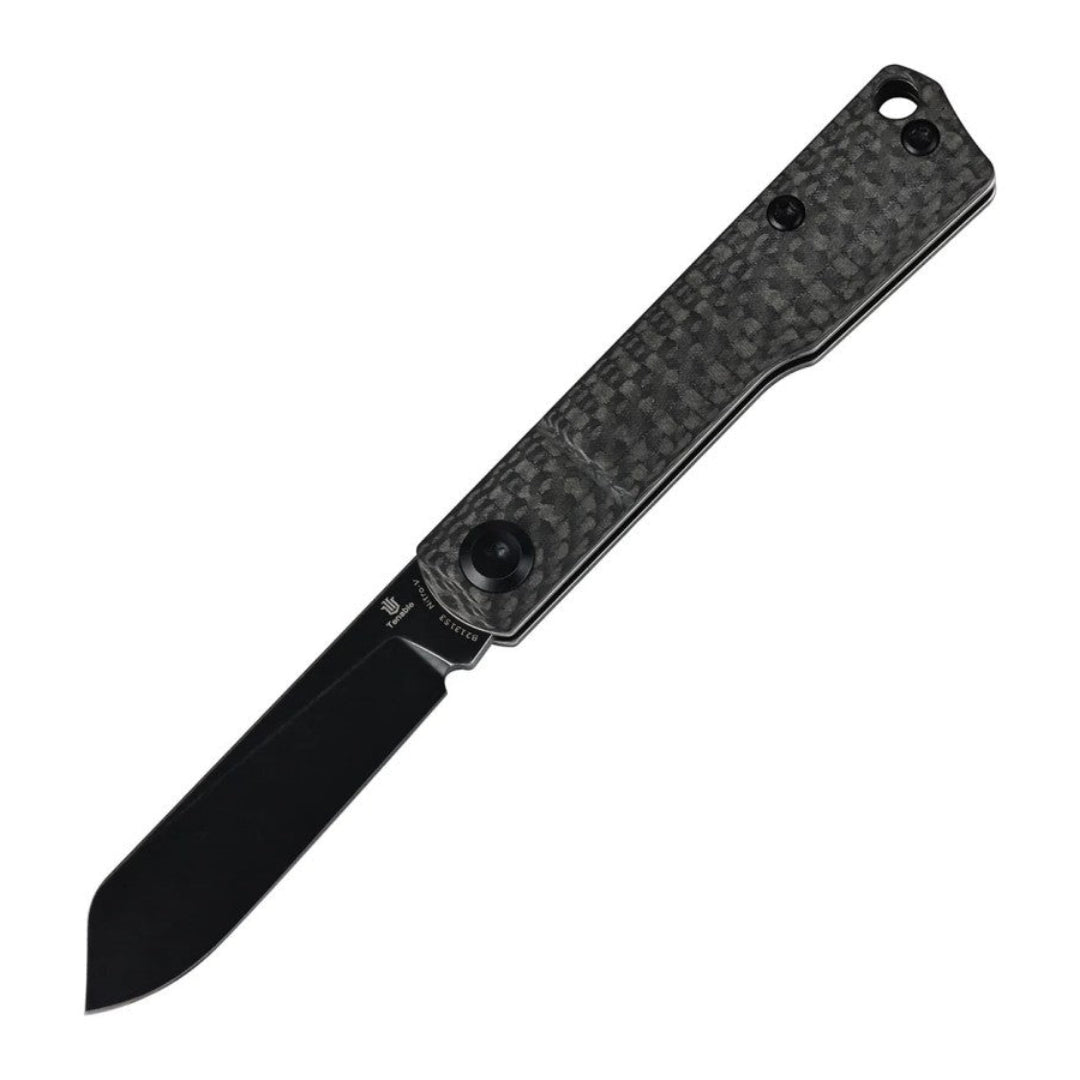
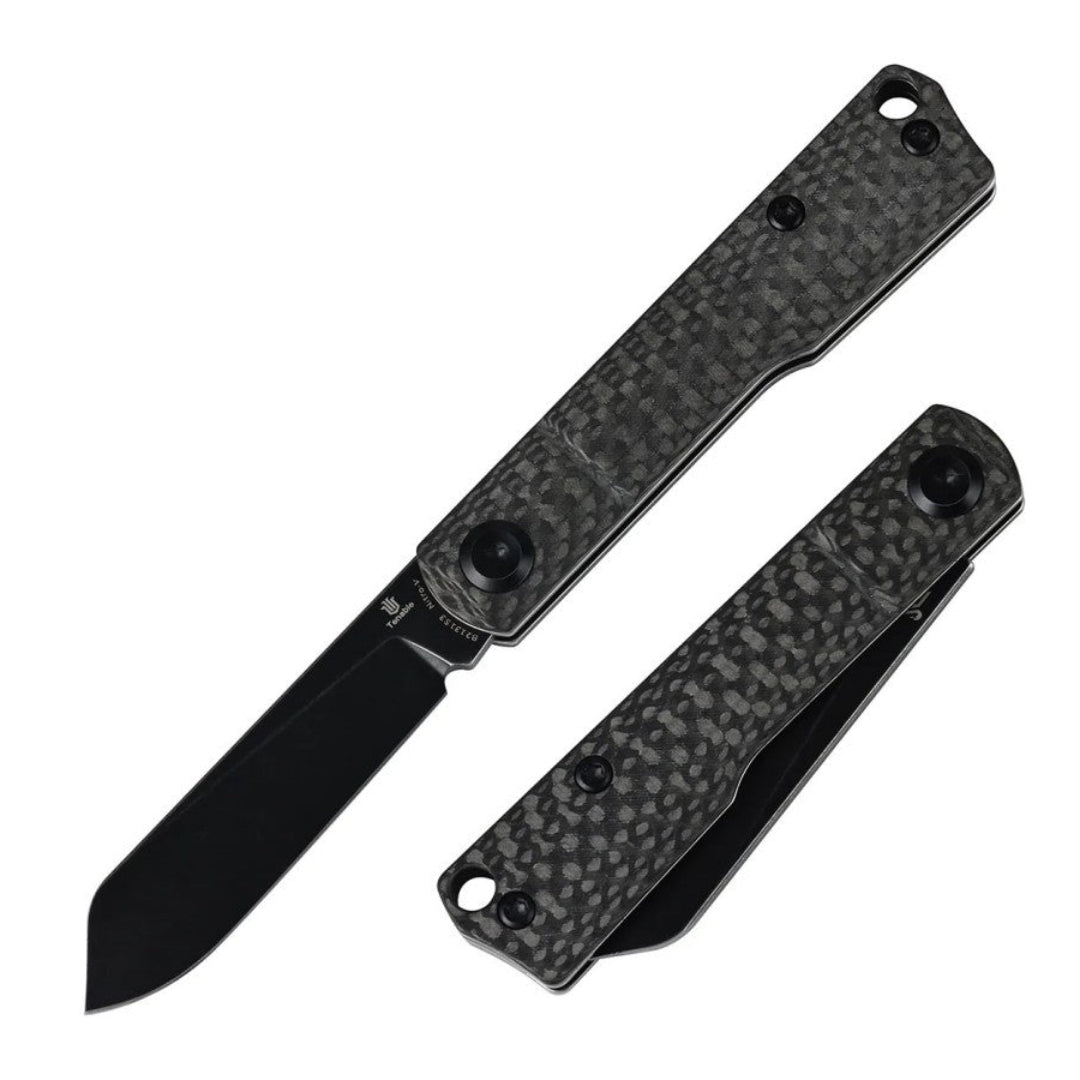
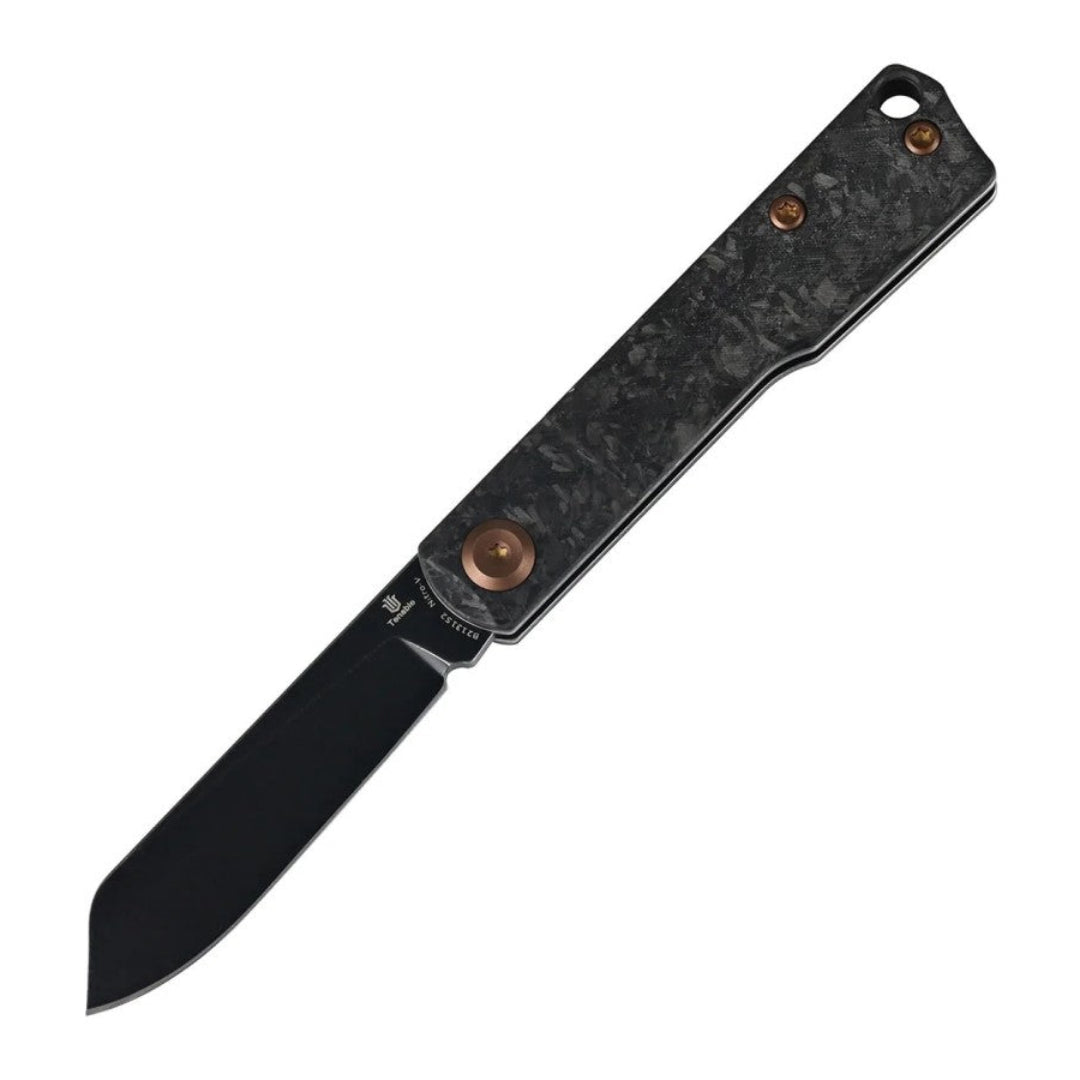
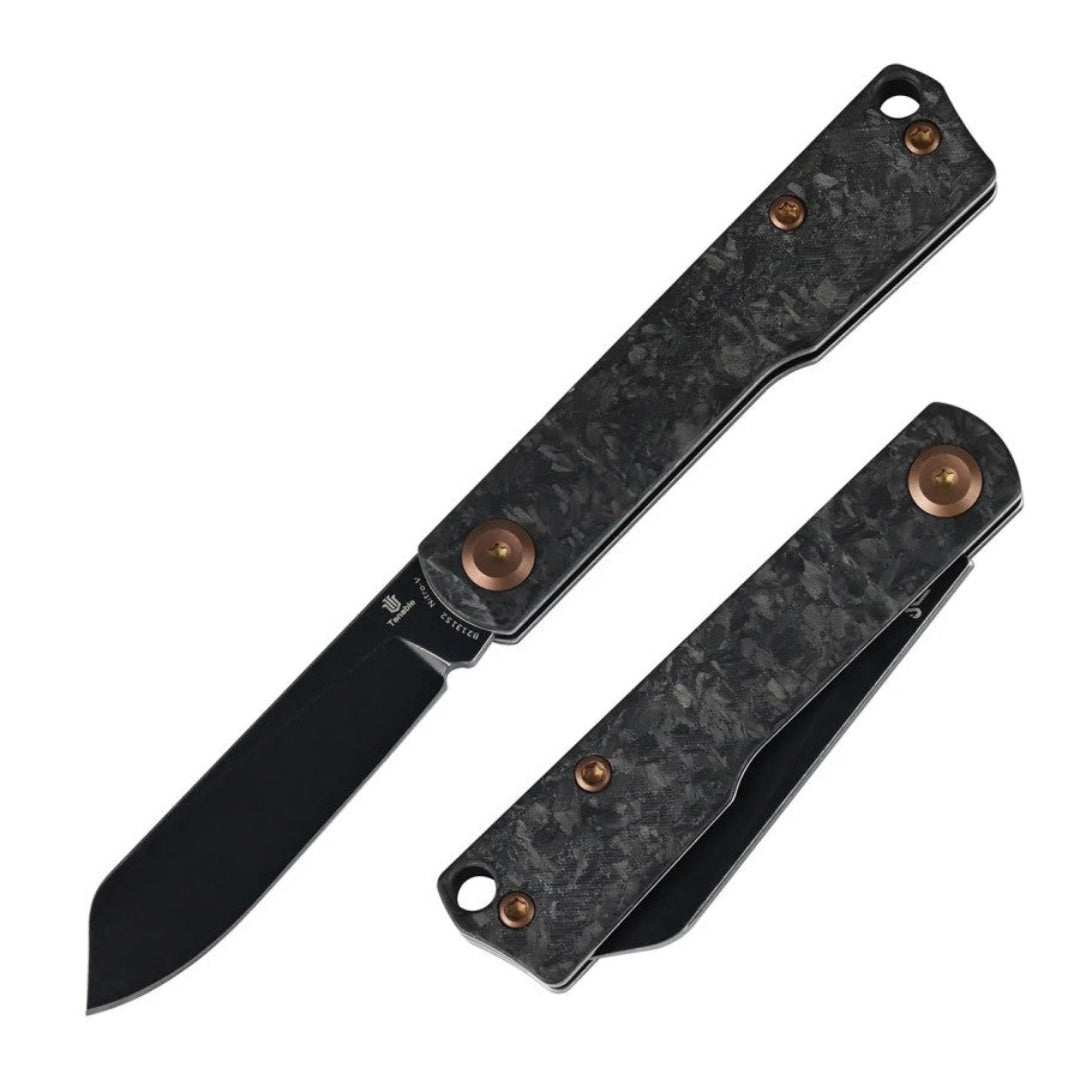
Nitro-V is a nitrogen-alloyed stainless with a well-earned reputation for balancing corrosion resistance and edge retention. Nitrogen improves the steel's resistance to pitting without the chromium level climbing high enough to make it brittle, which is exactly the requirement for a knife that gets wet every single day. The Tenable Riflestock B2131S4 pairs that blade with a gray TiCn coating, adding another layer of surface protection against the warm, mineral-rich water of a lake in summer.

Design & Details
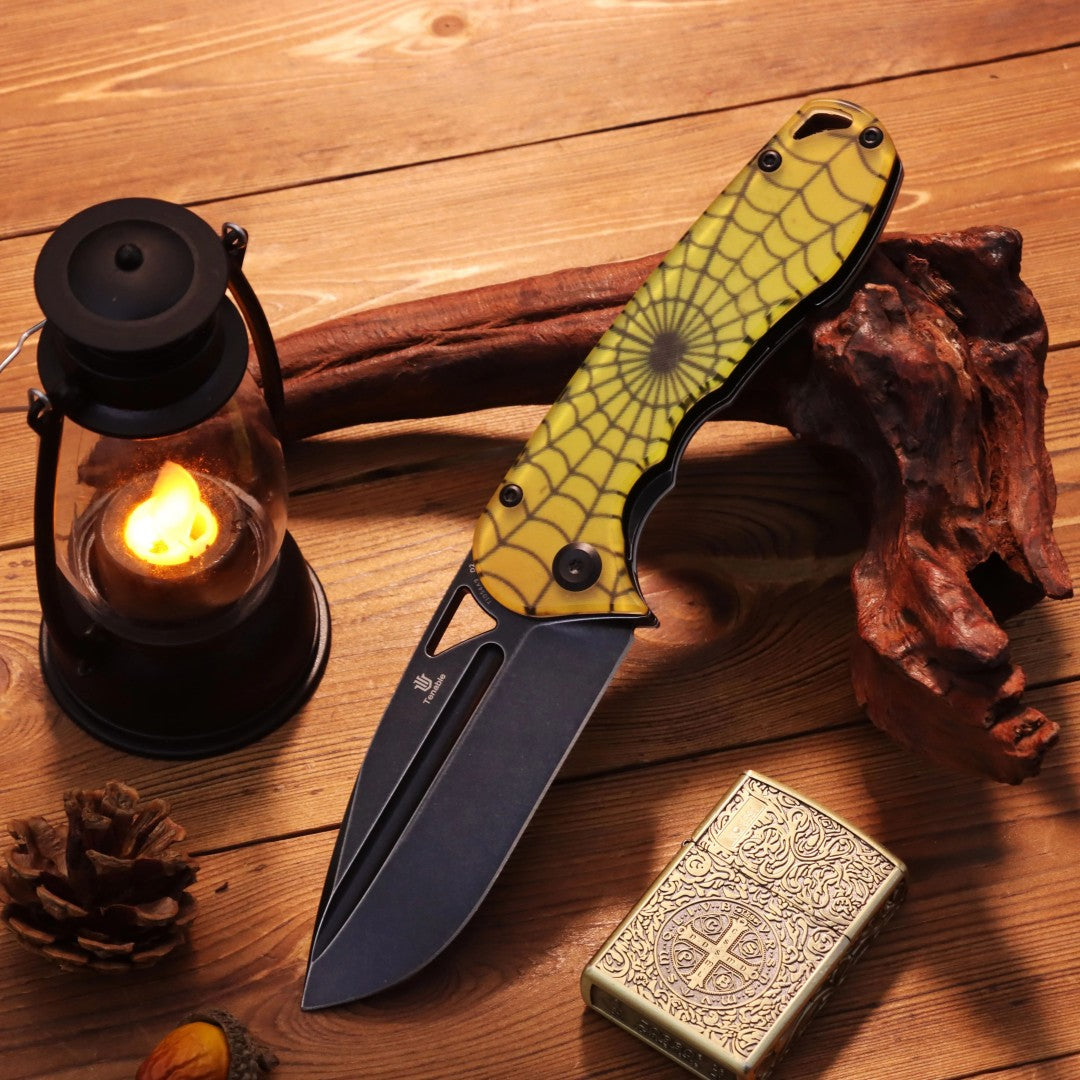
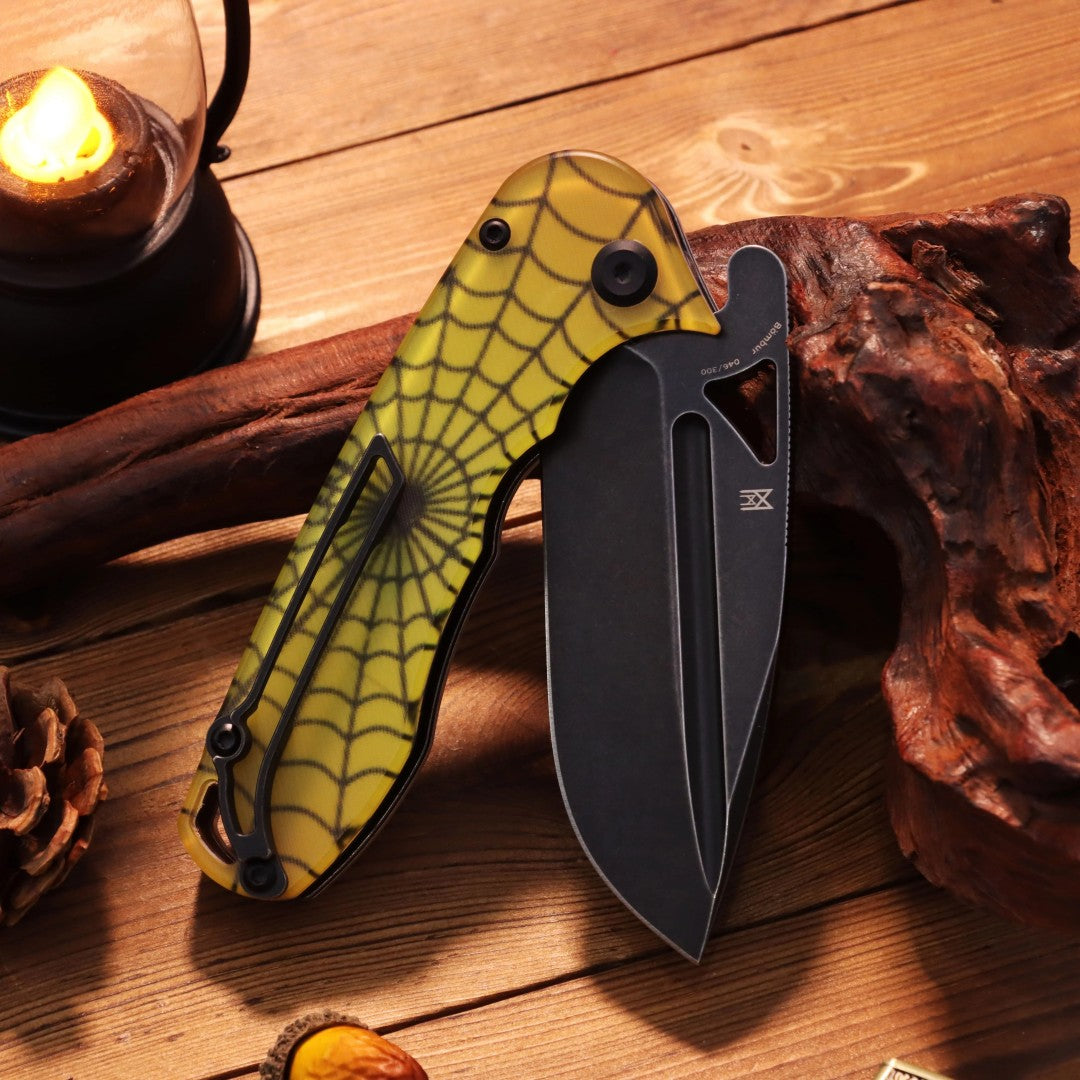
A boat knife has to be findable and secure. A bright or high-contrast handle shows up against the floor of an aluminium hull, a lanyard hole allows a cord to be tied to a thwart so the knife floats if it goes over the side, and a lock that holds the blade firmly open matters when the deck is pitching. Among folding knives, a drop point with a fine tip handles tubing and line well and still has enough belly to cut a plastic sample bag cleanly.
Real-World Use
On a sampling run the knife cuts a length of anchor line, trims a plankton net repair patch, slices tubing for a peristaltic pump, opens a crate of sample bottles, cuts flagging tape for a marker buoy and trims a zip tie on a sediment trap. A waterproof EdcMall light is used to read a sample label under an awning and to inspect a nets contents in a cooler after dark.

Ownership Notes
Wet research is brutal on steel, so the routine matters more than the specification. Rinse the knife in fresh water at every launch, dry it rather than leaving it in a wet bag, and put a drop of oil on the pivot each week. Keep the blade sharp enough to cut netting without sawing. EdcMall carries the corrosion-resistant folders and waterproof lights that suit limnology work. A research boat always carries two folders, because a knife dropped overboard during a sampling run is never recovered. The EDC knives in a wet kit should be chosen for the corrosion resistance that field science demands, and keeping a backup in the dry box means a lost blade costs a minute rather than a day. Choose the ones you can rinse and dry without spotting and you will stop thinking about them, which is the point. Look at how Tenable knives coat their blades, because a coated surface is one less place for pitting to start on a boat that gets rinsed twice a day.
Who Is This For?
This is for limnologists, water quality technicians, fisheries survey crews, environmental consultants and students running a field season. A day angler needs something simpler. If your sample gear is wet from May to October, buy the nitrogen steel.
Final Verdict
Wet fieldwork is a corrosion test. A nitrogen-alloyed blade, a protective coating, a lanyard hole and a rinse-at-the-launch habit will keep a sampling knife usable for many seasons.