

Overview & First Impressions
A locksmith's van is a workshop on wheels, and the pocket knife is the tool that gets borrowed for everything. You cut a key blank free of burrs, trim a strike plate shim, open a parts bag, cut foam for a storage tray and slice weatherstrip before refitting a door. None of that needs a heavy blade. What it needs is a precise point, a thin stock and a lock that will not fold on you while your other hand is holding a cylinder steady, which is where most EDC knives fall short.
Materials & Construction
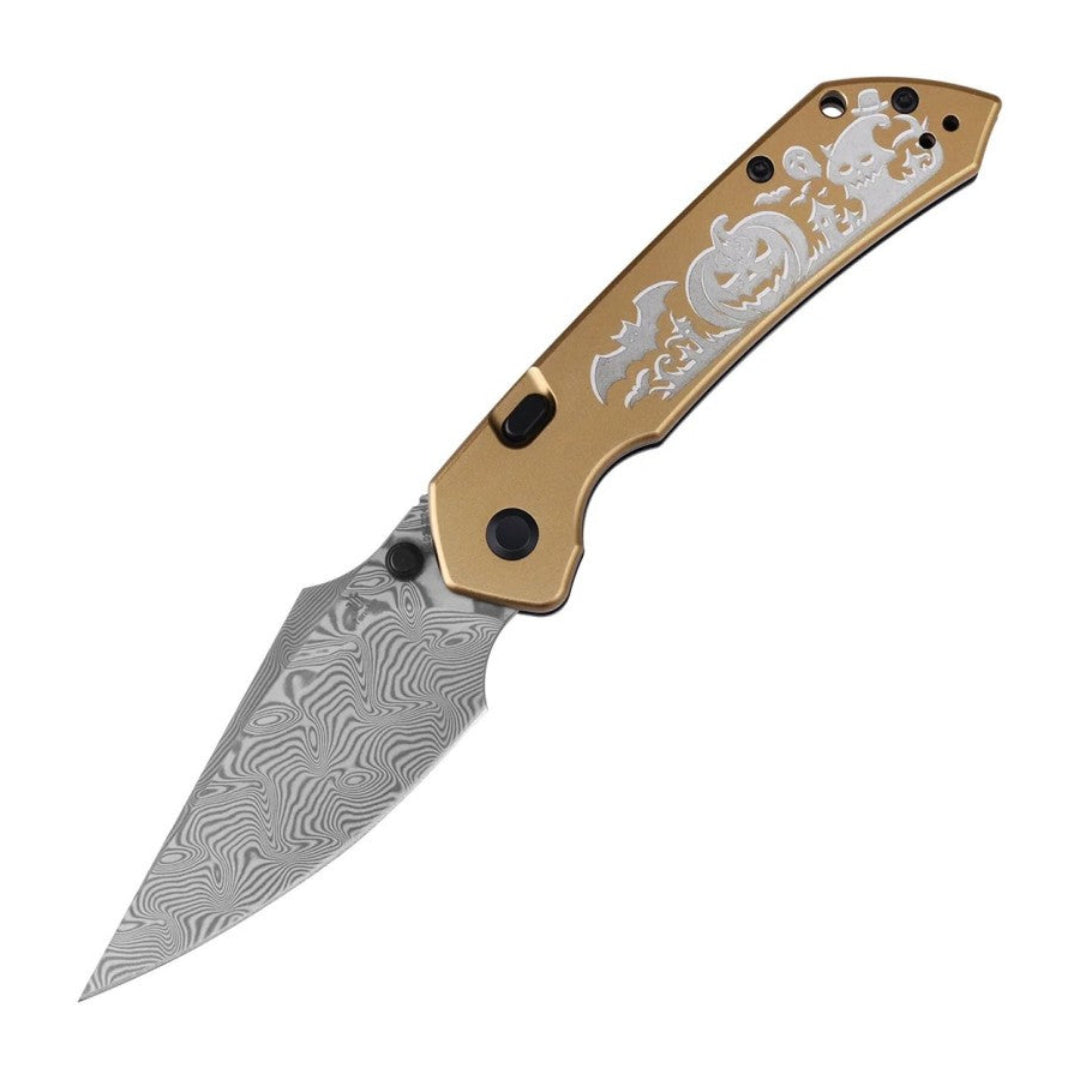
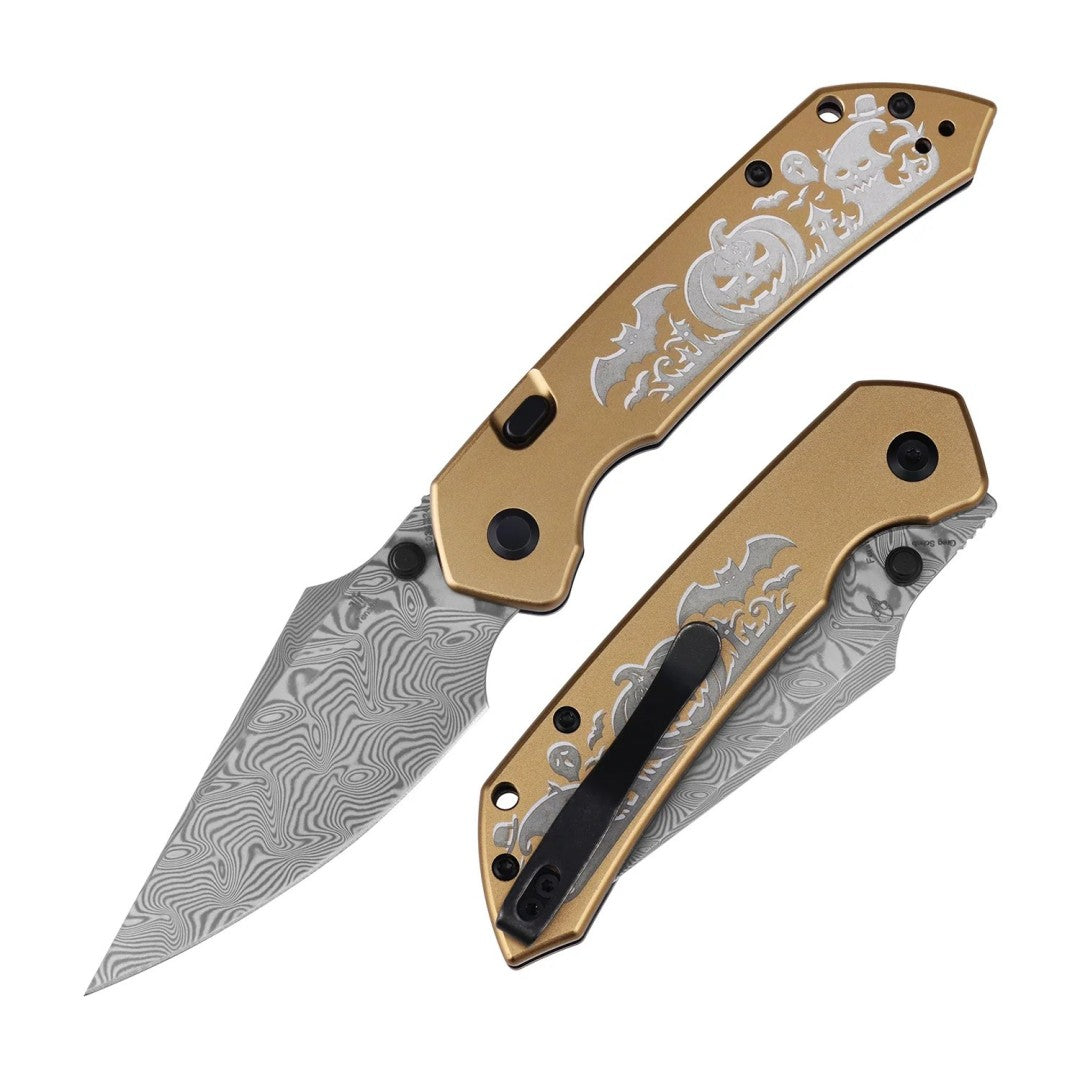
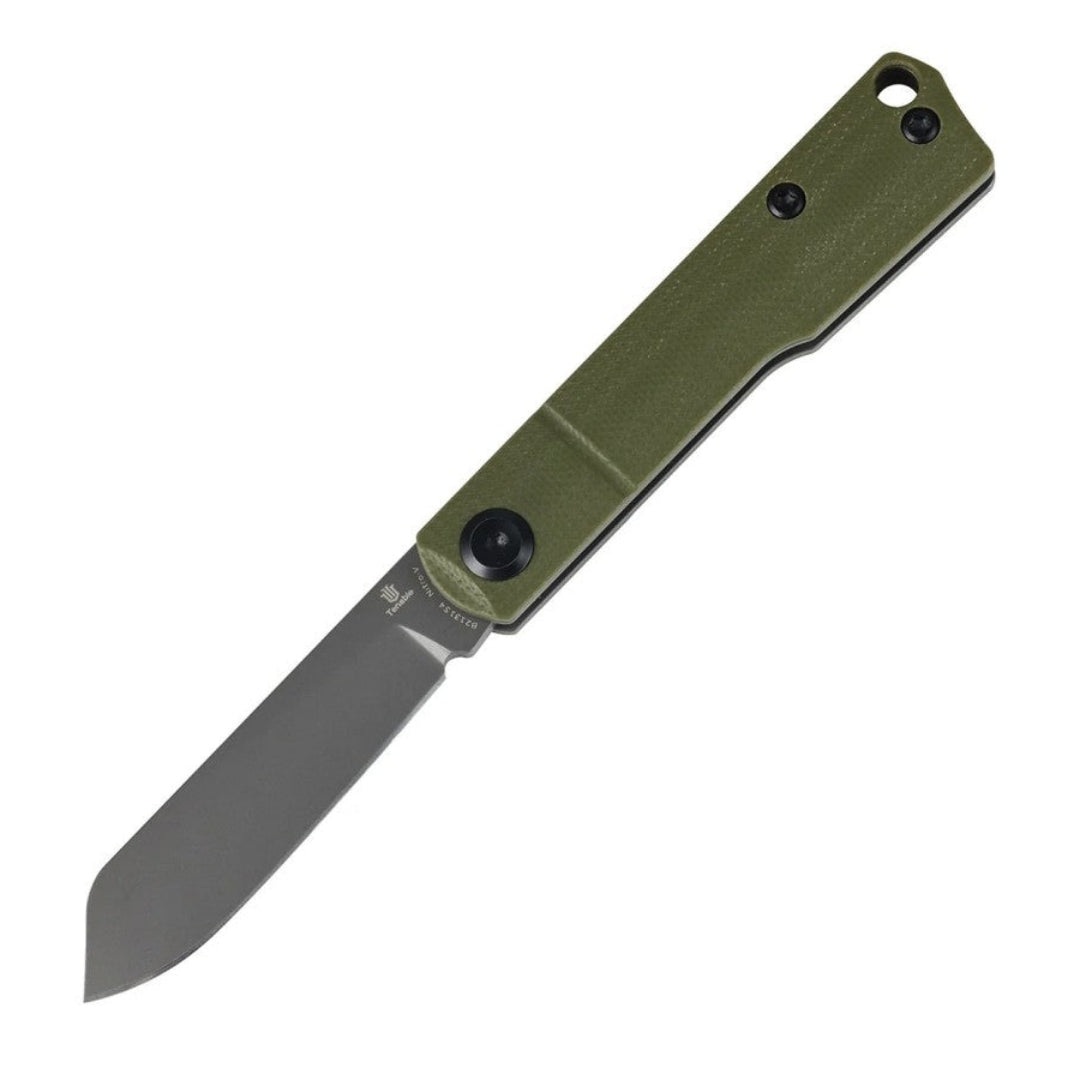
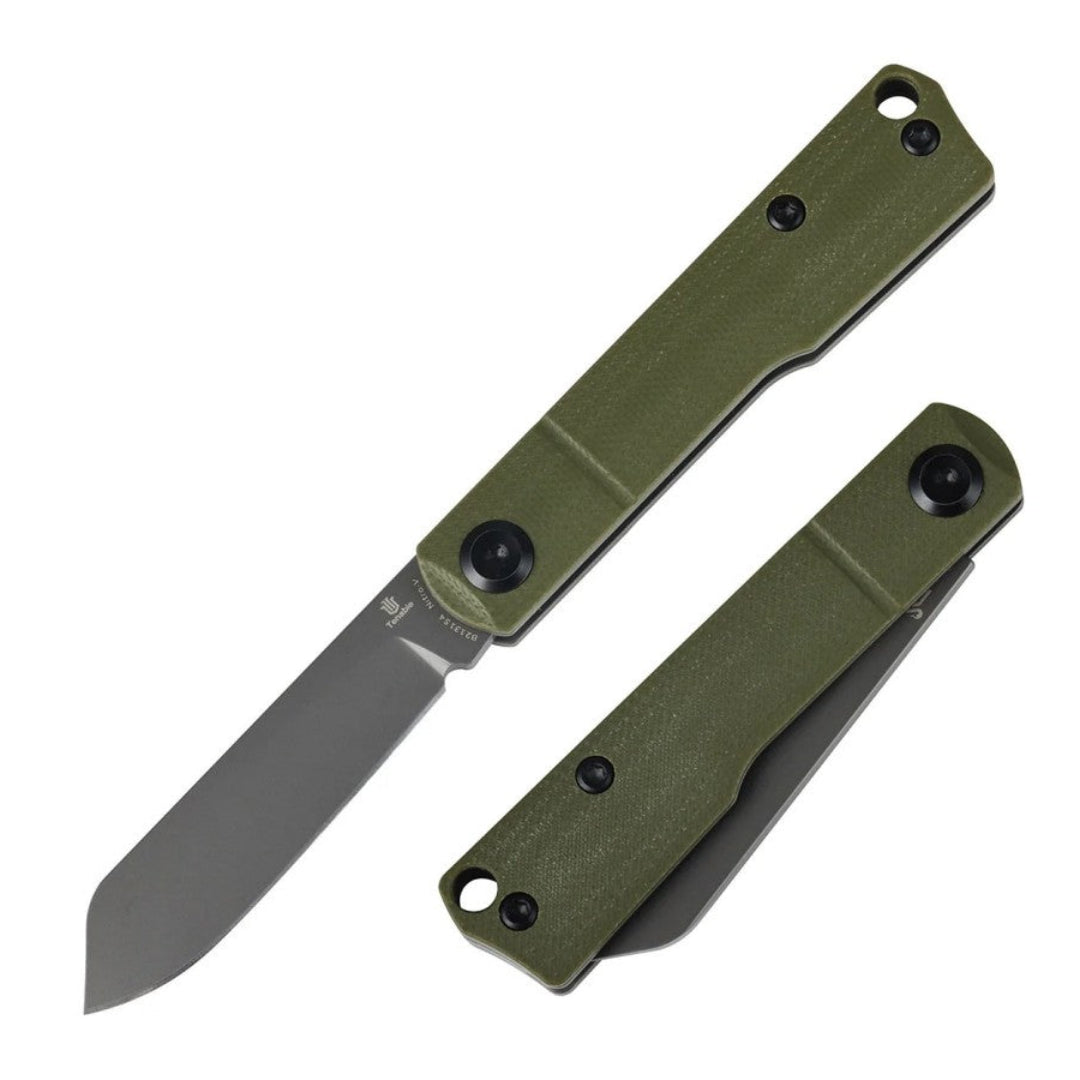
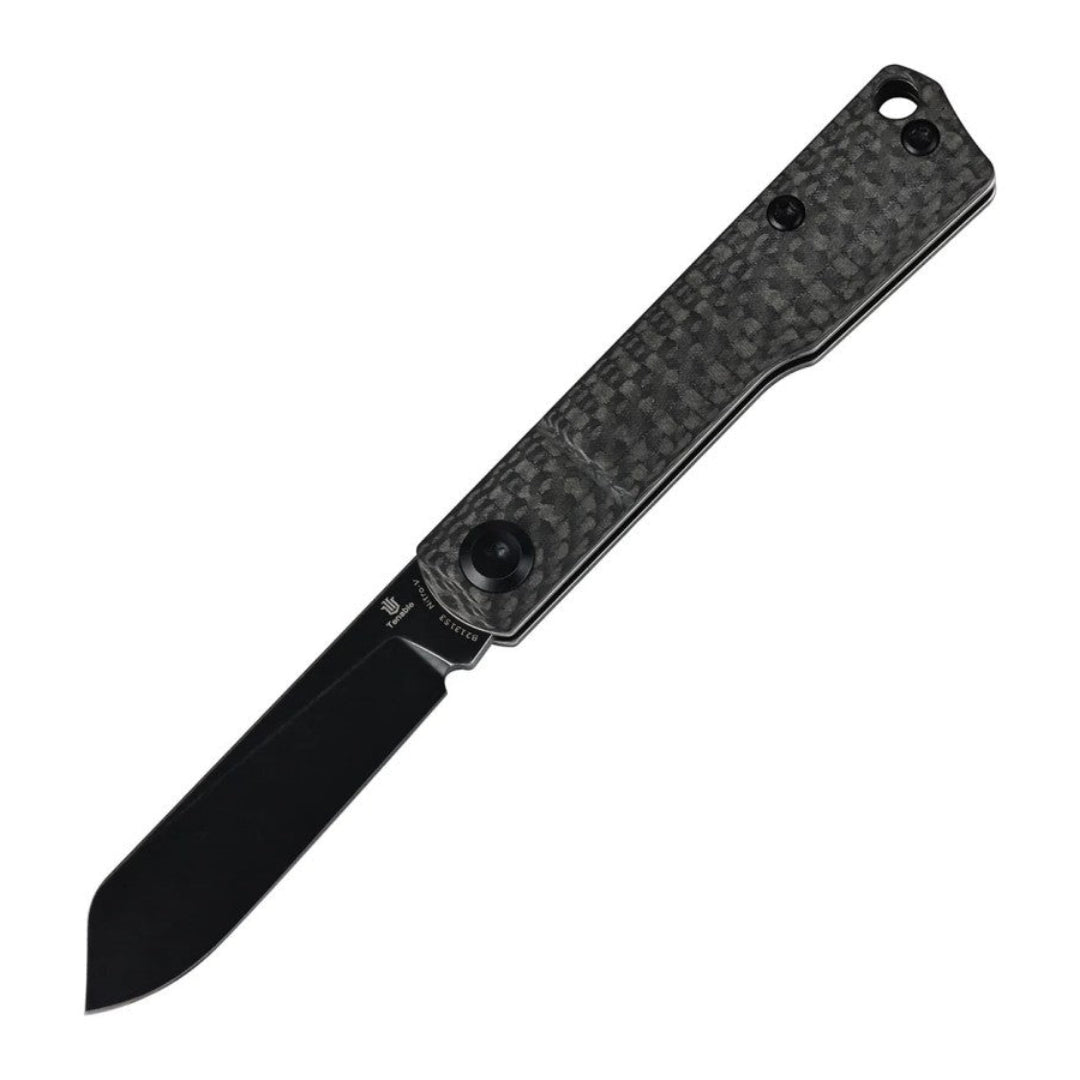
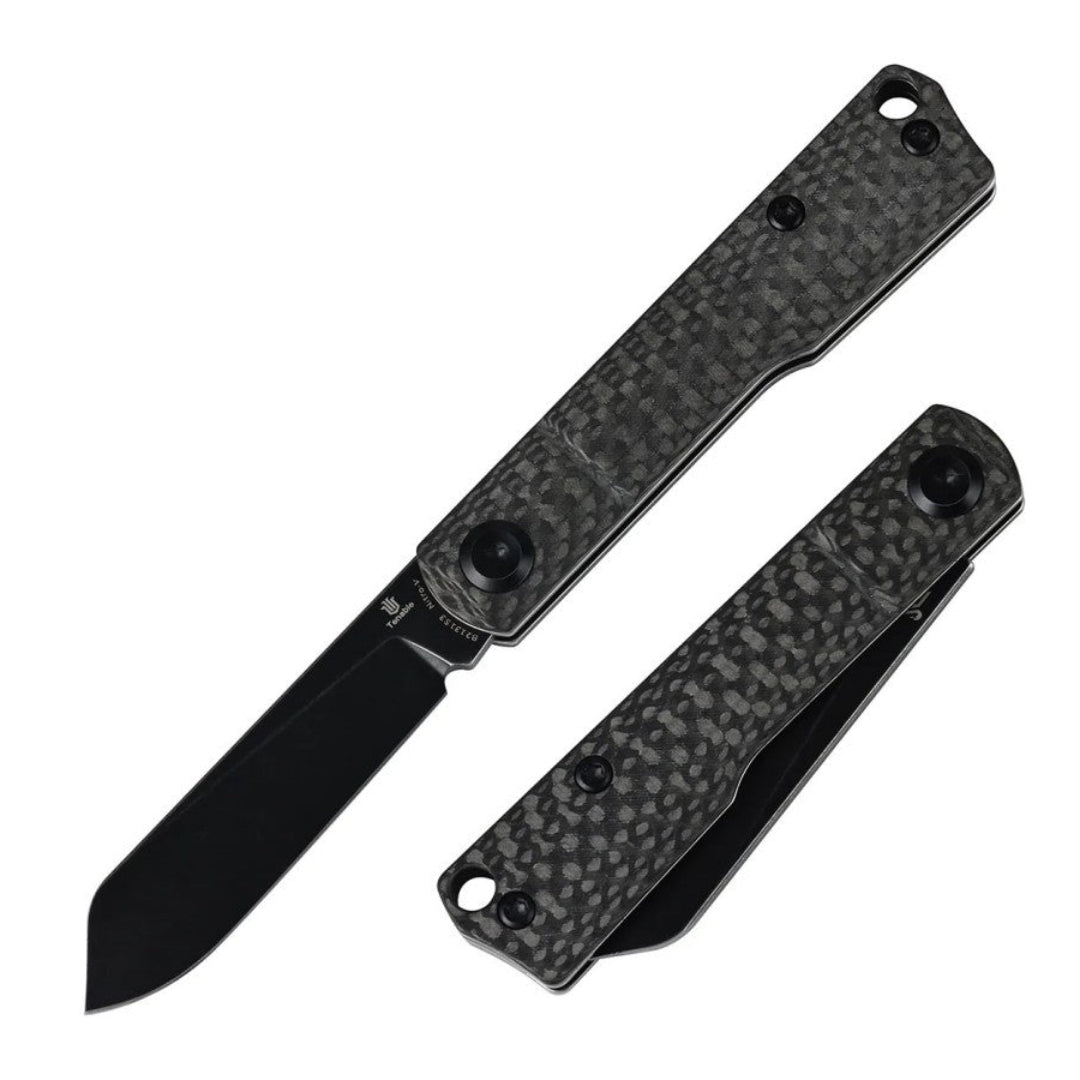
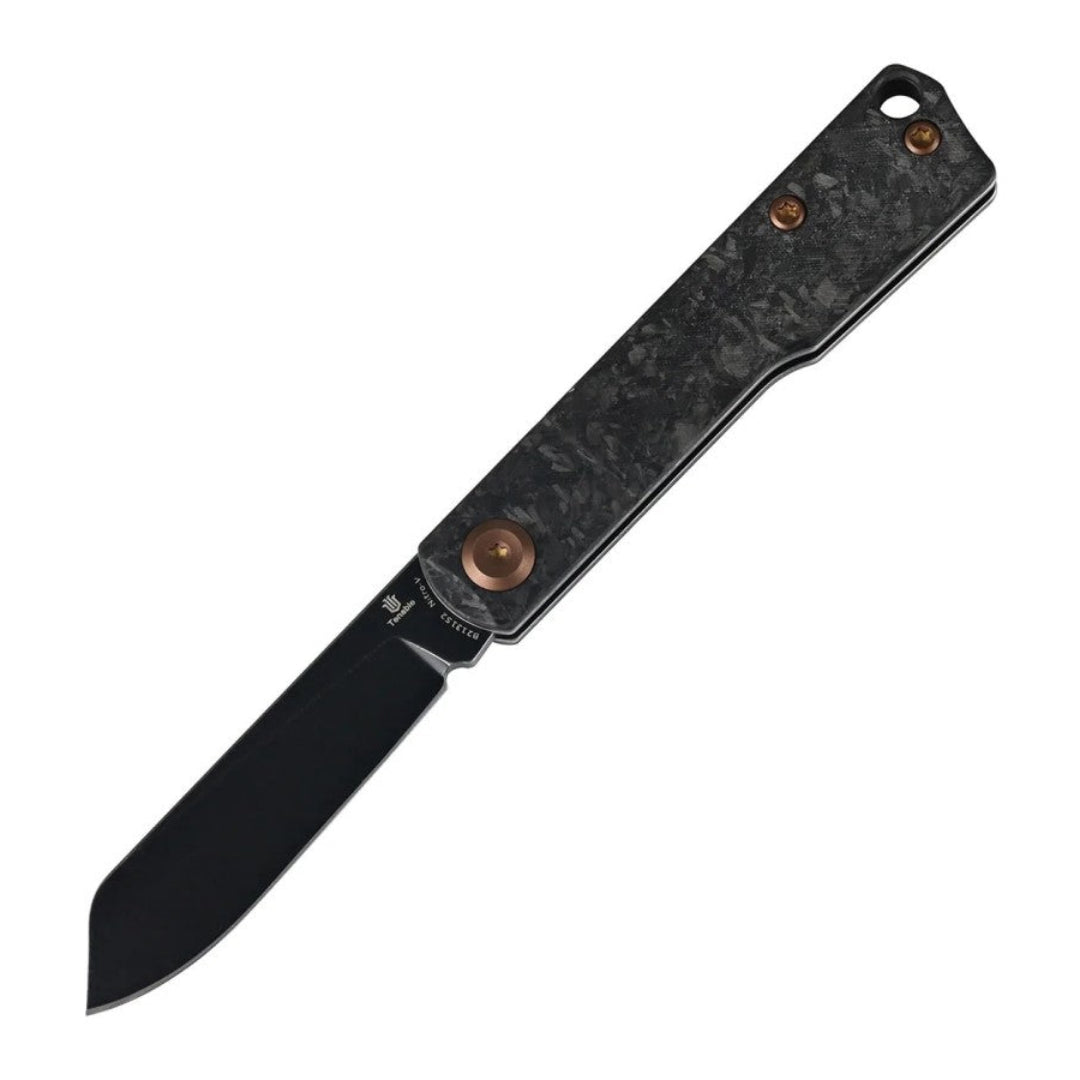
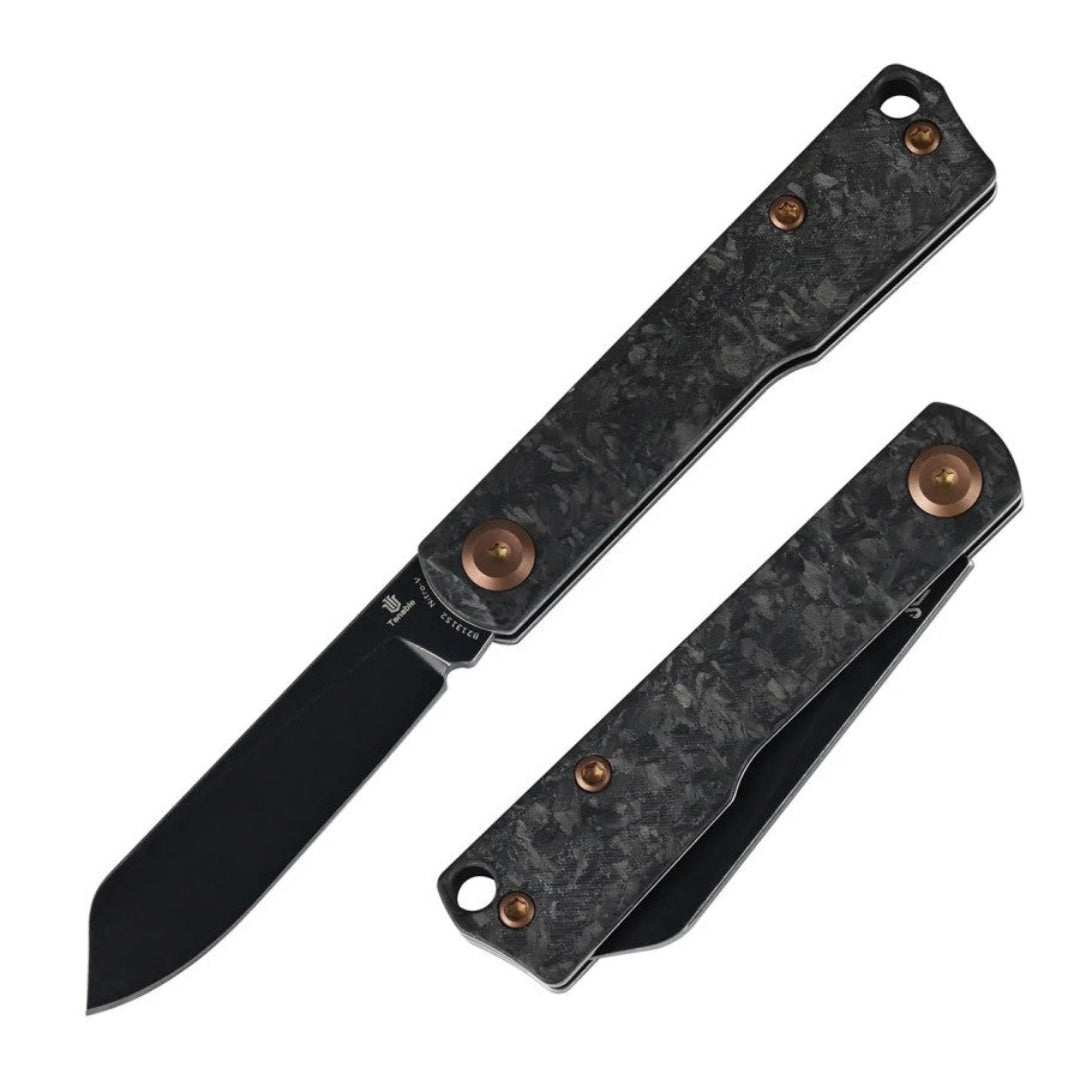
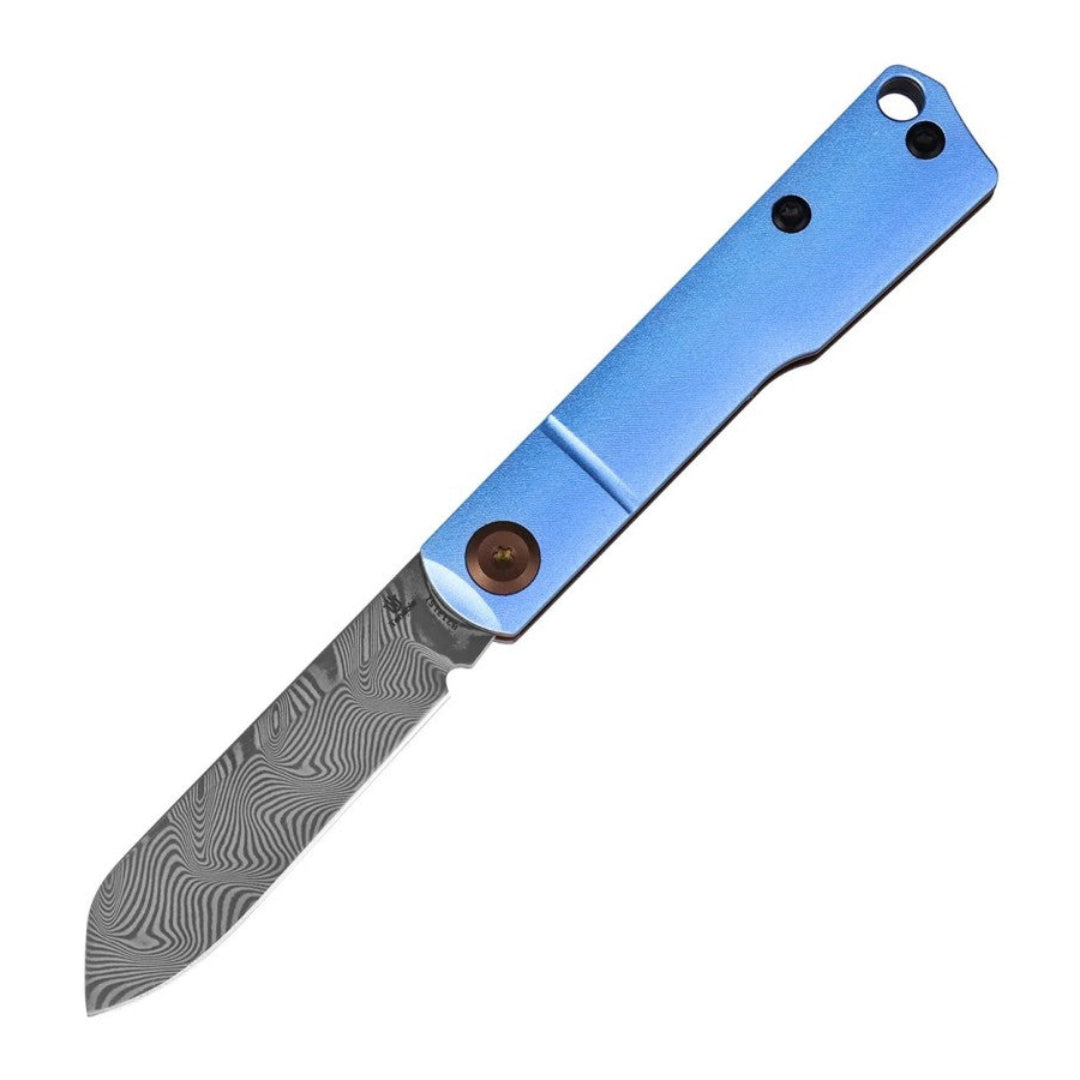
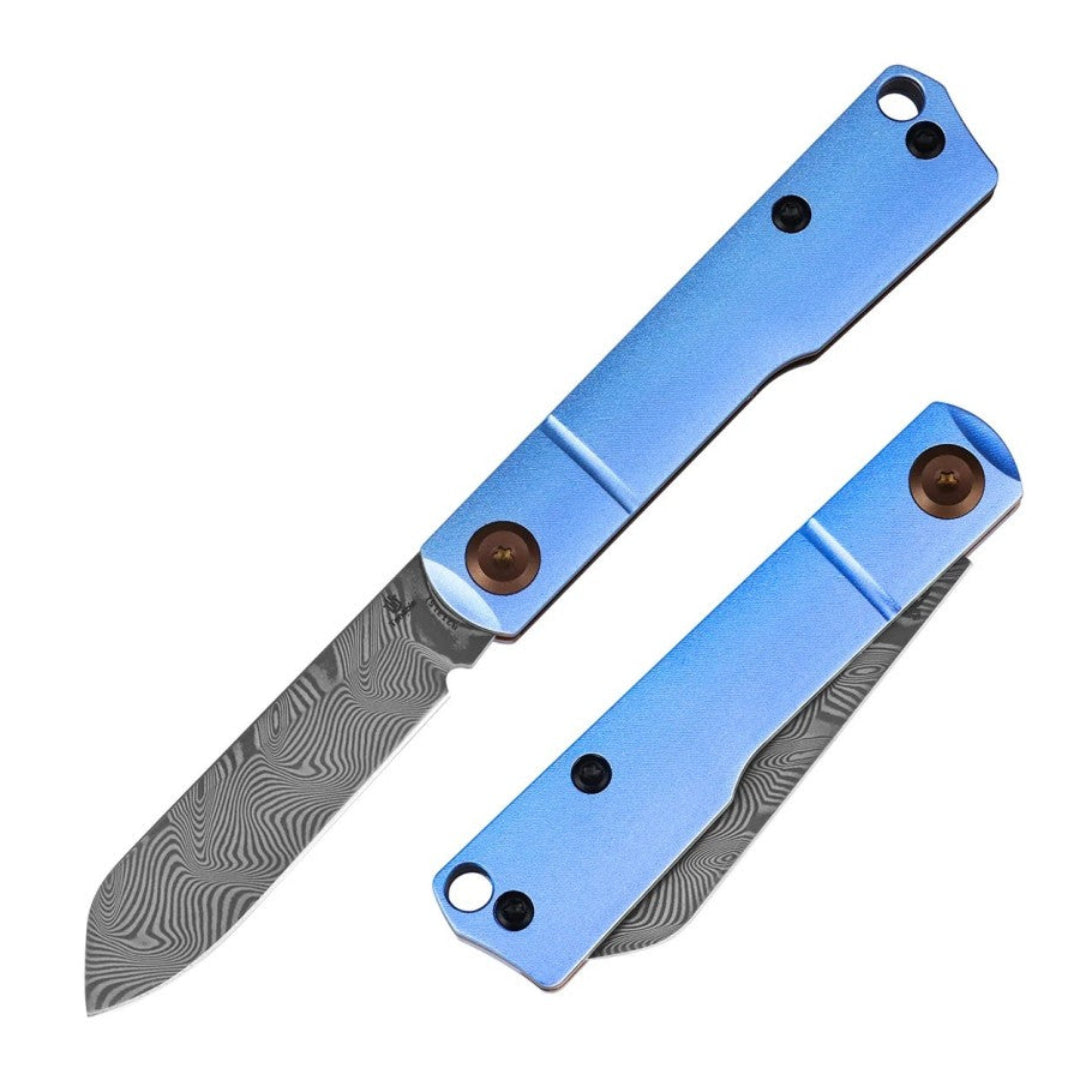
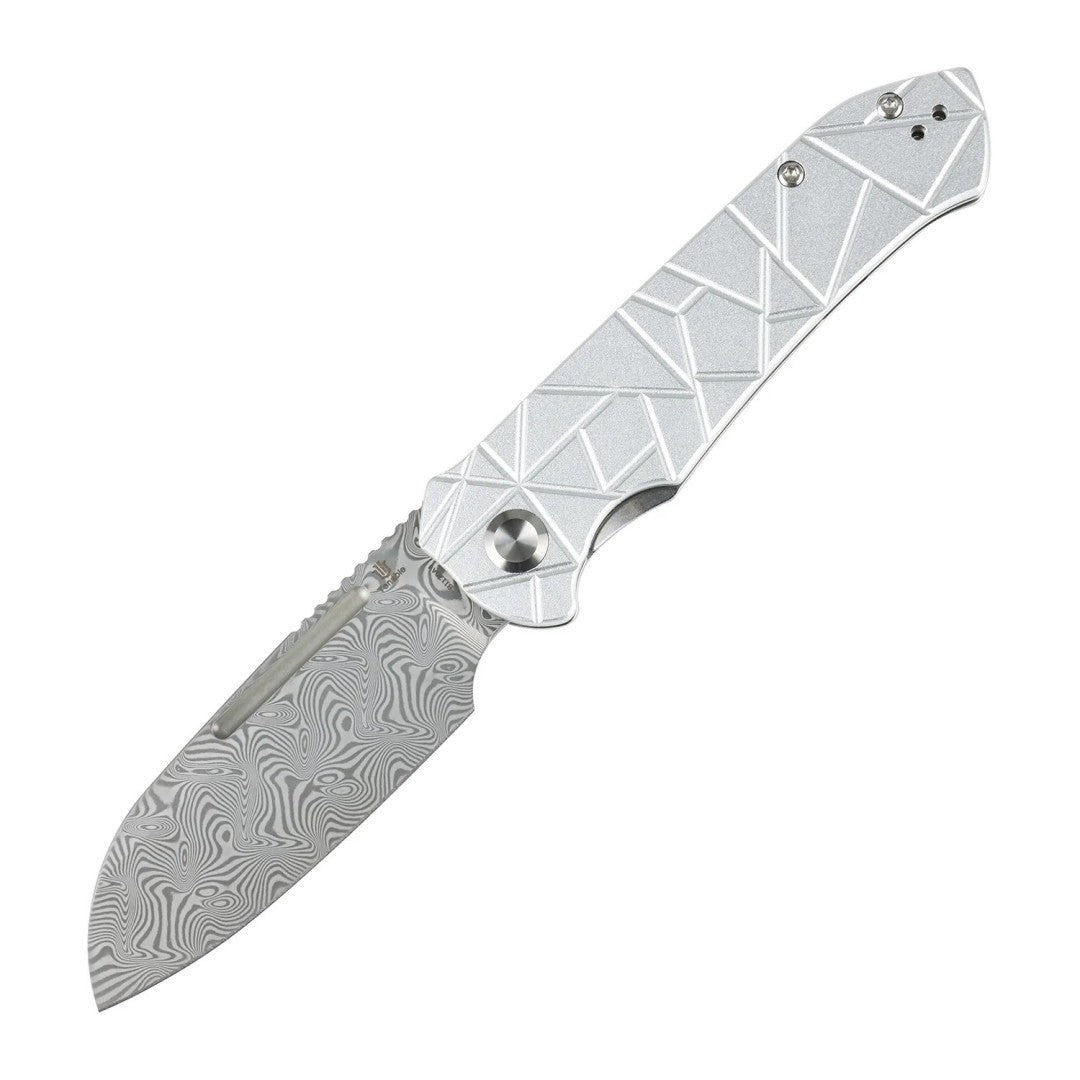
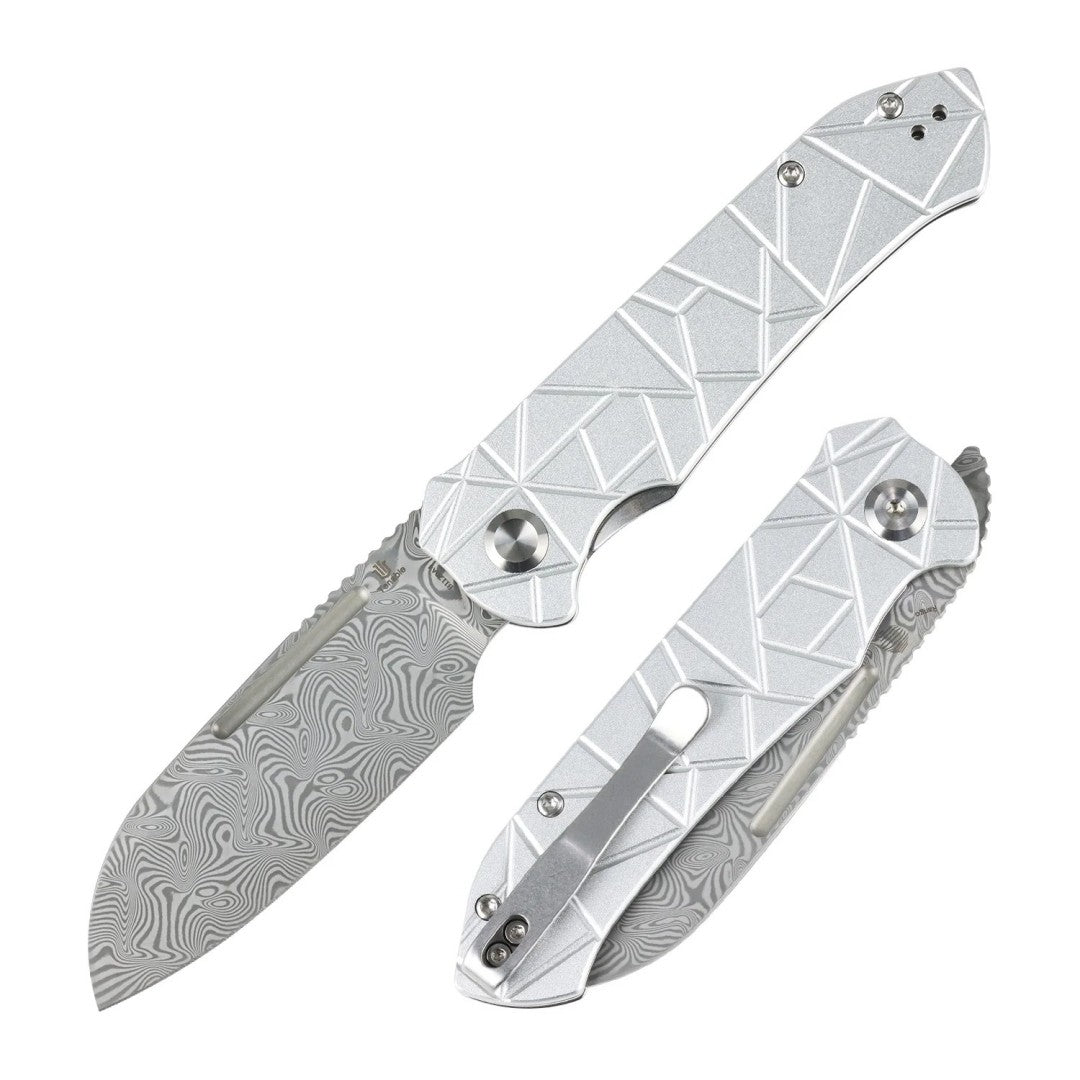
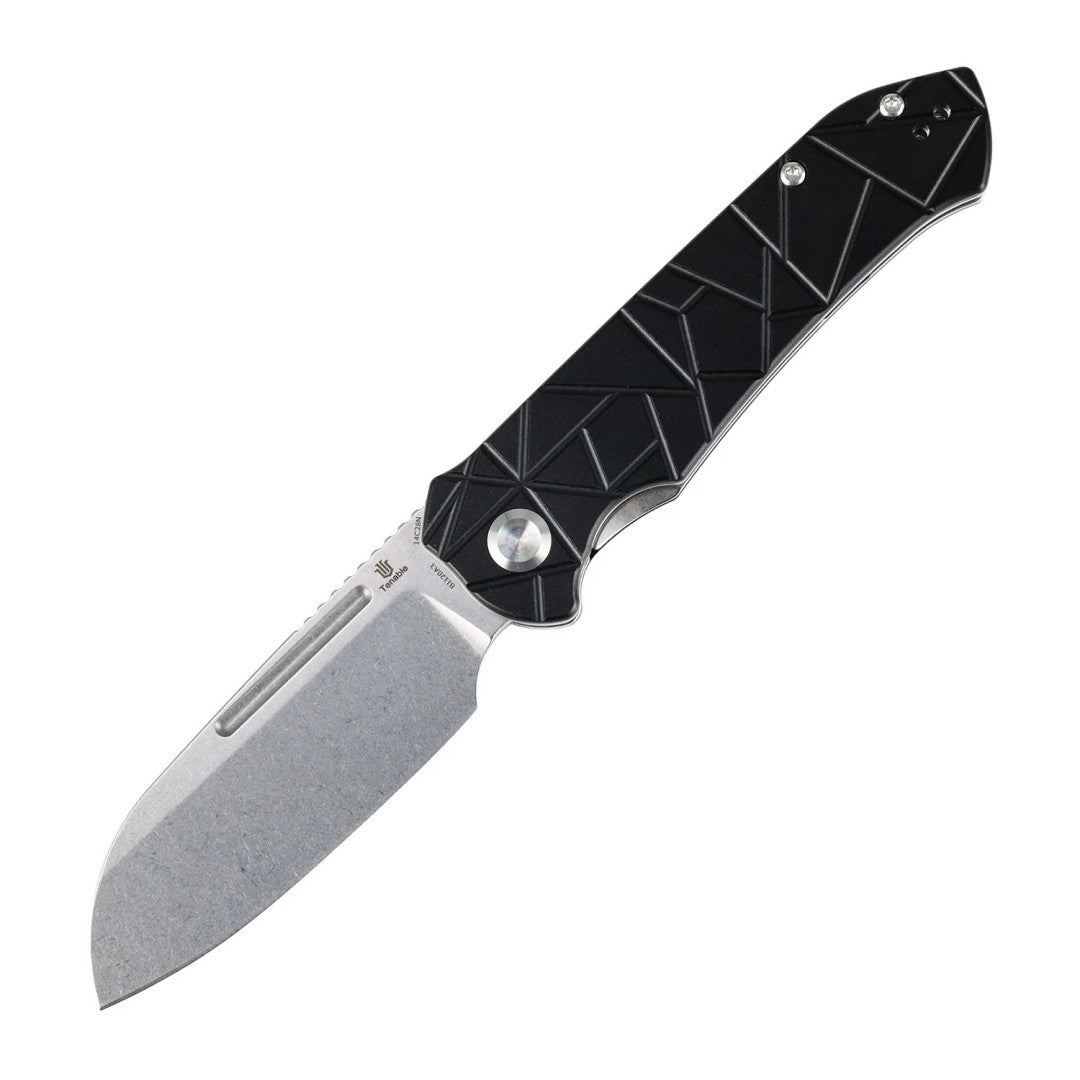
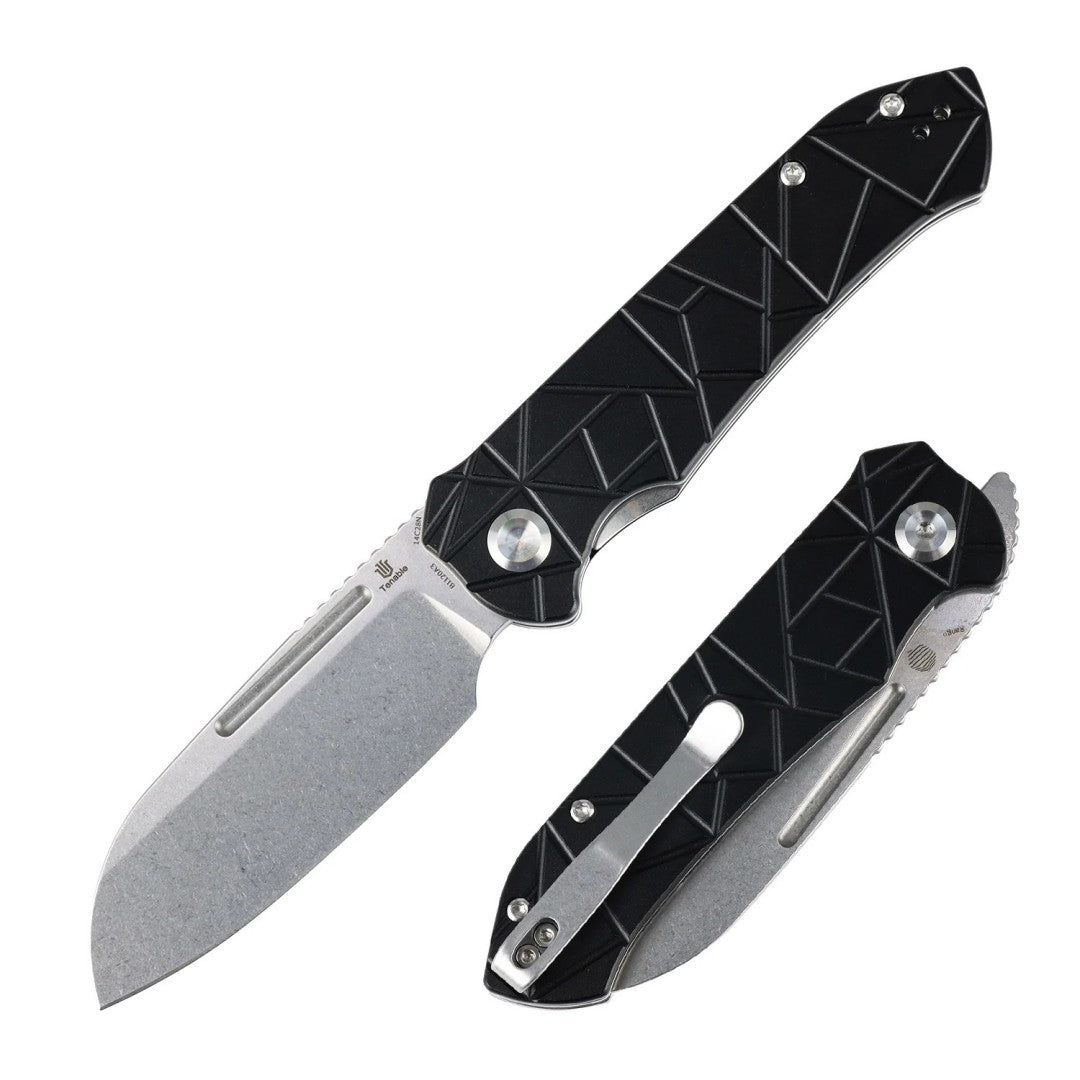
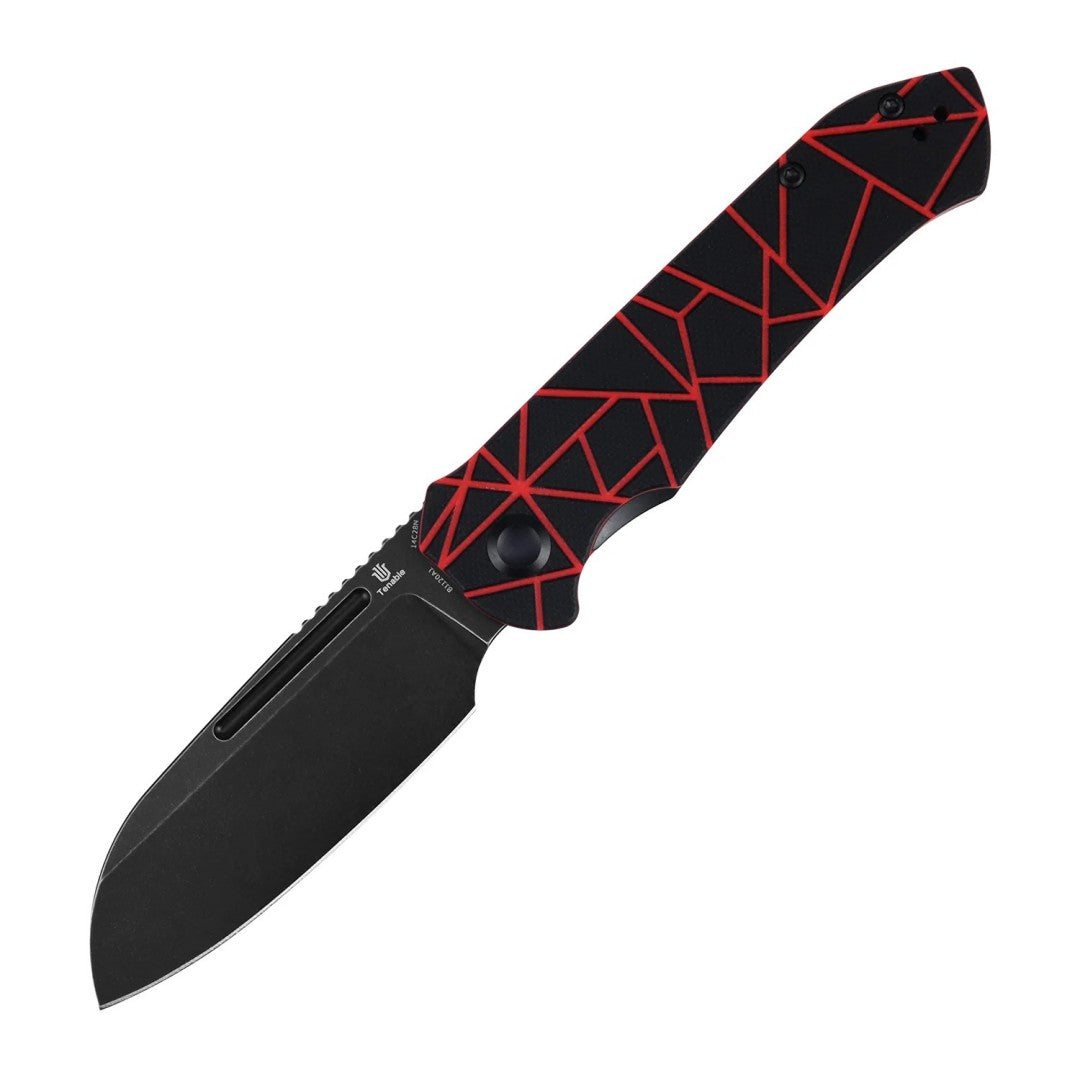
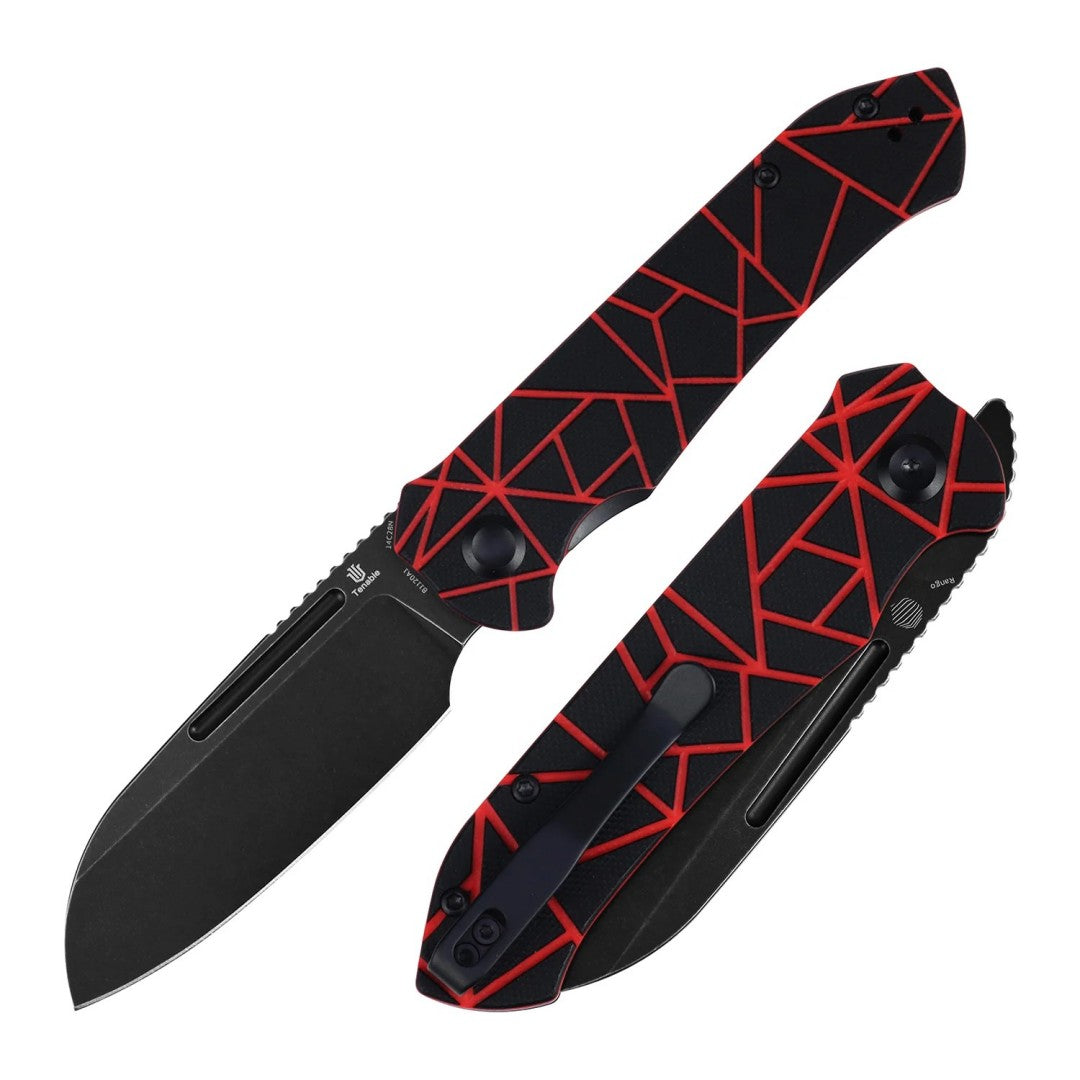
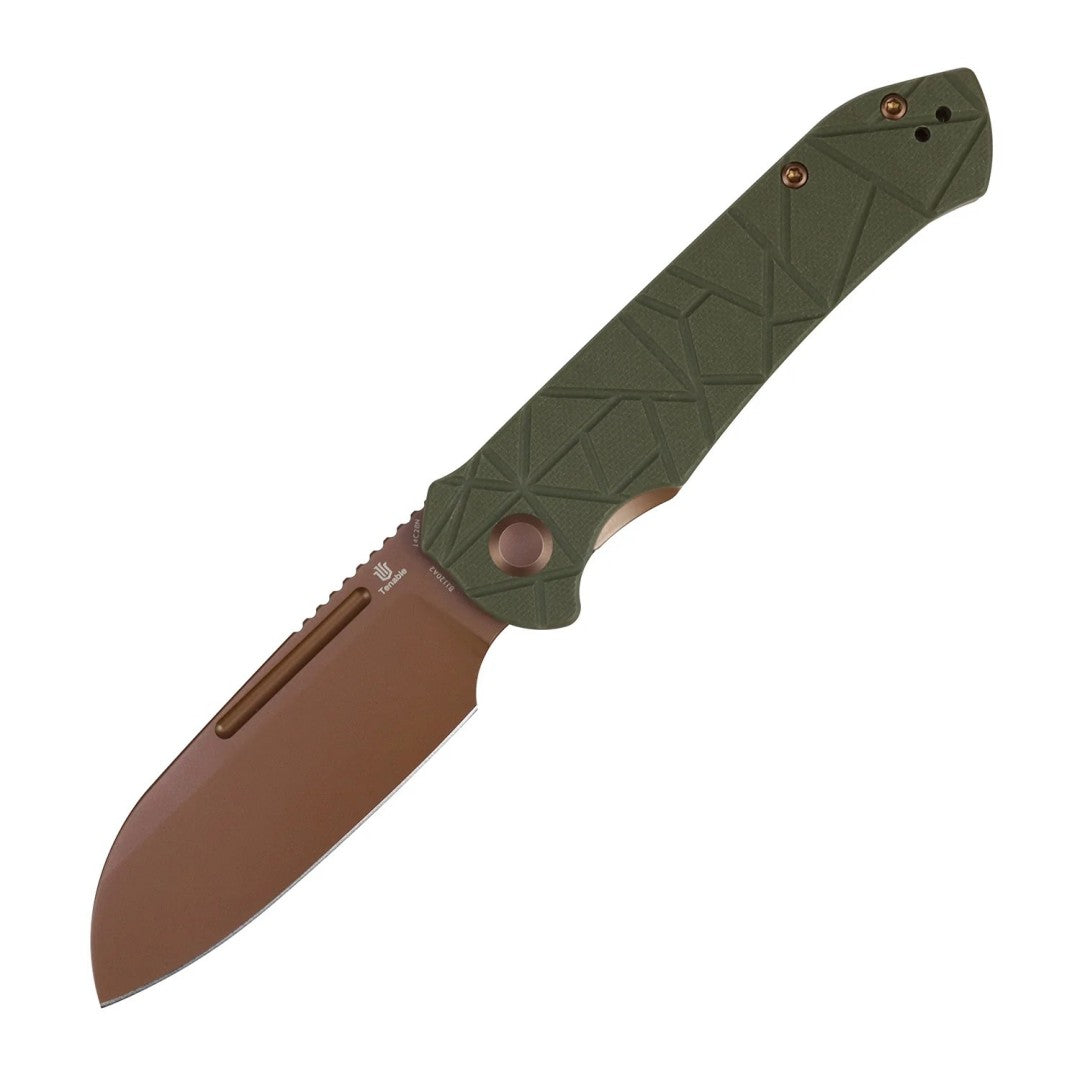
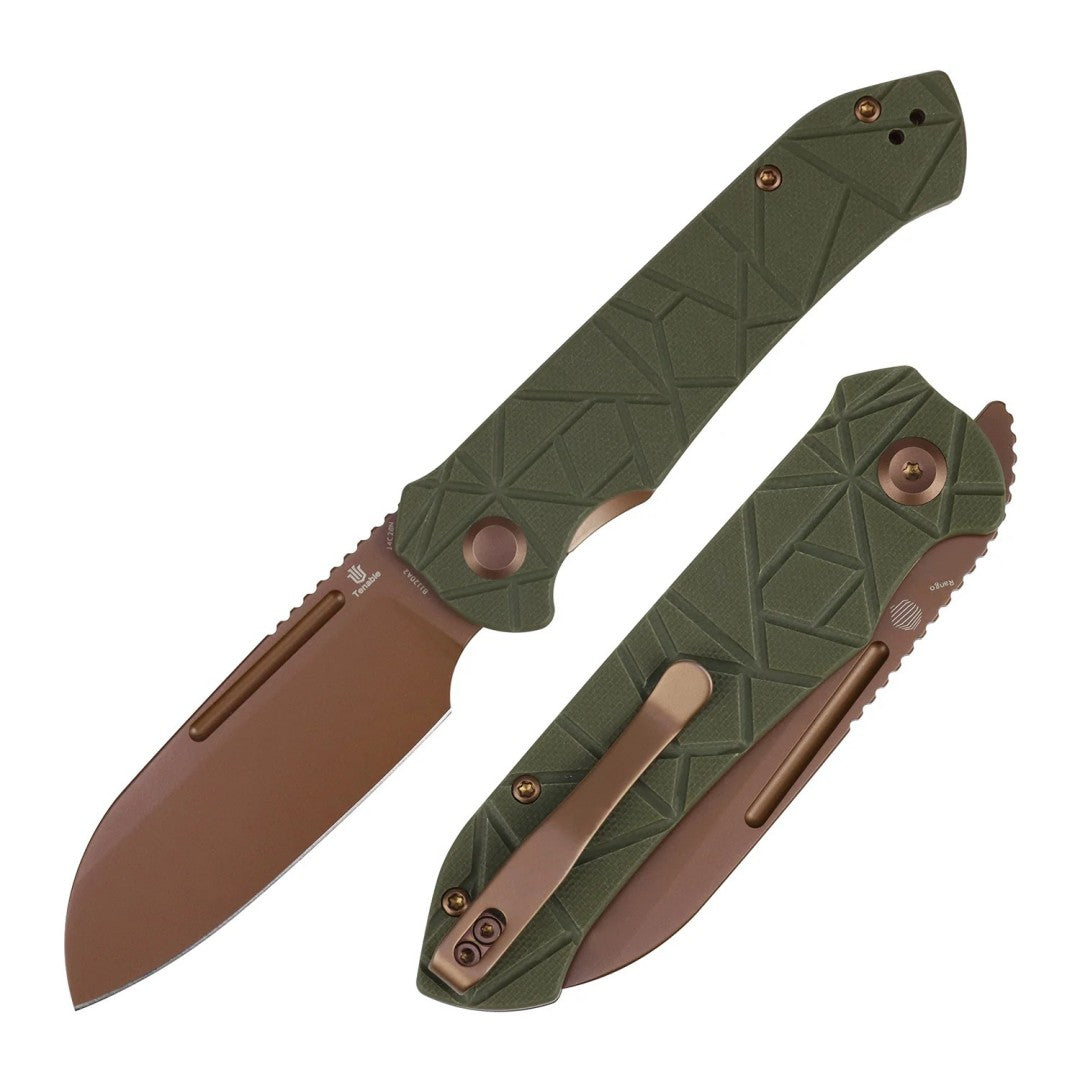
The Kansept Link T1068H1 pairs a satin 14C28N blade with a black aluminium handle. That steel is the practical pick for a service trade: excellent corrosion resistance, easy to bring back to a razor edge on a simple stone, and tough enough that a thin edge does not chip when it meets a brass key blank. A compound-ground harpoon profile with subtle tanto geometry keeps the tip strong for prying light tasks while the belly handles clean slicing.

Design & Details
The top liner lock is the detail that sells it. Moving the lock bar to the spine keeps the frame slim and minimises accidental unlocking under a firm grip, which matters when you are bearing down on a stubborn cut. Kansept knives build this mechanism with a clean detent and no blade play, and the tapered aluminium handle resists slipping when your hands are oily from cylinder lubricant. Folding knives that stay thin disappear into a front pocket instead of printing.
Real-World Use
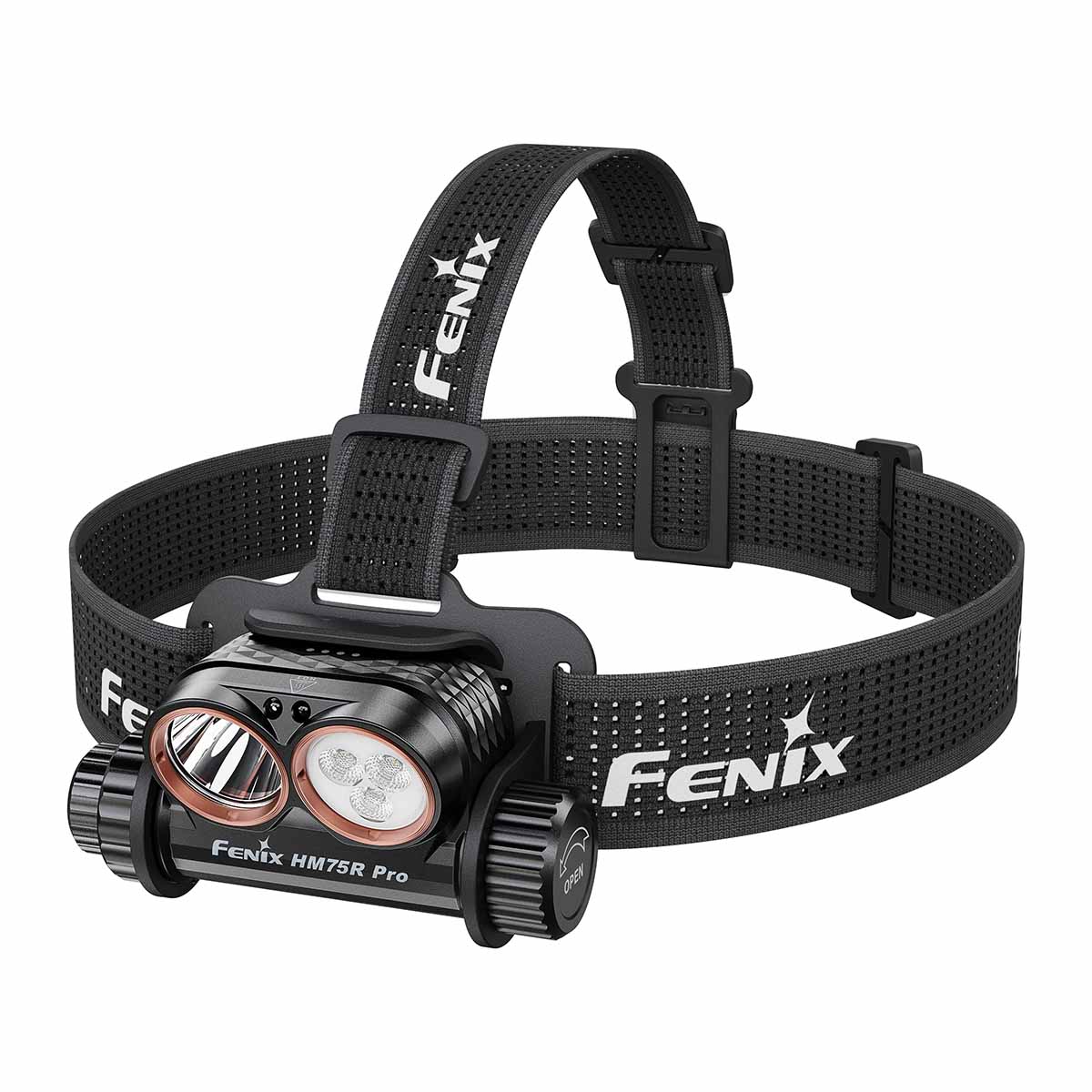
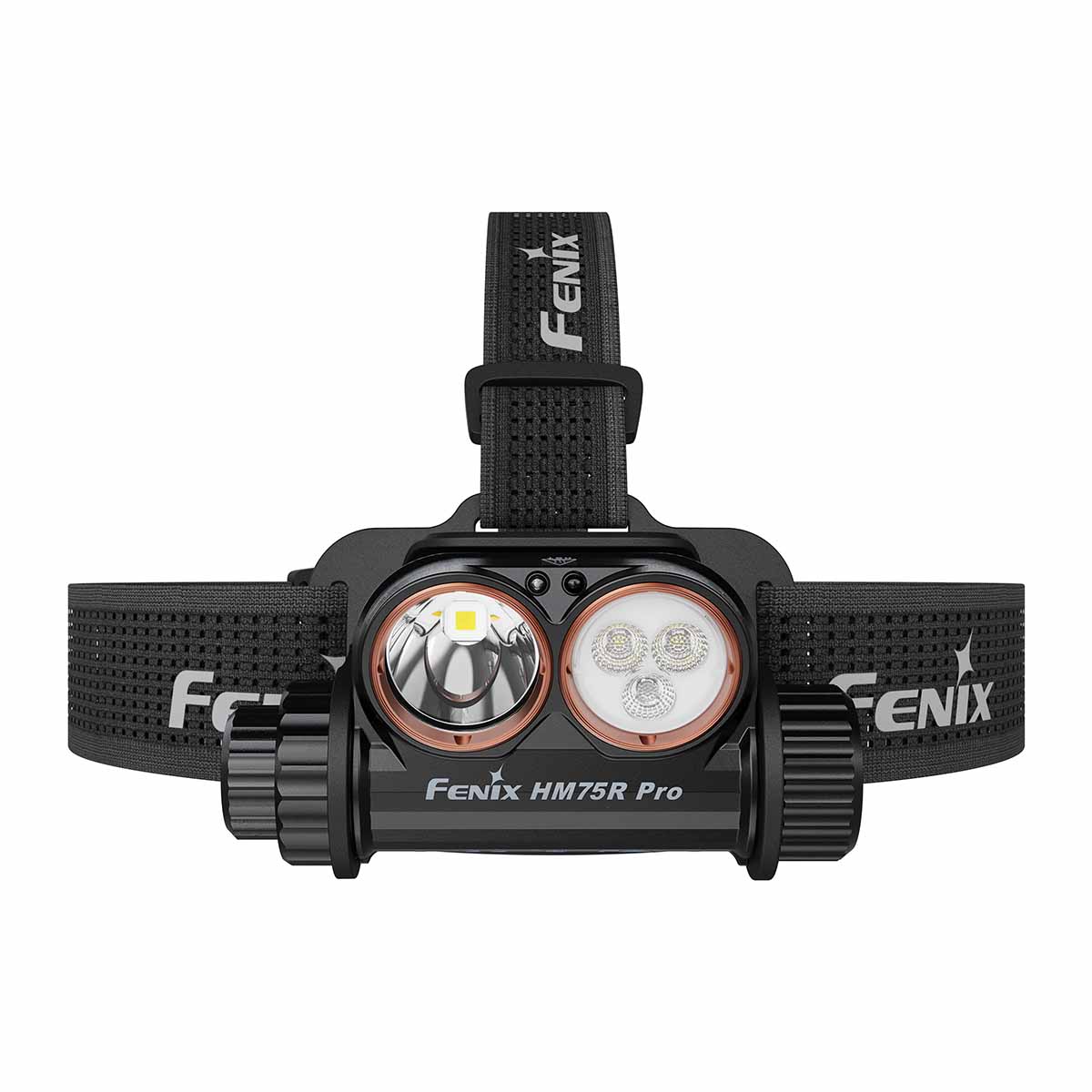
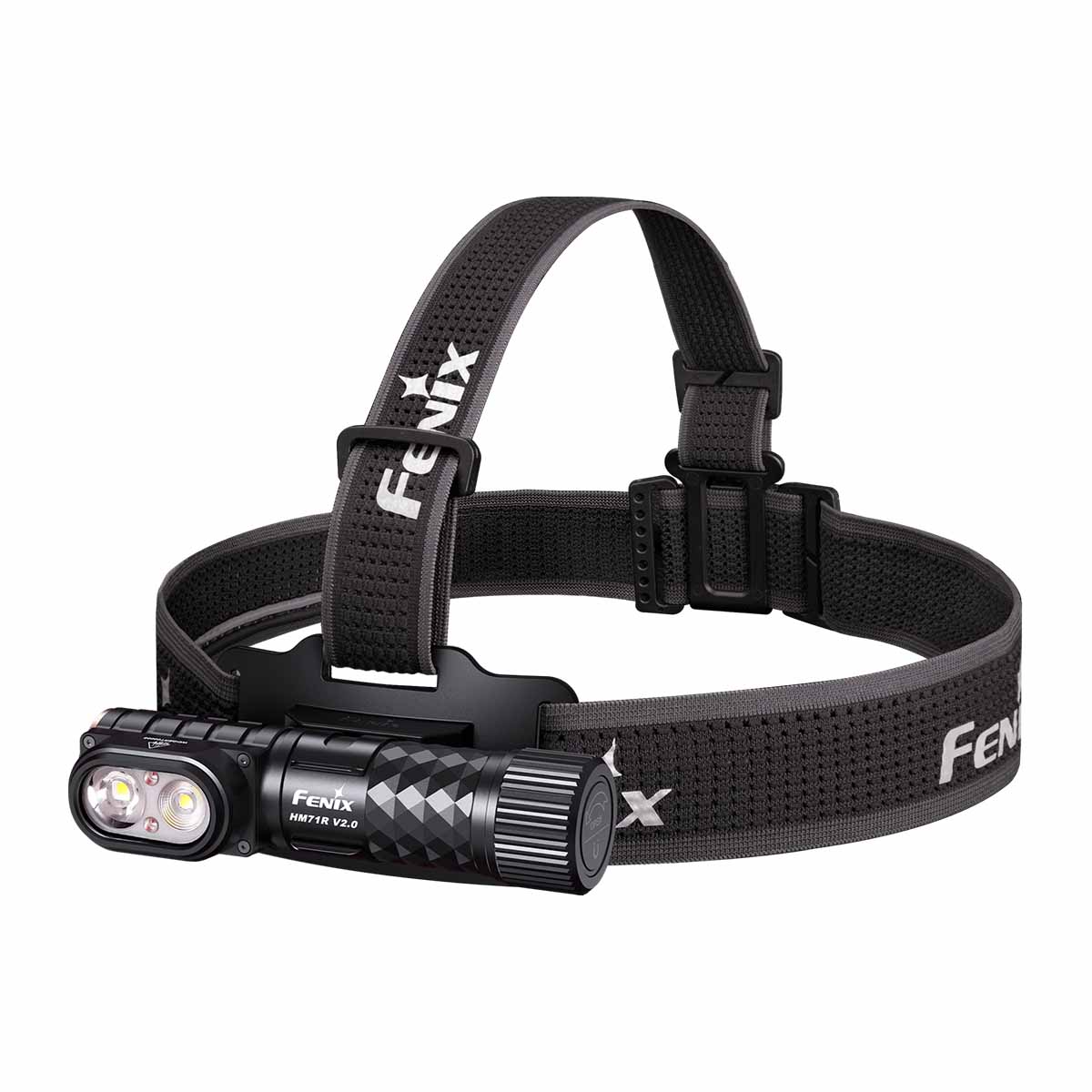
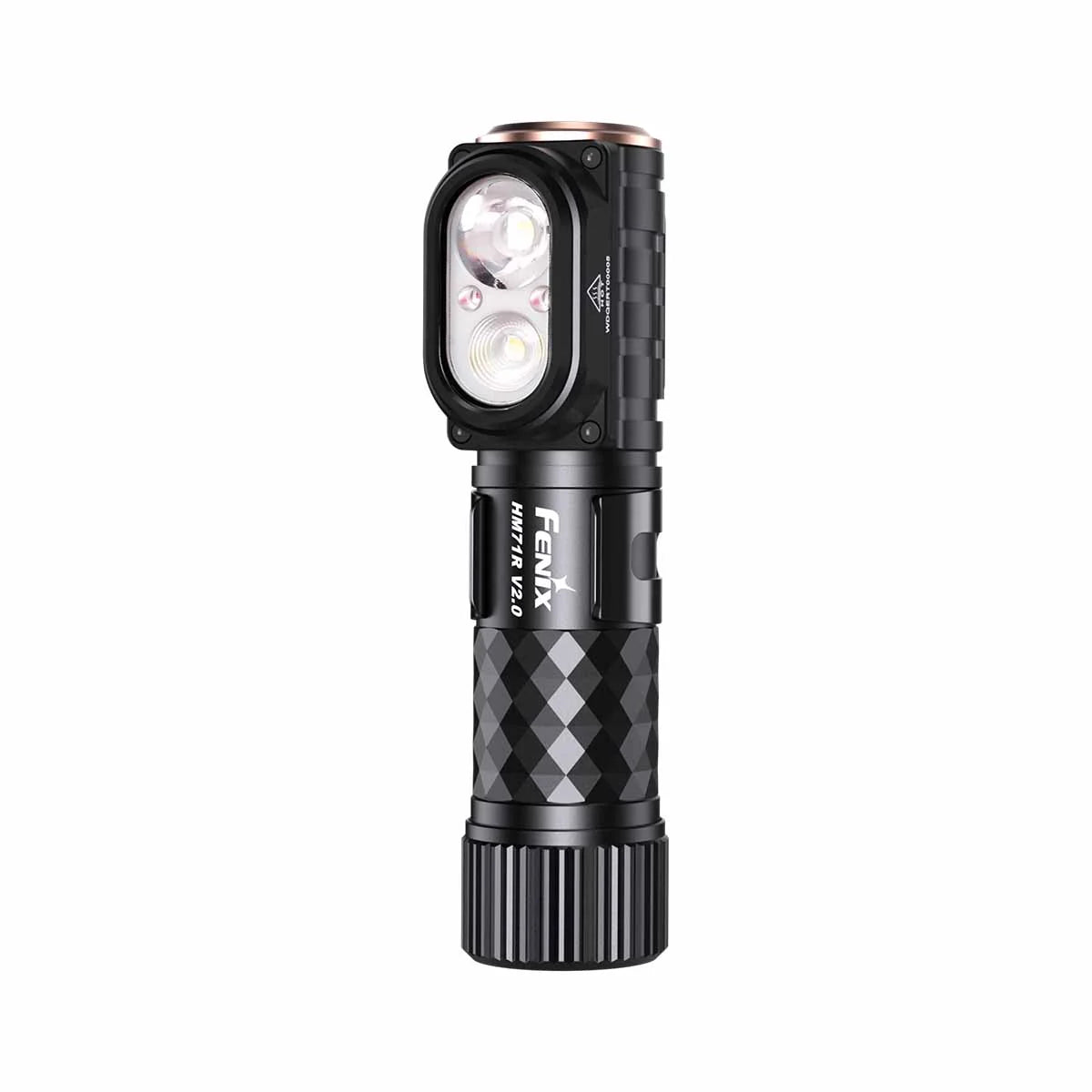
Real calls look like this: a lockout at a rental property, a rekey on a restaurant's back door, a jammed mortise, a mailbox cam that needs replacing. Between calls there is a steady stream of small cutting jobs, and a sharp point is repeatedly more useful than a long edge. Pair the folder with an EDC flashlight, because half of this work happens in hallways and stairwells with poor lighting, and a knife you cannot see well enough to close safely is a hazard.

Ownership Notes
Keep the blade dry and the pivot clean. Graphite and dry lubricants from lock work migrate onto hands and then into a pivot, and graphite is abrasive enough to wear a bearing surface over time. Wipe the blade after every job, blow out the pivot weekly, and re-check the pocket clip tension so the knife does not migrate out of a pocket while you are kneeling at a door. A 14C28N edge touched up on a ceramic rod monthly stays serviceable for a long time. Service technicians who spend a decade on the road tend to settle on two folding knives rather than one compromise blade, and the difference shows the first time a small, precise cut has to be made in an awkward position.
Who Is This For?
This is aimed at locksmiths, access control technicians, safe technicians and property maintenance staff. It also suits anyone who wants a slim, precise daily folder that will not frighten a client when it comes out of a pocket. If your work is heavy and dirty, choose a larger blade with a thicker stock instead, because a precision tip is a poor pry bar.
Final Verdict
Buy for the tip and for the lock, not for the finish. A slim folder with a top liner lock and a corrosion-resistant steel covers the whole locksmith workday, and the same logic holds for any trade where small, controlled cuts outnumber big ones. EDC knives chosen this way get carried for years rather than replaced each season.