
Overview & First Impressions
Tillering is the slow business of removing wood from a bow until both limbs bend in matching arcs. You scrape, you exercise the limbs, you look at the curve, and you scrape again, often for an afternoon, removing shavings measured in thousandths. Bowyers use a scraper for most of it and a knife for the transitions, and the knife is the tool that decides whether a hinge develops. A dull edge crushes fibres; a sharp one lifts them cleanly and shows you the grain.
Materials & Construction
Nitro-V is a nitrogen-bearing stainless designed as a bridge between toughness and edge stability, and bow work rewards exactly that. A blade used on osage or yew meets hard latewood and soft earlywood in the same stroke, and a steel that chips at that boundary will leave a tear-out that has to be sanded back into the limb profile. Tenable knives run Nitro-V at a hardness that holds a 25-degree bevel without feeling glassy on wood.

Design & Details
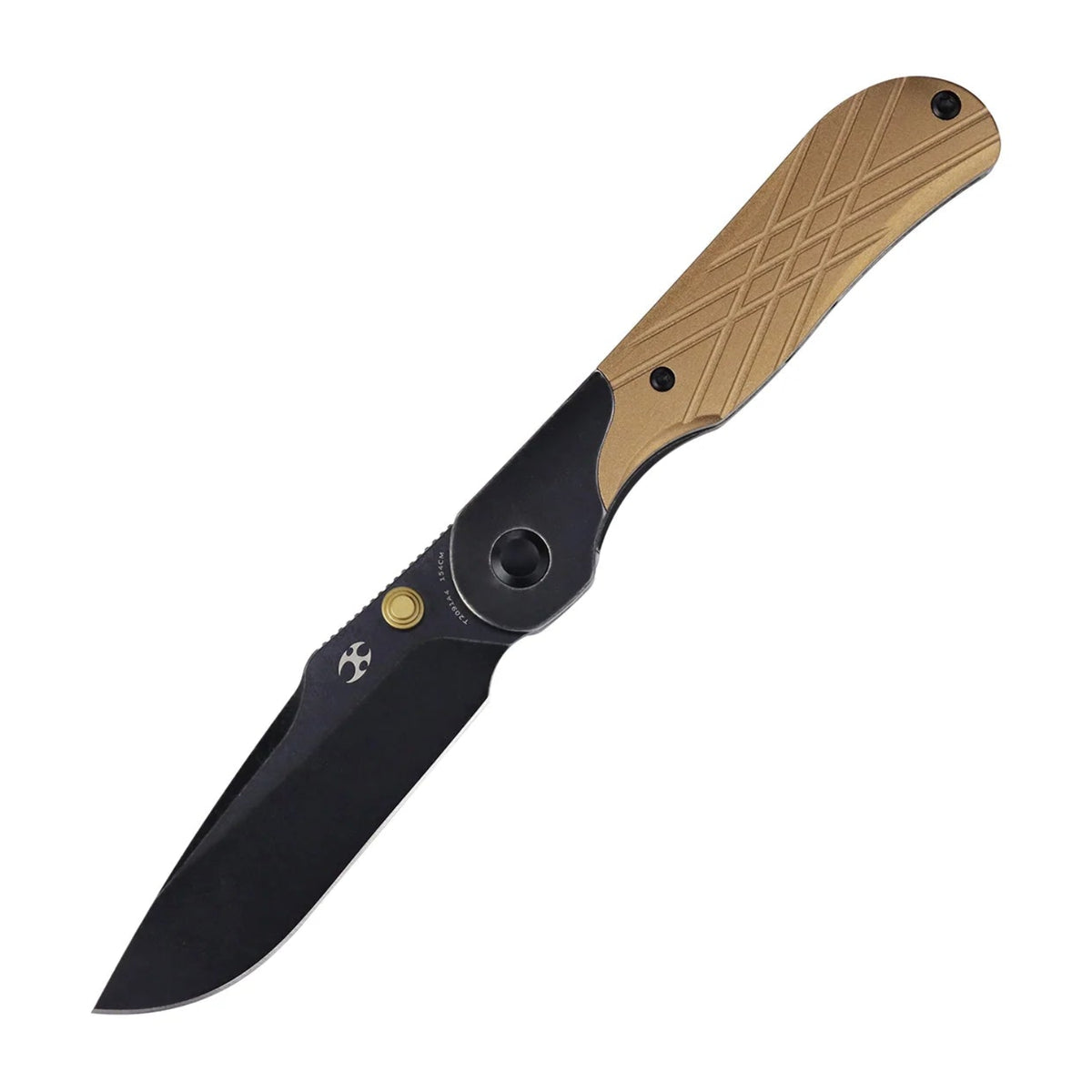
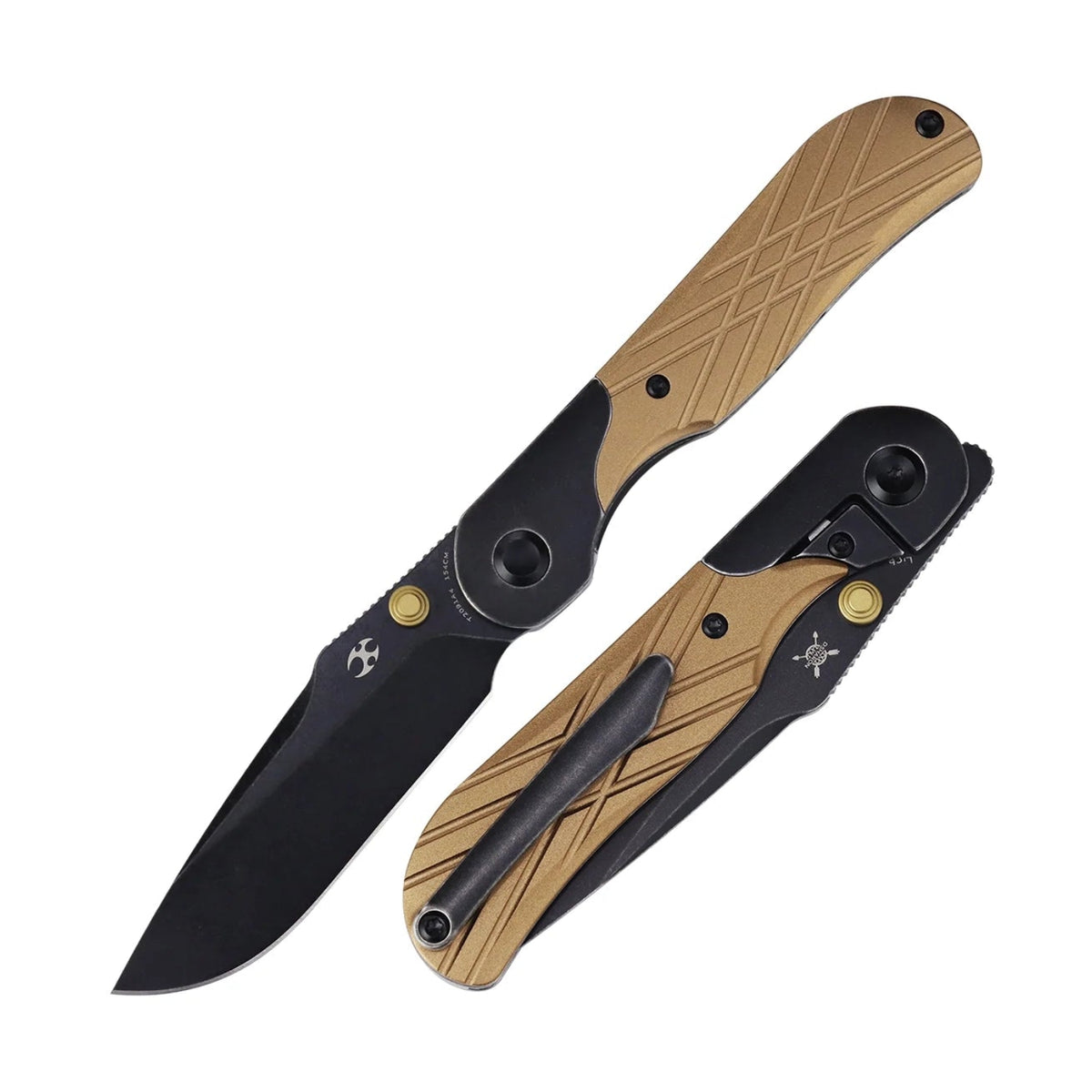
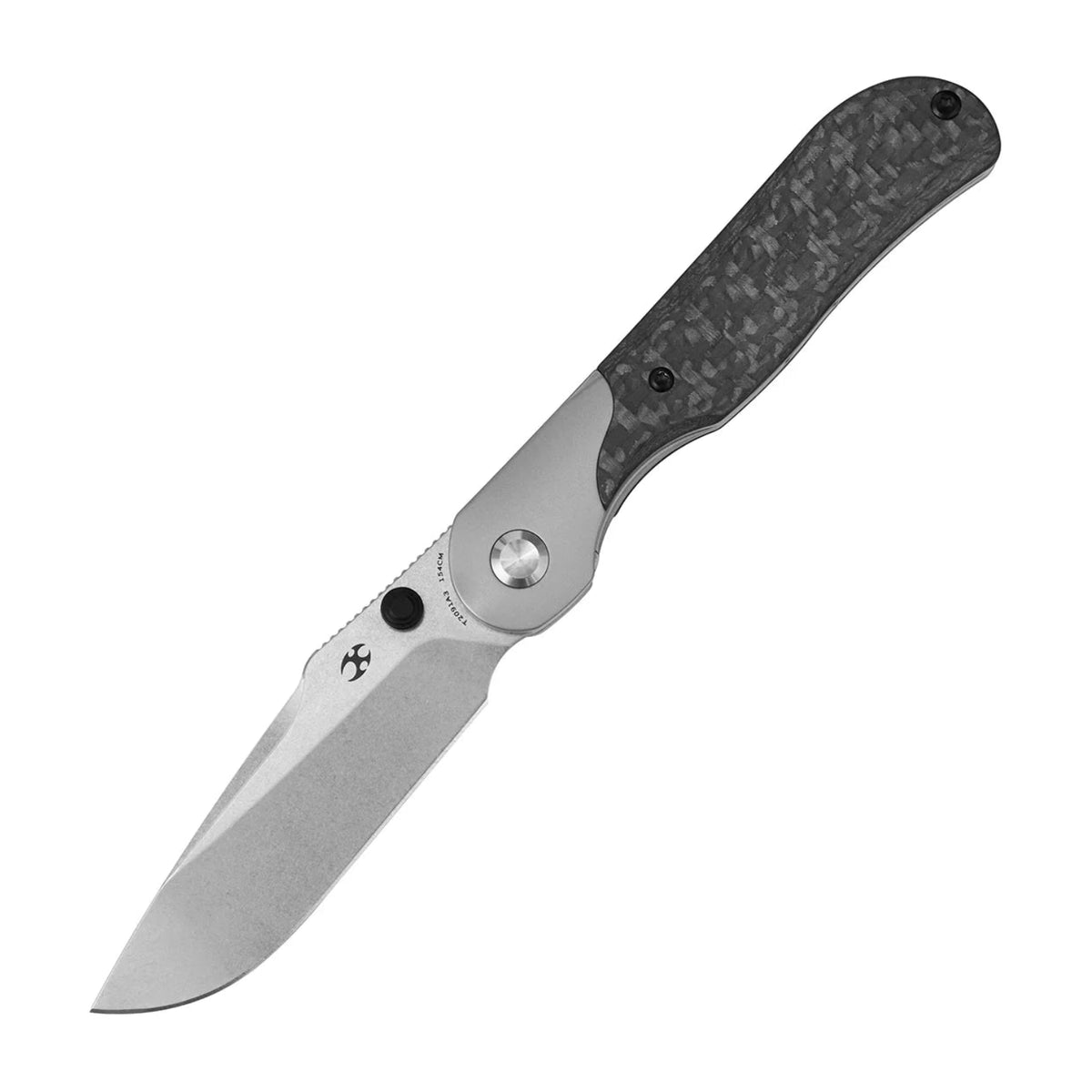
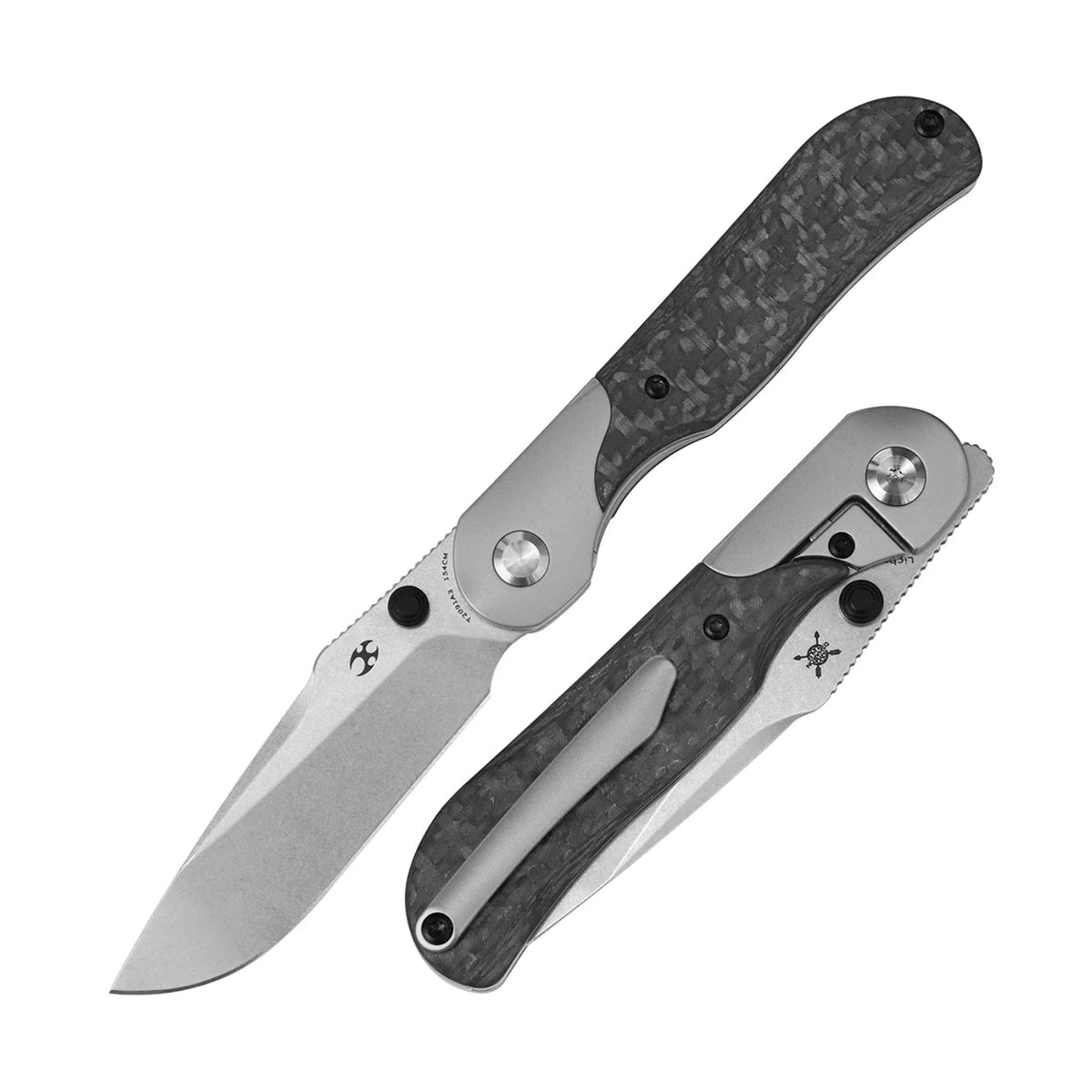
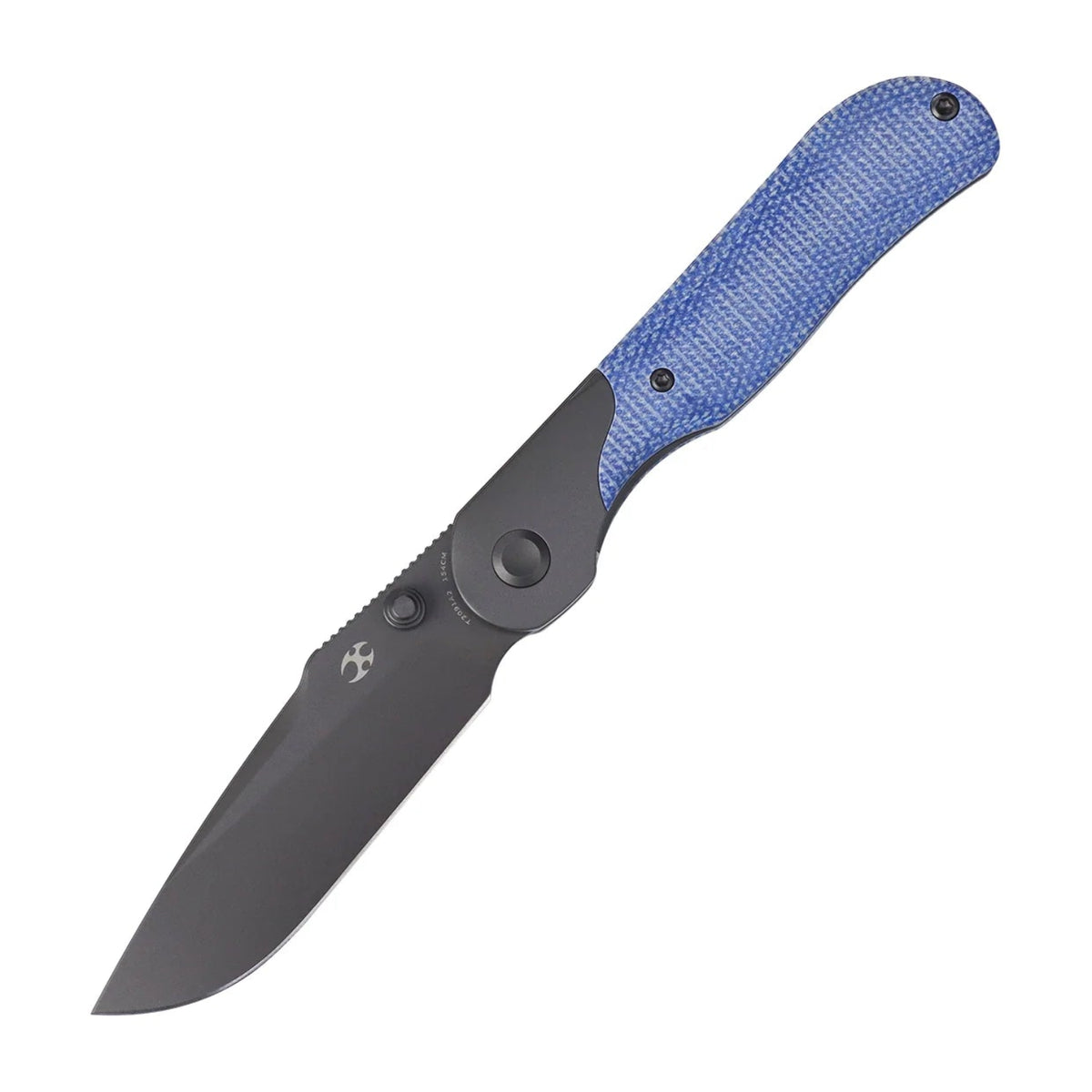
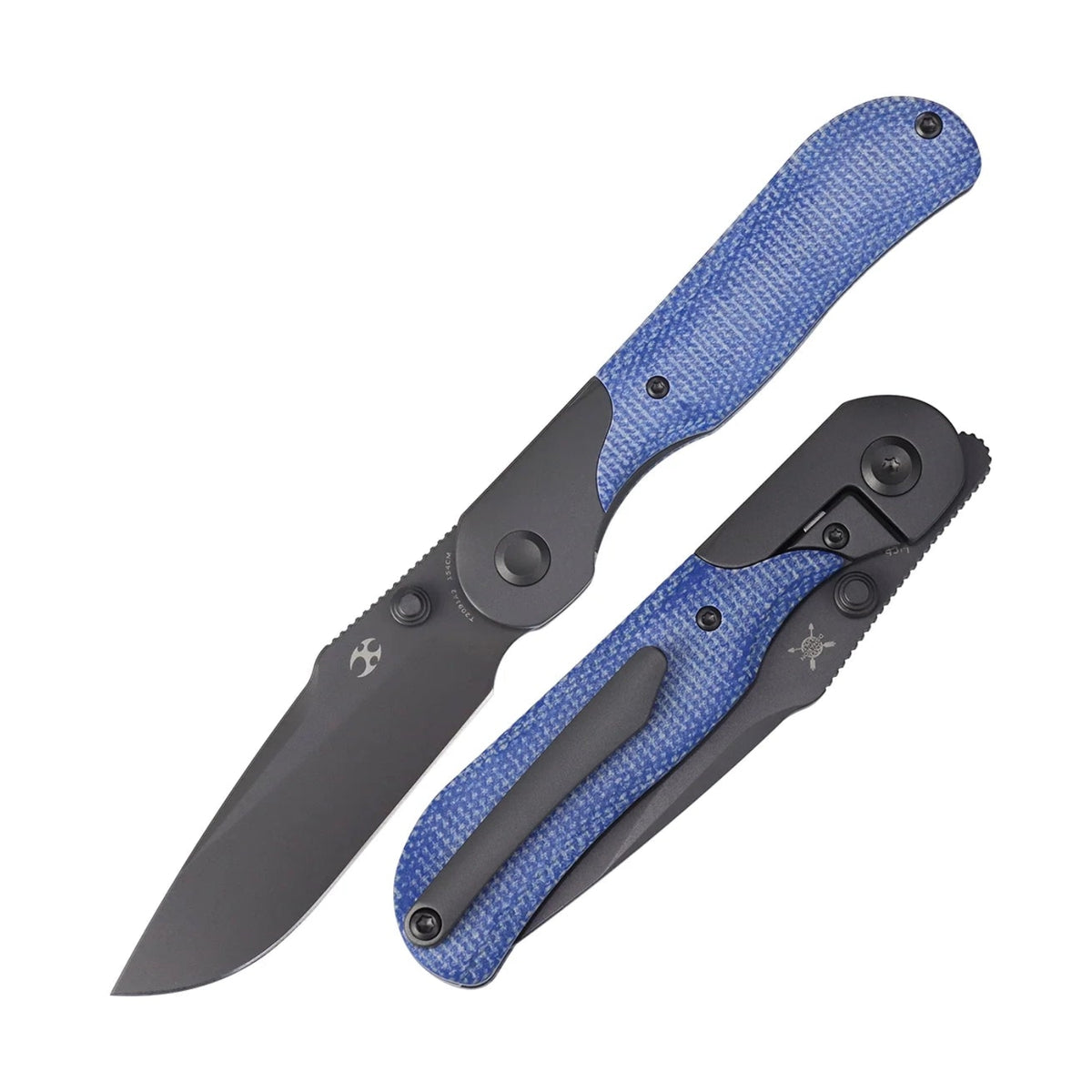
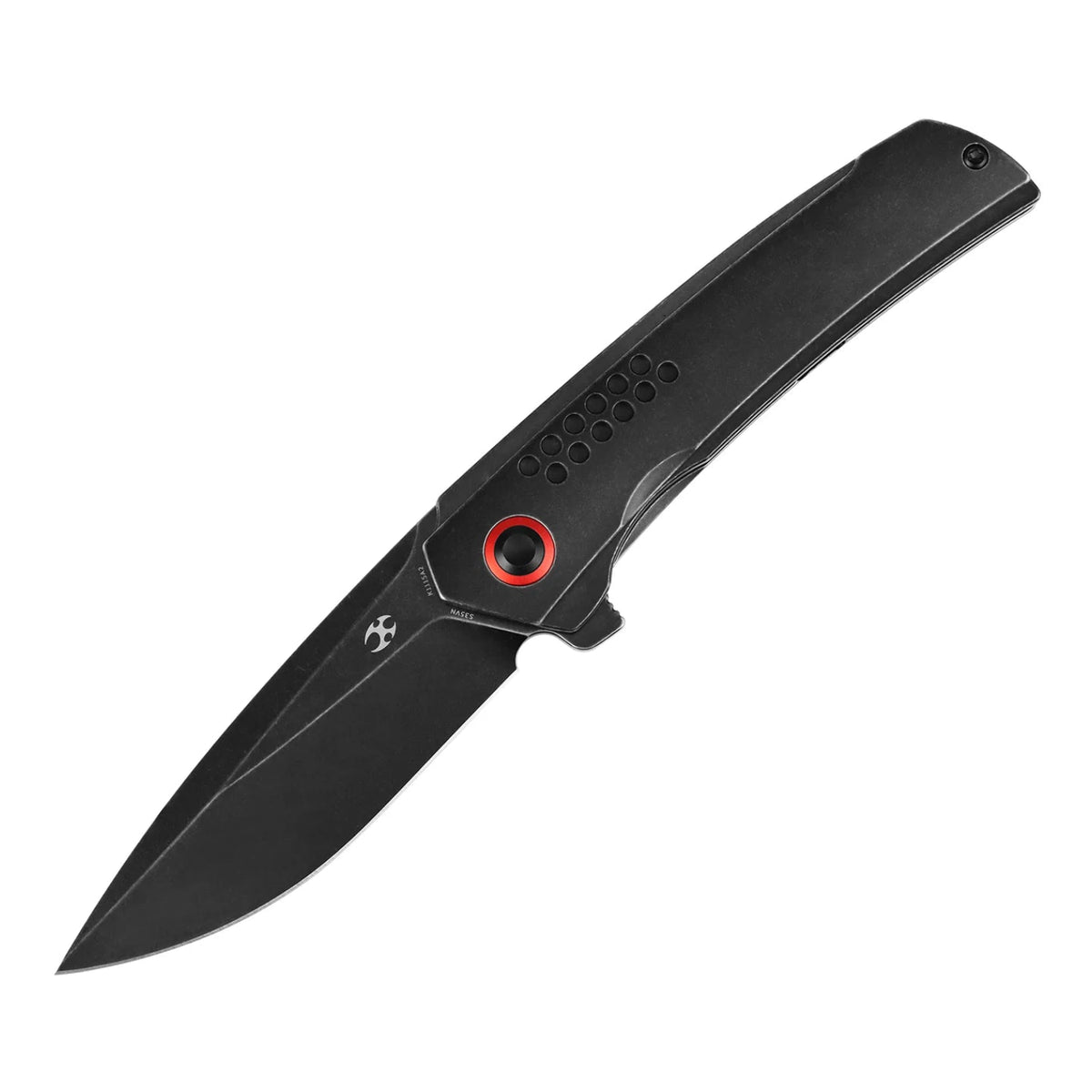
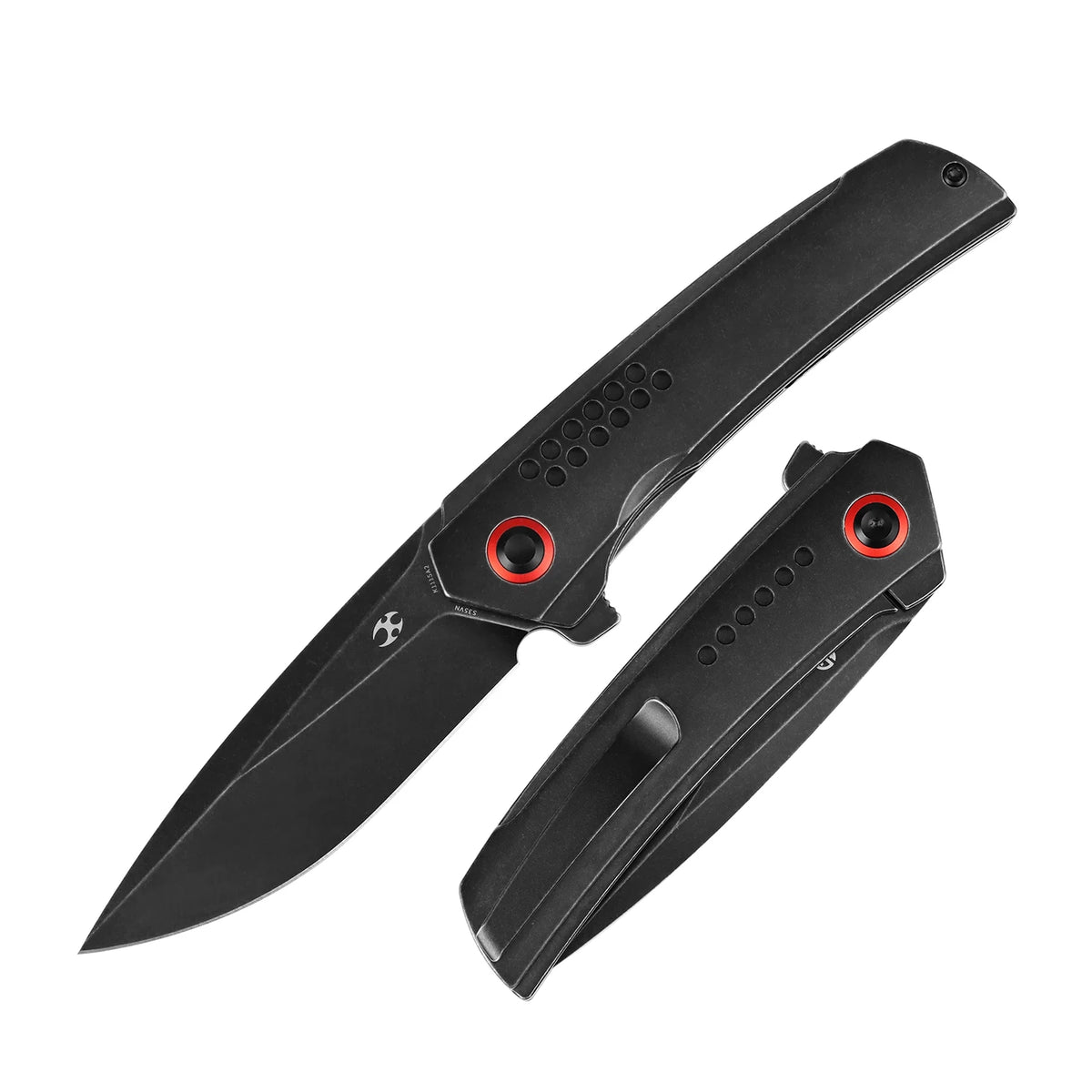
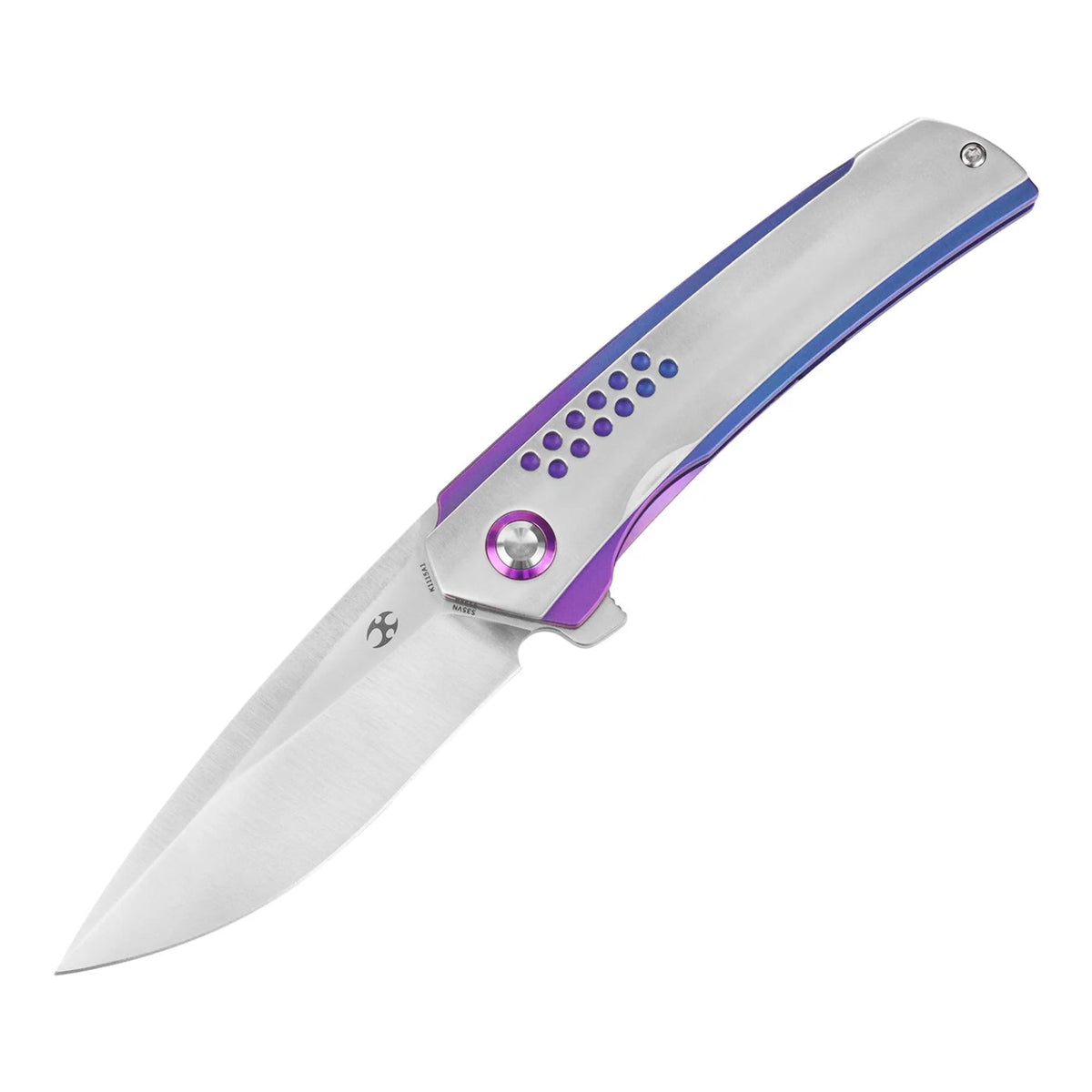
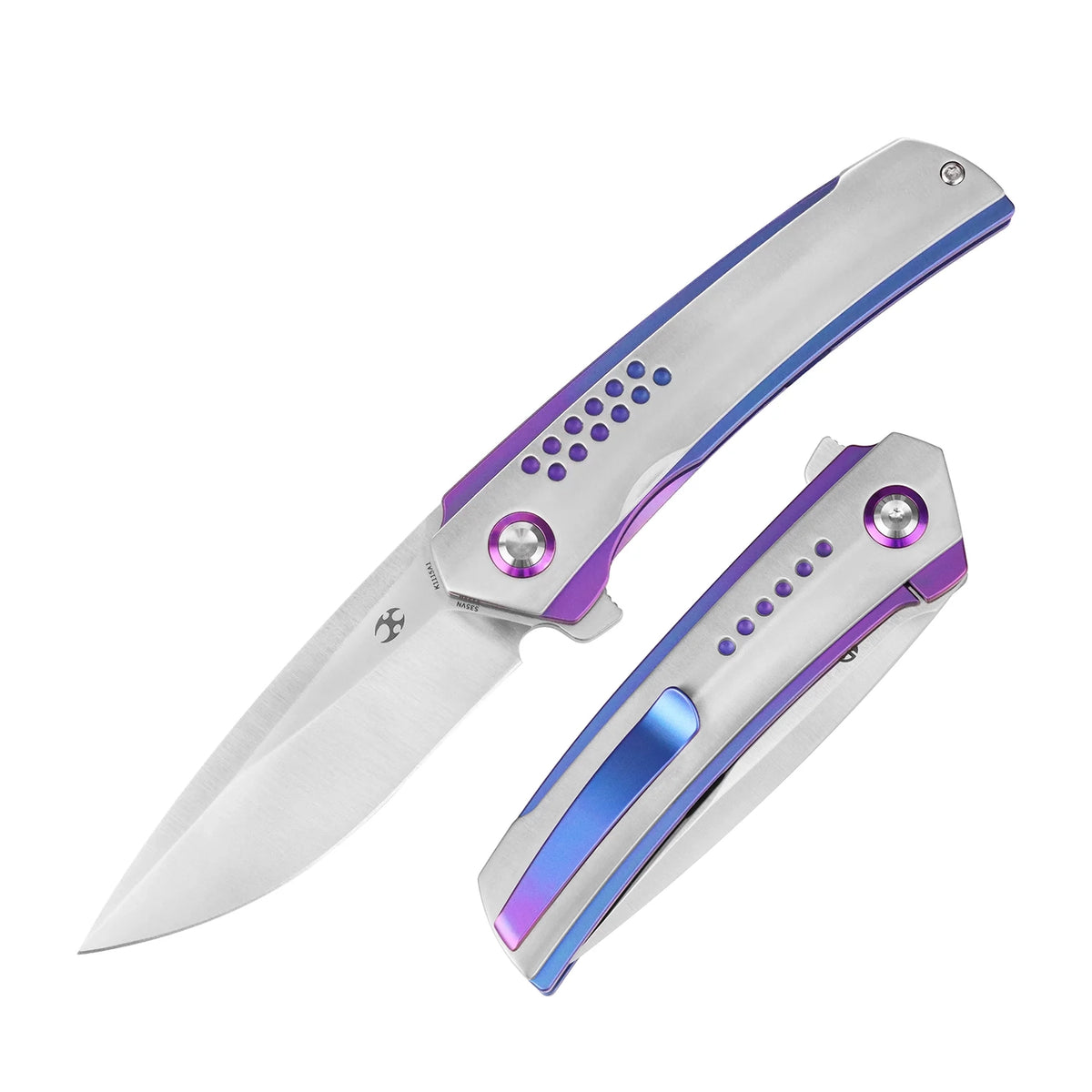
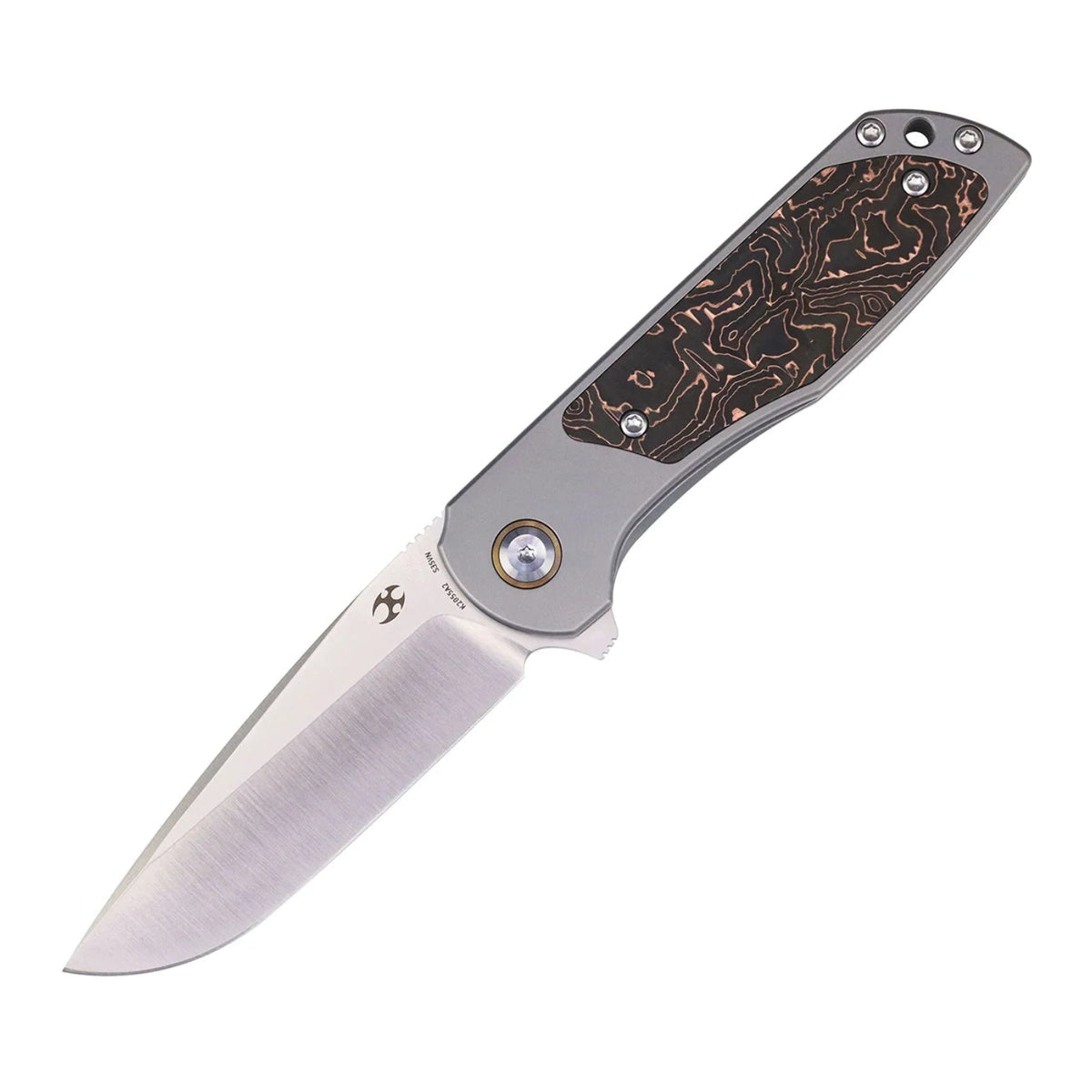
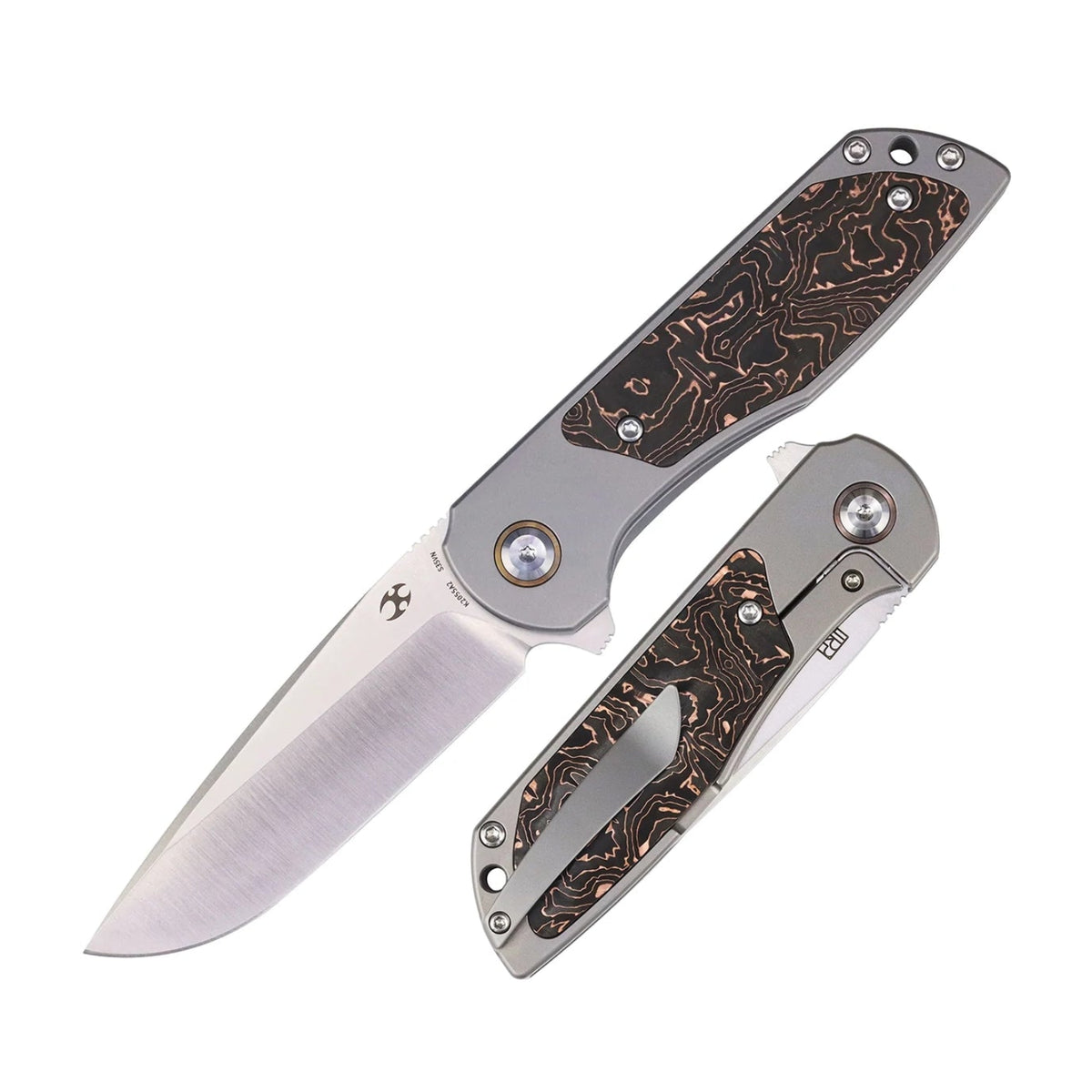
The Riflestock uses a lock back, which puts a strong spring behind a blade that will be pushed through a cut rather than drawn through it. The twill carbon fibre handle is stiff, light and unaffected by the linseed oil that ends up on a bowyer's hands. The blade shape is a broad drop point with a long straight section, which is the profile you want for shaving a facet along a limb and for chamfering an arrow nock without changing grip.
Real-World Use
Three tasks define bow work. Roughing out a stave, where the knife removes wood in controlled shavings along the grain. Cleaning up a fade-out, where the tip does the work with almost no pressure. And cutting string groove nocks, where a fine point and a steady hand matter more than any spec sheet number. The rest of tillering is scraping and looking, and the knife only intervenes when a curve needs correction.

Ownership Notes
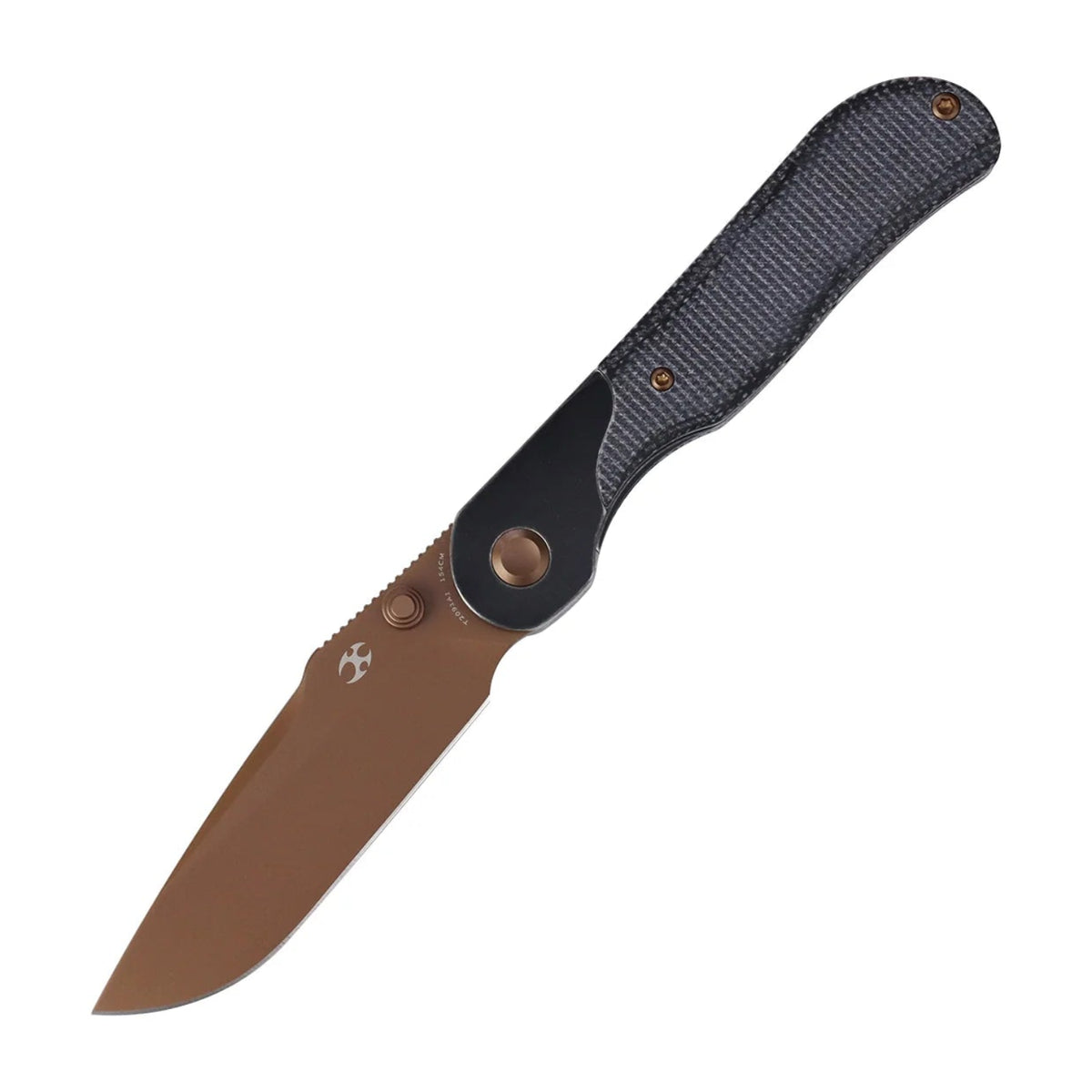
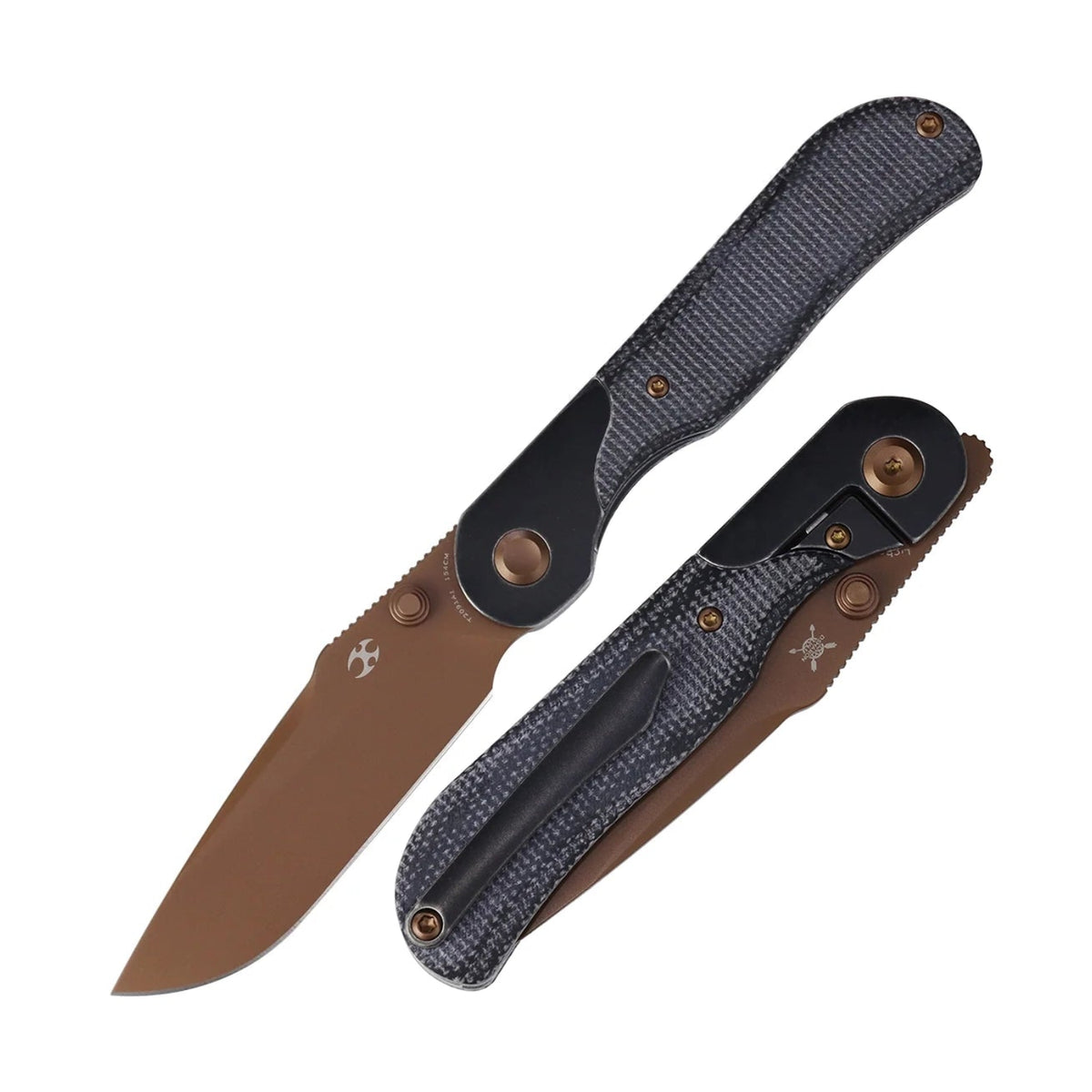
Bowyers work outdoors and in small shops, so a folding knife that rides in a pocket beats a fixed blade left on a bench twenty feet away. Folding knives with a strong spring also close with authority, which is the safety feature that matters when both hands are covered in oil. EdcMall carries the Riflestock in four finishes, so matching a working knife to a shop kit is straightforward rather than a hunt. Tenable Riflestock builds are the version most bowyers end up buying, partly because the lock back suits push cuts and partly because the handle survives oil. EDC knives in a shop like this get used for everything, and folding knives that close one-handed are the ones that stay in a pocket instead of on a bench.
Who Is This For?
Buy it if you shape wood by hand and want an edge that survives mixed hard and soft grain. It suits bowyers, green woodworkers, carvers and anyone building arrows or handles. Skip it if your work is metal or masonry; a tough stainless wood knife is the wrong tool for abrasive material, and a carbide scraper will outlast it on anything harder than hardwood.
Final Verdict
The Riflestock is a woodworking knife that hides in an EDC frame, and the lock back gives it the push-cut confidence that tillering work needs. Nitro-V handles the hard-soft grain boundary without chipping, the carbon fibre handle shrugs off oil, and the broad blade shaves a clean facet. For a bowyer's bench, it is a practical choice rather than a romantic one.