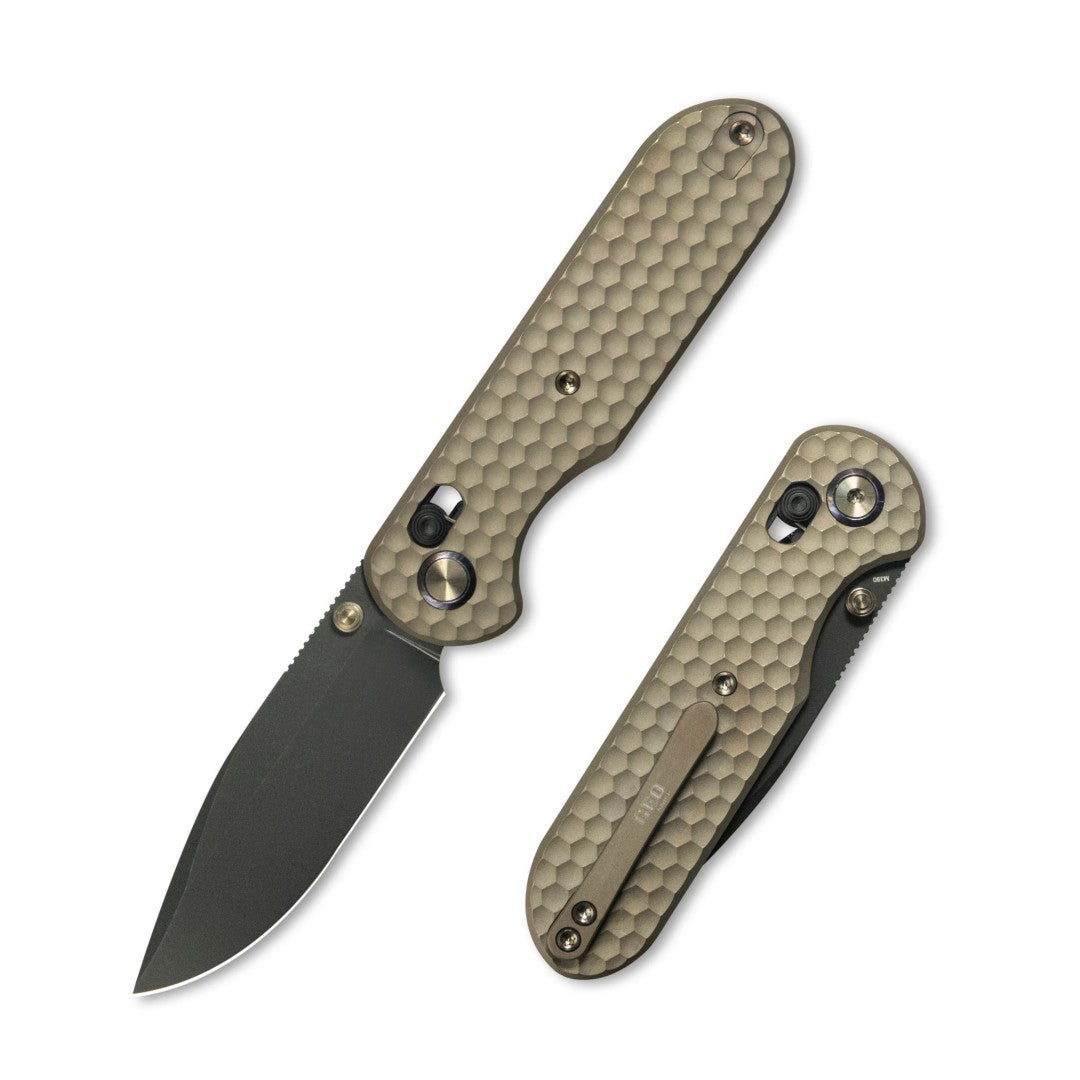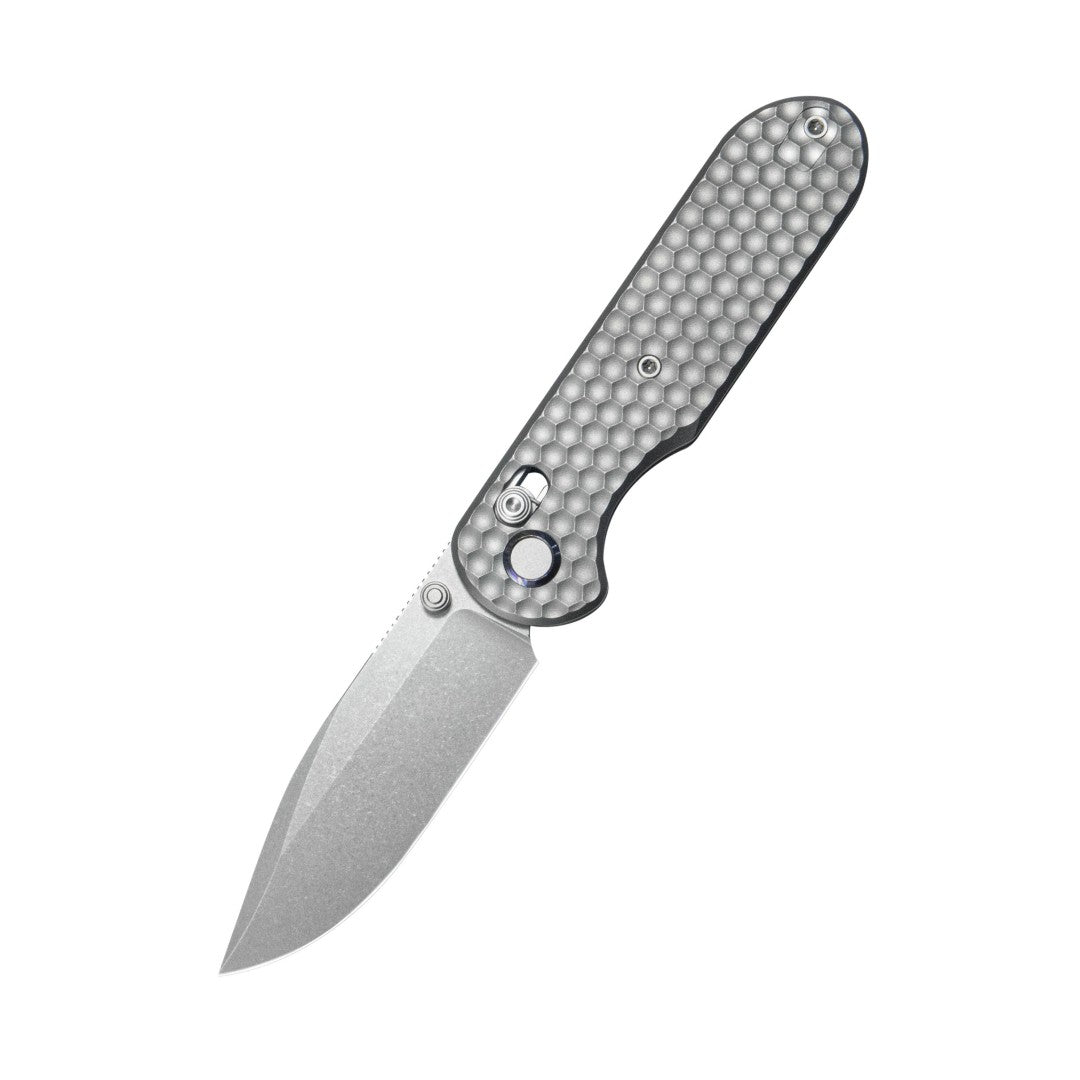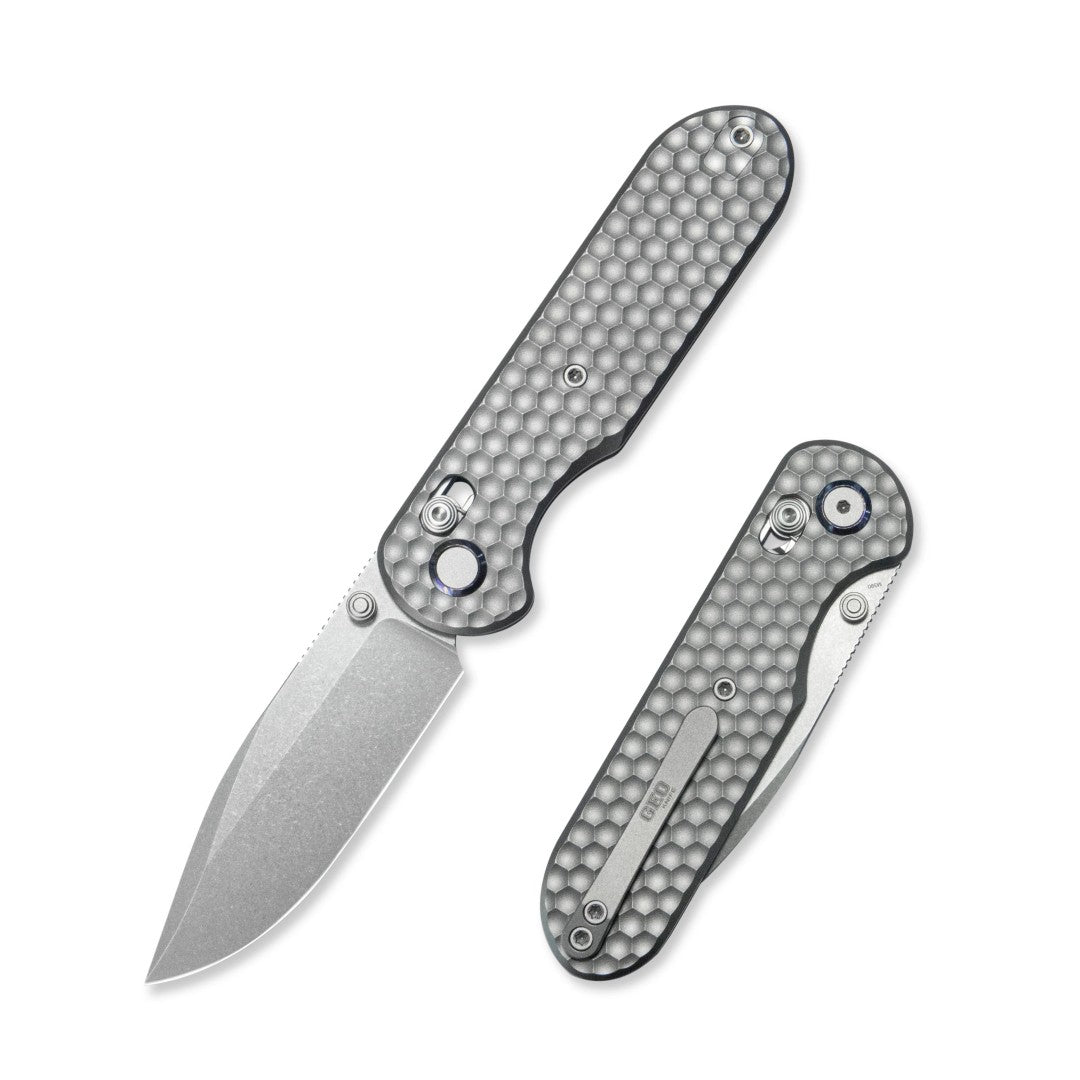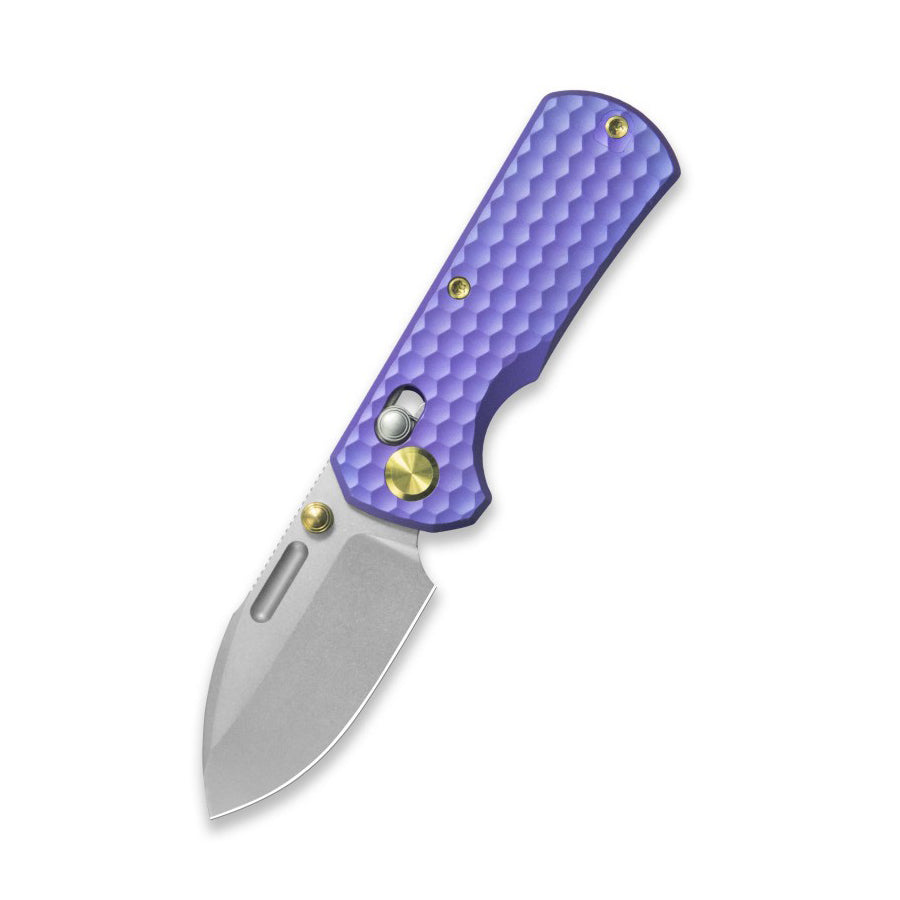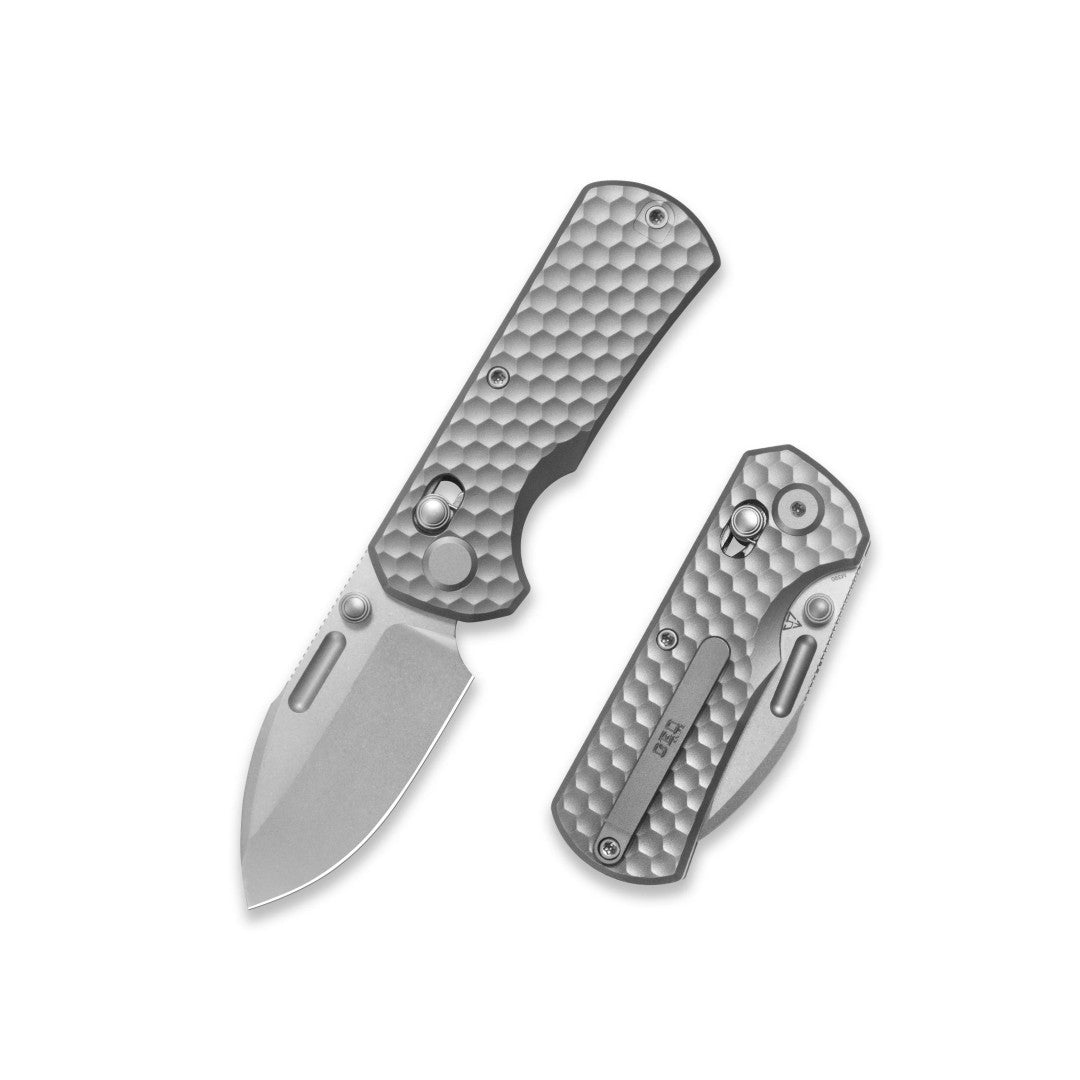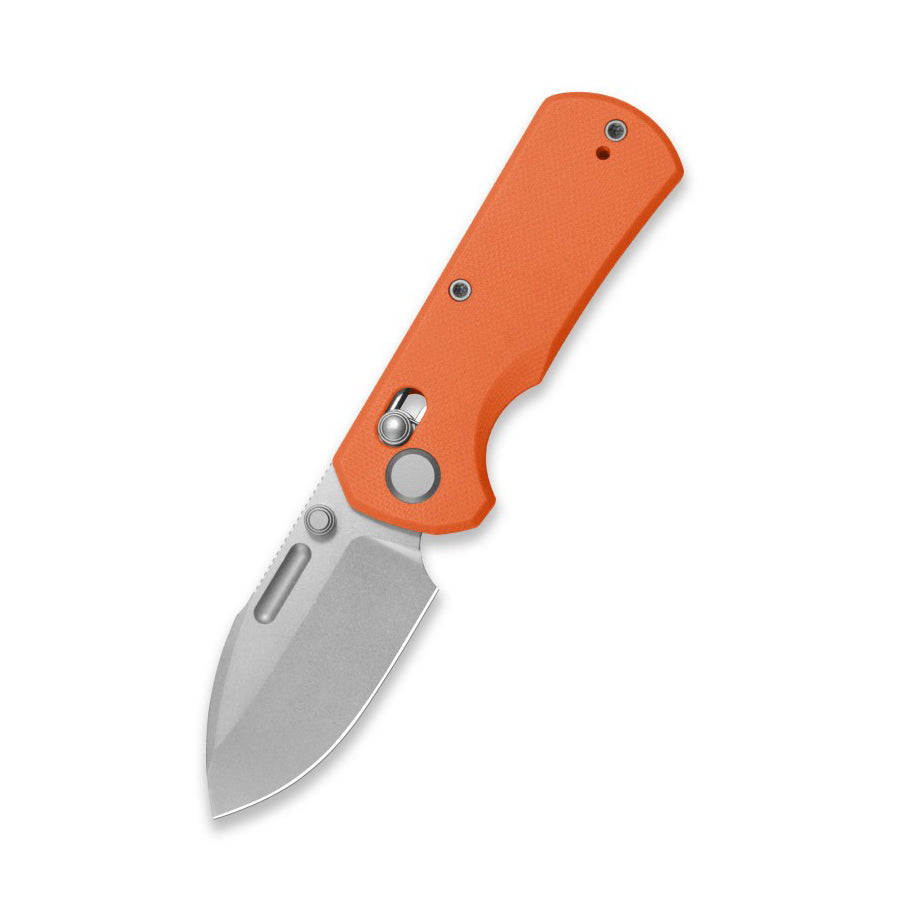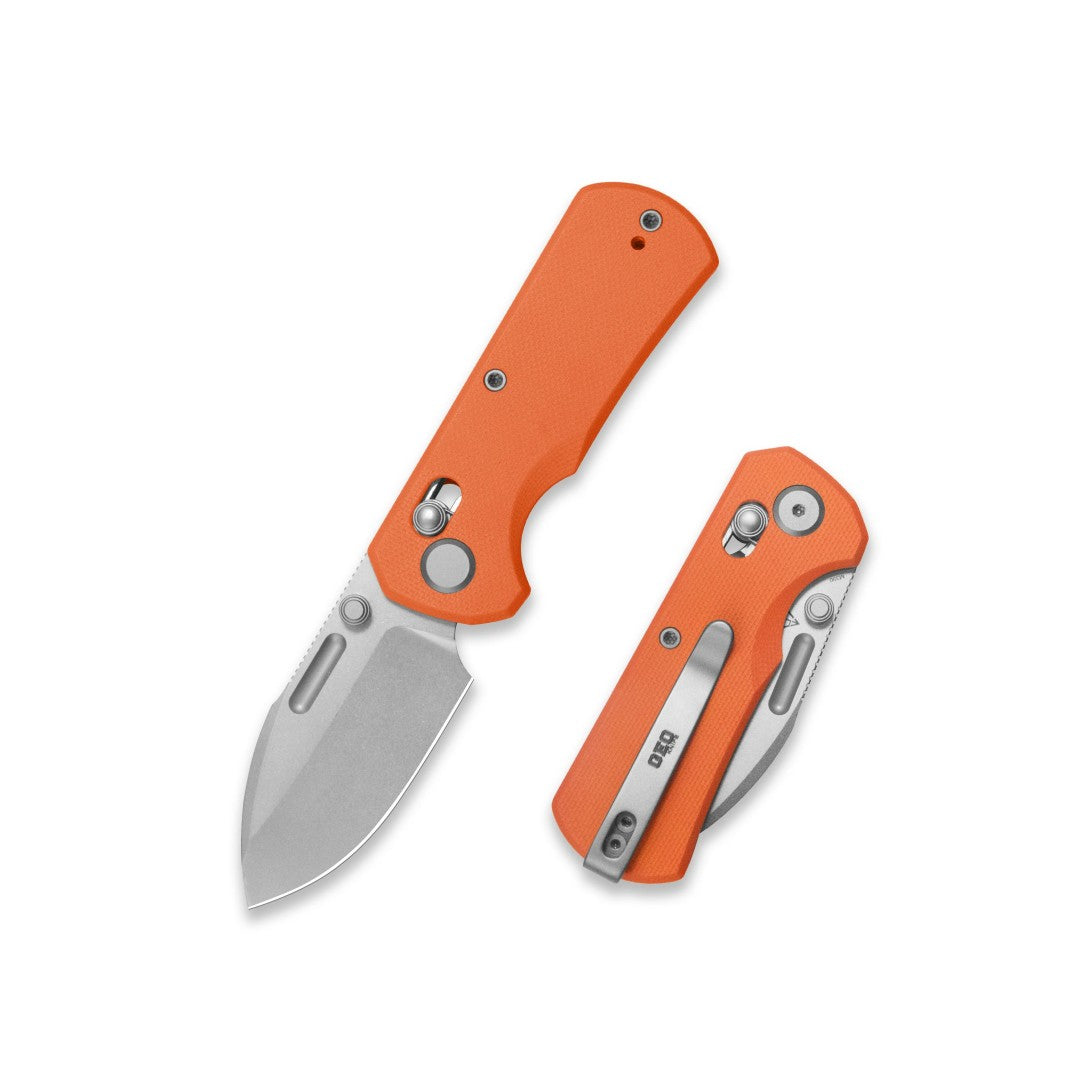
When it comes to premium stainless steel knife blade materials, M390 and Maxamet are two of the most talked-about options among knife enthusiasts and professionals. Both offer exceptional performance characteristics, but they excel in different areas. Understanding the differences between these two steels will help you choose the right blade for your specific needs.
M390 Steel: The Corrosion-Resistant Champion
M390 is a powder metallurgy stainless steel that has gained tremendous popularity in recent years. It's known for its outstanding edge retention and impressive corrosion resistance, making it an excellent choice for those who prioritize durability and low maintenance.
One of M390's greatest strengths is its ability to maintain a sharp edge for extended periods. The steel's composition allows it to resist wear exceptionally well, even under regular use. Additionally, M390 offers superior corrosion resistance compared to many other high-performance steels, which means your blade will resist rust and staining even in challenging environments.
The trade-off with M390 is that it can be more difficult to sharpen. Due to its hardness and composition, you'll need proper sharpening equipment and some patience to restore the edge. However, the extended time between sharpenings often makes this a worthwhile investment.
Maxamet Steel: The Sharpness and Hardness Leader
Maxamet is another powder metallurgy stainless steel that takes a different approach to performance. This steel is engineered for maximum hardness and exceptional edge-taking ability, making it ideal for users who want the sharpest possible blade.
Maxamet can achieve and maintain an incredibly sharp edge, and it's generally easier to sharpen than M390. If you frequently use your knife and want it to perform at peak sharpness, Maxamet delivers impressive results. The steel's hardness also contributes to excellent edge retention in many cutting scenarios.
The downside is that Maxamet has lower corrosion resistance than M390. While it's still a stainless steel, it requires more careful maintenance and regular cleaning to prevent rust and discoloration, particularly in humid or wet environments.
Head-to-Head Comparison
Edge Retention: Both steels perform exceptionally well, though M390 has a slight edge in sustained edge retention over very long periods of use.
Corrosion Resistance: M390 is the clear winner here, offering significantly better protection against rust and staining.
Ease of Sharpening: Maxamet is easier to sharpen and can achieve a sharper edge more readily than M390.
Hardness: Maxamet typically achieves higher hardness levels, which contributes to its superior sharpness potential.
Which Should You Choose?
Choose M390 if you want a low-maintenance blade that resists corrosion and holds its edge for extended periods. It's perfect for outdoor use, marine environments, or situations where you can't maintain your knife as frequently.
Choose Maxamet if you prioritize maximum sharpness and don't mind performing regular maintenance. It's ideal for detailed cutting tasks, kitchen use, or if you have the time and equipment to keep your blade in peak condition.
Ultimately, both M390 and Maxamet are premium choices that will serve you well. Your decision should be based on your specific use case, maintenance preferences, and whether you value corrosion resistance or maximum sharpness more highly.