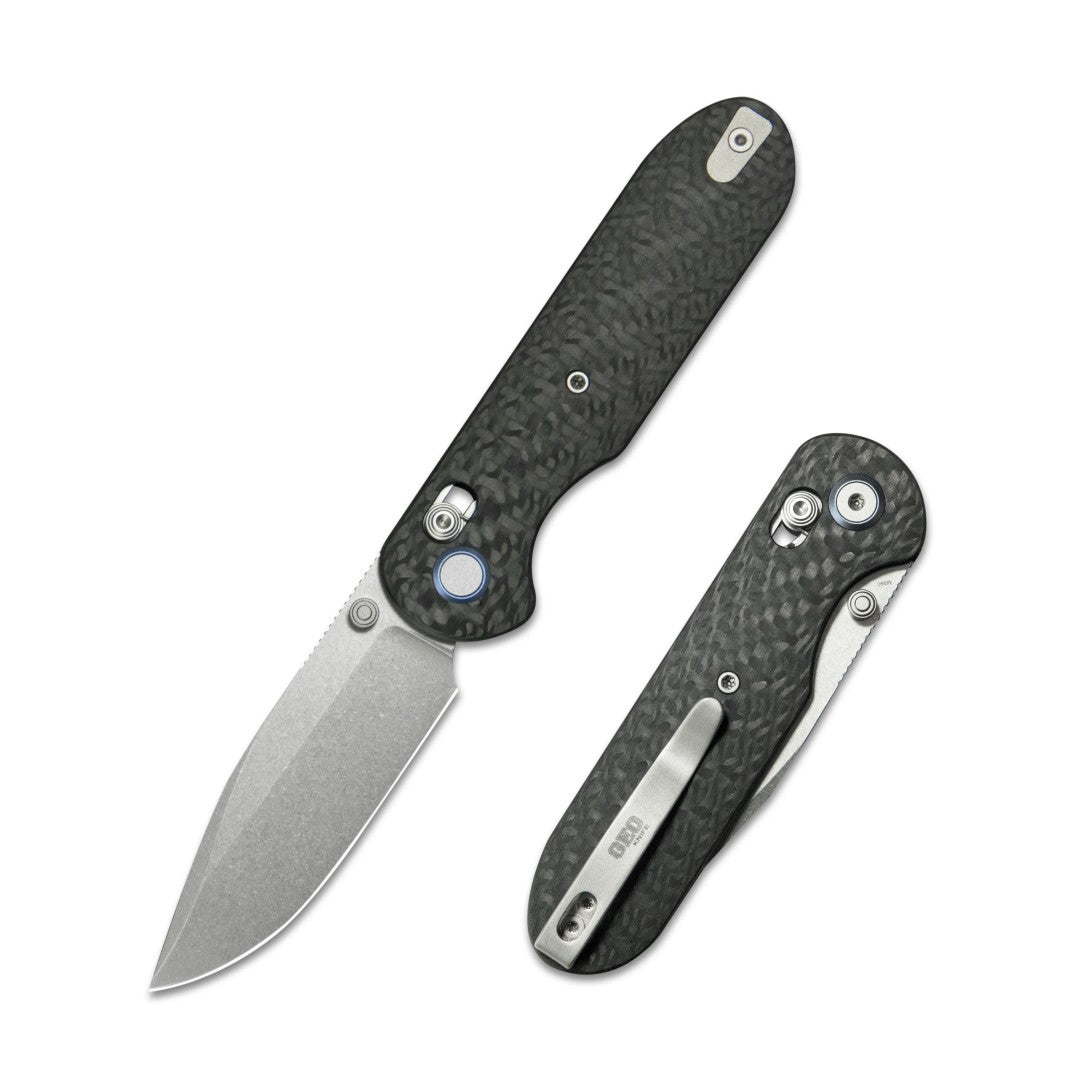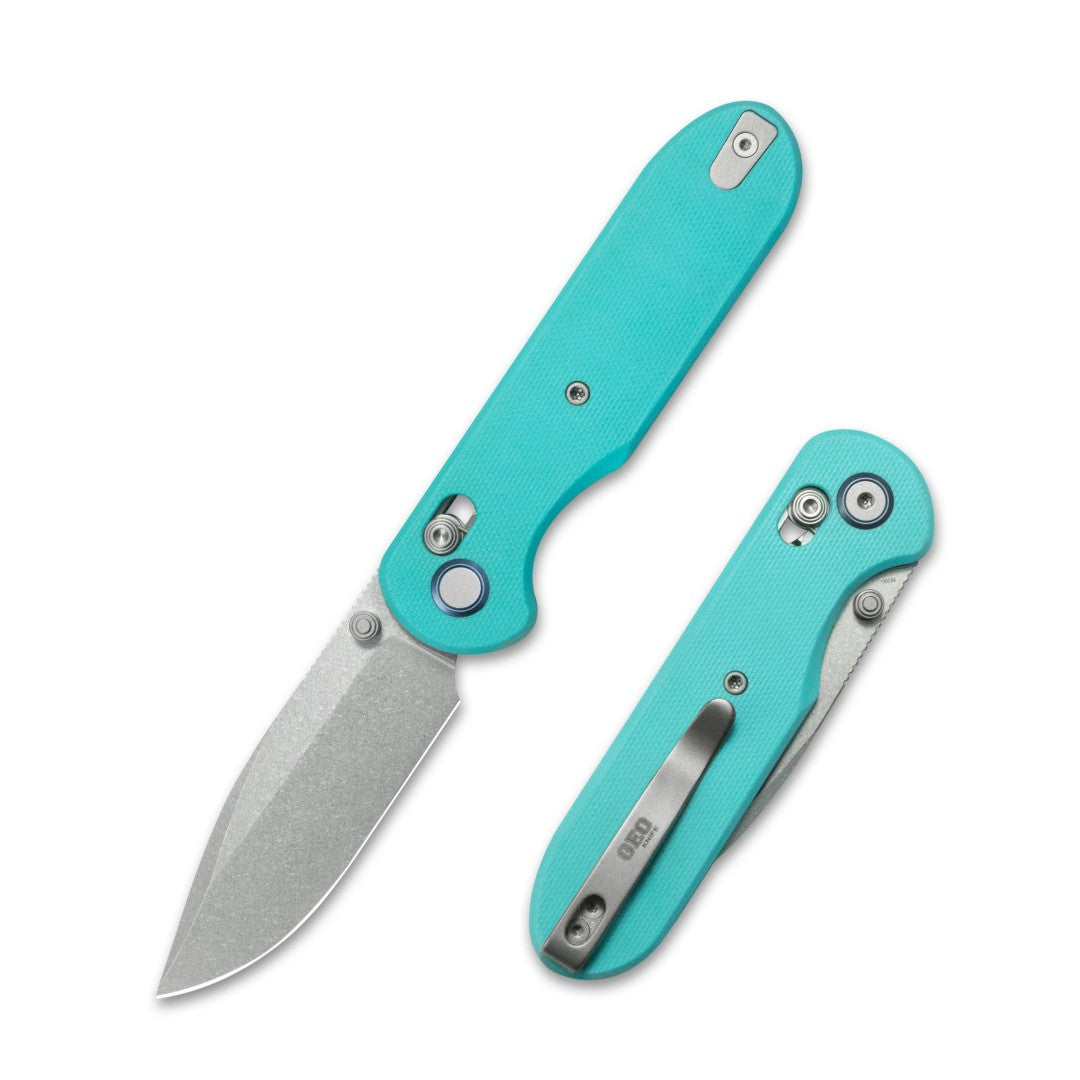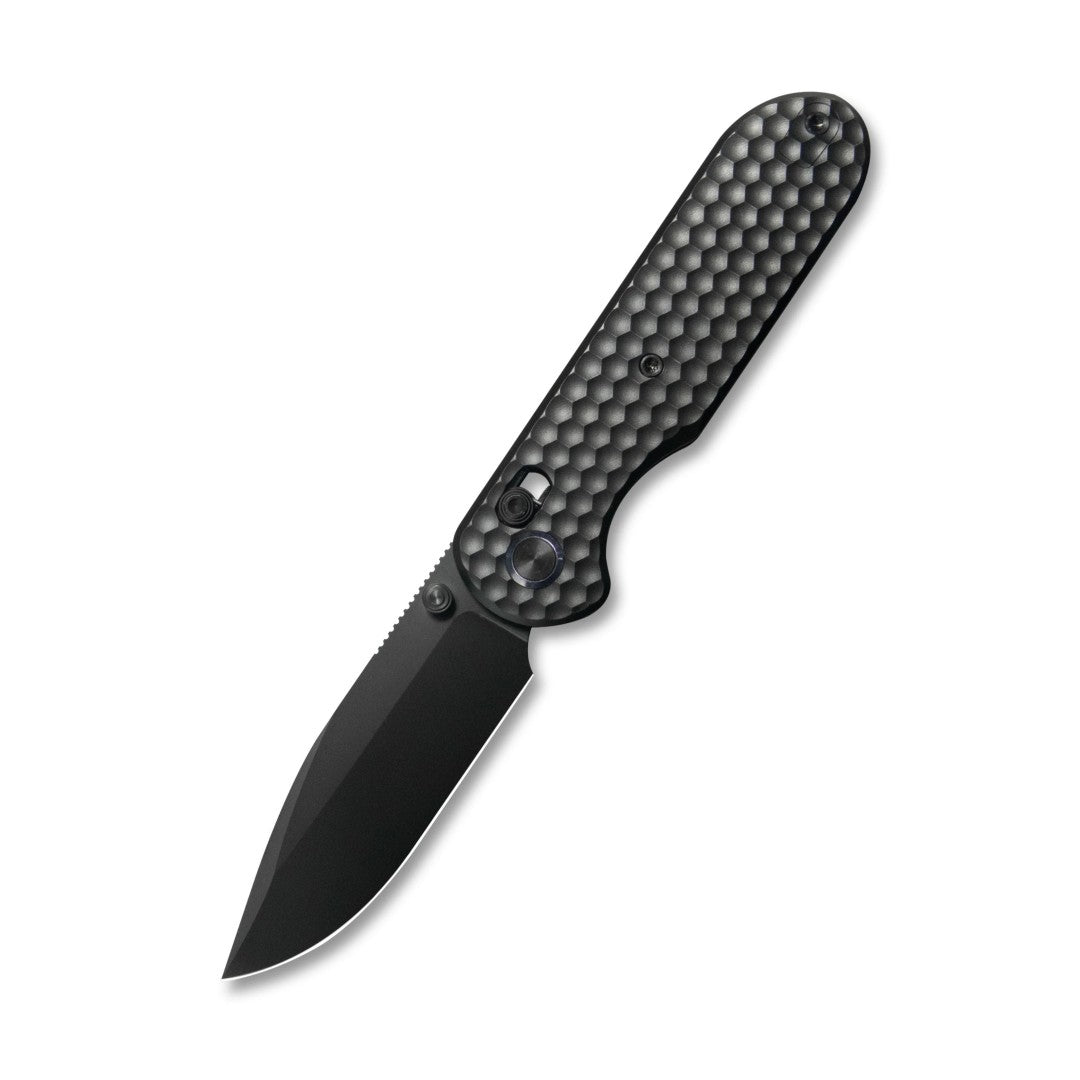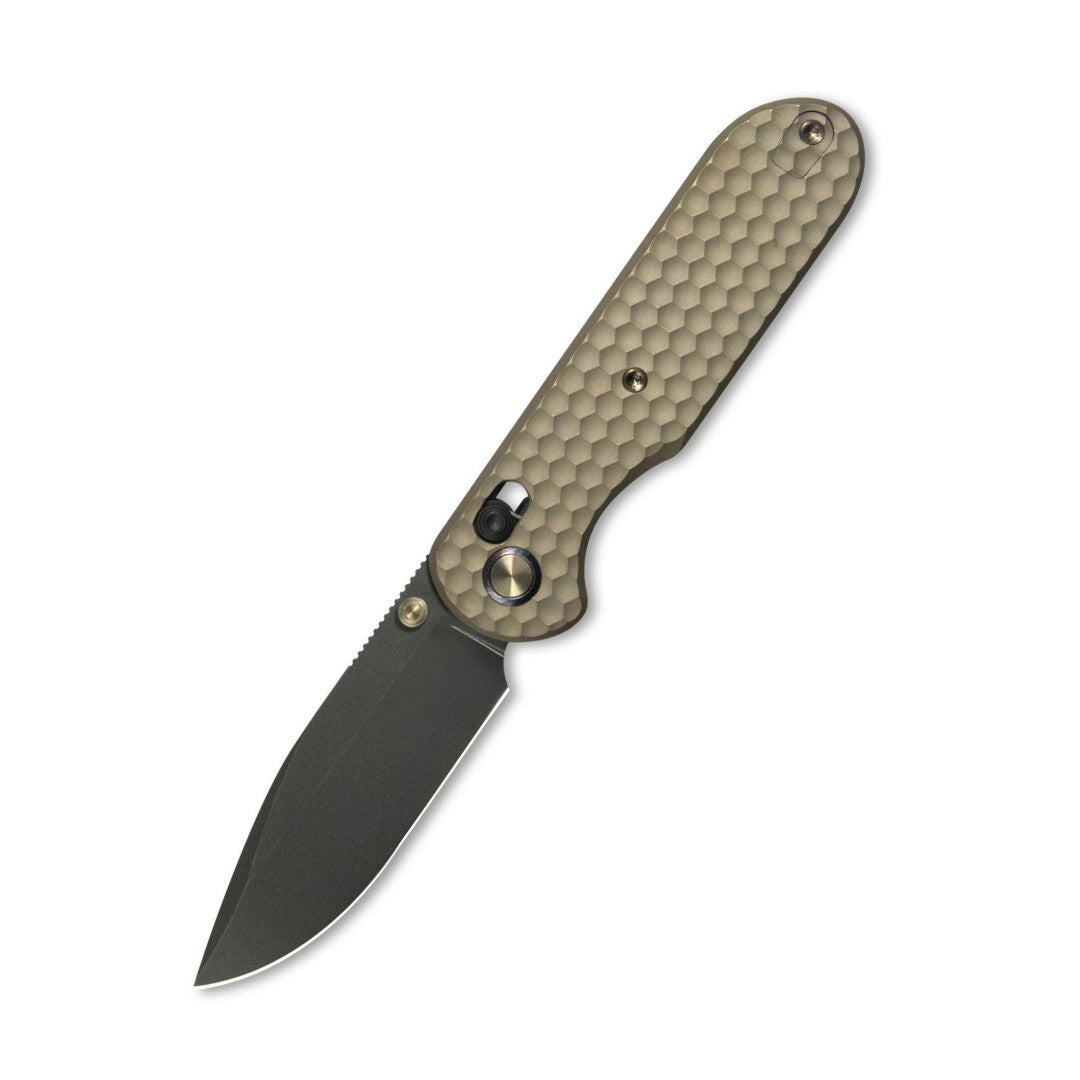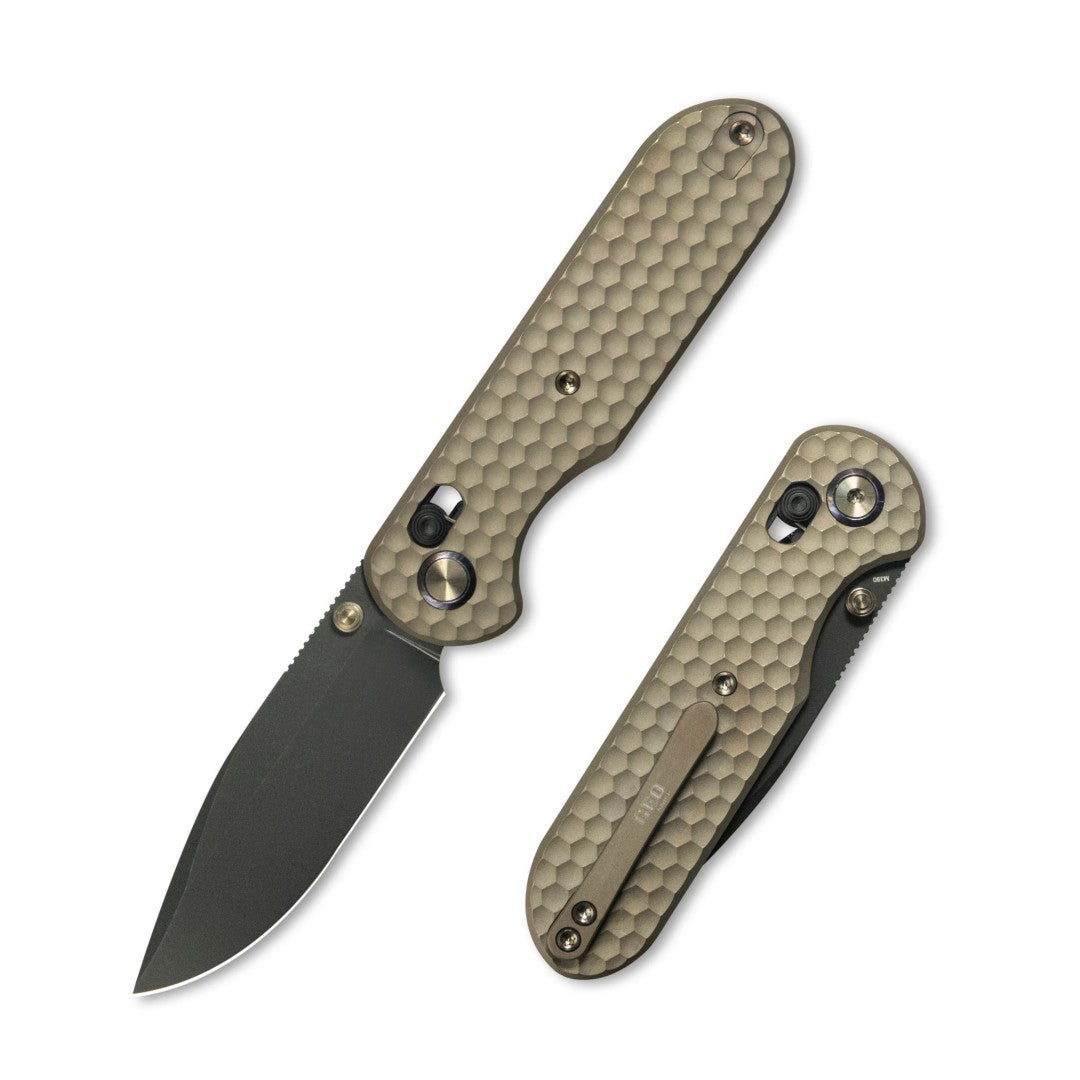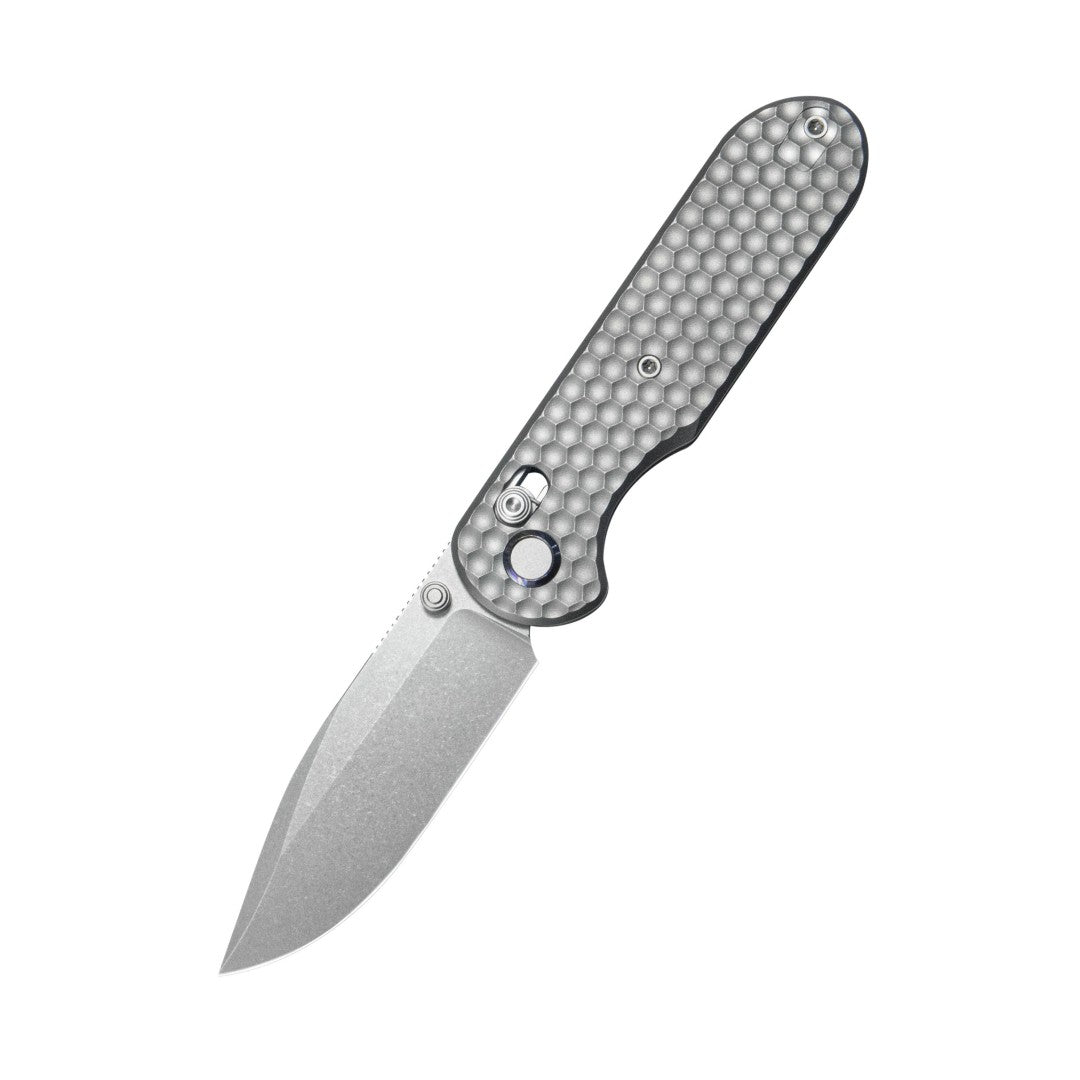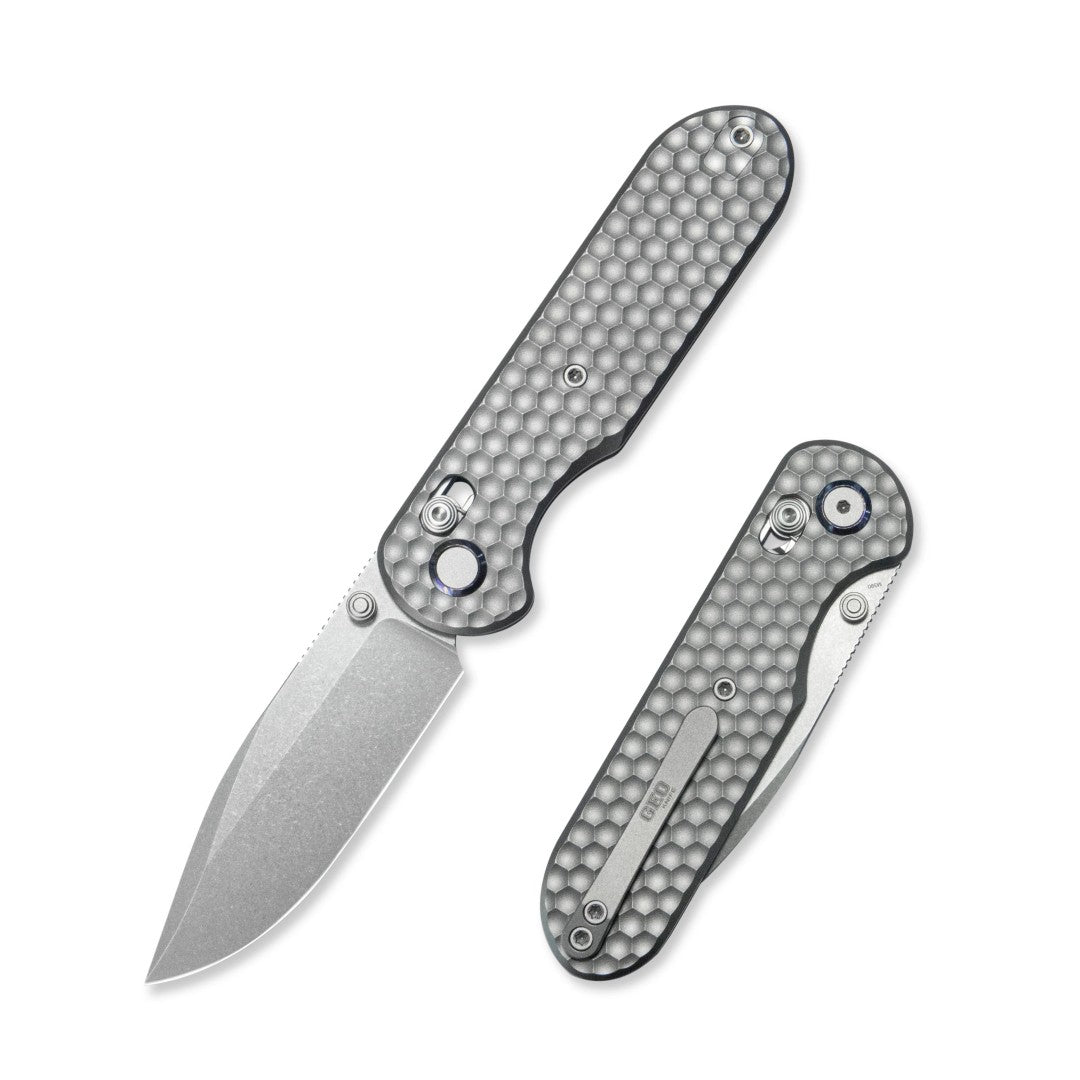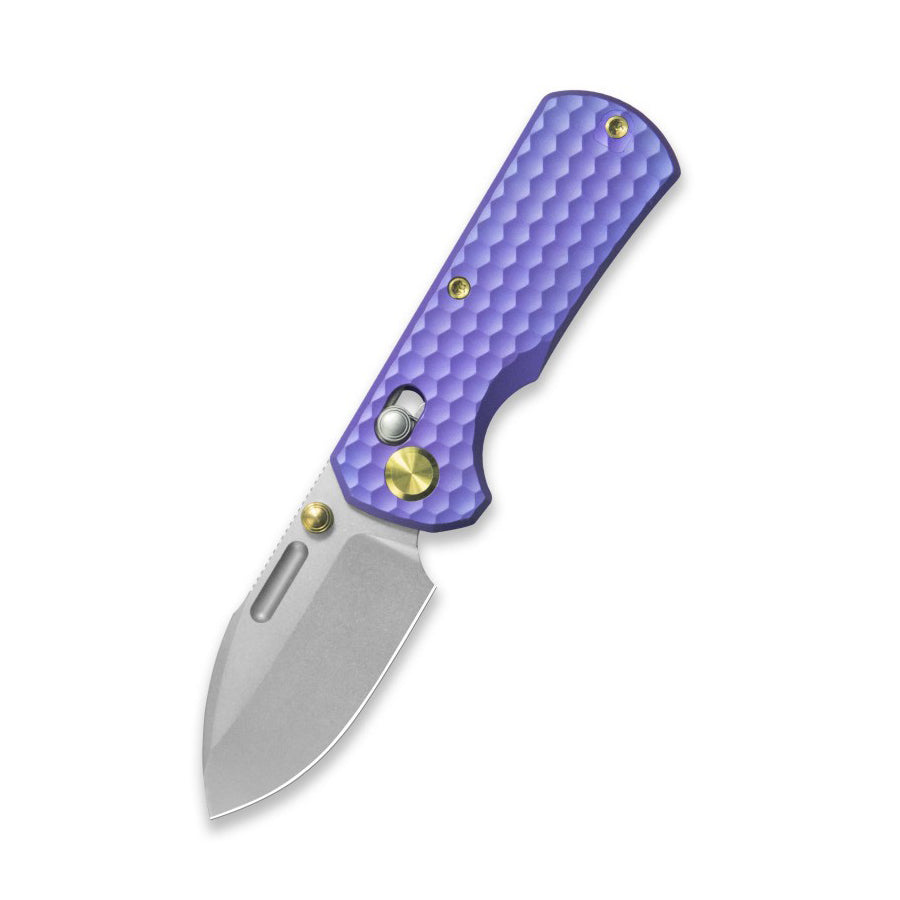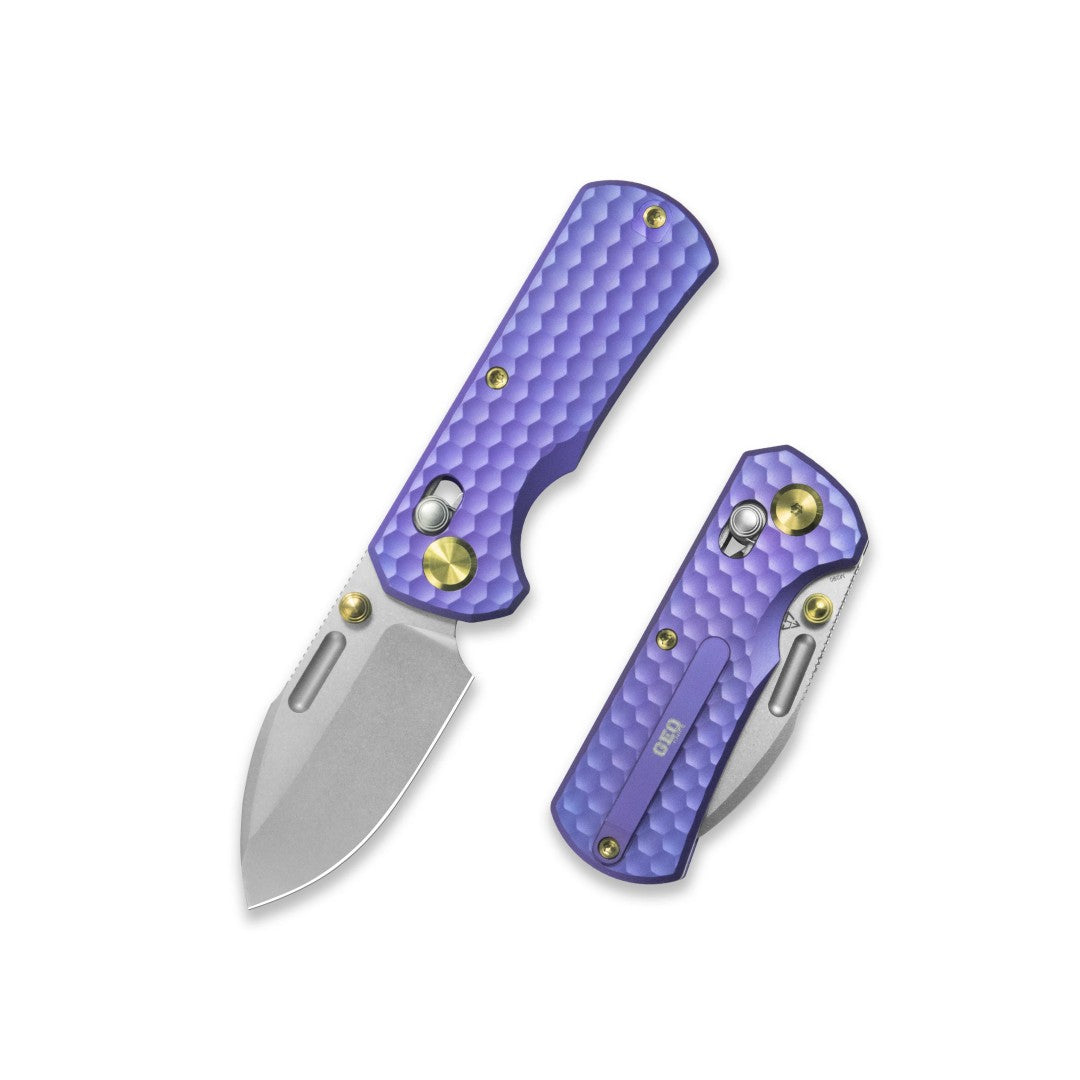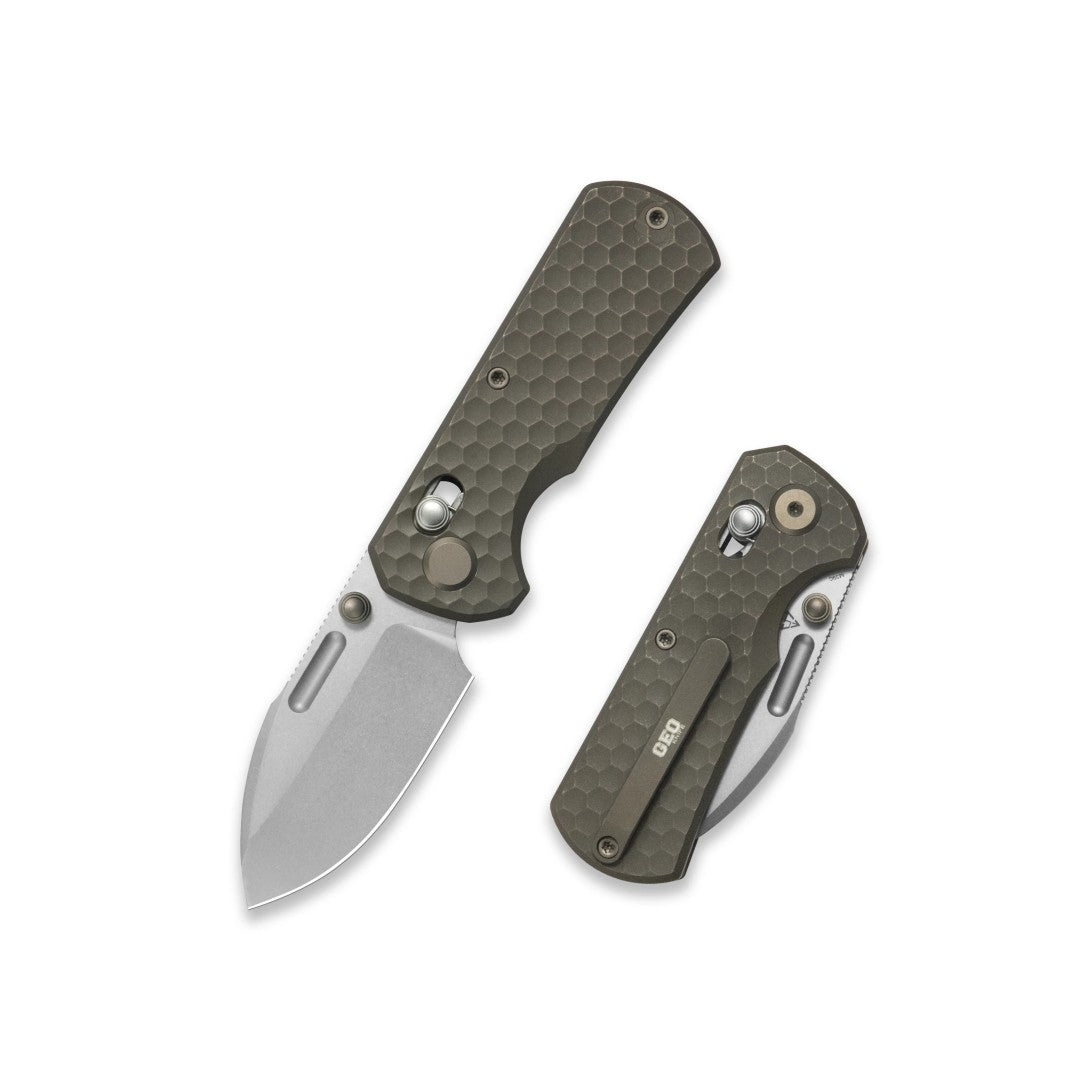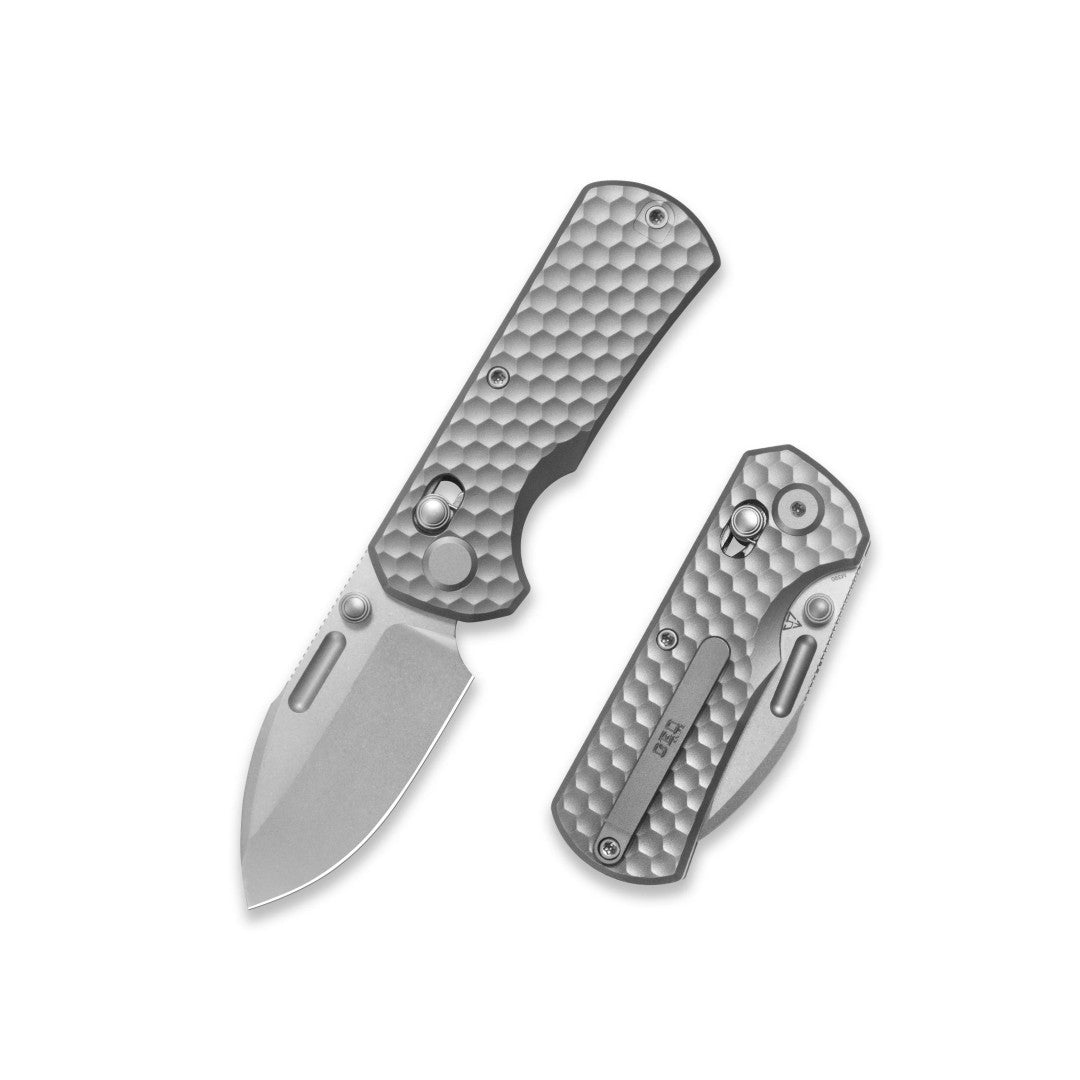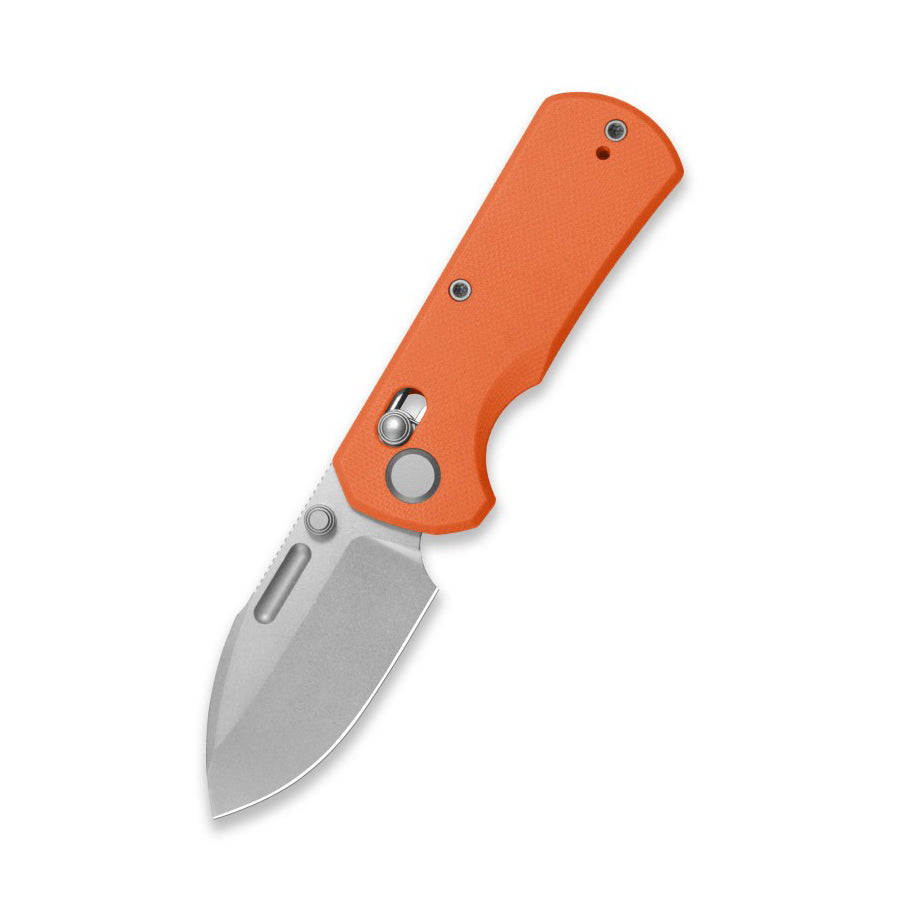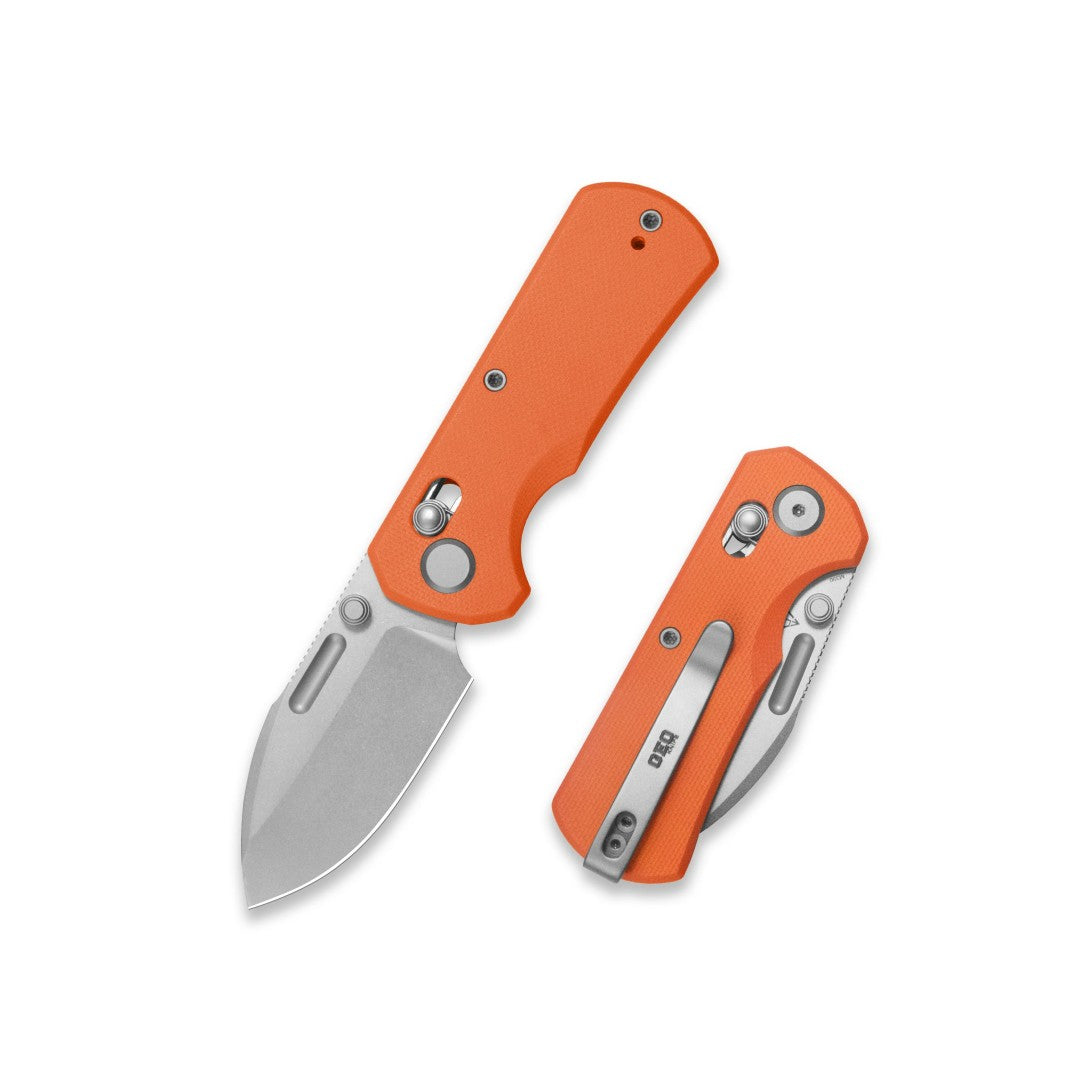
When it comes to choosing between M390 and O1 steel, the answer depends on your specific needs and how you plan to use your blade. Both are excellent choices, but they excel in different areas. Let's break down the key differences to help you make an informed decision.
M390 Steel: The High-Performance Choice
M390 is a premium stainless steel that has gained popularity among knife enthusiasts for its exceptional edge retention. This steel maintains its sharpness far longer than many competitors, making it ideal if you want to go extended periods between sharpenings.
One of M390's standout features is its corrosion resistance. As a stainless steel, it resists rust and oxidation remarkably well, making it perfect for humid environments or situations where regular maintenance might be challenging. The steel also offers good wear resistance, meaning it holds up well against abrasive materials.
However, M390 does come with trade-offs. It's significantly harder to sharpen compared to other steels, requiring specialized equipment or professional sharpening services. The steel is also more brittle, which means it can chip if subjected to heavy impact or lateral stress. Additionally, M390 tends to be more expensive than many alternatives.
O1 Steel: The Classic Workhorse
O1 is a carbon steel that has been trusted for decades in the knife-making industry. It's known for its ease of sharpening—you can quickly restore a keen edge with basic sharpening tools, even in the field. This makes O1 an excellent choice for those who value practicality and quick maintenance.
O1 steel is also tougher than M390, meaning it's more resistant to chipping and can handle harder use without failing. It's forgiving in the hands of users who might subject their blades to demanding conditions. The steel is also more affordable, making it accessible to a wider range of users.
The downside is that O1 doesn't hold an edge as long as M390 and requires more frequent sharpening. Being a carbon steel, it's also susceptible to rust and corrosion if not properly maintained. You'll need to keep it dry and occasionally oil it to prevent oxidation.
Which Should You Choose?
Choose M390 if you prioritize edge retention, want minimal maintenance between uses, and work in environments where corrosion is a concern. It's perfect for professionals who can justify the investment and have access to proper sharpening resources.
Choose O1 if you value ease of sharpening, need a tough blade that can handle rough treatment, and prefer a more budget-friendly option. It's ideal for outdoor enthusiasts, working professionals, and anyone who enjoys the hands-on aspect of blade maintenance.
Ultimately, both steels are excellent. Your choice should reflect your priorities, budget, and how you intend to use your knife.