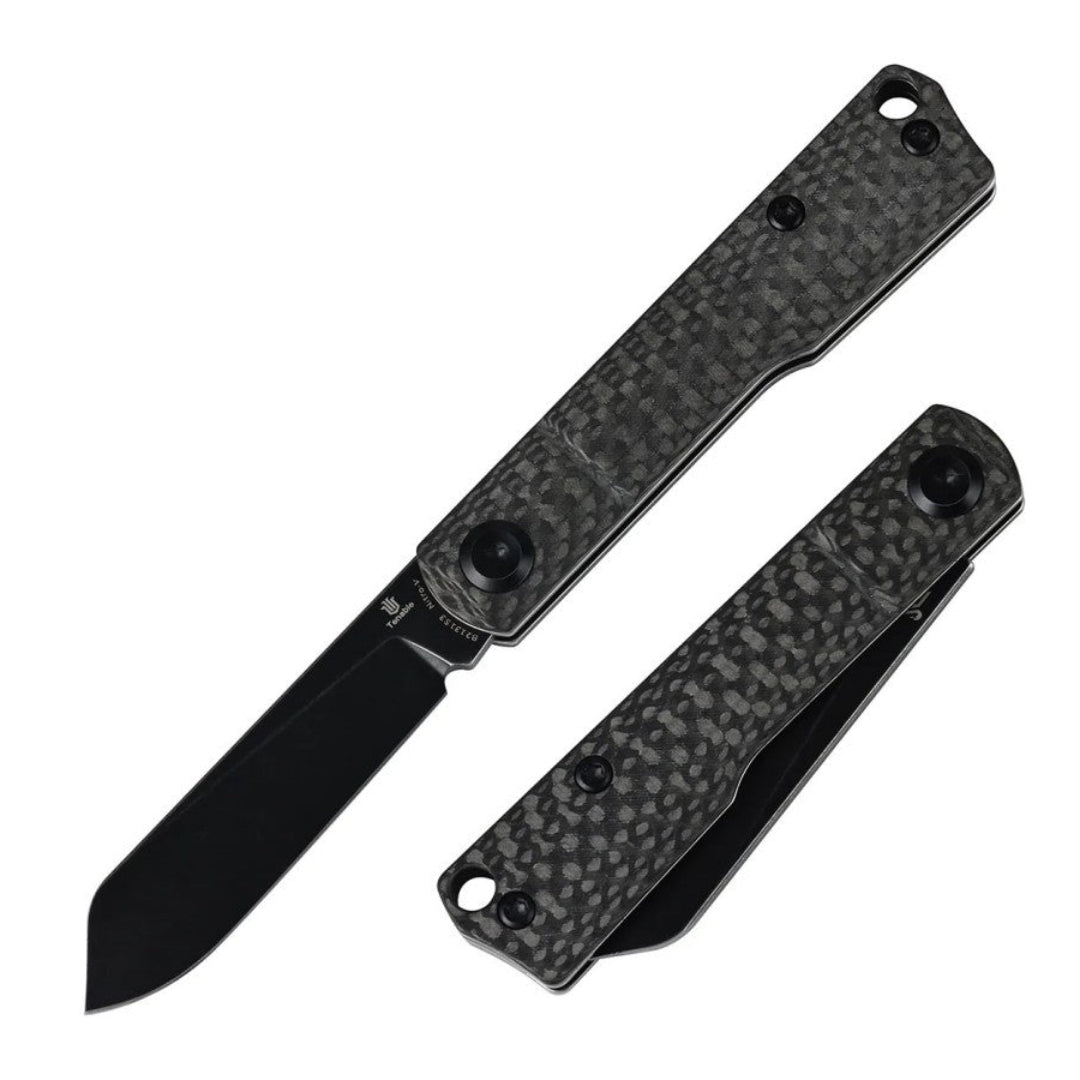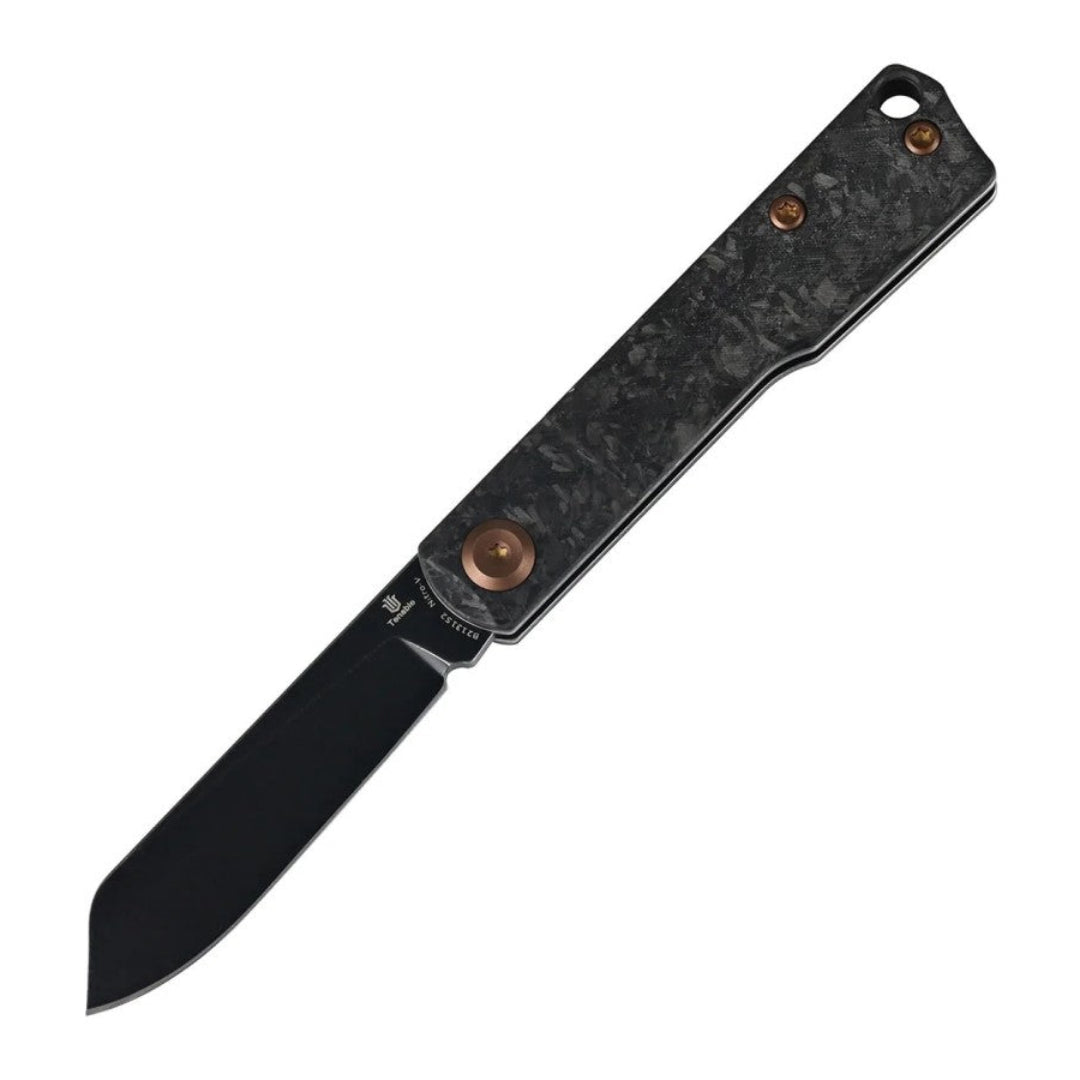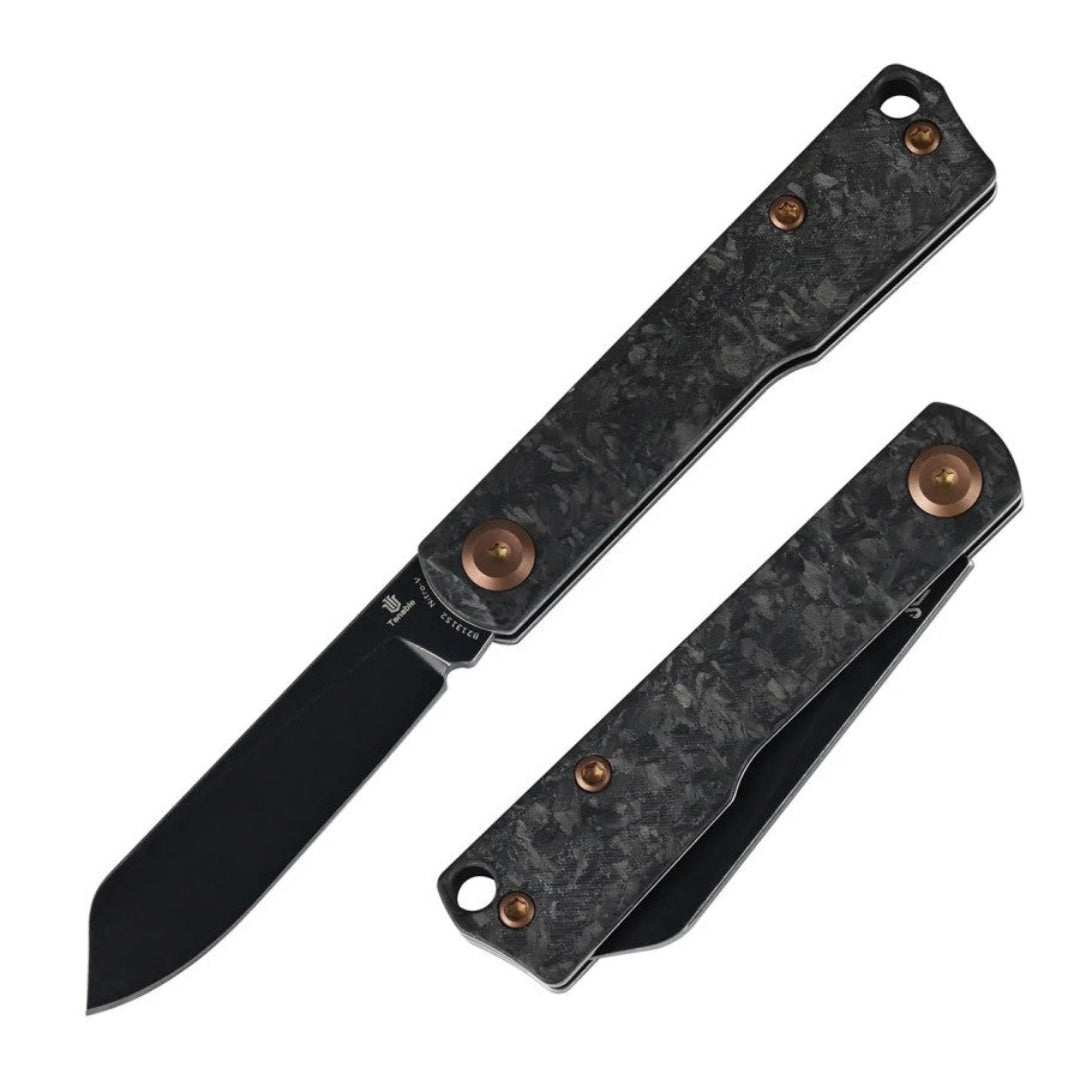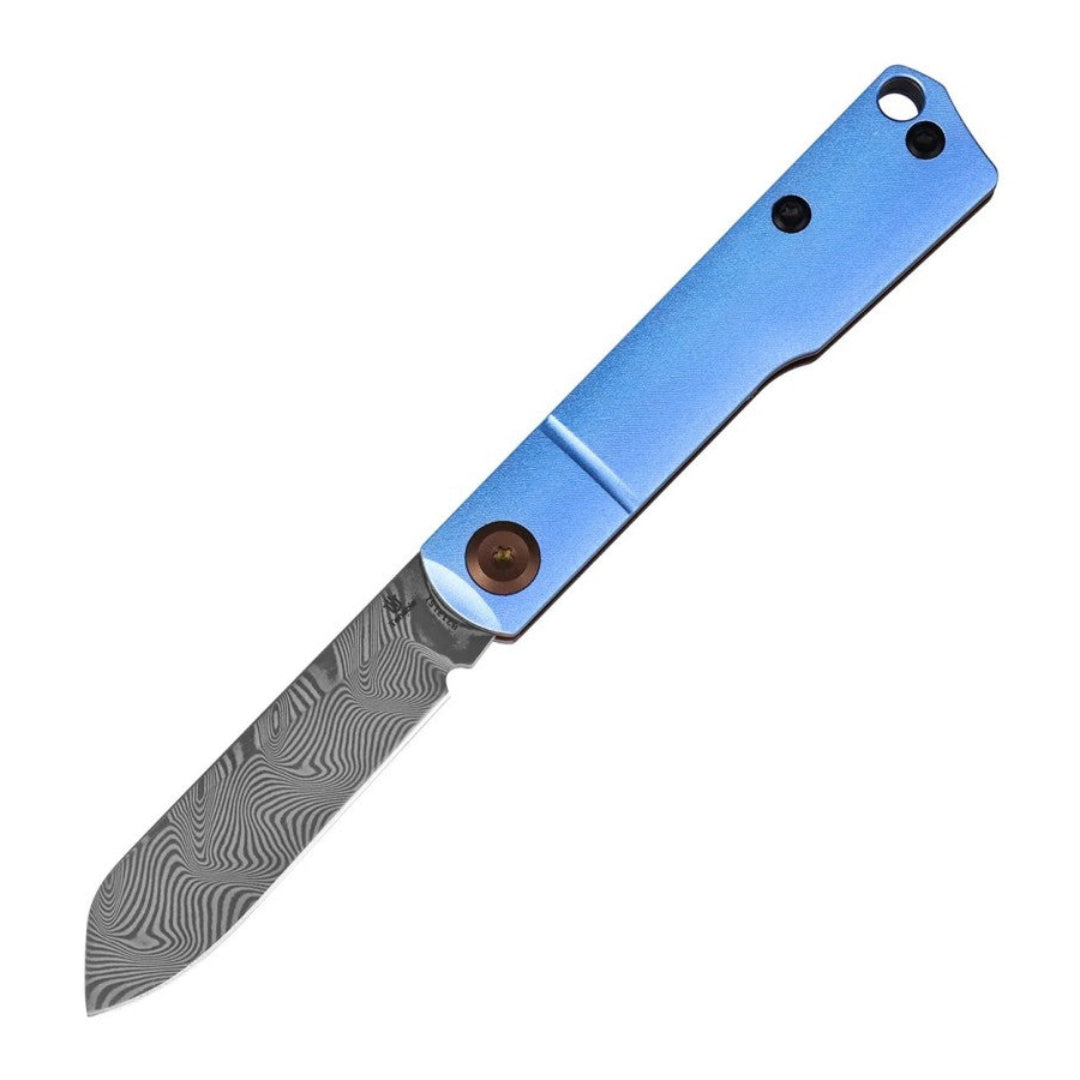
The Kansept Parr is a knife that forces you to rethink everything you know about deployment. Designed by Canadian knifemaker Jonathan Styles—a Newfoundland-based outdoorsman whose design philosophy treats knives as functional art—this compact fixed blade from the Kansept brand doesn't deploy via a flipper tab, thumb stud, or any of the mechanisms that dominate modern EDC culture. It deploys the old-fashioned way: you draw it. And in that single motion lies a deployment experience that feels fundamentally different from anything a bearing pivot can deliver, yet proves equally satisfying in its own right.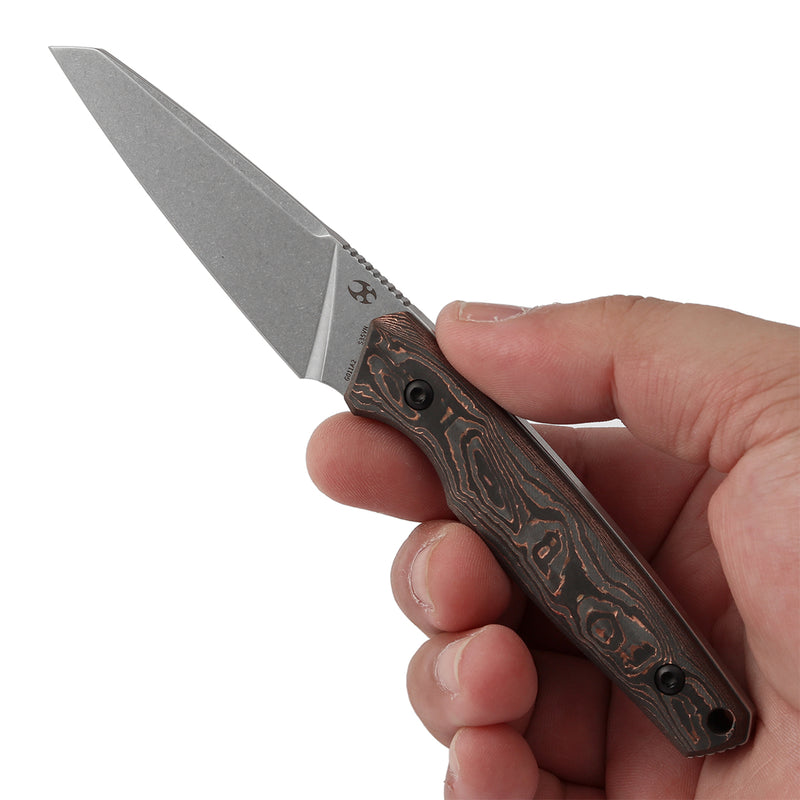
The Deployment That Isn't
Let's address the elephant in the room immediately: the Parr is a fixed blade. It has no flipper tab. No thumb studs. No caged ball bearings. No detent ball. If you're coming to this knife expecting the addictive thwack of a frame lock engaging or the glassy glide of ceramic bearings, you're asking the wrong question entirely.
What the Parr offers instead is a deployment sequence centered entirely around its custom-molded Kydex sheath. The blade clicks into the sheath with authoritative retention—firm enough that you'll never worry about it dislodging during physical activity, yet tuned precisely enough that a deliberate pull produces a fast, smooth draw. The sheath accommodates multiple carry positions, from concealed IWB to belt-mounted configurations, each offering a slightly different draw angle to suit your body mechanics.
The "action" of the Parr, then, isn't about what happens between your index finger and a flipper tab. It's about the muscle memory you develop—gripping the handle, thumb-pressing against the sheath for leverage, and pulling the blade free in one continuous motion. After a week of carry, this becomes as instinctive as thumb-flicking a folder open. The difference is that when the Parr clears the sheath, it's immediately ready for the hardest work you can throw at it. There's no lock bar to check, no blade play to monitor, no pivot screw to adjust.
Locking Mechanism: Frame Lock Philosophy Without the Frame Lock
The Parr's "locking mechanism" is inherent to its construction. As a full-tang fixed blade, the steel runs the entire length of the knife without a single interruption—no joint, no pivot, no moving interface between handle and blade. A frame lock folder, no matter how well-executed, is ultimately a wedge of titanium pressing against a blade tang. Under extreme twisting forces, a frame lock can disengage. Under prolonged use, lock faces wear. Under dirty conditions, debris can prevent full engagement.
The Parr experiences none of these failure modes. You can twist, torque, and bear down without ever questioning the structural integrity of the connection between blade and handle—because there is no connection point to question. For users who genuinely push their tools hard, this is the deployment that keeps on giving. Jonathan Styles designed the Parr with his background as a lifelong outdoorsman who hunts, fishes, and hikes through Newfoundland's demanding terrain. The fixed-blade format isn't a compromise in his design—it's the point.
That said, let's be honest about what you lose. One-handed closing is nonexistent on a fixed blade. You can't flick the Parr closed against your thigh or perform the satisfying one-handed close-and-pocket maneuver that frame lock folders make possible. The deployment is one-directional: out of the sheath, into action, back into the sheath. It's a deliberate, intentional rhythm rather than a fidget-friendly feedback loop.
Frame Lock and Bearing Action: A Folder Comparison
To understand what makes the Parr's deployment distinctive, it helps to examine what you experience with a premium frame lock folder. Take a well-tuned titanium frame lock running on caged ball bearings—the lock bar wedges against the blade tang with a satisfying click, the bearings create near-frictionless rotation, and the detent ball provides that crisp break that makes deployment feel authoritative. The ceramic ball bearings reduce friction at the pivot to the point where the blade swings open with almost no perceptible resistance, and the frame lock geometry typically prevents accidental disengagement under normal use conditions.
But even the best frame lock has limitations. Lock stick can develop when the lock face and blade tang create excessive friction. Lock rock—slight vertical blade movement when locked open—can appear if tolerances aren't perfect. Omega springs in crossbar locks can fatigue and break. Bearings can accumulate pocket lint and grit, gradually degrading that glassy smoothness into something gritty and inconsistent. And every frame lock is theoretically vulnerable to being disengaged by an errant grip position during hard twisting cuts.
The Parr sidesteps all of this by eliminating the pivot entirely. There are no bearings to clean, no lock face to inspect for wear, no spring to fatigue, no detent ball to develop a flat spot. The deployment experience is fundamentally about the sheath—its retention strength, its draw angle, its mounting position—rather than about mechanical interactions inside the knife itself.
One-Handed Operation: A Different Kind of Flow
Knife enthusiasts obsess over one-handed deployment for good reason. When your off-hand is occupied holding materials in place, stabilizing a workpiece, or gripping a ladder rung, the ability to deploy your blade with a single hand isn't just convenient—it's essential. Frame lock flippers and thumb stud folders excel at this; a crisp detent break and smooth bearing action make one-handed opening nearly effortless.
The Parr requires a different approach to one-handed operation. With the sheath clipped to your belt or pocket, you can draw the knife with a single hand—grip, pull, and you're in business. The Kydex sheath holds firm against the draw force, providing the resistance needed for a clean extraction. What you can't do is re-sheath the knife one-handed with the same casual ease as closing a folder. This is the single biggest functional tradeoff between a fixed blade and a quality frame lock: folders close as easily as they open, while fixed blades demand two hands for safe re-sheathing.
For some users, this is a dealbreaker. For others, it's a worthwhile trade for the absolute reliability that a full-tang fixed blade provides. Your answer likely depends on whether your EDC tasks involve frequent cut-and-stow cycles (where folders shine) or sustained cutting sessions where the blade stays out for extended periods (where fixed blades excel).
Three Kansept Knives That Deliver a Different Action
The beauty of the Kansept catalog is that it spans the full spectrum of deployment styles. Here are three recent releases that showcase alternative action experiences—all distinct from the Parr and from each other.
1. Kansept Higonokami
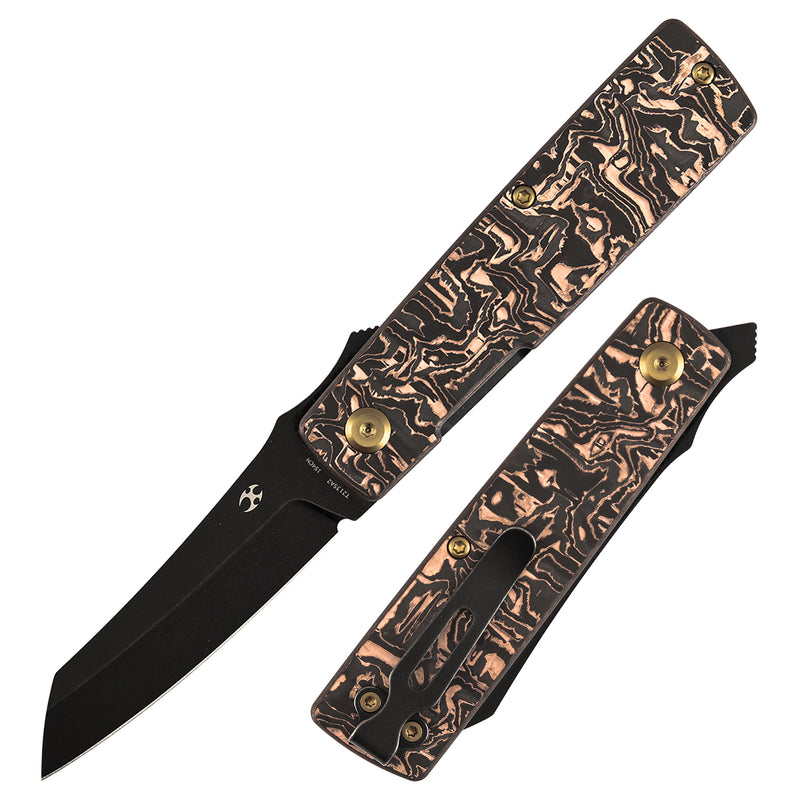
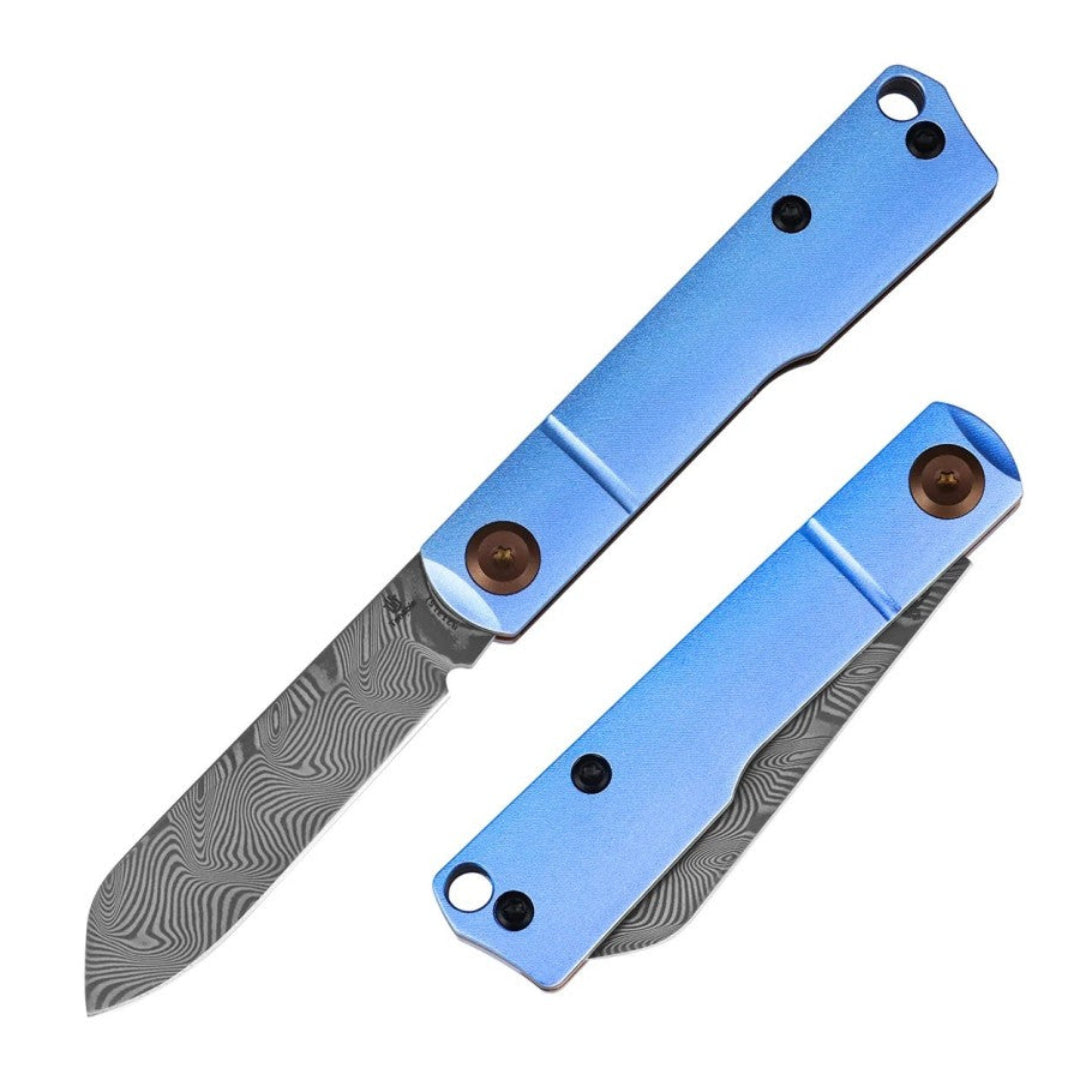
The Kansept Higonokami reimagines a century-old Japanese friction folder design with thoroughly modern execution. Where the classic higonokami relies on friction alone to stay open—the user's grip pins the extended tang in place—Kansept's version adds a liner lock for genuine security. Deployment comes via a front flipper mechanism, a satisfying alternative to rear flippers and thumb studs that produces a snappy, authoritative opening arc. The rectangular handle profile and reverse tanto blade preserve the iconic silhouette while the carbon fiber handle options and Damascus or 154CM blade choices elevate materials far beyond the brass-and-carbon-steel originals. At $130, it delivers heritage aesthetics with deployment performance that traditional higonokamis never offered.
2. Kansept Hazard

The Kansept Hazard delivers the most unconventional deployment in Kansept's current lineup. Designed by California-based Steven Dunnuck, it features the Bali Lock—a hinged hanger that nests in a cutout on the back of the handle and locks the blade in place both open and closed. Grasping the hanger and flicking your wrist deploys the blade in a balisong-like motion, but the blade never swings freely toward your fingers; the mechanism keeps everything contained. You can even spin the knife by the hanger in mesmerizing fashion. The 3.67-inch CPM-S35VN blade rides on a titanium handle with a blackwash finish. At $160, it's for enthusiasts who want butterfly-knife flair without the blood-blister learning curve.
3. Kansept Thunderhead
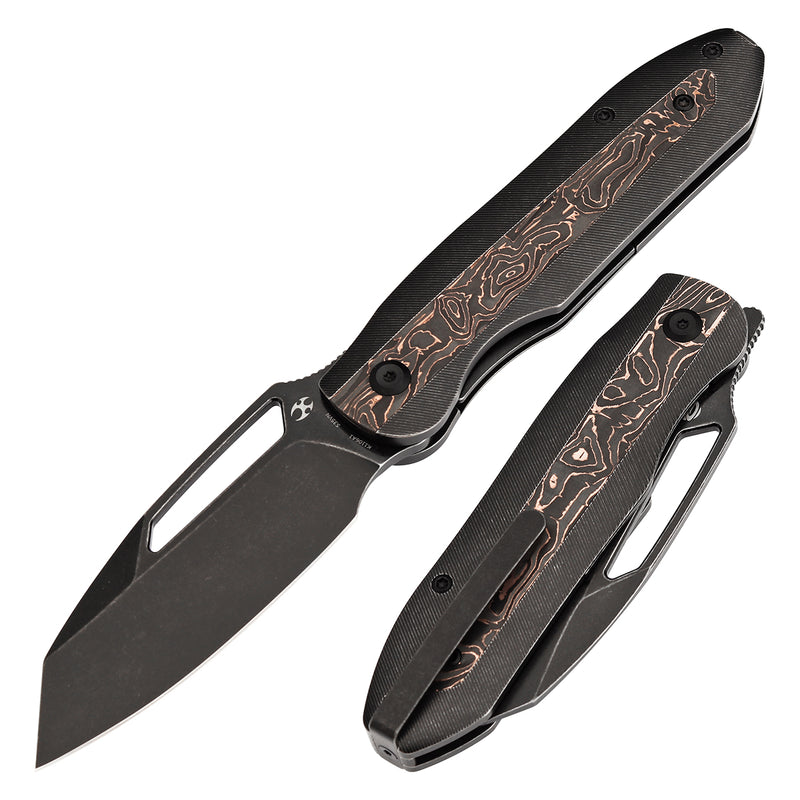
The Kansept Thunderhead, released in June 2025, takes a more traditional approach to deployment but executes it with premium flair. It features a 3.58-inch CPM-S35VN blade paired with a blackwash fluted titanium handle accented by copper carbon fiber inlays, secured by a liner lock mechanism. The flipper tab deployment runs on a smooth pivot system that delivers the crisp, satisfying action that defines a well-tuned bearing folder. Priced at approximately $190, the Thunderhead represents the deployment philosophy most familiar to EDC enthusiasts—flipper-driven, bearing-smooth, and liner-locked—executed with Kansept's premium material standards.
The Kansept Parr doesn't deploy like a folder because it isn't trying to be one. Its deployment lives in the draw—in the click of Kydex retention releasing, in the muscle memory of a practiced pull, in the immediate readiness that comes from a blade with no pivot to check and no lock to trust. Jonathan Styles designed it for users who value that readiness above the mechanical theater of a bearing pivot. If that's you, the Parr's action will feel less like a missing feature and more like a revelation.
Ready to experience the Parr's unique deployment for yourself? Shop the Kansept Parr Collection and discover the fixed-blade EDC that's changing how enthusiasts think about action.