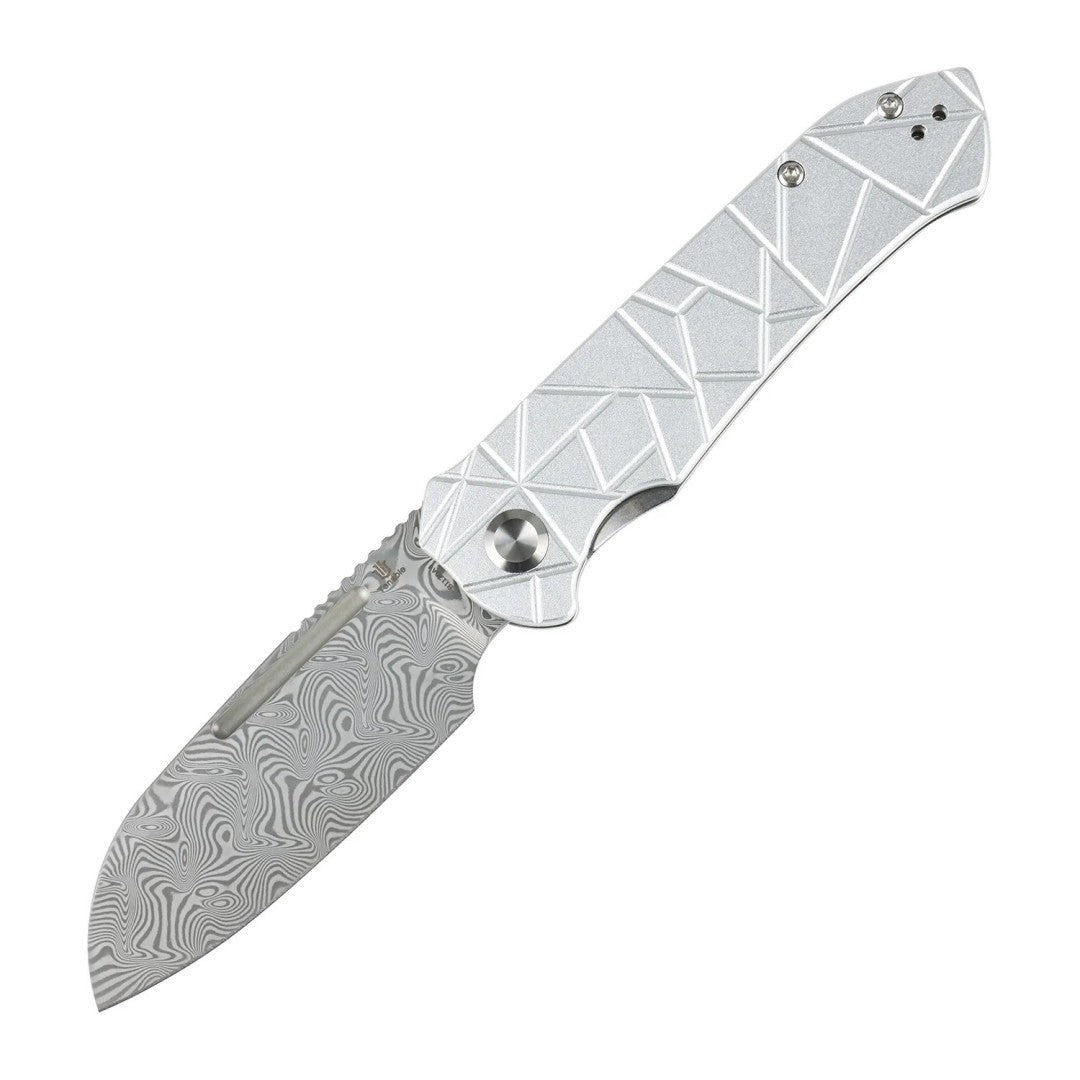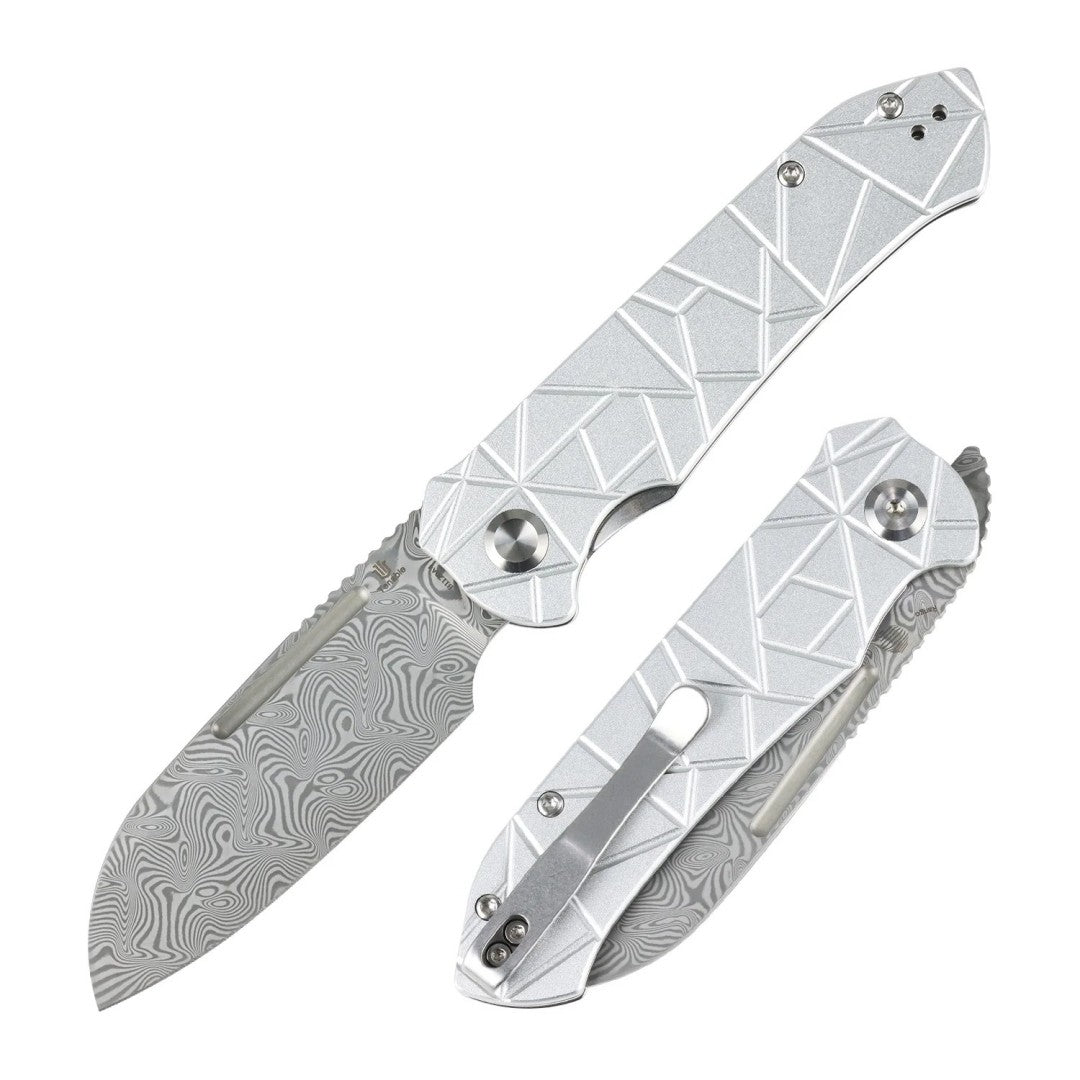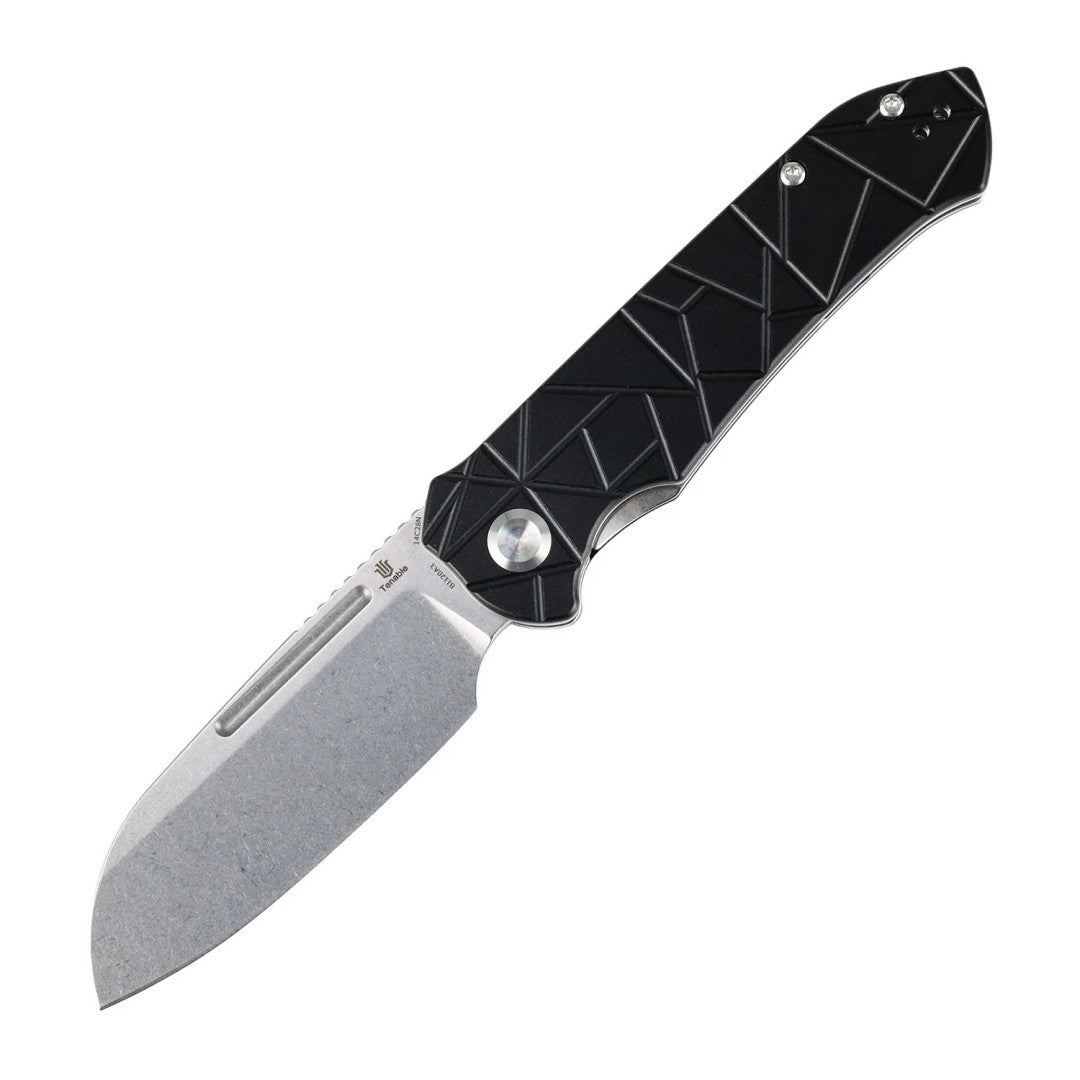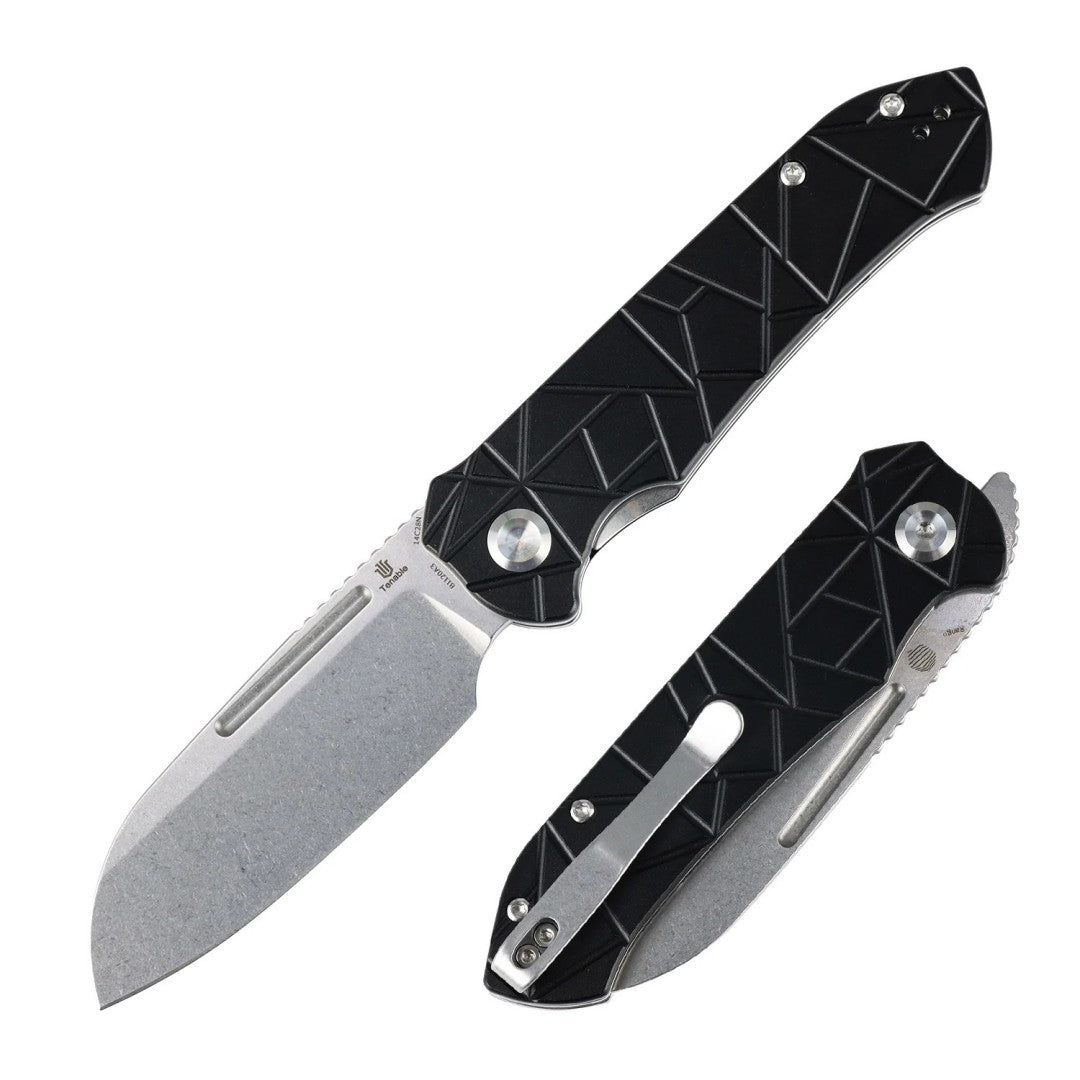

Overview & First Impressions
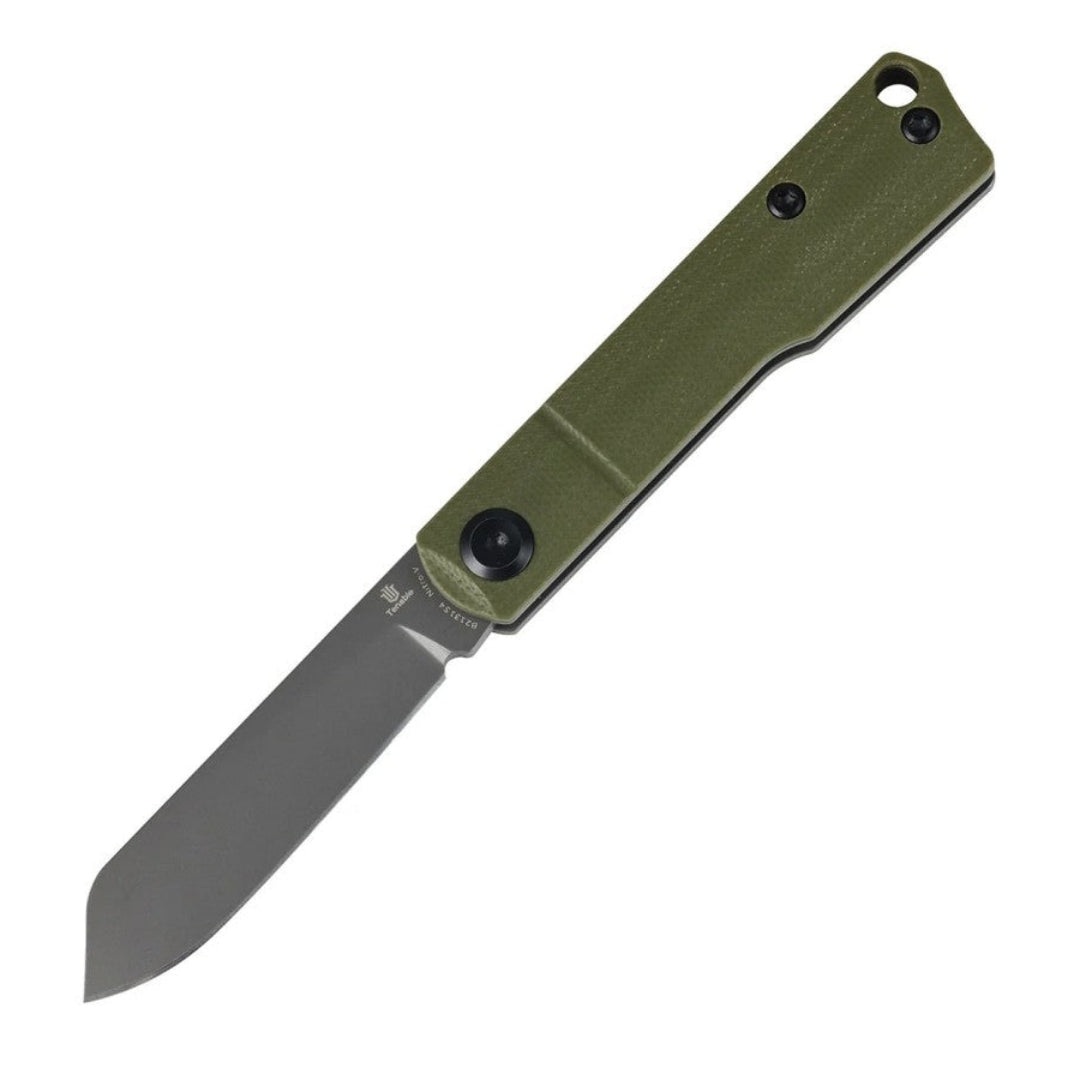
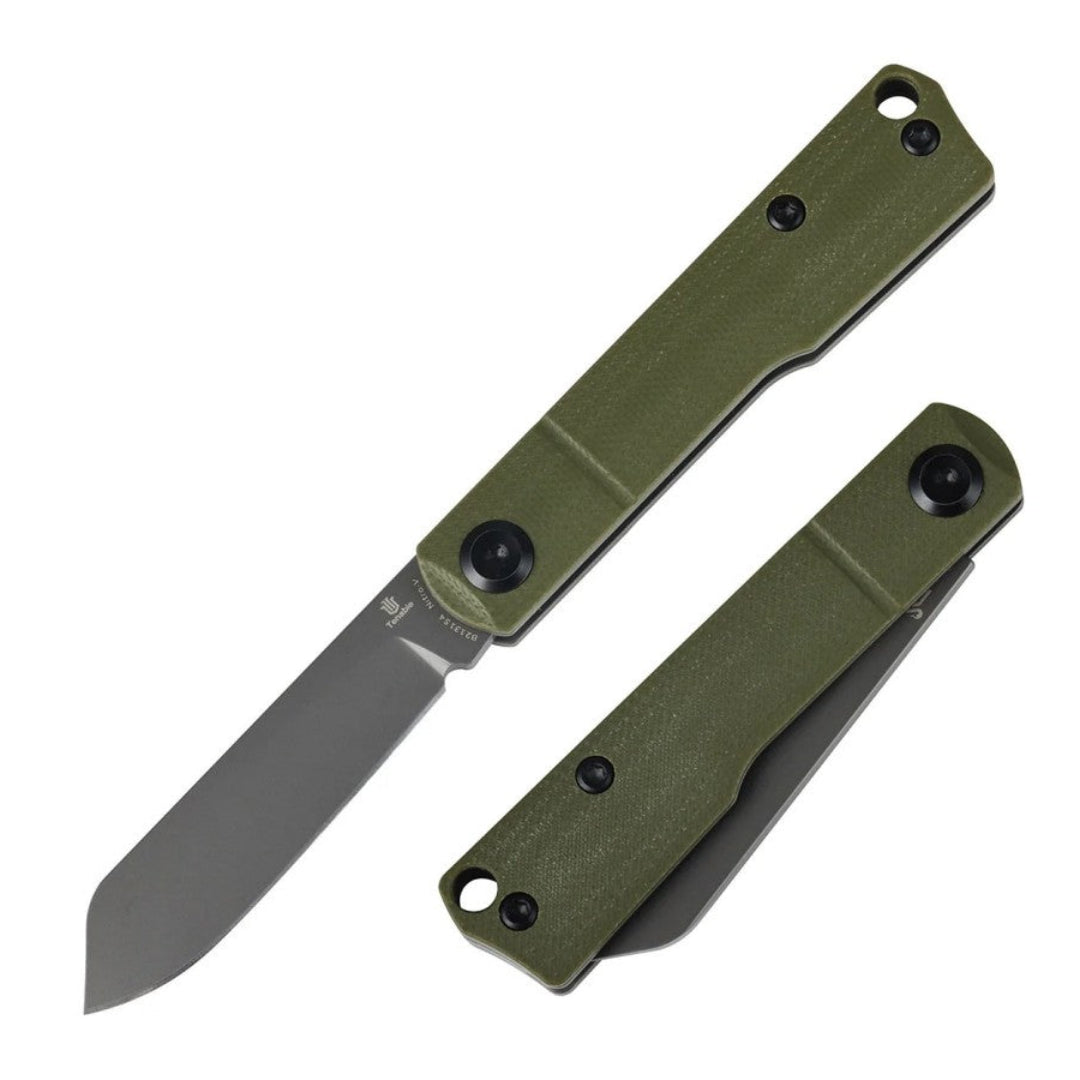
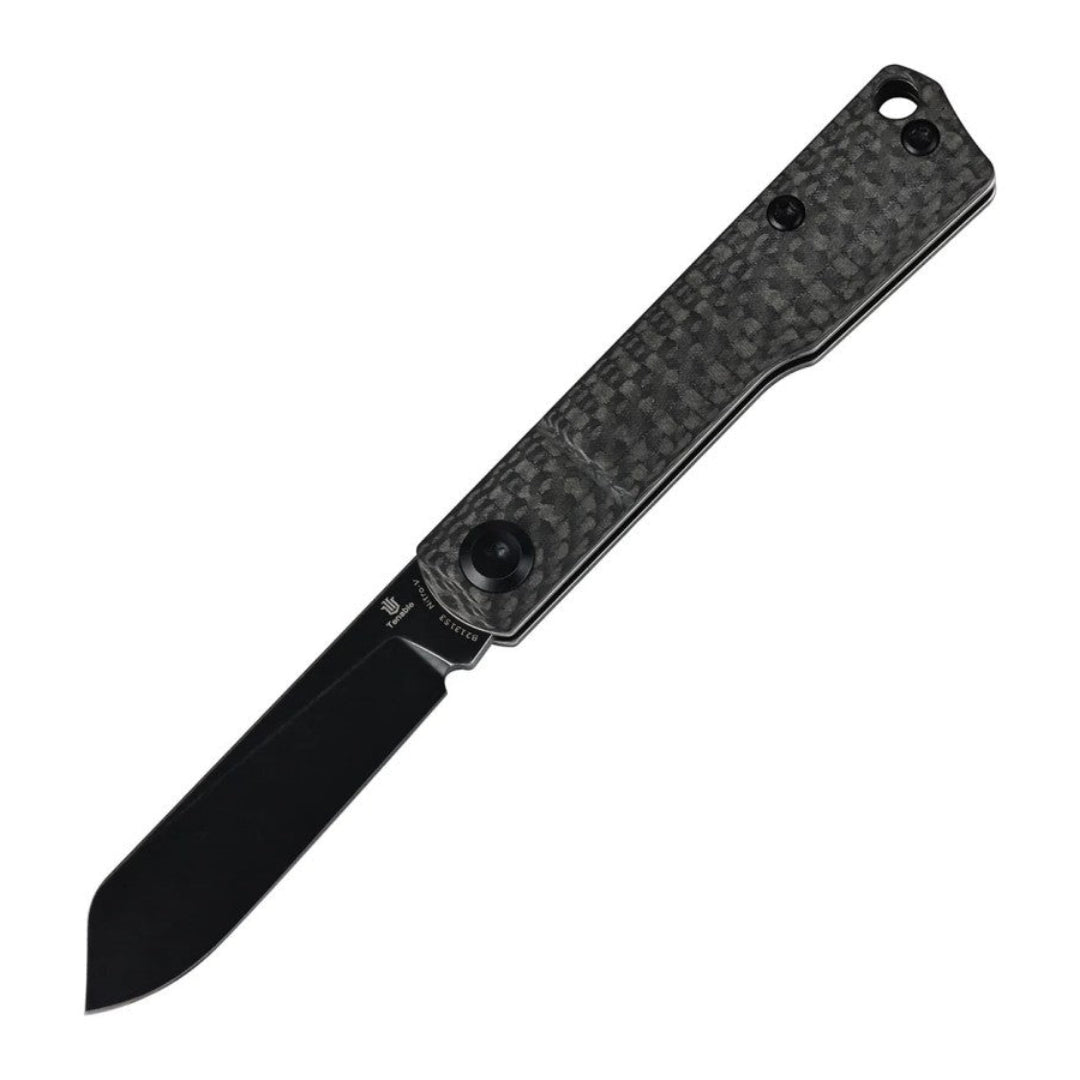
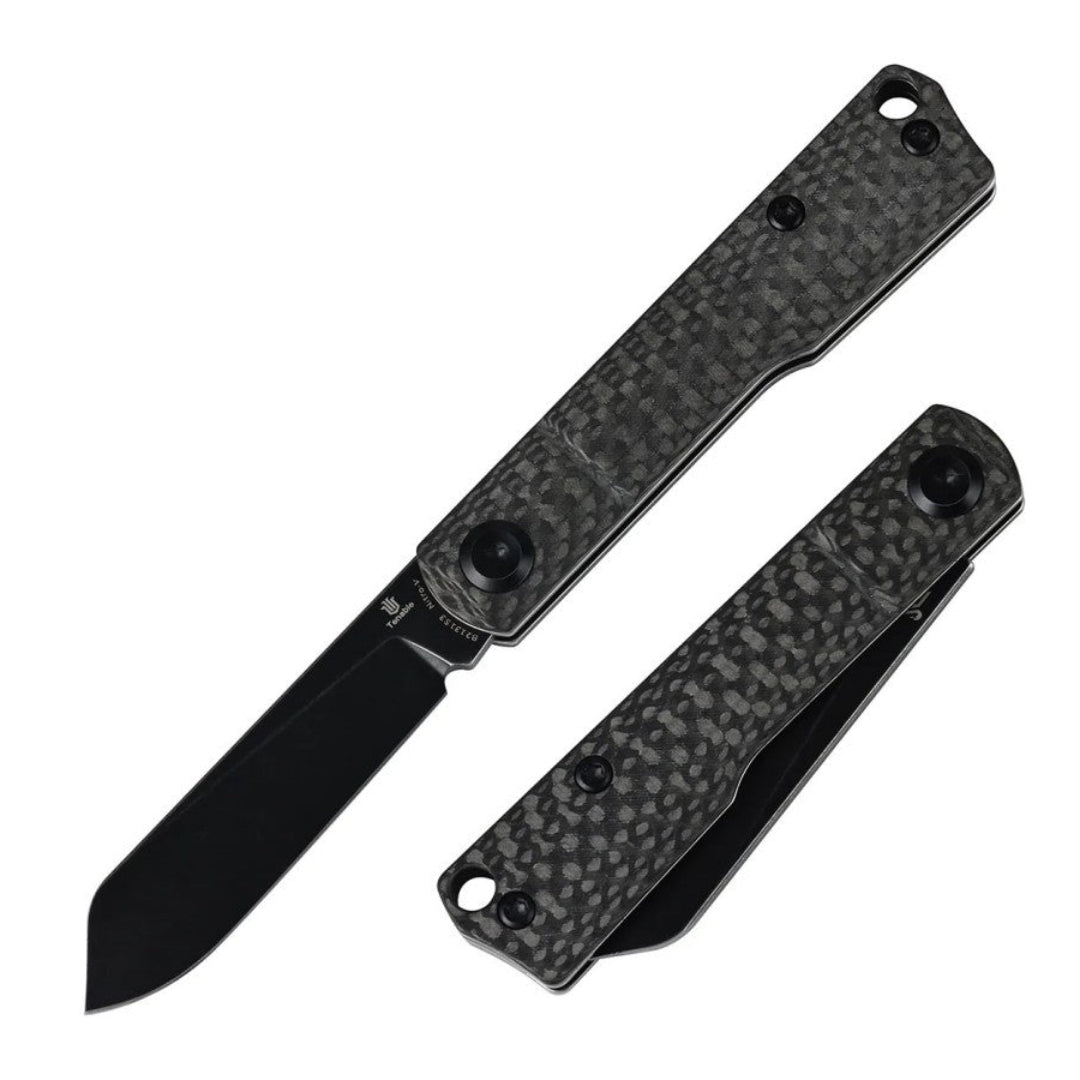
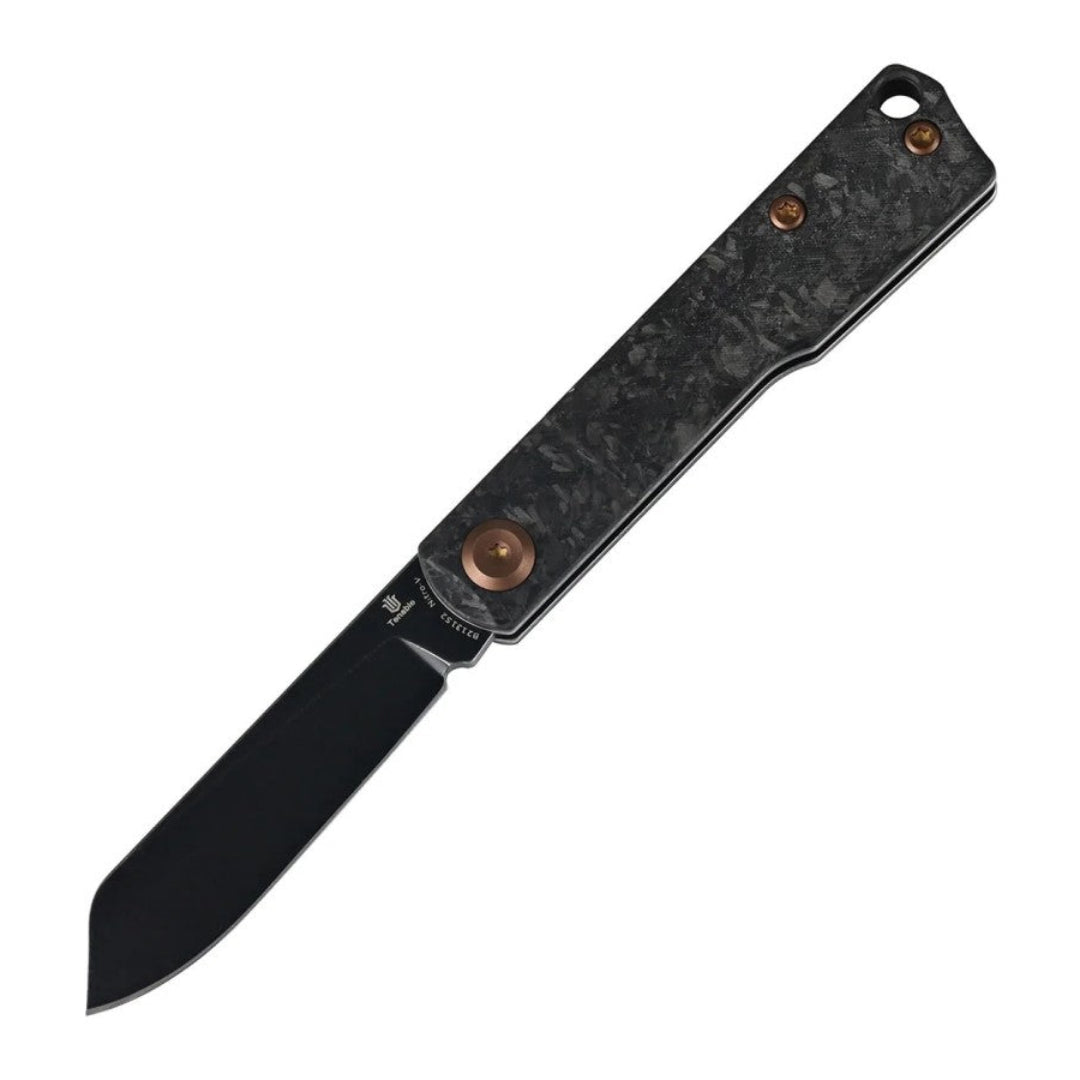
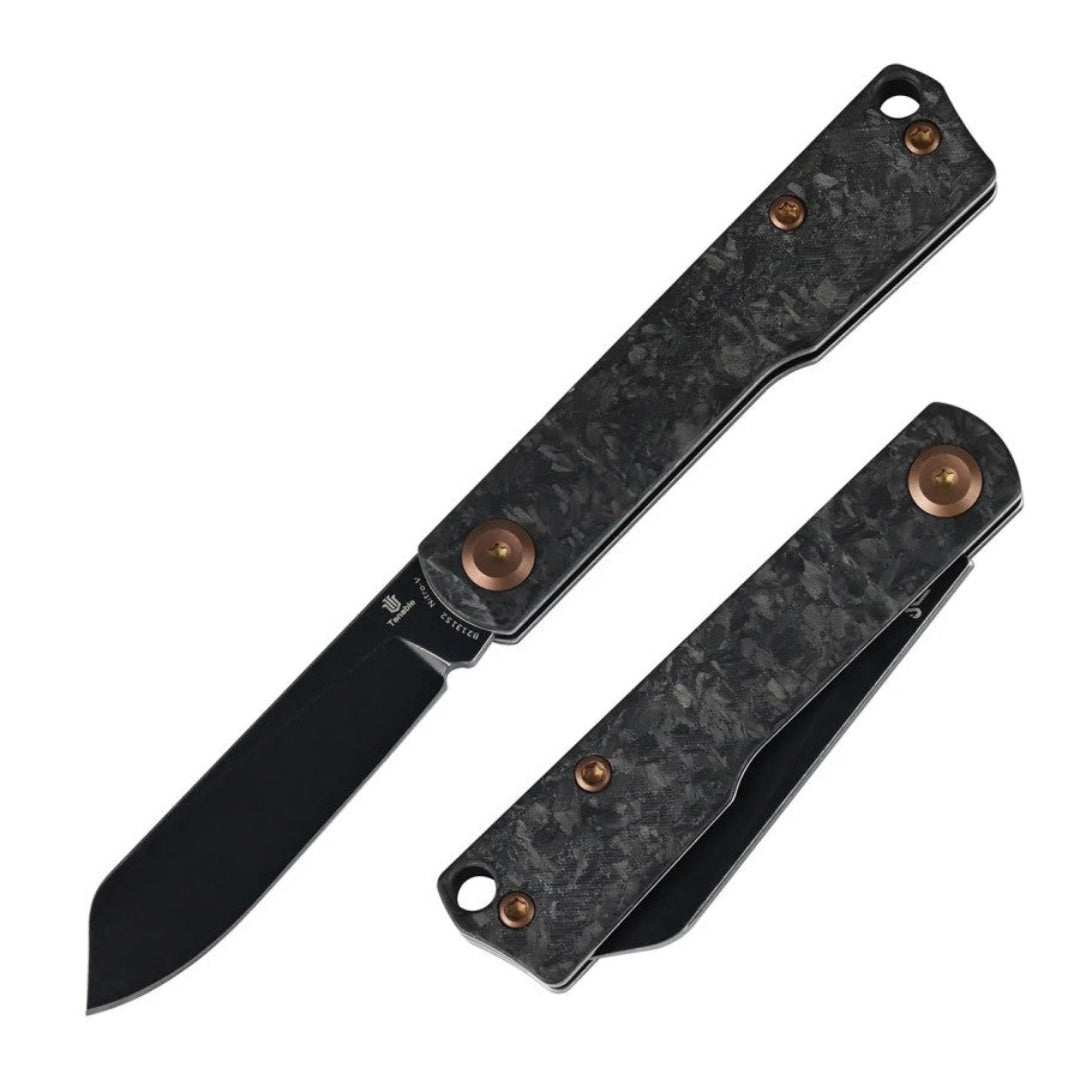
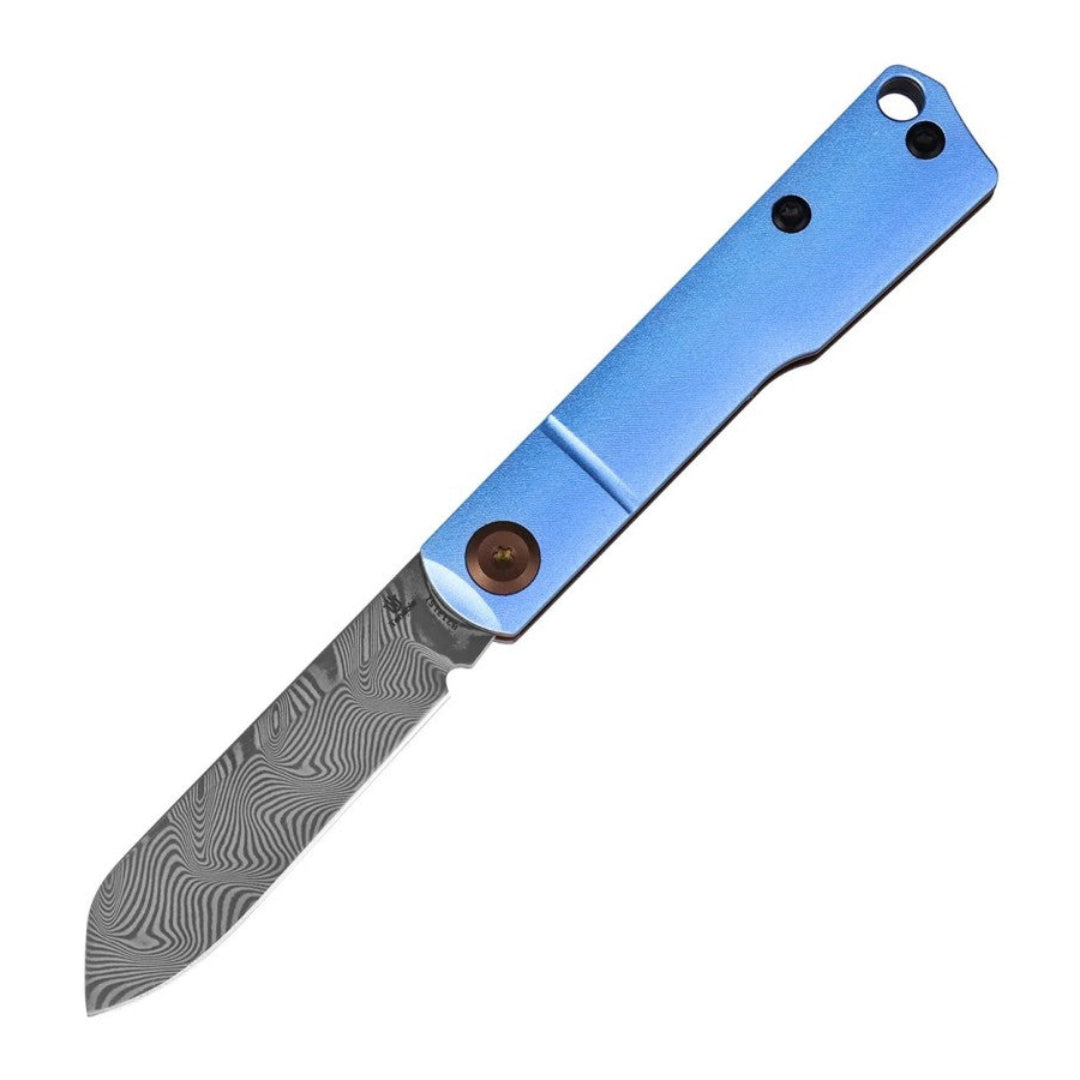
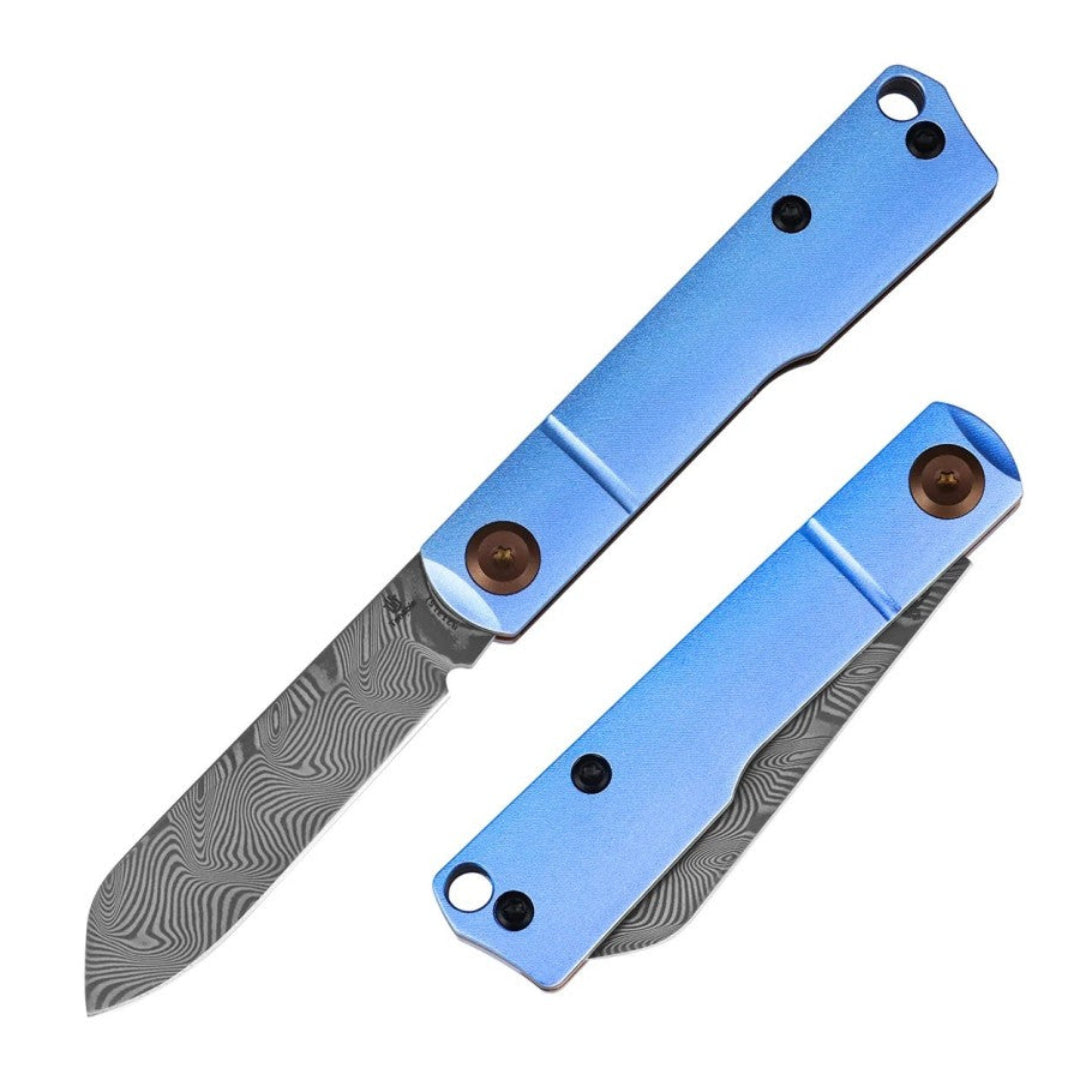
Walk through any knife catalog and you will see the same two materials over and over: Micarta and G10. They look similar in photographs, they both shrug off water, and both are dramatically better than the plastic handles on cheap knives. So why do enthusiasts argue about them? Because they feel different in use, age differently, and suit different jobs. The Kansept Siafu gives us both options on one fixed blade platform, which makes it a perfect case study.

Build Quality & Materials
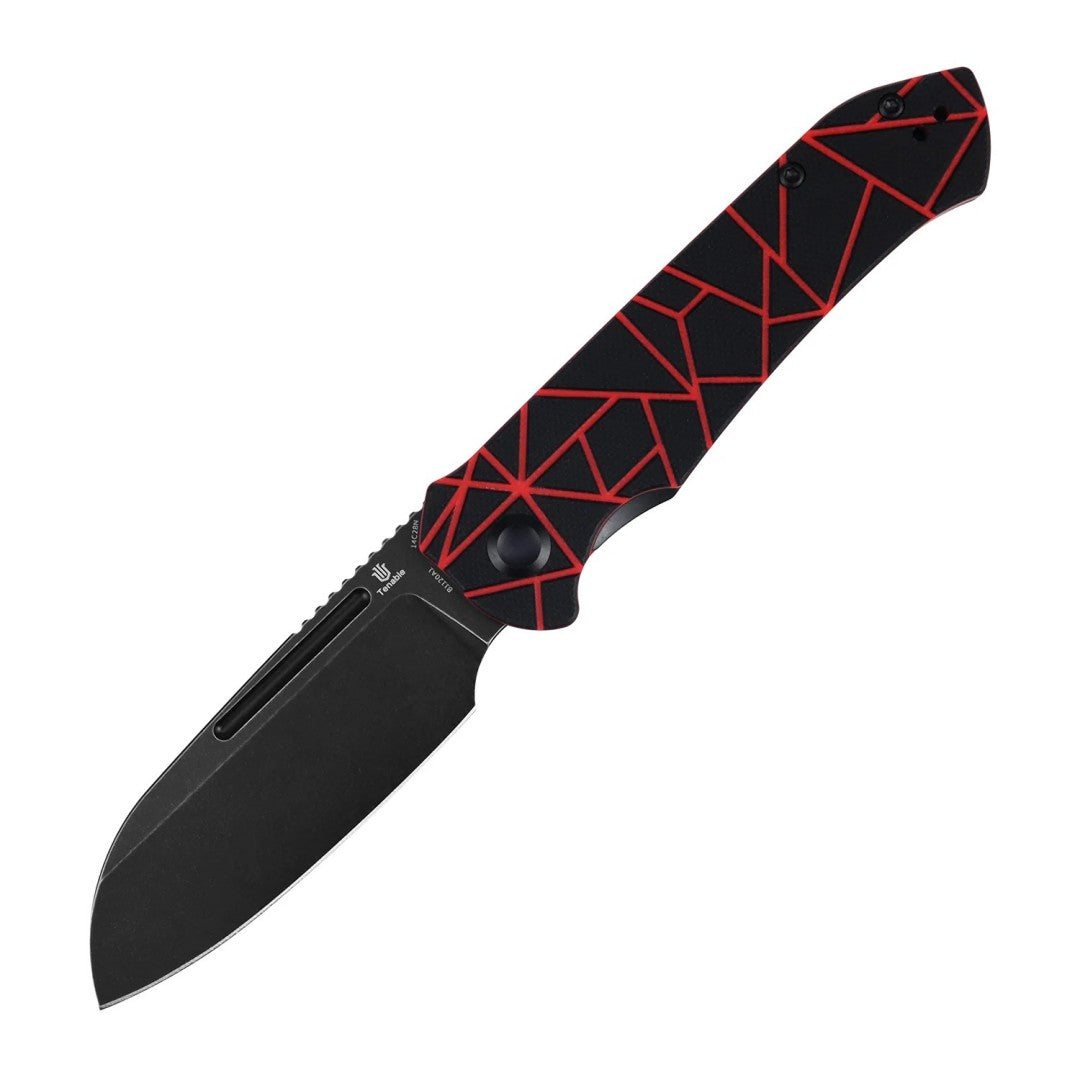
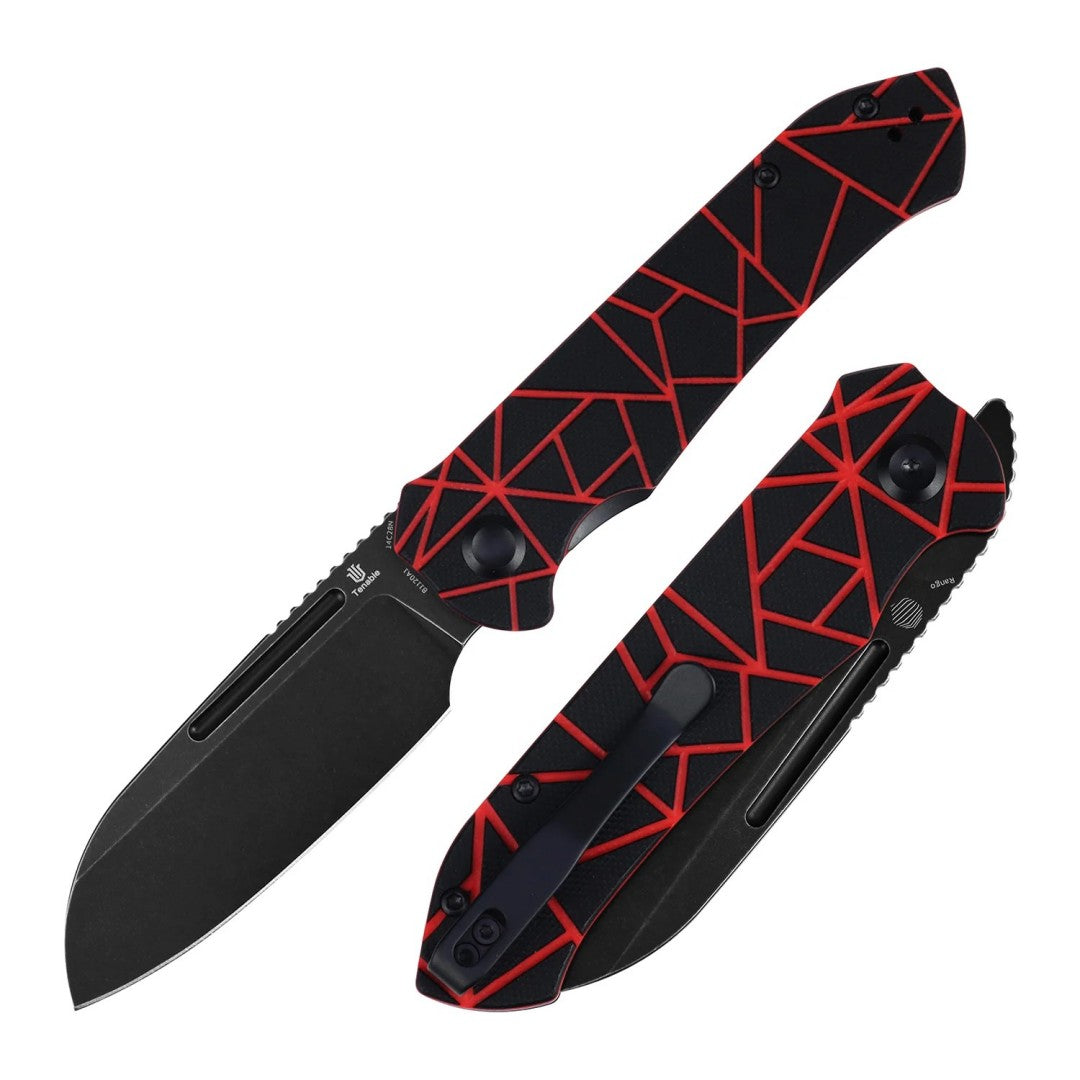
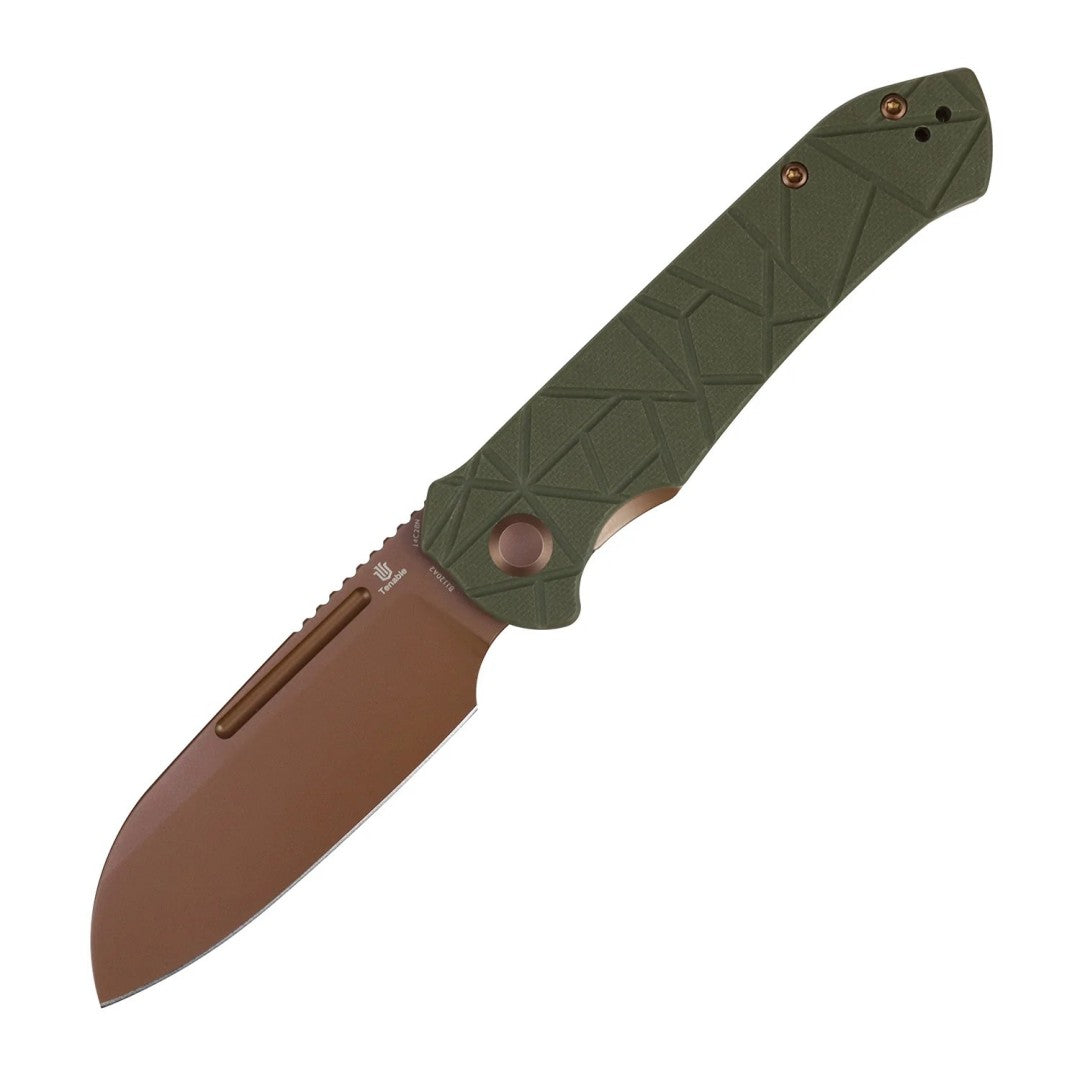
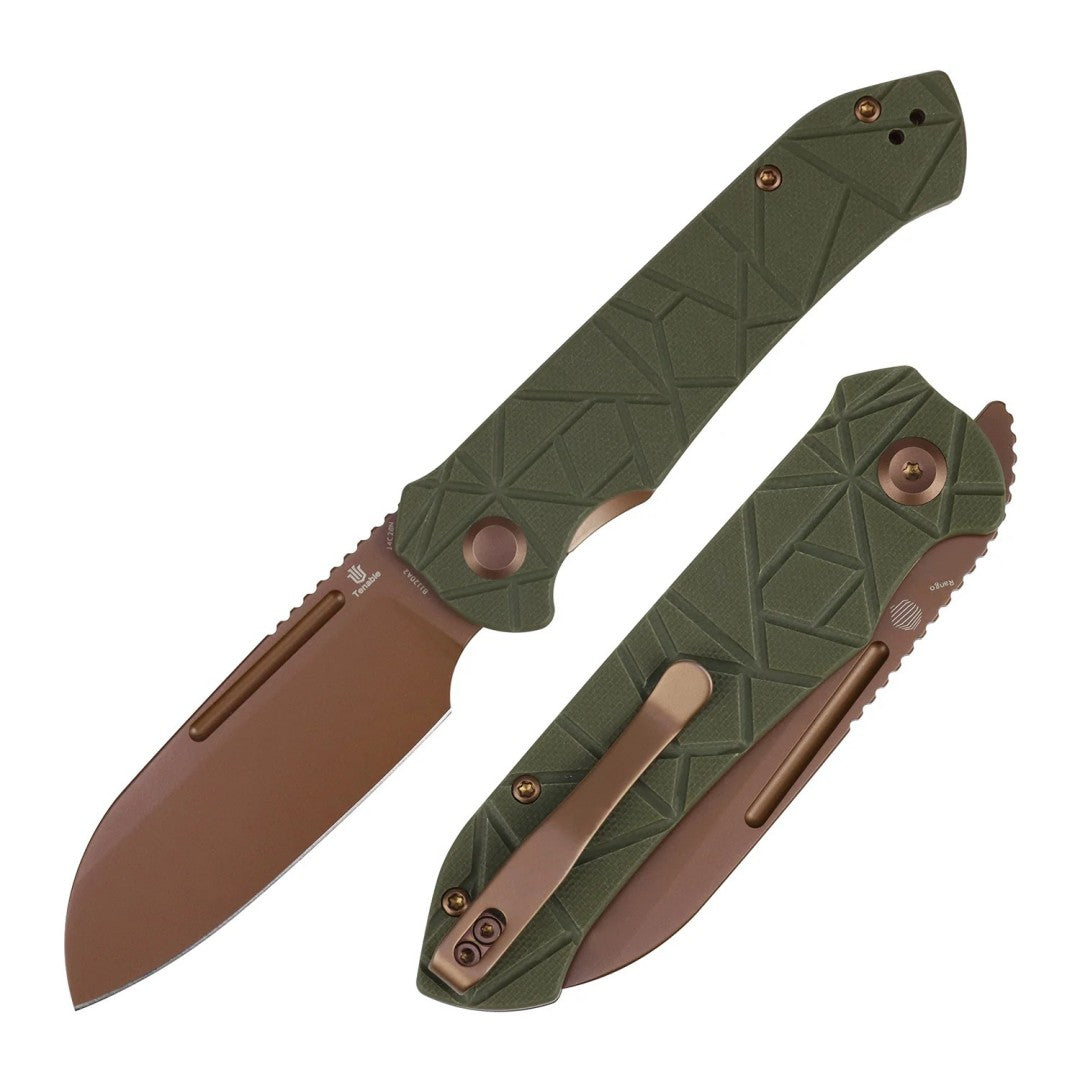
Micarta is made by layering fabric, canvas, or paper with resin and pressing it into sheets. The result is warm to the touch, slightly absorbent at the surface, and full of visual depth: linen and canvas versions show a subtle weave, and darker resins create rich, almost wood-like patterns. G10 is woven fiberglass in epoxy resin, pressed under high pressure. It is harder, denser, and more uniform, with virtually zero absorption. Both resist moisture, chemicals, and temperature change. Neither will split, swell, or rot, which is why both dominate modern knife making.
Design & Craftsmanship
In hand the difference emerges quickly. Micarta develops grip as it warms, and its surface texture becomes slightly tackier with moisture, which is why it is so popular on working blades and outdoor knives. G10 is crisper and more mechanical: it holds a sharply molded pattern of checkering or grooves and never changes feel, wet or dry. G10 also machines to tighter tolerances, so patterns are typically more precise. Micarta, by contrast, is more forgiving of hard contact and tends to show wear as a soft patina rather than a scuff. Which is better depends entirely on whether you want a material that changes with you or one that stays exactly as manufactured.

Performance & Real-World Use
Consider the environment. In cold weather, Micarta feels warmer and less punishing on bare skin, which matters for gloves-off use. In hot, humid climates, G10's total impermeability makes it the most maintenance-free choice available, and cleanup is a rinse. For knife collectors who handle their pieces often, Micarta's evolving appearance is part of the appeal. For tools that sit in a truck, a toolbox, or a damp shed, G10's indifference to its surroundings is the safer bet. Both materials take a lanyard hole cleanly, so adding a keychain fob or bead is equally easy either way.
Carry & Pairing Notes
A few ownership notes apply to whichever handle material you choose from the Kansept knives range. Micarta benefits from an occasional wipe with a damp cloth and thorough drying, and its texture improves with handling. G10 is essentially maintenance-free, though a light scrub with a soft brush keeps molded checkering crisp rather than packed with dust. Both are compatible with the same sheath and the same sharpening routine, so switching between variants never changes your habits. Store fixed blades in their sheaths in a dry location, and check retention periodically. Whichever grip you pick, the practical difference in daily use is smaller than the difference in feel, which is exactly why trying both is worthwhile.
Who Is This For?
Choose Micarta if you want comfort, character, and grip that improves with use, especially on a fixed blade or an outdoor knife you handle frequently. Choose G10 if you want maximum durability, uniform molding precision, and a handle that looks identical in ten years. Buyers of everyday EDC knives should note that most people who try both eventually own both. The good news is that the Kansept Siafu makes the experiment inexpensive, since the two variants differ only in handle material.
Final Verdict
Micarta wins on warmth, character, and wet grip; G10 wins on impermeability, uniformity, and zero maintenance. Neither is a compromise, and the right answer is the one that matches how you use your knife. Try both on the same platform by comparing the Kansept Siafu variants, all available now at EdcMall.