
Overview & First Impressions
Predictive maintenance runs on night rounds. A technician walks a route with a vibration probe, a sampling bottle and an infrared thermometer, recording readings at pumps, gearboxes and compressors while the plant is quiet and loaded. Readings are taken at the same point every time, so the light has to be steady, hands free and bright enough to read a sight glass. EDC knives on the same belt cut tubing, open sample boxes and trim tags.
Materials & Construction
The Nitecore NWH20 is a rechargeable work headlamp rated at 600 lumens with a zoomable beam and a body that sits flat against a hard hat. Nitecore flashlights build this model for industrial use, where a flood beam covers a nameplate and a focused beam reaches a sight glass behind a pipe. A rechargeable cell means no scrambling for batteries mid-route.

Design & Details
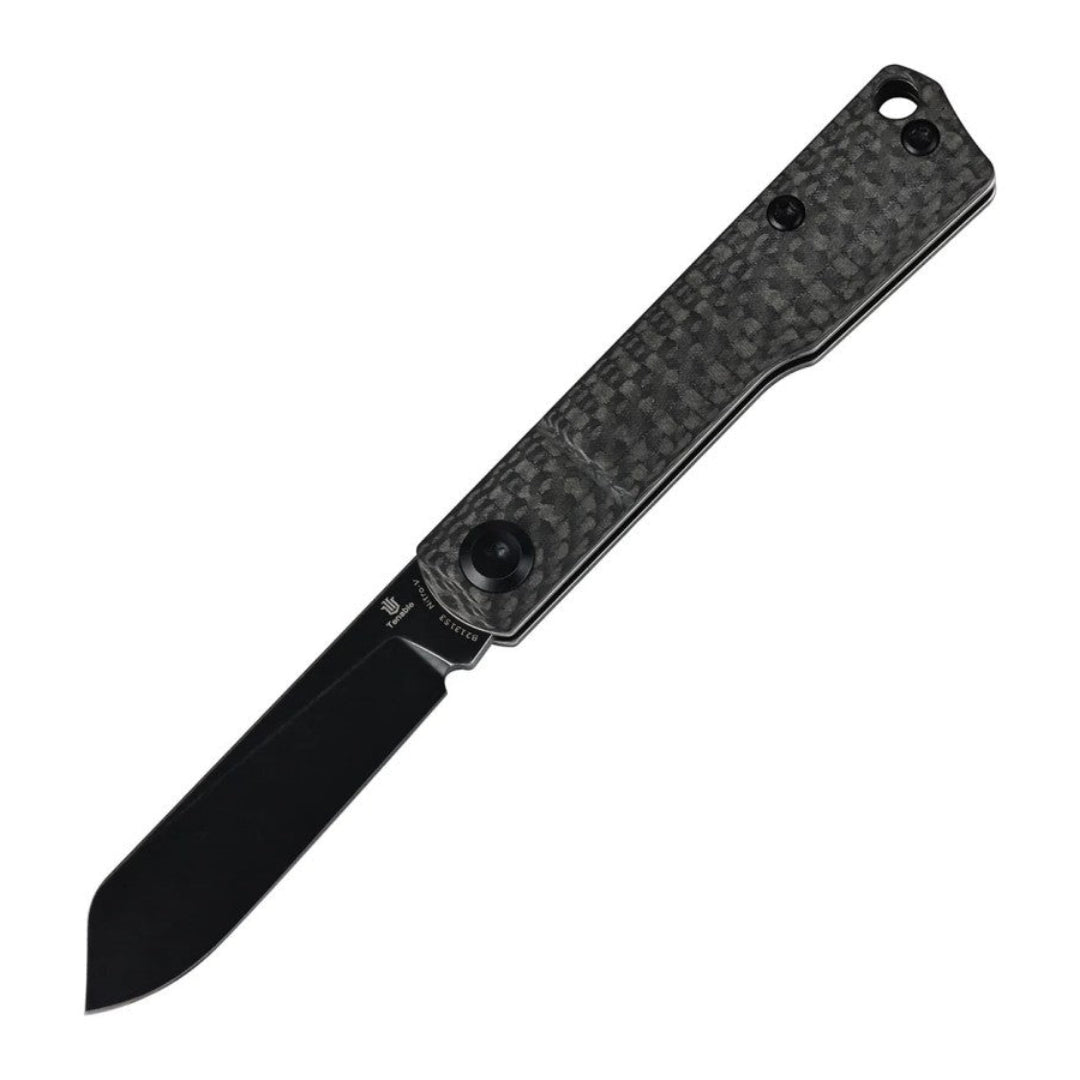
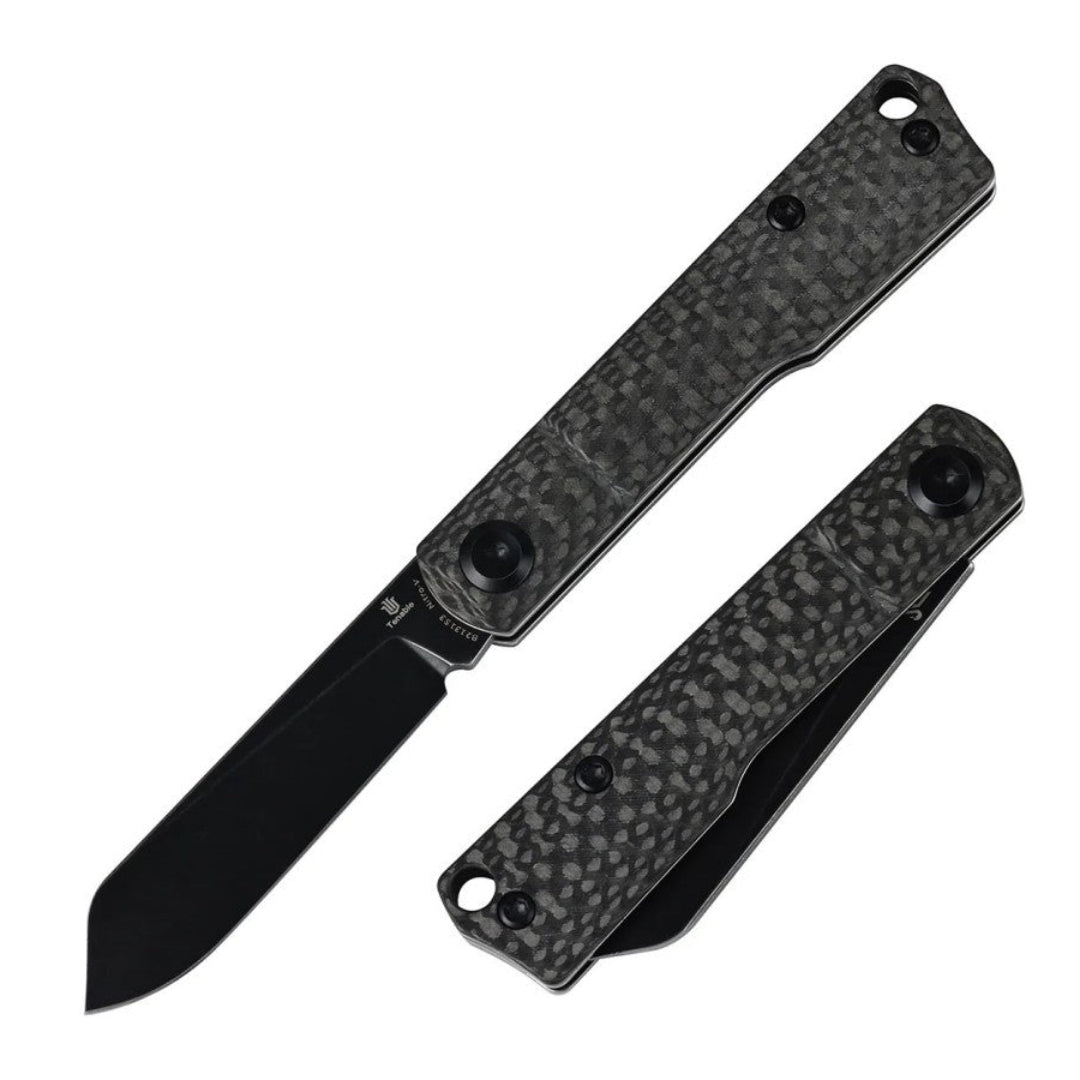
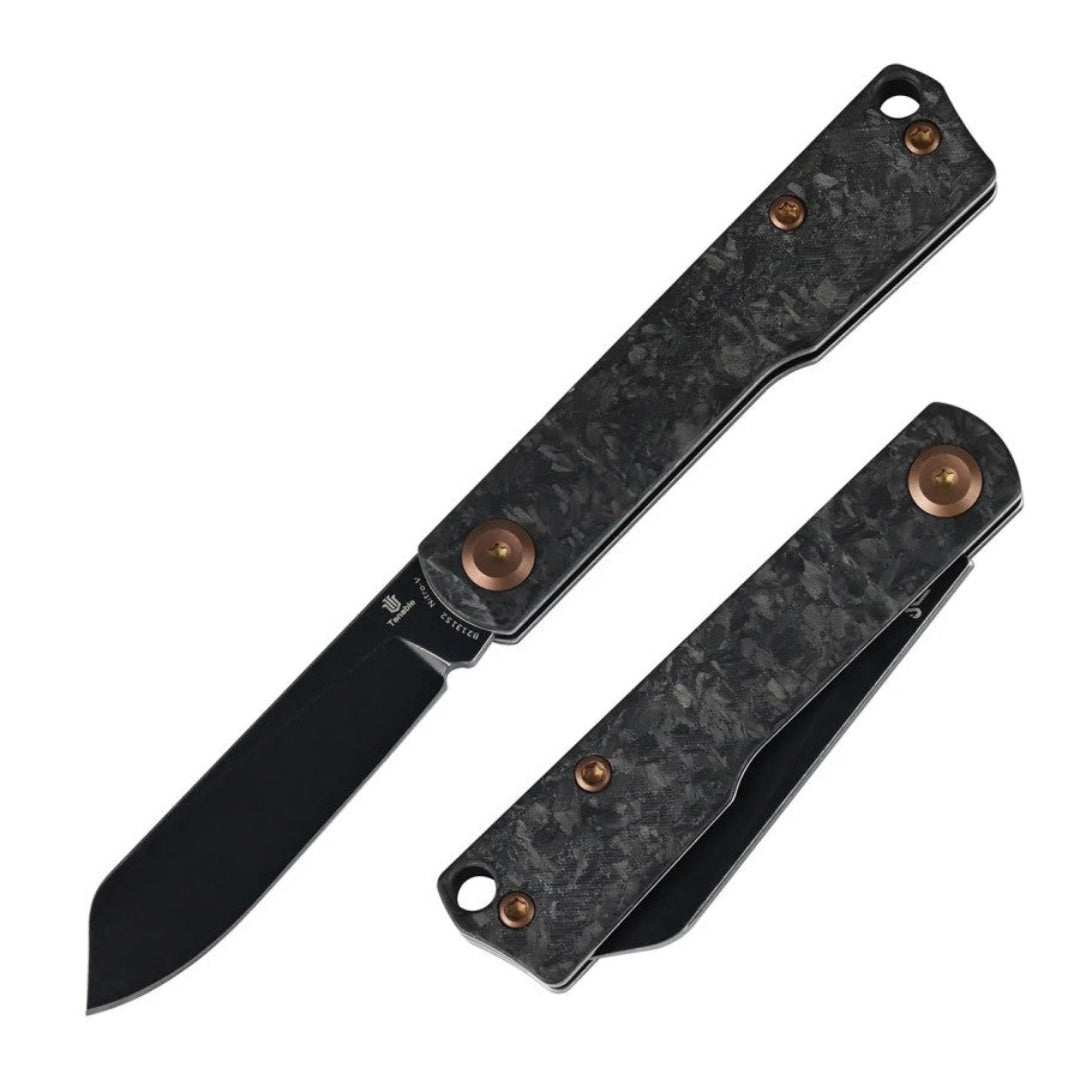
Route work is repetitive, and the tool layout has to match. A headlamp keeps both hands free to hold a probe and a bottle, which is the entire reason to wear one. A slim folding knives pattern on the belt handles the small cuts without interrupting the route, and a magnetic tail on a flashlight is often more useful than a brighter beam when a nameplate has to be read.
Real-World Use
On one round the headlamp lights an oil sight glass, then covers a nameplate during a vibration reading and a bearing housing during a temperature check. The knife cuts a length of sample tubing, opens a carton of bottles, trims a wire tag, frees a knotted lanyard from a valve handle and slices tape on a shipment of filters.

Ownership Notes
Route tools should come off a shift ready for the next one. Charge the headlamp in a dry charger, wipe oil and dust off the housing, and check the strap for fraying at the buckle. Wipe the knife blade clean of oil, dry the pivot and oil the lock face lightly, because a blade that carries lubricant into a pocket collects grit. EdcMall carries the work lighting and folders that suit a maintenance route. A backup EDC flashlight in the tool bag covers the case where the headlamp loses its charge halfway through a long route, and a spare knife covers the case where the blade gets dropped behind a skid. Redundancy on a maintenance route is boring and cheap, and it is the reason the readings are always complete at the end of the shift.
Who Is This For?
This is for reliability technicians, vibration analysts, oil samplers and rotating equipment specialists who walk a route at night. An office-based engineer does not need it. If your readings depend on a steady beam and free hands, a work headlamp is the single highest-value tool on your belt.
Final Verdict
A hands-free steady beam is what makes a route readable and repeatable. 600 lumens in a rechargeable hard-hat headlamp, plus a compact folder for the small cuts, is a complete night-round kit.