
Overview & First Impressions
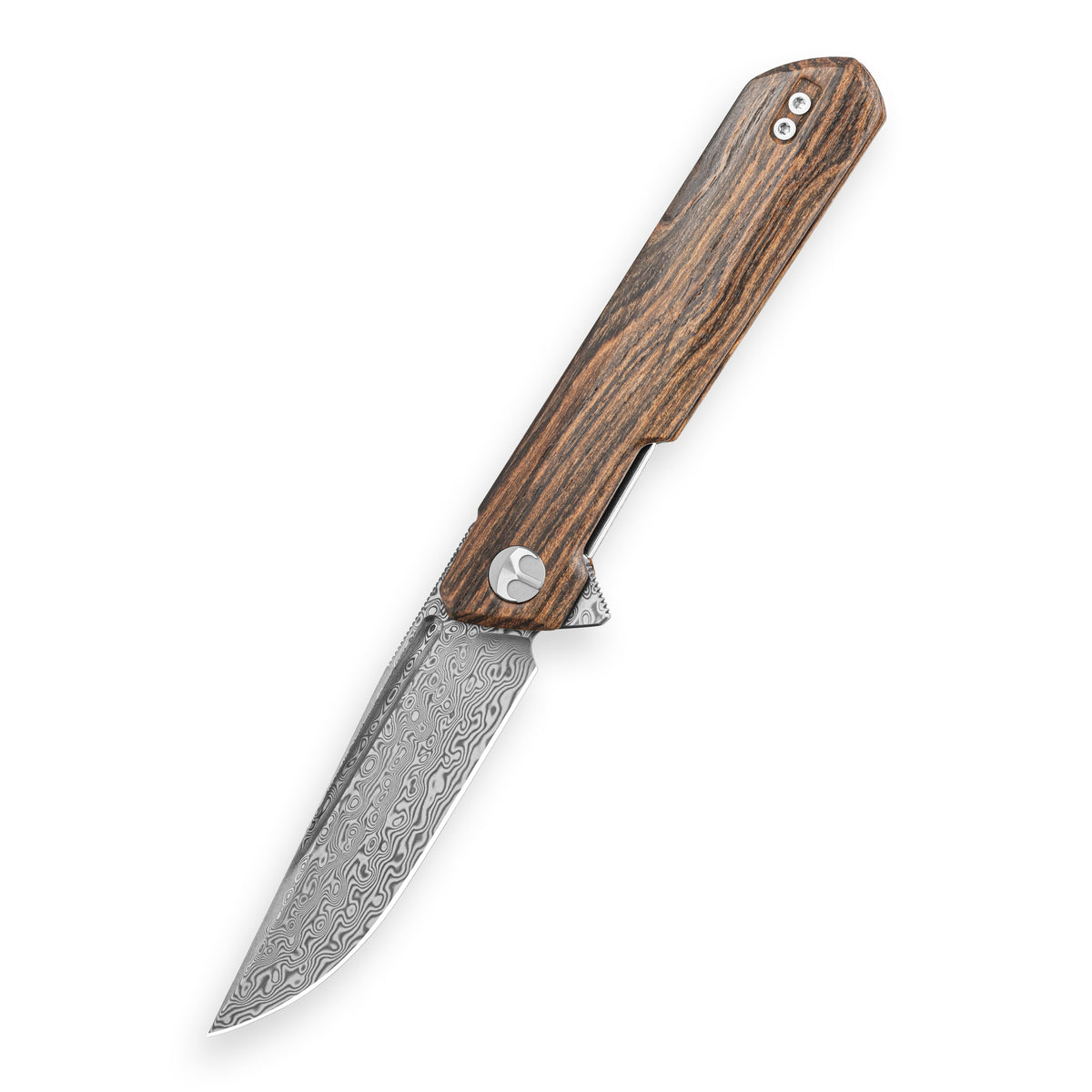
Pattern welding is the process behind almost every blade sold as Damascus. Alternating layers of high-carbon and nickel-bearing steel are stacked, welded under heat, drawn out, folded and welded again. Every fold doubles the layer count, and the difference in alloy content is what becomes visible when the finished blade is etched. It is a craft with a long history and a very practical outcome: a blade with visible layers and a fine, aggressive edge.
Materials & Construction
A billet usually starts with two families of steel. One etches dark, one stays bright, and the contrast between them produces the figure. Forge welding requires clean surfaces, correct temperature and a controlled atmosphere because any oxide trapped between layers becomes a delamination later. Damascus steel made properly is a solid, usable blade steel, not a coating.

Design & Details
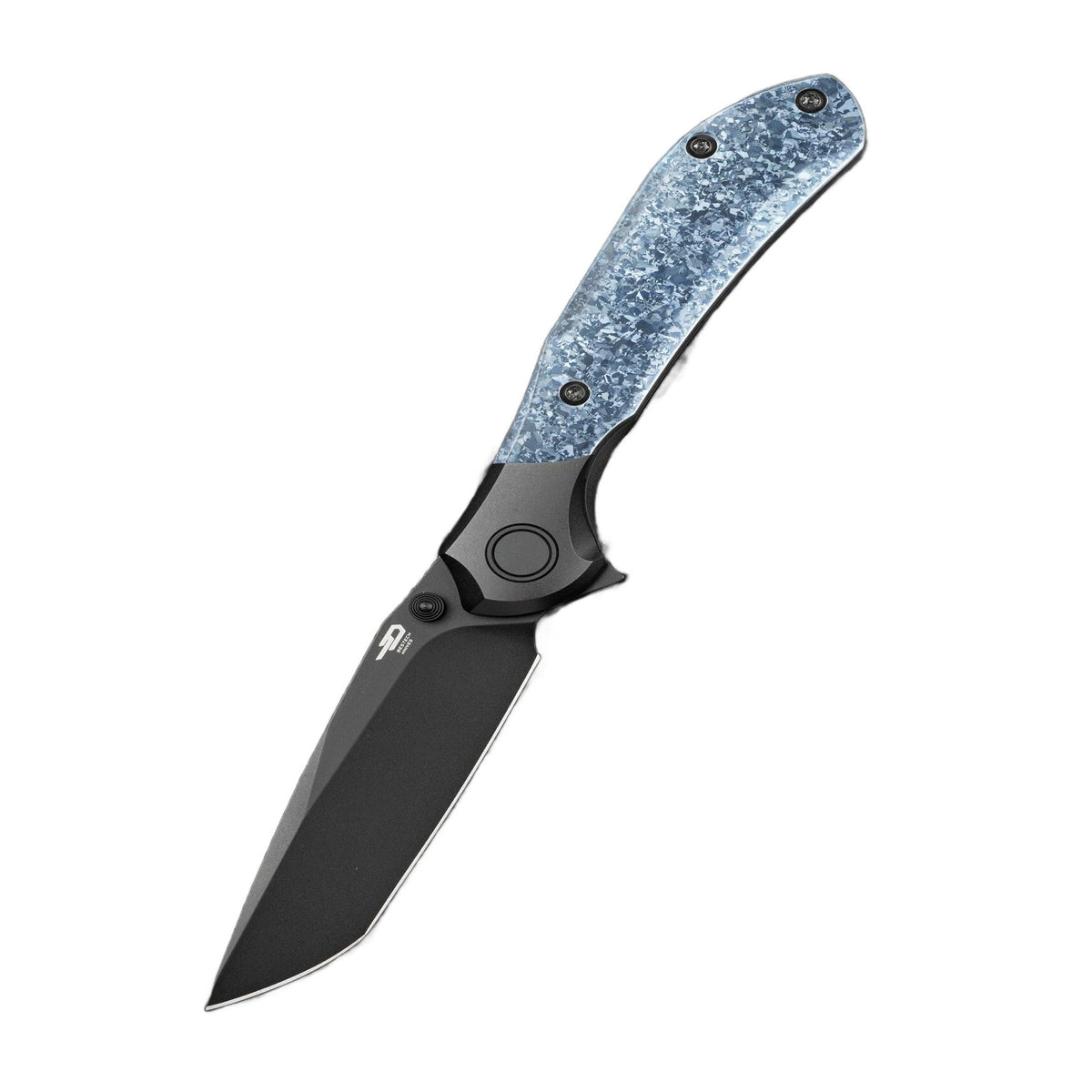
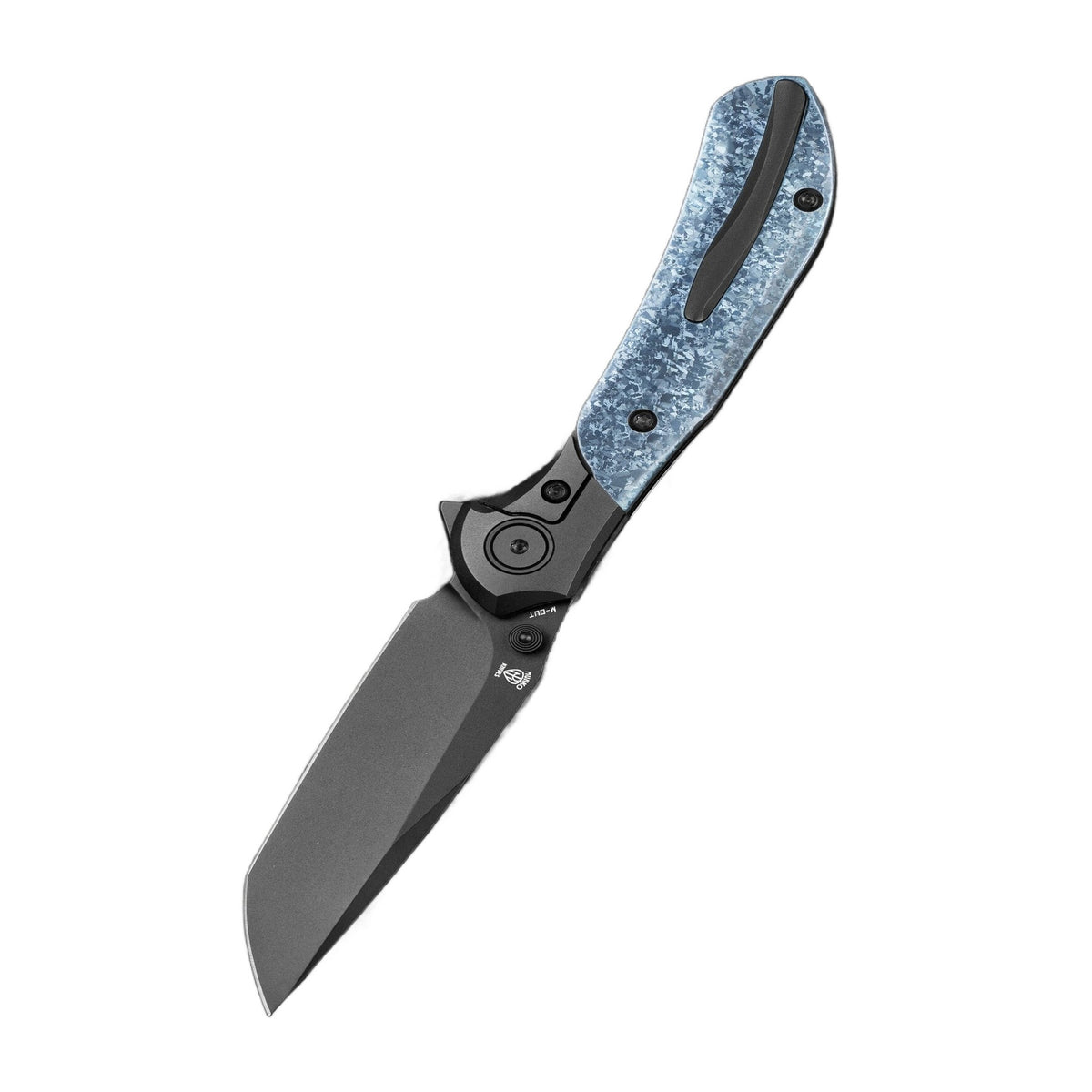
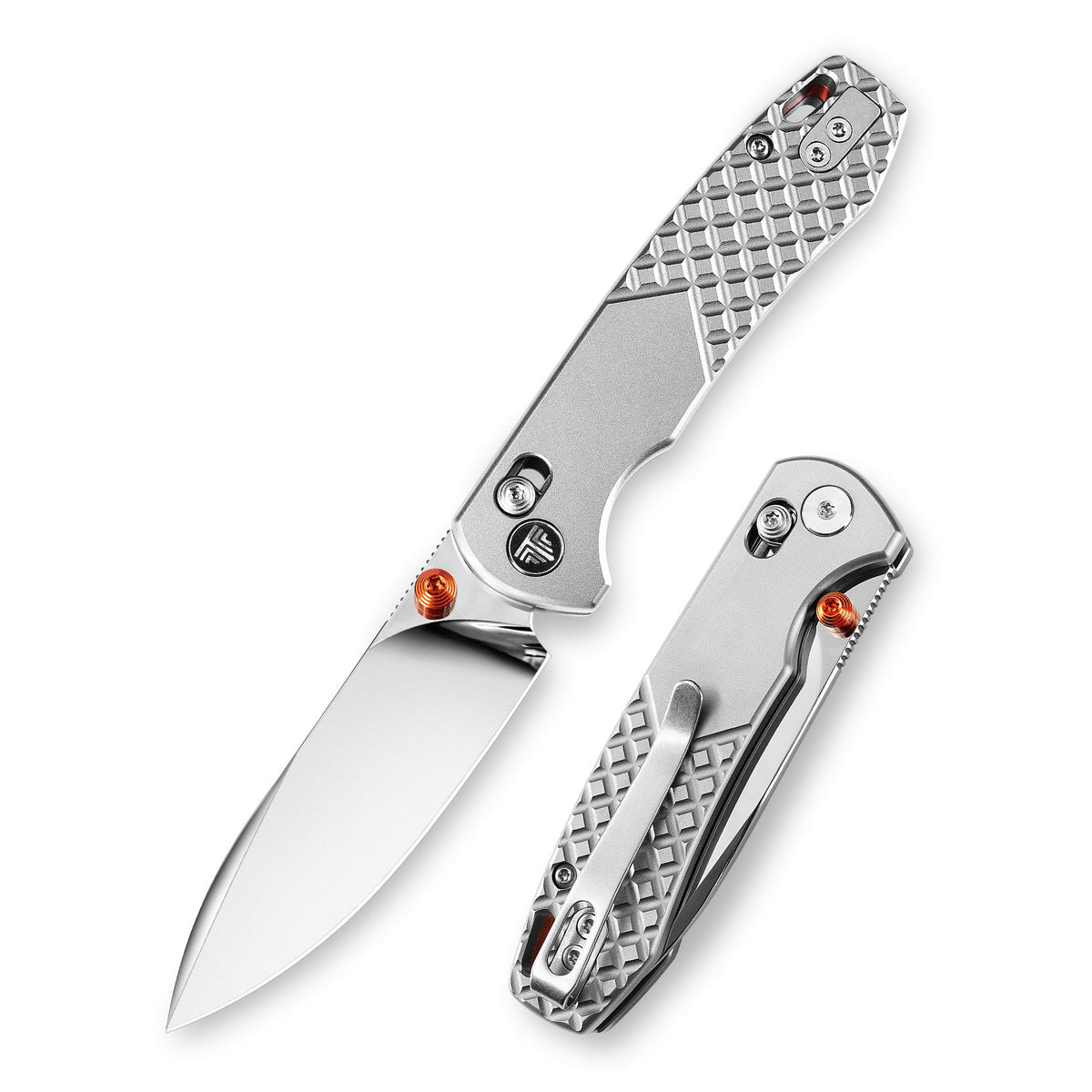
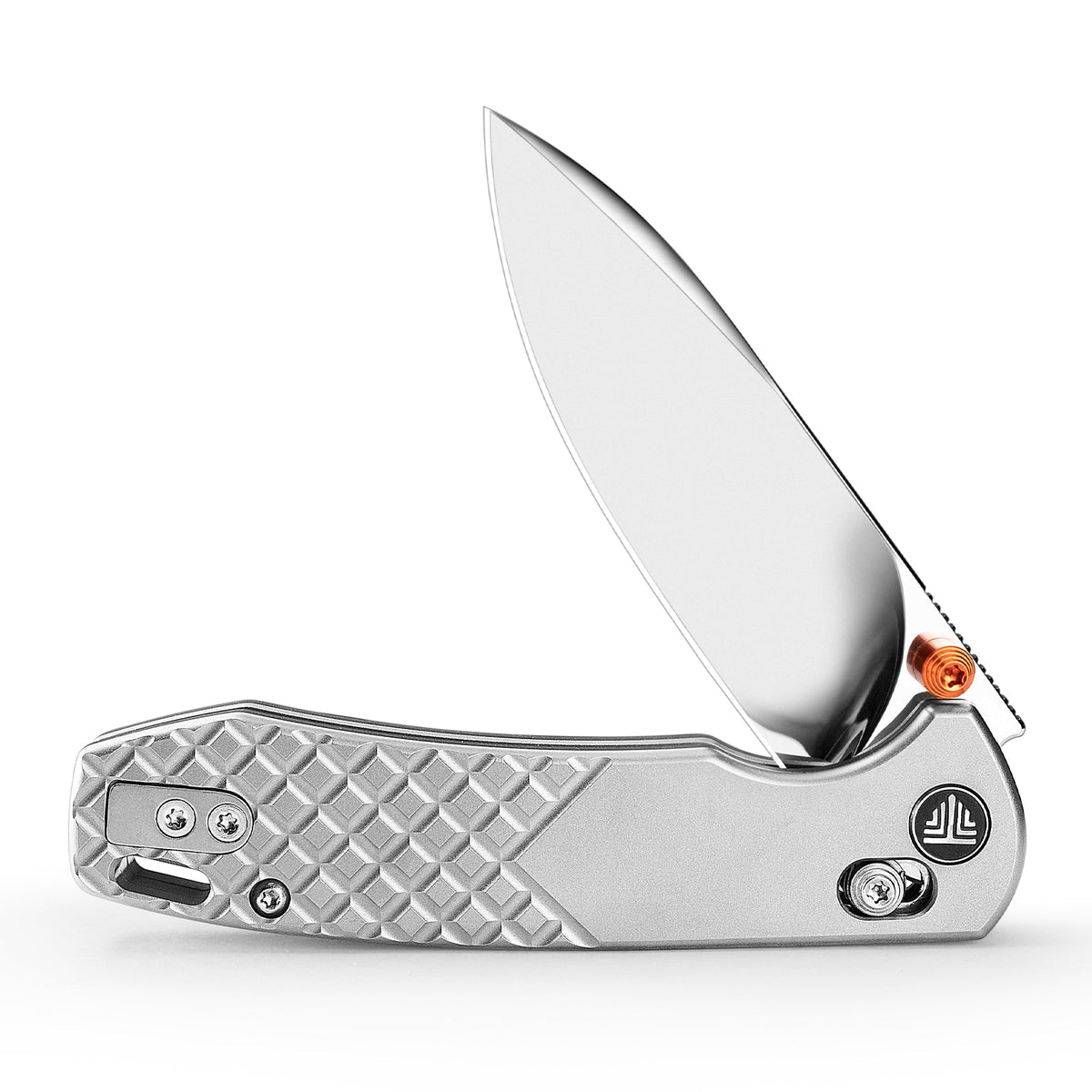
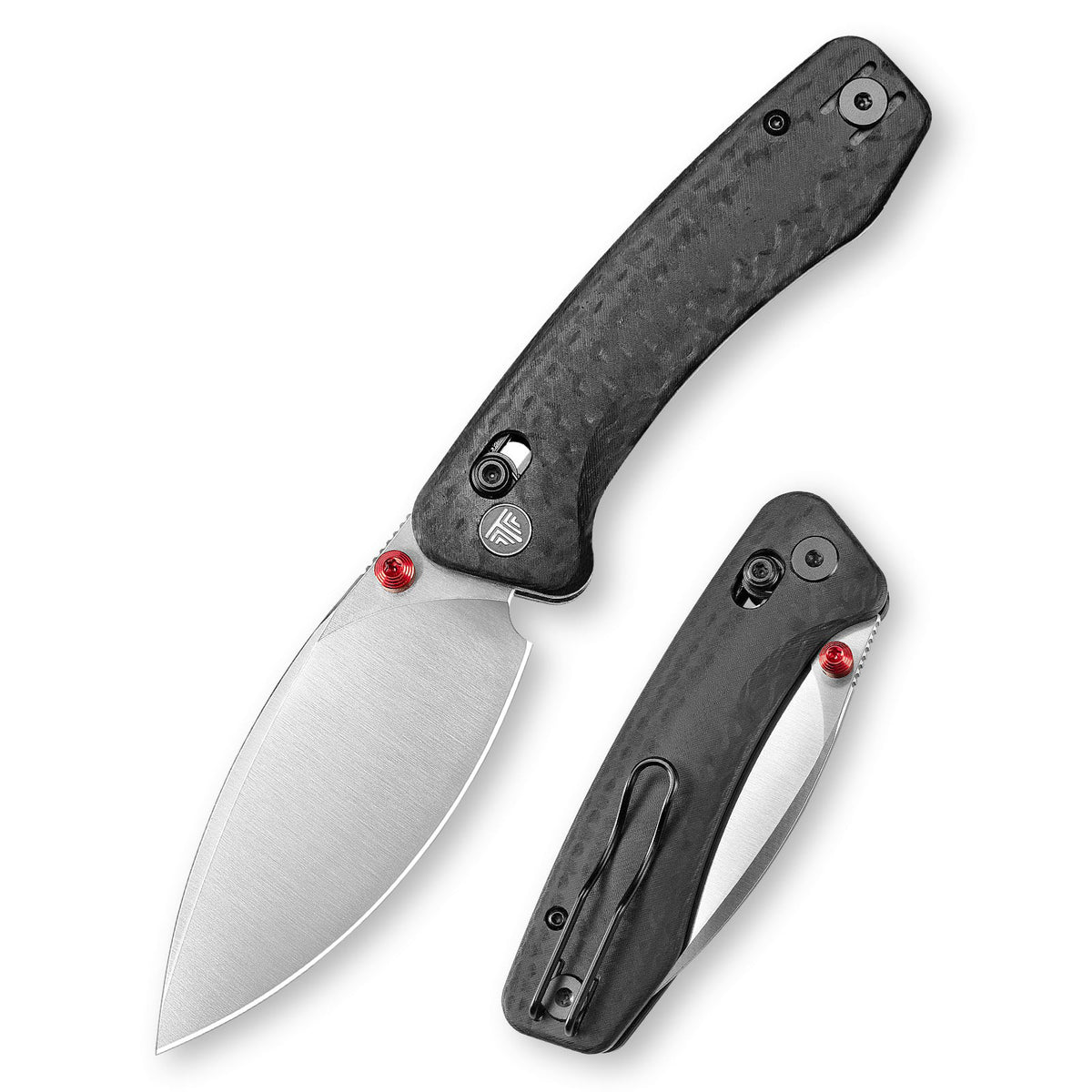
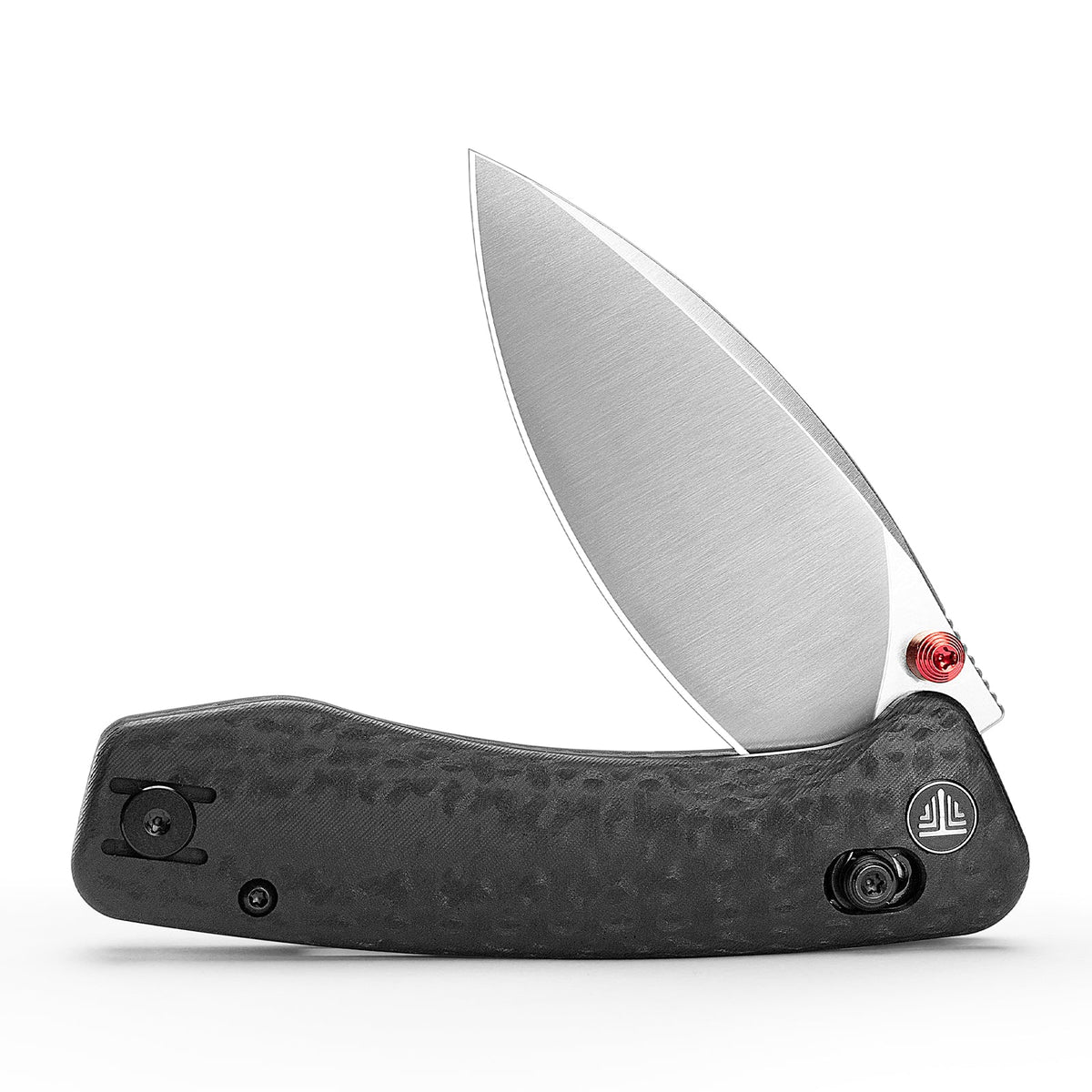
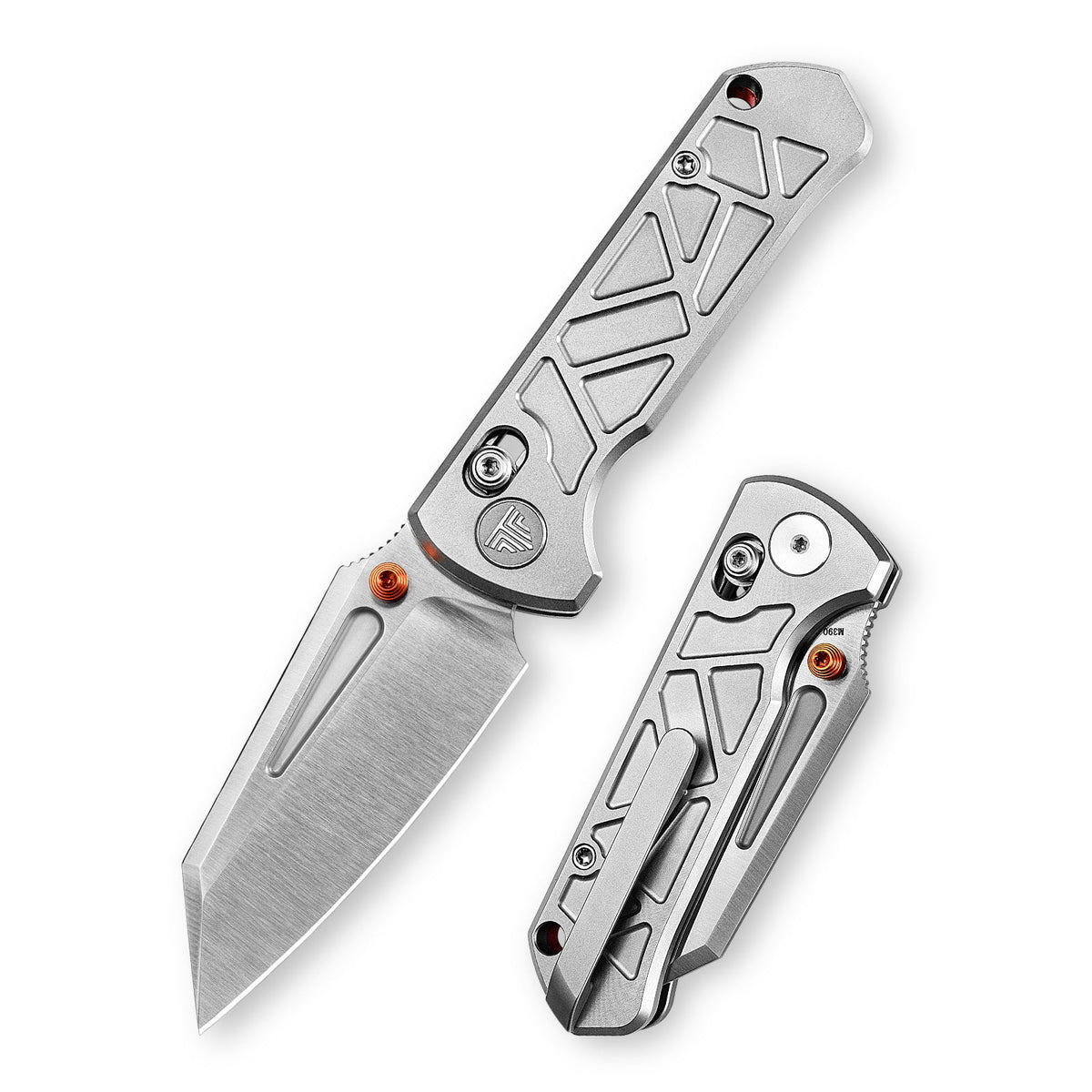
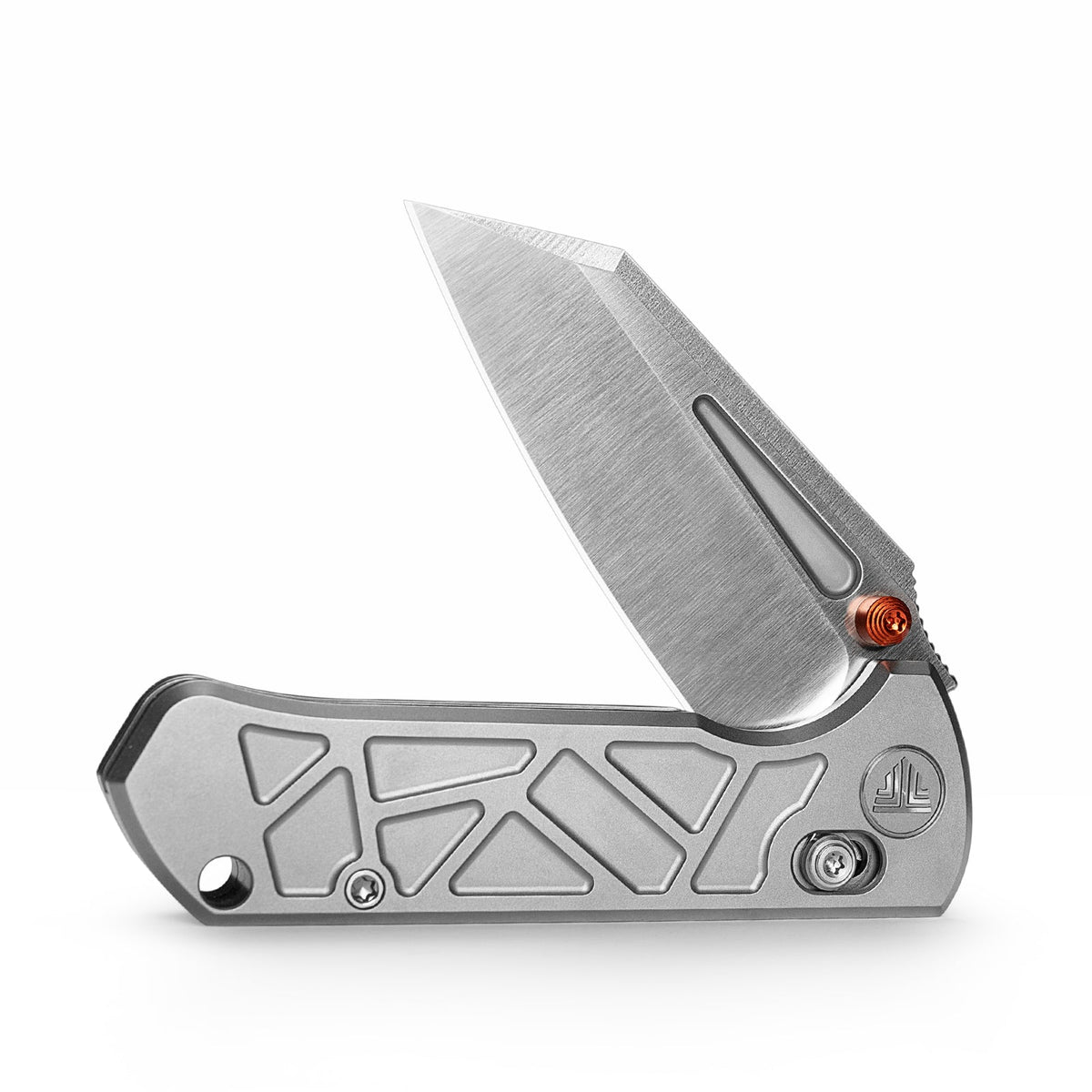
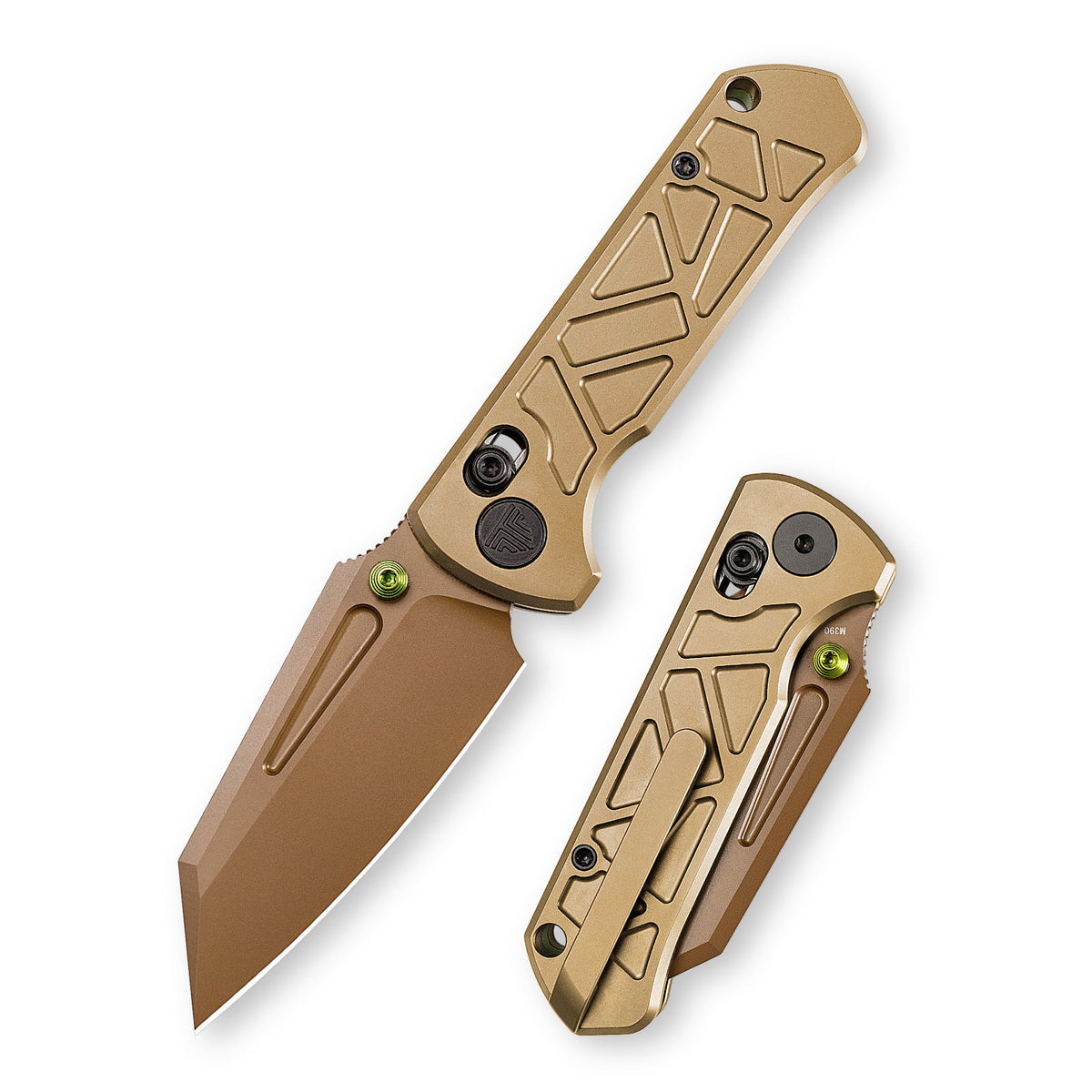
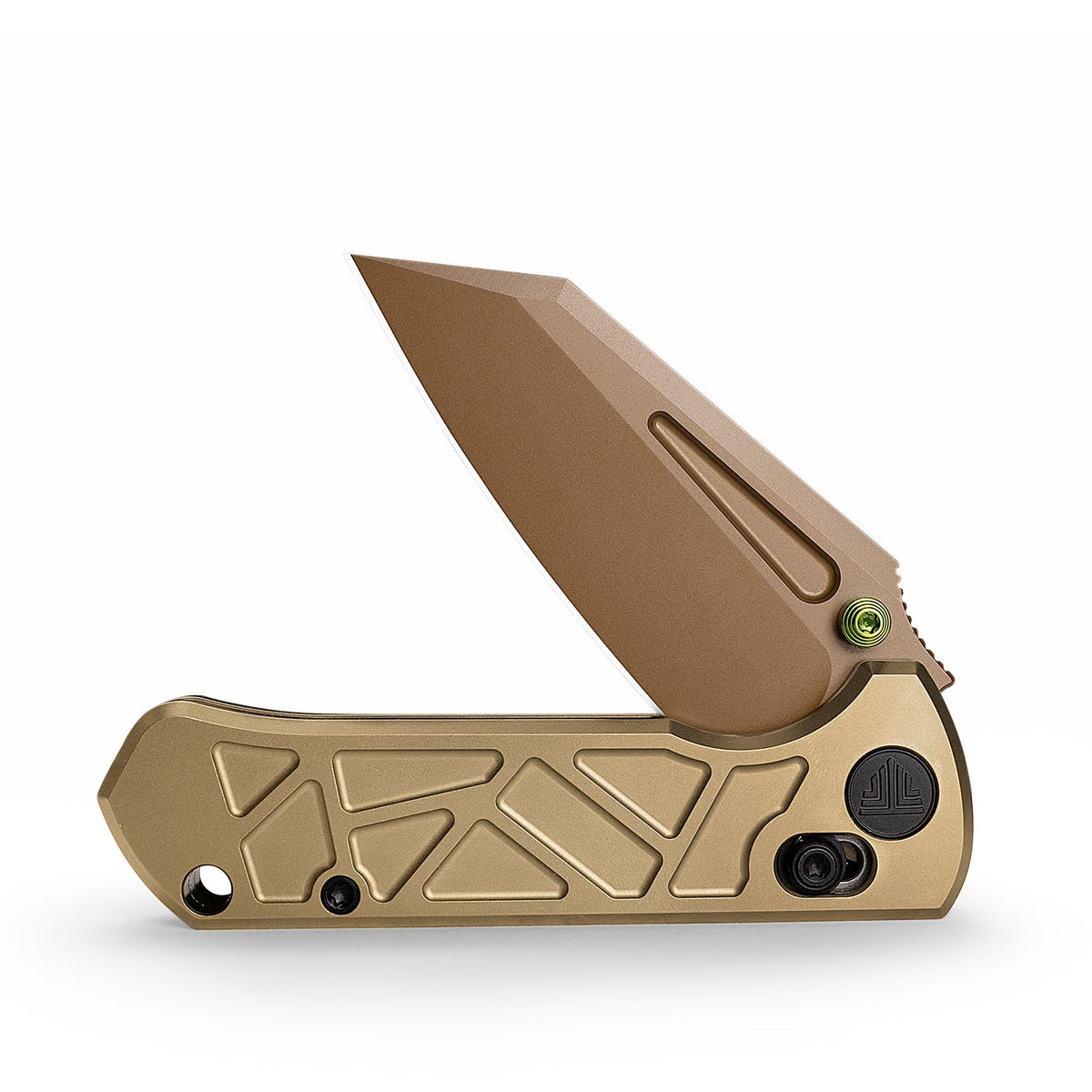
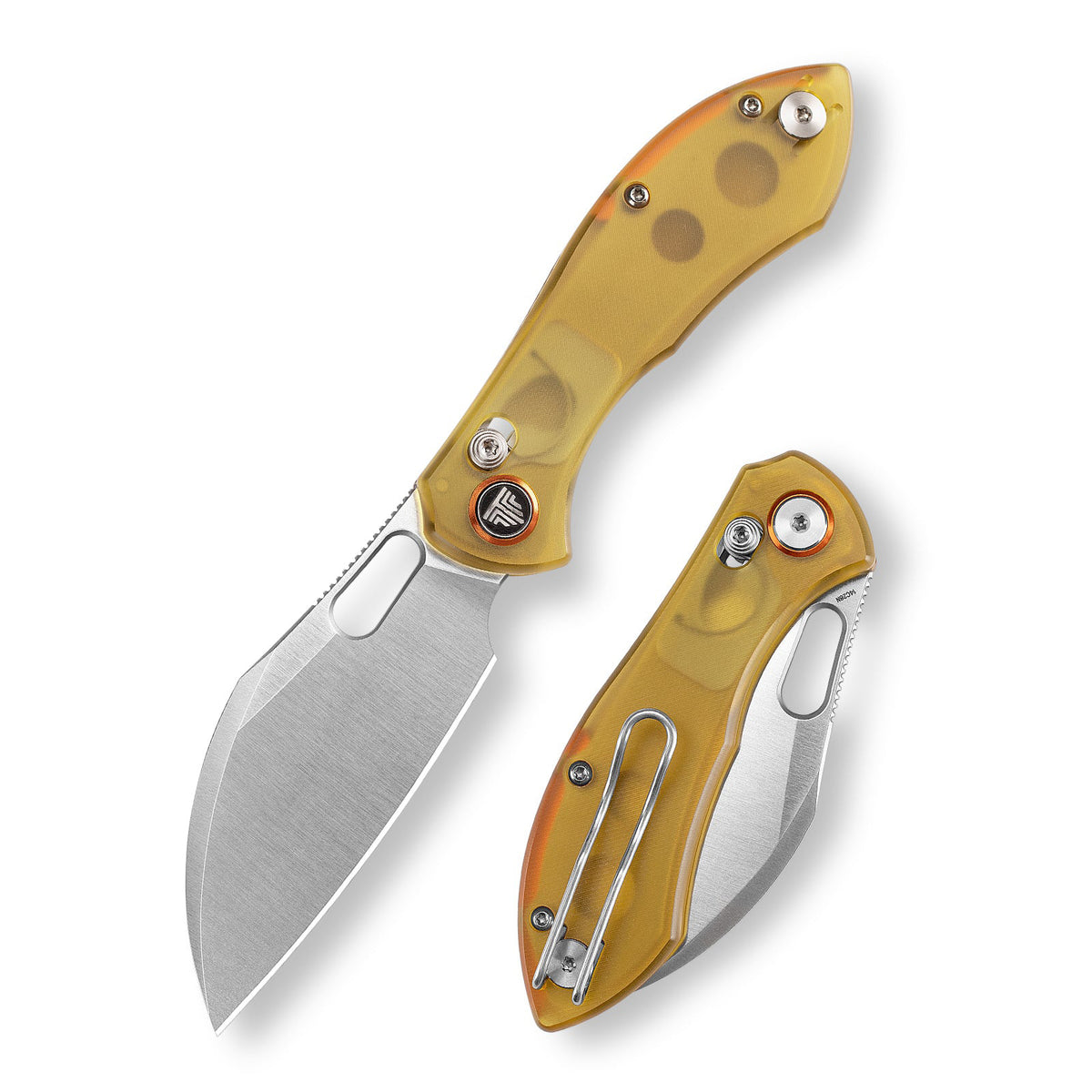
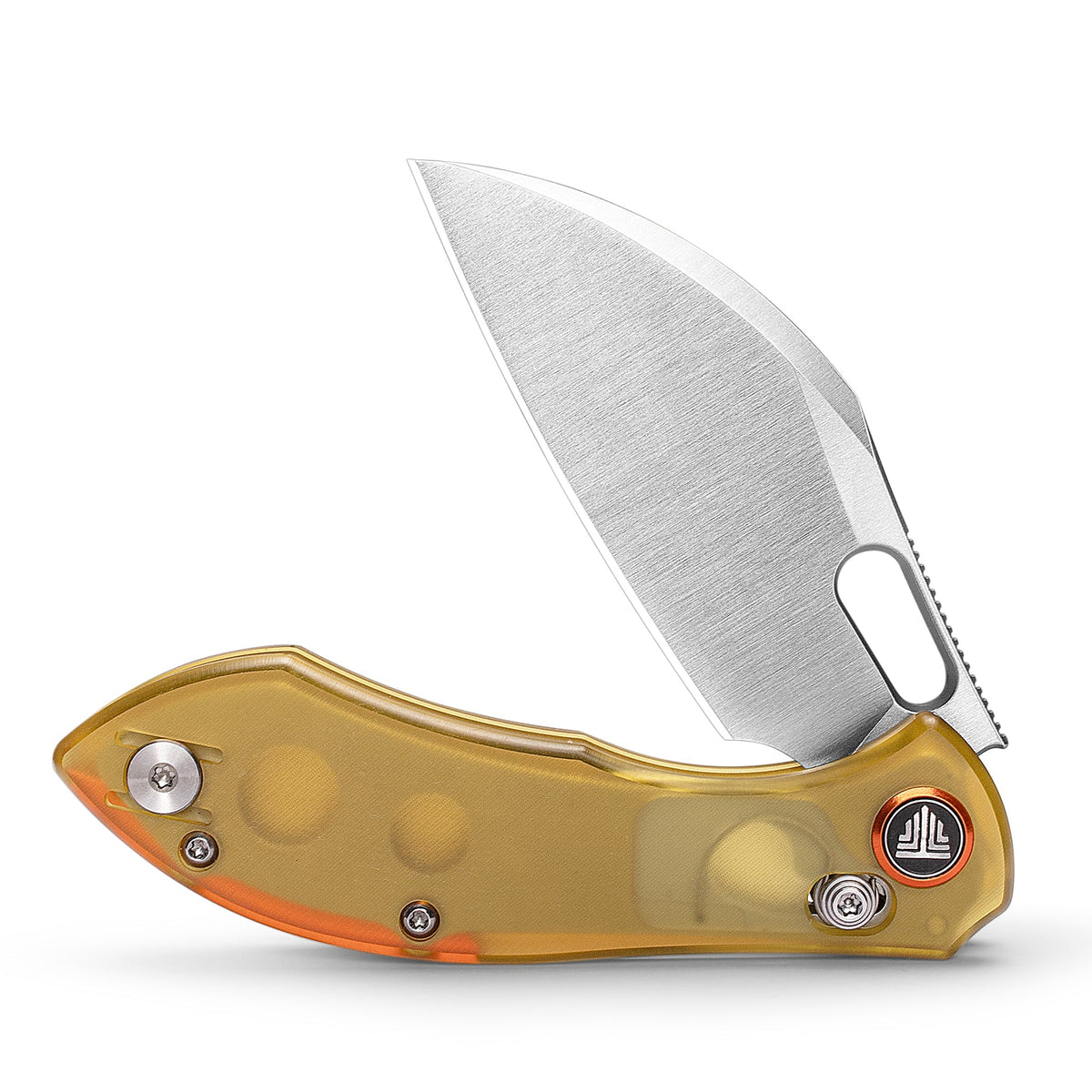
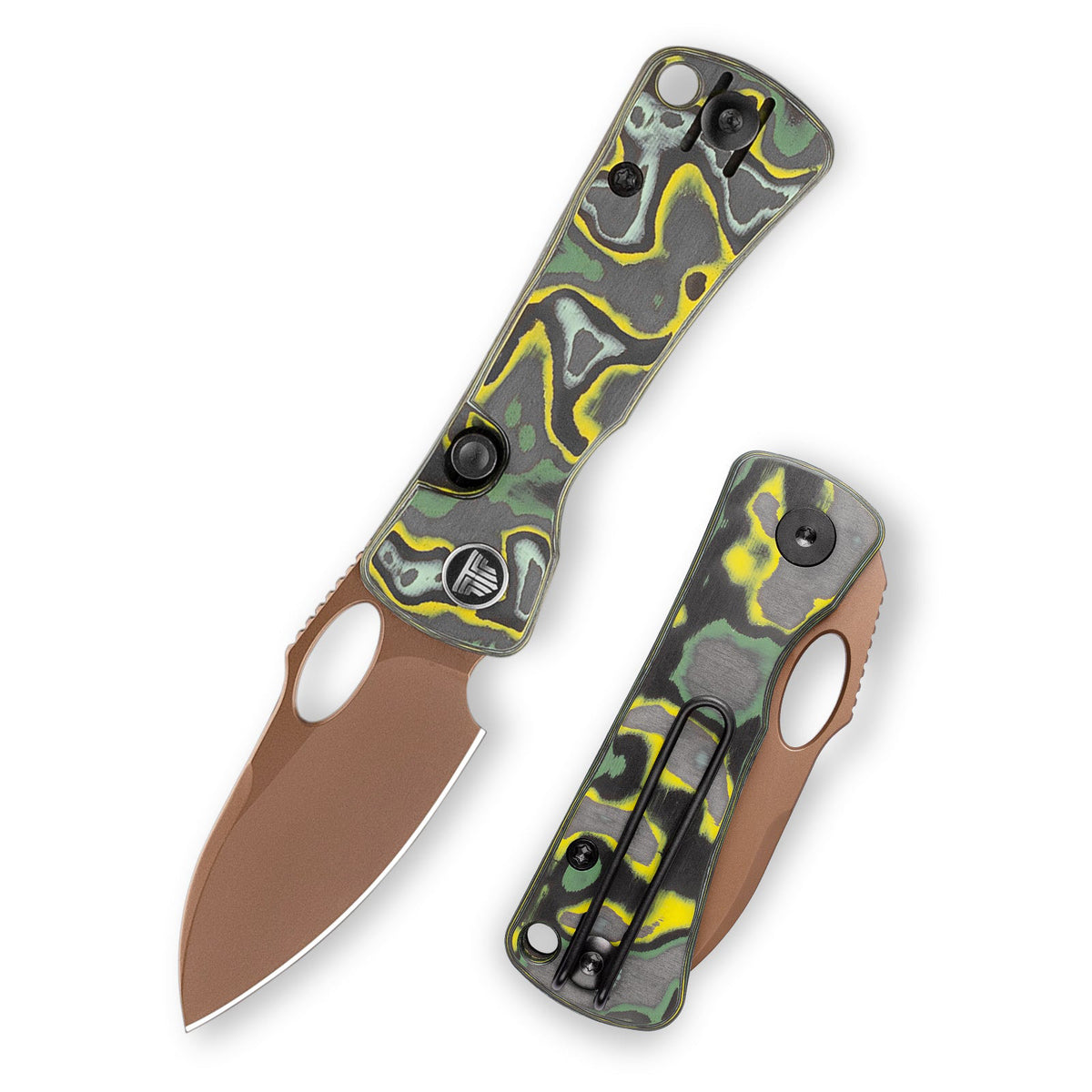
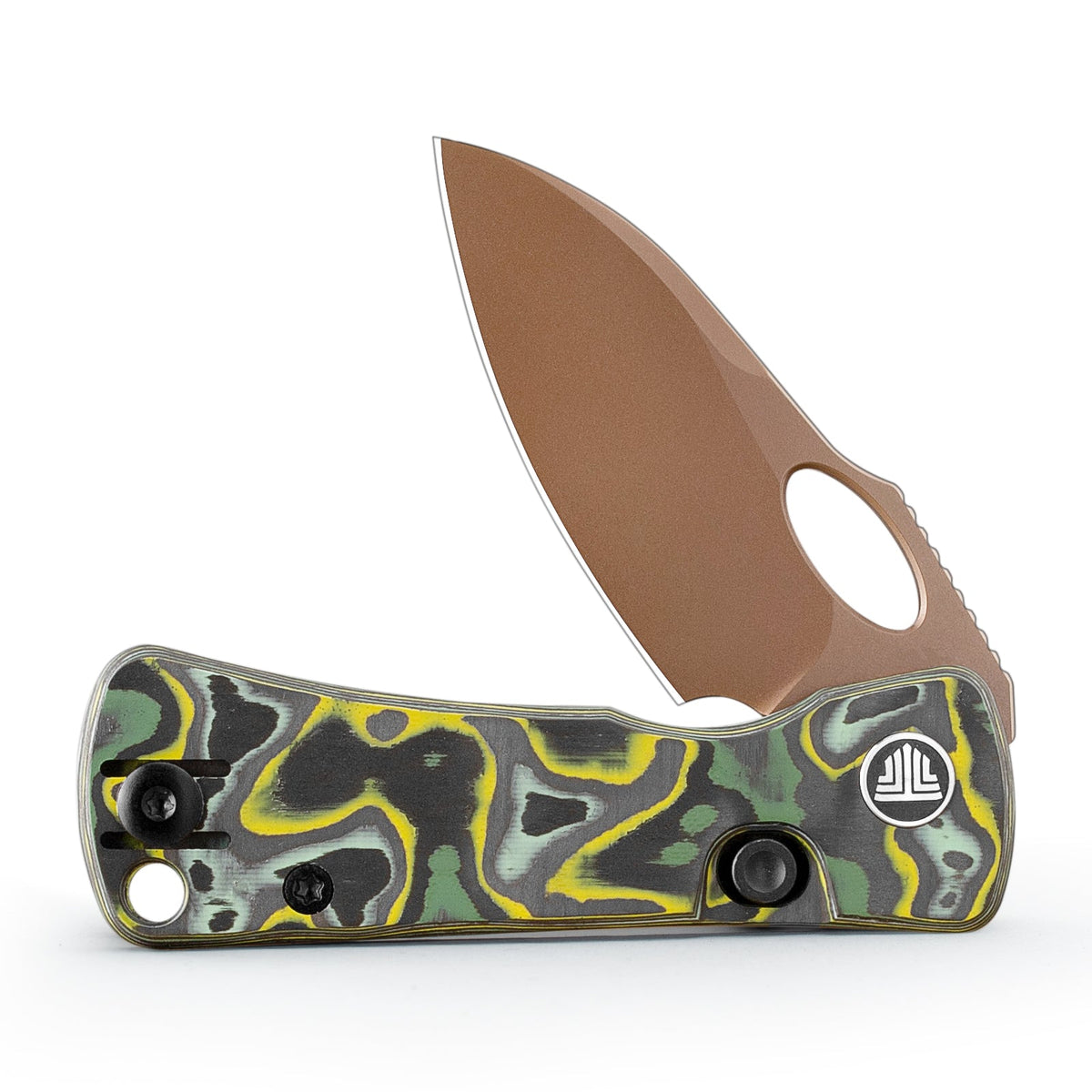
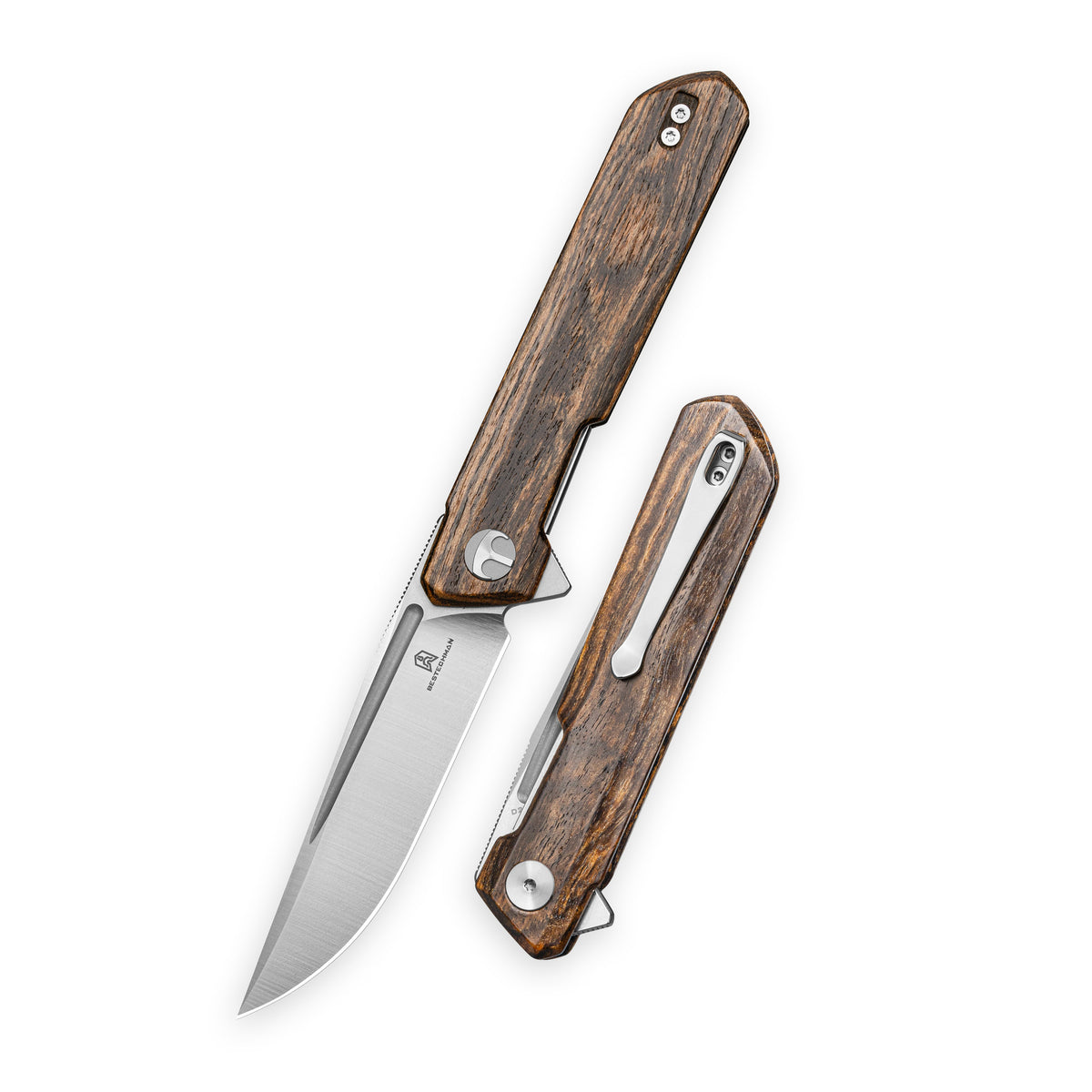
The Tenable Osprey B2087A4 is a production example: a Damascus steel blade over a twill carbon fiber handle with an orange G10 accent and a liner that keeps the action clean. Tenable knives run this as a folding knives pattern, which is the hardest place to use a pattern-welded blade because the tang has to be thin enough to pivot and heat treated accurately.
Real-World Use
In daily carry a pattern-welded blade behaves like a fine-grained carbon stainless. It slices cord and cardboard with a biting edge and touches up quickly. The visible figure also makes wear obvious, so owners tend to keep these blades cleaner than a plain steel work knife, which is not a bad habit.

Ownership Notes
Caring for a forged-pattern blade means respecting the etch. Wipe it dry after any wet use, avoid abrasive pads that flatten the contrast, and re-oil the surface with a light film rather than a heavy coat that traps grit. A dip in warm vinegar can refresh contrast on some blades, but test on a hidden area first. EdcMall carries pattern-welded folders and the care supplies to keep them looking sharp. For buyers, the practical takeaway stays simple. EDC knives made from a properly forged billet are not fragile art objects; they are working blades with an etched surface and a fine edge, and they hold up to ordinary carry as long as they are kept dry and oiled. Judge the pattern by whether the layers follow the grind, whether the etch is even across the flats, and whether the tang pivots smoothly after a thousand openings.
Who Is This For?
This is for collectors, makers and anyone curious about how a Damascus blade is actually built. A buyer who only wants a working edge can choose a modern stainless. If you want a blade with visible craft and a genuinely useful edge, a properly forged pattern billet is the real thing.
Final Verdict
Pattern welding is craft and metallurgy at the same time. Folds create the figure, the steel choice creates the performance, and a well-made billet gives you both in one blade.