
Overview & First Impressions
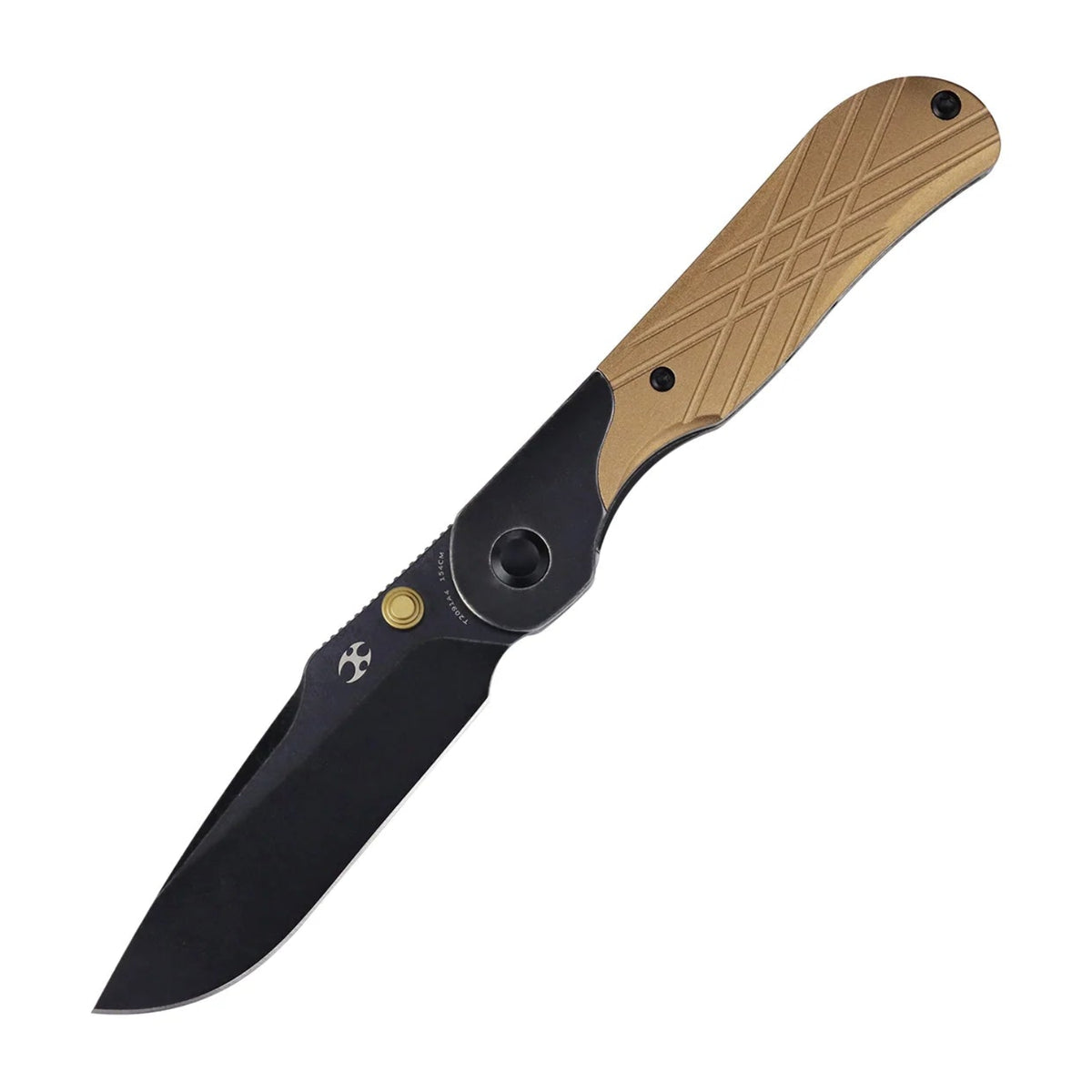
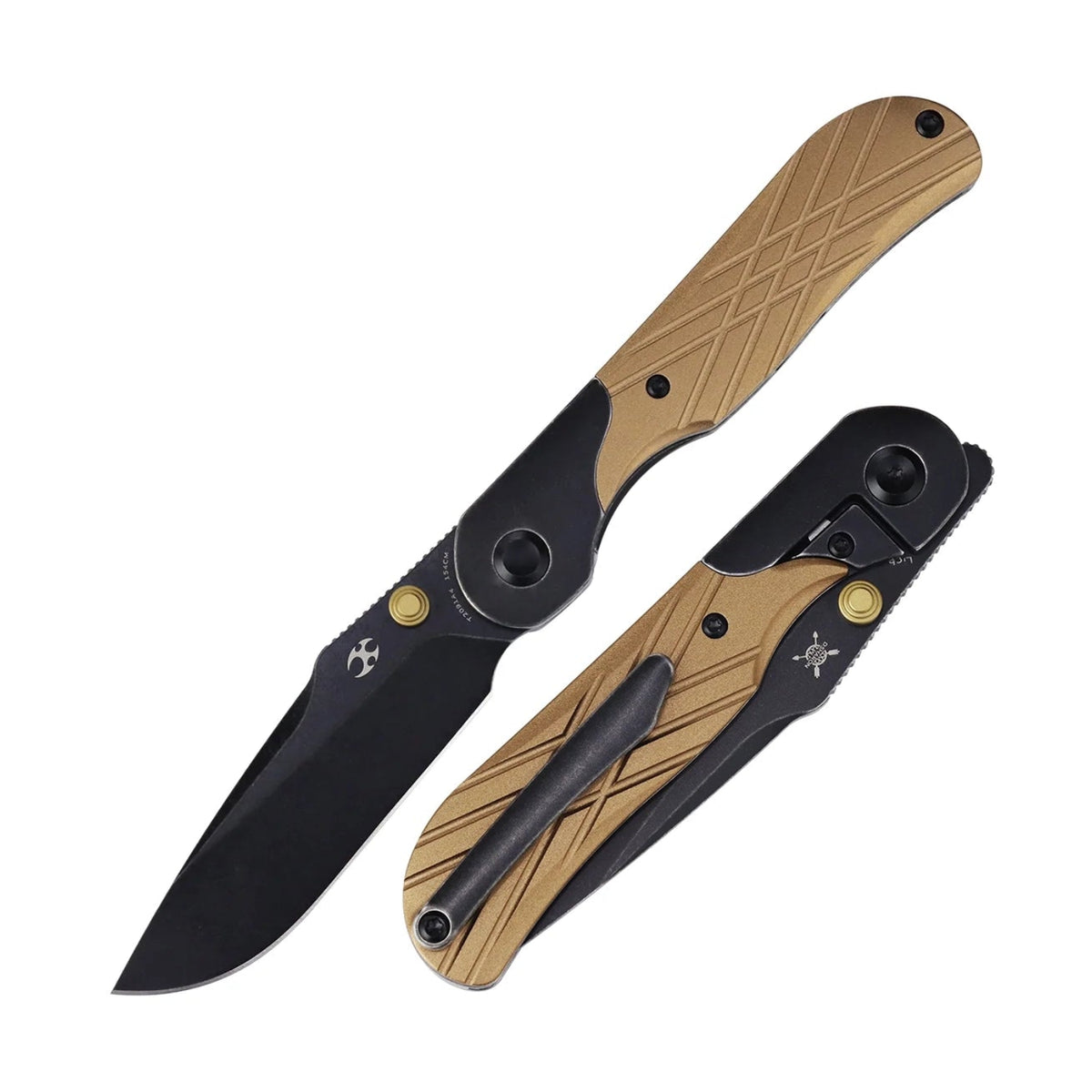
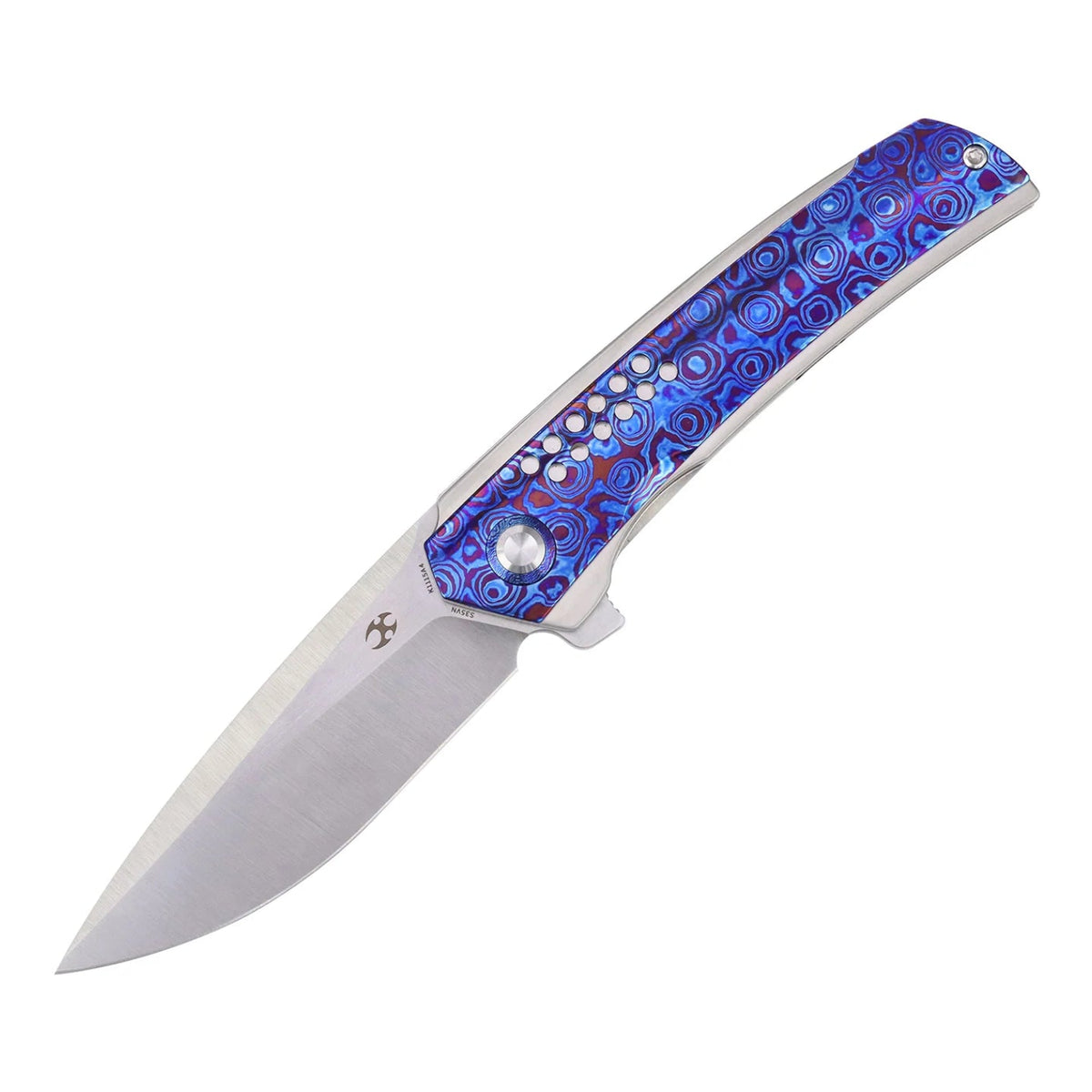
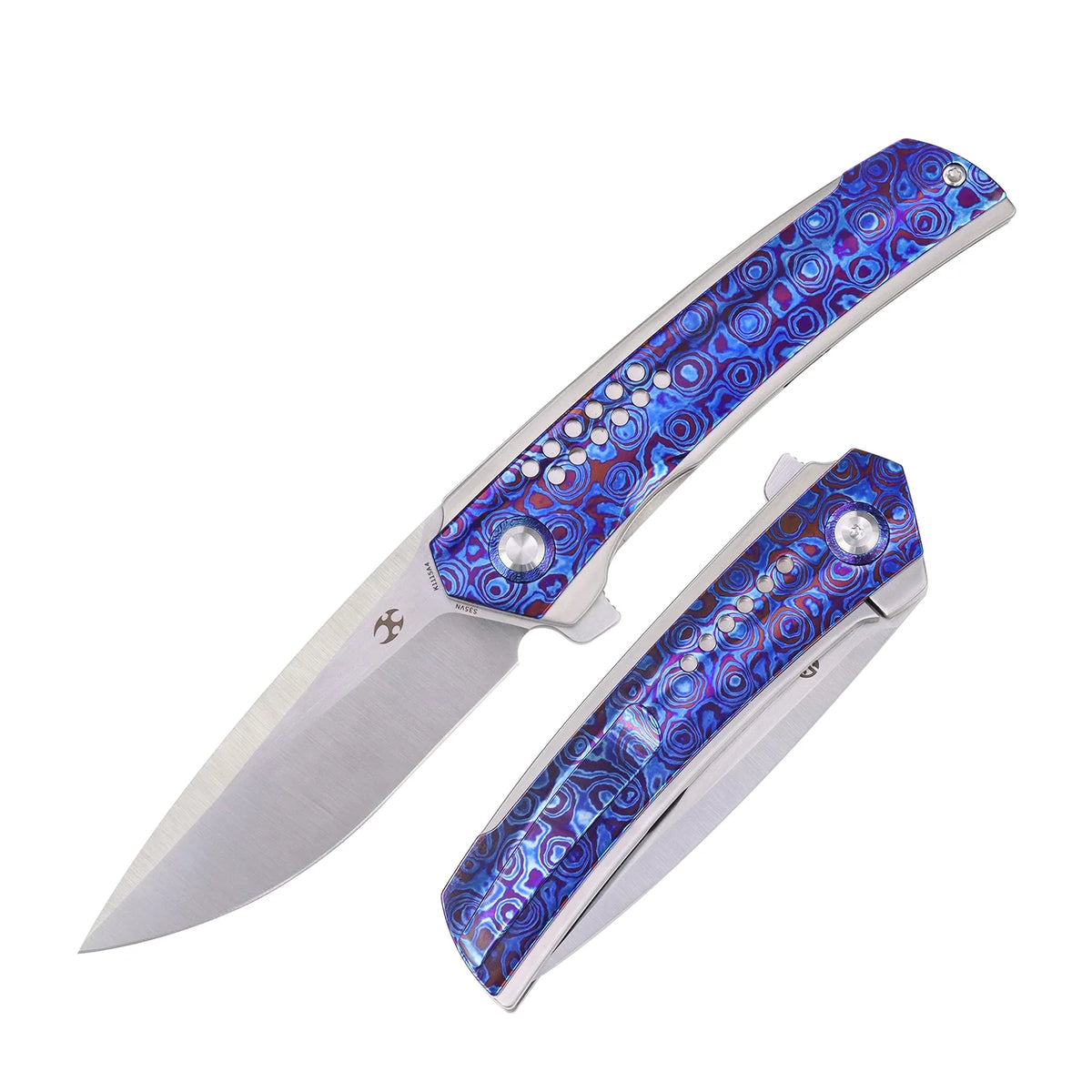
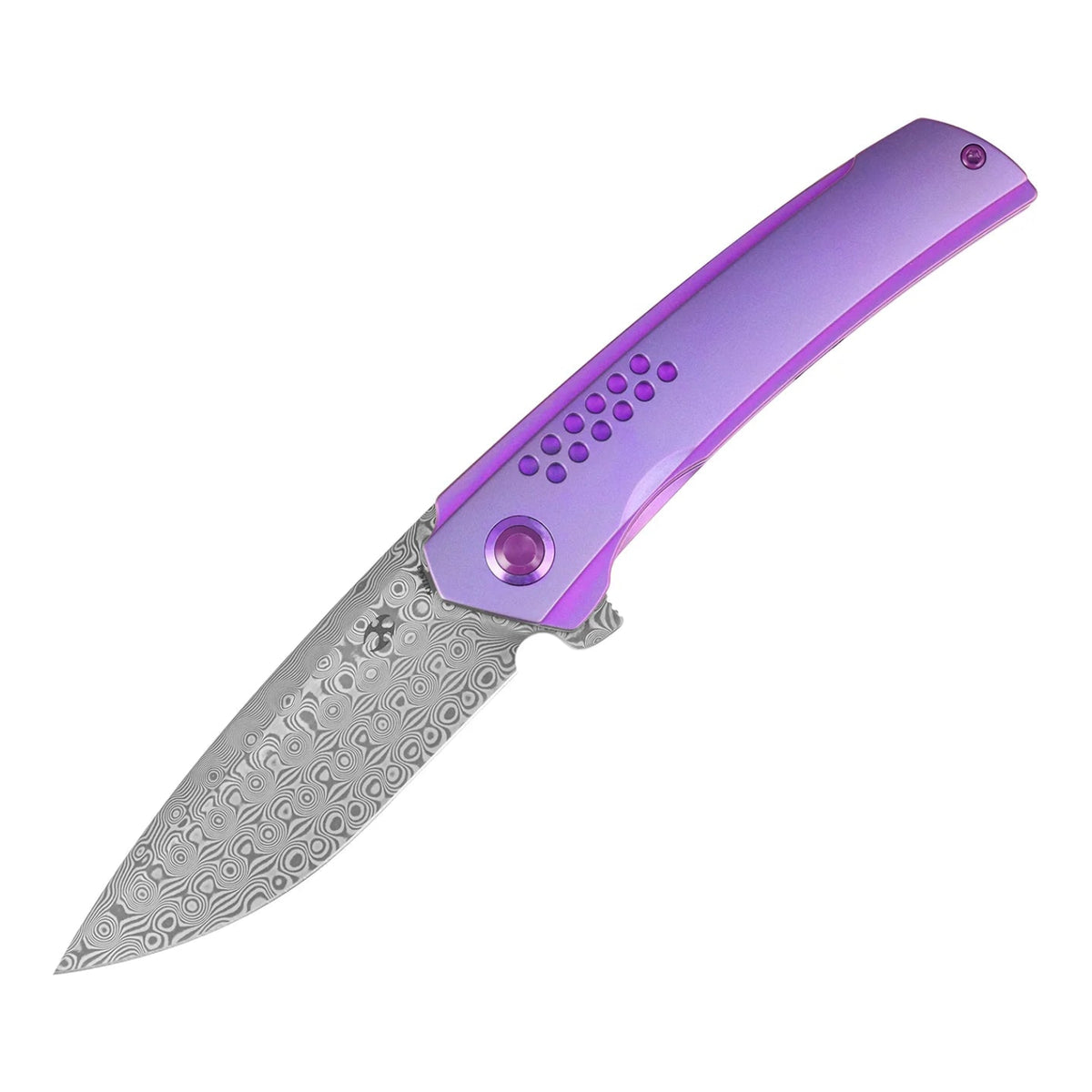
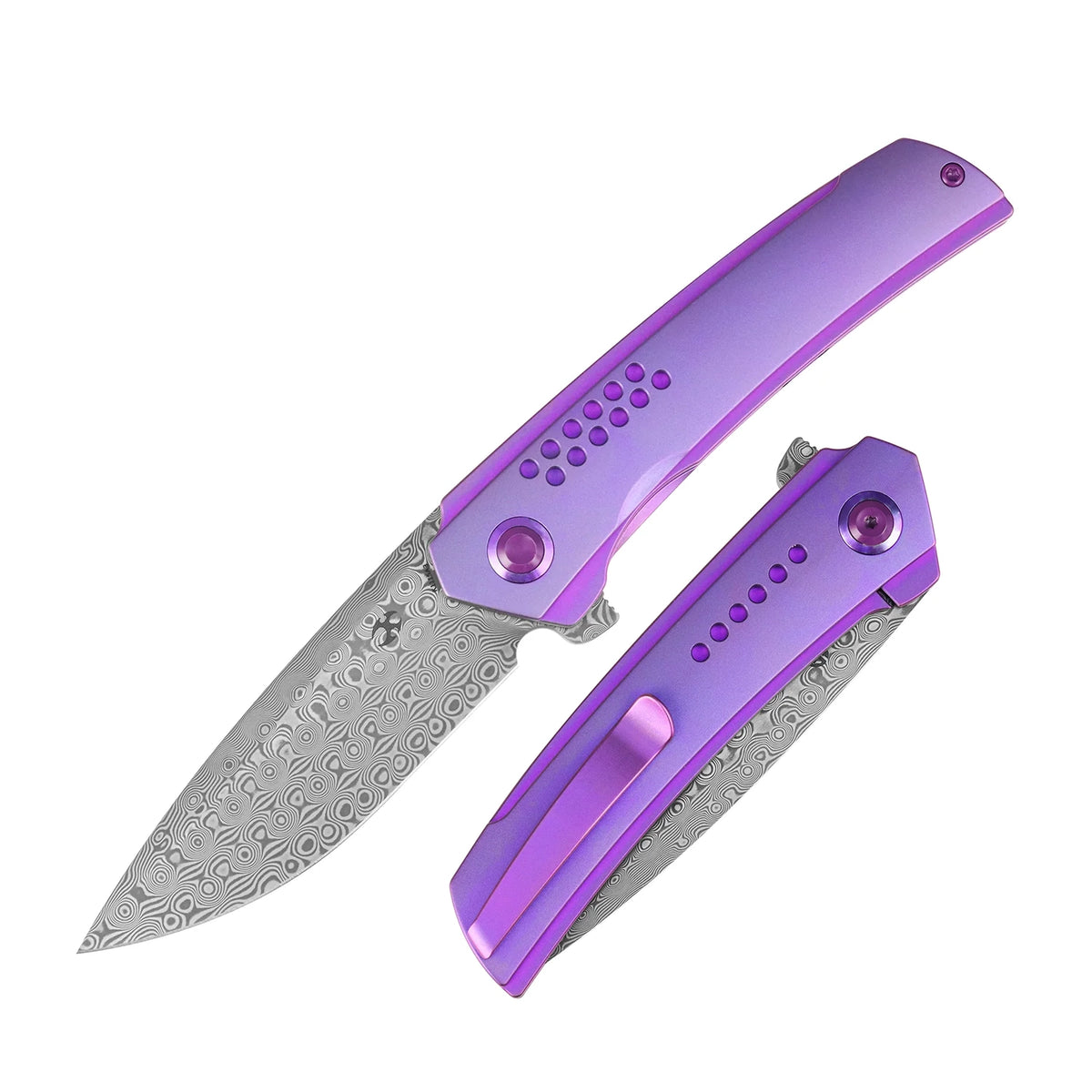
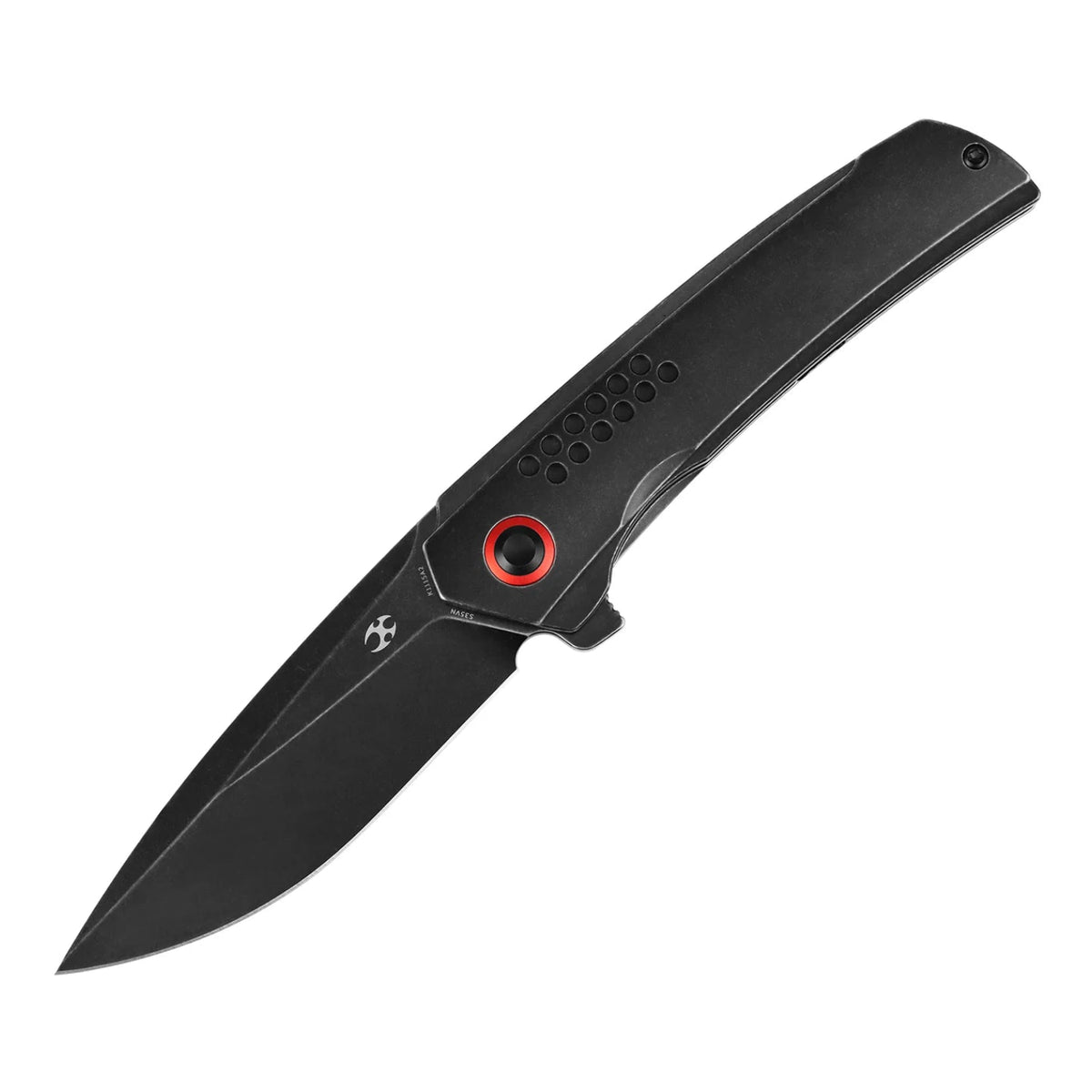
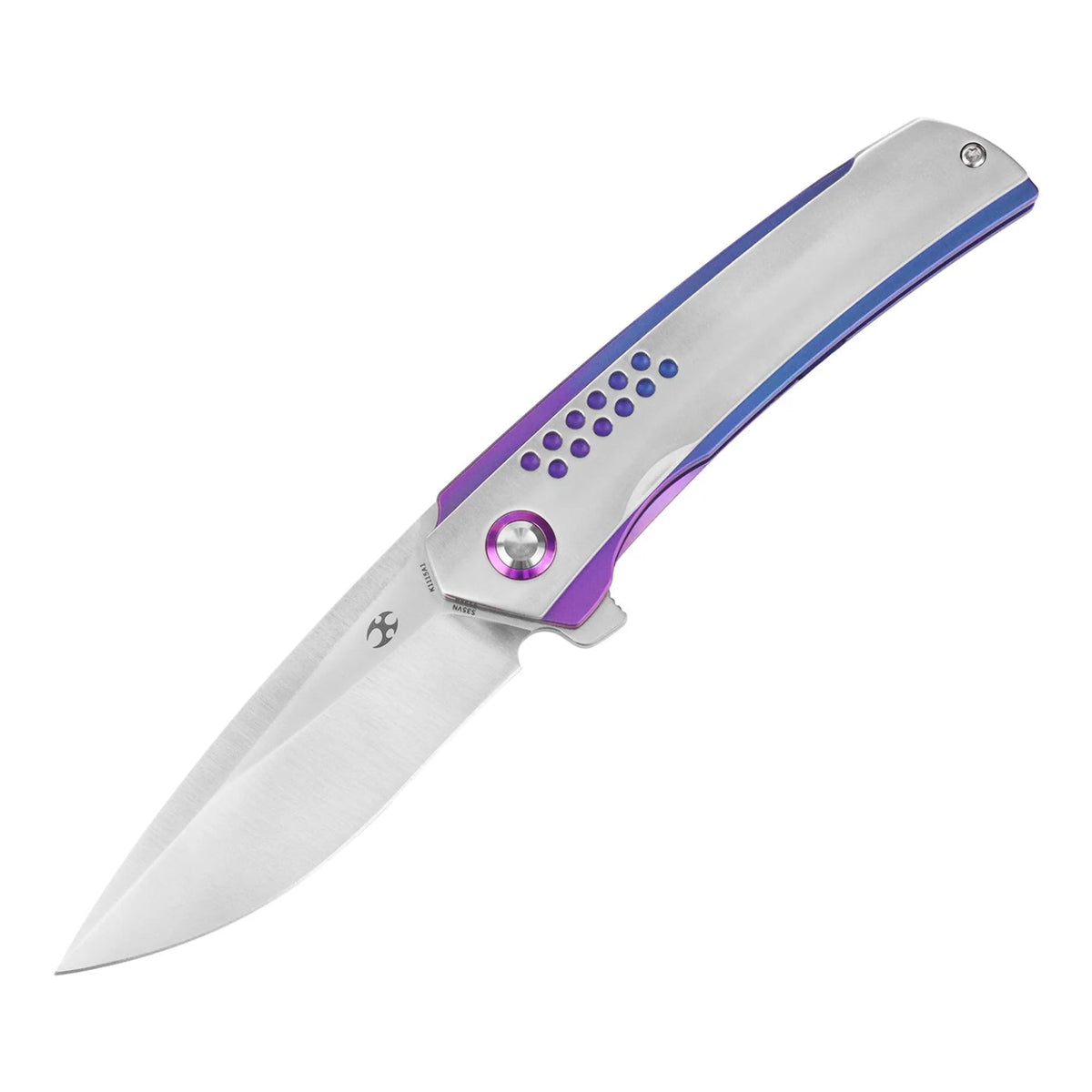
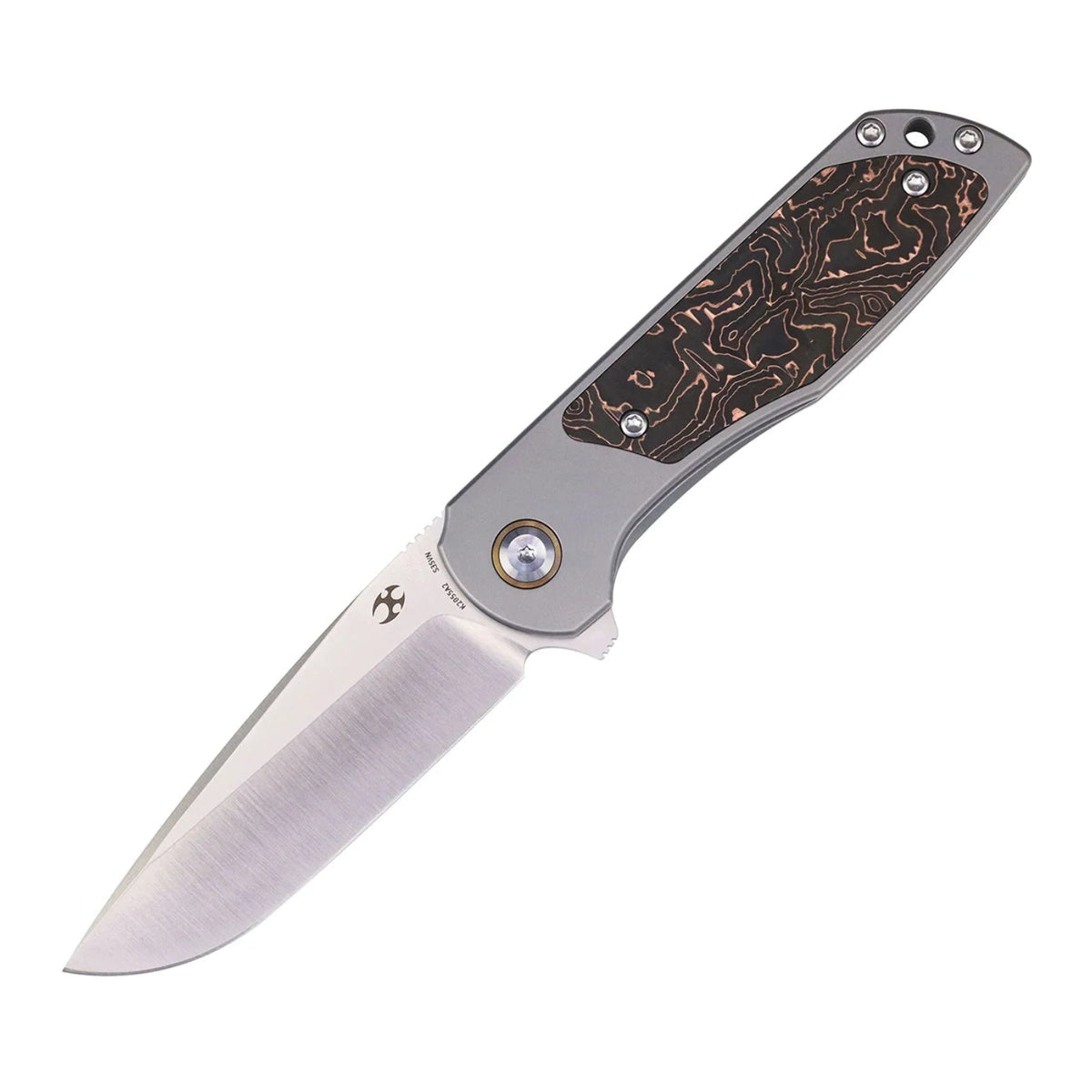
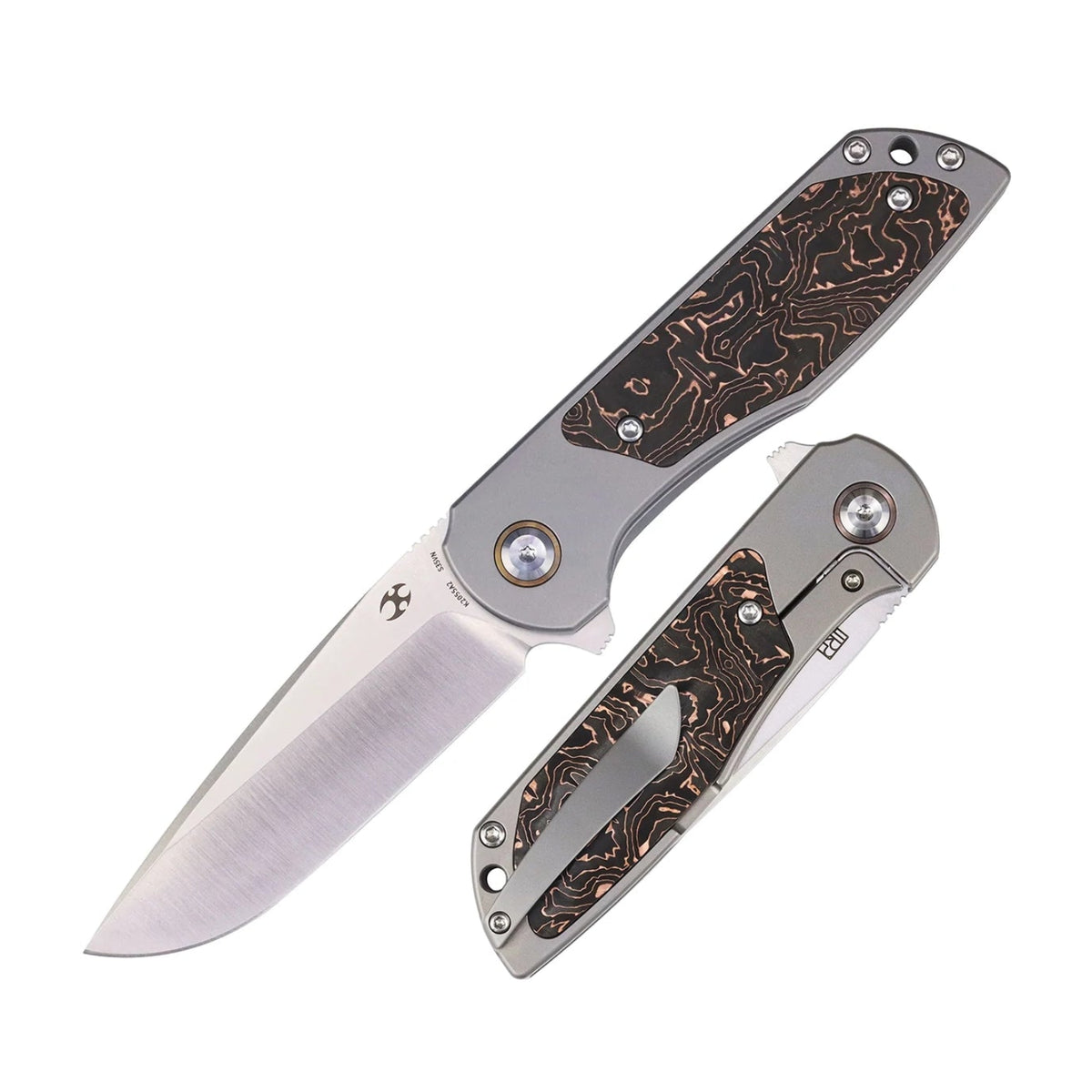
A silversmith planishes a raised vessel by rubbing a polished hammer over the surface in overlapping passes until the metal reads even in every direction and the work hardening stops the shape from moving. The final surface is not cosmetic: it is proof the shape underneath is correct. Blade finishing works the same way. Look at how light travels across the grind of the QSP Emu QS164-A1 and you learn more about manufacturing quality than any specification sheet will tell you.
Materials & Construction
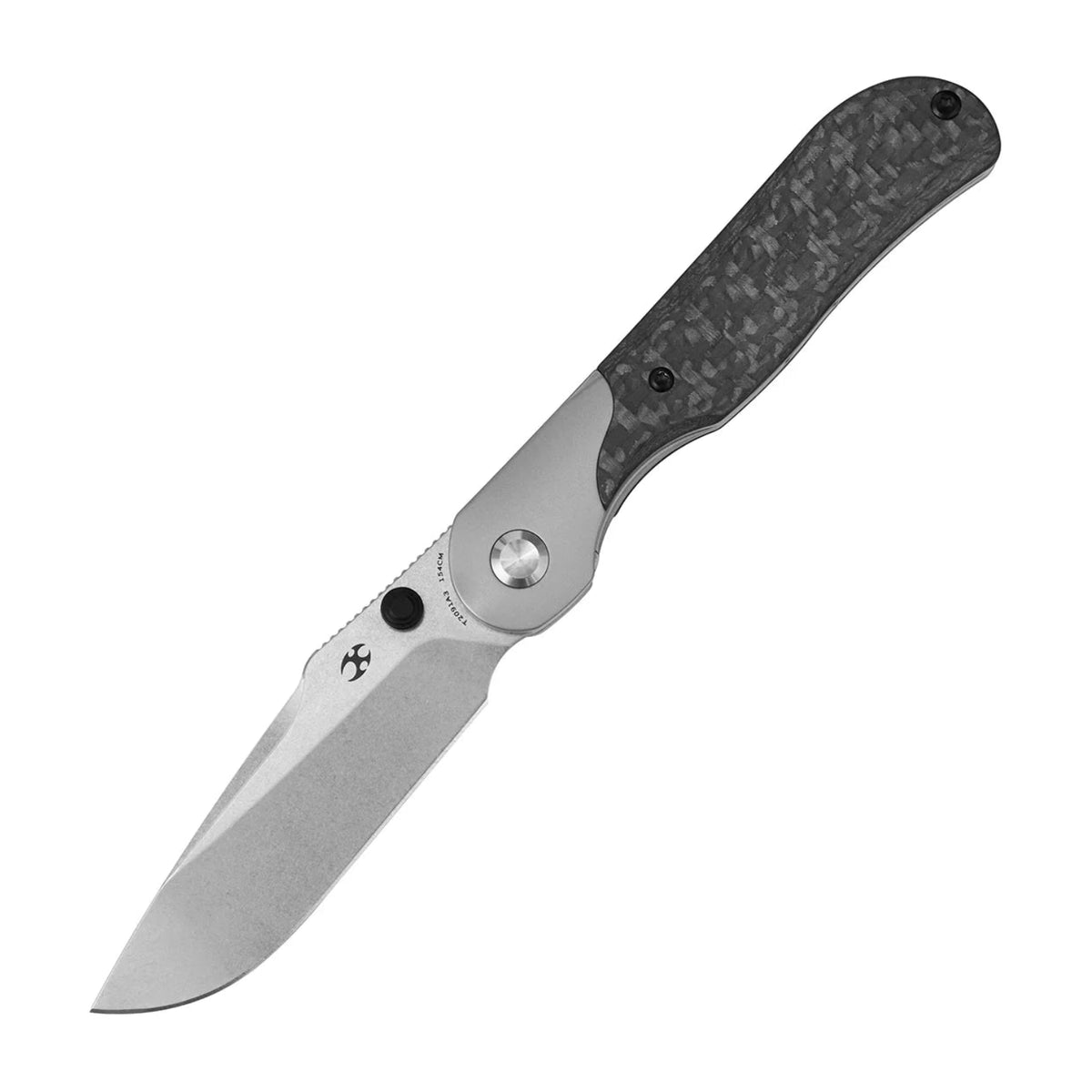
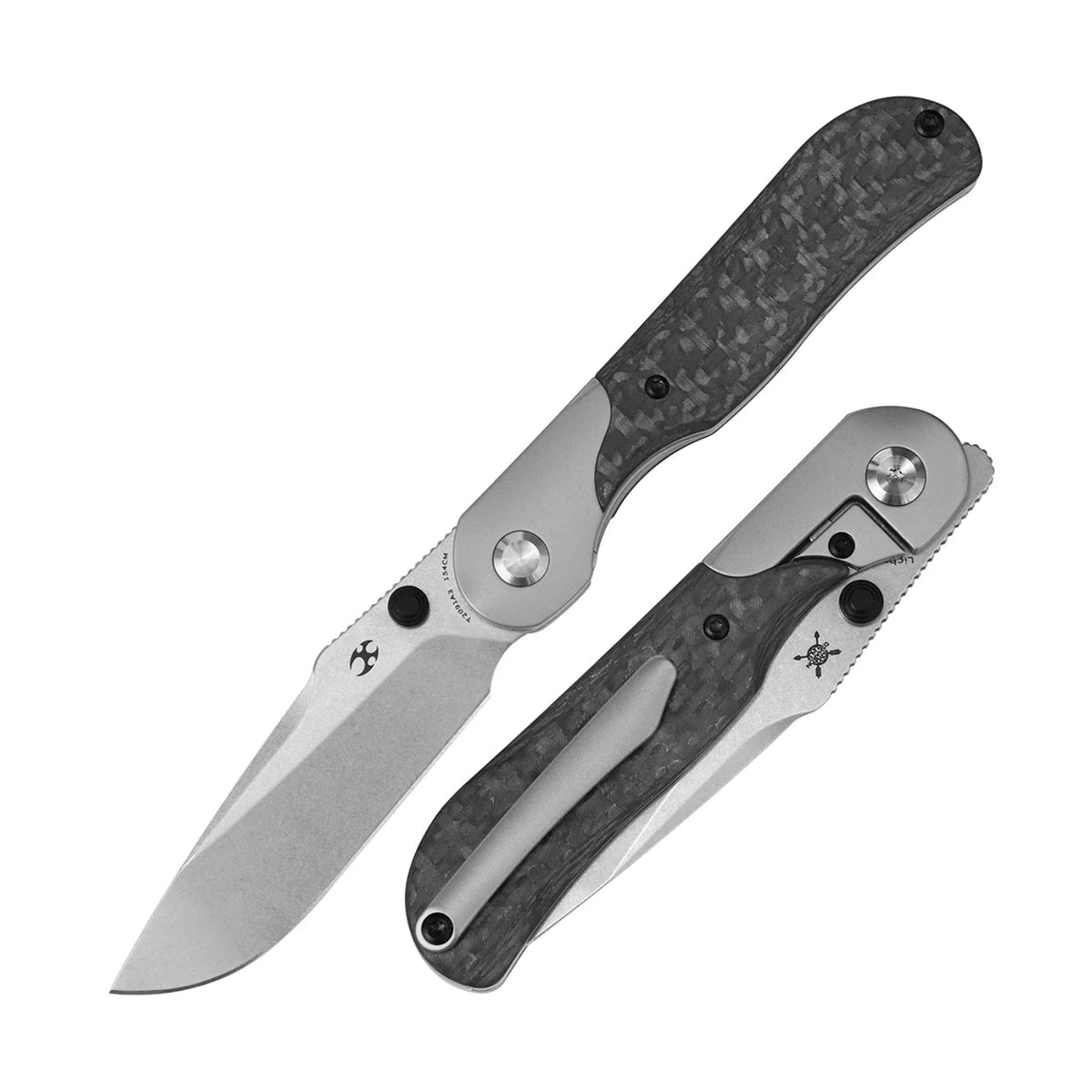
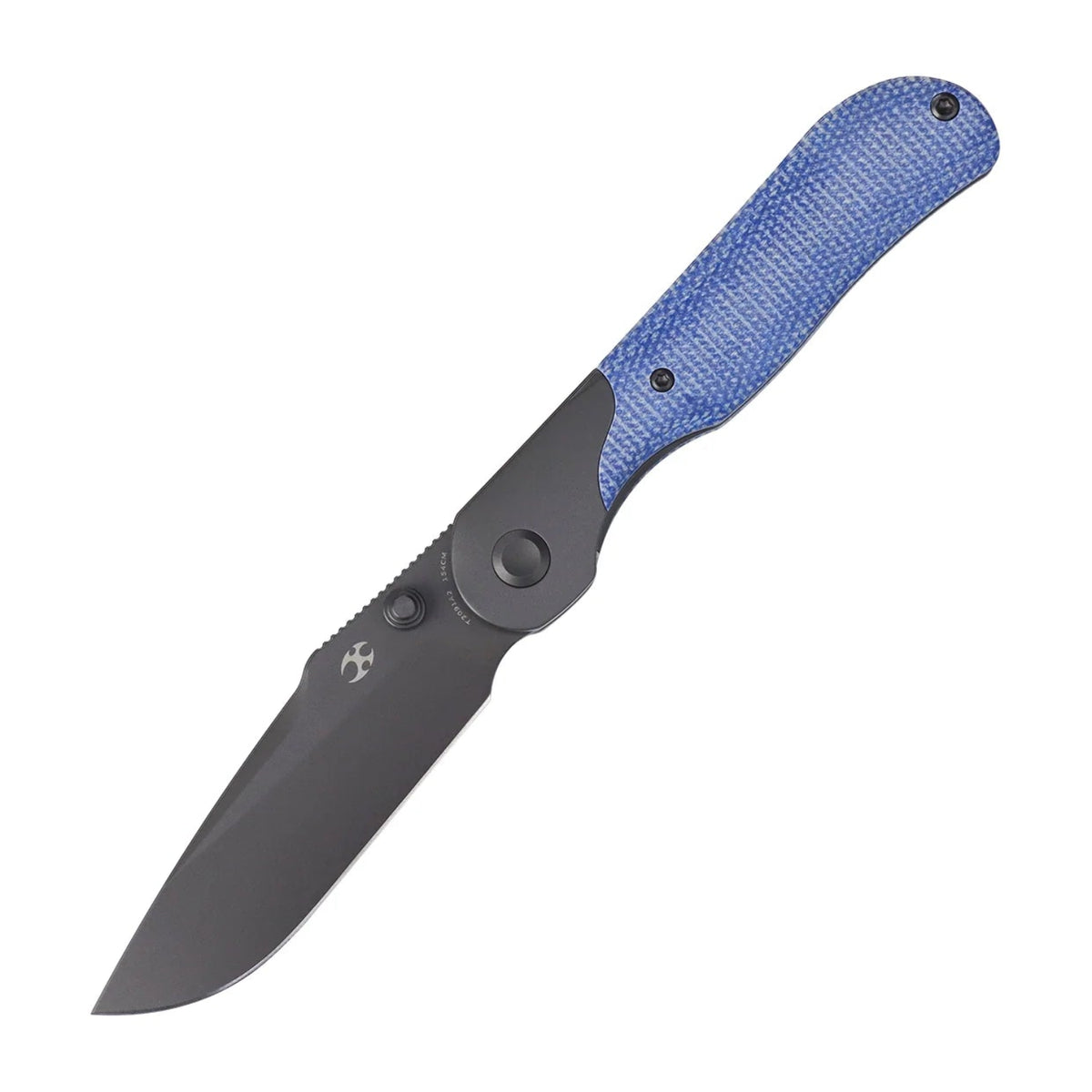
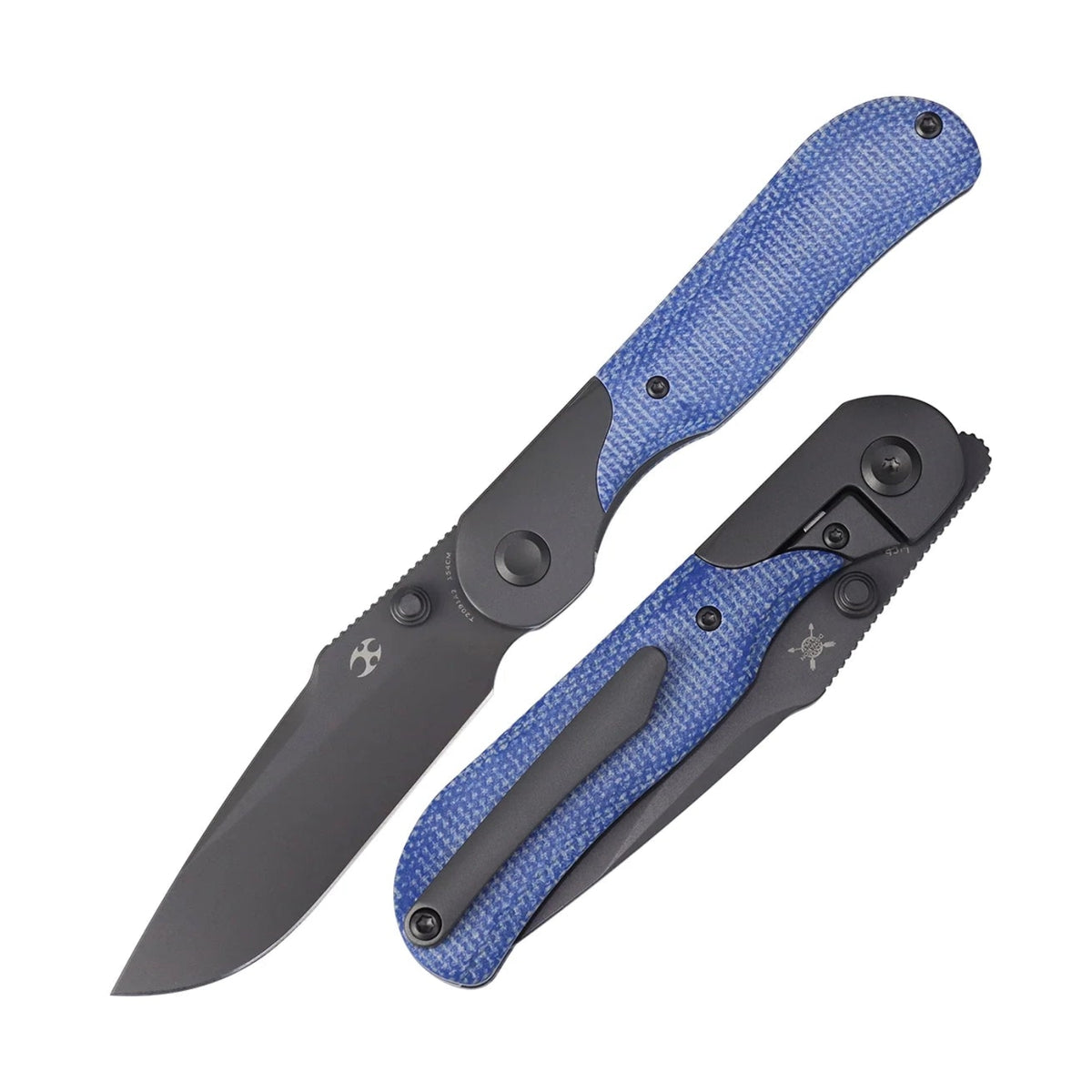
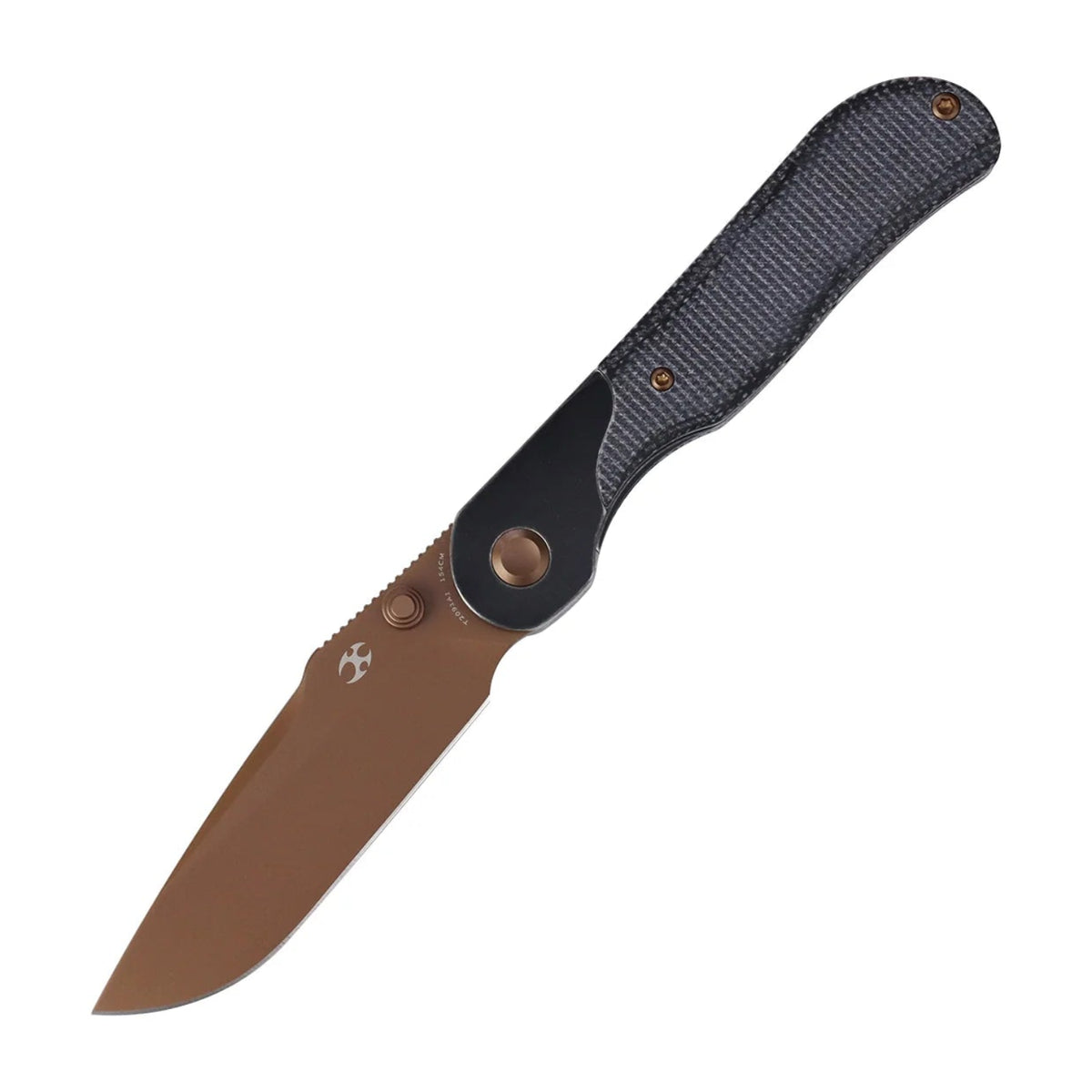
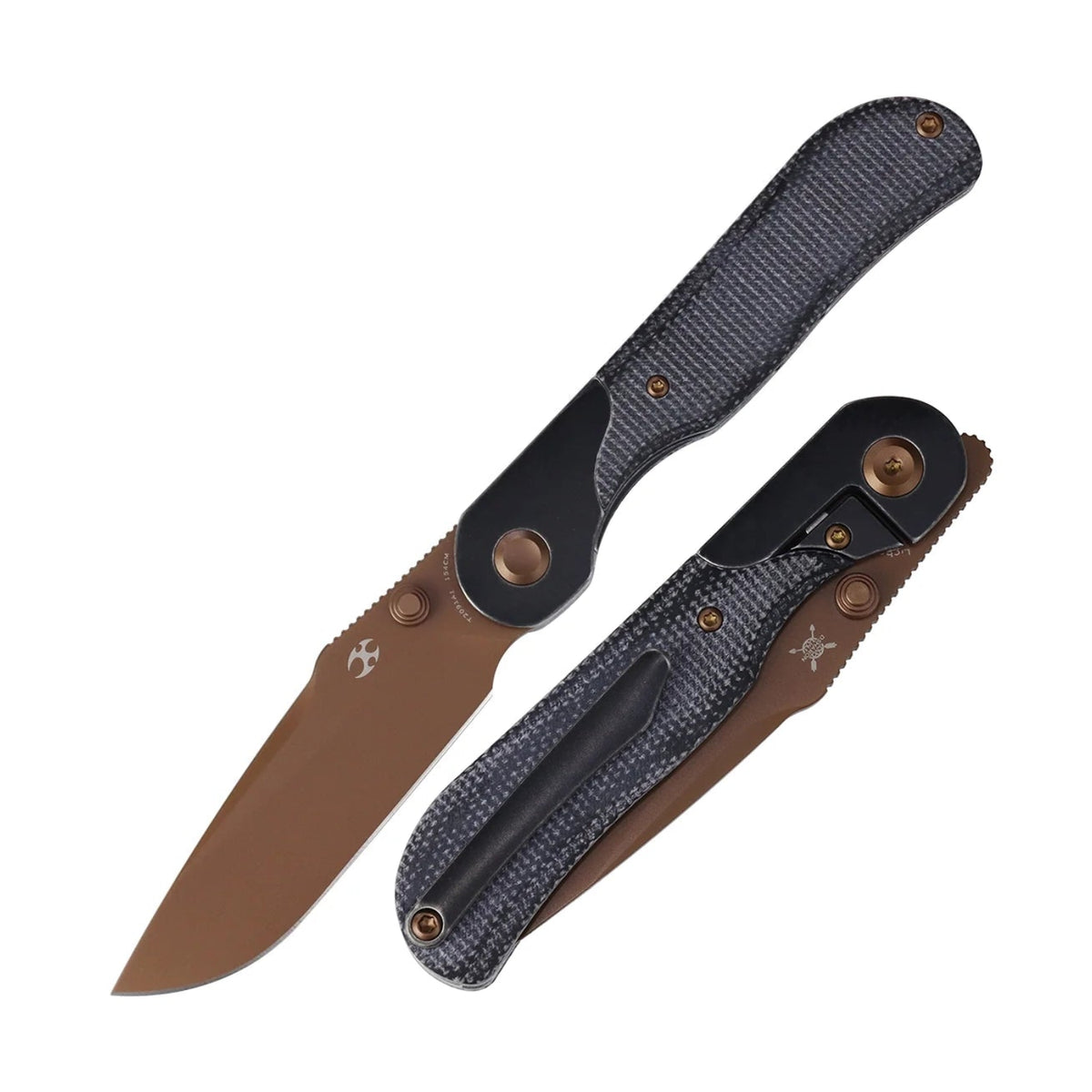
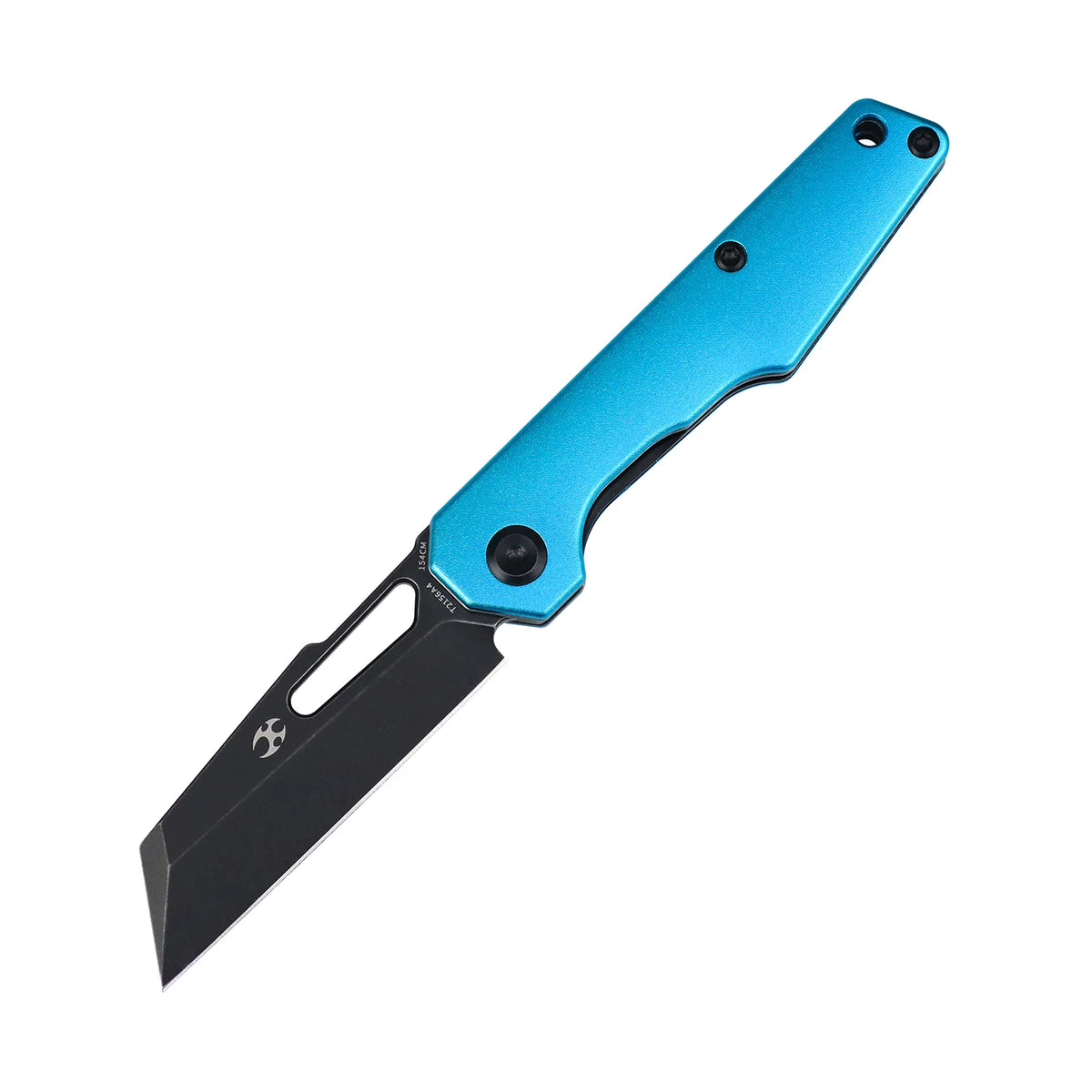
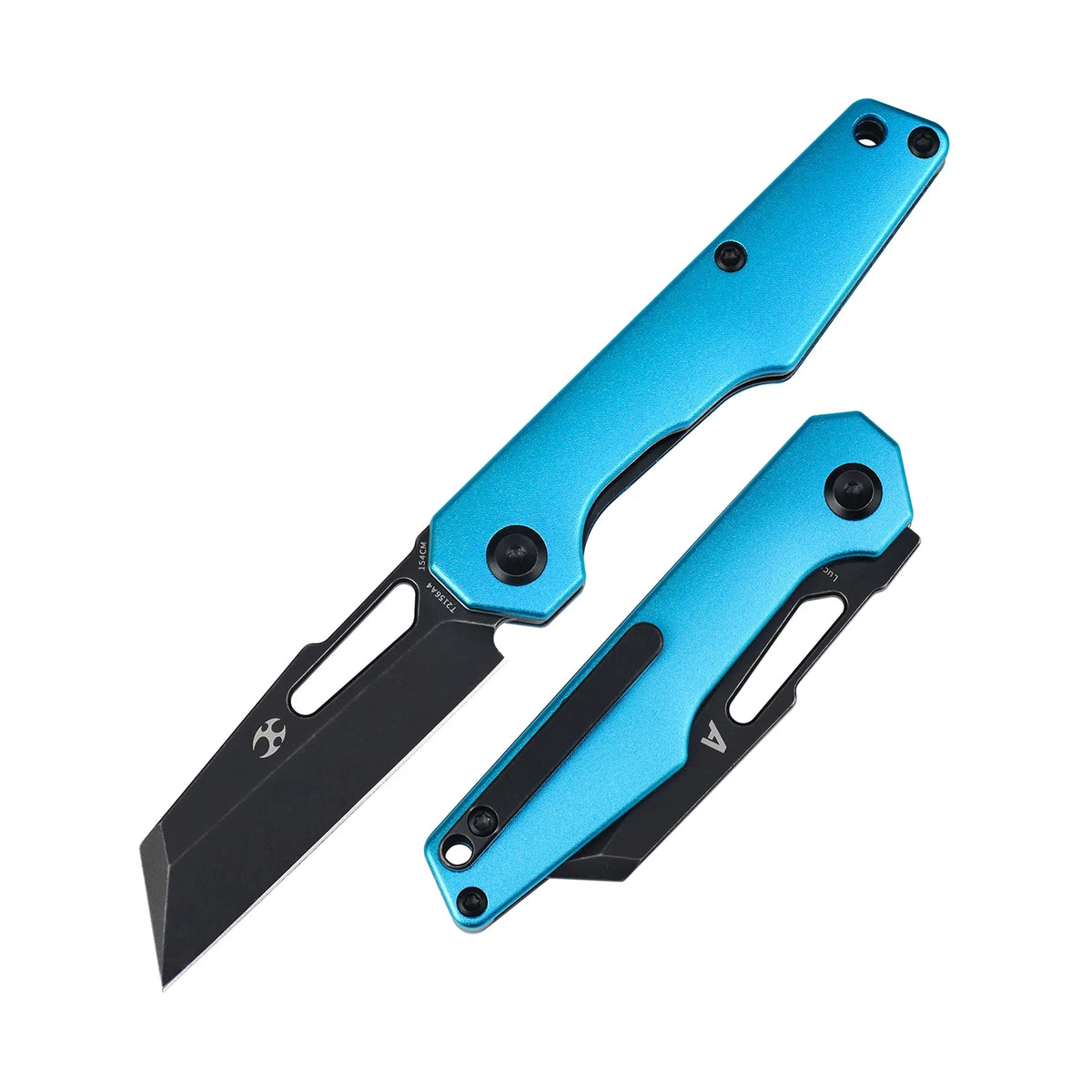
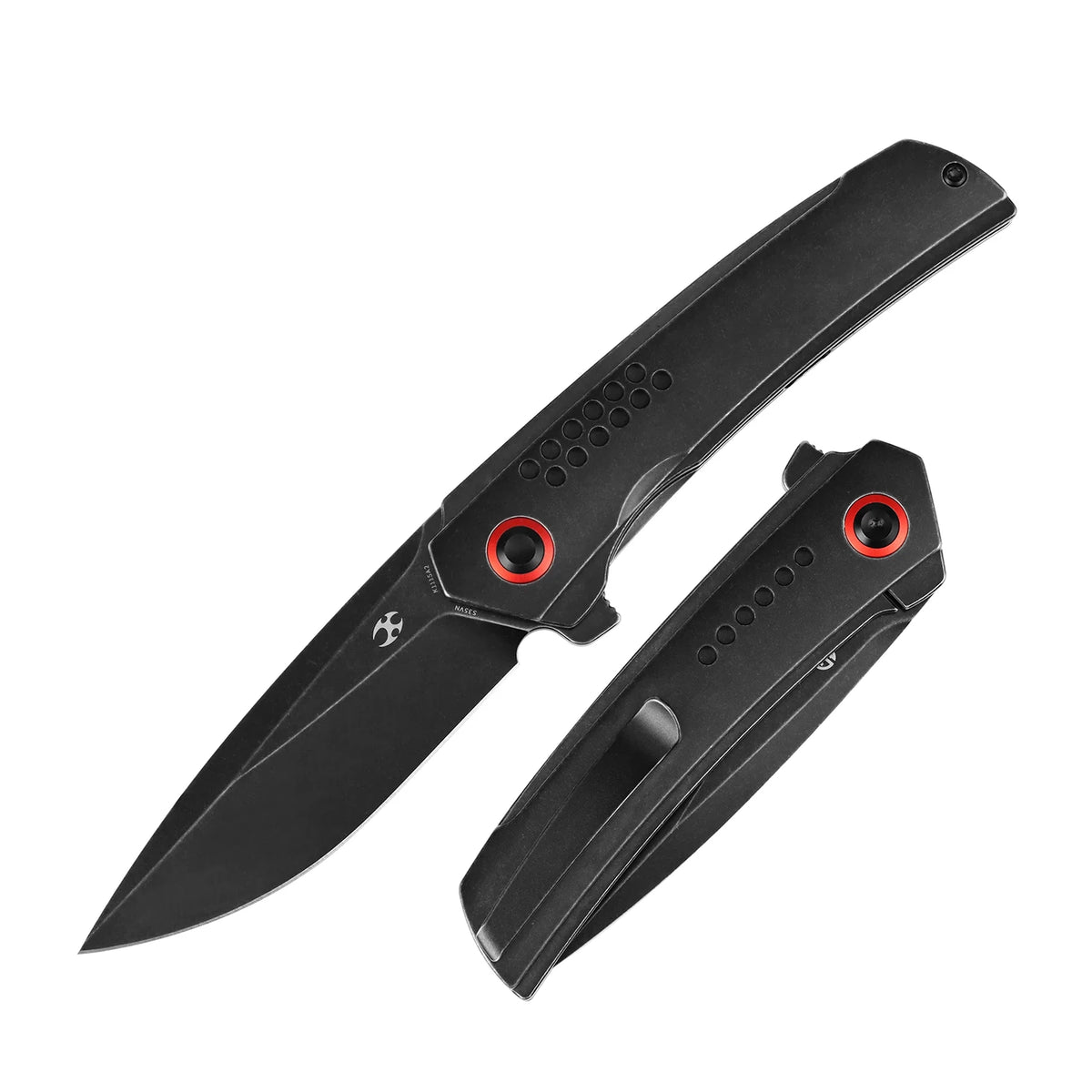
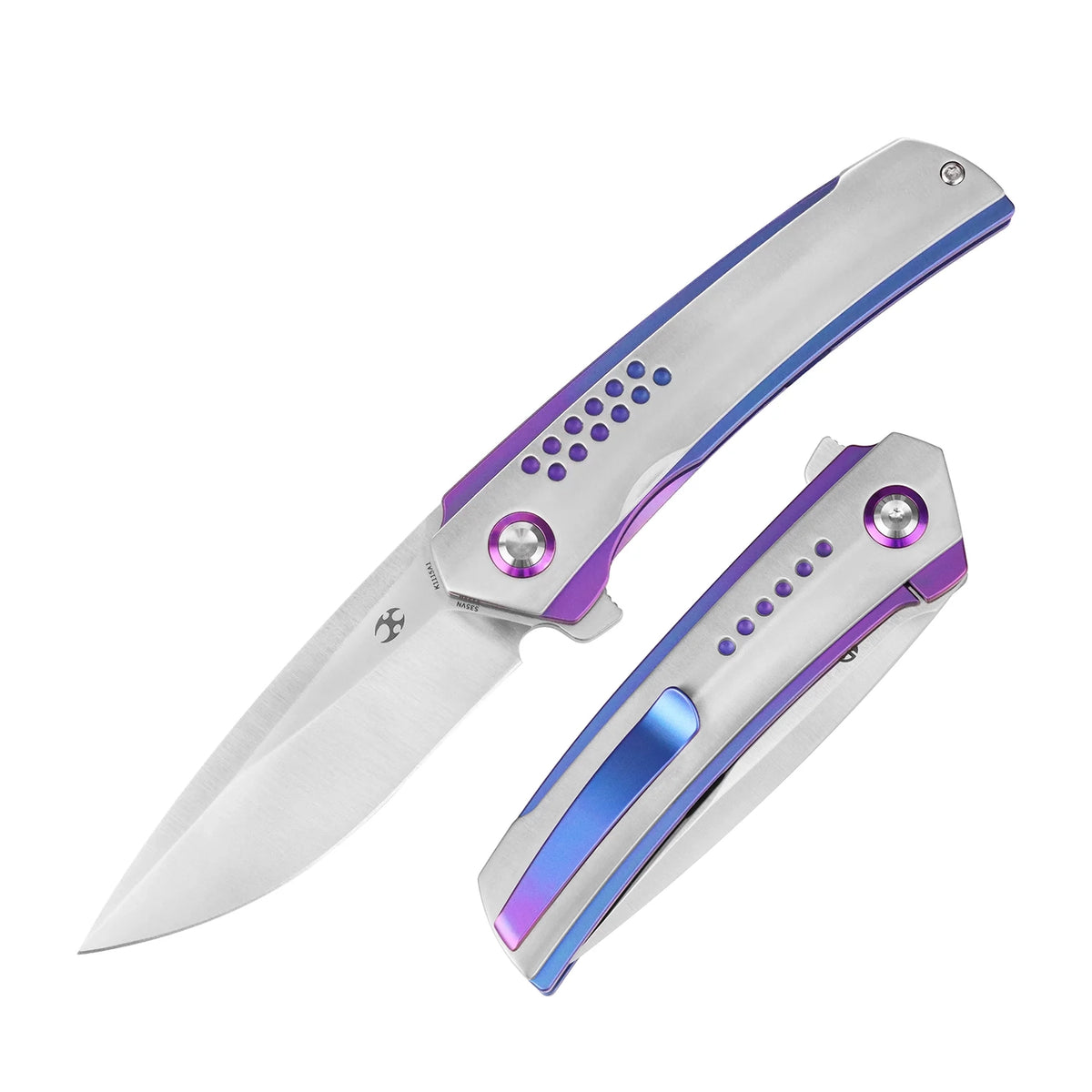
The blade is 14C28N, a nitrogen-alloyed stainless chosen for fine edge stability, good corrosion resistance and easy sharpening on ordinary stones. It is the sensible alloy for a knife meant to be carried and used. Black micarta scales are pressed laminate, so they resist moisture and grip when wet. QSP knives grind their blades evenly and finish the flats with a consistent satin that shows a straight line rather than a patchy one.

Design & Details
The Emu uses a Glyde lock, a sliding bar mechanism that keeps the profile narrow and allows one-handed closing. The handle has a forward finger groove and a subtle palm swell, and the scale edges are broken so nothing digs into a hand under load. The clip is positioned for deep carry, the pivot runs on washers that feel smooth from the first hour, and the whole knife is thin enough to disappear against a seam.
Real-World Use
In a week of ordinary work the Emu cut cardboard, rope and fruit cleanly, and the thin grind behind the edge made the difference on soft material. 14C28N responds to a strop faster than most alloys, which means the edge can be maintained almost indefinitely without a stone. Micarta darkened where hands held it and did not become slick, and the lock showed no movement after repeated openings.

Ownership Notes
Surface finish is the cheapest quality test available to a buyer. EdcMall photographs blades at a raking angle so grind lines and plunge symmetry are visible before purchase. Strop rather than grind, keep the pivot clean and lightly oiled, and wipe the blade after contact with acidic food. A knife with even grind lines will sharpen predictably for its whole life, while a wavy grind will fight you every time. Most folding knives at this price show wavy grind lines under a lamp, and even grind lines are the cheapest proof of a careful factory. Anyone who owns several EDC knives ends up judging them by how they sharpen, and this steel is among the most forgiving available. A strop loaded with green compound will keep the edge working for months without touching a stone.
Who Is This For?
This suits the user who wants a thin, light folder that sharpens easily and carries without notice. It is right for an office or workshop pocket and makes a good first quality knife. It is not for prying or heavy field use, and a buyer who wants a thick, hand-filling handle will find this one slim.
Final Verdict
The Emu QS164-A1 is honest work. Even grind lines, a cooperative steel and a narrow profile add up to a knife that gets used instead of admired. If you judge tools by how they are finished rather than how they are advertised, this one passes.