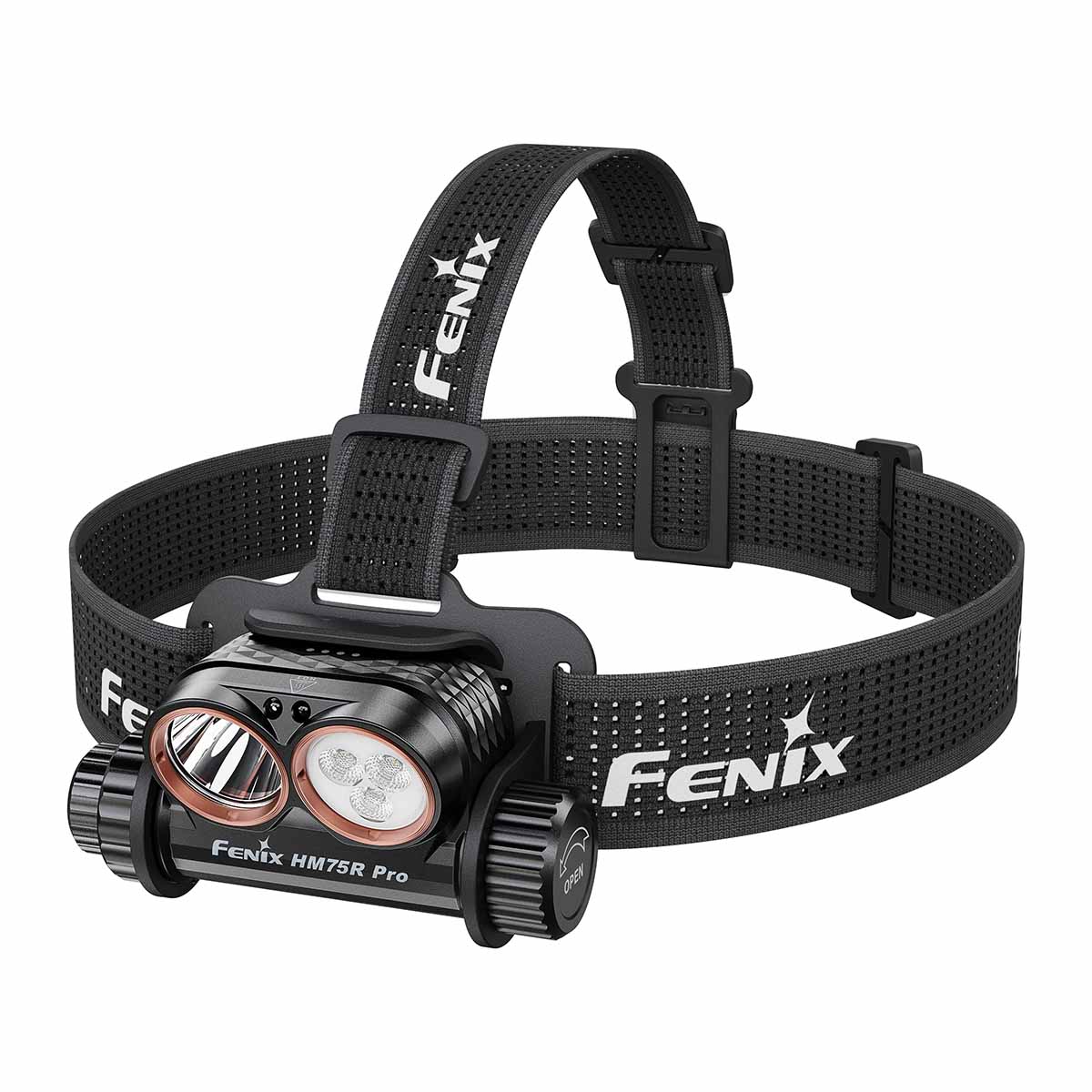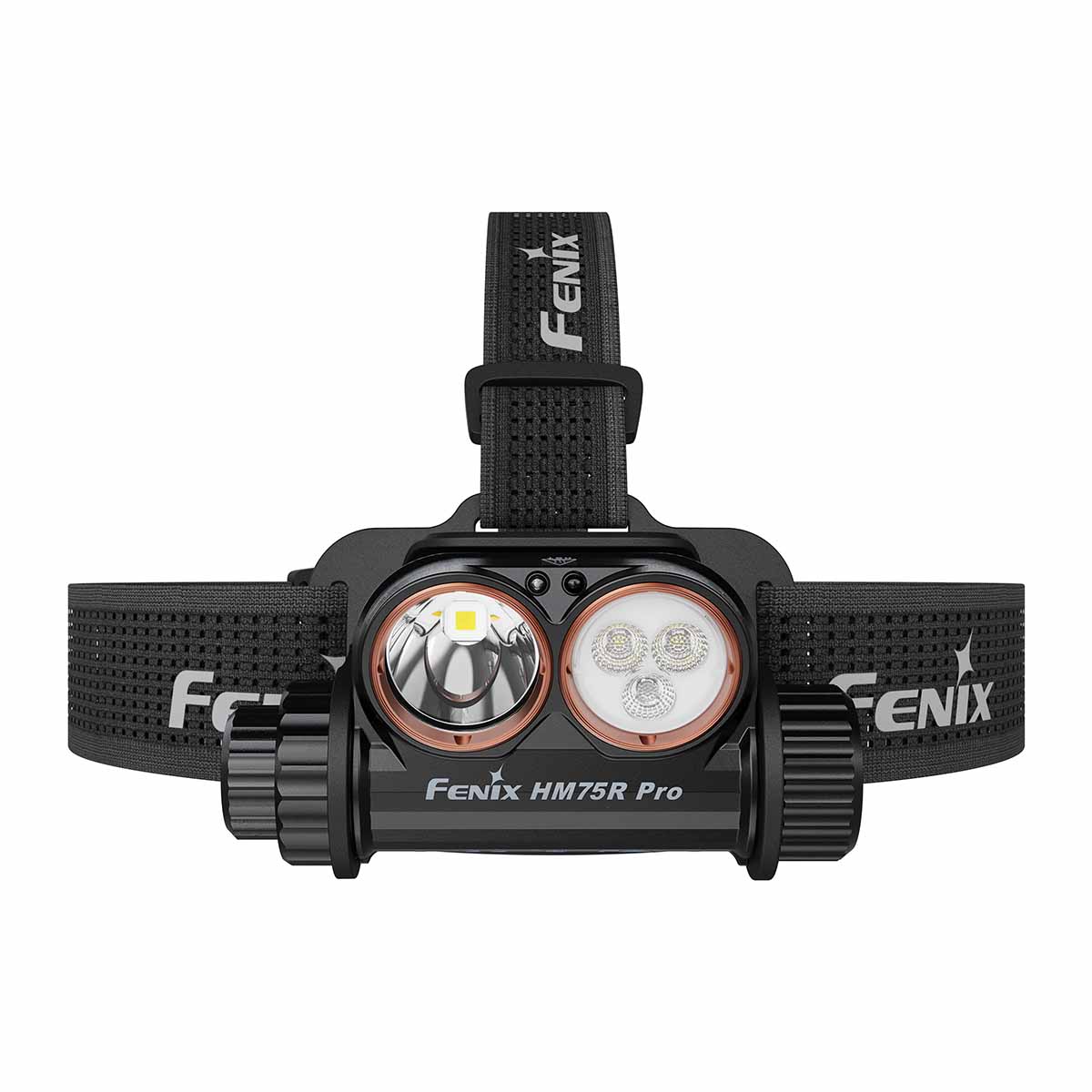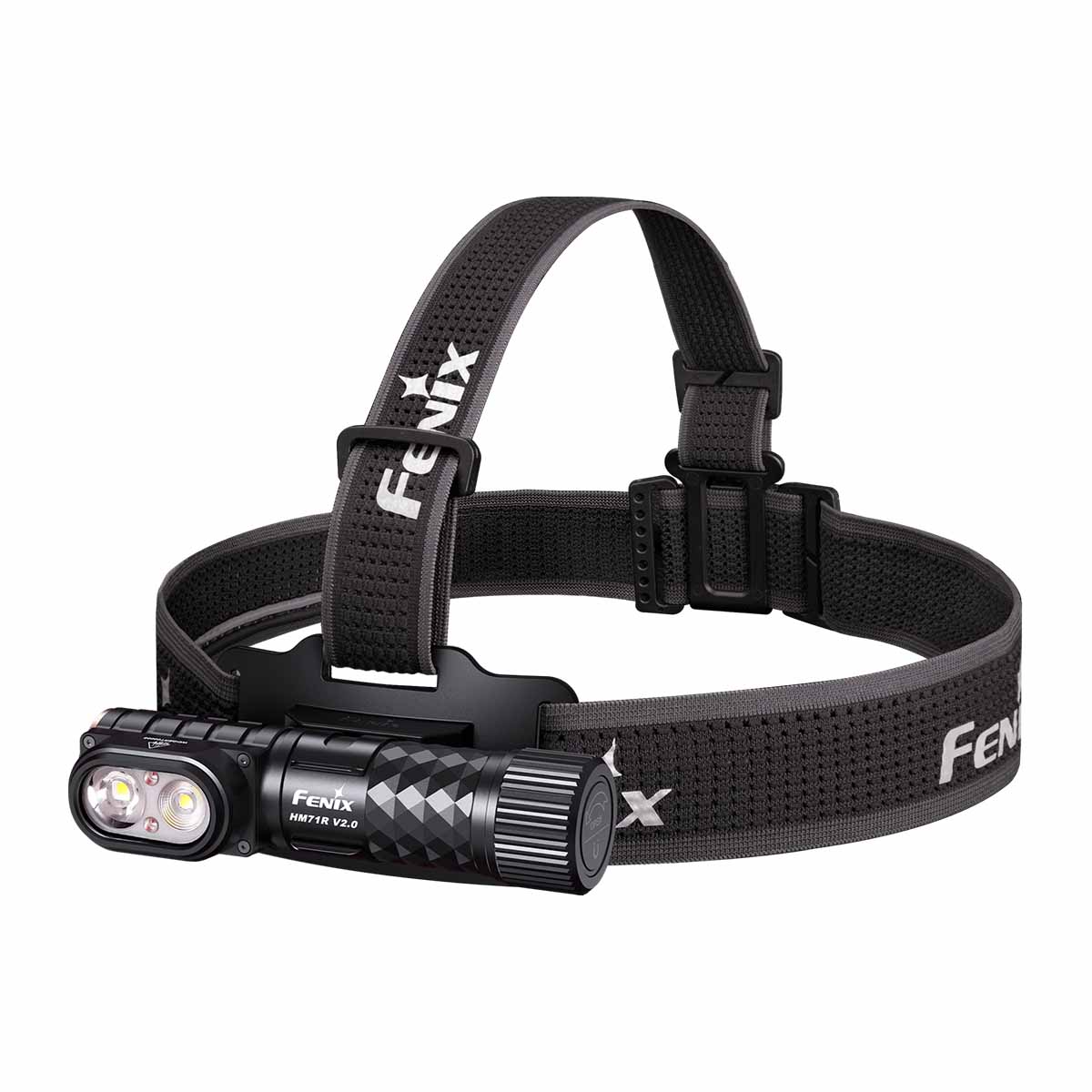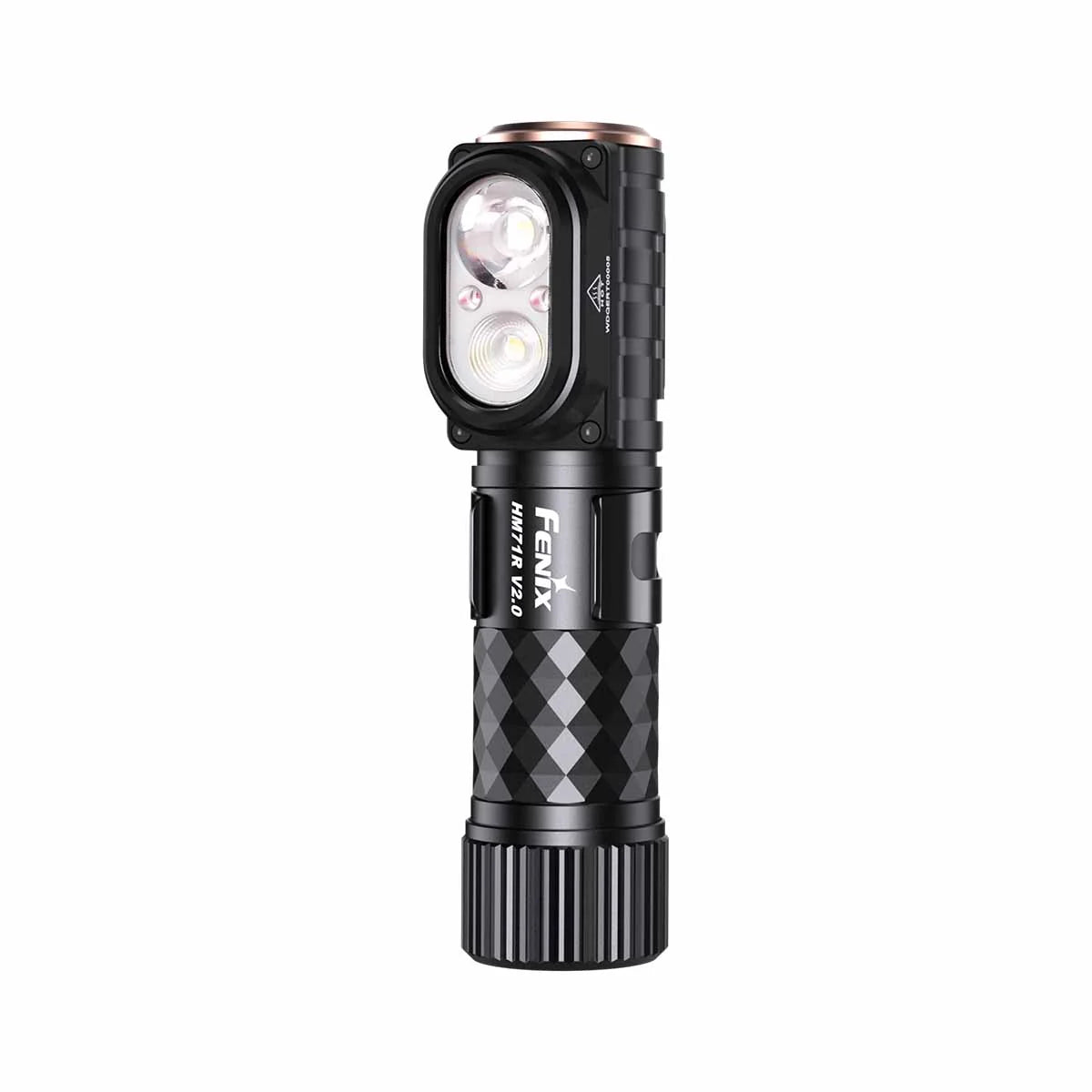

Lab ratings and laboratory lumen charts provide a baseline, but the true value of tactical equipment is proven under extreme physical stress. When duty personnel, tactical operators, and wilderness adventurers stake their safety on an illumination tool, theoretical durability means nothing. The flagship dual-tail switch high-lumen rechargeable torch from Klarus is celebrated for combining multi-thousand-lumen output with instantaneous tactical controls. To determine whether this tactical flashlight can truly withstand worst-case operational abuse, we subjected it to a series of punishing torture tests—including high-velocity concrete drops, sustained thermal stress, weapon-recoil simulations, and deep-freeze water submersion.
 High-Impact Drops and Mechanical Recoil Stress
The primary point of mechanical failure in handheld electronics during violent impacts is internal disconnection. Drops can crush battery contacts, crack soldered surface-mount components, or dislodge optical reflectors.
Concrete Impact and Fall Trials
We subjected the torch to repeated two-meter drops onto solid concrete, deliberately landing the chassis across six different impact angles. The CNC-machined 6061-T6 aerospace aluminum frame and Type III military-grade hard-anodized finish sustained superficial cosmetic scratching, but the unibody housing showed zero structural deformation.
Internal Shock Mitigation
Inside the battery compartment, dual-direction gold-plated springs cradle the high-capacity lithium-ion power cell. When subjected to simulated 12-gauge shotgun recoil pulses and vertical drops, the spring dampening system absorbed axial inertia completely. The light maintained constant electrical continuity without flickering, cutting out, or denting the battery terminals. At the front, the stainless steel strike bezel deflected frontal impact energy, leaving the tempered mineral glass lens and LED emitter fully intact.
Submersion, Freezing, and Mud Ingress Testing
Field operations routinely expose gear to torrential rain, river crossings, and gritty mud. To evaluate seal integrity, the torch was submerged in two meters of water for four hours, exceeding standard IPX8 operational requirements.
Following submersion, the unit was frozen inside a solid block of ice at -18°C for twelve hours. Once chiseled out, both the primary rubber clicky switch and secondary tactical mode paddle actuated cleanly. The silicone-sealed USB-C charging port prevented water ingress, ensuring the internal charging circuitry remained bone-dry and fully functional.
Thermal Saturation and Continuous High-Lumen Stress
Pushing upwards of 3,000+ lumens through a handheld aluminum barrel generates massive thermal energy within seconds. Without intelligent heat management, the LED emitter degrades rapidly and internal electronics overheat.
Klarus manages this thermal load using its proprietary Intelligent Thermal Protection System (ITS). During repeated continuous maximum turbo cycles in a stagnant room-temperature environment, internal temperature sensors monitored core temperatures in real time. Instead of an abrupt, dramatic drop in brightness, the ITS driver modulated output in subtle, micro-step increments. The integrated cooling fins along the head radiated heat evenly across the chassis, allowing the light to maintain high sustained outputs while keeping external grip surfaces within safe handling parameters.
Torture Test & Performance Benchmark Matrix
| Stress Test Protocol | Test Parameters | Observed Chassis Impact | Operational Status |
| Concrete Drop Test | 2.0-meter drops on concrete (6 axes) | Minor anodizing abrasion on bezel | 100% Functional |
| Submersion & Freeze | 2m water depth + 12h freeze at -18°C | Zero moisture past O-ring seals | Full Output Active |
| Recoil Simulation | Repeated high-G axial shock impulses | Dual springs isolated power cell | Zero Beam Flicker |
| Debris & Mud Test | Packed in wet clay and fine silty sand | Tail switches operated without grit jams | Clean Actuation |
| Thermal Cycling | 10 consecutive max turbo activations | Active ITS micro-stepping dissipation | Regulated & Stable |
Dual-Tail Switch Reliability Under Severe Friction
A tactical interface must perform when hands are numb, wet, or coated in mud. The independent dual-tail switch layout eliminates switch hunting.
Even when packed with gritty dirt, the primary tactical button offered positive, tactile mechanical feedback. The secondary strobe paddle provided instantaneous override capability, triggering full-power variable strobe directly from off with zero delay.

Tactical Ecosystems Across the Industry
Understanding the distinct strengths across leading manufacturers helps clarify where this dual-tail powerhouse fits in your loadout:
-
Nextorch leads in emergency vehicle breaching with patented nano-ceramic glass-breaking bezels and dual-stage rotary mechanisms.
-
Nitecore specializes in flat-profile pocket designs, long-throw search optics, and real-time OLED battery telemetry screens.
-
Jetbeam is renowned for precision CNC machining, custom titanium collector editions, and smooth magnetic rotary dials.
Integrating a torture-tested Klarus dual-tail switch platform into your tactical duty rig or daily EDC loadout gives you the confidence that your lighting tool will survive the most hostile environments without faltering.
Frequently Asked Questions
Does the dual-tail switch get jammed by fine sand or mud?
No. The mechanical switches and electronic mode paddle feature isolated internal seals that prevent silty sand, grit, and mud from penetrating the switch housings, ensuring positive actuation even in filthy environments.
How does the Intelligent Thermal Protection System (ITS) prevent LED burnout?
ITS continuously monitors the internal temperature of the light head in real time. When thermal limits are approached, the microprocessor dynamically steps down output in smooth, barely perceptible increments rather than shutting off abruptly, protecting internal components while preserving usable light.
Will dropping the flashlight on concrete damage the USB-C charging port?
The USB-C charging port is protected by a heavy-duty, form-fitted silicone flap and reinforced internal potting. Even during hard direct drops on gravel or concrete, the port remains protected against impact deformation and moisture ingress.