When choosing a compact fixed blade or everyday carry (EDC) knife, performance ultimately comes down to metallurgy. A knife can look incredibly sleek, feature beautiful handle materials, and fit perfectly into its sheath, but if the steel dulls after breaking down a few boxes or chips under light stress, it fails at its core job.
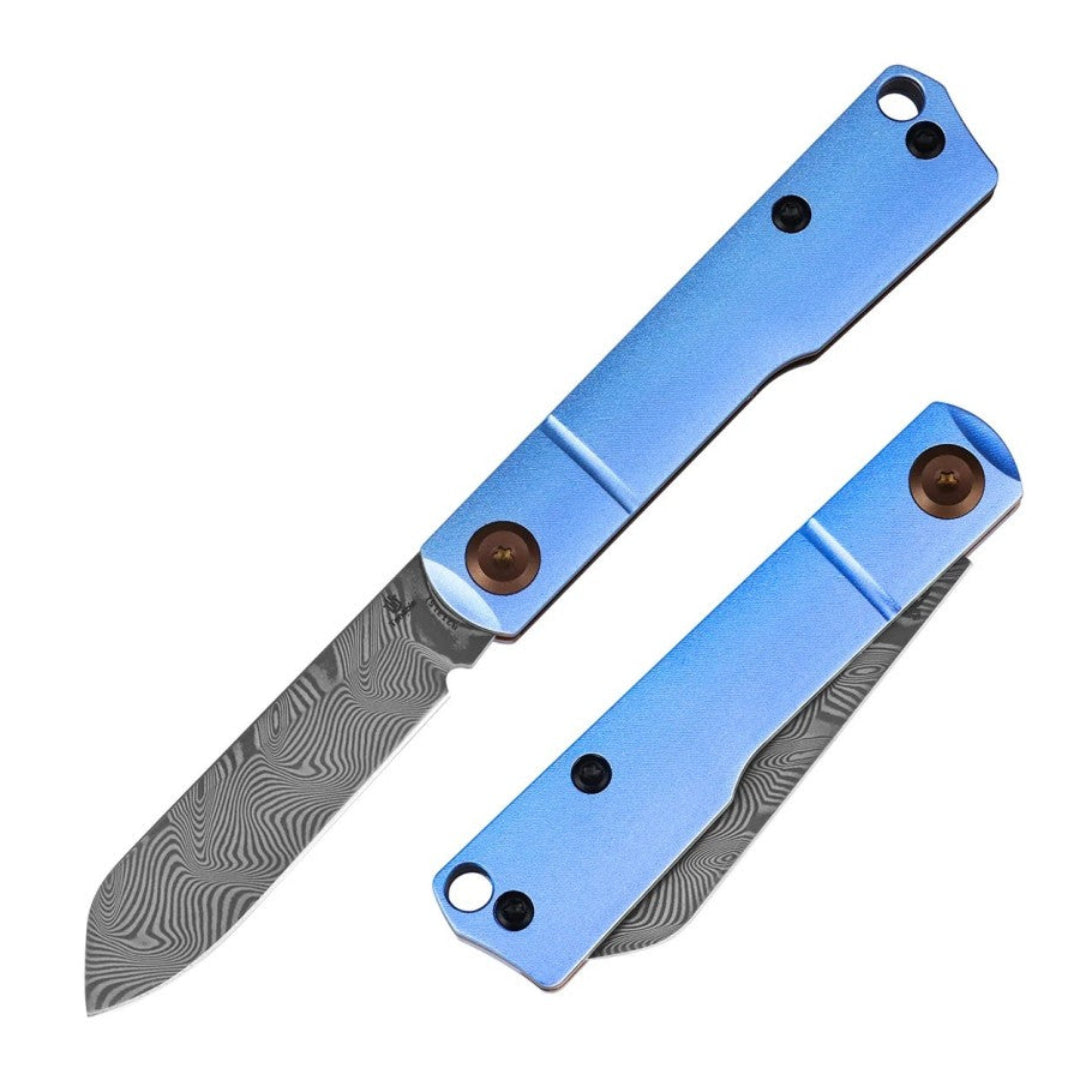
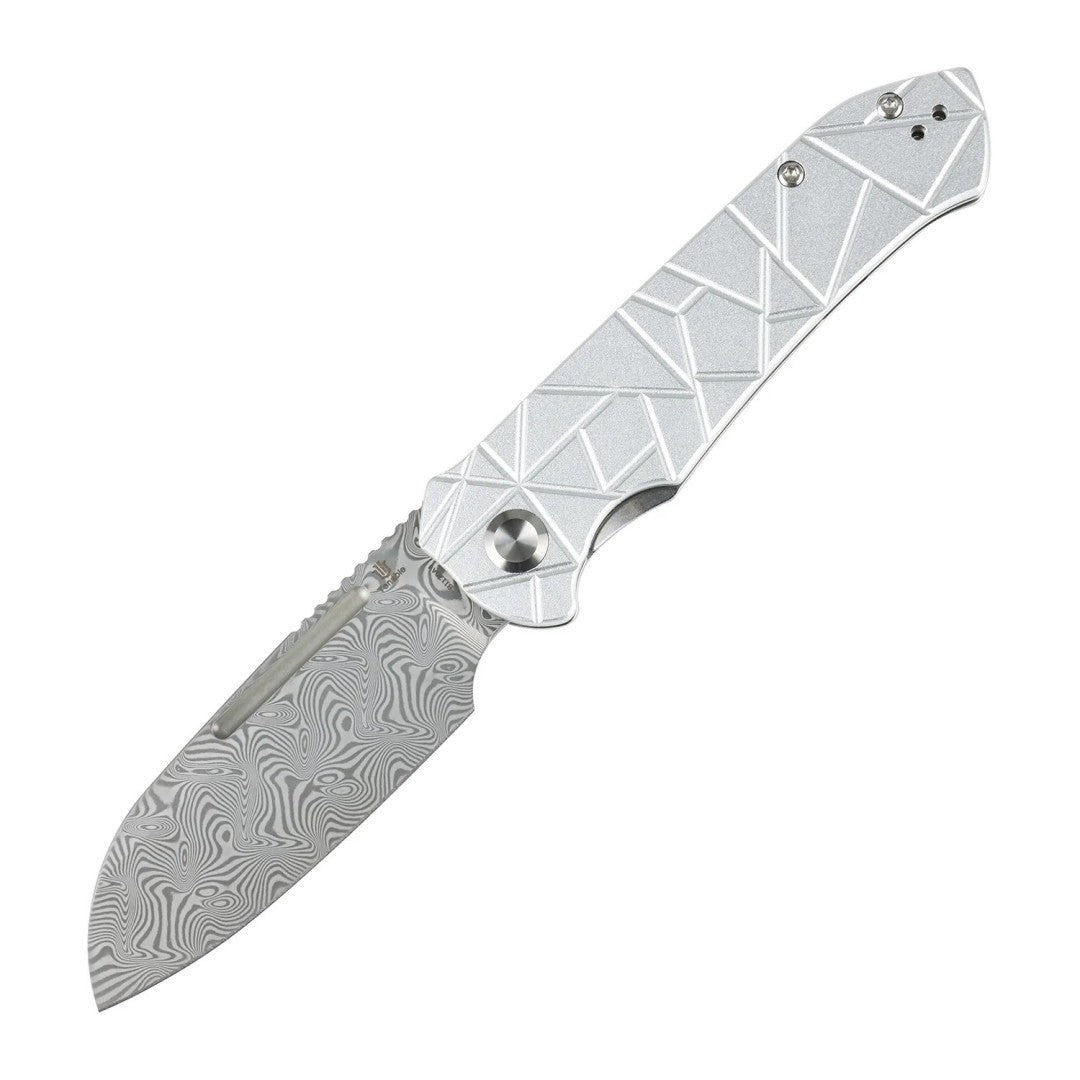
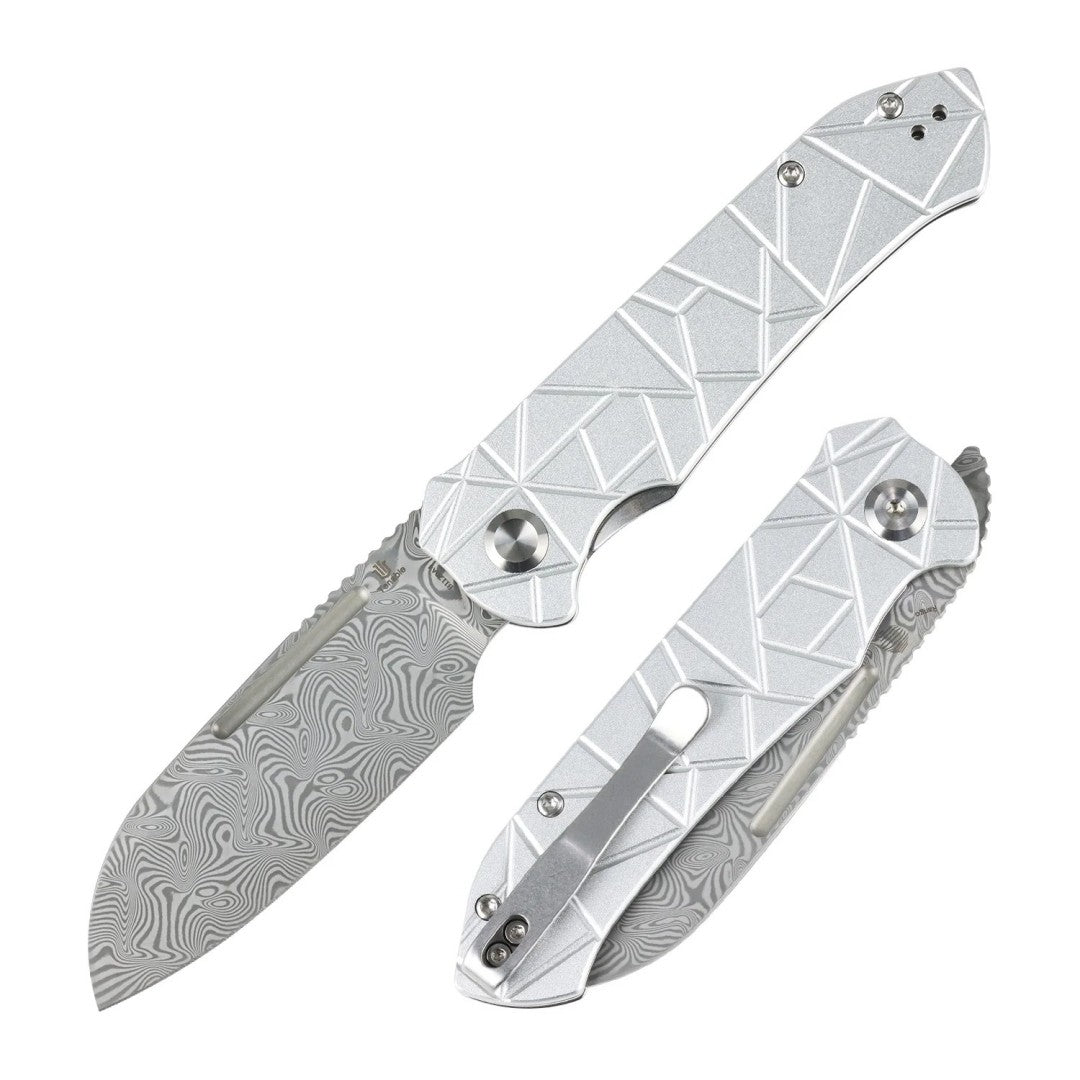
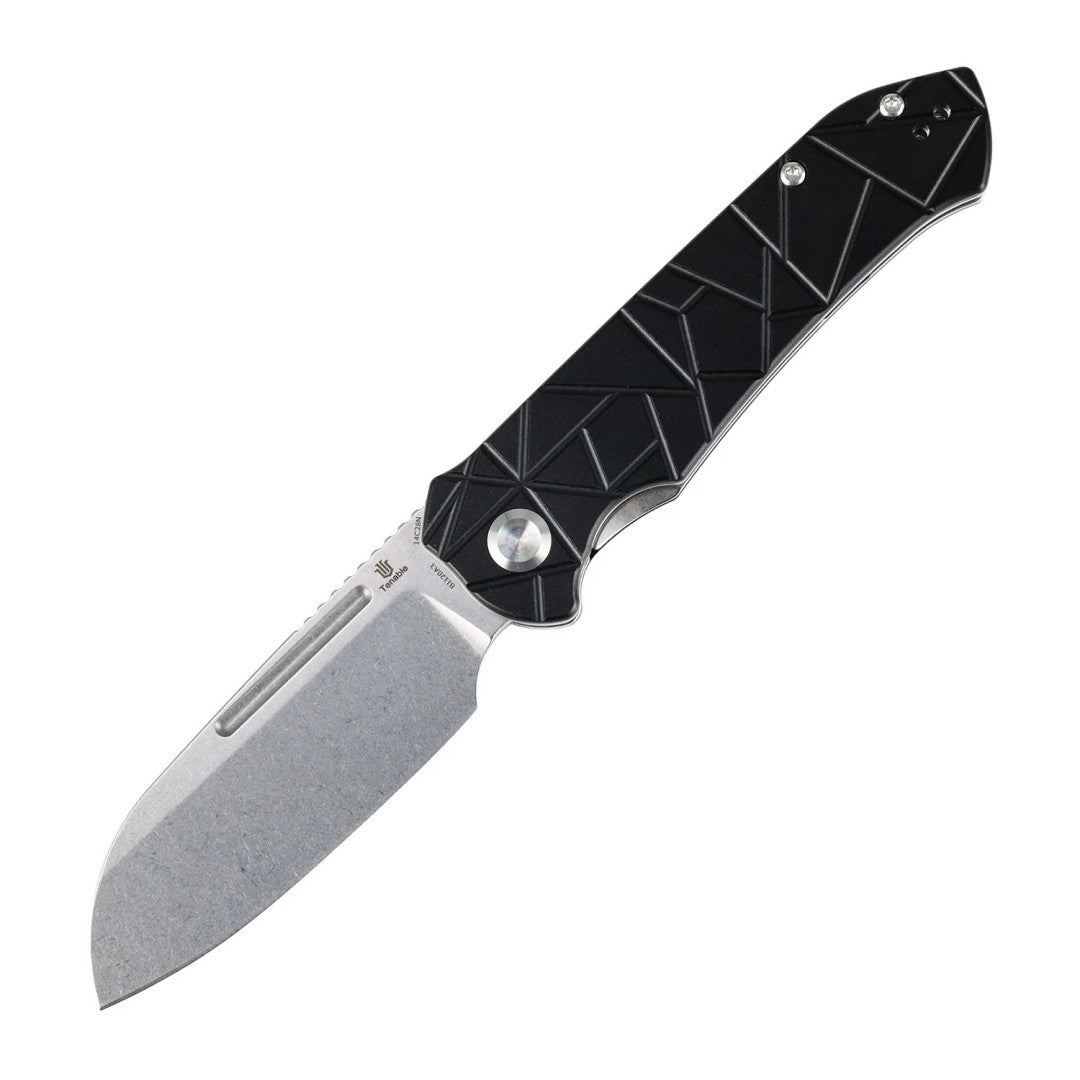
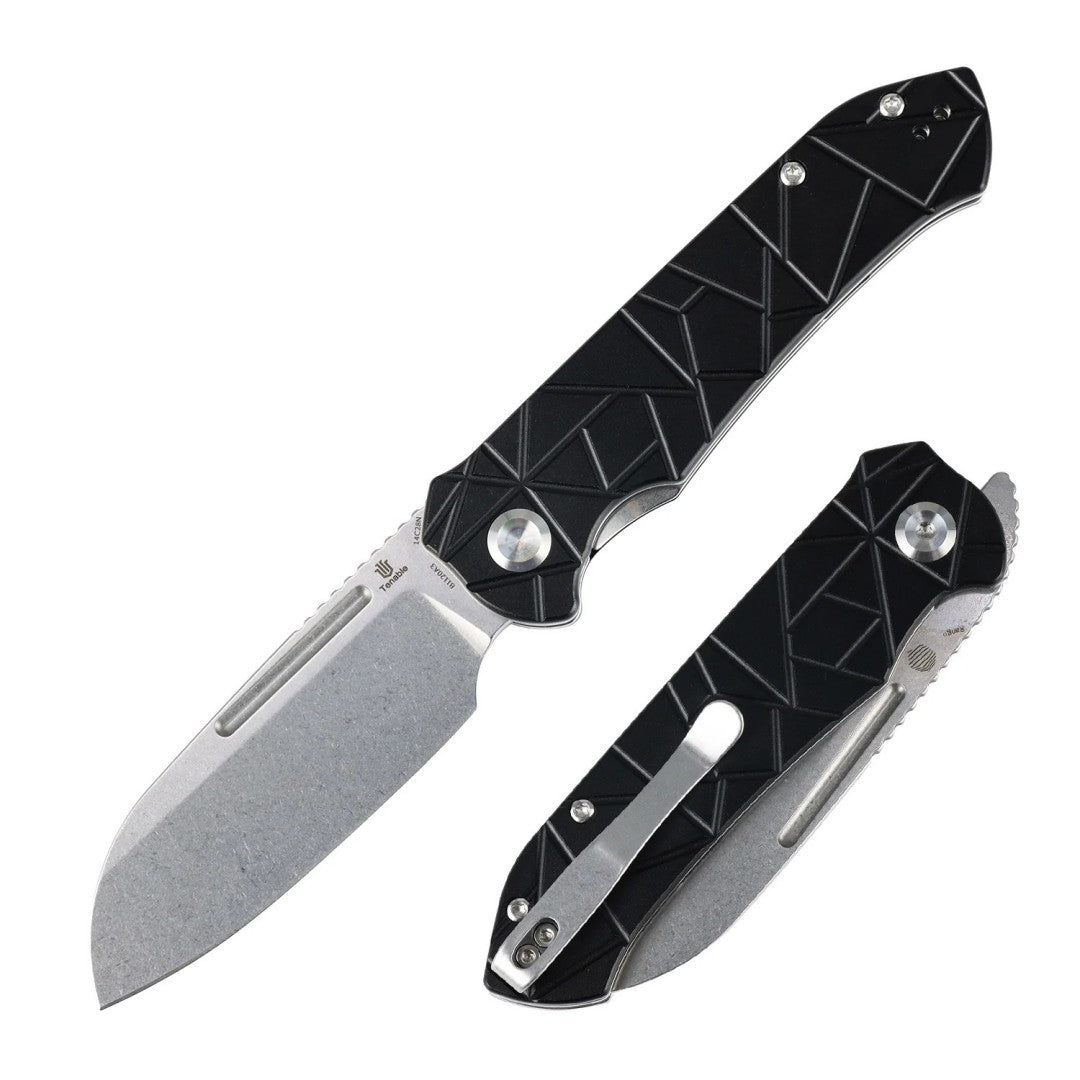
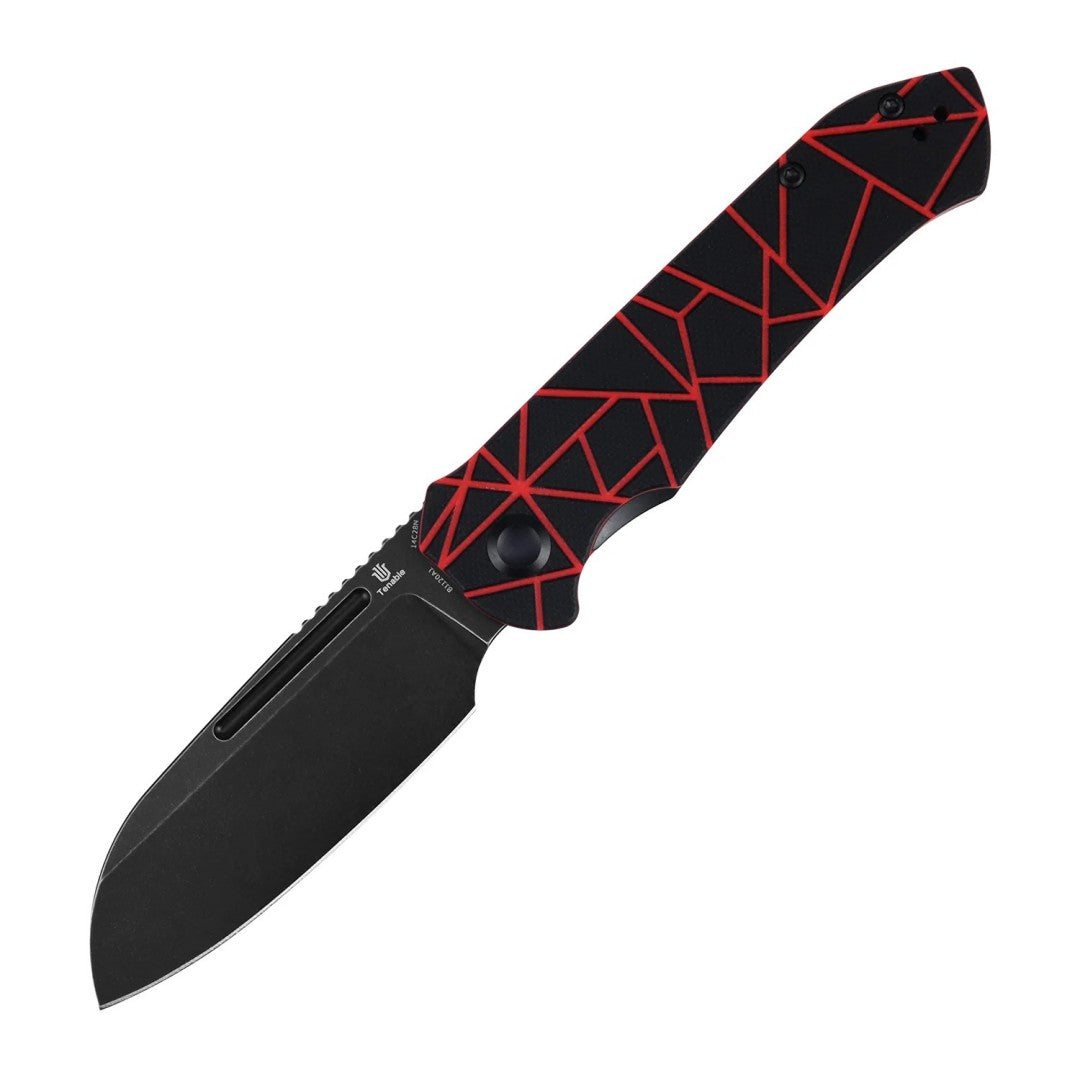
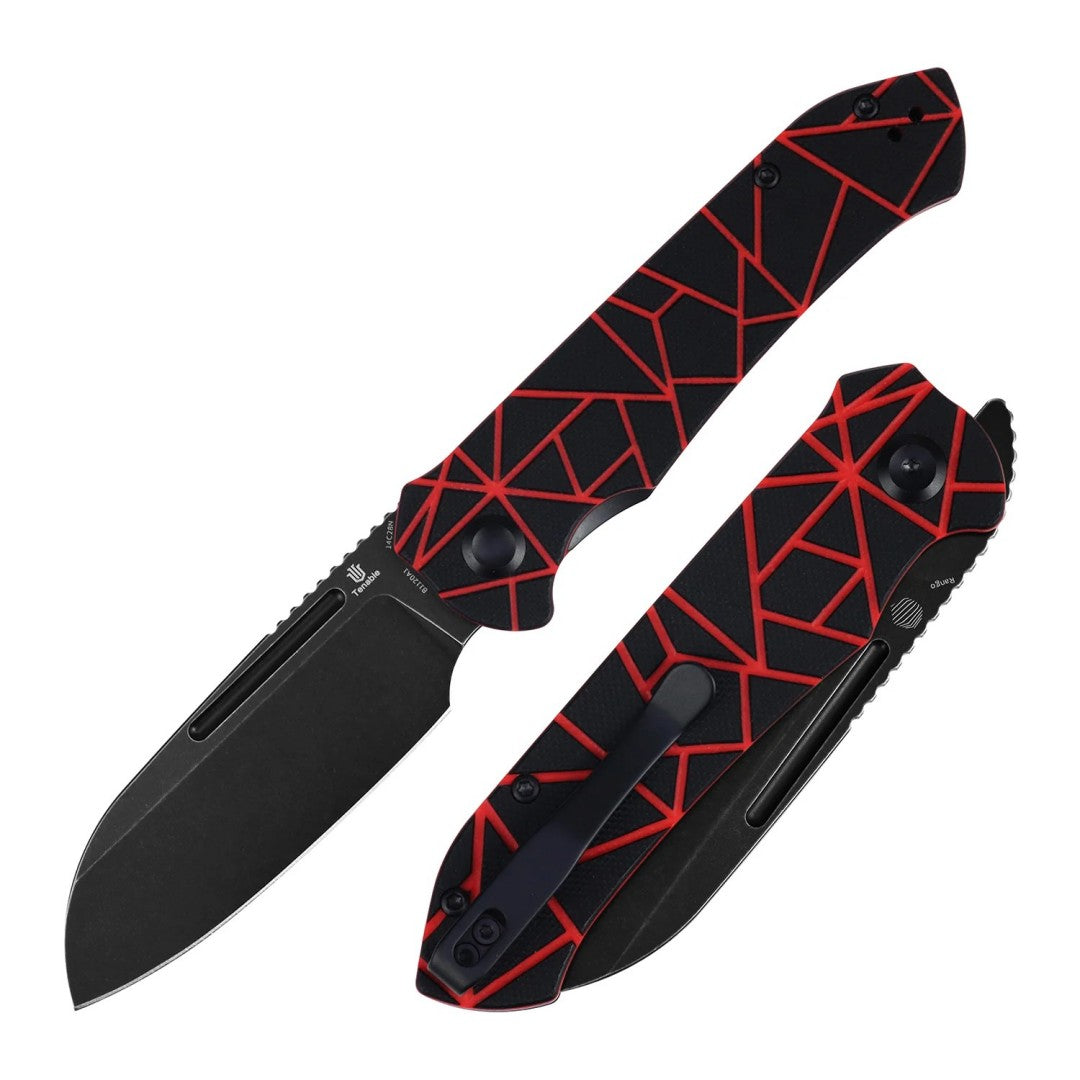
The QSP Canary series—particularly the ultra-popular QSP Canary Neck Knife—has captured massive attention in the EDC community because it promises premium, hard-working steel at an entry-level price. Standardizing on Swedish Sandvik 14C28N stainless steel, the Canary aims to hit the absolute "sweet spot" of modern knife design.
In this deep-dive review, we put the QSP Canary’s blade steel through a series of rigorous, real-world tests to analyze its true edge retention, structural toughness, and overall daily reliability.

The Metallurgy Behind the Blade: Sandvik 14C28N
Before looking at the test data, it is important to understand why QSP’s choice of steel is such a major talking point. Most knives in the budget tier resort to low-cost alloys like 8Cr13MoV, 440C, or basic D2. While serviceable, these steels often compromise heavily on either rust resistance or toughness.
Sandvik 14C28N is a proprietary stainless steel developed in Sweden specifically for professional knife edges. Its chemical composition features a unique addition of nitrogen alongside a healthy dose of chromium. This combination yields several specific advantages:
-
High Cleanliness: The steel has a highly refined grain structure, allowing it to take an incredibly fine, hair-shaving edge.
-
Optimized Hardness: QSP heat-treats the Canary to a rock-solid 58-60 HRC (Rockwell Hardness Scale), maximizing the steel’s natural capabilities.
-
Corrosion Immunity: The balanced chromium and nitrogen profile makes it highly resistant to pitting and staining, an essential trait for a neck knife worn close to the body where it constantly encounters sweat and humidity.

Test 1: Edge Retention (The Abrasive Material Test)
To test edge retention, we focused on real-world utility friction rather than sterile laboratory conditions. We used a factory-fresh QSP Canary to process 60 linear feet of double-walled corrugated cardboard and 30 feet of heavy-duty 1/2-inch sisal rope.
Cardboard is notoriously abrasive because it contains microscopic silicates and recycled wood fibers that rapidly microscopically round out a cutting edge.
The Results:
-
The First 20 Feet: The Canary’s Full Flat Grind (FFG) combined with the 14C28N steel glided through the cardboard with absolute ease, showing zero resistance.
-
At 40 Feet: The razor-sharp "bite" of the factory edge began to transition into a smooth working edge. It still cut the cardboard completely cleanly without tearing the paper fibers.
-
After 60 Feet + Rope: The knife would no longer cleanly shave hair from an arm, but it still sliced smoothly through standard copy paper without snagging.
Edge Retention Verdict: Highly Impressive. Sandvik 14C28N at 58-60 HRC outperforms common budget steels by a wide margin. It holds an aggressive working edge long enough to comfortably get you through a heavy work week at a warehouse or campsite without needing constant touch-ups.
Test 2: Structural Toughness (The High-Impact Test)
Toughness in metallurgy refers to a steel's ability to resist chipping, cracking, or breaking when subjected to sudden, heavy impact or lateral stress. Many hard budget steels (like poorly heat-treated D2) hold an edge well but are brittle, meaning the tip can easily snap if you hit a hard knot or drop the knife on concrete.
To test the Canary's full-tang structural toughness, we used it to carve deep notches into seasoned white oak, performed heavy push-cuts through rigid plastic zip ties, and accidentally struck three hidden metal staples embedded inside our cardboard testing blocks.
The Results:
-
Wood Carving: The 3.0 mm thick spine easily handled heavy down-pressure. The fine edge bit deeply into the hardwood without rolling or micro-bending.
-
The Staple Strikes: Striking a metal staple is a worst-case scenario for a finely ground edge. Under a magnifying loupe, the sections of the edge that hit the staples showed minor micro-deformation (the steel rolled slightly), but zero chipping occurred.
Toughness Verdict: Exceptional. Because of its clean, fine grain structure, 14C28N absorbs shock beautifully. Instead of fracturing or breaking like more brittle steels, it deforms slightly, which preserves the overall integrity of the blade and makes it incredibly safe to use under hard conditions.
Test 3: Maintenance and Ease of Sharpening
A massive drawback of modern "super-steels" (like S30V or M390) is that once they finally dull, they are notoriously difficult to sharpen, often requiring hours of labor on expensive diamond plates.
We took our dulled, staple-struck Canary to the sharpening bench to see how user-friendly the steel is to maintain.
The Results:
Using a standard medium-grit ceramic rod, the minor rolled edges from the staple strikes were completely smoothed out in less than two minutes. We then followed up with a leather strop loaded with green polishing compound for 20 passes on each side. The Canary was effortlessly restored back to a hair-splitting, factory-sharp condition.
The Big Takeaway: Does the Canary Steel Deliver?
After pushing the QSP Canary through rigorous cutting, impact, and sharpening cycles, the verdict is clear: this steel absolutely delivers.
QSP’s execution of Sandvik 14C28N redefines what enthusiasts should expect from a budget everyday carry knife. It strikes a flawless balance between keeping an edge through dense materials, surviving sudden high-impact shocks without chipping, resisting rust completely, and being incredibly easy to sharpen back to a razor edge at home. If performance and durability are your primary concerns, the QSP Canary is an absolute triumph.
Frequently Asked Questions (FAQ)
1. Does the QSP Canary rust easily if exposed to sweat or rain?
No. Sandvik 14C28N is a highly refined stainless steel alloy. It offers excellent corrosion resistance, making it perfectly suited for humid environments, outdoor rainy hikes, or all-day wear as a neck knife close to your skin.
2. Can I use the QSP Canary for light outdoor batoning or wood splitting?
While its full-tang construction and 14C28N steel are incredibly tough, the Canary Neck Knife features a compact 2.50-inch blade. It is excellent for carving feather sticks or cutting notches, but it is too small for safely batoning logs.
3. What tool should I use to sharpen the QSP Canary?
Because 14C28N is very user-friendly, you do not need expensive diamond sharpeners. A standard ceramic rod, a fine turn-box system, or a basic waterstone will quickly bring the blade back to an incredibly sharp edge.