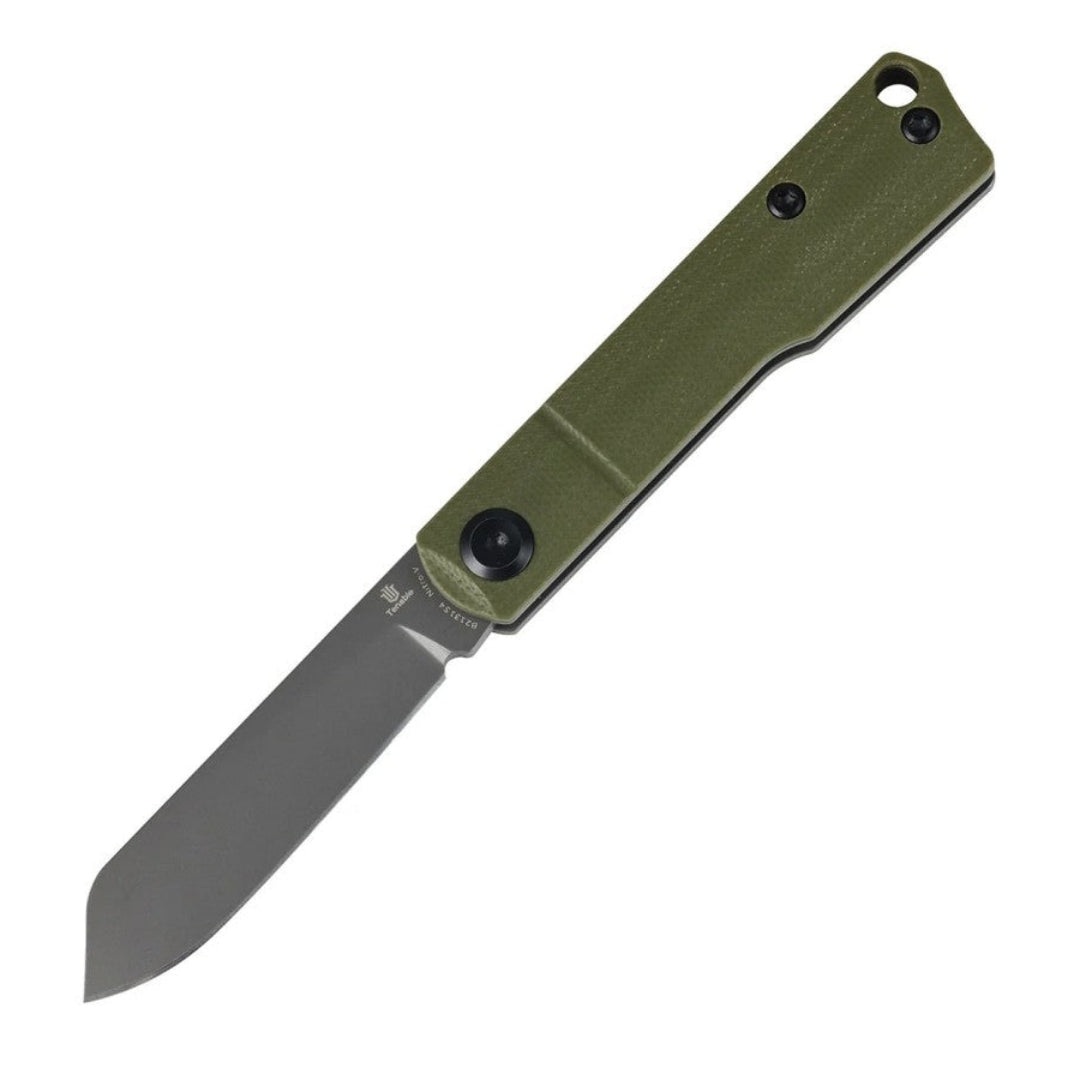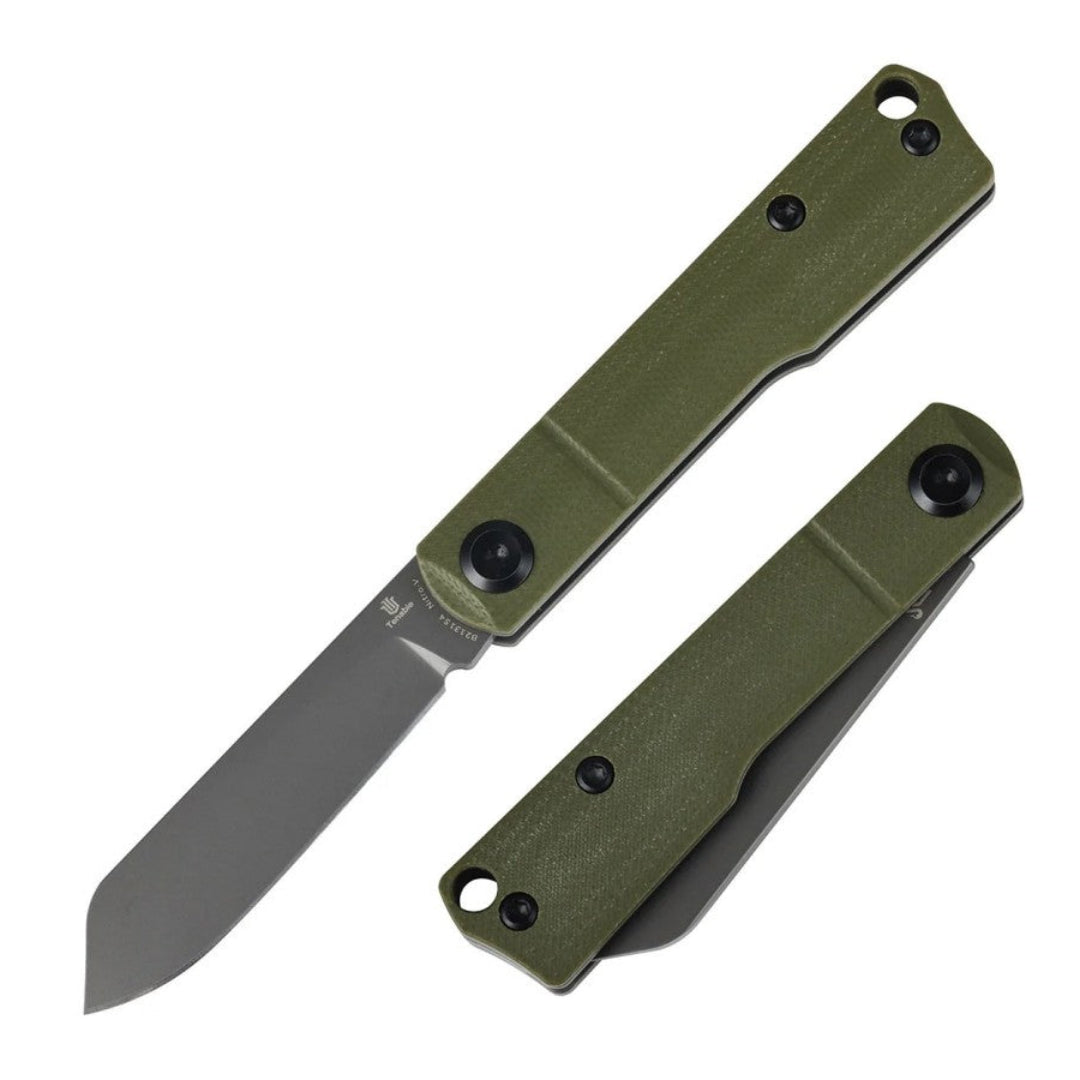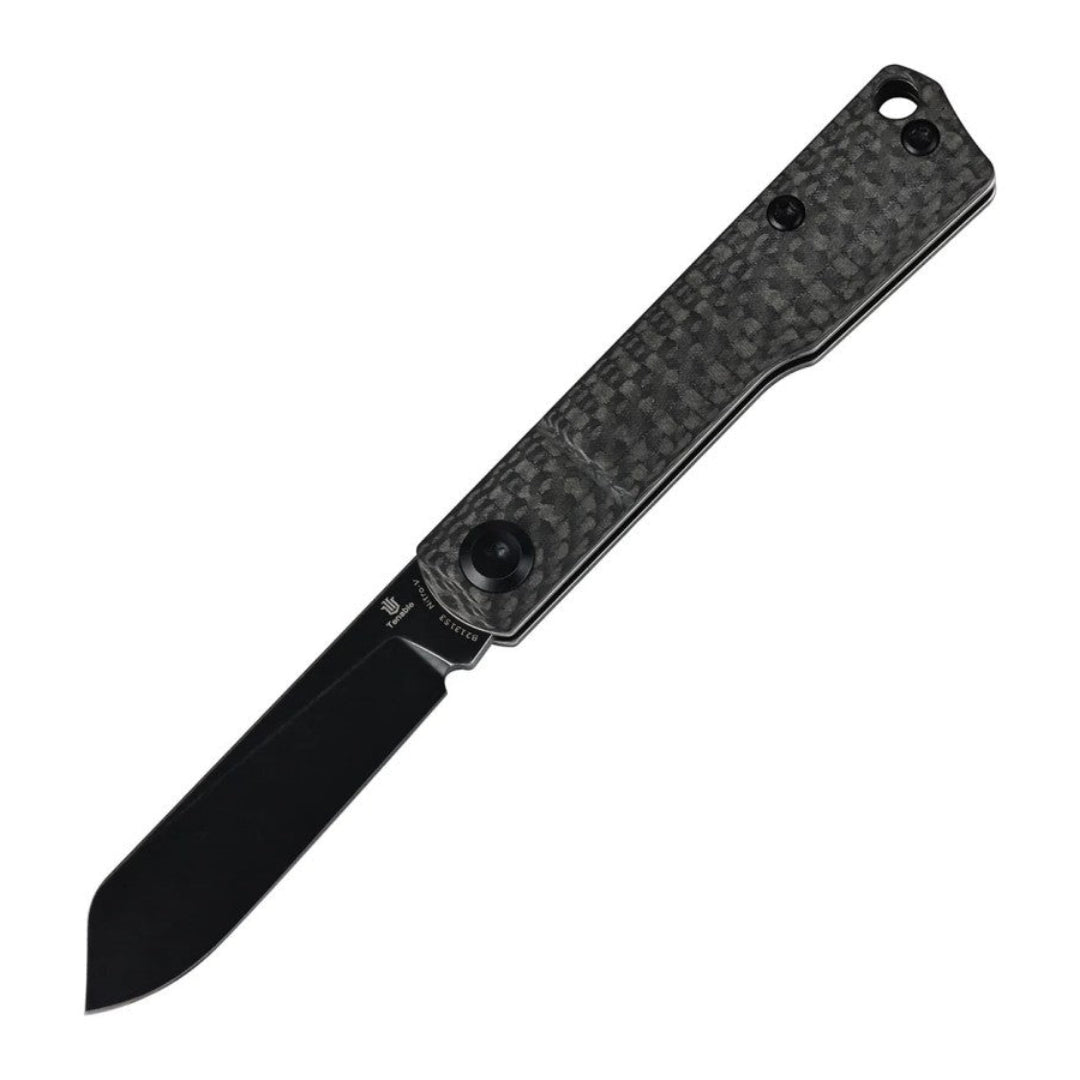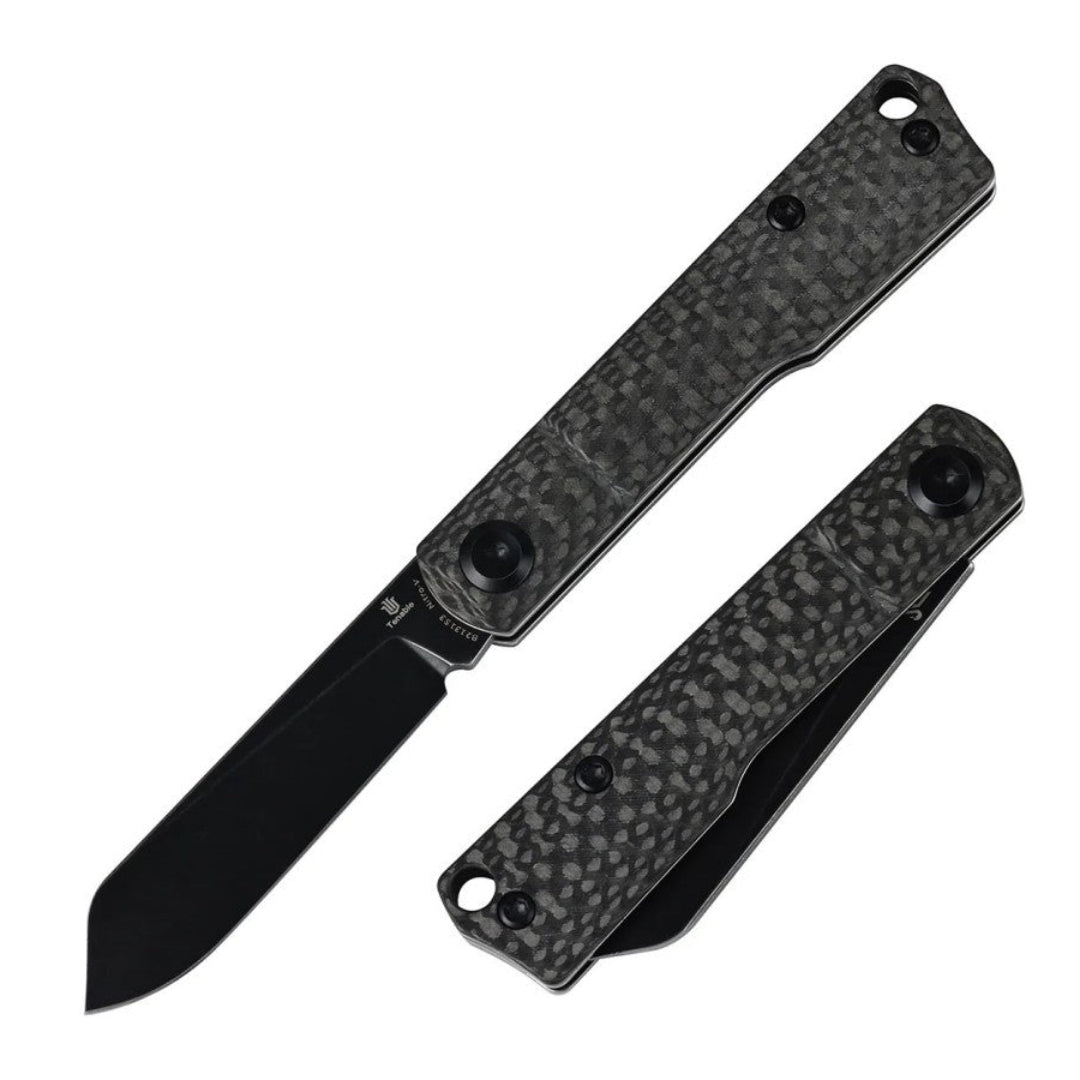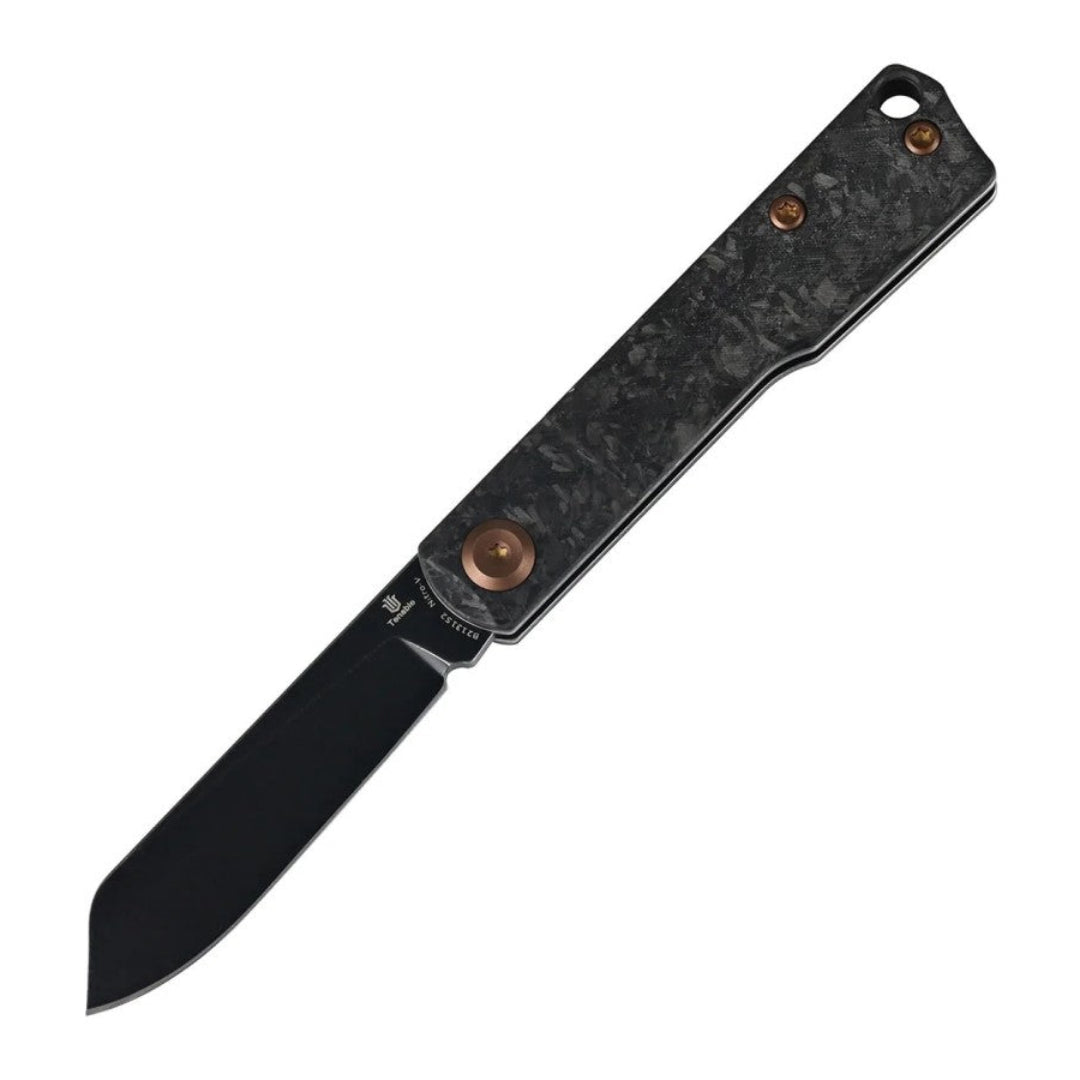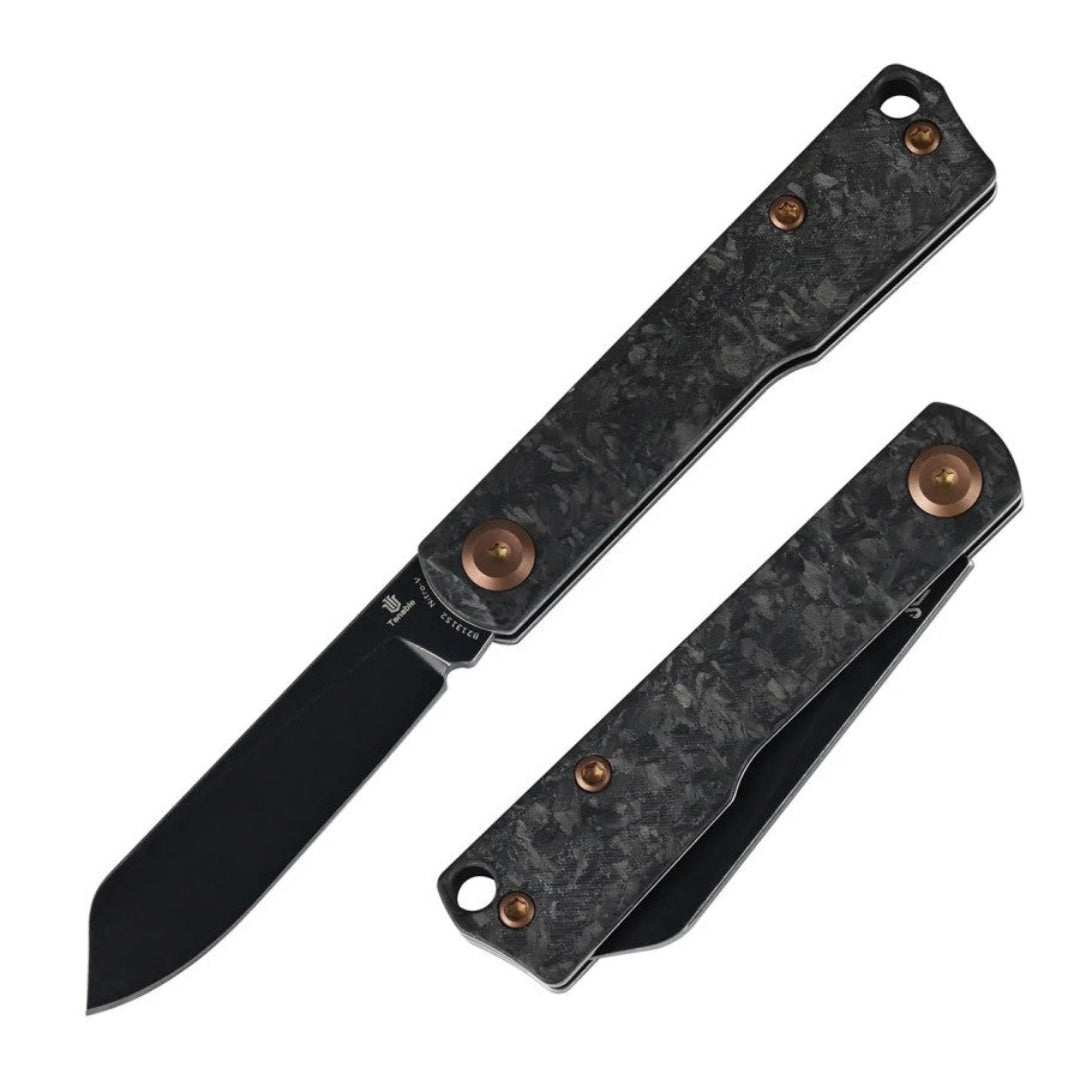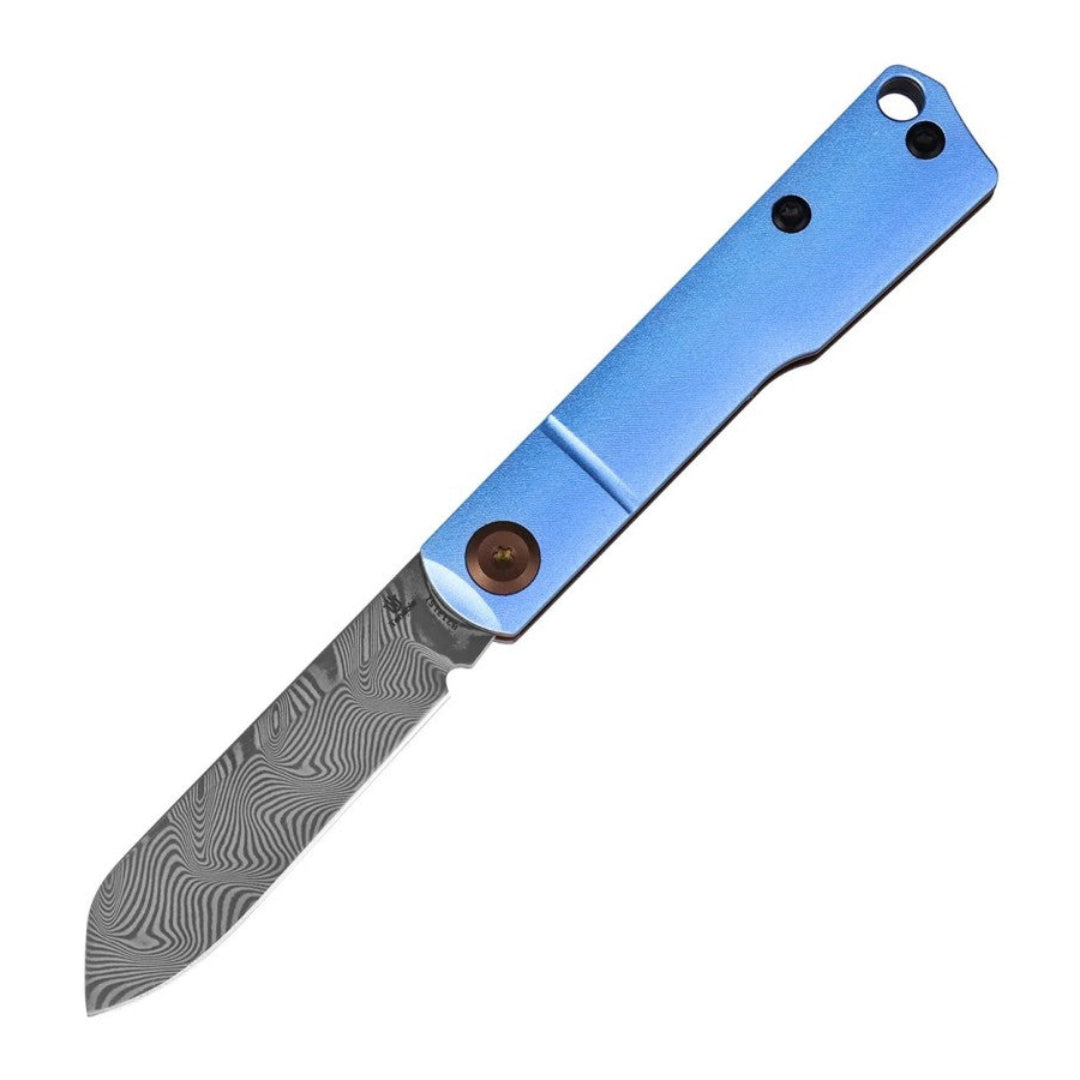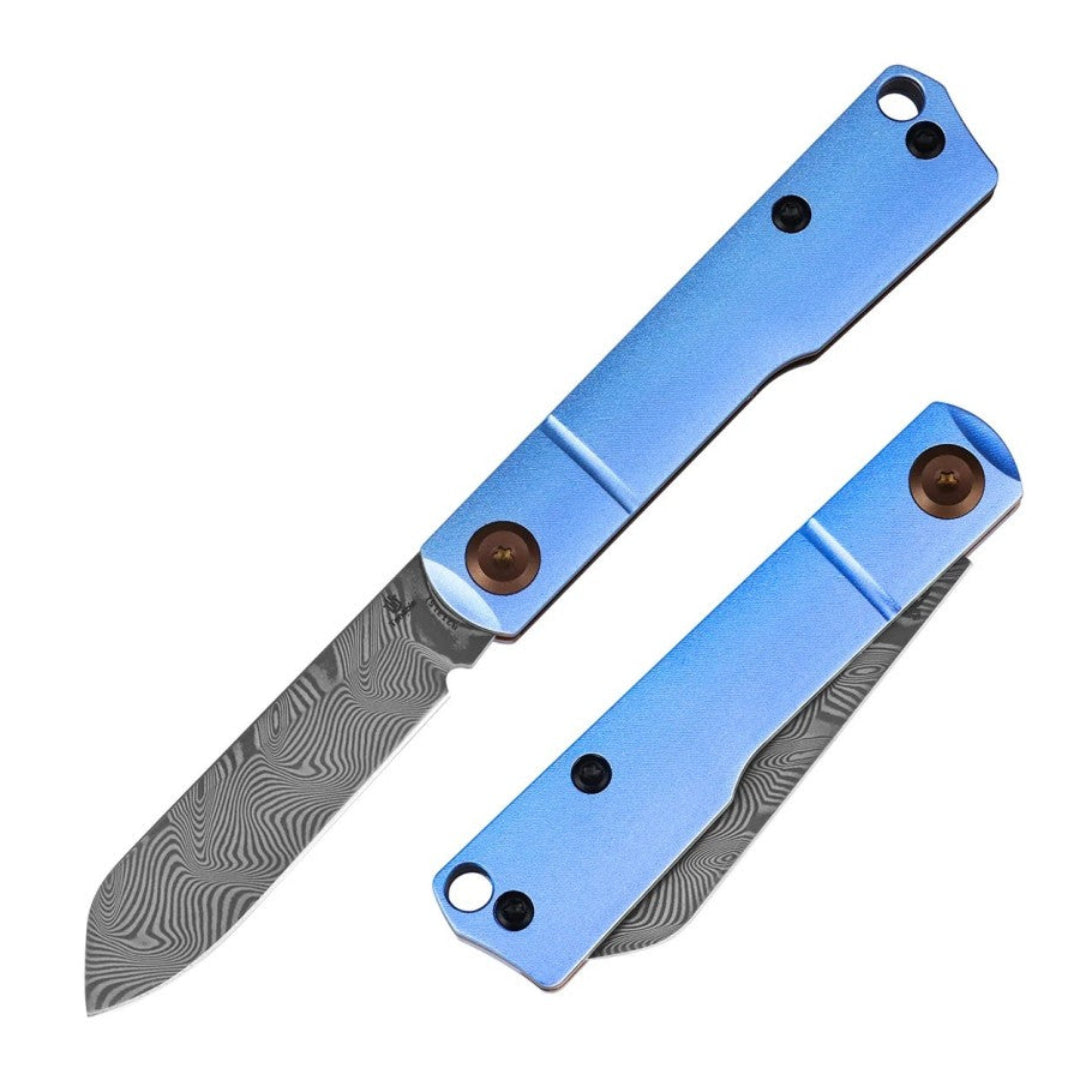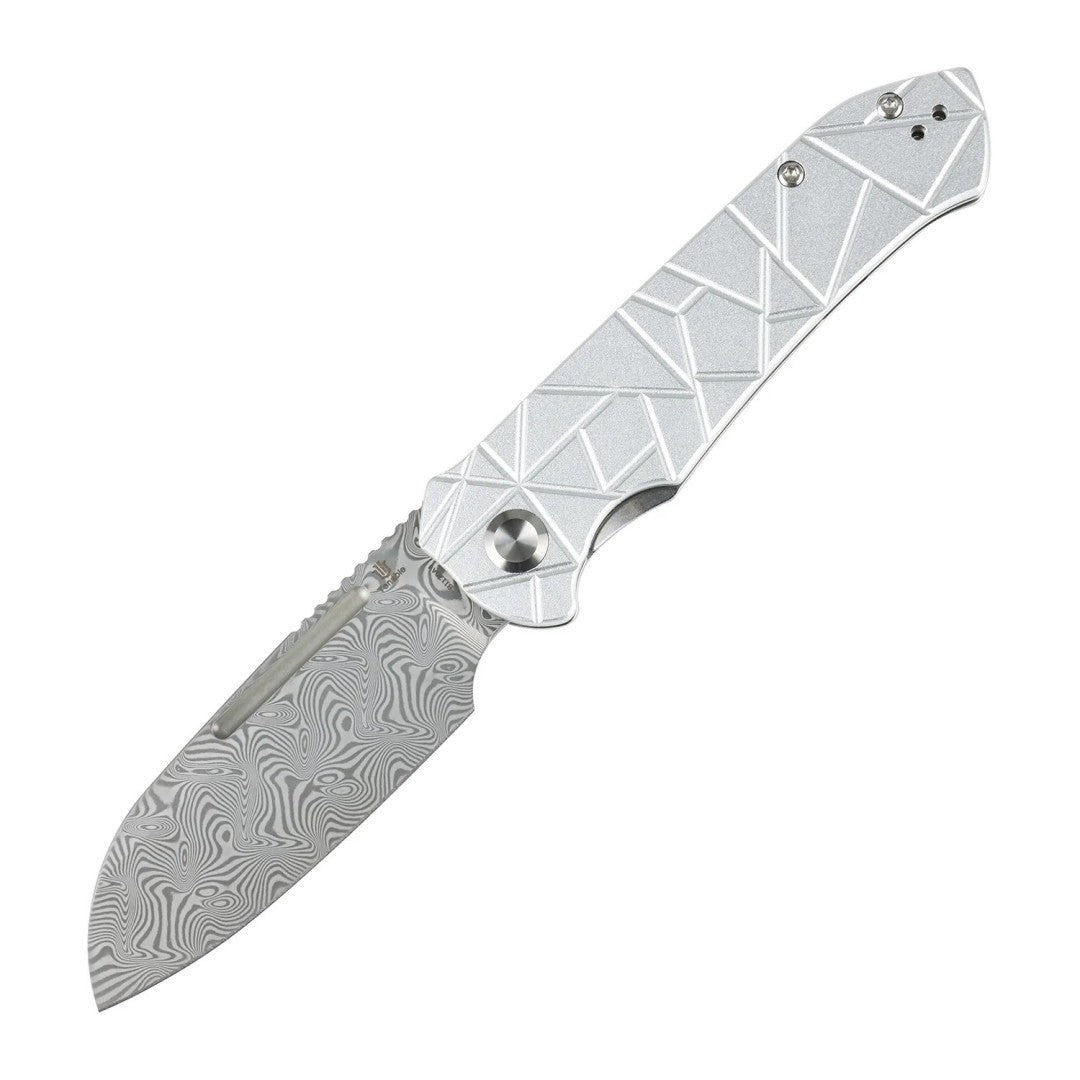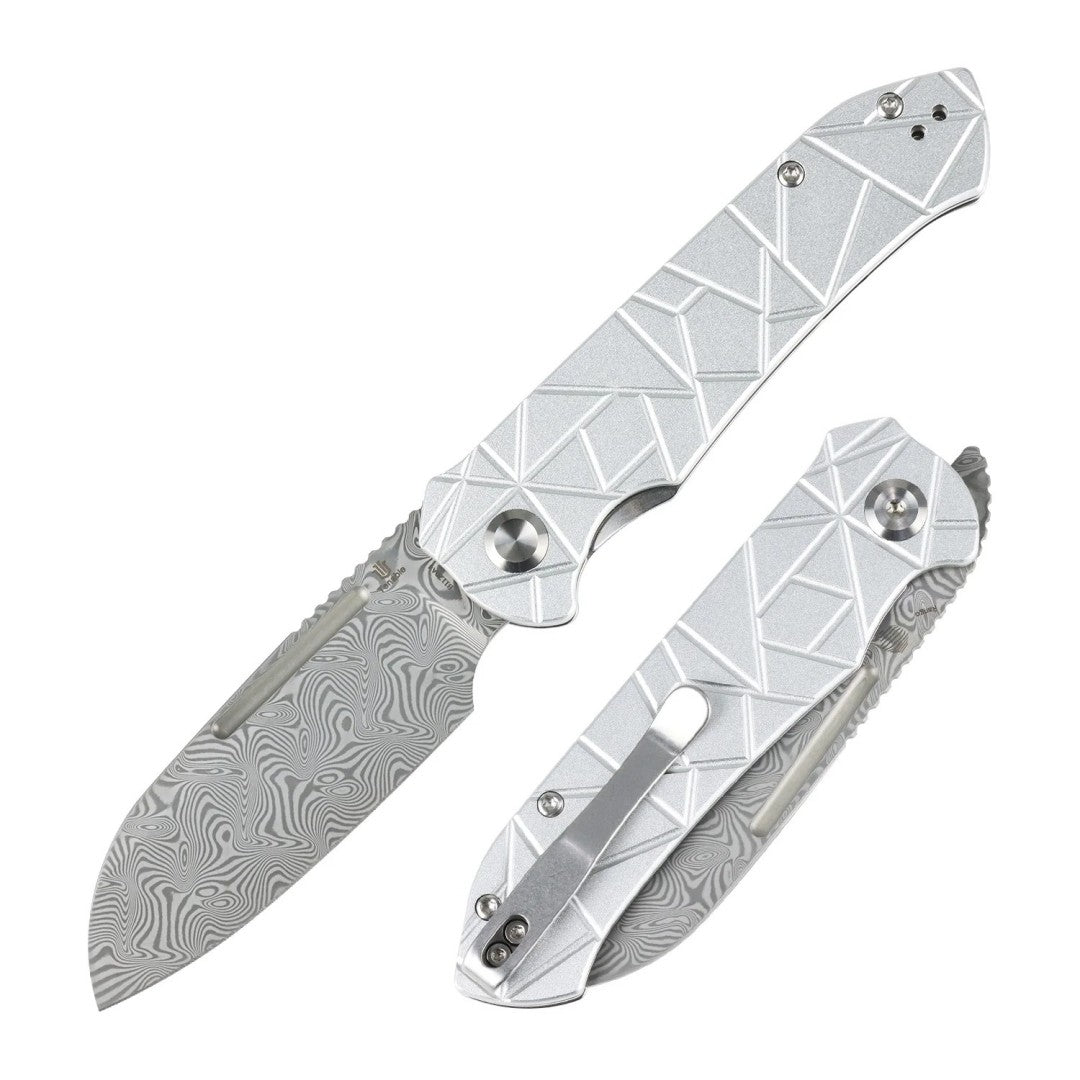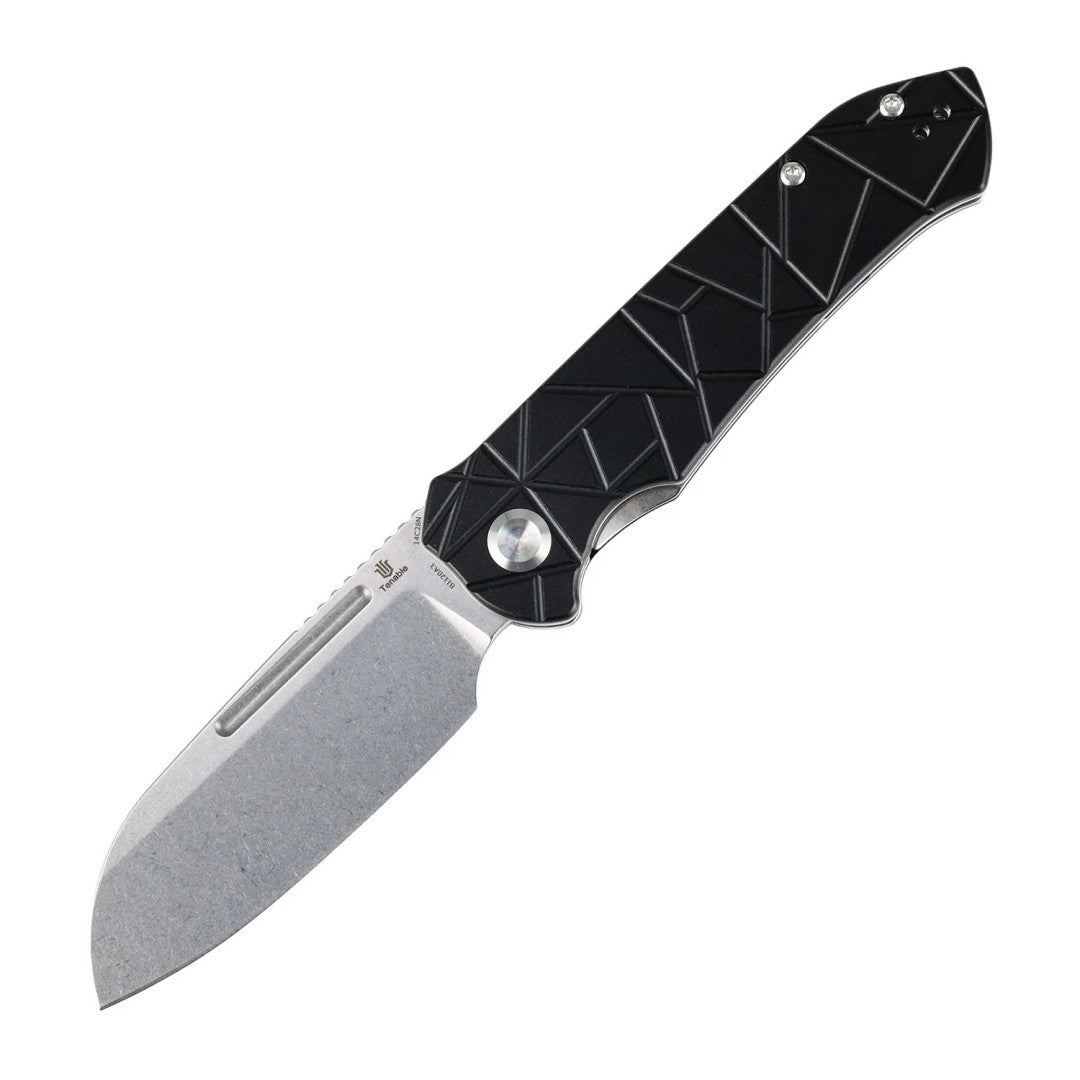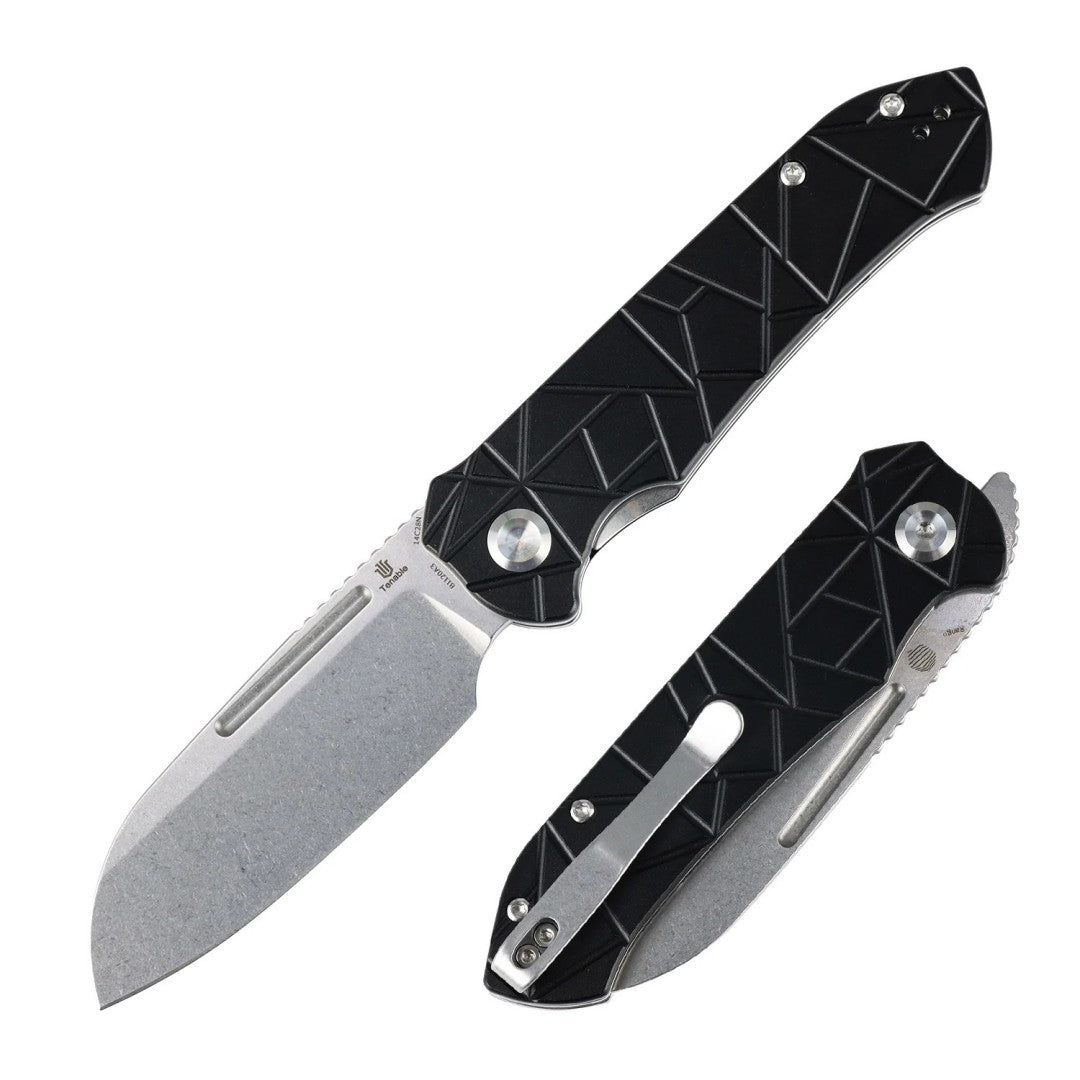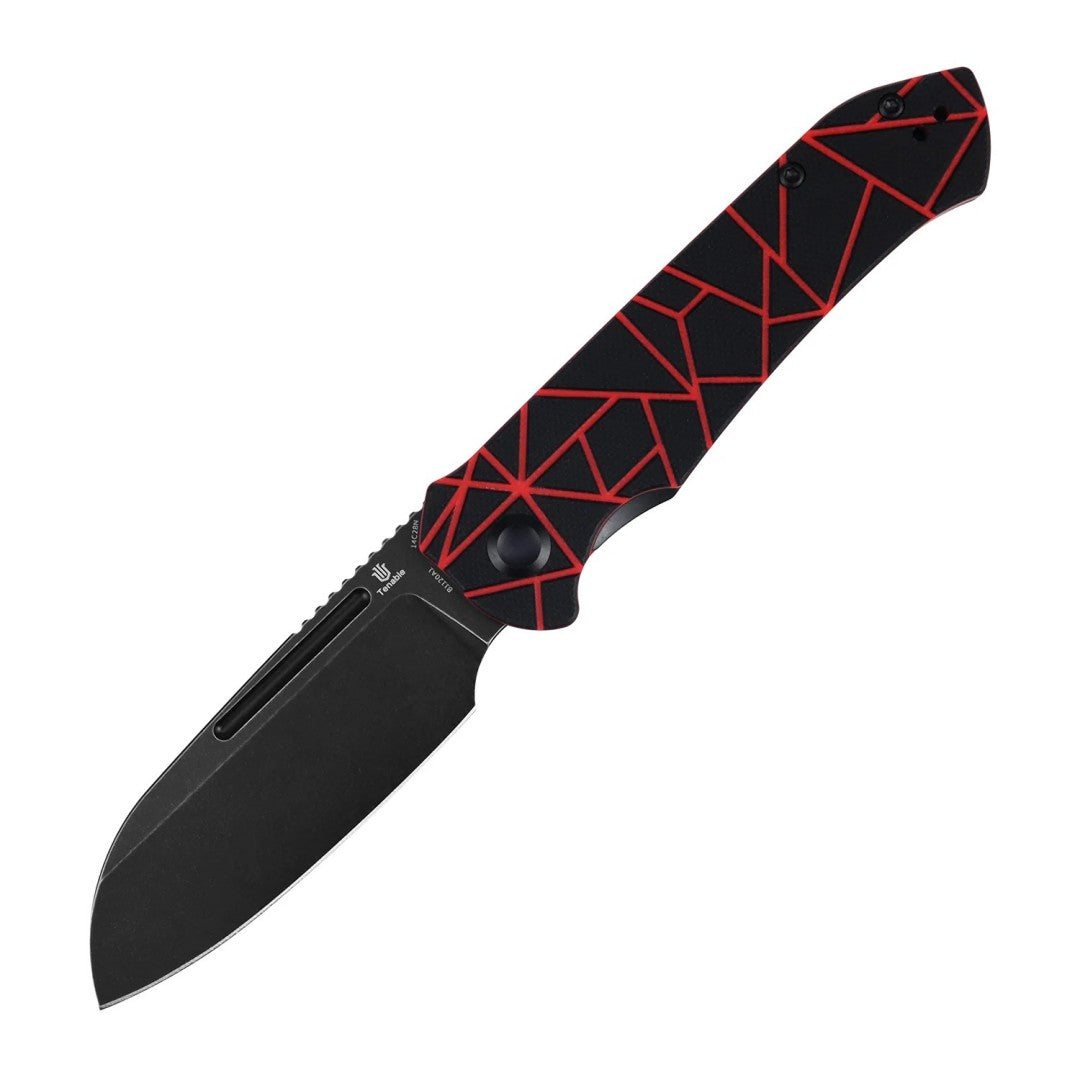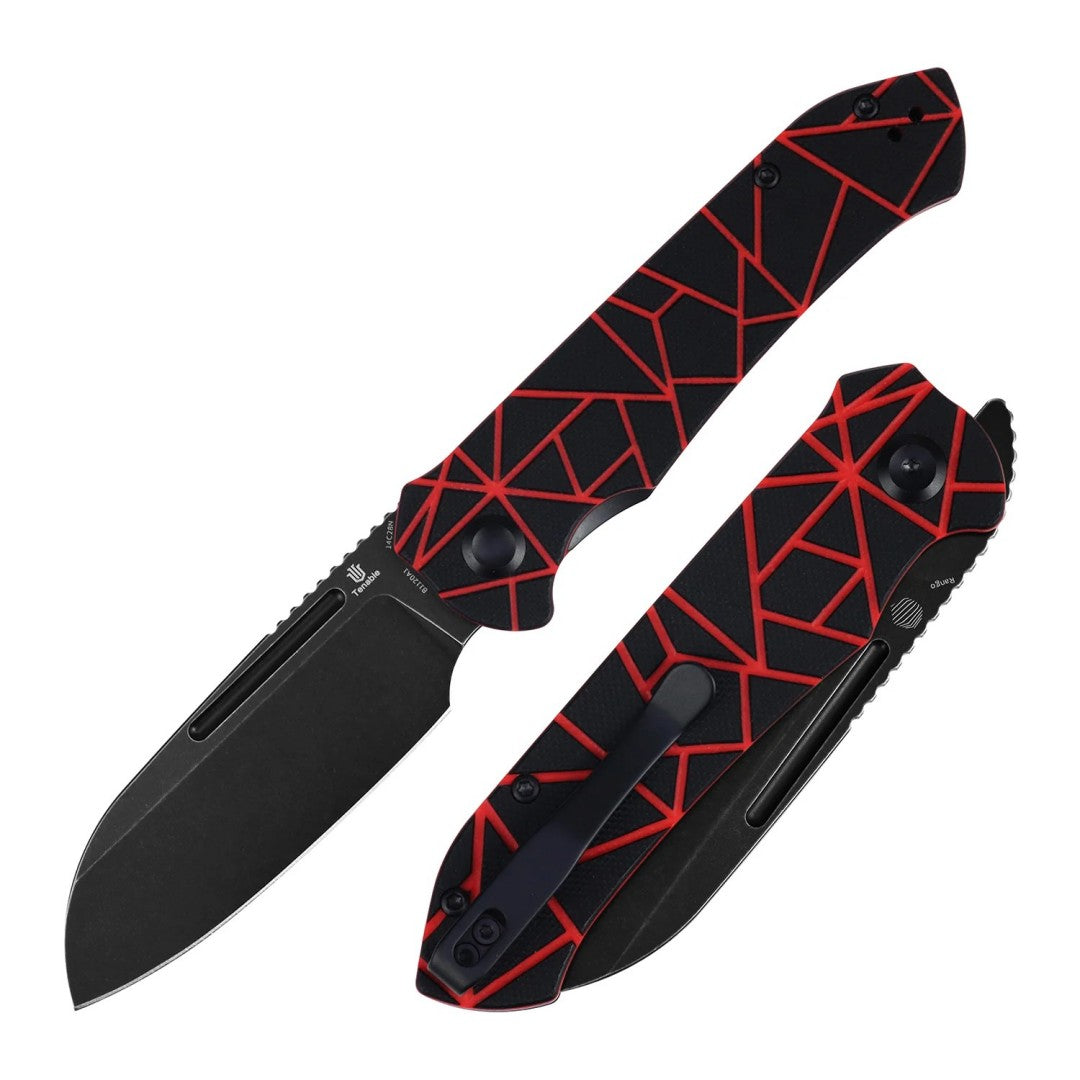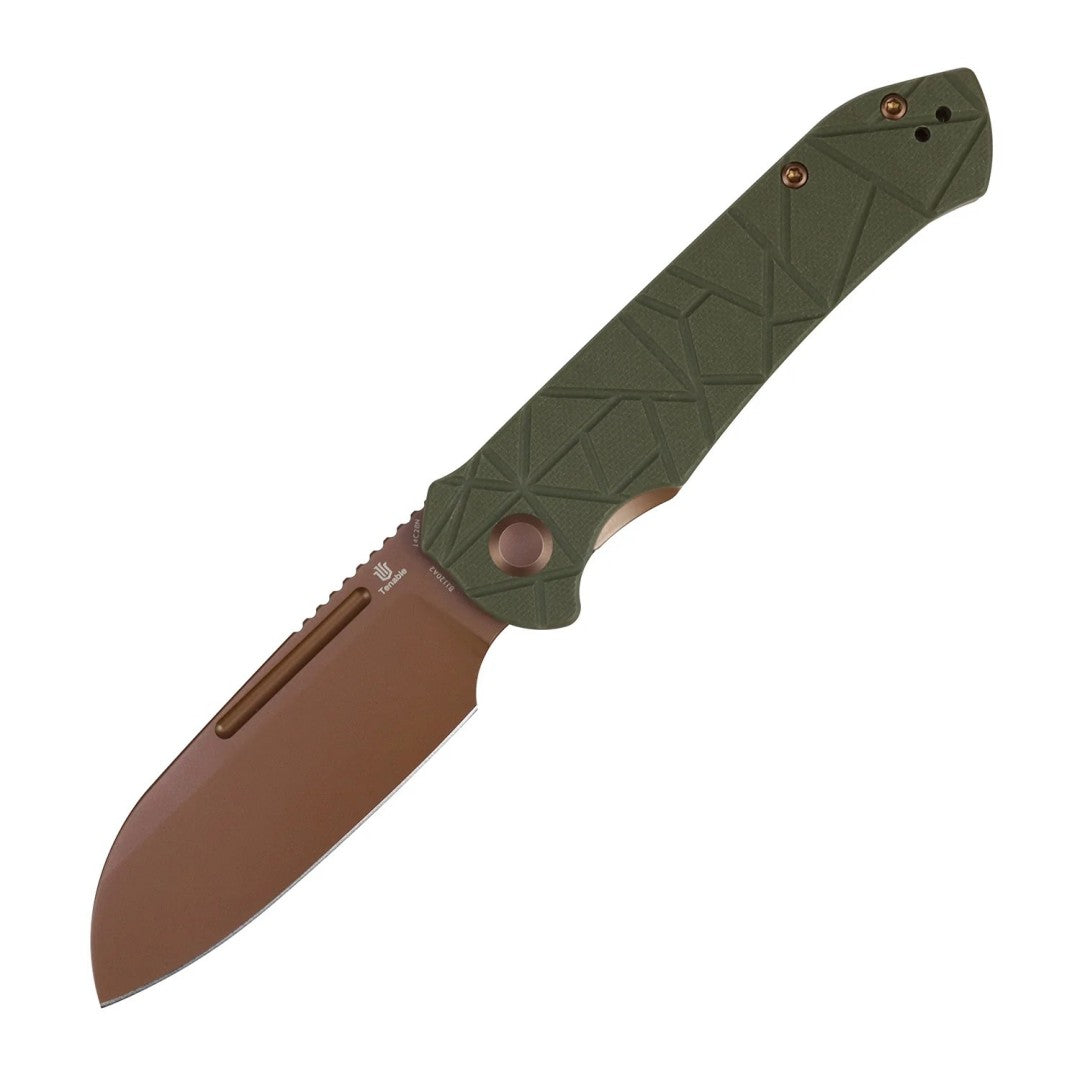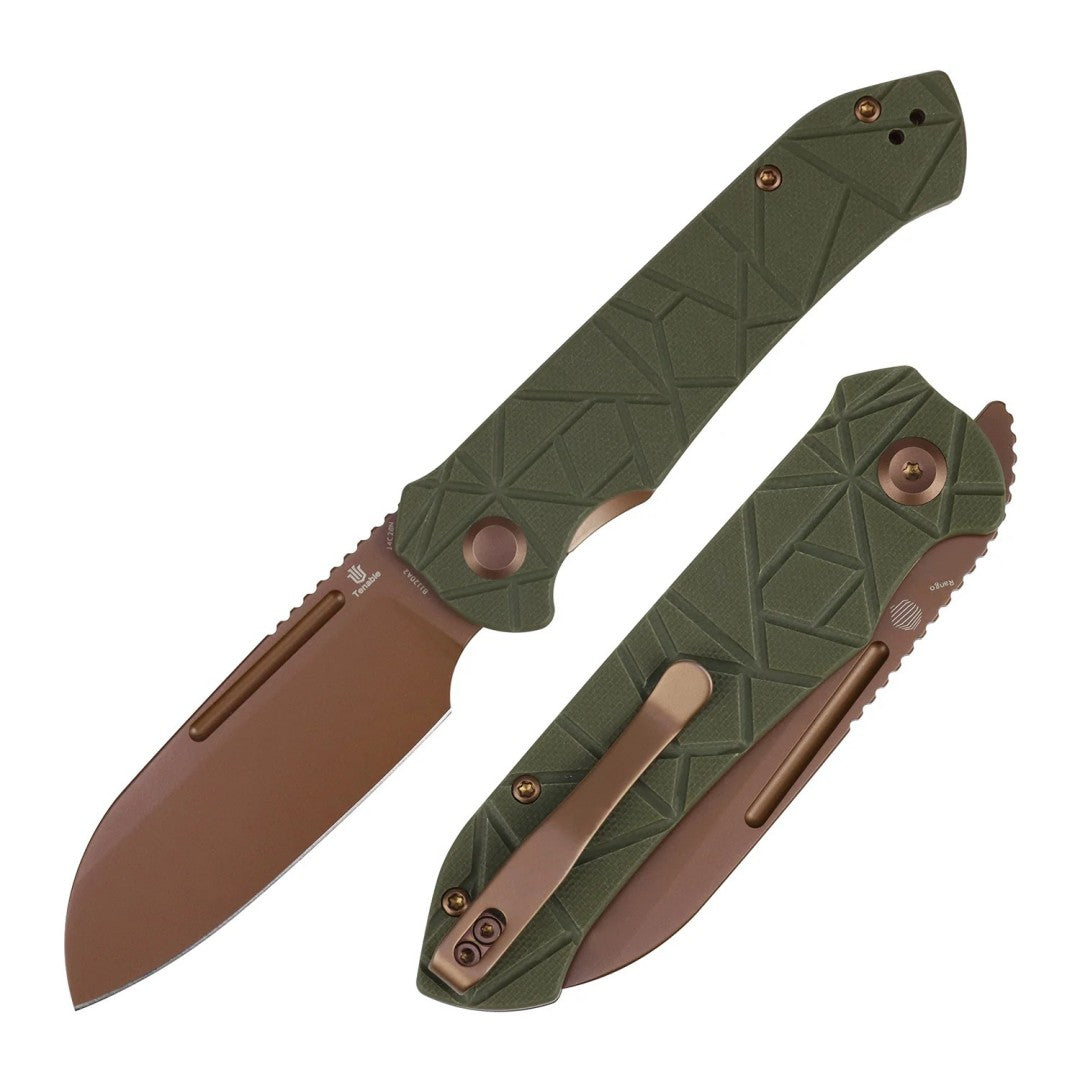
When picking a new everyday carry (EDC) knife, the aesthetic of the handle scales and the smoothness of the action usually catch your eye first. However, when the initial excitement fades and you face a mountain of cardboard boxes, heavy zip-ties, or thick rope, only one thing truly matters: the steel.

The QSP Ferret has taken the budget knife community by storm. While its compact footprint and snappy front-flipper action get plenty of praise, the true engine driving this pocket powerhouse is its blade steel.
In this comprehensive technical deep dive, we will analyze the metallurgical composition, real-world edge retention, wear resistance, and sharpening characteristics of the steel options found on the QSP Ferret. If you have ever wondered exactly how long this budget icon can cut before needing a stone, you are in the right place.
The Metallurgical Makeup: Sandvik 14C28N
The standard production variants of the QSP Ferret prominently feature Sandvik 14C28N, a specialized stainless steel developed by Sandvik Materials Technology specifically for high-quality knife blades.
Unlike older budget steels like 8Cr13MoV or 440C—which often sacrifice toughness for corrosion resistance—14C28N was engineered from the ground up to optimize the balance between hardness, structural stability, and rust resistance.
Chemical Composition Breakdown
To understand its real-world performance, we have to look at what is happening at the molecular level inside the matrix of the blade:
-
Chromium (14.0%): Provides excellent corrosion resistance, easily classifying the Ferret as a true stainless blade that can handle sweat, moisture, and mild food acids without spotting.
-
Carbon (0.62%): A balanced amount that allows the blade to be heat-treated to an ideal working hardness without making the steel inherently brittle.
-
Nitrogen (0.11%): The secret weapon of 14C28N. Nitrogen replaces some of the carbon in the crystal lattice, boosting both hardness and corrosion resistance simultaneously while dramatically increasing resistance to micro-chipping.
Edge Retention vs. Real-World Use
"How long will it stay sharp?" This is the ultimate question for any EDC enthusiast. On the QSP Ferret, edge retention is heavily enhanced by two primary factors: heat treatment and blade geometry.
Hardness Rating (HRC)
QSP consistently heat-treats their 14C28N steel to a target hardness of 58-60 HRC (Rockwell Hardness Scale). This is the absolute sweet spot for this specific alloy. At 59 HRC, the steel is hard enough to resist rolling its edge when cutting hard plastics, yet retains enough elasticity to prevent major chips if you accidentally hit a rogue staple.
The Impact of Geometry
The Ferret utilizes a tall, flat grind paired with a relatively thin blade stock. Because the blade geometry is naturally slicey, it requires less physical force to pass through material. Less force equals less friction, which directly translates to extended edge retention during repetitive tasks like processing cardboard or opening heavy packages.
In standard daily utility use, a factory-sharp QSP Ferret will easily maintain a working, paper-slicing edge for several weeks of normal tasks before requiring a touch-up on a strop.
Toughness and Corrosion Resistance Analysis
Edge retention means nothing if the blade snaps or rusts closed. Let's look at how the Ferret holds up to elements and hard use.
Exceptional Impact Resistance
Thanks to the fine grain structure resulting from the added Nitrogen, 14C28N possesses incredible toughness. If you happen to torque the blade slightly while twisting through a thick zip-tie, the edge is designed to microscopicly flex and spring back rather than micro-chip or crack.
Field-Tested Corrosion Control
You can comfortably carry the QSP Ferret in hot, humid weather or keep it in a sweaty pocket during outdoor work. While we always recommend wiping your blade down after cutting acidic materials like apples or citrus, the 14C28N steel offers top-tier rust protection that easily outperforms premium tool steels like D2 in high-moisture environments.
Sharpening and Maintenance: The User Experience
Some high-end super steels hold an edge for months but take hours of agonizing frustration to sharpen. The QSP Ferret avoids this trap completely.
One of the most beloved traits of the Ferret's steel is how beautifully it responds to maintenance. Because it doesn't contain massive, stubborn vanadium carbides, you do not need expensive diamond plates to bring it back to a razor edge.
-
Stropping: For regular upkeep, a simple leather strop loaded with green chromium oxide compound will instantly bring back a screamingly sharp edge in less than two minutes.
-
Re-profiling: If you dull the blade completely, a medium-grit ceramic or aluminum oxide stone will easily bite into the steel, allowing you to quickly establish a clean apex and apex bevel.
-
Burr Clean-up: The steel forms a very crisp, predictable burr during sharpening that cleanly flips and removes without leaving a stubborn "wire edge."
The Premium Alternative: CPM-20CV Variant
For enthusiasts who demand absolute maximum edge retention, QSP occasionally releases premium sprint runs of the Ferret utilizing CPM-20CV steel.
Produced via powder metallurgy, 20CV is packed with vanadium and chromium carbides. This variant offers a massive leap forward in pure wear resistance—holding an edge significantly longer than 14C28N. However, it is harder to sharpen and carries a higher price tag, making the standard 14C28N version the undisputed champion for pure budget value.
Technical Summary
| Performance Metric | Sandvik 14C28N (Standard) | CPM-20CV (Premium Run) |
| Edge Retention | Moderate / Good | Exceptional / Extreme |
| Toughness | High / Resilient | Moderate |
| Corrosion Resistance | Excellent | Exceptional |
| Ease of Sharpening | Extremely Easy | Advanced / Demanding |
Frequently Asked Questions
Does the QSP Ferret rust easily if exposed to pocket sweat?
No. The Sandvik 14C28N steel used on the Ferret features a high chromium content and added nitrogen, providing excellent corrosion resistance that easily resists rust from pocket sweat and daily humidity.
What angle should I use when sharpening the QSP Ferret?
The factory edge typically comes ground between 18 to 20 degrees per side. For the best balance of slicing performance and edge stability, maintaining a 20-degree sharpening angle is highly recommended.
How does the Ferret’s 14C28N steel compare to D2 tool steel?
While D2 steel offers slightly better raw edge retention, 14C28N is significantly more rust-resistant, much tougher (less prone to chipping), and vastly easier to sharpen back to a razor-sharp edge.