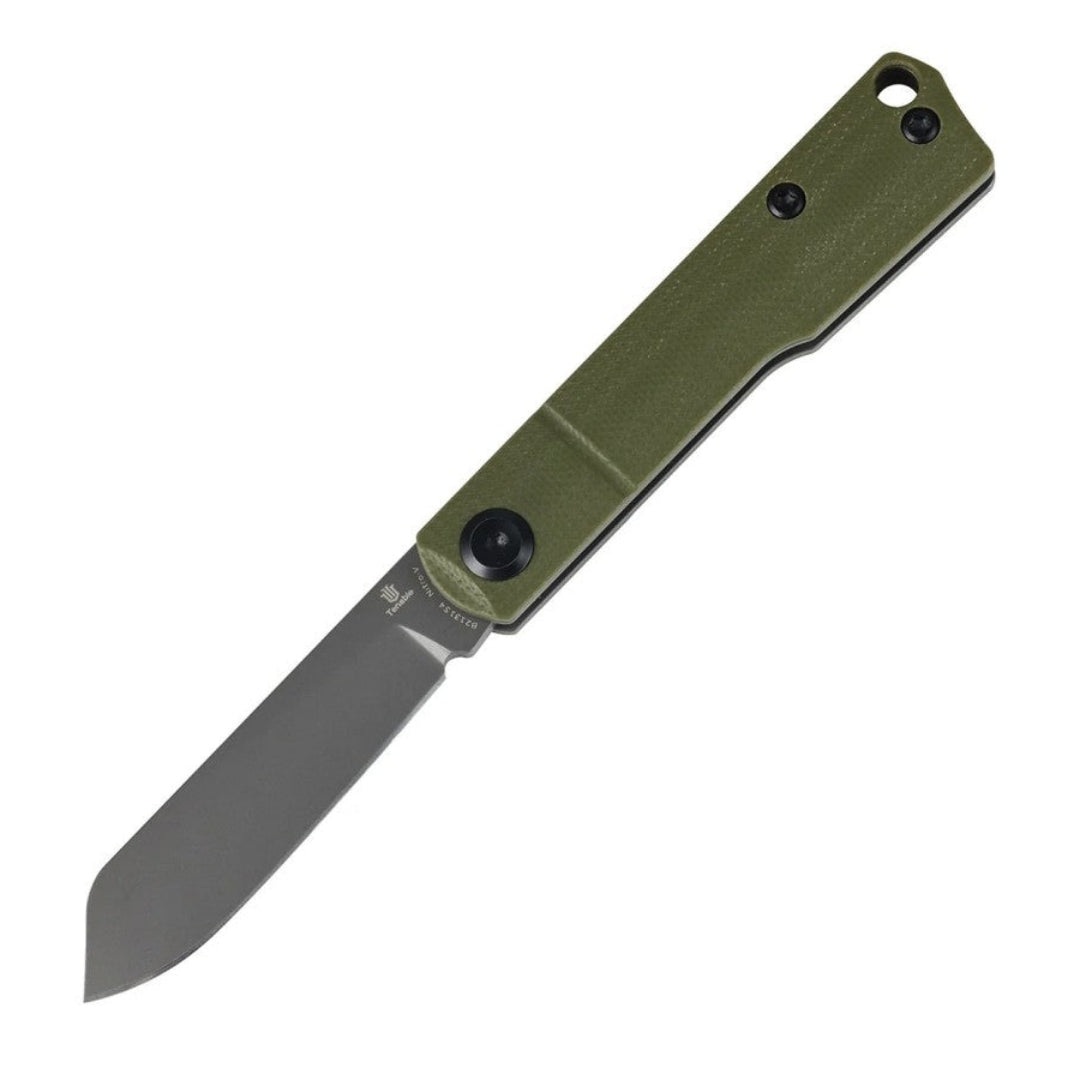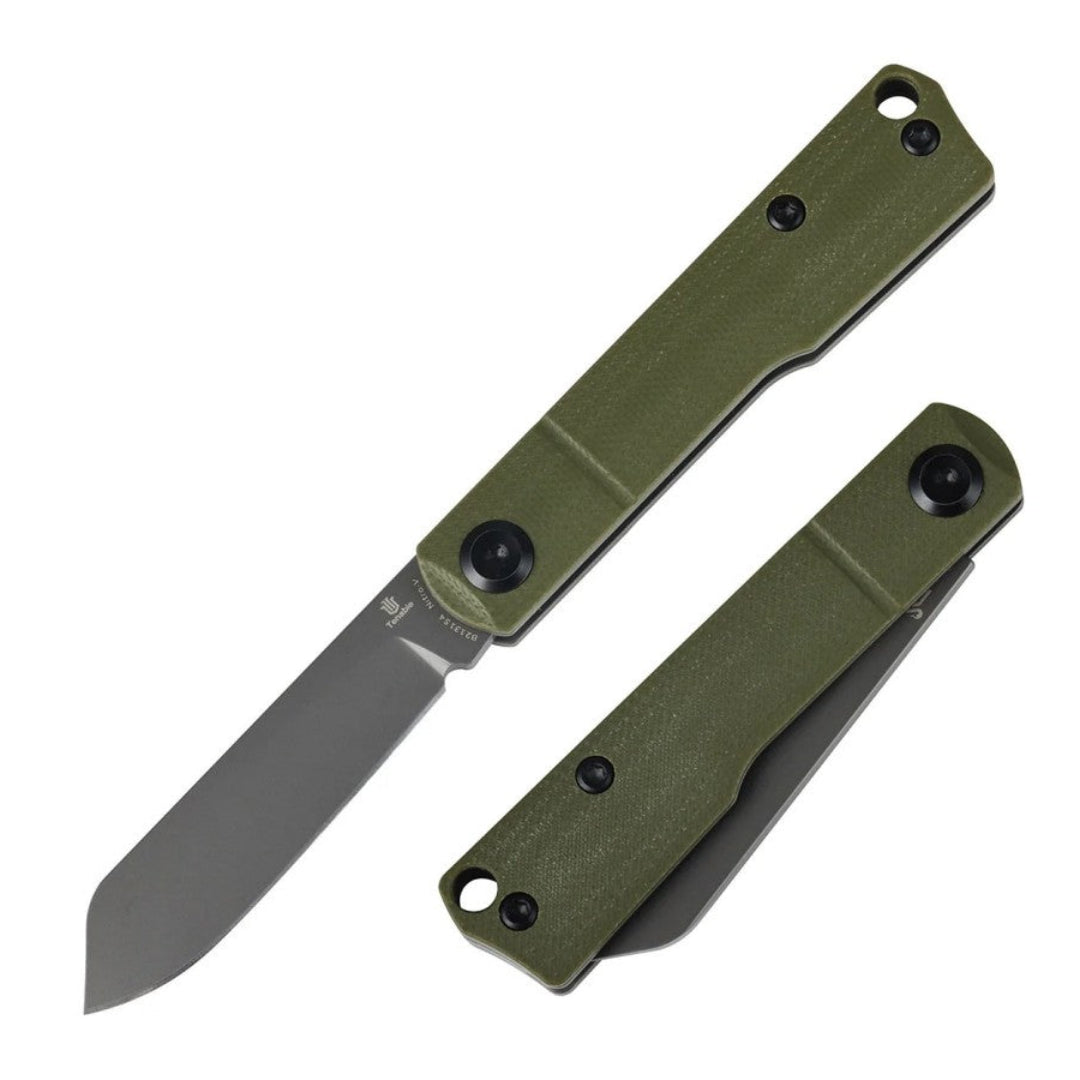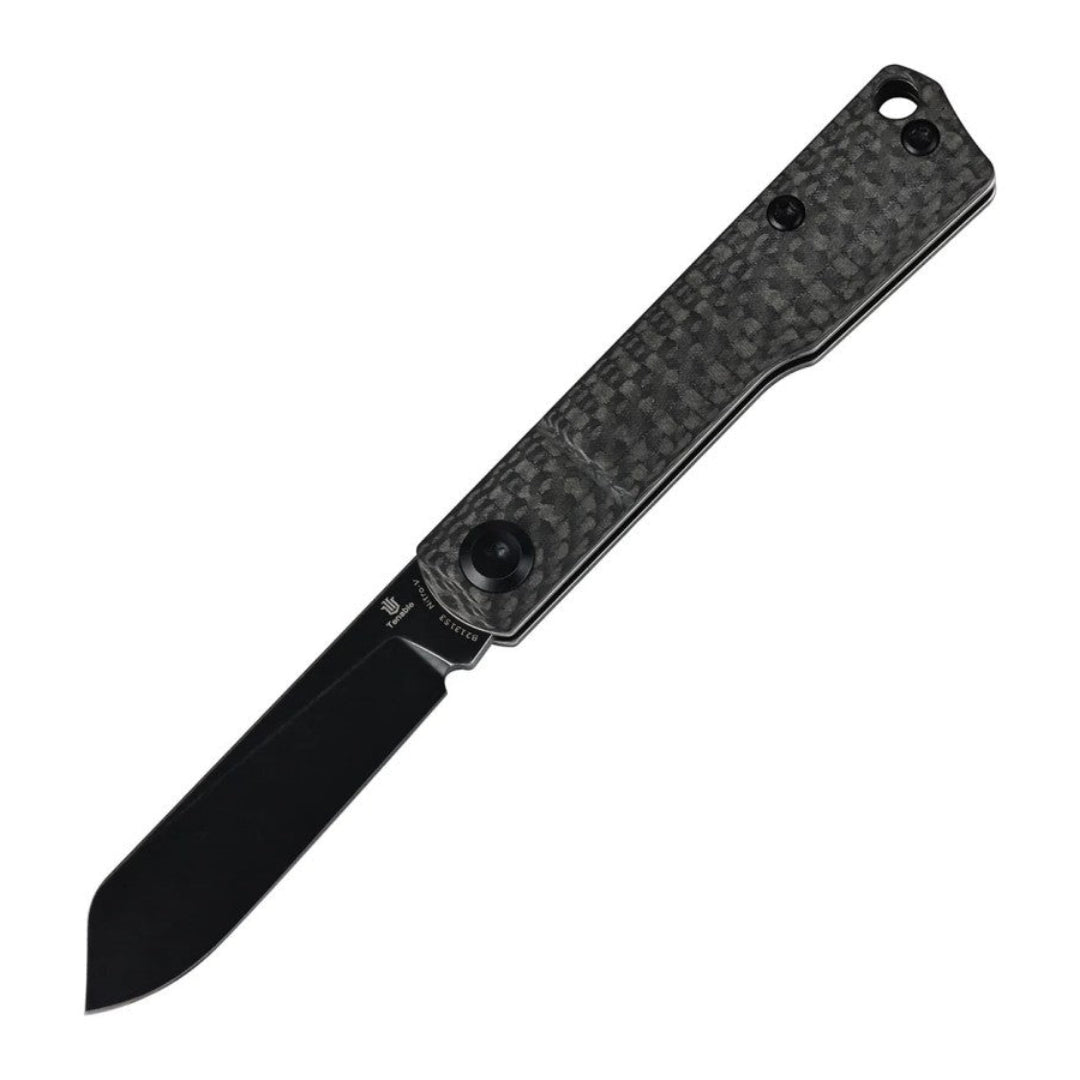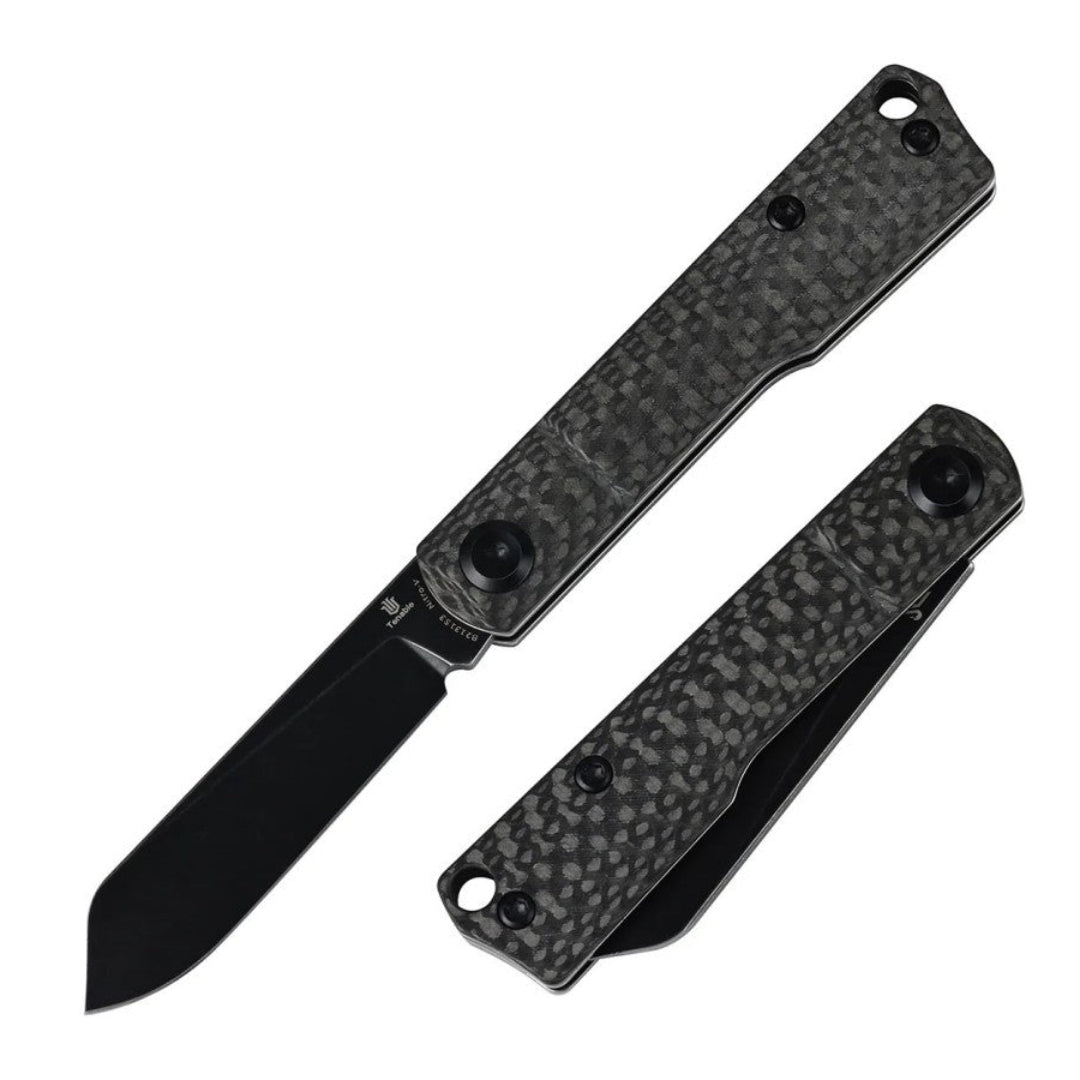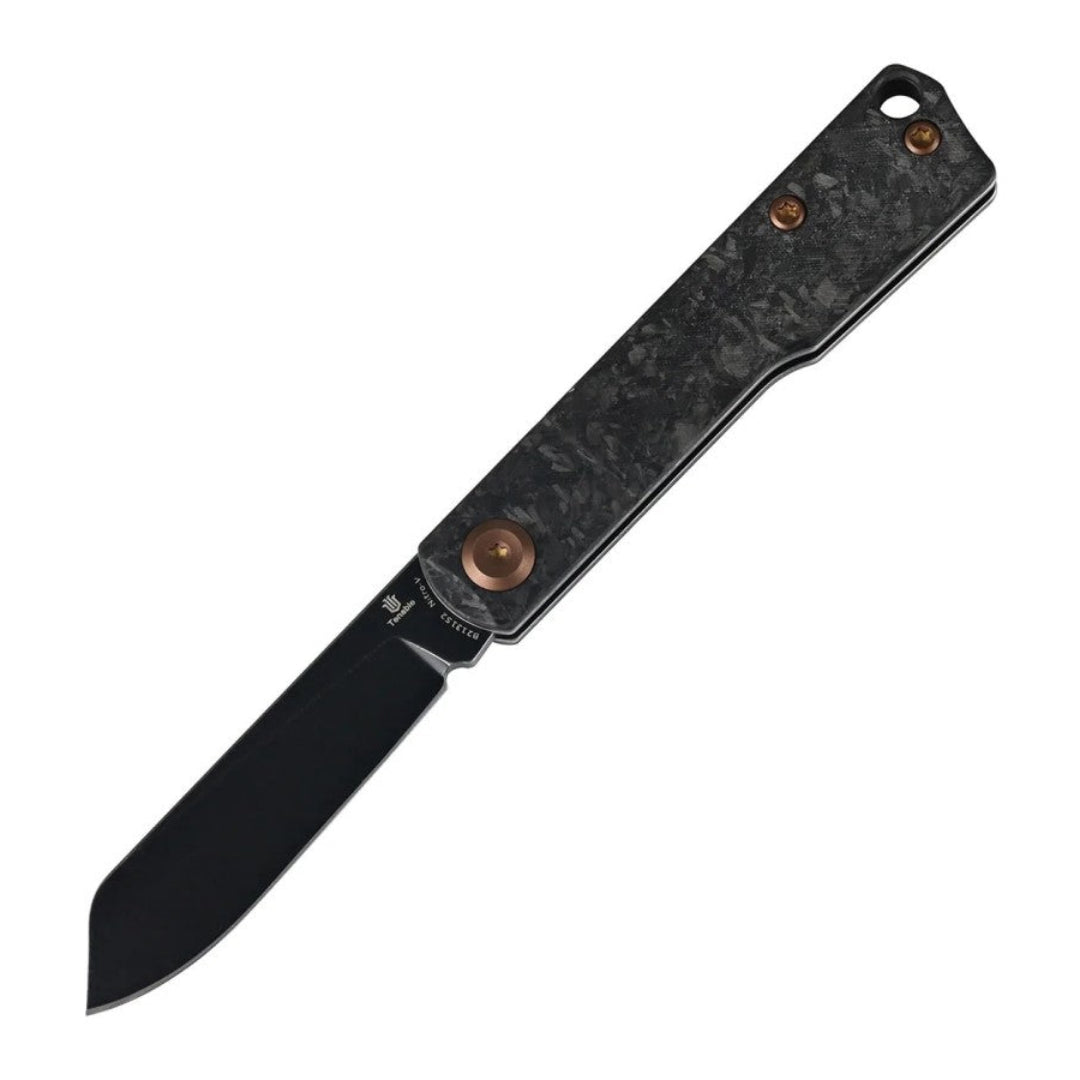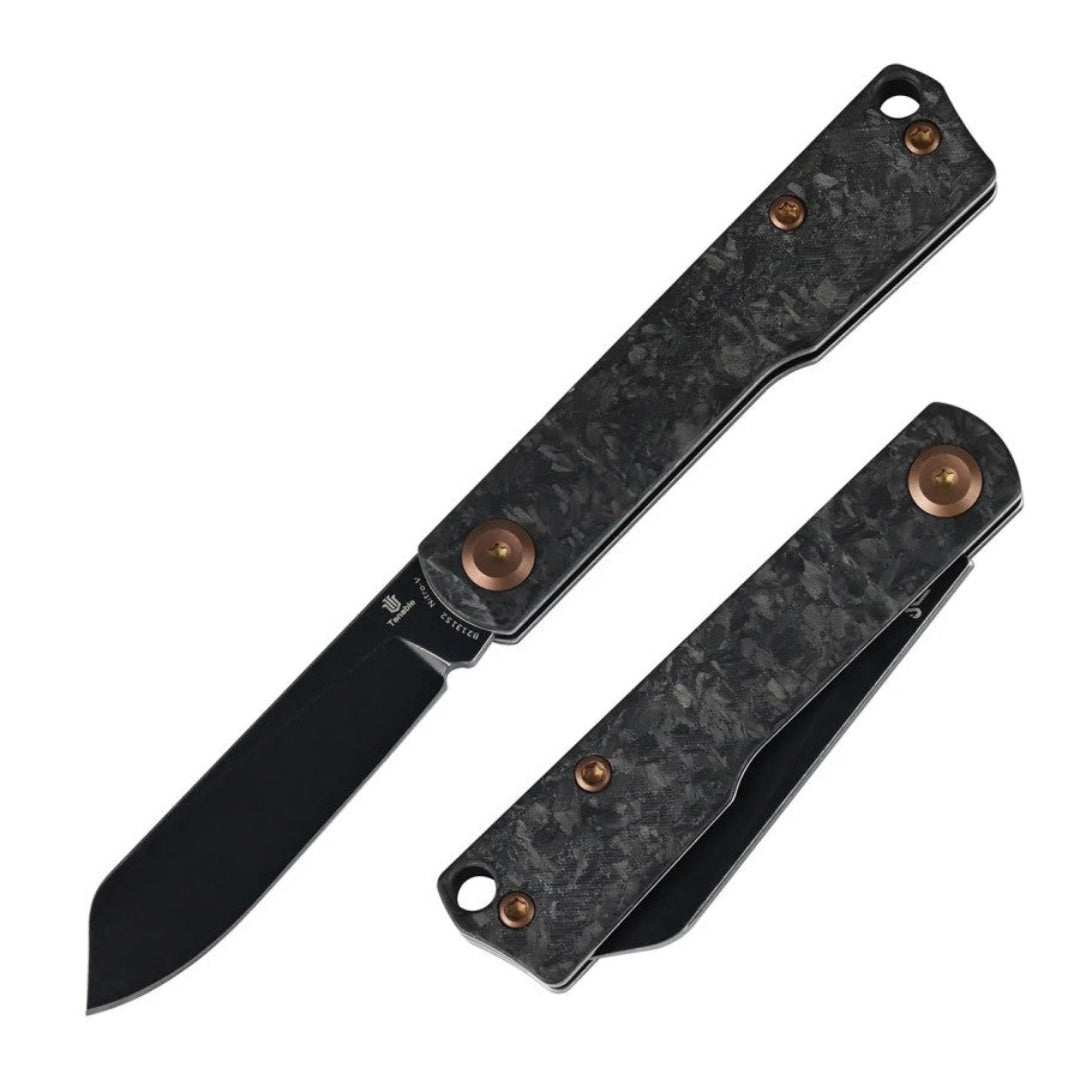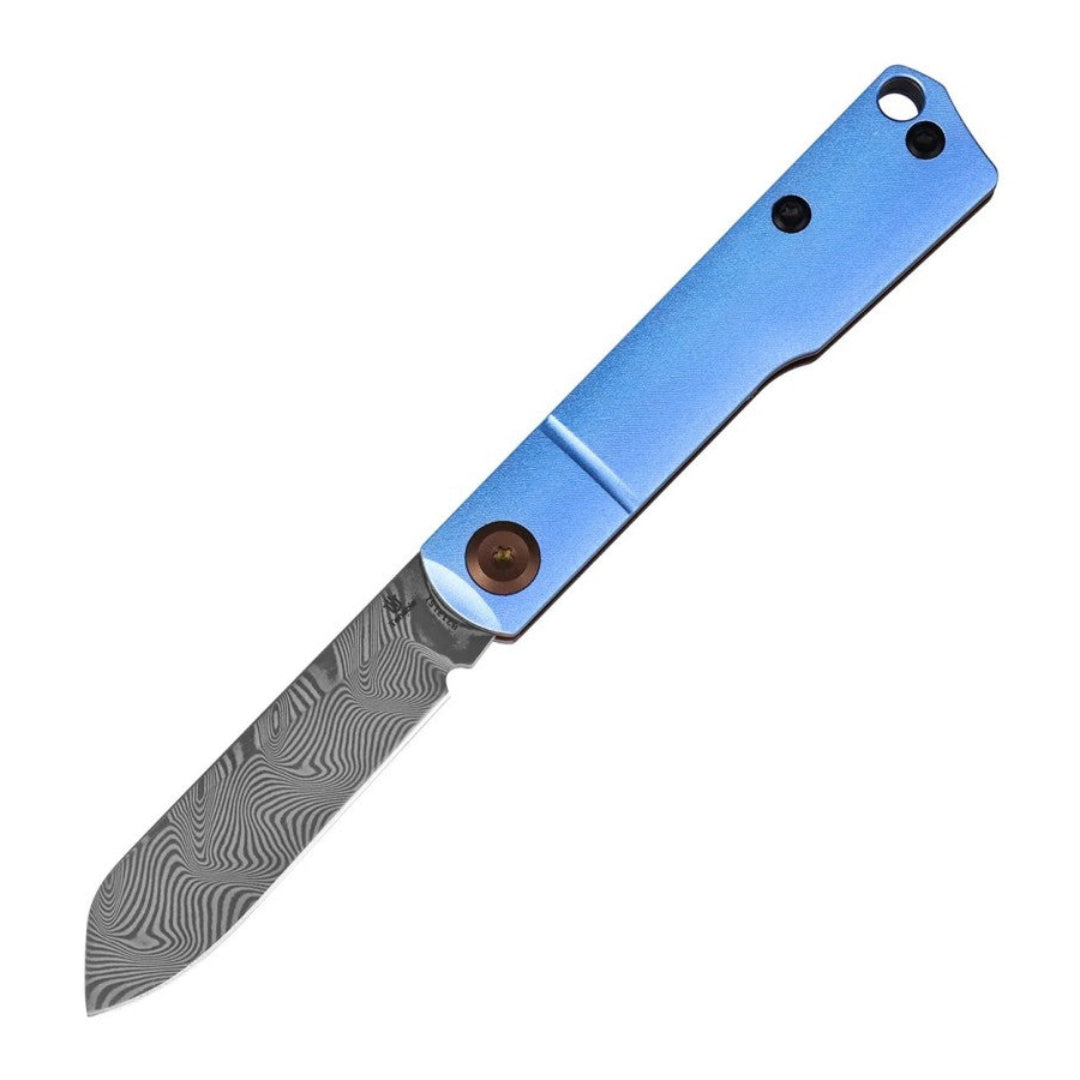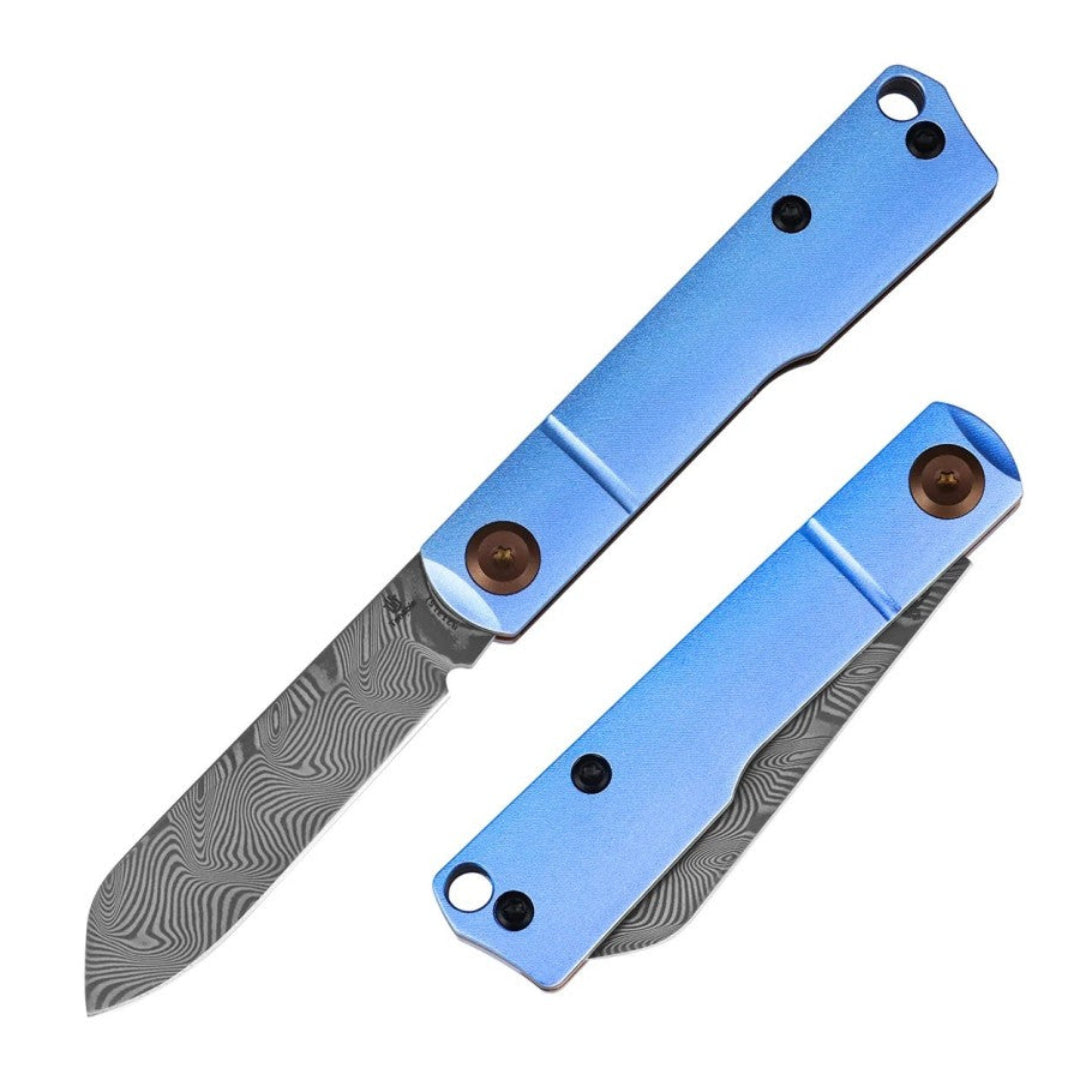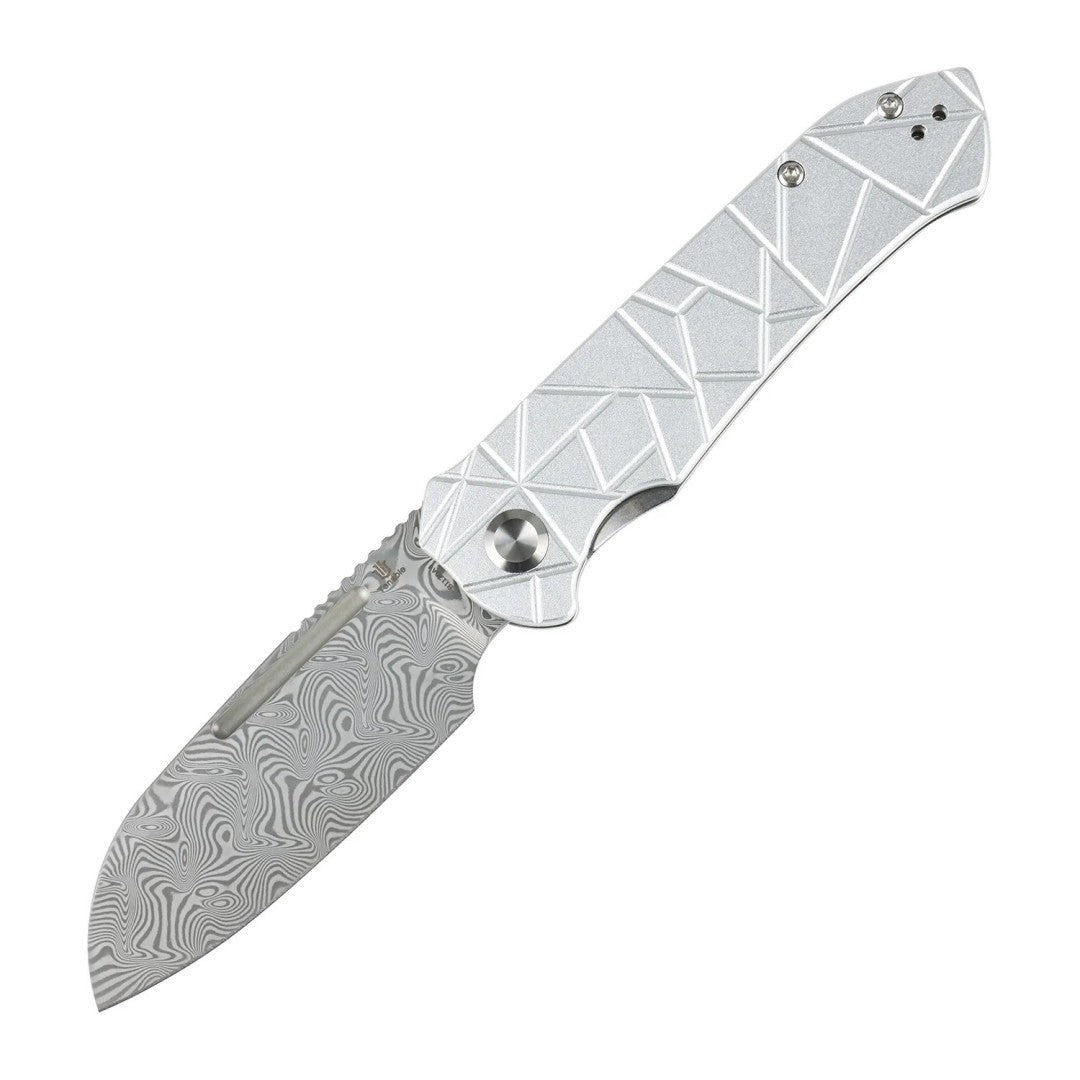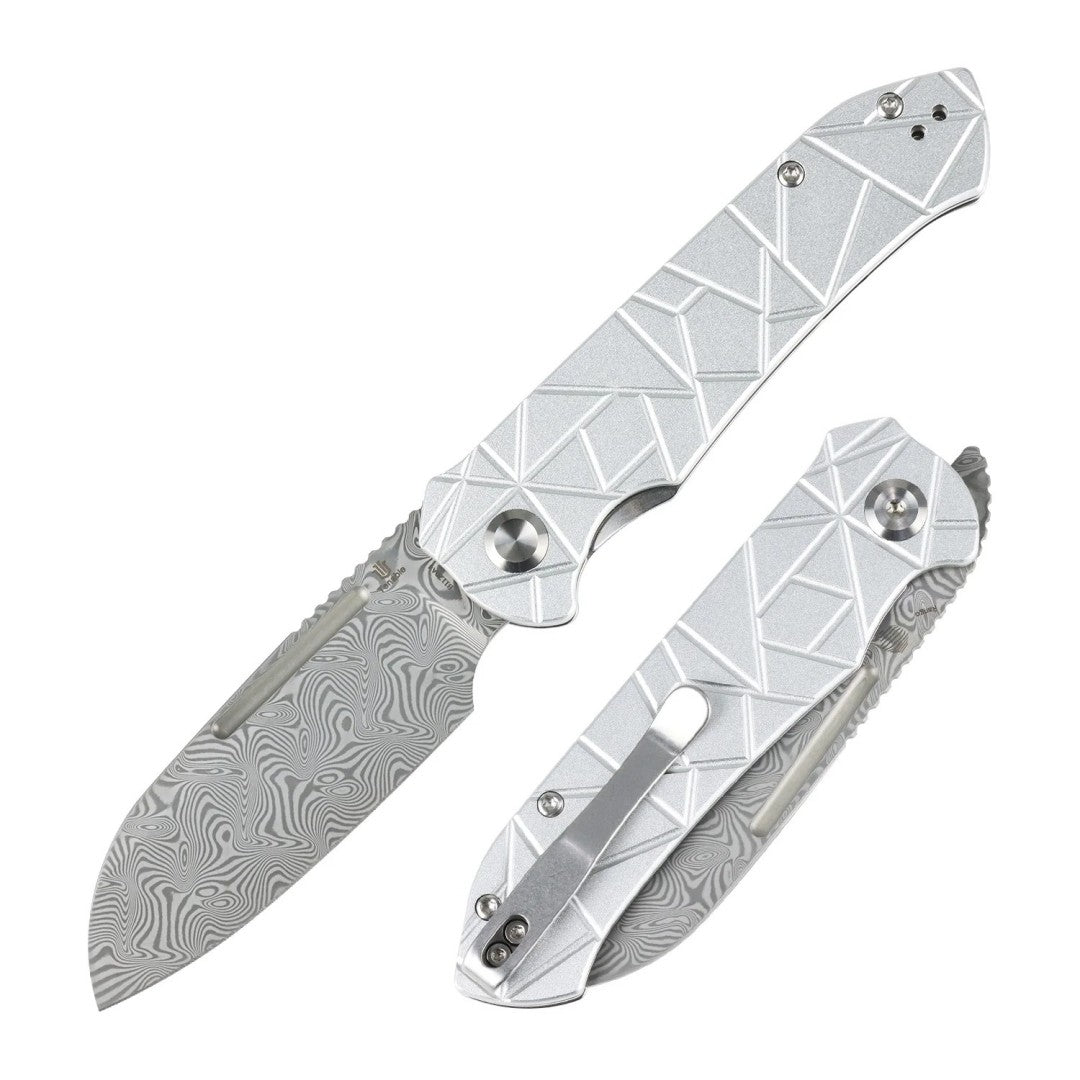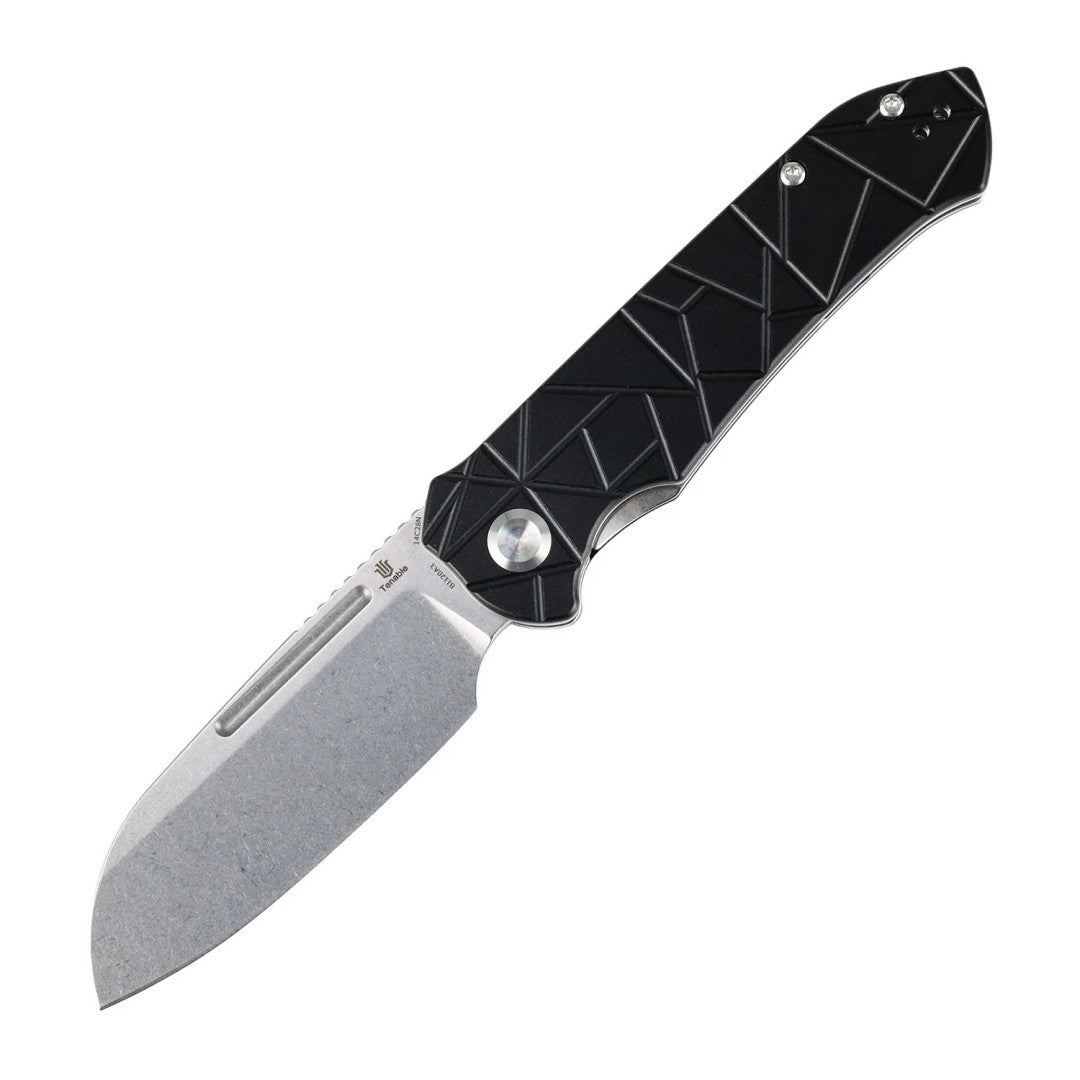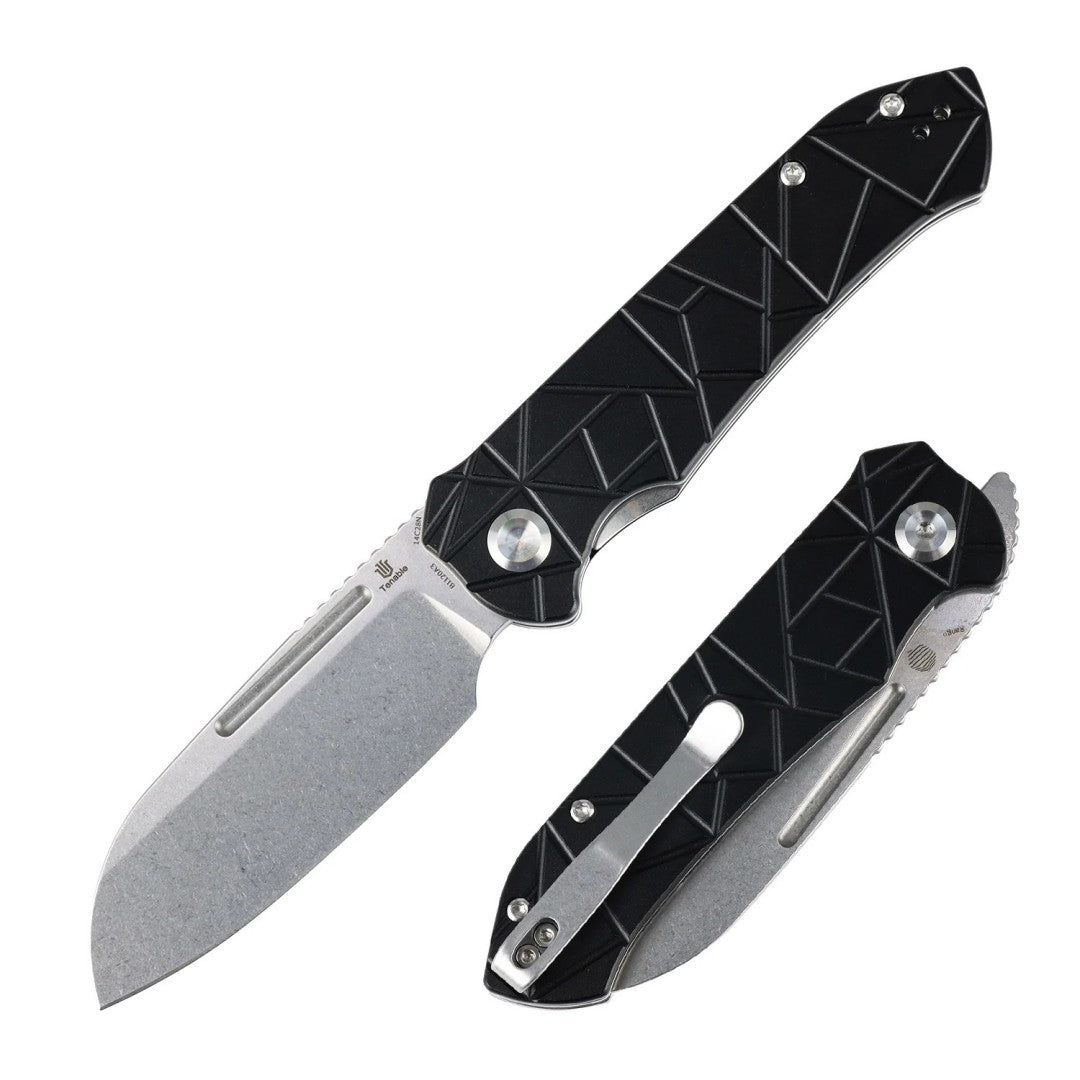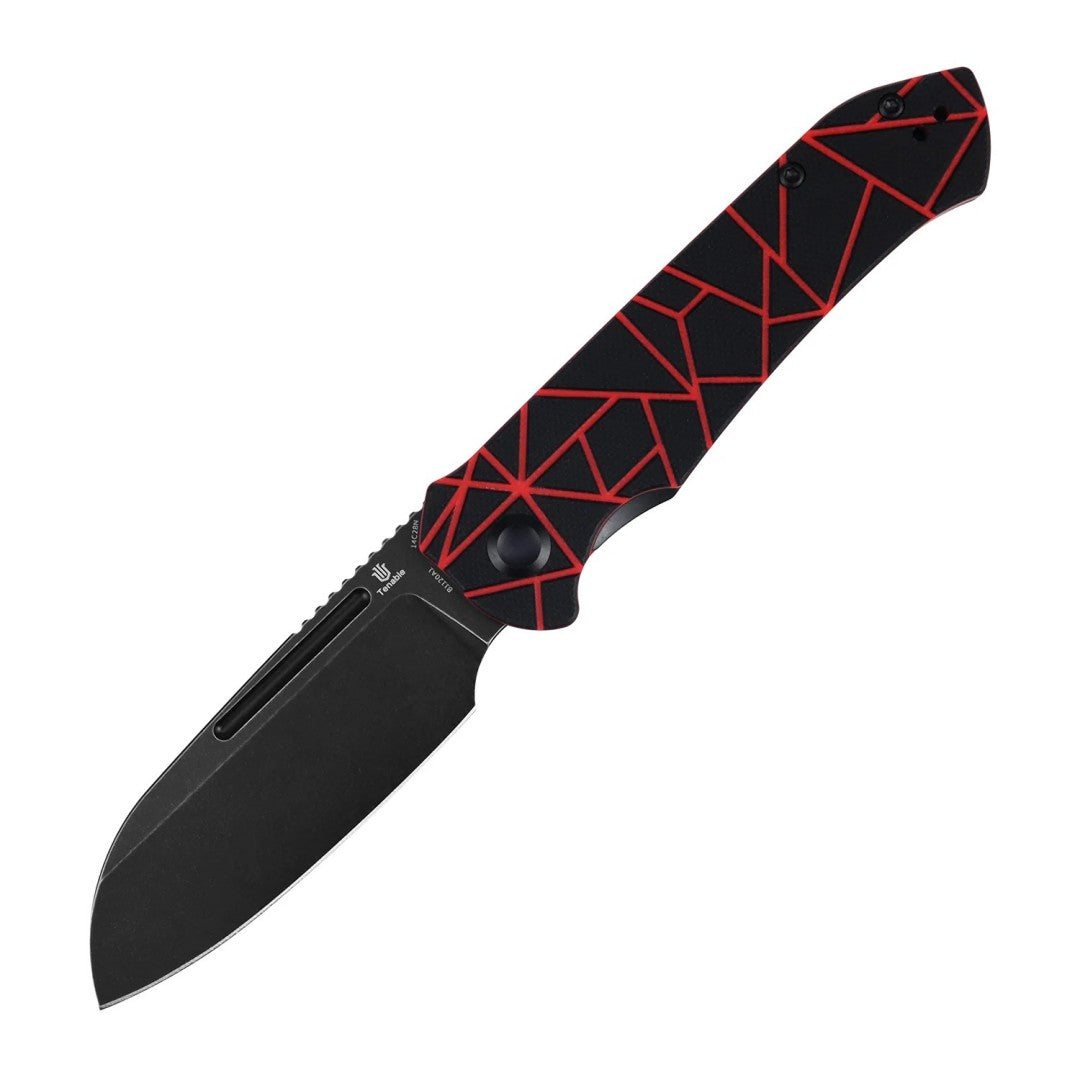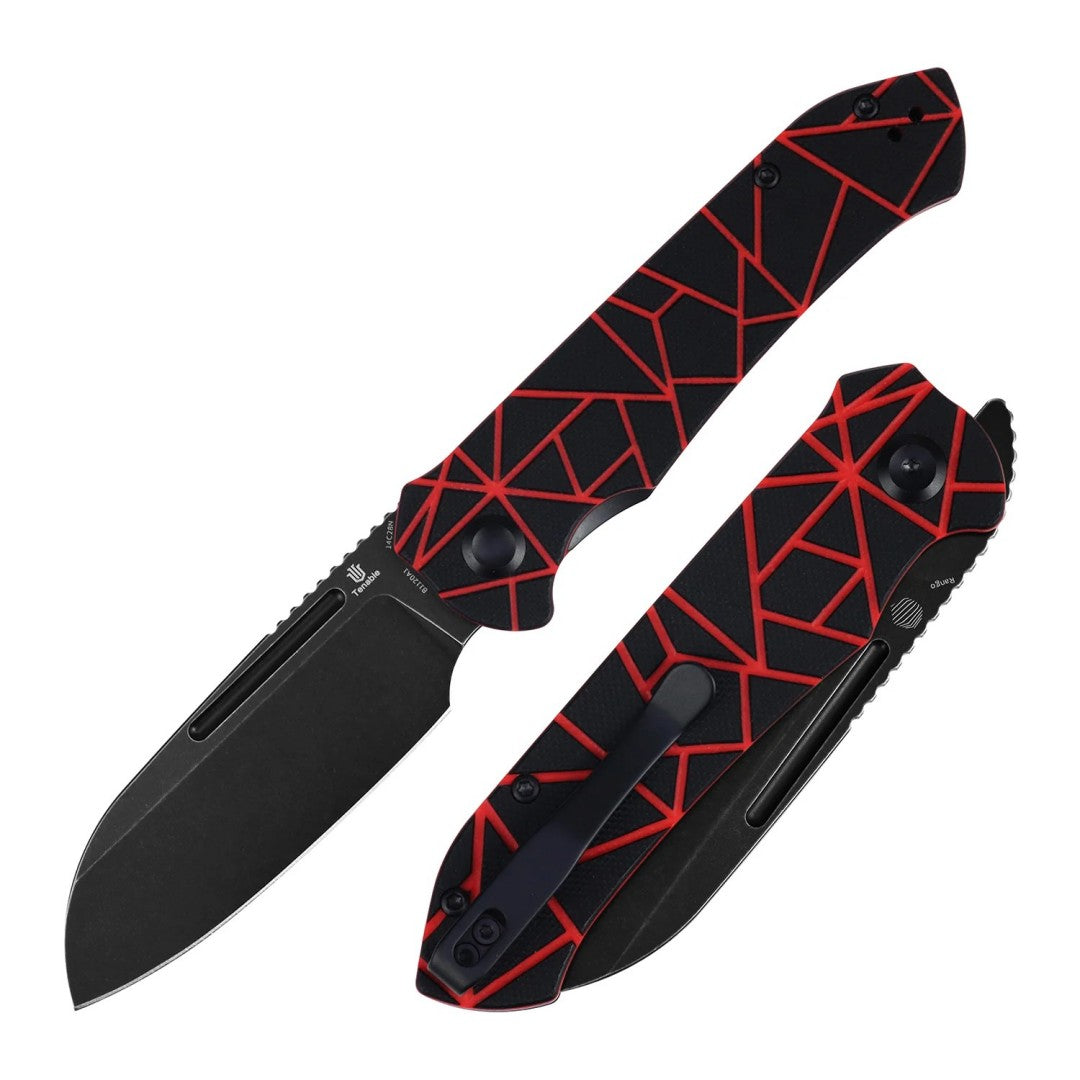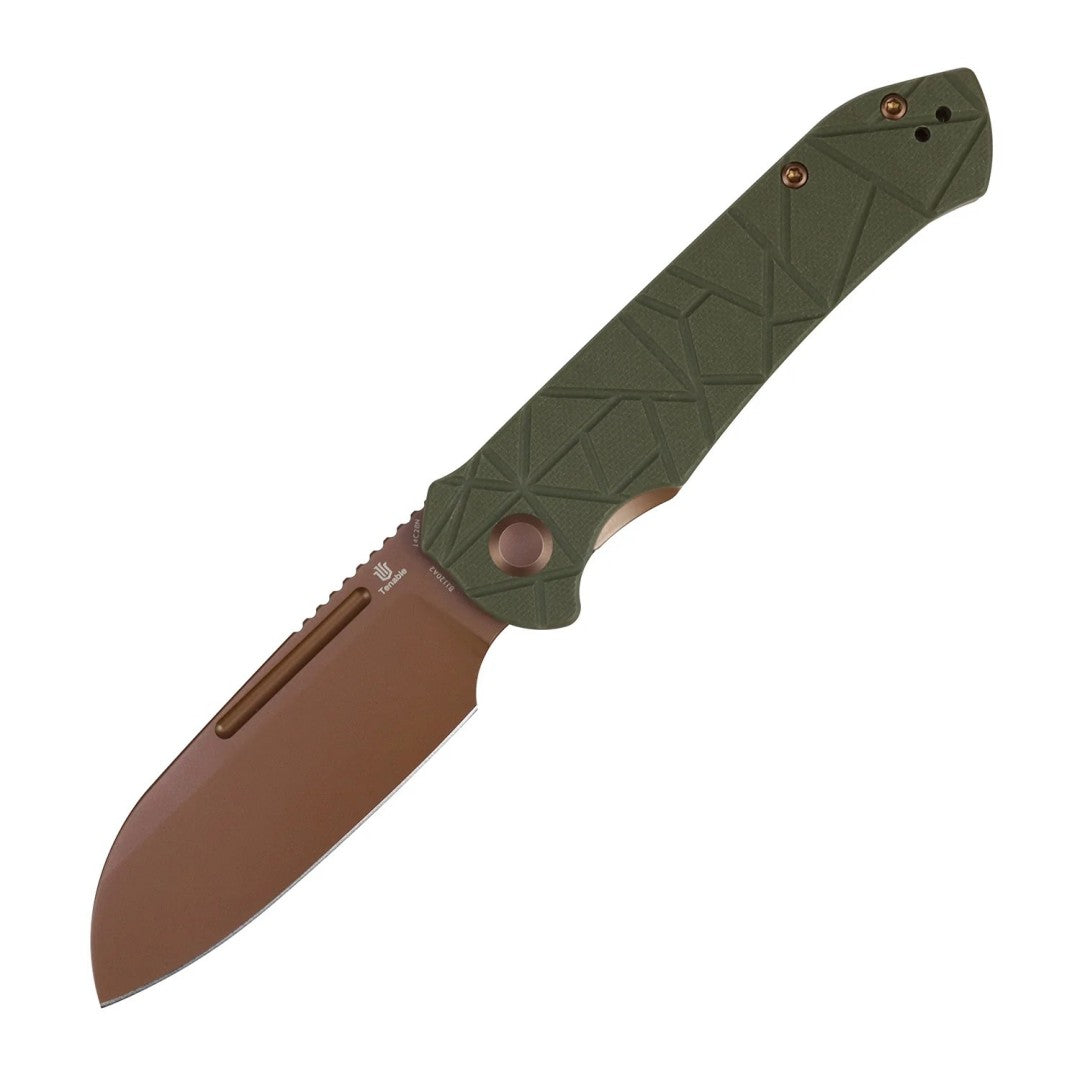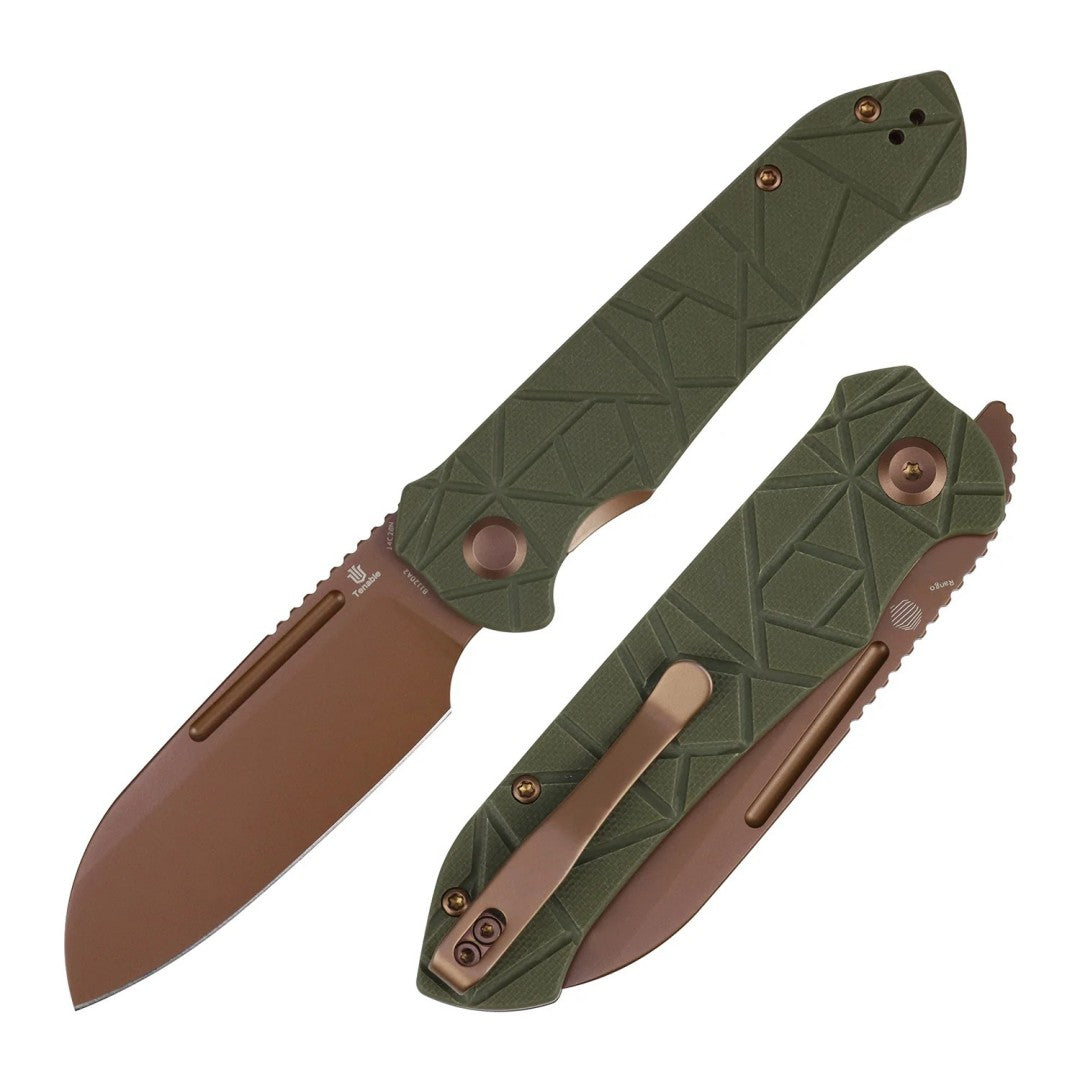

When it comes to budget-friendly, high-performance everyday carry (EDC) folding knives, QSP Knife has firmly established itself as a community favorite. Two of the most compelling compact options in their lineup are the QSP Ferret and the QSP Parrot.
While both knives deliver incredible value, they cater to slightly different EDC philosophies. If you are torn between these two pocket companions, this detailed breakdown will help you decide exactly which one earns a spot in your rotation.

Design Anatomy: The Quick Overview
Before diving into the ergonomics and performance, let's look at how these two compact folders stack up side-by-side on paper.
| Feature | QSP Ferret | QSP Parrot |
| Blade Shape | Drop Point / Modified Wharncliffe | Straight Drop Point / Spear Point |
| Blade Steel | Typically CPM D2 or 14C28N | Typically D2 |
| Deployment | Flipper Tab (Ball Bearing Pivot) | Dual Thumb Studs (Copper Washers) |
| Lock Type | Liner Lock | Liner Lock |
| Pocket Clip | Deep-Carry (Right Hand, Tip-Up) | Reversible Deep-Carry (Tip-Up) |

Key Differences That Matter for EDC
1. Deployment & Action: Flipper vs. Thumb Studs
The most immediate difference you will notice on the casual flip is the deployment mechanism:
-
The QSP Ferret utilizes a snappy flipper tab riding on smooth ceramic ball bearings. It offers that satisfying, modern "rocket" deployment that requires very little wrist action.
-
The QSP Parrot relies on traditional dual thumb studs paired with copper washers. It provides a more deliberate, hydraulic, and traditional folding experience that is less conspicuous in public settings.
2. Blade Geometry & Cutting Performance
While both knives handle daily slicing tasks with ease, their blade profiles offer distinct advantages:
-
The Ferret features a more aggressive belly and a slightly broader profile relative to its length. It excels at roll-cuts, heavy utility piercing, and detailed tasks where you need to choke up on the blade.
-
The Parrot features a classic, streamlined drop point with a very straight spine. It is a timeless utility shape designed for maximum versatility—from opening packages to prepping an apple on a lunch break.
3. Handle Ergonomics & Pocket Profile
-
Ferret: The handle features subtle finger grooves and a slightly more contoured footprint. It fills the hand surprisingly well for a small knife, offering a secure lock-in grip.
-
Parrot: The Parrot is all about minimalist simplicity. Its straight, neutral handle accommodates any grip style without forcing your fingers into specific spots, and its slimmer profile disappears completely in a front pocket.
The Verdict: Which One Should You Choose?
Choose the QSP Ferret if you prefer modern, fidget-friendly flipper actions, premium budget steels like 14C28N, and an ergonomic grip that punches above its weight class.
Choose the QSP Parrot if you appreciate clean, classic lines, ambidextrous thumb-stud deployment, a highly neutral handle, and maximum value for a pure utilitarian tool.
Frequently Asked Questions
Q: Is the QSP Parrot ambidextrous?
A: Yes. The Parrot features dual thumb studs and a reversible deep-carry pocket clip, making it excellent for both left and right-handed users.
Q: What is the main maintenance difference between the Ferret and the Parrot?
A: The Ferret uses ball bearings which offer faster deployment but require occasional cleaning from pocket lint. The Parrot uses copper washers, which are slower but highly resistant to dirt and grit.
Q: Are these knives legal for everyday carry?
A: Both models feature sub-3-inch non-locking-assisted blades, making them widely legal in many jurisdictions, though you should always verify your local lock-knife pocket carry laws.