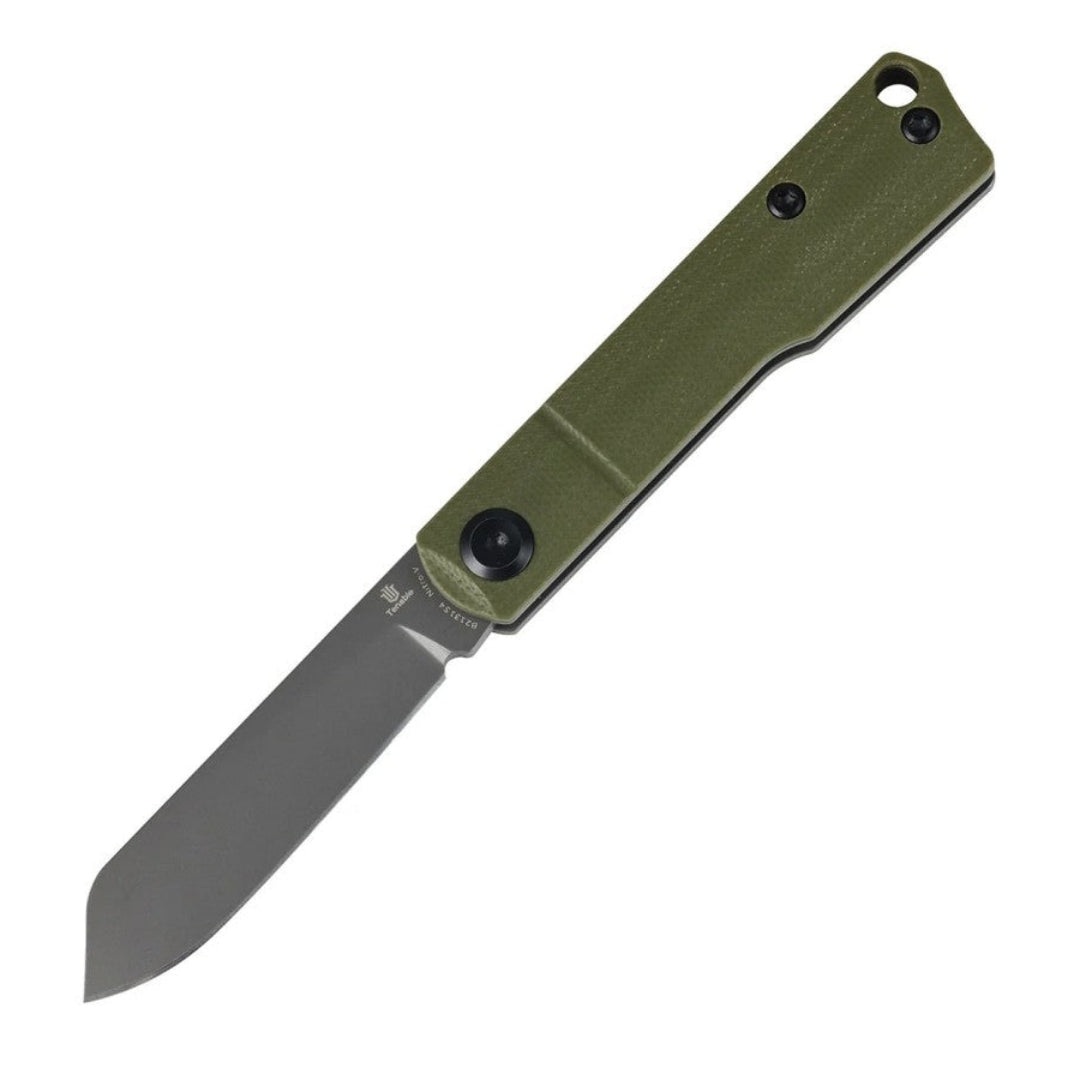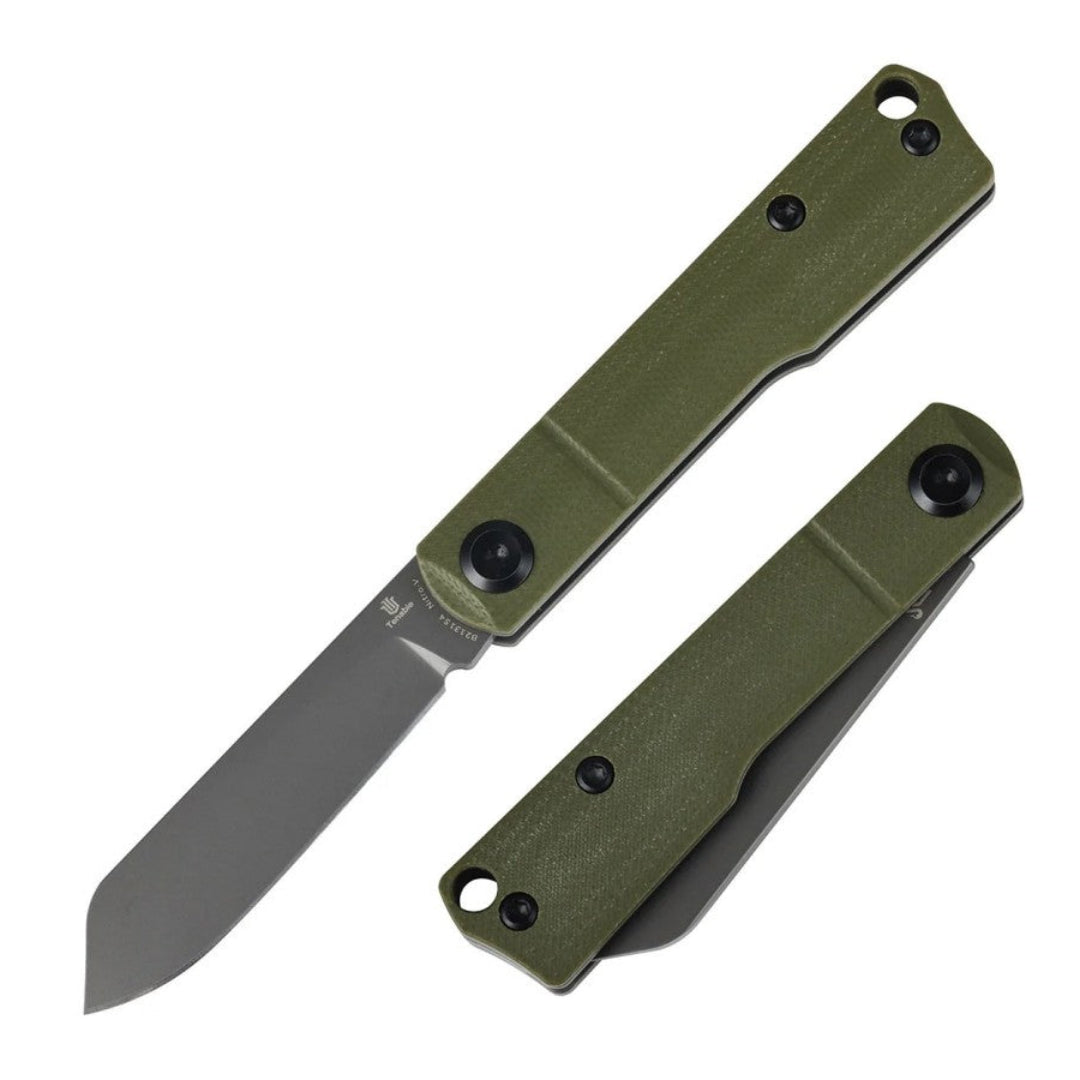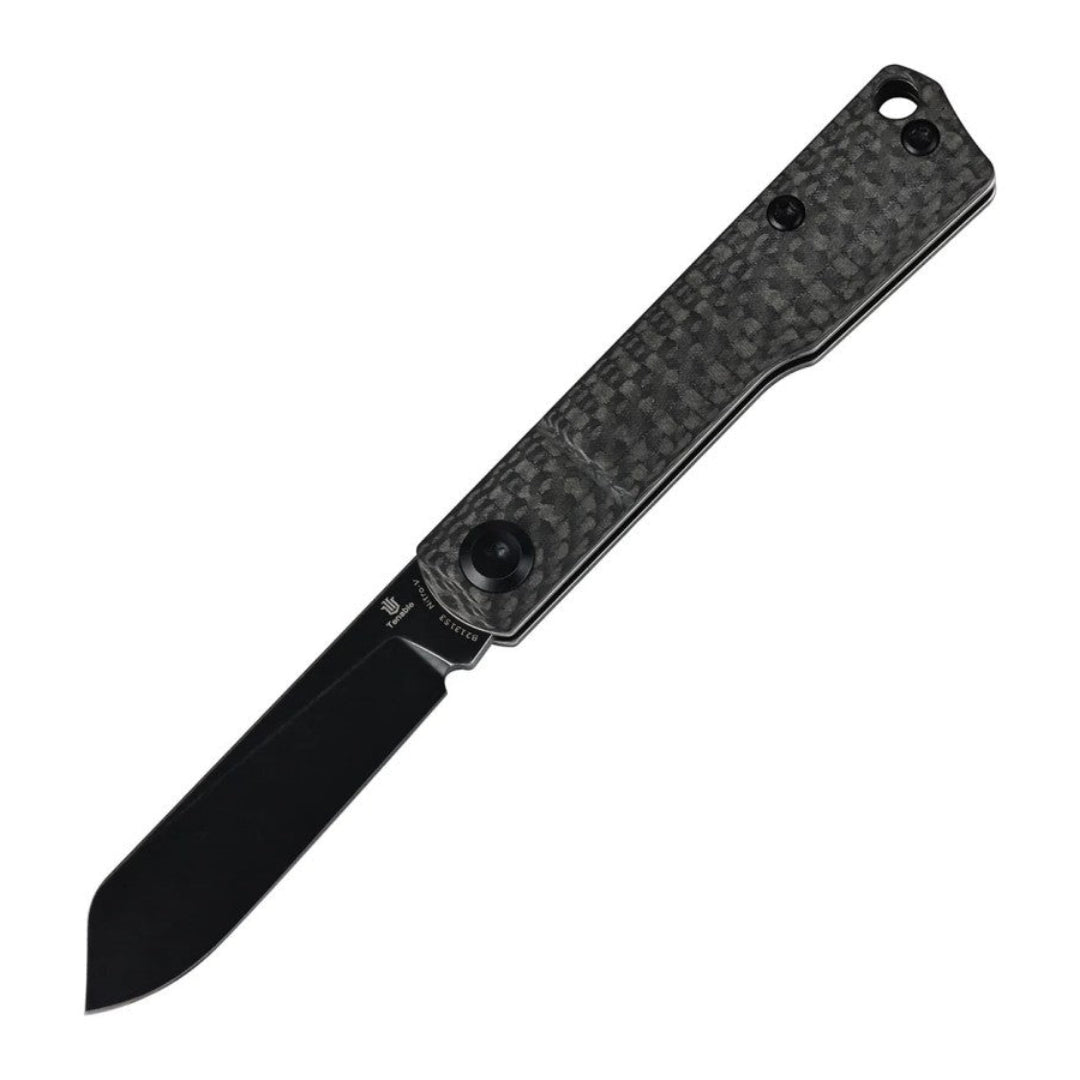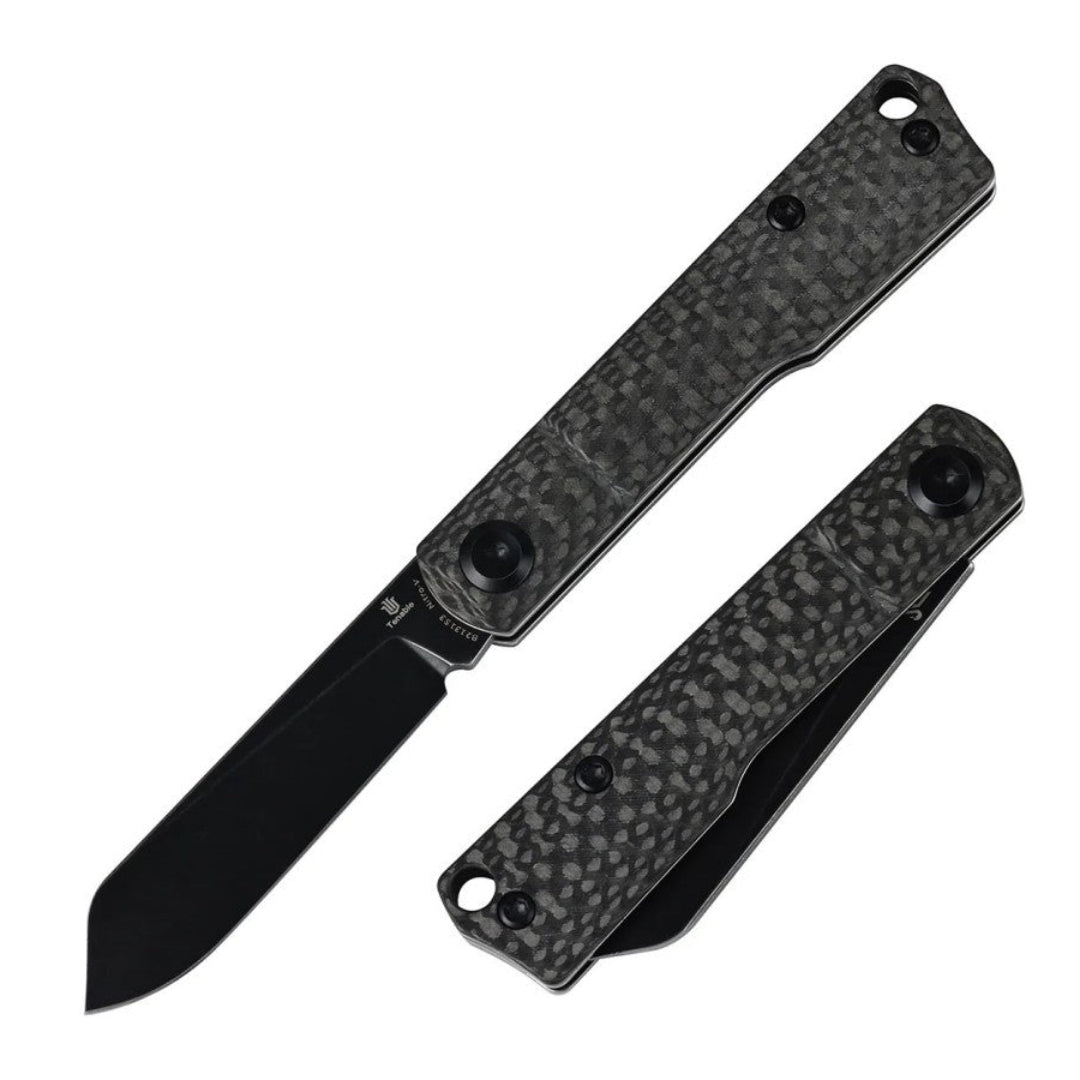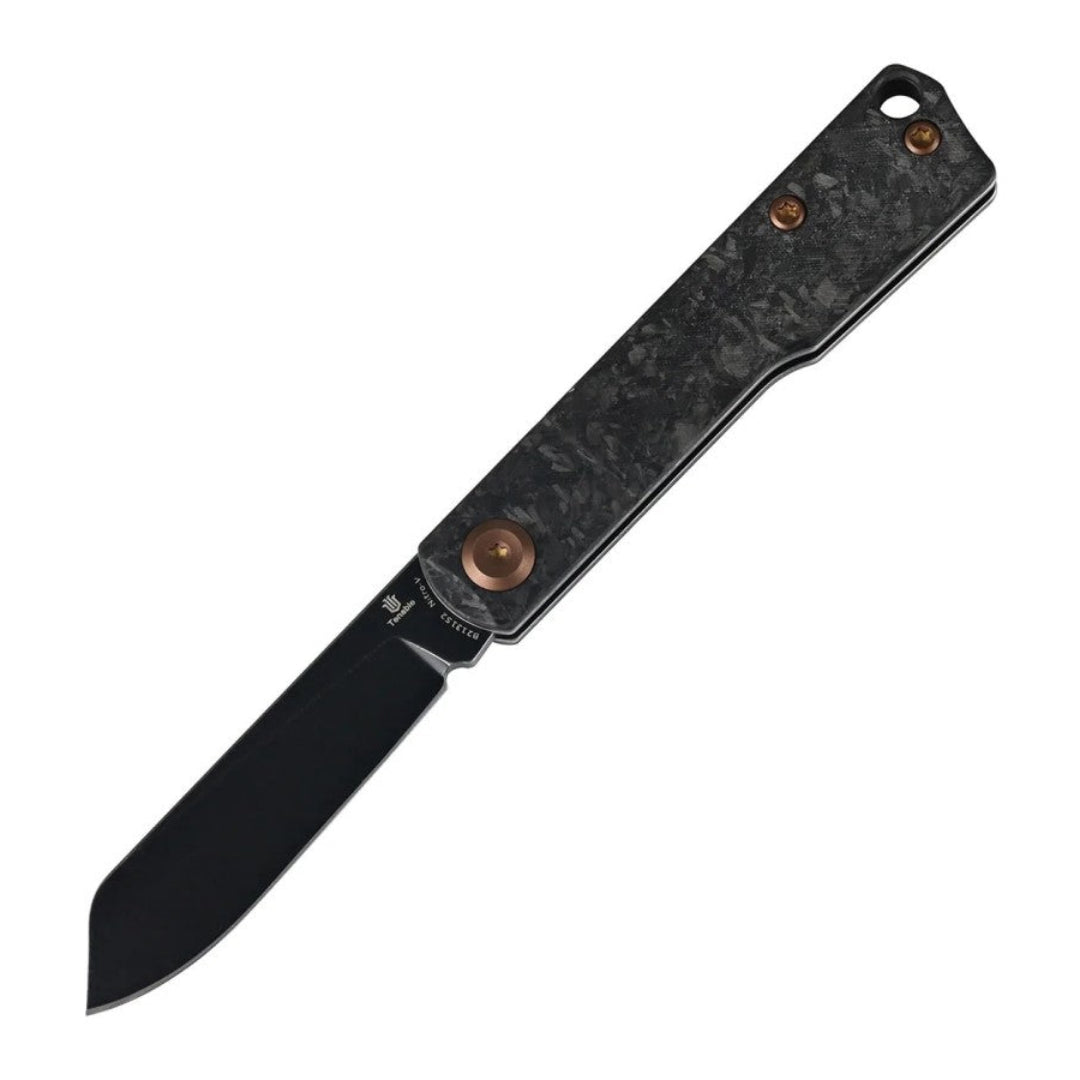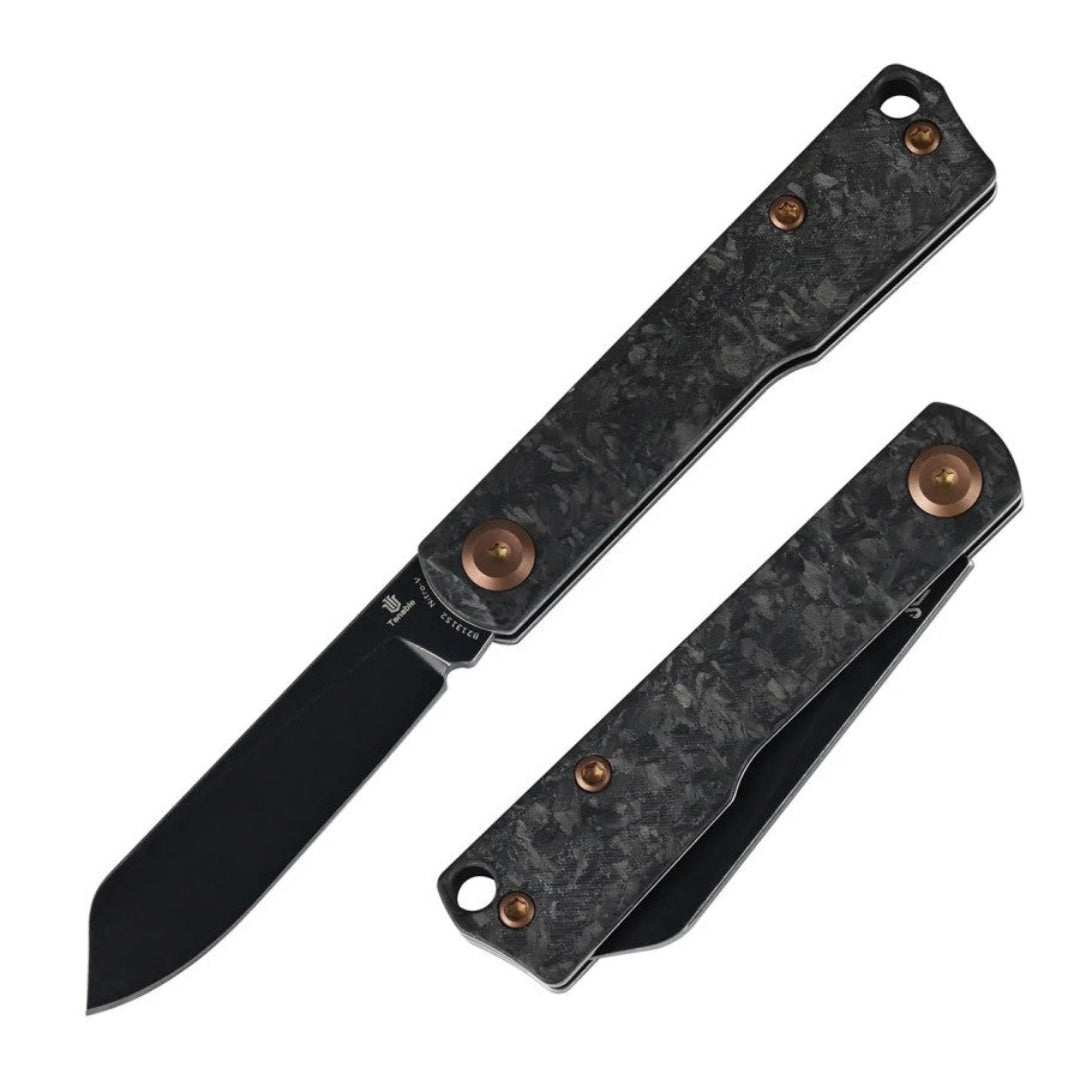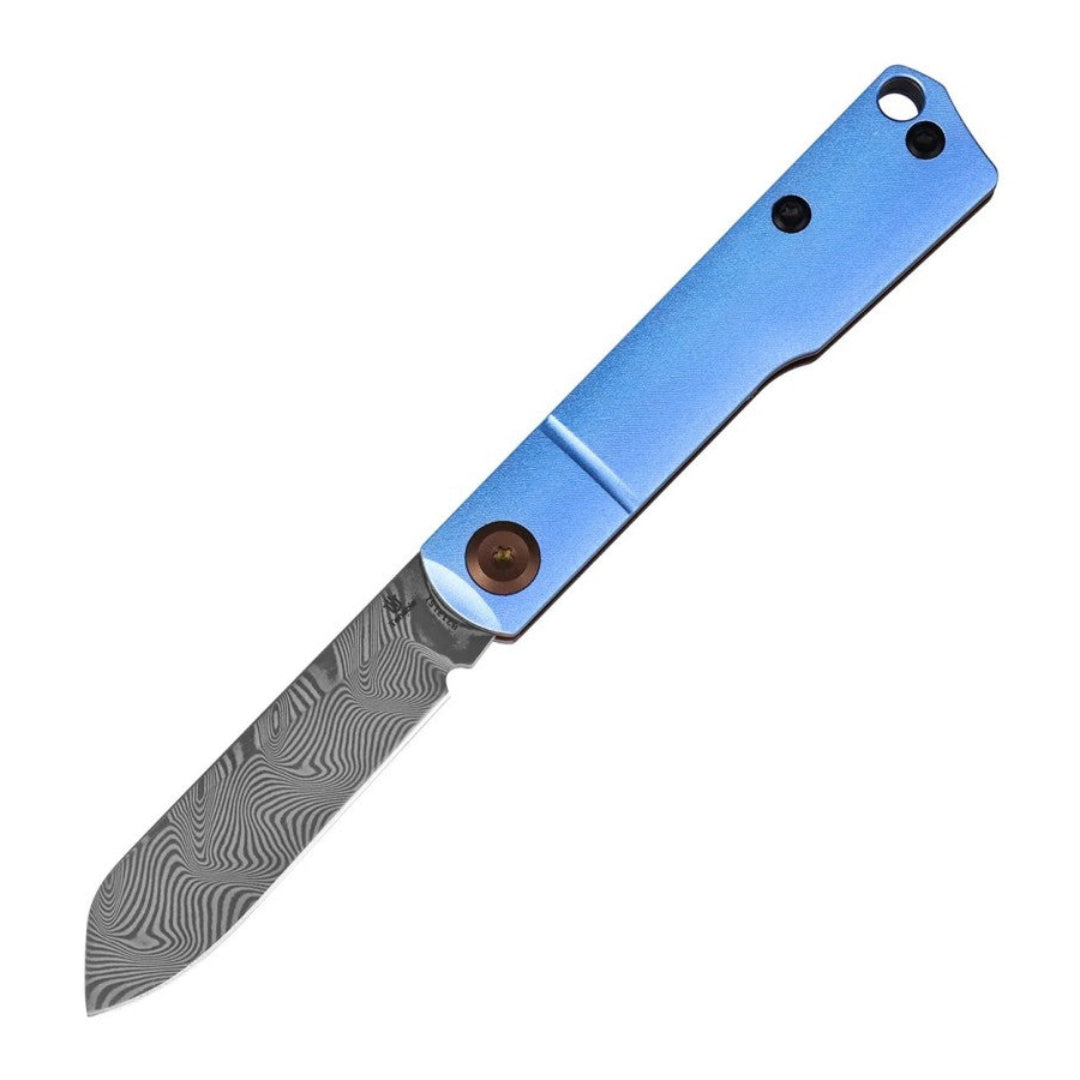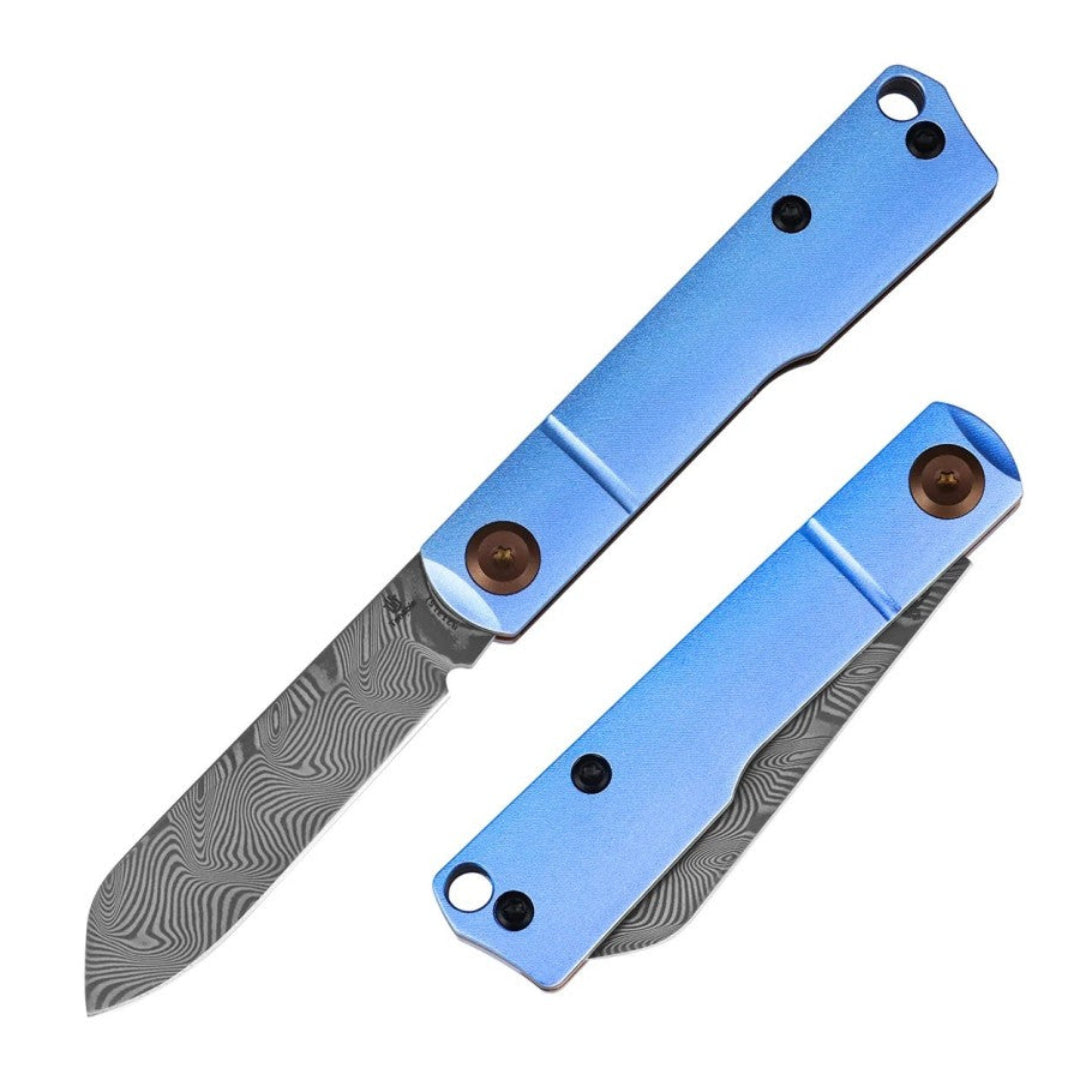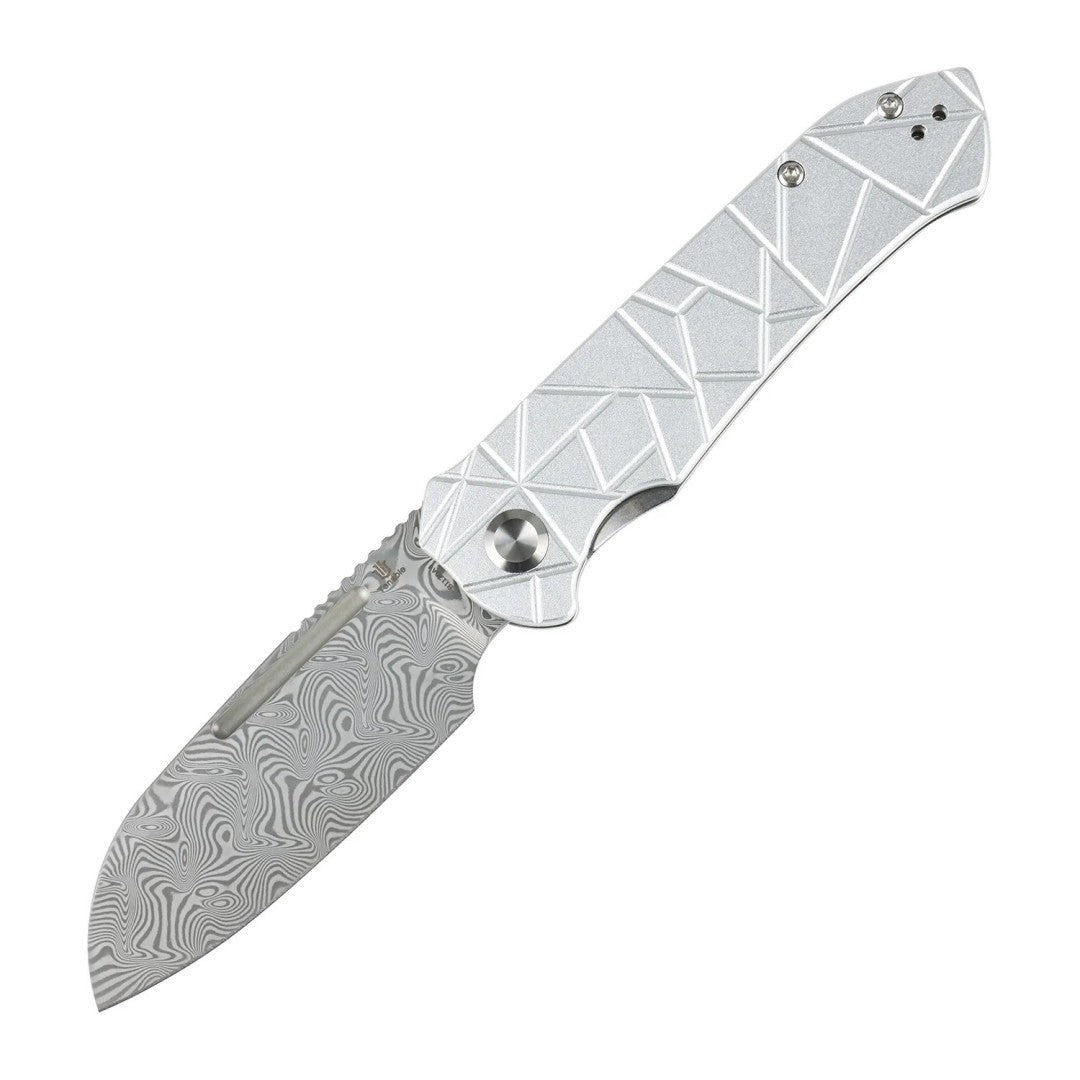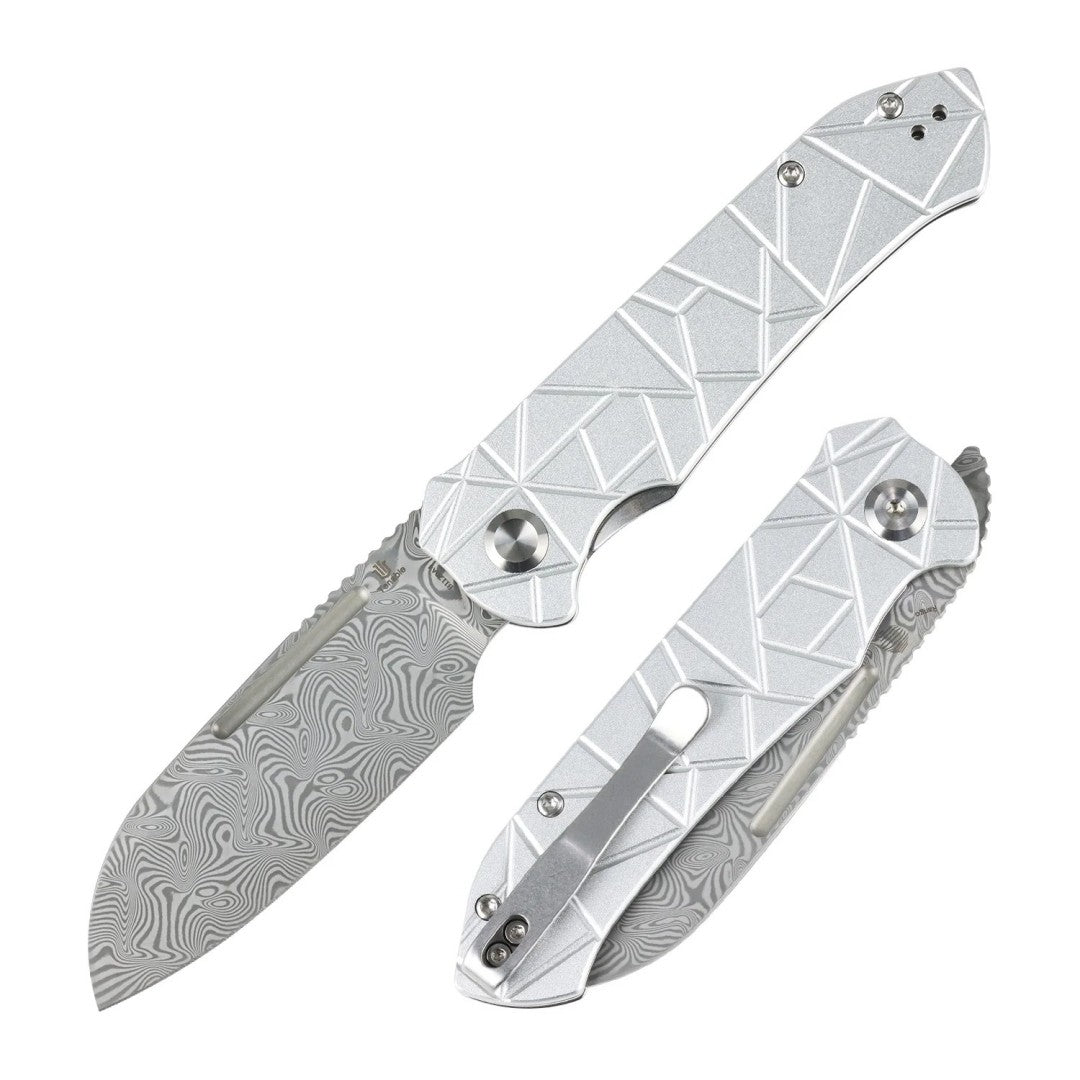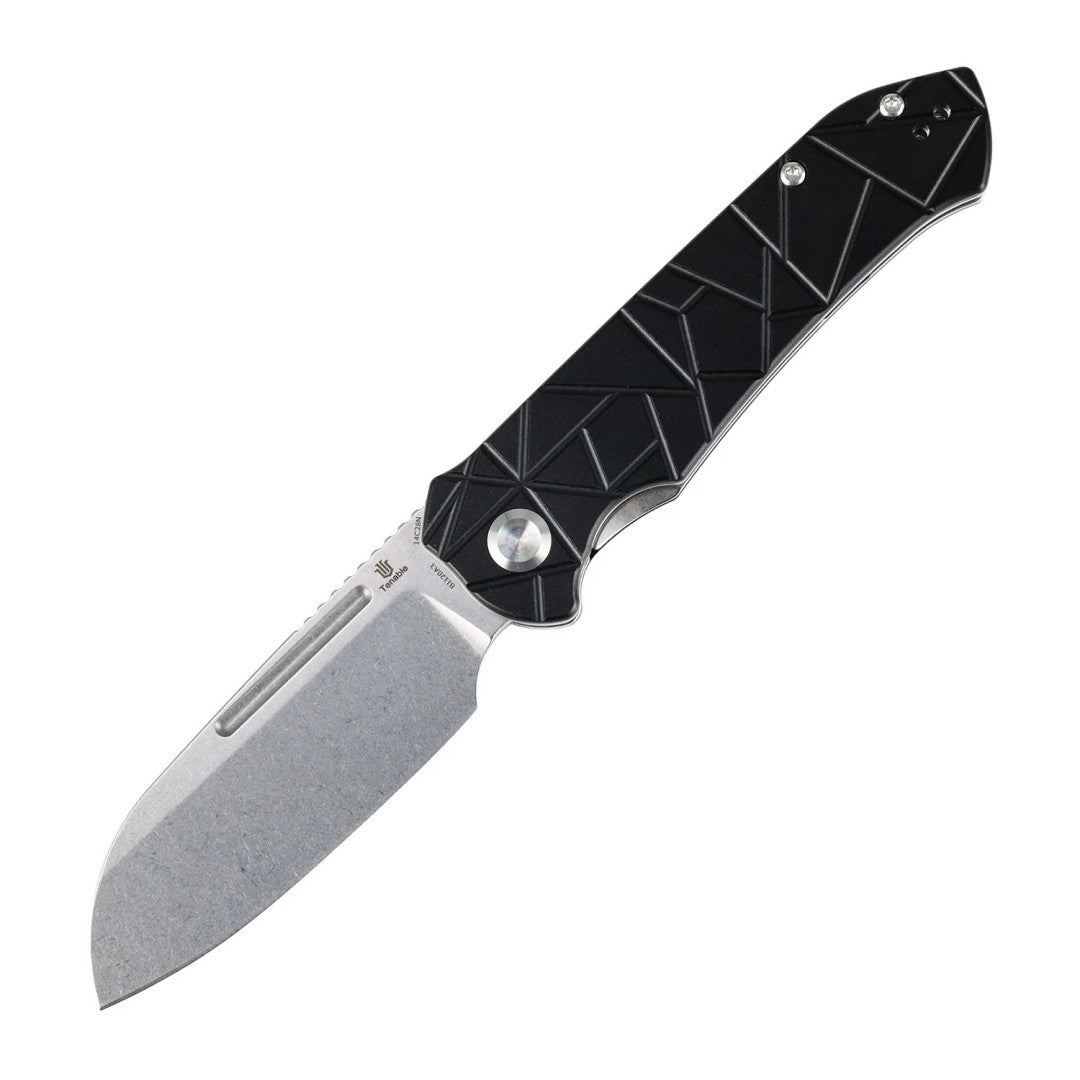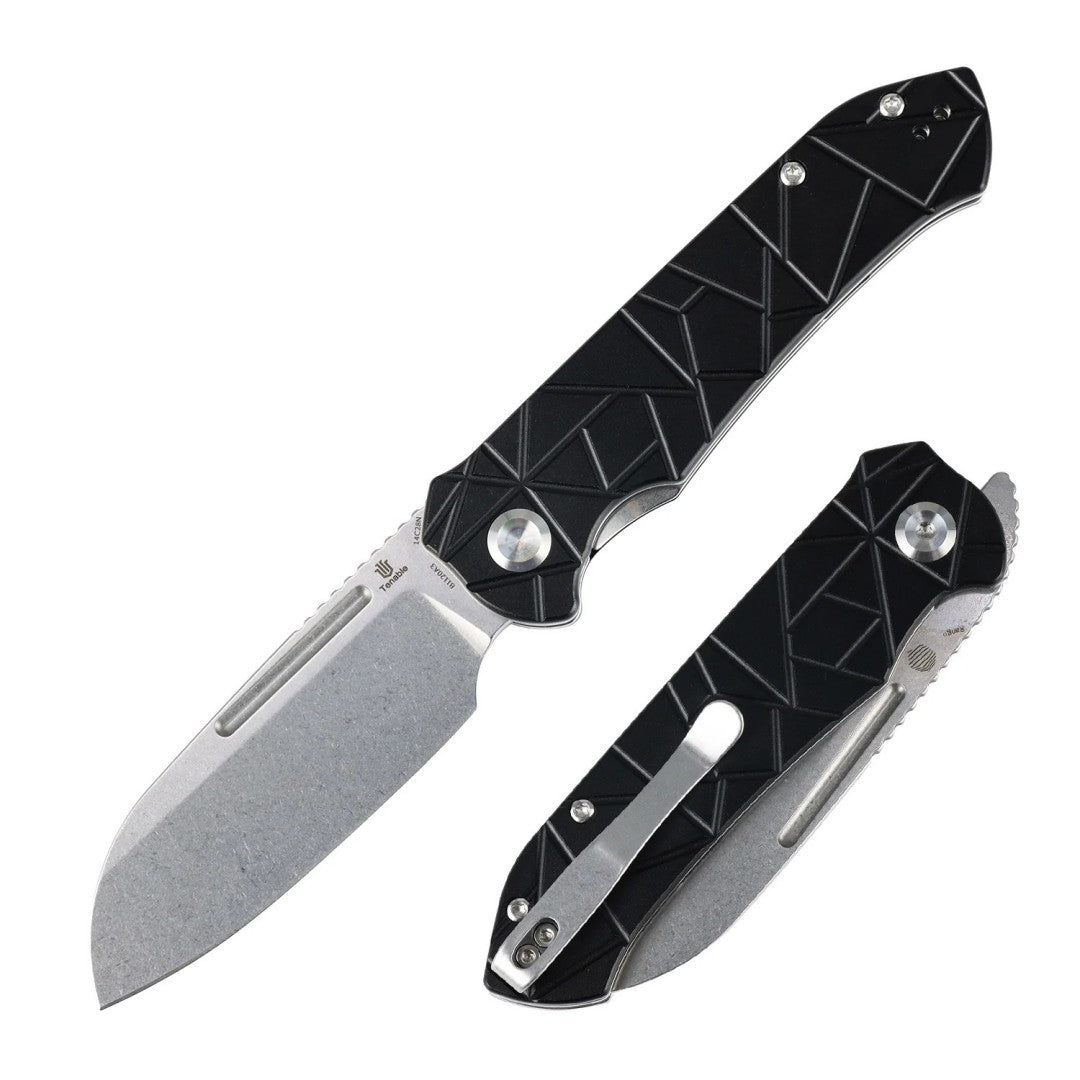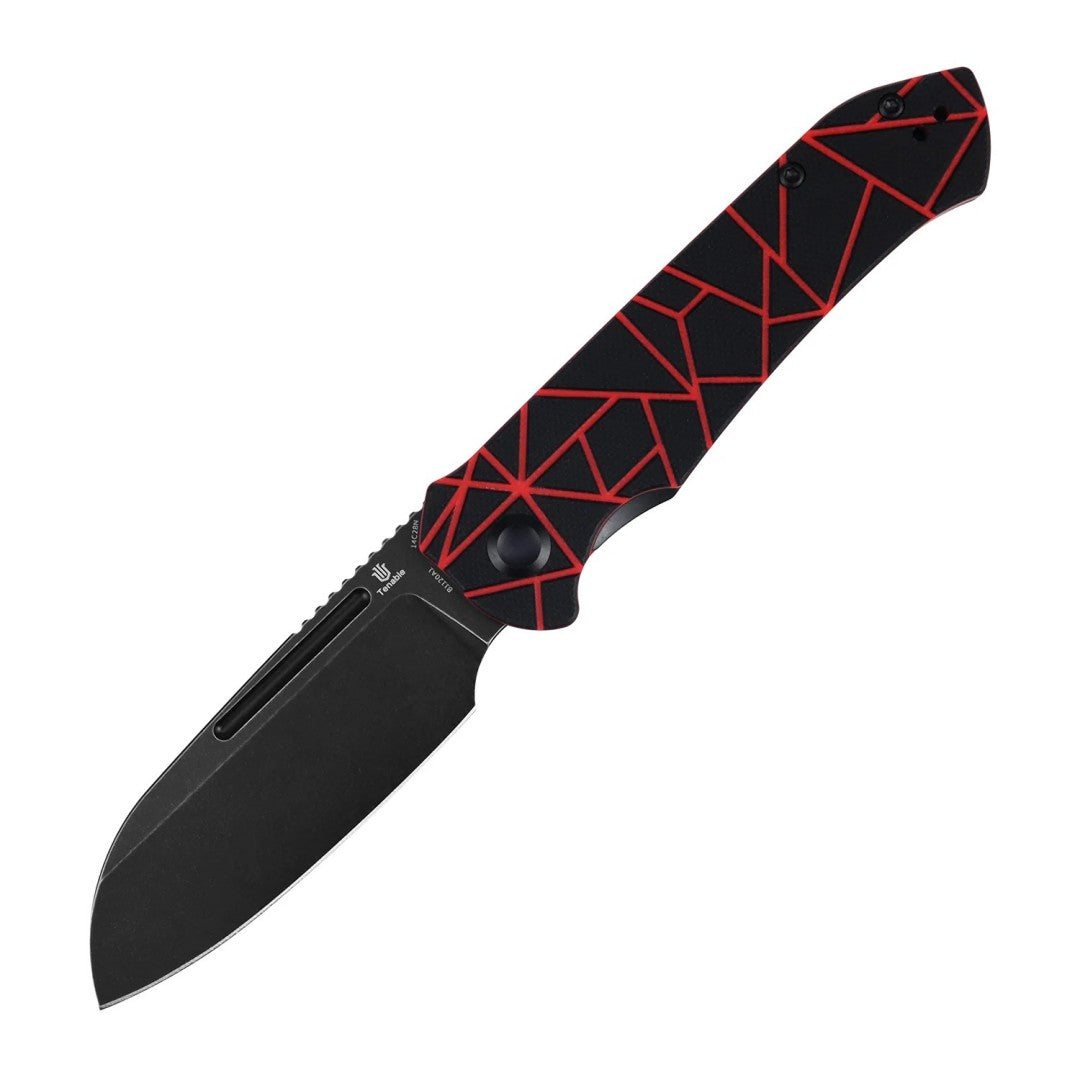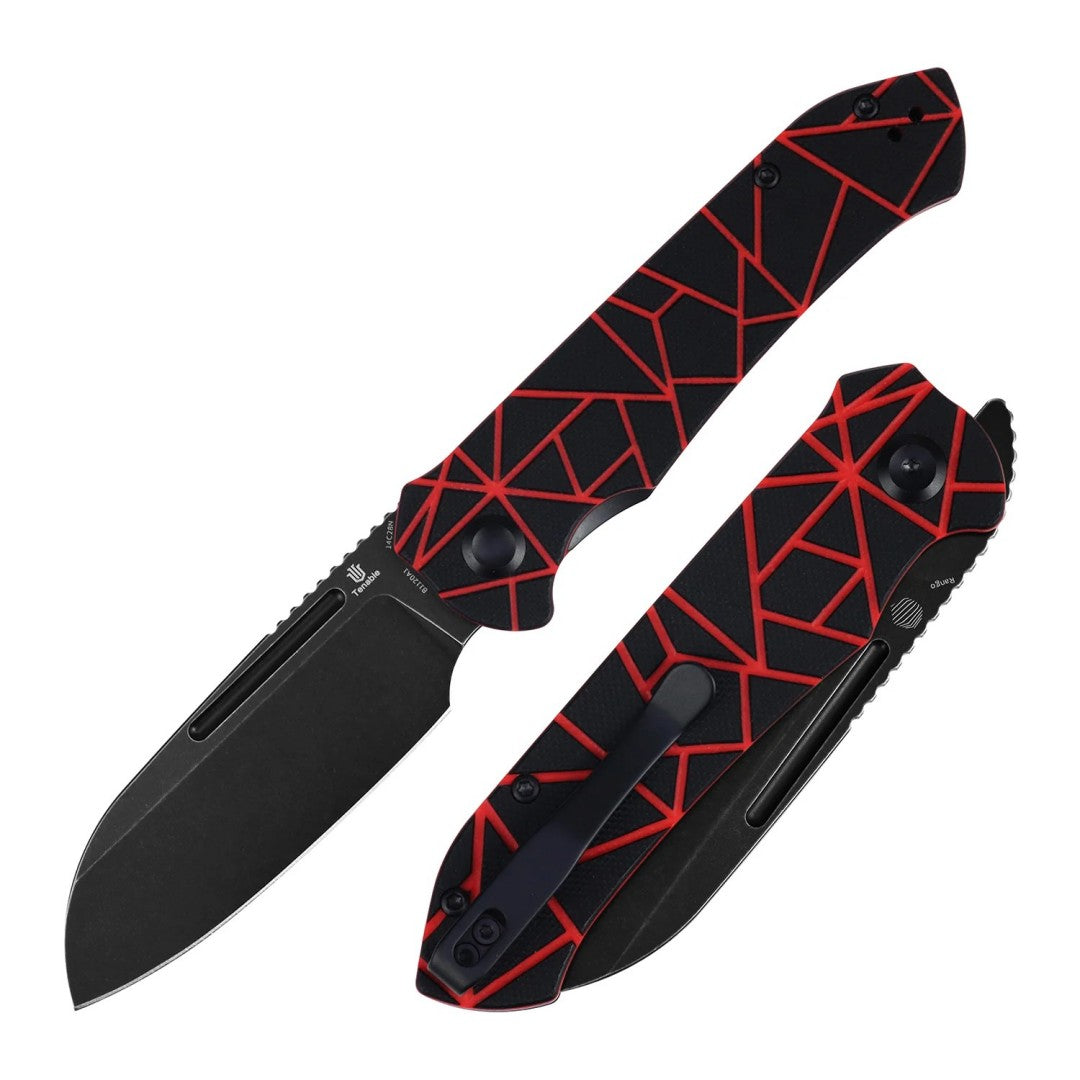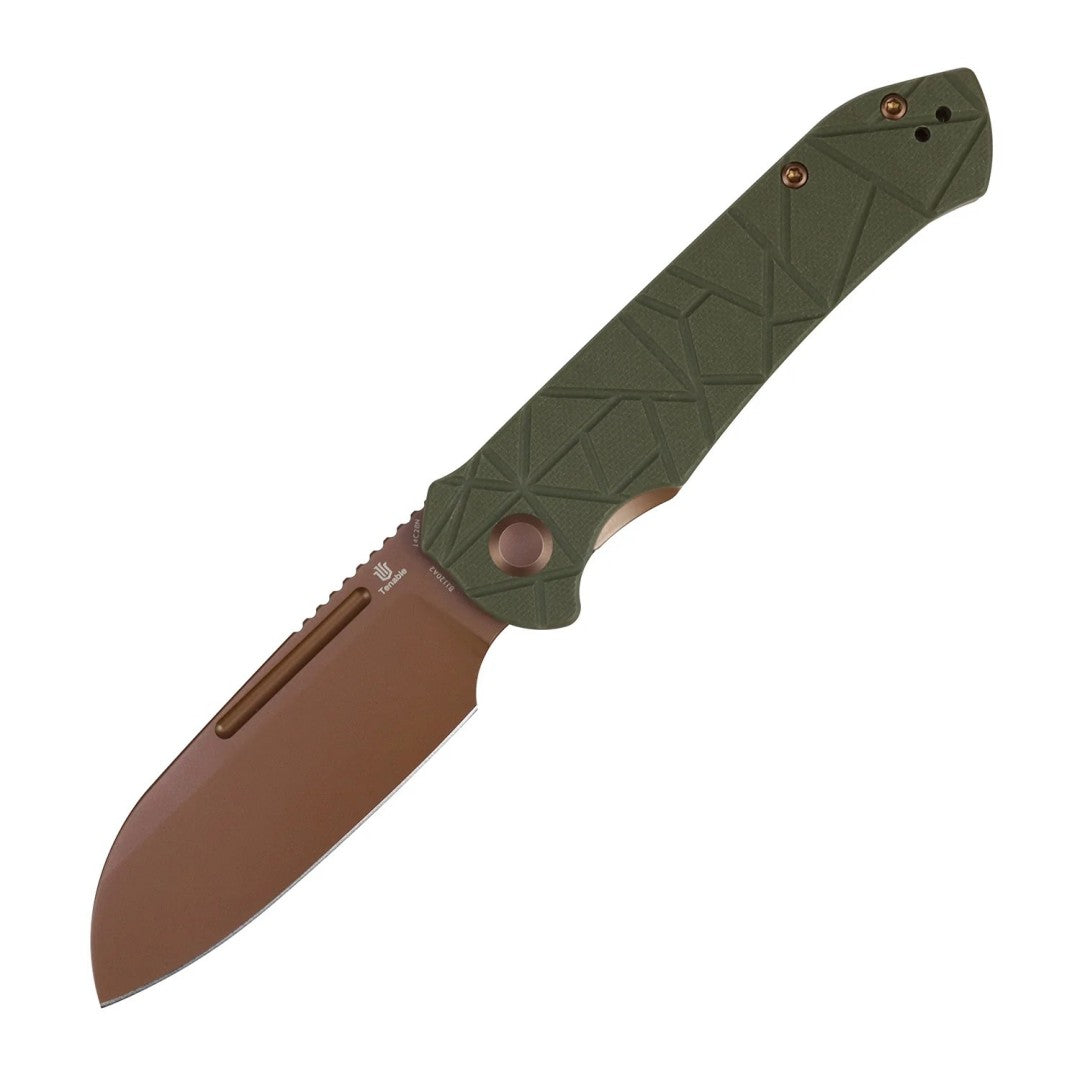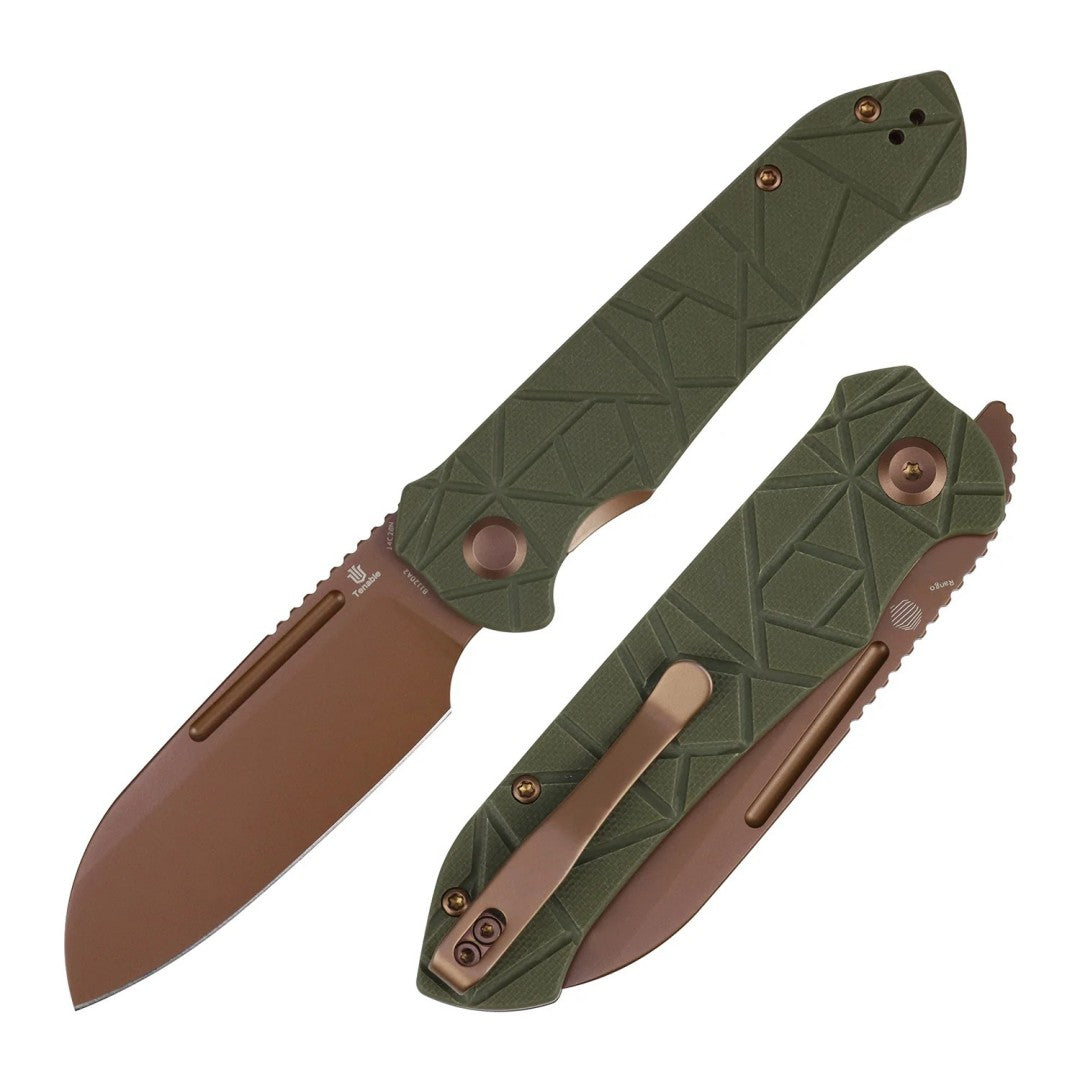

The everyday carry (EDC) community has a clear favorite when it comes to high-value budget knives. For years, that undisputed favorite has been the classic liner-lock QSP Penguin. Its sheer simplicity, robust liners, and incredible box-processing blade shape won over blue-collar workers and office commuters alike.
However, QSP completely shook up the EDC landscape by introducing an advanced alternative: the QSP Penguin Glyde Lock.
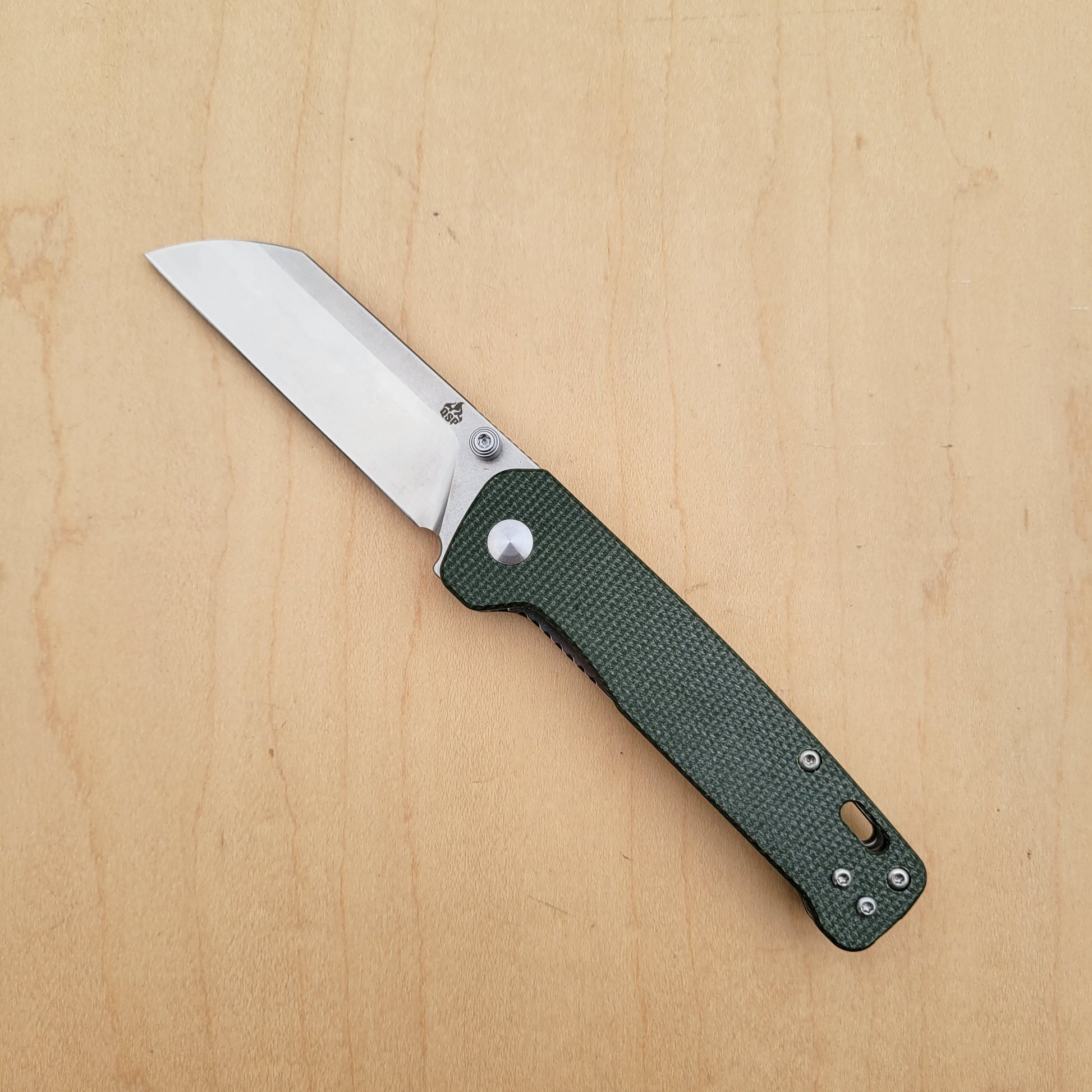
By bringing a proprietary crossbar mechanism to this legendary platform, QSP created a major dilemma for shoppers. Should you stick with the time-tested, hyper-affordable classic Liner Lock, or spend a little extra to upgrade to the modern, ambidextrous Glyde Lock version?
Let’s lay them side by side to see which model best earns a spot in your pocket rotation.
The Mechanical Stand-Off: Glyde Lock vs. Liner Lock
The absolute defining difference between these two variants comes down to the deployment and locking engineering.
The Classic Liner Lock
The standard Penguin utilizes a traditional liner lock. When the blade swings fully open, an internal leaf spring snaps behind the blade's tang.
To close it, your thumb must physically push the metal leaf aside while your index finger folds the blade down. It is an incredibly strong, intuitive system, but it has one fundamental drawback: your thumb must briefly cross the direct path of the sharp cutting edge to disengage the lock.
The Modern Glyde Lock
The Penguin Glyde Lock uses a symmetrical crossbar system. Pulling back on the dual, textured buttons slides a solid steel bar completely off the blade tang, allowing the blade to freely swing open or shut.
This introduces two massive advantages for an EDC tool:
-
True Ambidextrous Control: Left- and right-handed users can open and shut the knife with identical ease.
-
Flawless Finger Safety: Your fingers never cross the path of the folding cutting edge, making one-handed operation completely safe and worry-free.

Pivot Systems and Deployment Action
The lock type isn't the only internal feature QSP reworked. The pivot systems dictate a completely different operating feel.
-
Liner Lock (The Hydraulic Workhorse): The standard liner-lock model operates on traditional copper and phosphor bronze washers. It delivers a glassy, hydraulic manual rollout using the dual thumb studs. It won't freely shake shut, but it forms a tightly sealed environment that easily shrugs off sawdust, mud, and pocket lint without clogging up.
-
Glyde Lock (The Fidget Champion): The Glyde Lock variant upgrades to a ceramic ball bearing mechanism. When the crossbar is held back, the blade swings with buttery smoothness, allowing you to fluidly flick the knife open or drop it shut with a tiny flick of the wrist. It is highly addictive to use, though it requires slightly more care in gritty environments.
Steel Evolution: D2 Tool Steel vs. Sandvik 14C28N
The choice between these models also forces a decision regarding your daily cutting steel.
The budget Liner Lock model is famous for its D2 tool steel. D2 is exceptionally hard and acts like a tiny saw, retaining a usable working edge through massive piles of heavy cardboard. However, because it lacks a high volume of chromium, it will rust if left wet or covered in sweat.
The Glyde Lock shifts gears by loading a premium Sandvik 14C28N stainless steel blade. This nitrogen-strengthened alloy offers phenomenal corrosion resistance. You can carry it on hot humid days, clean it in a sink, and never worry about spotting. While it sacrifices a hair of raw wear resistance compared to D2, it can be sharpened back to a razor-like edge with standard sharpening stones in a fraction of the time.
Ergonomics, Materials, and Weight Profiles
While both knives retain the highly functional, flat-edged 3.06-inch sheepsfoot blade shape, their handle materials give them separate carry personalities.
The Liner Lock Penguin leans into heavy, premium-feeling textile composites like denim Micarta, carbon fiber overlays, and layered G10. It feels substantial, dense, and premium in the palm.
The Glyde Lock Penguin targets extreme weight reduction by using textured FRN (Fiberglass Reinforced Nylon) handle options alongside upgraded foil-infused G10 variations. The FRN model drops the carry weight down to roughly 2.93 ounces, making it completely unnoticeable when clipped to light shorts or a pair of sweatpants.
Buying Decision: Which Model Wins for You?
Buy the QSP Penguin Liner Lock if:
-
You want the most affordable entry point into the high-quality EDC world (typically under $35).
-
You prioritize maximum edge retention for breaking down endless amounts of cardboard boxes.
-
You want a simple tool with heavy canvas, denim Micarta, or traditional G10 handles that can handle extreme grime without needing a pivot blowout.
Buy the QSP Penguin Glyde Lock if:
-
You are left-handed or want a fully ambidextrous, finger-safe deployment system.
-
You prefer the rapid, glassy, fidget-friendly action of a ceramic ball-bearing crossbar lock.
-
You carry your knife in humid weather, sweat frequently, and require a highly rust-resistant 14C28N stainless steel blade.
Frequently Asked Questions
Can the pocket clip be reversed on both the Glyde Lock and Liner Lock?
Yes. Both the QSP Penguin Liner Lock and Glyde Lock models feature a deep-carry steel pocket clip that can be unmounted and flipped to either the left or right side of the frame using a standard T6 Torx screwdriver.
Is the Glyde Lock spring prone to breaking over time?
The Glyde Lock relies on internal steel omega springs. While any spring mechanism can experience wear over years of heavy use, QSP utilizes high-tension, premium spring steel designed to handle tens of thousands of cycles without losing tension.
Which model is easier for a pocket knife beginner to sharpen?
The Glyde Lock model featuring Sandvik 14C28N steel is significantly easier to sharpen. D2 tool steel on the standard liner lock is highly wear-resistant, making it a bit stubborn to apex for beginners using basic sharpening equipment.