When investing in an Everyday Carry (EDC) pocket knife, aesthetic appeal and lightning-fast action are always exciting to discuss. However, when the initial excitement fades, a pocket knife must fulfill its primary purpose: it has to cut, and it has to keep cutting day after day without failing.
The original QSP Penguin carved out a legendary reputation as a budget-friendly workhorse primarily because of its resilient blade construction. With the release of the updated QSP Penguin V2, which brings massive internal upgrades like ultra-smooth ceramic ball bearings and flush pocket hardware, many knife enthusiasts are asking a crucial question: How does the core blade steel hold up to extended, long-term abuse?
In this comprehensive review, we dive straight into the hard physics of the Penguin V2’s D2 tool steel blade. We analyze its real-world edge retention, structural durability, resistance to wear, and how well it stands up to the test of time as a dedicated daily companion.

The Metallurgy: Understanding QSP’s D2 Tool Steel
To understand the long-term durability of the Penguin V2, we have to look at the chemistry of its blade material. D2 is a high-carbon, high-chromium air-hardened tool steel that has been a gold standard in the industrial tooling and cutlery world for decades.
QSP carefully hardens their D2 steel to a respectable 58-60 HRC (Rockwell Hardness Scale). This hardness level represents a carefully engineered sweet spot:
-
Wear Resistance: High carbon content allows the steel to form incredibly hard chromium carbides. These micro-structures act like tiny teeth along the cutting edge, resisting abrasive wear when slicing through dense materials.
-
Toughness: By keeping the hardness around 58-60 HRC rather than pushing it to brittle extremes, the steel retains enough elasticity to absorb impacts without chipping or cracking under pressure.
Edge Retention: Real-World Cutting Performance
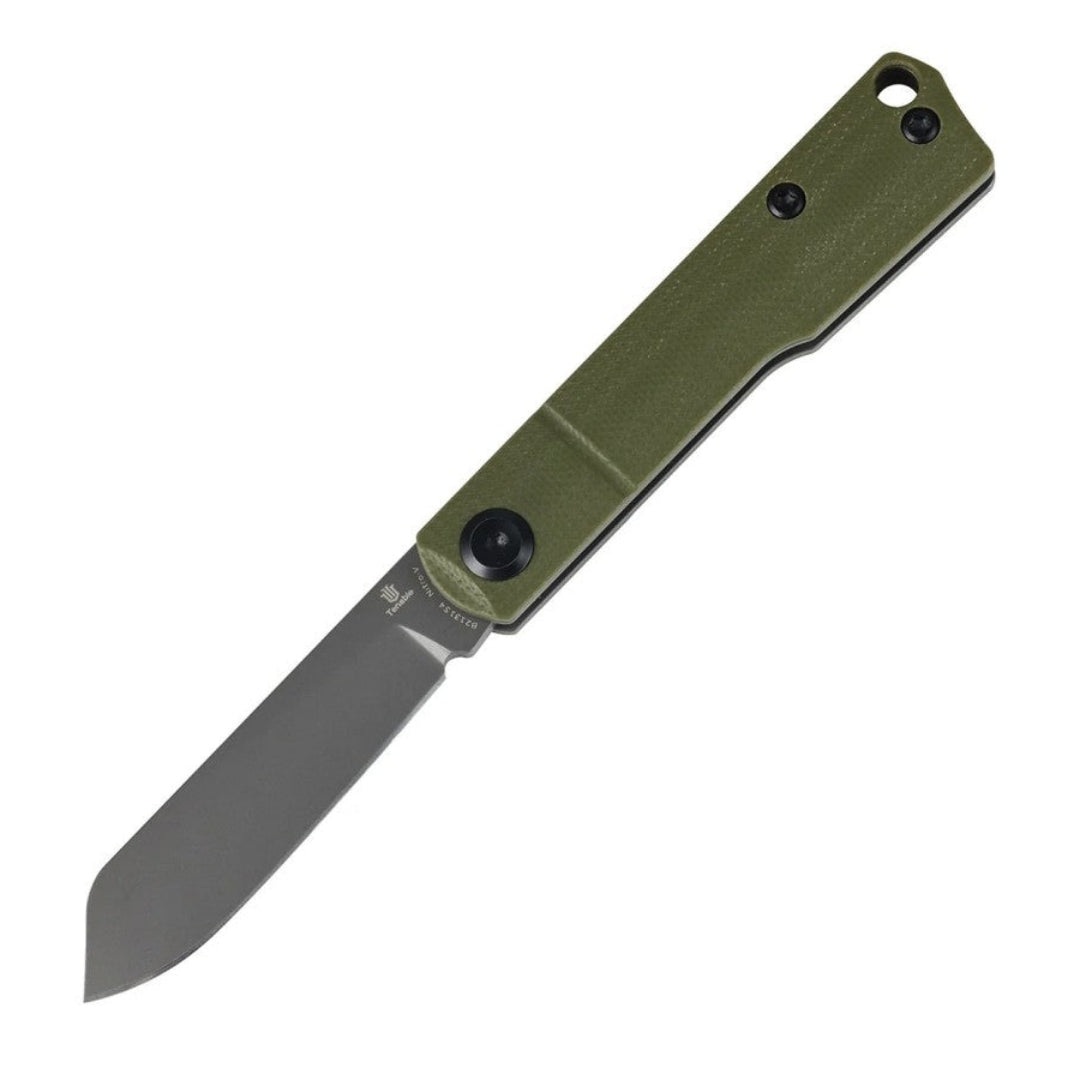
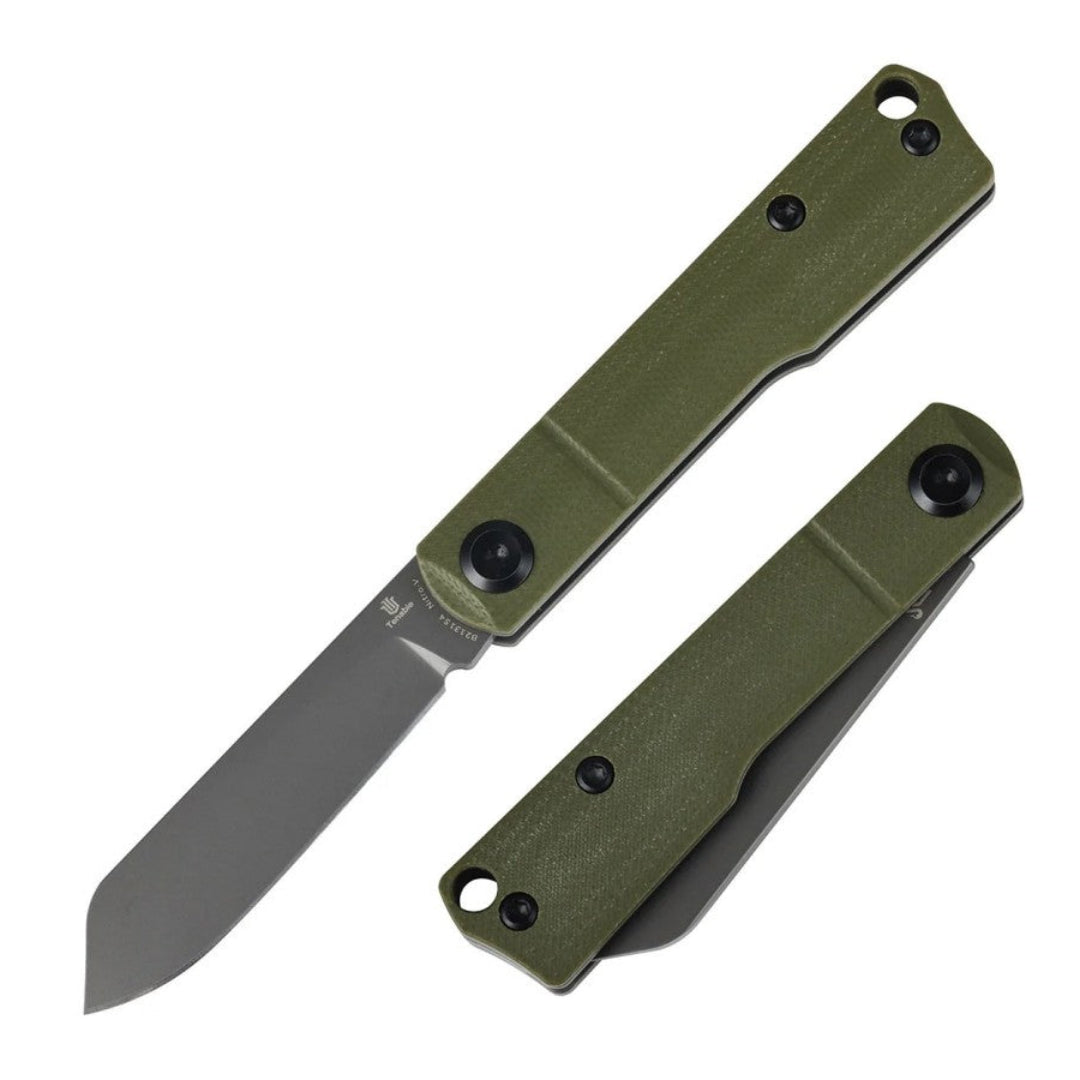
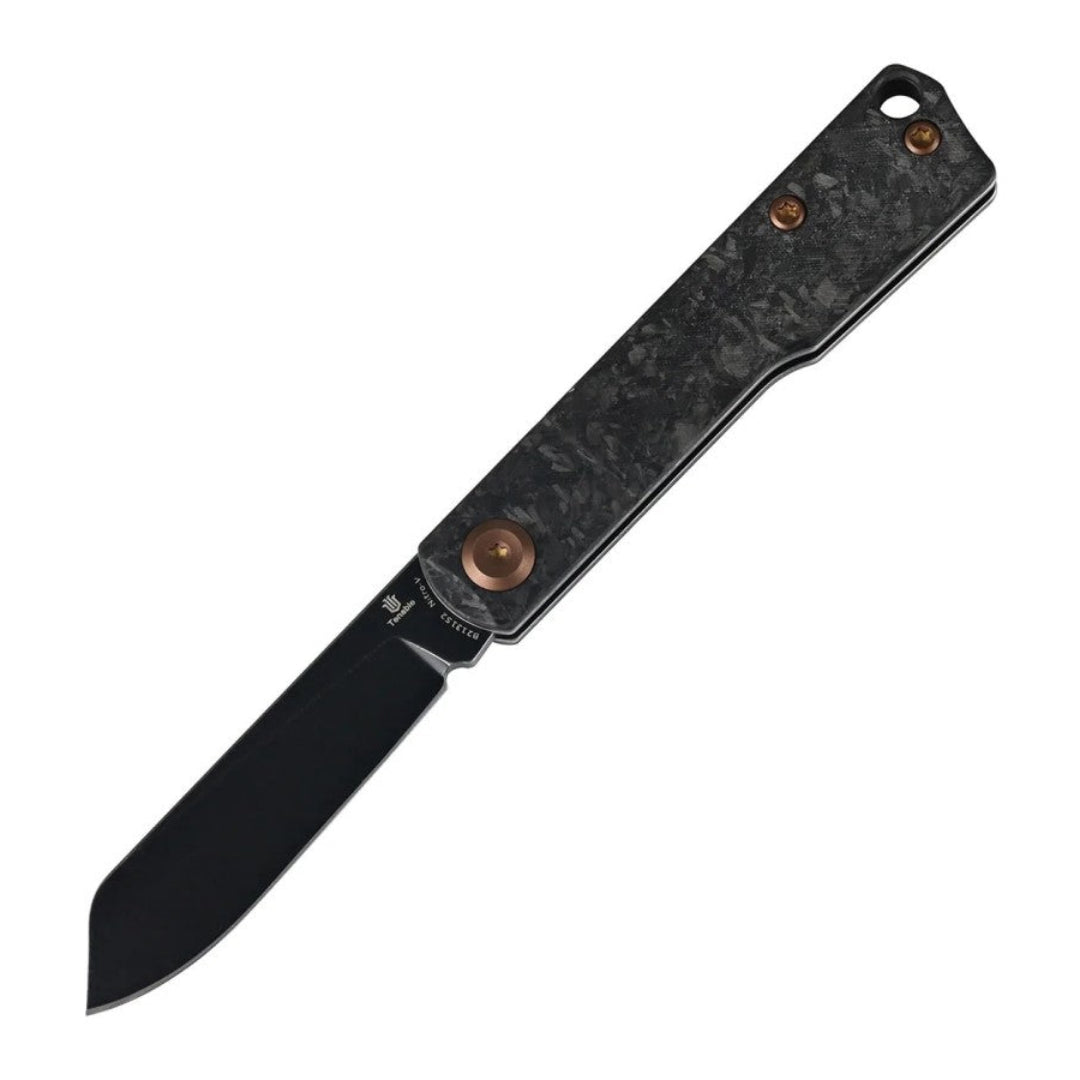
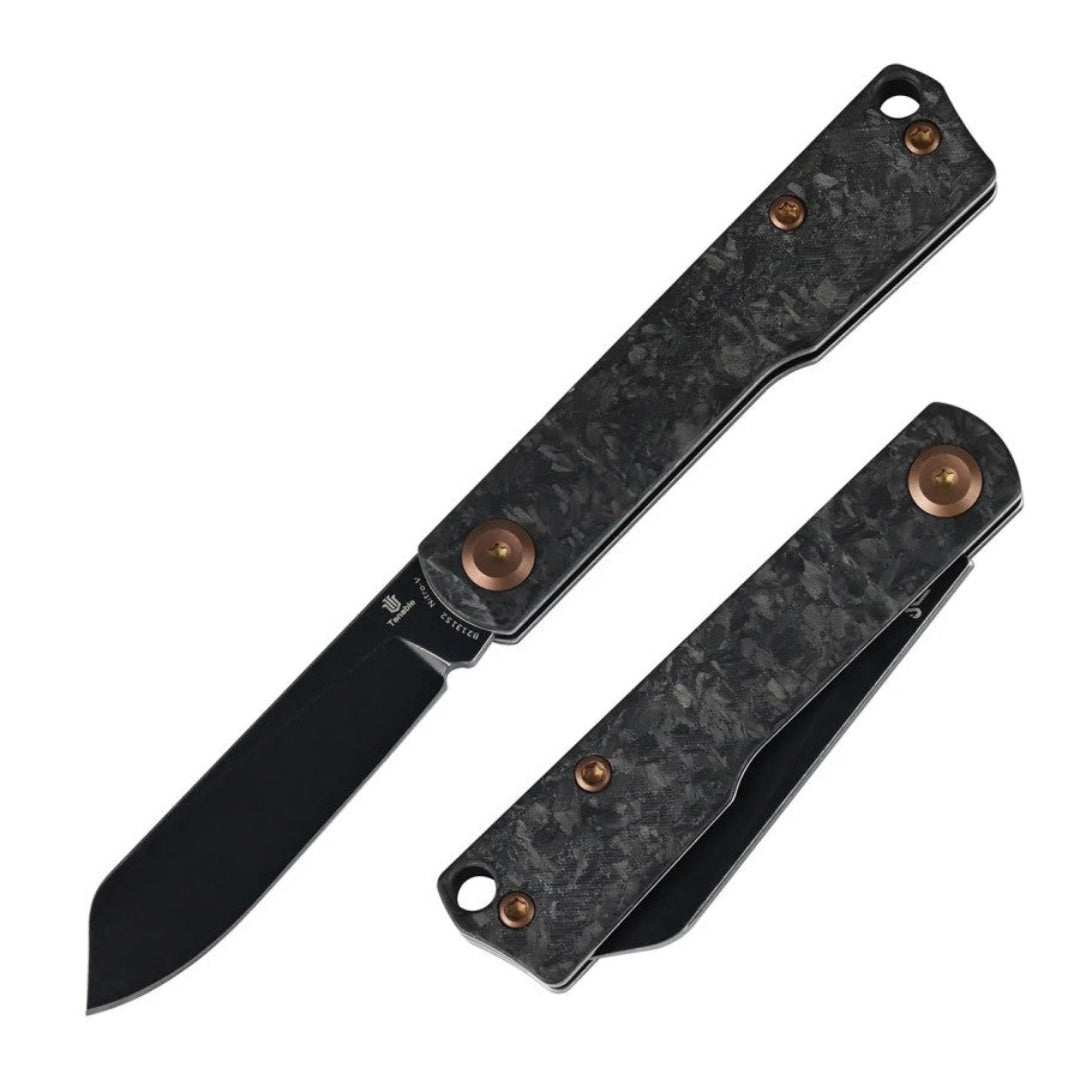
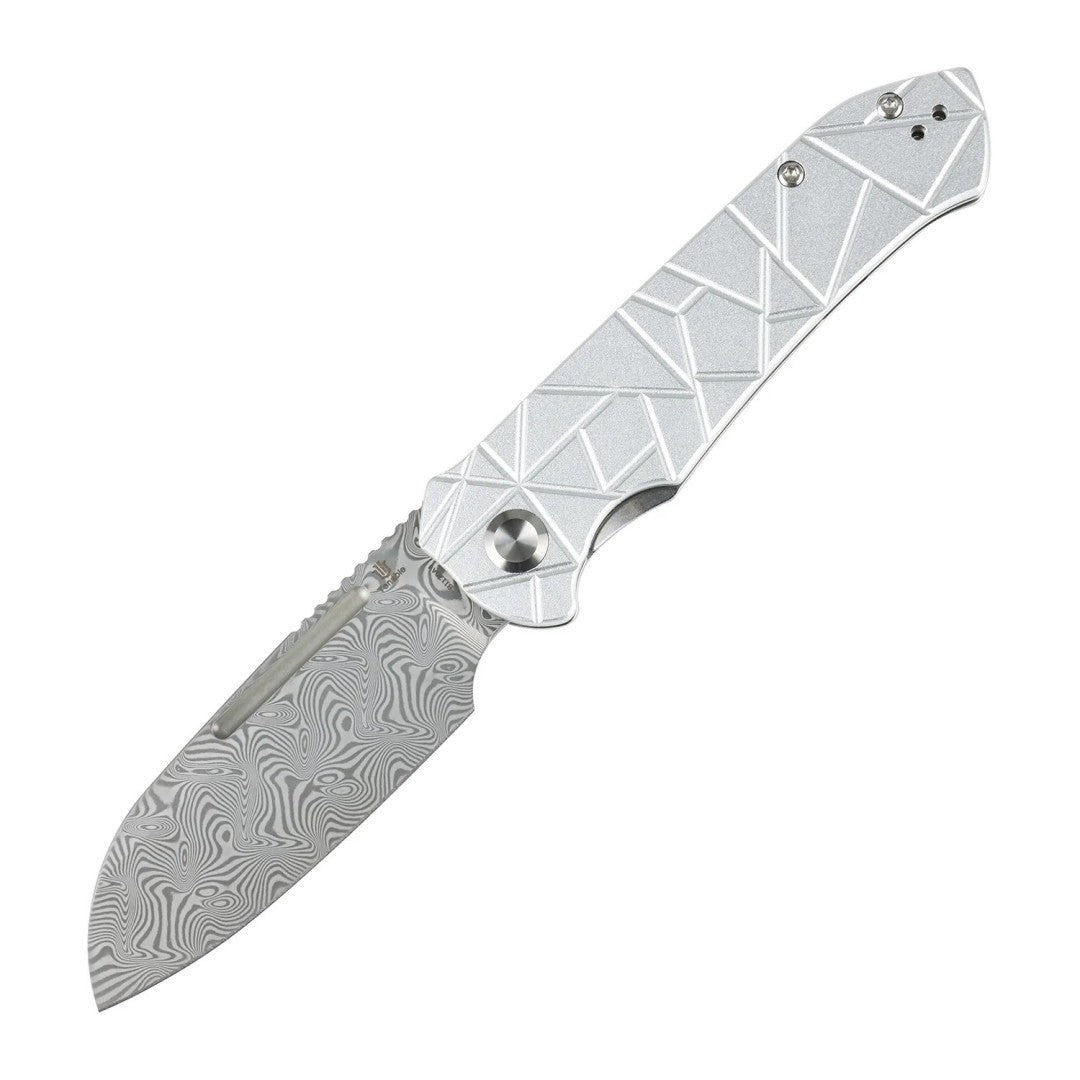
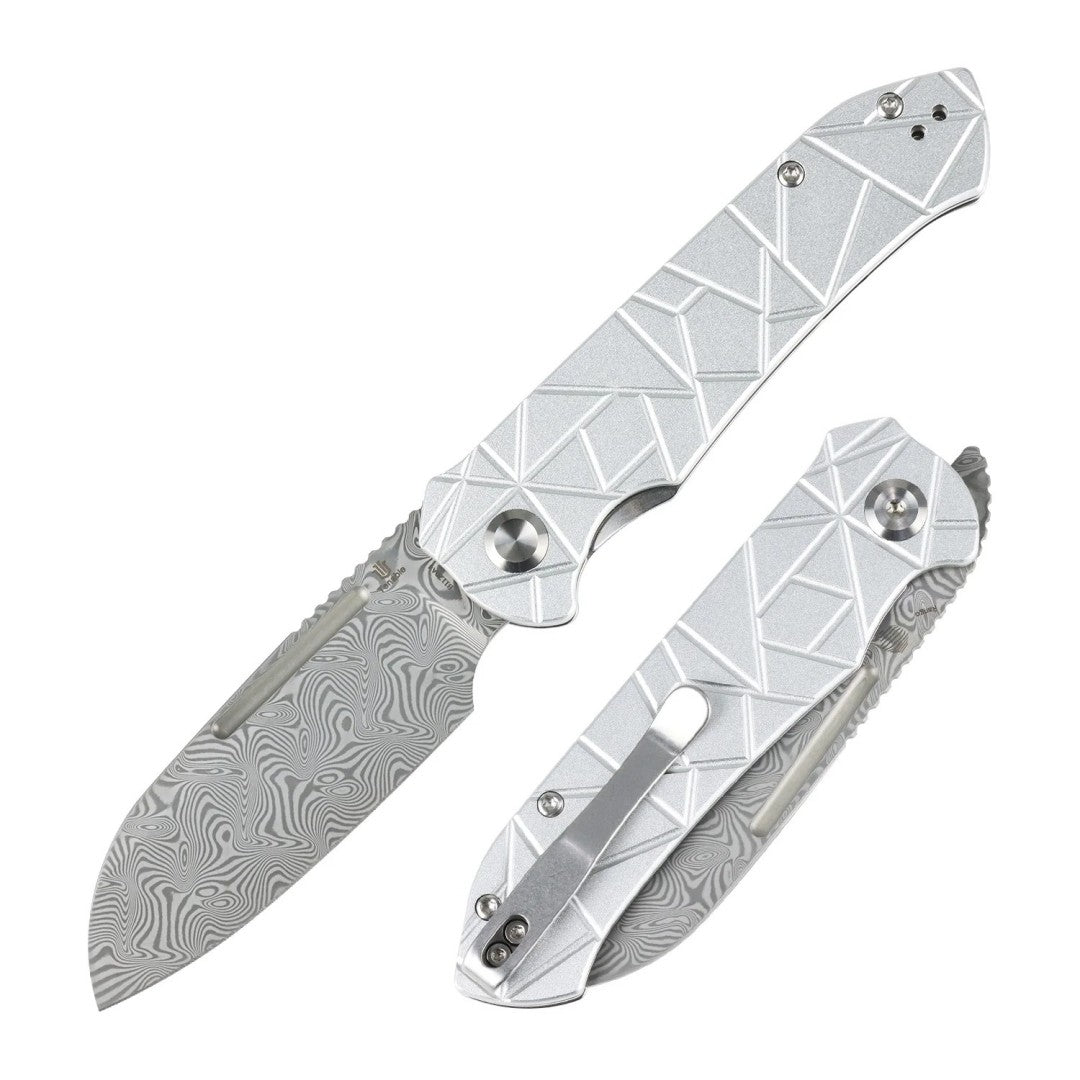
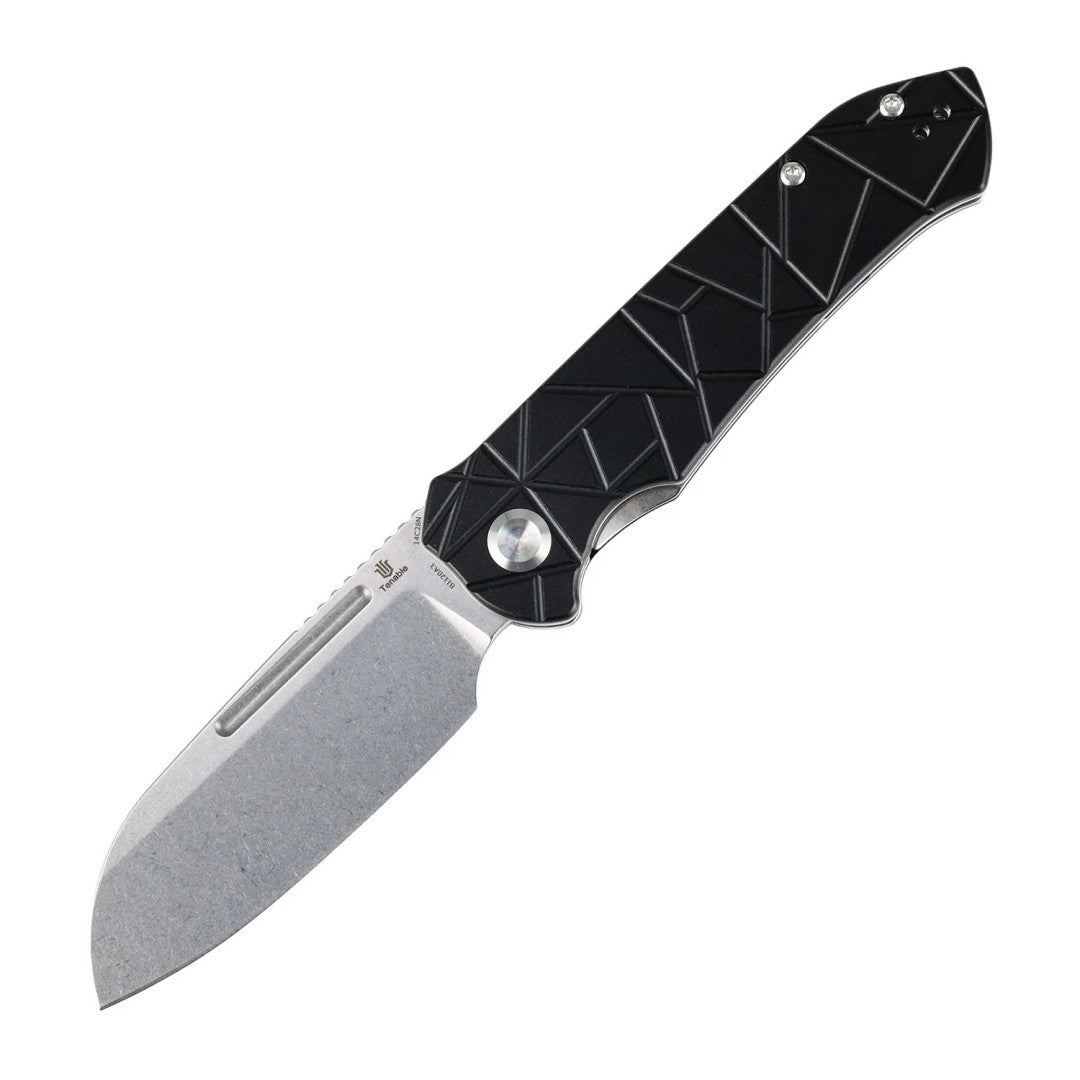
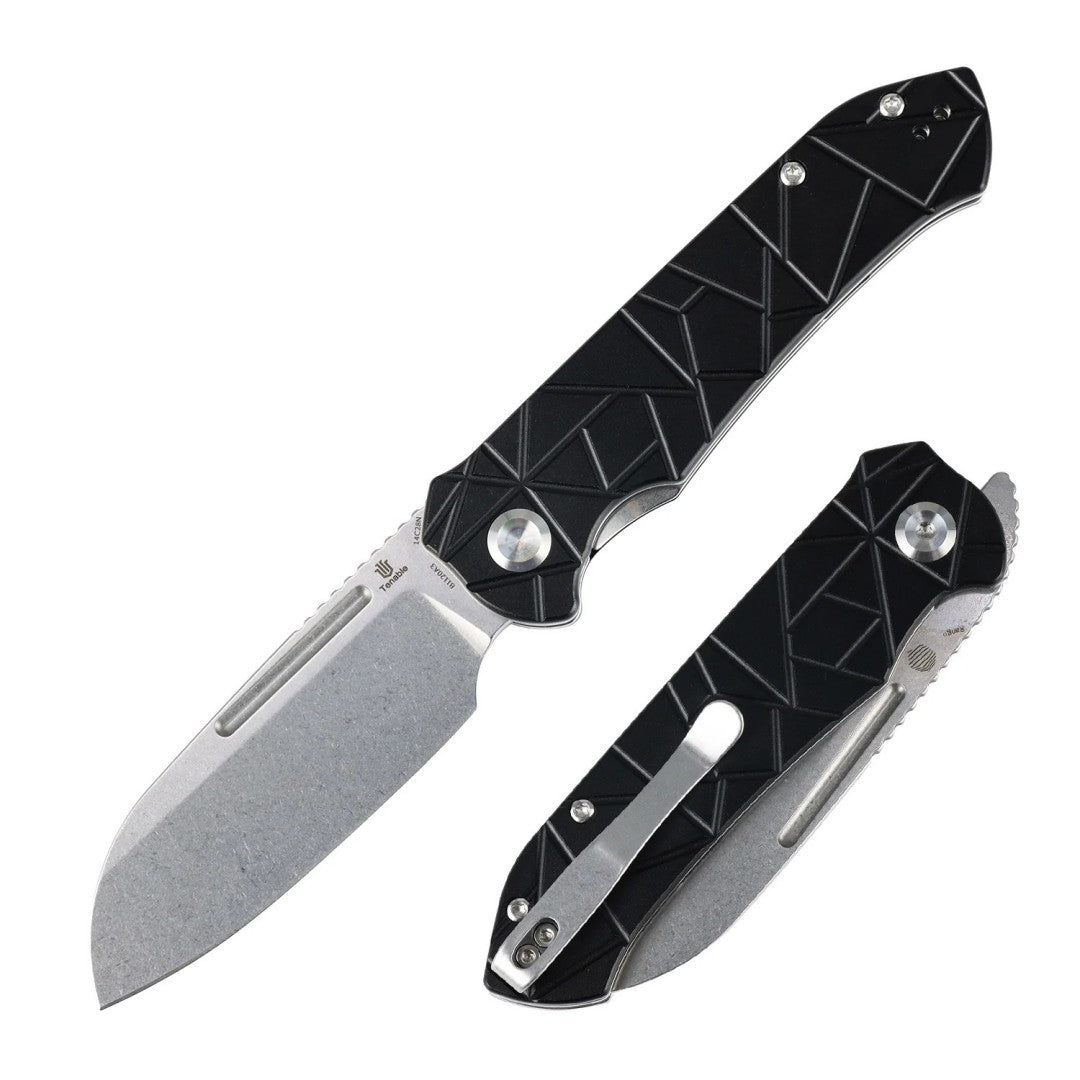
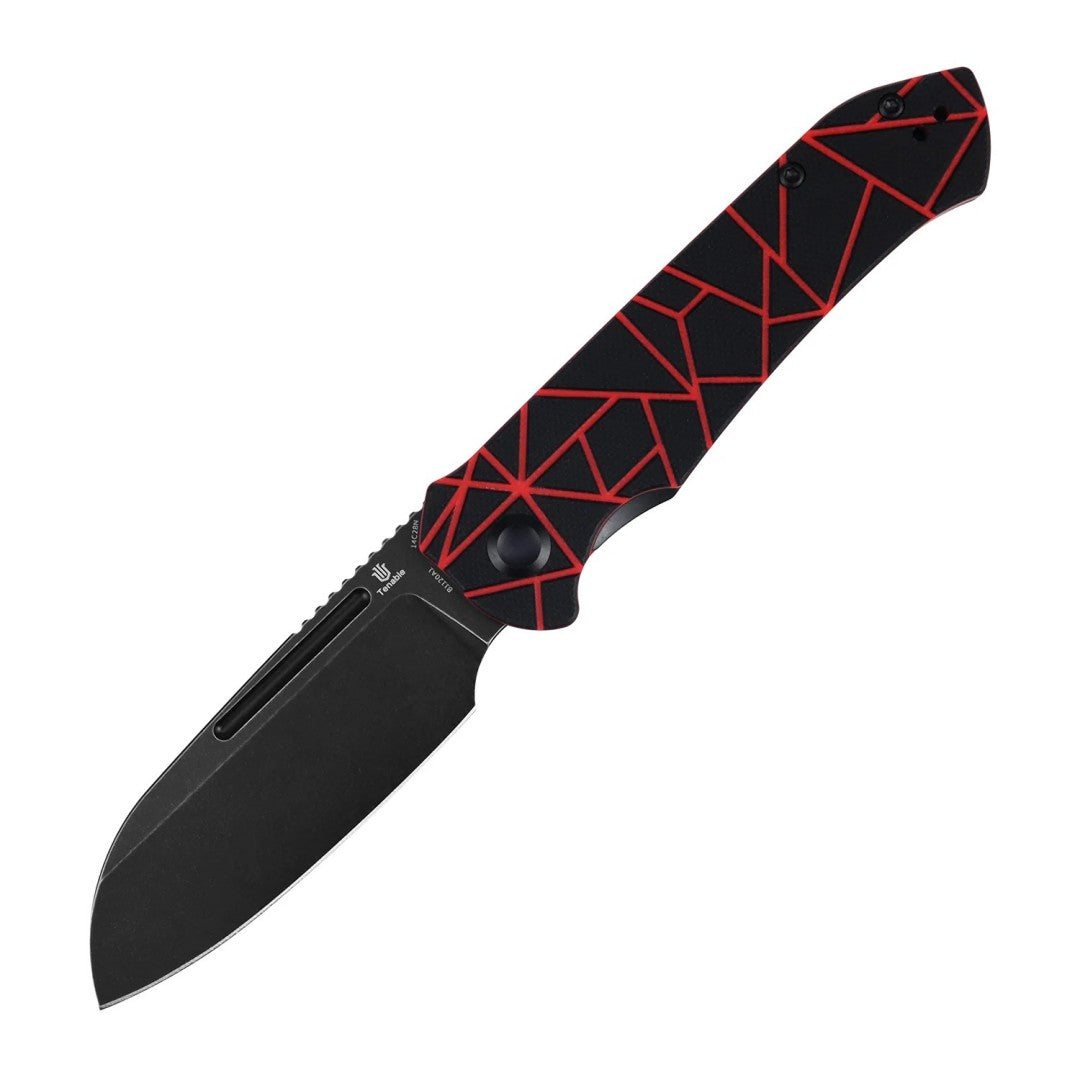
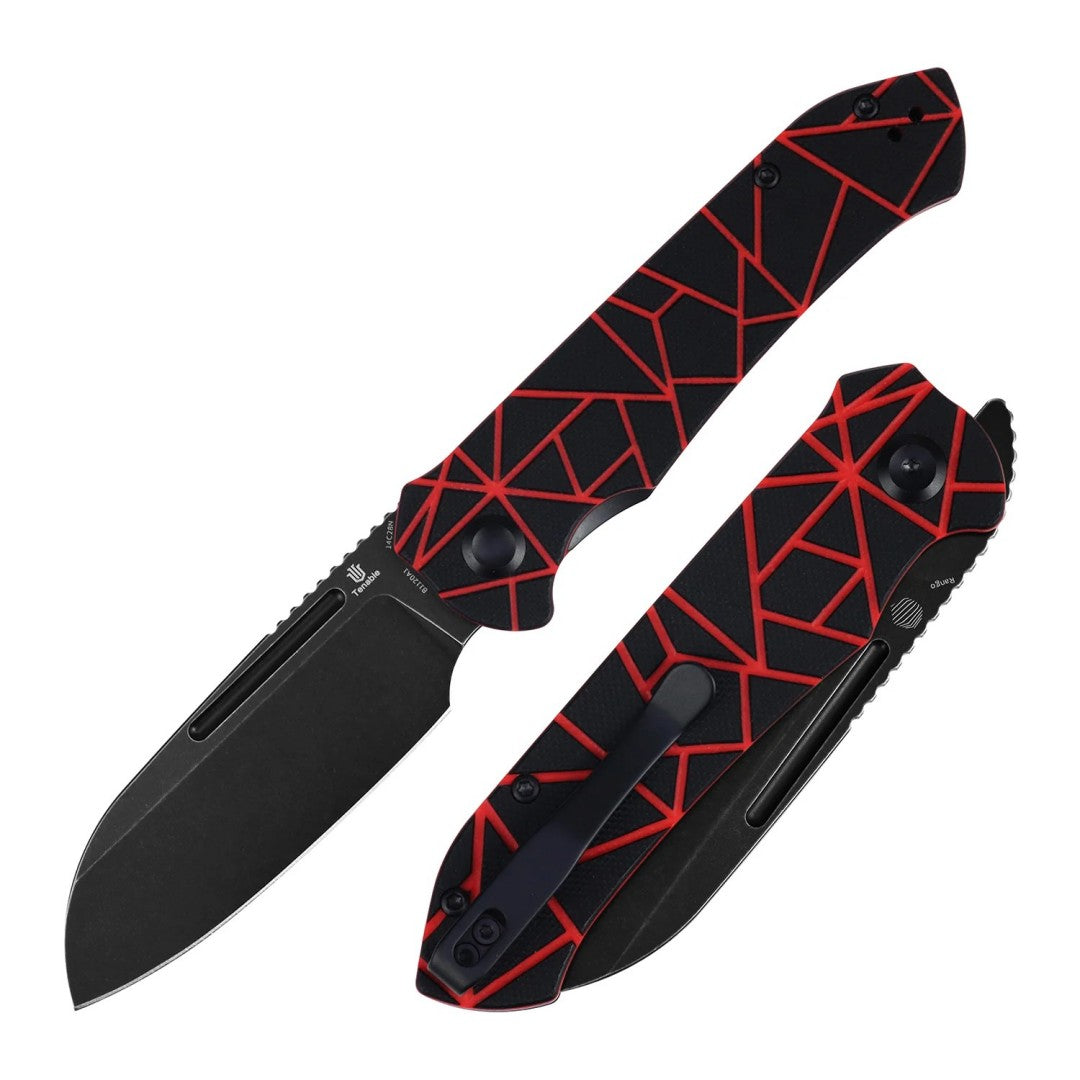
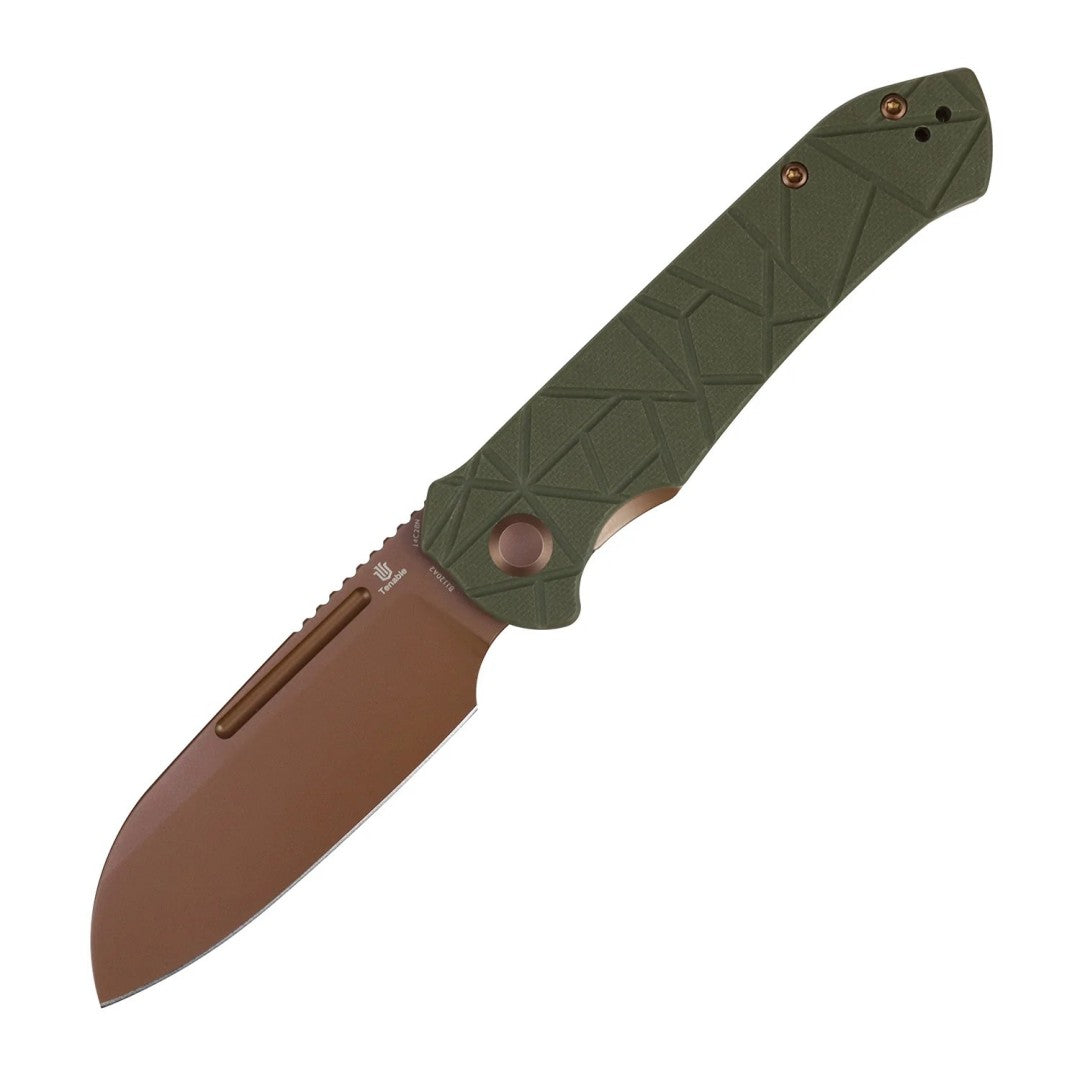
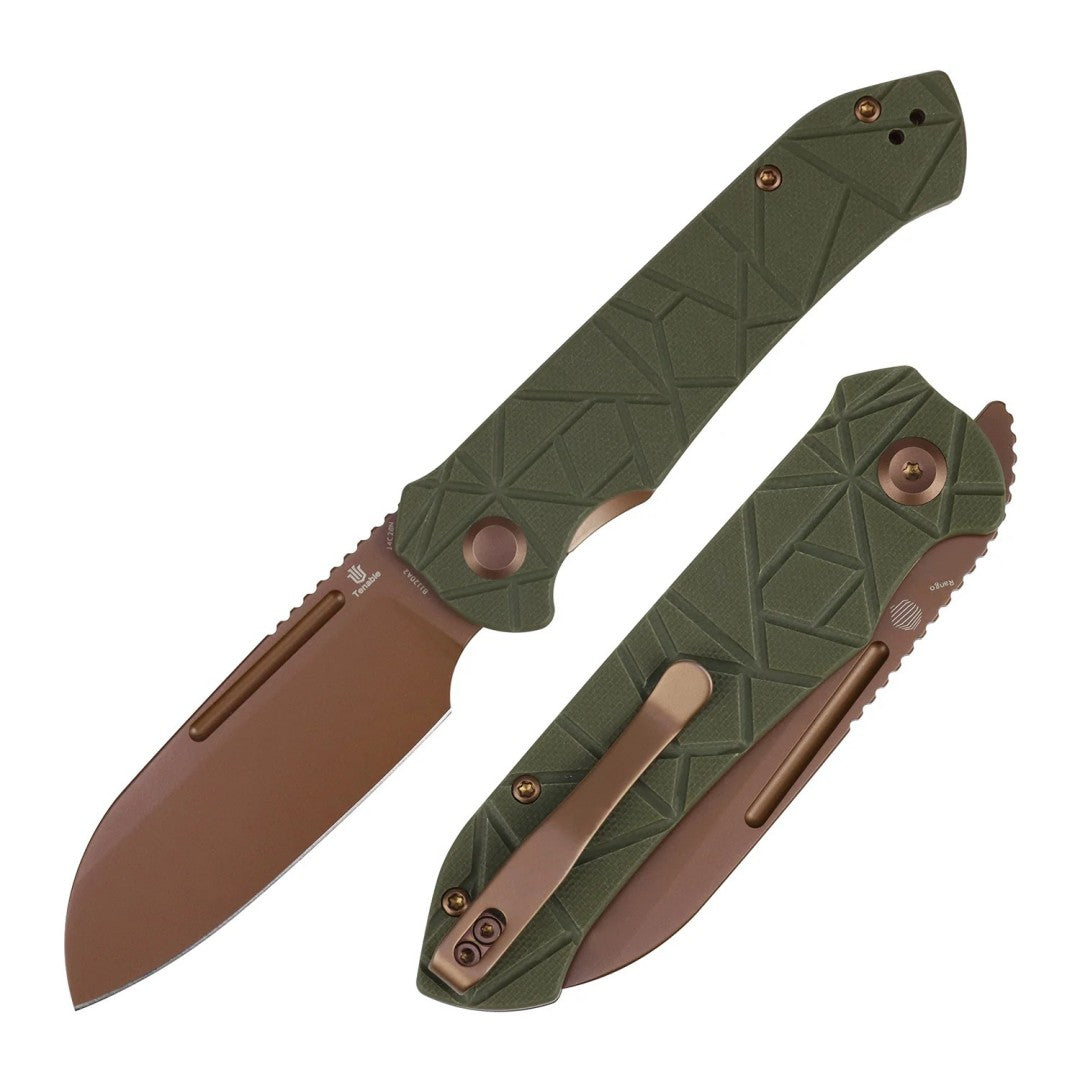
To test the edge retention of the Penguin V2, we subjected the straight-edge sheepsfoot blade to typical, repetitive EDC tasks over an extended period.
Cardboard Breakdown Test
Cardboard is notoriously abrasive because it contains embedded silicates, wood fibers, and recycled glues that quickly round off a knife’s cutting apex. Thanks to its flat grind and robust D2 composition, the Penguin V2 sliced through dozens of linear feet of thick shipping boxes before showing any noticeable drop in slicing efficiency. Even when it lost its initial hair-shaving sharpness, it retained a highly aggressive working edge that continued to slide through cardboard with ease.
Heavy Utility Tasks
When cutting dense plastics, heavy-duty zip ties, nylon rope, and leather straps, the Sheepsfoot blade geometry works hand-in-hand with the steel. Because the straight edge allows you to apply even downward pressure across the entire cutting surface, you don't wear out a single localized "belly" section of the blade. The workload is distributed evenly, dramatically extending the time between required sharpening sessions.
Long-Term Durability: Liners, Lockup, and Pivot Integrity
A knife is only as durable as its weakest mechanical component. Beyond the blade steel, the long-term structural integrity of the Penguin V2 relies heavily on its upgraded internal build quality.
1. Solid Liner Lock Engagement
The V2 utilizes thick, skeletonized stainless steel liners that provide excellent structural rigidity without adding unnecessary weight to your pocket. Over months of continuous opening and closing, the liner lock consistently engages the blade tang at an ideal 40-50% position. There is absolutely zero vertical lock rock or horizontal blade play, ensuring total safety during heavy push cuts.
2. Bearing Track Wear
A common question regarding the V2's transition to caged ceramic ball bearings is whether they will wear down the internal steel liners over time. Because QSP incorporates hardened steel race washers for the ceramic bearings to roll against, the pivot mechanism remains incredibly smooth over thousands of cycles. The deployment remains snappy and free-falling, proving that the V2 is engineered for years of constant fidgeting and heavy usage.

The Trade-Off: Corrosion Resistance and Maintenance
While D2 tool steel offers spectacular edge retention and toughness for its price point, an honest review must highlight its primary limitation: it is a semi-stainless steel.
True stainless steels contain 13% or more chromium. D2 typically sits right at 12% chromium. This means it offers vastly superior stain resistance compared to pure carbon steels like 1095, but it can still develop micro-corrosion, pitting, or surface tea-staining if neglected.
Keeping Your V2 Pristine
To ensure your Penguin V2 lasts a lifetime, simple routine maintenance is required:
-
Dry After Use: If you use your knife to slice an apple, open a package in the rain, or carry it in a sweaty pocket during hot summer months, always wipe the blade clean and dry before pocketing it.
-
Light Lubrication: Apply an occasional drop of mineral oil or specialized knife pivot lube to the blade face and the bearing pivot to form a protective barrier against moisture.
If you happen to notice minor surface spots developing, they can be easily buffed out using a mild metal polish or a light abrasive eraser, returning the satin or stonewashed finish to its original glory.
Sharpening and Edge Restoration
Eventually, even the hardest D2 steel will need to be sharpened. Because of its excellent wear resistance, D2 takes slightly more time to sharpen than softer budget steels like 8Cr13MoV or 440C.
However, the straight-edge sheepsfoot profile of the Penguin V2 makes the sharpening process incredibly straightforward. Because there is no curved belly to manage, the blade maintains a perfectly consistent angle across a flat sharpening stone or a guided sharpener system. For routine maintenance, a simple ceramic honing rod followed by a few passes on a leather strop loaded with polishing compound is all it takes to bring the edge back to a razor-sharp, hair-popping finish.
Pros and Cons: Durability Analysis
Pros:
-
Superb Edge Retention: Hardened D2 steel holds a working edge through heavy daily cutting.
-
Structural Rigidity: Thick stainless steel liners provide a rock-solid, wiggle-free lockup.
-
Frictionless Pivot: Upgraded ceramic bearings run on hardened tracks, ensuring long-term deployment smoothness.
-
Easy-to-Sharpen Profile: The straight sheepsfoot edge eliminates the complexity of sharpening curved blades.
Cons:
-
Requires Basic Care: Semi-stainless composition means it needs to be kept dry to prevent spot rusting.
-
Not a Pry Bar: The fine, flat-ground tip is optimized for precision utility cutting, not prying or heavy twisting.
The Verdict: Is the Penguin V2 Built to Last?
Without a doubt, the QSP Penguin V2 is built to withstand years of genuine daily use. QSP didn’t just focus on making a flashy, smooth-opening knife; they maintained the rigid manufacturing tolerances and excellent heat treatment that made the original version a legend.
If you are looking for a pocket knife that balances budget-friendly accessibility with the long-term cutting stamina and structural toughness of a premium tool, the Penguin V2 is an absolute triumph. It is a reliable utility workhorse that will confidently handle everything you throw at it for years to come.
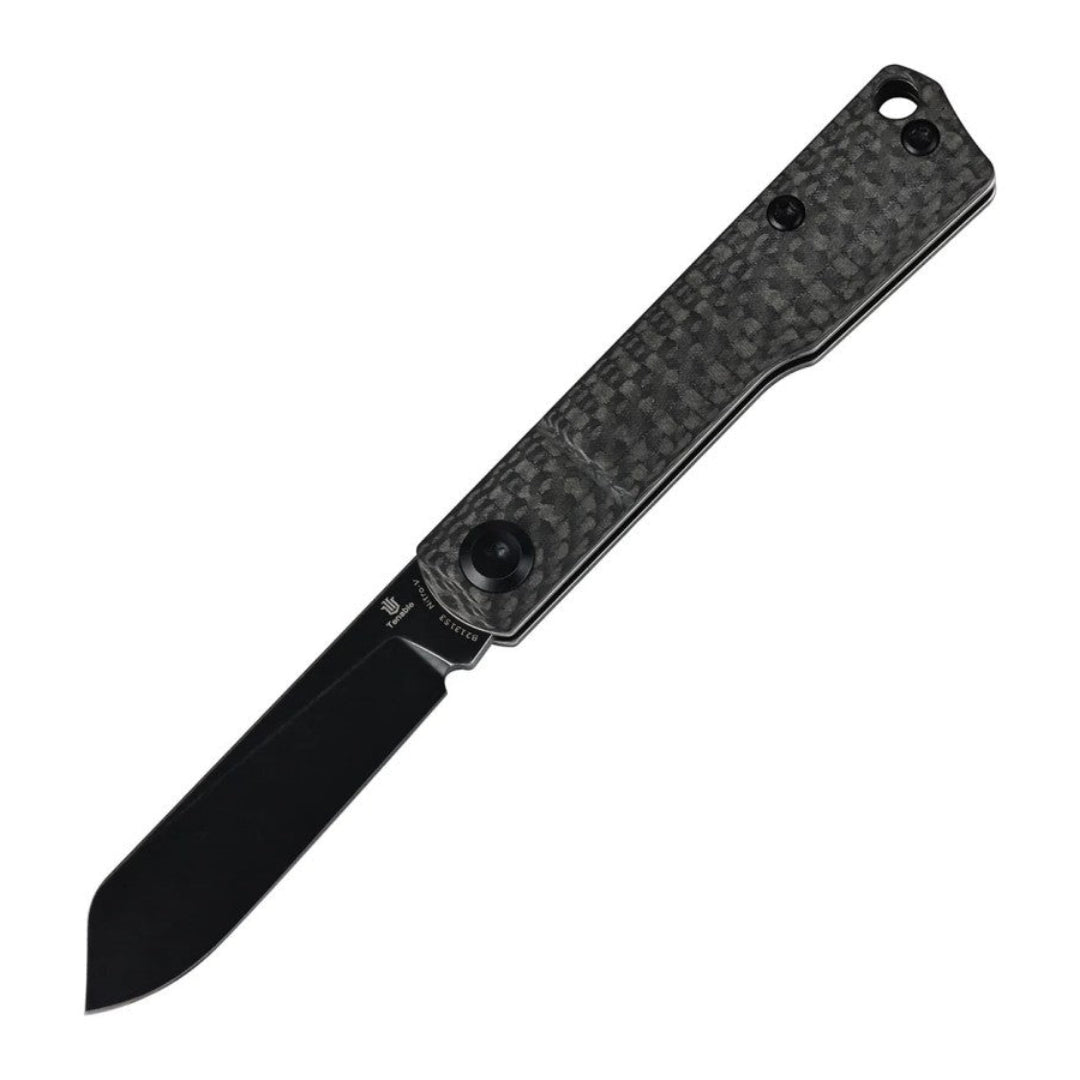
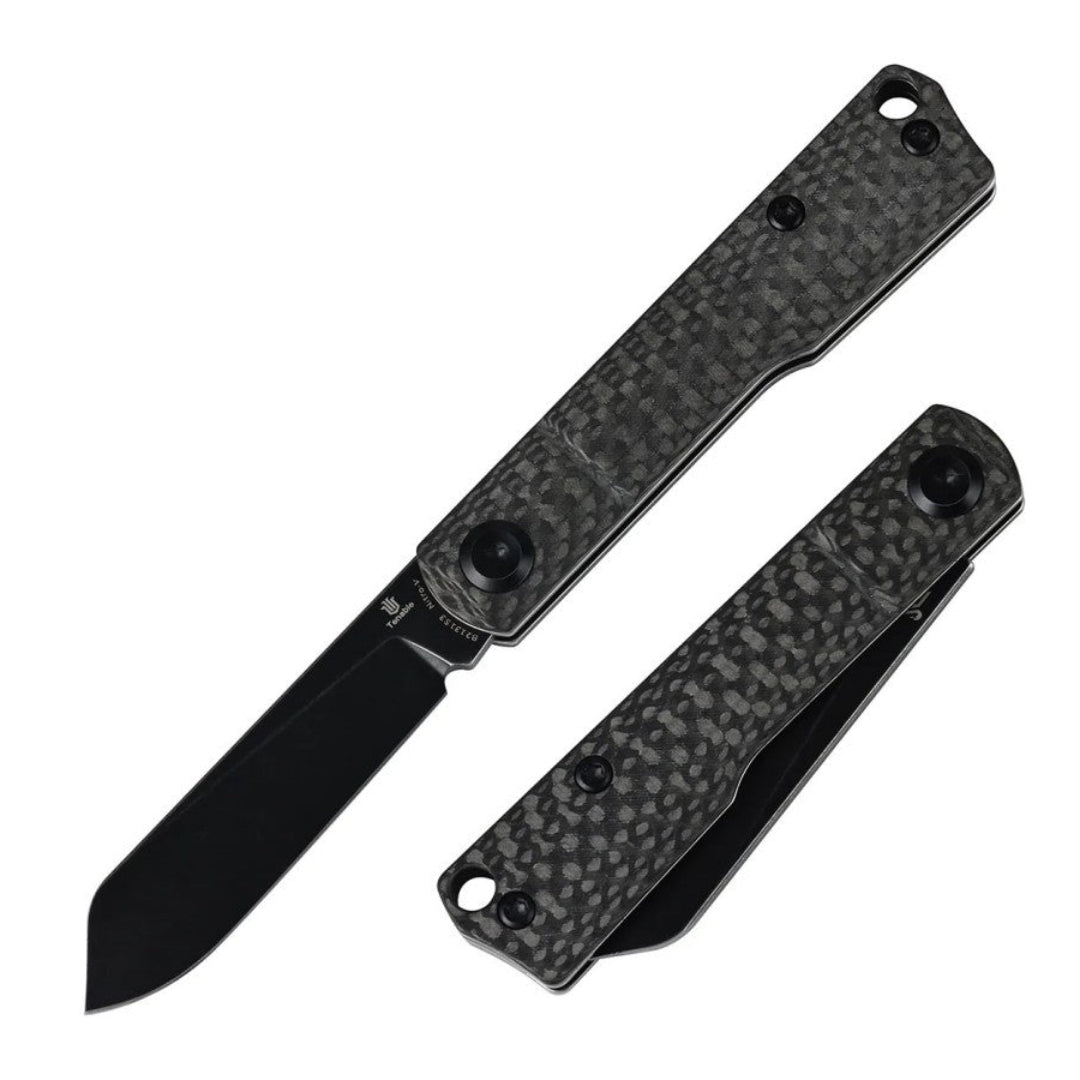
Ready to put this value workhorse to the test? Head over to the official QSP Penguin V2 Collection to explore the full lineup of durable handle materials—including rugged micarta, robust G10, and modern carbon fiber overlays—and secure your ultimate daily carry tool today!