When it comes to high-value, budget-friendly everyday carry (EDC) folding knives, QSP Knife has absolutely dominated the conversation over the last few years. The brand's philosophy is simple: deliver high-quality tool steels, rock-solid lockups, and premium handle textures at a price point that undercuts the big-name competition.
If you are browsing a Shopify gear store for a reliable daily pocket knife under $40, you will inevitably narrow your choices down to QSP’s two most iconic budget heavyweights: the QSP Penguin and the QSP Parrot.

 Both knives share a similar design DNA, utilize excellent budget materials, and cost roughly the same. However, they feature completely different blade shapes, deployment methods, and ergonomics.
Let’s pit the Penguin against the Parrot to see which one deserves a permanent spot in your pocket.
The Core Profiles: A Tale of Two Blades
The absolute biggest differentiator between these two budget champions is the blade geometry. Your choice here will entirely depend on how you plan to use your knife on a daily basis.
The QSP Penguin: The Heavy-Duty Utility Worker
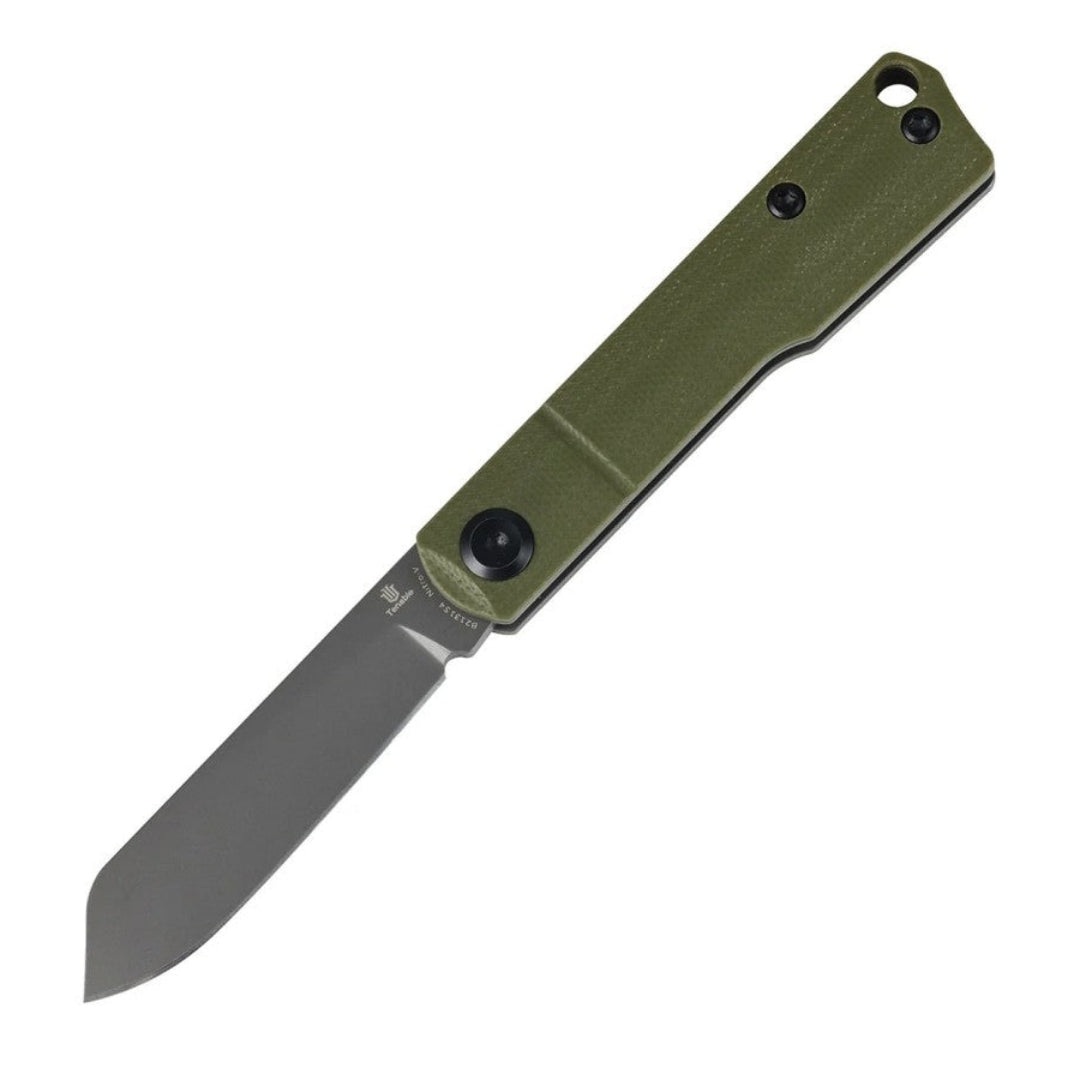
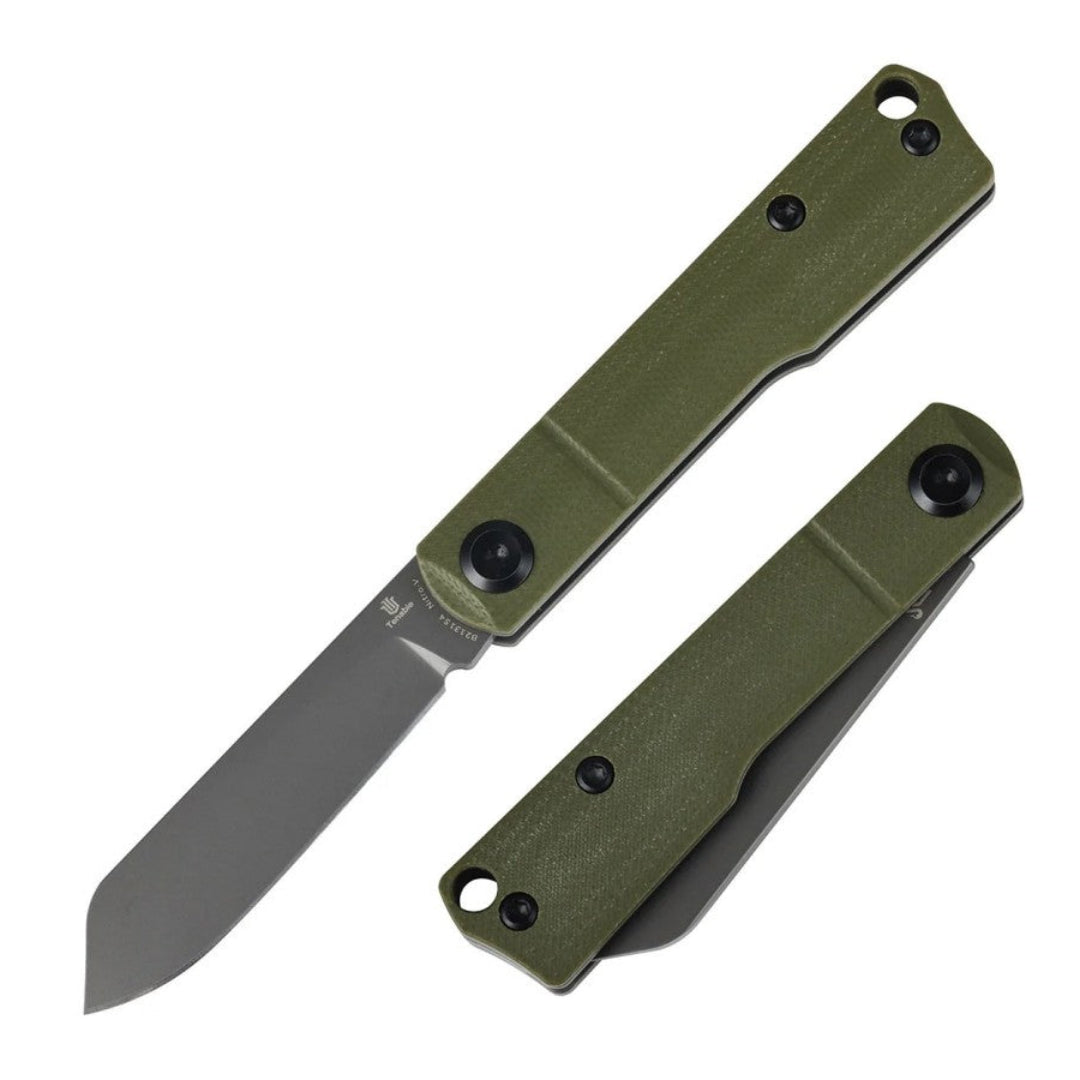
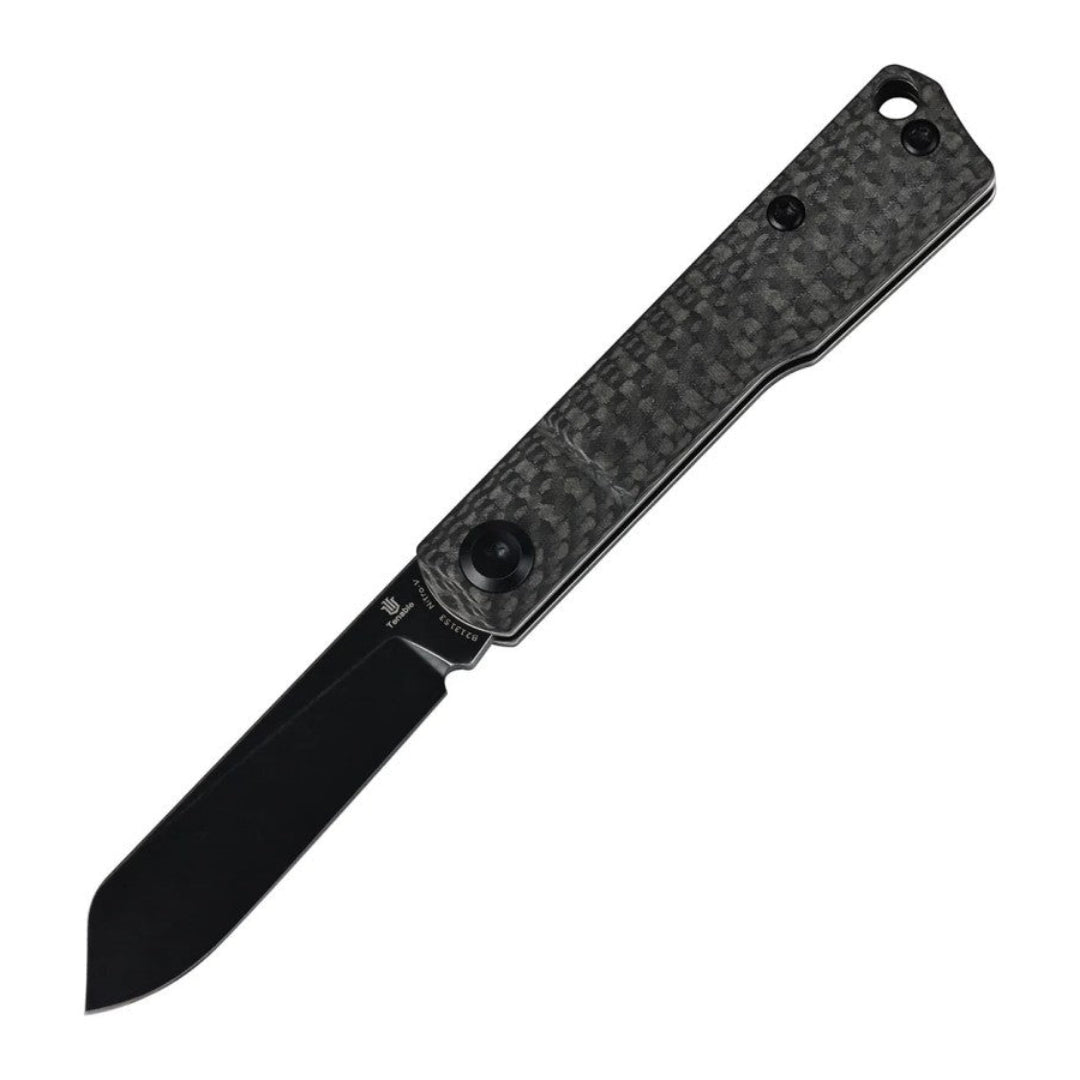
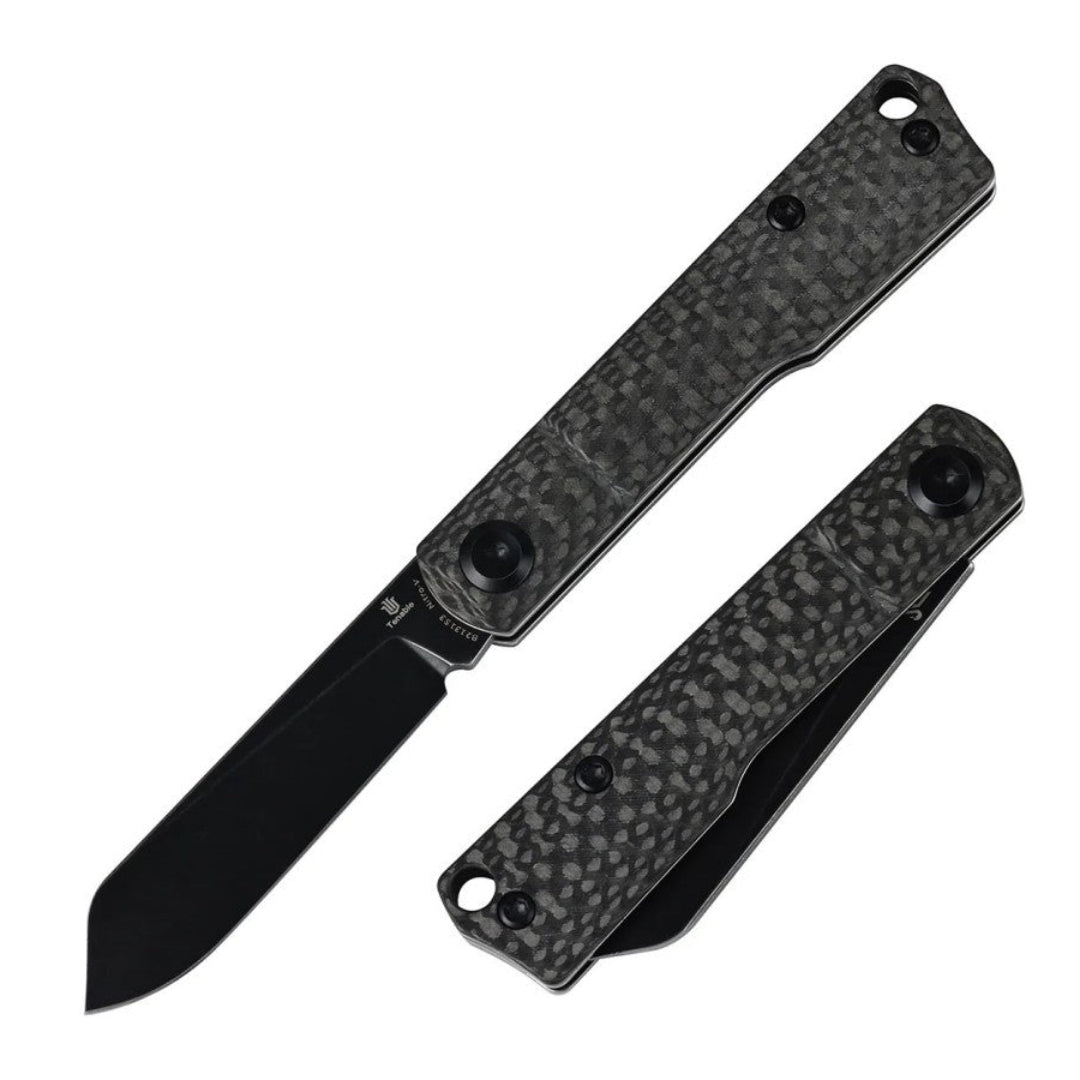
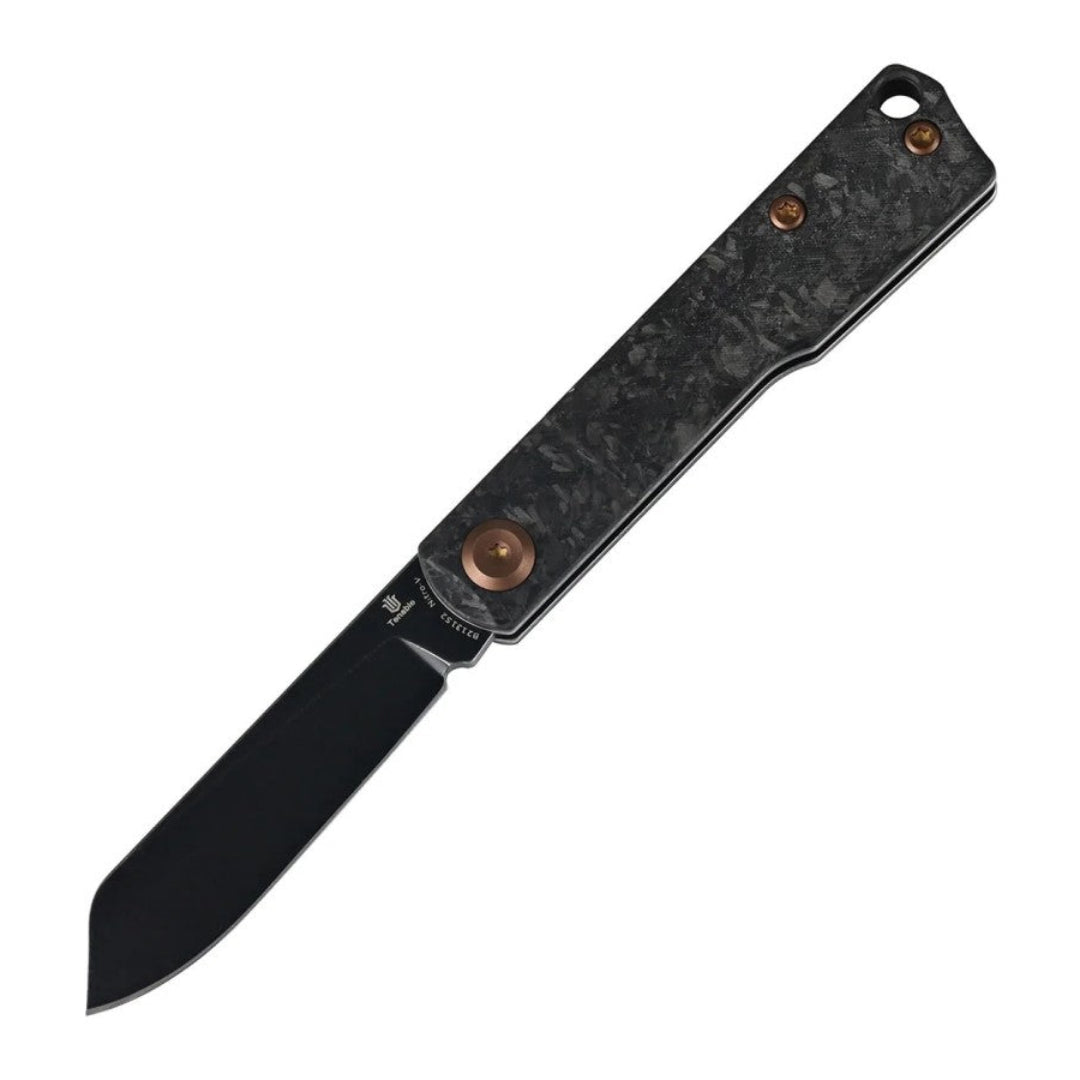
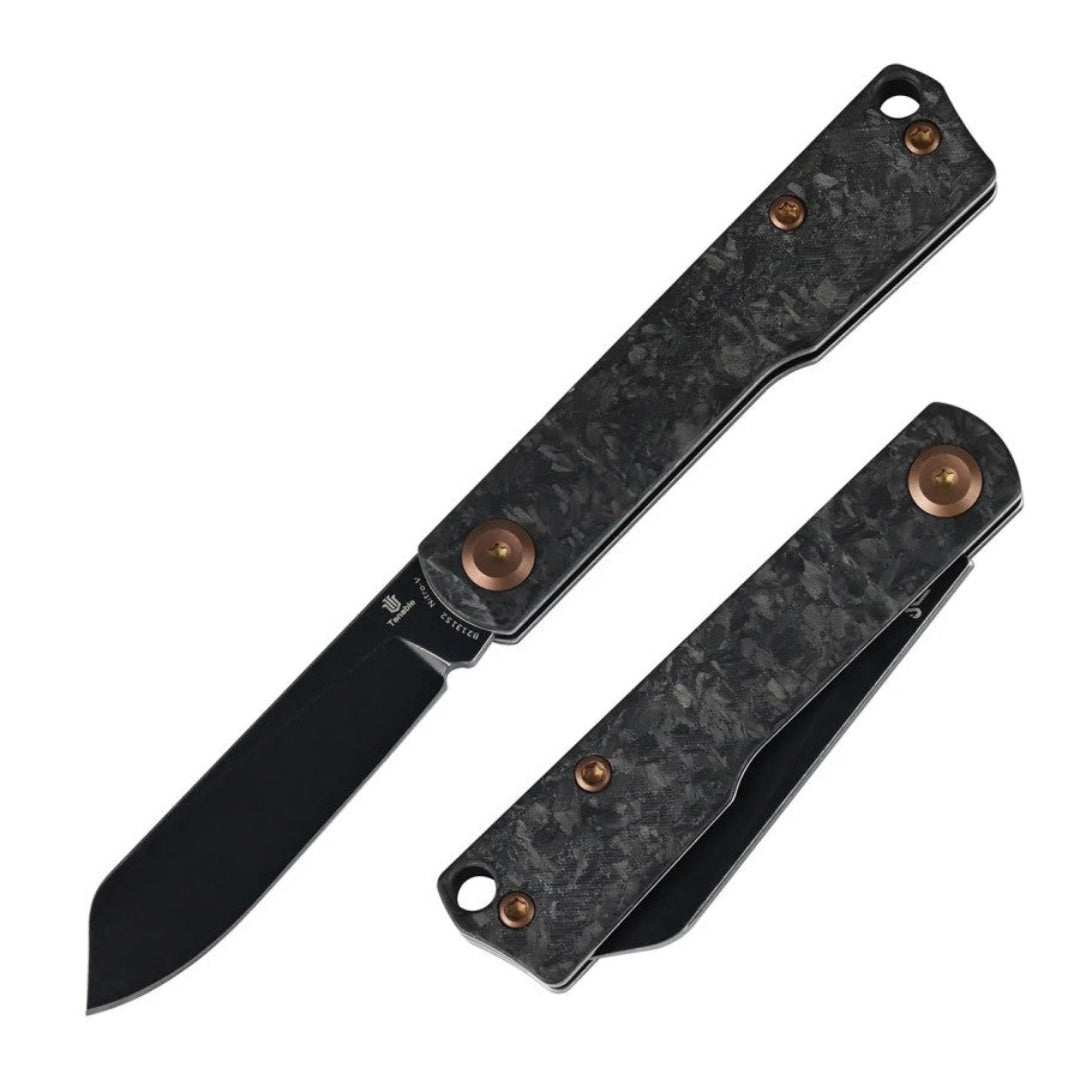
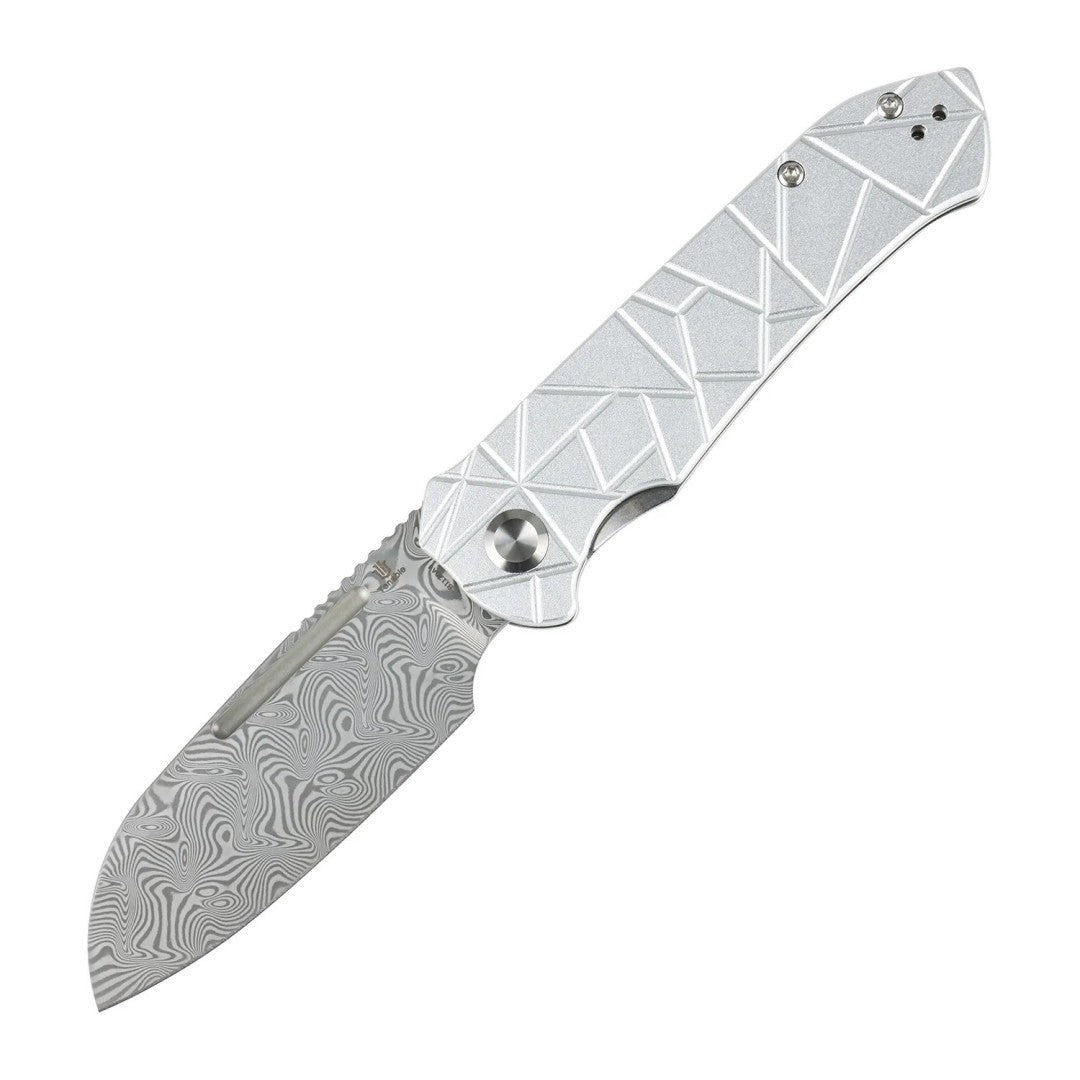
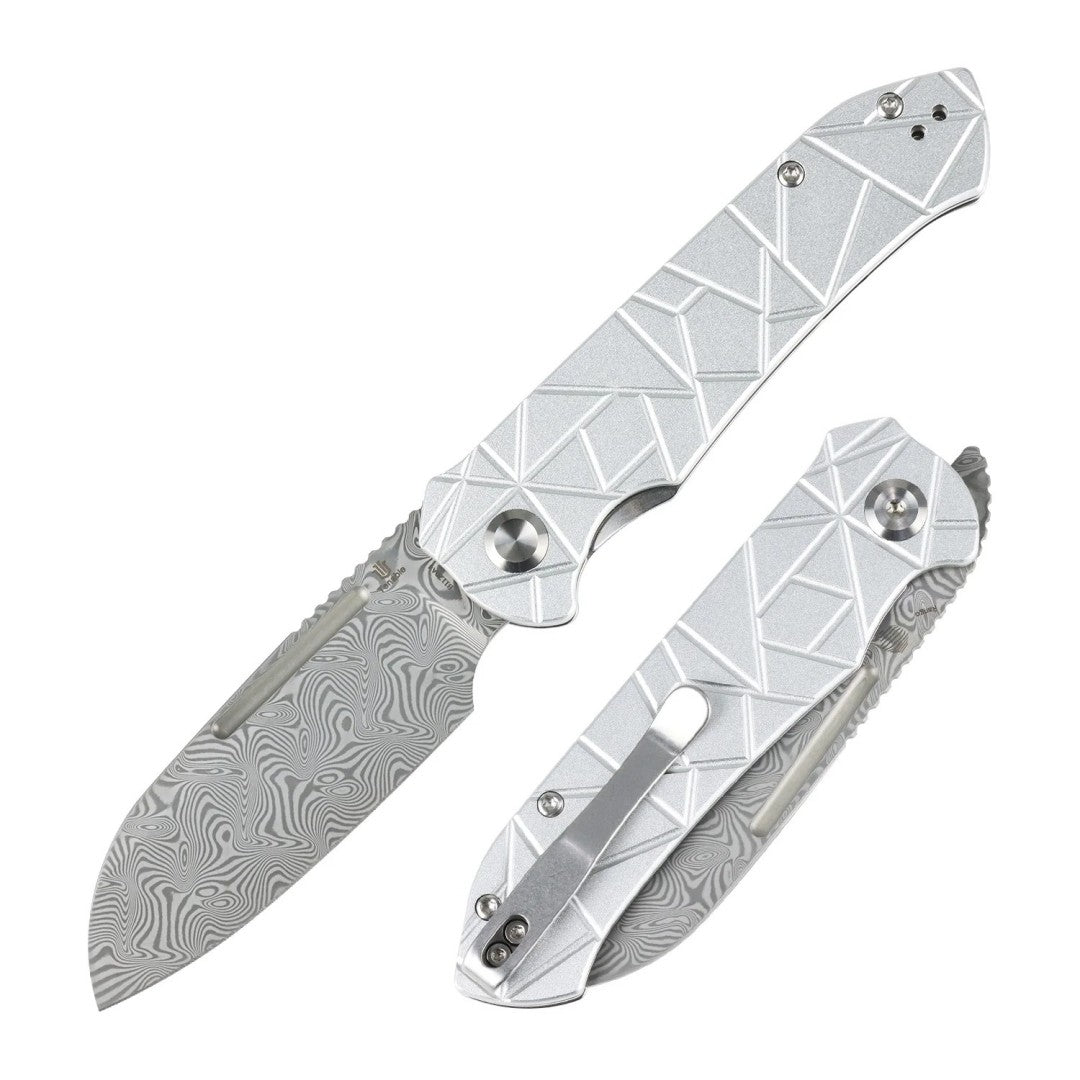
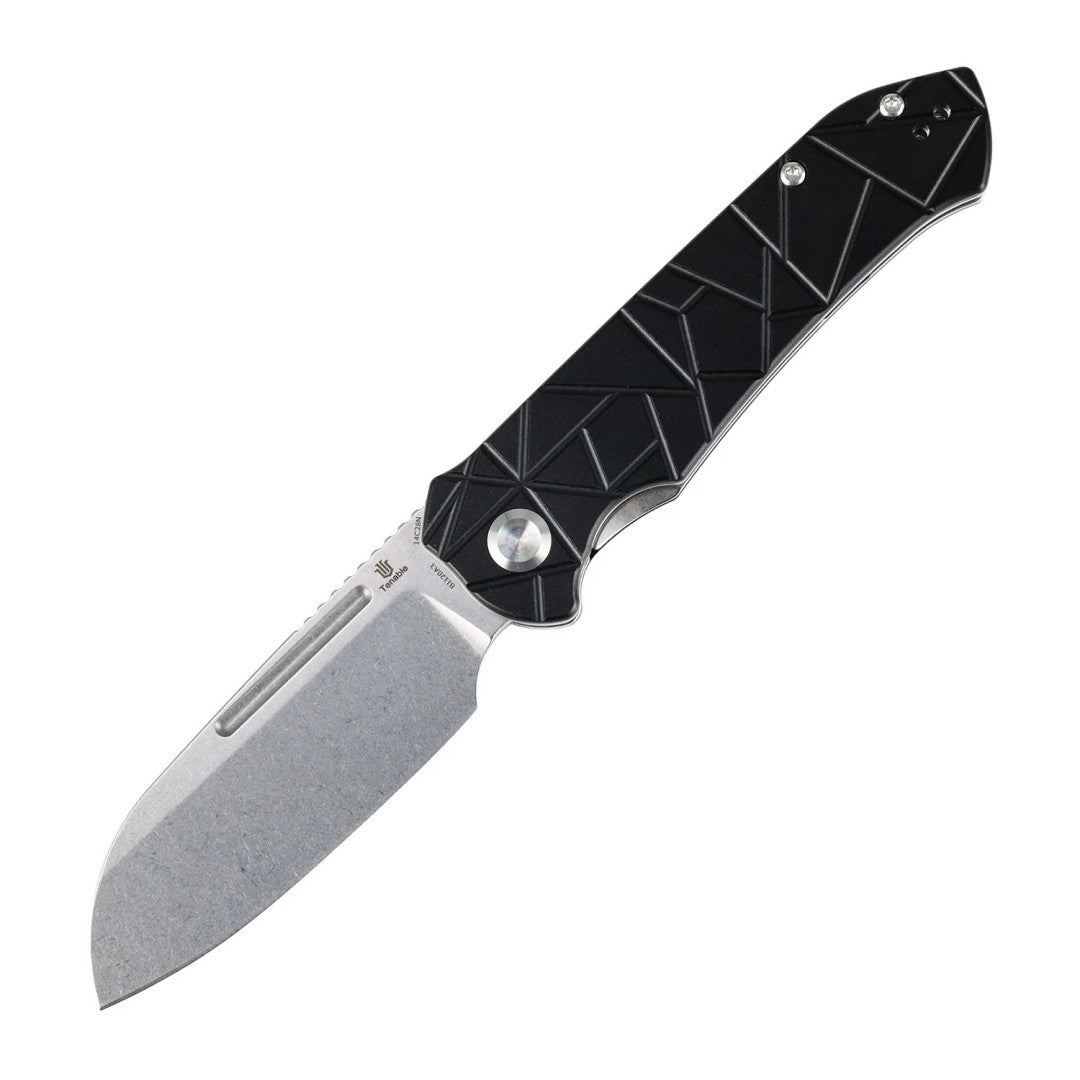
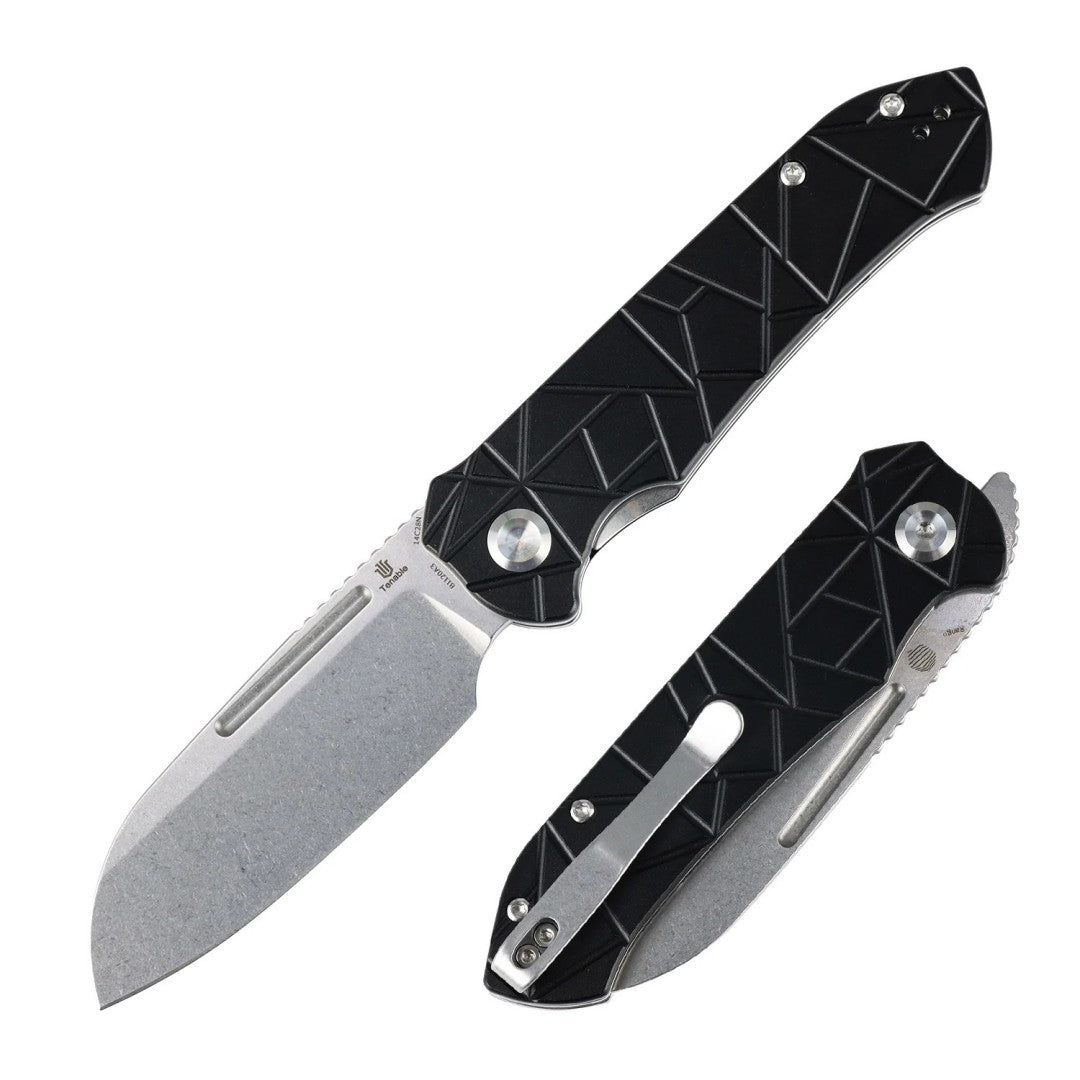
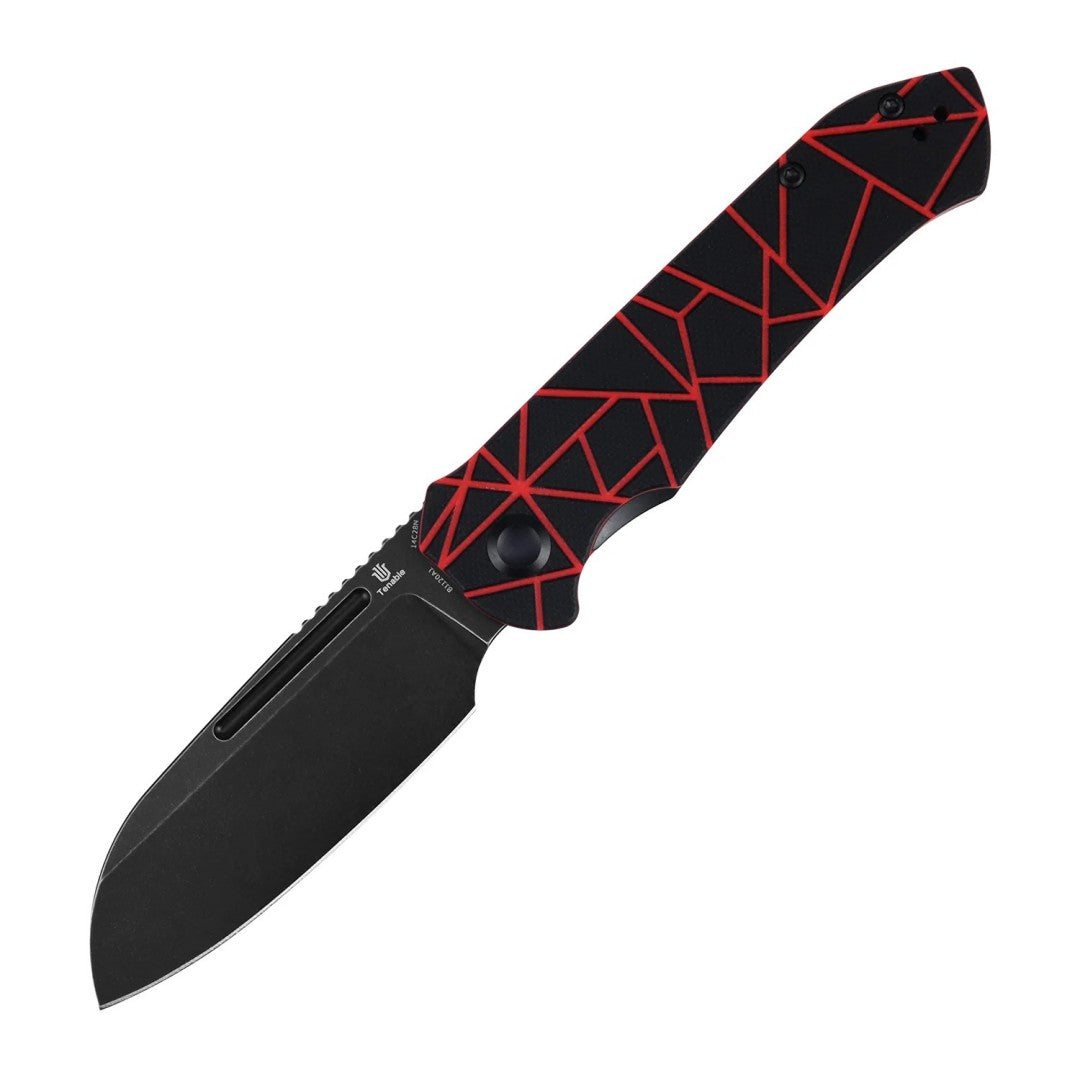
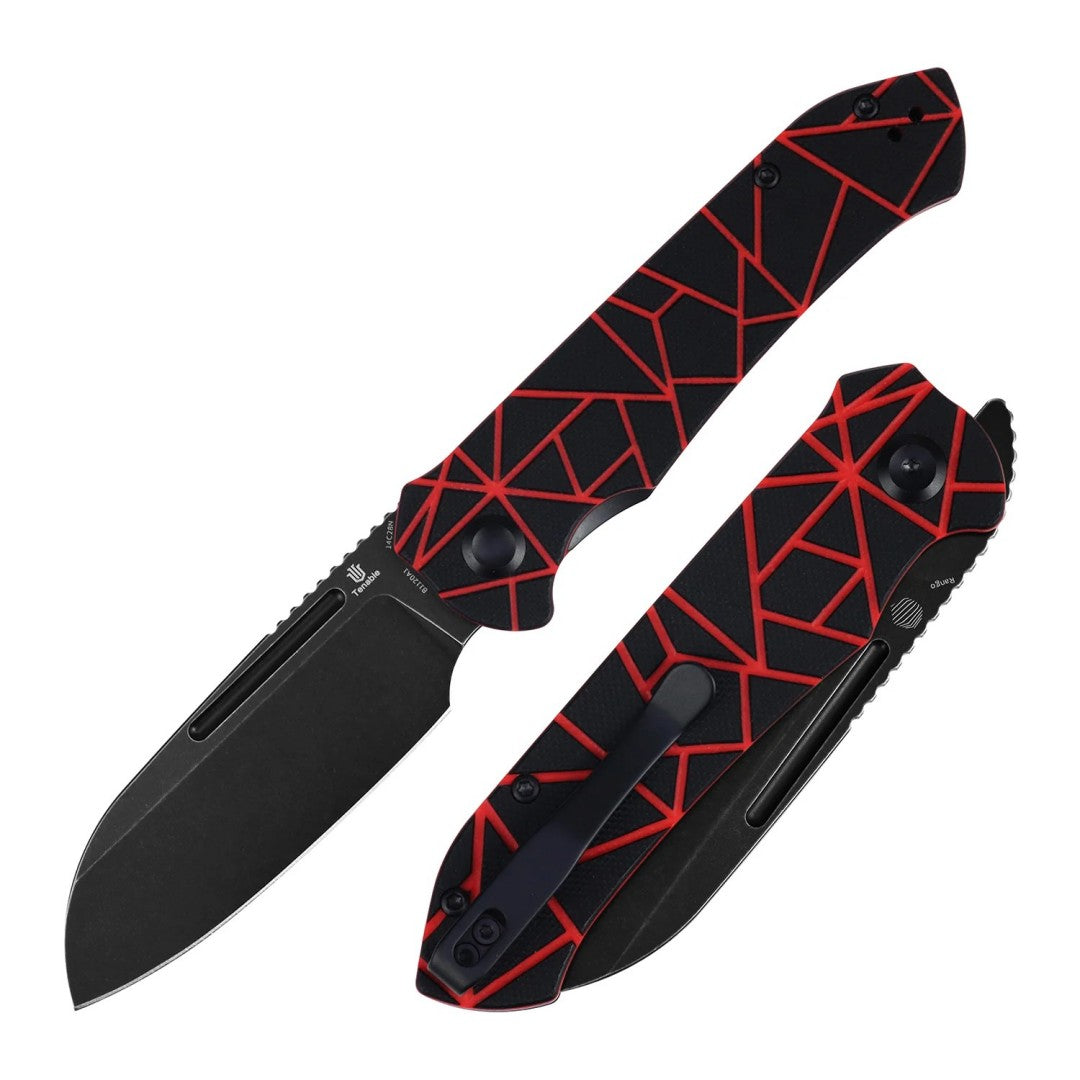
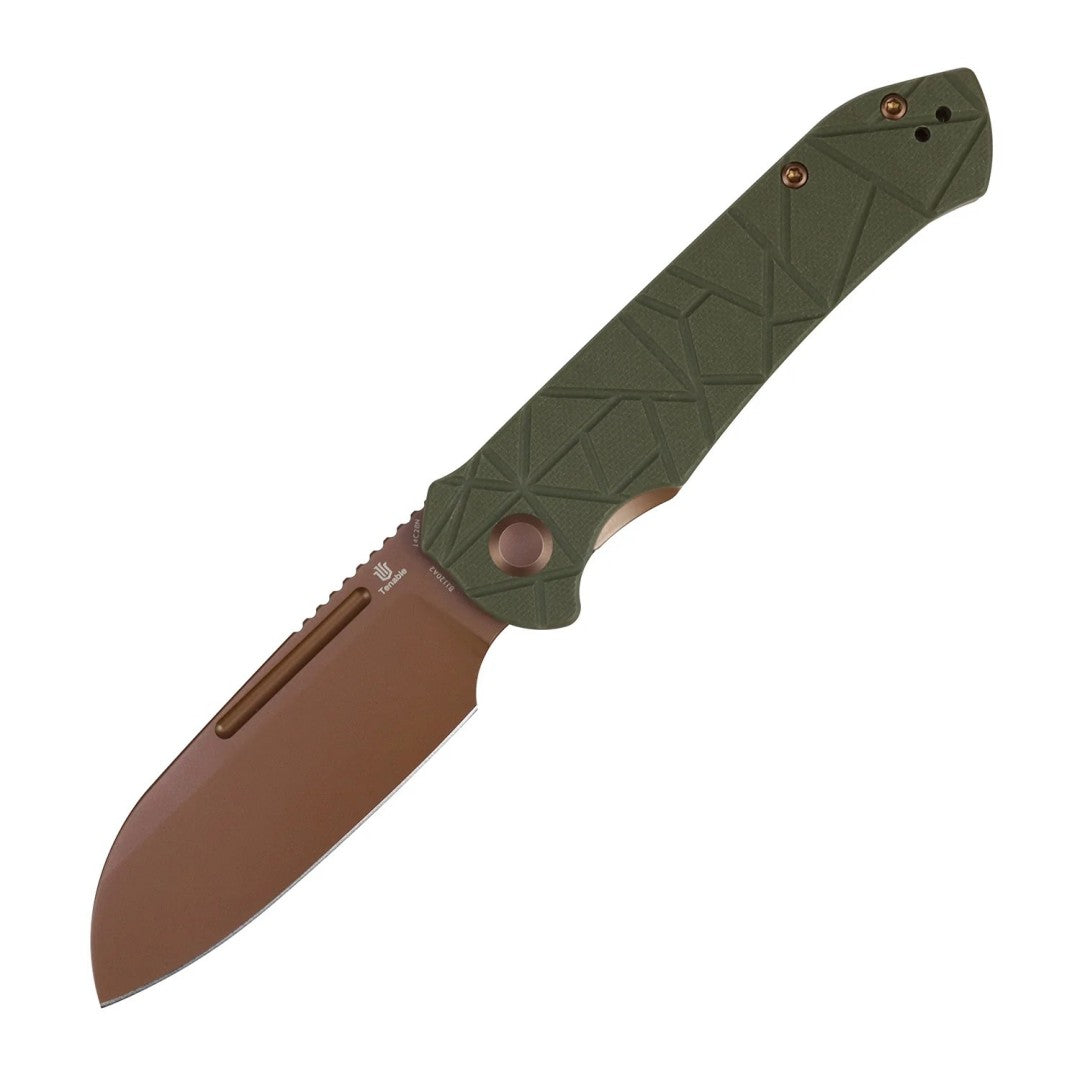
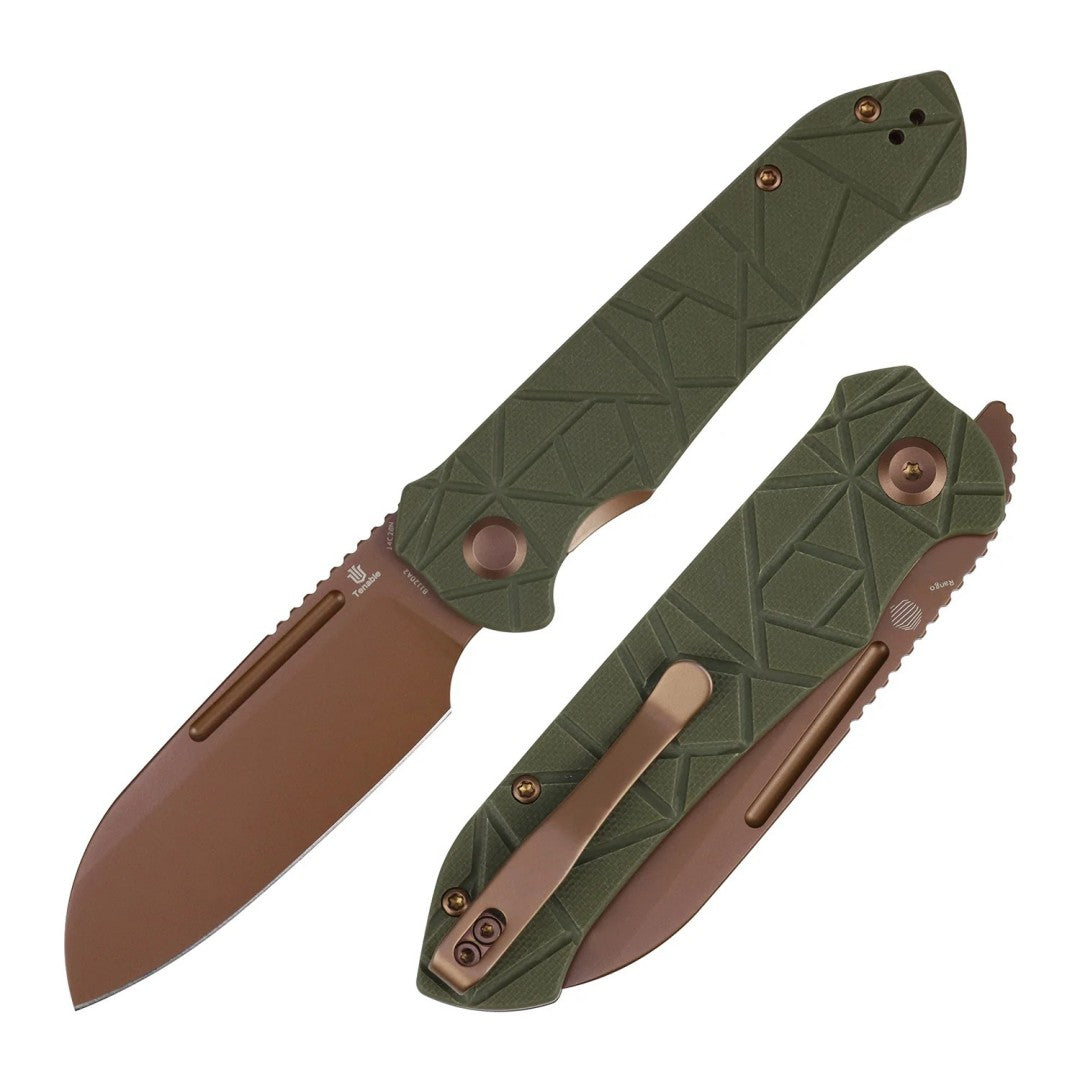
The Penguin features a distinct, straight-edged modified Wharncliffe / sheepsfoot blade. Because the edge is perfectly flat with absolutely no belly curvature, 100% of the blade makes contact with your material during a cut.
When you push down into thick cardboard, scoring carpet, or slicing heavy plastic straps, the material cannot slip away from the tip. Additionally, the tip points downward, giving you unparalleled precision and safety during detailed scraping or piercing tasks.
The QSP Parrot: The All-Purpose Traditionalist
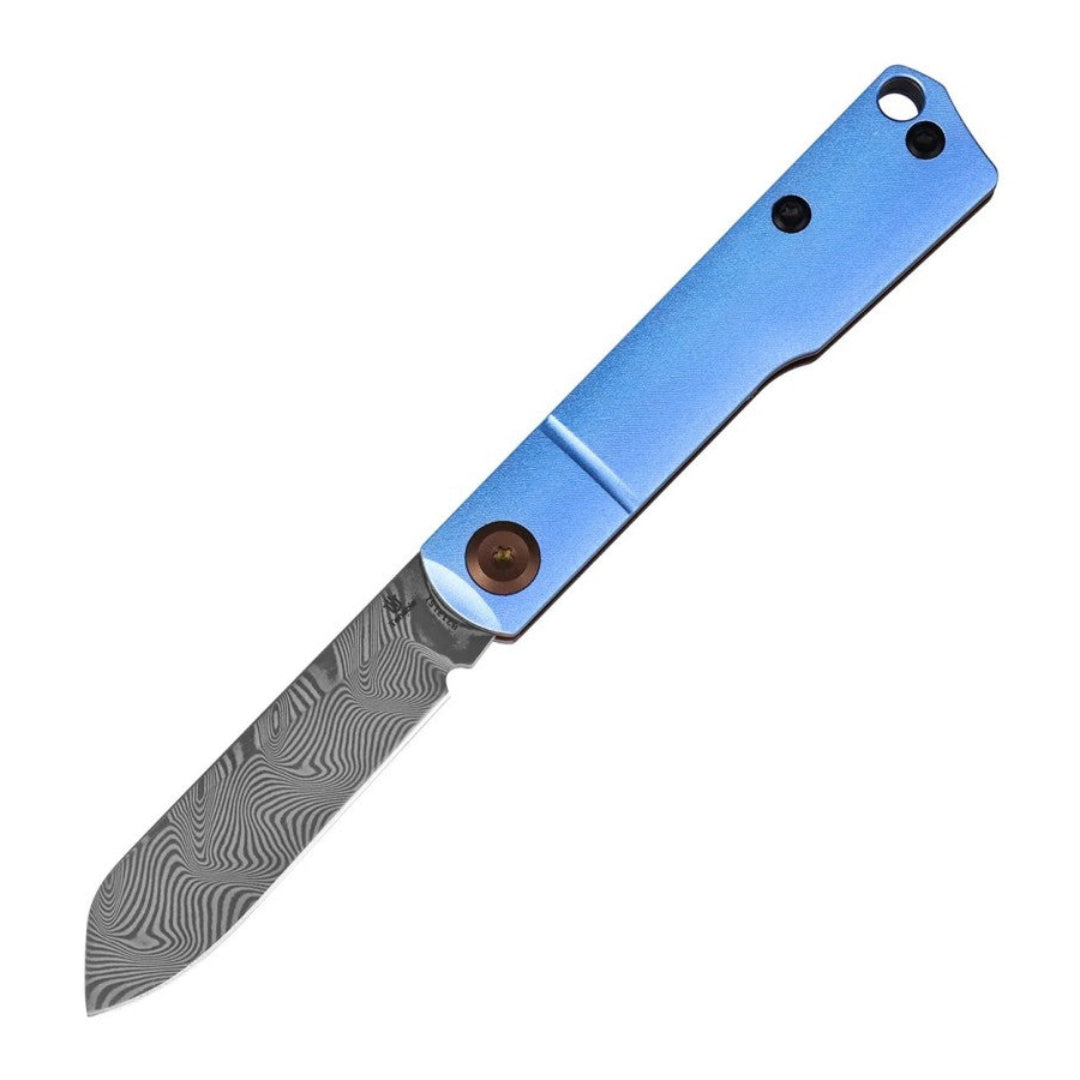
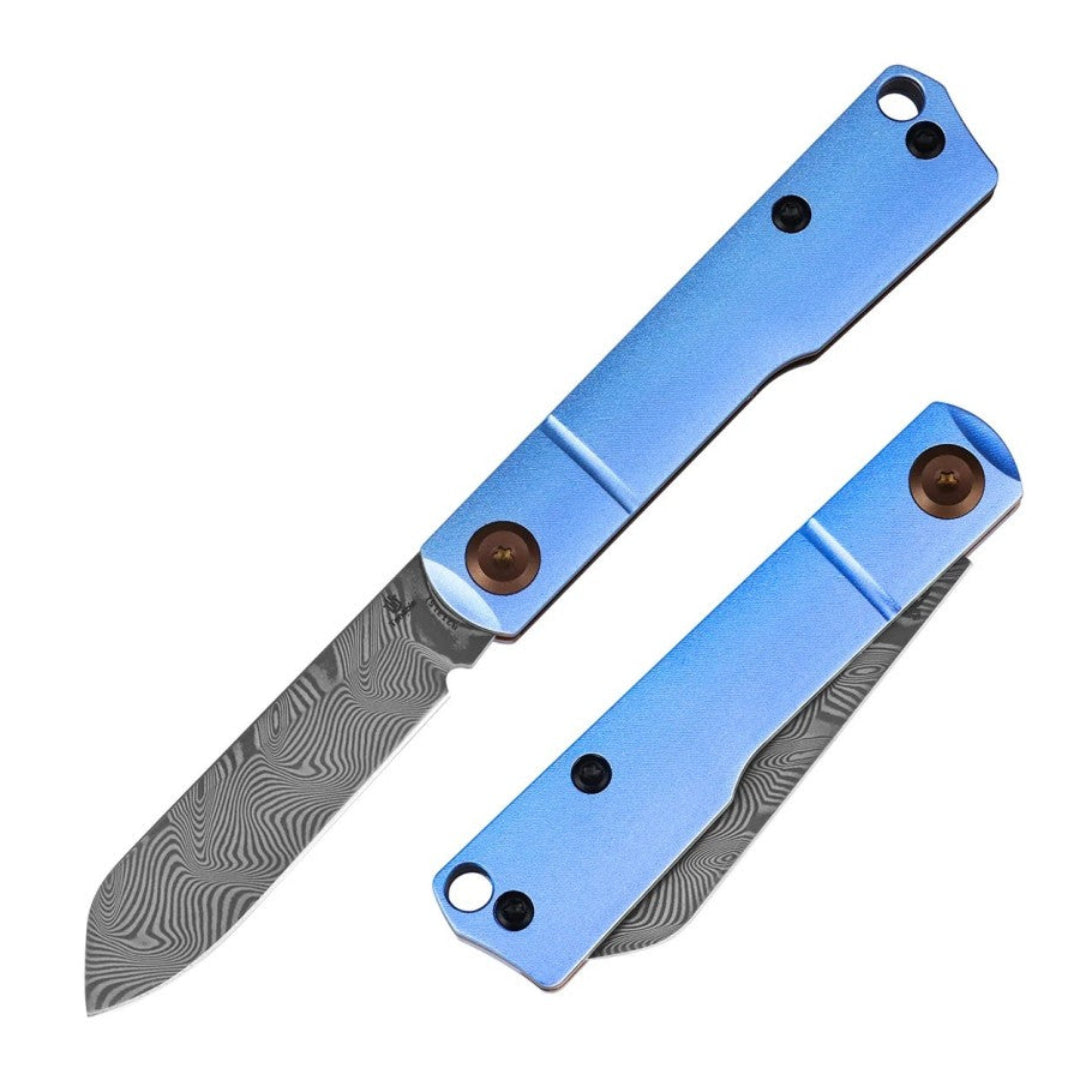
The Parrot opts for a timeless, highly versatile drop-point blade shape. Unlike the flat edge of the Penguin, the Parrot features a gradual, upward curve (known as the "belly") near the front half of the blade.
This belly makes the Parrot vastly superior for slicing motions—such as preparing food at a campsite, skinning small game, or peeling an apple. It also features a centered, robust tip that handles general poking and standard everyday utility chores with absolute ease.
 Action and Deployment: Washers vs. Washers
Many modern budget knives resort to cheap plastic Teflon liners or entry-level ceramic ball bearings to get a fast deployment action. QSP sets a higher standard by utilizing phosphor bronze and copper washers in both the Penguin and the Parrot.
While they won't freely "drop shut" like a ball-bearing flipper knife out of the box, copper washers offer incredible hydraulic smoothness that improves over time as the metals self-polish. More importantly, washers are much more durable in real-world environments because they don't trap pocket lint, wood shavings, or dirt like exposed ball bearings do.
-
The Penguin's Action: The blade cutout and thumb stud placement make the Penguin incredibly easy to flick open rapidly with a satisfying snap.
-
The Parrot's Action: The Parrot features a tighter, slightly stiffer pivot design. It is built for a controlled, deliberate manual rollout rather than a fast tactical deployment, which makes it feel much more like a classic, non-threatening utility tool.
Ergonomics and Pocket Presence
How a knife feels in your hand and sits in your pocket makes or breaks your EDC experience.
Handle Shape & Ergonomics
The Penguin utilizes a very neutral, rectangular handle profile. There are no restrictive finger cutouts, meaning it comfortably fits hands of all shapes and sizes. Whether you wear heavy work gloves or have smaller hands, you can grip the Penguin anywhere without creating uncomfortable hot spots.
The Parrot features a slimmer, slightly contoured handle with a subtle index finger groove near the guard. This locks your hand into a very secure grip for hard cuts, but it might feel a bit tight for users with exceptionally large hands.
Pocket Clips
-
Penguin: Features a true deep-carry pocket clip. The knife rides completely hidden below the lip of your pocket, keeping it safe and low-profile.
-
Parrot: Features a standard, shallow-carry clip. A small portion of the handle sticks out above your pocket line, making it slightly easier to grab quickly but less discreet.
Note: Both knives feature reversible clips, allowing for full left- or right-handed tip-up carry configuration.
Spec Comparison Sheet
| Specification | QSP Penguin | QSP Parrot |
| Blade Steel | D2 Tool Steel (Standard) | D2 Tool Steel (Standard) |
| Blade Length | 3.06 inches (7.8 cm) | 3.25 inches (8.2 cm) |
| Handle Material | Micarta / G10 / Carbon Fiber | Micarta / G10 |
| Lock Type | Liner Lock | Liner Lock |
| Overall Weight | 3.14 oz (89 g) | 3.17 oz (90 g) |
The Verdict: Which Budget Knife Wins?
Both knives offer a masterclass in budget EDC manufacturing, but they serve different masters.
Choose the QSP Penguin if:
You primarily use your pocket knife for modern daily utility tasks like opening packages, slicing through cardboard, or heavy-duty workshop chores. The flat edge, superior thumb-flicking action, and deep-carry pocket clip make the Penguin the modern king of utility.
Choose the QSP Parrot if:
You prefer a classic, traditional knife profile that excels at outdoor slicing tasks, camp food prep, and outdoor recreation. The curved drop-point belly and slimmer handle contour make the Parrot a highly dependable all-rounder for traditionalists.
Frequently Asked Questions
What is the difference between D2 steel and stainless steel on these knives?
D2 tool steel is a "semi-stainless" steel praised for its exceptional hardness and edge retention. It stays sharp much longer than standard budget stainless steels, but it requires you to wipe the blade dry after use to prevent minor corrosion or rust spots.
Are the handle scales on the Penguin and Parrot interchangeable?
No. Despite being made by the same manufacturer and sharing similar build designs, the Penguin and the Parrot have entirely different handle dimensions, screw holes, and interior liner geometry. Scales cannot be swapped between models.
Can both knives be converted for left-handed carry?
Yes. Both the QSP Penguin and the QSP Parrot feature pre-drilled holes on both sides of the handle liners, allowing you to easily reverse the steel pocket clip using a standard T6 Torx screwdriver for full ambidextrous carry.