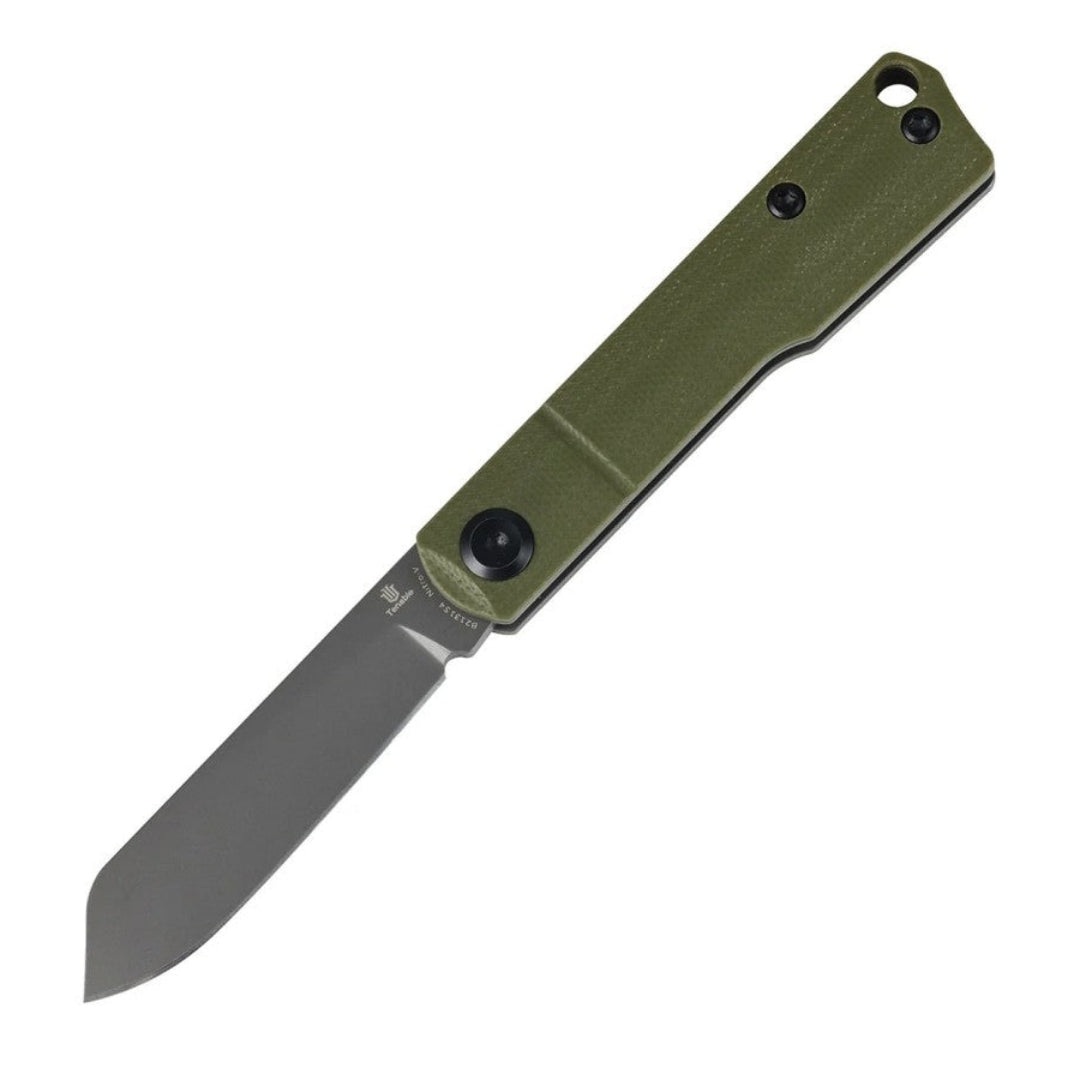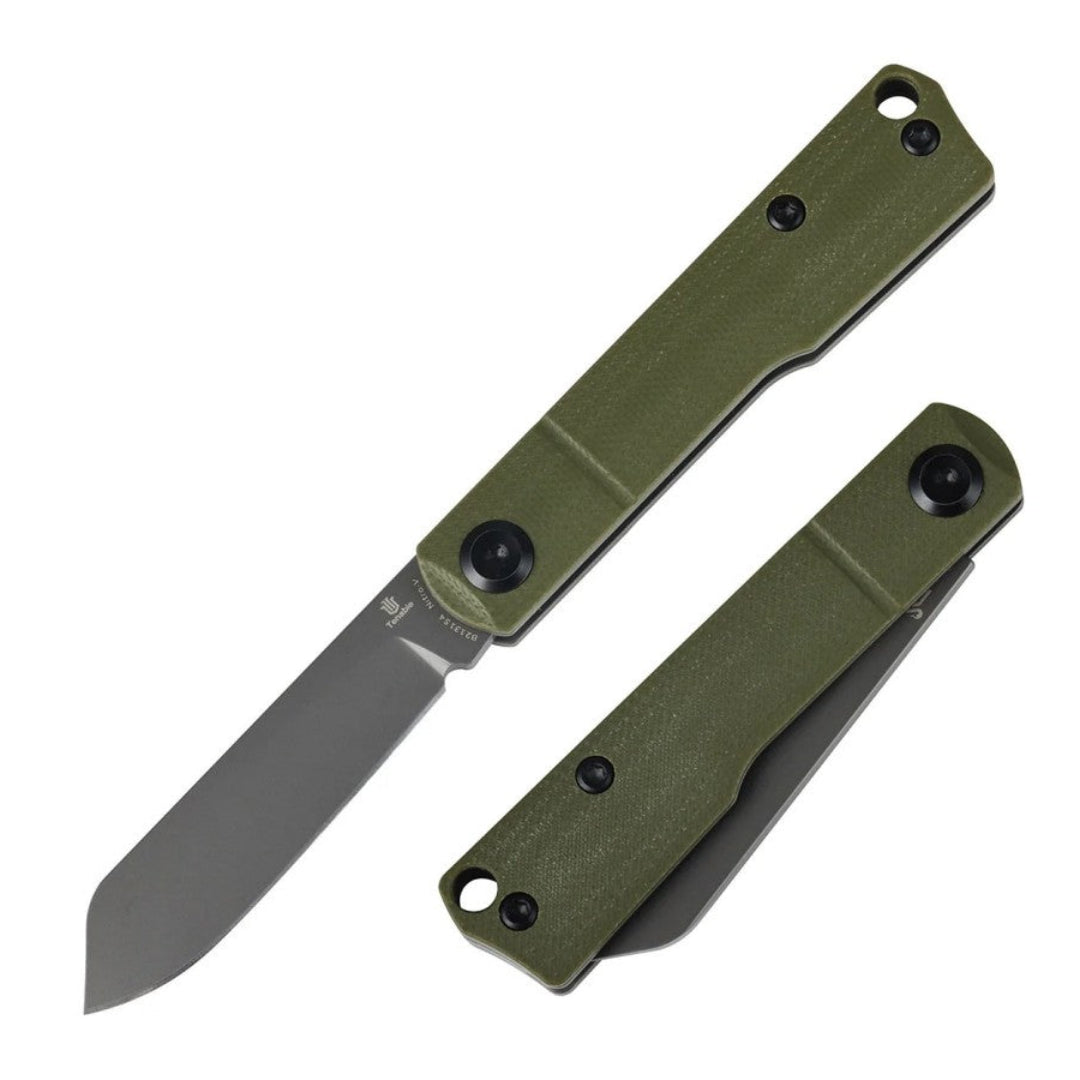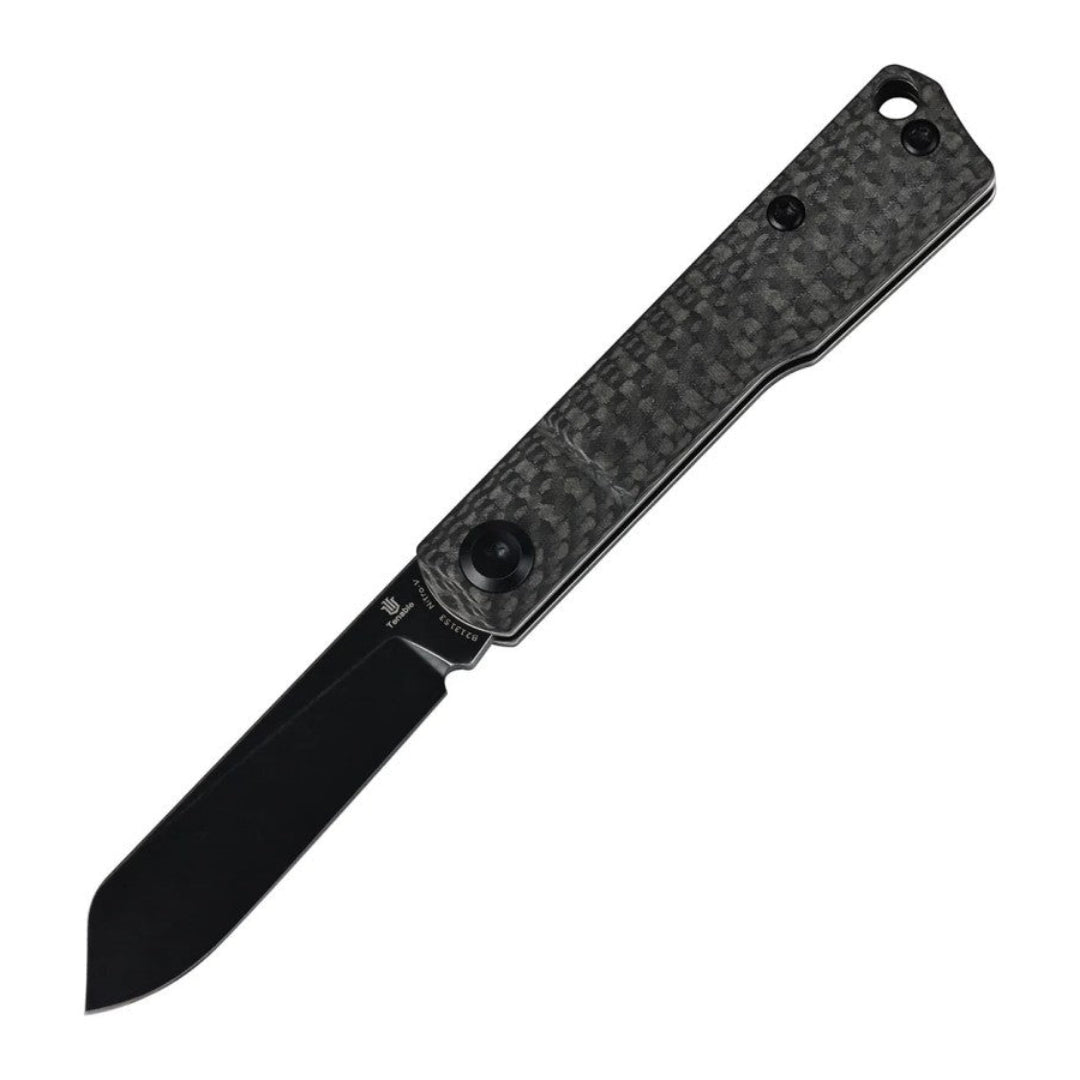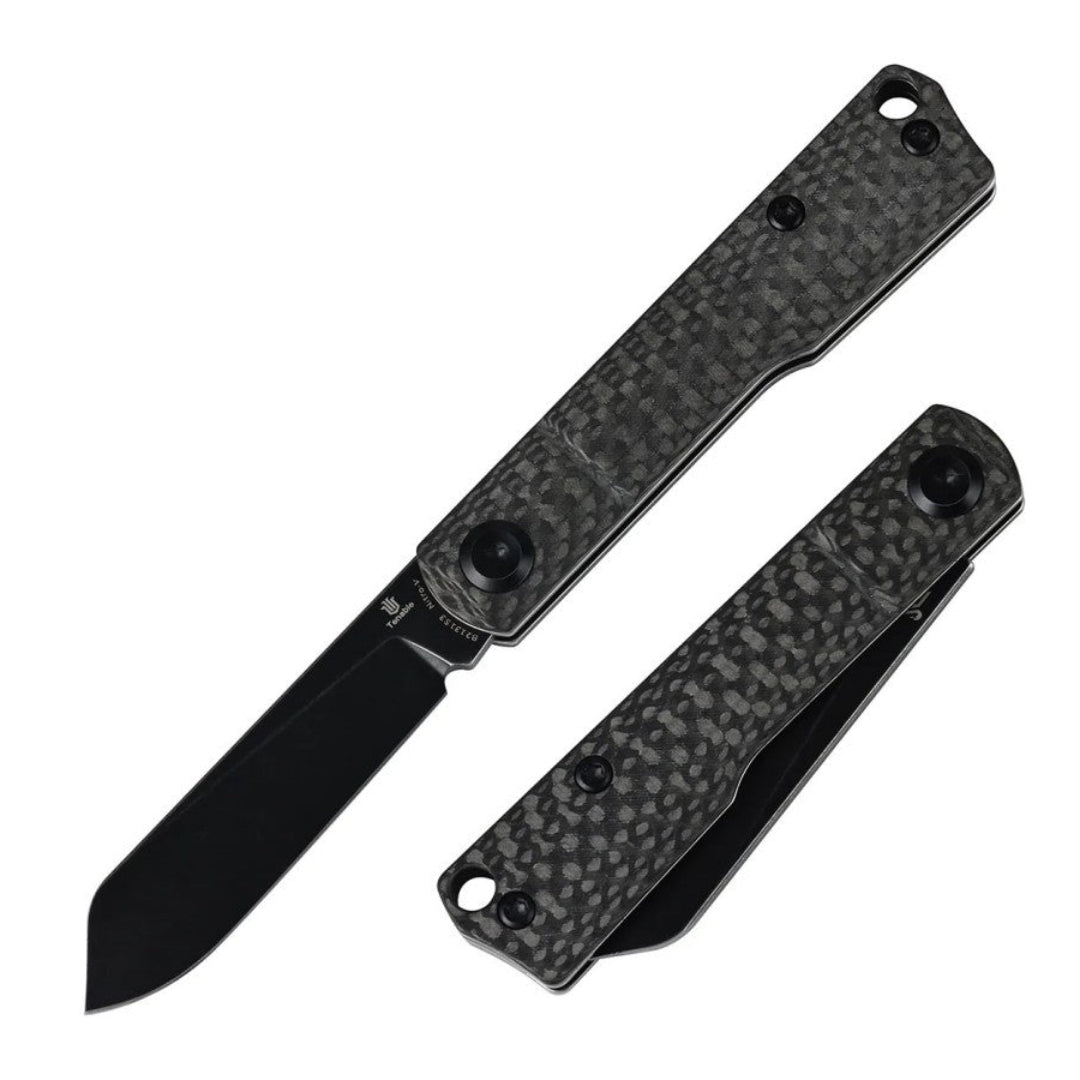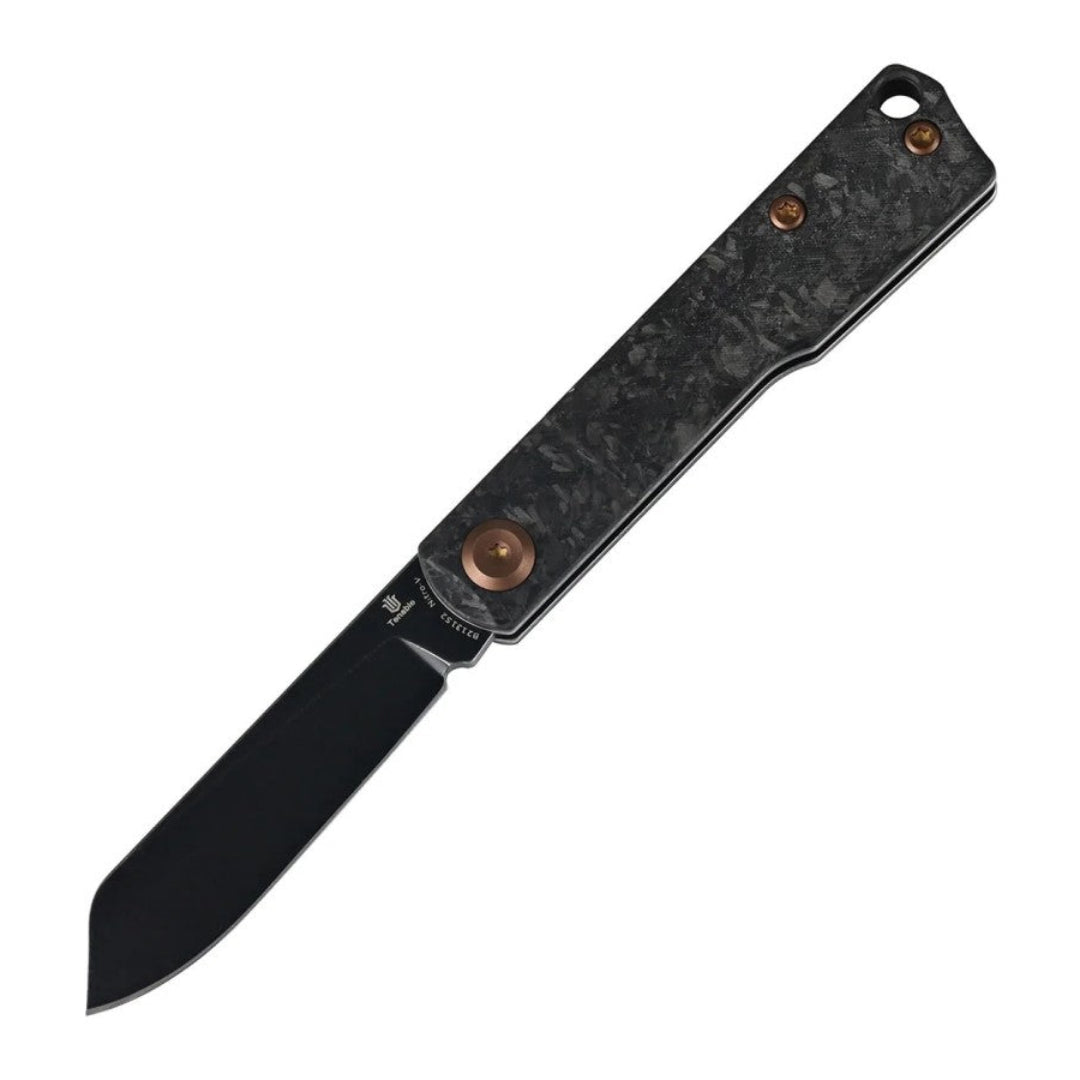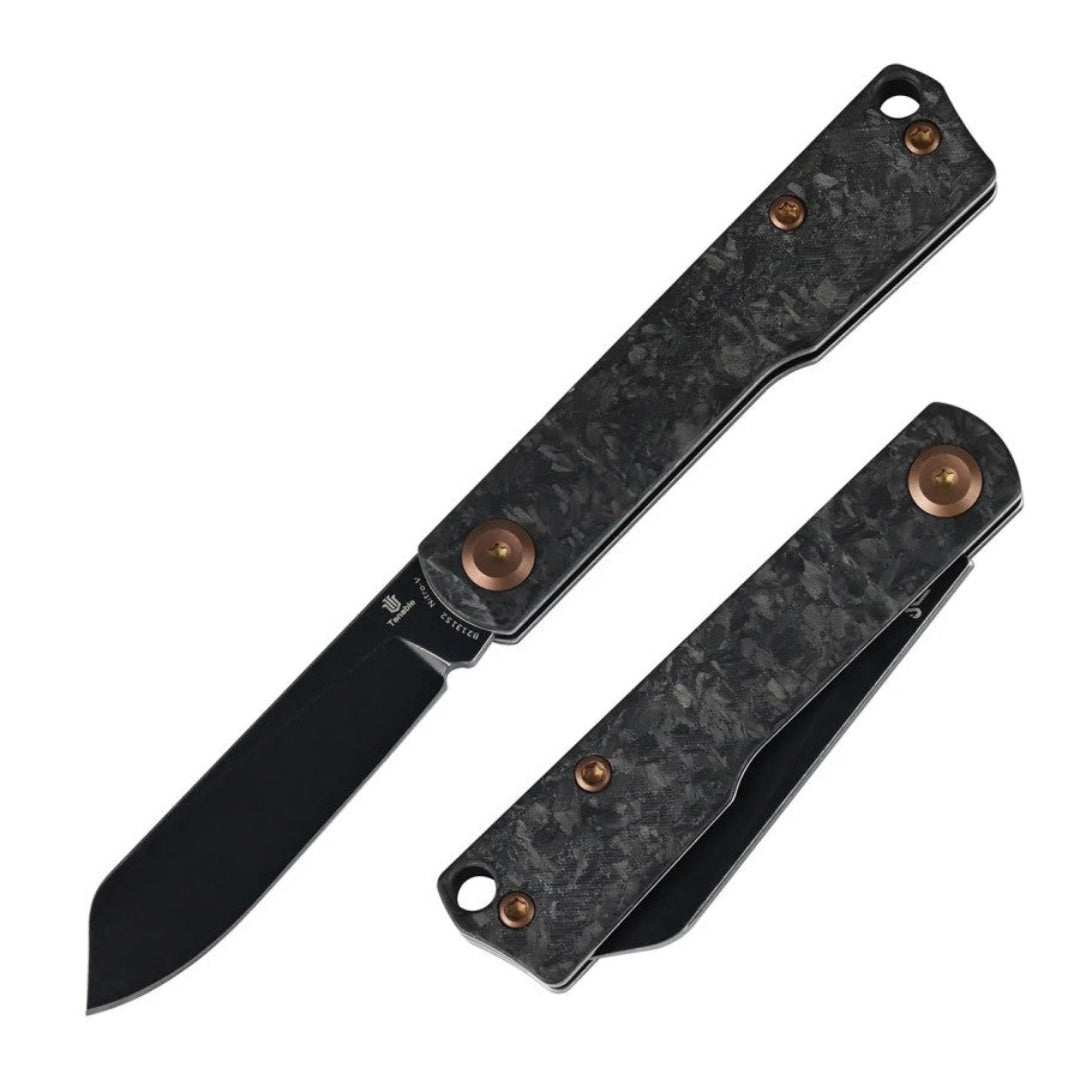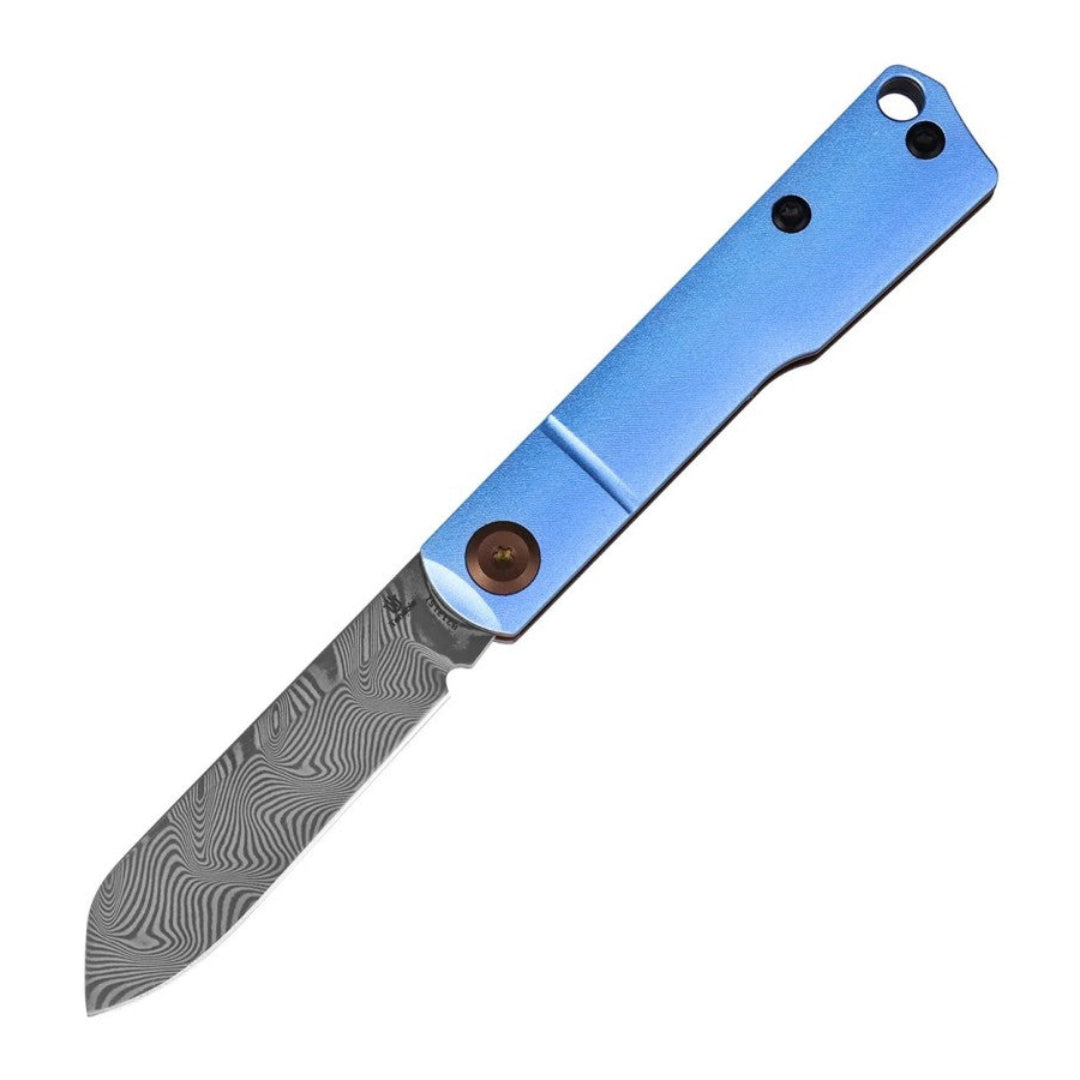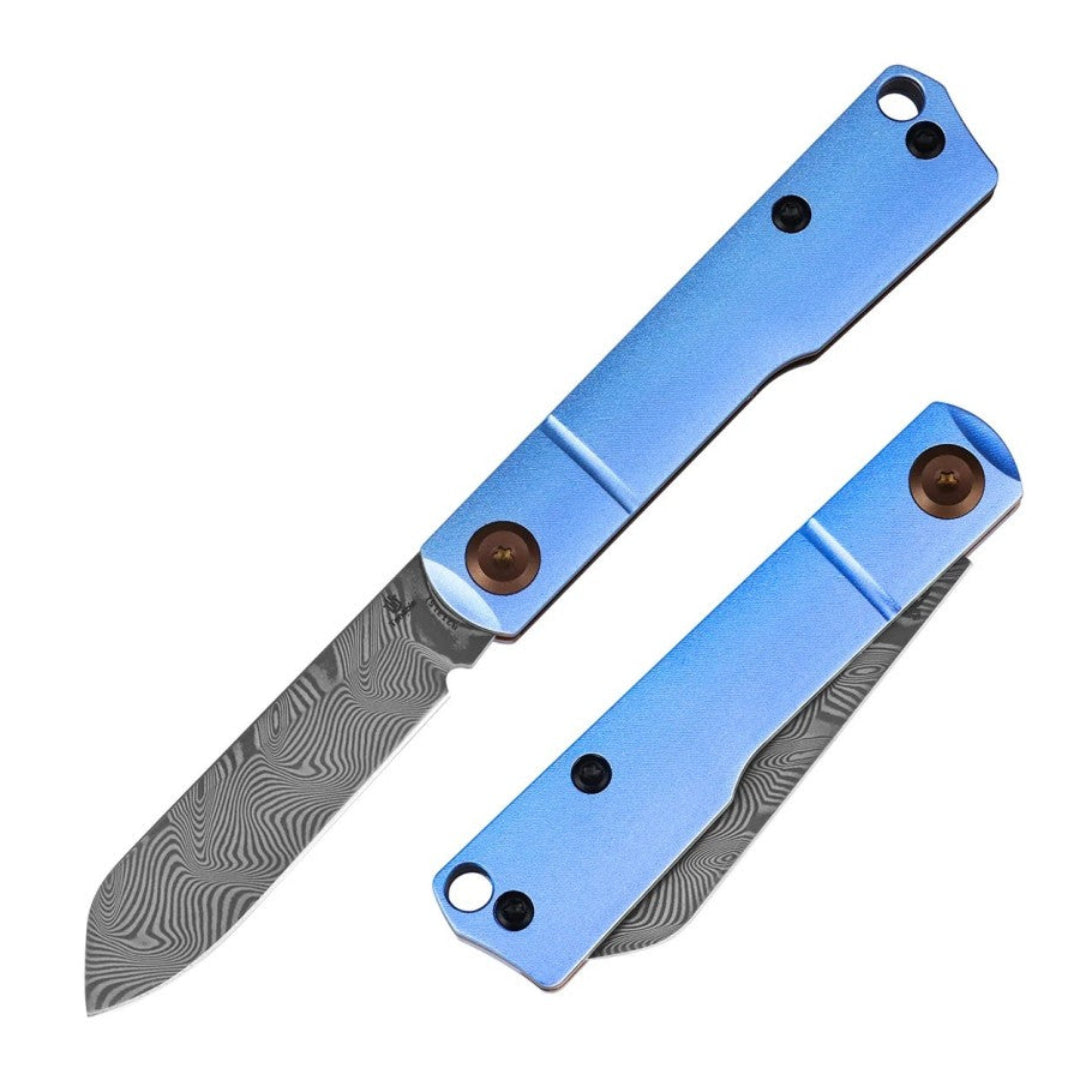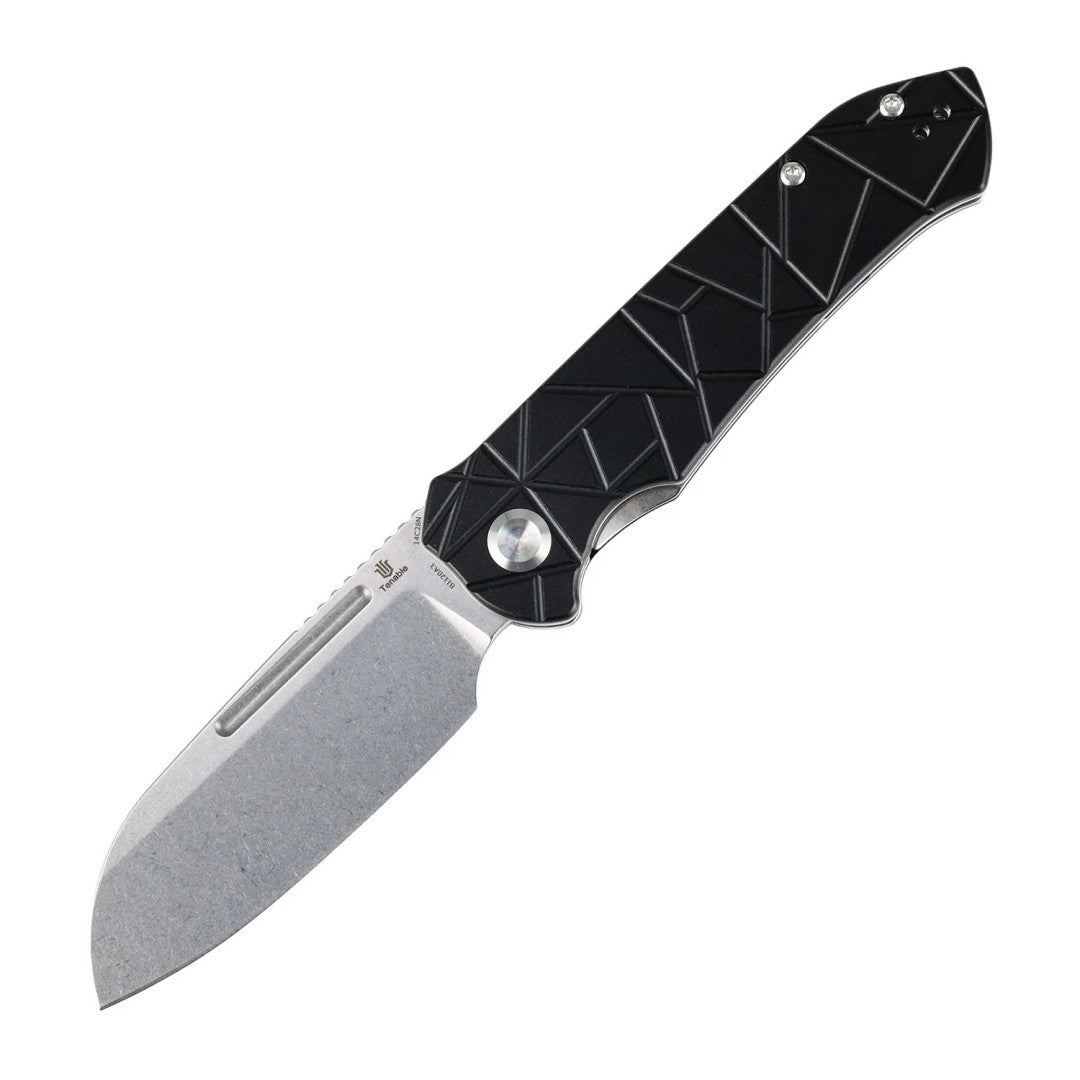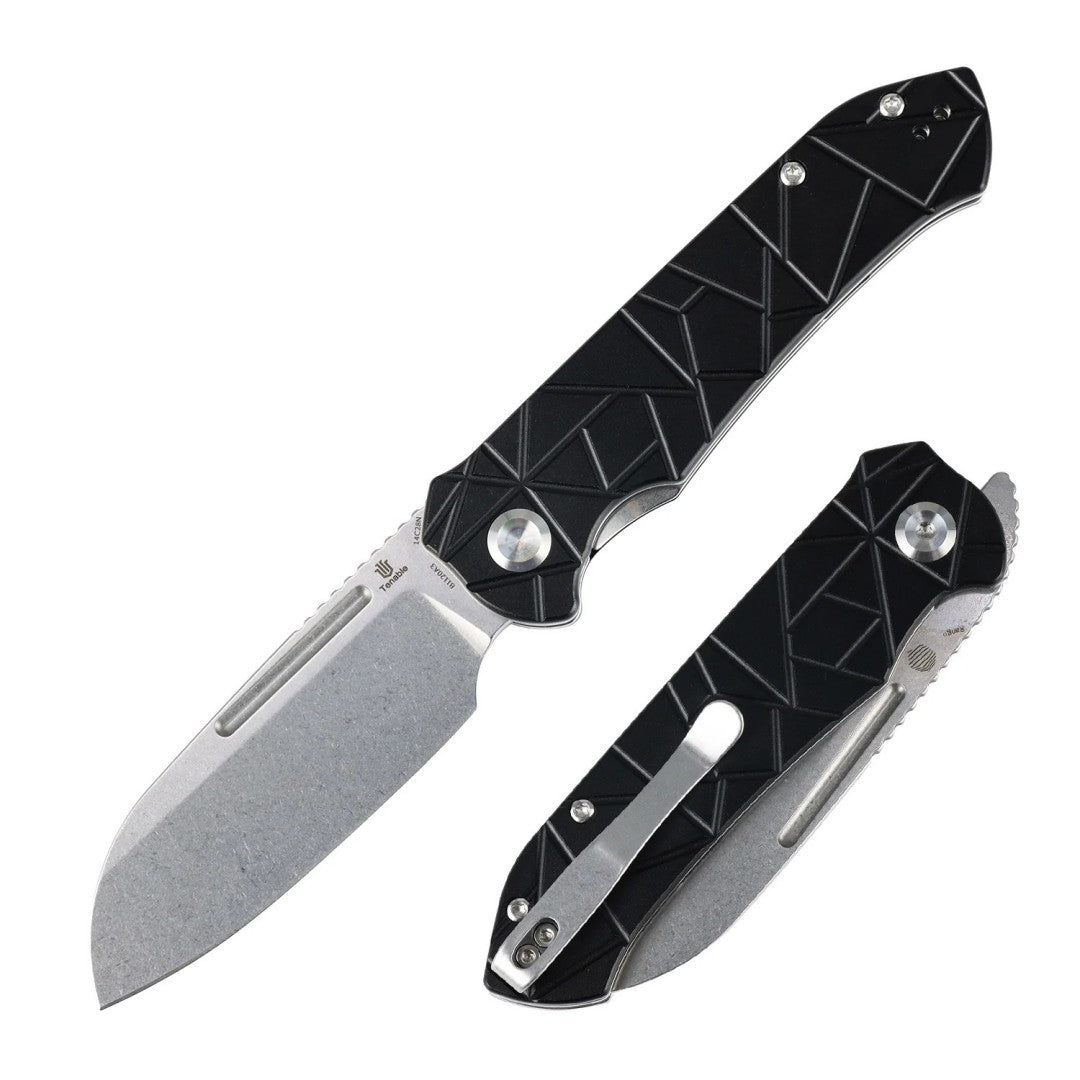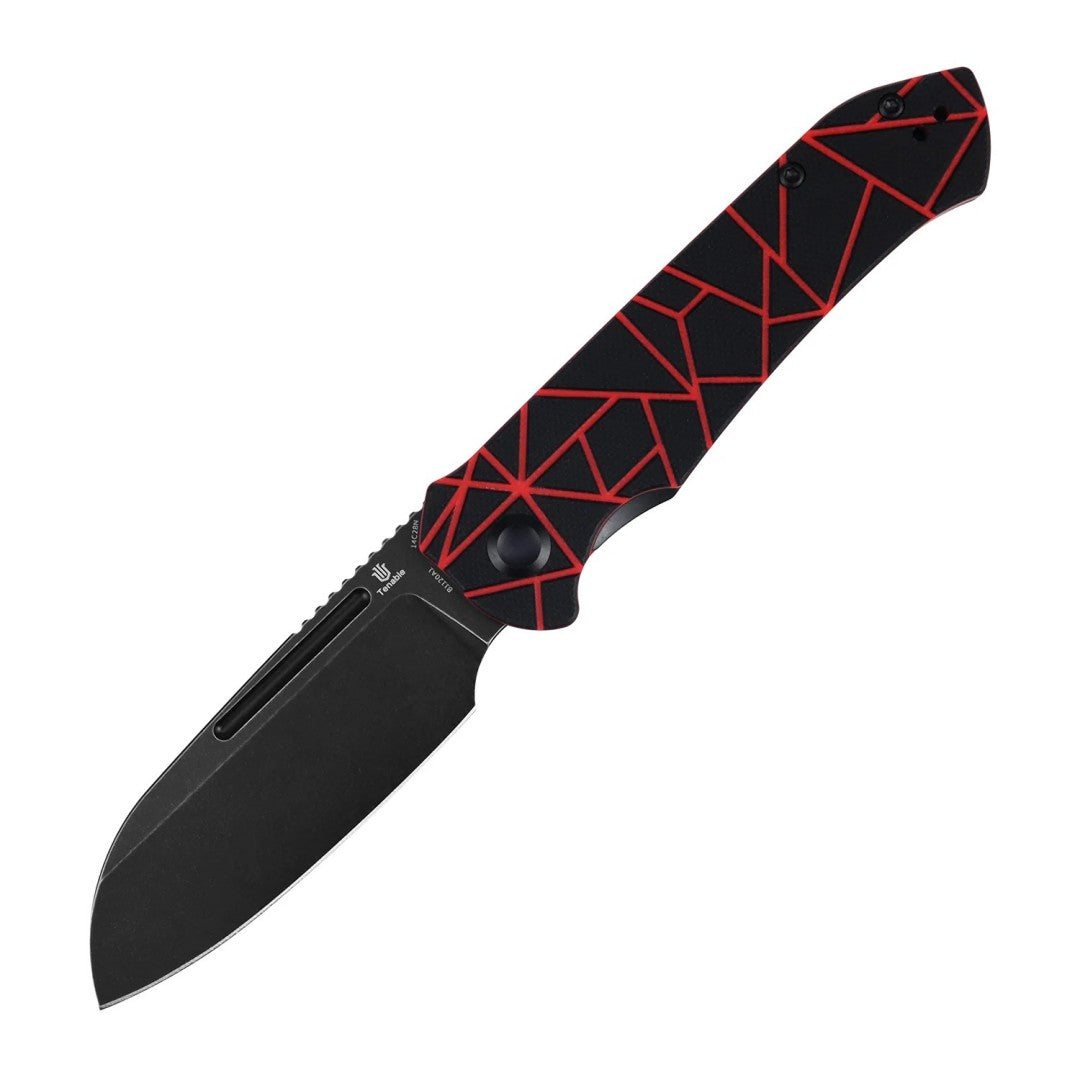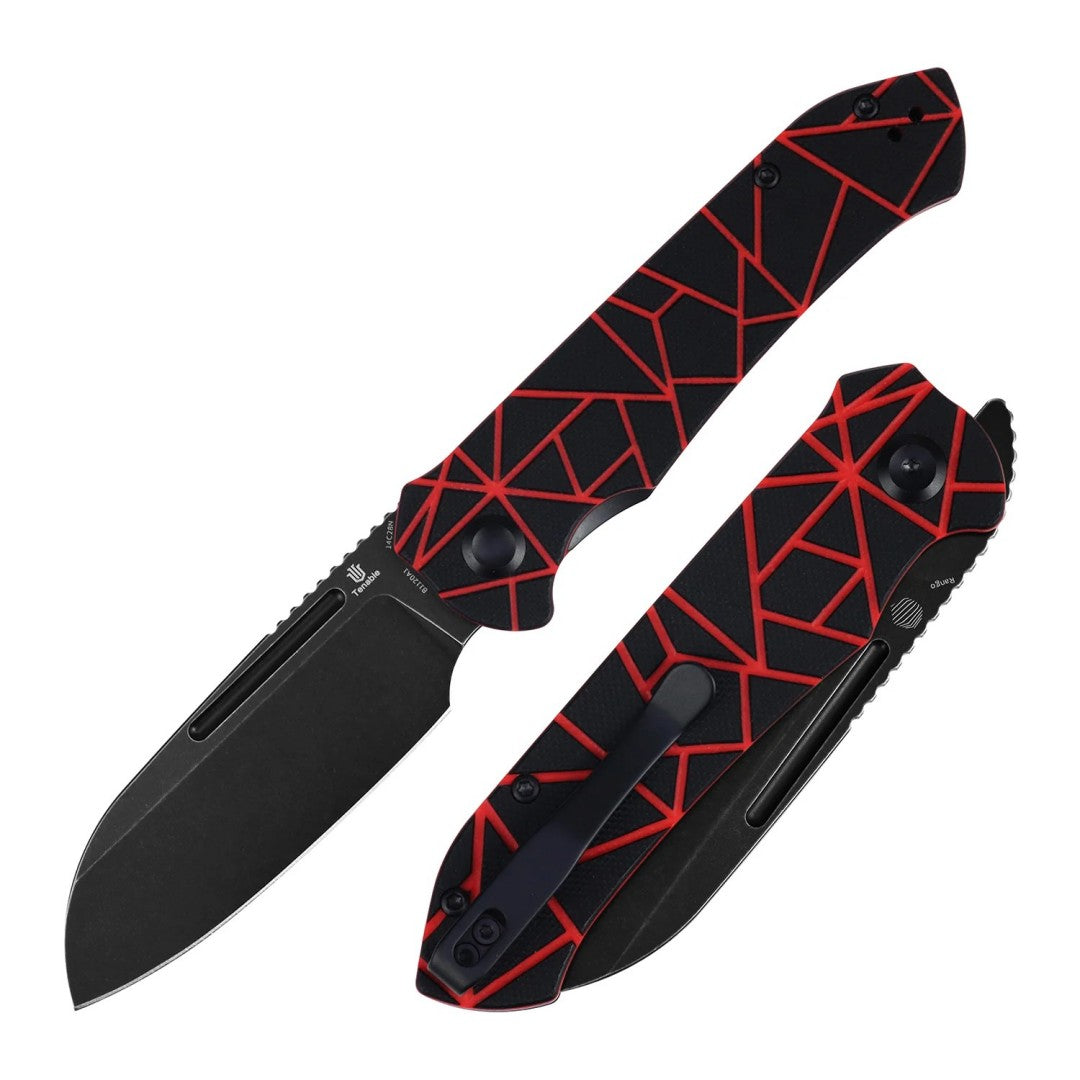

Nagao Higonokami Knives Super Mini 豆铃 Fodling knives Brass Handle + SK Blade 55mm

For many in the Everyday Carry (EDC) community, the Nagao Higonokami is the ultimate expression of functional art. Its hand-forged blade, often featuring a high-carbon Blue Paper Steel (Aogami) core, offers a level of sharpness and "bite" that modern stainless steels struggle to match. However, that world-class performance comes with a trade-off: carbon steel is reactive.
Unlike mass-produced stainless tools, a Nagao blade will develop a story through its patina—but if neglected, that story can turn into rust. Keeping your blade in peak condition doesn't require a workshop full of equipment; it just takes a few minutes of disciplined care. Here is your quick-start guide to maintaining your Nagao carbon steel blade.
Understanding the Enemy: Why Carbon Steel Rusts
To protect your tools, you must understand them. Carbon steel contains a high percentage of iron without the added chromium that makes stainless steel "stain-less." When iron is exposed to oxygen and moisture (even just humidity in the air), a chemical reaction occurs.
-
The Good: Patina. A thin, stable layer of oxidation that turns the steel grey, blue, or black. This actually helps protect the steel.
-
The Bad: Red Rust. Flaky, orange oxidation that eats into the metal, pitting the surface and ruining the edge.
The Daily Discipline: Three Simple Rules
For a primary EDC knife, maintenance should be reactive and immediate. Follow these three rules to ensure your Nagao lasts for generations:
1. Wipe It Dry (Every Single Time)
This is the most critical habit. Whether you’ve just sliced an apple, opened a damp cardboard box, or simply touched the blade with your fingers (the oils in your skin are acidic!), wipe the blade immediately. Use a clean, dry cloth or even a paper towel. Never fold a wet or even "slightly damp" blade back into its handle.
2. Clean After Acidic Contact
If you use your Higonokami for food prep—especially acidic foods like lemons, onions, or steak—the steel will react instantly. After use, wash the blade with mild soap and water, dry it thoroughly, and apply a fresh coat of oil.
3. Store It "Open" if Damp
If you’ve been out in the rain or working in a high-humidity environment, don't just shove the knife in your pocket. When you get home, leave the knife open in a dry area for an hour to ensure any moisture trapped in the pivot or the folded handle evaporates.
The Secret Weapon: Camellia Oil
In Japan, traditional bladesmiths have used Camellia Oil (Tsubaki-abura) for centuries. It is the gold standard for protecting high-carbon tools.
-
Why it works: It is a light, acid-free vegetable oil that doesn't resinify (turn gummy) over time. It is also food-safe, which is essential if you use your knife for snacks.
-
How to apply: Put one or two drops on a soft lint-free cloth and wipe the blade until it has a faint, mirror-like sheen. You don't need the blade to be "dripping"; a microscopic layer is enough to seal the steel from oxygen.
Dealing with Rust: What to Do if the Orange Appears
If you forget your knife in a damp jacket pocket and find a spot of red rust, don't panic. If caught early, it is easily fixed:
-
The Rust Eraser: Use a specialized "Rust Eraser" (a rubber-like block with mild abrasives) or a piece of very fine 0000-grade steel wool.
-
The Gentle Scrub: Apply a drop of oil to the rusted area and gently scrub with the eraser or steel wool. Do not use heavy pressure, as you want to remove the rust without scratching the underlying steel.
-
Re-oil: Once the orange is gone, clean the blade thoroughly and apply a fresh coat of Camellia oil.
Patina: The Natural Shield
As you use your Nagao knife, the steel will naturally turn a dark grey or blue. Many EDC collectors actually "force" a patina using vinegar or coffee to give the blade an extra layer of protection. A well-developed patina acts as a buffer, making the steel significantly less reactive to the environment. Embrace the change—it is the mark of a tool that is being used as intended.
The Pivot and Handle
While the blade is the priority, don't forget the rest of the knife:
-
Brass/Iron Handles: These will also patina. If you prefer the bright gold look of brass, a quick polish with a metal cleaner will restore it. If you have an iron handle, treat it with the same oil as the blade to prevent rust.
-
Pivot Tension: If the blade becomes too loose, a light tap on the pivot rivet with a hammer will tighten the friction-fold mechanism.
Conclusion: A Relationship with Your Tools
The Nagao Higonokami is not a "set it and forget it" tool. It requires a relationship with its owner. This manual care is exactly what makes Japanese carbon steel so rewarding to carry. When you take care of your Nagao, it rewards you with an edge that is sharper and more resilient than any mass-produced stainless folder.
Protect your investment and honor the craft. Find premium maintenance oils and authentic Nagao Higonokami knives at EDCmall today.