
When investing in a high-end cutting tool, enthusiasts invariably face a classic dilemma: the convenience of a premium folding knife versus the unyielding structural integrity of a dedicated fixed blade. Within the absolute pinnacle of luxury cutlery, this debate sharpens when comparing the Rockstead DON series—Rockstead’s flagship fixed blades—against world-class folding knives.
Rockstead is globally renowned for manufacturing blades with microscopic precision, otherworldly edge retention, and flawless mirror finishes. But if you are choosing between a fixed masterpiece like the Rockstead DON and a top-tier folding knife, how do they stack up where it matters most? This performance and durability breakdown evaluates structural engineering, metallurgical endurance, and real-world deployment to help you choose your ultimate cutting companion.

1. Structural Architecture: Ultimate Solidity vs. Mechanical Complexity
The most fundamental divergence between the Rockstead DON and any folding knife lies in their baseline architecture.
The Fixed Blade Architecture of the Rockstead DON
The Rockstead DON is a full-tang fixed blade. The steel of the blade runs continuously from the tip through the entire length of the handle.
-
Zero Moving Parts: There are no pivots to loosen, no washers or ball bearings to become clogged with grit, and no locking mechanisms to fail under pressure.
-
Monolithic Strength: This unified structure means that lateral forces, hard impacts, and heavy twisting motions are distributed evenly across a solid piece of high-grade steel.
The Folding Knife Architecture
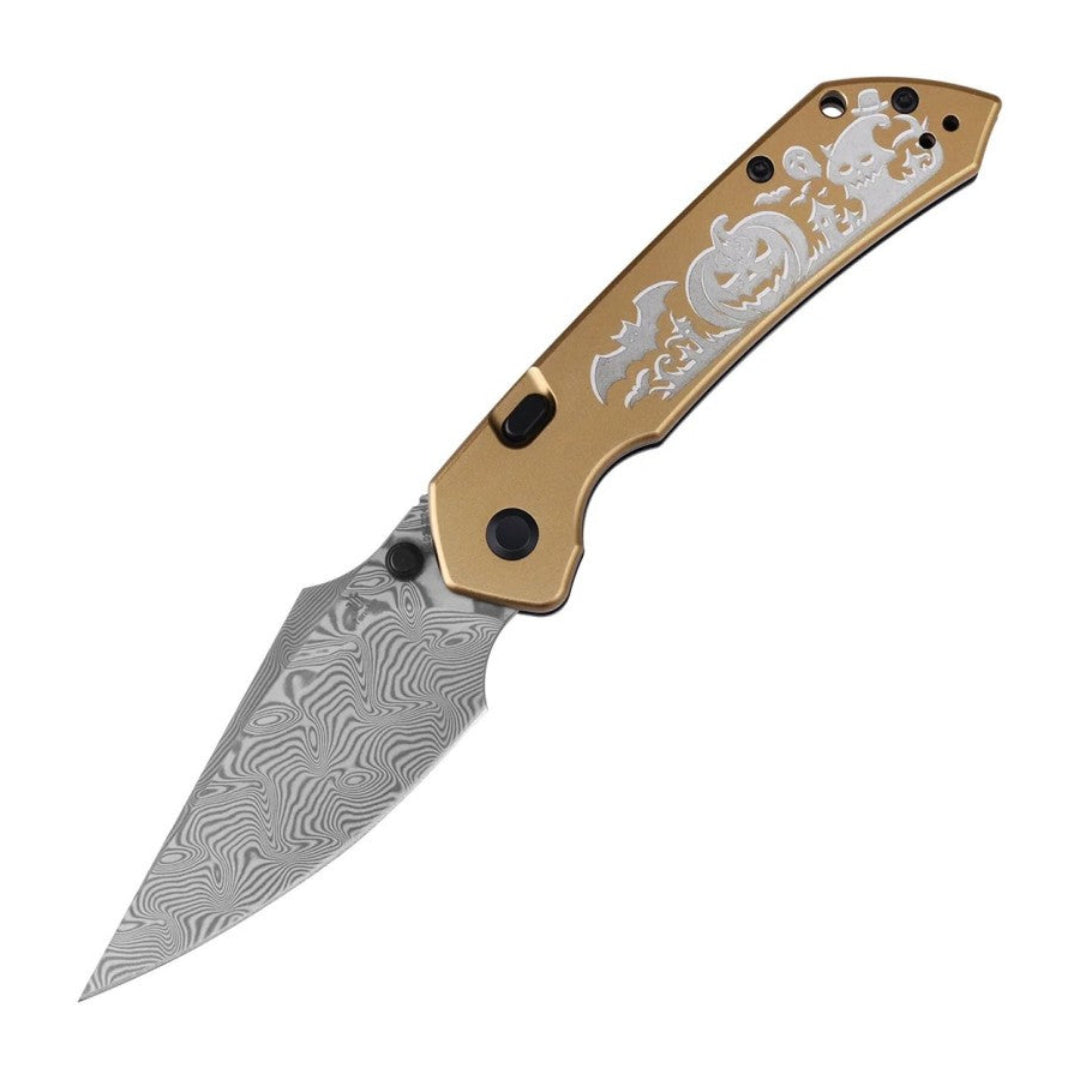
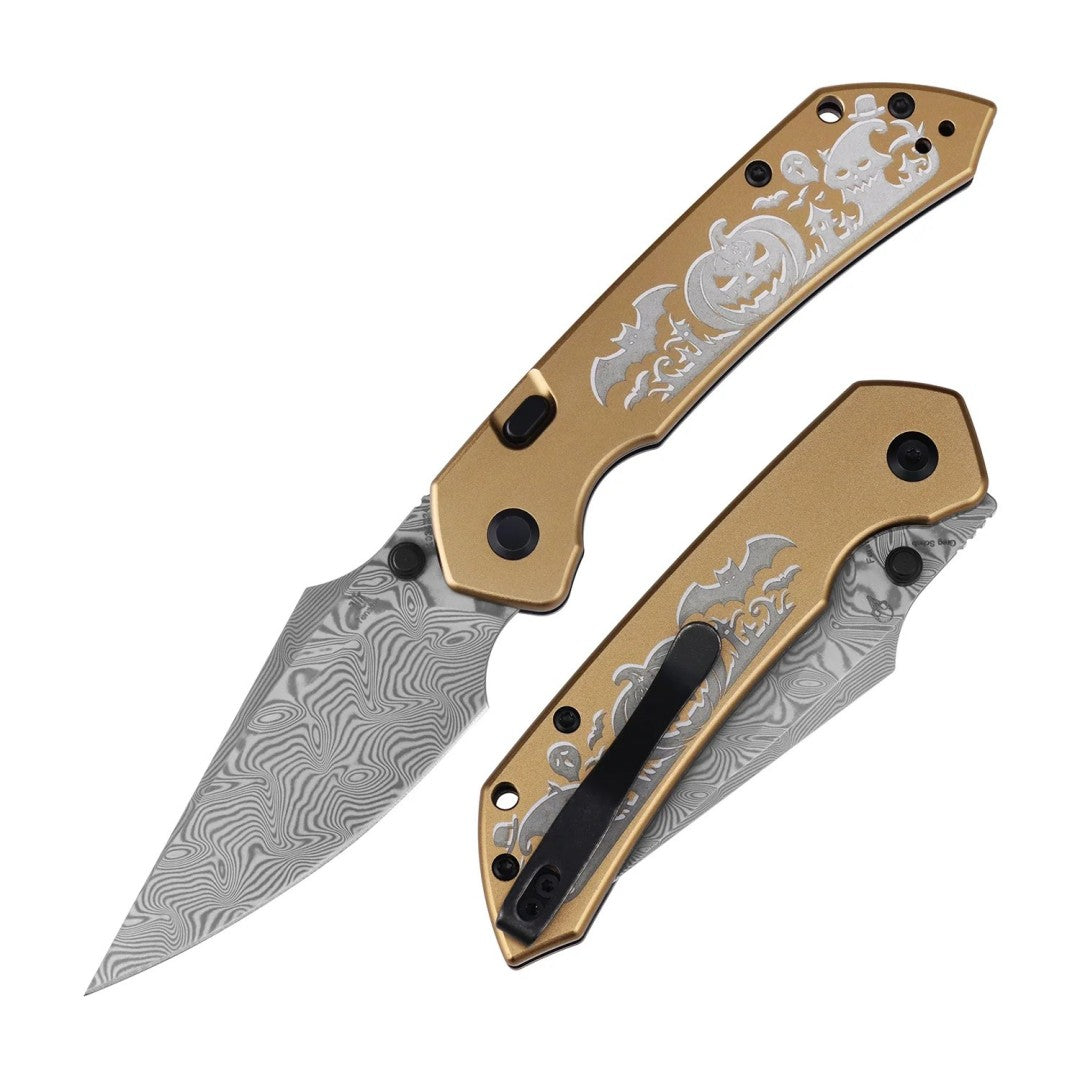
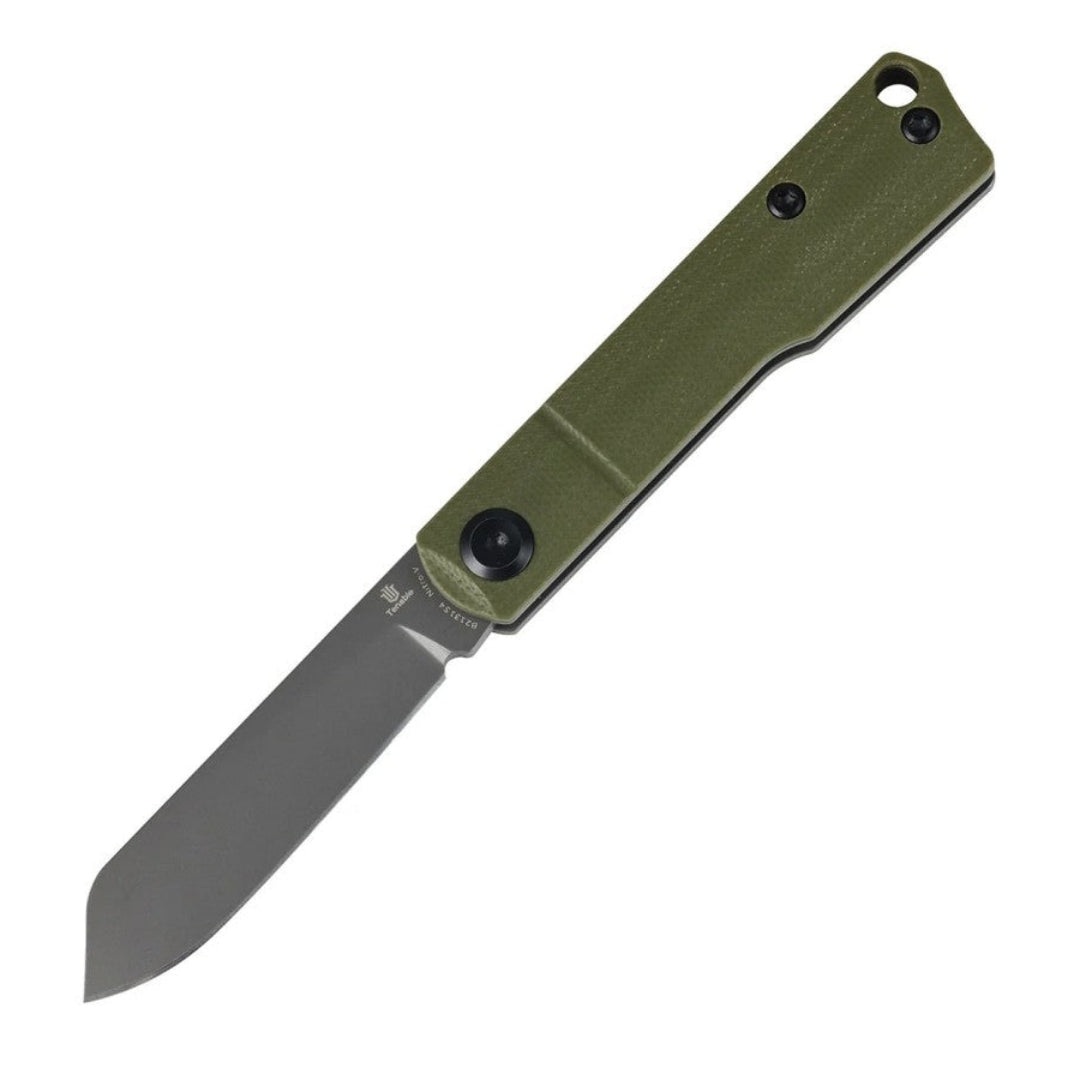
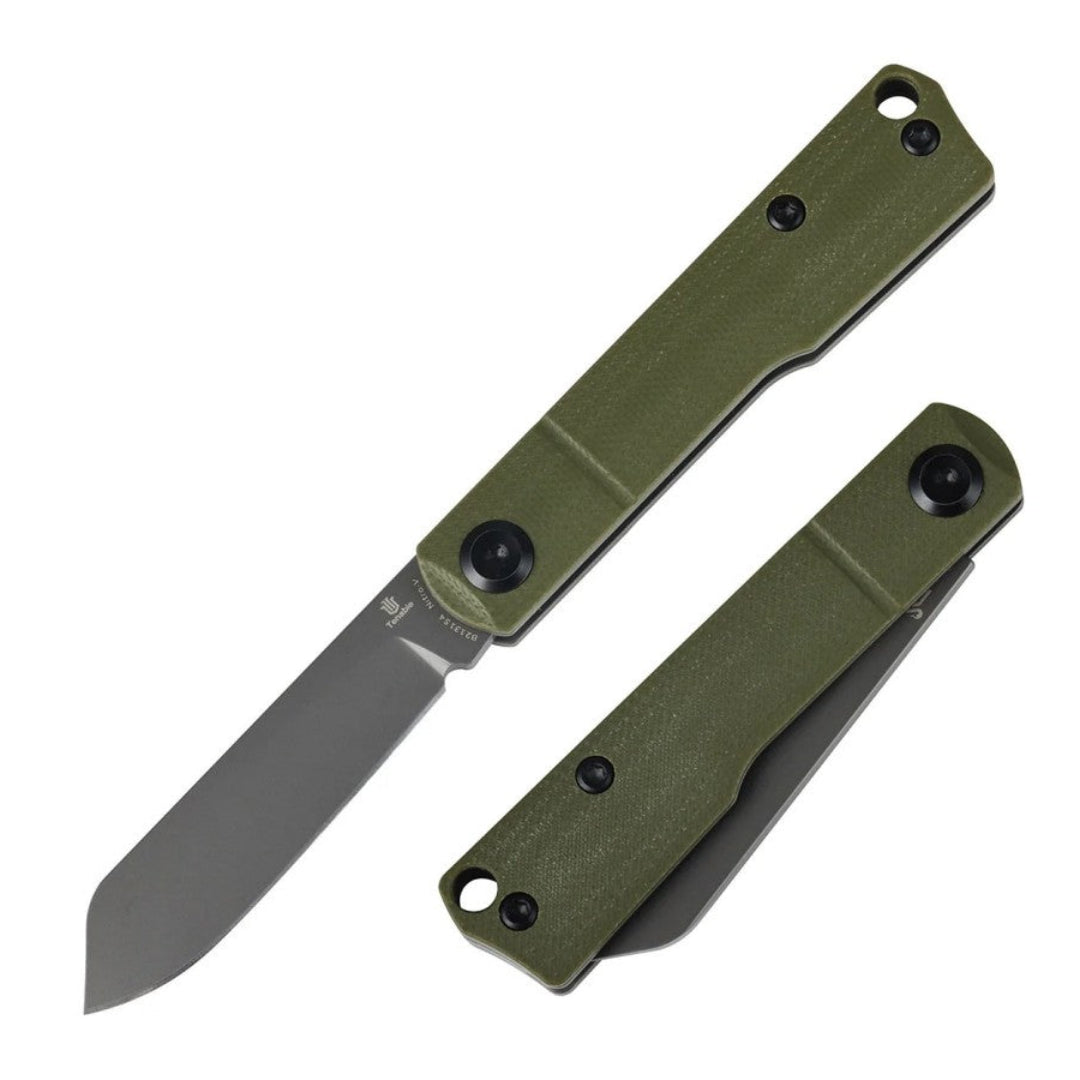
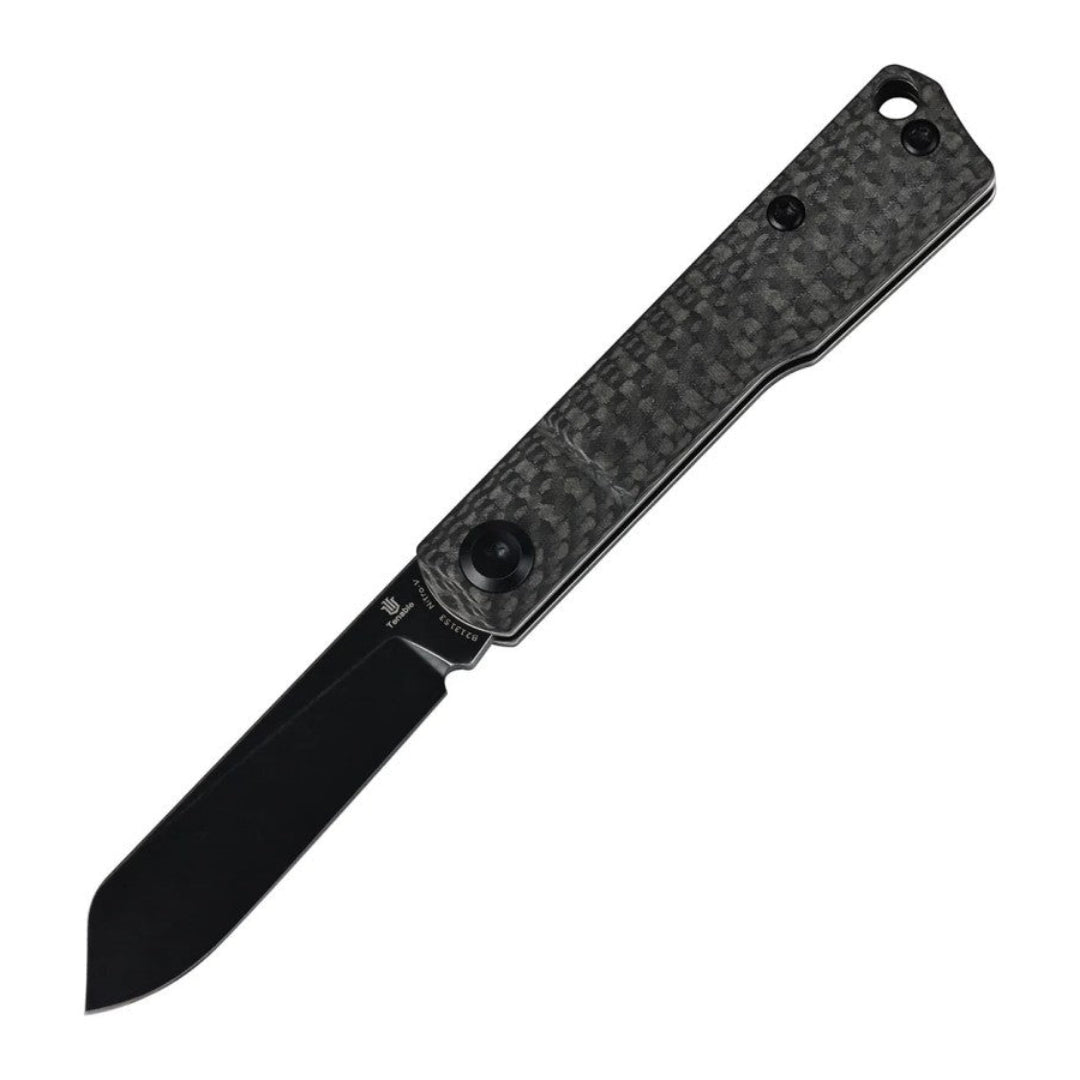
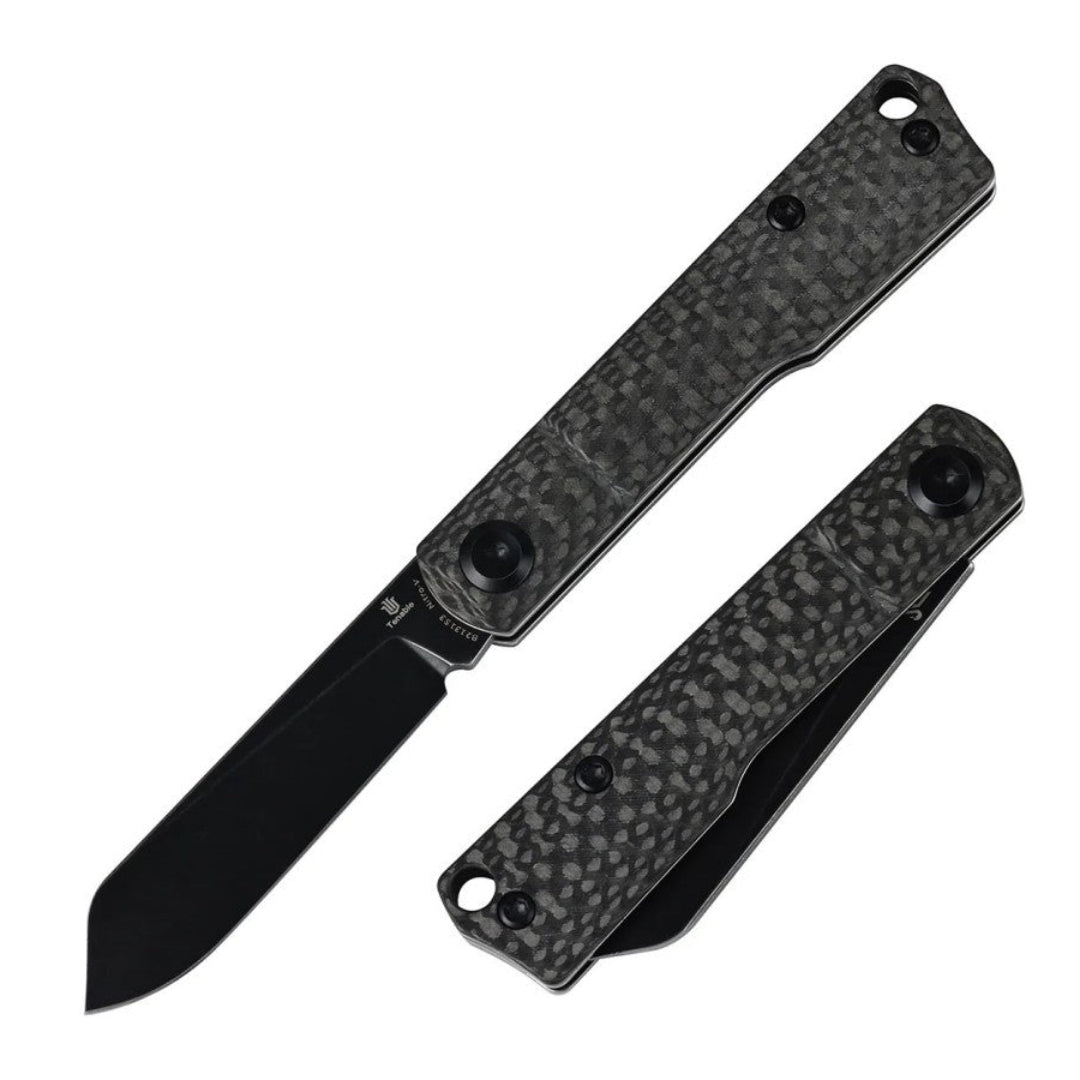
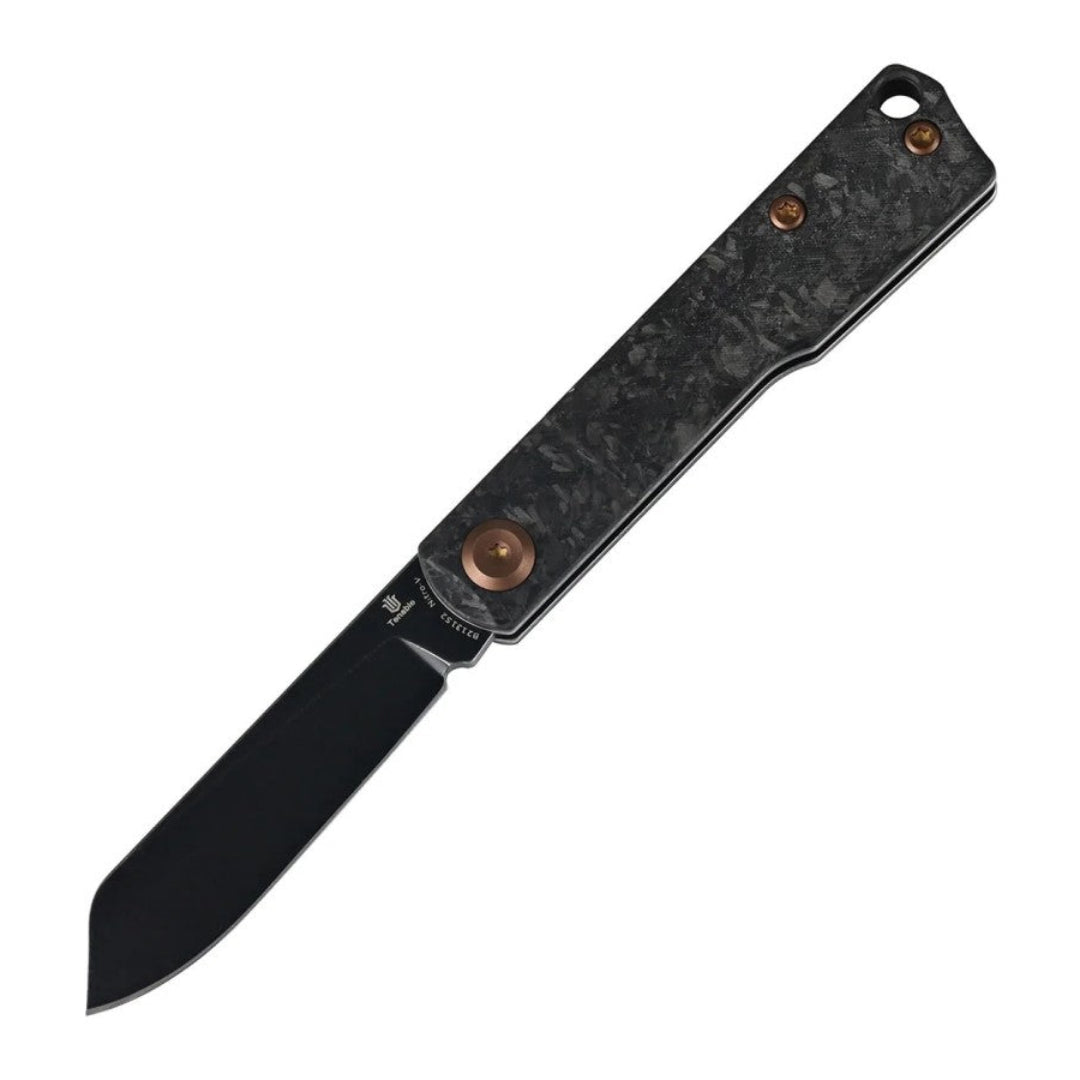
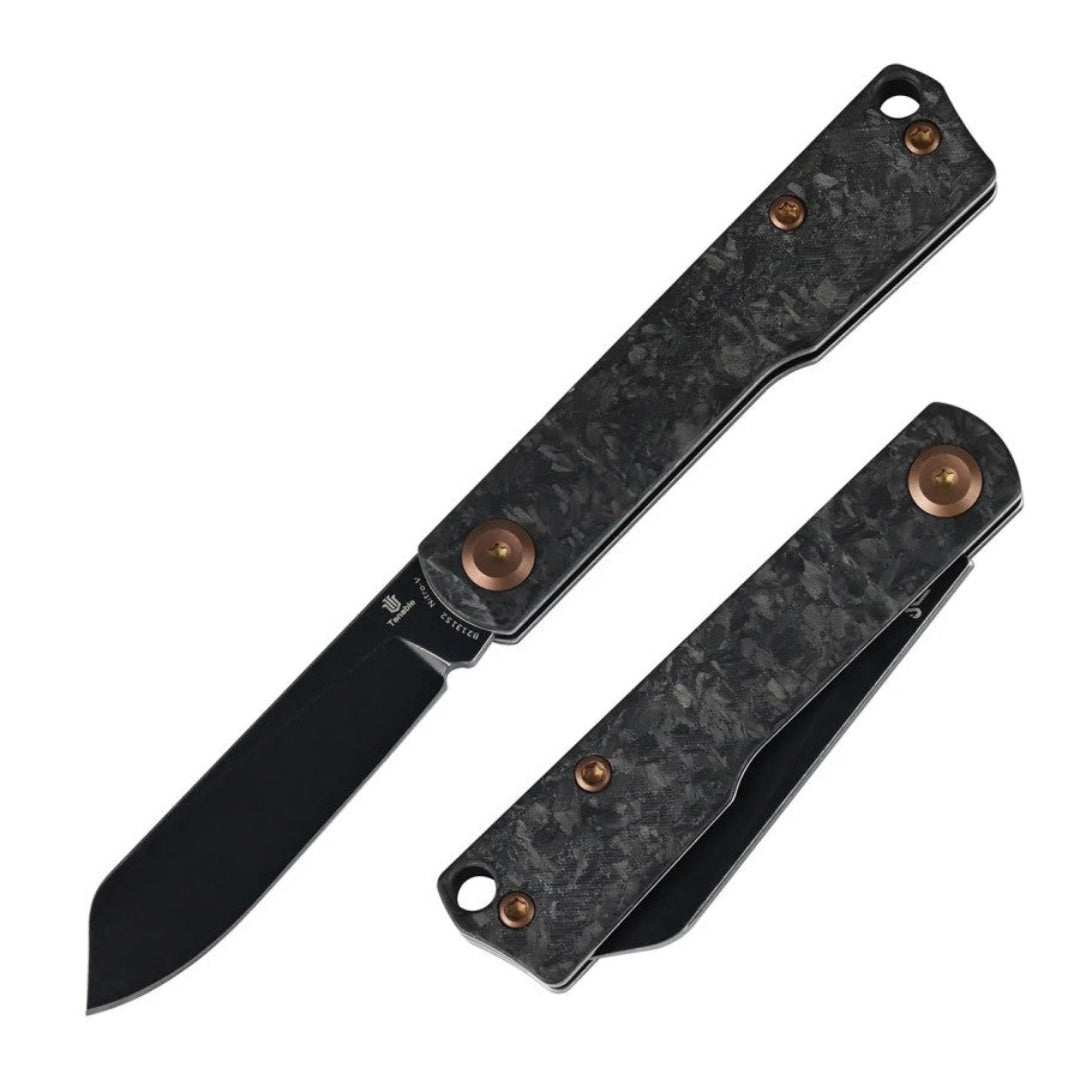
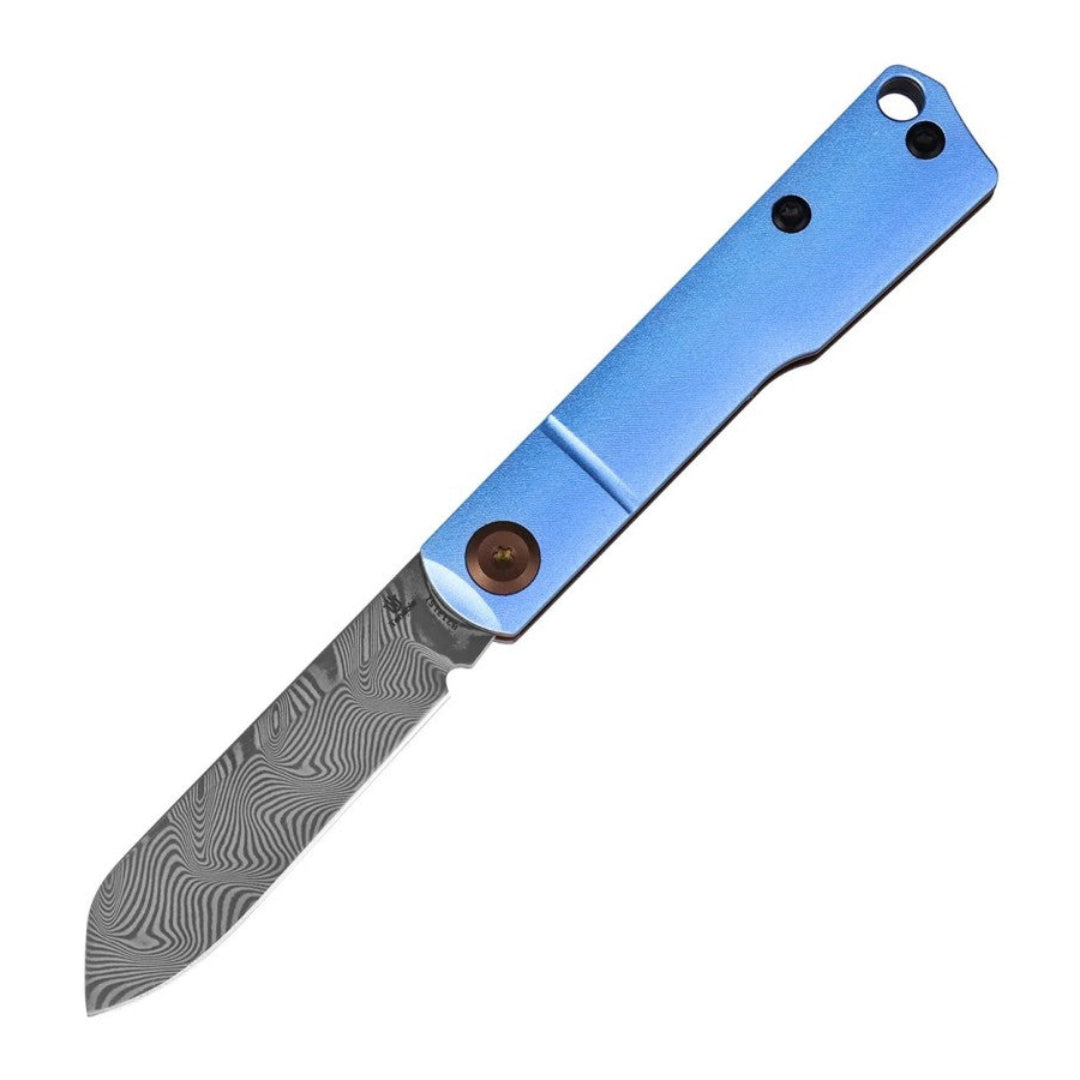
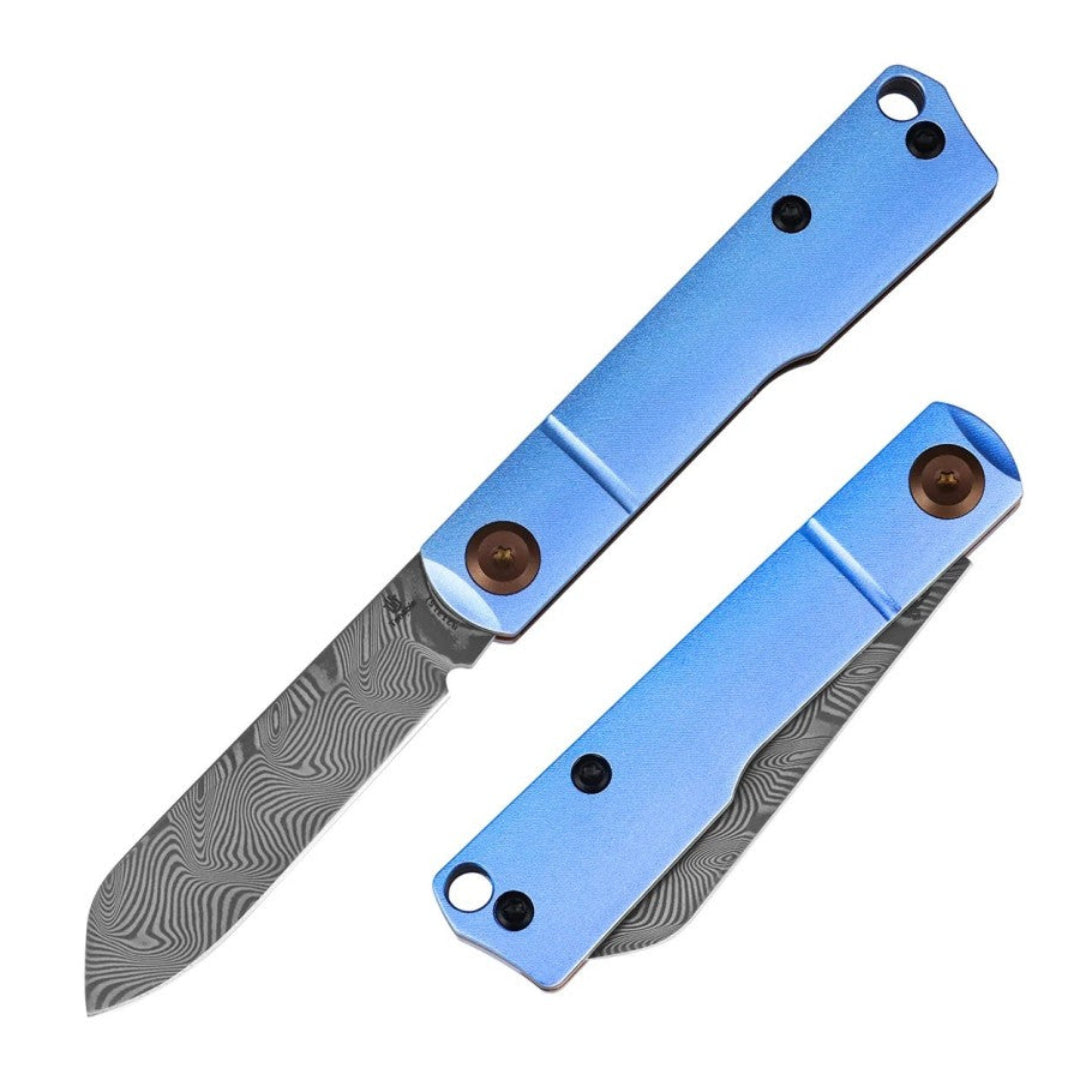
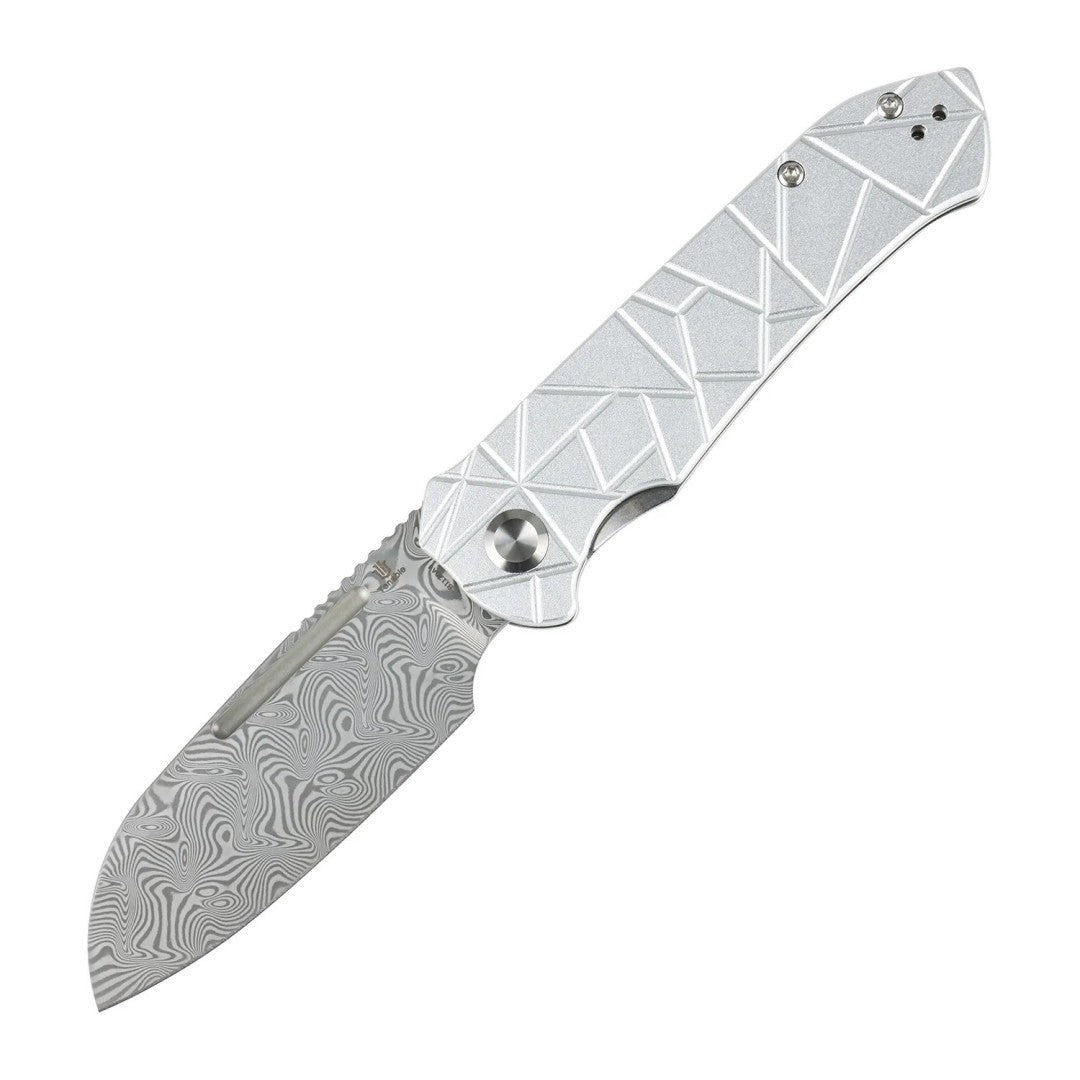
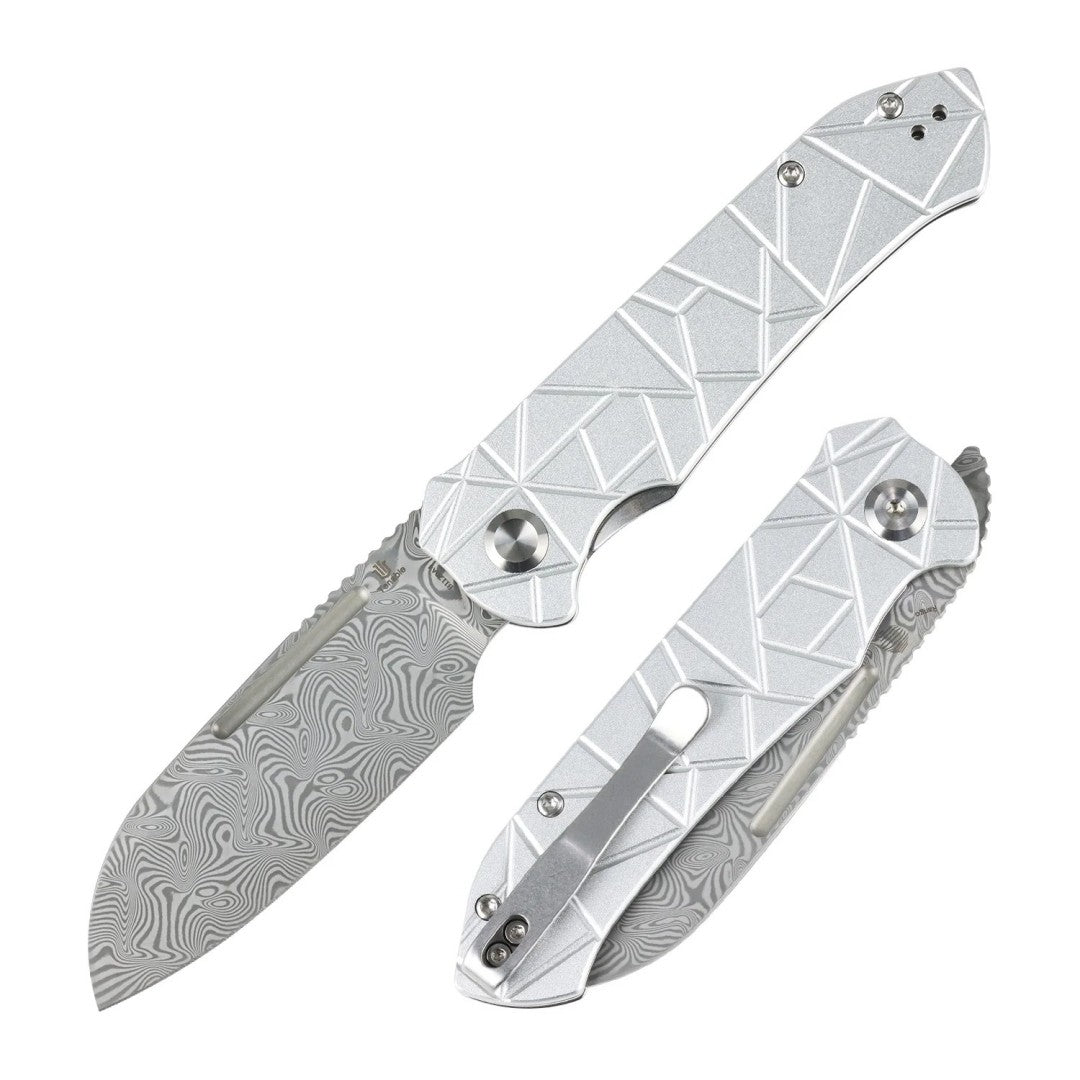
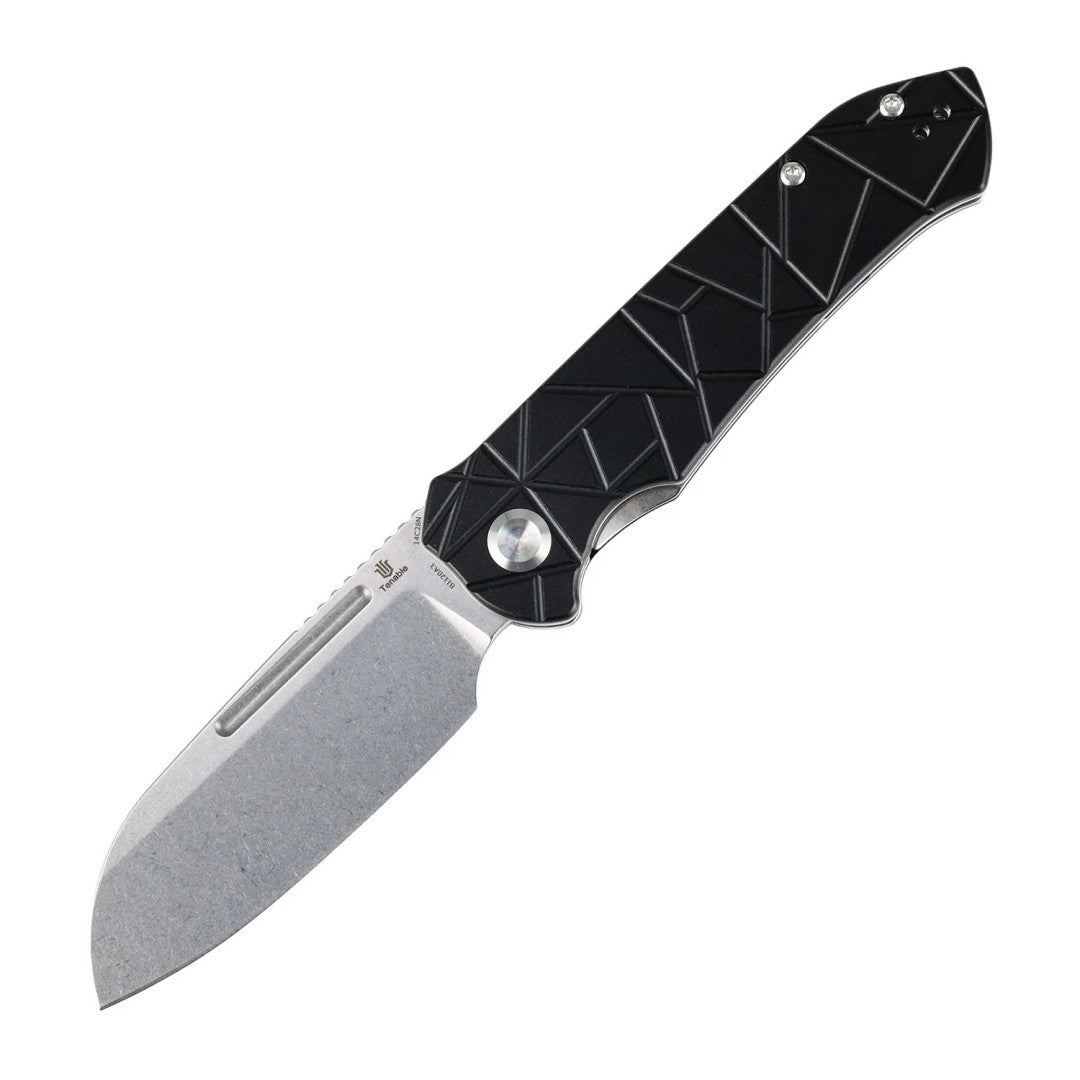
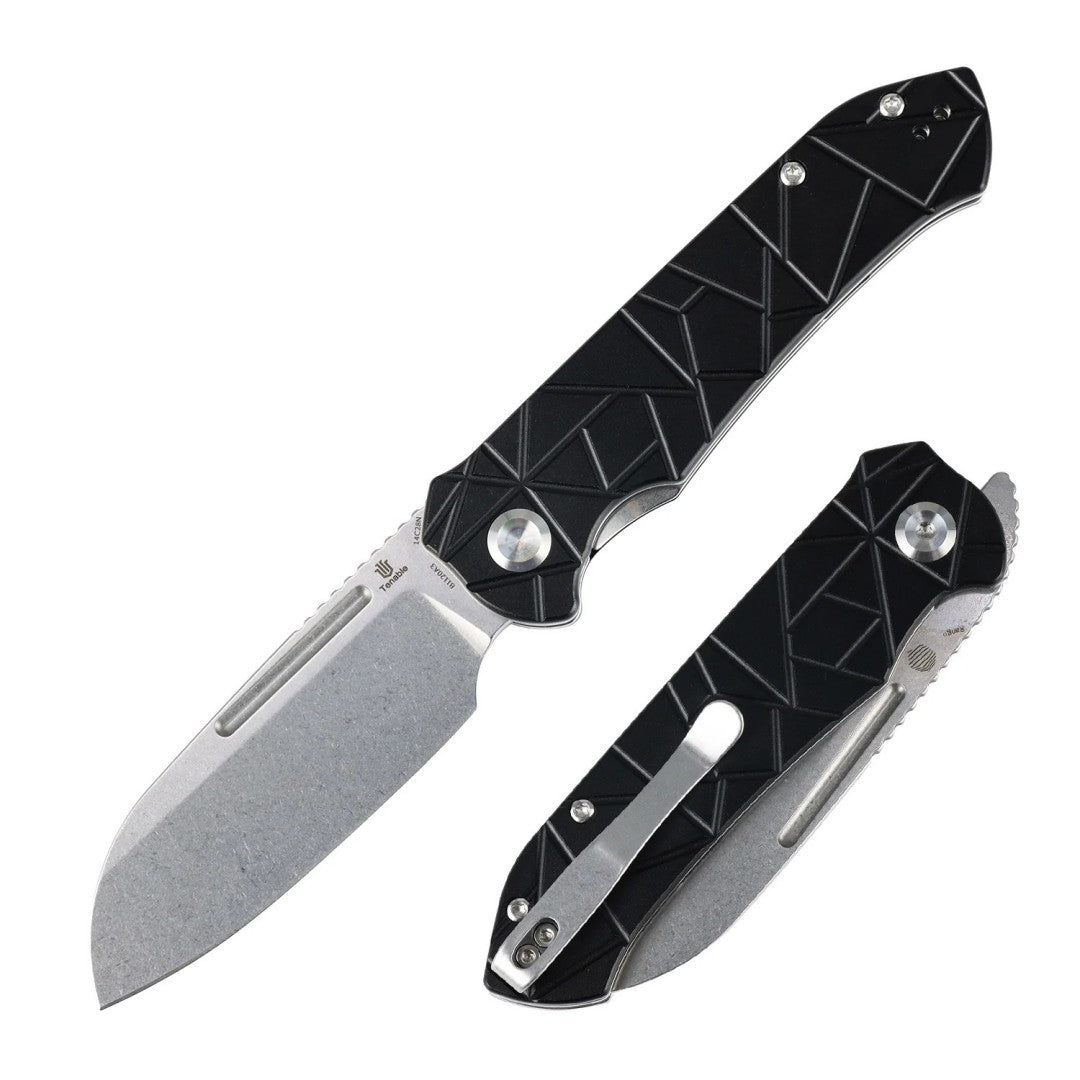
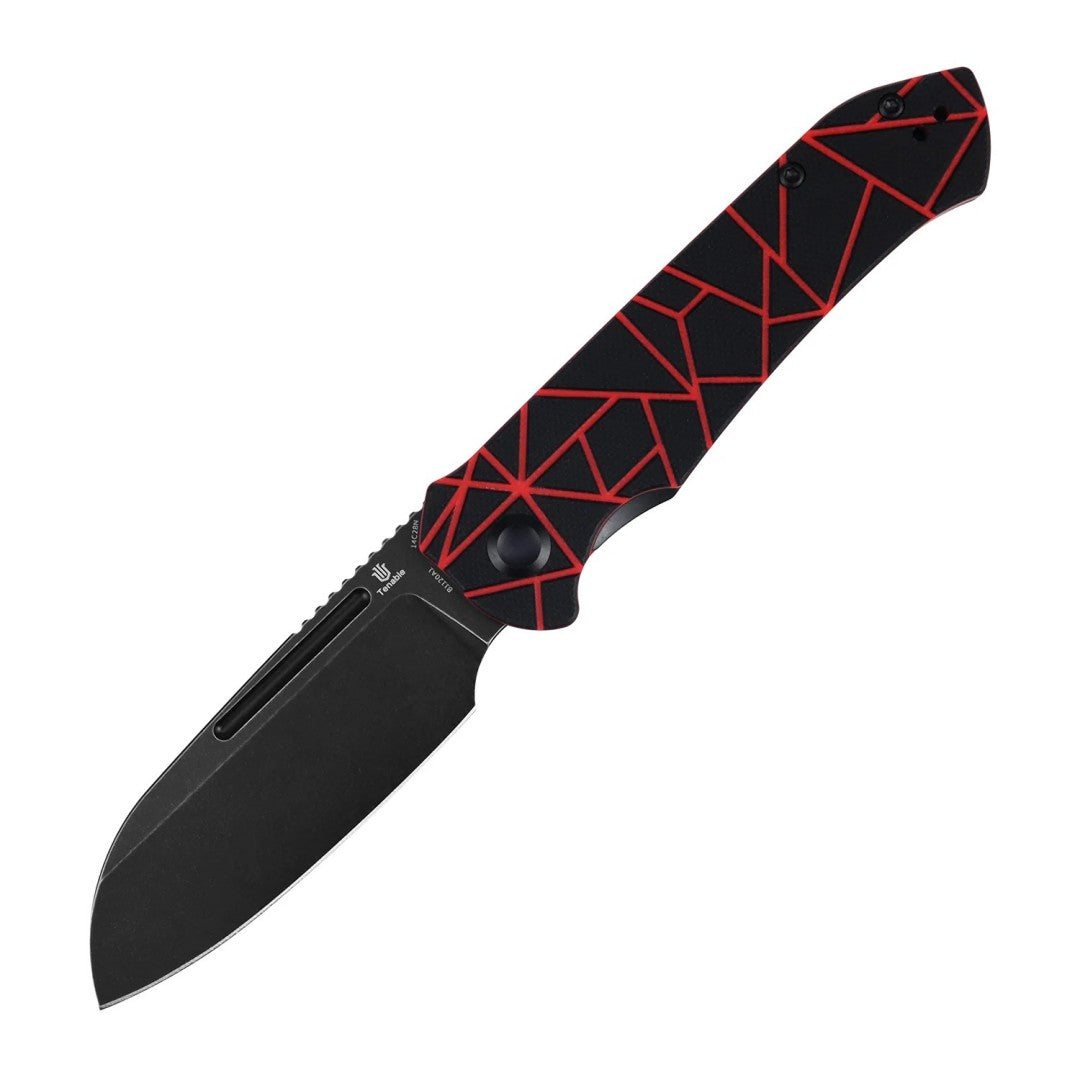
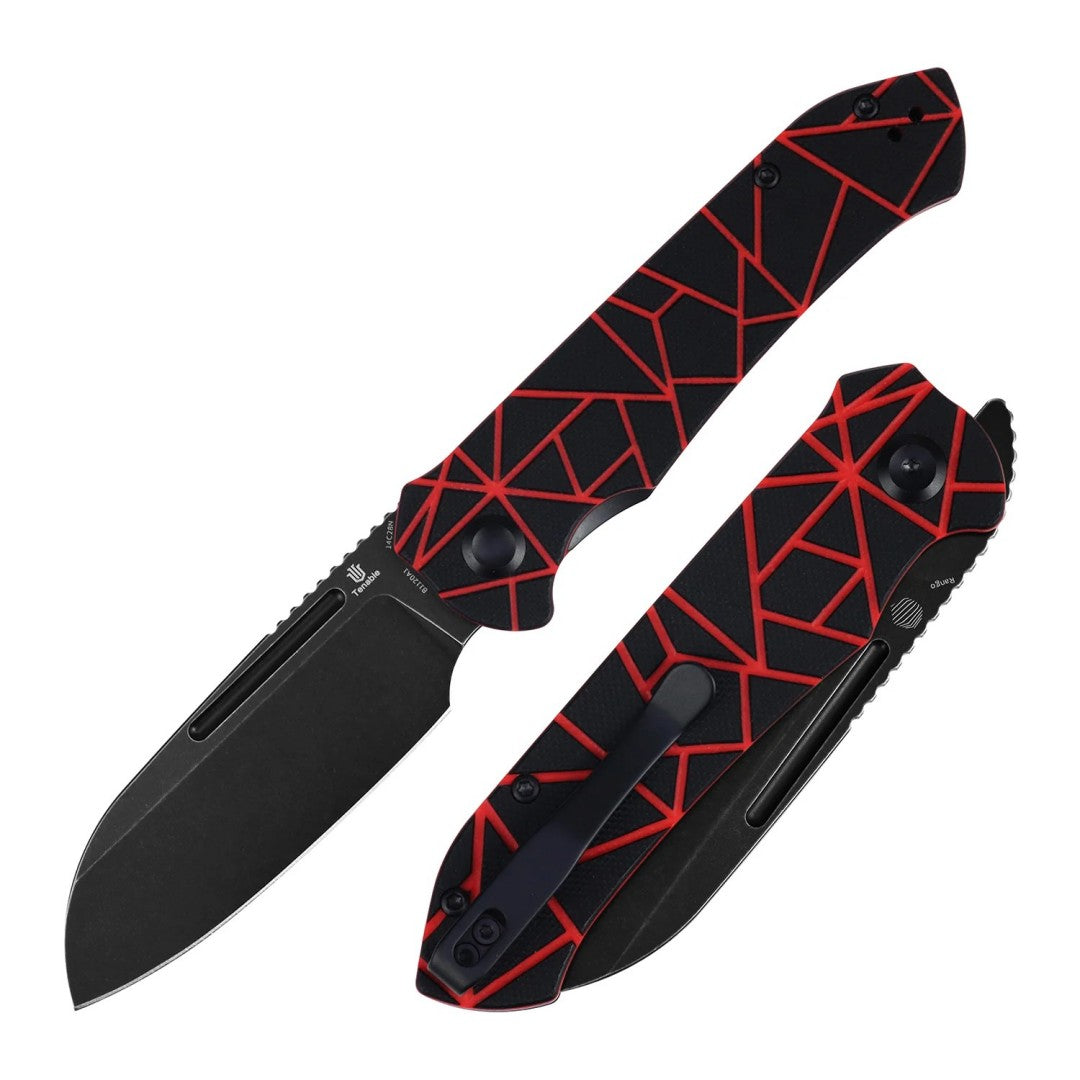
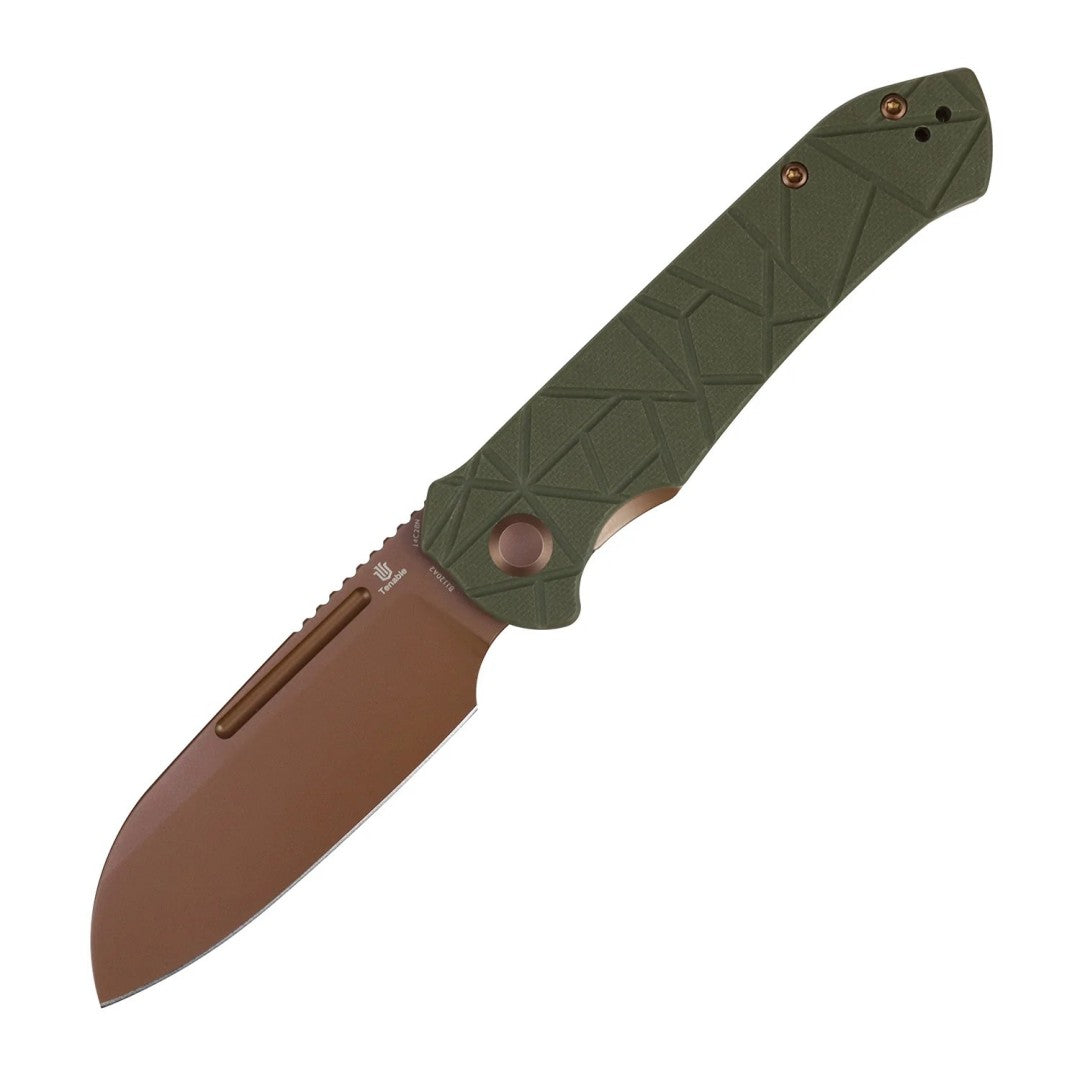
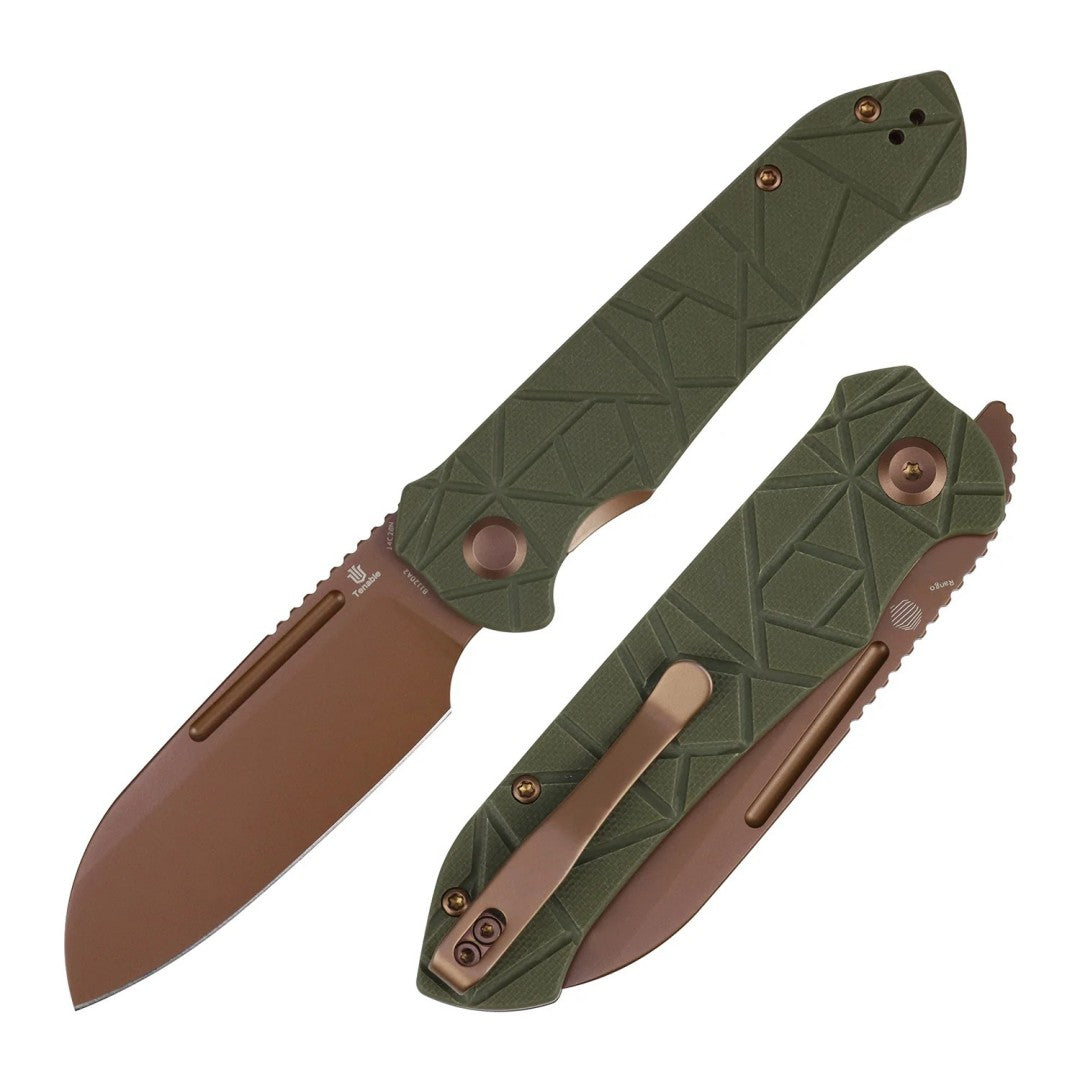
Even the finest folding knives in the world—including Rockstead's own legendary folders like the HIZAN or SHIN—rely on a mechanical pivot point and a locking system (such as a frame lock, liner lock, or button lock).
-
The Inherent Weak Point: No matter how precisely engineered, a pivot is a point of jointed articulation. Under extreme or abusive lateral stress, a pivot can develop play, components can wear down, and a lock can potentially slip or fail.
-
The Debris Trap: The internal pocket of a folding knife acts as a natural magnet for pocket lint, dirt, moisture, and organic matter, requiring regular disassembly and maintenance to maintain smooth action.
2. Blade Geometry and Slicing Efficiency
Blade geometry dictates how efficiently a knife moves through material. Here, the Rockstead DON showcases an uncompromising execution of traditional physics.
The Honzukuri Advantage
The Rockstead DON utilizes the legendary Honzukuri (Convex) grind, inspired by the cross-section of traditional Japanese samurai swords. The blade smoothly curves outward from the spine down to the microscopic apex without any secondary micro-bevel. When the DON slices, its convex profile acts as a fluid wedge, pushing material away from the blade surface and drastically reducing drag.
Folding Knife Constraints
While some folding knives feature excellent grinds, the vast majority utilize a standard flat or hollow grind terminating in a distinct V-bevel secondary edge. This creates a noticeable "shoulder" where the bevel meets the primary grind. When slicing through deep or dense mediums like thick leather, rope, or wood, this shoulder creates friction and resistance. Additionally, because folding blades must fit inside their handles, they are restricted in thickness and overall blade height, limiting the optimization of a true, deep convex geometry.

3. Metallurgy and Edge Retention Boundaries
Both premium fixed blades and high-end folding knives utilize modern powder metallurgy super-steels, but the Rockstead DON pushes these materials to boundaries that folding knives rarely touch.
The DON series features a clad-steel construction with a core of ZDP-189 super-steel wrapped in a resilient jacket of VG-10. Rockstead heat-treats this ZDP-189 core to an unbelievable 67 HRC (Rockwell Hardness Scale).
| Knife Category | Average Hardness Range | Edge Behavior Under Hard Stress |
| Premium Folding Knives (M390, MagnaCut, S45VN) | 59 - 63 HRC | Micro-rolling or flattening at the apex; requires periodic touch-ups. |
| Rockstead DON Fixed Blade (ZDP-189 Core) | 67 HRC | Complete resistance to deformation; maintains hair-shaving sharpness 5-10x longer. |
In a folding knife, running a blade at 67 HRC is highly uncommon because the structural stresses placed on a pocket knife's slender profile could lead to chipping at the pivot or along the lock interface. By choosing the robust full-tang fixed blade platform of the DON, Rockstead can safely maximize the extreme hardness of ZDP-189. The flanking layers of softer VG-10 steel provide the necessary lateral flexibility, ensuring the knife delivers unparalleled edge longevity without being fragile.
4. Durability in Extreme Environments
When a knife transitions from light office tasks to rugged field use, environmental durability becomes paramount.
-
The Rockstead DON: The DON is built to survive harsh elements. Its handle scales—crafted from premium Desert Ironwood and accented with genuine stingray skin (Samegawa)—are naturally stable and highly resistant to moisture, blood, and temperature swings. Because the blade is polished to a flawless, mirror-like finish through painstaking hand-lapping with diamond paste, there are no microscopic valleys or scratches where moisture can settle and trigger corrosion. Cleaning the DON requires nothing more than wiping it down.
-
Premium Folding Knives: Even if a folding knife features highly corrosion-resistant steel (like CPM-MagnaCut), its internal hardware remains vulnerable. Saltwater, mud, sand, or blood entering the pivot cage can instantly degrade the deployment action, ruin the ball bearings, and create hidden pockets of rust that are impossible to clean without specialized tools.
5. The Ergonomic Experience
Ergonomics dictate how long you can use a tool before hand fatigue sets in.
Because a folding knife must accommodate the blade within its handle frames, the handle shape is inherently compromised. It must feature an internal channel, which often results in squared edges, thinner profiles, and potential "hot spots" when gripped with maximum force.
The Rockstead DON, free from the constraints of housing a blade, features a fully contoured, three-dimensional handle that mirrors the natural ergonomics of a closed human fist. The seamless transitions between the guard, the tang, and the handle scales ensure that shifting pressures during heavy cutting or precision carving are distributed evenly across the hand, providing total control and safety.

Conclusion: Which Form Factor Wins?
Choosing between the Rockstead DON and a high-end folding knife ultimately comes down to your operational environment and philosophy of use.
A premium folding knife wins absolute marks for portability and everyday convenience. It clips discreetly into a pocket, making it an excellent companion for urban environments and casual tasks.
However, when evaluating raw performance, structural durability, ergonomics, and metallurgical dominance, the Rockstead DON is the undisputed victor. By fusing an indestructible full-tang design with a 67 HRC Honzukuri convex edge, the DON transcends the mechanical limitations of folding cutlery. It is not merely a tool; it is an unyielding, heirloom-grade masterpiece engineered to deliver peak cutting performance under conditions that would cause a folding knife to falter.