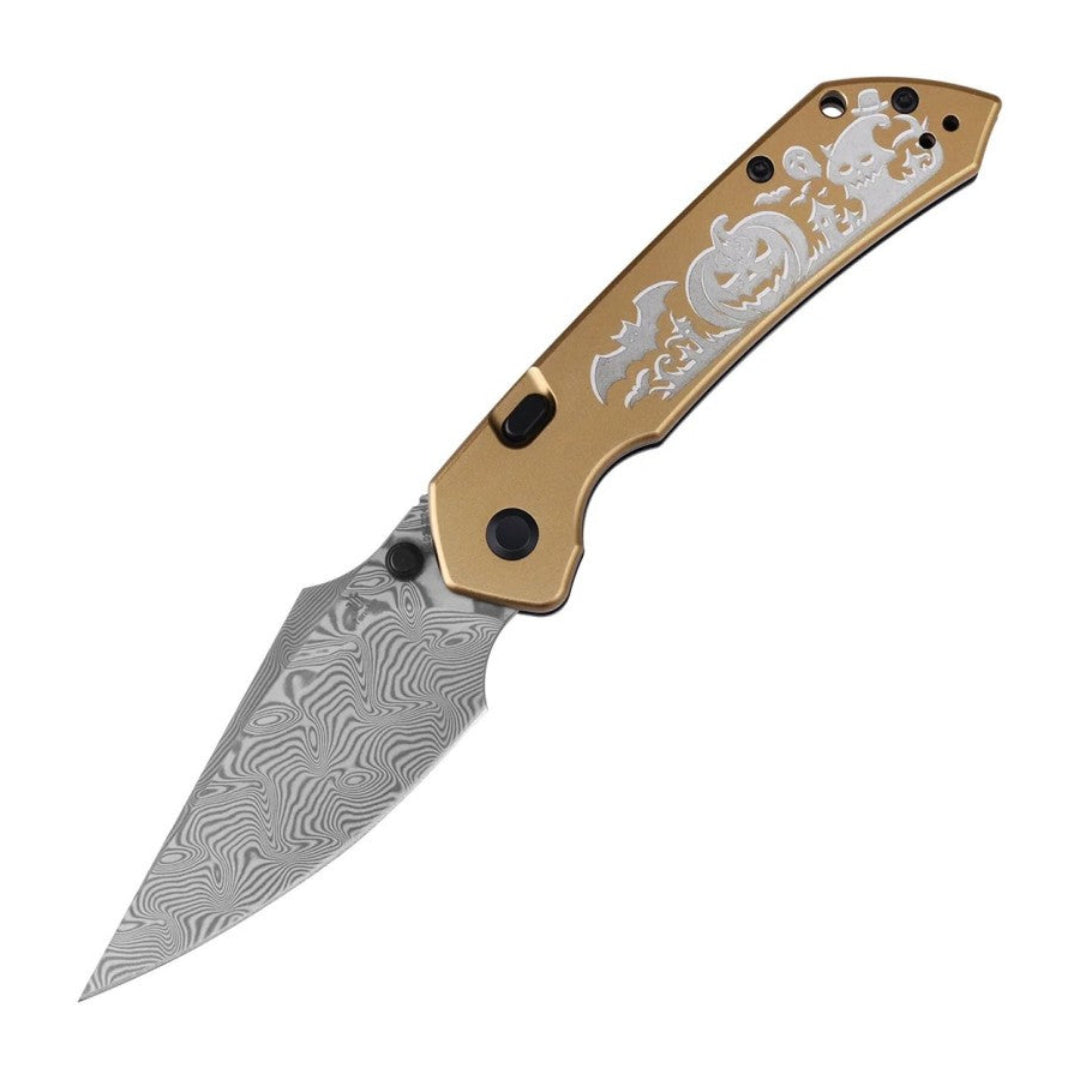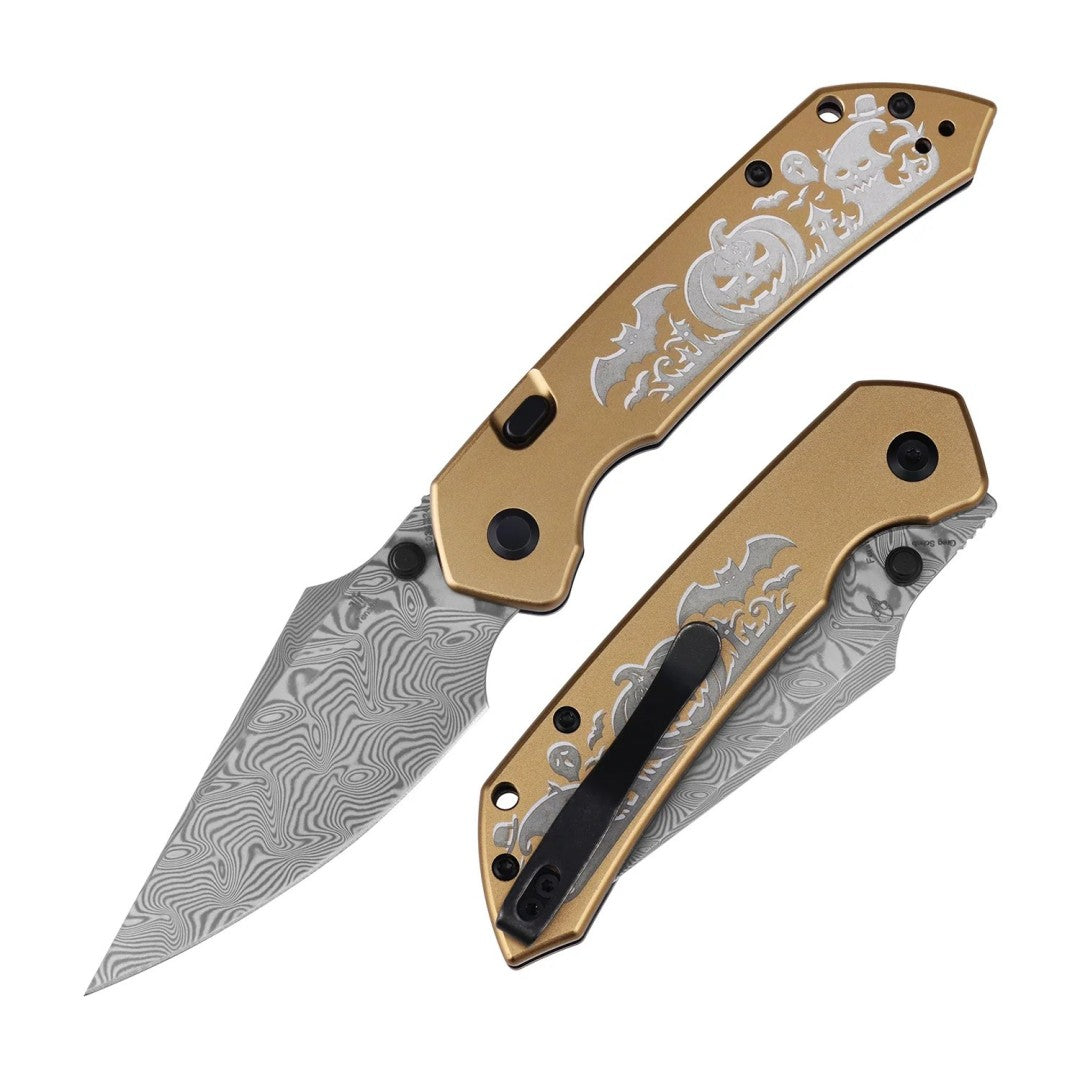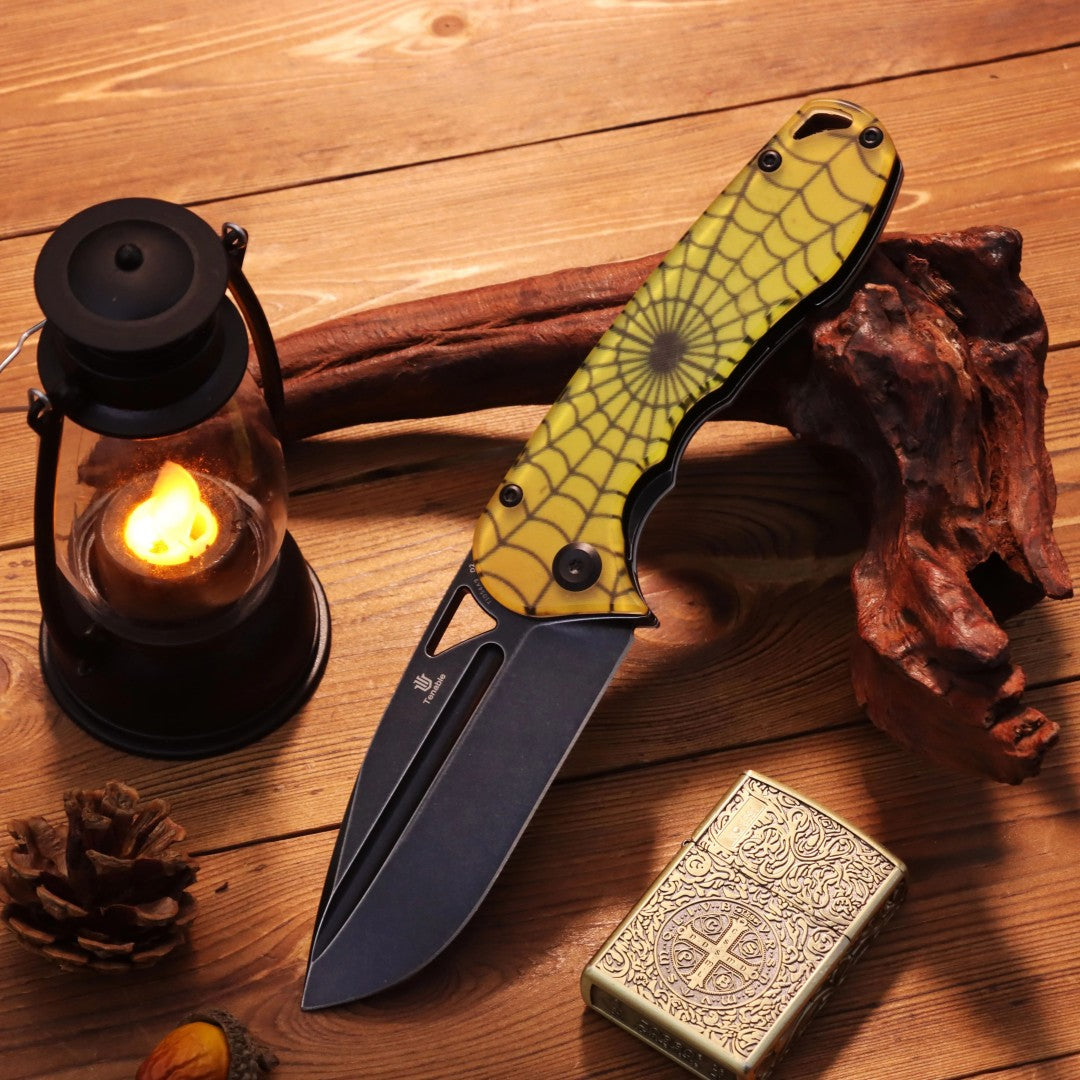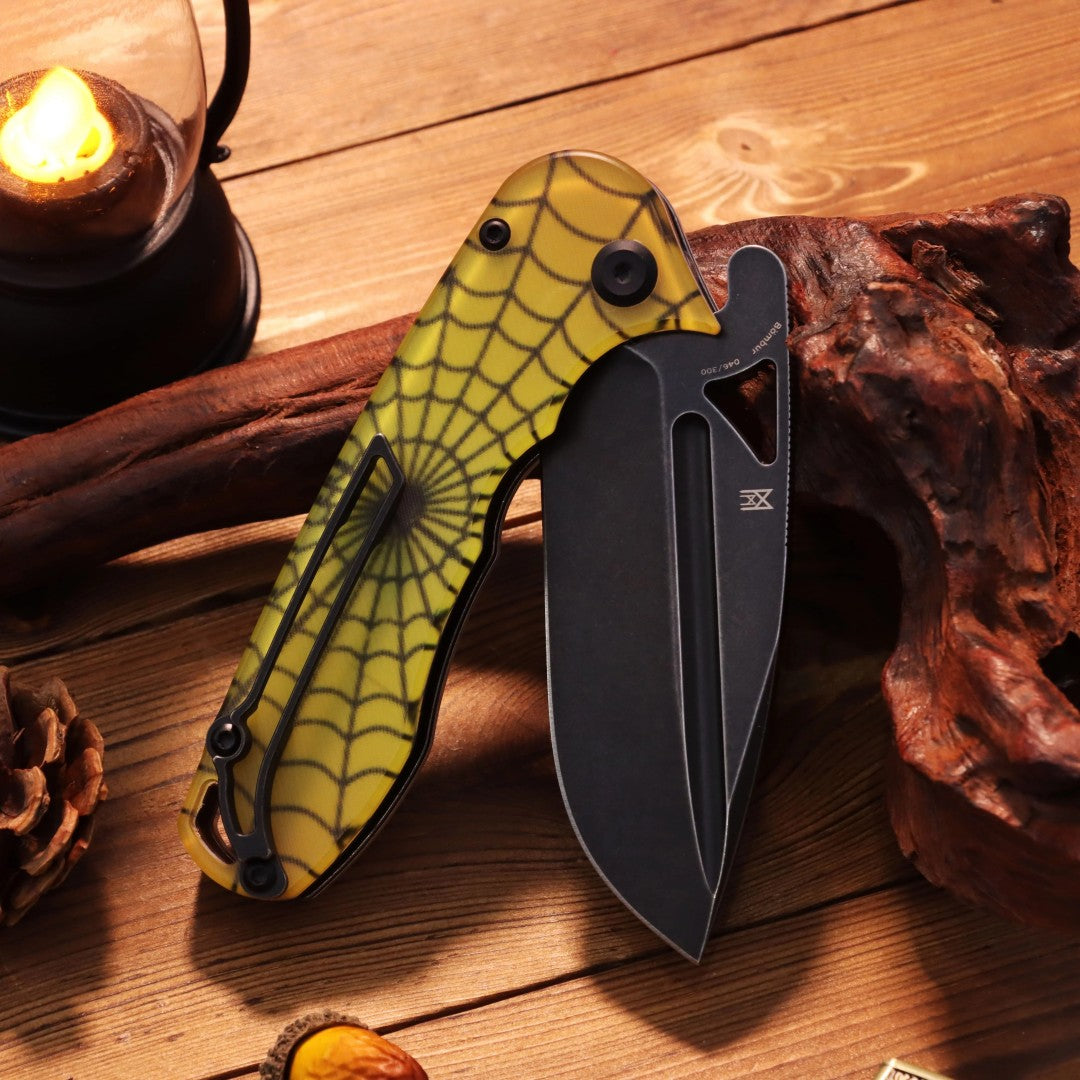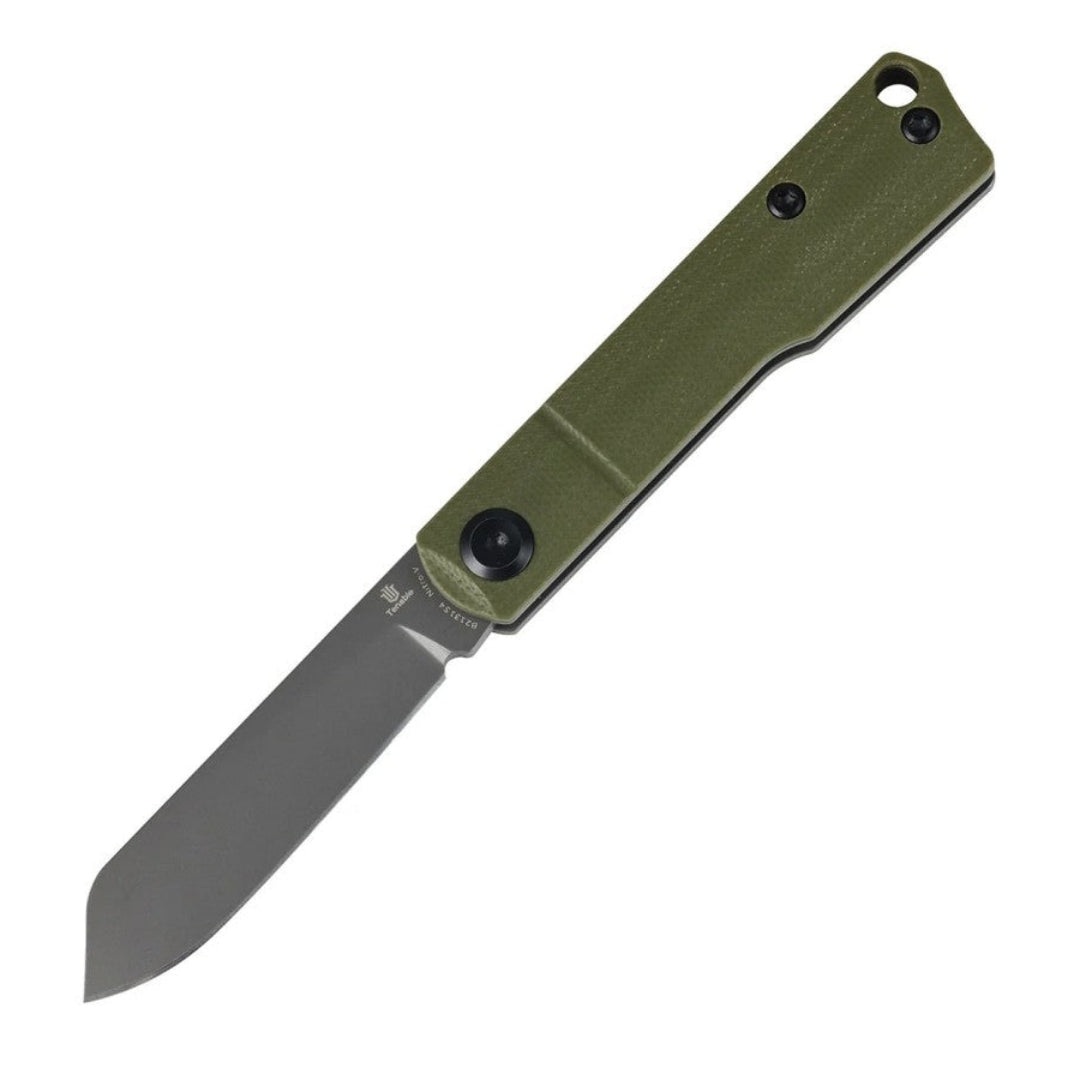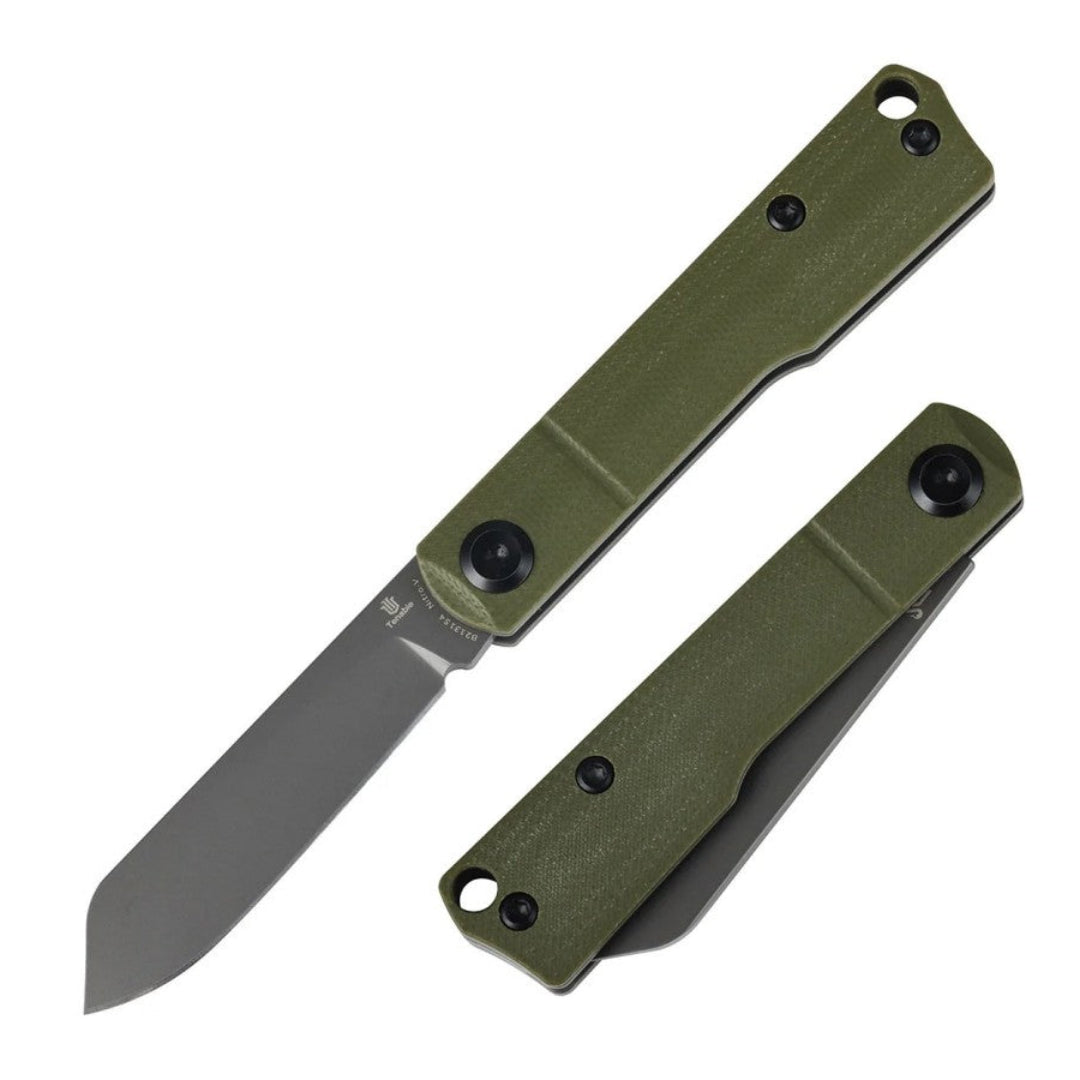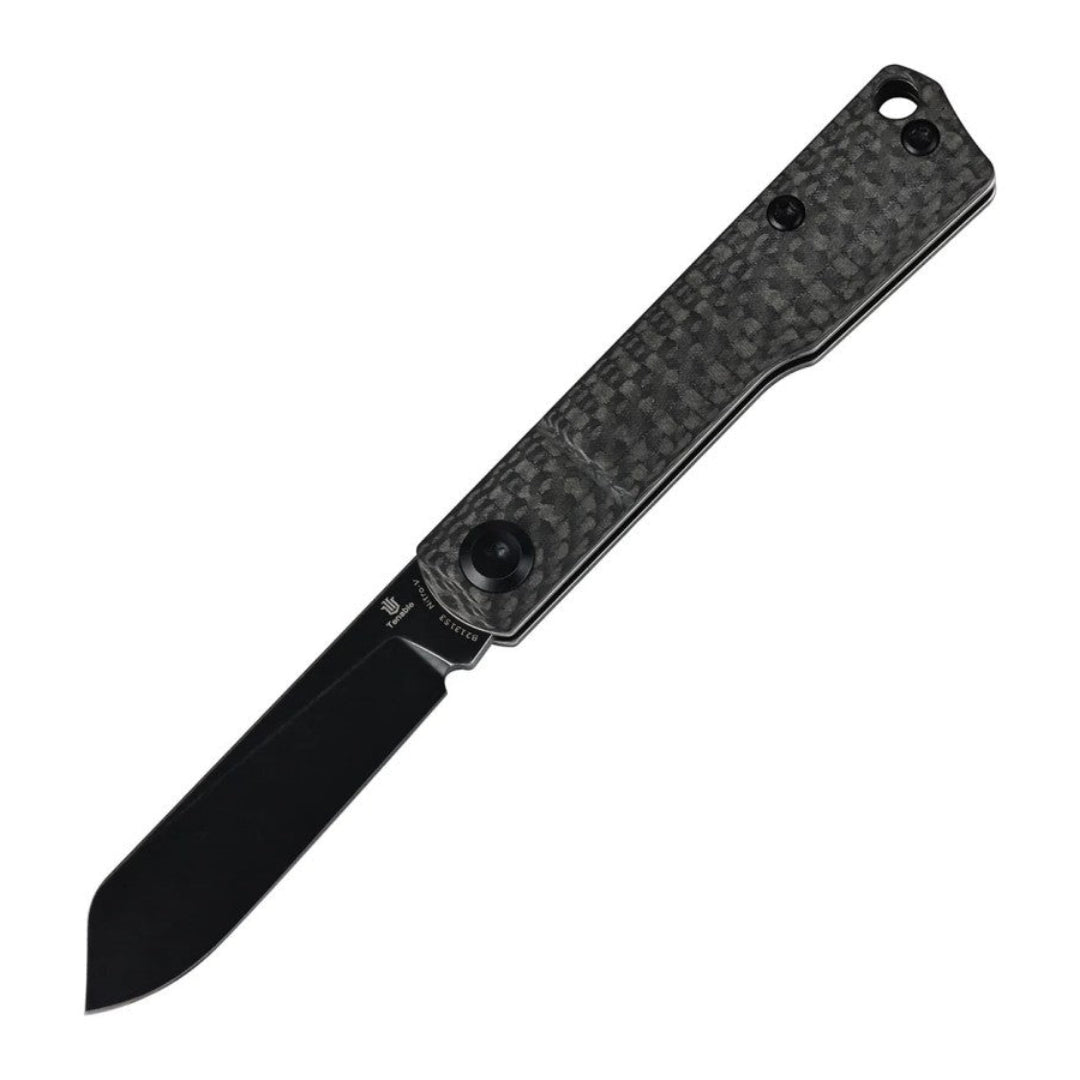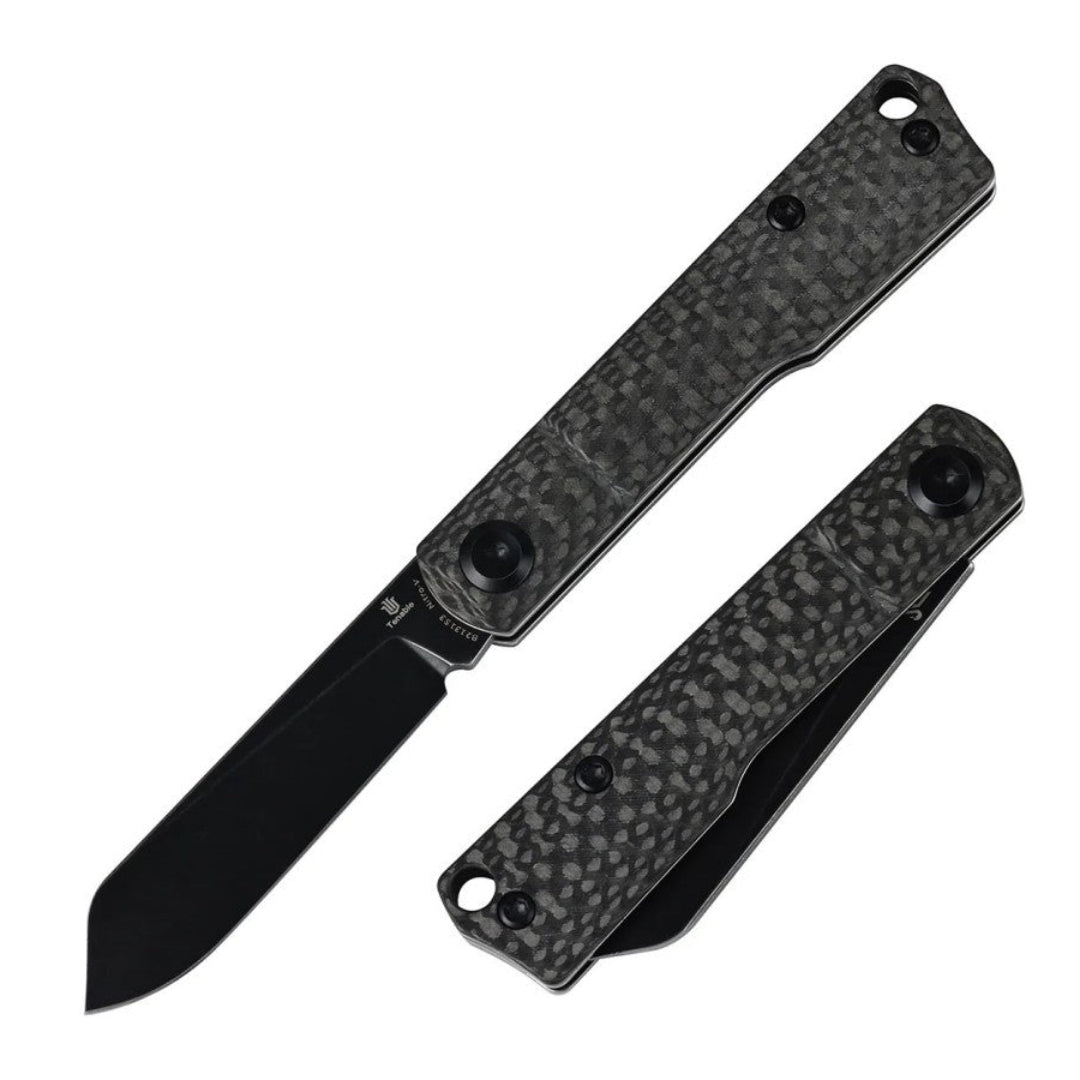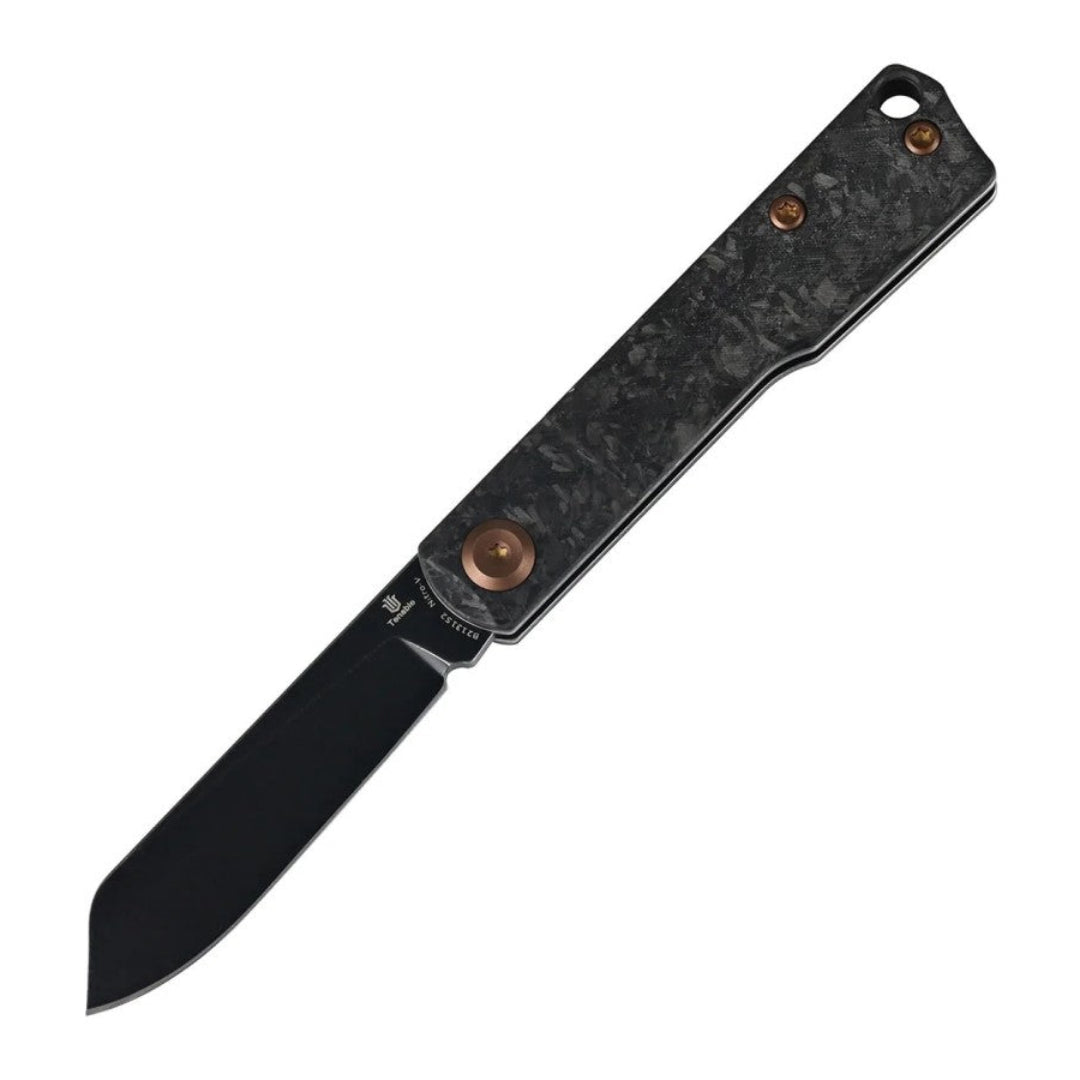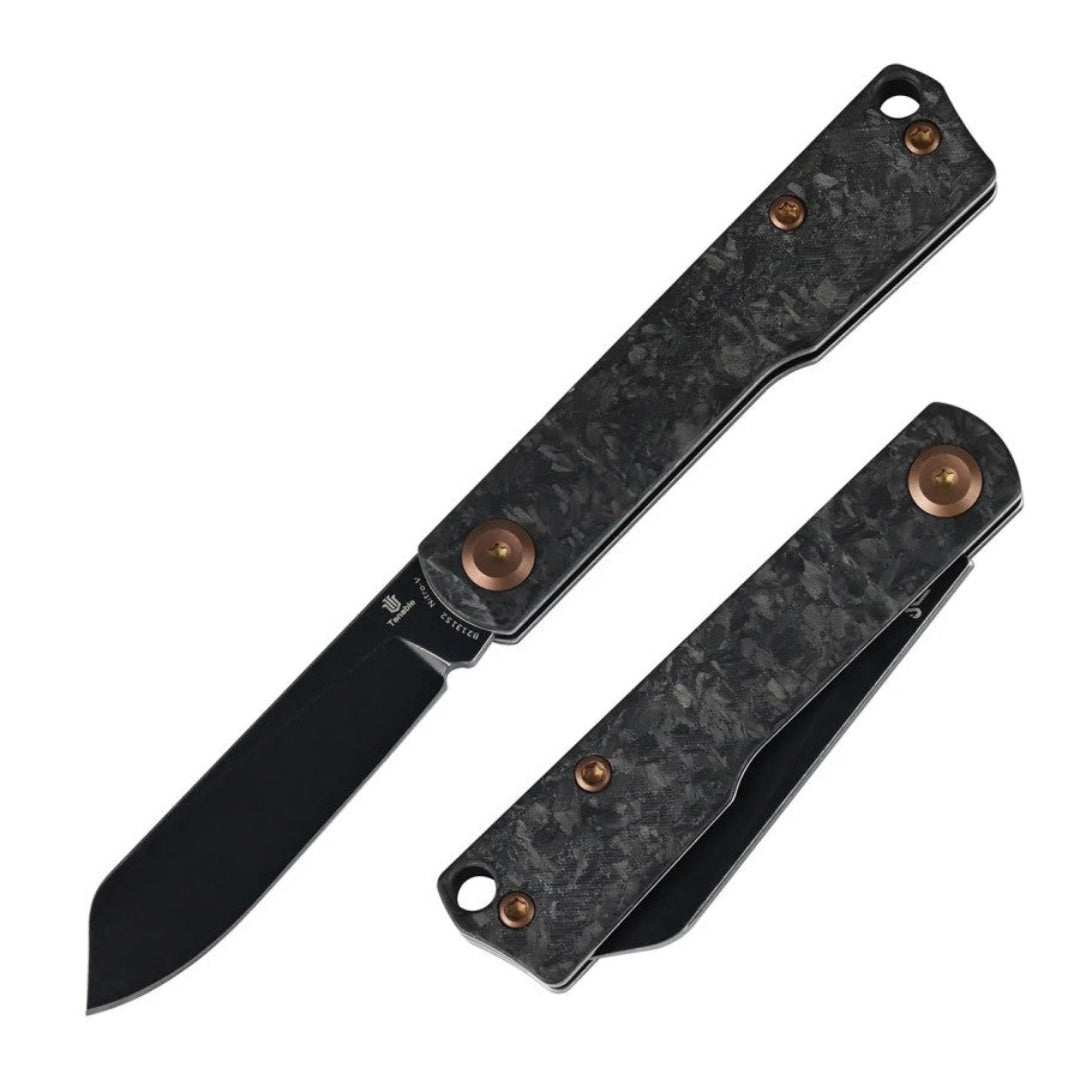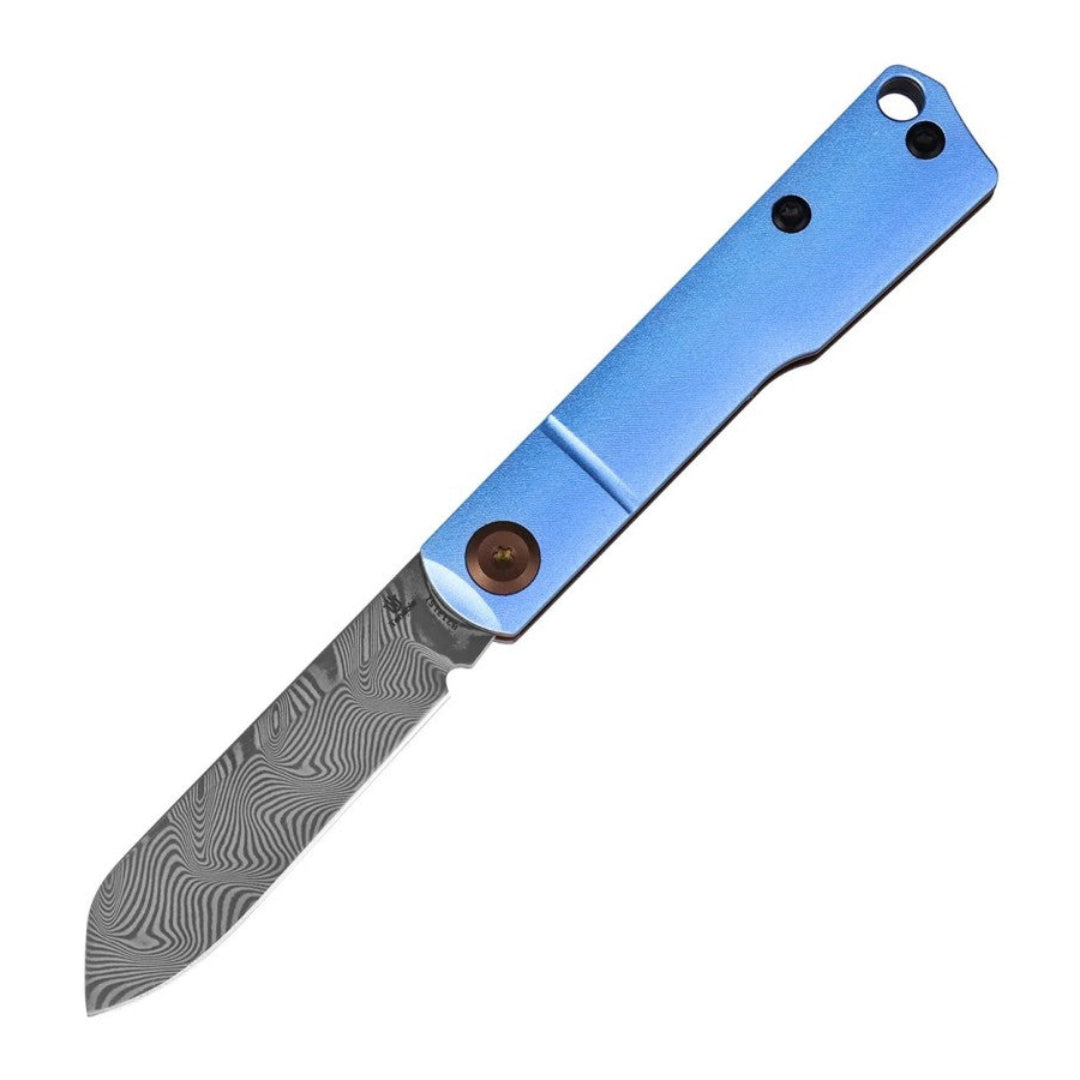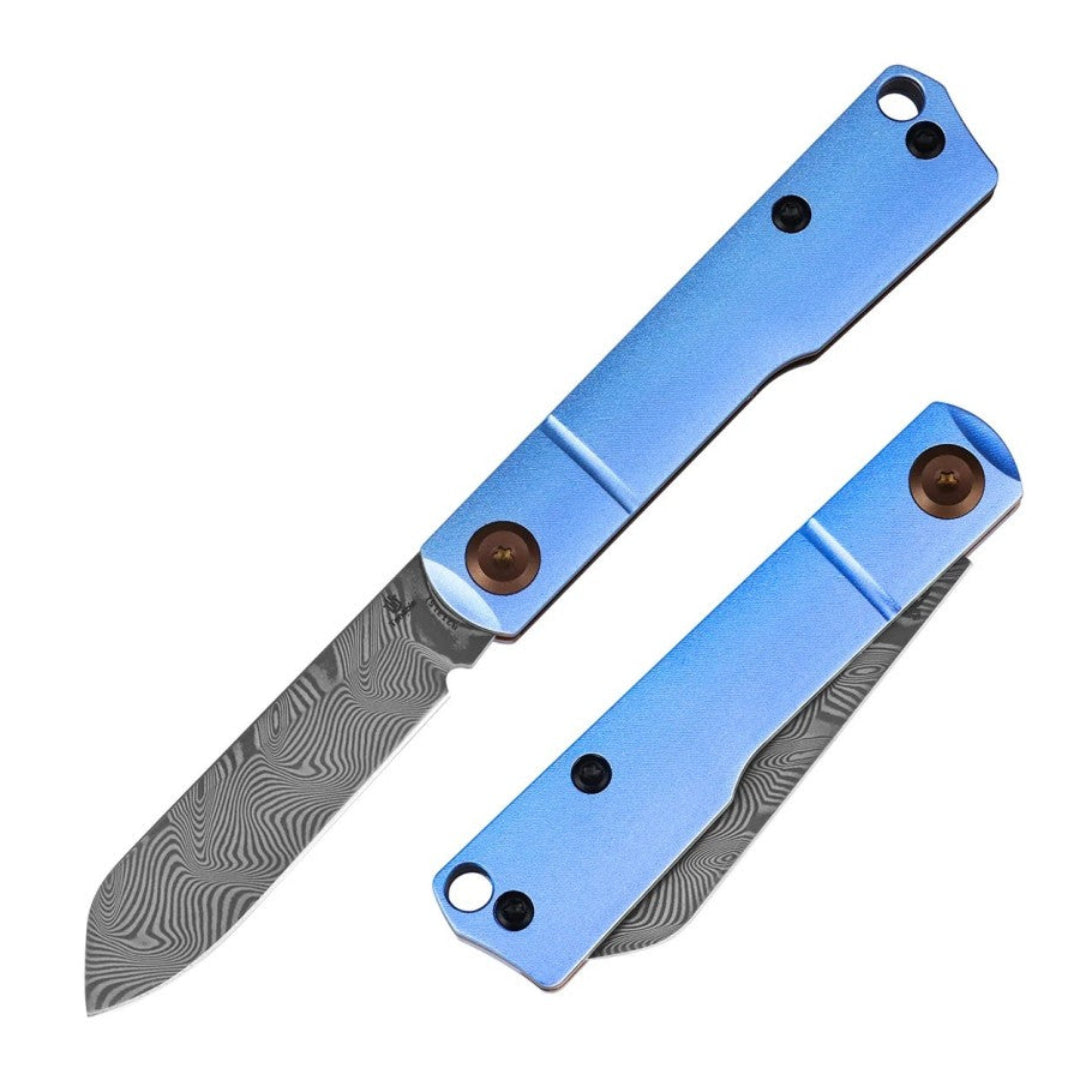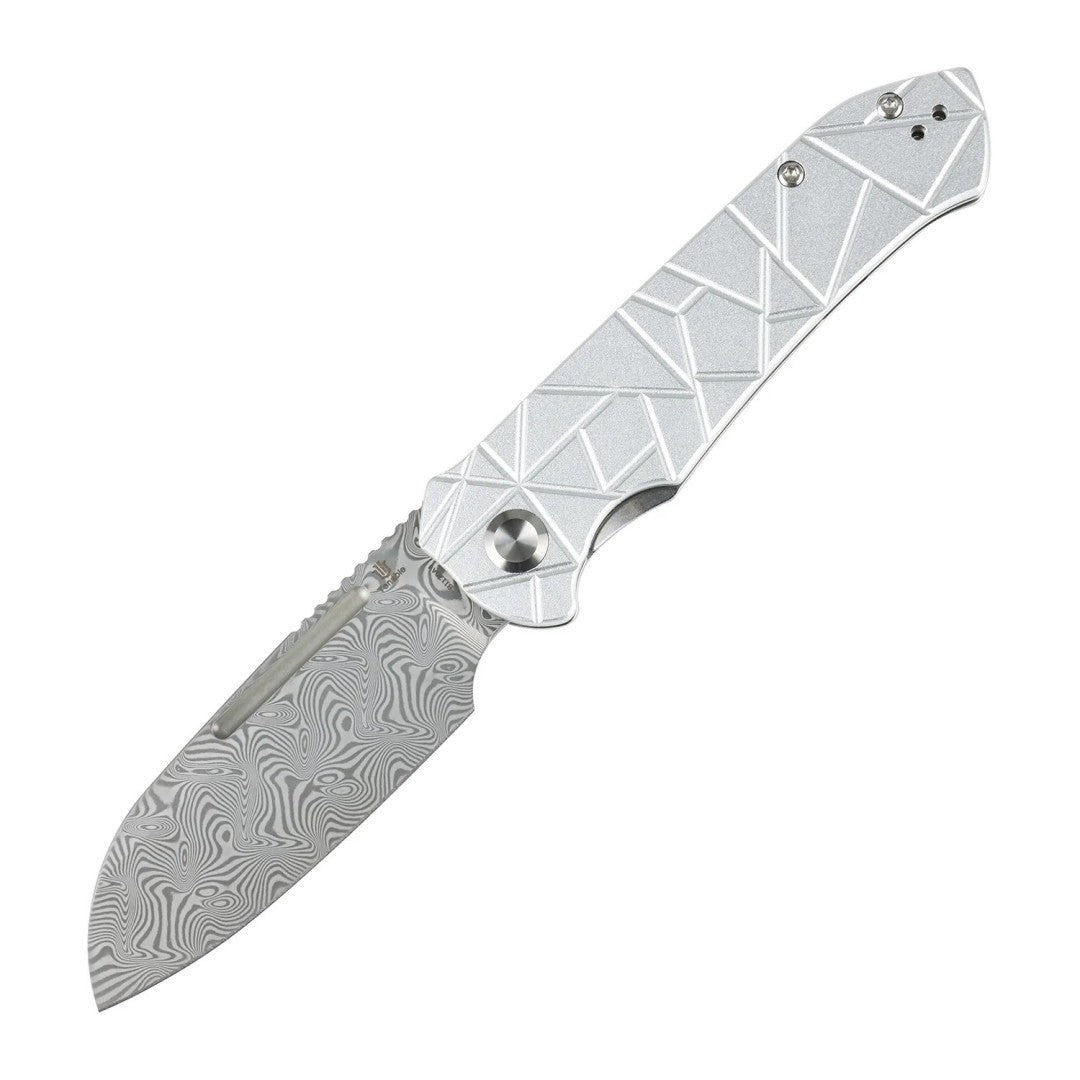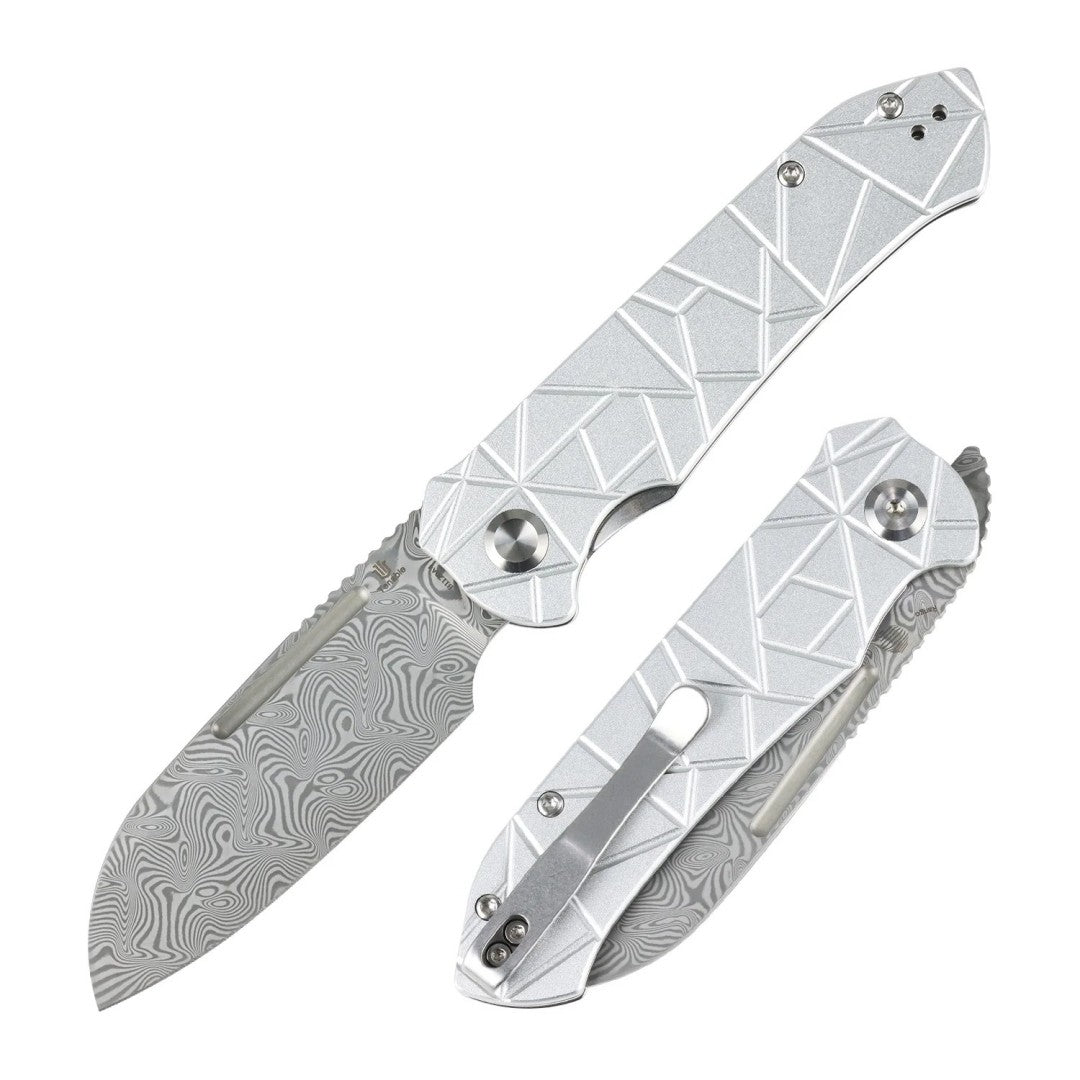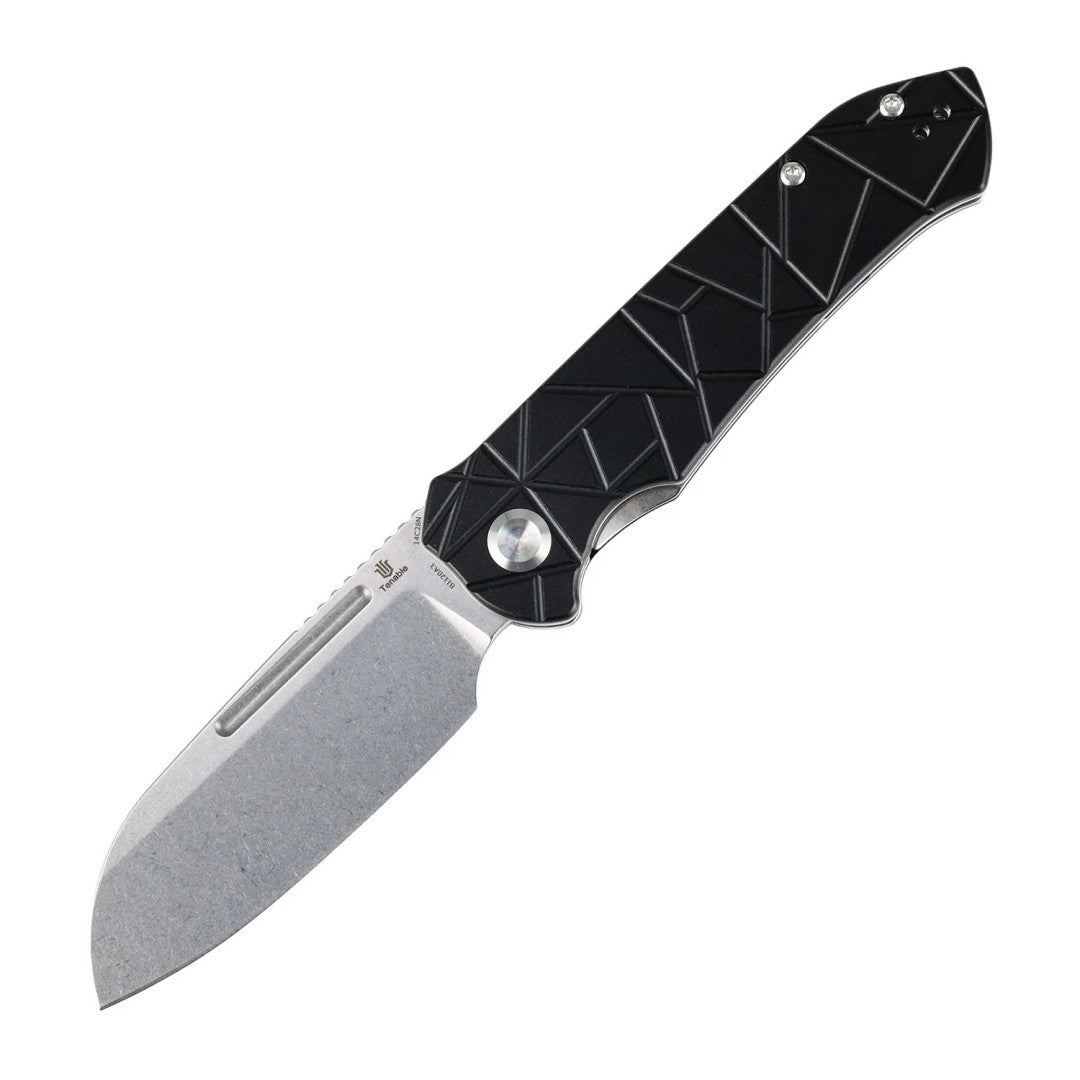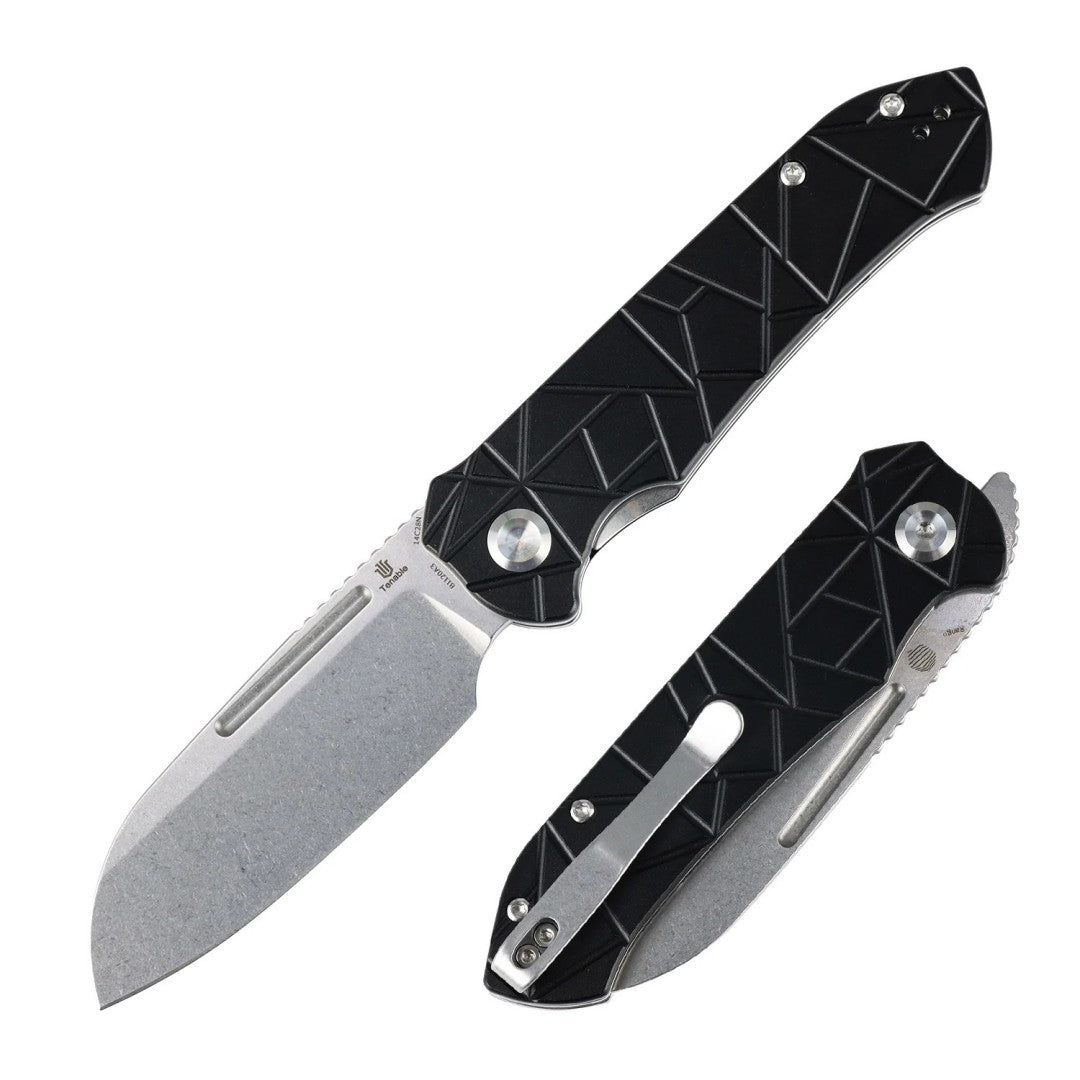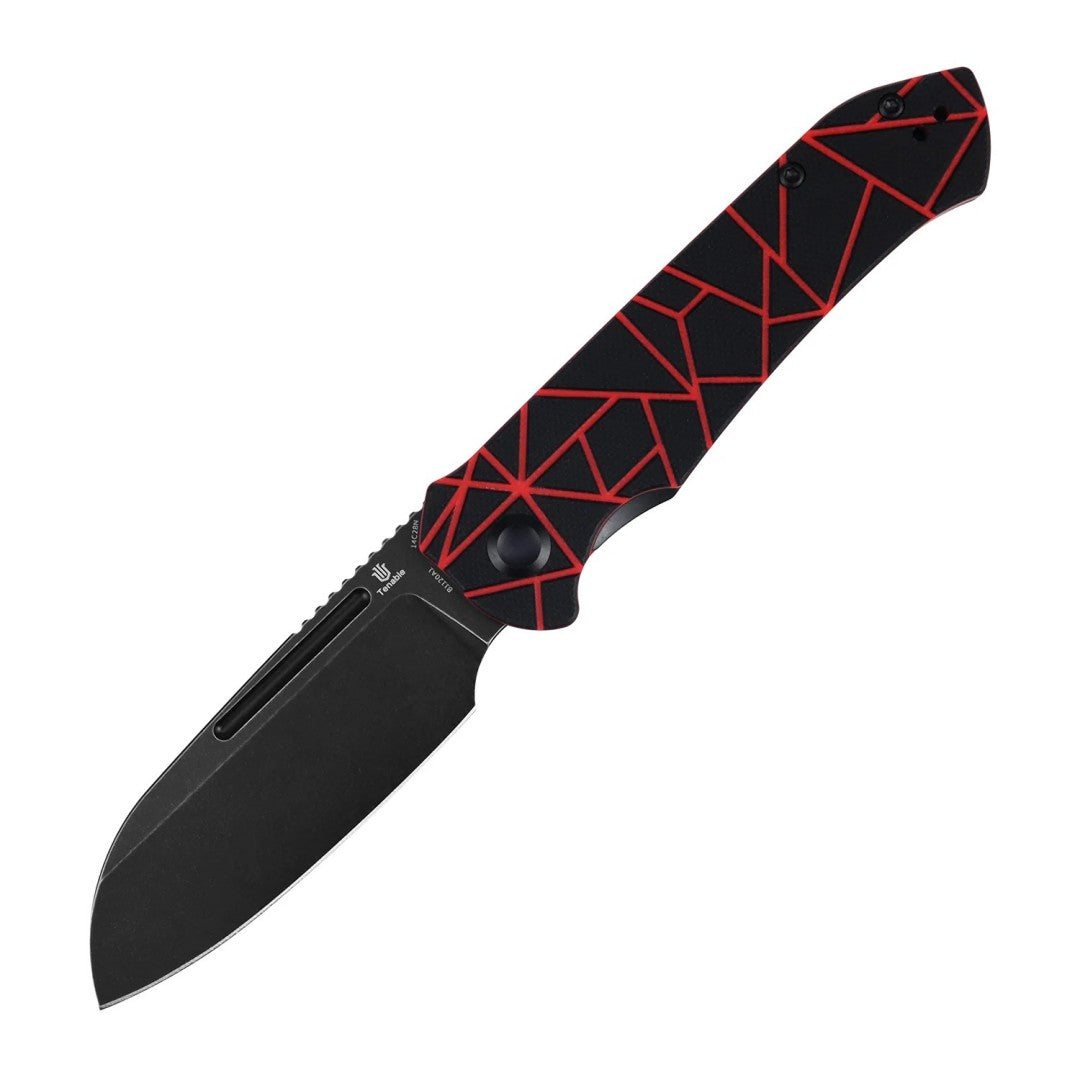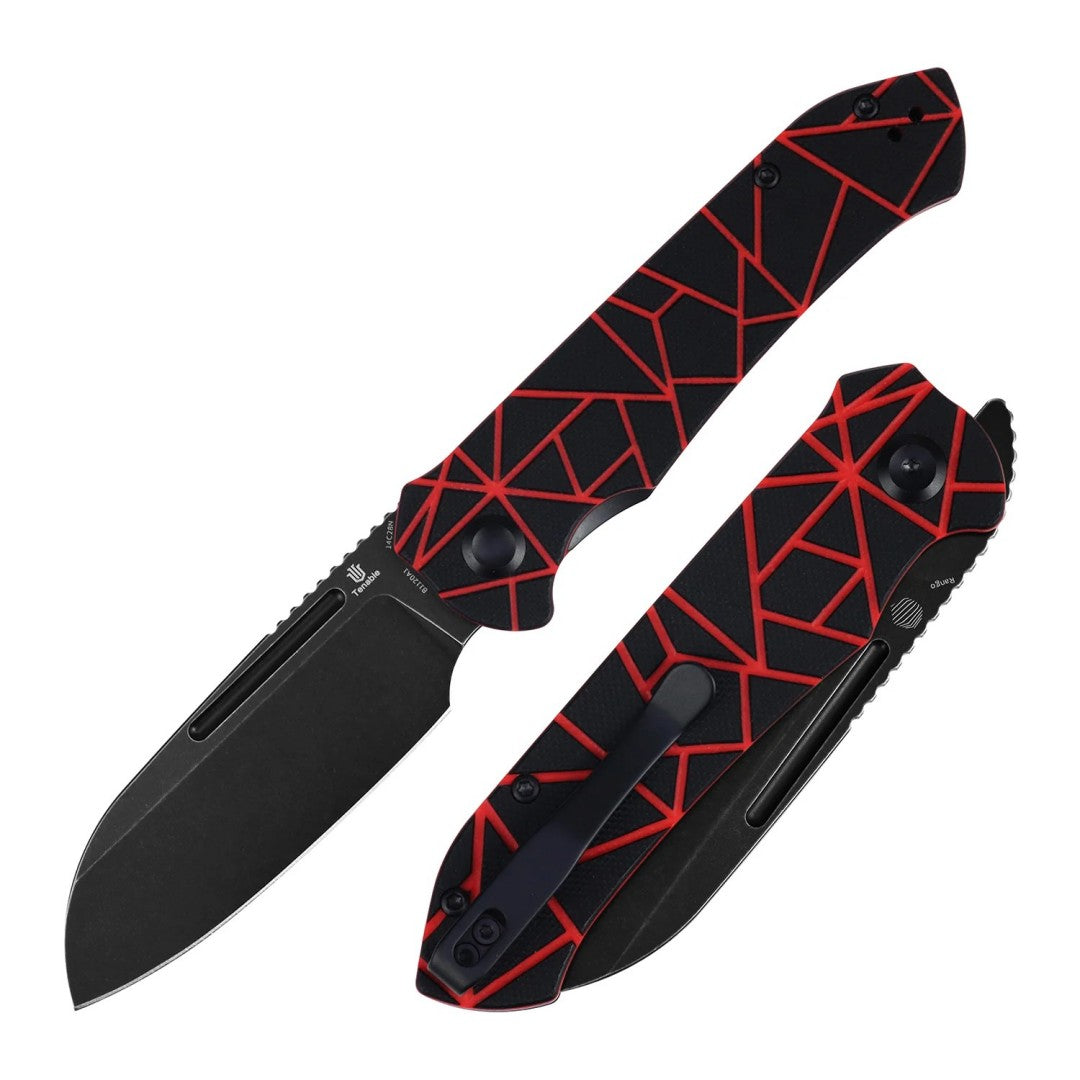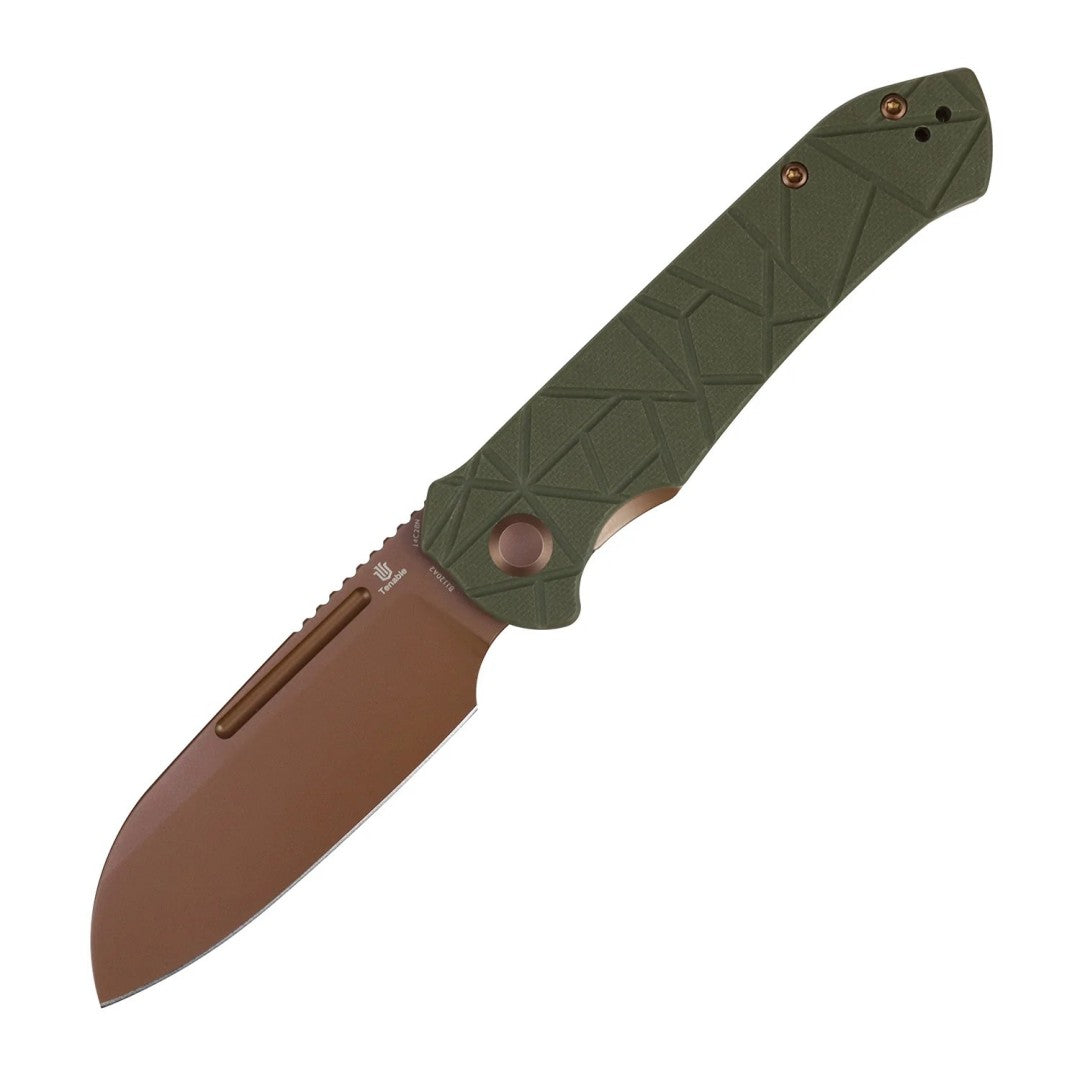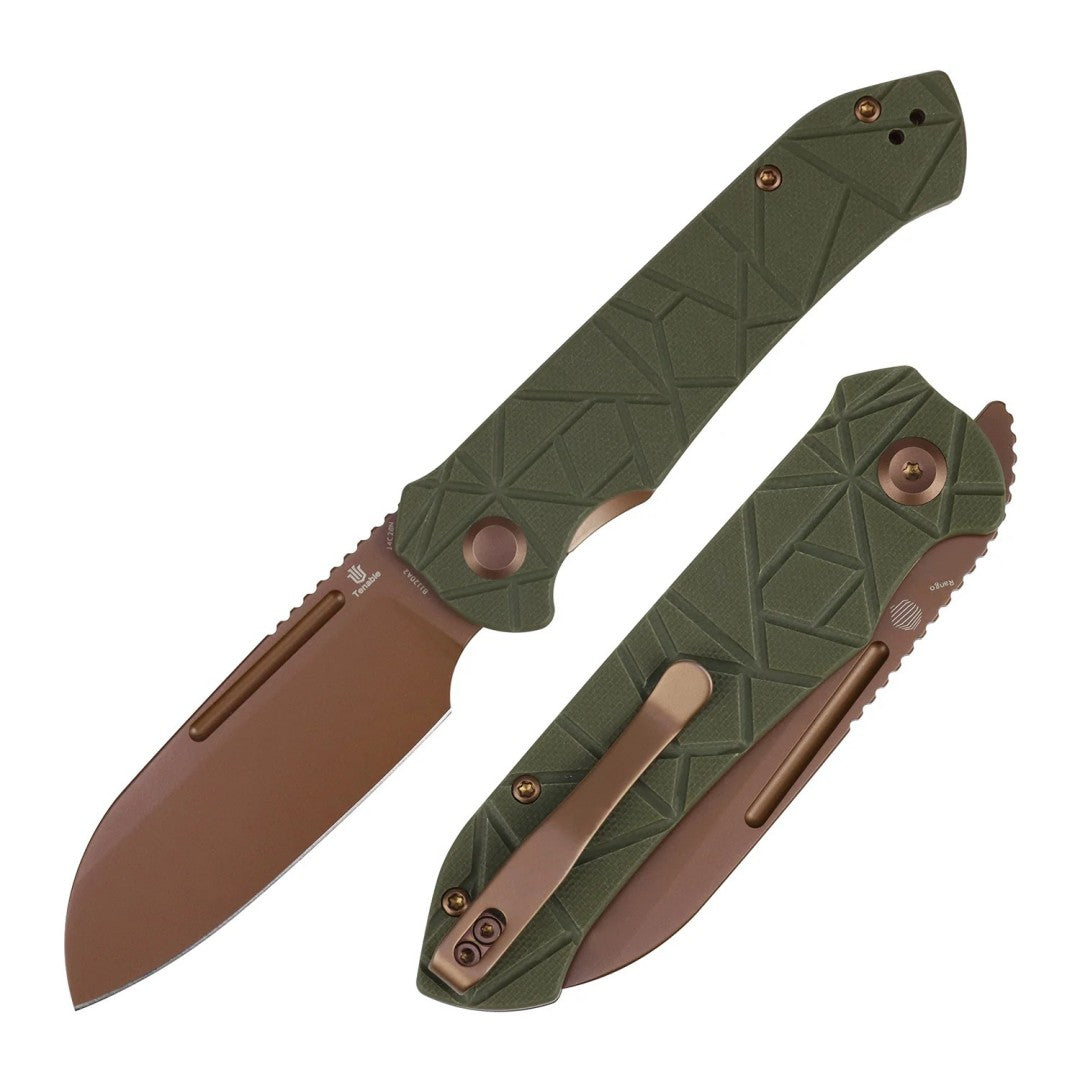
The evolution of mechanical locking mechanisms in modern pocket tools has elevated our expectations for both personal security and deployment speed. When engineering a compact tool, blending a secure lockup with seamless kinetic fluidity is a massive manufacturing challenge. Fortunately, the Bestech development team has built a reputation for overcoming these technical hurdles on a miniature scale. The Bestech QUQU is an exceptional sub-sized folder that has quickly become a highly talked-after staple within the EDC (everyday carry) community.
While its minimal pocket footprint is an obvious draw, the true marvel of this "cricket" lies beneath its handle scales. This detailed analysis examines the structural safety and internal smoothness of its signature plunge-style lock mechanism, proving why a small tool can offer full-scale security.
Understanding the Mechanics of the Plunge Lock
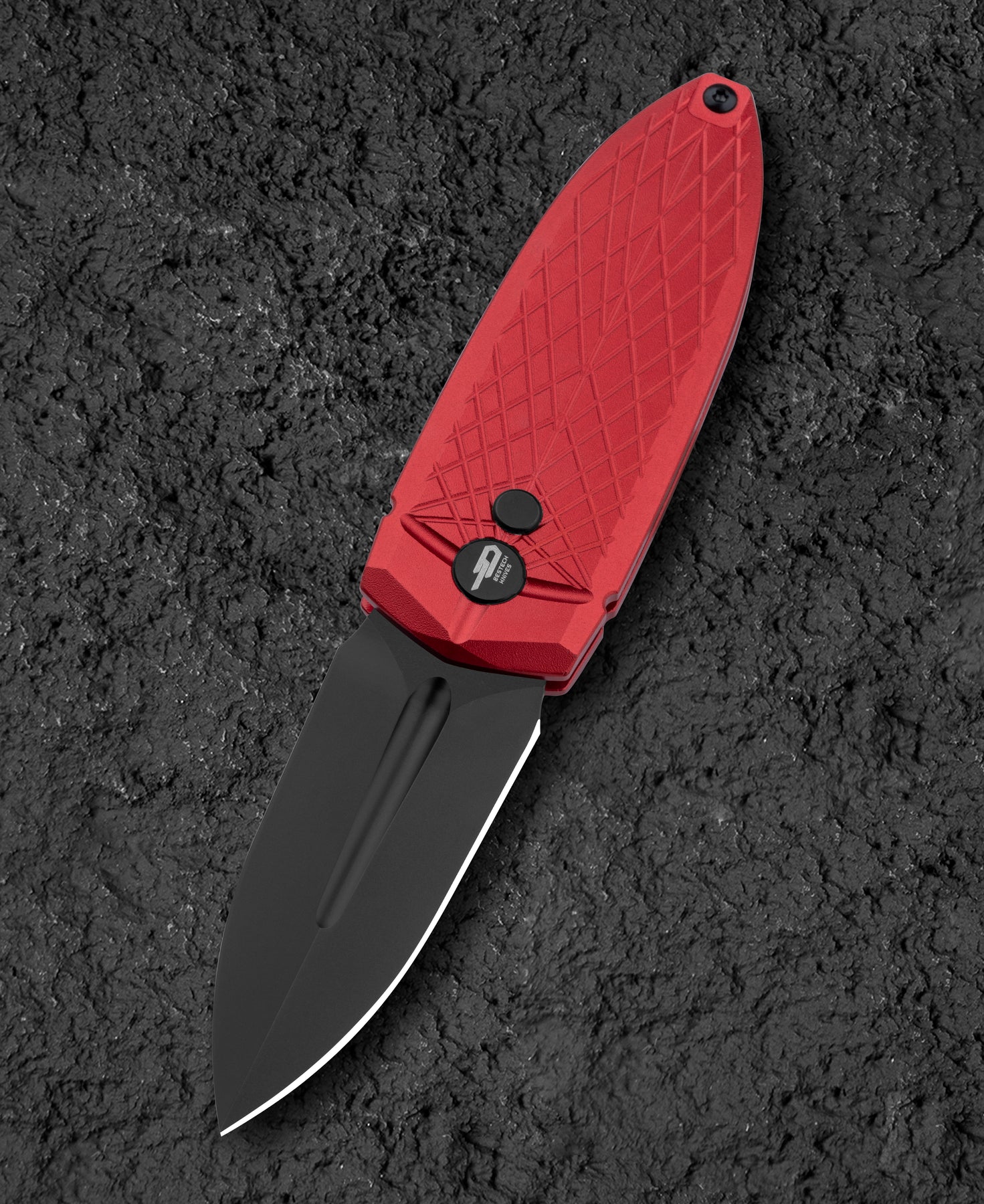
To truly appreciate how the system functions, we must examine the internal physical components that create its lockup. Traditional pocket tools rely on liner locks or frame locks, which require the user to place their fingers directly in the path of the sharp edge to close the blade.
The plunge-style lock solves this safety dilemma by utilizing a spring-loaded steel button cylinder that intersects directly with the blade's pivot tang.
When the blade is fully open, the solid steel cylinder snaps firmly into a custom-machined channel on the back of the tang. This creates a rock-solid physical barrier that prevents the blade from collapsing under heavy downward cutting or piercing pressure.
Double-Layer Safety Features
Many users express skepticism regarding the safety of button-activated folders, fearing that accidental pressure in the pocket or a tight grip could cause the blade to disengage prematurely. The engineering on this series addresses those exact concerns through two distinct design choices:
-
Recessed Button Geometry: The button face sits completely flush or slightly recessed beneath the surface of the handle scales. Whether your model features textured G10 or anodized aluminum, your palm cannot accidentally depress the lock during heavy cutting tasks.
-
Optimized Detent Resistance: The internal coil spring is precisely tuned to require intentional, deliberate pressure to actuate. It provides enough resistance to prevent the blade from shaking open inside your watch pocket, yet breaks cleanly when you want to deploy the tool.
The Secret to Flawless Kinetic Smoothness
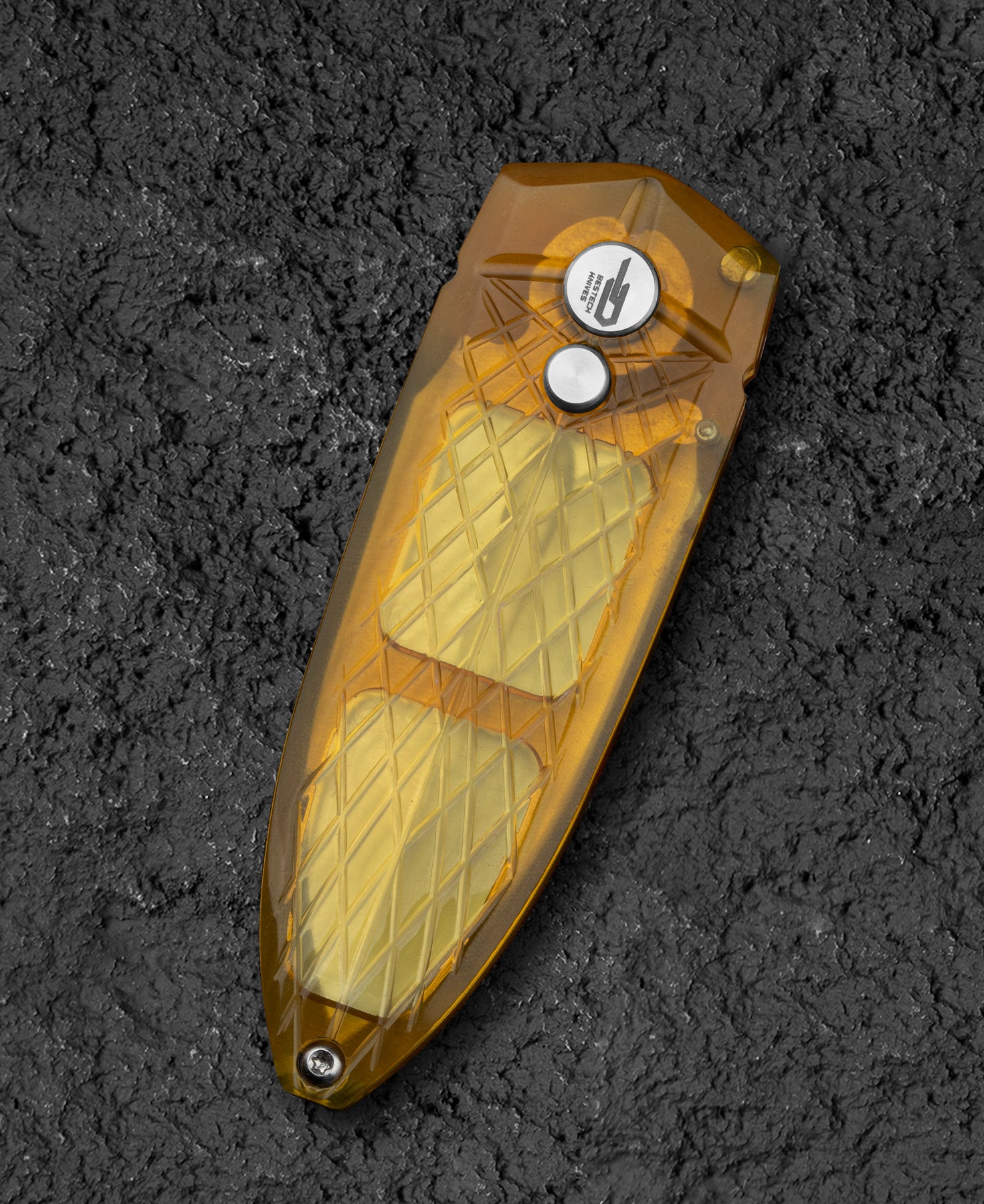
A locking system is only as good as the pivot rotation supporting it. To ensure that the 2.20-inch Sandvik 14C28N stainless steel blade glides effortlessly, the internal pivot relies completely on a ceramic ball bearing system.
Unlike older budget designs that utilize copper, brass, or Teflon washers—which are prone to collecting pocket lint and developing a gritty feel over time—ceramic bearings roll along a microscopic, frictionless track. Because ceramic is incredibly hard and completely immune to corrosion, the action never slows down or degrades.
When you press the button to release the lock, the lightweight blade drops shut effortlessly under its own weight. This smooth, frictionless rotation means you never have to use two hands or perform awkward finger maneuvers to close your tool, providing an exceptionally safe and highly addictive one-handed operational experience.
Long-Term Tolerance Retention and Maintenance
One of the most impressive aspects of the design is how well it maintains its structural tolerances over extended real-world use. In many smaller pocket tools, repeated flipping can cause the internal components to shift, leading to annoying side-to-side blade play or lock failure.
Because the interior steel liners are nested perfectly flat inside the rigid handle scales, the alignment between the locking plunge cylinder and the blade tang stays absolutely true. The lack of vertical or horizontal play ensures that the cutting edge tracks cleanly when passing through dense cardboard packaging, plastic strapping, or heavy fabrics.
Furthermore, maintaining this system is incredibly simple. The open-backed design allows pocket lint and debris to pass straight through the handle. If the pivot ever begins to feel sluggish, a quick blast of compressed air followed by a single drop of low-viscosity knife oil directly into the bearing tracks is all it takes to restore that signature out-of-the-box smoothness.
A Masterclass in Compact Mechanical Design
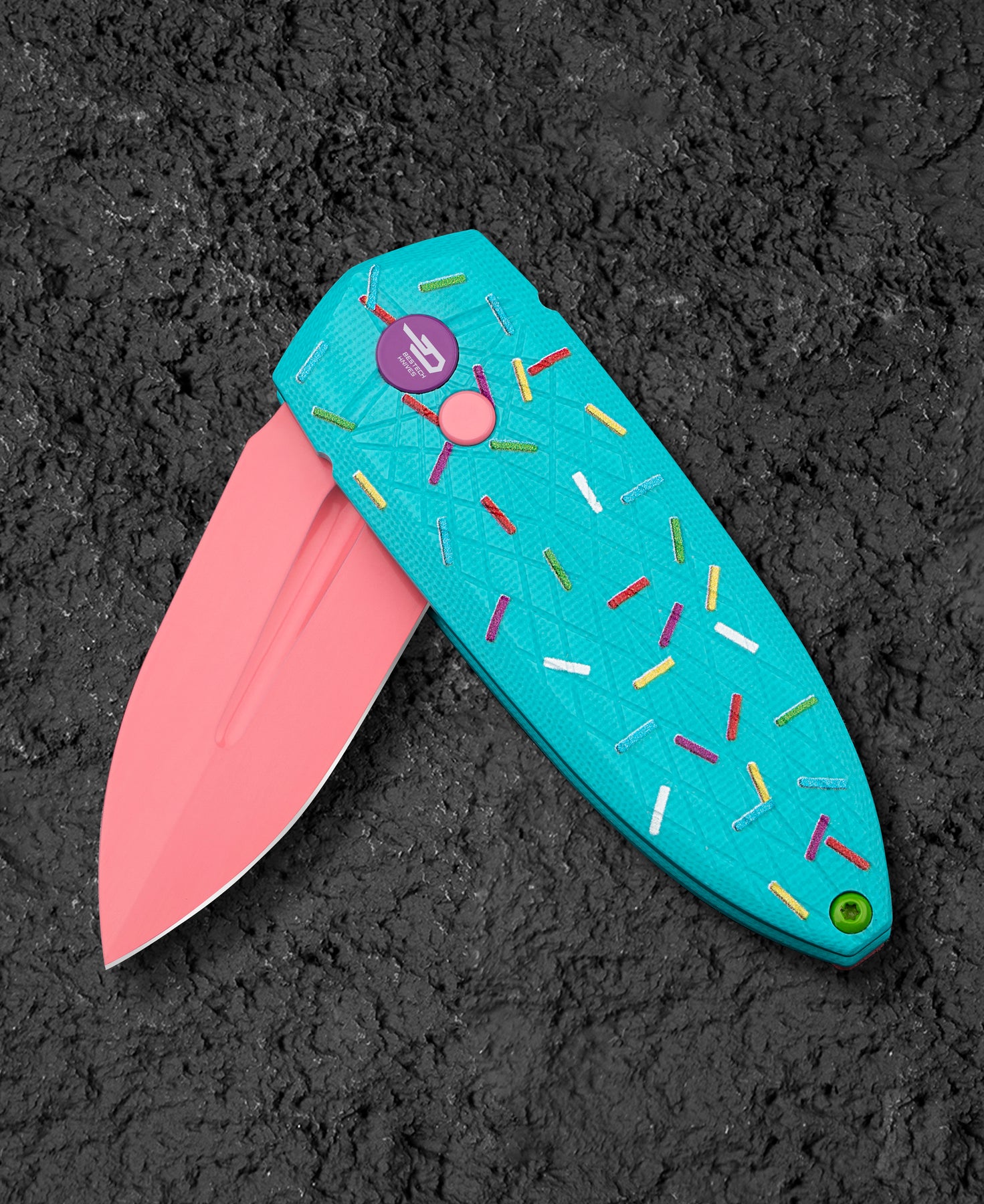
Ultimately, the mechanical execution of this micro-folder sets a high benchmark for what a modern pocket tool should be. It disproves the common misconception that a small tool must rely on a stiff slipjoint or a clumsy, dangerous lockup.
By prioritizing user safety through a deeply recessed plunge system and maximizing operational smoothness with a ceramic bearing pivot, Bestech has delivered a tool that feels incredibly secure and fluid to operate. It eliminates all unnecessary bulk while retaining the absolute best safety features of a premium folding tool, making it a reliable choice for any minimalist everyday carry layout.