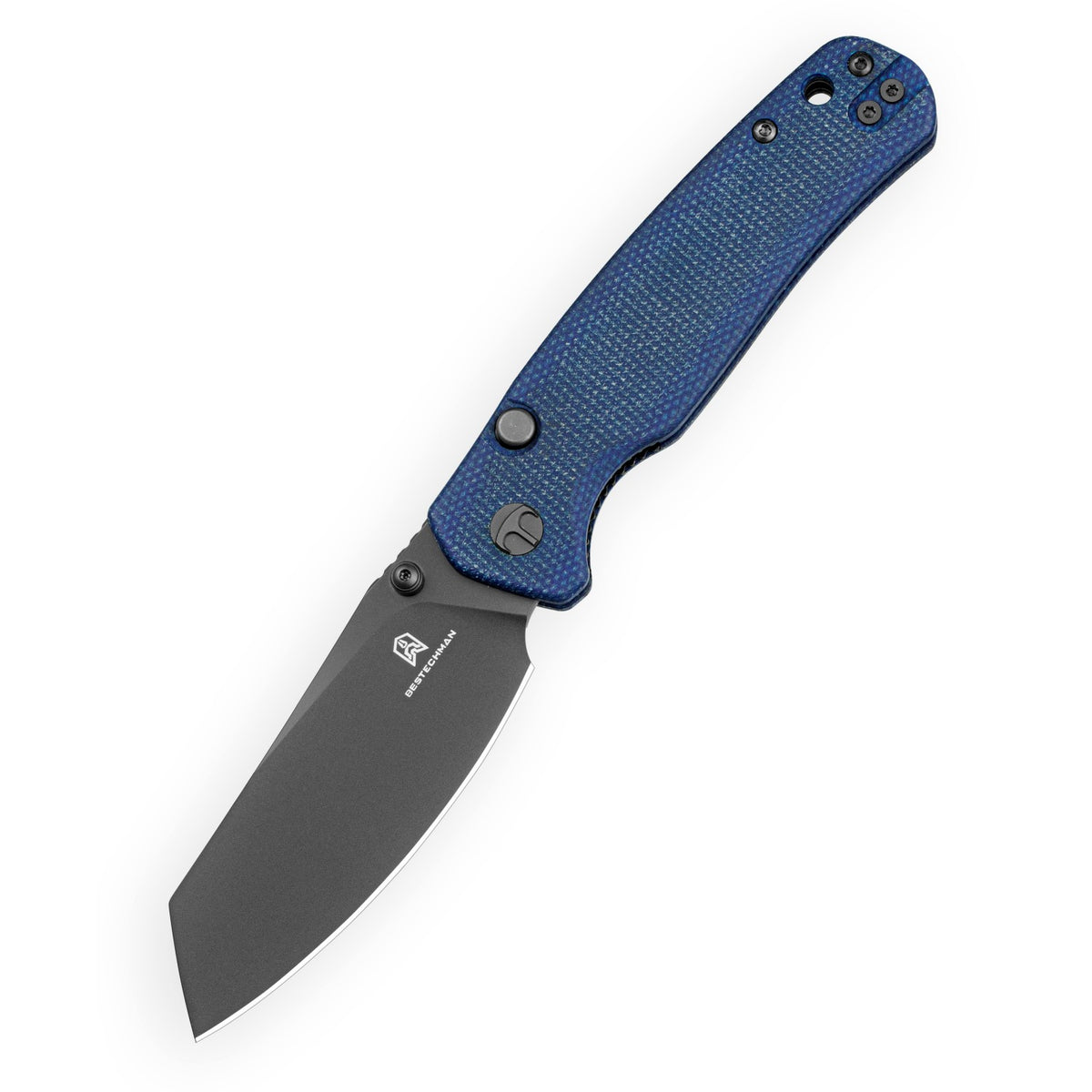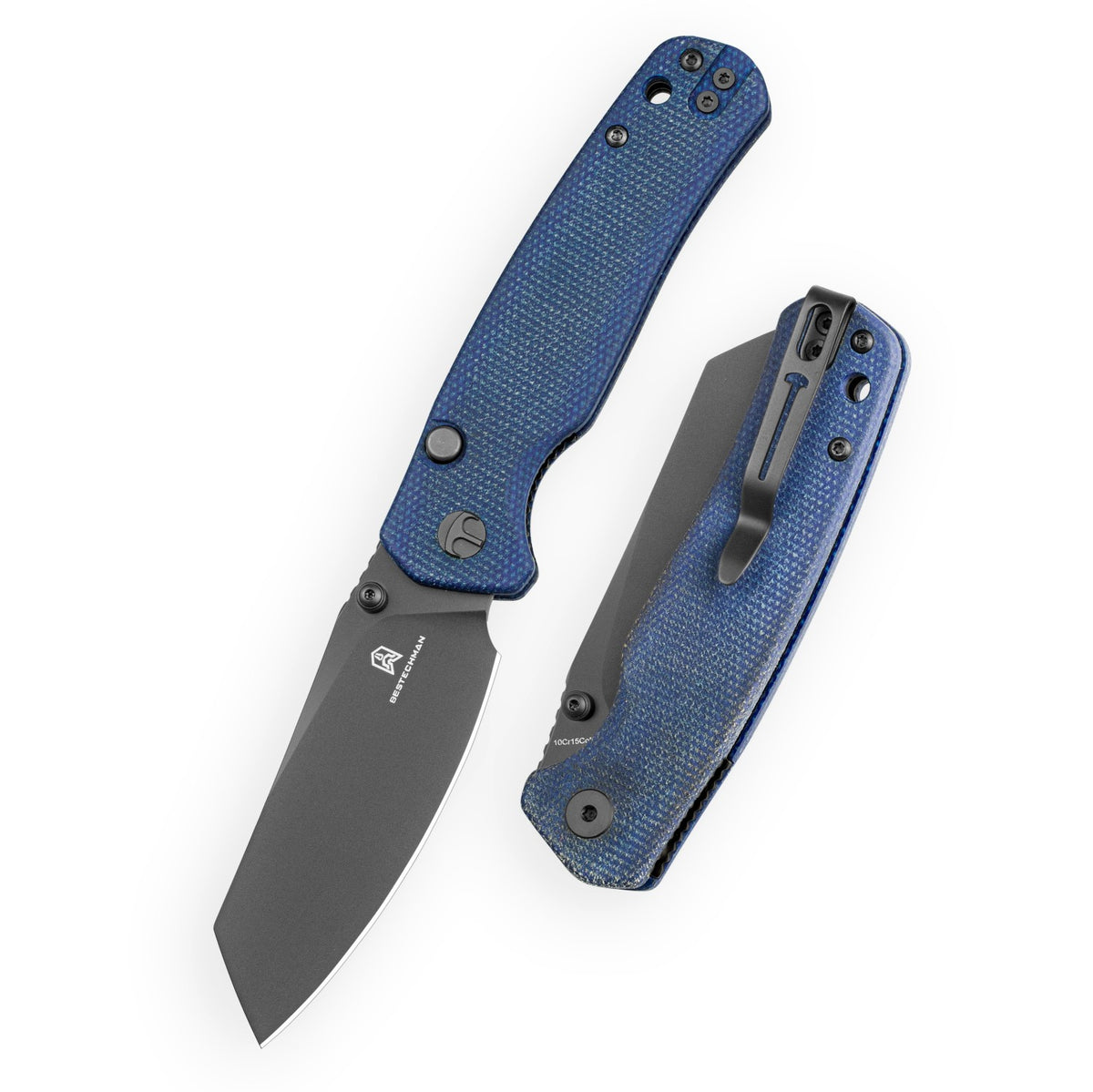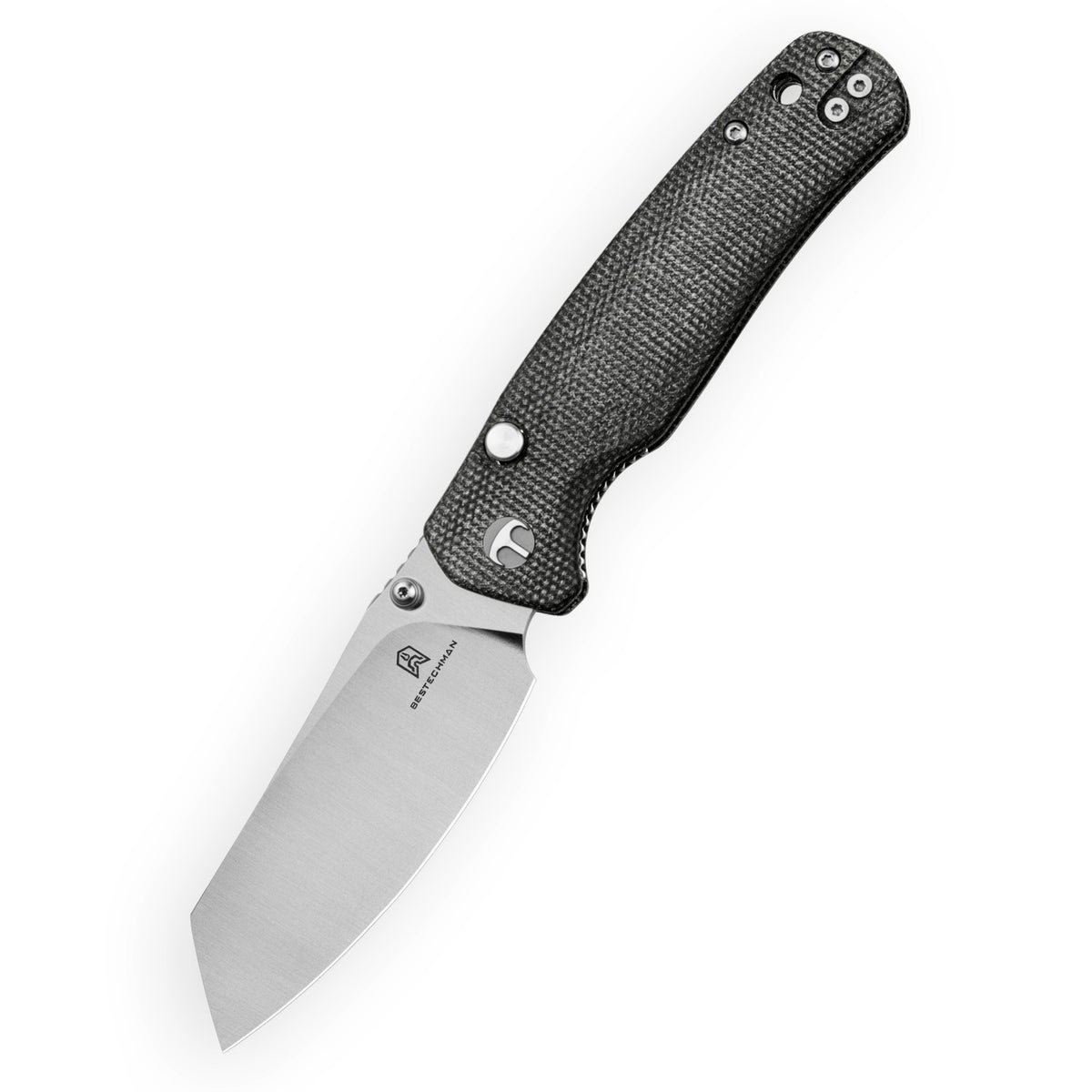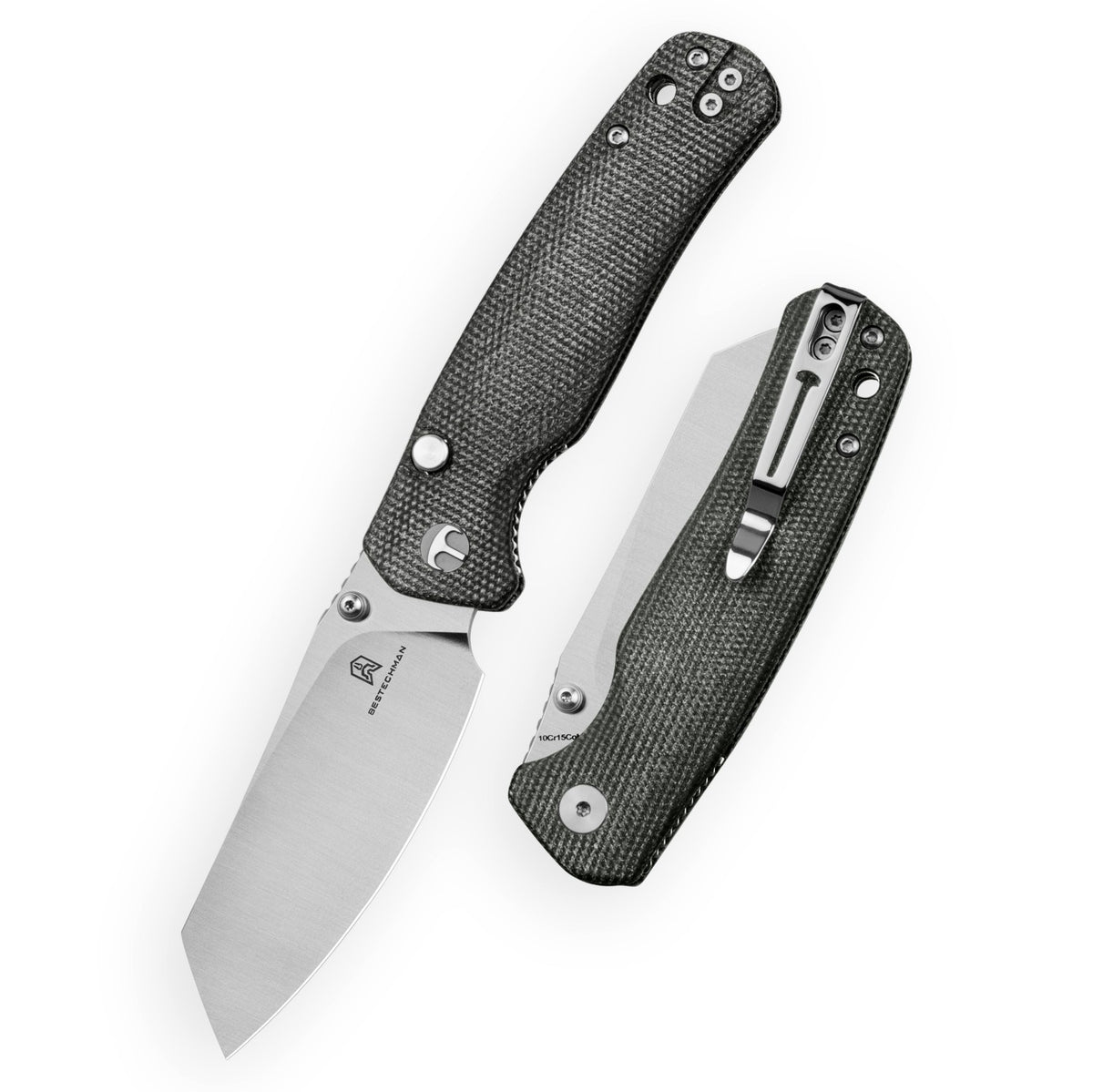

Overview & First Impressions
Webbing is one of the most misunderstood materials in the knife world. Nylon and polyester straps used in seatbelts, harnesses, slings and ratchet tie-downs are woven from many fine filaments, and they resist a knife in a very specific way. A sharp plain edge slices them apart with almost no effort. A dull or heavily serrated edge grabs, stretches and saws, which is exactly the behaviour you do not want when the strap is under tension around a person. Understanding that difference is the whole point of a rescue edge.
Materials & Construction
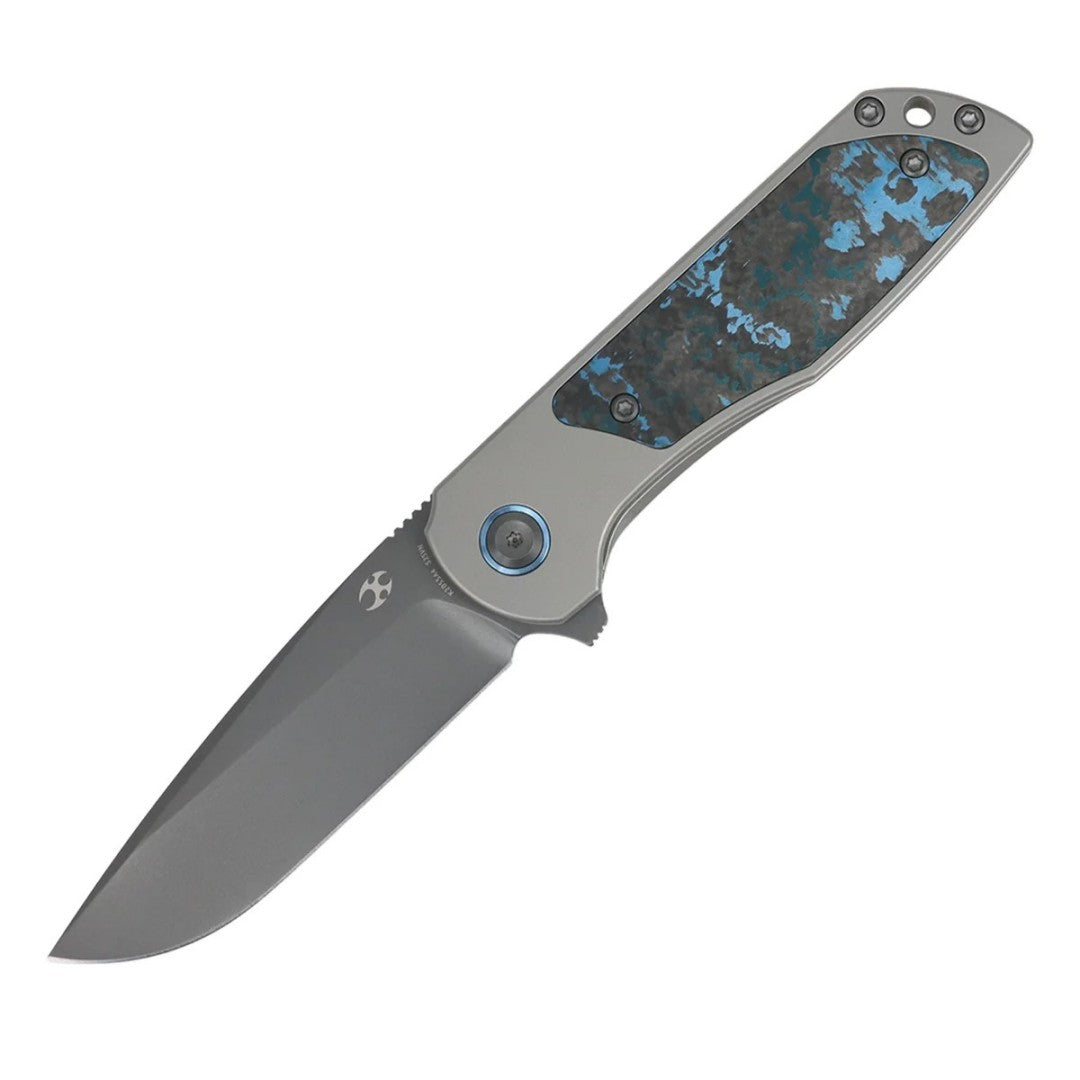
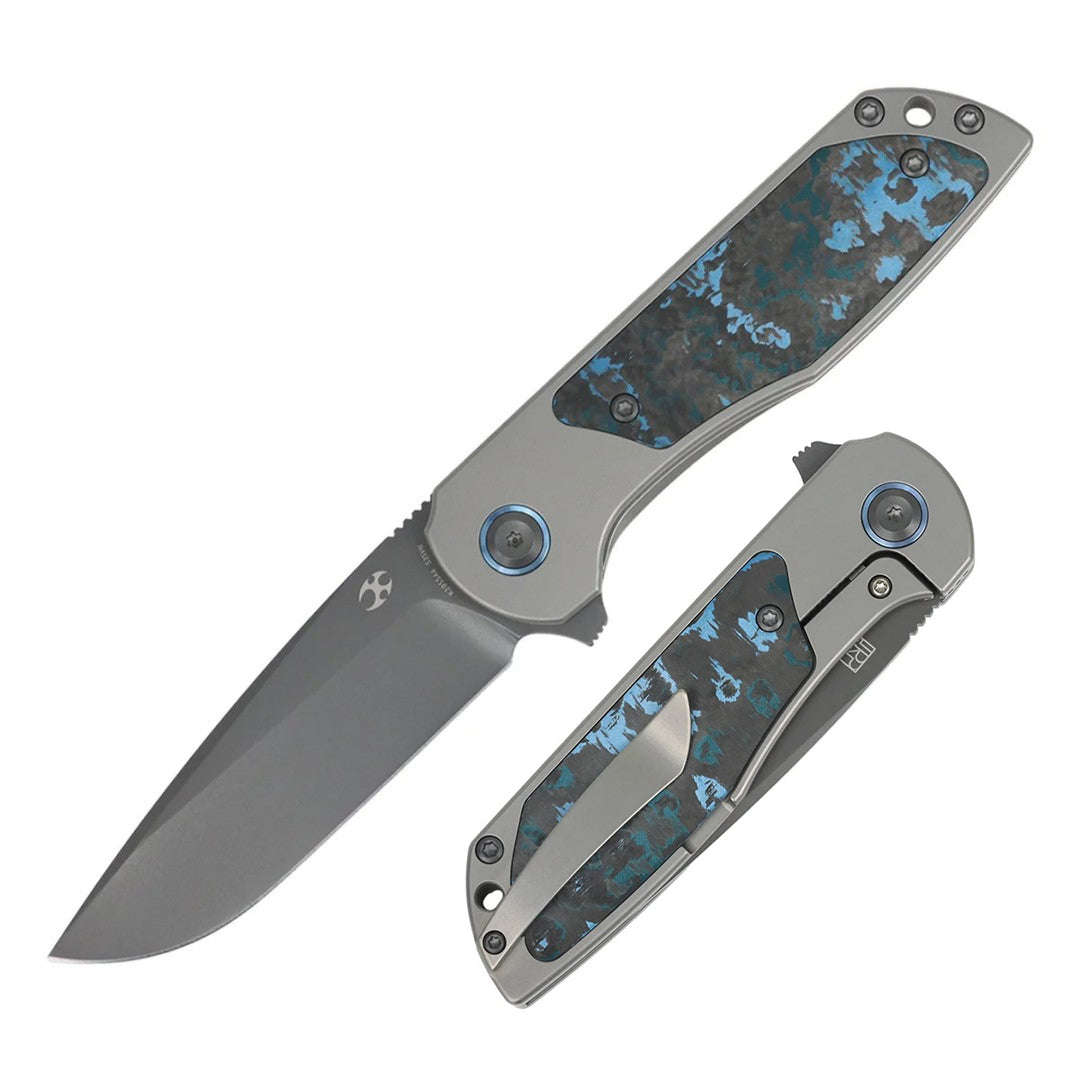
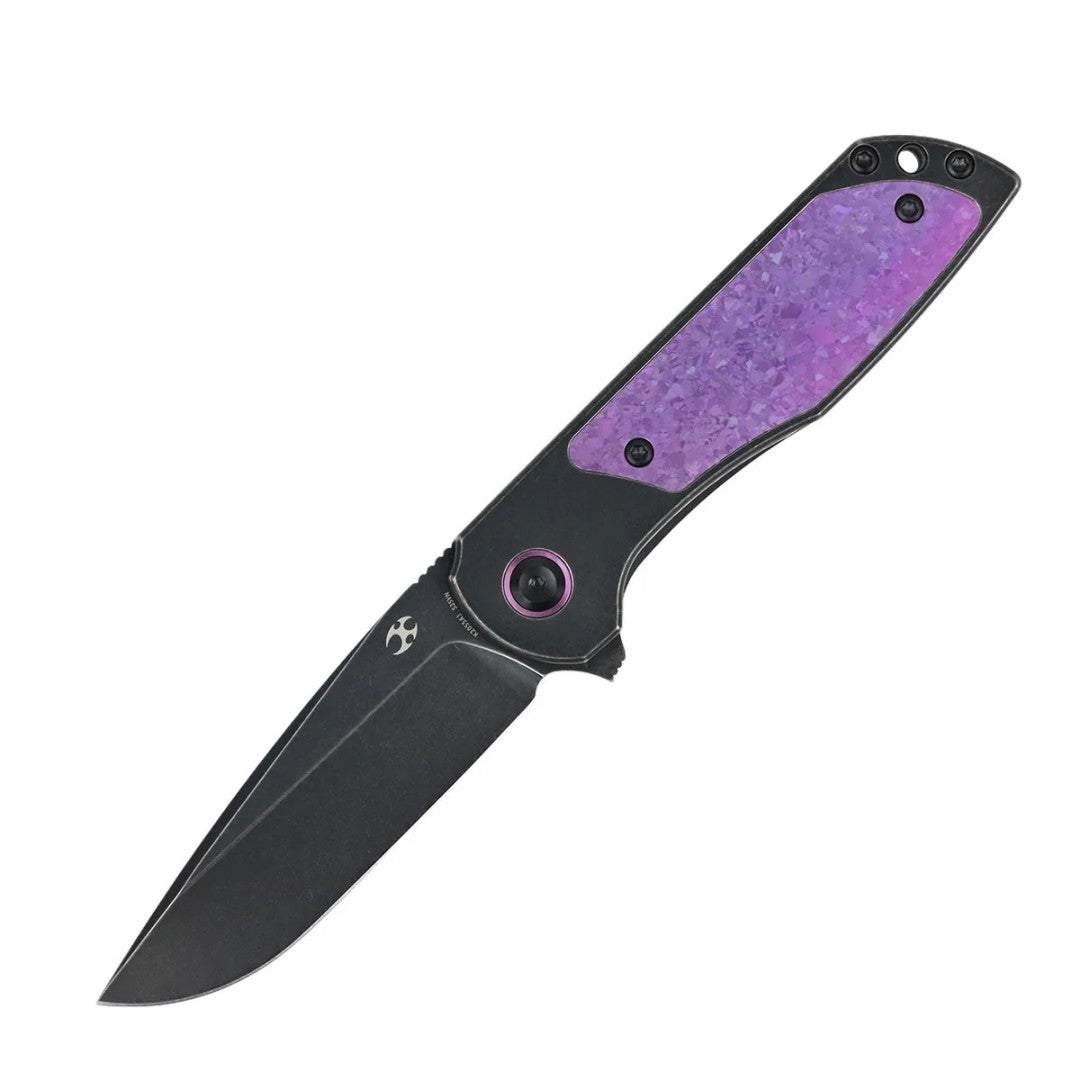
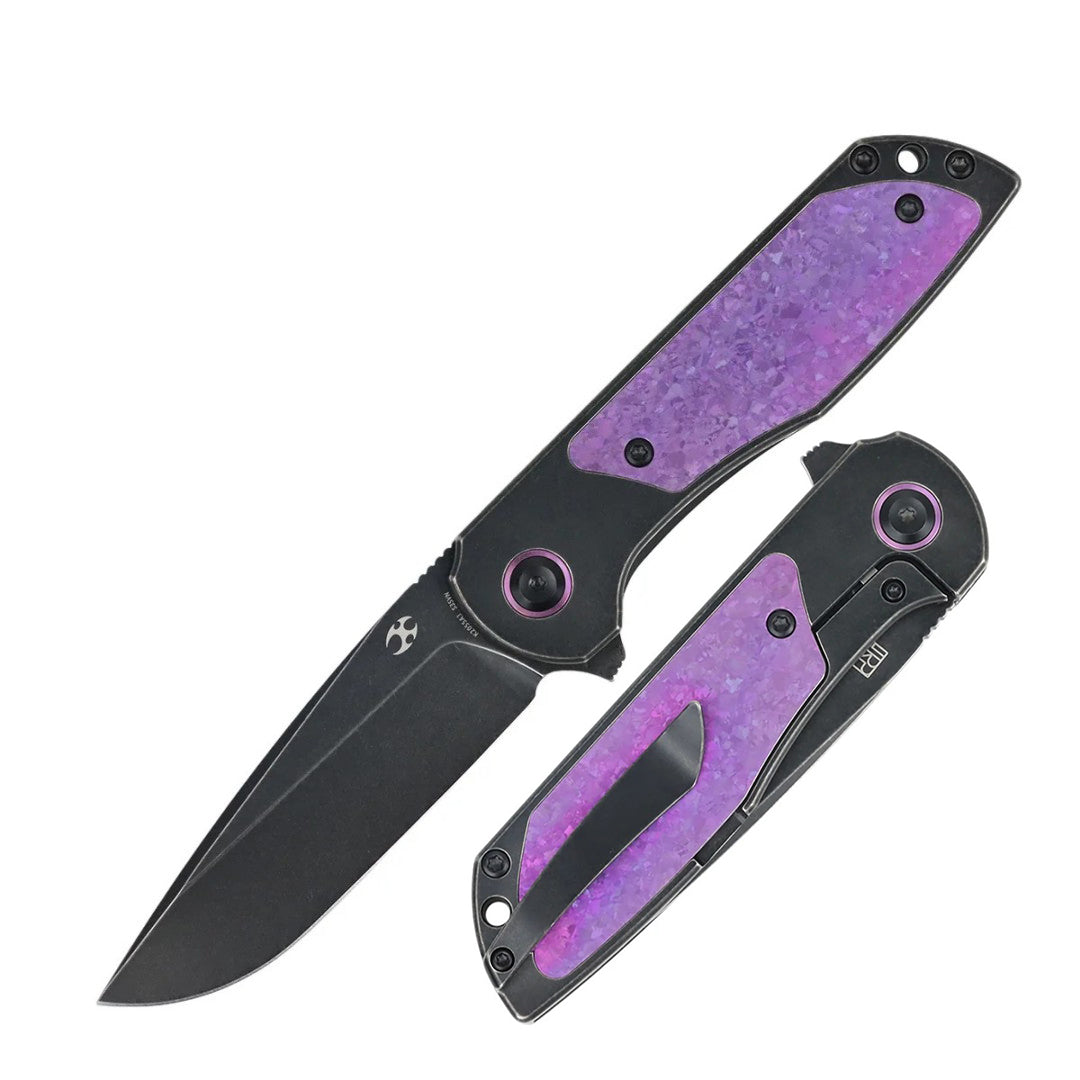
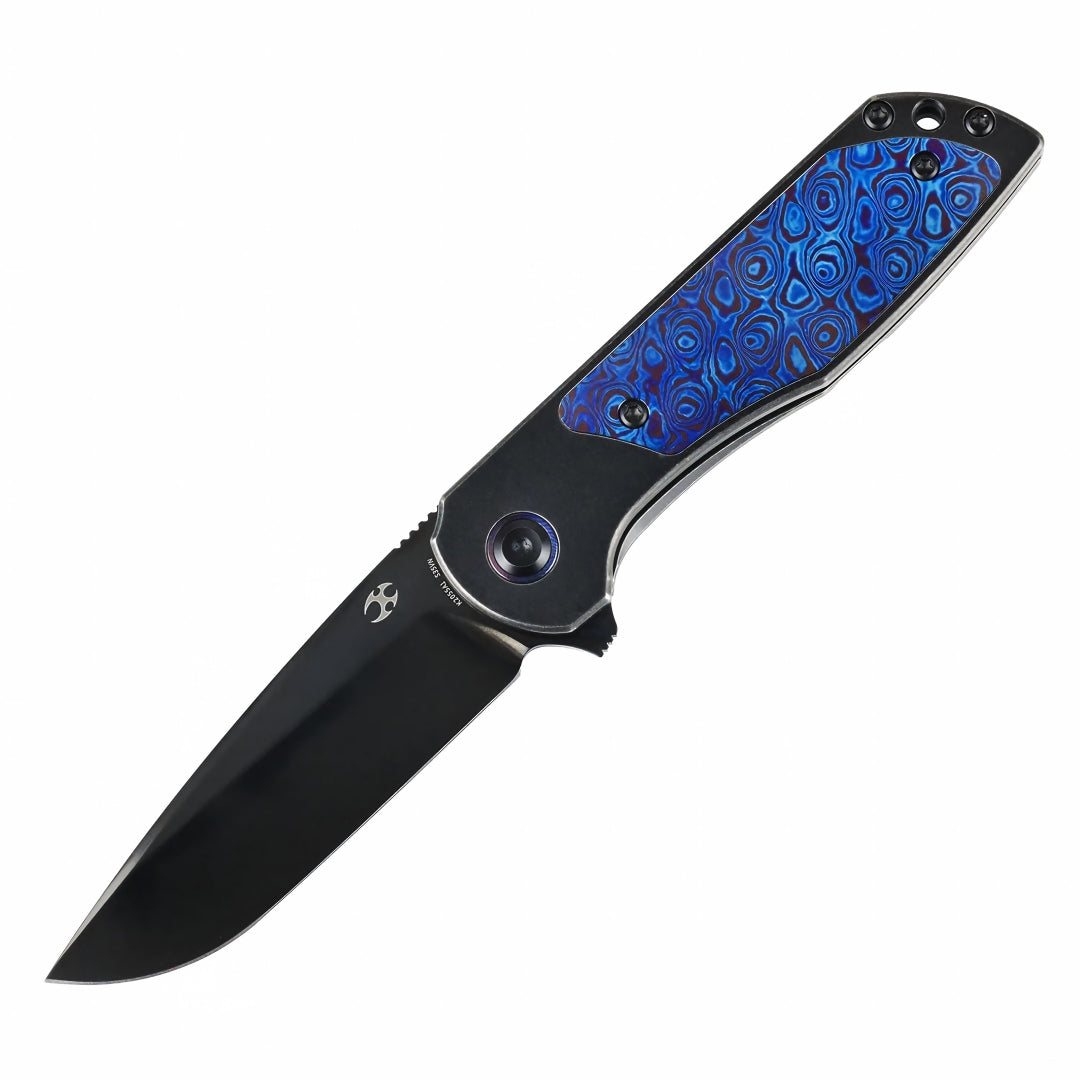
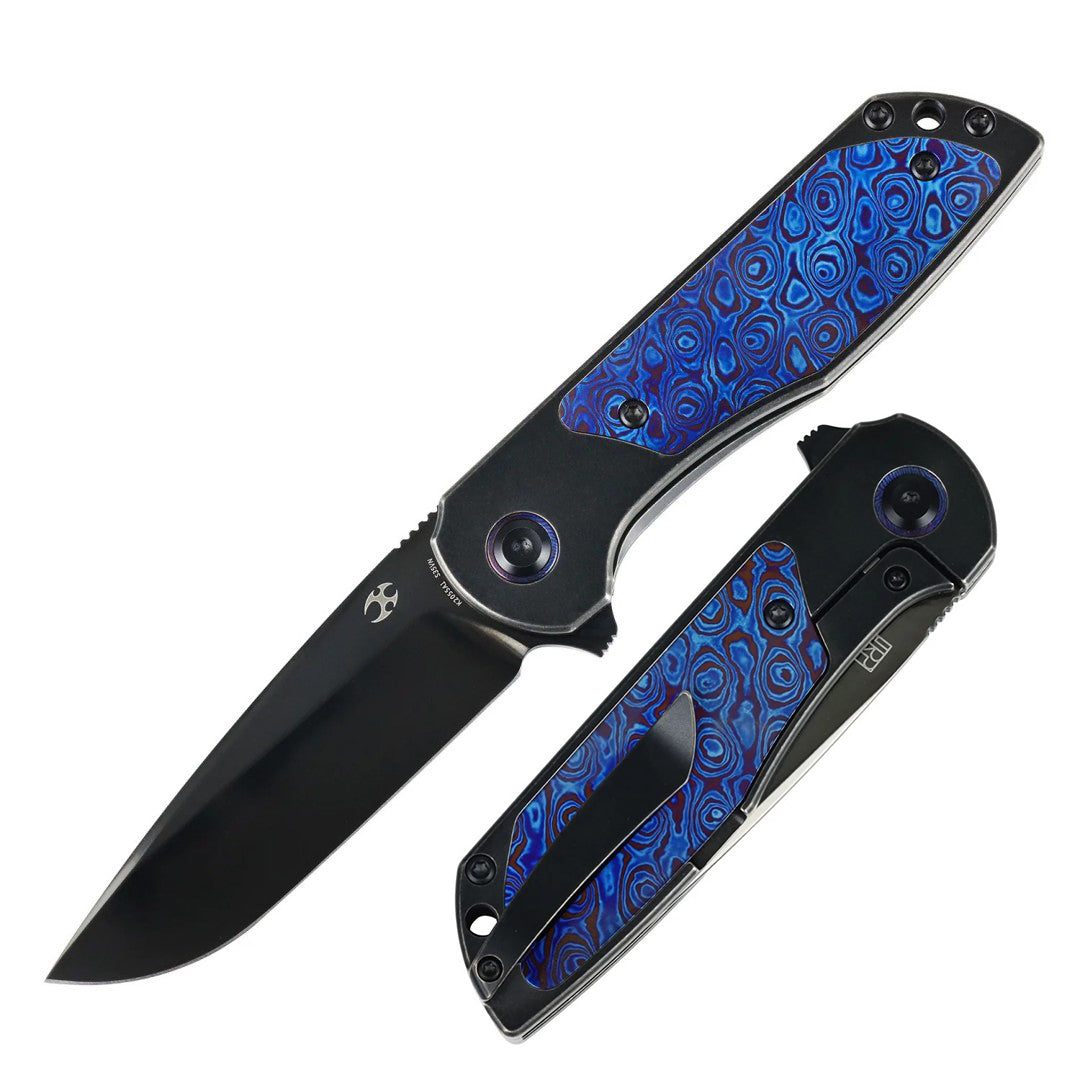
Any decent stainless will cut webbing once, so durability is about geometry and retention rather than exotic alloys. What matters is that the edge stays keen through repeated cuts and does not corrode after being stored damp in a vehicle or a bag. A fine grained alloy such as Damascus steel, used on the Kansept Parr in a layered pattern around a hard core, gives a keen working edge with good resistance to staining, and the pattern also makes it easy to see at a glance whether the blade has been resharpened properly.

Design & Details
Rescue geometry is deliberately unglamorous. You want a blade under four inches, a sheepfoot or blunt tipped profile so the tip cannot stab anything it should not, a generous handle with a guard, and a full tang so there is no pivot to fail. Kansept knives build the Parr exactly to that formula, and the handle scales are deliberately textured rather than polished, because a smooth handle in a wet car interior is a genuine liability. If the blade lives in a vehicle, a fixed blade beats a folder every time.
Real-World Use
The cut itself is simple. Slide the blade under the strap with the edge facing away from the person, hook the webbing, then pull the handle towards you while keeping the blade parallel to the strap. Two inches of travel is usually enough. Cut away from the body, never towards it, and cut the strap on the far side of the buckle so the load releases predictably. Any of the EDC knives in a typical collection can manage this if the edge is sharp, but a dedicated rescue tool removes the guesswork about which knife is in which pocket.

Ownership Notes
Vehicle tools live hard lives. Heat, vibration and humidity will ruin a stored blade faster than use ever will, so give the sheath a wipe with a light oil twice a year and check that the retention is still positive. Never store a rescue knife loose in a glovebox where it can turn sideways, and never rely on a tool you have not tested. Cut a length of scrap webbing once a season so you know the edge and the draw both still work when it matters.
Who Is This For?
This is written for drivers, fleet operators, paddlers, climbers and anyone who works around straps under load. If you ride a motorcycle or drive long distances at night, a vehicle kit is genuinely worth assembling. Collectors who own a rotation of EDC knives may already own something suitable, and pairing that with a purpose built cutter is cheaper than replacing a favourite blade that has been abused on webbing.
Final Verdict
Buy geometry, not gadgets. A short blunt tipped fixed blade with a keen plain edge, a guarded handle and a sheath you can mount will out-perform any clever hook shaped accessory, and it will do it every time without needing to be found in the dark. Compare the Kansept Parr trims at EdcMall to see how the pattern varies across blade finishes and handle materials.
Shop the Kansept Parr G011A4 Damascus Fixed Blade at EdcMall