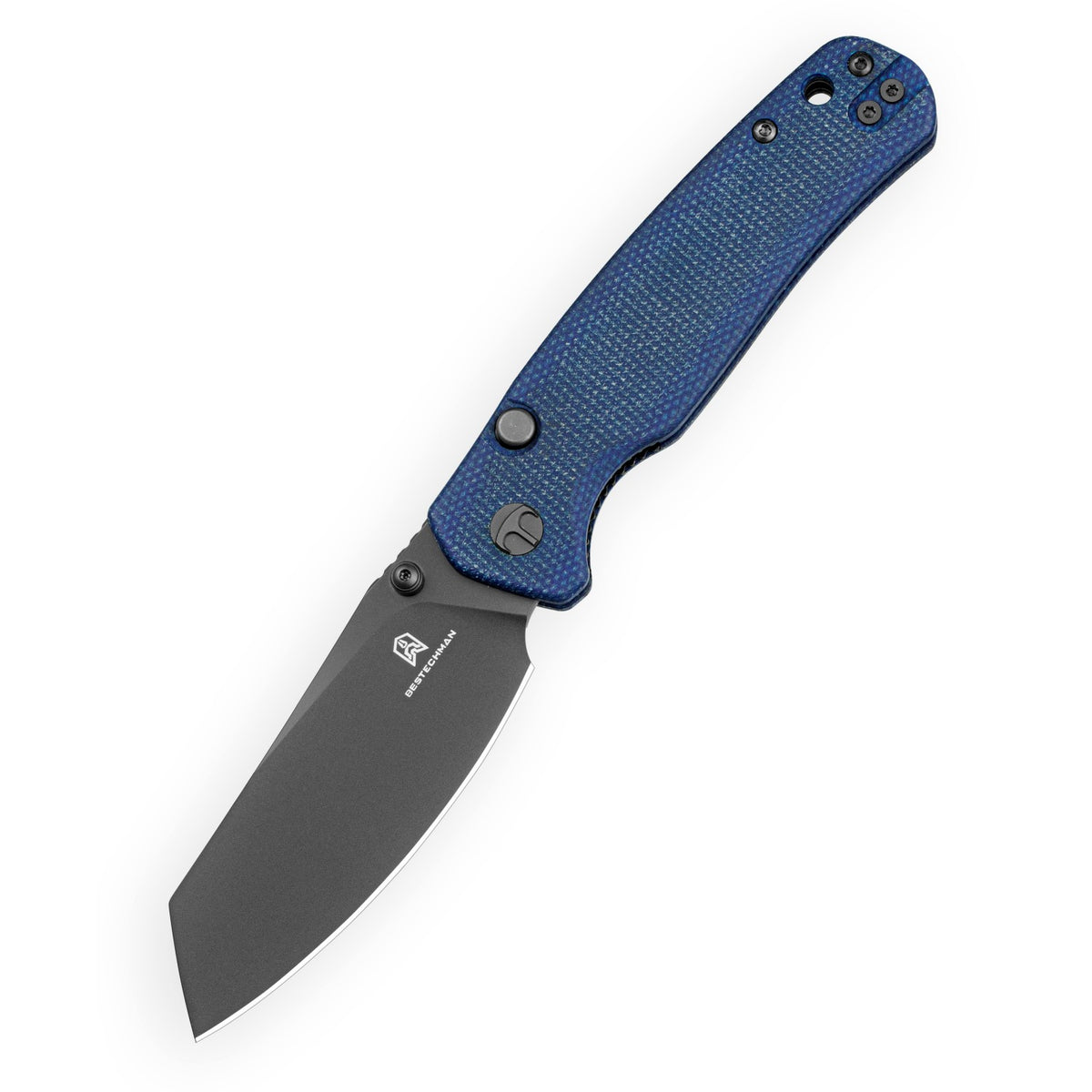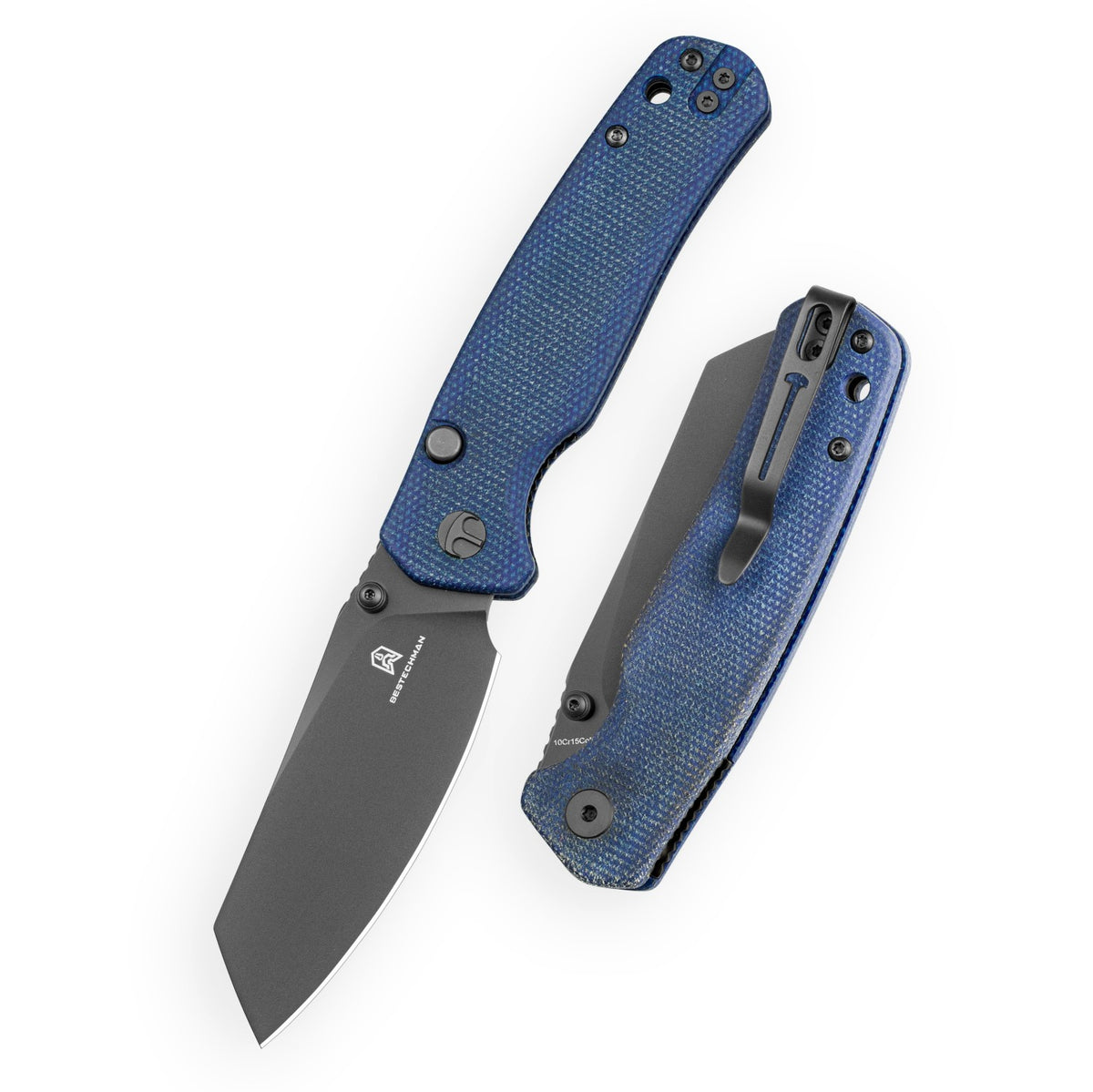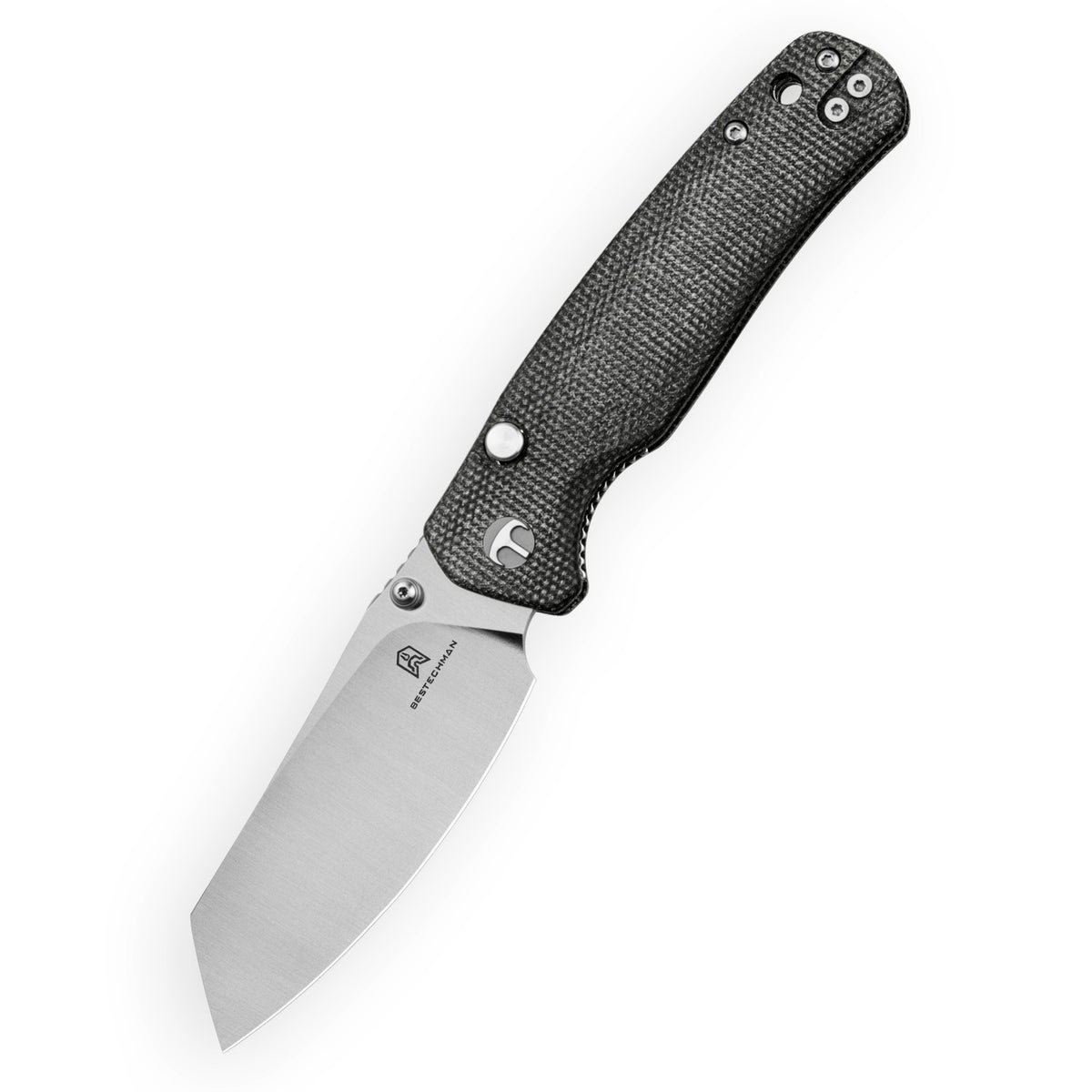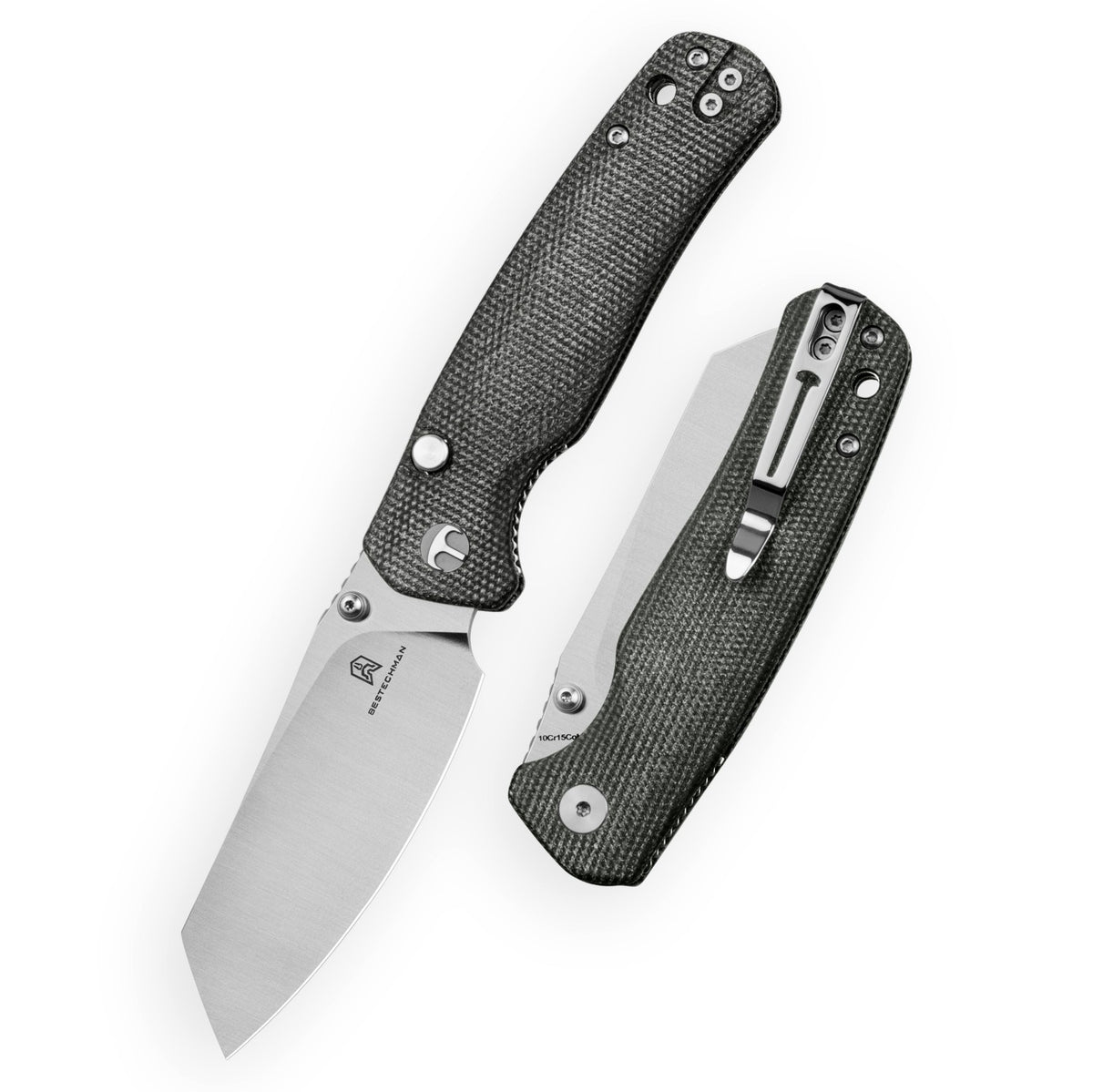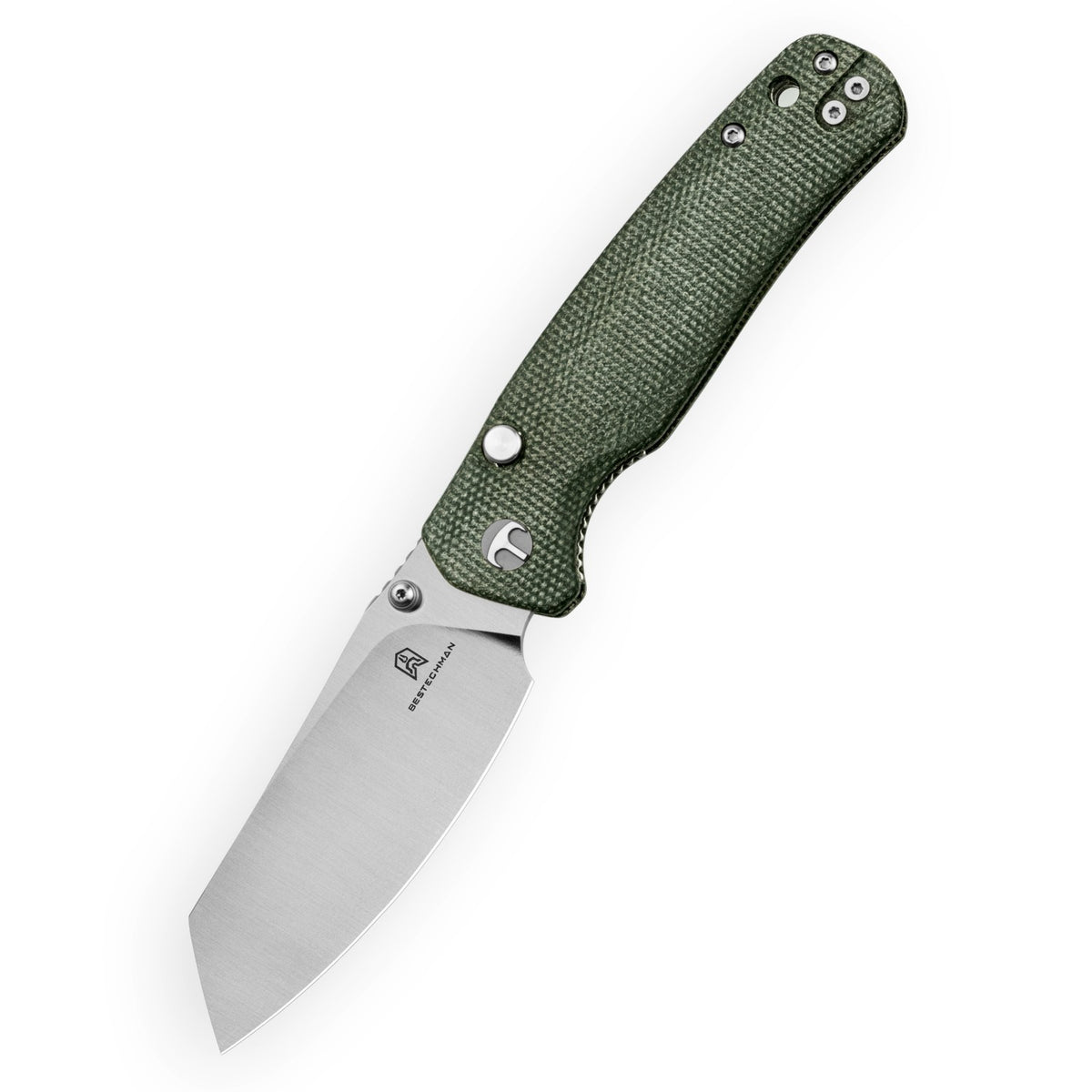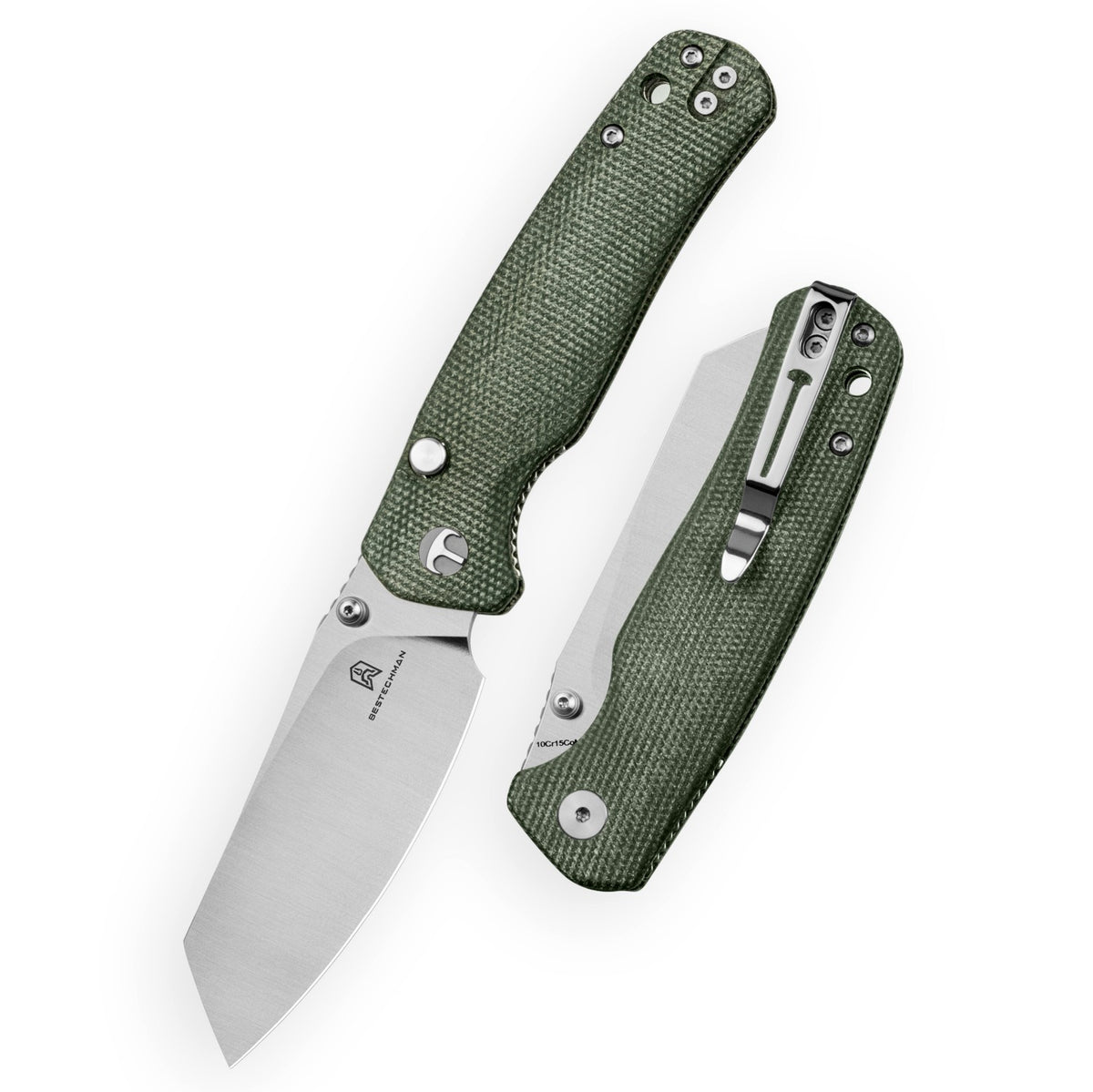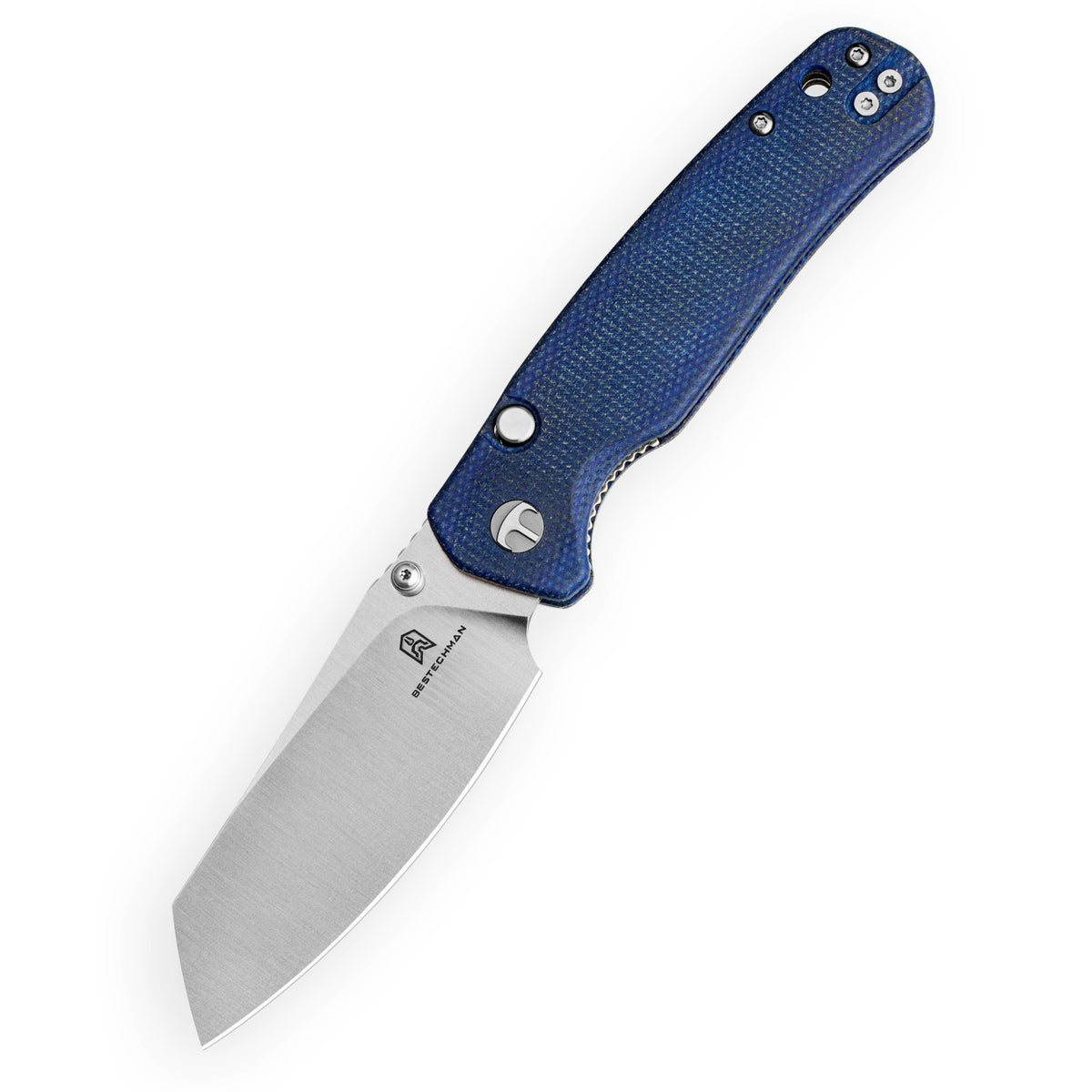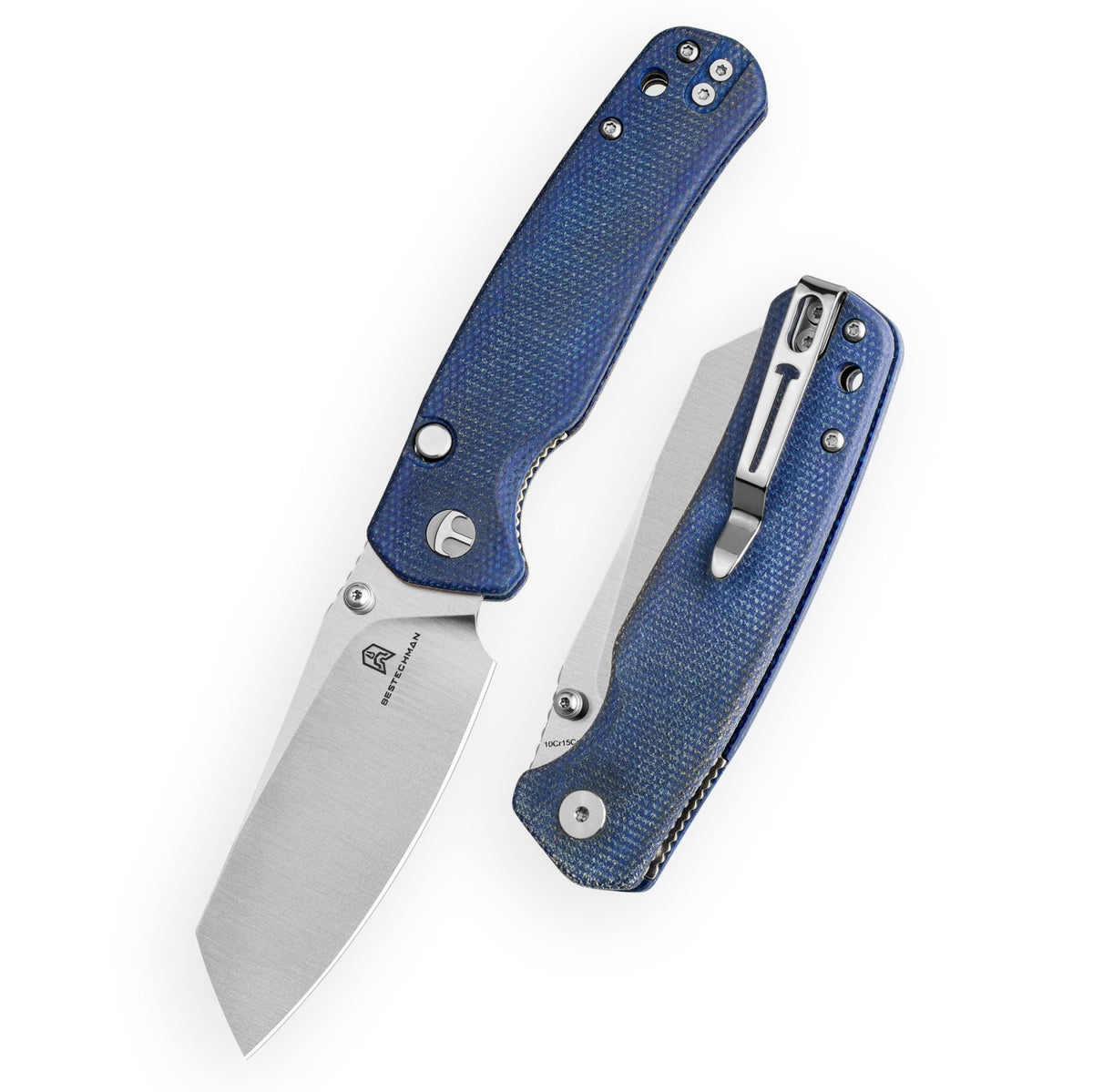

Overview & First Impressions
Sharpening confuses people because most advice skips the part that matters. Grit sequence is important, but the single technique that separates a sharp knife from a polished one is raising a consistent burr along the entire edge before moving on. A burr is a tiny curl of steel that forms when the two bevels finally meet, and it is the only reliable proof that you have reached the apex.
Materials & Construction
A simple progression covers almost every need: a coarse stone around 300 to 400 grit for resetting a damaged bevel, a medium 800 to 1000 grit for the working edge, and a fine 3000 to 6000 grit stone for refinement. Harder alloys such as CPM-S35VN reward a slower, more patient approach because they resist abrasion, and a diamond plate helps considerably when reprofiling a blade in that class.

Design & Details
Work one side until you can feel the burr along the whole length, then flip the blade and repeat. Only after both sides form a burr should you move to the next grit. Use light pressure on the finishing stones and consider a few edge leading strokes to weaken the burr before removing it. A leather strop with a fine compound is the cleanest way to finish and it takes seconds.
Real-World Use
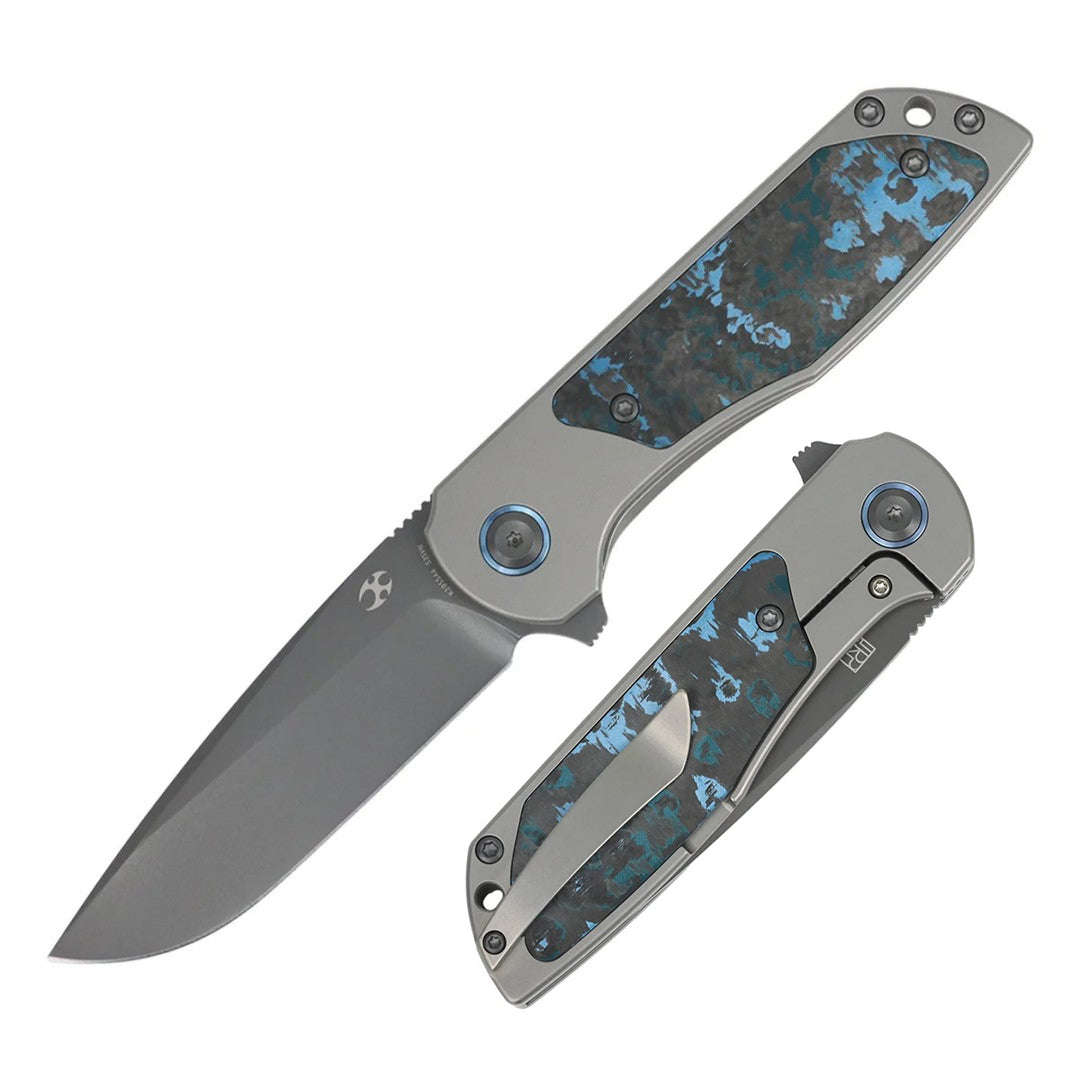
Angle consistency matters more than the exact angle you choose. Twenty degrees per side suits most working knives, while fifteen suits fine slicers. Count strokes on each side rather than guessing, and check progress with a bright light and a magnifier. On a fixed blade it is easier to keep the angle steady because there is no pivot to wobble, so practise technique on a fixed blade before tackling a folding knives collection.

Ownership Notes
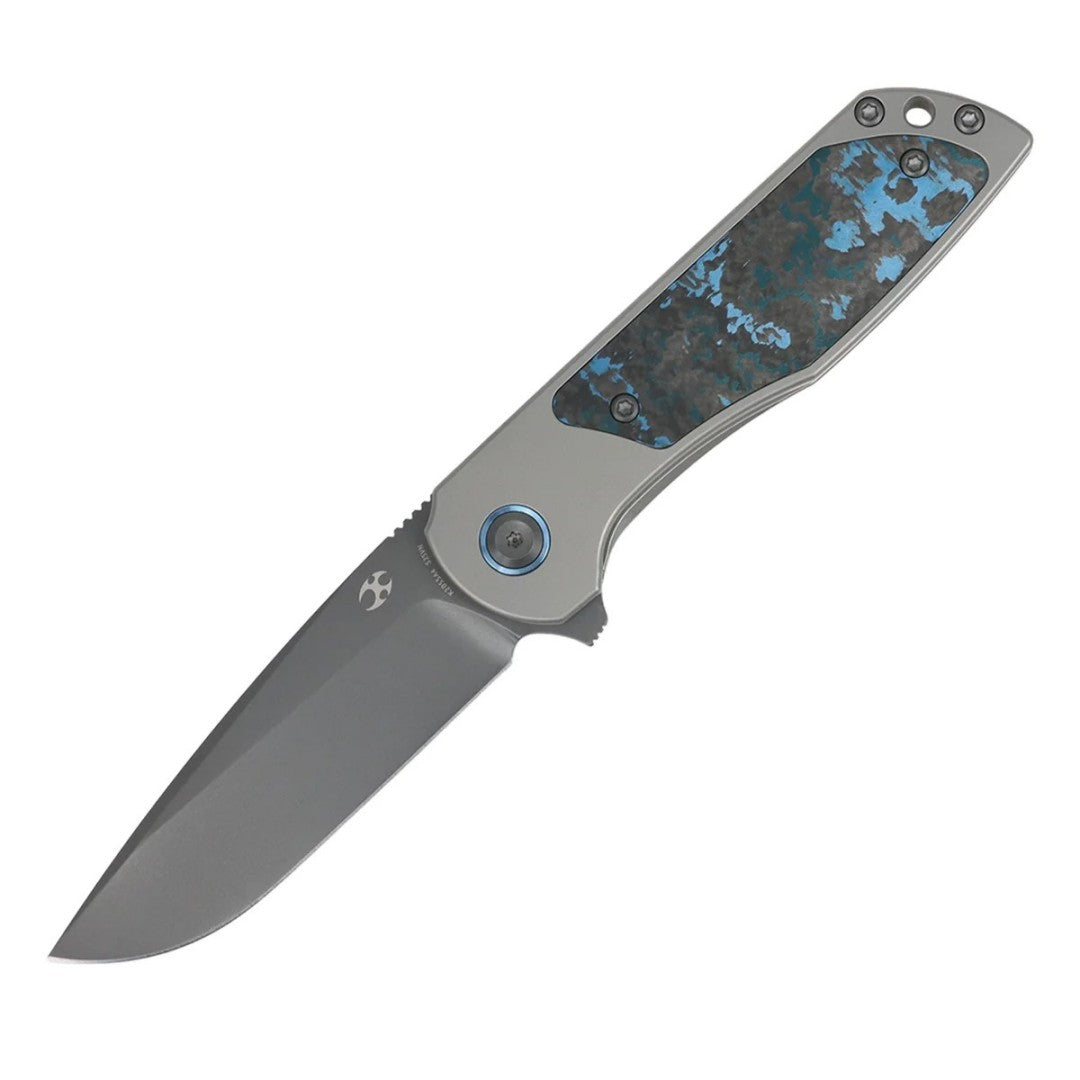
Once sharp, keep it sharp. Touching up on a fine stone for thirty seconds a week is far less work than a full reprofile once a month. Never let a blade go completely dull, because restoring a rounded apex means removing a great deal of steel. Kansept knives and most quality makers grind thin geometry that sharpens quickly, so the maintenance burden is small if you stay ahead of it. The same discipline applies whether you own one EDC knives blade or a full rotation, because the geometry does not care what you spent. A cheap knife sharpened well will out-cut an expensive one sharpened badly, and that is the only comparison worth making.
Who Is This For?
This suits anyone who owns a decent knife and has been disappointed by a cheap sharpener, and anyone who wants to stop paying for a sharpening service. Beginners should start with one medium stone and one strop rather than a full set. Experienced sharpeners will still find the burr check useful as a discipline rather than a lesson.
Final Verdict
Raise a burr, flip, repeat, then refine. That is the entire method, and grit numbers matter far less than consistency. Buy one medium stone, one fine stone and a strop, and practise on a blade you do not care about. See the Kansept Fenrir series at EdcMall for knives that reward clean geometry and simple maintenance.
Shop the Kansept Fenrir KG3034A2 CPM-S35VN Fixed Blade at EdcMall